

Category: Forex News, News
Unsweetened Instant Coffee Market in Canada | Report – IndexBox
Canada Unsweetened Instant Coffee Market 2026 Analysis and Forecast to 2035
Executive Summary
Key Findings
- Structurally Import-Dependent Market: Canada sources an estimated 85–95% of its unsweetened instant coffee from processing hubs in the United States, Germany, Brazil, and Colombia. Domestic dehydration capability is negligible, making the supply chain heavily reliant on cross-border logistics and currency stability.
- Polarized Segment Dynamics: The market is bifurcating between value-driven private label (capturing 28–34% of retail volume) and premium freeze-dried/organic offerings (growing at 6–9% annually). Mainstream mid-tier branded products are losing share to both poles.
- Flat Volume, Resilient Value Growth: Total tonnage demand is expanding at 0–2% CAGR, constrained by competition from single-serve pods and RTD coffee. However, the aggregate market value is growing at 3–5% CAGR, fueled entirely by premiumization, inflation pass-throughs, and a favorable mix shift toward higher-margin freeze-dried formats.
Market Trends
- Specialty Instant Emergence: Small-batch, single-origin freeze-dried coffees priced at CAD 1.00–1.50 per serving are creating a new premium tier, attracting younger, urban consumers who previously rejected traditional instant coffee.
- Certification as Table Stakes: Organic, Fairtrade, and Rainforest Alliance certifications are moving from niche differentiators to baseline requirements for branded listings in major retailers, particularly in Ontario and British Columbia.
- E-Commerce Channel Maturation: Online retail now accounts for an estimated 12–18% of unsweetened instant coffee value sales, driven by subscription models, bulk jar purchases, and the discoverability of specialty brands on platforms like Amazon and Well.ca.
Key Challenges
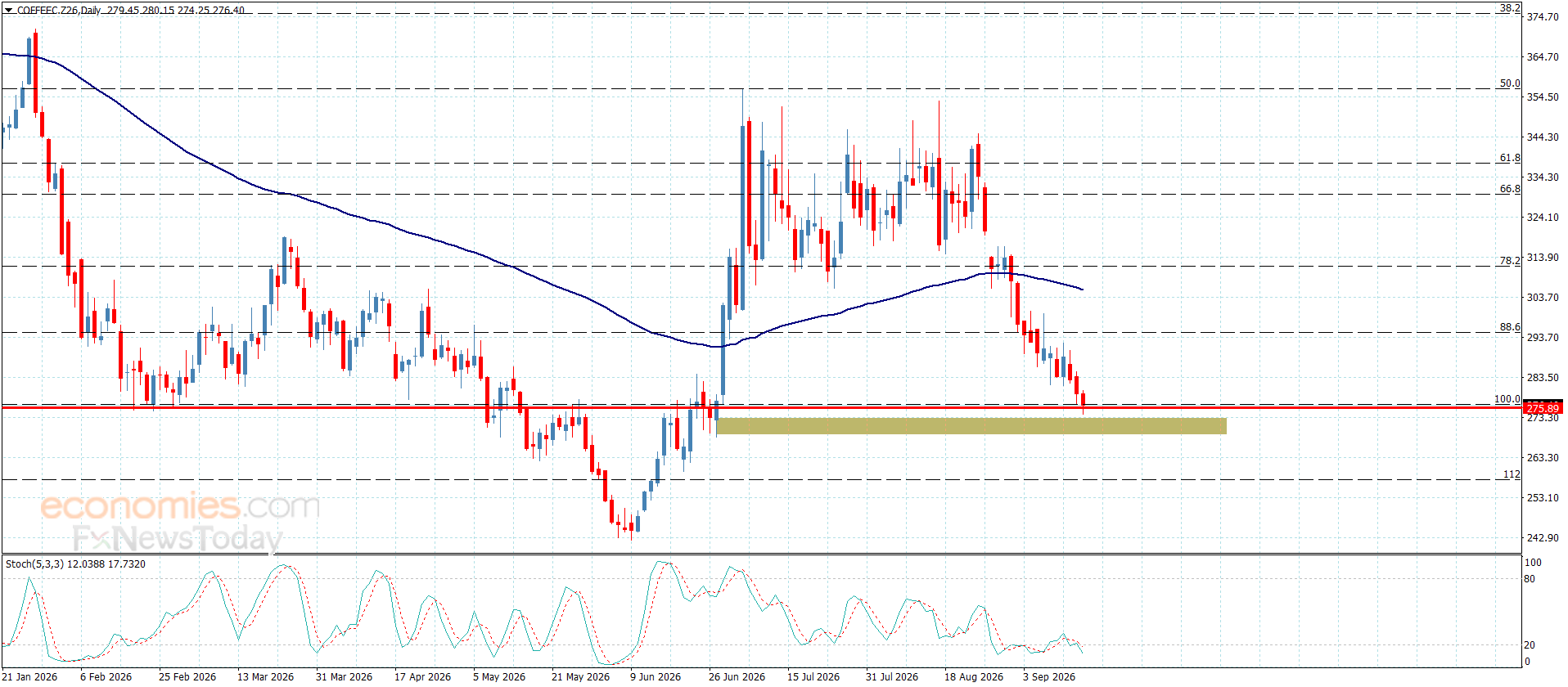
- Green Coffee Price Volatility: Rallying Arabica and Robusta futures, exacerbated by climate risks in Brazil and Vietnam, directly pressure input costs. Canadian importers lack domestic hedging instruments and must absorb or pass on volatile commodity swings.
- Capital Barrier to Domestic Processing: The high capital intensity of freeze-drying and agglomeration plants precludes domestic production at scale. This structural dependency exposes the market to U.S. logistics disruptions, port congestion, and border delays.
- Intra-Category Competition: Single-serve capsule systems (K-Cup, Nespresso) and ready-to-drink cold brew continue eroding instant coffee’s traditional convenience advantage, limiting household penetration growth across younger demographics.
Market Overview
Canada’s unsweetened instant coffee market is a mature but structurally evolving consumer packaged goods category. Unlike the fresh roast-and-ground segment, where Canadian roasters hold a meaningful domestic production base, the instant coffee supply chain is fundamentally import-driven. The product is manufactured at origin or in large-scale processing hubs—typically freeze-dried in Germany or spray-dried in Brazil—and shipped to Canada for branded or private-label packaging and distribution.
The category serves a broad buyer base spanning household consumers, office procurement teams, and food service operators. Demand is sustained by instant coffee’s core value propositions: speed of preparation, long ambient shelf life (typically 18–24 months), and lower per-serving cost relative to fresh coffee. In 2026, the market is navigating a polarized demand environment where economy private-label SKUs and premium specialty offerings are outperforming mid-tier legacy brands. Macro drivers such as remote work persistence, Canadian dollar exchange rate fluctuations, and rising grocery price sensitivity are actively reshaping retail and foodservice dynamics.

Market Size and Growth
In volume terms, the Canadian unsweetened instant coffee market is estimated to be in the range of 8,000–12,000 metric tonnes per year. Volume growth is structurally constrained, tracking at 0–2% CAGR through the forecast period, largely in line with population expansion and limited per-capita consumption gains. The addressing of this plateau stems from intense rivalry within the broader coffee category: single-serve pods and premium RTD formats have captured a share of the convenience occasion that instant coffee historically owned.
Value growth, however, is notably more dynamic. The market’s aggregate retail and foodservice value is expanding at a 3–5% CAGR, driven by a sustained mix shift toward higher-unit-price freeze-dried and organic segments. Price inflation, both from green coffee commodity pass-throughs and manufacturing cost increases, has also lifted the top line. The premium sub-segment—spanning specialty freeze-dried, organic, and single-origin instant—is growing at 6–9% CAGR and is on track to represent 25–30% of market value by 2030. Private label, while value-oriented in pricing, is contributing to category value stability by capturing volume from higher-priced mainstream brands and preventing consumer defection to other coffee types.
Demand by Segment and End Use
By Processing Technology (Type): Spray-dried unsweetened instant coffee commands roughly 55–65% of total tonnage due to its cost advantage and suitability for economy and mainstream products. Freeze-dried coffee holds an estimated 35–45% of value despite representing only 25–30% of volume, reflecting a significant per-gram price premium. Agglomerated/granulated products sit between these two poles, offering improved solubility without the full cost of freeze-drying. Decaffeinated instant coffee accounts for a steady 8–12% of category volume, while organic—though still a small share (5–8% of volume)—is the fastest-growing subsegment.
By Buyer Group and End Use: At-home consumption is the dominant demand pool, representing 70–78% of retail plus foodservice volume. Canadian households view unsweetened instant coffee as a pantry staple for quick weekday preparation, baking ingredient use, and portion-controlled servings. Office and workplace procurement constitutes a 12–18% share, though this segment has not fully recovered to pre-2020 levels given hybrid work patterns. HORECA (hotels, restaurants, cafes) and food service industrial ingredient use accounts for the remaining 10–15%, driven by bulk soluble coffee for vending machines, institutional kitchens, and value-menu beverages. The travel and outdoor segment, while small as a standalone share, commands a high per-unit price due to single-serve stick-pack convenience formats.
Prices and Cost Drivers
Shelf pricing for unsweetened instant coffee in Canada operates across three distinct bands. Economy private-label spray-dried products retail for approximately CAD 0.10–0.15 per serving (2g basis). Mainstream branded spray-dried and entry-level freeze-dried products occupy the CAD 0.20–0.35 per serving range. Premium freeze-dried, organic, and specialty instant products range from CAD 0.50 to over CAD 1.50 per serving, particularly in single-serve stick-pack or glass-jar formats.
Green coffee commodity pricing is the single largest cost driver, comprising an estimated 30–40% of the landed cost structure for unsweetened instant. The market is exposed to both Arabica and Robusta volatility, with Robusta serving as the base for most spray-dried products and high-grown Arabica used in freeze-dried premium lines. Processing costs—particularly the energy-intensive freeze-drying (lyophilization) process—represent 25–35% of manufacturing expense, making natural gas and electricity prices a meaningful input variable.

The CAD/USD exchange rate functions as a systemic cost lever: a 5% depreciation of the Canadian dollar against the greenback can add 2–3% to landed costs across the entire category, given that nearly all supply contracts are denominated in USD. Branded suppliers typically maintain 30–40% gross margins in the mainstream tier, while private label operates on 15–25% margins, and premium specialty brands support 40–55% margins through higher retail pricing and lower slotting fees.
Suppliers, Manufacturers and Competition
The Canadian unsweetened instant coffee competitive landscape is shaped by global brand owners, private-label contract manufacturers, and a growing cohort of specialty challengers. Nestlé Canada, through its Nescafé and Starbucks VIA licensed product lines, holds a commanding multi-brand portfolio presence across the mainstream and premium tiers. The J.M. Smucker Company competes primarily via the Folgers brand, positioned in the mainstream spray-dried segment, with some Café Bustelo instant offerings gaining traction among multicultural and younger urban consumers. These multinational players benefit from vast global sourcing networks, proprietary freeze-drying technology, and deep retail relationships spanning the top Canadian grocery banners.
Private-label supply is dominated by large-scale North American contract manufacturers and co-packers, including TreeHouse Foods and Mount Franklin Foods, alongside specialized coffee roasters that operate instant lines. Private label accounts for a significant and growing share of category volume, particularly in discounter and mass-merchant channels. The specialty and premium tier features players such as Mount Hagen (organic freeze-dried), Alpine Start, and direct-to-consumer entrants offering single-origin soluble crystals. Competition in this tier centers on origin storytelling, processing transparency, and clean-label ingredient decks. The overall competitive dynamic is one of consolidation at the mass tier and fragmentation in the premium space, with mid-tier legacy brands facing the most acute margin and market-share pressure.
Domestic Production and Supply
Canada’s domestic production of unsweetened instant coffee is commercially negligible. The country does not cultivate coffee, and the capital-intensive dehydration infrastructure required for spray-drying and freeze-drying is absent at scale. No major Canadian facility operates a full extraction-and-dehydration line for soluble coffee. The domestic supply model is therefore entirely import-dependent, with activity concentrated on inbound warehousing, quality assurance, repackaging, and distribution.
Some Canadian coffee roasters have explored small-batch niche instant production using contract toll-processing arrangements or imported soluble powder for blending, but these operations do not constitute meaningful domestic manufacturing capacity. The supply chain functions as a funnel: bulk and pre-packaged unsweetened instant coffee enters Canadian ports (primarily Halifax, Montreal, and Vancouver) from processing hubs in the United States, Germany, Brazil, and Colombia. From these points, regional distributors and retail warehouses manage inventory flow to end-consumer channels. The lack of domestic processing capacity means Canada is fully exposed to origin-country supply disruptions, ocean freight volatility, and U.S. inland logistics bottlenecks for the substantial volume routed through American processing plants.
Imports, Exports and Trade
Canada is a structurally net-importer of unsweetened instant coffee, with imports satisfying the vast majority of domestic demand. The primary HS code for this trade is 210111 (Coffee extracts, essences and concentrates), complemented by 090121 (Roasted, not decaf) for some specialty soluble blends. The United States is the largest source by value, as several global producers maintain U.S.-based freeze-drying facilities that directly serve the Canadian market under CUSMA rules. Germany and Switzerland are the second and third largest origins, supplying high-quality freeze-dried instant from European processing hubs. Brazil and Colombia also contribute substantial volume, primarily in spray-dried and agglomerated forms, reflecting their dual role as origin growers and processing exporters.
Canada’s import tariff structure for instant coffee is favorable: under CUSMA, U.S.-origin product enters duty-free. Under the Comprehensive and Progressive Agreement for Trans-Pacific Partnership (CPTPP), imports from Vietnam and other member countries receive preferential access, though Vietnam’s instant coffee exports to Canada remain modest relative to whole-bean. Most-Favored-Nation (MFN) tariff rates for HS 210111 apply to non-treaty origins, creating a slight cost disadvantage for some smaller supplier countries.
Re-exports of unsweetened instant coffee are limited, as Canada does not serve as a regional redistribution hub for this product category. Import patterns show a gradual shift toward more value-dense freeze-dried shipments, reflecting the premiumization trend, while tonnage growth is led by economy spray-dried imports from Brazil and increasingly from India.
Distribution Channels and Buyers
Retail grocery is the dominant distribution channel for unsweetened instant coffee in Canada, accounting for an estimated 65–75% of consumer-facing sales. The channel is concentrated among five major banners: Loblaws, Sobeys, Metro, Walmart Canada, and Costco Wholesale. Within these retailers, instant coffee is typically merchandised in the coffee/tea aisle, with branded products occupying shelf space proportional to paid trade marketing and private label occupying significant facings at the value end. Drugstore chains (Shoppers Drug Mart, Jean Coutu) and mass merchandisers constitute a secondary retail channel, particularly for smaller jar and stick-pack formats targeting convenience shoppers.
E-commerce is the fastest-growing distribution channel, with an estimated 12–18% value share in 2026. Amazon.ca is the leading digital platform, followed by online grocery pickup/delivery services (Voilà, Loblaw Click & Collect) and direct-to-consumer brand sites. The foodservice and B2B channel spans broadline distributors (Sysco, GFS, Gordon Food Service), vending operators, and office coffee providers. Buyer behavior in this channel is driven by per-kg cost efficiency, bulk packaging, and equipment compatibility rather than brand preference.
Private label penetration in the foodservice channel is lower than in retail but gradually increasing as operators seek cost savings. The key buyer groups—household shoppers, retail category managers, foodservice procurement directors, and corporate office managers—each prioritize a distinct combination of price, quality, format, and certification attributes.
Regulations and Standards
As a packaged food product sold in Canada, unsweetened instant coffee must comply with the Safe Food for Canadians Act (SFCA) and the Safe Food for Canadians Regulations (SFCR), which mandate preventive food safety controls, traceability, and licensing for importers. The Consumer Packaging and Labelling Act and the Food and Drug Regulations govern net quantity declarations, ingredient listings, bilingual labelling (English/French), and nutrition facts tables. Given that the product is unsweetened, “unsweetened” claims are straightforward but must be substantiated by formulation and verified through labelling review.
Certifications play an increasingly influential role. Organic certification must be provided through a Canadian Organic Regime (COR)-accredited certification body, with equivalency arrangements for U.S. National Organic Program (NOP) and EU organic standards. Fairtrade, Rainforest Alliance, and Bird Friendly certifications are used for brand differentiation and are subject to their respective third-party auditing requirements. Importers should note that coffee is not subject to Canada’s proposed front-of-pack (FOP) nutrition symbol regulations unless added sugars or saturated fat are present—unsweetened instant coffee is generally exempt.
Tariff classification for HS 210111 is well established, but Canadian importers face ongoing compliance complexity around proof of origin documentation under CUSMA and CPTPP to secure preferential duty rates.
Market Forecast to 2035
Over the 2026–2035 forecast horizon, Canada’s unsweetened instant coffee market is projected to maintain a modest volume trajectory of 0–2% CAGR, constrained by demographic maturity and sustained competition from other coffee formats. The market is unlikely to return to the higher volume growth rates seen before the single-serve pod revolution. Value growth, however, is expected to outperform volume by a wide margin, with aggregate market value expanding at 3–5% CAGR over the period. The primary growth engine is premiumization: the share of freeze-dried, organic, and specialty instant products is forecast to rise from roughly 30–35% of market value in 2026 to 40–48% by 2035.
Private label is anticipated to hold or slightly increase its volume share, pressuring margin structures for second- and third-tier branded players. The e-commerce channel will consolidate its position, potentially reaching 20–25% of retail value by 2030. Climate-driven volatility in green coffee supply will likely lead to higher average input costs, accelerating the price gap between economy and premium tiers. By 2035, the Canadian market may approach 10,000–14,000 metric tonnes in total volume, with a value profile that increasingly mirrors premium developed coffee markets such as Japan and the Nordic countries. Sustainability and traceability will evolve from niche requirements to baseline competitive factors, reshaping supplier qualification and retail listing criteria across the board.
Market Opportunities
The premiumization trajectory presents the most accessible opportunity for value growth. Canadian brand owners and distributors can capture higher margins by launching single-origin, micro-lot, and small-batch freeze-dried products targeting the at-home specialty coffee occasion. Private-label manufacturers have a clear opening to develop premium private label tiers—organic, single-origin, or certified products under retailer house brands—capitalizing on retailer margin advantages and consumer trust in store brands.
Distribution innovation also offers avenues for expansion. The direct-to-consumer subscription model for premium instant coffee reduces dependence on crowded retail shelves and enables recurring revenue. In the B2B channel, repositioning unsweetened instant coffee as a base for functional beverages (protein coffee, adaptogen blends) aligns with health-and-wellness trends and commands higher per-unit pricing.
On the supply side, Canadian importers and distributors can differentiate through sustainability storytelling, building brand equity around regenerative agriculture practices, carbon-neutral processing, or direct-trade sourcing relationships. Finally, as green coffee supply chains face mounting climate stress, securing long-term contracts with origin-based soluble coffee processors—particularly in Brazil and Vietnam—offers price stability and supply assurance, serving as a strategic competitiveness lever against spot-market-dependent competitors.
This report is an independent strategic category study of the market for unsweetened instant coffee in Canada. It is designed for brand owners, general managers, category leaders, trade-marketing teams, e-commerce teams, retail partners, distributors, investors, and market entrants that need a clear read on where growth sits, which brands control the category, how pricing and promotion shape demand, and which channels matter most for scale and margin.
The framework is built for consumer packaged goods (CPG) category markets within consumer goods, where performance is driven by need states, shopper missions, brand hierarchies, price-pack architecture, retail execution, promotional intensity, and route-to-market control rather than by a narrow technical specification alone. It defines unsweetened instant coffee as Instant coffee powder or granules made from brewed coffee, processed to remove water, and sold without added sugar or sweeteners and maps the market through category boundaries, consumer segments, usage occasions, channel structure, brand and private-label positions, supply and availability logic, pricing and promotion mechanics, and country-level commercial roles. Historical analysis typically covers 2012 to 2025, with forward-looking scenarios through 2035.
What questions this report answers
This report is designed to answer the questions that matter most to brand, category, channel, and strategy teams in consumer-goods markets.
- Where category growth and margin pools really sit: how large the market is, which segments are growing, and which parts of the category carry the strongest commercial upside.
- What the category actually includes: where the scope boundary should be drawn relative to adjacent products, substitute baskets, and wider household or personal-care routines.
- Which commercial segments matter most: how the category should be cut by format, need state, shopper occasion, price tier, pack architecture, channel, and brand position.
- How shoppers enter, repeat, trade up, and switch: which need states and shopping missions create the strongest value pools, and what drives loyalty versus substitution.
- Which brands control volume, premium mix, and shelf power: how branded players, challengers, and private label differ in scale, positioning, channel strength, and claims authority.
- How pricing and promotion really work: how price ladders, pack-price logic, promotions, and channel margin structures shape revenue quality and competitive intensity.
- How supply and route-to-market affect performance: where manufacturing, private label, fulfillment, replenishment, and on-shelf availability create advantage or risk.
- Which countries and channels matter most for growth: where to build brand power, where to source or manufacture, and where the next wave of category expansion is likely to come from.
- Where the best white-space opportunities are: which segments, countries, channels, and assortment gaps are most attractive for entry, expansion, or portfolio repositioning.
What this report is about
At its core, this report explains how the market for unsweetened instant coffee actually works as a consumer category. It is built to show where demand comes from, which need states and shopper missions matter most, which brands and private-label players shape the category, which channels control visibility and conversion, and where pricing power, repeat purchase, and margin are actually created.
Rather than framing the category through narrow technical attributes, the study breaks it into decision-grade commercial layers: product format, benefit platform, shopper segment, purchase occasion, pack-price architecture, channel environment, promotional intensity, route-to-market control, and company archetype. It is therefore useful both for teams shaping portfolio strategy and for teams executing growth through Household Shopper (B2C), Food Service Procurement (B2B), Corporate Buyer (Office Supply), Private Label Retailer, and Distributor/Wholesaler.
The report also clarifies how value pools differ across Hot beverage preparation, Baking and dessert ingredient, Smoothie and protein shake additive, and Quick cold brew preparation, how premiumization and private label reshape category economics, how retail concentration and route-to-market design affect scale, and which countries matter most for brand building, sourcing, packaging, and channel expansion.
Research methodology and analytical framework
The report is based on an independent market-intelligence methodology that combines category reconstruction, public company evidence, retail and channel mapping, pricing review, and multi-layer triangulation. It is built for consumer categories where no single public dataset captures the real structure of demand, brand power, promotion, and channel control.
The evidence stack typically combines company disclosures, investor materials, brand and retailer product pages, e-commerce assortment checks, packaging and claims analysis, public pricing references, trade statistics where relevant, regulatory and labeling guidance, and observable route-to-market evidence from distributors, retailers, merchandisers, and marketplace ecosystems.
The analytical model then reconstructs the category across the layers that matter commercially: category scope, shopper need states, consumer segments, pack-price ladders, brand and private-label hierarchy, channel power, promotional intensity, route-to-market design, and country role differences.
Special attention is given to Convenience and speed of preparation, Long shelf life and storage stability, Cost-effectiveness vs. fresh coffee, Health/wellness trend (sugar avoidance), Space efficiency (travel, small kitchens), and Growing at-home coffee culture. The objective is not only to size the market, but to explain where value pools sit, which segments drive mix and repeat purchase, which channels shape growth, and how leading brands defend or expand their positions across Household Shopper (B2C), Food Service Procurement (B2B), Corporate Buyer (Office Supply), Private Label Retailer, and Distributor/Wholesaler.
The report does not rely on survey-based opinion as its core evidence base. Instead, it uses observable commercial signals and structured public evidence to build a decision-grade view for brand, category, retail, e-commerce, investment, and market-entry teams.
Commercial lenses used in this report
- Need states, benefit platforms, and usage occasions: Hot beverage preparation, Baking and dessert ingredient, Smoothie and protein shake additive, and Quick cold brew preparation
- Shopper segments and category entry points: Household/Retail, Food Service (HORECA), Office/Workplace, and Travel & Hospitality
- Channel, retail, and route-to-market structure: Household Shopper (B2C), Food Service Procurement (B2B), Corporate Buyer (Office Supply), Private Label Retailer, and Distributor/Wholesaler
- Demand drivers, repeat-purchase logic, and premiumization signals: Convenience and speed of preparation, Long shelf life and storage stability, Cost-effectiveness vs. fresh coffee, Health/wellness trend (sugar avoidance), Space efficiency (travel, small kitchens), and Growing at-home coffee culture
- Price ladders, promo mechanics, and pack-price architecture: Commodity Green Coffee Cost, Processing & Manufacturing Cost, Brand Premium, Channel Markup (Grocery vs. Discounter), Promotional & Discount Pricing, and Private Label vs. Branded Price Gap
- Supply, replenishment, and execution watchpoints: Volatile green coffee bean pricing & sourcing, High capital intensity of freeze-drying plants, Aroma and flavor loss during processing, Competition for premium bean supply with whole-bean sector, and Private label price pressure on margins
Product scope
This report defines unsweetened instant coffee as Instant coffee powder or granules made from brewed coffee, processed to remove water, and sold without added sugar or sweeteners and treats it as a branded consumer category rather than as a narrow technical product class. The objective is to capture the real commercial market that category, brand, trade-marketing, and channel teams are managing.
Scope is determined by how the category is sold, merchandised, priced, and chosen in market. That means the report follows product formats, claims, price tiers, pack architecture, need states, and retail environments that shape Hot beverage preparation, Baking and dessert ingredient, Smoothie and protein shake additive, and Quick cold brew preparation.
The study deliberately separates the category from adjacent baskets when they distort the economics or shopper logic of the market being measured. Typical exclusions therefore include Sweetened or flavored instant coffee mixes (e.g., 3-in-1), Ready-to-drink (RTD) canned/bottled coffee, Ground coffee beans, Whole bean coffee, Coffee pods/capsules (Nespresso, Keurig), Liquid coffee concentrates, Instant coffee with added creamer or milk powder, Coffee creamers and whitener, Coffee syrups and flavorings, Coffee substitutes (chicory, barley), Tea and other hot beverage instants, and Cocoa and chocolate drink mixes.
Product-Specific Inclusions
- Spray-dried instant coffee
- Freeze-dried instant coffee
- Agglomerated instant coffee
- Decaffeinated instant coffee
- Single-origin instant coffee
- Single-serve sachets/sticks
- Jars and tins of instant coffee powder/granules
- Private label/store brands
Product-Specific Exclusions and Boundaries
- Sweetened or flavored instant coffee mixes (e.g., 3-in-1)
- Ready-to-drink (RTD) canned/bottled coffee
- Ground coffee beans
- Whole bean coffee
- Coffee pods/capsules (Nespresso, Keurig)
- Liquid coffee concentrates
- Instant coffee with added creamer or milk powder
Adjacent Products Explicitly Excluded
- Coffee creamers and whitener
- Coffee syrups and flavorings
- Coffee substitutes (chicory, barley)
- Tea and other hot beverage instants
- Cocoa and chocolate drink mixes
Geographic coverage
The report provides focused coverage of the Canada market and positions Canada within the wider global consumer-goods industry structure.
The geographic analysis explains local consumer demand conditions, brand and private-label balance, retail concentration, pricing tiers, import dependence, and the country’s strategic role in the wider category.
Geographic and Country-Role Logic
- Origin Countries (Brazil, Vietnam, Colombia) – Raw material supply
- Processing Hubs (EU, US, Brazil) – Manufacturing & export
- High-Consumption Markets (Eastern Europe, Asia, UK) – Core demand
- Premiumization Markets (North America, Western Europe, Japan) – Value growth
Who this report is for
This study is designed for strategic and commercial users across brand-led consumer categories, including:
- general managers, brand leaders, and portfolio teams evaluating category attractiveness, pricing power, and whitespace;
- category managers, trade-marketing teams, retail buyers, and e-commerce teams prioritizing assortment, promotion, and channel strategy;
- insights, shopper-marketing, and innovation teams tracking need states, occasions, pack-price ladders, claims, and competitive messaging;
- private-label and contract-manufacturing strategists assessing entry options, retailer leverage, and supply-side positioning;
- distributors and route-to-market teams evaluating country and channel expansion priorities;
- investors and strategy teams benchmarking competitive structure, premiumization, revenue quality, and margin logic.
Why this approach matters in consumer categories
In many brand-driven, channel-sensitive, and consumer-demand-led markets, official trade and production statistics are not sufficient on their own to describe the true market. Product boundaries may cut across multiple tariff codes, several product categories may be bundled into the same official classification, and a meaningful share of activity may take place through customized services, captive supply, platform relationships, or technically specialized channels that are not directly visible in standard statistical datasets.
For this reason, the report is designed as a modeled strategic market study. It uses official and public evidence wherever it is reliable and scope-compatible, but it does not force the market into a purely statistical framework when doing so would reduce analytical quality. Instead, it reconstructs the market through the logic of demand, supply, technology, country roles, and company behavior.
This makes the report particularly well suited to products that are innovation-intensive, technically differentiated, capacity-constrained, platform-dependent, or commercially structured around specialized buyer-supplier relationships rather than standardized commodity trade.
Typical outputs and analytical coverage
The report typically includes:
- historical and forecast market size;
- consumer-demand, shopper-mission, and need-state analysis;
- category segmentation by format, benefit platform, channel, price tier, and pack architecture;
- brand hierarchy, private-label pressure, and competitive-structure analysis;
- route-to-market, retail, e-commerce, and availability logic;
- pricing, promotion, trade-spend, and revenue-quality interpretation;
- country role mapping for brand building, sourcing, and expansion;
- major-brand and company archetypes;
- strategic implications for brand owners, retailers, distributors, and investors.
Source link


Written by : Editorial team of BIPNs
Main team of content of bipns.com. Any type of content should be approved by us.





Share this article: