About Editorial team of BIPNs

Main team of content of bipns.com. Any type of content should be approved by us.
16 12, 2025

Henry Hub Futures Near $4.02 as Warm Forecasts, Record Output and LNG Flows Collide (Dec. 15, 2025)

By |2025-12-16T00:11:24+02:00December 16, 2025|Forex News, News|0 Comments


U.S. natural gas is trading with a familiar winter tug-of-war: colder-season risk vs. suddenly warmer model runs—and, today, the warm side is winning.

As of about 3:30 p.m. ET on Monday, December 15, 2025, NYMEX Henry Hub natural gas futures (January 2026) were near $4.02 per MMBtu, down roughly 2% on the day after an early selloff extended into the afternoon.  [1]

That price level matters because it sits right at the psychological “$4 handle” that often becomes a battleground during winter—especially after the market just went through an early-December spike above $5 before reversing sharply.

Natural gas price now: futures, day range, and what the curve is signaling

The latest session has been defined by a steady fade:

  • January 2026 (front month): ~$4.02/MMBtu-2% on the day, with a day’s range roughly $4.00 to $4.22[2]
  • February 2026: ~$3.76/MMBtu (mid-$3s).  [3]
  • March 2026: ~$3.34/MMBtu (low-$3s).  [4]

In plain terms, the forward curve is projecting that winter tightness may be front-loaded—and that pricing pressure could ease as the market moves toward late winter and early spring, assuming production stays strong and weather normalizes.  [5]

Why natural gas is down today: warmer late-December forecasts meet near-record supply

Multiple same-day market updates converged on the same theme: the near-term demand outlook cooled faster than the weather.

Reuters reported Monday that U.S. natural gas futures were holding near a six-week low on milder weather forecasts for the next two weeksnear-record Lower 48 outputample storage, and weaker global gas prices. In the morning, Reuters pegged the front-month contract around $4.095/MMBtu, already pointing to the market’s soft tone.  [6]

Key fundamental drivers highlighted in that report:

  • Production remains extremely high: Lower 48 output averaged about 109.7 Bcf/d so far in December, just above November’s record pace, even with daily flows easing off late-November peaks.  [7]
  • Forecasts lean warm through month-end: Meteorologists cited in the Reuters report expected temperatures to stay mostly warmer than normal through December 30, limiting heating demand.  [8]
  • Demand is expected to fall week-over-week: LSEG projected total Lower 48 demand (including exports) could slip from about 145.2 Bcf/d this week to about 131.6 Bcf/d next week[9]

A related data table in the same Reuters package also indicated below-normal heating degree days versus historical norms in the two-week window—another statistical way of saying the market sees less heating-driven demand than typical for mid-December.  [10]

Storage and the next big catalyst: the upcoming EIA storage print

Storage is acting like a shock absorber right now—helping prevent a panic move higher when cold shows up, and cushioning the downside when forecasts flip warmer.

Reuters data tables show U.S. working gas in storage around 3,593 Bcf, roughly 1.3% above the five-year average[11]

The next pivotal datapoint is the next EIA storage report (for the week ended Dec. 12). Market expectations referenced in the Reuters tables point to a withdrawal around 153 Bcf—still a sizable draw, but the futures market is weighing that against strong supply and a milder late-December outlook.  [12]

LNG exports are still strong—but global gas prices are not helping the bulls

One reason natural gas didn’t simply collapse earlier this winter was the relentless pull from LNG exports. That remains a major support pillar—but it’s not a one-way ticket higher, especially when overseas benchmarks are soft.

Reuters reported that feedgas deliveries to the eight large U.S. LNG export plants averaged about 18.6 Bcf/d so far in December, above November’s record pace.  [13]

However, the same Reuters reporting also noted that international benchmark prices have been hovering near multi-month lows—around $9/MMBtu at Europe’s TTF and roughly $11/MMBtu in Asia (JKM)—a backdrop that can cap the upside enthusiasm for U.S. gas, even when export volumes are high.  [14]

There’s also a geopolitical overlay: Reuters pointed to market hopes that Ukraine-related peace talks could ultimately affect sanctions and future Russian supply, which, even as a “maybe,” tends to cool longer-dated risk premiums in global gas pricing.  [15]

Europe’s gas market today: TTF steadies as wind slows, but fundamentals stay “comfortable”

European prices were not signaling a major crisis on Dec. 15—more like a cautious winter grind higher that’s being actively resisted by supply.

Reuters reported that the Dutch TTF front-month traded around €27.46/MWh (about $9.45/MMBtu) in a narrow range Monday morning after two sessions of gains. Cooler temperatures boosted heating demand, and lower wind speedsincreased gas-fired power needs, but steady LNG and Norwegian supply limited the rally.  [16]

A key datapoint for sentiment: EU storage was reported around 69.61% full, below last year’s level at the same time, but still not low enough to force a broad panic bid in prices.  [17]

U.S. regulatory friction: EU methane rules and what they could mean for LNG trade flows

A major December 15 policy headline for gas markets came out of Brussels.

Reuters reported that the U.S. has asked the EU to exempt U.S. oil and gas from obligations under the bloc’s methane emissions regulation until 2035, framing the regulation as a trade barrier and seeking a long delay in emissions-data reporting requirements. The EU’s rule requires importers to monitor and report methane associated with imported fuels.  [18]

For market participants, this is less about today’s tick-by-tick move and more about longer-term cost, compliance, and documentation requirements that can influence contracting, certification, and the competitiveness of LNG cargoes into Europe over time.

Market structure is evolving too: ICE flags record TTF trading and longer hours

Another December 15 development underscores how “global” natural gas has become.

Reuters reported that Intercontinental Exchange (ICE) posted record 2025 volumes for benchmark European gas contracts—103 million contracts across TTF futures/options—and said it plans to extend trading hours (from a 10-hour European window toward longer cycles that resemble U.S. and Asian markets).  [19]

For traders, longer hours can mean faster price discovery when weather, outages, or LNG headlines hit outside the traditional European trading day—something that increasingly matters in an LNG-linked world.

Forecasts and outlook: what analysts are watching after the $5-to-$4 whiplash

Today’s action is part of a broader theme: extreme sensitivity to weather model runs—and the market’s growing reliance on incremental demand from LNG and power.

1) Household heating costs are moving up in official forecasts

In a December 15 “Today in Energy” note, the U.S. EIA said it has raised residential winter heating expenditure forecasts versus mid-October expectations because it now expects a colder winter and higher retail price forecasts, especially for natural gas and propane. The agency also cited NOAA expectations that December will be about 8% colder than the average of the previous 10 Decembers.  [20]

EIA also noted that the Henry Hub spot price was near $3/MMBtu in October and rose to more than $4/MMBtu by late November, which helps explain why consumer-facing forecasts shifted upward even before winter fully arrived.  [21]

2) Technical levels traders are focusing on this week

A December 15 technical note carried by Interactive Brokers/Investopedia described the prompt-month January contract as having turned bearish after last week’s sharp drop, highlighting potential downside levels around the high-$3s and resistance in the mid-$4s.  [22]

Whether you follow technicals or not, the takeaway is consistent with the fundamentals: weather and storage surprises are the catalysts most likely to force a break away from the $4 area.

What to watch next for natural gas prices this week

If you’re tracking natural gas price action into mid-December, these are the catalysts most likely to move the market quickly:

  • Weather model updates (especially any shift back toward sustained cold after Dec. 20).  [23]
  • The next EIA storage report and whether the withdrawal aligns with expectations around ~153 Bcf for the week ended Dec. 12.  [24]
  • LNG feedgas volumes—whether flows stay near the 18+ Bcf/d pace reported so far this month.  [25]
  • Europe’s TTF direction and storage trajectory as wind output and temperatures shift week to week.  [26]
  • Policy headlines around methane reporting rules and compliance timelines that could influence future LNG trade friction.  [27]

Bottom line

Natural gas prices today are being pinned near $4.02/MMBtu by a warm-forecast narrative and relentless U.S. supply—despite very strong LNG export pull. The market’s next decisive move likely depends on whether late-December weather turns materially colder again, and whether storage withdrawals begin to outpace expectations.  [28]

References

1. www.investing.com, 2. www.investing.com, 3. www.investing.com, 4. www.investing.com, 5. www.investing.com, 6. www.tradingview.com, 7. www.tradingview.com, 8. www.tradingview.com, 9. www.tradingview.com, 10. www.tradingview.com, 11. www.tradingview.com, 12. www.tradingview.com, 13. www.tradingview.com, 14. www.tradingview.com, 15. www.tradingview.com, 16. www.tradingview.com, 17. www.tradingview.com, 18. www.reuters.com, 19. www.reuters.com, 20. www.eia.gov, 21. www.eia.gov, 22. www.interactivebrokers.com, 23. www.tradingview.com, 24. www.tradingview.com, 25. www.tradingview.com, 26. www.tradingview.com, 27. www.reuters.com, 28. www.tradingview.com


Source link

15 12, 2025

Which Is Better for Digestion and Immunity?

By |2025-12-15T23:30:29+02:00December 15, 2025|Dietary Supplements News, News|0 Comments


Turmeric and ginger are popular herbs with antioxidant and anti-inflammatory properties that may help with pain and digestion. While similar, turmeric and ginger work differently to offer distinct benefits and risks that may affect your health. 

For immediate digestive relief, ginger is the better option. Ginger contains compounds called shogaol and gingerols that can relax the digestive tract and help the stomach empty faster, helping relieve digestive discomfort. They can also help reduce nausea.

However, turmeric has been shown to help relieve chronic inflammation. Over time, this may help ease symptoms of digestive conditions like inflammatory bowel disease (IBD).

Both turmeric and ginger have antioxidant and anti-inflammatory properties that can help support immunity. They have also both been shown to have an antimicrobial effect that can help prevent illness-causing bacteria and viruses.

Some research shows the compound curcumin in turmeric can have a direct effect on the immune response, helping it fight off active infections.

Ginger may be helpful with cold and flu symptoms, as it has been shown to ease nausea and sore throat.

Turmeric and ginger are both plants in the ginger family (Zingiberaceae). The edible underground stem or root (known as the rhizome) of turmeric and ginger is used in food, supplements, and herbal medicines. 

Both herbs are known for their warm, spicy flavor. You can consume turmeric or ginger whole, dried, or ground. Turmeric and ginger are also available as dietary supplements.

Other key differences between ginger and turmeric include:

  • Origin: Ginger (Zingiber officinale) is native to South and Southeast Asia, while turmeric (Curcuma longa) is native to Southeast Asia and India. 
  • Appearance: Both have rough, tan exteriors. On the inside, ginger is more of a pale yellow, and turmeric is a vibrant orange-yellow. 
  • Flavor: Ginger has a slightly sweet, pungent, and zesty taste with a hint of citrus. Turmeric has a more earthy, peppery taste that is slightly bitter.
  • Bioactive compounds: Turmeric’s antioxidants and vibrant yellow-orange color come from the compound curcumin. Ginger contains antioxidants from shogaols and gingerols. 

Curcumin is the compound responsible for most of turmeric’s health benefits. Curcumin is a polyphenol, a type of antioxidant, with anti-inflammatory effects. Potential benefits of turmeric include:

  • Reduces chronic inflammation: Some small clinical trials have shown that turmeric supplements can help reduce oxidative stress and increase antioxidant levels over a period of six weeks. These markers may help reduce chronic inflammation linked to pain and inflammatory bowel disease (IBD).
  • Eases joint pain: Studies have shown that curcumin can help ease chronic pain associated with rheumatoid arthritis. This is because curcumin may help turn off inflammatory responses that lead to joint pain.
  • Improves metabolic health: Curcumin in turmeric may help improve blood sugar, blood lipids, and blood pressure levels. These are all markers that may reduce your risk of developing diabetes or heart disease.
  • Increases immune response: Limited research has found that curcumin has antimicrobial properties that may help prevent illness-causing bacteria and viruses. Curcumin may also enhance your immune response to fight active infections. More human studies are needed to fully understand this potential benefit.

Antioxidants called gingerols and shogaols are responsible for ginger’s antioxidant and anti-inflammatory benefits. Potential benefits of ginger include:

  • Relieves nausea and digestive issues: Ginger’s shogaol and gingerols may help ease digestive issues by relaxing the digestive tract and promoting faster stomach emptying. This effect may also help reduce nausea from motion sickness, morning sickness, or chemotherapy.
  • Reduces inflammation and pain: Studies show ginger may help lower inflammatory proteins and markers related to arthritis pain. Research has also found that ginger may help reduce pain related to muscle soreness, osteoarthritis, migraine, and chronic lower back pain.
  • Improves immune health: Limited research suggests that ginger has anti-inflammatory and antimicrobial properties that can help reduce bacteria and viruses. Ginger may also help soothe a sore throat by reducing inflammation and related pain.
  • Improves blood sugar: Research shows ginger supplements may help improve fasting blood sugar and blood lipid markers in people with diabetes. Blood lipid markers can affect cardiovascular health and insulin resistance.

You can consume turmeric and ginger separately or together in food, drinks, or as supplements. Studies show that it’s best to take turmeric and ginger supplements with food. Consider dividing your dosage into smaller doses throughout the day to avoid digestive upset. 

Take turmeric with black pepper and a source of fat to help your body absorb the curcumin. When looking for a turmeric supplement, always make sure it contains black pepper.  

Some popular ways to consume turmeric and ginger include: 

  • Ginger tea: Steep fresh ginger in hot water with some honey and lemon. 
  • Golden milk: Steep 1 teaspoon of ground turmeric, a pinch of black pepper (for absorption), and one cinnamon stick in a cup of warm milk. Add some ground or fresh ginger slices for more zing and honey for sweetness. 
  • Wellness shots: Blend 1-inch pieces of peeled ginger and turmeric root. Add 1/4 cup of water, 1/4 cup of fresh lemon or orange juice, and a dash of black pepper. Pour into small glasses and chill before drinking.
  • Smoothies: Blend frozen pineapple, mango, ice, water or milk of choice, and a small chunk of fresh ginger or turmeric (or both).
  • Soups: Add turmeric or ginger powder to your onion, celery, and carrot mixture before adding it to the soup.

There is no combined recommended dosage for turmeric and ginger. However, it is generally safe to consume the herbs together or separately, as long as you don’t take excessive amounts.

Studies show you may benefit from taking 500-8,000 milligrams of turmeric per day. This is about 1 teaspoon of ground turmeric, or a 1-inch piece of fresh turmeric.

A serving of ground ginger is typically about 1 tablespoon, while a serving of freshly ground ginger is about 2/3 cup. Ginger extract powder supplements are generally safe in doses up to 1,000 milligrams per day.

Turmeric can increase your risk of side effects when combined with antidepressants, allergy medications, and antibiotics. Large amounts of ginger or turmeric can interact with medications like:

  • Blood thinners 
  • Anti-diabetes medications
  • Blood pressure medications 

When taken in high doses, turmeric and ginger may cause digestive side effects like diarrhea, heartburn, and nausea. Ginger may also increase your risk of gallstones if you’re already prone to them.

Excessive amounts of turmeric can eventually lead to liver damage.


Source link

15 12, 2025

Bitcoin Will Be Worth $270,000 in 5 Years

By |2025-12-15T23:22:34+02:00December 15, 2025|Crypto News, News|0 Comments

  • Bitcoin’s historical price rise has coincided with the ongoing increases in federal debt and money supply.

  • Bitcoin continues to integrate with the traditional financial services industry, with unique products coming to market.

  • Its future returns will likely not be as strong as those it delivered in the past.

  • 10 stocks we like better than Bitcoin ›

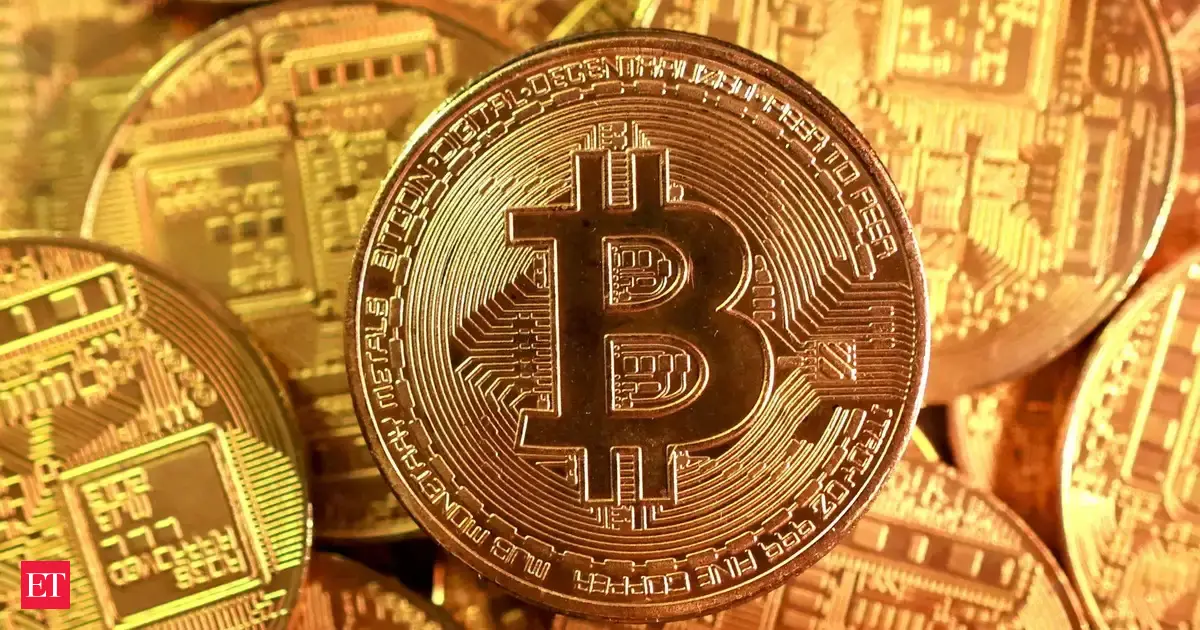
Bitcoin (CRYPTO: BTC) is an extremely polarizing asset. There are strong supporters who believe it can go to the moon. There are also thunderous critics who think the cryptocurrency is worthless. Nonetheless, it has been a winning investment in the past.

As of the morning of Dec. 11, Bitcoin’s price siat at roughly $90,000 — down from the peak of more than $126,000 it touched in early October. I predict that it will triple to $270,000 in five years. Here are two of the most important catalysts that can drive the price to that level by the end of this decade.

Image source: Getty Images.

Perhaps the most notable macroeconomic trends in recent history have been the increases in debt levels and the money supply. These features have characterized the U.S. financial situation, and there are no signs that the growth on these fronts is ever going to let up. The Federal Reserve just announced another 25-basis-point cut to its benchmark interest rate. And it revealed that it would resume quantitative easing (QE), buying as much as $40 billion worth of Treasury bills every month. This pumps liquidity into the system with U.S. dollars that are created out of thin air.

This sounds crazy, but it’s a policy that has been used for quite some time. Back during the financial crisis of 2007-2009, Ben Bernanke, who was the Fed chairman at the time, made heavy use of QE to help get the U.S. economy back on a solid footing. This act was meant to be a temporary intervention. That hasn’t been the case.

When the COVID-19 pandemic struck, however, QE was supercharged, and trillions of dollars were pumped into the system to prevent what otherwise threatened to be an economic disaster. Ideally, QE should be used to help support the economy during recessionary periods. Now, it’s being used at a time when the economy is still growing, and the market has come to expect the central bank to always intervene in an accommodative way.

During the past 20 years, the amount of U.S. federal debt went from about $8 trillion to more than $38 trillion. And the M2 money supply has increased by 238% during that same period.

It’s interesting that Bitcoin was launched in January 2009, in the waning days of the financial crisis. Its price has skyrocketed over time as more investors have bought into the value proposition of owning an asset that isn’t controlled by anyone, that hasn’t been hacked, and that has a fixed supply cap.

Source link

15 12, 2025

Goldman Sachs lifts 2026 copper price forecast to $11,400 per metric ton — TradingView News

By |2025-12-15T22:10:54+02:00December 15, 2025|Forex News, News|0 Comments


Goldman Sachs on Monday raised its 2026 copper price forecast to $11,400 per metric ton from $10,650, citing reduced odds of a refined copper tariff being implemented in the first half of 2026 as affordability concerns take priority.

Benchmark three-month copper HG1! on the London Metal Exchange was up 1.4% to $11,670 per metric ton by 1838 GMT.

Copper hit a record high of $11,952 on Friday on worries about tight supply, but then experienced a selloff amid renewed fears that the artificial intelligence sector was in a bubble that was ready to burst.

Daily inflows to the Comex copper stocks (HG-STX-COMEX), already at a record high, continued due to higher prices on Comex. The U.S. excluded refined copper from the 50% import tariffs that came into force in August but kept the matter under review.

Goldman Sachs said there is a 55% chance that the Trump administration will announce a 15% tariff on copper imports in the first half of 2026, with implementation slated for 2027 and a possible increase to 30% in 2028.

The investment bank said the prospect of future tariffs is likely to keep U.S. copper prices trading at a premium to the London Metal Exchange benchmark and drive stockpiling, which would tighten supply in markets outside the U.S., which is now a key driver of global copper prices.

“We have kept our 2027 price forecast of $10,750 unchanged, as we expect the LME price to retreat once a tariff is in place and the ex-U.S. market rebalances,” Goldman Sachs added.

It also lifted its forecast for the 2026 global market surplus to 300,000 tons from 160,000 tons.


Source link

15 12, 2025

Weaker into Bank of England Cut

By |2025-12-15T21:38:58+02:00December 15, 2025|Forex News, News|0 Comments

GBP/EUR Year-End 2025 Forecast

Consensus from major banks.

Free PDF

Image © Pound Sterling Live


Pound Sterling was unable to build a meaningful recovery, and risks are tilted lower this week, in which the Bank of England (BoE) dominates.

Our stance this December was that the pound to euro exchange rate (GBP/EUR) would deliver a year-end rally, offering euro buyers some tactical buying opportunities.

However, the euro has proven to be an outperformer amongst the world’s major currencies over the course of the past week, stymying GBP/EUR’s ambitions.

Compare Currency Exchange Rates

Find out how much you could save on your international transfer

Estimated saving compared to high street banks:

£25.00

Compare Rates from Leading Providers →

Free • No obligation • Takes 2 minutes

The pair peaked at 1.1463 last Tuesday and we were confident upside momentum was building as it had crossed the 55-day exponential moving average (EMA); typically a sign that an uptrend is building.

However, last Thursday’s 0.30% drop in GBP/EUR sliced through the 55-day and 21-day EMA, both of which are likely to act as resistance levels in the coming days.

Momentum is turning lower again and we are left considering the possibility that the year-end rally burned out before the mid-month mark.


Above: GBP/EUR at daily intervals.


Losses to 1.1360 are possible this week, ahead of a move back to 1.1320 support early in the new year.

The problem for those wanting a stronger pound is that fundamentals are pitted against it: the economic data has deteriorated, as confirmed by four successive months of no economic growth, and this is raising the odds of further BoE interest rate cuts.

This is unhelpful to sterling, given most G10 central banks have ended their rate cutting cycles and many are expected to raise interest rates at some point next year.


Image courtesy of Lloyds Bank


The BoE is almost certainly set to lower Bank Rate by 25 basis points on Thursday, meaning the decision itself won’t come as a surprise.

Instead, what will be of interest is how the Bank shapes expectations for what happens early next year.

Ahead of the decision, we will receive labour market and PMI data (Tuesday) and inflation numbers (Wednesday).

EUR Year-End Forecast

GBP/EUR Year-End 2025

Built from leading bank forecasts.

Download

The market is presently priced for one further BoE cut before April 2026, but if the data disappoints, more cuts will be built into the outlook, which would inevitably weigh on the pound.

“A BoE cut combined with the market adding to expectations of another cut in Q1 26 can weigh on the GBP,” says a note from TD Securities.

Economists look for the UK’s unemployment rate to rise to 5.1% when labour market statistics are released Tuesday, confirmation of an ongoing deterioration in the jobs market.

The Bank will believe it can address this by lowering rates, which would take pressure off households and businesses.

In short, if the data undershoots, the pound will sink to 1.1350 and lower.

However, lowering interest rates could prove risky if it stimulates inflation: Wednesday should see the ONS confirm inflation comes in at 3.6%, which is well ahead of the Bank’s 2.0% target.

If the data comes in ahead of expectations, we would expect pricing for further Bank rate cuts to halt and reverse, helping the pound recover.

A series of above-consensus data prints would help pound-euro recover back above 1.14 and restart the year-end rally.

But given the nature of survey data that showed the economy struggled ahead of the November budget, we see this as a lower probability outcome.

Source link

15 12, 2025

Citrus Burn Releases Updated Scientists Reveal Hidden Cause of Slow Metabolism

By |2025-12-15T21:29:30+02:00December 15, 2025|Dietary Supplements News, News|0 Comments


CitrusBurn combines zesty citrus flavor with ingredients formulated to support metabolism and energy.

Citrus Burn

Citrus Burn

Citrus Burn – Scientific Introduction

Citrus Burn – Burn Fat the Natural Way!

St. Petersburg, Fl, Dec. 15, 2025 (GLOBE NEWSWIRE) — Citrus Burn is a nutraceutical formulation developed to support lipid metabolism, thermogenesis, and energy production. The formulation utilizes bioactive citrus-derived compounds in combination with metabolic cofactors that contribute to increased fatty acid oxidation and enhanced metabolic efficiency. Through the stimulation of thermogenic pathways and support of mitochondrial energy processes, Citrus Burn assists the body in mobilizing stored adipose tissue for energy utilization. Additionally, the formulation includes components that may aid in appetite regulation and glycemic balance, supporting overall metabolic health when used alongside a balanced diet and physical activity.

INTRODUCING CITRUS BURN

Kick-start your metabolism with the power of citrus!
Citrus Burn is specially formulated to help support fat burning, energy, and appetite control using carefully selected citrus extracts and natural ingredients.

✅ Boosts metabolism
✅ Supports fat breakdown
✅ Enhances energy & focus
✅ Helps control cravings

Perfect for anyone looking to support their fitness and weight-management goals.

Citrus Burn Explore It To Know More

Common Citrus Burn Ingredients (Typical)

⚠️ Ingredients may differ by brand

  • Citrus Aurantium (Bitter Orange) – Supports metabolism and fat burning

  • Green Tea Extract – Antioxidant, boosts thermogenesis

  • Caffeine (natural or anhydrous) – Increases energy and alertness

  • Garcinia Cambogia – May help appetite control

  • L-Carnitine – Helps transport fat for energy use

  • Chromium – Supports blood sugar balance

  • Vitamin B Complex – Helps energy metabolism

How Citrus Burn Works (General Explanation)

Citrus Burn supplements are typically designed to support fat metabolism, energy, and appetite control. They usually work by:

  1. Boosting metabolism
    Natural citrus extracts and stimulants help increase calorie burning.

  2. Supporting fat breakdown (thermogenesis)
    Ingredients help the body use stored fat as energy.

  3. Improving energy & focus
    Mild stimulants reduce fatigue and support workouts.

  4. Reducing cravings
    Some ingredients help control appetite and sugar cravings.

Results are best when combined with exercise and a healthy diet.

Here’s a clear breakdown of the benefits commonly claimed for CitrusBurn (a weight-management supplement) — and how these relate to general citrus-derived health effects. Much of the information about CitrusBurn specifically comes from product marketing rather than independent clinical research, so it should be interpreted cautiously. 

CitrusBurn Supplement — Claimed Benefits

1. Boosts Natural Fat-Burning & Metabolism
CitrusBurn’s formula is marketed to stimulate thermogenesis (heat production) and metabolism to help your body burn calories more efficiently. 

2. Appetite & Craving Control
The supplement claims to help reduce appetite and cravings, which can support maintaining a calorie deficit for weight loss. 

3. Sustained, Clean Energy
Unlike some high-stimulant products, CitrusBurn suggests it provides energy without jitters or crashes.

4. Digestive Support & Blood Sugar Balance
Boosting digestion and supporting stable blood sugar are tied to better overall metabolic function. 

5. Hormonal Balance
Balanced hormones can influence appetite, fat storage, and energy — though evidence for this in supplements is limited. 

6. Improved Detoxification & Reduced Oxidative Stress
Some CitrusBurn marketing highlights liver support and antioxidant effects, which can help reduce free-radical damage.

7. Reduced Cravings & Better Digestive Health
Stable blood sugar and gut support may help reduce cravings and promote nutrient absorption. 

Important: Most of these benefits are based on manufacturer claims. There’s limited independent clinical evidence confirming them, and individual results vary.

General Benefits of Citrus-Derived Nutrients

Even outside the supplement, natural citrus fruits and some compounds found in them have well-documented health effects:

✔️ Rich in Vitamin C & Antioxidants
Citrus fruits provide high vitamin C and flavonoids — powerful antioxidants that support immune health and protect cells from damage. 

✔️ Heart & Metabolic Health
Potassium, fiber, and citrus flavonoids can help support heart function, lower cholesterol, and aid digestion. 

✔️ Aids Digestion & Hydration
The fiber and water content in whole fruits promote digestive health and hydration. 

✔️ Hesperidin & Other Flavonoids
Compounds like hesperidin (in citrus peels) have anti-inflammatory and antioxidant actions, and may help with blood pressure and cholesterol.

Things to Keep in Mind

  • Supplement Evidence Is Limited: Clinical proof for CitrusBurn’s specific effects isn’t widely available outside marketing materials — always check with a healthcare provider first.

  • Natural Citrus vs. Supplement: Benefits from whole citrus fruits (vitamins, fiber, antioxidants) are better supported by independent research than those from proprietary blends.

  • Safety: Some citrus compounds can interact with medications (e.g., grapefruit effects on drug metabolism). If you take medication, consult a clinician.

Citrus Burn (as a fat-burner supplement) was created primarily to meet demand for a stimulant-based weight-loss aid that feels cleaner, more energetic, and better tasting than traditional fat burners.

Here’s the breakdown of why it was created:

1. To Support Fat Loss & Metabolism

Manufacturers design Citrus Burn to:

  • Increase thermogenesis (calorie burning through heat)

  • Boost metabolic rate

  • Enhance fat oxidation, especially during workouts

This is usually done through ingredients like:

⚡ 2. To Improve Energy & Focus

Many people struggle with low energy while dieting. Citrus Burn products aim to:

  • Provide workout energy

  • Improve mental focus

  • Reduce perceived fatigue

The citrus flavor profile also psychologically reinforces a “clean energy” feeling compared to harsh chemical-tasting burners.

3. To Be a “Milder” Alternative to Hardcore Fat Burners

Traditional fat burners can cause:

Citrus Burn-style supplements are often marketed as:

4. Market & Branding Reasons

From a business standpoint:

  • Citrus flavors are associated with freshness, fat loss, and energy

  • The name “Burn” clearly signals weight-loss intent

  • Citrus branding differentiates it from generic stimulant pills

How people usually take it

  • Once in the morning or pre-workout

  • Start with half a dose to assess tolerance

  • Avoid late-day use (sleep disruption)

Since CitrusBurn operates in the dietary supplements / weight-management & metabolism support segment, it’s useful to look at broader markets that relate closely:

Citrus Aurantium (Bitter Orange) Extract Market

This botanical extract—often a key ingredient in thermogenic & fat-burning products—is a sizeable sub-sector of the citrus extract category.

  • The global Citrus Aurantium Extract market was valued at around USD ~$3.9 B in 2024 and is projected to reach ~USD $5.7 B by 2034 at ~3.8% CAGR. 

  • Growth drivers include: rising demand for natural weight-loss and botanical supplements, functional foods & beverages, and pharmaceutical uses.

  • Volume shipments (tonnage) are expected to expand globally over the next decade due to adoption in dietary, beverage, and personal care products.

Takeaway: Citrus­‐based botanical extracts have broad applications beyond supplements, which strengthens demand fundamentals for ingredient suppliers and formulators.

Citrus Extract Market (Broad)

The broader citrus extract market includes oils, peels, and solvent extracts used across food, personal care, pharmaceuticals, and nutraceuticals.

  • Estimates vary: one report projects growth at ~4-5% CAGR through 2031–2035, expanding from ~$6.8 B to ~$9.1 B (to 2031).

  • Key drivers include functional foods, natural flavoring demand, clean-label preferences, and health & wellness applications.

  • Competitive landscape is moderately fragmented with both global companies (e.g., Symrise, Givaudan) and specialty ingredient suppliers.

Related Segments

Other citrus ingredient markets relevant for competitive benchmarking or adjacencies include:

  • Citrus peel extract – projected to grow ~5.6% CAGR to ~USD $0.8 B by 2035. 

  • Citrus flavors – consumer demand for natural flavors supports ingredient adoption in beverages & snacks. 

  • Citrus-based dietary fibers – valued for functional foods and clean-label nutrition applications. 

3. Competitive Landscape & Positioning Considerations

Competitive Themes

In the metabolic supplement category where CitrusBurn sits:

  • Ingredient differentiation (thermogenic botanicals like bitter orange) is a key selling point.

  • Clean-label, natural, and stimulant-free positioning resonates with health-aware consumers.

  • Claims around appetite control and energy support are common in weight-management products.

Market Dynamics

  • Growth in natural botanicals and plant-based supplements supports demand.

  • Regulatory scrutiny matters: bitter orange derivatives (p-synephrine) have some safety considerations and have been linked in case reports to cardiovascular events, especially at high doses or with stimulants.

  • E-commerce and direct-to-consumer models dominate distribution for many such supplements.

4. Consumer & Trend Drivers

Health & Wellness Demand

  • Continued growth in interest for natural and plant-based supplements.

  • Clean-label and sustainability trends influence purchase choices across food, beverage, and supplement categories.

Functional Ingredients Growth

Demographic Segments

5. Risks & Caveats (for Research Reports)

  • Clinical Evidence: Products like CitrusBurn may not have rigorous clinical trials for the finished formulation. Scientific support primarily exists at the ingredient level.

  • Regulatory Environment: Ingredients like bitter orange (p-synephrine) can have regulatory scrutiny or safety advisories in some markets.

  • Marketing vs. Science: Direct marketing claims should be validated by independent research and not overstate efficacy.

Conclusion: Citrus Burn 

CitrusBurn operates within the fast-growing natural weight-management and metabolism support supplement market, leveraging consumer demand for plant-based, clean-label, and stimulant-free solutions. Its positioning around citrus-derived ingredients aligns well with broader industry trends favoring botanical extracts and functional nutrition.

From a market perspective, the outlook is favorable. Growth in citrus extract markets—particularly bitter orange (Citrus aurantium) and peel-based ingredients—provides a strong ingredient-supply foundation and validates sustained consumer interest. The rise of direct-to-consumer e-commerce, aging demographics concerned about metabolic health, and increasing preference for “natural” alternatives further support category expansion.

However, key limitations remain. CitrusBurn’s competitive strength relies more on marketing, formulation synergy, and brand trust than on proprietary clinical validation. Like many supplements in this category, scientific evidence primarily supports individual ingredients rather than the finished product, and regulatory scrutiny—especially around thermogenic compounds—poses an ongoing risk.

Overall, CitrusBurn is well-positioned to benefit from macro health and wellness trends, but its long-term success will depend on:

  • Transparent and compliant marketing claims

  • Continued consumer trust and brand differentiation

  • Potential future clinical validation or formulation innovation

From an investment, competitive, or strategic standpoint, CitrusBurn represents a moderate-risk, trend-aligned product within a growing but crowded supplement market.

Contact US For Advertising At Low Price

rajneesh08verma@gmail.com

Attachment

CONTACT: Media Contact Citrus Burn 19655 E 35th Dr #100, Aurora, CO 80011, USA  Phone + 1 (800) 985-7325 (24/7)  Email support@citrusburn.com.


Source link

15 12, 2025

Cardano Price Prediction as NIGHT Token Momentum Builds

By |2025-12-15T21:21:27+02:00December 15, 2025|Crypto News, News|0 Comments

Cardano price remained under pressure today, Dec. 15, mirroring the broader crypto market, where Bitcoin and most altcoins tumbled. ADA token dropped to $0.40 despite the ongoing turnaround of its network and the upcoming SEC roundtable on privacy.

Cardano Price Has Crashed Despite Key Milestones

ADA price has remained under pressure this month despite having some major milestones. One of them happened last week when Cardano finally inked a partnership with one of the biggest players in the oracle industry.

Pyth Network has now integrated with Cardano, enabling developers to access high-quality price feeds and market data. 

READ MORE: Pyth Network Plans Chainlink-Like Treasury Reserve Amid Token Slide

This is important because Pyth is the fifth-largest participant in the oracle industry, with a total value secured (TVS) of over $4.5 billion. Some of the top protocols that use Pyth are Jupiter, Kamino, Drift, Save, and Avantis. 

The integration is also key because it aligns with one of the five pillars that Cardano has set aside from the 70 million ADA tokens it is removing from its treasury.

READ MORE: Dogecoin Price Prediction as Grayscale, Bitwise DOGE ETFs Backfire

The other notable catalyst for Cardano’s price is the Midnight launch’s success: the NIGHT token has soared, its market capitalization reaching $1.14 billion, and its 24-hour volume has risen to $940 million.

One reason the NIGHT token price has jumped is that most exchanges offering the token staking are offering huge rewards, with HTX offering a 100% APY. 

The NIGHT token is also rising as investors await the upcoming roundtable on privacy, scheduled for later today. This is important as NIGHT focuses on privacy using the zero-knowledge (zk) technology.

ADA Price Technical Analysis Points to a Plunge

Cardano Price Prediction as NIGHT Token Momentum Builds
Cardano chart | Source: TradingView

The daily timeframe chart reveals that the Cardano price is at risk of a deeper dive in the coming days and weeks. It has dropped below the critical $0.50 support level, its lowest level since June and April this year, where it formed a double-bottom pattern.

It has dropped to the Ultimate Support level of the Murrey Math Lines, and a drop below it may trigger further downside in the near term.

The Cardano token has formed a bearish flag pattern, a common continuation sign in technical analysis. Therefore, ADA price will likely continue to fall, potentially to the key support level at $0.1900, which corresponds to the extreme oversold reading on the Murrey Math Lines tool.

READ MORE: Top Crypto to Watch This Week: Starknet, Sei, Aster, Zebec Network, Cronos, PENGU

Source link

15 12, 2025

XAG/USD Rebounds Above $63 After Record High as Dollar Slips; Forecasts Eye $65–$67

By |2025-12-15T20:09:32+02:00December 15, 2025|Forex News, News|0 Comments


Silver price today (15 December 2025) is back on the front page of global markets after last week’s record run. The white metal is trading in the low-to-mid $63 per ounce area—firmly higher on the day—supported by a softer U.S. dollar and easing Treasury yields as traders position ahead of key U.S. labor data. [1]

Just as important as the price itself is the message behind it: silver is behaving like a hybrid asset again—part precious-metal hedge, part high-demand industrial input—meaning it can move quickly when macro tailwinds and physical-market narratives align.

Silver price today: spot and futures levels on 15.12.2025

Silver’s pricing on December 15 has been notably dynamic, with different feeds reflecting different points in the day:

  • Spot silver was reported up 2% to $63.23/oz by 06:56 GMT in a Reuters market update, still below Friday’s record high of $64.65/oz. [2]
  • Earlier in the session, Reuters also had spot silver around $62.02/oz (01:19 GMT), underscoring how quickly the market firmed into the European morning. [3]
  • Kitco’s live spot screen showed silver around $63.61 bid / $63.73 ask, with a quoted day’s range of roughly $61.51 to $63.74 at the time captured. [4]
  • JM Bullion listed a live spot price near $63.99/oz at 03:49 AM ET, highlighting the strong day-over-day move. [5]
  • On the futures side, silver futures were quoted around $63.895, with a reported daily range of $61.705 to $63.910. [6]

Taken together, the story is consistent: silver price today is holding above $63/oz, rebounding after profit-taking and volatility around last week’s record high.

What’s driving silver today: dollar softness, yields, and a data-heavy week

1) A weaker dollar and softer yields are back in the driver’s seat

Reuters highlighted the U.S. dollar hovering near a two‑month low and benchmark 10‑year Treasury yields edging lower, a combination that tends to support non-yielding metals like silver. [7]

2) The Fed’s recent cut is still rippling through metals

Markets are still digesting last week’s 25-basis-point Fed rate cut, delivered in a rare split decision, alongside signals that policy may pause as inflation remains sticky and the labor outlook uncertain. [8]

Lower-rate expectations matter for silver in two ways:

  • They can reduce the opportunity cost of holding metals (no yield).
  • They can weigh on the dollar, making USD-priced commodities cheaper for non‑U.S. buyers.

3) U.S. jobs data is the next near-term catalyst

Reuters pointed to U.S. non-farm payrolls due Tuesday, a key event risk that can swing yields, the dollar, and—by extension—precious metals. [9]

Today’s silver headlines (15 December 2025): news investors are watching

India opens the door to pension demand via gold and silver ETFs

One of the more structurally interesting developments today: Reuters reported that India moved to allow pension funds to invest in gold and silver ETFs, and ANZ suggested this could lift institutional participation by broadening the investor base. [10]

While this won’t necessarily move prices overnight, it matters because it speaks to the depth of potential long-term investment demand—especially at a time when silver is already attracting attention after a historic rally.

Supply chain strategy enters the silver conversation

A separate Reuters report said Korea Zinc plans to build a $7.4 billion smelter project in the U.S., producing metals including silver, with operations planned to start progressively from 2027. [11]

This is not an immediate supply fix—but it reinforces a key theme behind silver’s 2025 surge: governments and industry are increasingly framing metals supply chains as strategic.

Forecasts and analysis published today: where experts see silver heading next

Silver’s rally has also sparked a wave of same-day technical analysis and near-term forecasting. Here’s what major market commentary published on December 15, 2025 is emphasizing.

Technical picture: bulls in control, but volatility remains high

FXEmpire (Dec 15, 06:31 GMT) described silver as stabilizing near $62.65, with upside targets at $63.80 and $65.55—as long as support near $61.45 holds. [12]

That framing captures the market’s current tug-of-war: strong trend structure, but a need to digest sharp gains.

Channel traders eye $65–$67 if support holds

FXLeaders (Dec 15) focused on silver trading near $63.28 inside a rising channel and laid out a clear set of levels:

  • Support:$61.80, then $60.15
  • Resistance:$65.85, then $67.30 [13]

In other words: the bullish roadmap many traders are watching is a hold above ~$62, followed by a push back toward the highs—and potentially beyond.

Investing.com: “Strong Buy” signals, with some indicators flashing “overbought”

Investing.com’s Silver Futures Technical Analysis showed a “Strong Buy” summary on December 15, with multiple indicators aligned bullishly, while also flagging some overbought readings (for example, StochRSI and Williams %R showing overbought conditions). [14]

That mix is important: it suggests trend strength, but also supports the case for consolidation or sharp pullbacks even within a broader uptrend.

Cycle and resistance analysis: $64.80–$65.20 highlighted as a key zone

An Investing.com analysis piece published today framed silver’s move around cycle behavior and pointed to a resistance “arc” in the $64.80–$65.20 region, with other referenced levels clustering around the low $60s and upper $50s depending on the scenario. [15]

Whether or not you follow cycle models, it’s notable that this zone sits close to where many classic technical tools would also focus attention: near recent highs and psychologically significant “mid‑$60s” territory.

Saxo: Friday’s pullback looked sharp, but silver still ended the week strong

Saxo Bank’s “Market Quick Take” dated December 15 highlighted a sharp peak-to-trough pullback on Friday from near $64.5, but said silver still ended the week up and bounced in the Asian session to trade around $63.2, underpinned by demand for hard assets and a tight supply backdrop. [16]

DailyForex: momentum points to another test of the highs

DailyForex’s December 15 market note said precious metals were rising strongly and that silver might test its record high made last week, reflecting the broader momentum tone across the complex. [17]

Risks and downside scenarios: what could knock silver off its perch?

Even on a strong day, today’s coverage flagged real risks.

1) Tariff-related surprises could change the “tightness” narrative

Reuters reported that ANZ warned of potential downside risks tied to the possibility of a U.S. tariff exemption that could ease perceived supply tightness, alongside stretched valuations versus gold that could encourage rotation. [18]

2) “Overbought” signals can matter—especially in silver

Silver is historically more volatile than gold. When technical dashboards flash “strong buy” and “overbought” simultaneously, markets can still rise—but they can also snap back fast on profit-taking. [19]

3) The U.S. jobs report can move the whole macro stack at once

A hotter-than-expected payrolls report could lift yields and the dollar, pressuring metals—while a weaker report could do the opposite. Reuters explicitly noted the market focus on upcoming payrolls as a policy and pricing catalyst. [20]

What to watch next: the levels and events that matter this week

Silver’s near-term roadmap is unusually clear because so many analysts are clustering around similar zones:

  • Support to watch: ~$61.45–$61.80 (frequently cited as a line that keeps the bullish structure intact) [21]
  • First upside targets: ~$63.80–$65.55 [22]
  • Major resistance/“breakout” area: mid‑$65s into ~$67 [23]
  • Macro catalyst: U.S. non-farm payrolls (Tuesday) [24]

If silver decisively reclaims the area near last week’s highs, the next phase could quickly become a debate about whether this is a “blow-off” or a new, higher plateau—especially with ongoing attention on inventories, industrial demand, and policy.

Bottom line: silver price today is strong—and the market is still hunting for the next leg

On December 15, 2025, silver is once again acting like one of the market’s most important macro-and-industrial bellwethers: it’s higher on dollar softness and lower yields, still digesting last week’s record, and drawing an unusually dense set of bullish (but volatility-aware) forecasts that cluster between $65 and $67 as the next key test. [25]

Note: This article is for informational purposes only and is not investment advice.

References

1. www.reuters.com, 2. www.reuters.com, 3. fixedincome.fidelity.com, 4. www.kitco.com, 5. www.jmbullion.com, 6. www.investing.com, 7. www.reuters.com, 8. www.reuters.com, 9. www.reuters.com, 10. www.reuters.com, 11. www.reuters.com, 12. www.fxempire.com, 13. www.fxleaders.com, 14. www.investing.com, 15. www.investing.com, 16. www.home.saxo, 17. www.dailyforex.com, 18. www.reuters.com, 19. www.investing.com, 20. www.reuters.com, 21. www.fxempire.com, 22. www.fxempire.com, 23. www.fxleaders.com, 24. www.reuters.com, 25. www.reuters.com


Source link

15 12, 2025

USD/JPY Forecast 15/12: Dollar Strength Returns (Chart)

By |2025-12-15T19:37:23+02:00December 15, 2025|Forex News, News|0 Comments

  • The US dollar strengthens against the Japanese yen as interest rate differentials continue to favor the United States.
  • With Federal Reserve cuts uncertain and the Bank of Japan constrained, the pair appears supported, favoring dip-buying strategies.

The US dollar has rallied against the Japanese yen during the trading session on Friday as traders start to ask questions about whether or not the Federal Reserve is going to start cutting rapidly, or if it is a situation where they do not. And the FOMC statement, once you read into it and read the transcripts of the FOMC press conference, gives a little bit of hesitation to the idea that the Federal Reserve is just simply on autopilot.

Conversely, on the other side of the Pacific Ocean, we have the Bank of Japan, which is going to be in a situation where it is difficult to cut rates at least drastically. And therefore, the interest rate differential should continue to favor the United States, as it historically has for years, almost an entire career, and in fact probably even longer than that.

Defined Consolidation Range

So, with that being said, it makes a certain amount of sense that the US dollar is somewhat resilient against the yen. And now it looks a lot like a market that is trying to find some type of consolidation area. The consolidation area is an area that is presently defined with 158 yen being the ceiling and 155 yen being the first floor.

Underneath, we have another floor near the 153 yen level. And as long as we stay above there, I think you have a situation where you will be looking to buy dips. That does not mean that it is easy, and it does not mean that it is going to be a slam dunk, but I do recognize that finding value in this pair on dips and taking advantage of cheap US dollars probably remains the way to go forward.

I like the idea of buying dips as we had just seen and taking advantage of the interest rate differential, just simply holding on to the pair and collecting a little bit of profit at the end of every day, and riding the trend as it gains nominal gains, perhaps to the 158 yen level, maybe even higher than that. I have no interest in shorting as things stand right now.

Want to trade our USD/JPY forex analysis and predictions? Here’s a list of forex brokers in Japan to check out.

Source link

15 12, 2025

What Happens When You Take Take Turmeric and Probiotics Together?

By |2025-12-15T19:28:27+02:00December 15, 2025|Dietary Supplements News, News|0 Comments


Gut health is important for your overall health and well-being. Taking supplements such as probiotics and turmeric may help improve and maintain a healthy gut biome.

Probiotics may also help improve immune function, cholesterol, and mental health while turmeric has anti-inflammatory and antioxidant properties.

Your gastrointestinal (GI) tract is made up of many microorganisms. Probiotics help keep the “good” bacteria and microorganisms balanced and available. This can help regulate bowel movements, decrease bloating, and improve stomach pain or discomfort.

Taking turmeric may improve allergic rhinitis and seasonal allergies, osteoarthritis, and mental health conditions like depression. It may also help improve indigestion.

A recent study found that taking 500 milligrams of turmeric four times daily can help treat indigestion. The study compared the supplement to Prilosec (omeprazole), a medication used to treat indigestion and heartburn. More research is needed to understand how turmeric compares to other known indigestion treatment options.

Taking probiotics and turmeric together may be useful if you experience indigestion and want to improve your gut health. While probiotics help with digestion by improving the microorganisms in your gut, turmeric can help control inflammation within your gastrointestinal tract.

Probiotics can be found in fermented foods, including yogurt, sauerkraut, kimchi, kombucha, and some cheeses. Probiotic supplements are also available in capsule, powder, and liquid form. You can take a probiotic with or without food, depending on the product.

Multiple probiotic strains are available, each offering different effects and benefits. Popular strains include:

  • Lactobacillus
  • Bifidobacterium
  • Saccharomyces

Probiotics are measured in colony-forming units (CFU), which is the number of living microorganisms in a product. Most probiotic supplements range from 1 to 50 billion CFU per dose.

Turmeric can be taken as a spice, tea, or dietary supplement in capsule or powder form. According to the United States Food and Drug Administration (FDA), curcumin is considered safe at doses up to 8 grams daily. You can take turmeric with or without food, though food may help your body absorb it better.

It is safe to take probiotics and turmeric together. Supplements that include both probiotics and turmeric in one capsule are available.

Neither supplement provides immediate relief after taking a dose, so consistency is important for maximum benefit. Mixing turmeric into a probiotic-containing food such as yogurt may also be an option to incorporate both products into your diet.

Probiotics may affect how well certain medications work. This can include blood thinners, cancer medications, and medications used to treat heart and blood vessel conditions. More research is needed to understand how probiotics interact with these drugs.

There is controversy on whether you should take probiotics with antibiotics. Some researchers believe probiotics help prevent antibiotics from killing “good” bacteria and reduce antibiotic-related side effects like diarrhea. Others believe that taking both at once could make the probiotic less effective. Talk with your healthcare provider about whether you should take both.

Probiotics are safe to use during pregnancy. However, you should talk to your healthcare provider before taking a probiotic if you are pregnant.

Medications That May Interact With Turmeric

Medications and supplements that turmeric may interact with include:

  • Cancer medications: The antioxidant properties of turmeric can reduce the effectiveness of certain cancer and chemotherapy medications.
  • Blood thinners: Turmeric may act like a blood thinner, increasing your risk for bleeding and bruising, especially if taken with other blood-thinning medications and supplements. Examples include Coumadin (warfarin), vitamin E, and aspirin.
  • Blood sugar-lowering medications: Turmeric can lower your blood sugar, so be careful when taking it alongside other medications or supplements that can affect your blood sugar. Examples include insulin, Ozempic (semaglutide), and ashwagandha.
  • Medications that can harm the liver: Taking turmeric with medications and supplements that may harm the liver can increase your risk of liver damage. Examples include amiodarone, methotrexate, and black cohosh.

Pregnant people should avoid taking turmeric supplements. No studies have confirmed that turmeric supplements are safe during pregnancy.

According to the FDA, probiotics and turmeric are considered safe in foods and supplements, but both may have a few possible side effects.

Probiotics

Reported side effects of probiotics include stomach pain, bloating, gas, diarrhea, constipation, and an increased risk of infection.

This increased infection risk is a concern for people who are immunocompromised (have a weakened immune system). If you are immunocompromised or have a condition that makes you susceptible to infections, talk with your healthcare provider before taking a probiotic supplement.

Turmeric

Side effects of turmeric include constipation, indigestion, diarrhea, bloating, nausea, and vomiting. Liver damage, including hepatitis, is one of the most serious side effects of turmeric. It is reported with turmeric doses of 250-1,800 milligrams daily.

If you experience GI side effects while taking probiotics and turmeric, your healthcare provider may recommend separating the time you take each supplement.

Probiotics and turmeric are supplements used for various health conditions. When taken together, they may improve gut health, including indigestion and bloating.

Talk with your healthcare provider about whether probiotics and turmeric supplementation would benefit you.


Source link

Go to Top