The main category of Fitness News.
You can use the search box below to find what you need.
[wd_asp id=1]
The main category of Fitness News.
You can use the search box below to find what you need.
[wd_asp id=1]
As told to Jacquelyne Froeber
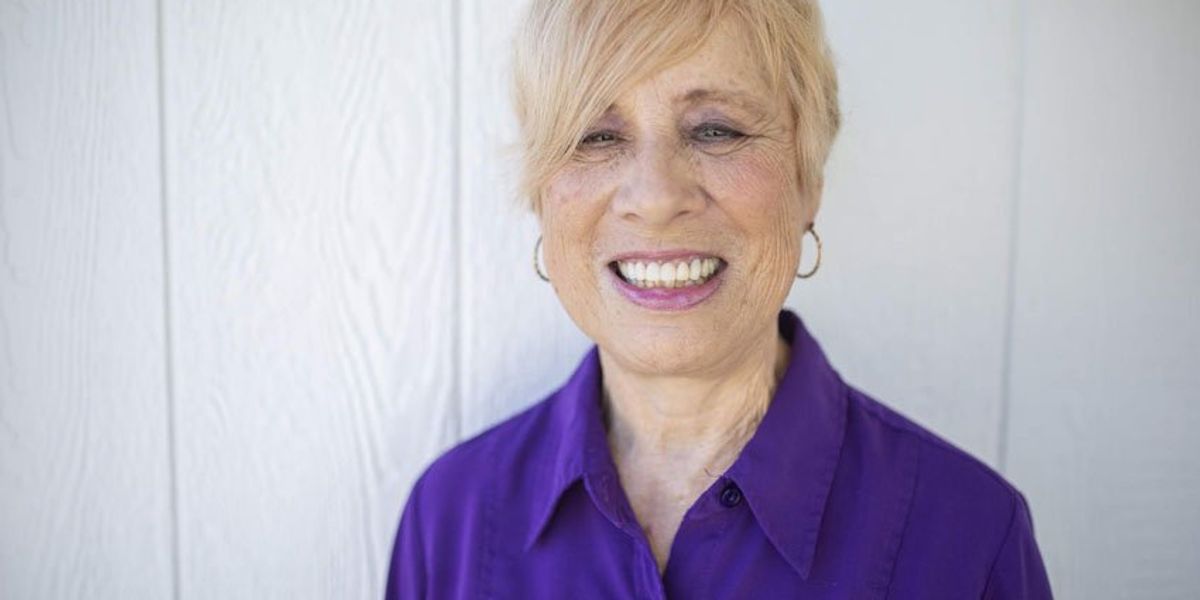
In 1994, I was in the emergency room when the healthcare provider told me pancreatic cancer was only diagnosed in 65-year-old Black men.
But there I was — a 44-year-old white woman with a mass on my pancreas.
The whole scene felt like a bad dream. Just an hour earlier I was having fun at a party. Then the next thing I knew I was in the ER with severe back pain. I thought it was gallstones — I’d heard that gallstones were very painful.
I’d never heard of pancreatic cancer before.
But I also hadn’t felt like myself for some time. About six months before the ER visit, I went to my healthcare provider for some tests. I was having high chest pains (probably stress), digestive problems (probably my diet), weight loss (but the diet was working!) and I was tired all the time. I was so drained I barely had the energy to play tennis — the sport I loved. But no one called me about my test results and I figured no news was good news.
It turned out my provider had left the practice and never received my test results. There was, in fact, a mass on my pancreas. I had pancreatic cancer.
The diagnosis didn’t feel real. I was relatively young, active and had no family history of cancer. I wanted answers and I wanted to learn everything I could about the disease. But I quickly found out there wasn’t much to learn. I couldn’t find any significant research or education on pancreatic cancer. And zero information about the disease in women.
The worst part was hearing from providers that no one lives with pancreatic cancer. I had to come to terms with the fact that I was going to die.
This was unacceptable to me. I wanted to see my son graduate and get married. I wanted to meet my future grandchildren. I knew I had to do everything I could to live.
My treatment options were limited. Chemotherapy for pancreatic cancer didn’t exist. For me, it was surgery or nothing. I had a Whipple procedure, which removed the tumor in my pancreas and reconstructed my digestive tract. After the surgery, I was diagnosed with mucinous cystadenocarcinoma, a rare, slow-growing cancer. And although we had caught it early, there was a chance it could come back.
I was beyond grateful that the cancer was removed, but no one prepared me for what to expect with a new digestive tract. Certain foods would keep me in the bathroom for hours and some days I couldn’t get out of bed because of the pain and nausea. I felt so alone. There were no dieticians familiar with pancreatic cancer. I didn’t even have an oncologist that specialized in pancreatic cancer. I felt like I was stumbling around in the dark trying to find a light.
The American Cancer Society said that most people don’t live past five years with pancreatic cancer. That fact played on a loop in my head almost every day. I’d wake up in the morning and be thankful to be alive, and then wonder — was today the day? Then, I made it to five years — no evidence of disease. I felt an unfamiliar stirring of hope in my heart. Maybe the small amount of research out there was wrong.
But shortly after the five-year mark, the cancer came back, and it was more aggressive than before. I was devastated.
Again, my only option was surgery, so I had the rest of my pancreas removed along with my spleen and gallbladder. I also had my first CT scan ever after the surgery, and although the technology was impressive, the imaging showed that the cancer had spread to my lymph nodes. I wanted to have another surgery to remove the lymph nodes right away, but my oncologist said they were inoperable.
I spent the next two years talking to different oncologists and finally found one who had been studying pancreatic cancer for years. He helped me start a treatment plan and find a surgeon to remove the lymph nodes.
When I stepped back and looked at all of the time and energy I’d spent on advocating for my health, I realized I needed to do more. Not just for me — but for everyone like me who was desperately searching for information and innovation and hope. I started looking into advocacy training, and I eventually became the first survivor patient research advocate for pancreatic cancer in the U.S.
All of the fundraising, legislative visits and reviewing upcoming pancreatic cancer research and clinical trials helped soften the terrible news that the cancer had come back in 2006. This time it was in my lung.
My healthcare provider wanted to put off any testing because the spot was small, but I insisted on a biopsy. When the results came back, I was right — it was positive for pancreatic cancer. I then had surgery to remove the lower lobe of my lung.
It’s been incredibly tough to go through all these surgeries and still know cancer can show up again any time. But throughout the years I’ve worked with many local, national and international organizations to help advance research and treatment options for pancreatic cancer. I helped the U.S. Department of Defense create the Pancreatic Cancer Research Program — and I still work with them today.
I’m probably most proud to be founder of the first pancreatic cancer support group in Arizona. We started it more than 20 years ago and continue to help people connect with each other and support mental health.
We’ve come a long way in the fight against pancreatic cancer, but there are still many mountains to climb. I think back to my initial diagnosis and being told that pancreatic cancer is a man’s disease. That’s simply not true. Women get pancreatic cancer. And rates are rising for younger people under the age of 50.
If you or someone you know is experiencing symptoms like I did — chest pain, weight loss, changes in your digestive system — talk to your healthcare provider right away. Don’t let anyone tell you that women don’t get pancreatic cancer. I’m living proof that we do.
Have your own Real Women, Real Stories you want to share? Let us know.
Our Real Women, Real Stories are the authentic experiences of real-life women. The views, opinions and experiences shared in these stories are not endorsed by HealthyWomen and do not necessarily reflect the official policy or position of HealthyWomen.
From Your Site Articles
Related Articles Around the Web
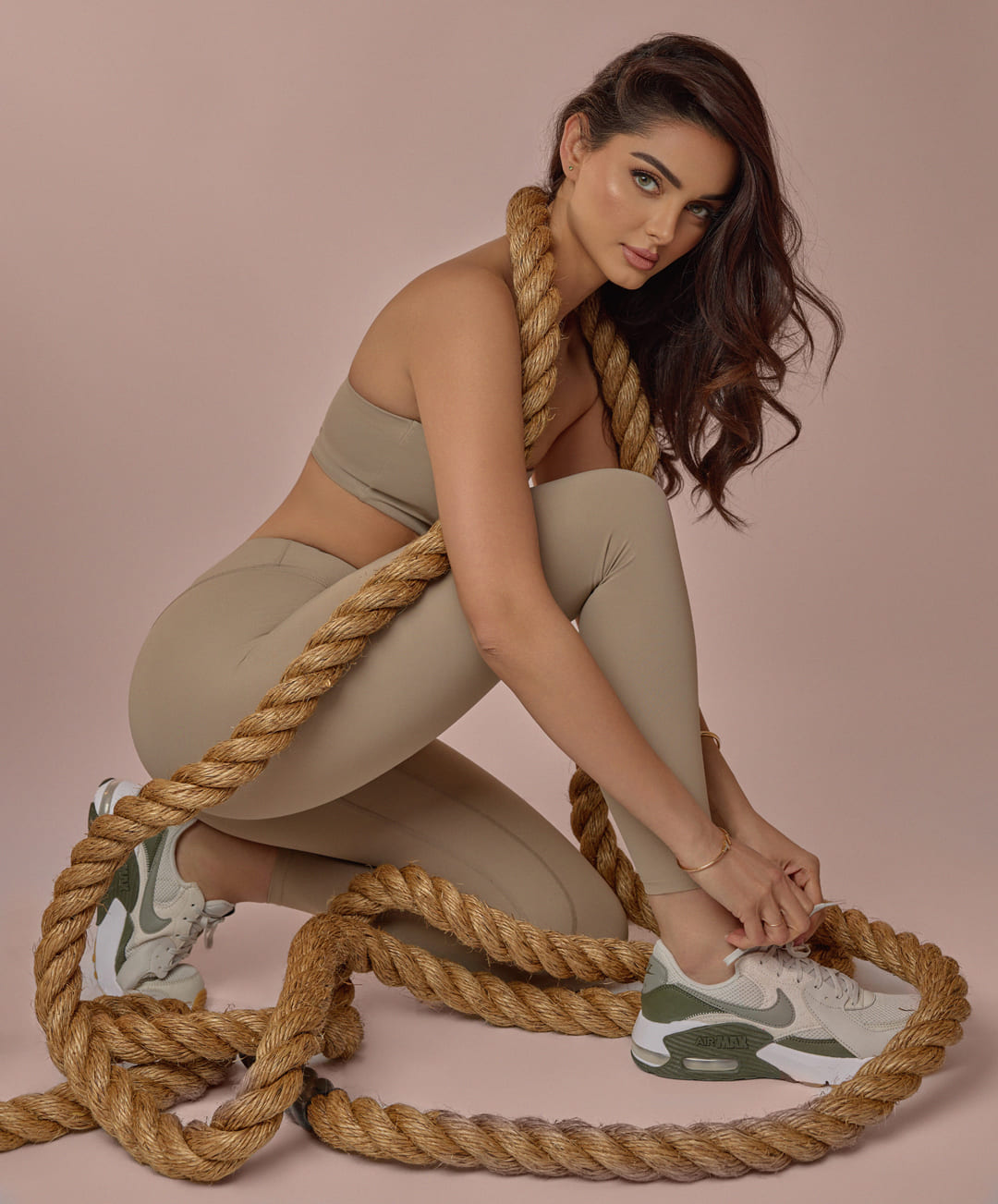
As the editorial team prepared for our first issue of 2025, one name stood out as our cover star—Mahlagha Jaberi. A global icon known for her elegance, fitness, and authenticity, Mahlaga epitomizes grace and strength. Our conversation with her revealed a woman deeply committed to self-improvement, balance, and sharing her journey with others. From personal goals to overcoming challenges, Mahlaga’s story is an inspiring testament to living with purpose.
When I asked Mahlaga about her milestones for 2025, her response reflected a woman grounded in both passion and determination. “This year, I’m committed to creating a more balanced life,” she shared. “I aim to invest more time in my health and with my family while eagerly embracing creative projects that ignite my passion.” Her words resonated deeply with me—a reminder that balance is not a static state but a dynamic pursuit.
Professionally, Mahlagha is bubbling with new ideas. She spoke about projects that align with her core values. “To stay motivated, I remind myself of my initial purpose and the progress I’ve made. Although challenges arise, being surrounded by supportive and inspiring individuals, as well as celebrating even the smallest victories, fuels my drive to achieve my larger dreams.” Her perspective was a beautiful affirmation of how community and gratitude can propel us forward.
Full Interview is Continued on Next Page
This interview is exclusive and taken by Namita Nayyar President of womenfitness.net and should not be reproduced, copied, or hosted in part or full anywhere without express permission.
All Written Content Copyright © 2025 Women Fitness
Disclaimer
The Content is not intended to be a substitute for professional medical advice, diagnosis, or treatment. Always seek the advice of your physician or other qualified health provider with any questions you may have regarding a medical condition.
Slide 1
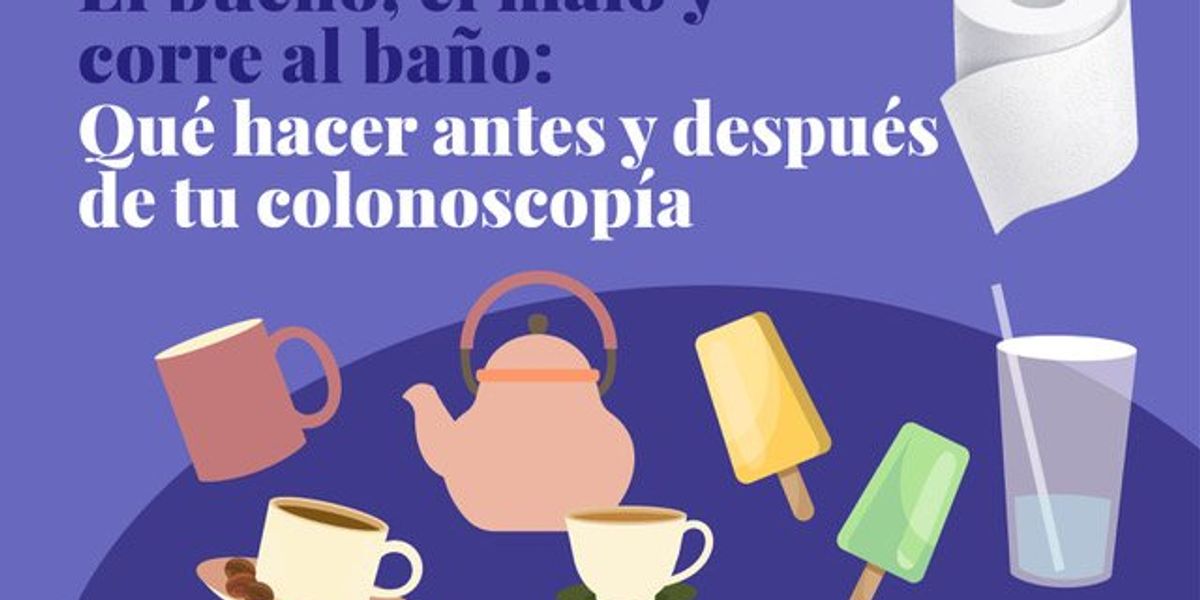
El bueno, el malo y corre al baño: Qué hacer antes y después de tu colonoscopía
La colonoscopía y la recuperación usualmente son fáciles. ¿El día anterior? Prepárate para una noche memorable en el baño.
Slide 2
La semana antes de tu colonoscopía
Recoge tu preparación para la limpieza del colon. La tomarás la noche antes de tu colonoscopía para vaciar el colon completamente.
Las presentaciones de las preparaciones para la limpieza del colon incluyen tabletas, líquidos o polvos. Cada marca funciona de forma diferente, así que lee las instrucciones cuidadosamente.
Slide 3
Cuando salgas, recoge algunos suministros para que el baño esté bien abastecido:
También agrega alimentos suaves o líquidos transparentes en la lista de víveres:
Slide 4
3-5 días antes de tu colonoscopía
Adopta una dieta baja en fibras.
Deja de comer:
Esto es para garantizar que todo tu colon pueda verse durante el procedimiento.
Slide 5
El día anterior
Adopta una dieta de líquidos transparentes:
Evita colorantes rojos, naranjas, azules o púrpuras en los alimentos que puedan parecer sangre en el colon.
Si tienes estreñimiento hoy, avísale a tu doctor para que pueda recetar un laxante.
Slide 6
¡Es el momento de la verdad!
No planifiques nada esta noche y empieza a tomar tus preparaciones para la limpieza del colon varias horas antes de ir a la cama para garantizar que duermas. Vas a tomar mucha agua y pasarás mucho tiempo en el baño. Ten tus suministros listos para tu comodidad, junto con un buen libro o revista.
Slide 7
Consejos de profesionales:
Tu meta: ¡hacerlo bien una sola vez!
Diapositiva 8
El día de la colonoscopía
La parte difícil ya pasó. En el hospital o la clínica te pondrás una bata, te colocarán una IV y tomarás una siesta con anestesia.
La mayoría de personas se sienten bien cuando despiertan, pero algunas tienen gases o distensión abdominal.
Recibirás tus resultados antes de irte.
Slide 9
Asegúrate de que haya alguien que te lleve a casa.
Toma el resto del día con calma mientras te recuperas de la anestesia. Puedes comer nuevamente, sin restricciones. Disfrútalo, pero hazlo lentamente.
Slide 10
¡Felicitaciones por darle prioridad a tu salud! No fue tan malo, ¿verdad?
Si tienes una prueba sin anomalías y pocos factores de riesgo, es posible que no tengas que hacer esto nuevamente por varios años.
Este recurso educativo se preparó con el apoyo de Daiichi Sankyo.
March is National Sleep Awareness Month.
For most of my life, sleep has been simple. As a kid, my dad would read me a bedtime story — usually “The Giving Tree” — and I’d be asleep before the Boy took all the tree’s branches. (That book is deep, BTW.) And I could sleep anywhere. From questionable ottomans in hotels to the middle seat on a turbulent flight — I was the female McDreamy.
It wasn’t until my early 30s that I realized how bad sleepless nights can be. There’s nothing worse than getting into bed, counting sheep (or glorious Russet potatoes), only to spend the next seven hours tossing and turning and staring at the ceiling thinking about everrrrryyyyyyyyythinggggggg under the sun.
About 1 in 4 women and people assigned female at birth (AFAB) experience some symptoms of insomnia such as trouble falling asleep and trouble staying asleep. Beyond the annoyance of it all, insomnia can have serious effects on mental and physical health such as an increased risk of mood disorders and cardiovascular disease — the number one cause of death for women in the U.S.
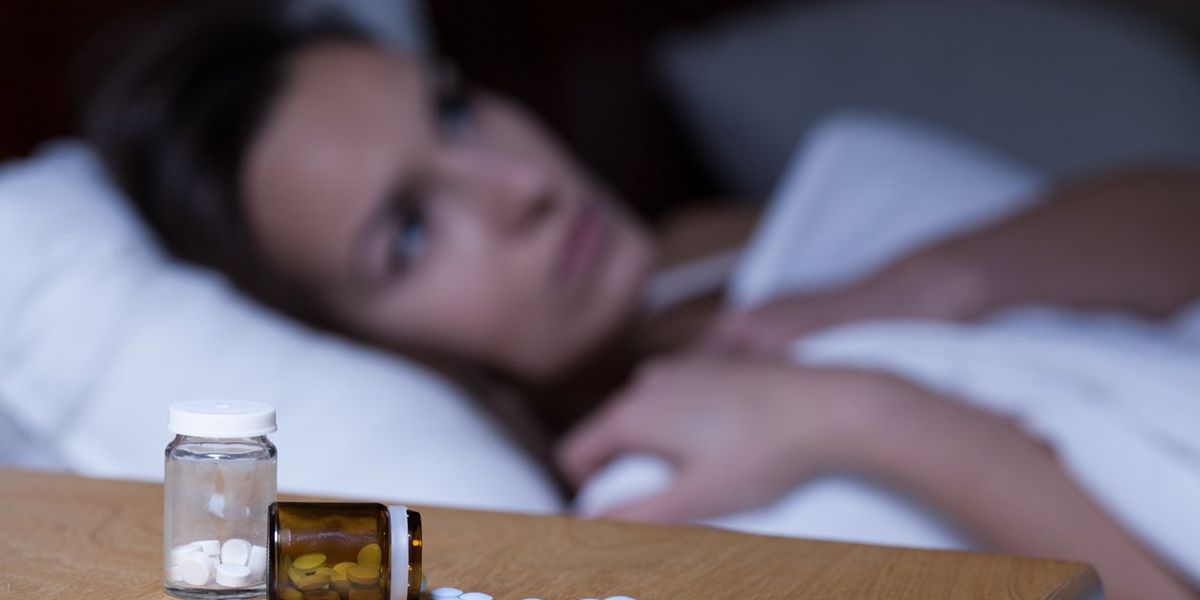
Women are more likely to have insomnia than men, so it’s no surprise that women are also more likely to take prescription sleeping pills. But new research shows that the nighttime aids may not give you the stellar sleep you think you’re getting.
“Sleeping pills can put you to sleep, but you may not get the quality of sleep that you need because you’re not actually getting healthy, restorative sleep,” said Nicole Sondermann, NBC-HWC, CCSH, RPSGT, clinical sleep health educator and member of HealthyWomen’s Women’s Health Advisory Council (WHAC).
Watch: How to Get a Good Night’s Sleep >>
So, what exactly is restorative sleep? Sondermann said it involves going through all the sleep cycles undisturbed, and waking up with the mental clarity to start your day. Think of it this way: If you wake up feeling rested and ready to shop at Trader Joe’s on a Saturday morning — you probably had restorative sleep.
One reason restorative sleep is so important is that it allows your body and your brain to heal. It also gives your brain time to clear away waste, including toxic proteins that could build up and interrupt the flow of information between neurons. But a new groundbreaking study found prescription sleeping pills may interfere with this “cleaning” process.
In the study, mice were given a common prescription sleeping pill. And while the mice did fall asleep faster than the mice that were given a placebo, researchers found the flow of cerebrospinal fluid, which helps clean the brain during sleep, decreased by about 30%. Sleeping pills can also suppress the production of norepinephrine waves that clear toxins in the brain during non-rapid eye movement (REM) sleep, which is important for learning, memory and cognitive function.
“So, if you’re taking a sleeping pill, you are sedated but you’re not naturally going through the process that your body needs to go through during REM sleep,” Sondermann said. “I like to compare it to a washing machine. You can rinse something out, and all the suds come out and you rinse, rinse, rinse and it comes out clean. Or you can do the quick cycle rinse, but the soap suds are still in there. So it may smell good, it may look OK — but if you run it underwater again and again, more soap suds come out.”
Although the study tested the brains of mice, researchers noted that humans have the same brain circuit, which could mean sleeping pills may be interfering with brain health during sleep for humans too.
Sondermann noted that prescription sleeping pills can be necessary for some people and helpful when prescribed for the right reasons. Still, the best path to restorative sleep is practicing good sleep hygiene.
A helpful sleep routine varies from person to person, but good sleep hygiene can include:
Read: Sleep Hygiene Checklist: Top 8 Healthy Sleep Habits >>
For the 2 a.m. racing thoughts, Sondermann said the boxed breathing technique may help. Here’s how to do it:
“You’re not fixing the problem — but you’re not going to let it control you,” Sondermann said. “The release of CO2 is actually relaxing your body. And on a psychological level, you’re releasing the thing that’s controlling your thoughts.”
Restorative sleep may seem like a pipe dream on sleepless nights, but good sleep hygiene can make a big difference in your health overall.
From Your Site Articles
Related Articles Around the Web
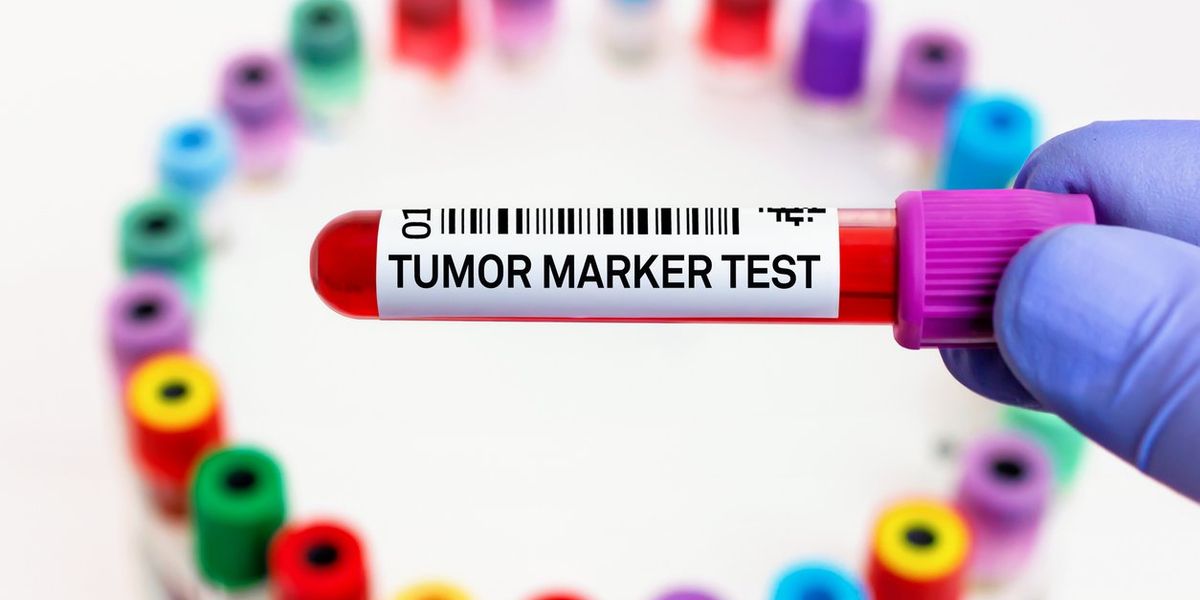
If you’ve ever been diagnosed with a health condition, a biomarker is at play, even if you’ve never heard the word. Biomarkers help healthcare providers identify, monitor and determine risk for disease — including heart disease, the leading cause of death for women in the U.S.
Biomarkers also play a big role in the development of medications and treatment options for health conditions such as cancer. Here’s more on the fascinating world of biomarkers, and what you need to know about biomarker testing.
A biomarker is a biological substance or sign that can be measured to evaluate health and disease. Biomarkers can be molecules, proteins, genes and other characteristics found in blood, body fluids or tissue.
One example of a biomarker is blood glucose (sugar). High or fluctuating blood sugar levels is a sign of diabetes. A healthcare provider can use the blood sugar levels to move forward with a diagnosis and the best treatment plan to manage the condition.
Other examples of biomarkers can include:
Biomarkers are important for many reasons. For one, they can help identify underlying conditions and diseases — sometimes before symptoms even start. Biomarkers also help predict how serious a condition might be and the right treatment plan to choose. For example, some biomarkers affect how cancer treatments work. A biomarker test can help guide treatment and personalized medicine tailored to the biomarkers in your body.
Biomarkers play a big role in developing new treatments and medications for health conditions. Researchers can use biomarkers to measure important factors such as safety of the drug, dosage and who is most likely to benefit from the treatment.
Biomarkers belong to different groups based on their purpose. These include:
Biomarker testing is used to measure biomarkers in blood, body fluids or tissue. These tests can include:
The results help healthcare providers identify conditions and may be helpful before, during and after a diagnosis, depending on the condition.
Biomarkers can also help identify health conditions specific to women. For example, certain protein biomarkers can help identify gynecological cancers, endometriosis and polycystic ovary syndrome (PCOS). And biomarkers play a crucial role in the early detection and treatment of breast cancer.
Other biomarkers can include:
One recent meta-analysis found miRNAs biomarkers can identify the exact stage of ovarian cancer — even early stages — which can lead to more personalized treatments and better outcomes.
When it comes to heart disease, biomarkers in your blood may help assess your risk for a major cardiovascular event. One recent study found women with high levels of LDL cholesterol, Lp(a) and C-reactive protein (CRP) were about three times more likely to have a heart attack and almost four times more likely to have a stroke.
Biomarker testing is typically recommended for people at-risk for or diagnosed with health conditions such as cancer. But testing may not be recommended for everyone or covered by insurance. As always, talk to your healthcare provider about biomarker testing and whether it’s an option for you.
From Your Site Articles
Related Articles Around the Web
Annebeth Kubbe is a three times Dutch vaulting Champion. She competes for the Netherlands. In 2015 Youth World Championship Ermelo (Squad) Warnix she stood fourth.
In 2017 she moved to Denmark and stayed there until 2021, when she returned to the Netherlands she decided to take a gap year after she passed her school exams. She wanted to focus on qualification for the 2018 FEI Vaulting European Championships for Juniors in Kaposvar Hungary. She bought her own horse, Guinness, and started to look for a place to work and vault. Suddenly, the chance to work and vault at Lasse Kristensen’s place came her way. She has studied at High school in Gorinchem, Netherlands and De HAN University of Applied Sciences located at Nijmegen, Netherlands. One of her hobbies is volunteering. She also a Physiotherapist and Vaulting coach.
Women Fitness President Ms. Namita Nayyar catches up with Annebeth Kubbe an exceptionally talented Dutch Equestrian Vaulting athlete; Three times Dutch Champion here she talks about her fitness routine, diet, and success story.
Where were you born and had your early education? Equestrian vaulting is most often described as gymnastics and dance on horseback. You came in competitive Equestrian vaulting at the age of nine years and participated in the 2015 Youth World Championship Ermelo (Squad) Warnix and stood fourth. This later propelled your career to the height where you have been a leading equestrian vaulting athlete, presently ranked 47th in the world. Tell us more about your professional journey of exceptional hard work, tenacity, and endurance?
I am born in the Netherlands and started my vaulting career in the Netherlands. In 2014 (at age 14) I started my career in the elite sports. I did this with junior team the Netherlands. In 2017 I started my career as an individual vaulter. This year I moved to Denmark to have fully focused on the sports. It was hard to move on my own to another county, but I was determined to get the best out of me as an athlete. In 2021 I decided to move back to Holland. I grow as a person and an athlete. The coach that was coaching me in Denmark, had different ambitious then me, so I decided to find a new coach. In 2022 I ended 5th in the world cup final. In 2022. 2023 and 2024 I became Dutch champion.

Annebeth KUBBE Evermore R (618) Jinte van der Heijden
NED
While performing Equestrian vaulting where choreographing routines is an art form, it’s about finding a balance between showcasing strengths and creating a captivating performance. Elaborate?
I love this question. For me Equestrian vaulting is definitely a combination of art, showcasing and elite sports. Of course you need to be fit and strong to be able to do all the exercises you want. But Its all about making it smooth with your horse, dancing with your horse and balancing each other. The show part is really about telling your story inspiring people and making art.
You stood fourth in 2022 FEI World Cup Finals Leipzig that was held from 6th to 10th April 2022 at Leipzig Germany. How these events in your equestrian vaulting journey act as a catalyst in your metriotic rise as a leading equestrian vaulting athlete?
The world cup final was my first competition with my own horse Evermore R. The connection I have with him is so deep. Because of him and our connection I became a much better athlete.
Full Interview is Continued on Next Page
This interview is exclusive and taken by Namita Nayyar President of womenfitness.net and should not be reproduced, copied, or hosted in part or full anywhere without express permission.
All Written Content Copyright © 2025 Women Fitness
Disclaimer
The Content is not intended to be a substitute for professional medical advice, diagnosis, or treatment. Always seek the advice of your physician or other qualified health provider with any questions you may have regarding a medical condition.
Herbs such as Artemisia vulgaris and Capsella bursa-pastoris promote menstrual and hormonal health. If your period is heavy enough to require changing more often than every one or two hours, or if you have a period that lasts more than a full week, you may be experiencing menorrhagia or heavy menstrual bleeding. Hormonal imbalance is one of the primary reasons for heavy menstrual bleeding, with Uterine fibroid tumors ranking second. Intrauterine devices used for contraception are also a potential cause of heavy menstrual bleeding or menorrhagia.

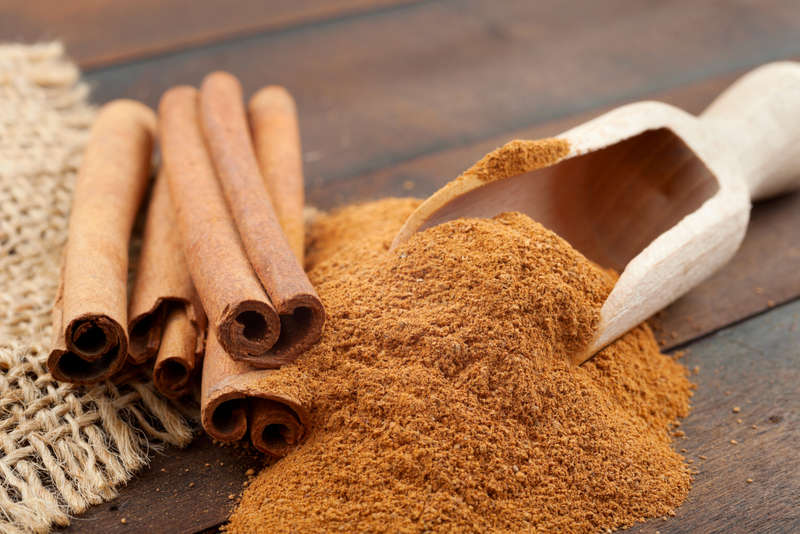
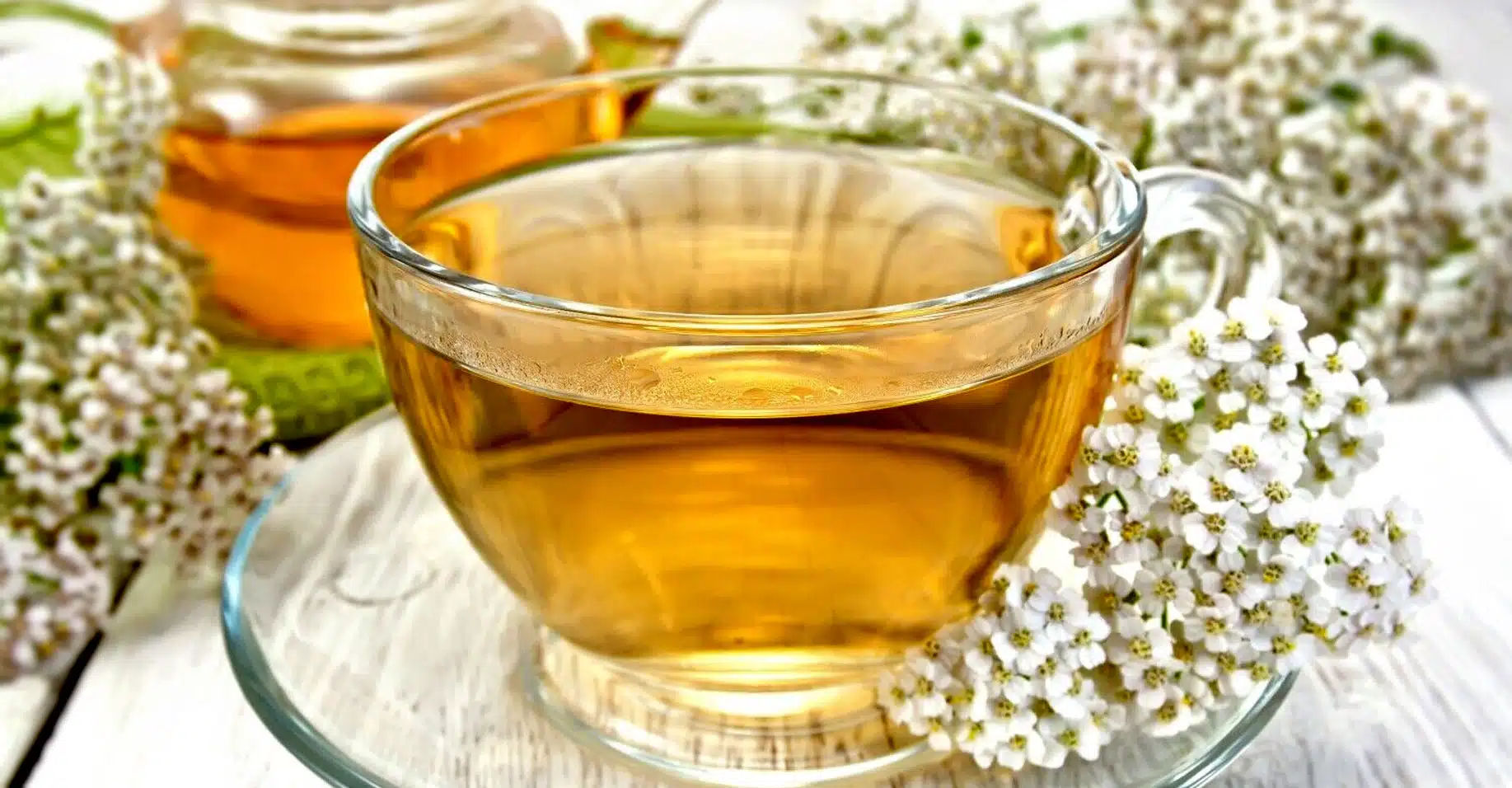
Nettle leaf and Hibiscus flower are suggested by some herbalists for managing heavy menstrual bleeding. Calendula officinalis acts as a menstrual cycle regulator and provides a calming effect while Viburnum opulus (Cramp Bark) helps to ease nervous tension and reduce menstrual cramps.
Menstrual chaos is common in menopausal years. Do not despair.
Disclaimer
The Content is not intended to be a substitute for professional medical advice, diagnosis, or treatment. Always seek the advice of your physician or other qualified health provider with any questions you may have regarding a medical condition.
Slide 1
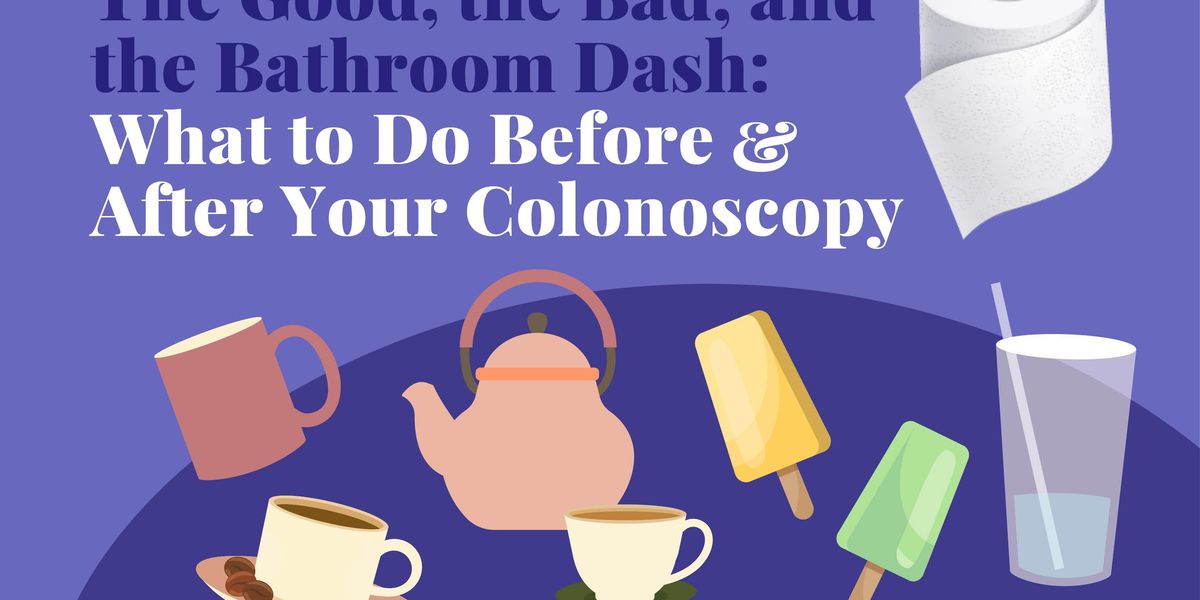
The Good, the Bad, and the Bathroom Dash: What to Do Before and After Your Colonoscopy
The colonoscopy and the recovery are usually easy. The day before? Get ready for a memorable evening in the bathroom.
Slide 2
The week before your colonoscopy
Pick up your prep. You’ll take it the night before your colonoscopy to empty the colon completely.
Prep comes in tablet, liquid or powder form. Each brand works differently, so read the instructions carefully.
Slide 3
While you’re out, pick up some supplies to stock the bathroom:
Also, put soft foods and clear liquids on the grocery list:
Jell-O
Sports drinks
Broth
Lemon or lime popsicles
Slide 4
3-5 days before your colonoscopy
Switch to a low-fiber diet.
Stop eating:
Raw fruit
Dried fruit
Whole grains
Vegetables
Nuts and seeds
This is to ensure the whole colon is visible during the scan.
Slide 5
The day before
Start a clear liquid diet:
Broth
Coffee or tea with no milk or creamer
Lemon or lime Jell-O and popsicles
Clear soda or sports drinks
Avoid red, orange, blue or purple food dye, which can resemble blood in the colon.
If you’re constipated today, let your doctor know so they can prescribe a laxative.
Slide 6
It’s go time!
Clear your evening calendar and start taking your prep meds several hours before bedtime to ensure you sleep. You’ll be drinking a lot of water and camping in the bathroom. Have your comfort supplies ready, along with a good book or magazine.
Slide 7
Pro Tips:
If you have liquid prep, drink it chilled and through a straw.
After drinking it, suck on a peppermint or lemon slice.
Stay hydrated: Sports drinks or electrolytes can help.
Stay motivated and keep going: if your colon isn’t empty, you may have to do it again.
Your goal: one and done!
Slide 8
Colonoscopy day
The hard part is behind you. At the hospital or clinic, you’ll gown up, get an IV, and take a nap under anesthesia.
Most people feel fine after they wake up, but some experience a little gas or bloating.
You’ll get your results before you leave.
Slide 9
Be sure to arrange for someone to bring you home.
Take it easy for the rest of the day as you recover from the anesthesia. You can eat again, with no restrictions. Enjoy, but start slowly.
Slide 10
Congratulations on prioritizing your health! That wasn’t so bad, was it?
With a clear scan and few risk factors, you may not need to do this again for several years.
This educational resource was created with support from Daiichi Sankyo.
An exclusive talk about handball, entrepreneurship, and FitLine products
Nathalie Hendrikse is one of the outstanding personalities in European handball. Born on April 4, 1995, in Amsterdam, Netherlands, she became an influencer and handball player renowned for her agility and precision on the right wing.
Currently playing for Thüringer HC in Germany, Nathalie has had an impressive career spanning multiple countries and leagues. Beyond her athletic achievements, she is also an entrepreneur, managing her jewelry webshop and engaging in social media marketing.
Nathalie Hendrikse (2024)
Early Beginnings and Passion for Handball
Q: Nathalie, can you share with us how your journey in handball began?
A: I started playing handball at the age of four. From a young age, I was drawn to the sport’s dynamic nature and the sense of community it fostered. Growing up in Amsterdam, I joined VOC Amsterdam, where I developed my skills and passion for the game
Q: You’ve played in the Netherlands, Norway, and now Germany. How have these experiences shaped your career?
A: Each country offered unique challenges and learning opportunities. Winning the Dutch championship with VOC Amsterdam in 2017 was a significant achievement. We’ve worked together as an extraordinary team.
Moving to Norway to play for Gjerpen HK Skien exposed me to a different style of play and a higher level of competition, which was instrumental in my development. Transitioning to the German Bundesliga with Sport-Union Neckarsulm and later Thüringer HC further honed my skills and adaptability.
Q: Since joining Thüringer HC, what accomplishments are you most proud of?
A: In my first season (2022/23) with Thüringer HC, I scored 108 goals in the Bundesliga, ranking as the second-best right-wing player in the league. Being recognized with the “International Class” distinction by Handball Woche experts was a testament to my hard work and dedication. Additionally, extending my contract with Thüringer HC reflects my commitment to the team and our shared goals.
Balancing Entrepreneurship and Professional Sports
Q: Alongside your handball career, you’re an entrepreneur. How do you balance both roles?
A: Time management and prioritization are key. Running my jewelry webshop and engaging in social media marketing allow me to express my creativity and connect with people differently. While handball requires physical endurance and teamwork, entrepreneurship challenges my strategic thinking and business acumen. Balancing both keeps me motivated and versatile.
Q: What are your goals moving forward, both on and off the court?
A: On the court, I aim to continue contributing to my team’s success, striving for championships and personal growth as a player. Off the court, I plan to expand my business ventures and explore opportunities that align with my passions. Ultimately, I want to inspire others to pursue their dreams, demonstrating that with dedication and hard work, it’s possible to excel in multiple arenas.
Incorporating FitLine Products into Daily Routine
Q: Nathalie, how do you integrate FitLine products into your daily routine, and how have they supported your professional handball career?
A: Since September 2017, I’ve been incorporating FitLine products into my daily routine. I use the FitLine PowerCocktail and Restorate every day. Depending on my workout schedule, I also take the ProShape Amino and the Fitness-Drink to support my training sessions. I can really experience amazing results with these products, and I feel great.
If I need a little extra energy boost, I have some FitLine Activize Oxyplus, it’s my secret weapon for that little kick of energy all of us need sometimes to perform at our best. In summary, FitLine products have supported my journey in professional sports and helped me become a better athlete.
This enhanced energy allows me to perform more without fatigue, and the quick recovery enables me to seamlessly continue with subsequent training sessions, especially during rigorous training weeks with fewer matches. In summary, FitLine products have made sports easier for me.
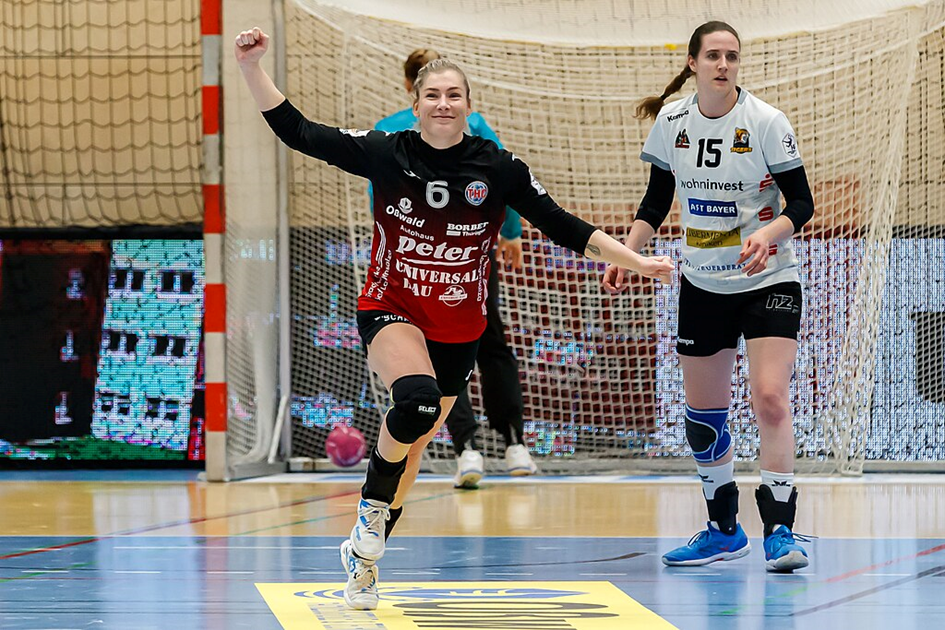
March 15, 2023: Handball, Women’s Bundesliga, Thüringer HC vs. VfL Waiblingen, Steffen Prößdorf, CC BY-SA 4.0
Message to Aspiring Athletes
Q: What advice would you give to young athletes aspiring to play professionally?
A: Stay dedicated, be open to learning, and embrace challenges as opportunities for growth. Surround yourself with supportive individuals, and never underestimate the power of perseverance. Remember, success is a journey, not a destination.
Nathalie Hendrikse’s journey exemplifies the blend of talent, hard work, and versatility. Her achievements in handball, coupled with her entrepreneurial spirit, make her a role model for many aspiring athletes and business enthusiasts alike.
To stay updated on Nathalie Hendrikse’s latest endeavors, follow her on Instagram: https://www.instagram.com/nathaliehendrikse
Disclaimer
The Content is not intended to be a substitute for professional medical advice, diagnosis, or treatment. Always seek the advice of your physician or other qualified health provider with any questions you may have regarding a medical condition.
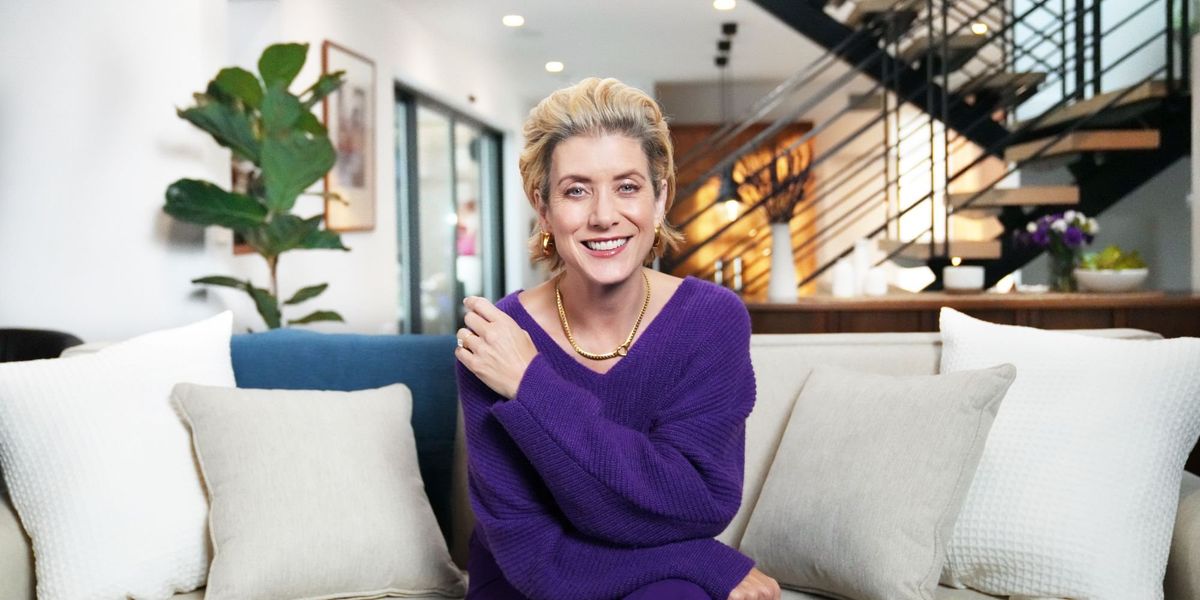
Fans of “Grey’s Anatomy” and “Private Practice” know Kate Walsh as surgeon-extraordinaire Dr. Addison Forbes Montgomery. But the actress has also dealt with some tough health issues off camera, including both of her parents having cancer.
So, when Walsh learned about a new blood test that can screen for cancer before symptoms even appear, she wanted to be part of the innovation. “It’s really about spreading awareness, and for me, if I had a parent that was still alive, I would have them take this test,” Walsh said.
Walsh has partnered with the healthcare company, ThisGRAIL Inc., on Generation Possible — an educational campaign to raise awareness about multi-cancer early detection (MCED) testing. “It’s science that wasn’t available before — that’s why it’s Generation Possible,” Walsh said. “And to have this access is incredible, so I encourage everyone to check it out and see if it’s right for them.”
While MCED testing doesn’t diagnose cancer, it can be used along with other screening tests for people who are at higher risk for cancer because of a family history or other risk factors. The blood test, which must be ordered by a healthcare provider and isn’t covered by insurance at this time, screens for a signal shared by more than 50 different types of cancer — many that don’t have recommended screening tests. If a signal is detected, the test predicts where it’s coming from.
We talked to Walsh about MCED testing and the importance of advocating for your health.
This interview has been edited for clarity and length.
This is something no other generation has had before. A simple blood test will screen for many different types of cancer — even some of the most deadliest.
This was not available even 20 years ago — it wasn’t available in my early days. It wasn’t available at all during my parents’ generation.
Both of my parents had cancer. My dad died of lung cancer when I was 23, and my mother was diagnosed with breast cancer and survived at age 62. She was able to live another almost 30 years so I’m pretty grateful for that.
But I think most of us have gotten a call where we’ve found out someone we care about has cancer — and it’s always a punch to the gut and terrifying. And so, to have this kind of early detection, that is what Generation Possible is all about, because we know early detection allows for more options of treatment. And I was particularly interested since people over 50 are 13 times more likely to get cancer than not.
Another reason I wanted to be part of this initiative is to spread awareness. Go to genpossible.com — there’s a quiz to take — particularly if you have a history of cancer in your family. There are also conversation starters and information about how to talk to your doctor about whether the test is a good option for you.
I was quite young when my father was diagnosed and eventually died. He was given six months to live, and that’s just a terrible piece of information to have about your parent — no matter how old you are.
And then, with my mother, it was also just so shocking. One of the things that really surprised me was that she was 62 when she was diagnosed, and I was sort of under the impression that if you get through your 20s, 30s, 40s and 50s without getting cancer you’re kind of off scot-free.
It was really interesting for me to learn that people over 50 are 13 times more likely to get cancer. So, when I found out my mother was diagnosed at 62, although she lived another almost 30 years and she did have a double mastectomy — it was shocking. You’re grateful for life, ultimately, but still it’s jarring.
I did start getting early breast exams because of that, and that was the first time I really understood, as a young woman, as a patient, that I had to advocate for myself because it wasn’t common to get early mammograms back then even with the family history.
Meningioma is about twice as common in women than men — another thing that happens for women as they get older.
I’m very lucky that mine was benign. That was another time when I really had to advocate for myself. I just started feeling very tired and people were like, “Oh, you’re tired — you’re done with the TV show ‘Bad Judge’ — which just got canceled,” and really how easy it is to question our own signs and symptoms. But I just knew that something was wrong.
I finally pushed and saw a neurologist who, even then, was like, “You’re probably hormonal or going through menopause — you’re an actress, you’re not working,” and tried to talk me out of it. But I really pushed to get an MRI, and then there it was — a pretty large tumor in my head that was very fortunately benign. But that wasn’t discovered until they got in there and were able to remove all of it. And thank God — I’m very grateful. My whole life changed.
I did all the cliché things while I was going through it — if I come out of this OK I’m going to spend more time with family and less time working — but I really kept that promise to myself on keeping a work/life balance.
And I committed to doing all these basic, tedious things to take care of myself. Part of taking care of myself is doing less and sleeping more and getting great sleep. Exercising and eating healthy and knowing that when I don’t eat healthy, I’m going to feel it.
Oh my gosh. I have my own real-life McDreamy and McSteamy — my fiancé, Andrew Nixon, so that’s who I’d take. I’m very lucky.
From Your Site Articles
Related Articles Around the Web