The main category of Fitness News.
You can use the search box below to find what you need.
[wd_asp id=1]
The main category of Fitness News.
You can use the search box below to find what you need.
[wd_asp id=1]
Emily Jamea, Ph.D., is a sex therapist, author and podcast host. You can find her here each month to share her latest thoughts about sex.
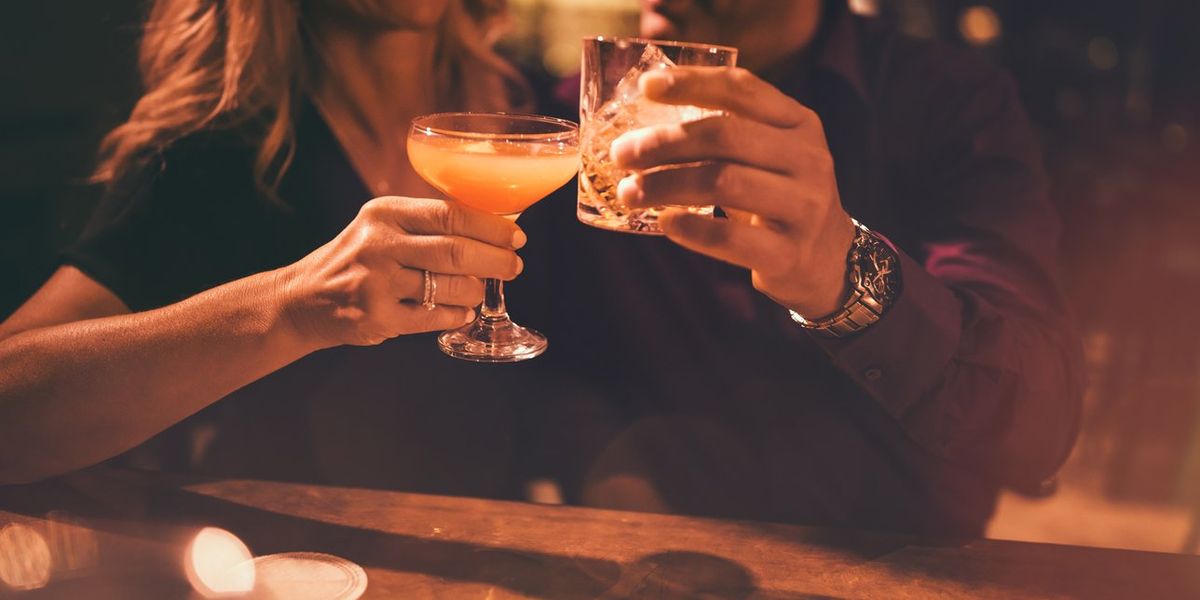
“Do you want to come up for a drink?”
We all know what that means, right?
Alcohol and sex have long been connected in our culture from romanticized depictions in media to casual references in social settings. But, when it comes to women’s sexual health, alcohol’s role is more complicated than its allure suggests. While a glass of wine might seem to enhance intimacy or ease inhibitions, the effects of alcohol on sex, particularly for women, deserve a closer look.
The U.S. Surgeon General just issued an advisory highlighting the link between alcohol and cancer, which brought the conversation about alcohol to the front of everyone’s mind. It also got me thinking about the dialogue I have with my clients about the role alcohol plays in their relationships and sex lives.
Take Sarah and Bill, a couple who came to see me for help managing issues with sexual desire. They had noticed a gradual decline in how often they had sex through the years, particularly after having kids. They did their best to keep the fire alive. They had date night once a month at their favorite Italian spot, where the sommelier was quick to recommend the best bottle of wine to accompany the nightly special.
Bill looked forward to those nights because it was more or less the only night each month that he and Sarah had “good” sex, as he described it. The rest of the times they had sex, it was clear that it felt like a chore to her. Bill resented that Sarah seemed to be participating out of a sense of obligation versus a genuine interest in wanting to connect. Sarah didn’t understand why Bill was dissatisfied. She felt like their monthly date night sex was fantastic, citing it as the one night a month her “inner vixen” came out. She felt that Bill should be thankful because she knew she got kinkier than a lot of her friends on those nights.
It would have been easy to work with what Bill and Sarah said at face value. I could have highlighted that date night gave them the opportunity to be away from the kids and to connect emotionally, which is why Sarah felt more sexual. I could have cited the “good enough sex model,” which essentially reminds couples to set realistic expectations for the quality of their sex lives in long-term relationships. But upon further exploration, I also learned that Sarah, often feeling stressed after a long day at work, found a glass of wine helped her unwind at the end of the day and took the edge off when the kids got whiny. She and the other softball team moms loved how it felt to fill their Stanleys with mimosas at Saturday morning games. I became concerned that she’d developed an unhealthy relationship with alcohol and might be using it as a tool to release her sexual inhibitions once a month with Bill. I was curious who she’d be in bed without alcohol as a crutch and how her relationship with Bill might shift.
I began by explaining to Sarah that using alcohol to take the edge off a long day, she may actually be making herself more irritable. Alcohol has a complicated relationship with anxiety.
Initially, drinking can create a sense of relaxation and ease by depressing the central nervous system and increasing the effects of GABA, a neurotransmitter that promotes calmness. However, in the long run, alcohol can worsen anxiety in several ways. After drinking, the brain tries to restore balance by reducing GABA and increasing other important neurotransmitters. This can lead to increased anxiety and irritability the next day. Second, alcohol interferes with REM sleep and overall sleep quality, leading to fatigue and greater emotional instability, which can make anxiety worse. Finally, using alcohol to cope with anxiety can lead to reliance, making it harder for the brain to manage stress naturally. This can create a vicious cycle where more alcohol is needed to achieve the same calming effect.
The initial feelings of calm that a shared bottle of wine gave Sarah likely contributed to her feeling more sexually free on date nights, but I wasn’t surprised to learn that, even though she was more willing to explore new things in bed, Sarah rarely reached orgasm on those Saturday nights. Alcohol is a depressant, which means it slows down the central nervous system. This can have a significant impact on sexual response. For women, drinking alcohol can reduce arousal and sensitivity because it diminishes blood flow to erogenous zones. This may result in difficulty achieving orgasm or experiencing less pleasurable sensations.
Read: The Science Behind Orgasms: What’s Going on When You’re Getting It On >>
Given what I knew about their relationship dynamic, I was less worried about consent as an issue between Sarah and Bill, but it is important for all women to remember that alcohol impairs decision-making, which can lead to risky sexual behaviors or situations where consent becomes ambiguous or impossible. My greater concern was that Sarah’s reliance on alcohol to lower her sexual inhibitions had led to emotional detachment from Bill and a diminished ability to connect authentically. This disconnect most likely contributed to sex falling flat outside of their monthly rendezvous.
I felt it important to remind Sarah that the gradual way she’d let alcohol slip into her life was likely (at least in part) a result of alcohol companies deliberately targeting women exactly like her. Alcohol marketing has evolved to appeal directly to women, tapping into themes of empowerment, relaxation and self-care. Campaigns often use slogans like “Mommy juice” or “Rosé all day,” glamorizing alcohol as a coping mechanism for life’s stresses. This targeted marketing increases the risk of dependence, because it creates a normalized culture of routine drinking.
I challenged Sarah to a 60-day sobriety challenge to explore how her life might change without alcohol in it. She didn’t meet the diagnostic criteria for alcoholism, but I felt that her first month off would reveal issues that were lurking below the surface and the next month would give us time to implement change. She could then decide if and how much she wanted to reintroduce alcohol into her life.
Sarah found that sitting in her car for a few minutes and taking several deep breaths before picking up the kids went a long way in helping her calm her nervous system before transitioning to mommy mode. She was pleasantly surprised to find that the softball moms didn’t give her a hard time for skipping out on mimosa hour, and she even inspired a couple of them to switch to morning coffee instead. She and Bill had a nice dinner out without a visit from the sommelier, but she was shocked to discover how sexually inhibited she felt when they tried to make love later that evening. We spent several sessions in therapy exploring the root of her sexual hang-ups, and I gave her strategies to overcome them. It took a couple of months, but eventually she tapped into her inner sober vixen. She was overcome with joy to discover that uninhibited sober sex was infinitely more pleasurable than sex with the numbing effect of booze. And what’s more, she found she genuinely desired her husband more frequently in between date nights.
Sarah enjoys the occasional glass of wine or cocktail today, but she completely transformed her relationship with alcohol and, as a result, drastically improved the quality of her sex life.
The relationship between alcohol and women’s sexual health is a complex issue that goes beyond the occasional cocktail. Moderate drinking might feel harmless, but the physical, psychological and relational impacts can be profound. As alcoholism continues to rise among women, fueled by targeted marketing and cultural normalization, it’s more important than ever to foster conversations about empowerment, awareness and authentic connection — without alcohol as the centerpiece.
From Your Site Articles
Related Articles Around the Web
As the expression goes, “More stretching, less stressing,” but perhaps you need a helping hand with all that stretching. So much time being spent in front of a screen in our day-to-day lives can create painful muscle stiffness and reduce overall flexibility. The postural discomfort that many of us experience whether you’re simply sitting too much, tethered to your work desk, or constantly staring down at mobile devices causing what’s known as “tech neck,” all can negatively impact mobility and your quality of life. Assisted stretching has emerged as an effective technique to combat the multitude of postural issues from which many of us are suffering. To learn more about guided stretching, I asked some experienced flexibility and mobility practitioners for some insight. For added insight, I signed up for an assisted stretch session to experience it for myself.
If you’re wondering why stretching is important or ever necessary, NSCA Personal Trainer of the Year, Tara De Leon, MS, RSCC, CSCS*D (@tara_deleon_fitness) explains that “Stretching is helpful because when you have good flexibility and mobility, life is easier, you’re less likely to get injured and your body performs better. Regular stretching makes you feel better, move better, and even helps reduce depression and anxiety.” Tara explained that there are essentially three types of stretches:
1. Dynamic Stretching that should be done before your workout or as part of your warmup;
2. Static stretching is typically done after exercise or movement, when your muscles are warm and best described as finding the point of tension, not pain, and then holding that stretch for 10-30 seconds
3. Proprioceptive Neuromuscular Facilitation or PNF which she finds most effective and improves flexibility the fastest, which she described as being, “typically done with a partner, though you could use a strap or band for most stretches. First you get into a static stretch and hold it for 30 seconds. Then you’ll contract the muscle being stretched for 30 seconds, followed immediately by another static stretch of the same muscle.“
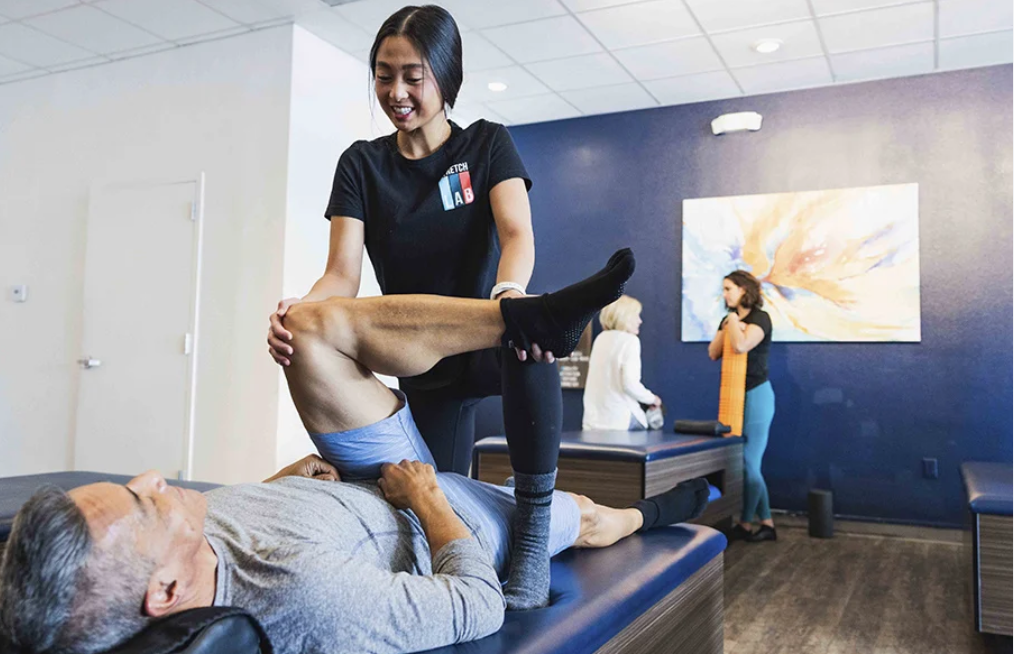
Discussing your habits and areas of tightness with your practitioner is vital to get the most out of your stretching session advises Dana Angelo White, MS, RDN, ATC (@DanaWhiteNutrition). While it’s normal to feel the stretch, Dana stresses the importance of speaking up if it crosses into the pain realm. While most practitioners are well-trained, she advises strong communication so that the tension being applied to the stretch doesn’t cause injury. While assisted stretching can be extremely helpful, Dana suggests also incorporating some resistance from suspension straps like TRX or a yoga strap to practice some DIY stretching at home. Regardless of what stretching you do, Dana says one of the most important things to do is to fully hydrate afterwards. “Taking in extra fluids after a stretch session is crucial to optimize recovery!”
As a physical therapist, Lori Diamos, PT, MS, FAFS (@pearlsfromapt) stresses the importance of incorporating a variety of techniques to assist with stretching. It is important she explains to ensure that stretching is done within a person’s tolerance to avoid strain or discomfort. Lori recommends using True Stretch, also called a stretch cage to assist with mobility and aid in real life movement. She explains that you can find True Stretch in high-level gyms and physical therapy clinics. Many of her clients told her that while they have seen these types of stress cages at their gyms, they were unaware of how to properly use them until she incorporated them into her sessions with them. Ultimately, stretching regularly and properly is key to maintaining mobility.
I opted to try a session at my local StretchLab studio (@stretchlabburlington). I showed up for my assisted stretch as instructed with loose clothing and some “grippy-bottom socks” to avoid slipping. After going over my health history and any injury status, I was introduced to my flexologist and was then taken to an assessment area. An interactive tablet style device assessed and scored my range of motion and flexibility as I mirrored the image on the screen. I was then escorted to one of the rows of stretch tables and my flexologist began a series of assisted stretches. The introductory session was a full body stretch, but as I glanced around, I saw other clients not only stretching but being treated with percussion massage tools and compression devices. I was told those are part of customized treatments once you begin regular sessions.
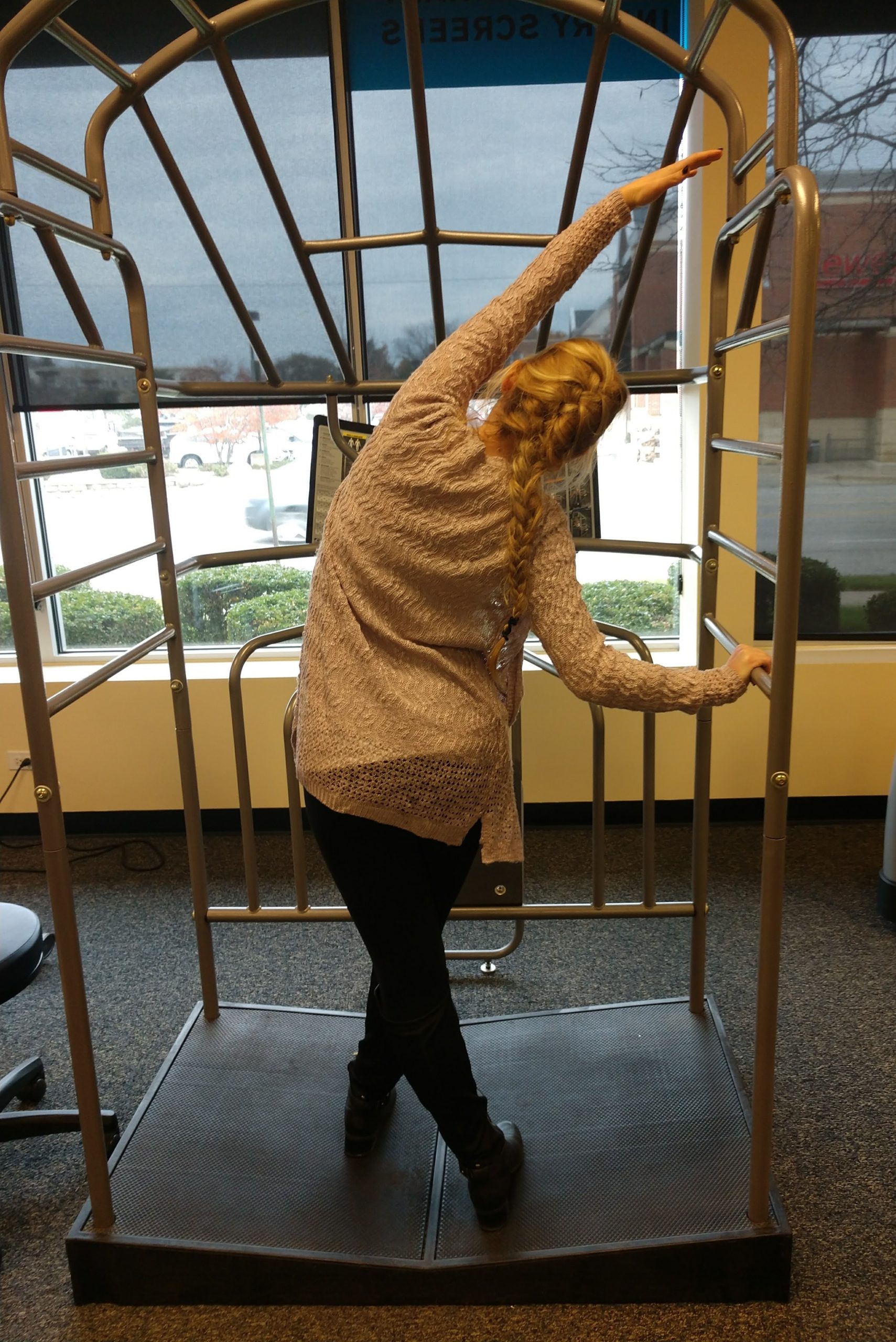
My flexologist was very communicative in asking me when any stretch was about 60% of my range of motion and I didn’t feel like any stretch was painful in any way. I felt relaxed and that a lot of tension had been released by the end of my session. I am an avid fitness enthusiast and part of my daily routine involves some yoga, foam rolling and stretching, but having someone guide and help maintain a stretch certainly hit areas I couldn’t completely reach or master unassisted. I found it beneficial and would imagine that someone with a less active lifestyle would benefit tremendously. After being thoroughly stretched out, I was advised what would be recommended for me for a stretch schedule if I were to continue with the assisted stretching sessions. Water was promptly offered at the completion of my session, and my flexologist took the time to show me some stretches that I could do at home to improve my overall flexibility.
Incorporating assisted stretching can be incredibly beneficial to help with stiffness and postural issues. Assistance from a trained professional can be transformative and unlock your body’s full potential. No matter what your fitness level or how sedentary your lifestyle, committing to a regular practice can stretch your mind, body and possibilities!
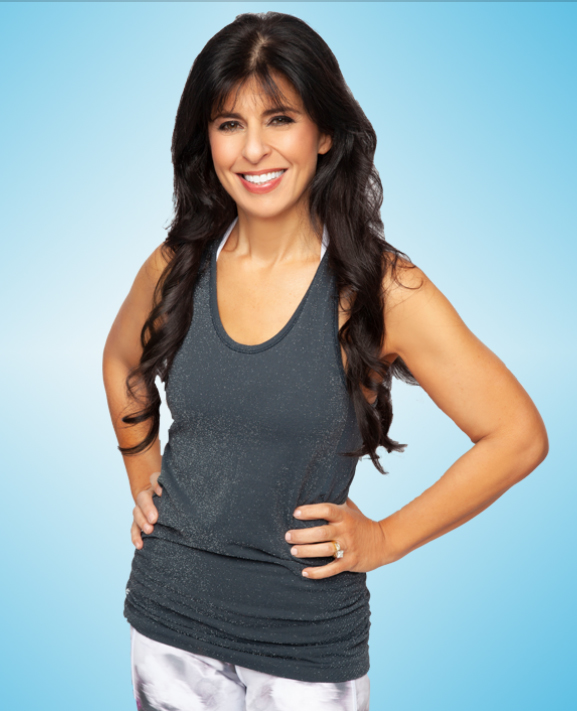
About the author: Charlene Bazarian is a fitness and weight loss success story after losing 96 pounds. She mixes her no-nonsense style of fitness advice with humor on her blog at Fbjfit.com and on Facebook at FBJ Fit and Instagram at @FBJFit.
Disclaimer
The Content is not intended to be a substitute for professional medical advice, diagnosis, or treatment. Always seek the advice of your physician or other qualified health provider with any questions you may have regarding a medical condition.
Courtnae Paul is a highly acclaimed creative consultant, dance professional and DJ with a strong passion for business, she also runs an entertainment company that specializes in all things performance, creative direction and conceptualization.
Before she became the award-winning, internationally acclaimed B-Girl, choreographer, and DJ she was a young girl from Durban, South Africa, breaking barriers of the society. Growing up in Red Hill, her earliest memories are of lively family gatherings filled with impromptu performances by her and her sisters — singing and dancing, embedding in her a love for the arts. These vibrant childhood moments sparked a passion that shaped her future and led to extraordinary success. They prepared her for a journey marked by perseverance and resilience.
Besides the arts, she excelled in gymnastics, kickboxing, and soccer. At 21, she moved to Gauteng, determined to cement her name as a leader of dance in South Africa. Her journey was not without challenges, but her unwavering commitment to authenticity and respect for her craft set her apart. Throughout her career, this girl of all trades has remained steadfast in her mission to make the world a better place. She embodies love and empathy, striving to uplift and create opportunities for her community – all with a massive smile on her face.
Her journey is a testament to the power of staying true to oneself and the impact one can have when driven by passion and purpose, this has led her to become an important voice for sports, art, and culture in Africa. Her story is one of triumph over adversity, a celebration of individuality, and a powerful reminder that true success comes from embracing who you are and using your talents to uplift others.
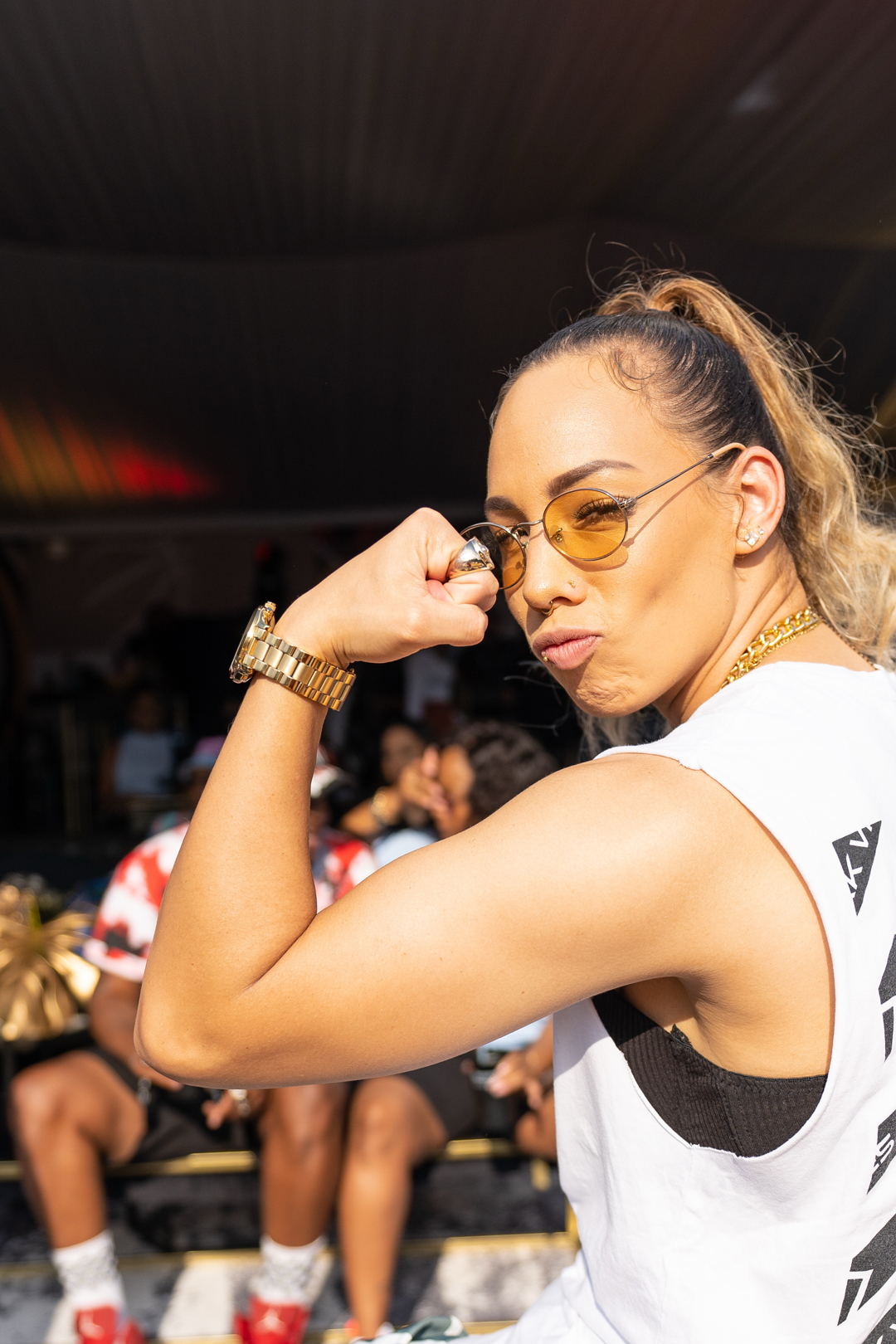
Achievements of Courtnae Paul
Award Winning four-time South African Breaking Champion.
Red Bull BC One Ambassador
Ranked as the highest African across male and female categories in the debut Olympic Qualifier Series 2024.
Head judge on 2 seasons of SABC 1’s Break Da Beat.
Choreographed and mentored on “Dance Africa Dance” on DSTV’s ZEE World.
Choreographed on/for platforms such as the GSport Awards, DSTV MVC Awards, Channel O Awards, Netflix SA as well as a welcome for Sir Richard Branson.
Opening act for international artists like Lil Wayne, Pitbull, Fatman Scoop, Rae Sremmurd, Burna Boy, and Omarion.
Collaborated with top South African talents like Kwesta, Moonchild Sanelly, Sho Madjozi, Khuli Chana, and the late AKA.
Debut EP “Got Next” released during the 2020 lockdown.
Hosted online show “Spare Room Sessions” with over 600,000 views.
South African Hip Hop Award nomination for DJ of the Year.
Performed at Back to the City, Rocking the Daisies, Brutal Fruit Brunch, Red Bull Dance Your Style World Final, and more.
B-Girl | DJ | National South African Athlete
Award winning 4x South African Champ
2 times African Champ
SAHHA DJ of the Year Nominee
Forbes Woman Africa 2024
Her dedication to touring and playing mixes on radio stations are just two of the reasons she bagged her first South African Hip Hop Award nomination for DJ of the Year.
With a flair for business, she proudly runs CP Entertainment (Pty) Ltd – a high-end entertainment company that specializes in all things performance, creative direction and conceptualization. She knows all about bringing the wow-factor to every project by offering services to both commercial and corporate industries with clients spanning from top local and international artists, to advertising agencies, corporate year ends and award shows.
CPE’s most recent projects include being an entertainment sponsor at the 2024 Forbes Africa Leading Women’s Summit, surprise act at the G-Star RAW X Burna Boy collab launch, and being part of Astron Energy’s nationwide launches. Other prominent clients under CPE’s belt include Forbes Leading Women Summit, Hennessy, Comic’s Choice Awards and Estee Lauder.
Fresh faced Entertainment Powerhouse she is a pioneer for SA female break dancers and dancers alike. She has grown to be a force to be respected in the entertainment industry.
Born and bred in Durban, and now conquering Johannesburg, Courtnae’ aged 25 has a long list of clients and accolades in both the corporate and commercial world. She has worked on projects as creative director, entertainment producer, choreographer and performer for brands such as Mercedes Benz, VW, G.H.Mumm, Land Rover, Play Energy Drink, Sprite, Jeep, Absa, Telkom, Nedbank, Standard Bank, Old mutual, KFC, Cell C, Vuzu, Dove, and Castle Lite.
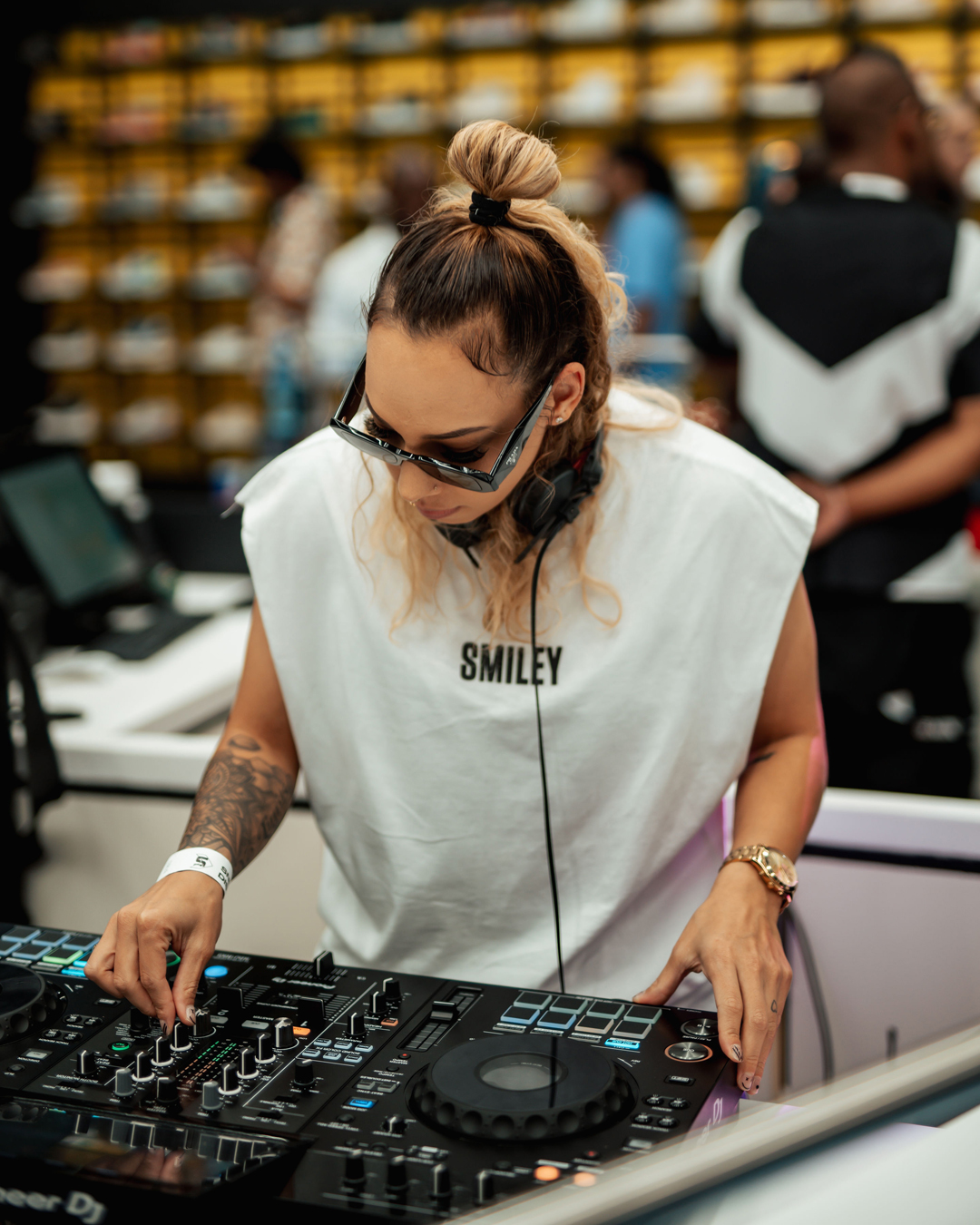
She has also opened for, and shared the stage with international artists such as Lil Wayne, Pitbull, Jay Sean, Akon, Fatman Scoop, Rae Sremmurd, Banky W, Burna Boy and Omarion, as well as toured, choreographed and performed with local artists such as Toya Delazy, Reason, Lloyd Cele, Tamara Dey, Mafikizolo, The Graeme Watkins Project, George Avakian, iFani, Khuli Chana, Da L.E.S, AKA, Heavy K, Micasa, Rouge, Major League Djz, and Anatii. She has even lead and choreographed Cell C’s latest commercial campaigns and a welcome for Sir Richard Branson.
Courtnae’ brought in the new year playing 4 events in Dubai, including headlining a NYE party at The Millennium Hotel, Dubai, as well as teaching guest workshops in Phuket, Thailand and Bali. She has a weekly segment, Court-Side on Touch HD Online Radio, and she is also currently the resident judge on SABC 1’s 13EP reality dance show, Break Da Beat.
Women Fitness President Ms. Namita Nayyar catches up with Courtnae Paul an exceptionally talented South African Break dancer, Multifaceted Personality and exceptional achiever here she talks about her fitness routine, her diet, and her success story.
You were born in Durban, South Africa and where did you have your early education? Breakdancing or breaking, also called b-girling (women), is a style of street dance originated by African Americans and Puerto Ricans in the Bronx. Breaking is the only new sport at the 2024 Paris Olympics. During your early childhood at lively family gatherings you along with your sisters performed impromptu performances like singing and dancing. This later propelled your career to the height where you have been a leading South Africa Break dancer and becoming four times South African Breaking Champion. Tell us more about your professional journey of exceptional hard work, tenacity, and endurance?
Growing up, my home was always buzzing with music and laughter. My family knew how to have a good time! While I didn’t get into dance and breaking until my teens, I was always a sporty kid. I played team sports like soccer and netball, and individual sports like gymnastics, kickboxing, and athletics. I often joke that this eclectic mix of interests shaped me into the breaker and athlete I am today.
My professional dance journey began when I was 15, at Northlands Girls High. I stumbled upon an audition call for a Bollywood show at Sun coast Casino, and despite having no formal training or experience; I decided to give it a shot. To my surprise, I landed the job and was even cast as a choreographer and soloist. This was my first taste of thinking on my feet and staying calm under pressure.
Fast-forward to today, and my journey remains true to its roots. As a female breaker in a male-dominated industry, I’ve faced my share of challenges. But what we lack in structure and recognition, we make up for in our passion and perseverance.
People often assume the entertainment industry is glamorous and effortless, but the reality is far from it. Behind the scenes, it’s hard work, dedication, and a willingness to take risks. Despite the challenges, my love for dance, sport, and culture only grows stronger. I feel a deep responsibility to give back to the culture that has given me so much, and to pave the way as best as I can for the next generation.
Full Interview is Continued on Next Page
This interview is exclusive and taken by Namita Nayyar President of womenfitness.net and should not be reproduced, copied, or hosted in part or full anywhere without express permission.
All Written Content Copyright © 2025 Women Fitness
Disclaimer
The Content is not intended to be a substitute for professional medical advice, diagnosis, or treatment. Always seek the advice of your physician or other qualified health provider with any questions you may have regarding a medical condition.
1. You are a shining star. You have the fire + power within you to make a change in the world. You matter. Be curious. Ask questions. Help others. Believe you can and you will.
Lauren Chiarello, 2 X Cancer Survivor
2. It’s time to step into your power. Own your uniqueness, but understand that we are all a collective humanity. Fill your space and time with love and kindness, instead of judgement towards yourself or others.
3. Never let fear of what people may think keep you from achieving your own goals. You are stronger than you think.
Cassie Lambert, Army Veteran & Online Trainer
4. We all face different obstacles in life. My advice would be to learn how to make peace with your obstacle and find a way to turn them into something positive. You never know how your positive energy can lift others up. I’ve found that being a living example of what “Strong With Diabetes” can look like has not only helped myself overcome my obstacles but also shown other women that they deserve to be happy and healthy as well, despite their diabetes!
Christel Oerum, Founder – Diabetes Strong
5. Create your own definition of success…You define it! Success will come in all sizes during your journey. Whether the success is small or large, remember to cherish and celebrate it all. Appreciate the struggles and learn from them. Be brave, strong, focused and always cherish those who believe in you no matter what.
Stefani Vara, Recording Artist
6. Always, Always ..listen to your inner voice!! Your gut instinct it is your most powerful resource!!
Corey Phelps, Overcame Hypothyroid
7. Knowledge is power, and finding the right guide is the key to navigating pain and dysfunction.
8. Women need to believe in themselves. Don’t get caught up in the discouraging dialogue that sometimes floats around in your head.
Ellen Latham, Founder Orangetheory Fitness
9. Always try to focus on the positive. This applies to every area of your life. Terrible things happen constantly, but that’s the case with everyone. It’s about how you react to those situations, how you take something that could be perceived as a setback and use it to find strength and happiness.
10. As a woman we carry so much on our shoulders. Many of us are the head of our households, so the pressure can be challenging. Never be afraid to step away from your daily responsibilities just to take a breather for yourself. You are at your best when you are physically and mentally strong!
Jaz Jackson, Fitness and Beauty Vlogger
Check out their entire stories to draw motivation and inspiration from them.
Disclaimer
The Content is not intended to be a substitute for professional medical advice, diagnosis, or treatment. Always seek the advice of your physician or other qualified health provider with any questions you may have regarding a medical condition.
March 3 -7, 2025, is Obesity Care Week.
The term “microdosing” probably makes you think of psychedelic drugs — us too. But the latest trend in microdosing involves taking small amounts of the popular weight-loss medications known as GLP-1s.
GLP-1 drugs have revolutionized the way we treat Type 2 diabetes and obesity. The injectable medications mimic a hormone made in the gut called glucagon-like peptide-1 (GLP-1), which helps manage blood sugar, reduce appetite and slow stomach emptying so you feel fuller, longer.
Although GLP-1 medications have been around for decades as diabetes drugs, they have only recently been approved for weight loss by the Federal Drug Administration (FDA), and that’s what has led to a significant increase in popularity and a rise in microdosing them.
Microdosing GLP-1 medications means taking smaller doses than what’s standard or recommended by the manufacturer.
People microdose for different reasons. For one, the recent demand for GLP-1 drugs has created ongoing supply issues, and some people microdose to help stretch their supply.
A shortage of medication can be particularly concerning for people on GLP-1s considering that research shows that people who stop taking certain GLP-1s are likely to regain weight without the medication.
Microdosing GLP-1s has also been making the rounds on social media as a way to reduce the cost of the medication.
GLP-1 medications aren’t cheap. The price varies depending on insurance — if you have insurance — and which GLP-1 you’re prescribed. But for reference, most GLP-1 medications cost more than $1,000 a month without insurance.
Read: Thanks to TikTok, I Was Able to Afford the Anti-Obesity Medication That Changed My Life >>
In addition to supply and cost, Fatima Cody Stanford, M.D., M.P.H., M.P.A., associate professor of medicine and pediatrics at Harvard Medical School and obesity medicine physician-scientist in the Massachusetts General Hospital Weight Center, said reasons for microdosing can include:
For some people, microdosing GLP-1 medications may work for their health goals. According to Holly F. Lofton, M.D., director of the medical weight management program at NYU Langone Health and a member of HealthyWomen’s Women’s Health Advisory Council, “Some patients may find they are super responders to [the] recommended doses and can notice weight loss and other benefits when microdosing.”
But, there’s not much research to back up the benefits of microdosing, and for that reason, professional organizations such as the American Diabetes Association do not endorse microdosing. The best thing to do is to talk to your healthcare provider about your dose, cost and any other concerns you may have before making any changes.
Many people microdosing GLP-1 medications are taking a compounded GLP-1, which means the drug was made in a compounded pharmacy and not approved by the FDA for safety, quality or efficiency. But the lack of FDA oversight can result in the ingredients being too strong, not strong enough or even harmful to your health.
Read: Anti-Obesity Medications Are All the Buzz >>
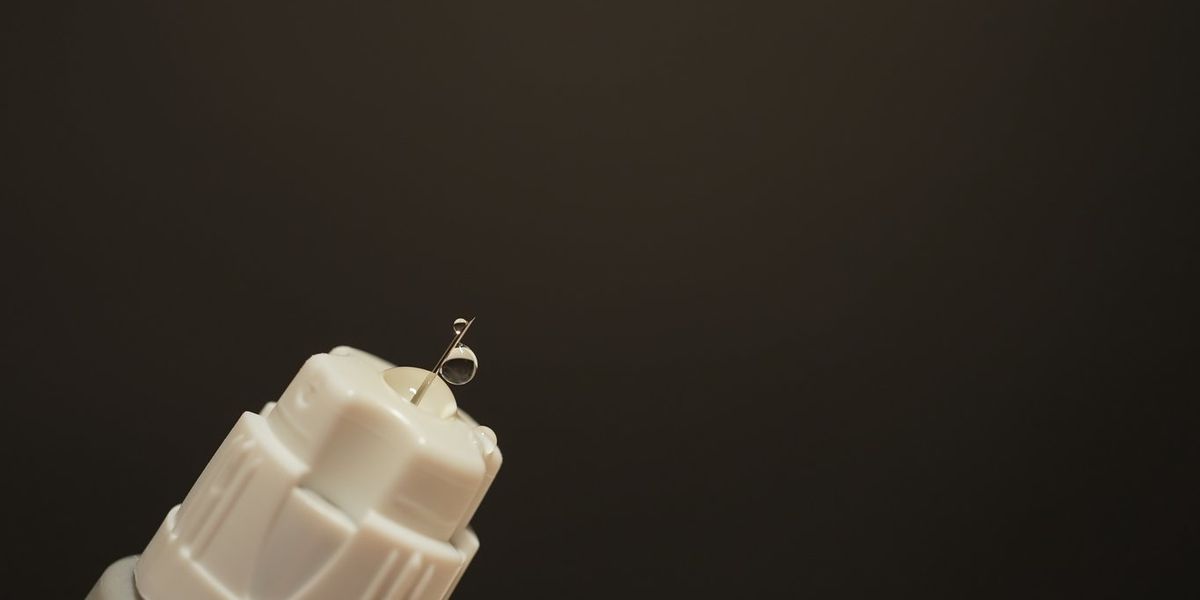
Anyone taking a GLP-1 medication should opt for the FDA-approved drugs when possible so you know exactly what you’re getting — and how much you’re getting. The FDA-approved GLP-1 medications come in injectable pens with precise dosing, whereas compounded GLP-1 drugs typically come in a vial with a syringe that can offer more flexibility for microdosing, but also opens up the chance for taking too much or too little medication. And, again, whatever is in the vial hasn’t been evaluated by the FDA.
“The safety of microdosing GLP-1 medications is not well-established,” Stanford said. “Potential risks include inadequate disease management, unpredictable side effects and interactions with other medications.”
It’s easy to get caught up in what you’re seeing and hearing online, but if it seems too good to be true — it probably is. There are illegal online pharmacies selling GLP-1 medications and those medications are not checked for safety. Overall, it’s important to talk to your healthcare provider before making any changes or trying a new drug. Microdosing may sound like it’s a little thing — but it can have a big impact on your health.
Related Articles Around the Web
As told to Jacquelyne Froeber
March is Endometriosis Awareness Month.
I remember having issues with my period as a teenager, but it was in my early 30s when I started having pelvic pain and cramps that wouldn’t go away.
I made an appointment with my gynecologist and she said I had some small cysts, but they — and whatever pain I was in — were nothing to worry about.
But over the next few years, my symptoms got worse, and it became a big deal. In addition to the pelvic pain, I had back pain, constipation, bloating, heavy period bleeding, pain during sex and blinding headache attacks. Some days were so bad, I couldn’t get out of bed.
I knew some people thought I was being dramatic, but no one could see the smattering of lesions and abnormal tissue growing on and around my reproductive organs, causing inflammation and pain, and wreaking havoc on my insides.
When I was 36, I decided to go to another gynecologist thinking she may understand my pain. Unfortunately, she didn’t. “That’s just how periods are,” she said. But eventually, she did refer me to a healthcare provider (HCP) who treated
endometriosis.
I’d never heard of endometriosis before. So, even though I was infuriated that she dismissed my symptoms, I was thrilled to have a follow-up with someone who may actually be able to help me.
After the new HCP ordered a series of tests, we collectively decided to do a laparoscopic procedure where a thin, lighted tube (laparoscope) is inserted through a small incision to look at the pelvic cavity and identify endometrial tissue.
When the results came back, he said I had endometriosis. I felt a flood of relief and a surge of adrenaline. I could finally start to move on with my life. We then decided to go forward with endometrial ablation. After the procedure, I felt better for a few weeks, but then all the symptoms came back.
“What’s our next step?” I asked my provider.
“Go out there and get pregnant,” he said.
He wasn’t joking.
He went on to say that most women have fewer symptoms of endometriosis during pregnancy.
I immediately felt myself retreat back into my shell. My mind whirled. What he said was completely inappropriate. Nevermind the fact that I was single and that no one can stay pregnant forever — Then what? — pregnancy is not a treatment. My abdomen screamed in anger and agony. but my brain started to go numb.
After I made it clear that, if I wanted to get pregnant, it wouldn’t be to treat my disease, I was prescribed an injectable medication in the hopes that it would shrink the endometriosis.
Ironically, the medication put me in a menopausal state, and I quickly added hot flashes, vaginal dryness and dramatic mood swings to my growing list of health issues.
One minute I was perfectly fine, and the next minute I was sobbing and hiding from the world. The side effects were so extreme I stopped taking the medication not long after I started it. There had to be another way.
After a few visits to different providers, a surgeon in Baltimore took my endometriosis symptoms seriously, and we decided on excision surgery to cut out the affected areas.
I was cautiously optimistic about the procedure given all I’d been through — but when I woke up from surgery, I knew something was different. The surgery had worked! For the first time in years, I had a significant decline in pain. I started to feel like my old self.
Lindsey on Capitol Hill advocating for endometriosis funding and research.
But the excitement was short-lived. A few months after the surgery, the pain and the heavy bleeding came back.
My HCP recommended a different injectable medication (which I later learned was typically prescribed for men with prostate cancer), but the side effects were even worse than the medication I was on before. I stopped taking it.
All of the medications, surgeries, hormones and pain took a significant toll on my mental and physical health. After I turned 40, I quit my prestigious job in Washington, D.C., and moved back home with my mom and stepdad. I felt broken. I spent my days in a fog wearing sunglasses inside their house.
My mom and stepdad supported me and took care of me for the next six months until I felt strong enough to move out and live on my own again.
Still, every day was marred by the symptoms of endometriosis. I went back to the HCP who performed the surgery to see if there was anything else I could try to manage the disease. Turns out, there was an option — a hysterectomy.
I’d known a hysterectomy was a possibility, but it seemed so extreme. A hysterectomy meant zero chance to bear children. I didn’t know if I could make that decision. I left the appointment feeling alone and confused and furious that removing my organs was an option at all.
I didn’t take the decision lightly. Six months later, I decided to have the hysterectomy and also remove my left ovary — the one that hurt the most.
After the hysterectomy, the surgeon told me that everything went fine but they removed the right ovary — not the left. Why? He said the right one looked “worse.”
“But that’s not what we decided before the surgery,” I protested. “My left ovary is the one that hurts.”
And it still does today.
To make matters worse, the hospital wanted to discharge me the day of surgery. I refused. I couldn’t believe they wanted to send me home after removing all my reproductive organs. This was a major surgery but they were treating me like I came in for a routine checkup.
That day was the tipping point for me. I shouldn’t have had to beg and plead to stay at the hospital that night (they eventually cleared me to stay). I shouldn’t have had the wrong ovary taken out without my consent. I should have more treatment options that didn’t involve taking body parts in the first place.
I was done feeling dismissed and like my feelings didn’t matter. They did — they do.
During my endometriosis journey, I found it very important for me to get involved in an endometriosis community. I connected with the CEO of the Endometriosis Association who welcomed me with open arms to share my story to educate others and raise more funding for endometriosis. This was also my way to speak out against everyone who didn’t take me — or the disease — seriously.
Increasing awareness about endometriosis has become my full-time job. Over the years I’ve done many interviews and speaking engagements. I was honored to be the Endometriosis Association’s first brand ambassador, and I continue to advocate for research on Capitol Hill and through my own website.
I keep telling my story because there’s still no cure for the disease. I want more awareness. I want more funding. I want more research.
We can’t accept that our options are either pregnancy or hysterectomy. We deserve to be heard, and we want action. We just don’t want the action to be removing our body parts.
Have your own Real Women, Real Stories you want to share? Let us know.
Our Real Women, Real Stories are the authentic experiences of real-life women. The views, opinions and experiences shared in these stories are not endorsed by HealthyWomen and do not necessarily reflect the official policy or position of HealthyWomen.
From Your Site Articles
Related Articles Around the Web
Quote she believes in “If you don’t like the road you’re walking, start paving another one”
Anna Hopkin MBE is a British swimmer. She won gold as part of the British team at the 2020 Tokyo Olympics in mixed 4 × 100 meter medley relay, setting a new world record time.
She was born at Chorley, Lancashire, England. She attended Withnell Fold Primary School and St Michael’s C of E High School, and completed her A Levels at Runshaw College in 2014. She graduated from the University of Bath in 2018 with a degree in Sport and Exercise Science.
Hopkin competed for England in the women’s 4 × 100 meter freestyle relay at the 2018 Commonwealth Games, winning a bronze medal.
In May 2021, at the European Championships held in Budapest, Hopkin won gold medals in women’s 4 × 100 meter freestyle, women’s 4 × 100 meter medley, mixed 4 × 100 meter freestyle and mixed 4 × 100 meter medley relays.
Hopkin was named as a member of the British team to go to the postponed 2020 Olympics in Tokyo. This would be her first Olympics and she joined as part of what was considered a “high quality” swimming team. Hopkin swam the anchor freestyle leg in the Mixed 4 x 100 meter medley relay, and won gold in a new world record time of 3 minutes 37.58 seconds together with Adam Peaty, James Guy and Kathleen Dawson.
In 2023, she won the gold medal at the 2023 British Swimming Championships in the 50 meters freestyle. It was the third consecutive time that she had won the 50 meters event. After winning both the 50 meters freestyle and the 100 meters freestyle at the 2024 Aquatics GB Swimming Championships, Hopkin sealed her place at the 2024 Summer Olympics.
Hopkin was appointed Member of the Order of the British Empire (MBE) in the 2022 New Year Honours for services to swimming.
Women’s swimming Representing Great Britain
Olympic Games
Gold medal – first place 2020 Tokyo 4×100 m mixed medley
World Championships (LC)
Bronze medal – third place 2023 Fukuoka 4×100 m mixed freestyle
Bronze medal – third place 2024 Doha 4×100 m mixed medley
World Championships (SC)
Bronze medal – third place 2022 Melbourne 50 m freestyle
European Championships (LC)
Gold medal – first place 2020 Budapest 4×100 m freestyle
Gold medal – first place 2020 Budapest 4×100 m medley
Gold medal – first place 2020 Budapest 4×100 m mixed freestyle
Gold medal – first place 2020 Budapest 4×100 m mixed medley
Gold medal – first place 2022 Rome 4×100 m freestyle
Silver medal – second place 2022 Rome 4×100 m mixed freestyle
Bronze medal – third place 2020 Budapest 100 m freestyle
Bronze medal – third place 2022 Rome 4×100 m mixed medley
European Championships (SC)
Silver medal – second place 2019 Glasgow 4×50 m mixed freestyle
Representing England Commonwealth Games
Silver medal – second place 2022 Birmingham 4×100 m freestyle
Silver medal – second place 2022 Birmingham 4×100 m mixed freestyle
Bronze medal – third place 2018 Gold Coast 4×100 m freestyle
Bronze medal – third place 2022 Birmingham 4×100 m medley
Women Fitness President Ms. Namita Nayyar catches up with Anna Hopkin an exceptionally talented British swimmer, Olympic Gold medalist and World Record Holder; here she talks about her fitness routine, her diet, and her success story.
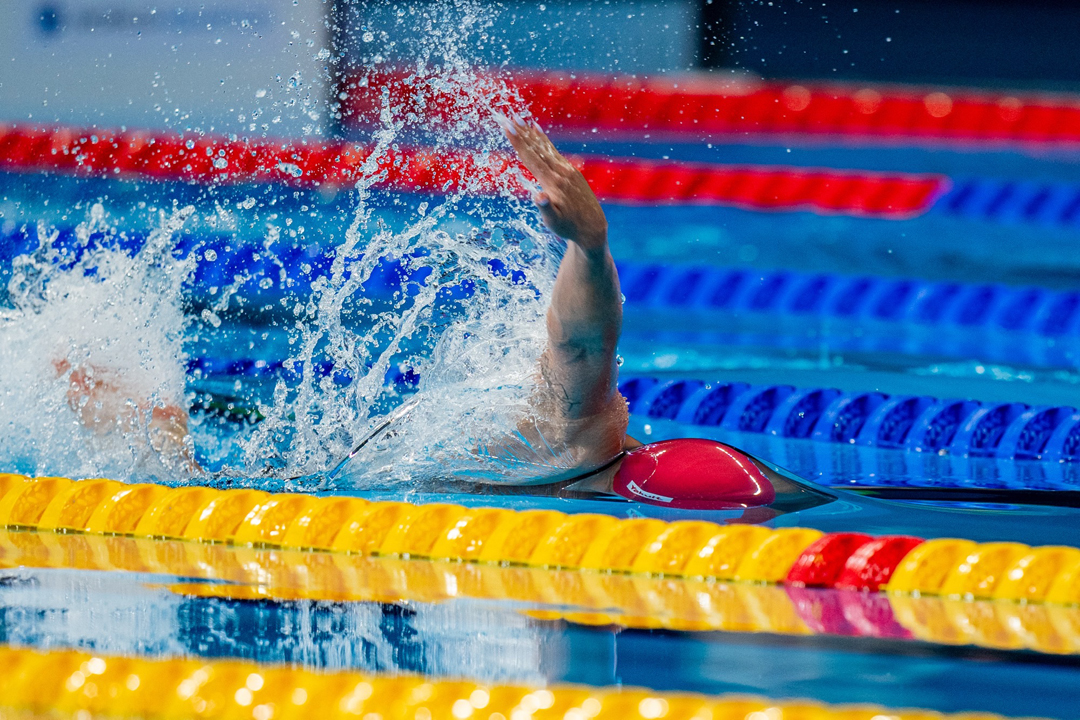
You were born in Chorley, Lancashire, England. You graduated from the University of Bath in 2018 with a degree in Sport and Exercise Science. You competed for England in the women’s 4 × 100 meter freestyle relay at the 2018 Commonwealth Games, winning a bronze medal. Later in the sport of swimming you propelled your career to the height where you have been at the top of the world as the leading British competitive swimmer and won Gold medal at 2020 Olympics in Tokyo. Tell us more about your professional journey of exceptional hard work, tenacity, and endurance?
I have always been incredibly sporty and competitive from a young age so hard work and striving to reach goals has always been part of my DNA, it just took me a while to really find my place within the sport. I swam when I was younger within the Lancashire squad and had a lot of potential and although I did have success nationally at a young age there were a lot of points where I really didn’t enjoy the sport. I put this down to the intensity of training required and sacrifices I had to make at a very young age when I still wanted to explore lots of other sports I enjoyed. I wasn’t ready to just commit to swimming at that point.
I actually left the competitive side of sport at 13 for almost 5 years and never thought I would race again, instead I took up all the sports I’d had to give up when I was younger plus others! I did running, trampolining, gymnastics, cheerleading and a little bit of swimming for fitness. It was actually when I started at Bath at 18 that I decided I wanted to be part of the sport again, mainly for fun and fitness and to be part of the relays. Little did I know I’d catch the swimming bug again and absolutely fall in love with the training, competing and desire to keep getting better. From that point on I was committed to continuing to train more, work harder, try new things in training and keep improving my times.
I gradually climbed up the rankings and my goals and dreams within the sport got bigger. Commonwealth Games 2018 was a turning point for me, competing in front of packed crowds, standing on the podium with teammates and feeling the satisfaction of those achievements drove me on to want even more from myself. I then went to America for 2 years to train, targeting the 2020 Olympics, willing to commit my life to the pursuit of that goal. I dedicated my training, mindset, nutrition and recovery to being the best it could be and came back to the UK in 2020 believing this was possible.
Despite the Olympics being postponed a year to 2021 I continued this dedication into my training at my new base in Loughborough and worked with my new coach Mel and my coach Neil in America to ensure I had the best chance of making the team in 2021. It was an absolute dream come true to make that team and only boosted my belief in myself going into the Olympic Games – never did I think an Olympic Gold Medal was on the cards though! The Olympic Games in Tokyo was one of the most seamless competitions I have experienced, every athlete dreams of a competition where every time they race they get better and better and everything flows, I feel so lucky to have experienced this in Tokyo. I broke the British record in the 100 freestyle, made an Olympic final individually and of course became Olympic champion and world record holder with the team in the 4×100 mixed medley relay.
The journey beyond 2021 was more challenging with the pressures and expectations of being Olympic champion weighing on my shoulders. It was harder to gain satisfaction from my achievements because how can you replicate standing on top of an Olympic podium? I was definitely very hard on myself and struggled to love the sport as I had done previously, people do talk about Olympic blues and I think I experienced this. I worked hard on myself and with a my sports psychologist and coach to bring back the spark I had lost and there are many moments I am very proud of to have come through times of doubt and uncertainty and continue to battle on and never give up.
Full Interview is Continued on Next Page
This interview is exclusive and taken by Namita Nayyar President of womenfitness.net and should not be reproduced, copied, or hosted in part or full anywhere without express permission.
All Written Content Copyright © 2025 Women Fitness
Disclaimer
The Content is not intended to be a substitute for professional medical advice, diagnosis, or treatment. Always seek the advice of your physician or other qualified health provider with any questions you may have regarding a medical condition.
Brittney Palmer isn’t just a fitness icon—she’s an artist, entrepreneur, and trailblazer. As a four-time Fitness Gurls cover model, she’s captivated audiences with her beauty, talent, and relentless drive. Recently retiring as a UFC Octagon Girl, Brittney Palmer is embracing new creative ventures, from her Ethika clothing collab to her Las Vegas art show. She’s thriving on OnlyFans and exploring new passions. In this exclusive interview, she opens up about her evolution, her dedicated fanbase, and what’s next.
🚨 Read the whole of the interview and see more photos in the new issue:
Buy the Print Magazine | Buy the Digital Magazine
xxxxx


Your artwork has become a huge part of your identity. What inspired your recent show at Kaleidoscope Studio in Downtown Las Vegas, and how did it feel to showcase your work there?
I wanted to create a vibrant experience that reflects my Vegas journey. Showcasing at Kaleidoscope was pretty amazing, I used that space for both a studio and gallery—Las Vegas has my heart, and sharing my art there felt like coming home.
We saw a photo of you throwing pottery on Instagram—how did you get into that, and do you see yourself exploring other artistic mediums beyond painting?
Pottery is really therapeutic. I love getting my hands dirty and creating something tangible. I’m definitely open to exploring more mediums—art is limitless.

You recently rocked a sports bra from your collaboration with Ethika. How did this partnership come about, and will we see more from this collaboration in the future?
Ethika and I vibe on so many levels. We wanted to create something fun and stylish. Stay tuned—there’s definitely more to come.
You’ve had an incredible run as a UFC Octagon Girl, and many (including us) consider you the greatest of all time. What’s one of your favorite memories from that chapter of your life?
Oh, there are too many to count. But walking out in front of a roaring crowd, feeling that electric energy—nothing beats it!


Now that you’ve retired from the UFC, what do you miss most about being an Octagon Girl?
I miss the adrenaline and the amazing people I worked with every event. It was like a family.
Your bond with Arianny Celeste has been iconic and beautiful over the years. How has your friendship grown now that both of you have stepped away from the UFC?
Our friendship has only deepened! We’re supporting each other in our new ventures and still finding time for fun together.
🚨 Read the whole of the interview and see more photos in the new issue:
Buy the Print Magazine | Buy the Digital Magazine

Tal como se relató a Erica Rimlinger
En mi examinación física anual en la primavera de 2002, mis pruebas de sangre no revelaron resultados completamente normales. “Su función hepática no es grandiosa”, dijo el doctor. “Démosle un año, y si todavía no hay resultados normales, haremos algo al respecto”. No pensé mucho en eso. No tenía síntomas que valiesen la pena tomarse en cuenta. Me sentía cansada, desde luego, pero ¿no es ese el caso de la mayoría de personas?
El año siguiente, cuando los resultados de mis pruebas de sangre fueron sospechosos otra vez, mi doctor me llamó y dejó un recado en mi trabajo, diciendo que quería que me someta a pruebas para ver si tenía hepatitis. Estaba sorprendida y muy confundida: No tenía factores de riesgo. Estaba segura de que mi doctor había cometido un error.
Unos meses después, empecé a trabajar en otra compañía. Debía esperar a tener cobertura de mi nuevo seguro médico y no había trabajado suficiente tiempo como para pedir permiso para ir al doctor de todas formas.
Pero los problemas de salud no siempre ocurren en momentos convenientes en lo que se refiere a la cobertura del seguro o a permisos. Un día en mi nuevo trabajo, tuve un episodio gástrico que me mantuvo en el baño durante 45 minutos. Había tanta sangre que pensé que debía estar sangrando internamente.
Una vez que recupere suficientemente la compostura como para regresar a mi escritorio y llamar a mi doctor, tuve que preguntar a todos mis nuevos colegas hombres: “¿Puede llevarme alguien al hospital?” Hubo pánico. Después de debatir quién tenía las llaves, a qué hospital iba a ir y quién iba a llamar a mis padres, uno de mis colegas condujo deprisa su carro al frente del edificio y me llevó, rápidamente y a veces en la dirección incorrecta, al hospital. Trate de mantener la calma en medio de todo el caos, pero por dentro, estaba muerta del miedo.
En el hospital, las pruebas no revelaron ninguna clave de la causa del episodio. Me dijeron que programe una consulta con un gastroenterólogo, es decir, un doctor GI. Tuve la consulta la semana antes de la Navidad y me dijo que pensaba que tenía colangitis biliar primaria o CBP. Como parte del diagnóstico, el doctor solicitó una biopsia hepática para confirmarlo y dijo que en sus 30 años de practicar medicina, solo había visto a otra persona con este trastorno.
¿Qué era la CBP? Mi mamá y yo empezamos a llorar en el carro afuera del consultorio del doctor, haciendo búsquedas en el internet con nuestros teléfonos. Leí que podría necesitar un trasplante de hígado y que la CBP recortaría mi esperanza de vida. No sabía si iba a vivir ni por cuánto tiempo. No lo revelamos a nadie, excepto por mi esposo, hasta después de las festividades. No quería arruinar la Navidad.
La biopsia confirmó que tenía CBP y empecé a tomar un medicamento que sería el único tratamiento disponible para CBP para mí por muchos años.
Algunas personas tienen síntomas que dan paso a su diagnóstico de CBP, pero para mí no fue así. Después de que me diagnosticaron, sin embargo, empecé a experimentar diarrea grave, imposibilitando mis actividades cotidianas normales. Un incidente memorable hizo que me mantenga agachada en cuclillas bajo un paraguas bajo la lluvia a un lado de una autopista. Con la ayuda de mi esposo y familiares, lo manejé, ingeniando eventualmente sistemas y herramientas para lidiar con esta situación difícil. Con la esperanza de mejorar mi salud, me sometí a una revascularización quirúrgica en 2007, pensando, en una forma poco realista, que la pérdida de peso sería útil para solucionar todos mis problemas hepáticos. No fue así.
2022
Dejé de enfocar mi energía en fantasías improbables y comprendí que debía vivir con mi enfermedad, no solo sobrevivir. Empecé con la reunión de antiguos alumnos de mi colegio que estaba por celebrarse. En la secundaria fui muy tímida: No participé en actividades y era muy reservada. Pero ahora comprendí que debía cambiar. Ofrecí ayuda para planificar la reunión y el comité de la reunión otorgó un premio nuevo ese año: el premio mariposa. Lo gané por mi transformación. Sabía que estaba yendo en la dirección correcta.
Empecé con mi trabajo de activismo, el cual sigo haciendo hoy. Todos los meses de febrero de cada año, me dirijo al capitolio para abogar por curas de enfermedades infrecuentes. Mi meta es hacer lo más posible cada año hasta que no hayan enfermedades infrecuentes sin cura.
Después de algún tiempo, el medicamento para la CBP que estaba tomando por muchos años dejó de funcionar tan bien como lo solía hacer y los resultados de las pruebas de sangre mostraban que mi función hepática estaba empeorando. Mi gastroenterólogo se estaba retirando, pero hablando con otras personas que viven con CBP, encontré un doctor que me recetó un medicamento nuevo que resultó ser bueno para mí.
Entonces la FDA [Administración de medicamentos y alimentos] tomó algunas medidas que afectaban mi capacidad para obtener el medicamento. Aproveché las destrezas que descubrí recientemente que tenía de abogacía y activismo cuando testifique ante la FDA a favor del medicamento. Después de la audiencia, la FDA implementó pasos para qué el medicamento se mantenga disponible. Me escucharon.
Mi experiencia con una enfermedad crónica infrecuente me enseñó a encontrar lo bueno en cualquier situación difícil. Ahora, tengo la esperanza de que hayan nuevos descubrimientos con los que se pueda comprender de mejor forma esta enfermedad. Desearía que más personas con CBP supieran que tienen opciones terapéuticas. No hay una cura, es verdad, pero puedes hacer planes.
Puedes disfrutar tu vida y ser una persona integral, no solo una estadística. Tengo CBP, pero esa enfermedad no me define y no dejo que esta situación me derrote. Lidiar con una enfermedad crónica infrecuente ha sido útil para descubrir una seguridad y una confianza en mí misma que antes no sabía que tenía.
Este recurso educativo se preparó con el apoyo de Gilead.
¿Eres una mujer con historias reales que te gustaría compartir?Avísanos
Nuestras historias son experiencias auténticas de mujeres reales. HealthyWomen no avala los puntos de vista, opiniones y experiencias expresadas en estas historias y no necesariamente reflejan las políticas o posiciones oficiales de HealthyWomen.
From Your Site Articles
Related Articles Around the Web
The Innovative, Fast-Growing Functional Beverage Leader, CaliwaterⓇ, Welcomes Grammy-Nominated Global Superstar Demi Lovato
CaliwaterⓇ, the all-natural cactus water super hydration beverage founded by actress Vanessa Hudgens and health mogul Oliver Trevena, is excited to welcome Grammy-nominated global superstar Demi Lovato to the team. Known for her dedication to health and wellness, Demi joins CaliwaterⓇ as a Brand Partner, Investor, and Ambassador, with a goal to inspire people everywhere to make mindful choices with the beverages they consume.
CaliwaterⓇ is sourced directly from the prickly pear cactus in the Sonoran Desert and is packed with five naturally occurring electrolytes, antioxidants, and essential nutrients to support hydration and other health benefits. CaliwaterⓇ offers a delicious choice of beverage that is only half the calories and sugar compared to coconut water.
Demi Lovato has long been a champion of wellness, sharing her journey toward health and balance with her fans. Now, in partnership with CaliwaterⓇ, Demi is bringing that passion for wellness to a broader audience, promoting healthy choices and self-care through hydration. Adds Demi, “I have been a fan of CaliwaterⓇ for a while now, and I am excited to partner with the brand. Caliwater is a delicious way to feel good, stay hydrated, and make sure I am getting the electrolytes, antioxidants, and essential nutrients that my body needs to stay healthy.” – Demi Lovato
“We’re thrilled to have Demi Lovato join the CaliwaterⓇ family,” said co-founder Oliver Trevena. “Her authentic commitment to health and wellness mirrors what we stand for at CaliwaterⓇ. Together, we hope to offer consumers better choices in the beverage space, whether that’s choosing a refreshing CaliwaterⓇ or finding joy in a healthy lifestyle.”
The global electrolyte market is projected to reach $46.5 billion by 2028, with plant-based hydration beverages accounting for $13.9 billion of that market. 75% of American adults are chronically dehydrated, and more than 50% of all US kids. Solving this crisis has led to an increased interest in hydration beverages.
The brand will also be exhibiting at the Natural Products Expo West in Anaheim next week, March 4-7, 2025, and debuting the new can design seen in the Demi Lovato campaign images. Founders Vanessa Hudgens and Oliver Trevena will be making an appearance on March 6th at their exhibitor booth.
CaliwaterⓇ is an all-natural functional cactus water beverage founded by actress Vanessa Hudgens and health mogul Oliver Trevena. Sourced from the prickly pear cactus in the Sonoran Desert, CaliwaterⓇ is rich in antioxidants, five naturally occurring electrolytes, vitamins, and minerals. CaliwaterⓇ transcends the boundaries of mere hydration and, through its prickly pear core ingredient, provides numerous benefits for health and well-being, such as immunity support, digestion, and skin health. With a commitment to wellness and sustainability, Caliwater promotes a healthy lifestyle that is good for you– and the planet. Caliwater is also officially partnered with American Forests. By aligning Caliwater’s commitment to healthy living and sustainability with American Forests’ nearly 150-year legacy of leadership in forest restoration and conservation, this partnership seeks to inspire action and support for reforestation efforts across cities and landscapes. Learn more about the brand at www.drinkcaliwater.com and follow @caliwater on social platforms.
About Demi Lovato
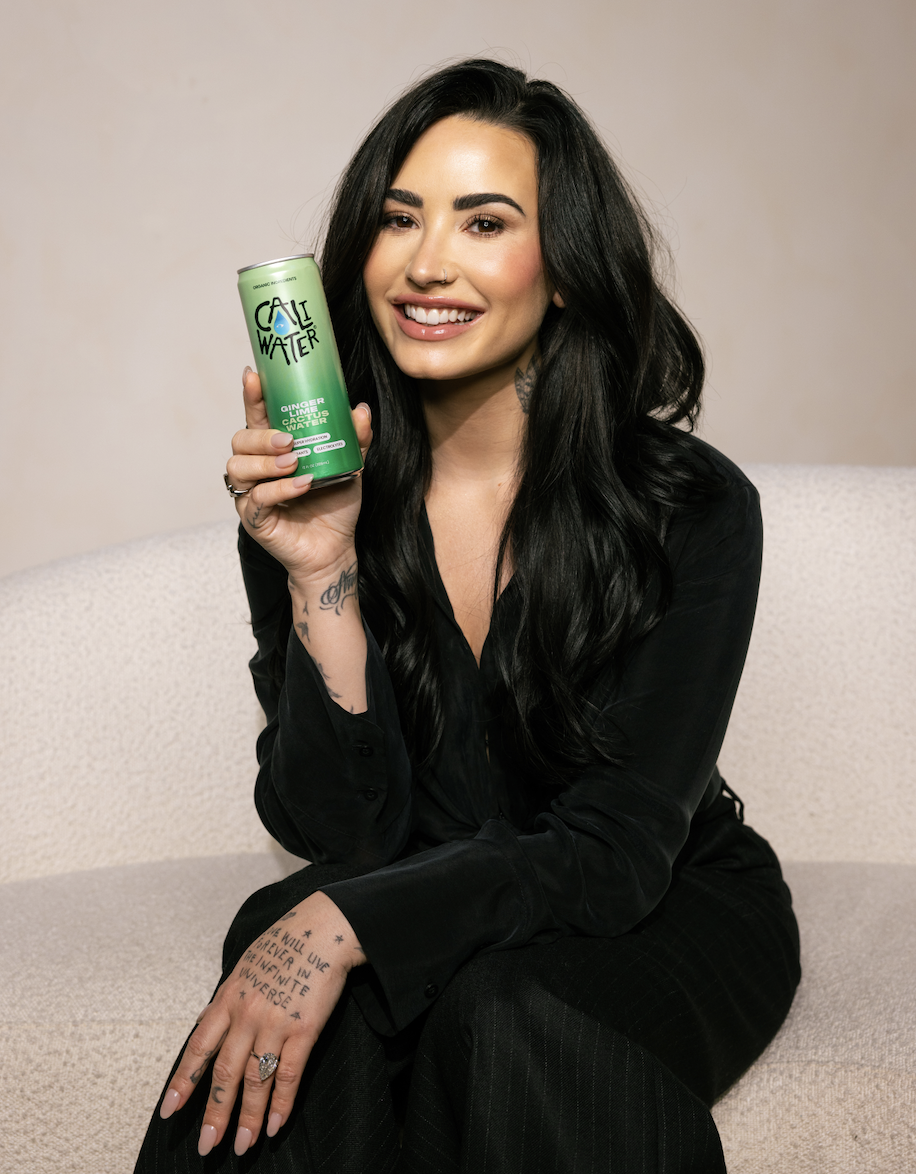
Demi Lovato is a Grammy-nominated and award-winning musician, actor, advocate, and New York Times best-selling author. First known for her onscreen talents, Demi soon became a musical phenomenon for her remarkable vocal ability. With over 50 billion streams earned worldwide, Demi has released eight original studio albums, all of which debuted in the Top 10 of the Billboard 20,0, and four boast over one billion streams on Spotify. Most recently, Demi made her directorial debut with her acclaimed Hulu documentary Child Star. As an actor, Demi can next be seen in Stephanie Laing’s Tow alongside Octavia Spencer, Ariana DeBose, Rose Byrne and Dominic Sessa. With an audience of over 266 million on social media, Demi has established herself as a global sensation. linktr.ee/demilovato
The brand, Caliwater Cactus Water, which also just recently added Sprouts and Albertsons to its national retail portfolio (in addition to retail partners like GNC, Gelsons, Ralphs, HEB, Wegmans, Giant Market District, and more), was launched in 2021 by Vanessa Hudgens and Oliver Trevena. Caliwater has 5 core skews and a kids’ line of cactus water pouches. Investors include founders Vanessa Hudgens and Oliver Trevena, Glen Powell, Alexander Ludwig, Aaron Rodgers, Gerard Butler, Cody Belinger, Ryan Tedder, Frank Grillo, Claudia Gadelha, Nikki Reed, Brooke Burke, Roslyn Sanchez, Fourward Ventures, Mangusta Capital, Dhiren and Neelima Jhaveri, Aaron Keay, and more. www.drinkcaliwater.com
Follow on social media @caliwater @ddlovato
Disclaimer
The Content is not intended to be a substitute for professional medical advice, diagnosis, or treatment. Always seek the advice of your physician or other qualified health provider with any questions you may have regarding a medical condition.