The main category of Fitness News.
You can use the search box below to find what you need.
[wd_asp id=1]
The main category of Fitness News.
You can use the search box below to find what you need.
[wd_asp id=1]
Maybe while you decked the halls this holiday season you splurged on too much spiked eggnog and Jack Frost martinis, followed up by ringing in the New Year with lots of champagne or perhaps now that you’ve flipped the calendar you are tackling some healthy resolutions, but whether you’re looking to cut down on or cut out your alcohol consumption, you may be considering the health challenge popularly called, dry January. Top dieticians share strategies and tips on how to survive and thrive for Dry January.
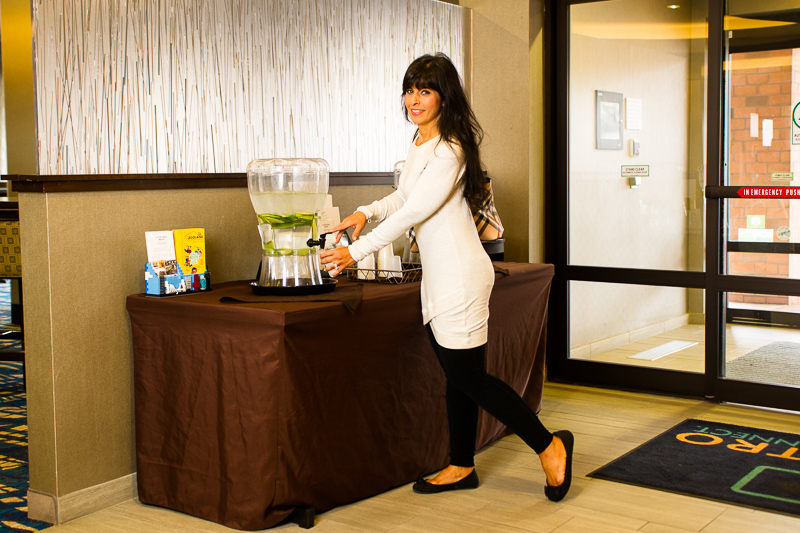
Keep some flavored seltzers on hand for group gatherings where people will expect you to drink with them. If they ask why you’re not drinking, politely tell them you’re giving your brain, liver, and body a break!
Try to include a friend or coworker in the challenge. Having someone to check in with or be accountable to can help with having a successful alcohol free January.
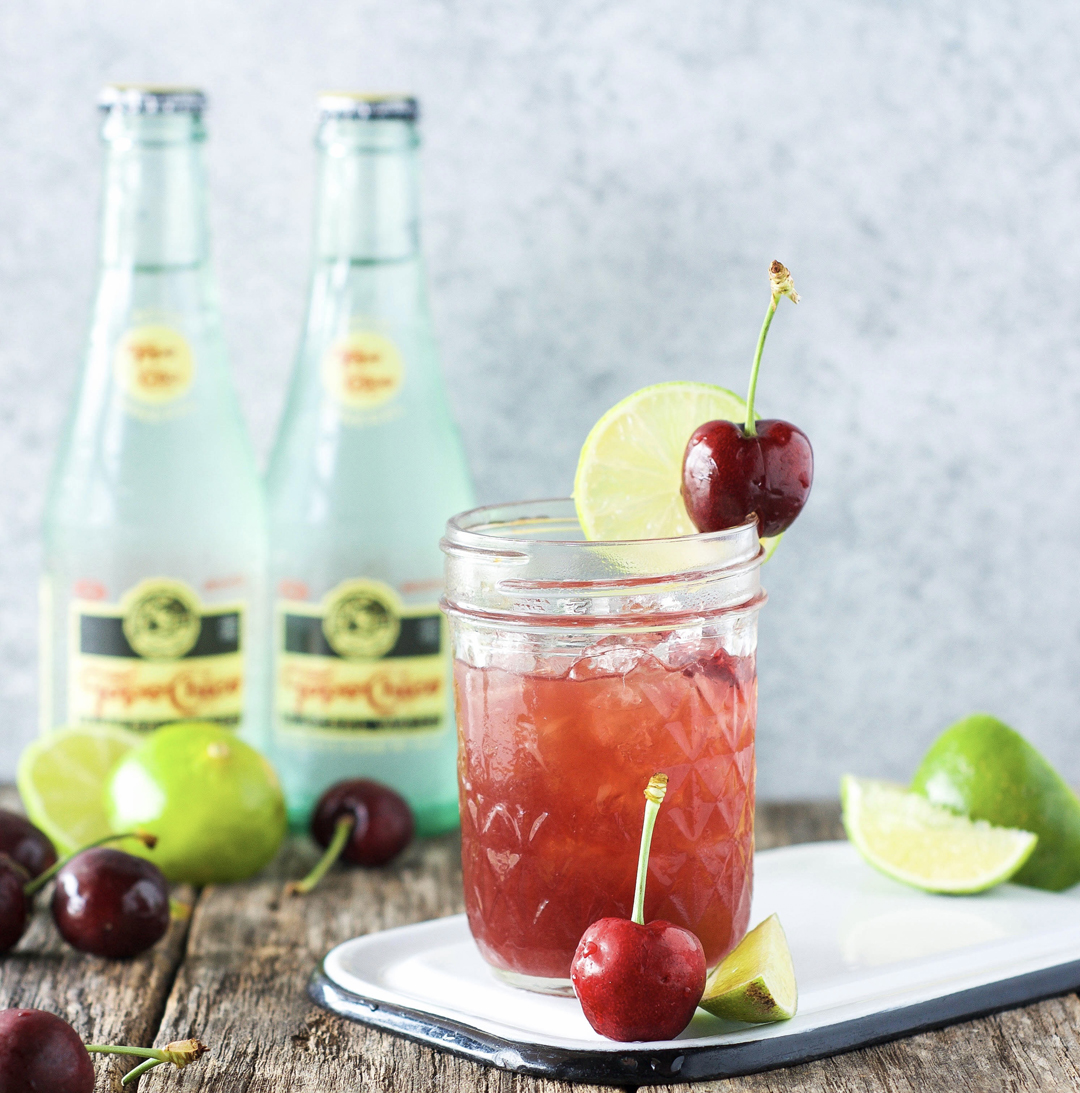
Be prepared by having a list of go to mocktail recipes easily accessible in your kitchen (printed or bookmarked on your phone) and keep your pantry/fridge stocked with mocktail ingredients such as sparking waters, fresh fruit, frozen fruit, fruit juices, or sugar free syrups. Consider trying some fun non-alcoholic beverages such as Olipop, Culture Pop, Ghia, Recess Canned Mocktails, or Kombucha.

Use flavored vinegars for simple DIY mocktails. My favorite is a generous splash of raspberry balsamic vinegar with sparkling water, but the combinations are endless, and it always feels special. Vinegar has been used for centuries in cocktails and drinks called shrubs. The acid in vinegar provides a brightness that’s difficult to replicate, and flavored vinegars are a shortcut to adding rich, layered flavors to mocktails. You can also combine them with fruit juices or tonic water if you prefer more sweetness.
Journaling every day during Dry January can help you tune into your feelings and make you more aware of patterns in your day-to-day life that make you more likely to drink. You can write whatever is on your mind, but I recommend making notes of what is happening in your day, who you’re with, and whatever emotions you’re feeling anytime you get an alcohol craving. This practice can help you cut back not just in January but all year long.
Having a go-to non-alcoholic beverage or mocktail that is fun and enjoyable will set you up for success this Dry January. Plan ahead and bring your own mocktail ingredients or non-alcoholic beverages to a social gathering.
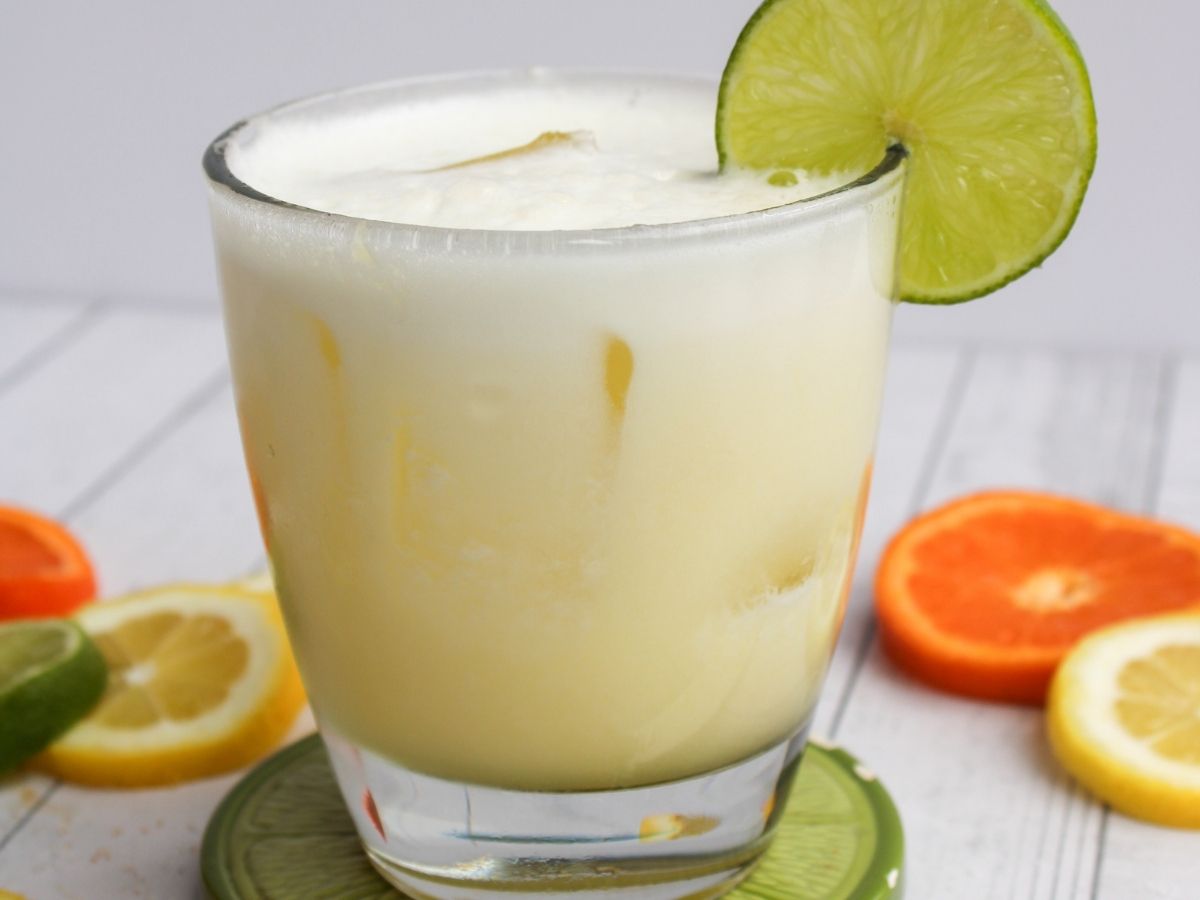
Ingredients:
Instructions
Pour all ingredients into a blender and blend on high for 20 to 30 seconds or until smooth.Pour into a glass over ice and enjoy!
NotesI recommend blending the pineapple chunks (fresh or frozen) but you can easily substitute pineapple juice to make it even easier. You can also substitute lemon juice for lime juice.
Nutrition
Calories: 96kcal | Carbohydrates: 29g | Protein: 2g | Fat: 1g | Saturated Fat: 0.3g | Polyunsaturated Fat: 0.1g | Monounsaturated Fat: 0.03g | Sodium: 773mg | Potassium: 608mg | Fiber: 5g | Sugar: 14g | Vitamin A: 81IU | Vitamin C: 63mg | Calcium: 76mg | Iron: 1mg
Jennifer O’Donnell-Giles, MS RDN specializes in sports dietetics. She’s an athlete herself and has been working with athletes for 26 years helping them nail their nutrition and become faster, stronger, better and healthier athletes! Instagram and TikTok: @JennGilesEat4Sport:
Create a list of relaxing/soothing activities that you enjoy that don’t include pouring a drink. It could be things like drawing a warm Epsom salt bath, lighting a fire in your fireplace and sitting in front of it with someone you love, working on a project like knitting, organizing a closet or redecorating a room, catching up on a favorite streaming series. Committing to projects during the month of January can keep you focused and less likely to drink. Movement is also key! We can challenge our DNA by being consistent with exercise. In addition to your daily workout, you can drop and do pushups when you feel the urge for a drink or take an evening yoga class or grab a headlamp and go on a night walk. New patterns and adventures are exciting! When opting for mocktails I suggest adding 2 tablespoons of juice to seltzer and making fun ice cubes with berries or pomegranates in them to make it look fancy and fun. That way there’s not too many calories or sugar but it feels like a treat.
Alyssa Smolen, MS RDN CDN is a media and community dietitian. Instagram and TikTok: @arugalyssa
Ways to have a successful dry January can include finding other drink alternatives. They don’t have to be mocktails! There are a ton of prebiotic sodas or sparkling waters on the market. A good tip is to pour your drink into a wine glass or a festive cup to simulate having a cocktail.
Umo Callins, MS, RD, CSSD, LD, CPT is a Sports Dietitian and fitness coach. She owns Well Rooted Health and Nutrition and 180Physique offering evidence-based guidance for athletes and active individuals. She is a trusted media expert who is dedicated to making nutrition and fitness simple and accessible to all. Instagram and TikTok: @sassy.sports.dietitian
This delicious, mulled wine-inspired mocktail is packed full of intense fruity flavor and winter spices. New Zealand black currants are packed full of anthocyanins which are a type of antioxidant that helps reduce inflammation and supports your immune system which is beneficial especially during this time of the year. A delicious mocktail with multiple health benefits!
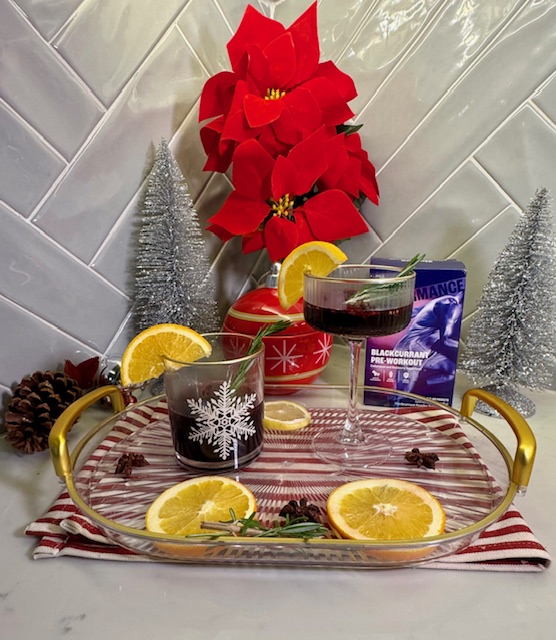
Ingredients (serves 2-3):
Directions:
Alyssa Simpson, RDN, CGN, CLT specializing in gut and digestive health and the host of The Gut. Instagram @nutritionresolution
Keep the social vibe alive by hosting a Dry January-themed gathering where friends bring their favorite non-alcoholic drinks. It’s a great way to discover creative alternatives and stay connected without feeling left out. Building a supportive environment makes it easier to stick to your goals.
Dry January is also a great time to reassess your evening routine—replace that glass of wine with a relaxing ritual like sipping herbal tea and practicing mindfulness. This well-rounded routine helps you wind down naturally, promotes better sleep, and sets a positive tone for the next day. You’ll wake up feeling more refreshed and energized to tackle the day.
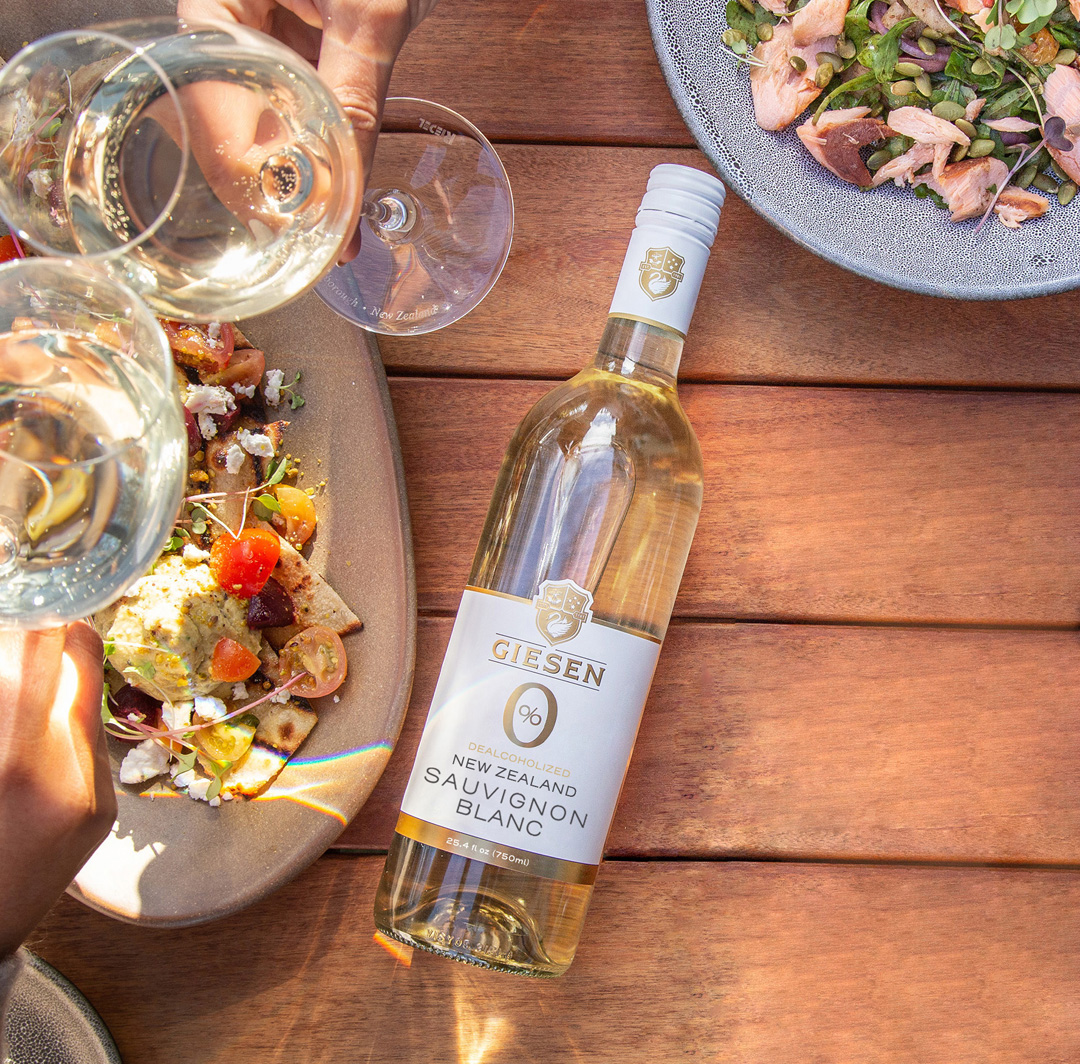
For myself, this is my second-year dancing with the idea of Dry January. I found with all the stress, and hustle and bustle of the holidays, it felt like Wet December. When I was trying to lose weight, it seemed easier to restrict alcohol. Not only do I prefer to eat my calories, but in my experience vodka leads to Oreos. Now that I am in my goal weight range, cocktails, particularly around the holidays, creep their way back in. Some things that help me with Dry January, and throughout the year, is to enjoy what I am drinking. While I often enjoy a splash of cranberry juice and a lime with some sparkling water, when I don’t want sparkling or just plain water, I love drinking Hint Water as it’s fruit-infused without any added sugar, calories or artificial sweeteners and a perfect on the go option. I also experimented with alcohol free wines, and while it took some trial and error, I finally found my favorite in Giesen’s 0% Non-Alcoholic Sauvignon Blanc. Often, no one even knows that I’m not drinking along with them, and I love not feeling groggy or regretful the next morning. So, whether you’re proudly boasting #DryJanuary on your social media for the month or it’s your little secret, giving up the bubbly doesn’t have to be a sacrifice!
About the author: Charlene Bazarian is a fitness and weight loss success story after losing 96 pounds. She mixes her no-nonsense style of fitness advice with humor on her blog at Fbjfit.com and on Facebook at FBJ Fit and Instagram at @FBJFit.
Disclaimer
The Content is not intended to be a substitute for professional medical advice, diagnosis, or treatment. Always seek the advice of your physician or other qualified health provider with any questions you may have regarding a medical condition.
It’s a new year and you know what that means: a ton of messaging about a “new” you. Well, for the record, we think you’re fabulous. (And that color looks great on you, BTW.)
But if you’re looking to fire up your fabulousness or craving a change this year, a vision board may help you achieve your goals. According to therapist Lori Gordon-Michaeli, LCSW, a simple collage of images and inspiring words can be a powerful reminder and motivator for success.
“It’s like a big sticky note saying, “This is my goal. This is what I’m working toward” — because life does have a way of getting in the way of our goals and distracting us. And those distractions can really take us off our path,” she said.
Read: Bye-Bye Excuses: How to Move Forward with Your Health and Fitness Goals >>
As the name implies, a vision board is a collage of images and words on a board that provide a visual reminder of a goal you want to achieve during a set amount of time. Your goal can be something you want to accomplish in 10 weeks or 10 months or 10 years. The key is to be realistic about the goal and the timing.
From personal relationships to career, travel and health goals, your vision board can represent any realistic objective (spoiler alert: adding photos of Channing Tatum probably won’t make him magically appear on your next blind date — but if he does, you’re welcome!) So, grab a stack of last year’s magazines, your scissors and glue stick and get ready to manifest the Tatum out of 2025.
Here are Gordon-Michaeli’s tips for how to make a vision board and make it work for you.
Step 1: Define your goal. You want your goal to be concrete and achievable, which will help set you up for success. If you’re not exactly sure what your goal is, start broad and narrow down your focus. For example, if your goal is to improve your health, how are you going to do that? Maybe that means running a 5K this year.
Step 2: Gather your supplies. Start with a large piece of cardboard or paper that has ample space for you to be creative (think: bigger than a standard piece of paper — but if that’s all you have, go for it. Or use the side of a cardboard box you have lying around.) Gather magazines and glue sticks or tape — whatever you have to secure the images to the board.
Read: What Is Art Therapy and How Can It Help Women? >>
Step 3: Build your board. Your vision board should be something that attracts your eye and your mind, keeps you on point and reminds you of your goal every time you look at it. As you’re gathering images and adding words, ask yourself questions about your goal such as:
It’s important to bring in representation of what success looks like to you. For example, using the 5K again, you can add in an image of a gold medal or the word “victory” to the board.
Step 4: Add sentimental touches. Personal photos of yourself or your family or friends adds another layer of inspiration. These images can represent a happy time or serve as a reminder that you have people cheering you on. Other personal touches like your favorite flower or animal or a favorite saying can also help you connect to your goal.
Step 5: Put the board where you see it often. You want to put your vision board in a place where you can spend a little time in front of it — not just walk past it — like in a home office or the bedroom. Every time you see the vision board, close your eyes and imagine yourself in the place or doing the activity or having the item your board represents.
In addition to manifesting, vision boards also remind you that you have something to look forward to. So, what happens when you reach the goal? Time for a new board! Channing Tatum won’t be single forever.
From Your Site Articles
Related Articles Around the Web
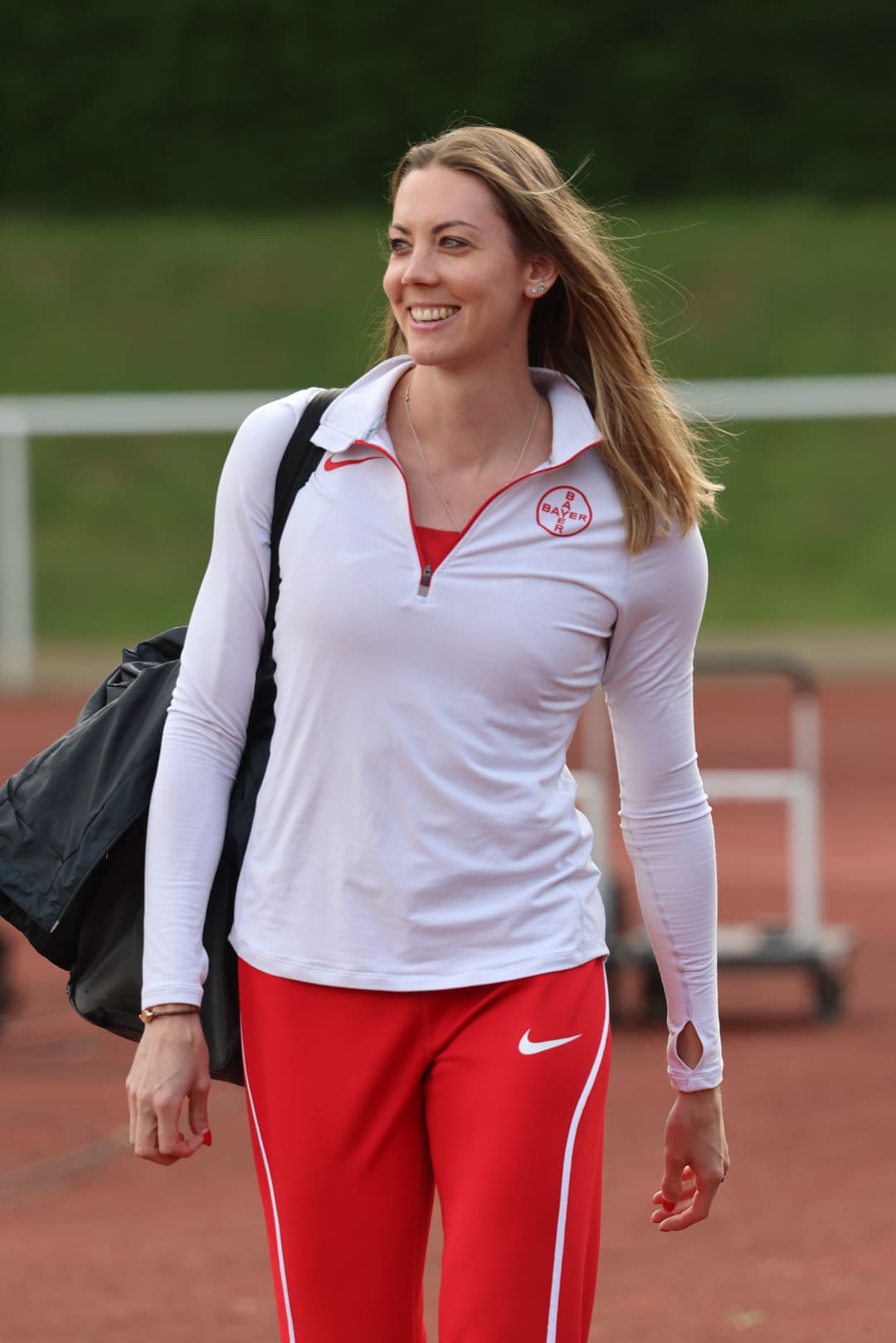
Katharina Bauer born in Wiesbaden, Germany. She is an athlete specializing in the pole vault. She represented her country at the 2019 World Championships in Doha. In addition, she twice reached the final at the European Indoor Championships. Her personal bests in the event are 4.65 meters outdoors (Beckum, Germany) and 4.60 meters indoors (Leverkusen 2015).
Having problems with abnormally fast heartbeat since her youth, she competes with an implantable cardioverter-defibrillator (ICD) in her chest. She is coached by Leszek Klima. She is also as a speaker on mindset and health communication. Despite suffering from heart disease and an implanted defibrillator, she swung as a world-class pole vaulter over heights that would make others dizzy and simply breathed away fears.
Women Fitness President Ms. Namita Nayyar catches up with Katharina Bauer is an exceptionally talented German pole vaulter with defibrillator, here she talks about her fitness routine, her diet, and her success story.
You were born in Wiesbaden, West Germany. Where did you have your early schooling? How and when did you choose Pole Vault as your sport of choice? This later propelled your career to the height where you have been leading women German Pole Vaulters. Tell us more about your professional journey of exceptional hard work, tenacity, and endurance?
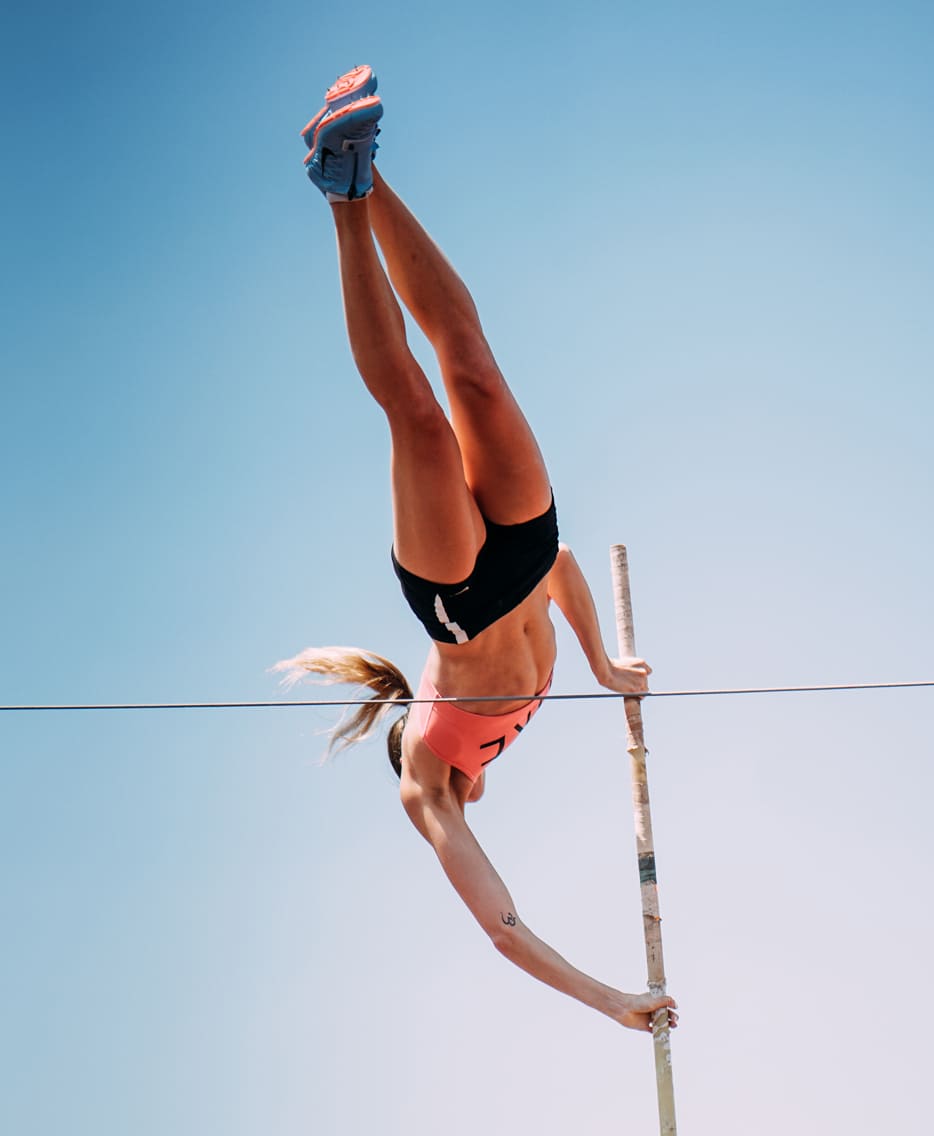
I completed my school education in my hometown of Wiesbaden. After that, I began studying International Management, a distance learning course specifically for top athletes, and successfully completed my Bachelor of Arts in International Management. Sport has always been my passion. I started doing artistic gymnastics at an early age, then athletics at the same time, then a mix of gymnastics and athletics (German 6 -way competition) and finally, at the age of 13, I ended up doing pole vaulting.
The former world-class pole vaulter Carolin Hingst founded a pole vaulting group in Mainz, which I joined. At first I was doubtful, but my mum told me I should just give it a try and, sure enough, I felt a fire of passion blazing up inside me. This enthusiasm has never left me since then. I quickly became very good and jumped 1m higher than my training colleagues in my first competition, which is why the national coach Herbert Czingon took me into his group and led me to my first major success just 2 years later. German Vice Champion Youth with 4.00m. Another change followed to Balian Buschbaum and then I went to Leverkusen to Leszek Klima. I spent 10 years with him and he helped me to my personal best of 4.65m and to various international events and medals.
Professional sport requires a lot of discipline, stamina and endurance. Most spectators who see me jump in a successful competition cannot see behind the scenes. In the glow of success, everything seems like a fairytale, but that is not reality. That is why it is so important to develop a motivational strategy and to pursue it with ambition and full commitment. Tears, injuries and mental turmoil are all part of it. It is then up to you how you deal with it and what you are prepared to give your all for. Ultimately, it is the successful jump, the new personal best and the cheering of people that motivate you to exceed your own expectations. In my opinion, the biggest battle as an individual athlete is with yourself and it is nice to push your own limits and notice how you grow physically, mentally and spiritually through the challenges you face.
It is a dream for a pole vaulter to compete at European Indoor Championships. You twice reached the final at the European Indoor Championships. Tell us more about this spectacular achievement of yours?
It was absolutely amazing to take part in international championships. There is always something special in the air. Be it the gathering of the national team, the clothing, the atmosphere, the exchange with other international athletes and the unforgettable atmosphere. For me, the motto for both European Indoor Championships was: “Make the impossible possible”.
In 2013 in Gothenburg, I had a personal best of 4.45m and that was exactly the height required to reach the final. With so many high-class and experienced competitors, it was impossible for me to master this. However, I was able to surprise myself by going into the competition with inner calm and actually improving my personal best by 1 cm to 4.46m and securing my ticket for the final. In 2016 in Prague, it was a similar situation, only this time it was about the required height of 4.60m, which I had only jumped 2 weeks before. It was the toughest European Indoor Championship qualification that required a final height of 4.60m for several years and I mastered exactly that again. These are two very nice sporting events that I look back on with a smile.
You had Leszek Klima as your Coach who has been a catalyst that helped you pave the way to rise in your career with discipline and a never stopping attitude. Elaborate about his influence on your professional life?
Leszek and I are an inseparable team and I value him very much. Even as a teenager, it was always my dream to train with him and improve my performance. This dream came true in 2013 and lasted 10 years until the end of my career in 2023. What I particularly admire about him is that he finds and paves his own path to success for every athlete. He has a strong vision and is a good driver and motivator. Training demands everything from you and you need that one person who helps you to overcome your fears and grow beyond yourself.
The coach is the biggest reference person throughout your entire career and you see him more than your own family and friends. Daily training, every competition, every training camp. That’s why it’s so important to have a good basis of trust and to form a team. That’s exactly what I found in Leszek – a companion who never left my side and mastered every up and down with me. I am therefore infinitely grateful to him.
Full Interview is Continued on Next Page
This interview is exclusive and taken by Namita Nayyar President of womenfitness.net and should not be reproduced, copied, or hosted in part or full anywhere without express permission.
All Written Content Copyright © 2025 Women Fitness
Disclaimer
The Content is not intended to be a substitute for professional medical advice, diagnosis, or treatment. Always seek the advice of your physician or other qualified health provider with any questions you may have regarding a medical condition.
Treat yourself right by getting
A Mammogram
Takes less time than a mani/pedi — and it can save your life
The 5-year survival rate for localized breast cancer that’s caught early is 99%
Not a massage, but you do sleep through it
The 5-year cervical rate for colon cancer that’s detected early is 90%
An annual checkup
Not as calming as a bubble bath, but it can give you peace of mind
An annual checkup can catch health issues early, when they’re easier to treat
A skin check
Not exactly a facial — but it can save your skin
Melanoma has a 99% 5-year survival rate when it’s caught early
An eye exam
Cucumber slices soothe your eyes, but eye exams save them
You can avoid permanent vision damage if you catch certain eye conditions before they get worse
A dental exam
Laughter is the best medicine — so keep your pearly whites in show-off shape
Good oral hygiene can help prevent infections, bad breath, certain medical conditions and tooth loss
Most preventive care must be covered by insurance. But, if any of these preventive care services aren’t covered by your health insurance, look for free and low-cost services in your area.
By Andrea Lepcio Founder and Owner at Mighty Fit
We sit for work, sit to commute, sit to eat, and sit for fun. We sit a lot.
It was Dr. James Levine, a professor of medicine at the Mayo Clinic, who compared sitting with smoking. His exact phrasing was more graphic, “Sitting is more dangerous than smoking, kills more people than HIV, and is more treacherous than parachuting. We are sitting ourselves to death.“
Dr. Levine is commenting on the undisputed fact that modern life involves much sitting. People who work likely sit for breakfast, commuting, morning work, lunch, afternoon work, returning home, computer use, dinner, reading, television, and hobbies. Retirees do for meals, transportation, computer use, reading, hobbies, and television. Everybody does on the john.
As part of an American Cancer Society’s Cancer Prevention II study in 2010, the American Journal of Epidemiology reported that sitting for more than 6 hours a day increases the risk of death by up to 49%.
In Yoga, we call it chair pose, and in fitness, we call it squatting. If you hinge your hips and bend your knees, you use your leg, core, and back muscles to lower down and rise back up.
Similarly, lowering yourself into a chair and rising back up is relatively active for most people. Notice if you engage your muscles to reach the seat in a smooth motion or if you come partway down and then release your muscles and plop the rest of the way. People with weaker legs and glute muscles will likely hear the sound of landing on a chair. You can work to strengthen your legs and hips to land more smoothly.
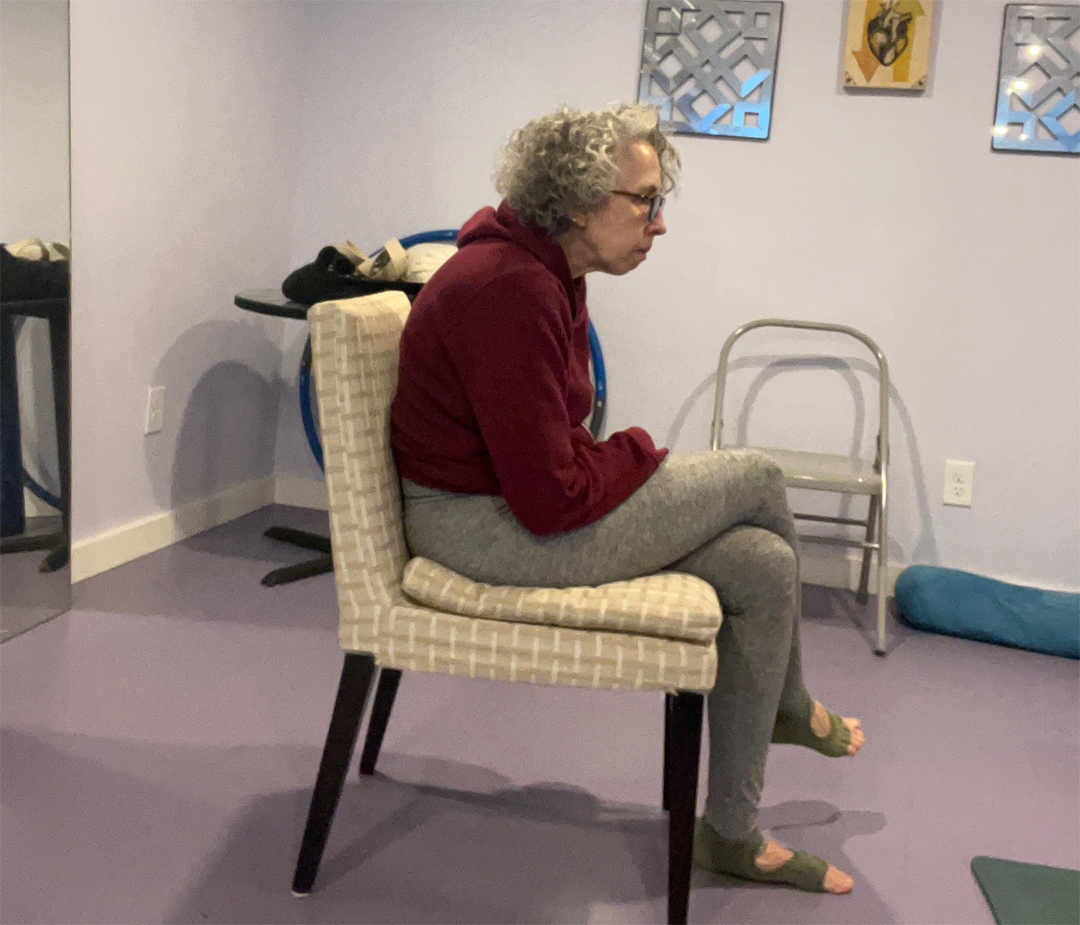
Once seated, different habits take form. You can choose to sit more or less actively. Active sitters feature good posture and an engaged core. Most often, both feet are on the floor in front of them. They may sit against the back of the chair or on a backless chair. If perched on a fitness ball, the core will be active front, back, and side to keep balance.
Inactive sitters will relax all muscles and slouch. They may cross their legs at the knee, which impacts circulation and can cause blood clots. Muscles may be stretched or compressed; joints may be impacted, blood pressure increases and numbness may occur in the lower leg.
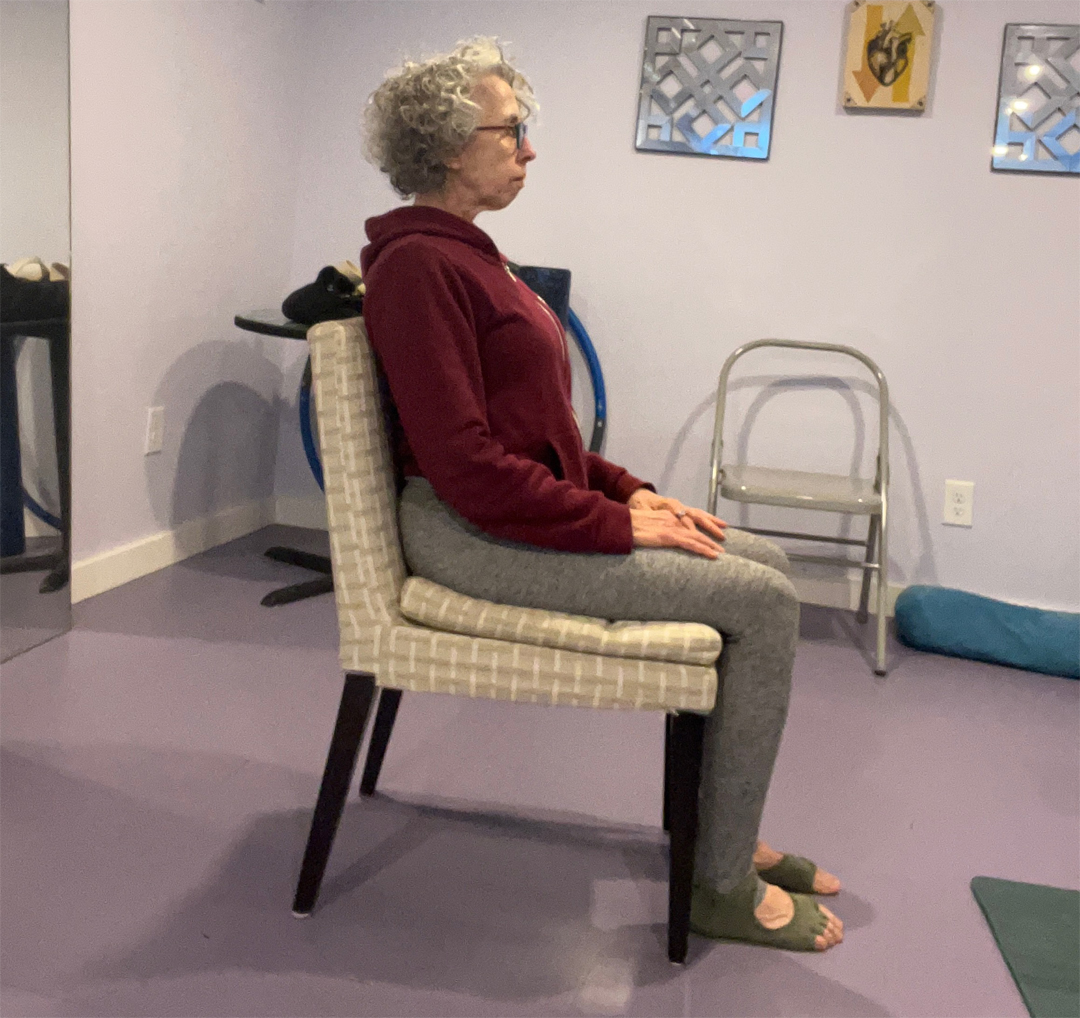
It is common for arm bones to slide forward as the upper back curves. The chest, trapezius, and neck muscles tighten and shorten while the mid and lower-back muscles lengthen and weaken. Sometimes, people allow their heads to drift toward a computer or screen. This forward head position puts pressure on neck muscles as the head becomes heavier the further forward it reaches.
If you sit for several hours without getting up:
These effects will influence those who sit inactively the most. The severity will depend on how long and how you sit. Dr. Levine’s research confirms that even if you exercise, sitting for hours a day can have a negative effect that exercise doesn’t counteract.
Note that some people are at risk for diseases separate from their sitting habits. Researchers identify the following risks from excessive sitting:
What does sitting have to do with cancer risk? The Cleveland Clinic explains, “Research shows that sitting for long periods during the day increases your chance of developing certain types of cancer, including:

The Heart Foundation states, “A 2011 study documented 800,000 people and their sitting habits. The study found that people who sit the most, compared to people who sit the least, have a greater risk of disease and death:
Once upon a time, cigarette ads showed doctors enjoying cigarettes. According to Yale University Library, “Cigarette companies often advertised smoking as a way to stay happy and healthy.” Whether or not you were a smoker, you inhaled smoke in public spaces and homes. It wasn’t until 2000 that smoking was entirely banned on airlines. Smoking was considered normal, and it took decades for the risks to become publicly accepted.
Sitting for hours a day is so ordinary that it is also considered normal by most people. However, the health risks of this habit have only recently come to light.
The health damage from smoking is costly: according to the Centers for Disease Control and Prevention, smoking causes 480,000 deaths per year and costs over $300 billion.

The CDC reports statistics for sedentary behavior and physical inactivity that goes beyond sitting: The direct healthcare costs in the United States are $117 billion annually, with approximately 300,000 deaths per year.
Smoking does greater damage, but the number of people who sit for long periods far exceeds those who smoke.
Researchers with the American Journal of Public Health are insulted by the analogy between sitting and smoking. They feel it makes smoking seem less harmful, and tests have not proven the risks of sitting to be as drastic as the risks of smoking.
There are plenty of bad health decisions to choose from. Smoking and drinking top the list. Poor nutrition, lack of hydration, bad posture, overworking, high stress, insufficient sleep, and an unhealthy environment are harmful.
Sitting is an essentially unavoidable health factor. Even active people sit for some portion of their day. Smoking is a choice; sitting is a necessity.
Three dynamics magnify the health implications: the number of hours one sits, how actively or inactively one sits, and how inactive one is outside of sitting.
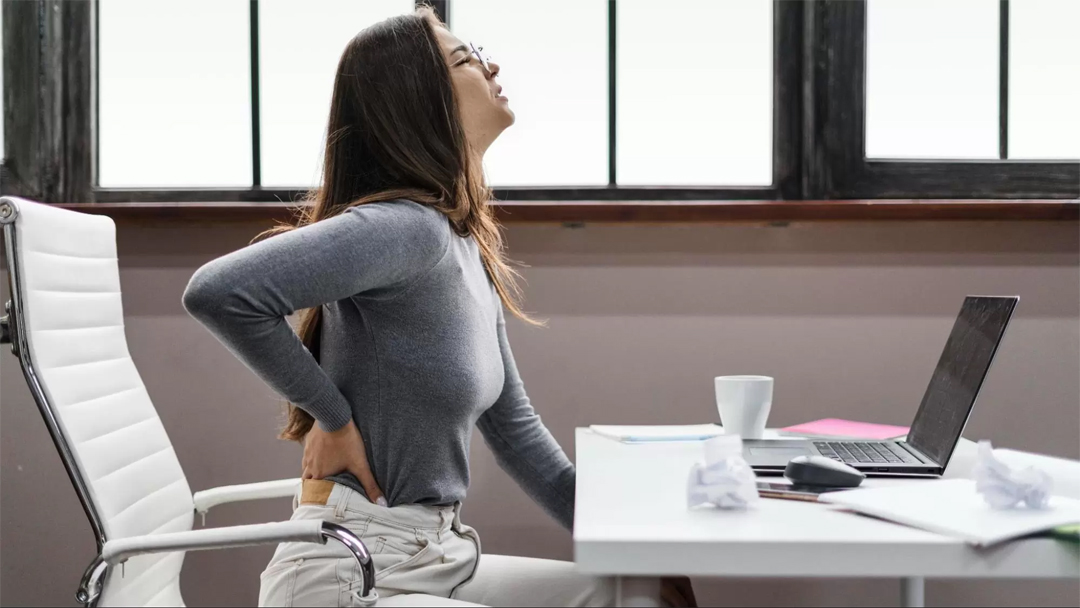
Awareness of the problem can help with mitigation. If you know you sit for hours, you can make choices to lessen the impact on your health.
As mentioned, exercise isn’t enough to counteract sitting. If you have the good habit of getting a minimum of 150 minutes of moderate exercise per week, you will still improve your health outcomes if you take advantage of these recommendations to break up your time when sitting.
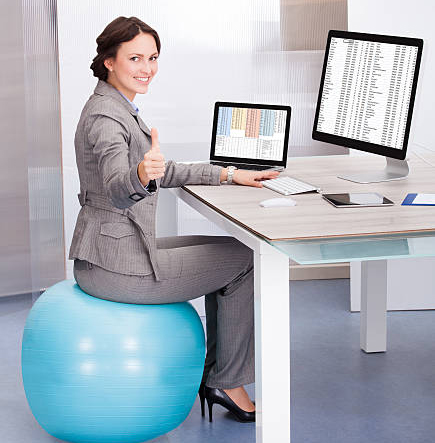
I am a personal trainer who works out for at least two hours each day. Nonetheless, I alternate between a standing desk and sitting on a fitness ball. I limit my time in chairs to under three hours, sit actively, and get up and down frequently.
The good news is that individuals can make changes to benefit their health. Interrupting sitting time with movement, exercise, or, at a minimum, standing will improve outcomes. Adding a regular exercise program will help prevent a host of diseases. Whether you are 20 or 80, these changes will help you maintain your health.
Disclaimer
The Content is not intended to be a substitute for professional medical advice, diagnosis, or treatment. Always seek the advice of your physician or other qualified health provider with any questions you may have regarding a medical condition.
This holiday season, you’re probably busy getting gifts for all the important people in your life. But I bet I can think of someone you left off your list.
Yourself.
We often find ourselves caring for everyone else and putting ourselves last. This year, I’d like you to take some time to think about yourself. I know that might make you uncomfortable because you may not be used to putting yourself first. But you deserve it. Trust me, you do.
Since you probably didn’t put yourself on your own list, I’ve got you on mine. This year, I’d like to give you a gift: The permission to add some TLC for yourself to the long list of things to do for everyone else that you face every day and, in particular, during the holidays.
As you make your to-do list full of tasks and traditions, remember to add a visit to your favorite bakery for a pumpkin muffin, to schedule a massage, or even to just get in bed early and curl up with your favorite book.
The holidays will still happen, whether you stress about them or not. So take a beat, relax — and remember that
taking care of yourself should be a priority for 2025.
Warm and healthy wishes always,
“Ya no se recomiendan los autoexámenes de las mamas”.
Cuando leí ese título hace unos meses, pensé que fue un error tipográfico. Puesto que encontré una masa cancerosa en mi mama la cual resultó ser cáncer de etapa 3, me sorprendió enterarme que muchas organizaciones médicas tales como la Sociedad estadounidense contra el cáncer y el Instituto nacional de cáncer ya no recomiendan autoexamenes de las mamas. Y no se recomiendan desde hace años.
¿Qué pasó?
Los autoexámenes de mama se implementaron en la década de los cincuentas como una forma conveniente y barata para que la gente detecte el cáncer de mama en forma temprana, cuando puede tratarse más. Pero poco después del año 2000, investigaciones descubrieron que realizar autoexámenes formales de las mamas (levantar tus brazos, acostarte, movimientos circulares, etcétera) no reduce tu riesgo de morir de cáncer de mama. Un metaanálisis que comparó a mujeres que realizaban autoexámenes mamarios de rutina con mujeres que no las realizaban determinó que no había ninguna diferencia en sus tasas de supervivencia de cáncer de mama. Pero las personas que se examinaron las mamas tuvieron más resultados positivos falsos y casi el doble de biopsias de mama sin cáncer.
Lee: Lo que debes saber sobre las biopsias de mama >>
Sin datos que demuestren que los autoexámenes de mama pueden reducir el riesgo de morir de cáncer de mama, y la posibilidad de lesiones debido a pruebas innecesarias, ya no se recomiendan los autoexámenes de mama para personas con riesgo promedio según la mayoría de organizaciones profesionales y proveedores de atención médica (riesgo promedio significa que no tienes antecedentes personales ni familiares ni mutaciones genéticas, tales como BRCA1 o BRCA2).
Larry Norton, M.D., un oncólogo médico de las mamas de Sloan Kettering Cancer Center, dijo que el cambio de pauta por la cual ya no se recomiendan los autoexámenes de mama no significa que deberías dejar de poner atención a tus mamas. Eso se denomina autoconciencia mamaria.
La autoconciencia mamaria es conocer cómo se ven y se sienten tus mamas para que puedas identificar cualquier cambio. “La falta de autoconciencia de lo que es saludable en tu cuerpo podría evitar que identifiques algo que no se encuentre del todo bien”, dijo Norton. “Es muy bueno tener ese conocimiento y encontrar algo diferente en tu cuerpo, independientemente de lo que sea, para ponerle atención”.
A diferencia de los autoexámenes de mama, no hay un cronograma o técnica para la autoconciencia mamaria, es básicamente usar tus ojos y manos para saber que es normal en ti. Las señales de cáncer de mama a las que deberías poner atención incluyen:
Norton dijo que cambios de la apariencia y secreciones de los pezones son más obvias, pero saber cómo se siente tu mama es importante porque podrías notar señales de cáncer de mama que tu proveedor médico o pruebas de imagenología podrían no detectar. “Cuando tocas tu mama y sientes un lugar inusualmente duro o un lugar inusual que duele y que no solía doler antes, esas son cosas que son un poquito más sutiles”, dijo Norton.
Aunque la mayoría de proveedores de atención médica recomiendan la autoconciencia por sobre los autoexámenes, algunas personas podrían desear seguir la técnica y rutina estándar. Si examinas tus mamas, lo mejor es hacerlo de tres a cinco días después de que termina tu período menstrual, cuando tus mamas son menos sensibles o están menos abultadas. Si eres posmenopáusica, haz la autoexamen el mismo día de cada mes.
Lee: Cómo auto – examinar tus mamas >>
Los riesgos asociados con autoexámenes formales de mama incluyen resultados positivos falsos y biopsias innecesarias de tejido que no es canceroso. Investigadores dicen que el estrés mental y financiero de las imagenologías y biopsias también explica parcialmente el razonamiento contra los autoexámenes formales de mama. Sin embargo, es importante indicar que los resultados positivos falsos son frecuentes y que las probabilidades de tenerlos aumentan con la edad. Preocupaciones relacionadas con los resultados positivos falsos no deberían impedir que pongas atención a tu salud mamaria y que contactes a tu proveedor de atención médica si ves o sientes algo inusual en ti.
Norton dijo que estar familiarizada con tus mamas para notar cambios es la lección importante de los autoexámenes . Pero ni la autoconciencia mamaria ni los autoexámenes son un sustituto de las mamografías en lo que se refiere a las examinaciones de cáncer de mama.
Actualmente, las mamografías son el estándar dorado de examinaciones de cáncer de mama. Según las pautas más recientes del Equipo de trabajo de servicios preventivos de EE.UU. (USPSTF, por sus siglas en inglés), las personas que tienen un riesgo promedio deberían empezar a someterse a mamografías a los 40 años y no a los 50 como se recomendaba previamente. El cambio refleja los datos recientes que muestran que uno de cada 6 cánceres nuevos de mama se desarrolla en personas de 40 a 49 años y eso concuerda con otras organizaciones que ofrecen pautas de examinación.
Las recomendaciones de con qué frecuencia someterse a examinaciones varía para cada organización, con algunas indicando que deben hacerse cada año y otras cada uno o dos años. Deberías hablar con tu proveedor de atención médica sobre qué medidas tienen sentido según tus circunstancias.
Independientemente de las pautas, Norton dijo que si sientes o ves algo sospechoso, comunícate con tu proveedor de atención médica inmediatamente. “Me gustaría decir que tu cuerpo ha sido confiado a ti y deberías hacer lo que sea necesario para honrar esa confianza y una de esas cosas es las examinaciones y otra es conocer tu cuerpo. Así que si algo es anormal, no lo ignores”.
Este recurso educativo se preparó con el apoyo de Daiichi Sankyo y Merck.
From Your Site Articles
Related Articles Around the Web
Tijana Korent is a Croatian artistic gymnast. She is a vault specialist, and she qualified for the vault event finals at the 2020 and 2013 European Championships. In 2013, she became the first Croatian female gymnast to qualify for an event final at the European Championships.
Tijana Korent was born on 27 April 1989, in Čakovec. Her mother put her into gymnastics classes at the age of four. She has a degree in sports management from the Polytechnic of Medimurje in Cakovec, and she speaks English in addition to Croatian. She wants to become a gymnastics judge after she retires. She currently works as an accountant, and she frequently volunteers at a cat shelter.
She competed at the 2006 World Championships where she finished 121st in the all-around with a score of 48.600. In 2007, she injured her ankle and could not compete for two years. She competed at the 2011 World Championships where she finished 18th on vault in the qualification round.
At the 2013 European Championships, she qualified to the vault event final where she finished in 8th place with a score of 13.183. This was the first time that a Croatian female had qualified for an event final at the European Championships.
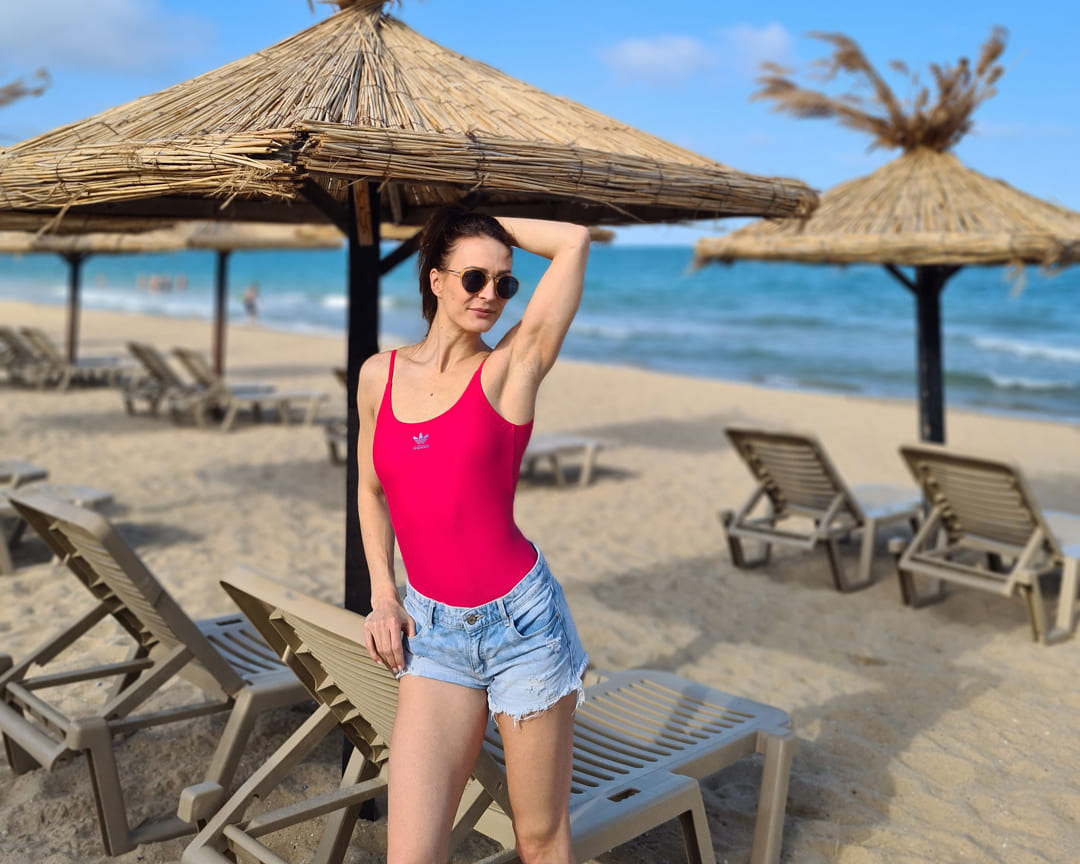
During the 2019 FIG World Cup series, she won the bronze medal on vault at the World Cup in Mersin, Turkey, and the silver medal on vault at the World Cup in Guimaraes, Portugal. She qualified for the vault event final at the 2020 World Cup in Baku before the event finals were canceled due to COVID-19.
She competed at the 2020 European Championships along with Ana Đerek, Christina Zwicker, Tina Zelčić, and Petra Furač. The team finished in 6th place, and Korent finished 8th in the vault final.
At the 2022 European Championships in Munich, Korent finished sixteenth on vault during the qualification round.
| EIG World Cup | |||
| Event | 1st | 2nd | 3rd |
| World Challenge Cup | 1 | 1 | 2 |
The Artistic Gymnastics World Cup is a competition series for in 2007, she injured her ankle and could not compete for two years. Sanctioned by the Fédération Internationale de Gymnastique (FIG).
Women Fitness President Ms. Namita Nayyar catches up with Tijana Korent is an exceptionally talented Croatian artistic gymnast, winner of gold medal on vault at the 2023 World Cup, here she talks about her fitness routine, her diet, and her success story.
You were born in Čakovec, Croatia. Where did you have your early education? Your mother put you into gymnastics classes at the age of four. You have a degree in sports management from the Polytechnic of Medimurje in Cakovec. You competed at the 2006 World Championships where you finished 121st in the all-around with a score of 48.600.This later propelled your career to the height where for you became the first time a Croatian female gymnast had qualified for an event final at the European Championships. Tell us more about your professional journey of exceptional hard work, tenacity, and endurance?
Well, my gymnastics career started off at young age, I was 4 when I first stepped in to the gymnastics hall, and fell in love with the sport.
There is a lot of hours of training that needs to be put in to it, before you can even go to your first competition, and this is probably the hardest thing about gymnastics, that sometimes, you can’t see the results as fast as you would want. But with a lot of support and encouragement from my family and friends (and later on my husband as well) I just kept going and believing in myself. And the results came after that. I am beyond proud being the first Croatian female gymnast to get in to the European championship finals, and writing the history of Croatian gymnastics.
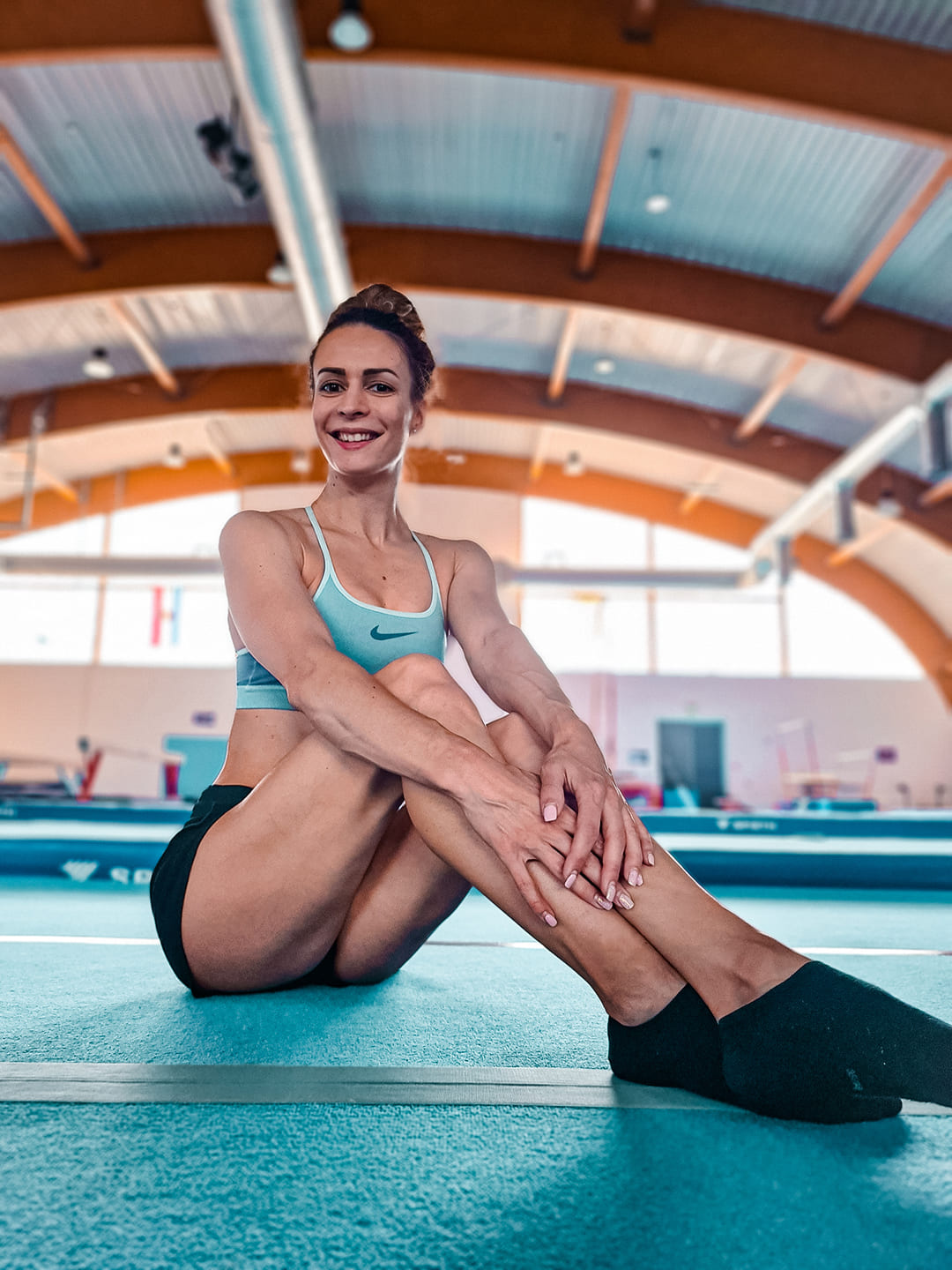
It is a dream for a gymnast to play in the FIG World Cup. During the 2019 FIG World Cup series, you won the bronze medal on vault at the World Cup in Mersin, Turkey, and the silver medal on vault at the World Cup in Guimaraes, Portugal. Tell us more about these spectacular achievements of yours?
Of course it’s a dream being a part of such big competitions. You always hope that day will come, that you will come to a big stage and shine. And I managed to do it quite a few times. It makes me very happy but also it is a huge push forward giving you the inspiration to try and do more and to keep going. I also won gold in World cup in Bulgaria in 2023, and silver at World Cup in Koper 2024, and was 2nd at world challenge ranking list on vault for 2023 and 2024, so I’m hoping there is a lot more to come as well.
Full Interview is Continued on Next Page
This interview is exclusive and taken by Namita Nayyar President of womenfitness.net and should not be reproduced, copied, or hosted in part or full anywhere without express permission.
All Written Content Copyright © 2024 Women Fitness
Disclaimer
The Content is not intended to be a substitute for professional medical advice, diagnosis, or treatment. Always seek the advice of your physician or other qualified health provider with any questions you may have regarding a medical condition.
As we enter 2025, the world again looks to the future with hope, anticipation, and a desire for change. For many, the start of a new year is a chance to reset, reimagine, and refocus on personal and professional goals. Leading this charge are influential women from across the globe—celebrities who inspire us with their talents, resilience, and vision.
In this exclusive feature, we delve into the resolutions and messages from some of the most inspiring women celebrities, showcasing how they plan to make 2025 a year of transformation. Whether focusing on mental health, championing social causes, or embracing new creative ventures, their journeys remind us that every resolution is a step toward becoming our best selves.
Here’s how these remarkable women plan to make 2025 unforgettable.
“My resolution for 2025 is to never settle for less than I deserve. Always, always follow my dreams and be true to myself. And if you are really lucky, one day you might find yourself on the cover of Women’s Fitness. Happy New Year.”
Hannah Widmer – Model
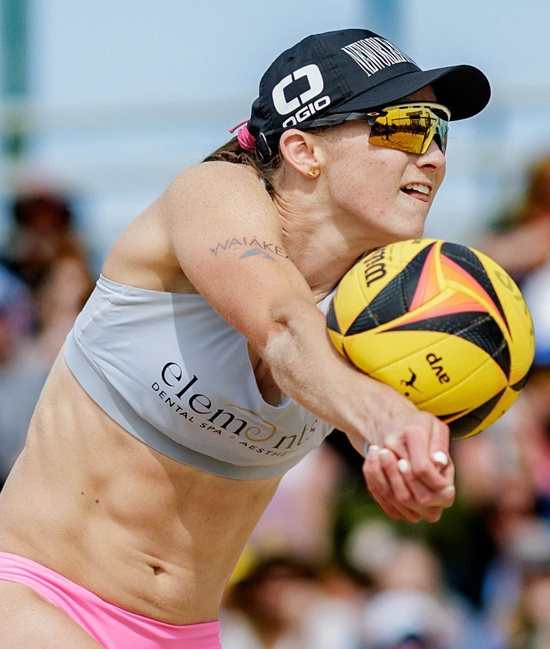
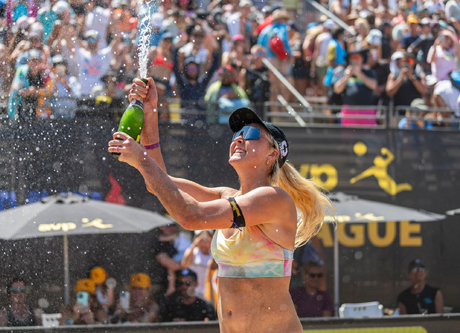
“My two 2025 new year resolutions are to spend less time on my phone at night, and get back to and maintain my peak performance weight which is 8lbs lighter than I am at this moment. My message is to get after your goals regardless of how scary they may be. Start small and work your way up. Write your own path if you have to. Just believe in yourself 100% of the time!”
Kristen Nuss – American beach volleyball player,
Six times Gold Medalist FIVB Beach Volleyball World Tour
“Embrace each moment & find the good in the moment as my fiance does so well!”
Taryn Kloth – American beach volleyball player
Bronze Medalist 2023 FIVB Beach Volleyball World Championship
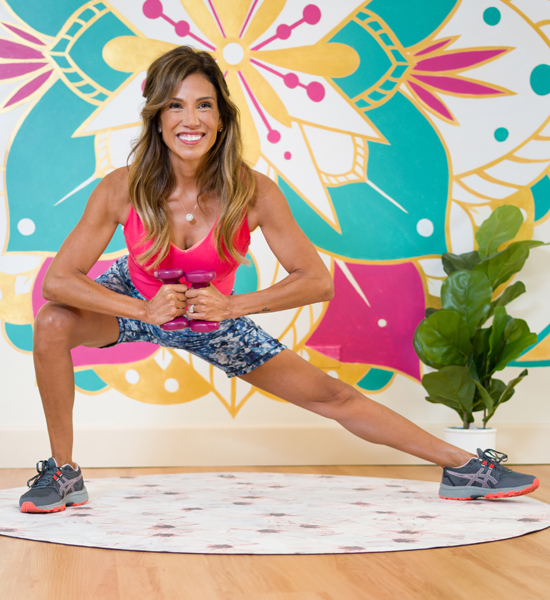
“My resolution for the new year is to honor the importance of mental and emotional health in my physical workouts. My message for women everywhere is to remember that we are whole beings: body, mind, and heart, and they work together for our overall health. Let’s take care of the whole self and not just body parts in 2025. Happy New Year.”
Desi Bartlett –
Yoga, Health and Wellness Expert

“My new year’s resolution is to develop habits to create an attitude of gratitude. To do this I am going to incorporate writing down 3 things that I am grateful/proud of in my morning routine. We all can get so caught up in the future and what we wish to accomplish that we forget to be grateful and proud of what we already have and who we already are. My new year’s wish for Women Fitness subscribers is that you find strength, resilience, and solidarity in the face of adversity. May we continue to rise together this year, supporting each other, as we fight for justice, equality, and freedom. Given the challenges women face, it’s more important than ever that we support one another.”
Laneah Bryan – US Flag Football Athlete
Twice Gold Medalist Flag Football World Championships
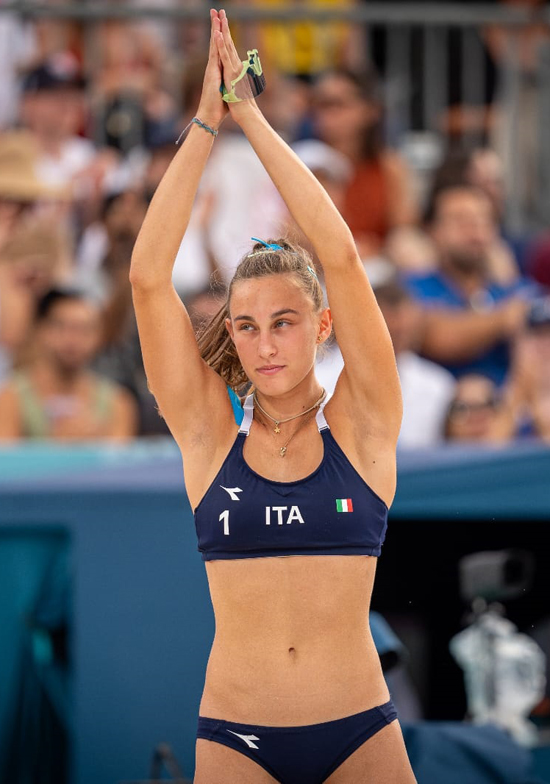
“My New Year’s resolution for 2025 would not only focus on performance, mental toughness and recovery, like in the last few years. I will in fact play in the Beach Volleyball World Tour with a new teammate, and we have committed ourselves to playing a faster and an even more athletic game, contributing to bringing our sport to the next level. This will require perfect technical alignment, clocking of movements, and harmony. No secret sauce anyway: sticking to a structured routine, consistently chasing the smallest improvement, and measuring the daily progress is the key to long-term growth. And doing it with someone at your side having the same goals, makes it fun! My message for the Women Fitness viewers and subscribers is to enjoy any change in your life; in most of the cases they come unplanned, but they bring along always new opportunities. It is up to you to chase them!”
Valentina Gottardi – Italian beach volleyball player
Silver medal at the European Championship
Disclaimer
The Content is not intended to be a substitute for professional medical advice, diagnosis, or treatment. Always seek the advice of your physician or other qualified health provider with any questions you may have regarding a medical condition.
In fact, the latest scientific research shows that eating shrimp is hazardous to your health. The following are the top 10 reasons to keep prawns off your plate:
During cleaning, shrimp have their legs torn off and are decapitated and disemboweled. As their bowels are ripped out, poop spills out and often gets all over the shrimp.
Shrimp are bottom dwellers who feed on parasites and skin that they pick off dead animals. This means that every mouthful of scampi you eat comes with digested parasites and dead skin.
Most of the shrimp consumed comes from places that have no restrictions on traces of illegal contaminants such as dioxins, PCBs, and other banned chemicals or on pumping the shrimp full of hormones and antibiotics!
Trawling is taking a toll on the legions of wild creatures, including dolphins, who make the sea their home. Nets don’t discriminate.
Shrimp farming is fatal to fish! Because it takes up to 3 pounds of wild-caught fish to feed and produce a single pound of farmed shrimp, shrimp farming is causing fish populations to plummet.
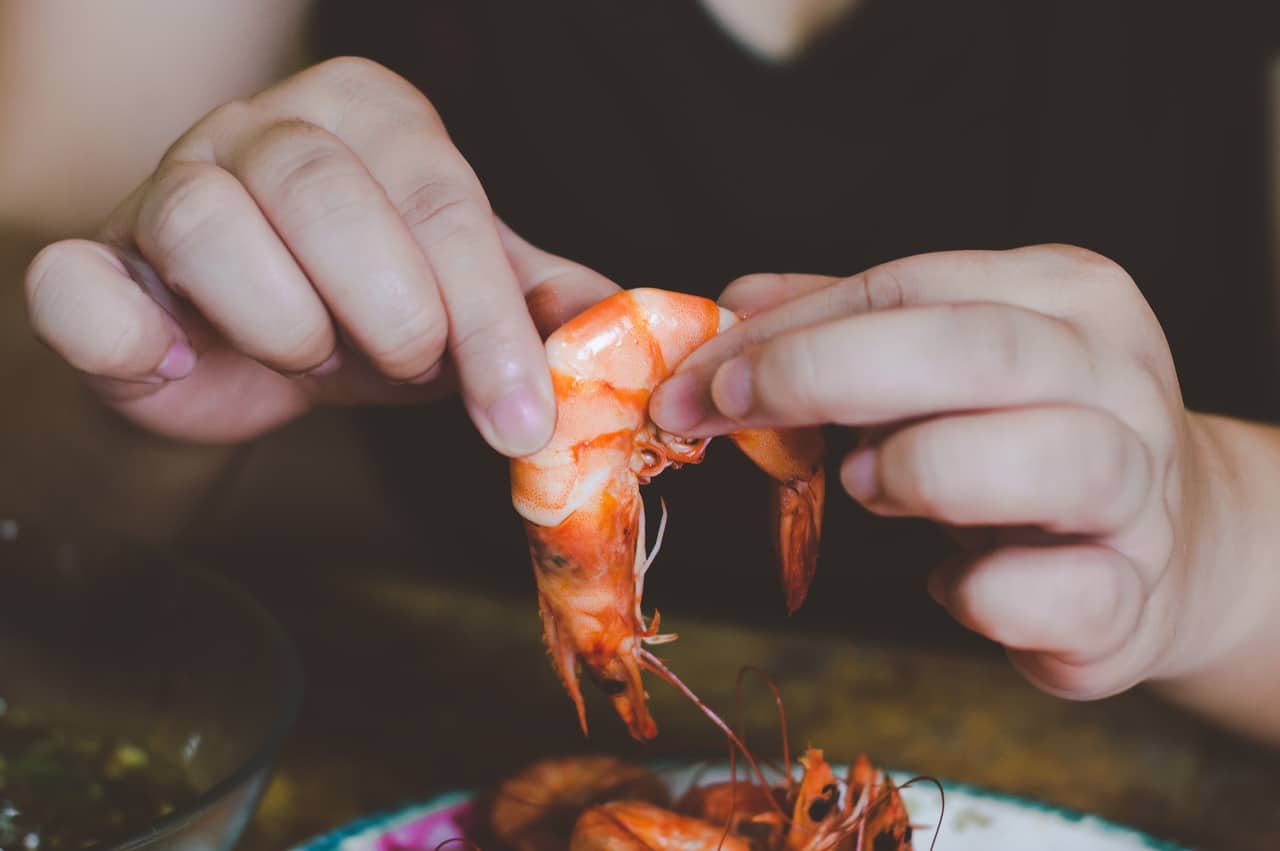
Almost all shrimp farms and shrimp processing plants are located in developing countries, where workers are forced to work long hours for minimal pay. Eating meat supports unethical employers!
With more than 2,500 species of shrimp, scientists are just beginning to scratch the surface of these fascinating animals largely unknown behavioral characteristics.
With a whopping 152 milligrams of cholesterol per 100-gram serving of shrimp (four or five shrimp), just two servings would put you over the daily recommended allowance of 300 milligrams of cholesterol!
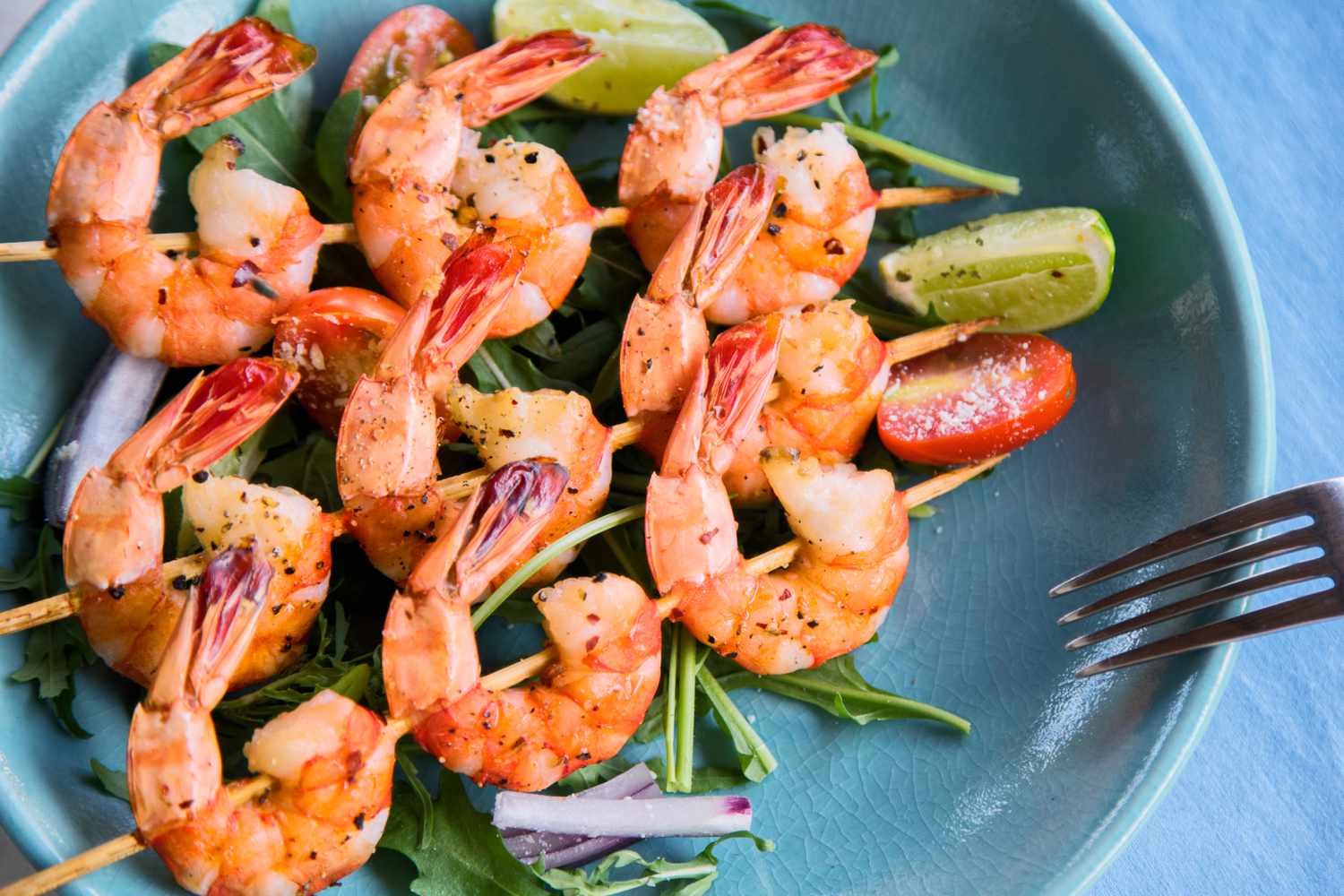
Many major world religions, including Judaism, treat shrimp as dirty meat. If you’re hell-bent on good karma, better ditch the shrimp.
Forget the reel deals More and more sham shrimp are making their way onto restaurant menus. You can also trawl the frozen-food section of your local supermarket or specialty store to find faux shrimp and dozens of other mock meats.
If you’re fishing for a heart-smart diet that is healthy, fish-friendly, and good for the environment, a vegetarian diet is the perfect catch. Plant-based diets have proved to actually reverse heart disease and reduce the risk of cancer, diabetes, and obesity.
Disclaimer
The Content is not intended to be a substitute for professional medical advice, diagnosis, or treatment. Always seek the advice of your physician or other qualified health provider with any questions you may have regarding a medical condition.