The main category of Fitness News.
You can use the search box below to find what you need.
[wd_asp id=1]
The main category of Fitness News.
You can use the search box below to find what you need.
[wd_asp id=1]
The popularity of artificial nails has surged in recent years, driven by trends in beauty and fashion to emphasize flawless, long-lasting manicures.
Allergic reactions due to artificial nails occur when the chemicals in products like acrylics, gel polishes, or nail adhesives trigger an immune response. This can lead to symptoms such as red, itchy, or blistered skin around the nail, and in severe cases, swelling or rashes that spread beyond the hands.
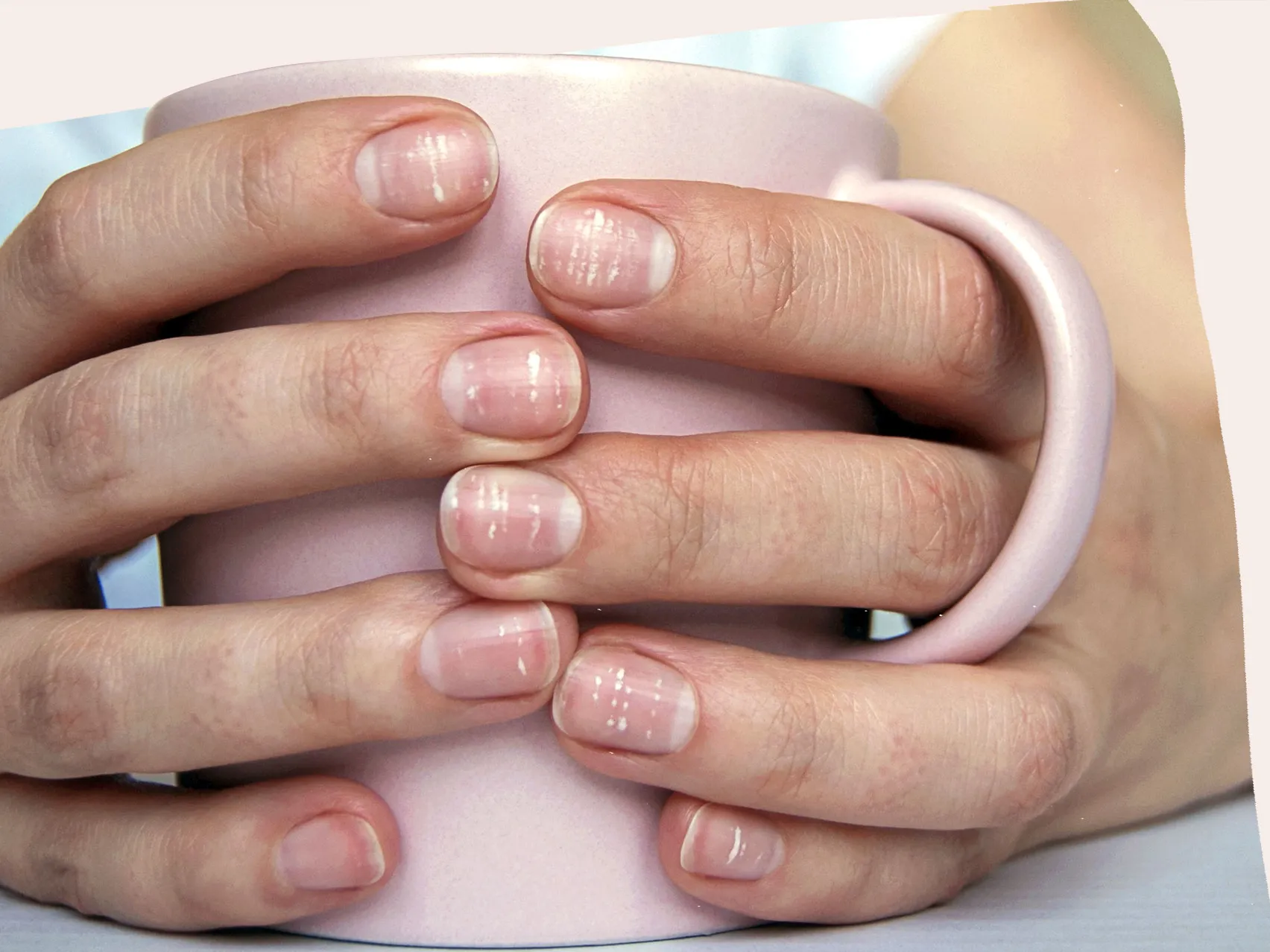
Once you develop an allergy to certain chemicals in artificial nail products, it can lead to lifelong sensitization. This means future exposure to even small amounts of these chemicals—found not only in nail products but potentially in dental materials, adhesives, and certain medical supplies—could trigger allergic responses.
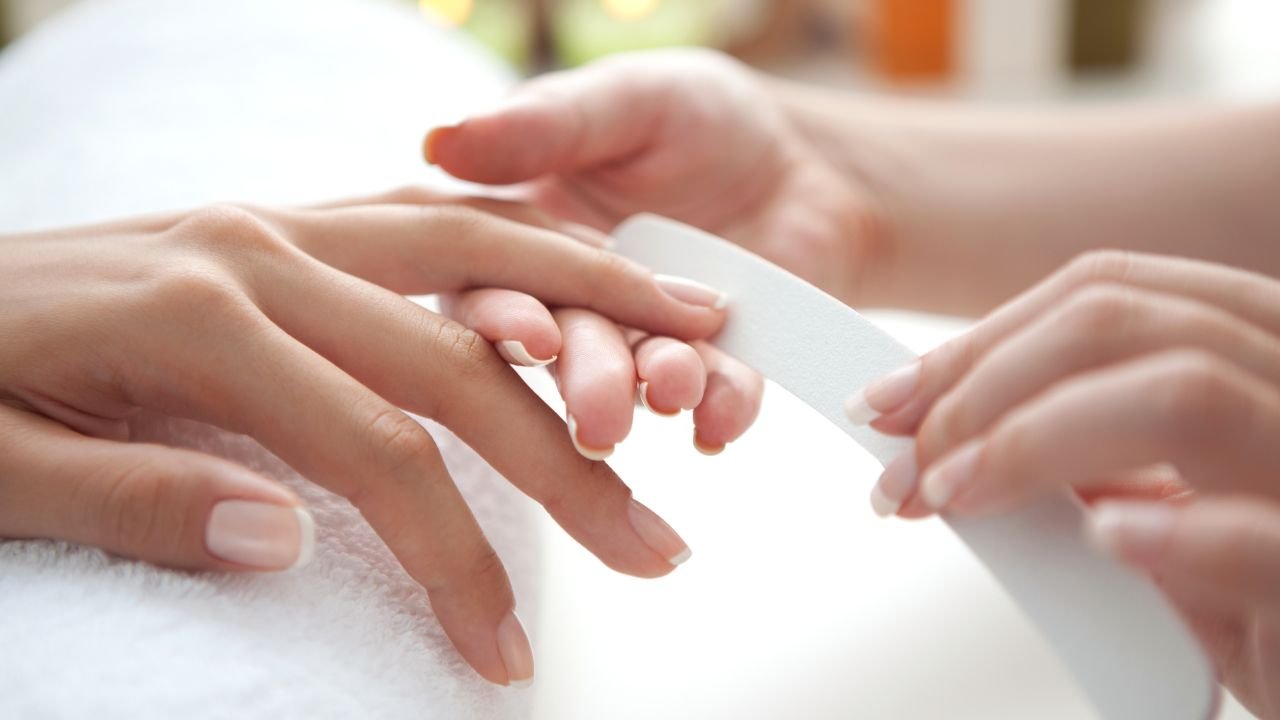
These allergic reactions underscore the importance of awareness and caution when choosing nail enhancements. The allure of perfect nails should always be balanced with considerations for long-term skin and health safety.
Disclaimer
The Content is not intended to be a substitute for professional medical advice, diagnosis, or treatment. Always seek the advice of your physician or other qualified health provider with any questions you may have regarding a medical condition.
As the countdown to Christmas and the New Year begins, it’s time to explore the exciting fashion trends that will dominate the 2024 Winter season. From cozy fabrics to bold makeup choices and chic hairstyles, here’s your guide to looking fabulous during the festive season and beyond.
This winter, fashion enthusiasts should keep an eye out for these key trends while shopping



Disclaimer
The Content is not intended to be a substitute for professional medical advice, diagnosis, or treatment. Always seek the advice of your physician or other qualified health provider with any questions you may have regarding a medical condition.
What is metabolic syndrome?
It’s a cluster of conditions that raise your risk of serious health problems.
They include:
High blood sugar
High cholesterol levels
Metabolic syndrome and endometrial cancer
Many women with endometrial cancer also have metabolic syndrome.
Scientists have found a link between 3 signs of metabolic syndrome — obesity, diabetes and hypertension — and endometrial cancer.
This is called the “triple syndrome of endometrial cancer.”
People living with obesity are 3x more likely to get endometrial cancer
People with diabetes are 2x as likely to get endometrial cancer
People with hypertension are at higher risk of getting endometrial cancer
The link between obesity and endometrial cancer
Carrying excess weight can increase the amount of estrogen in your body, which can promote the growth of endometrial cancer.
The link between blood sugar and endometrial cancer
A high-glucose environment, which occurs during diabetes, may fuel endometrial cancer, allowing cells to grow and become more invasive.
The link between high blood pressure and endometrial cancer
Researchers have established that high blood pressure increases your risk for endometrial cancer, but they are still exploring why.
The good news?
You can lower your risk of endometrial cancer, even if you have metabolic syndrome.
Actions you can take:
Exercise regularly
Eat a healthy diet
Use hormonal birth control
Breastfeed
Treat obesity and hypertension
Take diabetes medications to help lower blood sugar
Schedule regular check-ups with your healthcare provider
Have genetic testing if you have a family history of endometrial cancer
This educational resource was created with support from Karyopharm Therapeutics and Merck.
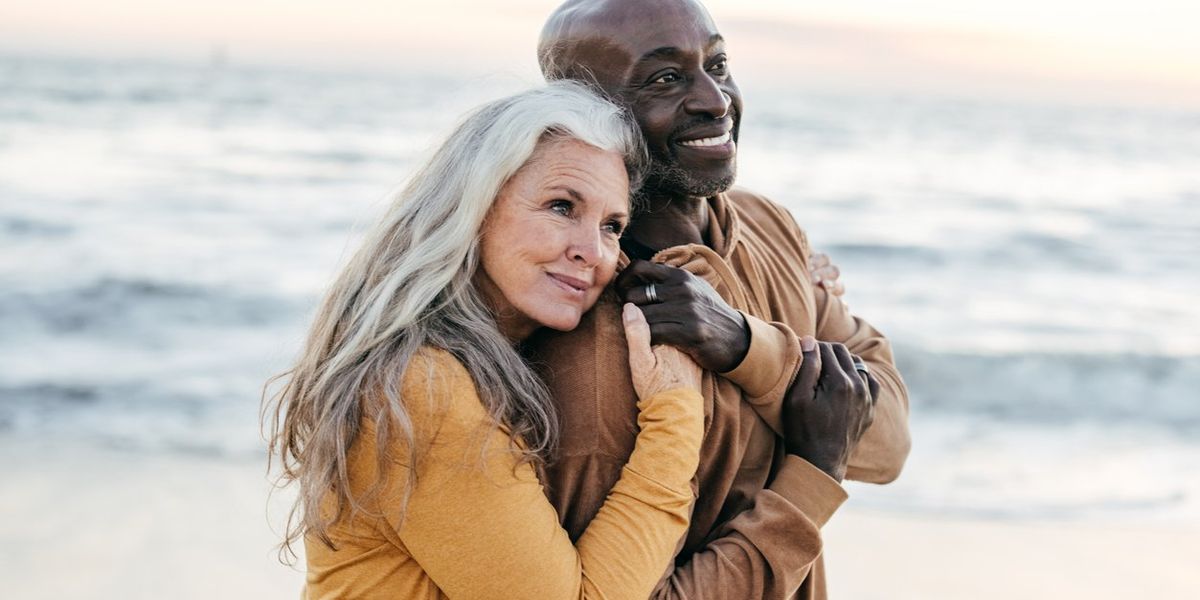
Living with bladder cancer isn’t just difficult for the patient. It’s also life-changing for their partner, who often becomes their caregiver. Taking on the role of caregiver can feel like a full-time job, leaving you drained and changing the dynamic with your partner, even after recovery. But finding the road back to intimacy is important for the health of your relationship, and your own happiness.
Bladder cancer and its treatments can profoundly affect sexual health. Both the physical and psychological impacts of bladder cancer can alter intimacy. For many patients, surgical interventions such as removing the bladder (called a cystectomy) can lead to big changes in sexual function and body image. Additionally, radiation and chemotherapy may result in an inability to get an erection for people with a penis, reduced sex drive and discomfort during sex. A comprehensive review found that radiation therapy can cause reduced vaginal lubrication and painful sex for people with a vagina.
“Bladder cancer ranges from superficially invasive, noninvasive, deeply invasive to metastatic,” explained Armine Smith, M.D., director of Johns Hopkins Urologic Oncology at Sibley Memorial Hospital. The type of cancer determines the treatment — and side effects — that the person with cancer experiences. Low-risk tumors may sometimes be treated without consequences, but more serious cases may need multiple rounds of chemotherapy or removal of the bladder.
“Chemotherapy or immunotherapy drugs are quite effective, but about 60 to 70% of patients develop adverse side effects from these treatments, including urinary urgency, urinary frequency, urinary leakage and pelvic pain when urinating,” Smith said, pointing out that it’s tough to get in the mood for sex when dealing with these issues.
“Altering the anatomy with the bladder removal carries its own set of problems,” she added. If the bladder is removed, patients will be given an ostomy bag, which collects the urine externally. Women in advanced stages may also have part of their vagina removed. Men may also have their prostate removed along with their bladder, which can affect their ability to have an erection. One study found that 8 out of 10 men will experience erectile dysfunction after surgery to remove their bladder. A 2022 survey of 1,796 people with bladder cancer, conducted 10 years after diagnosis, confirmed those findings, with 80% of men reporting erectile dysfunction and 58% reporting trouble ejaculating.
Experiencing erectile dysfunction can in turn lead to lower self-confidence, a sense of loneliness and increased depression and is associated with a risk of anxiety disorders. That can all heavily impact the ability to maintain intimacy.
Read: How to Cope with Your Partner’s Sexual Dysfunction >>
For caregivers, the emotional toll and the change in role from partner to primary caregiver can affect their quality of life and strain the relationship. One study, in which almost 9 out of 10 of the caregivers were women, concluded that the stage of bladder cancer significantly affected the quality of life for caregivers.
“Once people become caregivers, it kind of takes over their life, and I think it’s very hard to shift back into a normal dynamic. It just takes time,” Smith said.
If you’re a caregiver, there are steps that you can take to support your partner while also regaining a sense of intimacy with them. It just might mean finding a new normal, said Emily Jamea, Ph.D., certified sex therapist, author of “Anatomy of Desire: Five Secrets to Create Connection and Cultivate Passion” and member of the HealthyWomen Women’s Health Advisory Council.
“It is going to be a rediscovery process … getting to know and understand your partner in a new way,” Jamea explained. “This is going to be different from how you knew and understood them prior to them being sick, when they were sick and now who they are after they’re sick.”
For your partner, losing parts of their sexual organs or sexual functionality can be a huge blow to their sense of self. As a caregiver, it’s important to recognize how this affects your partner’s emotional well-being and how it changes your sex life.
“This is when I instruct people to think about sex more broadly than the way that they always have. This is called redefining or broadening our sexual script,” said Jamea, who has counseled couples in similar situations. “A lot of times people adhere to a very narrow sexual script, meaning they do a certain set of activities or behaviors the same way every time they have sex.”
Think: kissing, foreplay, intercourse. But when intercourse isn’t an option, couples need to have what Jamea calls a “growth mindset,” having a willingness to adapt and flip the script.
“We have these entire bodies full of erogenous zones, and for people who use this as an opportunity to discover themselves in a new way, you can find that there’s a lot of pleasure to still be had,” she said.
Here, she shares a few tips for maintaining and finding new ways to regain the spark with your partner.
Ultimately, it’s important to know your sex life may not go back to what it once was. But that doesn’t mean you can’t have a satisfying and intimate relationship with your partner. Find activities you love doing together and ways to show affection that you both enjoy.
“People make modifications,” Smith said about patients she’s seen over the years. “People try to figure it out and find other pleasures in life, and having a supportive partner is just really, really super important when dealing with cancer and survivorship.”
This educational resource was created with support from Merck.
From Your Site Articles
Related Articles Around the Web
Slide 1
Support, Not Stigma
How to raise awareness and reduce stigma about lung cancer
Slide 2
The deadliest cancer
Each year, lung cancer takes more lives than any other kind of cancer in the U.S. It’s the second most common cancer in women and has one of the lowest survival rates.
But it lacks awareness, funding and support.
Why does lung cancer get so little attention?
Slide 3
Stigma keeps lung cancer from getting the attention it deserves.
Stigma is like a negative review. It may not be accurate, but it can influence how people think, feel and react.
Stigma around lung cancer leads to:
Fear
Guilt
Shame
Blame
Worse health outcomes
Less social support
More illness-related distress
Slide 4
The cost of stigma
If you have lung cancer, you may face more than just the disease.
You may receive negative reactions, judgment or a lack of empathy from loved ones, strangers and even healthcare providers.
No one deserves cancer, but people with lung cancer are often made to feel like they do.
Slide 5
Know the risk factors
While smoking is the biggest risk factor, it’s not the only one. Other risk factors for lung cancer include:
Family history
Air pollution
Exposure to radon, asbestos or secondhand smoke
Lung cancer can affect anyone.
Slide 6
Smoking and stigma
People who have lung cancer are often asked, “Did you smoke?” But we don’t ask questions like this about most other cancers.
It doesn’t matter why someone has cancer. No one deserves to get it.
If this question comes up, share that it’s hurtful.
Slide 7
Respond to stigma
When you tell people you have lung cancer, they may react with questions or statements that suggest it’s your fault.
If they do this, bring attention back to what matters: what you want them to know and how they can offer support.
Slide 8
Don’t let stigma keep you from treatment
Lung cancer is serious, but catching it early can lead to the best outcomes.
If you ever smoked or are having symptoms, don’t let stigma, embarrassment or fear keep you from getting screened — because screening saves lives.
Slide 9
Share stories
Stigma keeps you from thinking of a person with lung cancer as a mother, father, son, daughter or friend.
You can help fight stigma by sharing personal stories and experiences to put a human face on lung cancer.
Slide 10
How can we end stigma?
Raising awareness, educating people, and increasing empathy can help stop stigma and change the public’s view of lung cancer.
This educational resource was created with support from Daiichi Sankyo and Merck.
El cáncer de piel es el tipo más frecuente de cáncer en EE.UU.
El melanoma, un tipo de cáncer de piel, usualmente lo causa la exposición al sol, pero no siempre.
El melanoma en las personas de color frecuentemente se desarrolla en partes del cuerpo que no tienen exposición al sol.
Las personas de color desarrollan melanoma menos frecuentemente. Pero existen casos y frecuentemente se diagnostican en etapas posteriores.
El cáncer de piel que se identifica en etapas posteriores puede ser más difícil de tratar.
Auto – examinaciones mensuales regulares pueden ser útiles para notar manchas nuevas o cambios en tu piel.
¡Las examinaciones de la piel en el hogar son gratuitas y fáciles!
Revisa tu piel desde la parte superior de tu cabeza hasta las plantas de tus pies.
Usa un espejo para lugares de difícil acceso tal como la parte superior de tu cabeza o la parte trasera de tu cuerpo. Podrías pedir a alguien que examine esas áreas.
Presta atención a las áreas que no tienen mucha exposición al sol y en las cuales tu piel tiene un tono más claro.
Las personas de color pueden desarrollar cáncer de piel en áreas menos visibles, incluyendo:
El cáncer de piel puede verse diferente en pieles más oscuras en comparación con pieles más claras.
Presta atención a:
Manchas oscuras de la piel que aparecen repentinamente o manchas existentes que empiezan a crecer o a cambiar son las señales más preocupantes. Avisa a tu proveedor de atención médica inmediatamente si tienes alguna lesión inusual o nueva.
Primero, trata de no entrar en pánico. No todos los lunares o lesiones sospechosos son cancerosos. Pero es importante que hagas que se examinen.
Programa una consulta con tu doctor de cabecera o con un proveedor de servicios dermatológicos.
Si sientes que tu proveedor médico no aborda tus preocupaciones, está bien obtener una segunda opinión. También está bien solicitar una biopsia de cualquier mancha que quieras que se evalúe.
Este recurso educativo se preparó con el apoyo de Merck.
Stop us if this sounds familiar: You’ve been working out and making healthy choices for months and then a whiff of pumpkin pie sends you into a stress spiral anticipating all the ways you’re going to destroy your progress over the holiday season.
A lot of people have this mindset that indulging over the holidays leads to major weight gain. But that’s not exactly the case. Although some research shows that weight fluctuation is common during the holidays, one study found that participants only gained an average of 0.8 pounds between Thanksgiving and New Year’s.
But don’t celebrate with a gingerbread house just yet: The research also showed that the almost-pound stuck around. That means you could be adding an almost-pound to your body weight year after year. And that can add up.
So, should you just pack up the matzo balls and go Grinch until January? No way! There are things you can do before the holidays and in real time to help you avoid overeating and maintain your weight.
We asked Rachel Sufczynski MSES, CEP, a clinical exercise physiologist specializing in nutrition and member of HealthyWomen’s Women’s Health Advisory Council, for her tips and tricks to help you stay on track during the most hectic, er, wonderful time of year.
Look at your normal workout routine through the lens of your holiday schedule and be honest with yourself. “You may normally go to spin class three times a week, but that might not be possible,” Sufczynski said. “Make the activities fit to what you have time and energy for.” Try to schedule any exercise classes you know you can attend before the holidays and download apps or workout videos so you have backup options if you miss a class, can’t make it to the gym, or it’s too cold for your outside walk or run.
Is your stomach rumbling on the way to the buffet? It may seem like a good idea to fast all day and save your calories for the party, but arriving absolutely ravenous means you’re more likely to overindulge. Try having a small snack before you go (looking at you, cheese and crackers), so you’ll still be hungry for your favorite foods but not so hungry you pull a Garfield at the lasagna station.
Sometimes we eat too much simply because it’s there. So, if you find yourself trying to finish the fruitcake on your plate, ask yourself: Do you even want it? Are you full? If you don’t, it’s time to get up from the table.
Hanging out by the finger foods can lead to mindless eating while you’re chatting and socializing with friends and family. The solution: Put what you want on a plate and have your convos somewhere away from the food.
The whole concept of starting over in the new year is nice, but it’s not realistic to put off nutrition and exercise for weeks and magically feel different in January. “What’s likely going to happen is you’re going to try and you’re going to burn out,” Sufczynski said. Instead, start by establishing health and fitness goals for the holiday season that are attainable for you. Being successful builds internal positive talk and the belief that you can accomplish your goals.
The holidays can be stressful, and some people use food as a coping mechanism. Emotional eating has nothing to do with real hunger and typically involves overeating and mindlessly eating sugary and/or high-fat foods — aka holiday staples. The high-calorie treats activate the brain’s reward system, which can make you feel less stressed and relieve negative emotions for a short time. Emotional eating can lead to feelings of shame, more stress and weight gain.
There are some things you can do to recognize emotional eating. “Pausing and being aware can do wonders,” Sufczynski said. If you’ve noticed changes in your eating patterns or behaviors, check your feelings during the next time you eat. Are you stressed? Bored? Sad? Whatever the reason, the pause can help you assess the situation.
A food diary can also help identify triggers and patterns of emotional eating. We all overindulge from time to time — especially during the holidays — but talk to your healthcare provider if emotional eating is affecting your life.
For people living with the disease of obesity, weight management isn’t as simple as just saying no to an extra snack. If you believe your weight is affecting your health, or if simple diet hacks don’t seem to help, speak to your healthcare provider.
From Your Site Articles
Related Articles Around the Web
Skin cancer is the most common type of cancer in the U.S.
Melanoma — a type of skin cancer — usually comes from exposure to the sun, but not always.
Melanoma in people of color often develops on parts of the body that aren’t exposed to the sun.
People of color get melanoma less often. But when they do, it’s often diagnosed at a later stage.
Skin cancer found in later stages can be harder to treat.
Regular monthly self-exams can help you notice any new or changing spots on your skin.
At-home skin checks are free and easy to do!
Look over your skin from the top of your head to the bottoms of your feet.
Use a mirror for hard-to-reach spots such as the top of your head or backside. You might ask someone to check these areas for you.
Pay attention to areas that don’t see much sun and where your skin may be lighter.
People of color can develop skin cancer in less visible areas, including:
Skin cancer can look different on darker skin than on lighter skin.
Look for:
Dark spots on the skin that appear suddenly or existing spots that begin to grow or change are most concerning. Let your healthcare provider know right away about any unusual or new lesion.
First, try not to panic. Not every suspicious lesion or mole will be cancerous. But it’s still important to get them checked.
Make an appointment with your primary care or dermatology provider.
If you feel your provider isn’t addressing your concerns, it’s okay to get a second opinion. It’s also OK to ask for a biopsy of any spot you want to have checked.
This educational resource was created with support from Merck.
As told to Shannon Shelton Miller
My status as a cancer survivor has shaped my life. When I was 3, I was playing in the backyard with my older sister, who noticed blood spreading across my clothes. She rushed me into the house and told my parents. They took my clothes off and saw a lump hanging from my body.
They took me to the hospital immediately. Later, they’d learn I had rhabdomyosarcoma, a very rare type of cancer that starts in the soft tissue and is most commonly diagnosed in children and teens. It’s a fast-growing cancer, and my parents were told I might not live past 3.
I’m fortunate the cancer never returned after my treatments, but because mine was in my bladder, my surgery included an ostomy, and I’ve worn ostomy bags ever since. One of the good things about my diagnosis was that I was so young that this way of life is all I’ve ever known.
Both my parents were Christians, which helped me build a strong faith in God that I still have today. I lived a blessed life because my parents always encouraged me and never treated me like a sick child. I wasn’t seen any differently than my siblings. My mom never dressed me differently because I had an ostomy bag. It was like a normal life, which helped tremendously.
As I became a teenager and young adult, however, I started wondering about my future. My body was changing and I was questioning different things about my life. Would my friends still accept me? Would I get married one day? Could I have dreams and aspirations? Would I be limited in what I can do?
The biggest question was, “Why did this happen to me?” Why did I have cancer? Why did I have to wear these bags? It was rough in elementary and middle school because I was trying to hide my secret. I wanted the kids to accept me, even though they had no idea what I was going through. Some days I was fine, some days I had questions and some days I was depressed. Some days I didn’t know what I felt, but most of all, I wanted that answer: Why me?
I didn’t get it until much later in life, but I had to figure it out for myself.
During my teenage years, my mom always told me I needed to share my story, but I never knew why. She knew the reason, but what she said went in one ear and out the other. I didn’t understand until I was an adult that my story could make a difference for somebody else.
My story was about the “after” — life after the treatments, after the surgery, chemotherapy and radiation. What happened “after” was what changed my life.
My story is my story. Nobody can tell it like me, but I’ve learned my story also belongs to others. My story belongs to that cancer survivor, that person going through treatments, that person getting ostomy surgery or that person going through the many different emotions I had already gone through. You never know who needs to hear your story and how it can change their life for the better.
I had finally found my why. What was I going to do with what made me different? I would share my journey to let people know we’re all different to make a difference for somebody else.
So this is my story. I’m an author, a motivational speaker, ostomy advocate, cancer survivor and fashion model. I own and operate a modeling company. I’m very involved in my church. I wear many hats.
When I look back and see that little 3-year-old girl in the backyard and I look at myself now at 56, I know I’ve lived a blessed life. I see how God has opened many doors because I’m a cancer survivor. A lot of people want to know “Who is this model who has two ostomy bags?” I was able to model in different publications, on billboards and on TV. I’m still amazed and sometimes I just ask, “Wow God, are you still showing me my why?”
It’s been several years since I started sharing my story with others, in person and on my website and social media. Becoming an advocate has given me the opportunity to go to ostomy conferences and speak to others like me. Last year, I spent two weeks in South Africa after an ostomy organization there saw my Instagram and read my story. They invited me to speak, which was such an awesome opportunity.
I know a lot of us aren’t talking about this, so I try to share my journey to say to them, “Hey, listen, you still can live a normal life.” Healthwise, I’m perfectly fine. I have a yearly checkup with my specialist to make sure everything is ok.
I also wrote a book, Pretty Girl Blues, and the title reflects how I felt about my life. I might look like a pretty girl on the outside, but I’ve had many times when I felt so blue on the inside. I talked about everything in that 96-page book — my work, home, my peers, my marriage, my divorce and my modeling career. This book started as a journal, and it was healing for me to get all of my thoughts off my chest.
It’s also healing for me to talk to other cancer survivors. I can talk to other people that have an ostomy. We can share so many deep things — and we understand each other. It’s like, “Oh my gosh, this happened to you too?” It’s inspiring when you can share your stories because you’re walking in each other’s shoes.
It makes such a difference knowing you’re not alone. It feels so good to hear from other people with the same experience, and that inspires me even more. It helps me keep going.
I know I’m different to make a difference. That’s my “why.”
Have a Real Women, Real Stories of your own you want to share? Let us know.
Our Real Women, Real Stories are the authentic experiences of real-life women. The views, opinions and experiences shared in these stories are not endorsed by HealthyWomen and do not necessarily reflect the official policy or position of HealthyWomen.
From Your Site Articles
Related Articles Around the Web
“Dreams should scare you and if they don’t they are not big enough”
Taryn Kloth is an American beach volleyball player. She played with Kristen Nuss at the 2024 Summer Olympics in Paris. She is born at Sioux Falls, South Dakota, and studied at Creighton University and Louisiana State University.
Kloth attended O’Gorman Catholic High School in Sioux Falls, South Dakota. In her senior season, she had 558 kills, 314 digs, 90 block, and 41 aces, concluding her high school career with 1,137 kills, 744 digs, and two state volleyball titles. She was named the South Dakota Gatorade Player of the Year in 2014. Played two years of beach volleyball at LSU and four years indoors at Creighton.
She was named All-American, AVCA Pair of the Year and a perfect 36-0 in 2021 with Nuss at LSU. Won 2023 BPT La Paz Challenge – Gold with Kristen Nuss.
All-American Honorable Mention during final year at Creighton, led Blue Jays to NCAA Elite Eight as a junior Volleyball icon. Represented U.S. on Beach Collegiate National Team in 2020, and 2021. Indoor Collegiate National Team in 2017 and 2018.
Career podiums: Pro Beach Tour
12 medals – (7 gold, 3 silver, 2 bronze)
Honours
Women’s beach volleyball: Representing the United States
World Championships
Bronze medal – Third place: The 2023 Beach Volleyball World Championships was held in Tlaxcala, Apizaco, and Huamantla, Mexico from 6th to 15th October 2023.
Women Fitness President Ms. Namita Nayyar catches up with Taryn Kloth an exceptionally talented American Beach volleyball player, winner of 2023 BPT La Paz Challenge Beach Volleyball Championship Gold Medal; here she talks about her fitness routine, her diet, and her success story.

You were born in Sioux Falls, South Dakota in the US. You attended O’Gorman Catholic High School and then studied at Creighton University and Louisiana State University. You ended your high school career with 1,137 kills, 744 digs, and two state volleyball titles. This later propelled your career to the height where you have been at the top of the world as a beach volleyball player. Tell us more about your professional journey of exceptional hard work, tenacity, and endurance?
I started playing beach volleyball as a means to an end to get my MBA at LSU and fell in love with the game. I had never played or trained beach volleyball before coming down here. It has been a lot of hard work, dedication, and passion to get to this point but I wouldn’t have it any other way.
The hard work makes the good times better and makes the low times doable to keep pushing through to the next breakthrough. I love the challenge and I want to continue to challenge myself and my limits for a lifetime! I am so thankful for my coaches and teammates that have dumped so much time and energy into making me the player that I am.
It is a dream for a beach volleyball player to play in the Beach Volleyball World Championships. You won a bronze medal in the 2023 Beach Volleyball World Championships that was held in Tlaxcala, Apizaco, and Huamantla, Mexico from 6 to 15 October 2023. Tell us more about this spectacular achievement of yours?
This was the first and only World Championship event that we qualified for and that in itself was exciting and then to walk away with a medal from the event was so special. There was a lot on the line and we were down in the medal match – I will never forget working together with my best friend and teammate to find a way to win after a long 2 weeks of playing in Mexico.
Full Interview is Continued on Next Page
This interview is exclusive and taken by Namita Nayyar President of womenfitness.net and should not be reproduced, copied, or hosted in part or full anywhere without express permission.
All Written Content Copyright © 2024 Women Fitness
Disclaimer
The Content is not intended to be a substitute for professional medical advice, diagnosis, or treatment. Always seek the advice of your physician or other qualified health provider with any questions you may have regarding a medical condition.