The main category of Fitness News.
You can use the search box below to find what you need.
[wd_asp id=1]
The main category of Fitness News.
You can use the search box below to find what you need.
[wd_asp id=1]
Medically reviewed by Isabel Smith, M.S., R.N., C.D.N.
You’ve probably heard of intermittent fasting. There are hundreds of thousands of posts dedicated to the trend on social media, and celebrities like Jennifer Aniston and Cameron Diaz swear it’s how they maintain their fit physiques.
Famous bods aside, the eating pattern has been linked to a number of health perks, including weight loss and reduced risk for Type 2 diabetes.
That said, if you were hoping that “intermittent” meant something different than regular ol’ fasting — it doesn’t. It still means that you’re not eating for long periods of time — maybe even the whole day, depending on the type of fasting method.
The practice of abstaining from food for periods of time has been around for centuries, but the long-term effects of intermittent fasting are still being studied. This is especially important to note for women and people assigned female at birth: Preliminary results from a recent study found that people who restricted their eating time to eight hours a day as part of intermittent fasting were more likely to die from cardiovascular disease, which is the number one cause of death of women in the U.S.
Read: What Women Need to Know About Cardiovascular Disease >>
Here’s what you need to know to get up to speed on intermittent fasting.
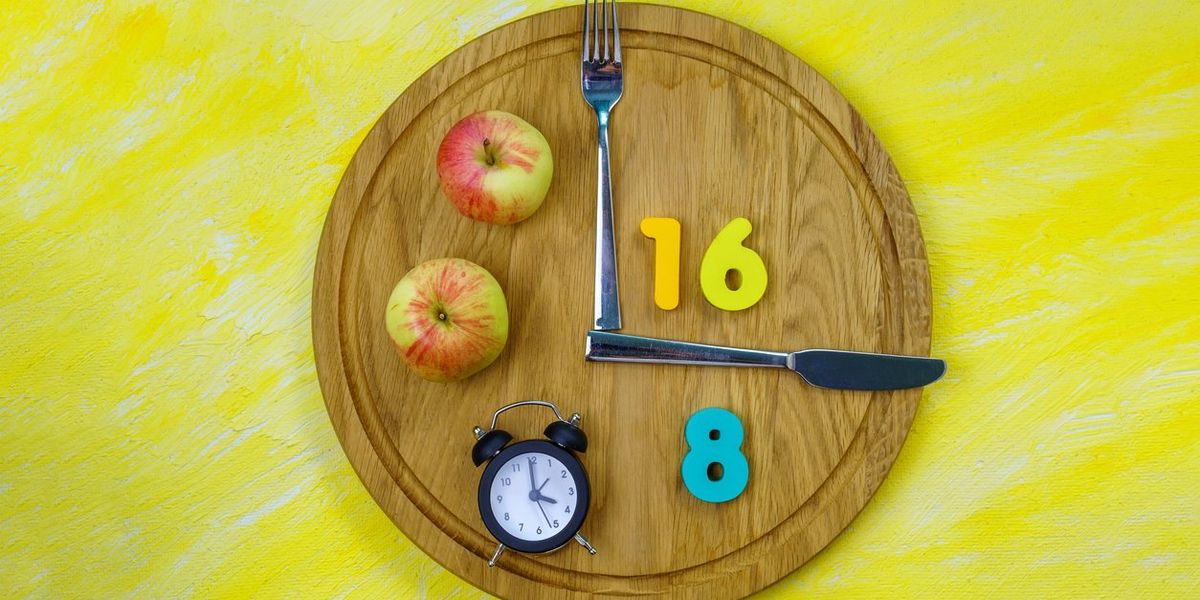
Intermittent fasting is an eating plan that involves limiting your food intake to certain time periods. There are different types of intermittent fasting, but all are focused on when to eat — and when not to eat — rather than what to eat.
There are several different types of intermittent fasting, which include:
One of the more appealing aspects to intermittent fasting is that it’s pretty simple. You don’t need any special foods or ingredients or powders or tapeworms — just a clock and willpower.
But, does it really have any health benefits? To date, the research on intermittent fasting hasn’t been definitive. Few studies have been conducted, and the ones that have been conducted haven’t always had a lot of participants. Some studies revealed some potential benefits, but more research is needed to confirm the results.
Weight loss is one of the main benefits associated with intermittent fasting. When you’re fasting, you’re not consuming any calories, and taking in fewer calories can lead you to lose weight. That’s because your body exhausts its sugar supply/calories and starts burning fat when you go hours without food.
Less food equals less weight. This may seem like a no-brainer, but in reality, the lower-calorie approach may not work for everyone. Some studies have shown that intermittent fasting had little or no impact on long-term weight loss.
Weight loss aside, when it comes to health overall, intermittent fasting may have benefits for some people with certain health conditions.
Have you ever felt positively murderous with hunger if you skip your afternoon snack or smoothie at breakfast? (Asking for a friend.) That might happen during intermittent fasting. Going without food for a long period of time can be mentally and physically trying and may cause hanger (hungry anger).
It’s worth taking an inventory of how hangry you become when you don’t eat before considering intermittent fasting.
Other side effects can include:
Tendencies toward hanger aside, intermittent fasting can be dangerous for some people.
You should steer clear of intermittent fasting if you’re pregnant or breastfeeding because the reduction in calories can lead to nutrient deficiency. It’s also not recommended for the elderly or for people with certain health conditions. These include:
Like all eating plans, there are risks and side effects to intermittent fasting, and this method may not be for everyone. As mentioned before, a 2024 study found people who limited their eating to an eight-hour window had a 91% higher risk for cardiovascular death compared to people who ate across 12-16 hours a day.
However, a 2024 review of 23 studies found that intermittent fasting could help lower total and bad cholesterol (LDL) levels and triglycerides and reduce fat tissue in the bodies of people living with overweight and obesity — all of which can help reduce the risk for cardiovascular disease.
So, that’s clear as mud, right? This is why it’s important to talk to your healthcare provider about your personal risk factors and medical history before starting any new eating plan.
From Your Site Articles
Related Articles Around the Web
We partnered with The Great Girlfriends Show to answer some important questions about melanoma.
Expert guest, Dr. Janiene Luke, answers some common questions:
Brain stroke is the second leading cause of death the third leading cause of disability and the second leading cause of death around the world. Every year World Stroke Day is observed on October 29th to emphasize the serious nature and high rates of stroke. The day is also observed to raise awareness of the prevention and treatment of strokes.
This year, 2024, the World Stroke Day Theme is “#GreaterThanStroke active challenge”. This theme leverages the emotional power of sport to raise awareness about stroke and encourage action on stroke prevention and rehabilitation.
The emotional power of sport is remarkable for raising awareness about stroke, as it connects people across all demographics and communicates complex health messages in an inspiring, impactful way. Athletes who have personally experienced strokes or support stroke awareness campaigns can serve as powerful advocates, sharing their stories of resilience and recovery. This inspires audiences to recognize the risks and signs of stroke and motivates them to take preventative action.
Recognizing a stroke attack quickly is crucial, as early intervention can significantly improve outcomes and reduce potential brain damage. Strokes can happen to anyone, at any age. It is a medical emergency.
B.E.F.A.S.T is an acronym, to help identify a stroke attack. Each letter stands for:
B—Balance: Sudden loss of balance, coordination, or dizziness can be an early sign of a stroke. It could also be a red flag if someone seems unsteady or has trouble walking.
E – Eyes: Vision changes, such as sudden double vision, blurred vision, or complete loss of vision in one or both eyes, are common during a stroke.
F – Face Drooping: One side of the face may droop or feel numb. Ask the person to smile; an uneven smile can be an indicator.
A-Arm Weakness: Arm or leg weakness on one side of the body is a classic stroke symptom. Ask the person to raise both arms; difficulty lifting one arm is a warning sign.
S – Speech Difficulty: Slurred or difficult speech is another major stroke symptom. Ask them to repeat a simple sentence to check for clarity.
T – Time to Call Emergency Services: Call emergency services immediately if any of these symptoms appear. Rapid action is essential to reduce potential brain damage.
Knowing these signs and acting quickly can save lives and reduce long-term disabilities associated with stroke.
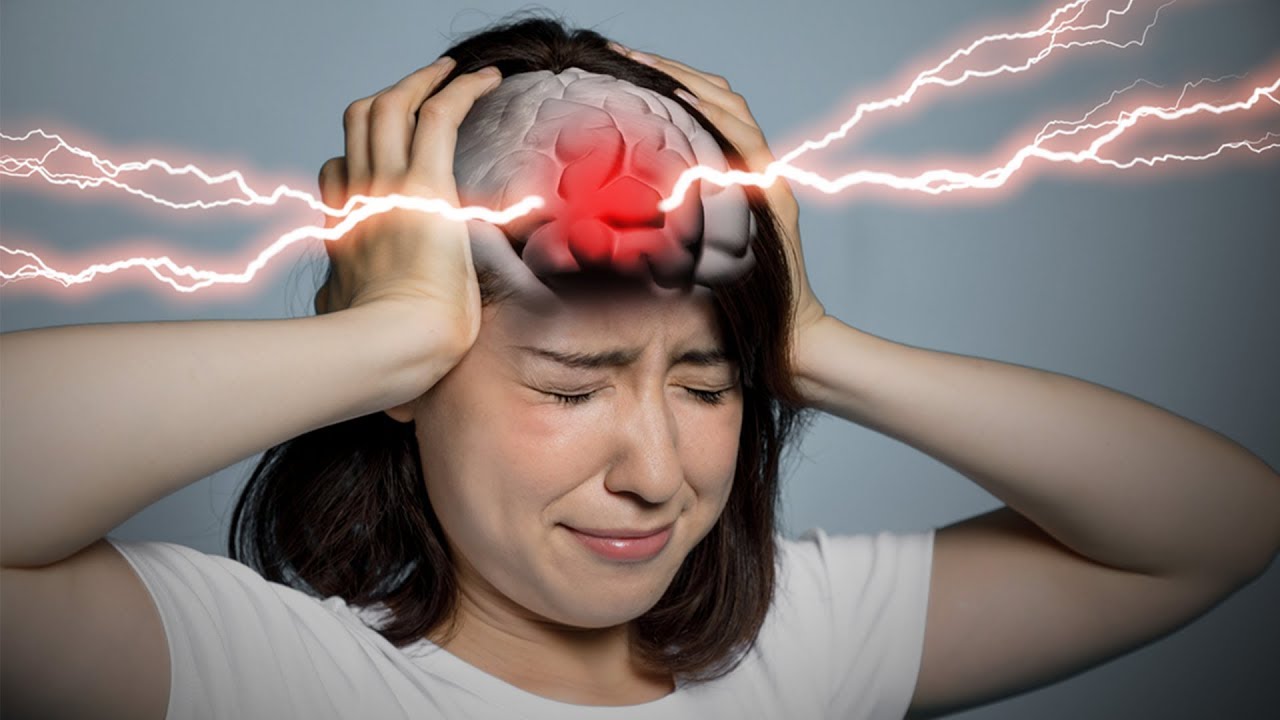
The emotional power of sport is remarkable for raising awareness about stroke, as it connects people across all demographics and communicates complex health messages in an inspiring, impactful way. Athletes who have personally experienced strokes or support stroke awareness campaigns can serve as powerful advocates, sharing their stories of resilience and recovery. This inspires audiences to recognize the risks and signs of stroke and motivates them to take preventative action.
For example, basketball player Chris Bosh, who experienced blood clot-related complications, raised awareness about stroke prevention and the importance of understanding one’s health risks. Similarly, former NFL linebacker Tedy Bruschi suffered a stroke in 2005, and after recovery, he returned to professional football, later becoming an advocate for stroke awareness.
Ref:
https://www.stroke.org/en/about-the-american-stroke-association/world-stroke-day
https://www.pacehospital.com/world-stroke-day-29-october-theme-and-importance
Disclaimer
The Content is not intended to be a substitute for professional medical advice, diagnosis, or treatment. Always seek the advice of your physician or other qualified health provider with any questions you may have regarding a medical condition.
Quote she live by “Life is not a dress rehearsal, you need to go out to live each day with intention“
Regan Anne Hillyer is a Serial Entrepreneur, Philanthropist, Energetic Coach, International Speaker and Mindset Coach and the CEO and founder of, amongst other ventures, Regan Hillyer International (RHI), a global 8-figure business. Originally, she graduated as an Architect (BArch) then was attracted to the personal development and business success niche, qualifying as an Certificated Master of NLP, Master of Hypnosis, Time Dynamics Specialist and a Success Strategist, amongst other certifications and training.
Regan Hillyer International (RHI) is primarily an enterprise dedicated to inspiring and motivating people to help them have it all in their life, on their terms.
In addition, Regan is the creator of the world’s Number One Manifestation Method – the “Energetic Architecture MethodTM” a unique manifestation modality that uses the quantum field to allow people to manifest the lives that they desire. Her results include, but are not limited to, enabling people to build multiple six and seven-figure businesses location-free, using powerful mindset changing tools and cutting-edge business development strategies.

Regan is a true thought leader in her industry and is a published, best-selling author of multiple books as well as featuring in a variety of media outlets including Forbes Magazine, Huffington Post and Cosmopolitan Magazines, and appearances on the ABC, NBC, and CBS networks.
In addition to her media appearances, Regan has appeared on the covers of and modeled feature spreads for; Forbes, Glamour Magazine, L’Officiel, Marie Claire, Harper’s Bazaar, LA Weekly, GOSS and In Touch magazines.
Born and educated in New Zealand, Regan is now principally based in Costa Rica, however, she has an internationally renowned presence and reach. Through her online platforms, Regan’s wisdom has gone viral on social media and via her in-person speaking engagements and retreats, Regan continues to empower and impact the lives of millions of people.
RHI website: https://www.reganhillyer.com/
Regan IG: https://www.instagram.com/reganhillyer/
Regan FB: https://www.facebook.com/ReganHillyer
Regan YouTube: https://www.youtube.com/c/ReganHillyerCoach
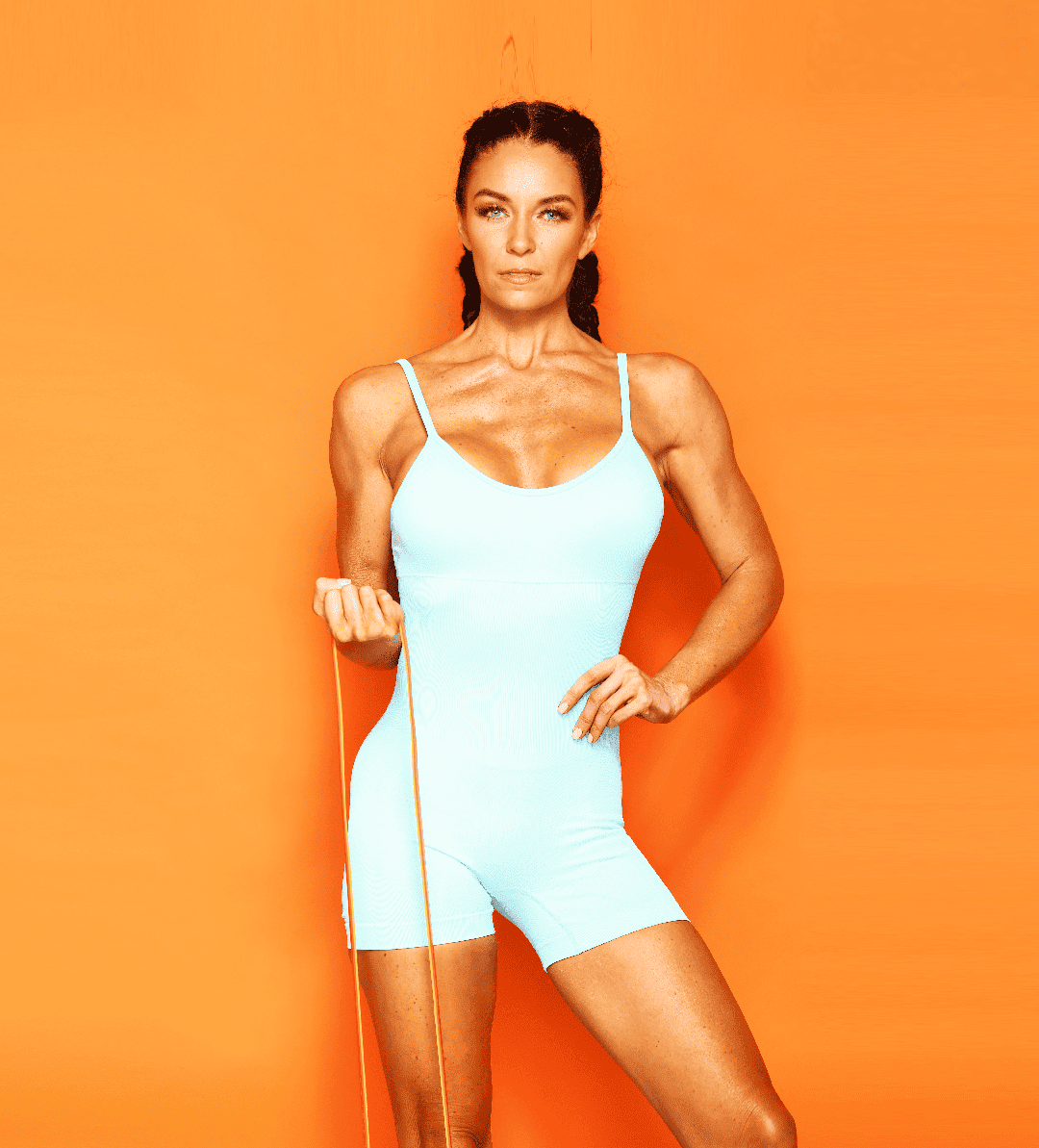
Women Fitness President Ms. Namita Nayyar catches up with Regan Hillyer an exceptionally talented, world-leading social media personality, model, Serial Entrepreneur, Philanthropist, Energetic Coach, International Speaker and Mindset Coach here she talks about her business venture Regan Hillyer International (RHI), programs she offer, her fitness routine, her diet, and her success story.
You were born and educated at New Zealand and later shifted to Costa Rica a distance of 9000 miles away. This later propelled your career to the height where you are the CEO and founder of, amongst other ventures, Regan Hillyer International (RHI), a global 8-figure business. Tell us more about your professional journey of exceptional hard work, tenacity, and endurance?
After graduating from University, at the age of 20, and being what was, essentially, a broke student, I explored various wealth strategies, including property investment, currency trading, sales, business start-ups and marketing. Although my initial startups were remarkably successful, earning over a million dollars, I walked away from them because I wasn’t fulfilled in running those businesses and none of them brought me true happiness or fulfillment. They did not make me feel that my working life was worthwhile or that I was in any way impacting people for the better on a broader scale, and I was still searching for what my actual life purpose was.
It was my tenacity and the desire for entrepreneurialism and self-determination that spurred me on to continue the search for that purpose, and that subsequently propelled me forwards on a personal development journey, to become a Certificated Master of NLP, Master of Hypnosis, Time Dynamics Specialist, and a Success Strategist, among other certifications and training. And, eventually to create Regan Hillyer International (RHI).
You graduated as an Architect (BArch) but was attracted to the personal development and business success niche, qualifying as an Certificated Master of NLP, Master of Hypnosis, Time Dynamics Specialist and a Success Strategist, amongst other certifications and training. What has been the catalyst that led you to changing your profession as an architect to Mindset Coach and a Success Strategist?
I graduated with a BArch, but my heart wasn’t sympathetic with the work niche, hence the tangent into personal development qualifications. I was trying to discover my purpose and looking for the ‘thing’ that would bring me the most happiness professionally. During this period of personal development education and up skilling, I found myself casually helping and supporting friends, including old school peers, who were struggling with depression, drug addiction, and low self-esteem. Using my new qualifications and achieving significant results with them, I received referrals via these friends, to help others. These early experiences made me realize that facilitating healing, growth and learning in others brought me the most pleasure and fulfillment.
This realization led me to establish my coaching and personal development business, Regan Hillyer International (RHI), which has since grown exponentially into a global, multi 8-figure, live, and online enterprise. I developed the “Laser CoachingTM” system, recognized as an industry gold standard method that empowers trained and certified coaches to achieve maximum results for their clients in record time.
Full Interview is Continued on Next Page
This interview is exclusive and taken by Namita Nayyar President of womenfitness.net and should not be reproduced, copied, or hosted in part or full anywhere without express permission.
All Written Content Copyright © 2024 Women Fitness
Disclaimer
The Content is not intended to be a substitute for professional medical advice, diagnosis, or treatment. Always seek the advice of your physician or other qualified health provider with any questions you may have regarding a medical condition.
For millions of people living with obesity, the class of weight-loss medications known as GLP-1 agonists have been game-changers (think Wegovy and Zepbound). Studies show that people on these medications can lose more weight than they can with just lifestyle changes alone.
But for one group of Americans — people on Medicare — at least some of these drugs have been off-limits because Medicare is not allowed to cover medications prescribed for the sole purpose of weight loss. With ample evidence that obesity itself increases numerous health risks and new indications that these drugs lower risks of heart disease and stroke, those limits may be changing.
A bipartisan bill, the Treat and Reduce Obesity Act (TROA), moving through Congress would allow Medicare to cover weight-loss medications for the first time.
Experts argue it’s about time.
“The passage of the Treat and Reduce Obesity Act (TROA) is crucial for protecting women’s access to obesity care as they transition to Medicare,” said Fatima Cody Stanford, M.D., M.P.H., M.P.A., associate professor of medicine and pediatrics at Harvard Medical School and obesity medicine physician-scientist in the Massachusetts General Hospital Weight Center.
Stanford explains that TROA improves comprehensive coverage while improving equitable access to care.
“The TROA aims to expand Medicare coverage to include a wider range of obesity treatments, including FDA-approved medications and intensive behavioral therapy. This ensures that women can continue their established treatment regimens without interruption,” she said. “The TROA addresses disparities in healthcare access, ensuring that all women, regardless of their financial situation, can receive the necessary treatments to manage their obesity effectively.”
For 31 million women over age 65 (and another 4 million younger women who qualify for Medicare because of long-term disabilities), Medicare’s lack of obesity care coverage creates risks. Approximately 10,000 Americans turn 65 every day, more than half of whom are women. With obesity rates reaching 43% in people over age 60, losing access to obesity treatments can be especially detrimental.
“When women transition from private insurance to Medicare at the age of 65, they often face a significant loss in coverage for obesity treatments,” Stanford said. “When women who have been receiving consistent obesity treatment, including medications, behavioral therapy and nutritional counseling, experience an abrupt halt in their care, this can lead to weight regain and worsening of obesity-related conditions.”
Experts recognize obesity as a chronic medical condition. According to the CDC, 2 out of every 5 American adults are living with obesity. Almost 6 out of 10 of them also have high blood pressure, which raises their risks for heart disease. Nearly 1 out of 4 also have diabetes. Obesity is also known to increase the risks of certain cancers, pregnancy and fertility problems, and mental health issues, among other conditions.
“Obesity is a chronic disease that requires ongoing management,” said Alicia Shelly, M.D., obesity medicine physician. “Without Medicare coverage for obesity treatment, women are at increased risk for serious health issues like heart disease, diabetes and cancer. Long-term support is essential to help prevent these life-threatening conditions.”
Obesity is also a serious economic issue. People with obesity have nearly $2,000 more in annual medical costs than people without obesity. Overall, those costs add up to nearly $173 billion in extra medical costs each year in the U.S.
And that’s just direct medical costs associated with obesity. Add to that lost productivity that results when employees miss work, are less productive at work due to obesity complications, or prematurely die or leave the workforce due to disability. The CDC estimates that obesity-related missed work alone costs between $3.38 and $6.38 billion each year.
TROA is one way to reduce these costs.
“By providing coverage for obesity treatments, the TROA supports preventive health measures, reducing the incidence of obesity-related diseases and lowering long-term healthcare costs,” Stanford said.
In a HealthyWomen survey of 1,000 women ages 35 to 64, nearly one-quarter reported having been diagnosed with obesity, and 79% said they were trying to lose weight or lower their BMI. Another 8% of respondents said they are caregiving for someone living with obesity.
Nearly two-thirds of women living with obesity reported dieting or considering doing so, and one in five said they’re taking or considering taking an anti-obesity medication (AOM).
The survey results show that 8 out of 10 women who consult a nutritionist said their insurance covers all or part of those costs, but only 6 out of 10 said the same about insurance coverage for AOMs.
Women living with obesity said that achieving their desired weight would have the biggest positive impact on their physical and mental health, self-confidence, and daily activities. But 11% of survey respondents who reported that they will turn 65 in the next six months (or are caregiving for someone who will) will not have access to AOMs under the current rules. Seven percent of women said they have a plan that will no longer cover their AOM next year or that they’re caring for someone in that situation.
The survey also revealed racial and ethnic health disparities. Nearly one-third of respondents said they have been diagnosed with obesity or would be if they went to a healthcare provider (HCP) who would assess their weight. And Black respondents were twice as likely than Hispanic/Latina respondents to categorize themselves this way.
Insurance status also showed important differences. People on Medicaid, the public insurance program for Americans with lower incomes, were more likely to say they had been diagnosed with obesity (31%) compared with 20% of those with job-based insurance and 17% with other private coverage. Among survey respondents with Medicare coverage, 13% said they care for someone with obesity and 26% are living with obesity.
“The sudden lack of support and resources can have a detrimental effect on mental health, leading to feelings of helplessness, frustration and depression,” Stanford said. “This can further exacerbate the challenges associated with managing obesity.”
Stanford recommends that women transitioning onto Medicare be proactive about their care, such as reviewing various Medicare plan options to find the most comprehensive obesity coverage available and/or adding supplemental coverage (known as Medigap). She also recommends consulting HCPs to plan for the transition in advance and get their help navigating coverage or finding alternative treatments.
“I recommend developing a plan that outlines the available and affordable obesity treatments,” Shelly said. “Currently, Medicare does not cover weight loss medications, so it’s important to prioritize optimizing your nutrition and physical activity to support weight maintenance.”
More broadly, anyone who is or may someday be covered by Medicare can use their voice to advocate for coverage. Write letters to elected officials, call or visit their offices, or even request meetings to express support for TROA.
“Stay informed about legislative changes like the Treat and Reduce Obesity Act and advocate for their passage,” Stanford said. “Engaging with patient advocacy groups can amplify your voice and help drive policy changes.”
This educational resource was created with support from NovoNordisk, a HealthyWomen Corporate Advisory Council member.
From Your Site Articles
Related Articles Around the Web
I was diagnosed with breast cancer in 2015, right around the same time the first FDA-approved cold cap came out. I’d heard about the potential hair-saving helmet on the news, and I crossed all my follicles that it could work for me as I prepared to start chemotherapy.
Unfortunately, I wasn’t a candidate for scalp cooling therapy. Back then, the cooling devices were only approved for early-stage breast cancer and less potent types of chemo. I was stage 3 and taking doxorubicin, also known as the “red devil.” So, yeah, pretty potent stuff.
Although I was disappointed that I couldn’t try cold capping to reduce hair loss during chemo, just knowing it was out there made me hopeful for advancements in cancer treatments. Hair loss may seem like a small thing when talking about disease, but it can be really devastating. One recent report cited up to 14% of women won’t consider chemotherapy because of hair loss.
Cold caps don’t work for everyone, and results vary from person to person depending on a lot of different factors. But new research shows using cold caps can help some people keep a good amount of hair during chemo — even people getting the red devil: In one study, 71.4% of people on doxorubicin saw successful hair retention. That’s a hair flip in the right direction.
If you or someone you know is interested in cold caps for chemo-induced hair loss, here’s what you need to know.
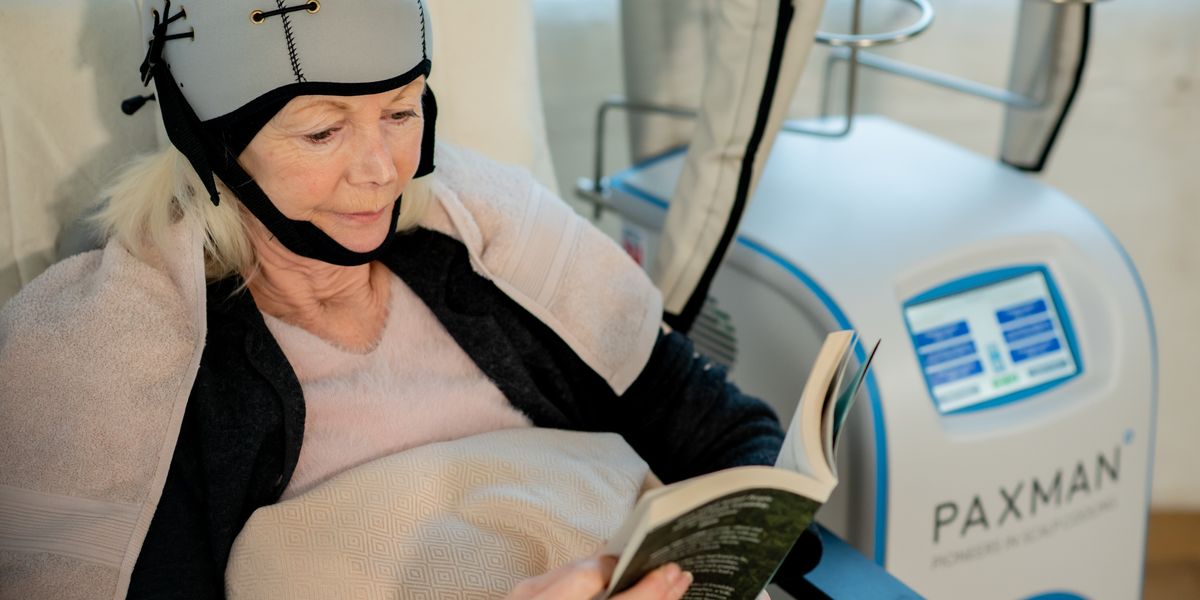
Cold capping involves wearing a helmet-like device to lower the temperature of the scalp during chemotherapy. The cold temperature decreases blood flow, which can reduce the amount of chemo that reaches the hair follicles and may reduce hair loss for some people.
Scalp cooling therapy includes two types of devices:
Both types of cold caps work by reducing the temperature of the scalp before, during and after chemo.
Typically, the person administering the chemo will help set up the automated cold cap machine and make sure the temperature is correct and that the cap is secured tightly around your head.
People using manual caps also need an outside pair of hands to help with the caps, although it doesn’t have to be a nurse — family or friends can help during treatment.
People with solid tumors (breast, colon, lung, gynecological) can use cold caps to help reduce hair loss during chemo.
Cooling caps are relatively safe overall, but some people with certain health conditions shouldn’t use cold caps.
For example, people with blood cancers like leukemia or lymphoma shouldn’t use cold caps because the restricted blood flow may stop the chemo from getting to where it needs to go.
You also shouldn’t use cold caps if you:
Cold capping is not recommended for people who have cold-agglutinin disease, cryoglobulinemia and post-traumatic cold dystrophy.
Cold caps live up to the name, so if you’re sensitive to cold temperatures, you may feel uncomfortable during the sessions. Other side effects of cold capping can include:
Automated cold caps are covered by Medicare and may be covered by other insurance plans.
Manual frozen caps are not covered by insurance.
If you need help paying for the cooling therapy, nonprofit organizations such as HairToStay and The Rapunzel Project may be able to help cover the cost of cold capping.
From Your Site Articles
Related Articles Around the Web
Tal como se relató a Erica Rimlinger
No sabía que estaba atravesando la menopausia. Estaba experimentando “el cambio”. Al igual que muchas mujeres de mi generación, crecí en un hogar, en una comunidad y en una sociedad en dónde no se hablaba mucho del “cambio” y de los “problemas” que se presentaban cuando llegabas a “cierta edad”. Aprendí de generaciones pasadas de mujeres en mi familia y de mi comunidad que no se deben usar palabras claras en conversaciones corteses. No sabía cuál era la apariencia ni la sensación de una menopausia normal: Solo sabía que debíamos murmurar sobre la menopausia, los sangrados y la salud uterina, si alguna vez llegábamos a conversar sobre esos temas. Consecuentemente, no sabía “nada” o, mejor dicho, nada sobre los síntomas normales y anormales de la menopausia y en qué ocasiones mencionar estos síntomas a mi doctor.
A pesar de eso, pensaba que sabía mucho, o al menos suficiente acerca de la salud de la mujer. Siempre me he preocupado por mi salud y en mi trabajo como instructora de gimnasia, me enorgullece ayudar a que mis clientes den prioridad a su salud. Siempre he asistido a todas mis consultas anuales con mi ginecóloga obstetra y he programado todas mis mamografías de rutina. Tenía un estilo de vida saludable y era un ejemplo para mis alumnos.
Pero no reconocí un síntoma importante del cáncer endometrial o uterino porque pensé que sangrados ocasionales e infrecuentes eran una parte normal del proceso menopáusico. Bueno, eso era lo que pensaba. De hecho, ni siquiera se me ocurrió contar los meses desde mi último período menstrual. No lo estaba monitoreando.
Después de unos años de tener estos síntomas, se me ocurrió mencionar a mi doctor, casualmente, que todavía tenía manchados y sangrado, el cual se estaba volviendo cada vez más abundante. Interrumpió lo que estaba haciendo, me miró y dijo, “ya no deberías tener eso”. Solicitó una ecografía.
Me hicieron la ecografía pero unos días después me mudé a una ciudad nueva con otro doctor y un nuevo plan de seguros. La atención médica en Estados Unidos, o más específicamente, los seguros de salud, no nos acompañan de un lado a otro durante nuestras vidas. El radiólogo indicó en los resultados que la mucosa de mi útero era un poco gruesa. Pero mi doctor nunca hizo seguimiento conmigo para hablar sobre la ecografía, así que pensé que todo estaba bien.
Mi siguiente consulta con un ginecólogo obstetra, nueve meses después, fue una pesadilla. Mi doctora nueva estaba preocupada sobre mis síntomas e insistió que me haga una biopsia. Dijo que tendría un poco de incomodidad, pero nada muy grave, así que hizo el procedimiento sin anestesia en su consultorio. Nunca había sentido tanto dolor en mi vida mientras ella cortaba un pedazo de mi útero sobre la mesa de examinación. Normalmente no me quejo del dolor, tuve dos partos vaginales con solo una dosis ligera de medicamentos relajantes durante uno de ellos, pero el procedimiento al que me estaba sometiendo ahora era un baño de sangre. La doctora me dio antibióticos, hizo un pedido para otra ecografía y me refirió a un oncólogo. Me dijo que me acompañe otra persona a esa cita médica y que le mantenga informada.
Puesto que nunca tuve ninguna enfermedad ni cirugía importante, hueso roto ni hospitalización, no estaba familiarizada con la mayoría de términos médicos y ¡no sabía lo que era un oncólogo! Cuando regresé a casa, mi hija me informó que una referencia a un oncólogo solo podía significar una cosa: Tenía cáncer. Eso me sorprendió.
El día de la consulta con el cirujano oncológico, me acompañó una amiga. El doctor hablaba rápidamente y usaba términos médicos con los que no estaba familiarizada. Mi amiga, quién no es tímida, le pidió al doctor varias veces que hable más lento y que nos explique lo que decía. Mi amiga lo hacía educadamente pero cada vez más asertivamente mientras que el doctor nos explicaba el plan, sin hablar más pausadamente y sin explicar una palabra de lo que decía. Toda la cita, de inicio a fin, duró 15 minutos. Quedé conmocionada y más confundida que antes de la consulta médica.
Abrumada, en la consulta médica acepté tener una cirugía durante las siguientes dos semanas. Se suponía que tomaría dos horas, pero en realidad tomó cuatro horas.
En mi evaluación postquirúrgica, me informaron que tenía cáncer endometrial 1B de categoría 3 y que no se detectó cáncer en mis ganglios linfáticos. Incluso el tipo de cáncer era otro término médico que no entendía claramente: cáncer endometrial. Desafortunadamente aprendí entonces que eso se refería a cáncer de útero.
Mi cirujano me dijo que necesitaría de seis a ocho rondas de quimioterapia y de cinco a seis semanas de radiación pélvica. Nuevamente, sentí que el doctor hablaba sin importar si yo entendía la información o no, por lo que decidí obtener otra opinión. Otro doctor recomendó de cuatro a cinco rondas de quimioterapia y cinco semanas de radiación pélvica. Cada uno de los doctores tenía un plan diferente, y ninguno parecía escuchar mis preocupaciones o contestar mis preguntas integralmente en una forma que yo pueda entender. Hasta este punto, había asistido a las consultas médicas confundida y conmocionada. Pero reaccioné entonces y comprendí lo siguiente: Necesitaba más del equipo médico que estaba a cargo de salvar mi vida. Merecía ser un miembro activo de mi propio equipo. Decidí obtener una tercera opinión.
Fue entonces cuando conocí a la Dra. Kemi Doll. Ella era diferente. Cuando hablaba conmigo, me veía a los ojos. Dedicaba tiempo a escuchar mis preguntas, explicaba las opciones terapéuticas usando un inglés sencillo y se aseguraba de que yo entendiese lo que decía. Me preguntaba, “¿qué acabas de escucharme decir? ¿Qué entendiste de lo que te dije?”
Recomendó que considere la braquirradioterapia, un tipo de radiación que se aplica internamente y que es menos perjudicial para los órganos cercanos. Sigue siendo invasiva, y no solo porque implica insertar una sonda en la vagina. Siempre me pareció que demasiado personal médico me examinaba y proporcionaba terapia en estas consultas médicas. A lo largo de mi tratamiento, la Dra. Doll me motivó a que crea en mí sanación, diciéndome que yo iba a estar bien.
La Dra. Doll estaba haciendo investigaciones para obtener respuestas para una pregunta importante pero sencilla del cáncer endometrial: ¿Por qué las mujeres de raza negra tienen el doble de posibilidades de morir de cáncer endometrial a pesar de que reciben el diagnóstico a tasas parecidas a las de las mujeres de raza blanca? Quería construir una comunidad y grupo de apoyo para mujeres de raza negra para que establezcamos conexiones y aprendamos acerca de la salud uterina. Deseaba estudiar en qué forma la educación y la concientización podrían mejorar las tasas de supervivencia. Me pidió que fundemos ECANA (Endometrial Cancer Action Network for African-Americans), juntas.
“¿Deseas ser mi paciente y socia?” preguntó, después de mi última sesión de quimioterapia. Dije que sí, sin comprender completamente las implicaciones. Pero eso ha sido muy importante en mi vida. Actualmente, ECANA trata de eliminar disparidades mientras construye una comunidad de mujeres de raza negra que luchan contra el cáncer endometrial. Tenemos clases de movimiento, grupos de apoyo, sesiones de educación y más.
A lo largo de mi proceso y de mi trabajo con ECANA, comprendí cuán poco las mujeres hablan de la salud uterina, incluso con sus propias familias. Mi hermana me contó que mi mamá había tenido una histerectomía un poco después de haber cumplido treinta años y que tuvo fibromas, al igual que yo. Nunca lo mencionamos cuando conversábamos entre nosotras, a pesar de que muchos problemas de la salud uterina son genéticos.
Actualmente, estoy en remisión. Tengo cuatro nietas y hablamos abiertamente acerca de la salud uterina en mi hogar. Quiero que mis chicas entiendan cuál es el funcionamiento de un útero saludable y a quién deben acudir si tienen preocupaciones acerca de su salud.
Desearía que las generaciones anteriores de mujeres, tales como las de mi mamá y yo, no hubiesen crecido en una cultura que hizo que la salud uterina sea un tabú. Siempre recomiendo a mujeres que hablen sobre su salud endometrial. Motiva a tus hijas a que escriban diarios. Habla sobre el sangrado. Si te tienta ignorar un problema que consideras “embarazoso” o si lo ocultas por vergüenza, confusión o información errónea, di lo que piensas de todas formas, y sigue haciéndolo hasta que sepas que entiendes todas tus opciones. Es un tema demasiado importante para que te mantengas en silencio.
Este recurso educativo se preparó con el apoyo de Merck.
¿Eres una mujer con historias reales que te gustaría compartir?Avísanos
Nuestras historias son experiencias auténticas de mujeres reales. HealthyWomen no avala los puntos de vista, opiniones y experiencias expresadas en estas historias y no necesariamente reflejan las políticas o posiciones oficiales de HealthyWomen.
From Your Site Articles
Related Articles Around the Web
For women, enhancing healthspan means embracing a proactive, personalized approach to wellness. By making informed wellness choices and seeking expert guidance for diagnosis and care, women can adopt strategies tailored to their unique needs, positively impacting their well-being and longevity. This balanced approach ensures vitality, builds resilience, and enriches the quality of life throughout various life stages. Prioritizing these aspects is vital for long-term health and an empowered lifestyle.
An individualized weight management approach offers sustainable weight loss by addressing the specific health factors contributing to weight gain. Experienced healthcare providers create customized plans that may focus on metabolism optimization, appetite moderation, and personalized lifestyle habits.
The strategies may include prescription medications, tailored diets, and targeted exercise routines. For instance, experienced healthcare professionals can tailor semaglutide, an approved GLP-1 injection, to your specific health needs, effectively regulating blood sugar levels and reducing appetite. The personalized approach supports sustainable weight loss and empowers women to achieve their health goals more effectively while combining proper medical supervision and a comprehensive wellness plan.
Comprehensive blood analysis is a powerful tool for enhancing a woman’s health from within. The tests provide crucial insights into the status of one’s innate health. That way, doctors can detect infectious agents and potential imbalances or deficiencies early, enabling timely and effective interventions that deter health challenges.
Extensive panel blood analyses help identify the root causes of symptoms and develop personalized health plans. For example, the tests can help identify inflammation makers, signaling various health conditions. The proactive approach enhances women’s lives and reduces age-related risks, promoting long-term health and vitality.
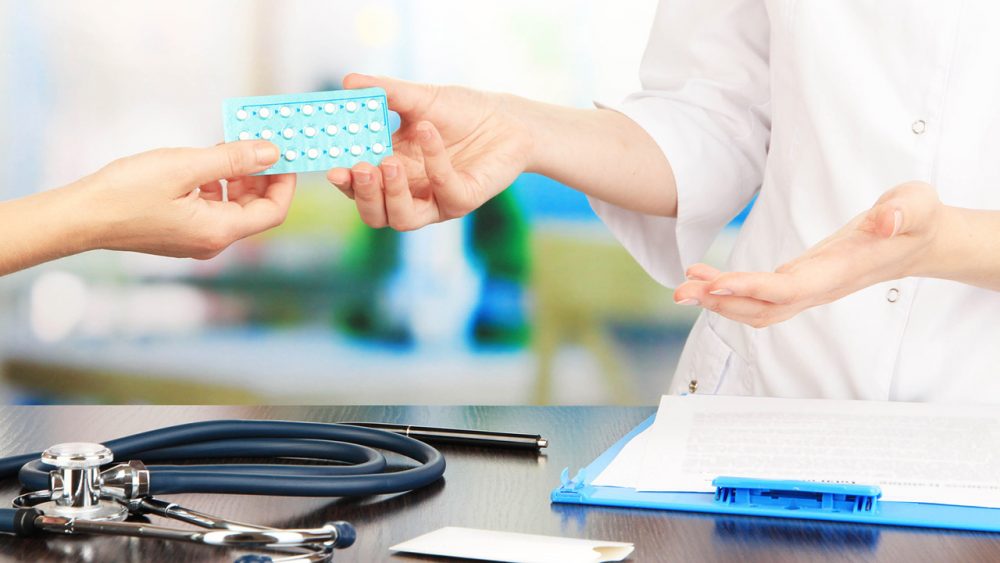
Hormone treatment helps manage symptoms of hormonal imbalances, especially in postmenopausal women. Hormone issues can lead to hot flashes, mood swings, low libido, thinning hair, muscle loss, and insomnia. By personalizing treatment plans, healthcare professionals ensure that hormone therapy addresses immediate concerns and supports long-term well-being, including improved bone density, energy levels, and overall quality of life.
For example, bioidentical hormone replacement therapy (HRT), designed to mimic natural hormones closely, can effectively restore balance and alleviate these symptoms. Tailored hormone therapy helps women maintain vitality and manage the complexities of hormonal changes.
Nutrient optimization is vital for women at every life stage, supporting overall health and longevity. A nutrient-enhanced diet and supplementation can effectively address deficiencies that contribute to various health issues. By working with a wellness and healthspan specialist, women can benefit from a tailored plan that aligns with their needs.
For example, IV vitamin drip efficiently contains B complex vitamins, substantial amounts of vitamin C, magnesium, and amino acids, providing quick absorption and targeted benefits like quick hydration and boosting immunity and energy. Other specialized IV treatments can help promote skin, hair, and nail health while offering a comprehensive approach to maintaining vitality and well-being.
Personalized skin care is essential for extending women’s healthspan, mainly through proven anti-aging medical treatments and comprehensive skin analysis. For example, tailored medical interventions such as Botox, dermal fillers, HydraFacial, and laser skin resurfacing target visible signs of aging—like wrinkles, fine lines, and skin texture—and promote collagen production and skin rejuvenation.
A detailed skin analysis by skilled medical professionals identifies individual needs and skin conditions, enabling the development of customized treatment plans. Such a comprehensive approach ensures that women receive the most effective care for their skin type and concerns, enhancing skin health, vitality, and overall quality of life as they age.
In conclusion, embracing holistic professional health and wellness interventions that extend healthy living among women is crucial in enjoying life’s activities and experiences. However, seeking experienced doctors who understand the nuances of extending healthspan is vital, ensuring that treatments are effective, safe, and approved. The approach enhances overall health and extends healthspan significantly.
Disclaimer
The Content is not intended to be a substitute for professional medical advice, diagnosis, or treatment. Always seek the advice of your physician or other qualified health provider with any questions you may have regarding a medical condition.
In the world of exercise, pre-workout supplements have long been billed as energizers, endurance enhancers, and performance enhancers. But for women, pre-workout supplements mean so much more than an energized manner of helping power through workouts and supporting hormonal balance. The hormones, regulated in metabolism, mood, and much else, make a big difference in how women experience exercise and recovery. How might pre-workout supplements support hormonal health while helping women crush their fitness goals?
Here is how pre-workout ingredients and hormonal balance go together:
Hormones act as chemical messengers in the human body, regulating energy levels, mood, fat storage, and muscle building. These hormones flow naturally and integrate during a woman’s menstrual cycle, pregnancy, and menopause, affecting exercise. When the hormones go haywire, a woman will expect a raft of symptoms that may range from fatigue, mood swings, and bloating to problems recovering after exercise. This is where pre-workout supplements come in.
Opting for a pre-workout supplement variety that is suitable for women and their hormonal needs makes it easy to avoid the jitters or crashes that come with traditional formulas and provides the added benefit of balanced energy throughout the workout.
Adaptogens
Ashwagandha, Rhodiola Rosea Adaptogenic herbs help the body normalize stress, a common factor in hormonal imbalances. Exercise and high-intensity workouts, especially, significantly raise cortisol levels, a primary stress hormone that, if not tempered, can cause fatigue and hormonal imbalance. Ashwagandha and Rhodiola Rosea help lower cortisol and improve endurance and mental clarity in the gym- a common ingredient in many women’s pre-workout formulas. This helps control stress, letting the hormones balance even in extreme workout routines.
Energy and Mood Regulation with B-Vitamins
B vitamins, or vitamins B6 and B12, to be more exact, become essential in energy production and mood regulation, two sections highly controlled by hormones. For instance, vitamin B6 participates in serotonin synthesis, the “feel-good” hormone, which is very helpful during the luteal phase of the menstrual cycle when women are more prone to mood swings and fatigue. Adding B vitamins to pre-workout complexes provides not only an energy boost but also a more emotionally and hormonally stable individual.
Caffeine
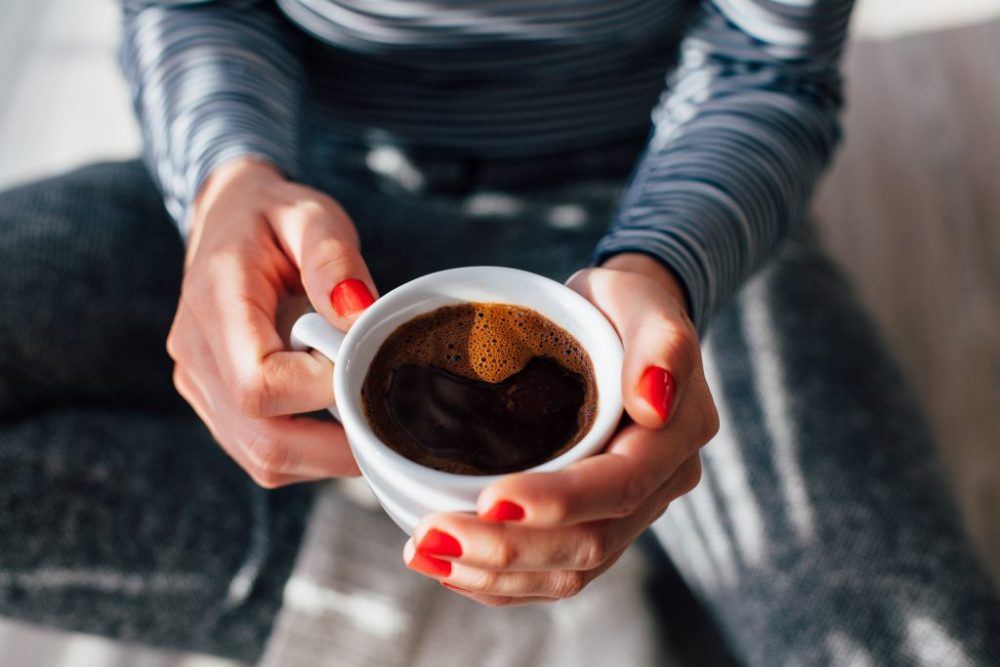
It provides sustained energy but in moderation. This is one of the active ingredients in many, which women very regularly take; however, it must be consumed cautiously—high dosages spike cortisol, thus severely upsetting hormonal balance. Several women’s pre-workouts provide lower-caffeine alternatives or combine the ingredients with calming adaptogens that deliver sustained energy without crashing hormone levels.
The right pre-workout supplement, apart from fueling a workout, does so much more in helping women maintain a hormonal balance. Supplements include ingredients such as adaptogens for stress, B vitamins for a high and energetic mood, and magnesium supporting muscles and hormones. Thus, it has brought about a more holistic perspective towards fitness and supplements. Women no longer have to choose between maximizing their workout performance and nurturing their hormonal well-being; they can have it all. With the perfect combination of pre-workout ingredients, women can take full advantage of their workouts-feeling great and staying balanced with every step.
Disclaimer
The Content is not intended to be a substitute for professional medical advice, diagnosis, or treatment. Always seek the advice of your physician or other qualified health provider with any questions you may have regarding a medical condition.
As told to Jacquelyne Froeber
In 2019, my best friend/business partner and I took our very successful “parentally incorrect” live comedy act, “The Pump and Dump Show,” to the next level. After touring the country for six years and performing in front of thousands of mothers, we decided it was time to grow the show and bring new performers into the fold. So, we essentially “franchised” ourselves and poured our hearts, creativity, souls and a lot of money into producing additional casts in Los Angeles and Chicago.
We were also in the process of finalizing an off-Broadway contract with two Tony award-winning producers to bring the show to NYC. All the years of hard work and big dreams were about to pay off!
We were just days away from signing the New York deal when the whole world shut down because of Covid. When the lockdowns happened, we had to cancel nearly 100 shows for 2020 — and everything we’d worked so hard for fell apart.
Financially, the debt was insurmountable. It seemed like the whole entertainment industry was forgotten during the bailouts, and our show and business slipped through our fingers like quick sand.
The grief was strong. I was hit hard emotionally, financially and spiritually. Like many of us, I was also trying to homeschool my daughter, which was a disaster. It would’ve been funny to add our Zoom attempts into the show … but I didn’t have that outlet anymore. I was depressed.
That summer, my best friend called and invited me to go camping with some other women but with one request: “I want you to put your big girl pants on and take some shrooms,” she said.
I’d always been interested in psychedelics. I live in Denver and the popularity of “magic mushrooms” was growing. I’d read about the possible benefits, but I never thought I’d try them. As a mom and someone raised during the War on Drugs, I didn’t think I could ever try psychedelics.
But that weekend, I reconsidered because of all I’d been through. Sitting on the shore of a beautiful lake in Colorado, I had the most amazing psychedelic experience. It was like something out of a movie. I saw a grid over the earth. I felt connected to God. I saw the division of dimensions. But most of all, I felt love and joy and compassion and connection to everyone and everything around me.
My bestie and I talked about our family and our kids and our husbands and how lucky we were. I fell asleep smiling and felt lighter than I had in a long time.
I woke up the next morning feeling like a million bucks. And I felt less depressed in a way I hadn’t felt before.
I’d been taking an antidepressant for about four years. My doctor prescribed it to me (wisely) when I had a total hysterectomy to remove scar tissue and damage from stage 4 endometriosis. I walked into the surgery with hormones and I left with hot flashes — that’s how fast my body plummeted into menopause. The antidepressant helped me with the transition and mood swings.
Given the shock to my mind and body, I was grateful for the antidepressant. But I didn’t know how I was supposed to get off of it. I’m not really a pharmacology person and I didn’t want to take the medication for the rest of my life.
I’d heard that microdosing psilocybin, the psychedelic component to magic mushrooms, could help with mood and depression. So I talked to my healthcare provider about stopping the antidepressant and trying microdosing. She thought it was a great idea. But there was just one problem: She couldn’t tell me how to do it. Although it was in the process of becoming decriminalized in Colorado, it wasn’t legal for healthcare providers to prescribe psilocybin and there were no official guidelines for dosing outside of clinical trial settings.
So I decided to experiment on myself and learn whatever I could about microdosing. I’d already read most of the literature out there, and I found a rare online course that I took on a whim. I learned to start low with a very, very tiny dose and go slow.
The first two weeks of microdosing, I was so tired. Almost debilitatingly exhausted. The experience was far from my ultra-connected time at the lake. I struggled to do pretty much everything, and I fought to stay awake. But then I leaned into what my body was feeling and gave myself permission to slow down. It was like my brain finally heard my body screaming, “Take a nap! You’re just really, really tired, and you’ve been tired for a long time.” It was so loud and apparent that I couldn’t ignore it. That jarred me out of my superhero complex and I started listening to what my body was telling me.
The tiredness wore off as I microdosed consistently and all the pieces fell into place. I felt my hard edges soften. I felt more present and patient and less reactive. I realized early on that I needed to be intentional when I was microdosing. What was my “Why?” Did I want to be more present for my daughter? Creative for a project? I set my intention and asked the medicine to help me. And most of the time it did.
In 2021, a year after I’d started microdosing, I was in a serious car accident. A drunk driver hit our family car going 70 mph down the wrong side of the highway. Our car went through a metal guard rail and flew 30 feet and landed in a ditch in the mountains. Stunned and injured, my husband and I kicked open the doors and pulled my daughter and niece out of the car. It was a miracle that no one was seriously injured.
The aftermath of the accident was tough. I was angry and upset and in pain. We could’ve died. As I went through the PTSD, I felt all the feelings of anxiety and grief and trauma — but they weren’t sticking. The feelings didn’t latch onto me like it did after other traumatic experiences I’ve been through in my life. Then a light bulb went on: Microdosing was helping me process what happened to us and I was then able to let those emotions go.
My daughter, however, was having a really hard time. She was 9 years old and I couldn’t find her a therapist. It was like they didn’t exist in 2021. No one picked up the phone. No one called me back. I saw the light leaving her eyes, and I was desperate to find someone.
I asked everyone I knew and one day, a guy at physical therapy said there was a woman he knew who was a therapist and good with kids. She was also a shaman, he said. For the next few weeks, I stalked her and begged her to see my daughter.
Shaman aside, it turned out she was just a good old-fashioned therapist who was great with kids. After one talk therapy session, my daughter said she felt better. She understood what happened. The light came back.
She continued to go and I also booked an appointment with the therapist/shaman. About 20 minutes into our first session we started talking about psychedelics. I don’t remember how it came up, but she revealed that she was a practicing psychedelic shaman and she’d been studying it for more than 40 years.
And that’s how I found myself on the floor of her office with 3 grams of a magic mushroom strain called Penis Envy. She guided me through the psychedelic journey, and the experience changed my life. It showed me what I experienced in healing though microdosing was not unique. And that the medicine is meant to be done in a community — not alone.
After the visit, I thought about the concept of community and mothers and all the moms that came out to our comedy shows and shared their own stories about parenthood with me. I thought maybe one day I could help other moms who could benefit from microdosing.
I was meditating one day after the journey and the phrase “moms on mushrooms” popped into my head. I sat up straight. “That’s genius,” I said out loud. I ran to my computer. No one owned the name. Maybe I could start that business after all. But what on Earth was I going to do with a community of moms on mushrooms? I was still learning the medicine myself. So I sat with it. I listened to my body and I said, Yes. I could start a community of moms on mushrooms. At the very least, I could try.
I got together a group of seven women who were interested and told them my truth: I didn’t really know what I was doing. I’d taken a course on microdosing and I had an idea about how I could help them learn how to microdose in a way that was supportive. They all said yes too.
The next three months went by in a blur. During our final Zoom group chat, I was crying — everyone was crying. “I can’t believe it’s over,” I said. The moms stared back at me. “We’re not going anywhere,” one mom said. “What’s next?”
That was the moment I realized that Moms on Mushrooms (M.O.M) was a thing. I made it Instagram official in March 2021 and by August, NPR was doing a story on us. Today, we have more than 3,000 moms that are part of our private monthly membership.
It’s been a rollercoaster ride working with M.O.M while I continue to cultivate my own work with the medicine. I’ve been extremely lucky to learn from elders and other wise people in the community and bring that knowledge to our group.
I’m grateful for all the twists and turns that have led me to create this community where I can help support and empower women.
I’ve always known that life is funny. Not too long ago, I didn’t think I could try magic mushrooms because I’m a mom. Now I’m helping other moms microdose. How fun is that?
Have a Real Women, Real Stories of your own you want to share? Let us know.
Our Real Women, Real Stories are the authentic experiences of real-life women. The views, opinions and experiences shared in these stories are not endorsed by HealthyWomen and do not necessarily reflect the official policy or position of HealthyWomen.