The main category of Fitness News.
You can use the search box below to find what you need.
[wd_asp id=1]
The main category of Fitness News.
You can use the search box below to find what you need.
[wd_asp id=1]
As a celebrity personal trainer and integrative nutritional health coach specializing in women over 50, I’ve had the privilege of helping thousands of women achieve goals they once thought impossible. With a deep understanding of the unique challenges faced by women in this age group, I am excited to share valuable insights on how to address common issues like dropping metabolism, “southern booty” (booty sagging), saddlebags, loose back of arms (triceps sagging), bone density loss, sagging skin, knee pain, joint stiffness, back pain, and more.
As the theme of my TV show The Prime Time-Life Begins at 50 (aired on NBC) so beautifully captures; this is the stage of life where we have incredible opportunities to become everything we have ever wanted to be! We have raised our children, lived our lives beautifully for everyone else, and now it is our turn. We enter the second half of life with gifts that only come at this stage—knowing who we are, what we like, and having more freedom and confidence to reinvent ourselves and thrive with new experiences and passions.
Yet, this stage also brings changes that may not always be welcome. But there is no need to settle for mediocrity. We can move past these challenges triumphantly by taking care of ourselves at the foundational level—through exercises designed to combat these issues and a diet that helps us thrive! So, let’s get on with enjoying this very special, beautiful, and exciting time of life!
As we age, our hormones decline—estrogen, testosterone, and human growth hormone (HGH) levels fall rapidly. These changes alter our body composition by making our muscles less dense, thus lowering our metabolism, softening our muscles, and increasing body fat while reducing muscle mass. You may find that what worked for you in your 20s, 30s, and even 40s no longer yields the same results, no matter how much you increase your workouts or diet. The reason is simple: your body has changed internally.
In addition, our bodies may lack essential nutrients that are crucial for liver function, reducing cortisol levels, and maintaining gut health for regularity and immunity. Nutrient deficiencies can exacerbate these changes, making it even more challenging to achieve and maintain a healthy body. This can be incredibly frustrating, but there is an answer, and it works beautifully! By adjusting your routine to match your new body, you can achieve insane results.
Why it Happens: With age, muscle mass naturally declines, which in turn slows down the metabolism. Muscle tissue burns more calories than fat tissue, so the loss of muscle mass means fewer calories are burned at rest. Additionally, thyroid function may decrease, further slowing metabolism. The good news is that you can take steps to boost your metabolism. One of the best ways to do this is by targeting the largest muscle groups in your body—your quads and glutes. These muscles play a significant role in your metabolism because they require the most energy to function.

YOU GOT THIS! A dropping metabolism can be discouraging, especially when you are putting in the effort but not seeing results. It might feel like your body is working against you. However, by incorporating HIIT and strength training into your routine, along with adjusting your diet, you can boost your metabolism and see significant improvements!
Why it Happens: As we age, the muscles in our glutes can lose their firmness and tone, leading to what some affectionately call the “southern booty.” This sagging effect is due to a decrease in muscle mass and skin elasticity. But there is no need to accept this change—there are exercises that can help your booty “head north” again!
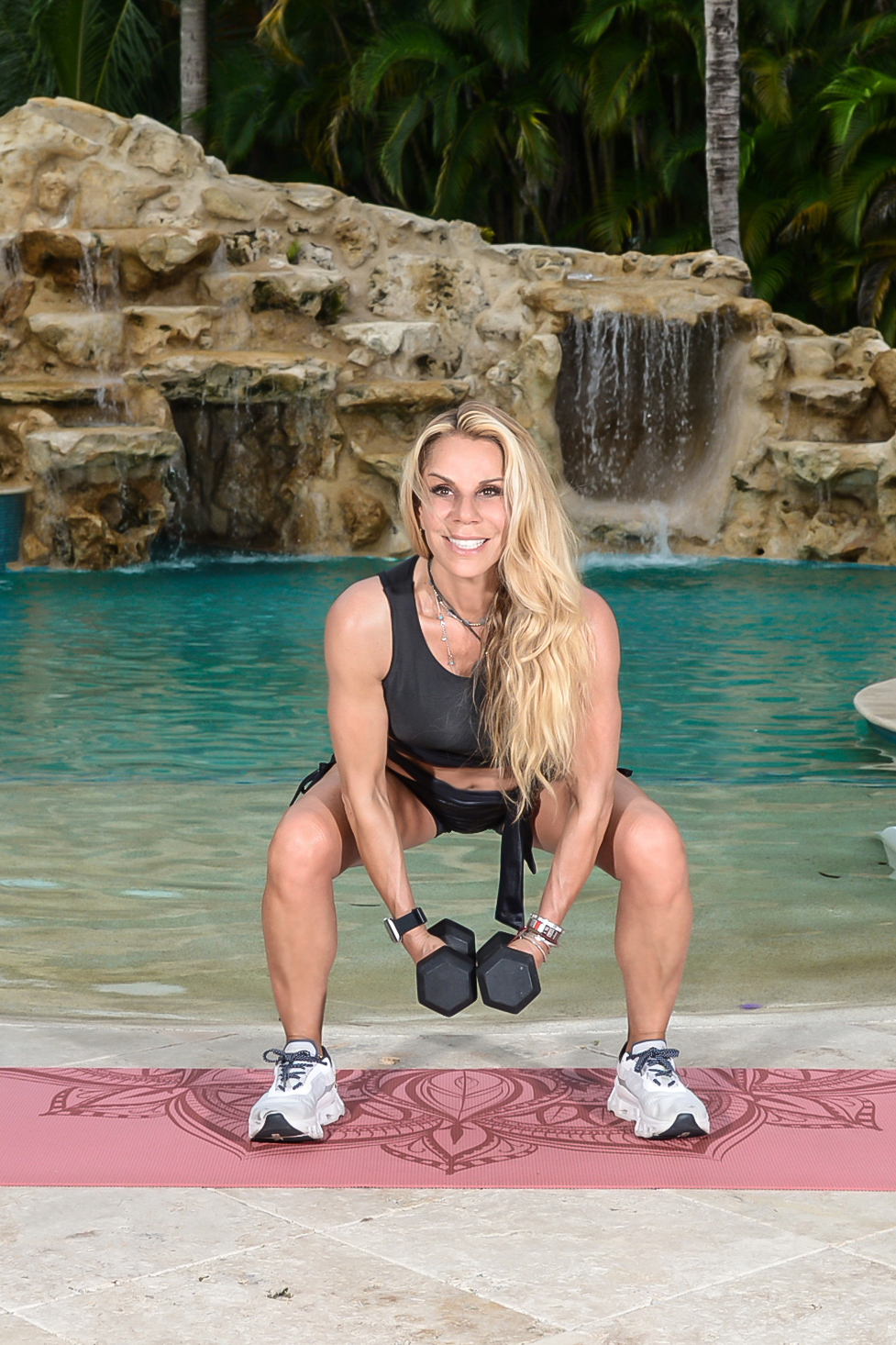
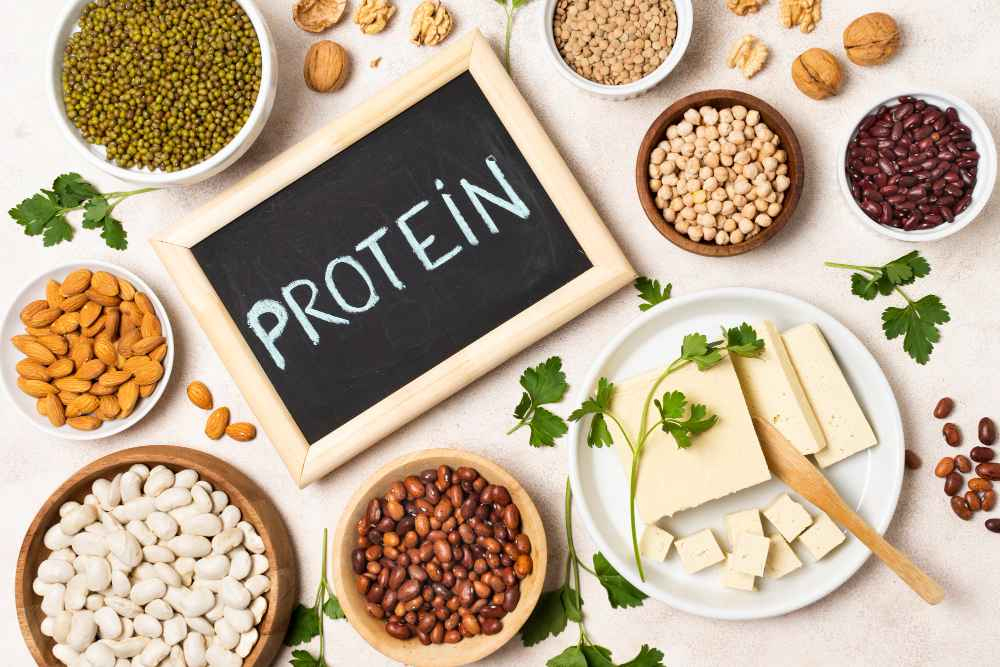
YOU GOT THIS! Booty sagging can be a source of concern as it affects the way you feel in your clothes and your overall confidence. But with targeted exercises and the right diet, you can lift and firm your glutes, making your booty “head north” once again!
Why it Happens: Hormonal changes during menopause lead to a decrease in estrogen, causing fat to be redistributed more towards the hips and thighs. This shift, combined with a decrease in muscle mass, makes it harder to shed fat in these areas. But do not worry, because you have the power to combat this change effectively!
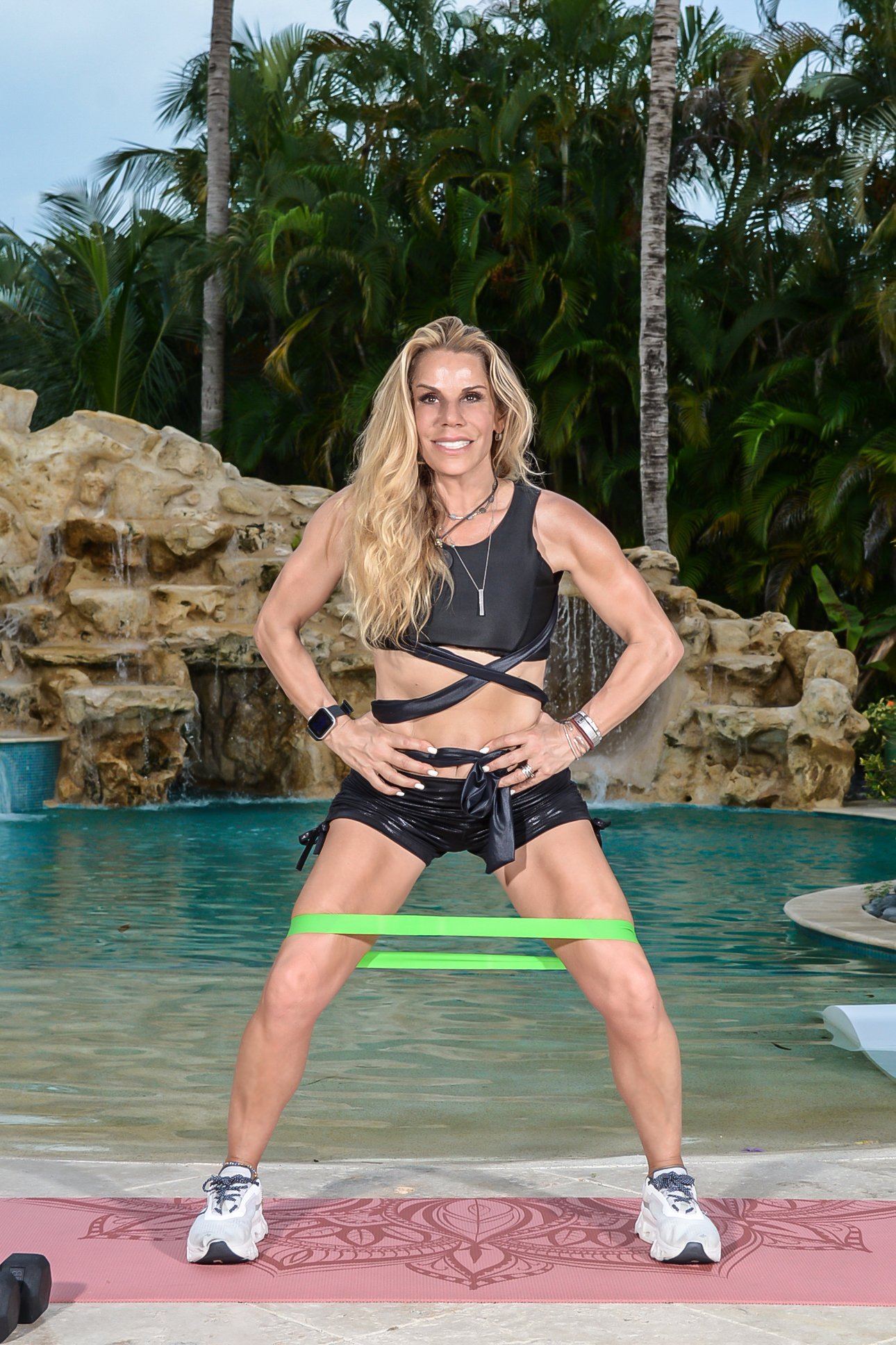
Solution:

YOU GOT THIS! Many women feel frustrated and disheartened when they see persistent fat around their hips and thighs despite their efforts. It can be disheartening to look in the mirror and not see the results you want. But there is more than hope! By incorporating targeted exercises and making dietary adjustments, you can reduce saddlebags and regain confidence in your appearance!
Why it Happens: As we age, the skin and muscle in the upper arms, particularly the triceps, tend to sag due to a loss of muscle mass and skin elasticity. This can result in what some call “bat wings” or sagging triceps. But don’t worry, you can tone and tighten your arms with the right exercises.

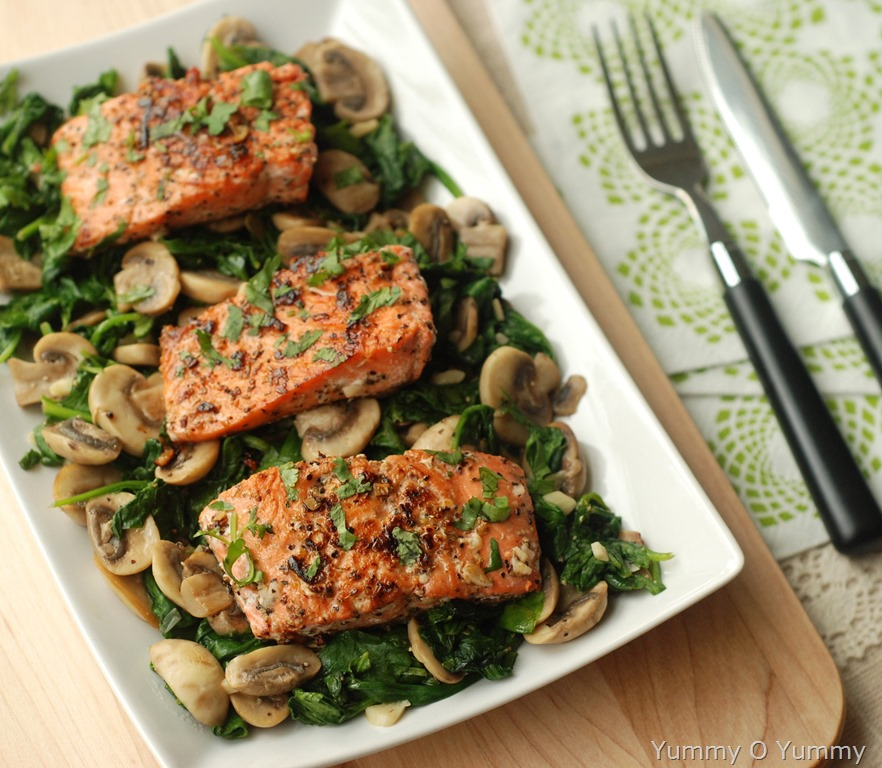
YOU GOT THIS! Sagging arms can be a source of self-consciousness, especially when wearing sleeveless clothing. It is common to feel discouraged, but there’s hope! With consistent exercise and a protein-rich diet, you can tone your arms and feel more confident in your appearance.
Why it Happens: With declining estrogen levels, the body tends to store more fat around the abdomen. This is also due to a slowing metabolism and changes in insulin sensitivity. Additionally, as HGH (Human Growth Hormone) levels decrease rapidly after 50, cortisol levels can rise unchecked. Cortisol is a stress hormone that contributes to belly fat, and when HGH, which acts as a gatekeeper to cortisol, declines, it’s crucial to manage cortisol levels to prevent belly fat accumulation. This is the most common complaint amongst my clients over 50. So, let’s dive in a little deeper!

Solution:

YOU GOT THIS! Belly fat can be particularly frustrating as it affects the way clothes fit and how you feel about your body. It is easy to feel disheartened when you do not see the flat stomach you desire. However, by incorporating targeted core exercises, managing stress, and making dietary adjustments, you can reduce belly fat, helping you feel more confident and comfortable in your skin! You deserve it!
Why it Happens: Bone density naturally decreases with age, particularly after menopause due to the decline in estrogen levels. This can lead to conditions like osteoporosis, where bones become weak and brittle, increasing the risk of fractures. However, you can take steps to strengthen your bones and maintain a healthy skeletal structure.
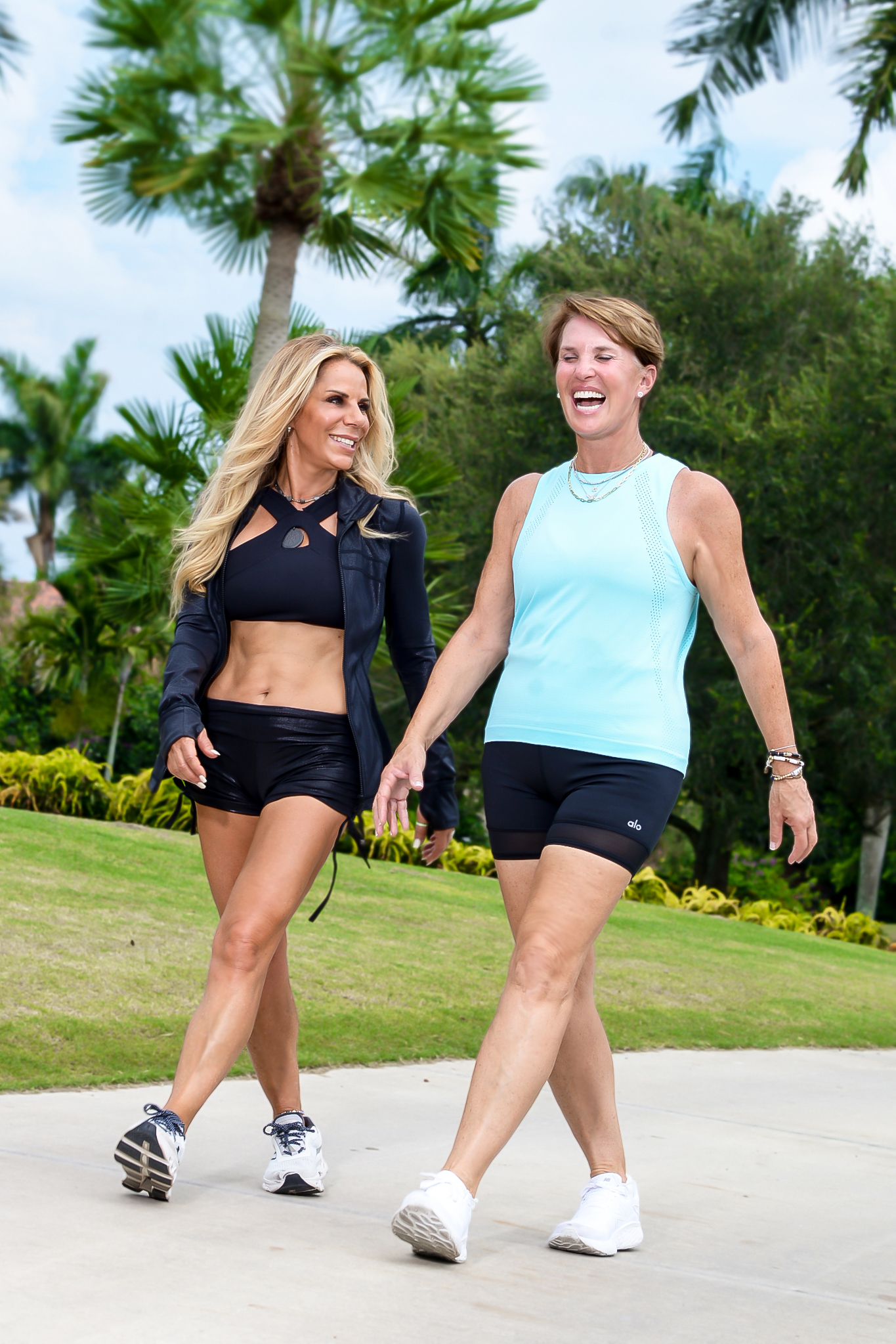
Solution:

YOU GOT THIS! Bone density loss can be a silent issue, often not noticed until a fracture occurs. It can be worrisome to think about the fragility of your bones. However, by incorporating weight-bearing exercises and ensuring a nutrient-rich diet, you can strengthen your bones and maintain a robust and healthy skeletal structure for life!
Disclaimer
The Content is not intended to be a substitute for professional medical advice, diagnosis, or treatment. Always seek the advice of your physician or other qualified health provider with any questions you may have regarding a medical condition.
Emily Barr, PhD, RN, CPNP-PC, CNM, ACRN, FACNM, FAAN, hizo la revisión médica de este documento
Podría ser abrumador vivir con el virus de inmunodeficiencia humana (VIH) y desear embarazarse. Podrías preguntarte si transmitirás el virus a tu bebé o si puedes seguir tomando tus medicamentos contra el VIH mientras estás embarazada. Estas preocupaciones son válidas.
Pero muchas mujeres que viven con el VIH pueden hacerlo y tienen bebés saludables. Cada año, 3,500 personas que viven con el VIH en Estados Unidos tienen partos.
Aquí encontrarás algunas respuestas que pueden tranquilizarte y que serán útiles para que mantengas conversaciones con tu proveedor de atención médica.
Sí, puedes hacerlo. Pero es ideal hablar con tu especialista del VIH antes de que te embaraces. Esto puede ser útil para que estés lo más saludable posible antes de que te embaraces, para permitir ajustes de los medicamentos y para evitar que transmitas el VIH a tu bebé.
Desde luego, pueden ocurrir embarazos sorpresa, así que si descubres que estás embarazada, avisa a tu proveedor de atención médica lo antes posible.
Mientras estés tomando medicamentos contra el VIH y tu carga viral esté a niveles indetectables, las probabilidades de que transmitas el VIH a tu bebé pueden ser menos que el 1%. Una carga viral indetectable indica que el nivel del virus del VIH en tu sangre es tan bajo que no se puede detectar.
Estar embarazada a los 35 años o más (también conocida como edad materna avanzada o embarazo geriátrico) viene con algunos riesgos médicos en comparación con personas que todavía no tienen 35 años, independientemente de tu condición de VIH, incluyendo:
Las investigaciones son limitadas para personas que viven con el VIH y tienen embarazos después de los 35 años, pero es posible que hayan más riesgos.
Sí, puedes y, de hecho, deberías hacerlo. Es importante que tomes los medicamentos contra el VIH durante el embarazo porque eso será útil para proteger tu salud y la de tu bebé. Eso puede reducir de manera importante las probabilidades de transmitir el VIH a tu bebé.
No omitas dosis y toma tus medicamentos todos los días a la misma hora para que tu carga viral sea lo más baja posible.
Se considera que muchos medicamentos contra el VIH pueden tomarse en forma segura durante el embarazo. Pero, dependiendo de lo que tomes y en qué etapa estés de tu embarazo, tu proveedor de atención médica podría sugerir que cambies algunos de los medicamentos contra el VIH. Es importante que hables con tu proveedor de atención médica para identificar cuáles son las ventajas y desventajas de los posibles medicamentos.
La mayoría de bebés que se contagian de VIH, contraen el virus durante el parto. Si tienes un parto vaginal, tu proveedor de atención médica podría proporcionarte medicamentos mediante una línea IV (intravenosa) que puede reducir las probabilidades de que transmitas el virus a tu bebé. Si tu carga viral es alta, podrías verte obligada a tener una cesárea y a recibir medicamentos IV. Esto puede ser útil para reducir el riesgo de una transmisión.
El VIH puede pasar a través de la placenta e infectar al bebé en el útero. Pero, si sigues tomando tus medicamentos contra el VIH tal como se indicó durante tu embarazo, alumbramiento y parto, y proporcionas a tu bebé medicamentos contra el VIH durante dos a seis semanas después del nacimiento, tu bebé tendrá menos de 1% de probabilidades de contraer el VIH.
Estudios han demostrado que mujeres que viven con el VIH tienen dos a tres veces más probabilidades de tener complicaciones durante el embarazo que mujeres que no tienen el VIH. Estas complicaciones pueden ocurrir incluso si mujeres que tienen el VIH están sometiéndose a terapias antirretrovirales (TAR). Las posibles complicaciones incluyen:
Puedes optar por alimentar a tu bebé con tu leche mediante lactancia materna o natural o extrayéndola con una bomba con una probabilidad de más del 99% de no transmitir el VIH a tu bebé si estás tomando medicamentos contra el VIH y tu carga viral no puede detectarse. Deberían discutirse las ventajas y desventajas con tus familiares importantes y tu especialista del VIH para que tomes la mejor decisión para ti y tu bebé.
Si te estás sometiendo a una TAR, la pauta de lactancia de la Organización mundial de la salud es la misma que para personas que no viven con el VIH.
Puedes tomar PPrE (profilaxis previa a la exposición) en forma segura durante el embarazo o la lactancia para prevenir la transmisión del VIH. Lo más seguro es tomar la PPrE como pastillas diarias porque las inyecciones PPrE no están aprobadas durante el embarazo.
La PPrE la toman personas que no tienen el VIH pero que tienen un alto riesgo. Podría ser conveniente que tomes la PPrE si tienes una pareja que vive con el VIH, si tiene o ha tenido sexo sin protección o si comparte o ha compartido jeringas para consumir drogas mediante inyecciones.
Si tu pareja tiene el VIH, también es conveniente que te sometas a pruebas frecuentemente porque el riesgo de transmitir el virus a tu bebé es mayor si contraes el virus durante el embarazo o la lactancia.
Sí, se considerará que tu embarazo es de alto riesgo porque vivir con el VIH puede incrementar las posibilidades de complicaciones durante el embarazo, tales como abortos espontáneos, partos de fetos muertos y bebés de bajo peso. Y tendrás más consultas porque deberás visitar a tu equipo del VIH y a tu equipo obstétrico. Tu equipo de atención médica, incluyendo tus especialistas del VIH y tu ginecólogo o partera, desearán monitorearte más cuidadosamente para planificar un nacimiento saludable y para evitar complicaciones. Realizarán pruebas prenatales rutinarias de laboratorio de tus riñones, salud hepática, niveles de hierro, niveles de azúcar en la sangre y también de la efectividad de los medicamentos contra el VIH.
Es posible que también te ofrezcan algunas vacunas tales como la de la influenza, del Tdap, del VRS, del Covid-19, neumocócicas y de la hepatitis A y B, si fuese necesario.
Hemos progresado mucho y es probable y muy posible que tu bebé nazca sin el VIH. Habla con tu equipo de atención médica para ver cómo puedes procurar al máximo la salud de tu embarazo si vives con el VIH.
Este recurso educativo se preparó con el apoyo de Merck.
From Your Site Articles
Related Articles Around the Web
Medically reviewed by Emily Barr, PhD, RN, CPNP-PC, CNM, ACRN, FACNM, FAAN
It might feel overwhelming if you’re living with human immunodeficiency virus (HIV) and want to get pregnant. You might wonder if you could pass on the virus to your baby, or if you can keep taking your HIV medications while pregnant. These concerns are valid.
But many women living with HIV can and do go on to deliver a healthy baby. Every year, 3,500 people living with HIV in the United States give birth.
We’re here to provide some answers that may ease your mind and help you have a conversation with your healthcare provider.
Yes, you can. But it’s ideal to talk with your HIV specialist before you get pregnant. This can help make sure you’re at your healthiest before getting pregnant, allow for any medication adjustments, and help keep you from transmitting HIV to your baby.
Of course, surprise pregnancies can happen, so if you find out you’re pregnant, let your healthcare provider know as soon as possible.
As long as you are on medications for HIV and your viral load remains undetectable, your chances of transmitting HIV to your baby can be less than 1%. An undetectable viral load means the amount of HIV virus in your blood is so low that a lab test can’t pick up the virus.
Being pregnant at age 35 or older (called advanced maternal age or geriatric pregnancy) comes with certain health risks compared to people under age 35 regardless of your HIV status, including:
The research is limited on those who are living with HIV and are pregnant over age 35, but it is possible that there may be higher risks.
Yes, you can and, in fact, you should. It’s important to take HIV medications while pregnant to help protect both your health and the health of your baby. This can greatly reduce the chances of transmitting HIV to your baby.
Don’t skip doses and take your medications at the same time every day to keep your viral load as low as possible.
Many of the medications for HIV are thought to be safe to take when you’re pregnant. But, depending on what you take and how far along you are in your pregnancy, your healthcare provider might suggest you change up some of the HIV medications you’re currently taking if you do become pregnant. It’s important to talk to your healthcare provider to find out what the pros and cons of the possible medications are.
Most babies who get HIV, get the virus during delivery. If you’re having a vaginal birth, your healthcare provider may give you medications through an IV (intravenous) line that can lower the chances of transmitting the virus to your baby. If your viral load is high, you might have a cesarean section and get IV medication. This can help decrease the risk of transmission.
HIV can also pass through the placenta and infect the baby in utero. But, if you continue to take your HIV medications as directed throughout your pregnancy, labor and delivery, and give your baby HIV medications for two to six weeks after they’re born, your baby has less than a 1% chance of getting HIV.
Studies have shown that women who are living with HIV are up to two to three times more likely to have pregnancy complications than HIV-negative women. These complications can happen even if the HIV-positive women are taking antiretroviral therapy (ART). Possible complications include:
You can choose to feed your baby your milk through breastfeeding, chestfeeding or pumping with a greater than 99% chance of not transmitting HIV if you are on HIV medications and your viral load is undetectable. The pros and cons should be discussed with your key family members and your HIV specialist to make the best decision for you and your baby.
If you are on ART, the World Health Organization guidance for breastfeeding is the same as for people who are not living with HIV.
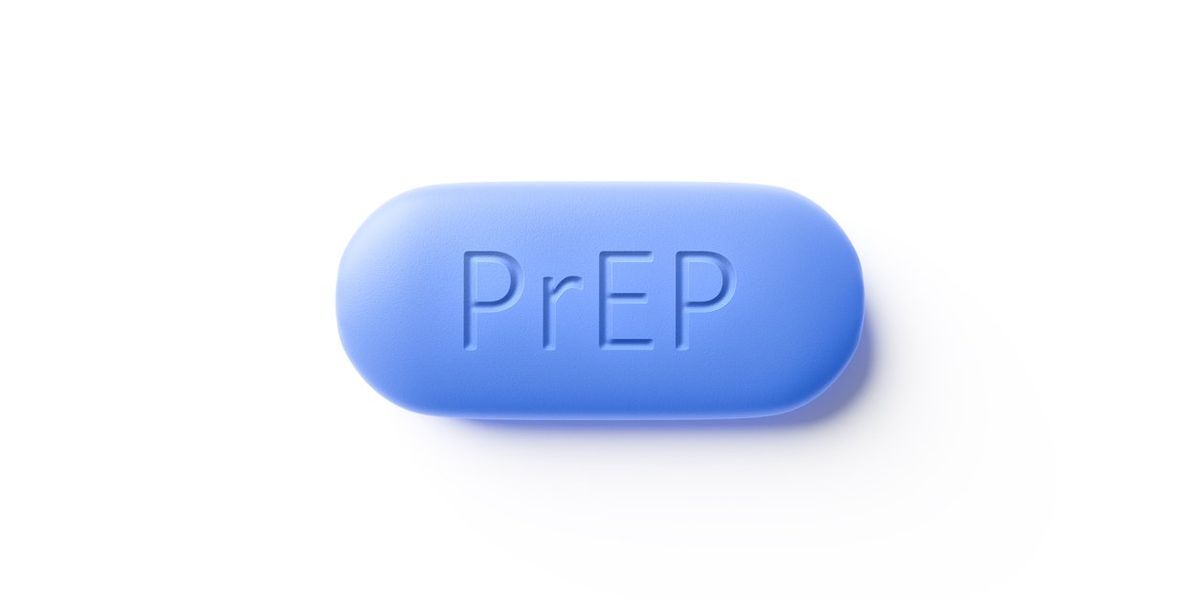
It is safe to take PrEP (pre-exposure prophylaxis) while you’re pregnant or breastfeeding to prevent HIV transmission. PrEP is safest when taken as a daily pill because PrEP injections aren’t approved in pregnancy.
PrEP is taken by people who don’t have HIV but are at high risk. You might want to take PrEP if you have a partner who is living with HIV, have or have had unprotected sex, or share or have shared needles during injected drug use.
If your partner has HIV, it’s also a good idea to test often because the risk of transmitting the virus to your baby is highest if you get the virus during pregnancy or while breastfeeding.
Yes, your pregnancy will be considered high risk because living with HIV can put you at an increased chance of pregnancy complications, such as miscarriage, stillbirth and low birth weight. And you will have more appointments because you will need to see your HIV team as well as your OB team. Your healthcare team, including your HIV specialists and your OB or midwife, will want to monitor you more closely in order to plan for a healthy birth and avoid complications. They will check routine prenatal labs like your kidney and liver health, iron levels, blood sugar and also how well the HIV medications are working.
You also might be offered certain vaccinations such as influenza, Tdap, RSV, Covid-19, pneumococcal and hepatitis A and B if needed.
We’ve come a long way, and it’s not only possible but likely that your baby will be born without HIV. Talk with your healthcare team about how you can have the healthiest pregnancy possible while living with HIV.
This educational resource was created with support from Merck.
From Your Site Articles
Related Articles Around the Web
When HIV, the virus that causes AIDS, was first identified in the 1980s, it almost certainly a death sentence. More than 100,000 Americans died from the new disease in that decade. The idea that one day there might be medicines to prevent infection was a fantasy.
Today, these medicines, called pre-exposure prophylaxis (PrEP), do exist, but most people who could benefit don’t take them. The policies that govern these medicines — and the enforcement of those policies — are largely to blame.
PrEP is wildly effective. PrEP reduces the risk of getting HIV from sex by 99%, and from injection drug use by nearly 75%, when taken as prescribed.
Read: PrEP and PEP: Prevention for HIV >>
An estimated 1.2 million people in the United States could benefit from PrEP. These are people who test negative for HIV, are sexually active and either have a sexual partner with HIV, have not used or do not use a condom consistently, and/or have been diagnosed with a sexually transmitted infection in the past six months. PrEP can also benefit people who inject drugs and share needles or have an injection partner with HIV.
But less than 4 out of 10 people who could benefit were prescribed PrEP in 2022. That’s up from 2 out of 10 in 2019 — but we’re still a long way from accessing its full potential.
Use of PrEP is uneven. Among people who could benefit, 94% of white people have been prescribed PrEP, compared with just 24% of Hispanic/Latino people and 13% of Black people. These statistics are particularly troubling since Black and Hispanic people make up 70% of new HIV cases each year.
The gender split is also stark: In 2022, 41% of men who could benefit from PrEP received a prescription, compared to just 15% of women.
One of the biggest barriers to PrEP is cost and insurance coverage. A 2022 report from the HIV+Hepatitis Policy Institute estimates that 55% of people taking PrEP are privately insured and 20% are uninsured. Without insurance, the cost of the drug can be more than $20,000 per year, not including required lab tests, which can be another $15,000.
But cost should not be a barrier. People without insurance can often get PrEP through copayment assistance programs or community-based clinics. Nationwide, 85,000 people get PrEP at community health centers.
Most people with insurance should be fully covered for PrEP medications plus the clinic visits and lab tests needed to get and keep the prescription. The Affordable Care Act requires most insurers to cover preventive care, including PrEP, without copayments. A 2019 U.S. Preventive Services Task Force (USPSTF) recommendation reinforced that PrEP should be covered without consumer costs, and in 2021, the U.S. Department of Labor clarified how the rules about free preventive care apply specifically to PrEP. Many states have also passed laws that ensure PrEP is available without costs to consumers.
Even with clear rules, many patients are still being charged for PrEP, according to Carl Schmid, executive director of the HIV+Hepatitis Policy Institute.
“One of the big pluses is that we now have coverage and $0 cost-sharing,” Schmid said. “The problem is it’s not always implemented. The insurers are still charging lots of people.”
A report commissioned by consumer representatives to the National Association of Insurance Commissioners (NAIC) showed that health plans often provide incomplete information about coverage of preventive services, including PrEP. Among six health plans evaluated, half did not list PrEP as a preventive service available without cost-sharing, and only one provided a comprehensive explanation of coverage for all aspects of PrEP.
Even as advocates fight for enforcement of the rules, the rules themselves may be in jeopardy. A 2020 lawsuit filed by a religiously affiliated business in Texas argued that the requirement to cover PrEP without cost-sharing violated its constitutional rights to religious freedom. In 2022, a federal judge agreed and questioned the validity of using USPSTF recommendations as the basis for the requirements.
While no changes to the rules are in effect yet, the case may go to the U.S. Supreme Court for an ultimate decision. Depending on that decision, insurers and employers may no longer be required to cover PrEP, though they could choose to.
Even today, insurers who adhere to the no-cost-sharing rules for PrEP often put up other barriers, such as prior authorization requirements. Requiring consumers to get insurance approval before the plan will pay for PrEP may be legal, but it violates the spirit of widely accessible preventive care.
Schmid explained that, as part of prior authorization processes, insurers may want to assess the consumer’s risk for HIV. But, he said, that’s between the patient and their healthcare provider, not the business of the insurance company.
“Our goal is to get PrEP to people who need it as easily as possible,” Schmid said. “If you want to be on PrEP, there’s a reason, and you should get it without all these insurance barriers.”
Ironically, he said that he frequently hears that it can be easier to get PrEP for people without insurance than with insurance because of those barriers.
The federal budget for fiscal year 2024 included nearly $600 million in funding for a comprehensive initiative called Ending the HIV Epidemic (EHE). Funds cover HIV prevention and testing, as well as treatment. Spread across hundreds of clinics throughout the country, it’s not a huge amount.
The HIV+Hepatitis Policy Institute report suggested that properly expanding outreach and navigation would cost more than $6 billion over 10 years, and would prevent nearly 75,000 person years of HIV and more than $2 billion in HIV treatment costs.
Instead of expanding funding, though, some members of the U.S. Congress are trying to eliminate the budget for EHE altogether — an initiative that advocates are fighting.
In addition to more funds, Schmid supports better enforcement of existing rules and expanded requirements for PrEP access regardless of insurance type, including Medicare. Other ways to improve access include analyzing claims to quantify (and reduce) health insurance barriers, requiring health plans to clearly communicate what consumers are entitled to and encouraging state-level rules and enforcement. Streamlined medical billing would also make it easier for healthcare providers to prescribe PrEP.
“PrEP is a commitment,” Schmid said. “You are taking a drug for something that you’re not sick [from].”
There’s a lot of room for federal and state policymakers to match that commitment.
From Your Site Articles
Related Articles Around the Web
Hormones, which are chemicals in your body, act like messengers to help control your cells and organs. And endocrine disruptors are chemicals that interfere with the way hormones work.
Some endocrine disruptors occur naturally and others are made by humans. The Endocrine Society estimates that there are nearly 85,000 human-made chemicals in the world — and 1,000 or more of them may be endocrine disruptors.
Endocrine disruptors can block normal hormonal functions or mimic them so that they “trick” the body to overproduce or underproduce the hormones it needs to function normally.
These chemicals are thought to be linked to several developmental or biological issues, including endometrial cancer.
Endometrial cancer, which grows in the lining of the uterus, is the most common cancer that affects women’s reproductive systems. And some types of endometrial cancers are driven by estrogen.
“Recent research has shown that endocrine disruptors appear to be associated with endometrial cancer in women by increasing the amount of estrogen in their bodies,” said Dana M. Chase, M.D., a gynecologic oncologist at UCLA Health.
Exposure to estrogen can cause the endometrial lining to grow too much and eventually turn cancerous.
Many research studies have shown that we all have contact with endocrine disruptors in multiple ways, including through the:
Endocrine disruptors are found in many everyday products. Common types of endocrine disruptors and where they’re used include:
BPA – Used to help manufacture plastic products like shatter-proof windows, eyewear, water bottles; also coatings that line some metal cans and bottle tops.
Dioxins – Released into the air during wildfires, backyard fires and industrial processes like herbicide manufacturing and paper bleaching. Most exposure comes from eating animal fats in meat, dairy products and fish.
PFAs – These coatings are used to make cookware non-stick and clothing stain-resistant and waterproof.
Phthalates – Known as “plasticizers,” these compounds make cosmetics, fragrances, nail polishes, hair sprays, aftershave lotions, cleansers and shampoos last longer.
PCBs – Banned in the United States since 1979, products made before the ban may still contain PCBs, including electrical equipment, oil-based paint, plastics, adhesives and caulking.
Triclosan – Used to prevent bacterial contamination in products like antibacterial soaps, body washes and toothpastes.
Phytoestrogens are naturally occurring estrogens from plants that we eat. They are considered endocrine disruptors because they may have a similar effect as estrogen produced by the body. Therefore, phytoestrogens can upset the balance between estrogen and progesterone by acting on the endometrial lining.
However, the effect of phytoestrogens on the body has not been determined. It was once thought that phytoestrogens might contribute to certain cancers. However, research has indicated that there is no increased risk if you get your phytoestrogens from naturally occurring plant sources rather than from synthetic sources.
In fact, plant-based phytoestrogens may even have protective benefits against certain conditions, like osteoporosis, heart disease, breast cancer, endometrial cancer and vasomotor symptoms of menopause.
Foods that may contain phytoestrogens include:
Because endocrine disruptors are literally everywhere, there’s no way to remove them from your environment or avoid them completely.
However, the Endocrine Society suggests simple steps to reduce your family’s exposure:
A 2022 review article examined possible connections between endometrial cancer and endocrine disruptors, including bisphenol A (BPA), polychlorinated biphenyls (PCBs) and polycyclic aromatic hydrocarbons (PAHs).
The authors concluded that links exist between these chemicals and endometrial cancer on a molecular level. However, it is not currently possible to know how much exposure individual people are getting to these chemicals and what amount is dangerous.
More recently, a different group of researchers compared the total estrogen load in the blood of more than 300 women. Approximately half the women had endometrial cancer and half did not. The researchers were able to determine how much estrogen each woman’s body made versus estrogen that came from several types of endocrine disruptors.
Women who had higher estrogen levels from endocrine disruptors were more likely to have endometrial cancer than those with the lowest levels. This study has identified, for the first time, a positive association between estrogen levels from outside the body and endometrial cancer risk.
These conclusions are what Chase expected, at least for now. “Correlation is not causation so, at this point, the link between endocrine disruptors and endometrial cancer is just an interesting association,” she said. “We do know that excess estrogen in the body puts women at risk for endometrial cancer and that we have products in our environment that alter the amount of estrogen in our bodies. But it’s important for people to understand that they won’t avoid endometrial cancer just because they stop drinking out of plastic bottles. It’s not that simple.”
This educational resource was created with support from Merck.
Related Articles Around the Web
Septiembre de 2024 es el Mes de Concientización del Cáncer Ovárico a nivel nacional.
Al igual que para la mayoría de cánceres, el cáncer ovárico tiene mejores desenlaces clínicos si se trata en forma temprana. Sin embargo, es difícil detectar cánceres ováricos en forma temprana porque frecuentemente no hay síntomas. Solo en EE.UU., hay casi 20,000 casos nuevos de cáncer ovárico y más de 14,000 muertes cada año.
El cáncer ovárico, el cual ocurre cuando células anormales en los ovarios crecen sin control, es más común en mujeres de raza blanca, pero las mujeres de raza negra tienen las menores tasas de supervivencia. Y la diferencia es muy grande. La tasa de supervivencia a cinco años de las mujeres de raza negra es el 41%, 7% menos que la tasa de supervivencia a cinco años del 48% que se observa para mujeres de raza blanca.
Y para los cánceres ováricos en etapas tempranas y tardías, las tasas de supervivencia de las mujeres de raza negra son peores que los de las mujeres de raza blanca y que los de las demás razas y etnias.
Nos comunicamos con Holly Harris, MPH, ScD, jefa de investigación de un estudio de 2022 diseñado para entender de mejor forma porque las mujeres de raza negra tienen peores tasas de supervivencia y desenlaces clínicos de cáncer ovárico que las de otras razas y etnias.
Harris, una profesora adjunta de epidemiología en Fred Hutchinson Cancer Research Center [Centro de investigación del cáncer Fred Hutchinson], dijo que bastantes disparidades de los desenlaces clínicos de cánceres ováricos de mujeres de raza negra se deben al acceso. Desafortunadamente, las mujeres de raza negra tienen menos posibilidades de tener acceso a tratamientos recomendados en las pautas profesionales médicas. De hecho, un estudio de 2019 determinó que mujeres de raza negra tienen un 25% menos de probabilidades de recibir tratamientos recomendados de cáncer ovárico en comparación con mujeres de raza blanca.
“Las mujeres de raza negra son menos propensas a recibir atención que se adhiere a las pautas y eso se debe probablemente a las áreas en las que viven y a la falta de acceso a varios recursos”, dijo Harris.
Determinantes sociales de la salud (DSS) pueden contribuir con las disparidades y desigualdades médicas que las mujeres de raza negra enfrentan. Los DSS son factores no médicos, tales como factores socioeconómicos (tipo de trabajo, nivel de educación e ingresos), dónde vives, trabajas y juegas, los cuales afectan la calidad de vida, las oportunidades y los desenlaces clínicos.
Según el National Women’s Law Center [Centro legal nacional de la mujer], en casi todos los estados, las mujeres de raza negra son más propensas a no tener seguro médico, a vivir en pobreza, a tener acceso limitado a alimentos y a tener dificultades de acceso a viviendas en comparación con mujeres no hispanas de raza blanca. Todos estos factores pueden dificultar el acceso o la asequibilidad de la atención médica para mujeres de raza negra.
“Factores socioeconómicos posiblemente causan las disparidades [que las mujeres de raza negra con cáncer ovárico enfrentan]”, dijo Harris. “El área en la que vives afecta [tu capacidad para recibir] atención de buena calidad. En lo que se refiere al cáncer ovárico, es verdaderamente importante que las personas puedan recibir atención que se adhiere a las pautas y eso es algo que el estatus socioeconómico posiblemente afecta”.
Incluso con una buena atención, Harris señaló que las mujeres de raza negra podrían enfrentar racismo de los proveedores de atención médica (HCP, por sus siglas en inglés) cuando tratan de obtener tratamiento. Indica que el racismo estructural podría jugar un papel importante en las disparidades de las mujeres de raza negra en lo que se refiere al cáncer ovárico. El término racismo estructural se refiere a las varias formas mediante las cuales la sociedad limita los recursos, las oportunidades, el poder y el bienestar de personas en función de su raza o etnia.
Un artículo de una investigación de 2022 determinó que el racismo estructural que afecta las finanzas de mujeres de raza negra hizo que algunas no cuenten con atención de la salud reproductiva o que enfrenten barreras cuando tratan de obtener atención, lo cual podría incluir:
Investigadores también descubrieron que el racismo individual hizo que algunas mujeres opten por recibir atención de proveedores de atención médica de su misma raza.
Puesto que el racismo puede jugar un papel importante en los desenlaces clínicos de las mujeres de raza negra, Harris también dijo que los proveedores de atención médica deben abordar sus prejuicios para proporcionar una mejor atención a pacientes de raza negra.
“[Los proveedores de atención médica deben] identificar sus propios prejuicios inconscientes y asegurarse de proporcionar la mejor atención posible a sus pacientes”, dijo Harris.
Aquí encontrarás formas en las que puedes defender tus propios derechos para obtener la atención médica que necesitas y mejorar tus probabilidades de supervivencia en lo que se refiere al cáncer ovárico:
Este recurso educativo se preparó con el apoyo de Merck.
Fact: Red yeast rice is the most colorful name in the supplement game. It certainly sounds cool as an acronym (#RYR vibes). But did you know red yeast rice is produced from a mold — not a yeast? We’re guessing “red mold rice” just doesn’t have the same ring to it.
If you have high cholesterol, you may have heard of red yeast rice as a possible alternative to prescription cholesterol-lowering medication. The ruby-red food and dietary supplement has also been thought to have anti-cancer properties.
But is it too good to be true?
Here’s what you need to know about the potential benefits and the red flags to consider before taking red yeast rice.
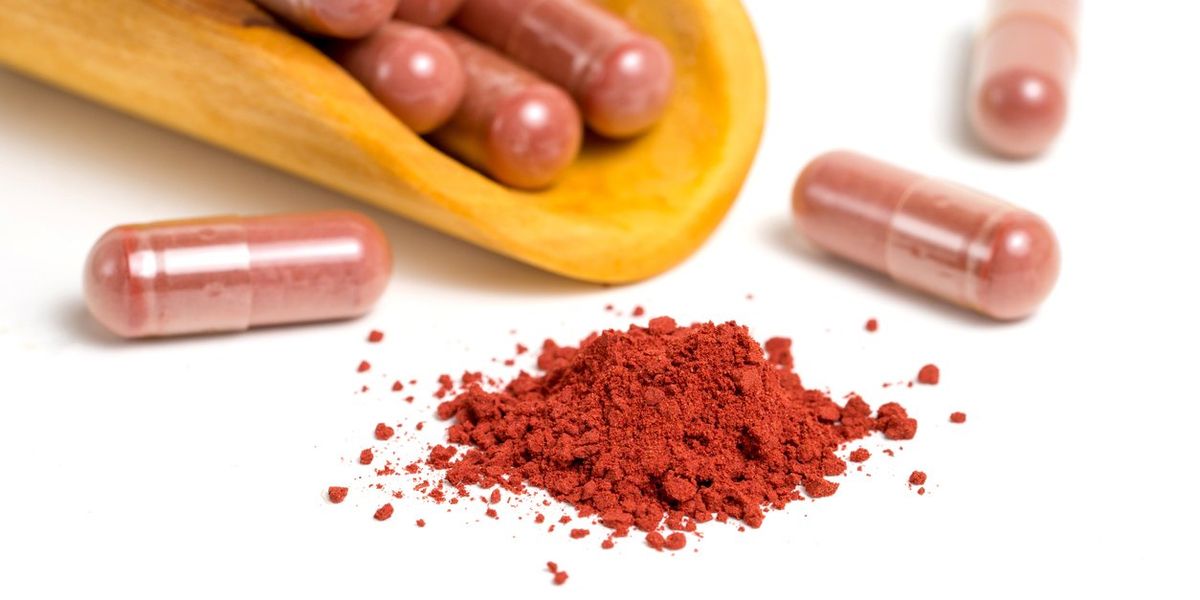
Red yeast rice has been around for centuries and is known as a “natural statin” in traditional Chinese medicine. It’s produced by fermenting rice with a type of mold called Monascus purpureus.
Depending on the strain and the conditions of fermentation, the fungus enhances the rice with compounds called monacolins, which can lower cholesterol levels in the body. One of those monacolins — monacolin K — has the same makeup as the medicine lovastatin, a prescription cholesterol-lowering medication.
The most celebrated benefit of red yeast rice is its ability to lower cholesterol thanks to monacolin K. Some studies have shown that taking red yeast rice on a daily basis for six to eight weeks can lower total cholesterol and LDL (“bad”) cholesterol levels.
Red yeast rice may also have anti-cancer benefits. One study found that red yeast rice stopped the growth of cancer cells in the colon. And a different study found that red yeast rice extracts stopped breast cancer cells from growing. But more research needs to be done regarding any anti-cancer benefits to taking the supplement.
Lower cholesterol levels are directly linked to the amount of monacolin K in red yeast rice supplements. Research shows taking up to 10 mg of monacolin K on a daily basis is associated with lower cholesterol levels.
This is where things get a little complicated. The FDA approved lovastatin — which is basically monacolin K — as a drug before it was marketed as a supplement. So, any product that lists lovastatin or enough monacolin K to work like a statin, is illegal to sell in the U.S. as a dietary supplement. Over the years, the FDA has issued warnings against companies who market added or enhanced supplements with lovastatin and monacolin K.
As a result, the red yeast rice products you see online and in the grocery store typically won’t list the amount of monacolin K on the product label. The product may not contain any monacolin K — although most will have some level of the cholesterol-lowering ingredient — but you won’t know for sure the actual amount.
Because red yeast rice can act like a statin, the same side effects may apply. These can include:
Some people experience other side effects. These can include:
Red yeast rice products may contain citrinin, which can cause kidney damage.
Red yeast rice may not be an option for everyone. You shouldn’t take it if you’re on cholesterol-lowering medications like a statin because it can increase the risk of serious side effects.
Also, people taking certain substrate drugs (CYP450 3A4 or P-glycoprotein), including some antibiotics and antifungals, shouldn’t take red yeast rice as it can affect how the body metabolizes medication. If you are taking any medication and you don’t know if it’s a substrate drug, be sure to ask your healthcare provider.
Red yeast rice isn’t recommended for people who are pregnant or lactating because there are no clinical studies — good or bad — that show the effect of taking the supplement while pregnant.
Overall, red yeast rice is considered safe and has few side effects. However, because the amount of monacolin K usually isn’t listed on supplement labels, you never know what you’re going to get. For example, one brand online says their red yeast rice supplement has “appropriate levels of naturally occurring monacolin compounds, especially monacolin K.”
If you’re thinking about red yeast rice for cholesterol, the supplement may not contain enough monacolin K to make a difference or have any benefits. High cholesterol can lead to serious health problems such as heart disease — the number one killer of women in the U.S.
Just like with any supplement, it’s a good idea to talk to your healthcare provider before you give red yeast rice the green light.
From Your Site Articles
Related Articles Around the Web
There’s a lot at stake in this presidential election, and women’s health policy will be impacted by our new commander in chief and their administration, no matter who wins. So, as the 2024 presidential election fast approaches, make sure you know where Kamala Harris and Donald Trump stand on important issues related to women’s health and healthcare.
You can do a deep dive on each candidate’s stances on their websites (do your research at
KamalaHarris.com and DonaldJTrump.com) but here’s a quick snapshot of some of the key issues affecting the health of women and people assigned female at birth.
Health Insurance
Donald Trump wants to replace the ACA with “much better healthcare.” During the debate, he mentioned that he has a “concept of a plan” for healthcare reform but has not issued specifics.
Trump campaigned in 2016 on repealing and replacing the ACA. Though that effort failed, his administration made other changes, including zeroing out the penalty for not having insurance, ending certain subsidies, and reducing funding for outreach and enrollment support.
Trump
Trump’s platform makes no mention of Medicaid.
As President, Trump allowed states to require people to work in order to qualify for Medicaid. His failed efforts to repeal the ACA would have reversed Medicaid expansion. He also proposed restructuring Medicaid payments to the states using block grants or per person spending caps.
Harris
Harris has said she will protect Medicare by taxing millionaires and billionaires and closing tax loopholes.
As vice president, Harris cast the tie-breaking vote for the Inflation Reduction Act, which contained provisions to lower Medicare prescription prices.
The Harris-Biden administration expanded coverage for mental health services and extended coverage for telehealth through December 2024.
Trump
Trump has said he will make no cuts to Medicare and will not change the retirement age, although no specific policies have been shared.
As president, Trump enacted tax reductions that sped up the depletion of the Medicare Part A Trust Fund and repealed a federal board that was intended to slow Medicare spending. He increased Medicare premiums for higher-income beneficiaries. He also relaxed Medicare telehealth rules to make remote care more accessible during the Covid pandemic.
Harris
Harris supports a $6,000 tax credit for parents of newborns and enhanced child tax credits ($3,600 for children under 6 and $3,000 for older children).
Harris supports creating federal paid family and medical leave (the current Family and Medical Leave Act guarantees unpaid leave) and enhanced funding for childcare providers. She proposes a cap on childcare costs to no more than 7% of a family’s income
.
Trump
Trump has not issued specific policy proposals, but at a New York Economic Club event, Trump stated that his proposals to increase tariffs on foreign imports would reduce the costs of childcare. He also said of childcare, “You have to have it.” Trump’s running mate, JD Vance, has said he supports a $5,000 child tax credit. A more modest proposal failed to pass in the Senate due to Republican opposition.
Harris
Harris has made a campaign commitment to pass the Equality Act, which protects LGBTQ+ people from discrimination.
The Biden-Harris administration reinstated Section 1557 of the ACA, which provides the broadest protections to date for healthcare based on gender identity and sexual orientation, for transgender people, and for gender-affirming care.
Trump
Trump has pledged to prohibit gender-affirming care for young people and block the use of federal funds for gender-affirming care.
Trump has also pledged to “Keep men out of women’s sports” as part of the 2024 Republican pledge to “end left-wing gender insanity.”
As president, Trump created the Division of Conscience and Religious Freedom at HHS and issued final conscience regulation expanded religious protections, which created opportunities for LGBTQ-based discrimination in certain circumstances.
Harris
Harris supports expanding the number of drugs that the government can negotiate and extending the $35 insulin cap for Medicare recipients to all Americans.
Harris cast the tie-breaking vote to pass the Inflation Reduction Act (IRA), which requires the government to negotiate drug prices on certain drugs, caps out-of-pocket drug costs and limits insulin costs to $35 per month for Medicare enrollees.
Trump
The Trump administration created a voluntary model for Medicare prescription plans to limit insulin costs to $35 per month and allowed states to import medicines from Canada; however that was later rescinded. Trump initially supported creating a “Most Favored Nation” status for Medicare to limit government spending on certain drugs but has since backed away from that position.
Trump
Trump has taken credit for the Supreme Court’s decision to overturn Roe v. Wade, which removed the constitutional right to abortion. He favors letting states decide their own abortion laws, and he personally supports exceptions to abortion bans in cases of rape, incest, and threats to the mother’s life.
Although Trump has held a variety of positions on abortion rights over the years. Recently, he said that laws banning abortion after six weeks go too far, but later stated that he plans to vote for such a measure in Florida, his home state. Trump previously would not commit to vetoing a federal abortion ban if Congress passes one, but more recently posted on social media that he would veto such a ban.
Harris
Harris supports the FDA decision to improve access to medication abortion pills by allowing them to be mailed.
The Biden-Harris administration opposes the interpretation and enforcement of the Comstock Act to prevent sending abortion medication through the mail.
Trump
Trump has suggested he would block availability of medication abortion pills at times and suggested that he would not block them at other times. Support for leaving abortion policy to the states allows states to block access to all abortion, including medication abortion pills.
Trump has not publicly spoken on his position on the Comstock Act, but many Republican leaders, including his running mate JD Vance, have called for the enforcement of the Comstock Act to prohibit the mailing of medication abortion pills.
Harris
Harris supports the proposed Right to Contraception Act, which protects the right to contraceptives.
The Biden-Harris administration is fighting a federal lawsuit that challenges ACA requirements to cover preventive services (including contraceptives). The administration has issued executive orders in support of contraception.
Trump
Earlier in the 2024 campaign, Trump said he was open to restrictions on contraceptives but later promised never to ban birth control.
Trump administration policies paved the way for employers with religious objections to exclude birth control from employee health plans. Most Republican members of Congress, including Vance, opposed the Right to Contraception Act.
Harris
Harris supports guaranteed rights to IVF and supports the ACA, which includes access to coverage before, during and after childbirth. She advocated against a ruling from the Alabama Supreme Court that embryos are children, and therefore cannot be destroyed.
She took a stand against Republicans blocking a bill that would have protected IVF.
Trump
Trump supports access to IVF and said he would require insurance companies to cover the costs but did not detail how he would implement such a requirement.
The Republican platform opposes research using embryonic stem cells (which can be derived from the IVF process).
Harris
In the past, Harris supported 12 weeks of paid leave for most workers, including new parents, caregivers and victims of intimate partner violence. During her presidential run, she has expressed support for paid family and medical leave but has not shared details.
Eye Injury Prevention Month is observed every October to promote awareness about eye safety and prevent injuries
“Wearing colored contacts may seem harmless. But beware: colored contact lenses can severely damage your eyes if you don’t buy them with a prescription. They can even cause permanent blindness if they’re not fitted by an eye specialist.” according to American Academy of Opthamology (AAO)
“Consumers need to know that permanent eye damage can occur from using non-prescription lenses,” says Thomas Steinemann, MD, an ophthalmologist at MetroHealth Medical Center in Cleveland, Ohio, and member of the American Academy of Ophthalmology. “I have seen far too many serious cases in both children and adults from using decorative lenses.”

Is It Safe To Wear Non-Prescription Colored Contacts?
It is not safe to wear contact lenses that were not prescribed especially for you. This includes contact lenses purchased without a prescription and contact lenses prescribed for someone else. Your eyes are at risk of serious harm — and potentially blindness — when you wear contact lenses that were not prescribed specifically for you.
Contact lenses advertised as ‘one size fits all’ or ‘no need to see an eye doctor’ are not safe. The ‘one size fits all’ claim is misleading and dangerous. Contact lenses must be tailored to each individual. Lenses that are not the correct size for your eye may result in serious harm and could destroy your vision.
Poorly fitting contact lenses can scratch your eye — or worse
Colored contacts also might let less oxygen through to the eye. This is because the paints and pigments make the lenses thicker and less breathable.
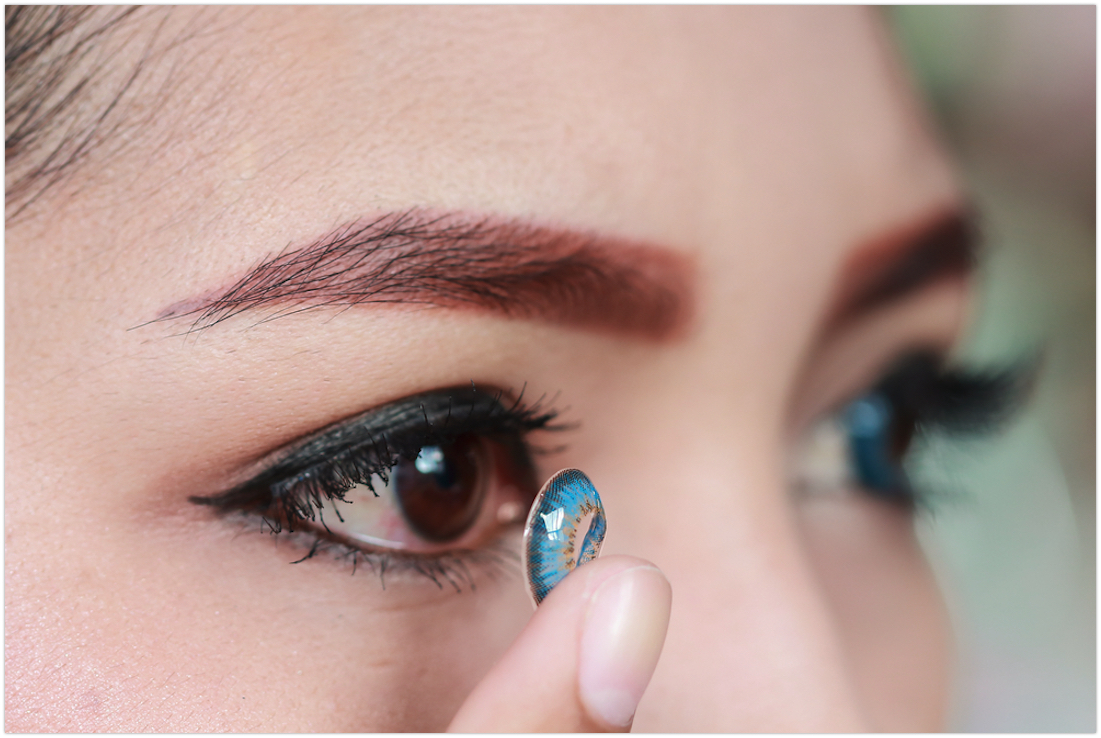
Treating this damage can require eye surgery, like a corneal transplant. And treatment doesn’t always work. People have been blinded by colored contact lenses.
For further details visit: https://www.aao.org/eye-health/halloween-cosplay-colorful-contacts-eye-safety
Disclaimer
The Content is not intended to be a substitute for professional medical advice, diagnosis, or treatment. Always seek the advice of your physician or other qualified health provider with any questions you may have regarding a medical condition.
Do you remember the scene in “Alice in Wonderland” when Alice nibbles on a mushroom so she doesn’t grow too big or shrink too small? That’s pretty much the thought process behind microdosing. You don’t take enough of the psychedelic drug to experience a real notable change, but the tiny dose may have mental perks, like reducing anxiety and depression.
Interest in microdosing and magic mushrooms seems to be at an all time high right now. A recent report found that 8 million people in the U.S. used psilocybin, the psychedelic component of magic mushrooms, last year. And about half of those people reported microdosing the last time they used it.
Read: Are Medical Mushrooms Really Magic? >>
The increase in curiosity around microdosing psilocybin may be due, in part, to the its decriminalization over the past few years in several states and cities across the U.S. Decriminalization of magic mushrooms, or shrooms, means that there are no criminal penalties for personal use. However, it’s important to note that psilocybin is still illegal on the federal level, even in states where it’s decriminalized. And the lack of regulation can mean whatever product you’re buying could be fake or contain harmful ingredients.
We asked Jim Grigsby, Ph.D., director of the University of Colorado Denver Center for Psychedelic Research, what you need to know about microdosing and magic mushrooms.
Microdosing is taking a very small amount of a psychoactive substance to enhance your mood without the mind-altering side effects.
“Microdosing puts too little of the stuff in your brain to produce a psychedelic experience,” Grigsby said. “Some people report that they get a little buzz off of it, and if so, they may have taken slightly more than needed.”
When you microdose mushrooms, you take a much smaller dosage (5% to 10%) than you would if you wanted to hallucinate or “trip.” And people who microdose generally take these doses on a semi-regular basis — two or three days a week.
iStock.com/los_angela
A microdose typically involves eating about 0.1 grams – 0.3 grams of mushrooms each time.
There are different ways to microdose mushrooms. The mushrooms can be chewed up dry or added into a hot tea or a broth/soup. They can also be crushed or put in a coffee grinder and mixed in chocolate or put in gelatin capsules and taken orally.
A microdose works the same way as a regular dose, just with different effects. The psilocybin is first converted to psilocin, the active ingredient. When it reaches the brain. The psilocin binds to serotonin receptors — especially one called 5-HT2A — which play a role in brain functions like perception and mood. That triggers, on a small scale, a biochemical cascade which is thought to eventually cause reactions at dopamine receptor sites. (Dopamine receptors affect emotions, movement and the reward system in the brain.)
While at least one survey found that people microdosing psilocybin reported improved mood, feeling more connected to other people and cognitive enhancement, the jury is still out on the benefits to and safety of microdosing mushrooms.
“There isn’t any good research on the subject, only observational studies that rely on self-report — no clinical trials or experiments,” Grigsby said. Some research shows people reported improved mood, more energy, productivity, creativity and clear thinking, but there’s no control group for comparison. “Statistically, it’s possible to take into consideration people’s expectations, and that can then explain the entire effect. So, it could be a placebo effect.”
There is little research on the effects of microdosing mushrooms and no guidelines regarding who shouldn’t try it. That said, some research suggests repeated microdosing of psilocybin can cause valvular heart disease, so people with cardiac conditions and heart valve problems should be aware of this possible side effect.
Microdosing may also not be good for people with a history of psychosis or a family history of psychosis. “Again, we don’t know for sure, but if someone with schizophrenia asked me about it, I’d probably advise against it,” Grigsby said.
Microdosing psilocybin is not recommended for people who are pregnant. “Although the dose is very small, and psilocybin is safe and basically non-toxic, like with many drugs, pregnant and lactating women ought not to try microdosing,” Grigsby said.
From Your Site Articles
Related Articles Around the Web