The main category of Fitness News.
You can use the search box below to find what you need.
[wd_asp id=1]
The main category of Fitness News.
You can use the search box below to find what you need.
[wd_asp id=1]
Nearly 20,000 women in the United States will receive an ovarian cancer (cancer of the ovaries) diagnosis in 2024.
“The silent killer”
There is no screening test for ovarian cancer, so it can go a long time without being caught.
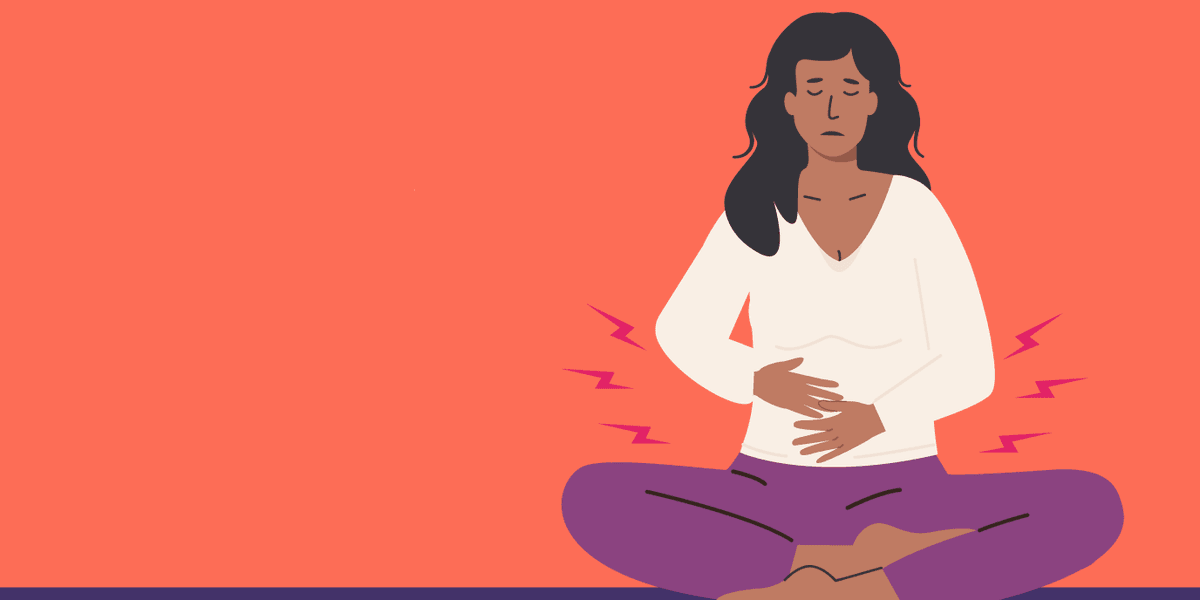
Symptoms of ovarian cancer often go unnoticed or are mistaken for other conditions.
Ovarian cancer is often diagnosed at an advanced stage, making it harder to treat.
Black women are 20% more likely to be diagnosed with late-stage ovarian cancer than white women.
BEAT ovarian cancer — know the signs and symptoms
Bloating
Eating less and feeling full quickly
Abdominal and pelvic pain that is ongoing
Trouble with your bladder or bowels
Know your risk
Because there’s no screening for ovarian cancer, knowing your genetic risk factors is key to prevention.
Questions to ask yourself
Talk to your healthcare provider. Being proactive about ovarian cancer is important.
This educational resource was created with support from Merck.
Natálie Taschlerová is a Czech ice dancer. With her brother and skating partner, Filip Taschler, she is the 2020 Nebelhorn Trophy champion and two-time Czech national champion (2022–2023). They represented the Czech Republic at the 2022 Winter Olympics.
On the junior level, she is the 2019 JGP USA bronze medalist and has competed in the final segment at three World Junior Championships, their highest placement being fourteenth in 2019. Nationally, she is a three-time Czech national junior champion.
Taschlerová began learning to skate in 2004 and subsequently began learning ice dance alongside her brother Filip following the end of his partnership with Karolína Karlíková. Years later, Taschler would say that “our relationship is better since we started skating together. When we were younger, we fought like small kids, but now we are adults. We respect each other.”
Taschlerová/Taschler made their international junior debut in the 2017–18 season, including two appearances on the ISU Junior Grand Prix, placing twelfth in Poland and thirteenth in Austria. After winning what would be the first of three Czech junior national titles, they made their first appearance at the World Junior Championships, where they finished eighteenth.
Competing their second season on the Junior Grand Prix, Taschlerová/Taschler were thirteenth at JGP Lithuania and eleventh at their home JGP Czech Republic. They then won their first international junior medals competing at minor events, a bronze at the Open d’Andorra and a silver at the junior category at the Inge Solar Memorial. Junior national champions for the second time, they finished the season placing fourteenth at the 2019 World Junior Championships.
Women Fitness President Ms. Namita Nayyar catches up with Natálie Taschlerová an exceptionally talented Czech ice dancer and two-time Czech national champion here she talks about her fitness routine, her diet, and her success story.
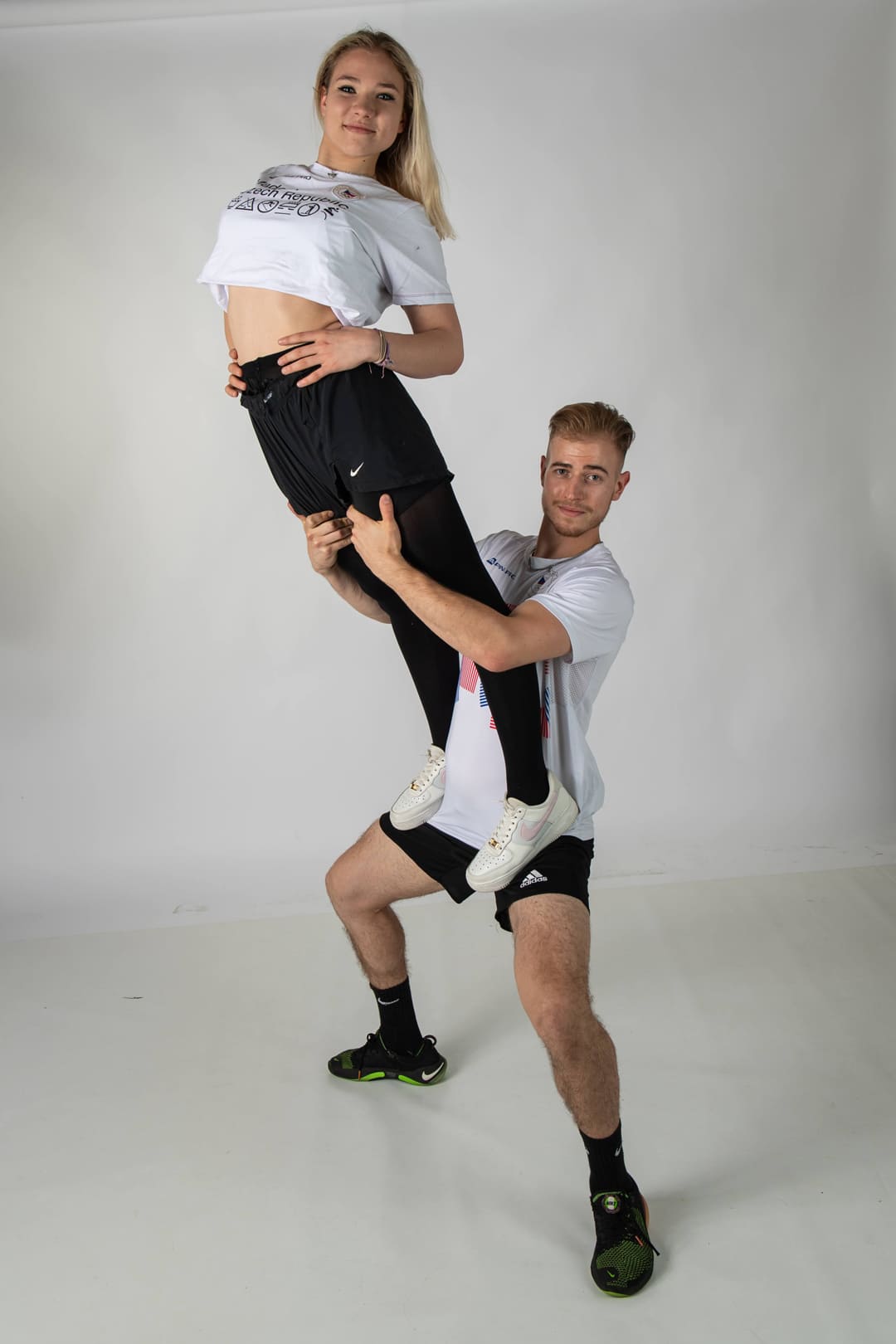
You were born in Brno, Czech Republic. You started skating at the age of three years and subsequently, you began learning ice dance alongside your brother Filip Taschler. In 2017–18 season you won first of three Czech junior national titles. This later propelled your career to the height where you have been at the top of the world of ice dancing. Tell us more about your professional journey of exceptional hard work, tenacity, and endurance?
I started with figure skating at the age of two, initially just to learn how to skate. Out of all the sports I’ve tried, I fell in love with figure skating the most. Alongside this, I was also engaged in sports gymnastics. However, a time came when I had to make a choice between the two. I had talent in both disciplines, but it was becoming increasingly difficult to maintain my commitment to each. Consequently, at the age of 11, I chose to continue with figure skating and stepped away from gymnastics.
My transition to ice dancing was prompted by a previous injury; I severely broke both bones in my right forearm for the second time, which resulted in a lengthy and difficult recovery. When I returned to the ice, the fear of jumping was overwhelming. I found myself contemplating whether to leave figure skating altogether to lead a more conventional life focused on school. The alternative was to switch disciplines, and I always had strong skating skills and an intuitive feel for music on the ice. It was then that my brother, Filip, suggested we try skating together. Now, here we are in a different country, chasing our dreams. Sometimes, it all feels quite surreal.
Our first junior medals gave us a glimpse of a promising future in the sport. These achievements fueled our ambition to reach higher levels. During the 2018-2019 season, we were still skating and living in our hometown, Brno, training under our former coach Nikola Višnová. Our coach had trained and lived in Milan during her professional career. Although home was comforting, we knew that to improve, we needed to step outside our country. We explored staying home as long as possible, trying to find suitable training conditions. However, this proved very challenging.
The first major change was our schooling. With training starting at 11 a.m. and ending around 5-6 p.m., attending school daily became nearly impossible. Some teachers were unsupportive of our journey, causing more problems. As a result, we switched to online homeschooling, which was a tremendous help. We both graduated high school and found we actually enjoyed studying. The best part just needed a computer and Wi-Fi to connect to our classes’ haha!
That season, we began collaborating with Matteo Zanni, travelling to Milan for weeks at a time to prepare for significant competitions like the 2018 Nationals and the 2019 Junior Worlds in Zagreb. After the season, Matteo invited us to move to the USA with him, offering us a chance to start a new life there. It was a pivotal opportunity, and we knew if we wanted to excel, we had to seize it. Our former coach, who was pregnant for the second time and planning to retire from coaching, supported this move. Leaving our family was tough, especially since our father was ill, but he encouraged us to pursue our dreams.
In the summer of 2019, we relocated to Chicago. It was a huge change – new country, different language – everything was unfamiliar, but it was exciting. We even spent the first week sleeping on the floor without beds, which is now one of my fondest memories. Exploring the USA, experiencing new culture, and meeting athletes and coaches were incredible. Besides training with Matteo Zanni, we worked with Collin Brubacker and Oleg Ebstain. Everything seemed perfect. It was the summer of my dreams. Until our lives were turned upside down.
In July 2019, our father passed away from cancer. It was devastating and brought everything to a halt. We returned to the Czech Republic, uncertain about our next steps – whether to continue skating or stay home to support our mom. The financial aspect was a significant concern since figure skating is very expensive. However, we tried to keep going. Skating became one of the things that saved us. While we didn’t have much time to process our grief, we continued, knowing this was what our dad wanted – for us to always fight and follow our dreams. Figure skating is a long journey where patience, passion, and a love for hard work are very important.
Full Interview is Continued on Next Page
This interview is exclusive and taken by Namita Nayyar President of womenfitness.net and should not be reproduced, copied, or hosted in part or full anywhere without express permission.
All Written Content Copyright © 2024 Women Fitness
Disclaimer
The Content is not intended to be a substitute for professional medical advice, diagnosis, or treatment. Always seek the advice of your physician or other qualified health provider with any questions you may have regarding a medical condition.
September 2024 is National Ovarian Cancer Awareness Month.
Like most cancers, ovarian cancer has better outcomes if it’s treated early. However, it’s tough to find ovarian cancer early because it often has no symptoms. In the U.S. alone, there are almost 20,000 new cases of ovarian cancer each year — and more than 14,000 deaths.
Ovarian cancer, which occurs when abnormal cells in the ovaries grow uncontrollably, is more common in white women — yet, Black women have lower survival rates. And the difference is pretty big. The five-year survival rate in Black women is 41% — a full 7% lower than the 48% five-year-survival rate seen in white women.
And for early- and late-stage ovarian cancer, Black women’s survival rates are worse not just than that of white women, but of all other races and ethnicities.
We reached out to Holly Harris, MPH, ScD, the lead researcher of a 2022 study designed to better understand why Black women have worse survival rates and outcomes of ovarian cancer than other races and ethnicities.
Harris, an associate professor of epidemiology at Fred Hutchinson Cancer Research Center, said a lot of the disparities in ovarian cancer outcomes for Black women come down to access. Unfortunately, Black women are less likely to get offered the treatments that are recommended by professional medical guidelines. In fact, one 2019 study found that Black women were 25% less likely than white women to get the recommended ovarian cancer treatments.
“Black women are less likely to receive guideline-adherent care, and that’s likely impacted by the areas they live in and their access to different resources,” Harris said.
Social determinants of health (SDoH) can contribute to the health disparities and inequities Black women face. SDoH are nonmedical factors, such as socioeconomics (job type, level of education and income) and where you live, work and play, that affect the quality of life, opportunities and health outcomes.
According to the National Women’s Law Center, in almost every state, Black women are more likely to be uninsured, live in poverty, have limited access to food and face issues securing housing than non-Hispanic white women. All of these factors can make it challenging for Black women to access and afford healthcare.
“Socioeconomic factors likely explain some of the disparities [Black women with ovarian cancer face],” Harris said. “The area that you live impacts [your ability to receive] quality care. For ovarian cancer, it’s really important that people are able to receive guideline-adherent care, and that’s something that socioeconomic status is likely impacting.”
Even with good care, Harris added that Black women may face racism from healthcare providers (HCPs) when seeking treatment. She notes that structural racism may play a role in disparities among Black women with ovarian cancer. Structural racism is the various ways in which society limits resources, opportunities, power and well-being of people based on their race and/or ethnicity.
A 2022 research article found that structural racism that affected Black women’s finances led some to go without reproductive healthcare or face barriers to seeking care, which can include:
Researchers also discovered that individual racism led to some women choosing to receive healthcare from same-race HCPs.
Because racism can play a large role in health outcomes for Black women, Harris also said that HCPs need to address their biases to provide better care to Black patients.
“[HCPs must] uncover their own unconscious bias and make sure that they’re giving patients the best care they can,” Harris said.
Here are ways you can advocate for yourself to get the healthcare you need and increase your chances of survival from ovarian cancer:
This educational resource was created with support from Merck.
En los setentas y ochentas, el aroma de piñas coladas flotaba en la brisa marina en todas las playas de EE.UU. Durante los veranos, antes del invento de protectores solares en latas de aerosol, mis amigas y yo nos bañábamos en aceites con esencias de frutas tropicales en búsqueda de un bronceado perfecto. Estábamos sumamente seguras de que protegíamos nuestras pieles responsablemente contra los peligrosos rayos del sol. Después de todo, los frascos de Hawaiian Tropic alardeaban un factor de protección solar (FPS) de 2. No tienes que ver las fotos Polaroid tan de cerca para ver que estábamos efectiva y eficazmente friéndonos en aceite.
Algunas de nosotras pagamos por nuestros bronceados (y, siendo honesta, algunas quemaduras de sol) con pieles deterioradas por el sol. Pero, ¿fue nuestra búsqueda por el brillo perfecto también la causa de las nuevas tasas alarmantes de cáncer de la piel? Este año, la Sociedad estadounidense contra el cáncer pronostica que Estados Unidos alcanzará un nuevo y macabro récord: Por primera vez se anticipan 2 millones de diagnósticos de cáncer. Y el tipo más mortal de cáncer de piel, el melanoma, tiene uno de los mayores crecimientos.
El melanoma es el quinto tipo más frecuente de cáncer en EE.UU. y cada vez se vuelve más común. De hecho, las tasas de melanoma han aumentado por más de un 320% desde 1975 en la mayoría de países en los que viven principalmente personas de pieles claras. Y en 10 años desde 2013 a 2023 hubo un aumento del 27%.
Entonces, ¿qué causó este aumento?
Un estudio sugiere que el aumento de las tasas de obesidad es un factor importante. La obesidad es un factor de riesgo conocido de melanoma porque causa cambios corporales, tales como inflamación continua y mayores niveles de insulina, los cuales pueden causar cáncer. Y las tasas de obesidad casi se han triplicado para las mujeres y cuadruplicado para los hombres desde 1975.
Se necesita más investigación, pero evidencia sugiere que los factores medioambientales también juegan un papel importante. Se sospecha que el cambio climático es un factor importante del aumento de casos de melanoma y se estima que una reducción del 10% del ozono estratosférico causará 300,000 casos adicionales de cáncer de piel.
Otra causa puede ser el uso de camas bronceadoras en interiores. Afortunadamente, el uso de dispositivos para bronceado en interiores ha disminuido en años recientes. Pero la popularidad de su uso en los noventas podría ser la causa de algunos de los casos que estamos viendo hoy.
Con todo el progreso de concientización que se logró para que las personas no se bronceen sin protección, tendencias nuevas de las redes sociales podrían estar poniendo este progreso en riesgo. Una tendencia reciente de TikTok invita a personas jóvenes a que se bronceen cuando los índices de luz UV son más altos, cuando los rayos solares son más fuertes, el cual es el momento más peligroso en el que se puede tener exposición.
La exposición a la radiación ultravioleta (UV) sin protección siempre ha sido el mayor factor de riesgo de melanoma, pero el color de la piel, de los ojos, las pecas, sistemas inmunológicos debilitados y los antecedentes familiares también juegan un papel importante (aproximadamente 1 de cada 10 personas que reciben diagnósticos de melanoma tienen un familiar cercano con antecedentes de la enfermedad).
Independientemente del riesgo que tengas de melanoma, puedes tomar medidas para reducirlo. La forma más efectiva para lograrlo es hacer que la protección solar sea un hábito y someterte a examinaciones en una forma regular.
Protección solar: A pesar de lo que mis amigas y yo solíamos pensar, un protector solar con un FPS de 2 no proporciona realmente protección contra el sol. La Skin Cancer Foundation [Fundación contra el cáncer de piel] recomienda usar un producto con un FPS de entre 30 y 50 y usar protectores solares de espectros amplios, es decir que bloquean ambos tipos de rayos UV solares: UVA y UVB.
Y el uso de protección solar no debería limitarse a la playa. Siempre que haya luz, necesitas protección contra los rayos UV. Los protectores solares que son seguros para los ecosistemas de los arrecifes tienen dos funciones: Mientras protegen tu piel usando dióxido de titanio u óxido de zinc para desviar los rayos solares, estos protectores solares también son más seguros para los arrecifes de corales, los cuales juegan un papel importante en el equilibrio del clima porque absorben gases dañinos de CO2 y producen oxígeno.
La Administración de medicamentos y alimentos (FDA, por sus siglas en inglés) de EE.UU., entidad que regula los protectores solares, advierte que ningún protector solar es realmente a prueba de agua, solo son resistentes al agua, y ningún protector solar bloquea completamente los rayos solares. Para obtener la mejor protección, aplica el protector solar varias veces y con frecuencia.
Según la Skin Cancer Foundation, ropa con FPS es otra forma muy efectiva de protegerte contra los efectos dañinos del sol y contra el cáncer de piel.
Examinaciones regulares: Puedes examinar tu piel para detectar señales tempranas de melanoma. Es importante indicar que el melanoma puede manifestarse en cualquier parte del cuerpo, no solo en las partes que puedes ver. Puede formarse debajo de las uñas de tus pies o del cabello o en las membranas de la nariz o de la boca. Adopta el hábito de revisar regularmente cambios de tu piel en el espejo, incluyendo áreas que son difíciles de inspeccionar. Registra el tamaño y la forma de lunares y marcas en la piel. Puedes medir un lunar con una regla o tomar fotos para hacer comparaciones. También puedes pedir a tu peluquero o barbero que te diga si hay protuberancias o lunares sospechosos en tu cuero cabelludo. La American Academy of Dermatology [Academia estadounidense de dermatología] recomienda que tengas consultas con un dermatólogo certificado si notas cualquier protuberancia o cambio nuevo sospechoso que te preocupe o si tienes una herida que no sana.
Lee: El ABCDE para identificar melanomas >>
En tu cita, tu proveedor de atención médica inspeccionará tu piel en todo tu cuerpo, medirá y examinará cuidadosamente los elementos de tu piel tales como lunares y registrará cualquier cambio que hayas tenido en comparación con consultas previas.
Aunque las personas de color son menos propensas a desarrollar melanoma, tienen más posibilidades de recibir diagnósticos con cánceres en etapas más avanzadas y tienen más posibilidades de morir por la enfermedad. Estas desigualdades resaltan claramente la importancia de la prevención, la examinación y el acceso a tratamientos.
¿La lección? Todos, no solo los exusuarios de protectores solares con un FPS de 2, deben estar alerta.
Este recurso educativo se preparó con el apoyo de Merck.
From Your Site Articles
Related Articles Around the Web
As told to Jacquelyne Froeber
October is Breast Cancer Awareness Month.
December is my birthday month. It was also the month I scheduled all my yearly health exams, including my mammogram.
But December 2014 was busy, I guess. (I burned all my journals from that time — but that’s another story.) I don’t remember why I didn’t go for my mammogram, but I didn’t get one until June 2015.
The day after the exam I got a phone call. There was something abnormal in the imaging, and I needed to have a biopsy. I was a nurse, so I knew that wasn’t great news, but I had the biopsy that week and went about my normal routine.
As an on-call hospice nurse, my schedule was pretty consistent. I worked seven days on, seven days off and — most important — I took a nap between 2 p.m. and 4 p.m.
My husband and kids knew not to call me during that time, so when my phone started buzzing during my nap, I was pretty annoyed. It was the provider’s office. “This isn’t a good time to talk,” I said.
“You have breast cancer,” the woman on the phone said.
“OK, can you call me back tomorrow? I’m on call at 5.”
She was startled. But she said OK. I hung up, rolled over and went back to sleep.
I know it sounds strange to just fall back asleep, but my patients depended on me. And I needed that nap. The next day my provider called and I made the time to listen. He said the cancer was small enough for a lumpectomy. So we scheduled the surgery for the following week.
By that Thursday, though, I’d noticed new imaging requests in my patient portal but no one could tell me why they were ordered.
When I finally got the nurse on the phone, I started asking her questions, and she cut me off. “Don’t worry about the tests — I do this all the time,” she said. “All you have to do is show up on Monday.”
I paused and felt the sting of being dismissed. “You may do this every day, but I’m not diagnosed with breast cancer every day,” I said. “And I will call the doctor and let him know why I’m not having the surgery with you. Have a good day.”
I hung up the phone. My mind and heart were racing. I’d just fired my provider! But I couldn’t stay with an office that wouldn’t answer my questions … right? Tears sprang to my eyes.
My husband helped calm me down and we found a different provider. I’d have to wait another month for the lumpectomy — but that was fine with me. During that time, I had the other tests that were ordered, including a PET scan. That scan showed the cancer had spread to the bone.
I had stage 4 breast cancer.
When I heard the news I was shocked. Within a week, I went from “small” cancer and a lumpectomy to plans for a bilateral mastectomy and chemotherapy. I learned that stage 4 — also called metastatic — cancer meant I would need ongoing treatment probably for the rest of my life.
Amid all the confusion and depressing news — there was a bright spot. My daughter had just found out that she was pregnant despite being told she couldn’t have children. The thought of holding my grandchild gave me extra hope that I could get through the surgeries and treatments and also keep my quality of life so I could enjoy time with my family.
The months went on, and after the baby was born, I’d put him on my chest despite the double mastectomy, and we would sleep like babies on my days off of work.
I continued working as much as I could through chemo but it was tough. I felt weak. I couldn’t even drive to work — my husband had to drive me. But I put on my bandana and pushed forward. In 2016, I got the best news: My scans showed no evidence of disease.
In 2017, I felt good enough to move, and my husband, John, and I relocated to a small town in eastern North Carolina. I got a new job as a hospice nurse.
We were only there for about six months when I had a blood clot in my left lung. Then, because of the blood thinners I was on, I had a ministroke. And then one more devastating blow: My provider said I couldn’t work anymore.
I was crushed. I’d been working for almost 40 years. I was the primary breadwinner in our family. Now, I wasn’t going to have income or insurance.
I spent the next seven days looking for financial resources that could help me pay for my medical treatments. I applied for disability — and got it — but it wouldn’t kick in for five months.
Then I came across an organization called Living Beyond Breast Cancer that offered funding and resources for people with metastatic breast cancer. They were hosting an annual conference in Philadelphia, and I decided to go.
At the time, I really didn’t know much about metastatic breast cancer outside of my personal experience. I’d also never met another Black woman with metastatic breast cancer. When I walked into the conference hall, I was blown away by the sheer number of people there. I probably looked like a deer in headlights going from booth to booth, but everyone was so kind and helpful. I got the financial guidance I needed. I heard stories from women who were eight and nine years into their diagnosis and thriving. I bonded with other Black women with metastatic breast cancer. All of it changed my life.
After the conference, I signed up for everything I could do as far as advocacy work for the organization. I traveled all over the U.S. and learned about the disease and new treatments and brought information back to my rural community in North Carolina. I’d learned that breast cancer rates are higher in women who live in rural areas and death rates are higher too compared to the national average. And these numbers are worse for women of color.
Early on, it became clear to me that information regarding Black people and metastatic breast cancer was lacking. But it wasn’t clear why. In 2019, I started working with an epidemiologist, Marina Pomare Kaplan, on a research project and survey that focused on the reasons why Black people weren’t being included in these clinical trials.
Unfortunately, Marina passed away in 2020. I thought that meant our research efforts were done, but a few months later, the Metastatic Breast Cancer Alliance contacted me and wanted to move forward.
We started the BECOME research project based on the research Marina and I had been doing. BECOME stands for Black Experience of Clinical Trials and Opportunities for Meaningful Engagement. And what we found with our survey was a big shocker. The overall reason why Black people weren’t being involved in clinical trials? It was because no one was asking us to participate. No one was having a conversation with us.
From there, I thought, Let’s find a way to get this information to providers. We planned an event the day before the San Antonio Breast Cancer Symposium in 2022, which is basically the biggest breast cancer conference in the world. It was my goal to have 100 people there — or fill half the seats in the room.
But that didn’t happen. The event was so packed I had to grab spare folding chairs. People lined up against the wall to listen to our research.
As I looked out at all the different faces in the room, I was overcome with emotion. I felt so proud to get all these people — providers, pharmaceutical reps, women of color — together in the same room to learn about the importance of including Black people in clinical trials for metastatic breast cancer.
I thought about how far I’d come in my own journey — although I hate to call it a journey. It just doesn’t sound right when you’re talking about being bald and going to chemo. But being a patient advocate helped me help other people when I couldn’t through nursing anymore.
None of us signed up to be in this club. But all of us deserve representation and research to help us live our best lives with metastatic breast cancer.
BECOME – Black Experience of Clinical Trials and Opportunities for Meaningful Engagement
Have a Real Women, Real Stories of your own you want to share? Let us know.
Our Real Women, Real Stories are the authentic experiences of real-life women. The views, opinions and experiences shared in these stories are not endorsed by HealthyWomen and do not necessarily reflect the official policy or position of HealthyWomen.
From Your Site Articles
Related Articles Around the Web
In the 1970s and ’80s, the smell of piña coladas wafted through the ocean breeze at every U.S. beach. In the summers before the invention of spray-canned sunscreen, my friends and I basted ourselves with tropical-fruit-scented tanning oils in a quest for the perfect tan. We felt smugly confident we were responsibly protecting our skin from the sun’s harmful rays. After all, our Hawaiian Tropic bottles boasted a sun protection factor (SPF) of 2. You don’t have to look too closely at the Polaroid pictures from this time to see that we were effectively and efficiently deep-frying ourselves in oil.
Some of us have paid for our tans (and, to be honest, a few sunburns) with sun-damaged skin. But was our youthful search for the perfect sun-kissed glow also behind the new alarming rates of skin cancer? This year, the American Cancer Society predicts the United States will reach a new, grim milestone: 2 million cancer diagnoses are expected for the first time ever. And the deadliest form of skin cancer, melanoma, is among the most quickly growing types of cancer.
Melanoma is the fifth most common cancer in the U.S., and it’s only getting more common. In fact, melanoma rates have risen by more than 320% in mostly fair-skinned countries since 1975. And in the 10 years from 2013-2023, there was a 27% increase.
So what’s behind this increase?
One study points to the rise in obesity rates as a factor. Obesity is a known risk factor for melanoma because it causes changes in the body, like ongoing inflammation and increased insulin levels, that can lead to cancer. And obesity rates have nearly tripled in women and quadrupled in men since 1975.
More research is needed but some evidence points to environmental factors playing a role as well. Climate change is suspected to be a factor in the rising cases of melanoma, and it’s estimated that a 10% reduction in stratospheric ozone will cause 300,000 additional skin cancer cases.
Indoor tanning bed usage could be another culprit. We can breathe a sigh of relief that indoor tanning usage has decreased in recent years. But the surge in usage in the 1990’s could be accounting for some of the cases we’re seeing today.
With as much progress as we’ve made getting the word out not to tan without protection, new social media trends could be putting this progress at risk. A recent TikTok trend encourages young people to tan during the highest UV indexes, when the sun’s rays are the strongest, which is the most dangerous time to be exposed.
Ultraviolet (UV) exposure without protection has always been the biggest risk factor for melanoma, but skin color, eye color, freckles, weakened immune systems and family history also play a role. (Around 1 in 10 people diagnosed with melanoma have a close family member with a history of the illness.)
No matter what your risk for melanoma is, you can take steps to reduce it. The most effective way to do this is by making sun protection a habit and having regular screening.
Sun Protection: Despite what my friends and I used to think, sunscreen with an SPF of 2 is not really sunscreen. The Skin Cancer Foundation recommends using a product with an SPF ranging between 30 and 50, and using broad spectrum sunscreen, meaning one that helps to block both types of the sun’s UV rays: UVA and UVB.
And sunscreen use shouldn’t be limited to the beach. Anytime it’s light out, you need protection from UV rays. Sunscreens that are reef-safe do double-duty: While protecting your skin using titanium dioxide or zinc oxide to deflect the sun’s rays, these sunscreens are also safer for coral reefs, which play a role in climate balance by absorbing harmful CO2 gases and creating oxygen.
The U.S. Food and Drug Administration (FDA), which regulates sunscreen, warns that no sunscreen is truly waterproof — just water-resistant — and no sunscreen completely blocks the sun’s rays. For the best protection, reapply your sunscreen frequently.
According to the Skin Cancer Foundation, SPF clothing is another very effective way to protect yourself against sun damage and skin cancer.
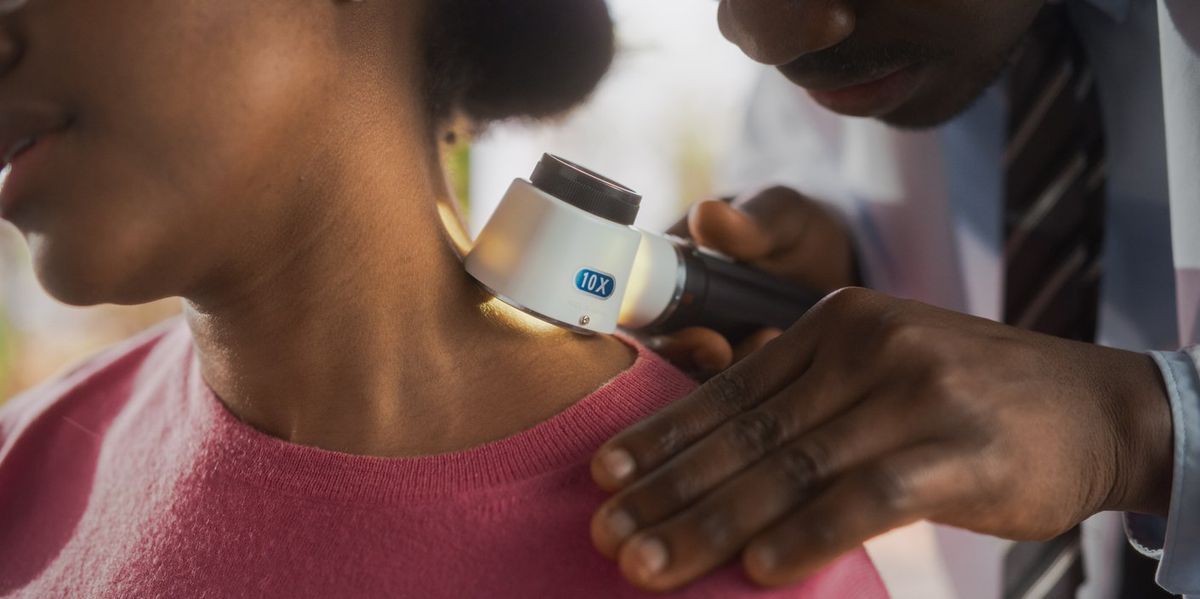
Regular Screening: You can screen your own skin for early signs of melanoma. It’s important to note that melanoma can appear on any part of the body, not just the parts you can see. It can form under toenails or hair, or in the membranes of the nose or mouth. Make a habit of regularly checking for skin changes in the mirror, taking care to investigate hard-to-inspect areas. Note the size and shape of moles and skin markings. You can measure a mole with a ruler or take pictures for comparison. You can also ask your hairdresser or barber to point out suspicious growths or moles on your scalp. The American Academy of Dermatology recommends that you see a board-certified dermatologist if you notice any suspicious changes or new growths that concern you, or if you have a wound that won’t heal.
Read: The ABCDEs of Spotting Melanoma >>
At your appointment, your healthcare provider will inspect your skin over your entire body, measuring and closely examining skin features such as moles and noting any changes from previous visits.
While people of color are less likely to get melanoma, they are more likely to get diagnosed with a more advanced stage cancer and are more likely to die from the disease. These disparities clearly outline the importance of prevention, screening and access to treatment.
The takeaway? Everyone — not just the recovering SPF2 sunscreen users — should be vigilant.
This educational resource was created with support from Merck.
From Your Site Articles
Related Articles Around the Web
As told to Shannon Shelton Miller
I was thrilled to be pregnant with my first child at 29. Everything went well for about eight months — until the day I went to the restroom and the toilet was full of blood. I immediately called my OB-GYN because I was scared something was wrong with my baby.
At the appointment, he assured me we both were fine. It was probably just
hemorrhoids or my baby was starting to rest on my organs as he grew bigger, leading to some bleeding.
But new symptoms started to show up. I was dizzy, had bad abdominal pains and couldn’t sleep at night. My OB-GYN told me these were all normal during pregnancy. I had never been pregnant before, so I figured that made sense.
2016 (Photo/Michael D Images)
The bleeding and crushing fatigue didn’t stop after I gave birth to my son, Cameron. Once again, I was told this was normal for a new mom. Even as I continued to have vaginal and rectal bleeding months after giving birth, my OB-GYN only suggested changing my birth control method.
When Cameron turned 1, I knew something had to give because the bleeding wasn’t stopping. This time, I went to a primary care physician, who first gave me pills for
irritable bowel syndrome. Just in case that didn’t work, he said, he’d send a referral to a GI specialist.
Weeks later, I had to see the specialist since the pills had done nothing. “You’re way
too young to be sitting in my office,” he said. “What’s going on?” I told him about my symptoms, and he ordered a colonoscopy.
When I woke up in the operating room after that procedure, the doctor and four nurses were there, along with my husband, Derrick. The room seemed too full, and I asked what was happening.
My doctor showed me photos of my colon and told me I had cancer.
“No, I don’t,” I said. We had built a rapport, so I started to laugh a little. “Ok, what’s really going on?”
He kept a straight face. “I would never joke about something like this,” he said. “You definitely have cancer.”
A few weeks later, my mother, my husband and I met with the oncologist. He walked past us, sat down and said, “Well, you have stage 4 cancer and …” He continued to go on, but I didn’t hear anything after that. I just knew it couldn’t be as bad as what I was hearing in my head.
It was. He said I was an exceedingly rare case because of my age and good health. Genetic testing showed nothing. We had no family history of cancer. I was healthy, I played sports, I didn’t grow up eating red meat — I couldn’t understand it.
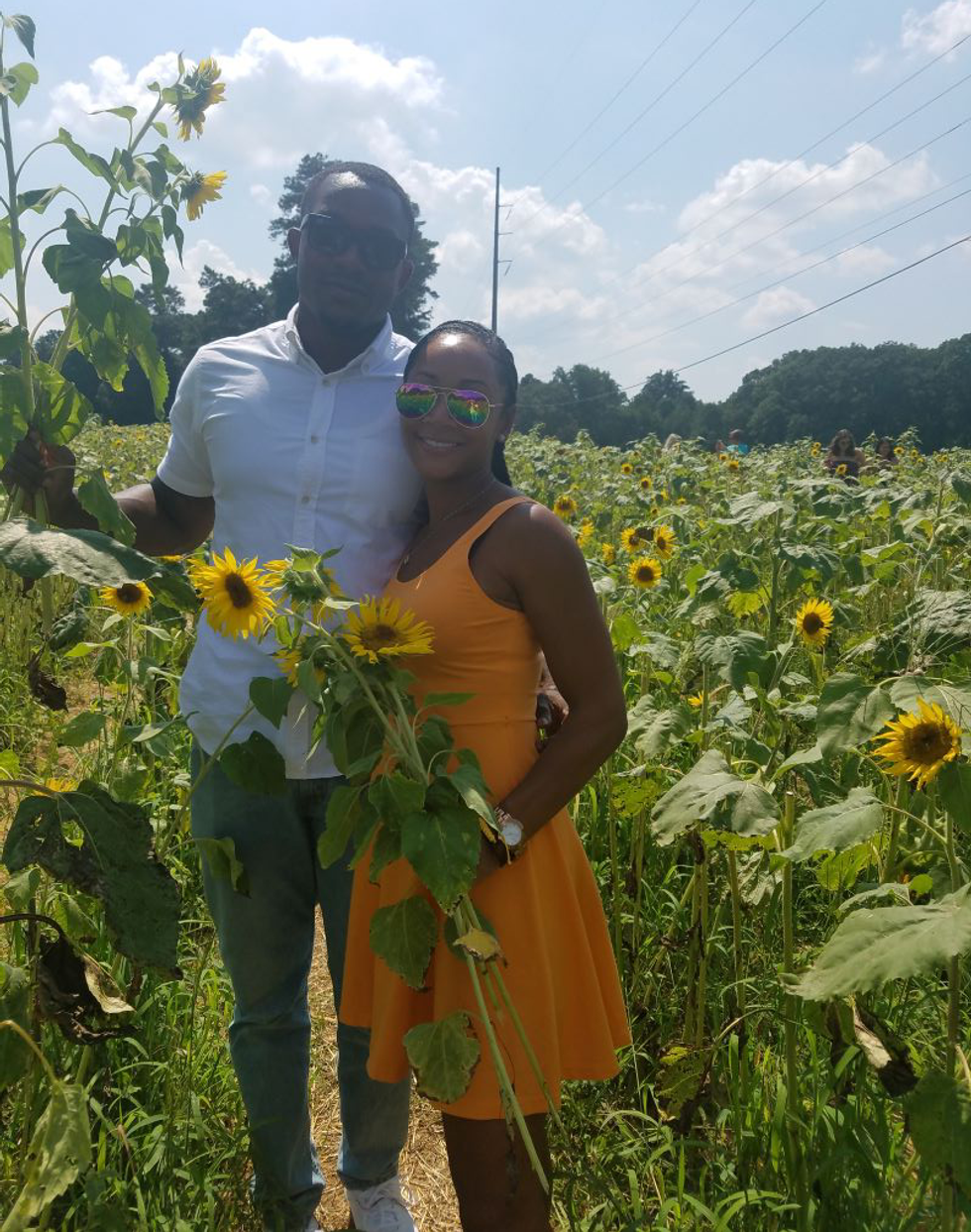
I didn’t want to think about treatment at that moment. I told my family I wanted to go to the sunflower patch by my house because I’d never been. We picked sunflowers and took photos. It was such a nice day. Afterward, we picked up my son from daycare, and I held him the rest of that day.
The last seven years have been very difficult. I’ve had multiple rounds of chemotherapy and surgeries. After my diagnosis, they removed a foot of my colon, two parts of my liver and my gallbladder. I was very weak and couldn’t walk. My toddler son couldn’t sit on my lap, and I couldn’t pick him up. I couldn’t even hold him by myself.
The cancer was already in my liver when I was diagnosed. And, over time, the cancer spread to my lungs and my lymph nodes. I developed spots all over my body, but one on my heel was noticeably darker, and I asked my oncologist to check it out. It turned out to be precancerous melanoma. I had to have surgery to remove it, and it was incredibly painful because it was on my heel and they couldn’t numb it. They took out a chunk of my heel and I couldn’t walk, drive or do anything for myself for four months. I just was helpless.
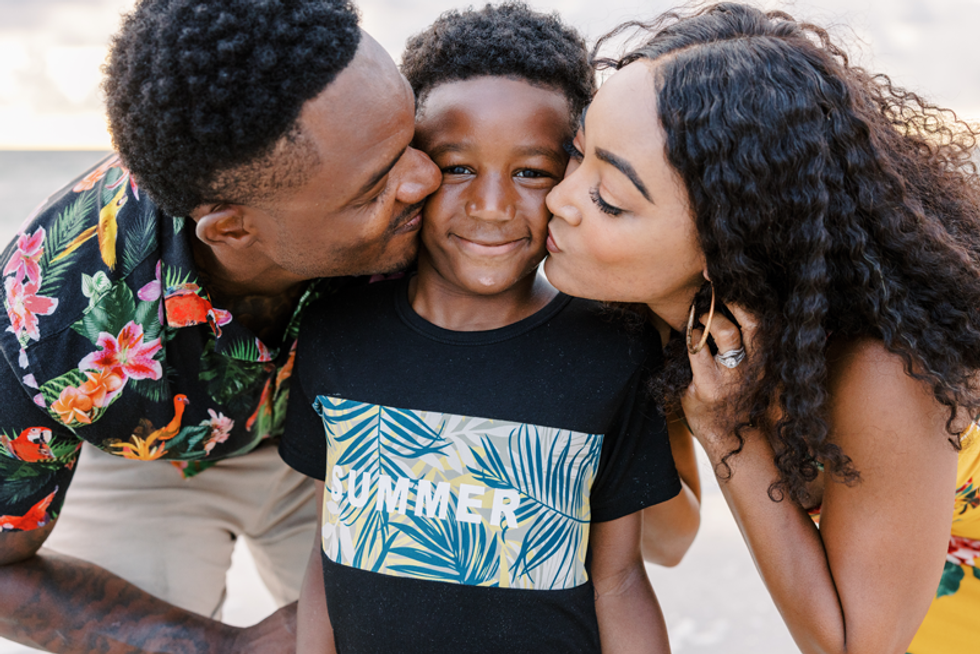 2023 (Jommy Photography)
There were some bright moments during that time. I was in remission for most of 2021 and 2022, and 2022 was one of the best years of my life. I got back into working out, doing Pilates, hanging with my friends and playing baseball with my son — it was wonderful. I was even able to go off treatment. But before that Christmas, cancer was found in the lymph nodes in my chest. My doctors wanted me to start treatment before Christmas, and I said I couldn’t. I had to have my perfect Christmas first. I’m glad I did, because it was wonderful.
I started treatment again in January 2023, and I have to continue treatment for the rest of my life. My regimen consists of three days of chemotherapy in the hospital and at home, and then I’m off for three weeks. I still stay busy as a chief administrative officer for a tech-focused startup. I work a lot and travel a lot — I had life goals before I got sick, and I’m determined to do my best to meet those goals. I’m 38 now, Cameron is 8, and I try to enjoy as much time with my family as possible.
I started sharing my story after going to a Colorectal Cancer Alliance event in 2019. At the dinner, they were asking people in the audience to stand up and share their stories. There were actors and dancers on stage who would act out whatever you were saying. It was very cool.
I was nervous, but I stood up and shared my story. People were clapping and coming up to give me a hug. There wasn’t a dry eye in the room.
To this day, no one knows why I developed colon cancer and why it happened during my pregnancy. Was it the rapid generation of cells that took place to grow a new human inside my body? That’s the only link I can think of, because I’m the only person in my family to have it. Because I had no family history or risk factors for colon cancer, I know my young age wasn’t helpful in getting an early diagnosis.
That’s why I always tell people to do your best to advocate for yourself with your healthcare providers because you don’t know what you don’t know. No doctor knows everything. Tell your doctor that you aren’t leaving that office until they look deeper into your issue because it’s your body, and you know best when something is wrong.
This educational resource was created with support from Daiichi Sankyo and Takeda.
Have a Real Women, Real Stories of your own you want to share? Let us know.
Our Real Women, Real Stories are the authentic experiences of real-life women. The views, opinions and experiences shared in these stories are not endorsed by HealthyWomen and do not necessarily reflect the official policy or position of HealthyWomen.
From Your Site Articles
Related Articles Around the Web
Physical decline associated with aging is not simply the result of getting older. In many respects, it’s a product of becoming less active as we age. Taking it too easy makes aging more debilitating than it needs to be. The human body is much better at repairing and maintaining itself when you keep it well conditioned through a program of regular physical activity, exercise, and good nutrition. This doesn’t change when you move into old age—in fact, the old adage “use it or lose it” is probably more true when you’re in your 60s and beyond than when you’re in your 40s. Slacking off on healthy habits (regular exercise and good nutrition) is the primary factor in age-related problems like excessive muscle loss, deteriorating bone density, declines in strength and aerobic fitness, and increased difficulties with balance and flexibility.
Muscle strength is important for women over 60 because it helps prevent falls, a leading cause of hospitalization. Getting stronger in your 60’s can help you live a longer, healthier life.
Women over 60 should focus on endurance, retaining muscle and bone mass, flexibility and balance. This can help you tone and trim your body, while reducing the risk of falling and injuring yourself. Cross training ensures that you use a variety of exercise types to meet your needs, and reduces the risk of injury — and of boredom.
In a study by Morganti et al., 20 women, all 60 years old, exercised twice a week for one year at 84 percent of one repetition maximum (RM). Performing an intense training regime, the women increased their strength in upper-body, lat pull-down by 77 percent, knee extension by 73.7 percent and double leg press by 35.1 percent. Although 40 to 50 percent of the strength gains were observed during the study’s first three months, improvements in strength were observed over the program’s entire 52 weeks.

If exercise is new to you, start slowly. Always start with warm-up exercises and end with cool-down exercises. Try for a total of ten, fifteen or twenty minutes a day and work up from there. On the other hand if you’ve remained active and continued to exercise through middle age, you probably know your body well enough to recognize your strengths, your natural limitations, and the areas where you should improve to better function in your daily life.
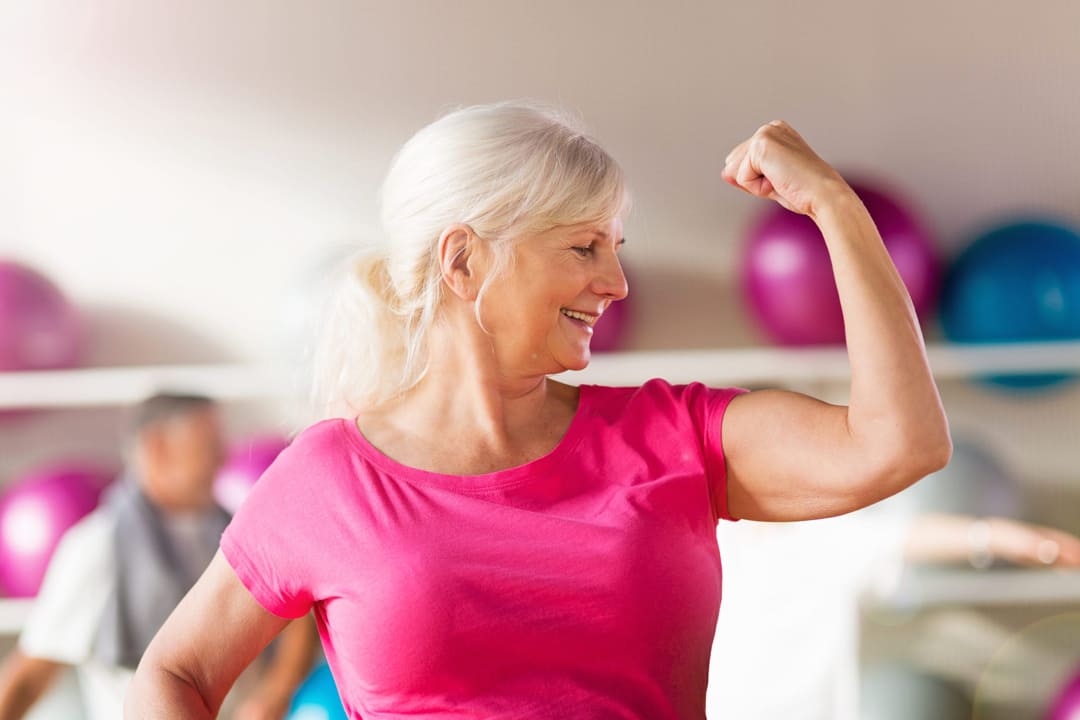
Note:- that the first several strength-training sessions should be closely supervised and monitored by a trained professional who is sensitive to the special needs and capabilities of the older adult.
Disclaimer
The Content is not intended to be a substitute for professional medical advice, diagnosis, or treatment. Always seek the advice of your physician or other qualified health provider with any questions you may have regarding a medical condition.
September is Pain Awareness Month
Paula* started feeling pain in her shoulder late last year. It started as an ache, but it wasn’t long until routine things like waving to a friend or putting on a sports bra were too painful to do.
She started having problems sleeping and paying attention at work because of the pain.
Paula was eventually diagnosed with a shoulder tear and said some days are worse than others — but the pain is always there. “I don’t remember what it’s like not to have the pain,” she said.
Paula is not alone: About 1 in 5 people living in the U.S. have experienced chronic pain. Research shows women and people assigned female at birth are more likely to have chronic pain than men, and women of color are less likely to be treated for pain compared to white people.
Living with chronic pain can affect all aspects of life and even change the way your brain works.
By definition, chronic pain is pain that lasts for more than three months. It can be constant — like Paula’s — or it can come and go.
There are many causes of chronic pain, including a past illness or injury that’s recovered from but the pain stays. Health conditions like rheumatoid arthritis, osteoarthritis, chronic migraine disease and temporomandibular disorders can be a cause of chronic pain. And some people have chronic pain for unknown reasons without any injuries or past illness.
Regardless of the cause, a growing body of research is showing how chronic pain affects the brain.
Read: After 14 Years of Chronic Pain, I’m Finally Embracing Pain Management >>
“Studies have shown that chronic pain can actually decrease gray matter in the brain,” said Puja Shah, M.D., an interventional pain management specialist and member of HealthyWomen’s Women’s Health Advisory Council.
Gray matter is the tissue in your brain and spinal cord that helps with important things such as learning, memory, emotions and movement — pretty much everything you need to perform everyday activities. So, a decrease in gray matter can lead to problems in related areas.
For example, one study found chronic pain led to a reduction in size and activity in the hippocampus — the part of your brain that is responsible for short- and long- term memory among other other things. Other research shows that chronic pain has a negative effect on the regions responsible for emotions and motivation. These changes can lead to personality shifts and feelings of anger and anxiety.
Chronic pain has also been linked to various health conditions dealing with the brain including:
Chronic pain can also alter areas in the brain responsible for cognitive function. “These alterations can cause difficulties with focus, learning and problem-solving, even when the pain is not at the forefront of that person’s experience,” said Jane Wigginton, M.D., medical science research director at the Center for Brain Health.
The presence of constant pain also has a big impact on mental and emotional health. “The emotional centers of the brain, like the amygdala and regions involved in emotional regulation, become more reactive under the constant pressure of pain,” Wiggington said. “This can lead to increased anxiety, frustration and feelings of hopelessness.”
Over time, chronic pain can reduce the brain’s ability to experience joy and pleasure, which can add to emotional problems.
Chronic pain and depression
The emotional wear paired with constant pain may make people living with chronic pain more vulnerable to mental health conditions like depression.
Chronic pain shares neural pathways with mood and reward systems in the brain, which explains why chronic pain has been linked to depression and substance use disorders.
“Persistent pain can disrupt the balance of neurotransmitters like serotonin and dopamine, which regulate mood, pleasure and motivation. This disruption can lead to feelings of depression, anxiety and a diminished sense of reward, making it more challenging for individuals to find relief or experience joy,” she said.
The fact that chronic pain is an invisible illness can also lend to feelings of loneliness, which can lead to social isolation and depression. Studies show that people living with chronic pain are more vulnerable to social isolation and, in turn, isolation can make symptoms of chronic pain worse.
Stress is another factor that can make chronic pain worse because it accelerates changes in brain function. Basically, the body releases cortisol, also called the “flight or flight” hormone, which can decrease the brain’s ability to manage emotions and pain. “Chronic stress may also make the brain more sensitive to pain signals, increasing both discomfort and emotional strain,” Wigginton said.
Shah said recent studies and advancements in medical imaging have helped put the spotlight on how chronic pain changes the brain. “It also shows that pain in and of itself is a true mind/body disease,” Shah said. “It’s validation that suffering is causing long-term damage.”
Read: Tech Solutions for Chronic Pain >>
There’s still a lot about chronic pain that we don’t know. But, we do know that women and men experience pain differently and women are more sensitive to pain overall compared to men. Wigginton said this is due, in part, to hormonal fluctuations. “These fluctuations, particularly during menstruation, pregnancy and menopause, can heighten pain sensitivity and alter the way the brain processes pain signals,” she said.
Shah noted that chronic pain isn’t necessarily about tolerance — chronic pain is a complex interconnected disease that feels different depending on the person. And there can be stigma surrounding chronic pain that can keep people from getting the help they need.
Read: Breaking Barriers to Pain Treatment >>
“Women are less likely to speak up when experiencing a chronic pain condition,” Shah said. “This is for many reasons, including cultural norms, difficulty in finding the space and time for women to prioritize their self-care and bias in the medical community regarding treatment for men versus women.”
Historically, women have been left out of clinical trials and the conversation surrounding chronic pain despite being more likely to be diagnosed with pain conditions compared to men.
The issue of chronic pain and treatment for chronic pain is personal to Shah. She had migraine attacks for years but said a mind/body approach including medication and aligning her posture has helped her have better control over her migraine attacks.
The first step, she said, is awareness. “Too often we diminish things to be normal when they’re not.”
Both Shah and Wigginton said brain-healthy habits such as reducing stress, practicing mindfulness and getting enough sleep and physical activity can help with the symptoms of chronic pain.
“It’s essential for women to know that they are not powerless in this process,” Wigginton said. “There are multiple pathways to improving brain health and well-being, and by understanding and addressing the brain’s role in pain, women can feel empowered to thrive in their lives, despite the challenges chronic pain may bring.”
From Your Site Articles
Related Articles Around the Web
World Heart Day is celebrated every year on 29 September to raise awareness about Cardiovascular disease (CVD).
The theme for World Heart Day 2024 is “Use Heart for Action”, focusing on encouraging proactive steps to improve heart health worldwide. This year’s campaign aims to:
The Seven health metrics and behavior
that are used to determine if a child’s cardiovascular health is poor, intermediate, or ideal include:
The American Heart Association recommends this eating pattern for families:
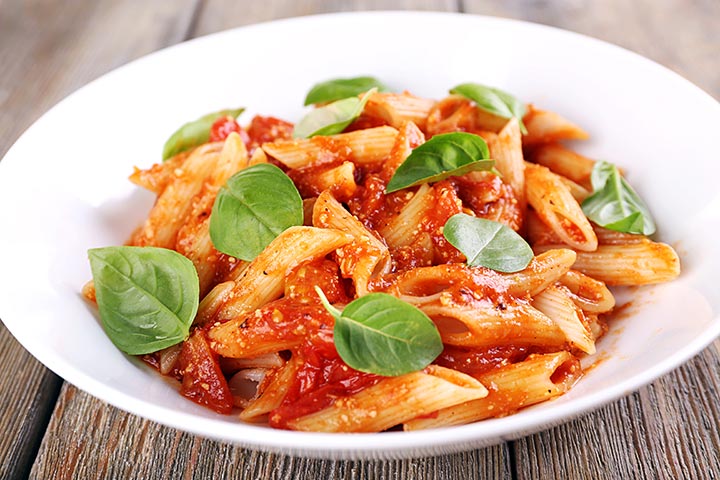
This eating pattern supports a child’s normal growth and development. It provides enough total energy and meets or exceeds the recommended daily allowances for all nutrients for children and adolescents, including iron and calcium.
Note that cardiovascular risk factors present during childhood are better predictors of future subclinical CVD development (ie, carotid intima-media thickness or coronary calcification) than cross-sectional comparisons performed during young adulthood.
This is no doubt a Wake-up Call.
Disclaimer
The Content is not intended to be a substitute for professional medical advice, diagnosis, or treatment. Always seek the advice of your physician or other qualified health provider with any questions you may have regarding a medical condition.