The main category of Fitness News.
You can use the search box below to find what you need.
[wd_asp id=1]
The main category of Fitness News.
You can use the search box below to find what you need.
[wd_asp id=1]
Heart disease is the #1 killer of women in the U.S.
What is heart disease?
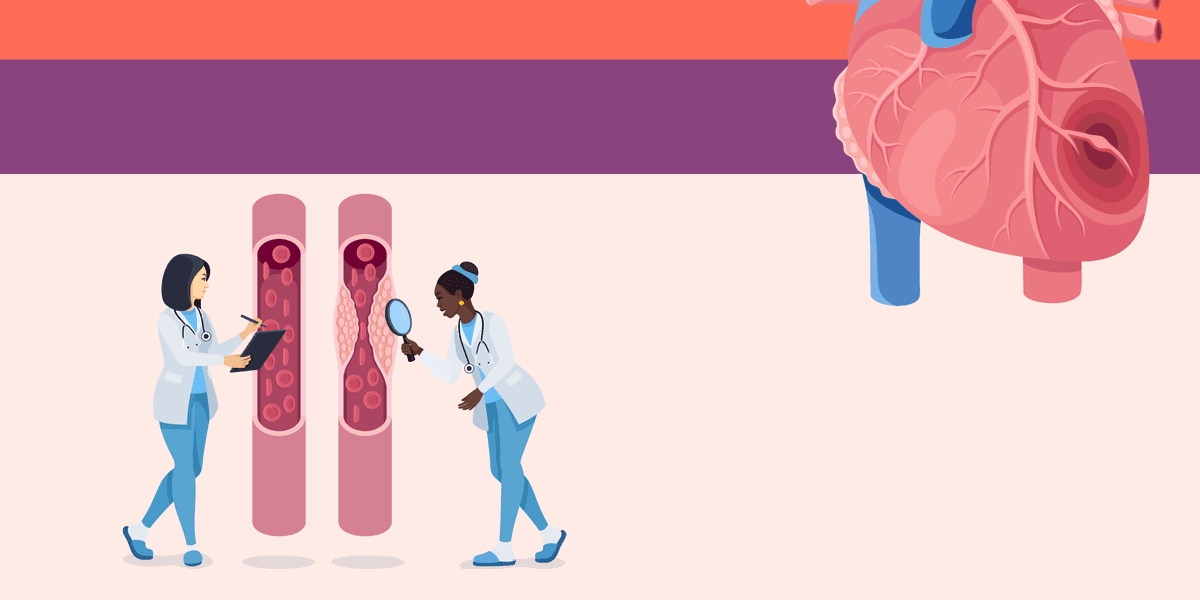
Heart disease includes many different conditions that affect the heart and its structures, like veins and arteries.
The most common type of heart disease in women is coronary artery disease
What increases your risk for heart disease?
Knowing your risk factors for heart disease can help you manage them with your healthcare provider.
Medical conditions
High triglycerides
Low HDL (“good cholesterol”)
High blood pressure
Endometriosis
Polycystic ovary syndrome (PCOS)
Obesity or overweight
Chronic kidney disease
HIV/AIDS
Inflammatory or autoimmune conditions
Diabetes
Preeclampsia (high blood pressure while pregnant or postpartum)
DYK?
High triglycerides are linked to clogged arteries (atherosclerosis) , which may lead to cardiovascular problems such as heart disease, stroke and heart attacks.
Being over 65
Being biologically female
Using hormonal birth control
Menopause
Race & ethnicity
The risk of dying from heart disease, from highest to lowest
Non-Hispanic Black people
Non-Hispanic white people
Hispanic and Latina people
Non-Hispanic white people
Asian or Pacific Islander people
Lower income & education levels or living in a rural area
People with lower education and income levels or people living in rural areas are less likely to have access to preventive health screenings, healthcare providers and medications that can help lower heart disease risk
Lifestyle factors
Family history
Some people have a higher genetic risk of heart disease.
Talk to your doctor about your risk if you have family members who have had:
Medicine matters
Taking prescription medication can help reduce your risk of heart disease, especially if you’ve already had a heart attack or stroke.
Cholesterol & triglyceride medications, like statins and pure EPA omega-3s like IPE
Blood pressure medications, like ACE inhibitors and beta blockers
Diabetes medications, like metformin and GLP-1 agonists or SGLT2 inhibitors
Blood thinners, like aspirin plus rivaroxaban
Reduce your risk
Quit smoking, vaping or using tobacco
Limit alcohol
Maintain a healthy weight
Eat high-fiber foods like vegetables and fruit
Reduce stress
Manage your blood sugar
Be physically active
Get enough sleep
Take your prescribed medications
This educational resource was created with support from Amarin.
Most cholesterol tests will usually measure triglycerides, butthey aren’t a type of cholesterol. However, triglycerides are related to the two types of cholesterol: LDL and HDL. Like cholesterol, triglycerides are types of lipids (or fats) that travel through the blood to perform essential functions in the body. And, like LDL cholesterol, high levels of triglycerides can pose risks to heart health.
We reached out to New York cardiologist and member of the HealthyWomen Women’s Health Advisory Council Nieca Goldberg, M.D., to talk about what we can do to manage high triglycerides.
A standard lipid panel measures levels of total cholesterol as well as triglycerides, but this number is often overlooked. It shouldn’t be, because high levels of triglycerides raise the risk of heart attack and stroke by promoting atherosclerosis — the build-up of cholesterol and inflammatory factors — in the walls of the blood vessels that supply blood to the heart muscle. Very high triglycerides are also associated with inflammation of the pancreas (pancreatitis), which is another important reason to keep triglycerides in check.
There are no symptoms if you have high triglycerides. So, the first step is to get a lipid panel and ask about your triglyceride level. Borderline high levels are above 150 milligrams per deciliter (mg/dL), high levels are greater than 200 mg/dL, and very high levels are above 500 mg/dL.If the level is greater than 150 mg/dL, talk to your healthcare provider about the best approach to managing cardiovascular risk associated with any level of elevated triglycerides.
The first step to managing cardiovascular risk associated with elevated and high triglyceride levels is to look at what you’re eating. Alcohol, fats, simple carbohydrates and sugars can all raise your triglycerides. Instead of eating foods that are high in saturated fat, simple sugars and starches, eat a Mediterranean-style diet with complex carbohydrates — such as whole grains — and plenty of fruits, vegetables and healthy fats like omega-3. These are the types of fats found in fish, olive, canola or avocado oil. Diet and exercise leading to weight loss can improve triglyceride levels. It’s also smart to reduce your alcohol intake.
Oftentimes, if triglycerides are mildly elevated, a simple dietary change like eating more fish is sufficient, along with switching to a healthy diet and exercising more. However, if your levels are moderate to high, your doctor may order prescription-strength fish oil or omega-3s, which has higher levels of omega-3 fatty acids than over-the-counter dietary supplement options. Some of these prescription-strength fish oils contain omega-3 fatty acids called EPA (eicosapentaenoic acid) and DHA (docosahexaenoic acid), and others contain only a purified form of EPA called IPE (icosapent ethyl). All of these products will lower your triglycerides and may decrease your risk of pancreatitis, but they don’t all lower your risk for heart disease, heart attack and stroke. However, prescription-strength omega-3 with pure EPA, called IPE, has been proven in clinical trials to reduce your risk of cardiovascular disease when used with statins, drugs used to lower cholesterol.
Another medication called fibrates can lower triglycerides, but the most commonly used fibrates haven’t been shown to lower the risk of heart attack or stroke.
This educational resource was created with support from Amarin.
From Your Site Articles
Related Articles Around the Web
Taking a break from screens and digital devices like smartphones, computers, and social media, is digital detox.
While it offers many benefits, such as reduced stress and improved focus, one can face side effects, especially in the early stages of detoxing.
Withdrawal Symptoms:
Many people experience withdrawal-like symptoms during the initial phase of a digital detox, such as anxiety, restlessness, and irritability. This is similar to detoxing from habitual activity, as the brain craves the dopamine boosts associated with digital interaction.
Fear of Missing Out (FOMO):
People might feel a sense of anxiety or FOMO when they disconnect from social media and online communities. A concern about missing important updates, events, or social interactions can lead to discomfort.
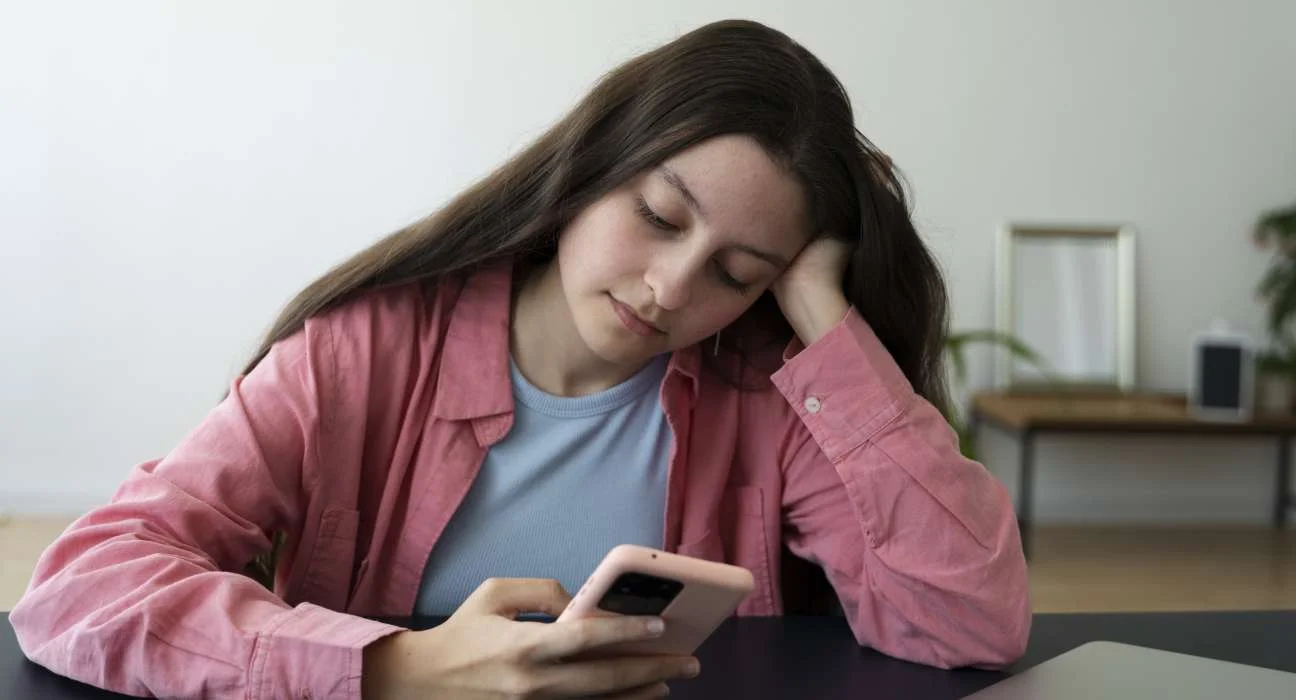
Social Isolation:
For those highly dependent on digital communication (texting, social media), a digital detox might initially make them feel isolated. They may feel out of the loop or distanced from friends and family.
Productivity Anxiety:
In work environments that rely heavily on digital tools, a digital detox can sometimes lead to anxiety about falling behind on tasks or missing important work communications.
Boredom:
Many people turn to digital devices for entertainment and to fill idle time. Without these devices, some may experience boredom or difficulty finding offline activities to occupy their time.
Difficulty Adapting:
In today’s world, much of daily life, including work, banking, and even socializing, occurs online. Initially, adapting to a life with fewer digital interactions may feel challenging or inconvenient.
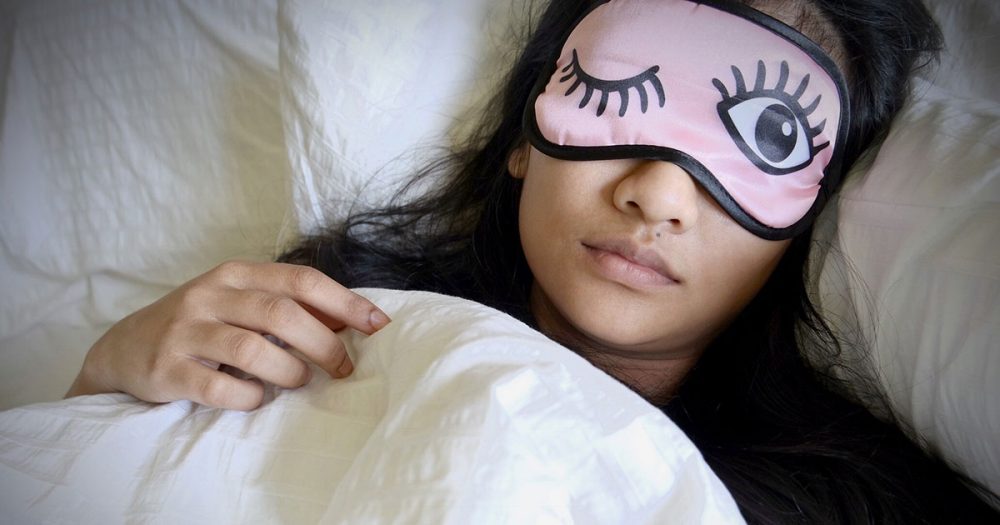
A digital detox is essential in today’s hyperconnected world for several reasons related to both mental and physical health.
Taking breaks from digital media can promote better mental health, increased productivity, and a more balanced lifestyle.
Disclaimer
The Content is not intended to be a substitute for professional medical advice, diagnosis, or treatment. Always seek the advice of your physician or other qualified health provider with any questions you may have regarding a medical condition.
Our expert guest, Loretta Erhunmwunsee, M.D., shares:
This educational resource was created with support from Daiichi Sankyo and Merck.
I know celebrities are not just like us, and it takes a lot of talented people to get a show-stopping glow like Perry’s. But when she recently gave props to red light therapy for her great skin — it was the ultimate celebrity secret I’d been waiting for.
Could it be true that all of us are just a red light away from Perry-perfect skin?
Well, not exactly. But research has found that red light therapy can help reveal smoother skin and reduce small lines and wrinkles. “It’s not going to be the effect of a facelift or give you the same kind of volume that you would get with filler — but your skin may feel more rejuvenated,” said Elizabeth Liotta, M.D., a board-certified dermatologist and member of HealthyWomen’s Women’s Health Advisory Council.
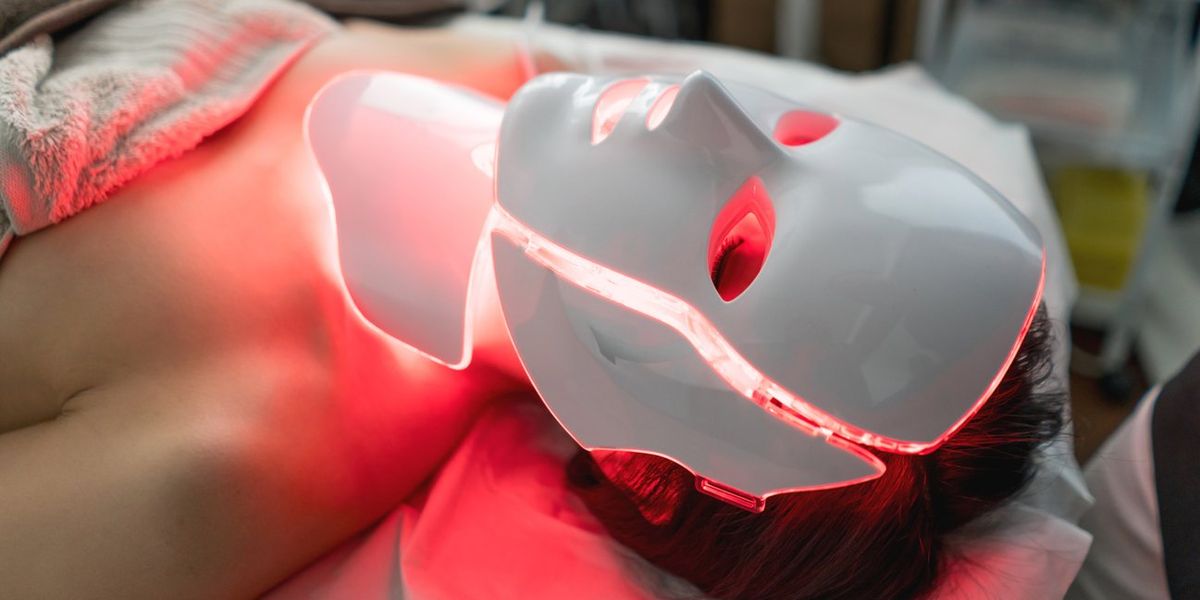
You’ve probably seen red light therapy advertised as a glowing wand, panel or mask on social media. Or if you followed NASA in the 1990s, you may remember when it made headlines as a way to help heal astronauts’ wounds.
Either way, red light therapy involves a device that shines LED (light-emitting diode) light onto skin. The low levels of red or near-infrared light help promote cell turnover for healing and can improve skin texture and tone overall.
“Data show that red light therapy increases collagen and blood circulation and decreases inflammation,” Liotta said.
In addition to the collagen boost for fine lines and wrinkles, red light therapy can be used on the face and body to help treat many skin conditions, including:
Red light therapy can also help with pain and promote healing for various health conditions. These can include:
Treatment for certain conditions such as skin cancer must be done in-office by your healthcare provider (HCP). But a big part of why red light therapy is so hot right now is because you can DIY at home.
Choosing a red light therapy device is the tough part. There are a lot of options out there. When looking at devices for your face, Lauren Fine, M.D., a board-certified dermatologist, recommended a mask over something smaller like a wand or razor-type device. “It makes more sense to get the mask unless you’re just focusing on one small part of your face,” she said. “The smaller handheld wands are harder to use and there’s more room for error.”
Whatever device you decide to go with, Fine said it’s important to look at the wavelength and nanometers. “For anti-aging purposes, if it’s not in the 600 to 630 [nanometers] range it’s going to be a waste of money — it won’t have that collagen stimulating effect.”
If you’re looking for something stronger or to help with recovery or pain in the body, wavelengths measuring 800 nanometers and above penetrate deeper into the tissue and can reduce inflammation.
If the device doesn’t list the nanometers at all, Fine said to find one that does.
When considering a specific brand, a little research can go a long way. The Food and Drug Administration has approved several red light therapy devices. You can also check with your HCP for a recommendation and read the online reviews before you buy a device. Liotta noted that you don’t have to get the most popular or the most expensive one to get results. “Some companies have great marketing but red light is really tried and true,” she said.
Many people can benefit from a little red light therapy, but there are a few things to keep in mind before you get your shine on. “In general, these treatments are overwhelmingly safe and gentle and effective, but some people are sensitive to the effects of heat on the skin. So, if someone is prone to dark spots or hyperpigmentation, I would be careful with using a full face mask,” Fine said.
Check with your HCP before trying red light therapy if you’re on medications that make you sensitive to sunlight or if you’re pregnant or going through radiation or chemotherapy.
Before using any red light device, Liotta said to read the directions carefully because they vary regarding timing and how many days a week you can use it. Keep in mind that your skin shouldn’t feel hot or burning when using a red light device. If that happens, don’t use it again.
Overall, if your skin needs a boost, RLT can be an easy way to give it some TLC. “It’s a little tweak and you can look a little tighter and a little brighter,” Liotta said.
From Your Site Articles
Related Articles Around the Web
A recent study (https://www.livescience.com/54796-short-workout-interval-training.html) found that a 10-minute interval training workout, which involved just 1 minute of total sprinting time, was just as good as a 50-minute endurance workout done at a moderate pace in terms of getting people fit.
Exercise snacking goes beyond the benefits of regular strength training and cardiovascular exercise. Intermittent exercise throughout your day will:
Studies have shown that regular physical exercise improves cognitive function. By inserting short bursts of exercise into your day, you’re not just giving your brain the break it needs to fire up and stay focused again. Your body is responding to psychological effects that promote cognitive health and an overall feeling of well-being.
When it comes to weight loss, science shows that it doesn’t matter when you get in your workout, it just matters that you do it. Participants in this study all lost weight regardless if they did their workouts as one longer session or in multiple sessions per day.
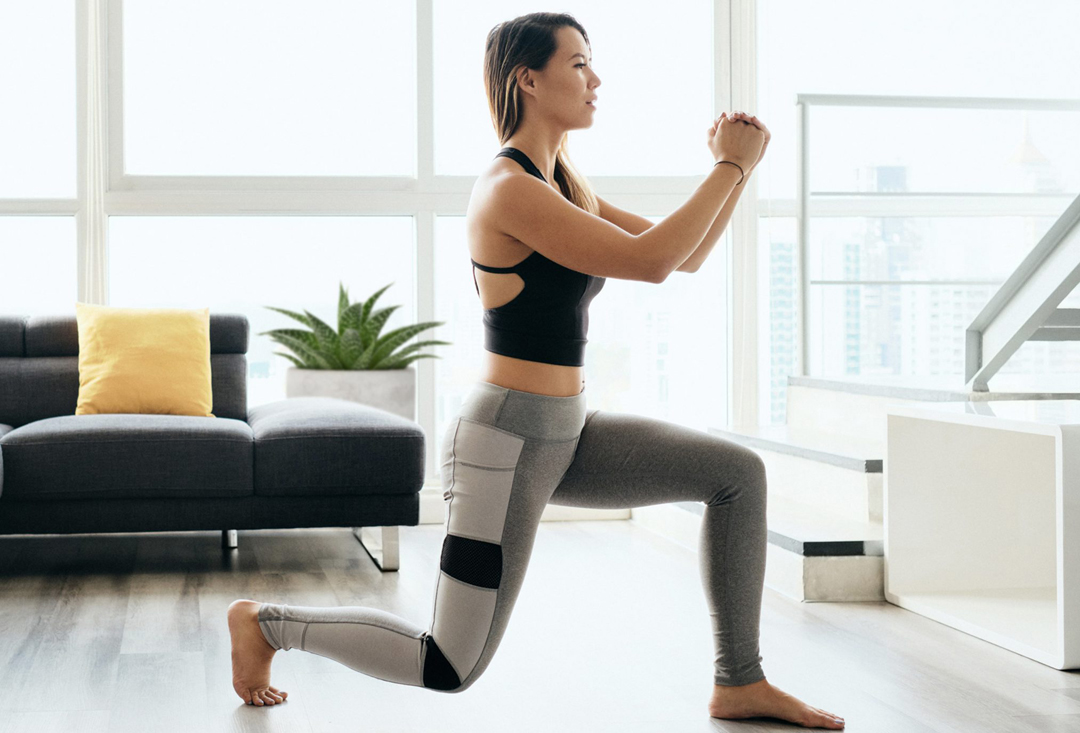
When you’re having one of those days, thinking about working out can feel like an additional layer of stress. We’ve all been there when we feel the clock ticking like we need to use every second towards checking off to-dos. However, short bursts of exercise can give you the relief you need to be able to push through a chaotic day, stay centered, and get everything done. Short bursts of exercise release endorphins, the feel-good hormone, put you back in the present moment and reduce levels of anxiety. Yes, please! Can we get a round of peace for the table, please?
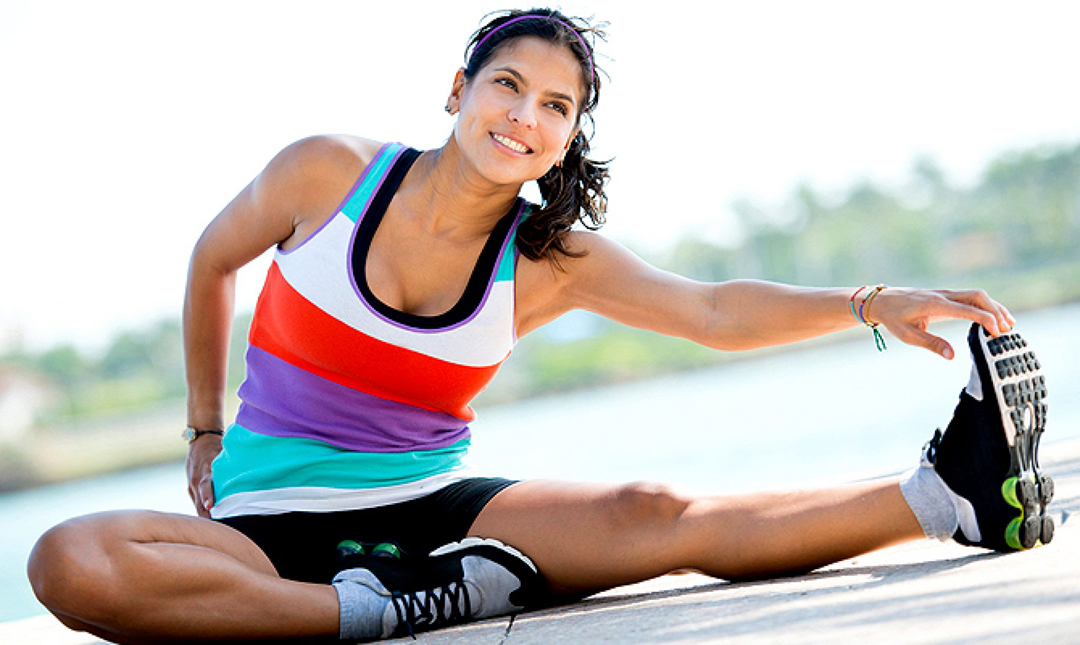
When you’re fatigued, exercising may not sound all that appealing. However, getting in a quick workout can actually give you the perfect energy boost. Even just ten minutes enhances blood flow and sends more nutrients to muscle tissue which gives your energy production an oomph.
Most of us are busy crushing other goals outside of fitness. But guess what — you can have everything you want, including a fit body and amazing, full life. Exercise snacking allows you to do the things you love and get in the exercise that will help you look and feel your absolute best.
This approach is particularly beneficial for those with busy schedules who find it hard to carve out a full 30-60 minute workout. However, for significant weight loss, it’s important to pair exercise snacking with a calorie-controlled diet.
Disclaimer
The Content is not intended to be a substitute for professional medical advice, diagnosis, or treatment. Always seek the advice of your physician or other qualified health provider with any questions you may have regarding a medical condition.
Incorporating anti-aging supplements (such as Masi’s supplements), planned nutritional habits, and mental exercises are some of the problems that seniors encounter in the quest for longevity.
Yoga
Yoga plays a vital role in seniors’ longevity and improves sleep quality. On average, people should sleep for 7-9 hours daily. Sleep helps repair tissues, facilitates brain function and emotional/mental well-being, improves cardiovascular health, and boosts the immune system.
Research has also proven that adequate sleep reduces mortality risk.
Yoga can improve telomerase, an enzyme that forms protective caps on the ends of chromosomes. Telomerase helps preserve cells from dying and is an anti-aging enzyme.
Research has also shown that yoga improves flexibility and strength in seniors, reducing the risk of falling injuries. Furthermore, yoga reduces systematic inflammation. Systematic inflammation affects the entire body and can lead to various diseases, including cancer, neurological diseases, cardiovascular problems, and aging. It can also damage tissues and organs, reducing the quality of life.
Nutrition
Balanced diets are rich in fruits, vegetables, omega-3 fatty acids, and whole foods. They support healthy aging and facilitate longevity. Protein helps to maintain muscle function, while omega-3 fatty acids promote the functioning of the heart and brain. Some foods that can be focused on to boost longevity include vegetables, fruits, whole grains, nuts, and avocado, among others. Furthermore, adequate hydration and limiting sugary drinks are instrumental in maintaining a quality life.
Supplements
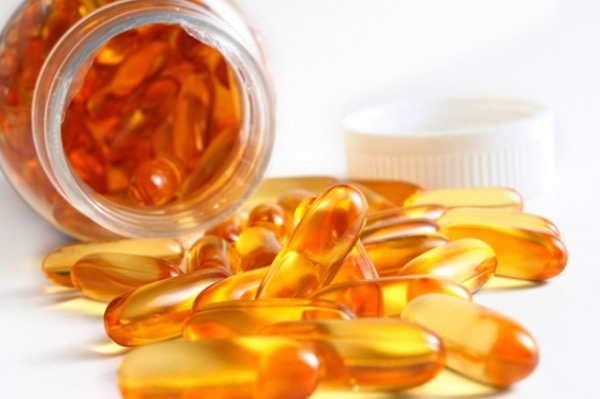
Published research has shown that some supplements benefit seniors’ longevity. Vitamin D supplements rank highly among these supplements because they boost the immune system and reduce the risk of diseases that can manifest with age. Vitamin K2 supplements are both essential for bone and cardiovascular health. Turmeric contains antioxidant and anti-inflammatory components, which are necessary for healthy living. However, it is pertinent to consult a healthcare professional or doctor for the best supplements without adverse effects on human health.
The combination of yoga, nutrition, and supplements has a lasting impact on longevity among seniors. From physical, mental, and health benefits, these techniques can help to increase the quality of life.
Improved Cognitive Function
These techniques have a lasting impact on the human brain. They help with decision-making, problem-solving, speech, and social interaction, all of which can affect the longevity of seniors.
Functional Immune System
Combining yoga, supplements, and nutrition can also boost the human immune system, which helps the body fight against diseases and sicknesses, which can affect the life span of senior citizens. Age-related diseases account for the majority of deaths among seniors. Boosting the immune system gives seniors a higher probability of longevity.
Cardiovascular Benefits
The heart is a critical component of the human body. Heart failure and related diseases affect the majority of seniors. Combining these techniques keeps the heart in shape, instrumental in increasing the quality and span of life.
Stress Management
These techniques have been proven to have a direct effect on stress management. Stress can lead to physical impairments, disrupted sleeping patterns, emotional and mental problems, and other issues that can affect seniors’ lives. Effective stress management is pivotal to enhancing seniors’ longevity and an important tool for promoting emotional and mental well-being.
Positive Attitude
Combining these techniques helps individuals adopt positive attitudes and behavior and prevents them from making decisions that can negatively impact their lives. Some of these negative attitudes include excessive alcohol intake, smoking, etc., which can affect longevity.
Improved Sleep Quality
Applying these techniques is vital to boosting individuals’ sleep quality. Numerous studies have linked sleep quality to longevity. Sleep is essential for the body, facilitating tissue repair and maintaining mental and physical coordination, among other things.
Prevention of Chronic Diseases
One critical impact of combining yoga, supplements, and nutrition is the prevention of chronic diseases. These conditions persist over time and are characterized by long duration. Some of these diseases include arthritis, liver diseases, kidney diseases, Parkinson’s diseases, Alzheimer’s, autoimmune disorders, and neurological disorders like stroke, peripheral neuropathy, and epilepsy.
Improved Physical Function and Mobility
Combining these techniques can have a lasting impact on the human body, ensuring flexibility and movement and keeping the body physically fit. Physical fitness can increase respiratory, cardiovascular, and neurological fitness, which has a lasting impact on the longevity of seniors.
Many factors can affect longevity, including genetics, diet, poor exercise, excessive stress, toxic addictive habits, sleep, social connections, interpersonal relationships, and positive attitude. However, combining yoga, supplements, and nutrition is vital in enhancing longevity and the quality of life among senior citizens. All these should be combined with regular health check-ups to determine individuals’ health status, influencing adopted personal plans. Furthermore, supplements should be run through a health professional to ensure they have no adverse impact on the human body.
Disclaimer
The Content is not intended to be a substitute for professional medical advice, diagnosis, or treatment. Always seek the advice of your physician or other qualified health provider with any questions you may have regarding a medical condition.
The viral trend has more than 40 million views on TikTok and celebrities like Gwyneth Paltrow (who also sells mouth tape on her website) swear — er, sniff? — by it.
To get down to the mouth-breathing basics, we asked Smita Patel, D.O., an integrative neurologist and sleep medicine physician who is a member of HealthyWomen’s Women’s Health Advisory Council, what you need to know about mouth taping for sleep.
Mouth taping involves applying a piece of tape over your lips at night to keep your mouth closed while you sleep. This essentially forces you to breathe out of your nose throughout the night.
The theory is that forcing yourself to breathe through your nose can help you sleep better because mouth breathing during sleep can have negative effects on your health, like causing:
However, Patel noted that there’s not much evidence to back up the theory. “There are few studies on mouth taping, and it has not been proven to treat any health issue effectively,” she said.
In addition to stopping mouth breathing, its bright-eyed supporters say mouth taping can also help reduce snoring. And one very small study from all the way back in 2015 did find that participants snored less after mouth taping.
But snoring that gets in the way of sleep can be a sign of obstructive sleep apnea, a serious sleep disorder where you repeatedly stop breathing during the night. “In the case of obstructive sleep apnea, taping the mouth shut could exacerbate breathing problems, especially for those with nasal congestion or obstructions,” Patel said. “And while it may reduce snoring, mouth taping can potentially worsen sleep apnea by making breathing more difficult.”
If you’re a nocturnal mouth breather, waking up drool-free is the dream. And it’s tempting to turn to an easy fix like a piece of tape to get quality ZZZ’s. But in addition to the lack of long-term research on mouth taping, there are other downsides to consider.
The side effects of mouth taping can include:
Mouth taping can severely affect the ability to breathe for people with nasal congestion, allergies, colds, sinus infections or structural issues like a deviated septum. So, if you have any of those conditions, steer clear.
Also, people with severe heart or lung problems, a BMI over 35 and anyone taking sedatives or drinking alcohol are not advised to try mouth taping.
Patel said healthcare providers generally advise against using mouth taping as a DIY solution for sleep issues because it may worsen sleep apnea by making breathing more difficult. And, of course, the lack of scientific evidence that it actually works.
Thankfully, there are a few things you can try that don’t involve taping your mouth shut. For one, science says sleeping on your side can help with snoring. And you can reduce mouth breathing and increase nasal breathing at night by using over-the-nose strips that help open your passages and make it easier to breathe.
Mouth taping for sleep may not be the best idea. But mouth taping other people during holiday parties? That’s the dream.
Related Articles Around the Web
Head and neck cancer is cancer in the head or neck region.
Head and neck cancers make up about 4% of all cancers in the United States.
Men are more likely to get head and neck cancer, but it’s also seen in women and never smokers.
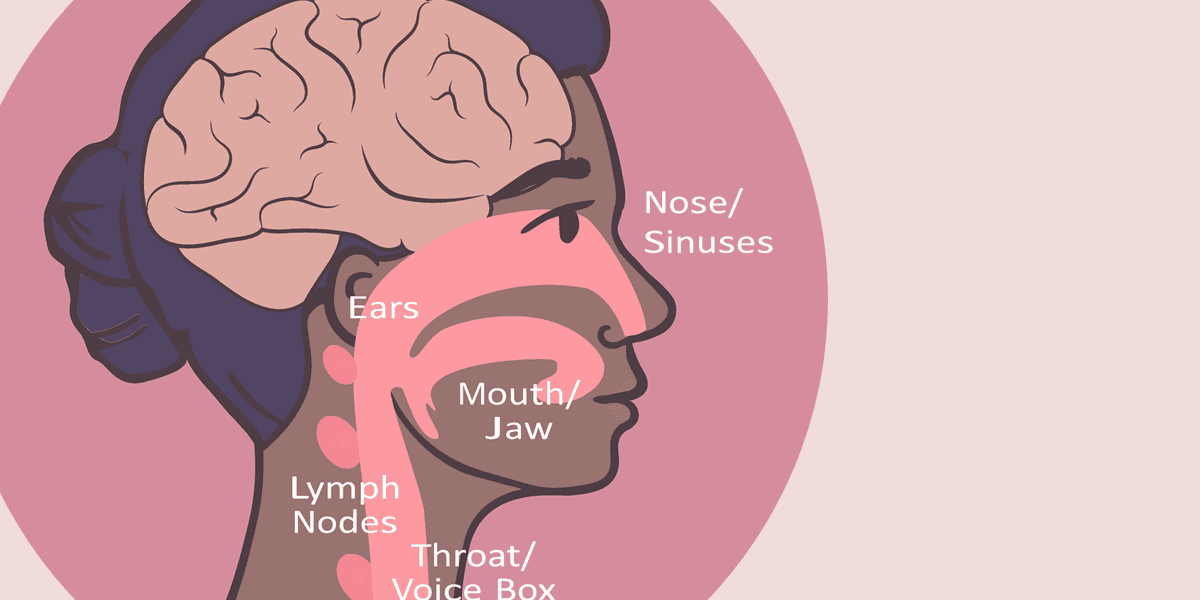
There are several different locations where head and neck cancer can occur.
Voice Box (Larynx)
Laryngeal cancer = the voice box (larynx)
Throat (Pharynx)
Hypopharyngeal cancer = the lower throat (next to and behind your voice box)
Oropharyngeal cancer = the middle section of your throat, including your tonsils, soft palate and back of tongue
Nasopharyngeal cancer = the space behind your nose
Mouth
Oral cancer = the mouth, cheeks, lips, front of your tongue and the roof of mouth
Nose and sinuses
Nose (nasal cavity) = the openings behind the nostrils
Sinus (paranasal sinus) cancer = the air-filled spaces around or near the nose
Salivary glands
Salivary gland cancer = the salivary glands, the organs in your mouth and throat that produce saliva
Neck
Head and neck cancers can spread to the lymph nodes in the neck, causing a mass.
Catching head and neck cancer early is important. The survival rate of people with stage 1 or stage 2 head and neck cancer is between 70% and 90% .
If you have questions about head and neck cancer, talk to your healthcare provider.
This educational resource was created with support from Merck.
When actress Olivia Munn, 43, posted on Instagram that she’d been diagnosed with an aggressive form of breast cancer, she not only received an outpouring of support, she used her celebrity status to raise awareness about the little known test that saved her life.
The year before, Munn was checking health tests off her list before heading to Germany to film a new sci-fi movie. She had her yearly mammogram and even had genetic testing for the BRCA mutation. Both tests came back clear. But when her doctor took the extra step of using the Breast Cancer Risk Assessment Tool (BCRAT), which asks a series of questions about family history and reproductive health, Munn’s risk was 37%. This was high enough for her doctor to recommend the MRI that detected her cancer.
Munn’s life plummeted into an unexpected nightmare and, instead of heading to Germany, she had four major surgeries in a 10-month period including a double mastectomy, a lymph node dissection, reconstructive surgery and a nipple delay procedure. In February 2024, she had her ovaries and uterus removed to keep the cancer from returning.
When Munn went public with her cancer journey, she credited her doctor’s use of the BCRAT for the early detection. “I’m lucky. We caught it with enough time that I had options. I want the same for any woman who might have to face this one day,” she posted on Instagram.
According to Mary Jane Minkin, M.D., a gynecologist at Yale New Haven Hospital and member of HealthyWomen’s Advisory Council, women should get a mammogram every year beginning at age 40. However, as was the case with Munn, getting a mammogram isn’t always enough.
“Mammograms miss 10 to 15% of cancers. They are not the be all and end all of breast health. This is where the Risk Assessment Tool comes in handy,” said Minkin, who explained that if you catch breast cancer early, as Munn did, the survival rate is very high.
The BCRAT uses a woman’s personal information to estimate the risk of developing invasive breast cancer over the next five years and up to the age of 90. “It basically makes sure that people who are at a higher risk are getting tested regularly,” Minkin said.
According to the National Cancer Institute, the tool assesses:
“Being female is the biggest risk. The older we get, the higher the risk,” said Minkin. But there are many other factors to take into consideration. “If you were 9 or 10 when you started having periods, you’re at higher risk than somebody who started having periods at age 15,” she explains.
The amount of children you have and the age you have them can also contribute to your risk. Having children before the age of 35, and having multiple children, reduces your risk.
Genetics plays a role, too. The more first-degree relatives — your mother, daughters or sisters — who have been diagnosed with breast cancer, the higher your risk.
The more breast biopsies you’ve had, the more elevated your risk as well. Even if the biopsies are negative, the fact that they were needed suggests that there is something suspicious going on in the breast.
The BCRAT, which is available both online and at your healthcare provider’s office, tallies all your information and provides a risk assessment score. People with a score of over 20% should have yearly mammograms and breast MRIs beginning at age 30.
While the BCRAT can save lives, it does have limitations. The tool is not a replacement for genetic testing and cannot accurately detect risks for women carrying BRCA1 and BRCA2 mutations. It also can’t assess risk for women who have a previous history of breast cancer.
According to the Susan G. Komen Foundation, the tool measures group risk, not individual risk. This means that it provides the average risk of breast cancer for a group of women with similar risk factors, so it cannot predict if any individual woman will get breast cancer.
The BCRAT also doesn’t use all the established known risks for breast cancer, such as smoking, diet and obesity, which can limit its predictions.
The original model only used data collected from white women but can now estimate risk for Black women, Asian and Pacific Islander women, and Hispanic women. However, it may not accurately assess other racial and ethnic groups.
If you use the online tool, discuss the results with your healthcare provider to make sure you’re reading it correctly. If you’re high risk, find an expert you trust who will advocate for you to get the appropriate testing and the care you need.
If you score high on the BCRAT, that doesn’t mean you need a mastectomy. “There are medications that can be used to lower risk and things that people can do on their own,” Minkin said. Cutting back on alcohol, getting regular exercise, maintaining a healthy weight and not smoking can all help. “No matter what your risk is, be aware of what you’ve got going on in your breasts.” If you see any changes, don’t ignore them.
This educational resource was created with support from Daiichi Sankyo and Merck.
From Your Site Articles
Related Articles Around the Web