The main category of Fitness News.
You can use the search box below to find what you need.
[wd_asp id=1]
The main category of Fitness News.
You can use the search box below to find what you need.
[wd_asp id=1]
As told to Nicole Audrey Spector
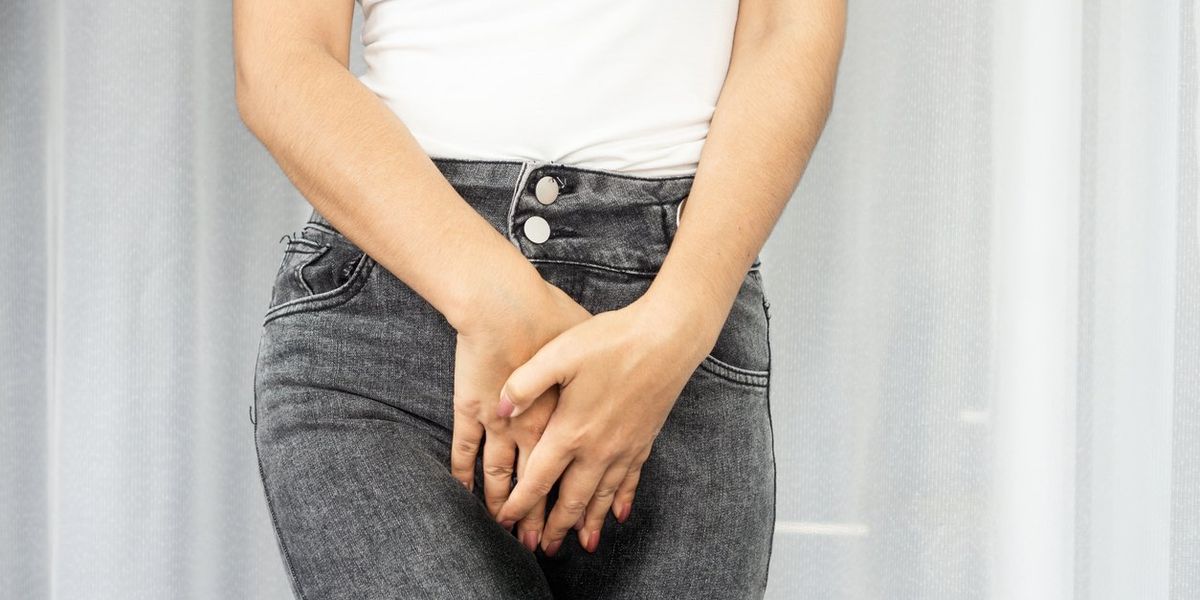
I’m small in stature. But you wouldn’t guess that I’m a petite woman if you went only by my sneeze, the sound of which resembles the war cry of a goose. And observers don’t get to hear just one sneeze. They’re met with at least a few — one after the other. A proper gaggle.
My mom has the same loud sneeze, and as a kid, I’d make fun of it — not so much the chandelier-rattling sound that went with her achoos, but the side effects of her sneezing.
Every time my mom had a sneezing fit, she peed herself. It wasn’t a secret.
“Oh, god, I peed!” she’d scream, then gallop to the bathroom, laughing. The same would happen when a coughing fit befell her. “I peed!!!”
She never seemed to be embarrassed, but I was embarrassed for her.
Now, at 41, I can relate to what my mother has been going through.
When I sneeze or cough, I often pee a little. Sometimes more than a little, if I already “have to go.”
Bladder leakage is a fairly new issue for me. It started after I gave birth to my son, Timothy, in 2022. It was my first time carrying a pregnancy full-term. And my first time having a creature with a head in the 100th percentile vacuumed out of my birth canal, after said head got stuck.
After having Timothy, it took a couple days for me to pee on my own. For the first day, I had a catheter. The second day, I walked to the bathroom by myself and sat on the toilet for what felt like a million minutes, unable to feel anything south of my belly button. It was important, a nurse said, that I pee on my own, without the catheter. When I finally achieved this, my nurse clapped for me. I cheered along, even though I really couldn’t feel the urine coming out, and surely couldn’t turn the stream off and on like I’d been able to before.
When I was released from the hospital after the standard 48 hours, I was sent home with a stockpile of hospital-issue mesh underwear and pads seemingly designed for elephants.
I thought the pads were just there to capture the discharge that would spill out in the first few postpartum days, but it turned out they were catching urine, too, as many a too-late, too-soiled trip to the bathroom revealed.
“A little urinary incontinence after a vaginal birth is normal,” my OB-GYN told me in an email, after I pinged her about two weeks later. I’d emailed her asking about whether the bladder leakage was to be expected.
I told my friend, Sophie, a yoga teacher who does a lot of great work with pregnant and postpartum women about the bladder leakage.
She told me I probably had a pelvic floor injury and she told me to go to a pelvic floor therapist “sooner than later” to address the problem.
Instead of consulting with a pelvic floor therapist as she advised, I did nothing.
Looking back, I think I was really just too tired to believe that anything was wrong or unusual. What’s more, I didn’t feel like “me.” I felt like an alien had taken host in my body. I was a total mess, and I just didn’t want things to be messier than they already were by bringing some certified expert into the mix to be like, “What a mess!”
This was nearly two years ago. The bladder leakage has lessened from what it was right after giving birth, but it’s not gone away. Not at all. What has gone away, however, is my shock about it. I’ve gotten used to peeing a bit when I sneeze, cough or even, sometimes, laugh.
Though I never leak to the extent that I saturate myself completely, I do dribble, and this is enough to motivate me to bring a spare pair of underwear in my bag when I go out. If I leak, I usually just throw out the soiled pair and change into the fresh ones.
It’s not an ideal solution (it’s bad for both the planet and my wallet), but I have yet to come up with something better. Unlike my mother, I don’t find peeing myself particularly humorous. It’s embarrassing, especially when I’m out in public.
And I still wonder, “Is this normal?”
I’ve talked with other moms who’ve had vaginal births, and they all say they can relate. They usually pee a little when they sneeze, cough or laugh a lot, too. Additionally, I recently learned that up to 1 in 2 women experience urinary incontinence.
Does the fact that bladder leakage is so common among women make it “normal”? Is there anything I can do to make this stop? I’ve tried Kegels, per the advice of Sophie and many mom blogs, but I have no clue if I’m doing them correctly and they have yet to make any difference that I can feel.
I’ve reached a breaking point: I need to know if bladder leakage is just a way of life for women like me. Right now, I’m looking for a pelvic floor therapist, and, honestly, wishing I’d done so sooner.
In the meantime, I’m going to explore products like pads or disposable underwear to make urinary incontinence less of a hassle. Throwing panties out in restaurant bathrooms isn’t a good long-term solution — nor is feeling bad about myself all the time
*Names have been changed for privacy.
Resources
National Association for Continence
This educational resource was sponsored by Poise, a brand of Kimberly Clark.
Have your own Real Women, Real Stories you want to share? Let us know.
Our Real Women, Real Stories are the authentic experiences of real-life women. The views, opinions and experiences shared in these stories are not endorsed by HealthyWomen and do not necessarily reflect the official policy or position of HealthyWomen.
Related Articles Around the Web
Ingredients:
Garnish :
Directions:
Nutritional Benefits:
Why I Recommend It: This taco is a fantastic way to enjoy a protein-packed and flavorful meal that’s also heart-healthy and satisfying.
Ingredients:

Directions:
Nutritional Benefits:
Why I Recommend It: Jackfruit’s meaty texture makes it an excellent plant-based alternative, and the combination of flavors in this taco is vibrant and refreshing.
Disclaimer
The Content is not intended to be a substitute for professional medical advice, diagnosis, or treatment. Always seek the advice of your physician or other qualified health provider with any questions you may have regarding a medical condition.
Pelvic floor muscles are like other muscles in your body in the way that they can get weaker over time. Age, childbirth, health conditions and injury can put strain on the pelvic floor which can lead to problems such as bladder leakage and prolapse. But you can strengthen pelvic floor muscles which can help with a range of symptoms and problems. “Just like you would go to an exercise class, you should go to pelvic floor physical therapy,” said Robyn Faye, M.D., an OB-GYN and member of HealthyWomen’s Women’s Health Advisory Council.
Faye noted that pelvic floor physical therapy can also help with pelvic muscles that are too tight (hypertonic) which can cause difficulty peeing and painful sex. “I’m a real proponent for a pelvic physical therapist because they do so much work and help so much with [things like] painful intercourse,” Faye said.
Read: Your Pelvic Floor. What Is It Good for? >>
If you’re having problems with your pelvic floor, here’s what you need to know about pelvic floor physical therapy.
Pelvic floor physical therapy is a specialized form of physical therapy that helps strengthen, relax, rehabilitate and train your pelvic floor muscles.
Depending on your symptoms, therapy can include:
Pelvic floor physical therapists are licensed to perform both internal pelvic exams and external physical exams to determine the plan for treatment.
Pelvic floor physical therapists can work to help relieve symptoms for many pelvic floor issues. These can include:
Read: Prolapse Changed My Life for the Better >>
Pelvic floor therapy may also be good for people planning to have children before, during and after pregnancy to keep muscles strong.
It’s a good idea to talk to your healthcare provider (HCP) before looking into physical therapy for the pelvic floor. You may need a referral depending on your insurance plan and where you live.
During the first visit, you’ll sit down with the physical therapist to talk about your medical history, symptoms and your goals for treatment. A physical exam will be done to look at your spine, pelvis, hips, abdomen, posture and breathing.
Your physical therapist may want to perform an internal pelvic floor exam to gauge muscle, strength or coordination problems. Note: This usually requires a gloved finger in the rectum or vagina.
If you’re not comfortable with the exam, you don’t have to do it. Talk to your physical therapist about other options or ways you can move forward without the internal exam.
You and your physical therapist will create a plan. The amount of time and how many sessions are needed vary per person and depend on your goals.
The in-office exercises can range from stretching to core and joint exercises to massage. And you may have homework like Kegel exercises to do at home.
Pelvic floor physical therapy is becoming more widely known, but not all insurance companies cover it. If you’re interested in pelvic floor physical therapy, check with your insurance company before you make an appointment.
From Your Site Articles
Related Articles Around the Web
As told to Jacquelyne Froeber
A few years ago, I was at home when I had the urge to pee. I made my way to the bathroom, but about halfway there, I started to go. I picked up the pace but some of the pee didn’t make it into the bowl. I was surprised — and thankful I was home! I chuckled and brushed it off. I must’ve waited longer than I thought to go. But I also felt uneasy.
I’m not exactly a stranger to bladder leakage. I was in a terrible car accident when I was a teenager and had multiple pelvic fractures and a ruptured bladder in addition to other injuries. I was in a coma for a while, but my body healed and I went back to the sports I enjoyed before the accident. During my first track meet after my recovery, I was rounding the quarter-mile and pushing myself to stay ahead of the pack when I felt a warm sensation begin to spread down my legs. It wasn’t long before my maroon shorts were soaked. Each stride solidified that I’d peed myself in front of the entire school. I was mortified.
That experience taught me an early lesson about my body and bladder leakage: pushing my body could end up in humiliation. I would never run again. I wouldn’t even look at a trampoline. But I learned that I could do less stressful physical activities, like biking and walking, and I’d be fine.
I put the peeing incident behind me and went about my life relatively leak-free. Years later, I gave birth to two boys, both C-sections, and never had a problem with my bladder. I continued my active lifestyle and laughed and sneezed with reckless abandon into my 40s.
And then things started to change. Like many women in perimenopause, my body is changing. I was hoping that one bathroom incident was no big thing. But it happened again the next month, and gradually, I started to leak before I made it to the bathroom more and more frequently.
My job made this an even bigger problem. I do in-home healthcare, so I’m always in the car driving from one place to the next. I’m not really supposed to use the bathroom at people’s homes, so I have to rely on finding a gas station or a fast-food restaurant where I can sneak in without buying something — which makes me feel bad, but if I had to buy something every time I had to pee, I’d be broke.
Since I don’t have the freedom to just use the bathroom if I have the urge, I have to hold it. But these days the urge means I have seconds, not minutes, before a leak.
This has led me to wearing bladder leakage pads most days because sometimes getting to a gas station — or any restroom — just isn’t possible. Also, I know I’m just one sneeze away from a leak, so pads help me feel less stressed about work and whenever I leave the house.
Back in the day, after the track meet incident, I went to see a urologist to assess my bladder leakage, which is technically called urinary incontinence, and to find out if there was anything I could do to help the situation.
He told me to train my bladder by pushing out the pee — hard — and stopping the flow midstream. All these years later, I’ve been pushing and pushing thinking I was strengthening my pelvic floor muscles, but it turns out the jury’s out on whether that’s the best thing to do.
My current OB-GYN encouraged me, instead, to relax and let the pee dribble and flow naturally without aggressive pushing. This is tough because it’s the opposite of what I’ve been doing since I was a kid. But I’m trying.
My OB-GYN also told me that people who have abdominal surgery are more likely to have bladder leakage. Since I had abdominal surgery after the car accident and two C-sections, that’s a triple whammy for me. And age probably has something to do with it, too.
Since my urinary incontinence has gotten worse lately, I started pelvic floor therapy a few weeks ago. There, I work on strengthening and engaging my muscles with a pelvic floor therapist.
To help manage symptoms, I make sure I don’t drink an excessive amount. But a girl’s gotta have some fun. I still have my coffee in the morning, even though it’s an irritant to the bladder. (Tip: Drinking a glass of water with it can make it less irritating.)
Pretty much everything about bladder leakage is, in fact, irritating.
I’m a single mom, so I’m tired a lot of the time and I don’t always want to be thinking about what I’ve been taught about bladder health. I don’t always want to wait two hours to get full bladder expansion. And I don’t want to have to relax my pelvic muscles when I’m in a restroom at a gas station. Sometimes, I just want to push, go and get the hell out of there.
And sometimes I do that. But most days I do try to honor my bladder. I hope the pelvic floor therapy helps. Until then, I won’t feel comfortable unless I wear a pad — because life happens.
With the help of pelvic floor therapy and pads, I’m hoping that, soon, I’ll be back to running for fun instead of just running for the bathroom.
*Mary Kathryn is not her real name.
Resources
National Association for Continence
This educational resource was sponsored by Poise, a brand of Kimberly-Clark.
Have a Real Women, Real Stories of your own you want to share? Let us know.
Our Real Women, Real Stories are the authentic experiences of real-life women. The views, opinions and experiences shared in these stories are not endorsed by HealthyWomen and do not necessarily reflect the official policy or position of HealthyWomen.
Related Articles Around the Web
Grandison’s blood glucose went back to normal after she delivered her son, but her heart palpitations continued. Three years later, Grandison went to her doctor because she thought she had the flu. It wasn’t the flu. Her blood glucose levels had spiked to dangerous levels, and she was later diagnosed with Type 1 diabetes. Unfortunately, her health issues continued.
After several years of seeking answers from several doctors for severe heart palpitations, shortness of breath, left arm pain and dizziness, Grandison was finally diagnosed with cardiomyopathy and she got a pacemaker. She learned later that she also had atrial fibrillation, which increases stroke risk. But what bothers Grandison, now a volunteer for Go Red For Women, an American Heart Association initiative, is that she was never told anything about heart disease risk when she was diagnosed with diabetes. “They told me about complications like blindness, amputations and kidney disease, but that was it,” she said.
Almost half of women in the U.S. don’t know that heart disease is the number one cause of death among women (it accounts for 1 in 5 deaths), yet more than 60 million have some sort of heart disease. The numbers get even higher if they have diabetes. Women with diabetes have a higher chance of having a heart attack when they’re younger, and they have a higher risk of dying from that heart attack.
Diabetes also increases a woman’s risk of having a stroke. The high levels of blood glucose can increase the fatty deposits that line the blood vessels, narrowing or blocking them. High levels of blood glucose are also associated with elevated or high levels of triglycerides (a type of fat) in your blood that are also associated with heart disease.
So what is the connection between heart disease, diabetes and stroke? The answer lies in the risk factors and what damage each can do to your body.
Aside from a family history increasing your risk for heart disease, stroke or diabetes, there are other strong risk factors — called cardiometabolic risk factors — that these three diseases have in common. They include:
Hypertension (high blood pressure) can also raise your risk of a stroke and heart disease.
Each condition can raise the risk of you having one of the other two. For instance, having diabetes raises your risk of heart disease. “Having Type 2 diabetes is akin to having had a heart attack,” said Icilma Fergus, M.D., a cardiologist and director of Cardiovascular Disparities at Mount Sinai Medical Center in New York. This means that the effect of diabetes does as much damage to your heart as a heart attack would.
But importantly, Fergus explained, there are risk factors that you can change because your lifestyle also plays a large role in leading to cardiometabolic risk factors. “For instance, what you eat, how much you eat and what is inside of what you eat. We’re starting to see people at 17, 18 and 19 years old developing Type 2 diabetes. The reason is that they’re eating a lot of calories and a lot of foods made with preservatives.”
Given that some risk factors for heart disease, diabetes and stroke are changeable, you can take steps to reduce your risk. “I think women know they should get a mammogram, and they should get a GYN evaluation, but they don’t know [about getting checked for] the heart,” Fergus said. “But it’s just as important. Heart issues are 80% preventable, so if you could manage these risk factors before you have an event, we could prevent or avoid these heart issues.”
Fergus recommended that once women enter their thirties, especially if they have a family history of heart disease or other risk factors, they should know their blood sugar levels (called A1C levels), cholesterol levels, blood pressure levels, as well as weight and waist circumference. Simply going into your gynecologist, who might be the primary doctor for many women, is a start, she explained. “They can check your blood pressure and do blood tests. Have them discuss your blood pressure and what your blood shows. Does it show an elevation in blood sugar? Does it show an elevation in cholesterol? Fergus said that if you don’t have a primary GYN and you’re concerned, you can go to an urgent care clinic and tell them that you’re not well. “Invariably, they’re going to check your blood pressure, and they can check your blood. Urgent care centers can refer you out to a specialist if you need one.”
Unfortunately, not all risk factors can be easily changed. For instance, where you live, your education level and your income can have an impact on your health. “These are called the social determinants of health,” Fergus said. Even your ethnicity and whether you have a disability can play a role. “If you fall into these categories, these are risk factors that have been well documented related to heart disease.”
Studies show that people who have lower income and lower education levels have higher rates of heart disease and lower rates of receiving timely treatment when they do have symptoms. “If you’re more educated, you’re more knowledgeable and you’re able to ask more questions,” Fergus said. “You might be able to figure out that something’s not right earlier on and be able to act on it. If you’re less educated, you may rely on what some other person is saying.”
If you live in a low-income area where fresh or affordable food is hard to get, called a food desert, this can have a strong effect on your health. Fewer healthy food options means you’re likely to eat more processed foods, full of calories, fat, sugar and salt. It can take more work to try to overcome some of these hurdles, but knowing about them can help you be more aware of aspects you can change.
It may seem daunting when you think about the different things you might need to do to lower your risk of heart disease, diabetes and stroke. The National Institute of Diabetes and Digestive and Kidney Diseases suggests starting by managing the “ABCs.”
Another important measure is to keep your triglycerides in check. Triglycerides are a fatty substance that build up in your bloodstream, and when they’re too high, they increase your risk of heart disease and stroke.
If any of ABCs or your triglycerides levels are elevated (anything above 150 mg/dL), you might be able to bring them down with lifestyle changes: eating a healthy diet, getting more physical exercise and not smoking. If they don’t come down, you might need to take medications to help you manage your risk of cardiovascular disease and diabetes.
“There are simple steps that you could take to make yourself a healthy woman,” Fergus said. “So don’t despair. Don’t give up. You can handle this.”
This educational resource was created with support from Amarin.
From Your Site Articles
Related Articles Around the Web
“Success does not come overnight, so be sure to savor the journey”
Leah Neset is an American ice dancer. With her skating partner, Artem Markelov, she is the 2024 Junior World champion, 2023–24 Junior Grand Prix Final champion, a two-time ISU Junior Grand Prix gold medalist, and a three-time U.S. junior national champion (2022, 2023, 2024)
Neset was born on December 7, 2005, in Minot, North Dakota to mother Cheri, a dental hygienist and skating coach, and father Kris, a civil engineer. She has a younger sister, Kylie.
Neset became interested in taking up skating at the age of three as her mother was involved in the sport, and her father was a college hockey player. Her mother Cheri was her first coach. Neset, along with her mother and younger sister, relocated to Colorado Springs, Colorado in 2018 in order for Neset and her then skating partner, Dimitry Tsarevski, to begin training under two-time World Junior silver medalist Elena Dostatni. The young team won the silver medal in the Intermediate ice dance category at the 2019 U.S. Figure Skating Championships before ultimately splitting in May 2019.
Neset eventually connected with her current partner, Artem Markelov, via a Russian ice dance partner search website. A native of Volgograd, Markelov chose to relocate to the United States to partner with Neset in March 2020, just before the COVID-19 pandemic curtailed international travel.
Women Fitness President Ms. Namita Nayyar catches up with Leah Neset an exceptionally talented American ice dancer here she talks about her fitness routine, her diet, and her success story.
You were born in Minot, North Dakota, USA and relocated in 2018 to Colorado Springs, Colorado. You started skating at the age of three years and then at age of 14 years you won the silver medal in the Intermediate ice dance category at the 2019 U.S. Figure Skating Championships. This later propelled your career to the height where you have been at the top of the world of ice dancing in the junior category. Tell us more about your professional journey of exceptional hard work, tenacity, and endurance?
I started my skating journey at a young age in Minot, North Dakota. My mom was a figure skater and continues to coach skating and my dad was a hockey player and continues to play and officiate hockey, so it was meant to be! While skating in North Dakota, I competed and tested freestyle, skating skills, and pattern dances, with my mom as my primary coach. When I was about ten years old, we took a trip to Colorado Springs for the first time to skate at the World Arena Ice Hall.
I found it very inspiring to see the high intensity of training of so many great skaters, and I wanted to become like them. After that first trip, we made several more visits to Colorado Springs, during one of which I had the opportunity to try out with an ice dance partner. Eventually, I moved to Colorado Springs with my family in 2018 to pursue competitive ice dance. I skated with that partner for a year and then continued to train my own personal skills until forming a partnership with my current partner, Artem Markelov, in 2020. From the first day skating together, we knew we were a good match.
Since then, we have so far skated four seasons together. During our first season together, most competitions were canceled due to the pandemic. Fortunately, the U.S. Figure Skating Championships were still held, and we were able to place 6th there. In our second season, we competed in our first international competitions and won our first Junior national title. In our third season, we earned our first international medal and competed at our first Junior World Championships. In our most recent season, we were able to have an undefeated season and become the Junior World champions. Through it all, we have grown much as skaters and as people, and we look forward to what the future holds!

You won Gold Medal at 2024 World Junior Figure Skating Championships, in Taipei, Taiwan. Tell us more about this spectacular achievement of yours?
Leah Neset:
Winning the gold medal at the 2024 World Junior Figure Skating Championships in Taipei, Taiwan was very special. It represented all the hard work that we had done, and it also gave us further ambition for the future. It was especially an honor to stand on the podium and realize that we represent more than just ourselves when we skate. We represent our country, the United States of America, as well as our coaching team and our families who have invested so much into us. While we were in Taipei City, we also had fun cheering for our teammates and visiting some of the beautiful sights there!
In 2021, you teamed up with Russian ice dancer Artem Markelov, and since then it has been no holding back. You both have won numerous ice dancing competitions. Tell us more about your Ice dance arenas, perfect chemistry between the two and synchronizing in perfect harmony when performing in a competition.
I am very grateful to skate with Artem. It is so special to be able to share this journey together! Working in a team is not always easy, but it is the challenges that make the journey all the more meaningful. Especially when we first started skating together, it was difficult to overcome the cultural and personality differences.
However, I think our differences make us an even better match. We each have our own strengths and weaknesses, allowing us to push each other to be better. We have so much fun performing, traveling, and chasing our dreams together. I think because we have such a strong connection, we are able to display that on the ice. In terms of synchronization, that is all the result of many hours of practice.
Full Interview is Continued on Next Page
This interview is exclusive and taken by Namita Nayyar President of womenfitness.net and should not be reproduced, copied, or hosted in part or full anywhere without express permission.
All Written Content Copyright © 2024 Women Fitness
Disclaimer
The Content is not intended to be a substitute for professional medical advice, diagnosis, or treatment. Always seek the advice of your physician or other qualified health provider with any questions you may have regarding a medical condition.
Read on to learn about common causes of bladder leakage, ways to manage leakage and treatment options.
This educational resource was sponsored by Poise, a brand of Kimberly-Clark.
A) Public speaking in the nude
B) Finding a rattlesnake in your underwear drawer
C) Being held upside down over a cauldron of lava
Answer: Most women would probably say these experiences are less terrifying than telling their partner they’re having bladder leakage during sex.
But bladder leakage can, and does, breach the bedroom door. Medical studies estimate bladder leakage affects more than half of women at some point in their lives. And one study estimated that 6 of 10 women who have bladder leakage experience it during sex.
If you don’t want to talk about bladder leakage during sex, you’re not alone. Most people don’t. But it’s really important to talk about it — at least with your healthcare provider (HCP), said Lauri Romanzi, M.D., a urogynecologist and a member of the HealthyWomen’s Women’s Health Advisory Council. Romanzi wants women to know it’s not a reason to be ashamed, and perhaps most importantly, it can be managed and treated.
Bladder leakage is a problem that can develop little by little over time, Romanzi said, and it can happen at penetration or at orgasm. Stress urinary incontinence (SUI), which is when stress on the bladder causes leakage, is the most common type of bladder leakage during sex. “When the urethra is weak,” Romanzi said, “this can cause urine to leak out during penetration. Outside of sex, this can also cause leaks with strenuous physical activity, coughing, sneezing and laughing.”
When bladder leakage is caused by an overactive bladder (OAB), it usually happens during orgasm rather than penetration. (If you’ve ever wondered if female ejaculation during orgasm is urine, it’s not. Female ejaculate is its own liquid, although SUI can cause bladder leakage during orgasm also.)
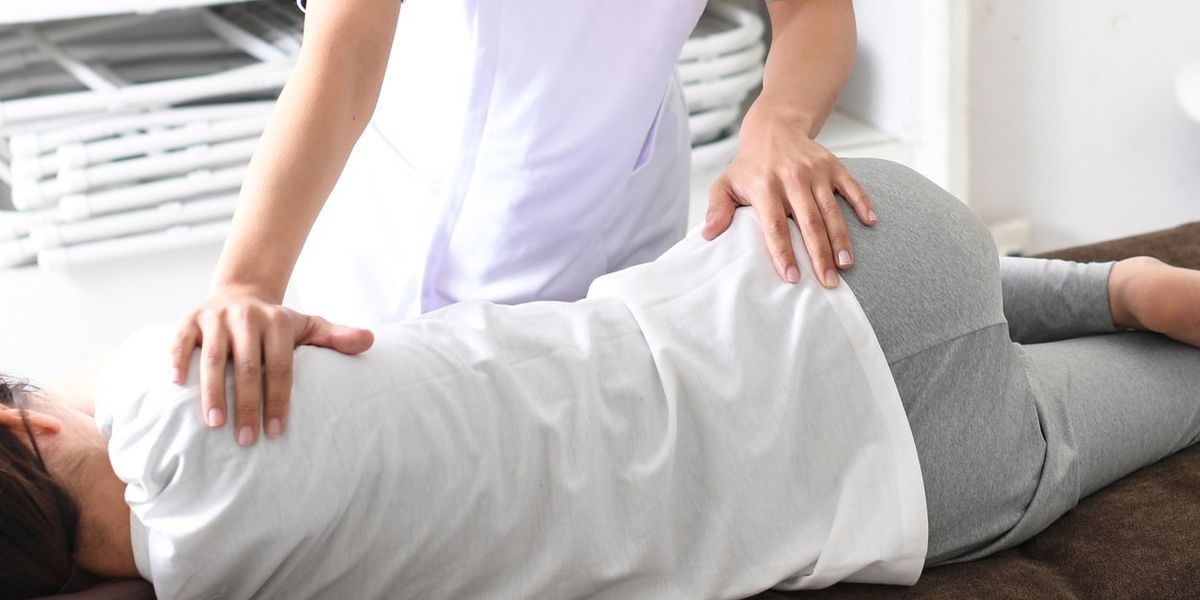
The first thing women can do to help manage bladder leakage is to strengthen and re-train their pelvic floor muscles. One way to do that is through physical exercises, such as the Kegel technique. You don’t have to do these exercises on your own, and many people do them incorrectly, so getting help from a professional can be a good idea. Romanzi said physical therapists that specialize in pelvic floor therapy (called pelvic floor therapists) can help treat urinary incontinence. In addition to recommending and helping you do pelvic floor exercises, a physical therapist might use biofeedback and electrical stimulation techniques.
General diet changes — eliminating caffeinated or carbonated beverages and fruit juices, as well as alcohol, chocolate, acidic and spicy foods — can help, but every bladder is different. If you’re having bladder leakage, it’s a good idea to keep track of what types of food and drink irritate your bladder and avoid these, especially before bedtime.
A technique called double voiding can also help. This means emptying your bladder, then emptying it again a few minutes later. You can try double voiding before sex to reduce the chances of your bladder leaking during intimacy. Your sex positions can also make a difference if your leakage is caused by pressure on the bladder. Avoid standard missionary position and try putting a pillow underneath your lower back to tilt your organs out of the way.
Medicine might help as well. If your bladder leakage is a result of menopause, Romanzi said that topical estrogen, or estrogen applied inside the vagina, can be helpful. It’s available in creams, tablets and vaginal rings.
For leakage caused by OAB, there are currently several medications approved by the FDA. But some of them can cause side effects such as dry mouth, which can lead to drinking too much and make leakage worse.
If other options are not working, some women may be candidates for more invasive procedures like Botox injections to the bladder or a weekly treatment called percutaneous tibial nerve stimulation (PTNS). PTNS involves delivering electrical stimulation through a needle inserted into a nerve in the ankle, which travels up a nerve in the leg to the nerve that controls the bladder.
In some cases, surgical treatments, such as sacral nerve stimulation among others, can be used.
“[Sacral nerve stimulation involves] a pacemaker-type device that can be implanted for women with severe OAB or urge incontinence that doesn’t respond to other treatments,” Romanzi said. “These deliver electrical pulses from a device inserted in the lower back.”
For women whose leakage is caused by pressure on a weakened urethra, a urethral sling can be surgically inserted. Or, urethral bulking, a similar surgical procedure that injects silicone into the urethra to strengthen it, may be an option as well.
Outside of treatments, you can also manage bladder leakage with pads outside the bedroom. Bladder leakage pads can help to absorb liquid and control odor, which can make you feel less self-conscious when it’s time to be intimate.
It might be uncomfortable to bring up bladder leakage, but to get treatment, you have to talk to your HCP first. You might not even have to say the words. Romanzi said many electronic records intake systems now include questionnaires for patients that include bladder control questions. Or, Romanzi suggested, if you can’t bring yourself to bring it up, you can just print out materials that reflect your symptoms and hand them to your HCP.
The best type of provider to see for bladder leakage during sex is a urogynecologist. Your primary care provider or gynecologist can recommend one. Urogynecologists see bladder leakage issues in their practice every day, and have experience discussing topics that patients might not enjoy bringing up. It’s important to find an HCP who not only specializes in women’s bladder problems, but one who also makes you feel comfortable.
Braving the talk and being your own advocate is worth it, Romanzi said. Bladder leakage during sex is known to cause less frequent sexual activity and sex avoidance, but with treatment, you can reclaim your sex life.
Remember: Bladder leakage may have entered your bedroom uninvited, but you can invite it to leave.
From Your Site Articles
Related Articles Around the Web
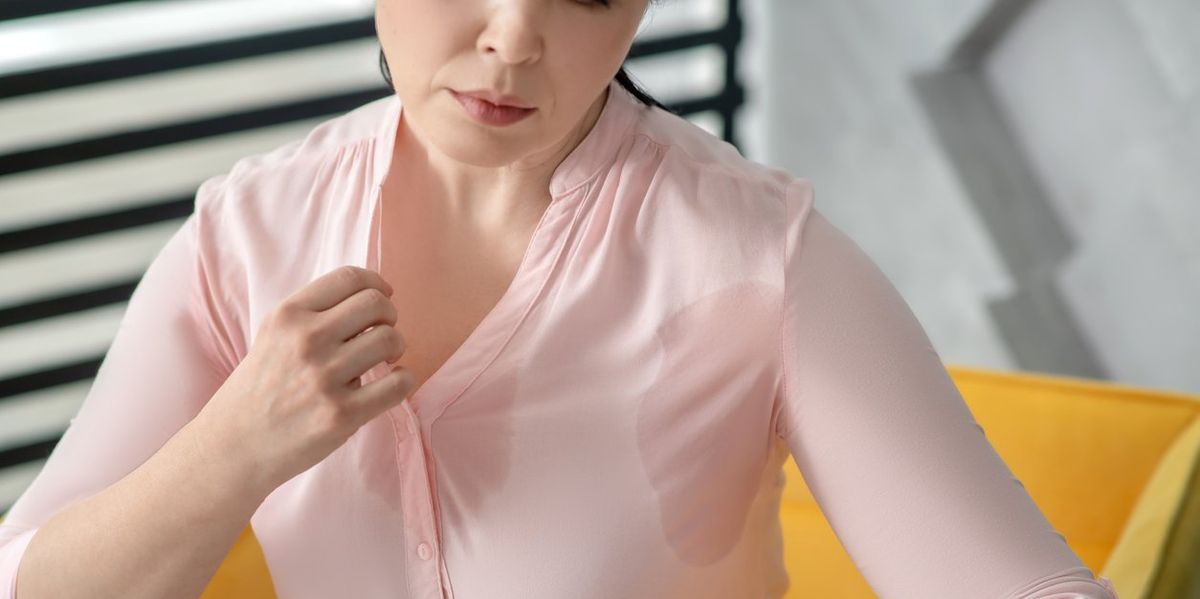
Most women in perimenopause and menopause experience vasomotor symptoms (VMS), such as hot flashes, flushing and night sweats. In fact, more than 3 out of 4 women and people AFAB in North America will experience VMS associated with menopause.
Read: From Hot Flashes to Night Sweats, a Rundown of Vasomotor Symptoms During Menopause >>
If you’re wondering what you’ve done in a previous life to prompt such a fiery backlash — it’s nothing personal. Everyone who menstruates goes through menopause. Although researchers are not 100% sure what causes hot flashes, the idea is that nerve cells in the hypothalamus, the part of the brain that controls temperature and hormone production, change because of hormonal shifts, like the decline of estrogen.
The intensity of VMS can vary from person to person and symptoms can last for more than 10 years. And studies show VMS can last longer for women of color compared to white women.
Read: How the Stigma of Menopause and Aging Affect Women’s Experiences >>
Beyond the fact that the symptoms are annoying and literally no one wants to sweat through their clothes during brunch, VMS can have a serious negative impact on your health overall. Research shows VMS are associated with an increased risk of cardiovascular disease and other chronic conditions such as Type 2 diabetes and metabolic disease. And the disruption in sleep can cause insomnia and brain fog.
The good news is that there are effective treatments for VMS, including hormone therapy, medication and lifestyle changes that can help with your symptoms.
But, if you’re looking for a cool go-to product that can help you chill when things get heated while you’re sorting that out, here are a few options to consider.
Is it hot in here or is that outfit? You can look and feel cool thanks to innovative fabrics with technology that may help reduce body temperature and the chill that can happen after a hot flash among other perks. Channel your inner astronaut and Mae Jemison vibes in a casual look from Fifty One Apparel — they use Certified Space Technology that was developed for NASA in their hot-flash-friendly clothing. The brand Become Clothing features a patent-pending cooling Anti-Flush Technology said to provide relief from VMS. For sleepwear, consider brands that use breathable materials, including Lusome, Cool-Jams and Cozy Earth.
Add some ice to your jewelry collection with an accessory that has cooling properties. The Embr Wave 2 ($299) looks like a rose-gold smartwatch, but it’s so much more. Wear it on the inside of your wrist and send yourself cooling sensation waves when you need them via the app. The chunky Discreet Cooling bracelets ($67.99) and necklaces ($87.99) from Sharper Image are filled with cooling gel — just chill the accessory in the freezer and go. But don’t go too far — the cooling sensation only lasts about 30 minutes.
People who are prone to flushing and redness because of VMS can benefit from one of these portable bladeless options that hang around your neck like a pair of chic headphones. The AlphaCool Wearable Bladeless Neck Fan ($19.95) is adjustable and provides 360-degrees of cool air around the head and neck. For a similar lightweight option, the Jisulife Portable Neck Fan ($35.99) has three speeds and comes in a fun pink color. Or embrace the colorful LED lights on the GULAKI Bladeless Portable Neck Fan ($29.99) and turn your hot flashes into a party.
For night sweats and hot sleepers, these options can change the temperature in your bed fast. The BedJet 3 Climate Comfort Sleep System (around $429) uses a periscope-looking extension to circulate fresh air between your sheets to remove heat, humidity and moisture. Side note: Astronauts must get sleep that’s out of this world because it was created by an engineer on the NASA spacesuit program. The Chilipad Cube Bed Cooling System (starting around $574) was not invented by NASA, but it does use a control unit to help communicate what temp you want in the bed. For sleepers who want it super cold — and have plenty of cold, hard cash to get there — the Pod 4 ($2,500) cooling system can bring down the temperature of your bed by 20 degrees.
If adopting a new climate for your bedroom seems like a bit much, try some cooling sheets. The silky Accuratex (from $49.99) sheets are made with 100% bamboo viscose, which is moisture-wicking and cooler than cotton sheets. Evercool+ sheets (from $149) feature a quick-dry technology that helps whisk away sweat and heat. For a more affordable wicking option, consider Degrees of Comfort Coolmax Cooling Sheets ($27.99).
A cooling blanket may seem ironic, but it can be your superhero cape against hot flashes during the day and the night. Look for breathable fabrics like bamboo that wick moisture away from skin. The lightweight Bamboo Quilt (from $99.90) from Quince is all viscose from organic bamboo and has a sateen weave and temperature regulating properties. For a more budget-friendly option, consider the double-sided Elegear Revolutionary Cooling Blankets (around $24.99) with cooling fabric on one side and cotton on the other. A weighted blanket will be heavier, but that can be a good thing. Consider the Weighted Blanket (from $105) from Luxome made of lyocell from bamboo and the Zonli Weighted Blanket (from $69.99) filled with high-density glass beads that are cooler and more environmentally friendly than plastic beads.
From Your Site Articles
Related Articles Around the Web
If managing money was easy, we’d all be Scrooge McDuck doing the backstroke in pools of gold coins and bragging about our cushy 401ks.
But if the f-word — finance — makes you uncomfortable, you’re not alone. One recent survey found nearly 4 out of 10 women felt stressed about their financial situation and less than 2 out of 10 women felt on track to meet their financial goals.
One reason for the stress: Women are paid less than men. And less money means less opportunity to save and invest.
Today — in 2024 — women make 84 cents on the dollar compared to men. For perspective, a woman would need to work full time from January 1, 2024 until March 12, 2025, to make what a man does in a year.
The money gap spans across all racial and ethnic groups, but Black and Latinx women experience the largest gap in wages (66 cents and 62 cents on the dollar, respectively) compared to white men.
So, yes. Finances can be uncomfortable to talk about. But it’s important to know where you stand and how you can get ahead considering women are at a disadvantage when it comes to financial gain in this country.
HealthyWomen recently collaborated with Savvy Ladies, an educational organization that empowers women to take control of their finances, to discuss tips for financial health and independence.
Here are five takeaways you can start doing — right now — to get financially fit.
1. Be open and honest about money.
The first rule of finances is you should talk about them. That means being honest with yourself and/or your partner. Money problems are a leading cause of divorce in the U.S., so putting it all on the table is beneficial for anyone in a relationship regardless of how long you’ve been together. If you don’t know how to bring up the subject, try a couples budget worksheet where both of you answer questions about spending habits and individual goals. Or take your own test to help identify your money personality. From there, you can really figure out what your goals are (working off debt, saving money, etc.) and steps you can take to achieve your financial goals.
2. Do an assessment of your finances.
Take an hour to write down how much you earn, how much you spend and what you spend it on. Many smartphone apps make it easy to enter the information and get a good look at your money situation. Then compare this to your goals and you can create a reasonable budget that you can stick to.
Read: Taking Charge of My Finances Gave Me Strength During Loss >>
3. Start investing for retirement.
If your employer offers a 401k, see if they match contributions, and go from there. (Try this 401k calculator to see what your investment can lead to at retirement). Even a small amount out of each paycheck in your 401k can help you build a more secure financial future. If you don’t have a full-time job, or your employer doesn’t offer a 401k, there are other options you can look into, including self-employment 401 and individual retirement arrangements (IRA).
4. Save for an emergency fund.
Even if you’re working off debt or feel stretched for cash, sock away something from every paycheck into a savings account until you have at least three months of your expenses covered. This way, if something happens like a divorce or medical emergency or an unexpected move, you’ll have some peace knowing that you have your own back in the short term while you figure things out.
5. Make financial wellness a priority.
Just like you would schedule getting your annual physical or going to a yoga class, schedule a check in to look at your finances with an advisor or yourself. Add it to your calendar online or physically write it down – whatever works best for you. Once it’s part of your routine, managing your money won’t feel overwhelming like you’re up against a monster you can’t handle.
From Your Site Articles
Related Articles Around the Web