The main category of Fitness News.
You can use the search box below to find what you need.
[wd_asp id=1]
The main category of Fitness News.
You can use the search box below to find what you need.
[wd_asp id=1]
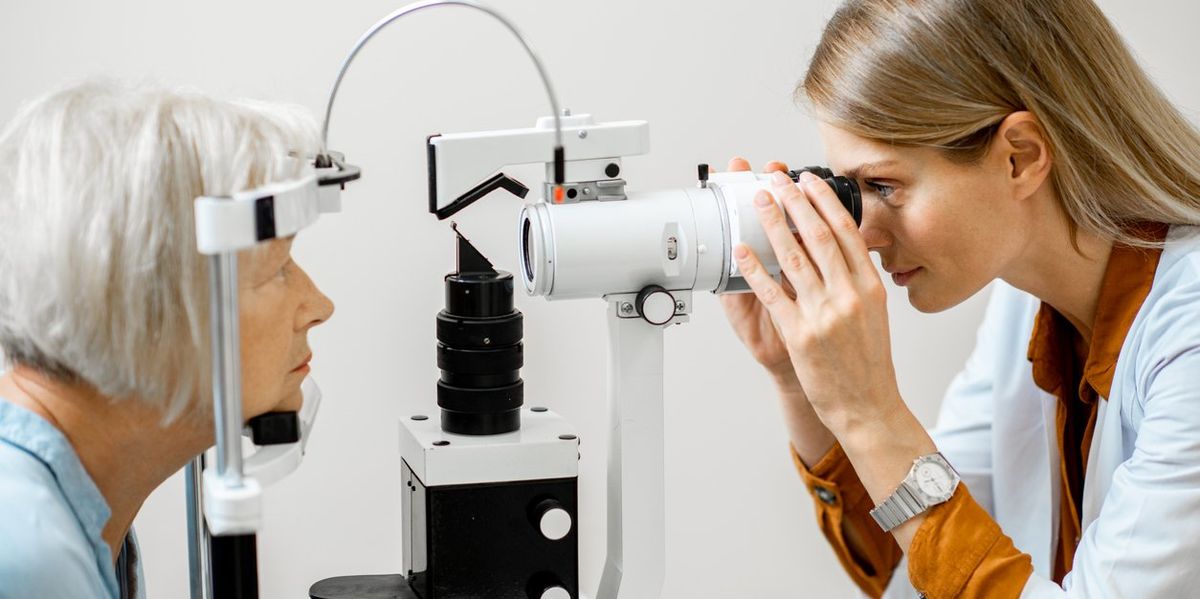
In an effort to clear up any confusion, we reached out to Katherine Rachon, O.D., an optometrist at Virginia Eye Consultants, to answer some common questions about dry eye disease.
Dry eye disease is a broad term for a disorder with your tear film, the layers of fluid that protect and moisturize your eyes. With dry eye disease, one or more layers of the tear film isn’t working correctly. This can lead to symptoms such as redness, tearing, itching, a feeling of grittiness, blurred vision and redness of the eyelids.
There are two main types of dry eye disease, aqueous-deficient and evaporative. With aqueous-deficient dry eye, your eye does not produce enough of the watery part of your tear film to keep your eyes moist. Evaporative dry eye happens when there are enough tears, but the tear film isn’t sticking together properly. Some people have a combination of the two, which is sometimes called mixed dry eye.
Dry eye disease typically comes in waves, meaning it can flare up at times and then be quiet for a while. While most people with dry eye have symptoms, some don’t know they have it until it shows up during an eye exam.
People used to think that dry eye disease mostly affected older and/or postmenopausal people, and certainly, age and biological sex are risk factors for getting dry eye disease. (People assigned female at birth are more likely to develop dry eye disease, mostly due to hormone changes that happen throughout life.) However, we now know that there are several additional factors that can affect development. For example, several medications — including chemotherapy drugs and over-the-counter antihistamines used to treat allergies — can trigger dry eye.
There are three layers of tears that make up the tear film, and they all have different functions:
A healthy eye produces enough of the three tear layers to create what is called a tear lake, which you can think of as a little reservoir that sits on our bottom eyelid. This reservoir holds just the right amount — it’s not too small to cause dryness and it’s not too big to cause an overflow of tears.
A big one is diabetes because diabetes causes damage to nerves (including those in the eye). When the nerves in your eye don’t work well enough to notice that your eyes are dry, they don’t signal your brain to produce more tears.
Another condition that we see with dry eye disease is Sjogren’s syndrome, an autoimmune disease that affects the glands responsible for helping moisturize the eyes and other parts of the body. This syndrome — which mainly impacts women and people assigned female at birth — can occur on its own, or alongside other autoimmune conditions, such as rheumatoid arthritis and lupus.
Eye cosmetics can cause and trigger dry eye because many makeup products contain chemicals called parabens that have been shown to irritate the tissue and the front surface of the eyes. Parabens can also clog the glands that make the oily part of our tear film. The good news is that there are many paraben-free cosmetics out there. Switching up my makeup routine made a big difference in my own eye health.
Other than the irritation and discomfort, which can be very frustrating, dry eye disease can cause blurry vision. In the long term, dryness can also lead to eye infections because it breaks down the protective tissue that keeps viruses and bacteria from infecting the eyes.
Dry eye disease has recently been gaining more awareness, and the treatment options have absolutely exploded — which is a good thing. Insurance companies may need a little time to catch up, and you may need to try an older treatment before a new one can be covered. With a little bit of convincing (and paperwork), I am usually able to get most treatments covered.
I encourage patients to keep a journal or a record of their symptoms. For example, is the dryness worse in the morning or in the evening? Do you have other symptoms like vision blurring or itching? What activities aggravate the dryness — is it going outside in the wind or is it computer use?
Also, and this is very important: What treatments have you tried before? Maybe you were recommended a treatment at another eye care provider and it didn’t work, or maybe you’ve tried different eye drops from the pharmacy and none of them worked. These things are all important for us to be able to start treatment, and also to prove to insurance that a particular treatment has already been tried so they’ll approve coverage for a different option.
It’s a very frustrating disease to treat for both patients and providers because there are so many factors that can play into dry eye disease. The provider can make an educated guess at which treatments will be best, but everyone is an individual and what might work for one person might not work for another.
To learn more about dry eye disease, visit the More Real. More Substance. YouTube Channel.
This educational resource was created with sponsorship support from Viatris, Inc.
From Your Site Articles
Related Articles Around the Web
Alberta Santuccio got the winning touch for Italy in overtime against France’s Auriane Mallo-Breton in epee fencing to complete a hard-fought 30-29 win for gold in the Paris Olympics 2024.
Alberta Santuccio is an Italian Fencer and 2021 team Olympic bronze medalist. She was born on 22nd October 1994, in Catania, Italy. She began fencing at the age of seven.
While competing with the CS Acireale, she won a gold medal in the individual event at the European Cadet Championship and in the international under-17 circuits. As such, she was chosen to be the flag bearer in the 2010 Summer Youth Olympics. She won gold in the mixed team tournament and silver in the girls’ individual Épée during the games. Santuccio also won two bronze medals at the 2014 and 2018 Fencing World Cup. In 2015, Santuccio returned from ninth place to beat Russia 40–36 in the 2015 European Games for a bronze medal.
Santuccio was selected to represent Team Italy at the 2020 Summer Olympics where she helped them win a bronze medal in the Team épée.
You were born in Catania, Italy. You began fencing at the age of seven after witnessing her brother Giorgio play the sport. This later propelled your career to the height where you represented Team Italy at the 2020 Summer Olympics and helped them win a bronze medal in the Team épée fencing. Tell us more about your professional journey of exceptional hard work, tenacity, and endurance.
The life of us sportsmen is not always as full of enthusiasm as one might think from the outside. In our journey there are more climbs we face than descents. The first major decision I made in my career was when in 2016 I decided to leave my gym, my family and my homeland to train in another city, I moved to Milan where I spent two years.
Later I realized that things were not going as I had planned and hoped and I again found myself having to make another decision, which was to move to Rome. This, however, meant yet another new gym, a new teacher, a new life, but inside me I knew it would be the best choice and in fact it turned out to be so: I immediately had a great feeling with Daniele (my teacher) with whom I did an exceptional job. With him I felt like I was back home a bit because I experienced that paternal sense of protection but at the same time he knew how to spur me on and shake me when I needed it. So we can say that my path was not always linear, but thanks to my character and perseverance I managed to obtain the stability I needed.
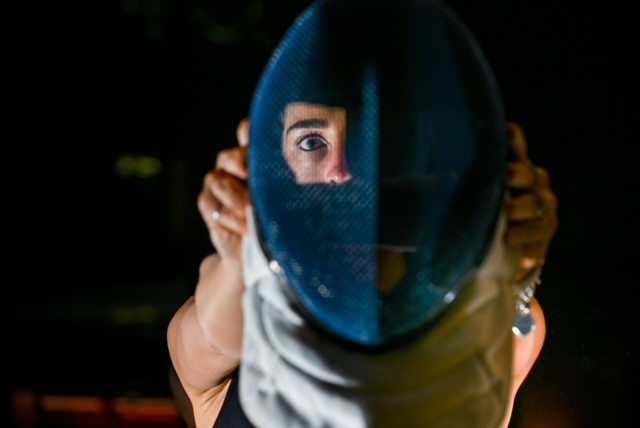
You have selected a sport which apart from individual sport is also a team sport and requires a lot of cohesiveness and family feeling between the players of the side to finally succeed, how do you achieve that?
When you start fencing you mainly think that this is an individual sport, only later do you discover the world of the team. A world made first of all of mutual trust, hard teamwork on and off the piste. We as a team are very close, but it took us a while to reach these levels. We know that where one does not arrive, the other will surely arrive: that is our strength.
What exercises comprise your fitness regime or workout routine you would like to share?
My week is made up of a lot of training, but also rest because in sport recovery is not to be underestimated. I train three times in the morning where I do athletic preparation and every afternoon I take care of the technical part, then bouts with opponents and lessons with the master.
Full Interview is Continued on Next Page
This interview is exclusive and taken by Namita Nayyar President of womenfitness.net and should not be reproduced, copied, or hosted in part or full anywhere without express permission.
All Written Content Copyright © 2024 Women Fitness
Disclaimer
The Content is not intended to be a substitute for professional medical advice, diagnosis, or treatment. Always seek the advice of your physician or other qualified health provider with any questions you may have regarding a medical condition.
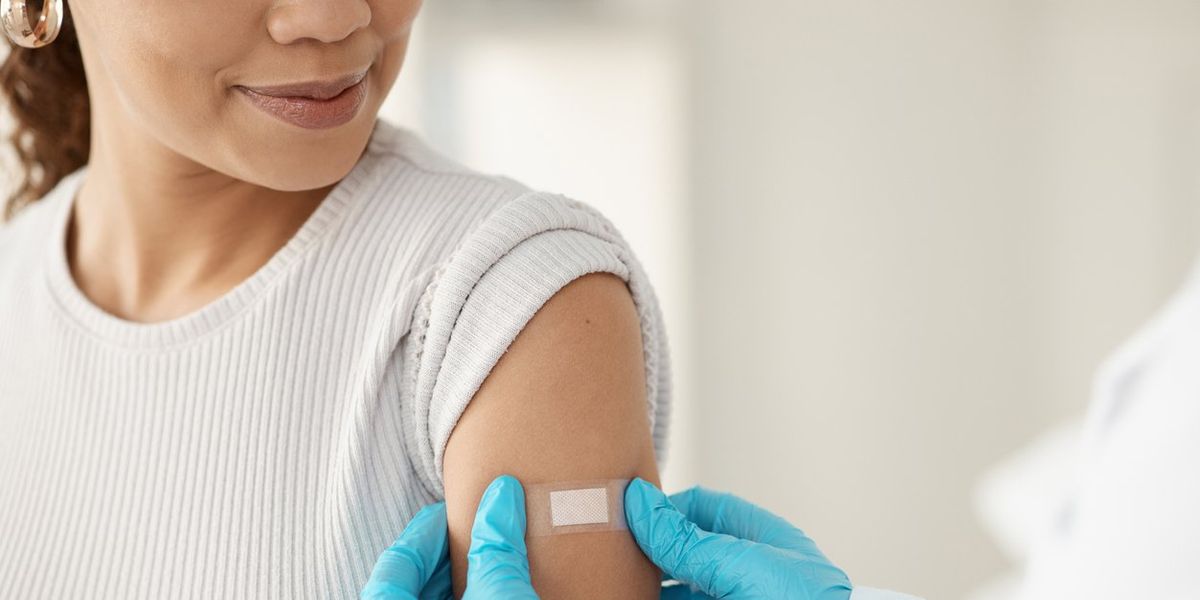
Per the latest recommendations from the Centers for Disease Control and Prevention (CDC), everyone aged 6 months and older should get the 2024-2025 vaccine. So, unless you’re a tiny baby, that means you. (If you are a tiny baby reading this — respect — you’re already making good choices.)
We don’t know exactly when the updated vaccine will be available — the CDC said this fall — but we’re putting it on your radar now so you have a plan in place when it’s ready. Like earlier options for the vaccine, the 2024-2025 Covid vaccine will help protect from severe illness from Covid and also help protect from the latest strains of the virus.
Read: Choose to Protect Yourself and Your Loved Ones: Get Vaccinated Against Covid >>
That’s the tricky thing about Covid. The virus that causes it, SARS-CoV-2, is constantly changing and protection from a vaccine gets weaker over time. So if you received a Covid shot last year — or anytime ever — you should still get the latest version when it’s available.
The good news is that vaccines are the best way to protect against severe illness from Covid and evolving variants.
The bad news is that the latest Covid variants, called FLiRT variants, are spreading quickly across the country.
This month, viral activity measured in wastewater reached “high” levels nationwide for the first time since last winter. And Covid-related visits to the emergency department are increasing — July has seen the highest number of visits recorded since February.
The symptoms of the FLiRT Covid variants range from person to person but can include:
Researchers note that the recent uptick in Covid cases is similar to the “summer surges” seen in years before. But it’s a good reminder that Covid doesn’t take a summer break, so it’s important to stay up to date on vaccinations.
Major pharmacies across the country will offer the updated vaccine when it’s available. Other facilities such as your healthcare provider’s office and local health department will also have the updated vaccine.
To keep track of when it’s available, check the CDC website. Right now, Walgreens and CVS websites recommend checking back in late summer for more information and when you can schedule an appointment.
The updated Covid vaccine will be free — as it’s always been — so all you have to do is show up.
We know the end of summer can be a busy time, so set an alarm or add a calendar reminder to schedule your Covid vaccination when the time comes. After all, you’re never too busy to protect yourself and your loved ones from a deadly virus.
From Your Site Articles
Related Articles Around the Web
Lori LaMagna of LL Coaching is PN1 Nutritionist, NASM CPT, PES and Pre-Post Natal Certified. She is a 42-year-old mom on a mission from Long Island New York. Her family includes of a one year old son, a seven-year-old daughter, and our energetic 9-year-old Vizsla, Skyla. She has over 20 years’ experience in the health and fitness industry. She is a certified Health and Wellness Coach, plus Nutrition and Fitness Coach. Her program is offered in person and virtually too. Her passion is helping amazing women become the best version of them and say goodbye to yo-yo dieting forever. She created the ‘STRONG MOM Method’, a fun and empowering program designed to help one achieve lasting health and wellness. She believes in enjoying a healthy, balanced diet that doesn’t skimp on flavor or fun.
Women Fitness President Ms. Namita Nayyar catches up with Lori LaMagna an exceptionally talented Health and Wellness Coach here she talks about her fitness routine, her diet, her beauty secrets and her ‘STRONG MOM Method’.
Where were you born and had your early education? Later you decided to pursue and become a certified Health and Wellness Coach. It propelled your career to the height where you are a leading fitness expert. Tell us more about your professional journey of exceptional hard work, tenacity, and endurance.
I was born in Queens, New York, and grew up on Long Island. My professional journey in the health and fitness industry began with over a decade of experience at Lifetime Athletic, where I managed the personal training department and developed coaches.
However, I realized that my true passion was to support women in achieving their health and wellness goals. By becoming a certified personal trainer, nutrition, and health coach, I developed my own method, the STRONG MOM Method, to support women. This propelled my career to new heights and established me as a leading fitness expert. Through exceptional hard work, tenacity, and endurance, I am dedicated to helping women achieve lasting health and wellness.
You created the STRONG MOM Method, a fun and empowering program designed to help one achieve lasting health and wellness. Tell us more about this endeavor of yours?
The STRONG MOM Method is a fun and empowering program I created to help women achieve lasting health and wellness. As a certified nutrition coach, health and wellness coach, and personal trainer, I designed this program to address the unique needs of women, especially moms, who often juggle multiple responsibilities.
The STRONG MOM Method combines personalized nutrition plans, effective fitness routines, and holistic wellness strategies to support women in their journey to better health. Through this program, I aim to empower women to take control of their well-being, find balance in their lives, and achieve their personal health goals.
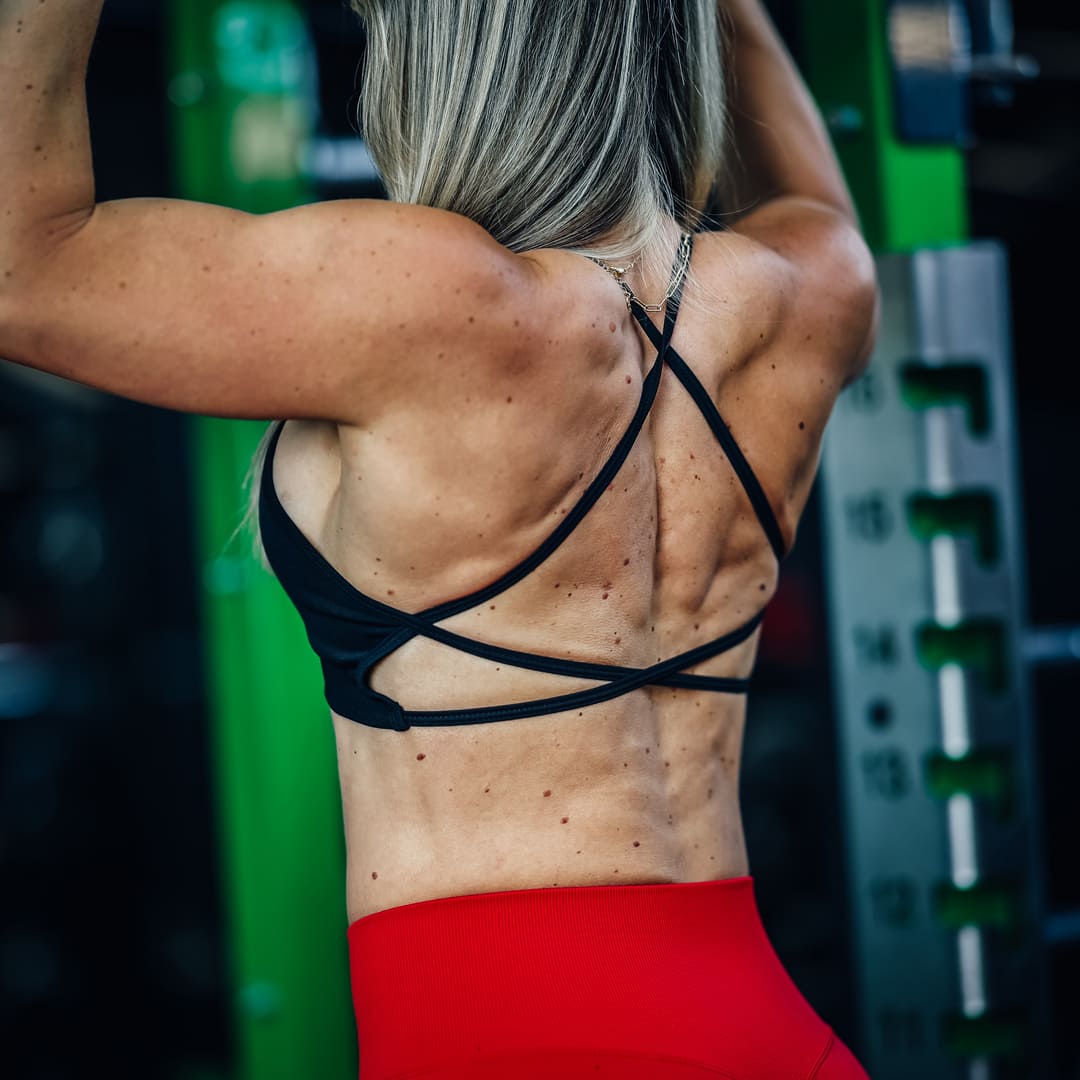
You are the Health and Wellness Coach, Nutrition and Fitness Coach, a mother and social media personality. How do you manage such a remarkable multi-dimensional lifestyle?
Managing a multi-dimensional lifestyle as a Health and Wellness Coach, Nutrition and Fitness Coach, mother, and social media personality requires careful planning, prioritization, and a lot of passion. I start by setting clear goals for each aspect of my life and creating a flexible schedule that allows me to balance my professional responsibilities with my family time.
I prioritize self-care to maintain my energy and well-being, and I stay organized with the help of tools and systems that keep me on track. My passion for helping others and being a positive role model for my kids drives me to stay committed and motivated.
Elaborate a post natal fitness regime for new mothers?
Embracing motherhood is a unique journey for each of us, and so is the path to regaining strength and fitness after childbirth. A one-size-fits-all approach doesn’t apply here, as every woman’s body, recovery, and needs are different. I always recommend starting slow. Be kind to your body. Think long term not short term goals that are realistic and allow your body to heal.
Full Interview is Continued on Next Page
This interview is exclusive and taken by Namita Nayyar President of womenfitness.net and should not be reproduced, copied, or hosted in part or full anywhere without express permission.
All Written Content Copyright © 2024 Women Fitness
Disclaimer
The Content is not intended to be a substitute for professional medical advice, diagnosis, or treatment. Always seek the advice of your physician or other qualified health provider with any questions you may have regarding a medical condition.
When a person regularly takes in more calories than they burn, their triglyceride levels may get too high. High triglycerides are linked to clogged arteries (atherosclerosis), which may lead to cardiovascular problems such as heart disease, stroke and heart attacks. And very high triglyceride levels may lead to inflammation of the pancreas, called pancreatitis.
Triglycerides are measured with a simple blood test, often done as part of a cholesterol test known as a lipid panel. The range of triglycerides is:
People with high triglycerides (above 200 mg/dL) are 25% more likely to die from cardiovascular disease than someone with normal levels.
Potential causes of high triglycerides include:
The good news? Some of these potential triggers are lifestyle choices, meaning you may be able to lower your triglycerides by changing your habits.
Cardiovascular disease is the number one killer of women in the United States, causing 1 in 3 deaths every year. Since high triglycerides may increase cardiovascular disease risk, it’s important that women know their triglyceride levels in order to manage their cardiovascular risks.
It’s also important to keep your triglyceride levels under control because extremely high triglycerides (500 mg/dL or above) can increase the risk of pancreatitis (inflammation of the pancreas), which can lead to pancreatic cancer, kidney failure and possibly death.
Risk factors specific to women that may increase triglycerides include:
Ethnicity may also be a “risk-enhancing factor” when it comes to cardiovascular disease, particularly for ethnicities who have an increased risk for higher triglyceride levels, like Asian Americans. This elevated risk for some ethnicities is why the American College of Cardiology, the American Heart Association and 10 other health organizations now include a section in their cholesterol guidelines that outlines how race and specific ethnic characteristics may influence a person’s risk of developing cardiovascular diseases.
The hope is that considering risk-enhancing factors like ethnicity may allow healthcare providers to get a deeper understanding of their patients’ needs when it comes to managing cholesterol and overall heart health.
Whether you fall into a higher-risk category or not, it’s a good idea to talk to your healthcare provider about having your triglycerides checked.
The American Heart Association recommends all adults over age 20 have their cholesterol (including triglycerides) checked every four to six years (or more often, depending on risk factors).
Here are some of the lifestyle changes you can make to lower your triglyceride levels.
If lifestyle changes alone aren’t enough to keep your triglycerides in check, your healthcare provider may suggest medication.
Prescription medications include:
Omega-3 fatty acids are healthy fats that can lower your triglycerides Specific types of omega-3 acids include:
Dietary over-the-counter omega-3 supplements have not shown any benefit for protecting your heart.
Managing your triglycerides is important, but it doesn’t have to be hard or scary. A simple blood test can tell you your triglyceride levels. If they’re higher than they should be, you and your HCP can figure out a treatment plan designed to fit your situation.
This educational resource was created with support from Amarin.
From Your Site Articles
Related Articles Around the Web
As an aesthetic nurse practitioner and someone deeply immersed in the worlds of health and fitness, I often get asked about the role of supplements in maintaining youthful skin and overall wellness. One supplement that consistently piques interest is collagen. Collagen, a protein found abundantly in our bodies, plays a crucial role in maintaining skin elasticity, joint health, and overall structural integrity. With the growing popularity of collagen supplements, it’s essential to understand their benefits, the science behind them, and how they can be integrated into a holistic approach to health and beauty.
Collagen is the most abundant protein in the human body, accounting for about 30% of the body’s protein content. It serves as a major component of connective tissues, including skin, bones, muscles, tendons, and ligaments. There are at least 16 types of collagen, but types I, II, and III are the most prevalent in the human body. As we age, the body’s natural collagen production declines, leading to signs of aging such as wrinkles, sagging skin, and joint discomfort.
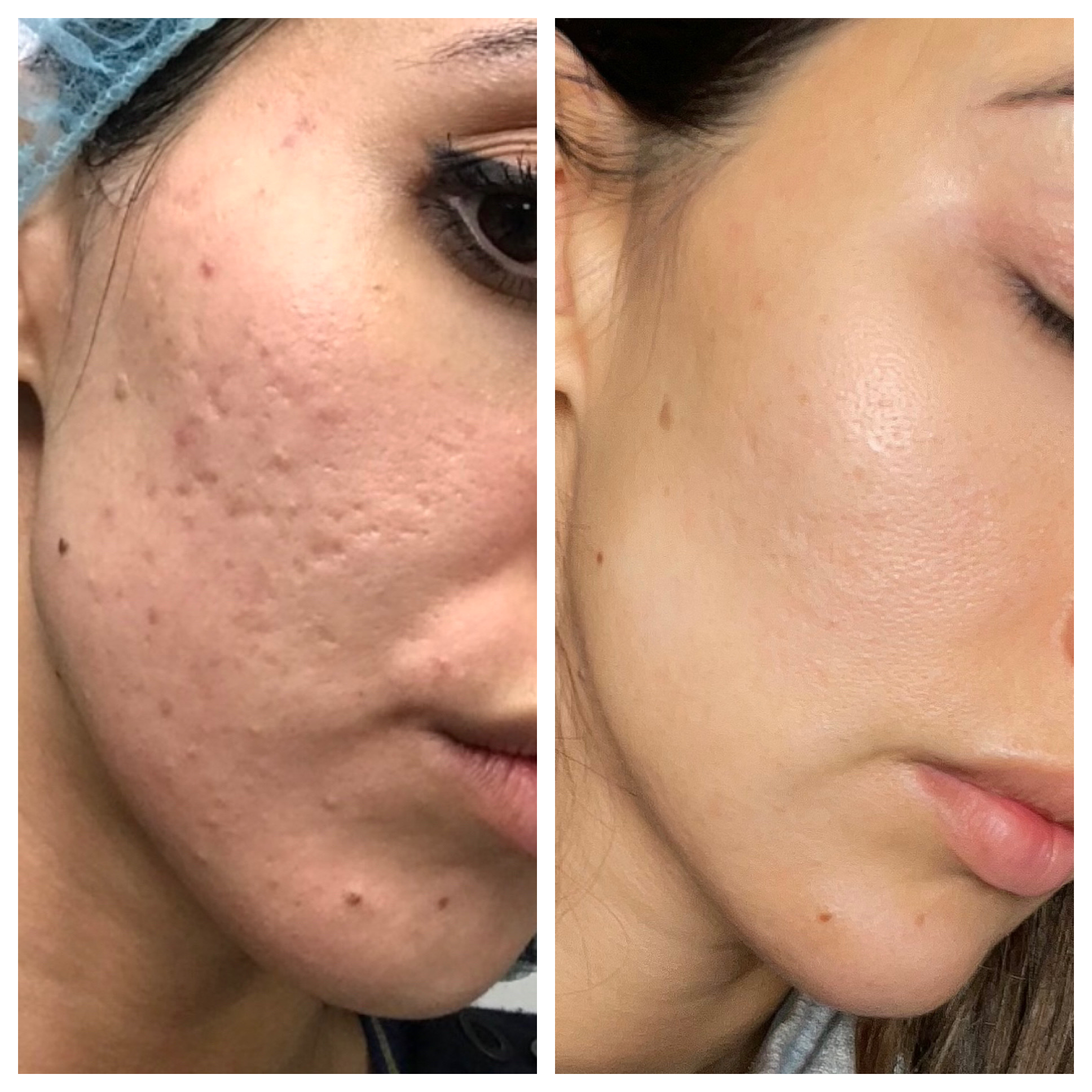
Collagen supplements, typically derived from bovine, porcine, or marine sources, are broken down into peptides or amino acids to make them easier for the body to absorb. Research suggests that these supplements can stimulate, the body’s collagen production by providing the necessary building blocks. Studies have shown that collagen peptides can improve skin elasticity, hydration, and dermal collagen density, which can reduce the appearance of wrinkles and fine lines.
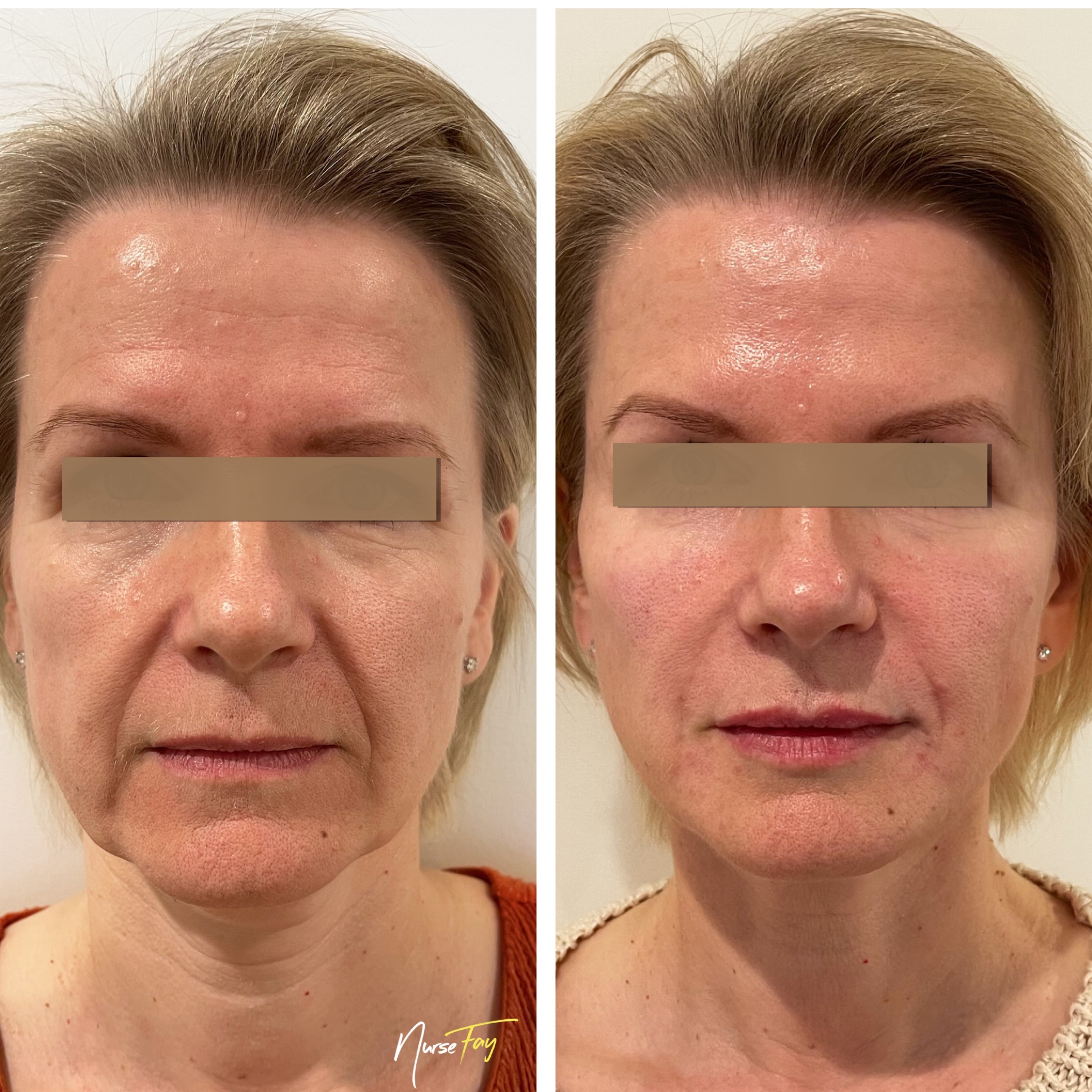
One of the most compelling studies published in the journal “Skin Pharmacology and Physiology” demonstrated that women who took a collagen supplement for eight weeks experienced significant improvements in skin elasticity compared to those who took a placebo. Another study in “Nutrients” found that collagen supplementation could reduce joint pain in athletes, potentially benefiting those who engage in regular physical activity.
For those of us focused on aesthetics and anti-aging, collagen is vital. The skin, the body’s largest organ, greatly benefits from increased collagen levels. Enhanced collagen synthesis helps maintain the skin’s firmness and elasticity, combating sagging and fine lines. Collagen’s hydrating properties can improve the skin’s moisture content, resulting in a more supple and youthful appearance.
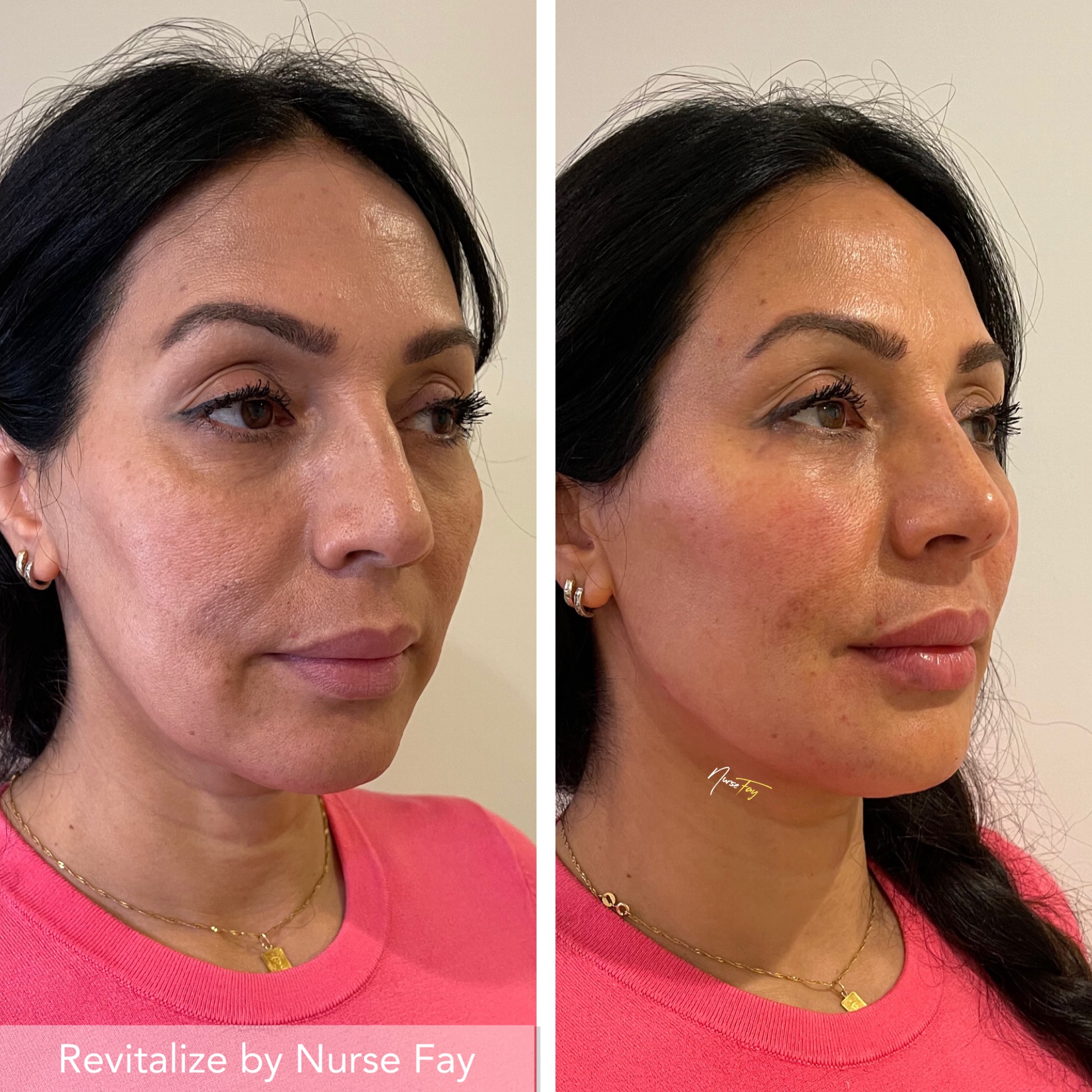
Furthermore, collagen’s role in wound healing and skin regeneration is noteworthy. It can aid in reducing the visibility of scars and stretch marks, making it a popular supplement choice for those looking to improve skin texture and overall appearance.
Collagen’s benefits extend beyond the realm of aesthetics. For individuals engaged in fitness and physical activity, collagen can support joint and bone health. As a key component of cartilage, collagen helps cushion joints and may reduce the risk of degenerative joint disorders such as osteoarthritis. It also contributes to the maintenance of bone density, which is crucial for preventing conditions like osteoporosis.
Moreover, collagen supplementation has been linked to improved muscle mass and strength. The amino acids in collagen, particularly glycine and proline, play a role in muscle repair and recovery, making it a valuable supplement for athletes and fitness enthusiasts.
When considering collagen supplements, it’s essential to choose a high-quality product. Look for hydrolyzed collagen, as the body more easily absorbs it. The recommended dosage typically ranges from 5 to 15 grams daily, depending on your specific health goals. Combining collagen supplements with a healthy diet rich in vitamin C is also beneficial, as this vitamin is crucial for collagen synthesis.
In conclusion, collagen supplements offer a promising avenue for enhancing skin health, supporting joint and bone integrity, and promoting overall wellness. As an expert in aesthetic medicine and a proponent of holistic health, I advocate for incorporating collagen supplements into a balanced approach to beauty and fitness. Remember, the foundation of radiant skin and a strong body lies in nurturing them from the inside out.
About the Author
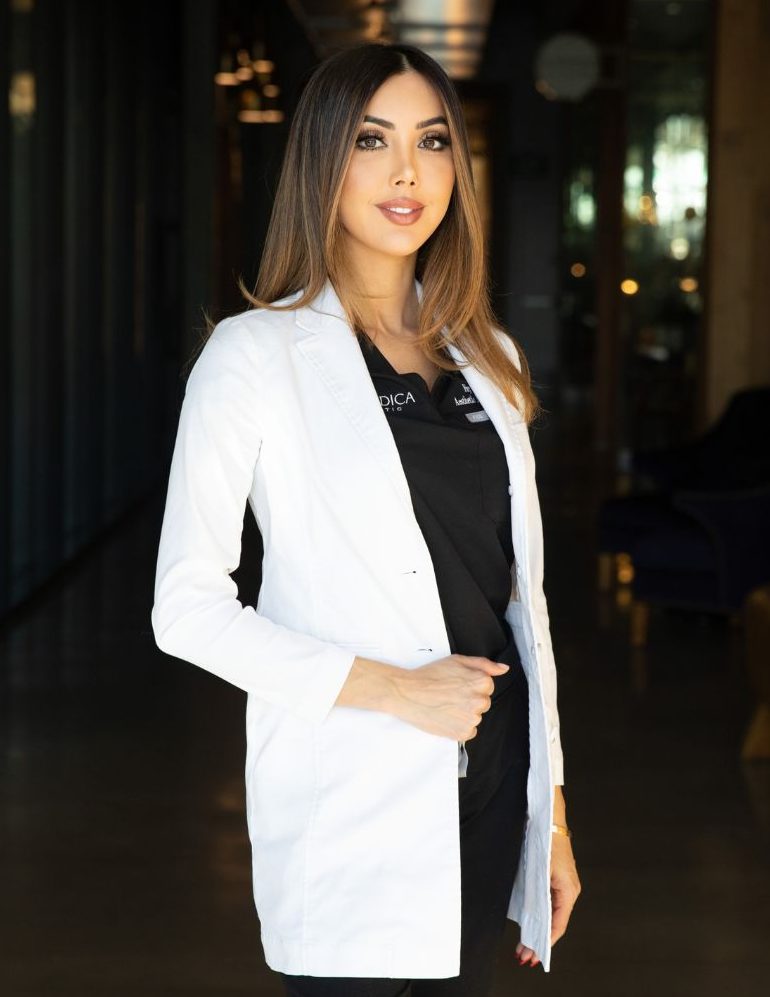
Fay Asghari is a distinguished aesthetic nurse practitioner and cosmetic specialist based in Brentwood, Los Angeles. She holds double bachelor’s degrees in microbiology and nursing, showcasing her dedication to both science and healthcare. Faye’s passion for aesthetics led her to establish Spa Medica Aesthetic, where she has been a pioneer in the cosmetic field for nearly a decade. Her expertise has enabled her to treat thousands of clients, helping them achieve their desired aesthetic goals with personalized care and advanced techniques.
Recently crowned, Miss Universe Persia, Fay has become a symbol of grace and empowerment, inspiring women worldwide. Her commitment to excellence in the beauty industry and her advocacy for women’s empowerment reflects her multifaceted talents and compassionate nature. Fay continues to make a significant impact, as a beauty professional and a role model.
Disclaimer
The Content is not intended to be a substitute for professional medical advice, diagnosis, or treatment. Always seek the advice of your physician or other qualified health provider with any questions you may have regarding a medical condition.
July is National Minority Mental Health Awareness Month.
I couldn’t catch my breath.
I ran into my parents’ bedroom clutching my chest as I gulped for air. The look of panic on their faces only made breathing harder.
Sitting on their bed, it felt like an eternity before I began to feel normal again. In reality, it was probably less than a minute, but it was enough time for my parents to rule out something life threatening or an object lodged in my throat. “Gosh, what was that?” they wondered out loud.
I shrugged. I was 13 years old. I had no clue what happened. I was just glad it was over.
A few days later it happened again. Out of nowhere, the wind was knocked out of me. Fear prickled up my spine and my heart pounded as I struggled to bring in each shallow breath. After the fourth or fifth time, my parents made an appointment with a healthcare provider. Of course, being a kid, I didn’t want to see a healthcare provider, but I never wanted this to happen again. Ever.
During the office visit, the doctor took one look at me and said I was anxious. I remember thinking, OK. Now what? But we left the visit without any real answers or treatment. Apparently I was just an anxious kid. Hopefully I’d grow out of it.
Looking back, I’m not shocked that we didn’t think anxiety was a huge problem. In the Black community, mental health issues are taboo. We don’t talk about the real-life impacts and how mental health conditions can be just as devastating as physical ones. You’re just supposed to deal with it in private and go on with your life.
My anxiety continued to grow and grow into a big monstrous thing that followed me into adulthood. It started to manifest in other ways beyond breathing. I felt unsettled all the time, so I thought everything needed to happen immediately. In turn, I was very impatient with people. I often snapped at my family and friends. I was demanding and downright mean because I was always on edge.
Anxiety also increased any negative thoughts I had. I thought the worst scenarios were going to happen and that people inherently thought the worst of me.
It wasn’t long before these thoughts had me distancing myself from others.
That’s the thing with anxiety. Without getting to the root of the monstrous thing, you never know when it will steal your breath — your good energy — and your anxious brain fools you into thinking it’s all “normal.”
One day, more than 13 years after that first office visit, I’d had enough. I was tired of not feeling well. I knew the heavy feelings were taking over my life and I needed to talk to someone who could help me work through my problems. So, I made the tough decision on my own to try therapy.
The therapist I saw was supportive and kind … but she wasn’t a Black woman. I didn’t feel like she could relate to some of the issues I was dealing with, so I tried another one. The second therapist was a Black man. Again, I didn’t feel like he could relate to me as a Black woman, but he did have some perspective on anxiety that left a big impression on me. He told me to put the lies from my anxious brain on trial. To observe my thoughts, question them and see if they are the truth or something I’ve made up.
Things were going well with therapy, and then Covid hit. Naturally, my anxiety skyrocketed. But thankfully I was also in a place where I knew if I was feeling this way with therapy, I could imagine other people — especially people of color — were feeling anxious, overwhelmed and alone.
In 2020, I created a mini web series called “So Anxious” about what it’s like to be a Black woman with anxiety. Each episode was short and centered around the feelings anxiety brings and what I’ve learned through my life. A lot of people online had positive responses, and I felt in my bones that I’d found an outlet for my art that could make an impact on people.
The “So Anxious” series helped me move forward and speak out about anxiety in ways I never imagined. My college invited me to speak on the subject to students on campus. In 2021, I started performing my one-woman show, “This is My Brain on Anxiety: The Detailed Experience of an Anxious Black Woman,” in my hometown of Charlotte, North Carolina.
2024 (Photo/Julius “J” Boseman)
The live, theatrical production is an expansion of “So Anxious” detailing my personal and cultural journey as a Black woman navigating through anxiety and the importance of normalizing mental health issues in the Black community.
Now, I know you’re wondering, How does a person with anxiety perform live without having a panic attack? Well, it’s not easy. And I started to let my anxious brain get in the way of my message.
The challenges of putting together the show were overwhelming and my mental health took a back seat. I began pulling away and avoiding people again. At the same time, I tried to control everything in the show from the keyboard player’s notes to the lighting. It became clear after a few shows that I wasn’t practicing what I preached. So I took a step back in 2022.
I spent the next year putting my mental health first. I started making meditation a top priority again and I meditate every day — sometimes multiple times a day. It helps clear my mind and I’m able to focus on the things that are true and let go of the things that I can’t control.
In 2023, I felt strong and ready to start performing my live show again. On opening night, the theater was packed, and I felt my breath catch in my throat. But it wasn’t anxiety. It was all the love and support that took my breath away. I felt fearless then — and every time I perform — because I know I’m helping spread the word that anxiety is a real problem and it’s OK to ask for help. Just take it one breath at a time.
Have a Real Women, Real Stories of your own you want to share? Let us know.
Our Real Women, Real Stories are the authentic experiences of real-life women. The views, opinions and experiences shared in these stories are not endorsed by HealthyWomen and do not necessarily reflect the official policy or position of HealthyWomen.
Related Articles Around the Web
Knowing how to hand express your breast milk can be especially helpful in a variety of situations – whether you’ve been away from your baby (and breast pump) for a longer period of time and need to express some breast milk to relieve engorgement and uncomfortable fullness, or your breasts are full and you need to soften the areola to help your little one latch better so he or she can nurse. These situations may occur for a ton of reasons, such as simply forgetting to bring your breast pump with you to work or mistakenly snoozing through an overnight pumping session (it happens – sleep can be a premium with a baby at home!). So, knowing how to correctly hand express your breast milk if away from your little one and caught without your pump can help you continue to meet your breastfeeding goals while avoiding discomfort, eventual supply concerns, and even potential health complications.

Hand-expressing milk between feedings — especially during peak times of the day when prolactin, the hormone that helps with milk production, is at its highest at night or early in the morning — can help make sure you have a bank of breast milk at your disposal.
Knowing how to store your breast milk is important information to have on hand, too. In most cases, breast milk can be stored:
La Leche League International: Pumping Breast Milk (https://llli.org/breastfeeding-info/pumping-milk/)
Mayo Clinic: Breast-Feeding and Pumping (https://store.mayoclinic.com/education/breastfeeding-and-pumping-benefits-and-tips-for-you-and-your-baby/)
These resources provide comprehensive information and tips on how to successfully pump and store breast milk, ensuring that working and non-working mothers can continue to provide the best nutrition for their babies while managing their professional responsibilities.
Disclaimer
The Content is not intended to be a substitute for professional medical advice, diagnosis, or treatment. Always seek the advice of your physician or other qualified health provider with any questions you may have regarding a medical condition.
Unfortunately, the big O can be elusive for some of us. This can be especially true for women and people assigned female at birth living with mobility issues.
Impaired mobility can affect the nerves and joints in your back, hips, knees and hands — typically the body parts involved in sexual pleasure. Mobility issues may also affect sensitivity and the ability to have an orgasm in the first place. The good news is that sex toys can help women with mobility restrictions find easier and more comfortable ways to enjoy sex and masturbation.
Read: Good Sex with Emily Jamea: Sex Toys 101 >>
Lightweight vibrators, malleable wands, hands-free devices and technology-assisted toys are among the latest models for people with mobility issues to consider. Here are some options to try solo or with partners and choose your own orgasm adventure.
iStock.com/Dariia Chernenko
Air-suction vibrators use air pulses and/or sonic waves for stimulation and mimic the feelings of oral sex. The Womanizer, a female-focused sex toy company, pioneered the art of air-suction technology when they debuted their signature vibrator ($129) using Pleasure Air Technology 10 years ago. The technology is said to prevent overstimulation, which may be good for people with sensitivity issues. And the targeted sensation can help get you there quicker than other more traditional methods. Also consider the Satisfyer Pro 2 ($49.99) and the Aer Suction ($119).
Go ahead and sit, grind or lay directly on these toys for a ticket to pleasure town. For example, the Laya III ($109) from Fun Factory cups the pubic bone while sending vibrations and taps at the same time to target various types of nerve endings. The Starzi ($79) is a sex toy that looks like a starfish and a good option for people with hand conditions. Also consider the Romp Wave Lay-On Vibrator ($34.99) for hands-free stimulation and the vibrating 2-in-1 Grinder ($34.99) from plusOne.
 iStock.com/dima_sidelnikov
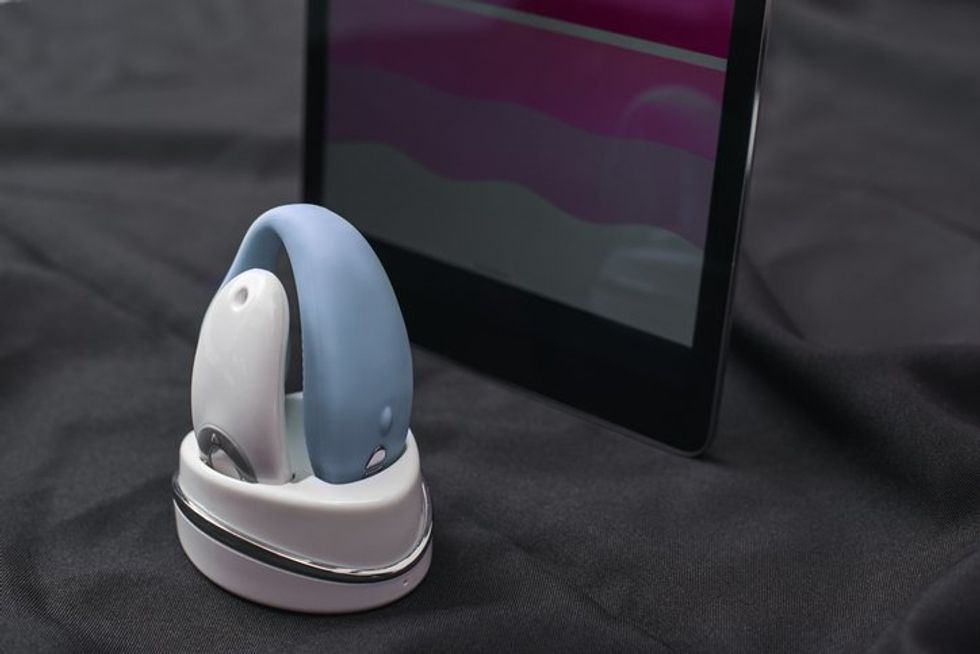
These toys are controlled by remote control or an app, which is good if you need something more hands-free. For example, the We-Vibe Sync ($129) offers a dual stimulation and G-spot design that can be activated by you or a partner via phone app from anywhere on the planet. If this type of toy is your jam, also consider Eve’s Rechargeable Vibrating Panty ($38.49) by Adam and Eve and the Pearl ($29.99).
Sexual pleasure is a basic human need. And having limited mobility doesn’t mean your options for pleasure need to be limited too. So consider getting one (or more!) of these accessible sex toys and make a trip to O town.
From Your Site Articles
Related Articles Around the Web
Sara Ghandehari, M.D., hizo la revisión médica de este documento
En Estados Unidos, el
cáncer pulmonar es la causa principal de muertes de personas de todo género.
Antes se consideraba frecuentemente que el
cáncer pulmonar era un trastorno de hombres fumadores porque los hombres fuman, en general, más que las mujeres y fumar es el factor de riesgo principal de cáncer pulmonar. Pero según las investigaciones, las mujeres que fuman tienen mayores probabilidades de contraer cáncer pulmonar, incluso con una menor exposición al cigarrillos que hombres fumadores y nadie está seguro de por qué.
Se piensa que la susceptibilidad genética y biológica podría jugar un papel importante. Es decir, simplemente ser mujer puede incrementar tu riesgo de contraer cáncer pulmonar.
También es importante entender que las tasas de cáncer pulmonar están
aumentando para no fumadores.
Aquí hablaremos acerca de las pautas de pruebas de cáncer pulmonar, lo que significan y cómo puedes protegerte de mejor forma.
Si tienes cáncer pulmonar, podrías experimentar cosas tales como:
Estos síntomas también pueden indicar otros trastornos médicos, así que tenerlos no implica que definitivamente tengas cáncer pulmonar. Pero si no te sientes bien o tienes síntomas que no mejoran, habla con tu proveedor de atención médica para evaluaciones adicionales.
El Equipo de trabajo de servicios preventivos de EE.UU. (USPSTF, por sus siglas en inglés), recomienda pruebas si cumples con todas las siguientes pautas:
¿Qué es un año-cajetilla? Es una medida de cuánto alguien ha fumado durante un período de tiempo. Para saber tu medida de años-cajetilla, multiplica la cantidad de paquetes de cigarrillo que fumaste al día por el número de años que fumaste. Consecuentemente, un paquete al día por 20 años o dos paquetes al día por 10 años da como resultado 20 años-cajetilla.
La Sociedad estadounidense contra el cáncer (ACS, por sus siglas en inglés) recomienda pautas de pruebas parecidas a las del USPSTF, pero recientemente actualizaron sus pautas para eliminar el requerimiento de 15 años. Según la ACS, las pruebas anuales son importantes independientemente de hace cuántos años dejaste de fumar.
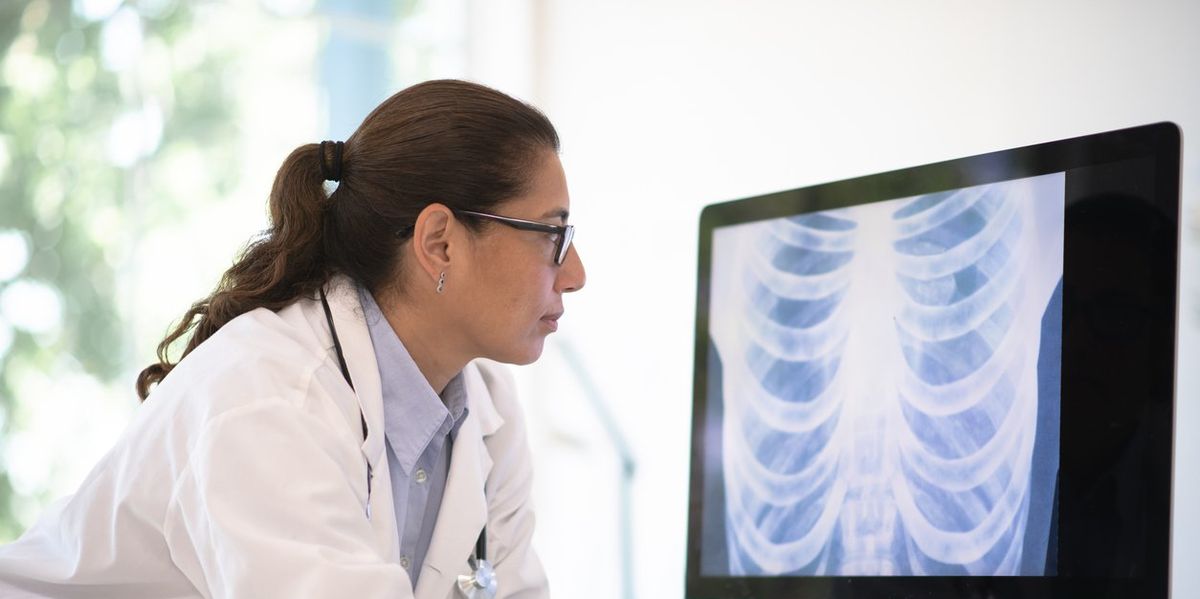
Antes, las pruebas para detectar cáncer pulmonar se hacían usando rayos X del tórax, los cuales capturan una imagen de los huesos y los órganos del tórax. Pero ahora, investigaciones han demostrado que pruebas que usan tomografías computarizadas de baja dosis (TCBD) son más efectivas.
Una TCBD usa montos pequeños de radiación para capturar imágenes detalladas del tórax usando una máquina de rayos X. Estas imágenes se capturan en una trayectoria en forma de espiral alrededor del cuerpo, por lo cual este procedimiento también se denomina tomografía computarizada espiral.
El National Lung Screening Trial [Ensayo nacional de pruebas pulmonares] evaluó a personas entre las edades de 55 y 74 años que habían fumado un paquete de cigarrillos al día durante al menos 30 años. Los participantes del estudio eran fumadores en esos momentos o habían dejado de fumar 15 años antes o menos. Los investigadores usaron rayos X del tórax o TCBD para tratar de detectar cáncer pulmonar. Descubrieron que usar TCBD anualmente durante tres años encontró cánceres pulmonares en sus etapas tempranas mejor que los rayos X de tórax. Estas pruebas también redujeron el riesgo de morir de cáncer pulmonar para fumadores y personas que habían fumado mucho.
Los Centros para la prevención y control de enfermedades (CDC, por sus siglas en inglés) indican que 1 de cada 5 personas en EE.UU. que nunca han fumado aun así contraen cáncer pulmonar.
A pesar de esto, el USPSTF solo recomienda pruebas de cáncer pulmonar para personas que tienen un alto riesgo: personas que tienen 50 años o más y que fuman o han fumado. Esto se debe a los posibles peligros de las pruebas, tales como pruebas adicionales por falsas alarmas, lo cual puede exceder el beneficio mínimo de encontrar cánceres en etapas tempranas para este grupo.
La Sociedad estadounidense contra el cáncer dice que no hay suficiente evidencia para determinar si herramientas de examinación podrían ser útiles para no fumadores. Pero las investigaciones y las pautas de las pruebas cambian continuamente.
En 2022, Medicare
incrementó su cobertura de pruebas para personas entre 50 y 77 años, que tienen antecedentes de cigarrillo de 20 años-cajetilla y que fuman actualmente o que dejaron de fumar hace 15 años o menos. Tampoco debes tener señales o síntomas de cáncer pulmonar.
La mayoría de planes de seguros privados y de expansión de Medicaid también deben seguir las nuevas pautas de 2022. Comunícate con tu plan personal de seguros para saber si cumples con los requerimientos. No deberías tener que pagar por ninguna prueba si cumples con los criterios, pero tu seguro podría indicar en qué instalaciones debes someterte a las pruebas.
Este recurso educativo se preparó con el apoyo de Merck.
From Your Site Articles
Related Articles Around the Web