The main category of Fitness News.
You can use the search box below to find what you need.
[wd_asp id=1]
The main category of Fitness News.
You can use the search box below to find what you need.
[wd_asp id=1]
It needs to be noted that a poor waste elimination promotes poisonous toxic buildup, the immune system becomes weakened and the body is vulnerable to diseases. A healthy colon that is clean provides a strong defense against the many pathogens that invade the body.
How does Psyllium works? When mixed with water, the fibrous husks of psyllium seeds form a gel-like mass that absorbs excess water from the intestines and creates larger, softer stools. In the case of constipation, the added water and bulk help to soften stools, making them easier to pass. You can take 7.5 grams of the husk one to two times per day. This can be taking with milk, juice & water.
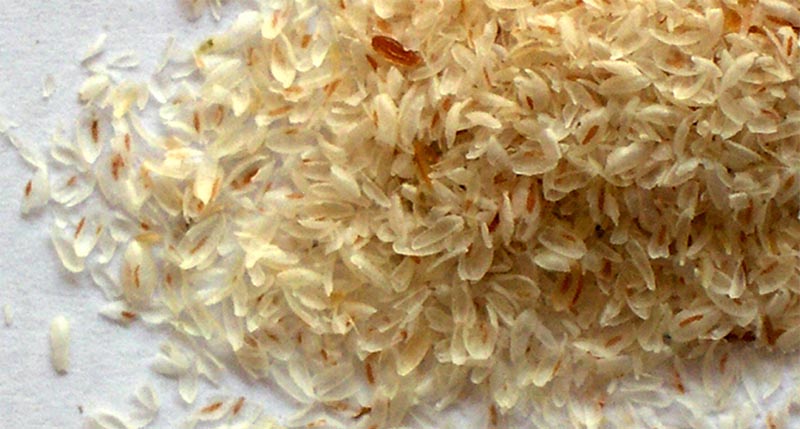

This pure, natural fiber can be mixed with 8 to 16 ounces of water or juice. It will absorb the water and become thick, so it should be drank immediately after mixing. And, since it does absorb so much excess water, make sure that you drink plenty of water to prevent dehydration.
Disclaimer
The Content is not intended to be a substitute for professional medical advice, diagnosis, or treatment. Always seek the advice of your physician or other qualified health provider with any questions you may have regarding a medical condition.
Progesterone levels
Progesterone levels fluctuate throughout your menstrual cycle. Your numbers rise each month during the second half of the menstrual cycle, about seven days before your period. That’s because one of progesterone’s most important functions is to cause the uterine lining to give off special proteins to prepare it for an implanted fertilized egg. If the lining isn’t thick enough, implantation won’t happen.
If you don’t have an implantation, your estrogen and progesterone levels drop. That triggers your uterine lining to break down, and you get your period, which sheds the lining.
Read: The Female Reproductive Cycle >>
If you do have an implantation and get pregnant, progesterone is produced in the placenta and the levels remain high during pregnancy. Levels are even higher if you’re having more than one baby.
The combination of high estrogen and progesterone levels stops ovulation during pregnancy. Progesterone also causes your milk-producing glands in the breast to grow during pregnancy, which is what allows your breasts to make milk for nursing.
“Normal” progesterone levels depend on a person’s age and gender. For women and people assigned female at birth, factors include where you are in your menstrual cycle and whether you’re pregnant.
Low progesterone causes
Low progesterone levels may be caused by:
Low progesterone symptoms
If you’re not pregnant, some symptoms of low progesterone include:
If you’re pregnant, you need progesterone to maintain your uterus until you give birth. If your levels are too low, you may not be able to carry the baby to term.
Some symptoms of low progesterone levels in pregnant women include:
Progesterone and estrogen hormones complement one another. So, when you don’t have enough progesterone, estrogen dominates. And that can lead to symptoms such as:
A simple blood test — a PGSN, or progesterone test — can help you find out if your progesterone levels are too low. It can help you figure out why you’re having trouble getting pregnant, confirm whether you’ve ovulated, monitor hormone therapy (formerly called hormone replacement therapy) and assess the status of a high-risk pregnancy.
Read: Clinically Speaking: What You Need to Know About Hormone Therapy >>
Treatment for low progesterone
Several types of treatments can help address low progesterone symptoms. If you’re trying to conceive, hormone therapy can help increase progesterone and thicken your uterine lining. That may improve your chances of getting pregnant. If you have severe menopause symptoms, your hormone therapy will likely be a combination of progesterone and estrogen.
Natural remedies to boost low progesterone levels include:
From Your Site Articles
Related Articles Around the Web
Gut health refers to the balance and function of the gastrointestinal tract, including the
microbiome (the community of microorganisms living in the gut), digestive processes, and the
integrity of the gut lining. A healthy gut is crucial for overall well-being as it impacts nutrient
absorption, immune function, inflammation levels, and even mental health through the gut-brain
axis.
The gut and the brain communicate bi-directionally through a network of nerves, hormones, and neurotransmitters, known as the gut-brain axis. This communication system plays a significant role in regulating various bodily functions, including reproductive hormone production. For instance, neurotransmitters like serotonin and dopamine, which are produced in the gut, can influence mood, stress response, and fertility hormones such as estrogen and progesterone.
Chronic inflammation in the gut often associated with conditions like leaky gut syndrome or imbalances in gut bacteria (dysbiosis), can impact reproductive health. Inflammation disrupts hormone balance and can lead to conditions like polycystic ovary syndrome (PCOS) or endometriosis, which are known to affect fertility. Managing gut health to reduce inflammation is therefore crucial for optimizing reproductive outcomes.A study published in Frontiers in Cellular and Infection Microbiology (2019) discussed how gut microbiota influence estrogen metabolism and estrogen-related disorders, potentially impacting fertility outcomes.
The gut is responsible for absorbing essential nutrients needed for reproductive health, such as folate, zinc, omega-3 fatty acids, and antioxidants. A compromised gut lining or dysbiosis can impair nutrient absorption, potentially leading to deficiencies that affect fertility. Ensuring a healthy gut environment through a balanced diet and proper digestion supports optimal nutrient uptake for reproductive processes.

Research indicates that gastrointestinal disorders like irritable bowel syndrome (IBS), small intestinal bacterial overgrowth (SIBO), or inflammatory bowel disease (IBD) may be associated with fertility issues. These conditions can disrupt hormonal balance, nutrient absorption, and overall reproductive function, underscoring the importance of addressing gut health in fertility treatments and management.
Improving gut health involves adopting lifestyle practices that support digestive wellness:

Dietary Changes: Incorporate fiber-rich foods, probiotics (beneficial bacteria), and prebiotics (fiber that feeds beneficial bacteria) to promote a diverse microbiome.Emerging research is investigating the potential benefits of dietary modifications, such as fiber-rich diets and Mediterranean diets, in supporting gut health and fertility.
Stress Management: Practice stress-reduction techniques like mindfulness, yoga, or meditation to support gut-brain axis function and hormone balance.
Hydration and Exercise: Maintain adequate hydration and engage in regular physical activity to support digestion and overall health.
Understanding the link between gut health and fertility highlights the importance of a holistic approach to reproductive wellness. By prioritizing digestive wellness through lifestyle adjustments and potentially seeking guidance from healthcare providers or fertility specialists, individuals can support their fertility journey while promoting overall health and well-being. Integrating gut health considerations into fertility care can enhance treatment outcomes and optimize chances of conception.
Disclaimer
The Content is not intended to be a substitute for professional medical advice, diagnosis, or treatment. Always seek the advice of your physician or other qualified health provider with any questions you may have regarding a medical condition.
In yoga the body is seen as an energy system, with a number of different areas or chakras. The second Charka, is know as the seat of creation or reproduction. Enhancing blood flow into this region will help you seek significant results.
Yoga can serve as a tool to enhance your fertility by balancing the hormone levels of estrogen, progesterone, FSH and LH. The menstrual cycles become more regular and ovulation takes place right at the right time. You will also learn how to breathe properly and how to release excess tension and anxiety. It is true that when women go through the medically assisted process of trying to get pregnant, they experience a lot of stress. Stress can interfere with a woman’s menstrual cycle and delay ovulation, as well as reduce sperm production in men Most of the asanas are ones that increase the blood flow to the pelvis and make the women at ease with their bellies.
Certain restorative poses are perfect to prepare the body for conception. They can help to soften the abdominal region and remove any tension from the area of the ovaries, fallopian tubes and uterus. Reclining poses are used to elongate the abdominal region, allowing more blood flow to the reproductive organs.
Besides, there are also specific yoga positions that a woman can use after sex to increase her chances of conception. One of the most popular is a legs up the wall pose, known as Viprarita Kirani. This ensures that the sperm remain in the optimum position for fertilization for as long as possible.
The most important practice for women who want to get pregnant? Connecting the breath to the pelvis in each pose and keeping the abdominal muscles soft and relaxed

Helps increase circulation and space in the pelvis

It is a good idea to start with the block on the lowest level . If this feels comfortable, you can try turning it to a higher level. Since this is a restorative pose, choose the level that gives you the most ease. If you feel any pain, come out.
Try lifting one leg at at time off the floor, keeping the block in place. You may also lift both legs at the same time in a supported version of Shoulder stand.

If some of these postures seem a bit uncomfortable at first, use a bolster, pillow, or folded towel to help you ease into the pose. These tools are especially effective for the reclining postures.
Yogis suggest doing the Legs-Up-The-Wall pose after coitus for better sperm penetration of the uterus.
Disclaimer
The Content is not intended to be a substitute for professional medical advice, diagnosis, or treatment. Always seek the advice of your physician or other qualified health provider with any questions you may have regarding a medical condition.
“You’re going to find out in a minute,” Sager quipped, knowing the nurse was there to see how dilated she was. Sager is, in fact, a real redhead. Or as she put it, the carpet matches the drapes.
Natural redheads are rare — less than 2% of the population. Was the nurse so taken by Sager’s firey mane that she had to know if it was real? Probably. But she also asked because, if Sager’s hair color was natural, it meant she may need more pain management during labor.
“I’d never heard that before,” Sager said.
There’s a growing body of research that shows that people with red hair experience pain differently compared to people of other hair colors. The jury’s still out as to why this may be, but one theory has to do with the melanocortin-1 receptor (MC1R) gene.
All people with red hair are born with a mutation of the MC1R gene. That’s not only what gives them flaming locks of auburn hair, but, according to a 2021 study, it also reduces the function of the gene. And those changes affect the balance between pain sensitivity and tolerance.
Overall, research on redheads supports the seeming contradiction that they have a higher tolerance for pain in general, but they have increased sensitivity to certain types of pain.
For example, one study found women with red hair were more sensitive to temperature-related pain compared to women with dark hair. But another study found that people with red hair were less sensitive to pain by electric shocks.
The differences don’t stop at the way redheads perceive pain. They also respond to pain medication differently. Given the range of pain sensitivity and different types of pain, pain management can present challenges for people with red hair. Studies show redheads may require higher doses of some types of non-opioid pain relievers. But, the 2021 study mentioned above found that redheads may be more sensitive to opioids and need less medication to stop pain.
The sensitivity to opioids may be even more pronounced in women. One study found that women with two parents who have read hair — meaning they have two variant MC1R genes — had significantly higher pain tolerance and significantly higher sensitivity to opioids.
The research on whether redheads need more anesthesia is limited, but if you talk to women with red hair, you may hear anecdotal evidence that they require more anesthesia. Why? The theory is back to the MC1R gene mutation, which leads to a reduced response to anesthesia, so more is needed. One study found that women with red hair required almost 20% more anesthesia for sedation compared to women with dark hair.
Della Lin, M.D., an anesthesiologist and secretary of the Anesthesia Patient Safety Foundation, noted that the research regarding redheads and more anesthesia comes from smaller studies, so it may not be something your healthcare provider (HCP) thinks about right away.
Lin encourages people with red hair — and everyone else — to bring up any concerns about anesthesia or pain management before the procedure. “I might keep that thought in the way back of my mind [that you have red hair], but I’m not going to increase anything by default,” Lin said. “So it’s nice to know if you’ve noticed that you’re sensitive to opioids … because everyone is a little bit different.”
Jackie Wexler, a middle school teacher with curly scarlet-red hair, said she had no clue her hair color was tied to her reaction to medicine. But looking back, regular OTC pain medications haven’t done much for her menstrual cramps or her headache attacks. “Now I have the worst migraine attacks and nothing helps,” she said.
Read: 8 Types of Migraine Attacks >>
It makes sense to her that the high pain tolerance and high tolerance to certain painkillers is genetic. She said her sister, who also has red hair, needed more pain medication than they would give her when she gave birth.
Sager is now mindful of her real redhead status and tries to get her HCPs on the same page regarding any pain medication or anesthesia she may need. Still, some providers don’t think the connection between redheads and pain is true. When Sager went in for a colonoscopy, she told her anesthesiologist that she needed a higher dose. She pointed to her head. He said she didn’t. So when the nurse came in and asked why she was still coherent and sitting up, Sager didn’t mince words. “I’m a redhead. I’m different.”
Related Articles Around the Web
Si has escuchado a personas hablar acerca de los “genes del cáncer de mama”, probablemente se referían a BRCA, pero lo que decían solo es parcialmente verdad. Todos tienen los genes BRCA (cáncer de mama). Y si funcionan correctamente, te protegen.
“Todos tenemos dos copias de los genes BRCA1 y 2 y queremos que funcionen apropiadamente”, dijo Chrissy Spears, M.S., una asesora genética certificada de Comprehensive Cancer Center de la Universidad estatal de Ohio y miembro del Consejo de asesoría de la salud de la mujer de HealthyWomen. No son los genes en sí, pero ciertas mutaciones (cambios) de BRCA1, BRCA2 y otros genes pueden aumentar el riesgo de que una persona desarrolle cáncer de mama y de otros tipos.
Los genes BRCA1 y BRCA2 normales producen proteínas que ayudan a reparar ADN defectuoso. A veces se los llama “genes supresores de tumores” porque evitan que ocurra cáncer cuando funcionan apropiadamente. Cuando mutaciones de BRCA1 o de BRCA2 evitan que la proteína BRCA repare el ADN, las células tienen más posibilidades de dividirse y crecer rápidamente, lo cual puede causar cáncer.
Por eso, personas con mutaciones nocivas de BRCA1 o BRCA2 tienen un mayor riesgo de desarrollar ciertos tipos de cáncer, incluyendo de mama, de ovario y de próstata.
Lee:¿En qué forma los genes afectan tu salud? >>
Según el Instituto nacional de cáncer:
¿Las buenas noticias? Hay pruebas que pueden indicar si tienes una mutación BRCA. Comprender las pruebas BRCA puede ser útil para que decidas con tu proveedor de atención médica (HCP, por sus siglas en inglés) si es conveniente que te hagas esas pruebas. Una prueba BRCA oportuna o inmediatamente después de un diagnóstico podría ser una decisión que cambia tu vida.
Las pruebas genéticas BRCA buscan mutaciones de tus genes BRCA1 y BRCA2 que incrementen significativamente el riesgo en una persona de:
Las pruebas genéticas también tratan de identificar mutaciones de otros genes aparte de BRCA1 y BRCA2. Y hay más de 1000 mutaciones BRCA conocidas. Pueden hacerse pruebas de sangre o saliva sin diferencia en la precisión de los resultados. Habla con tu doctor o asesor genético para que soliciten una prueba aprobada por la FDA [Administración de medicamentos y alimentos]. Una vez que se haya recolectado una muestra, puedes esperar los resultados en aproximadamente dos semanas.
Las pruebas BRCA se recomiendan para personas con ciertos factores de riesgo. Estas incluyen:
Si tienes uno o más de estos factores de riesgo, considera hablar con tu proveedor de atención médica (HCP, por sus siglas en inglés) acerca de las pruebas BRCA. Podría referirte a un asesor genético, alguien especialmente capacitado para ayudar a personas a decidir si las pruebas genéticas son adecuadas para ellas.
Algunas mutaciones BRCA son hereditarias. Esto significa que pueden pasarse de progenitores a hijos. Personas tendrán un mayor riesgo de ciertos tipos de cáncer si heredan una mutación BRCA. Si tienes antecedentes familiares de ciertos tipos de cáncer, tales como cáncer de mama, de ovario y de próstata, las pruebas genéticas pueden ser útiles para que entiendas el riesgo que tienes de desarrollar ciertos tipos de cáncer y servirán para que tú y tu proveedor de atención médica tomen decisiones médicas informadas.
“Creemos que ‘el conocimiento es poder’”, dijo Spears. “Si sabemos que hay una mutación, hay medidas que podemos tomar al respecto”.
Lee:¿En qué forma los genes afectan tu salud? >>
Spears sugiere que las mujeres también hablen con los hombres que conocen acerca de las pruebas BRCA porque ellos también pueden tener mutaciones BRCA
.
Aunque la decisión de someterse a pruebas BRCA después de un diagnóstico de cáncer de mama debería considerarse en forma individual por una mujer y su equipo de atención, las pruebas genéticas pueden ser útiles para mujeres con cáncer de mama que:
Recientemente, la Sociedad estadounidense de oncología clínica (ASCO, por sus siglas en inglés) y la Society of Surgical Oncology [Sociedad de oncología quirúrgica] (SSO) publicaron recomendaciones actualizadas de pruebas de mutaciones genéticas para pacientes con cáncer de mama. Entre otros criterios, las pautas recomiendan pruebas de mutaciones de BRCA1 y BRCA2 para pacientes que reciban diagnósticos recientes de cáncer de mama que tengan 65 años o menos y ciertos pacientes de más de 65 años.
Puesto que las mutaciones BRCA pueden afectar la forma en que se trata el cáncer de mama, descubrirlas lo antes posible podría ser útil para tus decisiones de tratamiento. Las pruebas genéticas pueden proporcionar a tu proveedor de atención médica nociones de cuáles terapias dirigidas podrían tener mejores resultados. (La farmacoterapia dirigida es un tratamiento contra el cáncer con medicamentos diseñado para “eliminar” células cancerosas sin afectar células normales y saludables).
Los resultados de las pruebas genéticas también podrían motivarte a que tomes otras medidas preventivas, tales como pruebas más frecuentes si descubres que tienes un mayor riesgo de ciertos tipos de cáncer.
Muchos planes de seguros médicos cubrirán el costo de pruebas genéticas si las recomienda un doctor, según la Sociedad estadounidense de oncología clínica. Pero la cobertura la decide finalmente tu compañía de seguros, así que es una buena idea verificar si las pruebas BRCA tienen cobertura antes de que continúes.
Algunas organizaciones proporcionan información y recursos para quienes no pueden pagar atención preventiva. Por ejemplo, FORCE, Facing Hereditary Cancer Empowered, es una organización de concientización que proporciona información acerca de pruebas genéticas y dirige a personas a recursos adicionales relacionados con cobertura de seguros para pruebas genéticas.
Aunque hay kits caseros de pruebas genéticas, habla con tu proveedor de atención médica acerca de las pruebas BRCA. Las pruebas caseras no son completas (es decir, no detectan todas las mutaciones BRCA) y sus resultados podrían ser confusos si un experto no te los explica ni te ayuda a determinar cuáles son los siguientes pasos.
Visita beBRCAware.com para obtener información sobre en qué forma las pruebas genéticas pueden proporcionar información importante acerca del riesgo de cáncer y cómo pueden ser útiles para tomar decisiones sobre tratamientos después de un diagnóstico.
Este recurso educativo se preparó con el apoyo de AstraZeneca y beBRCAware.com.
Recursos
Herramienta de antecedentes médicos familiares de Susan G. Komen
Centro de la UCSF de estudios de investigación de BRCA
From Your Site Articles
Related Articles Around the Web
About 15 years ago, I got really sick. It started with strep throat. Then mono. I was trying my best to power through as a busy mom with two young kids, but then the fever started. For days, I was out of commission, lying in sweat and unable to cool down. When my fever broke, I was so relieved. The worst was behind me and I couldn’t wait to feel better.
But it was like gravity had seeped into my limbs and cast a spell on my muscles. Everything felt heavy and I was so weak and tired. Like I’d run a marathon while having the flu. When I couldn’t muster the strength to put my kids’ clothes in the washing machine, my husband drove me back to the healthcare provider’s office. “I’m not getting better,” I said, letting the tears slide down my face. It took too much energy to wipe them away. But I was angry too. I was only 31 years old. I can lift a laundry basket. Something was wrong.
The provider diagnosed me with
Epstein-Barr virus and said there wasn’t much I could do but hopefully get through it. Best case scenario: I would feel better in a few weeks.
But that’s not what happened. I spent all my time in bed, exhausted from nothing, barely able to get up to go to the bathroom. It was like someone snatched my vitality — my identity — and I was too tired to find it.
I’ve always been a go, go, go type of person, so this new reality was torture. I could hear my kids laughing and running and playing. I could hear my husband setting the table with the plates we’d just bought, and the clink of the glasses as he loaded the dishwasher. Every sound reminded me of the life I was missing. It sparked moments of energy. I’d raise my head and attempt to get up, but my body wouldn’t do it. I began to turn on myself. Maybe I didn’t want it enough. Maybe I wasn’t trying hard enough. Then I’d collapse back in the bed completely drained by my thoughts.
Weeks turned into years and nothing got better. Some days, my muscles were so exhausted, it was hard to breathe. I was depressed. All the strength I had went into provider appointments hoping to find something — anything — that could help me. But everyone said the same thing: You’re anxious, you’re depressed and you need to lose weight. I was on medication for anxiety and depression. I had lost weight, but my symptoms were the same. Also, it was next to impossible to exercise feeling like this. The cycle continued.
On the days I managed to get out into the world, I couldn’t spend more than a few minutes outside. I’d developed a heat intolerance, which was a huge problem in Alabama. I was fine one minute and then short of breath, dizzy and confused the next. It felt like I was suffocating and my core was a torch. My face turned purple. Even when I got into air conditioning, it took me a long time to bring my body temperature down. The heat intolerance added another layer of torture. My depression got worse. I felt trapped in the house.
The hardest thing was not being there for my kids. They were so young — my daughter was 3 and my son was 7 when I first got sick. Once, I took my daughter with me to a psychiatrist appointment and she looked at the doctor and said, “Please help my mom not be so tired.” That broke my heart into a million pieces. It wasn’t just me who felt powerless. We were all feeling it.
Alyson and her daughter in Alabama, 2011.
One day, my dad called and he was really excited. He told me to get tested for lupus. “Maybe that’s what’s wrong with you!” At one point, a dermatologist friend had thought my dad might have lupus because of a butterfly-shaped rash on his face, and we get similar rashes so maybe I had something like that.
I went to a rheumatologist a few days later, and I didn’t have lupus, but my inflammatory markers were off the charts.
The provider thought I might have something called post viral postural orthostatic tachycardia syndrome, or POTS. I wanted to scream. For so long I’d been searching for an answer and this whole time, it was just a simple test away. Still, I was happy to get any information that could lead to me getting my life back.
To get a POTS diagnosis, I had a tilt table test where I was literally strapped to a table and tilted upward. My blood pressure dropped and I passed out, which is the signature sign of POTS.
When I came to, I was ecstatic. For too long I lived with this doubt hanging over me. Maybe I wasn’t just lazy and out of shape and dramatic. The truth was that my nervous system was damaged by a viral infection — probably when I was diagnosed with mono — and the disorder was causing the fatigue and overheating.
I was so excited I could barely spit out the word “treatment.” I was ready to start right away. I noticed that the provider didn’t look as happy as I was. He told me treatment options vary from person to person and they have a lot to do with lifestyle. And there’s no cure for POTS. Basically, there wasn’t a pill or a procedure that could return me to the bubbly, energetic Alyson I was before.
I began mourning the old me right there in the office. I’d been holding on to hope that once I was diagnosed I could feel like myself again. In a strange way it was freeing to know that I could never return to my old life. I had no choice but to move forward and make changes that were best for me living with POTS.
First, that meant relocating. We loved our life and supportive friends in Alabama, but I couldn’t feel like a prisoner in my own home. We packed up and moved to Michigan where the weather is cooler. I felt a difference almost immediately. I can walk our dog and watch my kids play sports outdoors. I went shopping at Target for the first time in a long time and didn’t take a nap after. I felt like I won the lottery.
 Alyson and her husband in snowy Michigan, 2023.
The freedom to move without worrying about the heat has been a game changer for my mental and physical health. I’m so much more active and I also take a low-dose beta blocker and a medication for Type 2 diabetes, which I think has helped with my POTS symptoms too. I still have flares though, and I have to remind myself that I have a chronic condition and not to push myself too far.
Through it all my husband has been my rock. When I started to doubt if something was really wrong with me, he shut those thoughts down, and he encouraged me to keep going to find the truth. I’ve learned that it takes most women years to get a POTS diagnosis. My advice is to believe in yourself and remember that none of this is your fault. And ask for the tilt table test. Sometimes turning your world upside down is the best thing you can do.
Have a Real Women, Real Stories of your own you want to share? Let us know.
Our Real Women, Real Stories are the authentic experiences of real-life women. The views, opinions and experiences shared in these stories are not endorsed by HealthyWomen and do not necessarily reflect the official policy or position of HealthyWomen.
Related Articles Around the Web
But more and more, you also have to grapple with the cost of cancer alongside the physical and emotional aspects of cancer. Those costs can truly add up, often catching people by surprise.
Unfortunately, cancer costs come in many forms.
If you have health insurance, you might expect it to cover all your cancer care costs — and it should cover a lot of them. Direct medical costs include tests, medications, procedures, surgeries and some medical supplies. Insurance is likely to cover these costs if they’re considered “medically necessary.” In other words, if your treatment is in line with standard guidelines for your particular cancer and your healthcare providers (HCPs) believe you need it, it’s more likely your insurance will pay for it.
Yet even if your insurance covers direct medical costs, you may have to get their approval in advance (called “prior authorization”). Getting that approval can be its own headache. If your treatment plan is less common or you want to see an HCP who isn’t in your insurance network, you may not get approval.
Beyond the direct medical costs of your cancer treatment, you may come across many other types of expenses. For example, special foods or nutrition supplements may be important, but insurance doesn’t typically pay for them. Or, while medical care may be covered, home health may not be.
If you have to travel to get your care, across town or far away, you need to factor those costs in, too. Whether you have to pay for parking at a downtown hospital or travel to get specialized care away from home, travel costs can be challenging.
If you’re living with cancer, you may need extra help caring for your children, your parents or your pets. You may need more help in your home or doing errands that you may not be able to do yourself for a time. Caregiver costs can be substantial, and for many, may be out of reach.
Cancer costs may be even harder to manage thanks to “opportunity costs,” the missed opportunities to earn money. If you’re in treatment, you may not be able to work or you may have to scale back your hours. Lost wages or the loss of job-based health benefits can turn financial strain into a crisis. In a 2022 Cost of Cancer study conducted by HealthyWomen and CancerCare, nearly half of people in active treatment experienced some financial setback, and 6% lost their job altogether.
The first step in managing the very real stress of cancer-related costs is to recognize that you are not alone. HealthyWomen’s Cost of Cancer report showed that paying for cancer costs was stressful for 6 out of 10 people surveyed. Nearly 1 of 2 patients with cancer reported feeling stress, worry and a sense of being overwhelmed because of the direct and indirect costs of cancer care.
It’s also important to ask for help — or allow people to help when they offer. The people in your life very likely want to help, but they may need you to tell them what would be most helpful. Perhaps a neighbor can run errands for you, or a close friend can help you with household chores. These gestures can spare you the cost of hiring someone and give you the comfort of knowing you’re not alone.
The emotional strain of a cancer diagnosis is real. The financial parts of cancer only add to those challenges. If you feel anxious, depressed or generally overwhelmed, seeking therapy or other mental health care may also help.
Without health insurance, the direct costs of cancer can be crushing. But if you are uninsured, there are ways to get coverage.
If you don’t have health insurance from your job, is there someone in your household who may be able to add you to their coverage? If not, visit the federal Marketplace (Healthcare.gov) or the Marketplace in your state. If you’ve lost your benefits recently, you may be able to sign up even if it’s not during open enrollment. If you have low or no income, you may qualify for generous subsidies.
Depending on your income and the rules in your state, you may qualify for Medicaid, the state-operated health insurance for people with very low incomes. Similarly, depending on your age and condition, you may be able to sign up for Medicare. These programs offer good coverage and a lot of consumer protections, often for free or with very low costs.
With or without insurance, if you’re struggling to pay for medical care, you may qualify for financial assistance from your hospital or clinic. Hospital financial counselors can often help you navigate the hospital’s financial aid process, which may include a formal application. If your application is denied, you may be able to appeal. Medical facilities will also usually set up a payment plan that lets you pay small amounts over time, sometimes without interest. Be honest about what you can comfortably afford.
If you can’t get financial relief from the hospital or medical center itself, the financial counselor may still be able to help. They might help you get support from local community or religious organizations, or from drug maker co-payment relief programs. Some nonprofits will also help you advocate for yourself or negotiate bills on your behalf.
Finally, many people turn to crowdfunding campaigns to raise the money they need. Whether you launch a formal campaign or seek financial help informally, there’s no denying the power of your community to help you cope with the emotional and financial challenges of cancer.
From Your Site Articles
Related Articles Around the Web
Christina Carreira is a Canadian-born ice dancer who competes for the United States. With her skating partner, Anthony Ponomarenko, she is a two-time Four Continents bronze medalist, the 2018 Rostelecom Cup bronze medalist, an eight-time medalist on the ISU Challenger Series, and a three-time U.S. national medalist.
We CANNOT SAY ENOUGH GOOD THINGS ABOUT THE INCREDIBLE SKATER AND PERSON THAT IS CHRISTINA CARREIRA. In an environment where competition can bring out the worst in people, she has remained true to herself and led with kindness and positivity.
Even more than being a technically and artistically gifted skater, Christina is a good person who cares for those around her – and that’s really what matters, right?
This month on Women Fitness Europe we have Christina talking about her journey , favourite food and travel!
You were born in Montreal, Quebec, Canada and in 2013, moved to Novi, Michigan, United States. You started skating at the age of three years and competing by the age of six years. With Simon-Pierre Malette-Paquette, you won sectional titles from the juvenile level. Representing Quebec, you both became the 2012 national champion at the pre-novice level. This later propelled your career to the height where you have been at the top of the world of ice dancing. Tell us more about your professional journey of exceptional hard work, tenacity, and endurance?
I started skating at the age of three, and I started ice dance when I was 6 with my previous partner, we skated together for 7 years. When I was 13 I moved to Michigan by myself, when training got more serious. I teamed up with Anthony the following year and we started competing internationally on the Junior Grand Prix circuit. We did well in junior, and after 4 years together we had two junior world medals, the following season, we moved up to senior, and the competition was a lot tougher, we had a great first year at the senior level but then it was hard to keep the momentum going. Over the last two years, we have been able to establish ourselves on the national and international level. I think what helped us was trusting the team around us and the plan they made for us. In ice dance, it can take a long time to achieve success, we’re both very determined and motivated to achieve our goals so we work hard every day and it’s been paying off.
You won the Silver Medal at the 2024 U.S. Figure Skating Championships, in Columbus, Ohio. Tell us more about this spectacular achievement of yours.
Winning the silver medal at our national championship was special for us, the US is one of the strongest countries in the world in ice dance so it’s a really big honor to be recognized as one of their top teams. We had been working very hard all year to achieve our goal of being in the top two at nationals. It felt like our hard work had paid off and it was a great week overall, the crowd was also incredible.
In April 2014, you teamed up with American ice dancer Anthony Ponomarenko and since then it has been no holding back. You both have won numerous ice dancing competitions. Tell us more about your Ice dance arenas, the perfect chemistry between the two, and synchronizing in perfect harmony when performing in a competition.
I’m so grateful for my partnership with Anthony, this year was our tenth season skating together and it was our best one yet. He is one of my best friends which makes working together every day and traveling the world together even more special. In the last few seasons, we focused on connecting before competing, we have a little ritual that we do before taking the ice at a competition; we talk through our cues for our program and we hug and sync our breath so that we feel more connected.
Full Interview is Continued on Next Page
This interview is exclusive and taken by Namita Nayyar President of womenfitness.net and should not be reproduced, copied, or hosted in part or full anywhere without express permission.
All Written Content Copyright © 2024 Women Fitness
Disclaimer
The Content is not intended to be a substitute for professional medical advice, diagnosis, or treatment. Always seek the advice of your physician or other qualified health provider with any questions you may have regarding a medical condition.
The term “superfoods” tends to conjure images of magical ingredients promising to unlock the secrets of longevity. In reality, no single food paves the way to the fountain of youth, and vitality more likely resides in
a whole-foods-based diet, abundant in protein and essential nutrients to support overall health and well-being. Avoiding processed foods and their slew of refined sugar and oxidized seed oils provides a solid step to health that far surpasses the benefits of any single “superfood” That said, incorporating a variety of foods with unique and potent health benefits into one’s regimen can significantly enhance the diet’s health-promoting potential. Consider these ten such “superfoods,” that may nourish one’s health in remarkable ways.

Salmon provides an excellent source of high-quality protein essential for muscle growth and repair, with a potentially more digestible and anti-inflammatory amino acid profile than land animals. Salmon is also notably an excellent source of omega-3 fatty acids, in particular EPA and DHA, which support heart health, reduce inflammation, and are critical for brain function. Salmon is notably low in mercury, making it a safer choice for regular consumption. It is important to note that, while wild-caught salmon is leaner and features a more favorable omega-3 ratio, responsibly farmed, sustainable salmon may be slightly lower in mercury. Salmon also contains vitamin D, which supports bone health and immune function.
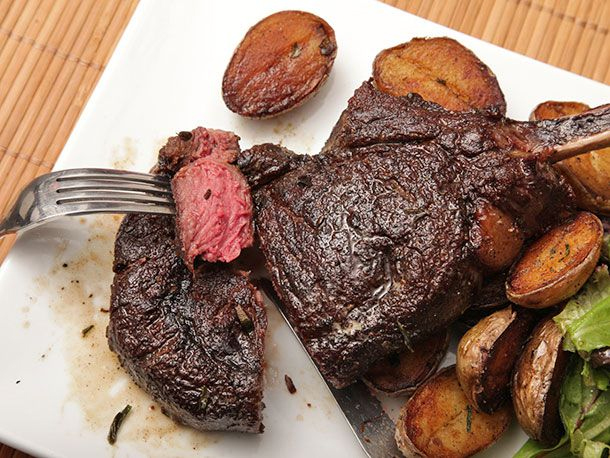
Bison meat offers the rich nutrition of red meat, with a notably leaner profile, less cholesterol, and fewer calories. It is high in protein, iron, zinc, and vitamin B12, all of which are crucial for energy production and immune function. Studies have even found that bison may support more favorable blood lipid panels and inflammatory status in comparison to other red meat, resulting in a reduced atherogenic risk.

Scallops provide an excellent source of lean protein, particularly the amino acids taurine and glycine, which boast anti-inflammatory potential and were even found in a rodent trial to support weight loss, in comparison to all other amino acids. Scallops also feature an array of nutrients, including selenium, which helps protect cells from oxidative damage and supports thyroid function, as well as zinc, which supports the immune system. Like salmon, scallops tend to be lower in mercury and were even the lowest species measured in the 1990 – 2012 FDA report.
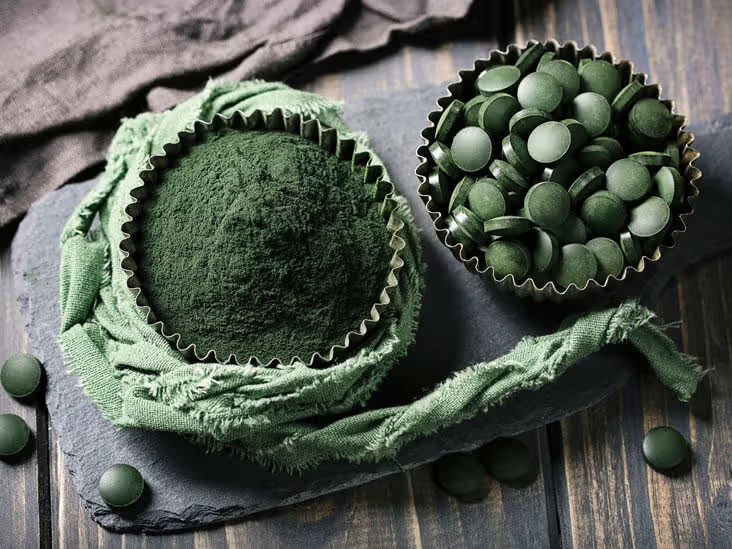
For the ultimate powerhouse of nutrition, look no further than Spirulina: a blue-green algae renowned for its dense nutrient profile. Spirulina provides a high-quality plant-based protein featuring all nine essential amino acids, making it a vegan source of complete protein. Perfect for boosting daily nutrition and potential akin to a multivitamin in whole-foods form, spirulina is loaded with vitamins (such as B vitamins including B12), minerals (such as iron and copper), and powerful antioxidants like phycocyanin and GLA, which boast anti-inflammatory properties. Spirulina notably has been shown to increase compounds in the body that combat oxidative stress, including glutathione and superoxide dismutase. Because spirulina lacks a cell wall, it is easily digested by the body.
Disclaimer
The Content is not intended to be a substitute for professional medical advice, diagnosis, or treatment. Always seek the advice of your physician or other qualified health provider with any questions you may have regarding a medical condition.