The main category of Fitness News.
You can use the search box below to find what you need.
[wd_asp id=1]
The main category of Fitness News.
You can use the search box below to find what you need.
[wd_asp id=1]
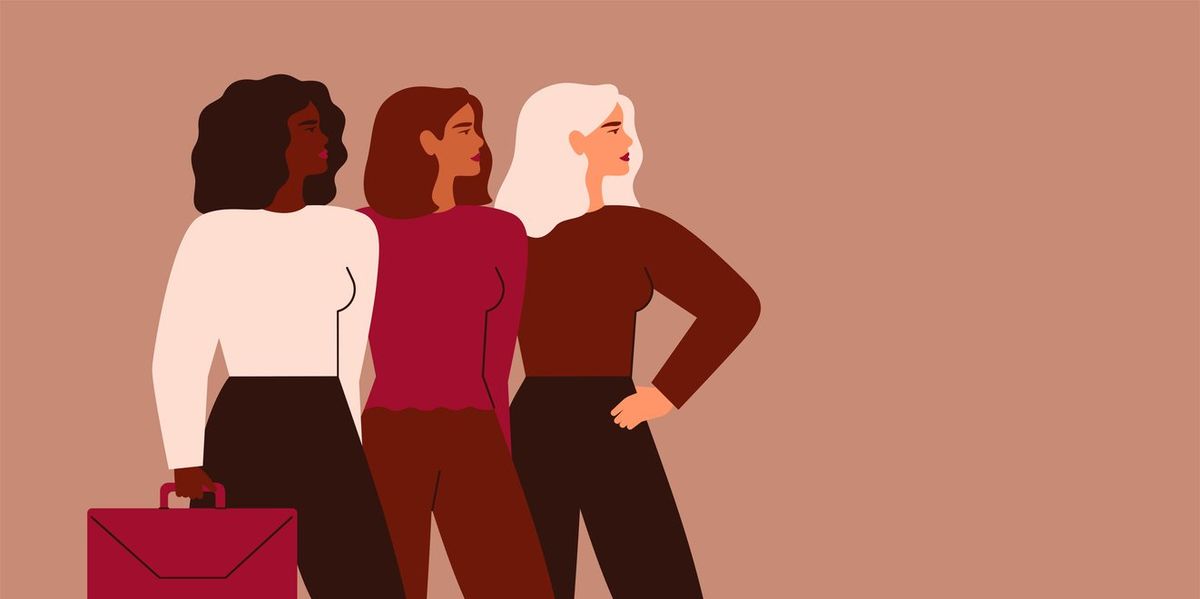
As the saying goes, behind every great company is a great woman. Or we should say, a lot of great women.
Nearly 4 out of 10 businesses in the U.S. are owned by women. These women-owned businesses employ more than 12 million people and generate $2.7 trillion a year in revenue. And the number of women-owned businesses is going up.
In fact, that number increased by nearly double the rate of businesses owned by men between 2019 and 2023,.. And Black and Latinx women-owned businesses increased at an even higher rate compared to all women-owned businesses.
Read: Meet the Badass Women Supporting Other Women in Their Health Journeys >>
Women continue to be a driving force behind some of the most essential and innovative products to date (cheers to birth control pills and antifungal drugs!). And the same goes for products designed for women’s health and wellness. From non-toxic tampons to organic tinted moisturizer, here are a few badass brands founded by women you should know about.
Period products with no dyes or toxins? Yes, please. Alex Friedman and Jordana Kier founded LOLA to bring a healthier version of tampons to the masses. The company didn’t stop at tampons, though. They sell pads, washable period underwear and sexual wellness products, including an adorable mini vibrator. All LOLA products are made without chemicals, dyes, fragrance, chlorine bleach or synthetic fibers and are approved by gynecologists. Also cool: you can purchase period products and condoms on the website to donate to people who need them through ISupport the Girls.
You know you’re doing something right when tennis legend Venus Williams likes your products so much she becomes part owner and global brand manager of your company. Asutra owner and CEO Stephanie Morimoto also started out as a customer before purchasing the self-care product company in 2018. From aromatherapy to skincare and sleep, all products are made from organic plants, essential oils and minerals like magnesium and are vetted by an advisory board. Asutra’s popular line (and “Venus fave”) includes body lotions and sprays with magnesium and capsaicin, an FDA-approved pain reliever that comes from chili peppers, for minor aches.
If you’re a fan of natural deodorant, you’ve heard of Schmidt’s … or at least popped the top off of a stick in the grocery store to see if you liked the smell. If that’s the case, you probably bought it because even though the label says “bergamot and lime” — and you don’t even know what bergamot is — you want it on your armpits. This was probably what founder Jaime Schmidt had in mind when she started making natural products in her kitchen in 2010. She was pregnant at the time and wanted to create a deodorant without chemicals that smelled really good and actually worked. The rest is underarm history. You can pick up the certified natural, vegan and cruelty-free deodorant in big box stores across the U.S. The sweet smell of success includes blends like cactus flower and pear, and grapefruit and apricot.
Finding time and energy to workout is tough enough. But wondering if you’re going to pee a little — or a lot — every time you jog or jump is a good reason to skip the gym. It was squats that led Holly Mosack, a Crossfit trainer and veteran, to start a line of leggings, capris and shorts that help keep urinary incontinence leaks from ruining your routine. Moxie Fitness Apparel’s design wicks fluid into the middle absorbent barrier, trapping urine and keeping skin dry. The bottoms are available in different colors and patterns (camo, of course) and maternity sizes. Each pair can hold 8 teaspoons of pee. Bring on the squats.
Truth: Actor Jessica Alba has incredible skin. Sure, it could be genetics, but she attributes her Instagram-filter face to products from The Honest Company she founded in 2012. Either way, at the core, the company makes organic, non-toxic products, including skincare and makeup for all skin types. The cosmetics are made from naturally derived ingredients, which means no sulfates and other irritating additives that can trigger allergies or breakouts. Some products read more like a list for the farmers market: carrots, kale, apple extract and lemons. More power to the produce if it helps your skin.
From Your Site Articles
Related Articles Around the Web
Biosimilars 101
Biosimilars work just as well as the drugs they’re modeled after — and they’re often more affordable. This quick guide will help you understand whether biosimilars could be an option for you.
Slide 2
What are biosimilars?
Biosimilars are copies of a type of drug called biologics . Biologics are drugs made from a natural source, such as plant or human cells. Biologics and biosimilars are used to treat a variety of health problems, including:
Slide 3
Biosimilars are safe and effective
Biosimilars are nearly identical to biologics, working in the same way to treat many of the same health problems. They are safe, effective and FDA-approved.
Slide 4
Lower production costs = cheaper drugs
Because they’re much cheaper to produce, biosimilars are more affordable than biologics — which are among the most expensive medications in the world. Biologics used to treat RA, for example, can cost $30,000 a year .
Slide 5
Picking possible candidates
Companies decide to create biosimilars based on factors such as how much they will cost and whether they have a good chance of working the same way as a biologic.
Slide 6
Meeting FDA standards
Once they’ve decided to create a biosimilar, a company analyzes and compares data to develop a drug that meets the FDA’s high standards. The biosimilar is tested many times to prove it works in the exact same way as the original biologic.
Slide 7
Availability of biosimilars
Currently, there are 44 biosimilars approved by the FDA for use in the United States.
These include 10 biosimilars modeled after a dalimumab (Humira), a medicine used to treat autoimmune issues.
Slide 8
Roadblocks to biosimilars
Although demand for biosimilars is growing in the U.S., they’re still not as widely used here as they are in other countries.
This may be because some biologic manufacturers have tried to block their development, and because some insurance companies aren’t willing to cover them.
Slide 9
Helping people access treatment
Biosimilars are important to our healthcare system because they provide a more affordable option for patients who might not otherwise be able to access treatment.
Biosimilars are 30% cheaper on average than their biologic counterparts.
Slide 10
Are biosimilars right for you?
If you are currently using a biologic, ask your healthcare provider about biosimilars. It’s possible there is an equally safe and effective option available to you, at a lower cost.
This educational resource was created with support from Amgen, a HealthyWomen Corporate Advisory Council member.
Circadian rhythms are run by a master clock in the brain and other clocks throughout the body. These rhythms help regulate sleep-wake cycles, hormones, and metabolic processes. While light and dark are the main cues for the clock in the brain, eating is a major cue for clocks in other body tissues. (https://www.aicr.org/).
In the circadian Rhythm diet, you eat during a 12-hour window — typically between 7 a.m. and 7 p.m. — and fast during the other 12 hours. Meal sizes are flipped, with breakfast the largest meal of the day and dinner the smallest. This schedule suggests eating when it makes the most sense, given the daily waxing and waning of various hormones like cortisol, insulin, and leptin. ‘It is now becoming clear that circadian disruption is increasing the incidence and severity of many diseases, including cardiovascular disease and type 2 diabetes.’ (https://www.dailymail.co.uk/)
For some it is a challenge to follow a circadian rhythm diet, and your lifestyle needs and internal clock clash. This can occur because of:

Research suggests that practicing circadian rhythm fasting may promote weight loss in multiple ways:
In a healthy person, levels of cortisol (the stress hormone) peak at around 8 am, giving us a rush of energy to wake us up (in theory). Those levels drop to their lowest at 3 am the next day, before rising back to their peak five hours later at 8 am again. Ideally, this 8 am peak will be triggered by exposure to sunlight, if not an alarm. When it does, the adrenal glands and brain will start pumping adrenalin.
By mid-morning, the cortisol levels start dropping, while the adrenalin (for energy) and serotonin (a mood stabilizer) keep pumping. At midday, metabolism and core body temperature ramp up, getting us hungry and ready to eat.
This eating style might not be the best choice for everyone, including:
See a doctor if you experience prolonged difficulties in realigning with your circadian rhythm.
For more: https://www.dailymail.co.uk/
Disclaimer
The Content is not intended to be a substitute for professional medical advice, diagnosis, or treatment. Always seek the advice of your physician or other qualified health provider with any questions you may have regarding a medical condition.
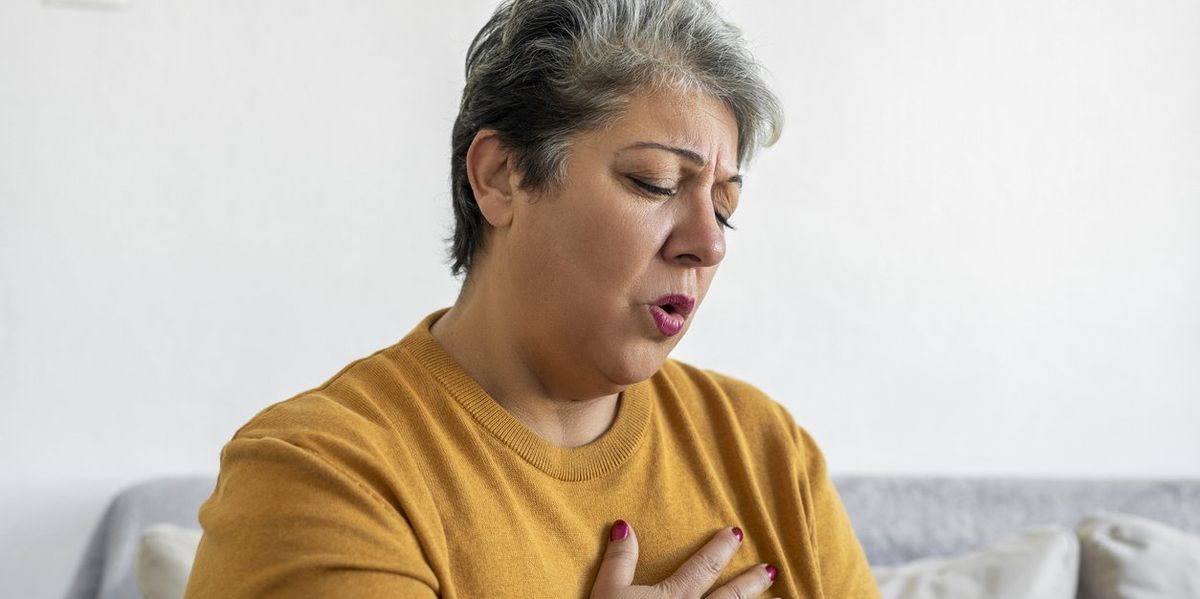
About 16 million people in the U.S. are living with COPD — and more than half are women. And that number may be higher because some people don’t even know they have it. “The number one reason why it’s an invisible epidemic is because chronic lung conditions parallel the aging process,” said Jean Wright, M.D., CEO of the COPD Foundation. “People don’t know they have a problem. They just slow down or they don’t do things as vigorously as they used to.”
Wright said symptoms start out subtle, and the risk for COPD is higher for women and people assigned female at birth compared to men.
Here’s more on symptoms, risk factors and important information you need to know about COPD.
COPD is a term for a group of diseases, including chronic bronchitis and emphysema,that cause breathing problems and block airflow. COPD develops over time and the main cause is smoking and long-term exposure to cigarette smoke. However, you can still be diagnosed with COPD even if you have no history of smoking.
The signs of COPD can start small and get worse over years. The common symptoms include:
Women are usually diagnosed with COPD at a younger age compared to men. “We get it in our 40s or 50s where men may be 50s and 60s, and we have a heavier burden of illness,” Wright said. “The symptoms of fatigue and shortness of breath are more dramatic in us.”
If you’re having symptoms of COPD, ask your healthcare provider (HCP) about taking a spirometry test to measure how well your lungs are working. Other tests used to help diagnose COPD can include:
Tobacco smoke is the main cause of COPD in the U.S., but you can also be at risk for COPD if you:
As you age, your lungs get weaker, which can make you more likely to get COPD or can make your symptoms worse.
Over the past 24 years, cases of COPD have increased in women, and more women die from COPD than men. Researchers are still trying to figure out why this is, but one idea is that women’s lungs and airways are smaller and more likely to be harmed by tobacco smoke and air pollution compared to men’s. “Most of us have shorter bodies and smaller lung capacity,” Wright said. Research shows that women who smoke are diagnosed with COPD at an earlier age compared to men who smoke — even when the women smoke less.
Wright also noted that estrogen may play a role in why women get COPD, but research is ongoing.
Overall, women are more likely to be misdiagnosed and experience delayed diagnosis for COPD compared to men. And later diagnosis means COPD is harder to treat.
The delay may be due to bias since COPD was typically diagnosed only in men until more recently. Socioeconomic factors, including a lack of access to healthcare and education, may also lead to a delay in diagnosis.
Women with COPD are also more likely to have osteoporosis and depression compared to women without COPD.
The good news is that you can take steps to prevent COPD. First, if you smoke, quit.
Avoid tobacco smoke and air pollutants in your home and at work. Proper ventilation and eliminating exposure to hazardous materials can help reduce COPD-related illness.
Also, staying healthy and free from respiratory infections can help prevent COPD.
If you do have COPD, early treatment can reduce symptoms and help your quality of life.
Treatment options for COPD are different based on the diagnosis and severity of symptoms. With the help of an HCP, you can find a treatment plan to help reduce symptoms and the frequency of symptoms and slow down the progression of disease. Treatment options include:
Wright suggested getting involved with a patient support group to talk about treatment options and also get information about clinical trials and advocacy organizations. “You don’t have to suffer alone. You can learn so much more from others in that space, and we want people to have hope.”
From Your Site Articles
Related Articles Around the Web
How MS Affects the Body
MS affects everyone differently and can impact many parts of the body
Slide 2
Multiple sclerosis (MS) is a disease that affects the central nervous system, which is made up of the brain and spinal cord.
MS happens when the immune system attacks the myelin sheath, the cover that protects nerve fibers. The damage complicates communication between the brain and the rest of the body. As a result, MS can affect many parts of the body.
Slide 3
Brain
Damage to myelin and the nerves underneath can disrupt the brain’s ability to send signals to the rest of the body.
About 1 in 2 people with MS have problems with thinking, called cognitive problems, including trouble concentrating and poor memory.
Slide 4
Eyes
MS can cause inflammation in the optic nerve, which connects the eye to the brain. This inflammation may lead to vision problems, including blurred vision and pain with eye movement.
Slide 5
Throat
MS can damage nerves that control the muscles required for chewing, swallowing and speaking. MS may also cause throat numbness that makes chewing and swallowing hard.
Slide 6
Chest
Nerve damage to chest muscles can cause breathing problems.
Nerve damage can cause a symptom known as “MS hug” (aka “girdling”), which is the feeling of a tight band around the chest or ribs.
Slide 7
Arms
Muscle weakness in the arms and legs is a common MS symptom.
Many people with MS also get a “pins and needles” feeling or numbness in their arms and legs.
Slide 8
Bladder and Bowels
Nerve damage can lead to problems with bladder and bowel control.
Slide 9
Legs and Feet
Weakness in one or both legs is a common symptom that can make walking or balancing hard. Leg and foot pain, numbness, and tingling are common as well.
Some people with MS get “hot feet” (erythromelalgia), which is when their feet feel hot and swollen even though they look normal.
Slide 10
MS affects everyone differently, and symptoms can be hard to predict. A healthcare provider can help you decide if treatment is an option for managing your individual MS symptoms.
This educational resource was created with support from Novartis.
Most people with the disease get 2-4 migraine attacks/month on average.
Types of migraine
Migraine without aura
This is sometimes called common migraine because about 3 in 4 people with migraine experience this type.
Some symptoms may include:
Migraine with aura
About a quarter of people with migraine get a warning sign, called an aura, that an attack is coming. This can occur 5-60 minutes before a migraine attack.
Symptoms include:
Migraine without head pain
Also known as a silent migraine, this is migraine with aura but without head pain. It affects about 4% of people with migraine overall, but may become more common for people with migraine as they approach midlife.
About 4 of 10 people who have migraine with aura will have aura without head pain later in life.
Symptoms include:
Vestibular migraine
Vestibular migraine involves vertigo (dizziness) in addition to head pain. It’s most common in people with a history of motion sickness and migraines.
Symptoms include:
Retinal migraine
Retinal migraine causes visual disturbances in one eye. It is rare and typically affects women of childbearing age .
Symptoms include:
Chronic migraine
A person has chronic migraine if they have headache pain for 15+ days (with migraine symptoms for at least 8 of them), 3 months in a row. If you have migraine attacks fewer than 15 days a month, it’s called episodic migraine.
Symptoms may include:
Menstrual migraine
This migraine is linked to hormone changes during the menstrual cycle. Attacks usually hit just before or when your period starts, and are often worse and last longer than at other times during your cycle.
Symptoms may include:
Hemiplegic migraine
This rare migraine type involves weakness on one side of the body, sometimes with an aura and not always with head pain. Because of these symptoms, this type of migraine attack is sometimes mistaken for a stroke and should be checked by a healthcare provider (HCP).
Symptoms include:
Concerned about migraine? Talk to your HCP.
This educational resource was created with support from Pfizer.
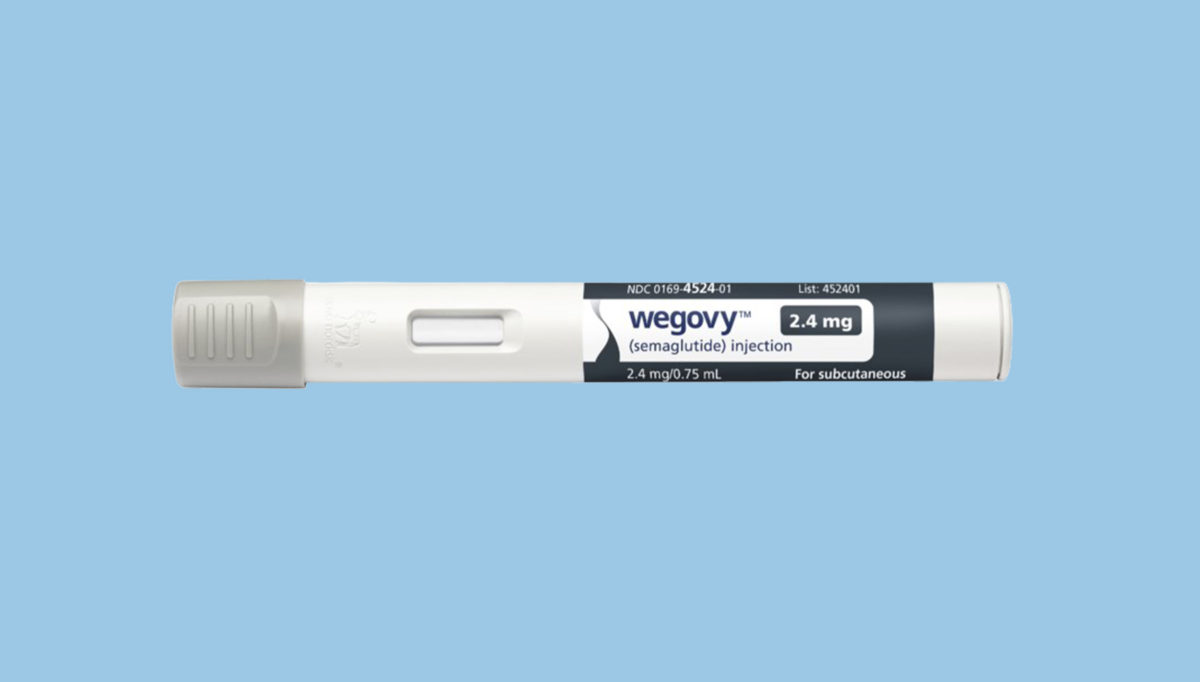
Wegovy (semaglutide) is a prescription medication approved for chronic weight management. It operates by mimicking a hormone that targets areas of the brain involved in appetite regulation, leading to reduced hunger and calorie intake. Given its potential side effects and specific target demographic, Wegovy is not a universal solution for all individuals looking to lose weight. Instead, it is designed for those who meet certain medical criteria and are committed to a comprehensive lifestyle change.
Ideal Candidates for Wegovy
Exclusions from Wegovy Use
Wegovy is not suitable for everyone, and certain conditions or circumstances may exclude individuals from being ideal candidates:
Wegovy represents a promising avenue for individuals seeking support in their weight loss journey, particularly those who have not found success with traditional methods alone. However, it’s important to recognize that Wegovy is not a one-size-fits-all solution or a quick fix. The best candidates for Wegovy are those who meet specific medical criteria, are committed to making significant lifestyle changes, and understand the importance of a long-term approach to weight management.
As a Wegovy weight loss clinic committed to your health and well-being, we are here to guide you through the process of determining if Wegovy is the right choice for you. By providing expert medical evaluation, personalized support, and ongoing monitoring, we aim to empower our patients to achieve sustainable weight loss and improve their overall health.
If you’re exploring weight loss options and considering Wegovy, we invite you to schedule a consultation with our team. Together, we can assess your suitability for Wegovy, discuss your weight loss goals, and develop a tailored plan to help you achieve lasting success on your weight management journey.
Disclaimer
The Content is not intended to be a substitute for professional medical advice, diagnosis, or treatment. Always seek the advice of your physician or other qualified health provider with any questions you may have regarding a medical condition.
When it comes to social media and mental health, it’s complicated.
At times, the constant stream of videos, posts, stories and reels can be fun (shout out to all the pets on TikTok), and research shows that social media can sometimes help people feel connected and even reduce stress.
But it’s not always likes and hearts and affirmations. Studies show that social media can also cause stress, feelings of sadness and isolation, sleep disruptions and lower self-esteem. A recent survey found that over 1 in 3 participants said social media has a negative effect on their mental health.
Take Our Quiz: True or False? Mental Health >>
This can be especially true for women, considering that women make up more than half of the people using social media. Research has shown that social media can lead to self-objectification, which is linked to many mental health issues, including anxiety and depression. One recent study found that young women who took a social media break for just one week had a huge boost in body image and self-esteem.
Social media use triggers the release of dopamine, a feel-good chemical in the brain. So, when it’s paired with features like endless scrolling, notifications and bright colors, social media platforms can become addictive and negatively affect your concentration and focus.
The amount of time spent on social media may surprise you. The average person in the U.S. spends about 2.5 hours a day on social media. That adds up to 17.5 hours a week, 75 hours a month and an astounding 912.5 hours a year.
That’s 38 real human days spent on social media a year.
If you’re considering a break, you’re not alone. A recent survey found more than 1 in 3 participants said they’d taken an extended break from social media because it was bad for their mental health. Science backs up the notion that a break can be good for your brain. Participants in one study showed a significant improvement in mental well-being after a seven-day break.
Even the social media giant TikTok encourages people to take advantage of a tool they provide that can help you limit how much time you spend on the app.
Read: 5 Health Trends on TikTok: Heart or Hype?
Wondering what you’ll do with all your free time if you curb your social media habit? Here are five things to try in lieu of doom scrolling that can also boost your mental health, according to science.
1. Go outside. Your parents were on to something all those times they told you to get out of the house and play. Studies show being in nature can help reduce feelings of anxiety and stress and improve mood. Physical activity, even a walk around your neighborhood, helps too. There’s a whole beautiful world to see when you’re not staring at your phone. And you won’t walk into other people on the sidewalk. Win, win.
Read: 4 Fun Fitness Trends for 2024 >>
2. Get face-to-face with a friend. You’re used to tapping hearts on Instagram, but when was the last time you saw your BFF, IRL? Research shows meeting in person can immediately boost your mood. Even a short amount of time spent with a friend helps strengthen relationships and increases well-being overall.
3. Find a hobby. The secret ingredient to better health and happiness may be as simple as finding an activity you enjoy. Having a hobby is linked to lower levels of depression and can help prevent depression in some people. Hobbies can include:
Any activity that includes creativity, self-expression and cognitive stimulation can help with positive mental health and well-being.
Read: 10 Fun Activities to Keep Your Brain Sharp >>
4. Learn a new language. Sayonara, social media. Learning a new language can improve your memory. In one study, adults who studied a new language showed improved cognition after just four months. Another big brain bonus: being bilingual can slow down dementia as you get older.
5. Read a (real) book. You can travel anywhere and be anyone you want when you’re reading a good book. Studies show reading can reduce stress, make you more empathetic and even slow dementia. What’s more, a recent study comparing online and paper reading found paper was better for learning. So, combine with #1 if you’re feeling extra ambitious.
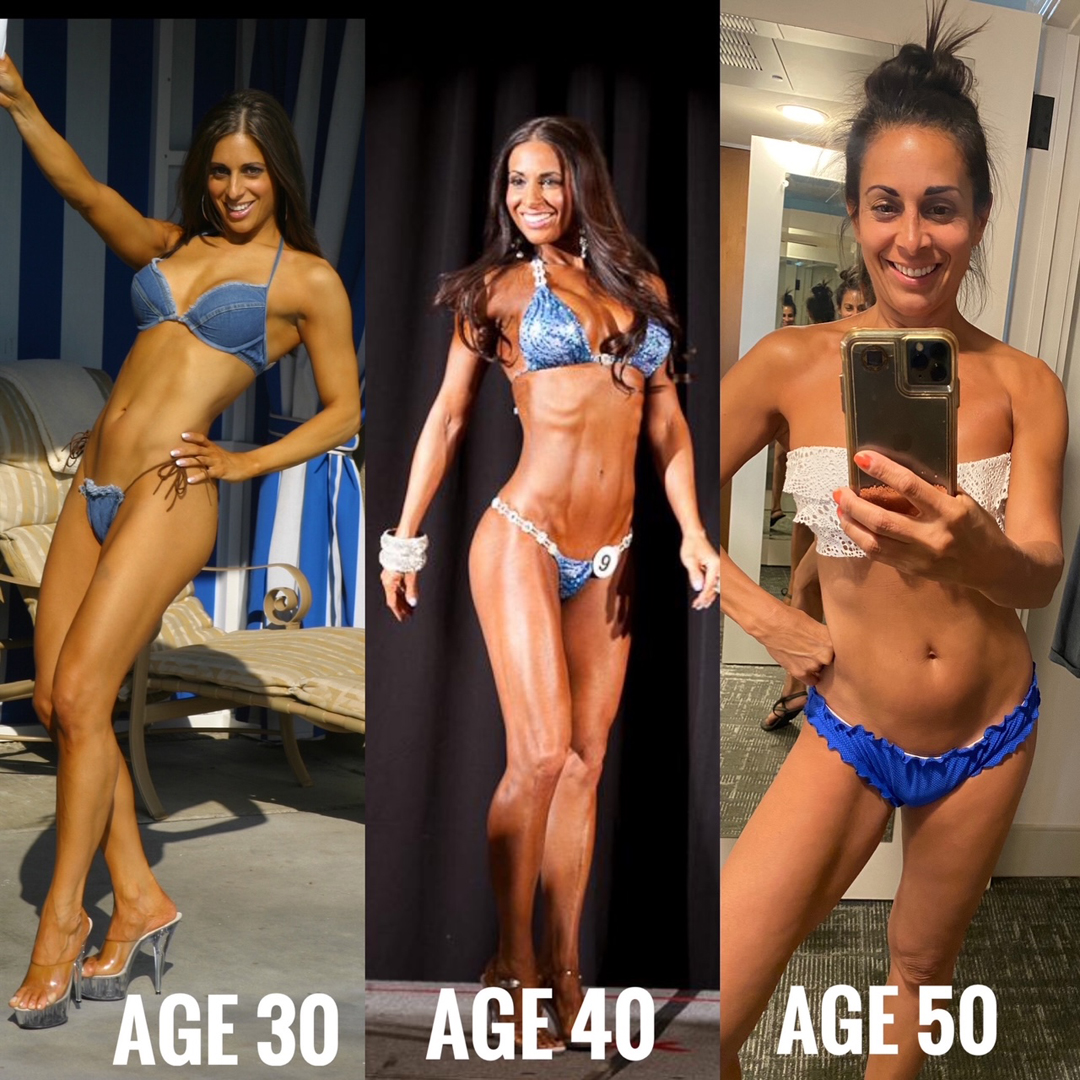
Midlife today no longer looks like it did for our mothers and grandmothers. Times have changed,
mindsets are significantly different, and countless women are taking an active role in aging
stronger than past generations. Self-care is the best health care and aging regimen, no matter
what day of the year it is. I am sharing with you knowledge gained in my 51 years of life as well
as things that have proven successful for my clients.
No matter what your age, set a goal by doing more of what makes you happy! Be proactive and
aggressive in pursuing optimal health, the relationships you want, the type of work life and
finances you desire, along with how you want to look.
Start small, keep it realistic, take one baby step, and commit for 21 days minimum. It usually
takes 3 weeks of doing something repeatedly for it to become a habit. Do not beat yourself up if
you do not achieve perfection, give yourself grace in the journey.
Make it a point to nourish your body, mind, and soul. Organic, non-GMO, gluten-free foods,
a variety of protein sources, filtered water, and healthy fats are best and have been my medicine
since 2006. Move your body daily and be sure to include weight training a few days a week.
Read more. Take classes whether online or in person. Listen to your higher self.
Most moms are marvelous at taking care of others. The question I have is how well do you take
care of yourself? Do you put your needs first or last? Are you able to say no to others? Did you
know people pleasers have higher rates of cancer? Strengthen your vocal cords by saying yes
to yourself more. It could save your life!
In my opinion, confidence isn’t about feeling good about oneself, it is about trusting oneself.
That trust comes with age. I call it wisdom from learned life experiences both good and bad.
Hold onto all your stories, those dividends pay off in the long run.
Your DNA is NOT your destiny. My entire family: father(57), mother(69), and brother(50) all died
far too young from heart disease. I could have thrown in the towel decades ago when my father
passed in 1996. In 2006, I put myself in the driver’s seat regarding my health. After being on
dozens of prescriptions for decades and suffering from a plethora of chronic conditions, I
reversed all health challenges with whole real unadulterated foods, supplements, and speaking
up for myself. It is never too late to achieve better health and a better life, when you are open to
changing the way you live. At 51, I am not on any medicines nor do I have any chronic
conditions. 20-30 years ago I did, proof that you can improve with age and consistent conscious
self care.

Manage your stress instead of numbing it. That will look different for everyone. It is not as
simple as doing yoga, a cold bath, or meditation. For many those create more anxiety,
avoidance, and stress. Instead slow down, pause, schedule nothing, make friends with your
feelings, take a Tai Chi class, learn how to communicate your needs effectively, journal
emotions and how they connect to unhealthy lifelong patterns you are seeking to break free
from. Chronic stress depletes our precious minerals, leading to a plethora of health problems,
including early menopause.

Invest in functional lab testing, hair tissue mineral analysis, and exploring your emotions and
past traumas. All help uncover the root causes of conditions, symptoms, lifelong patterns, and
disease, along with prevention. As we women enter into the menopause years it is critical to be
informed about how cortisol and hormones impact our sleep, memory, mood, and metabolism,
along with when and how we journey through this stage of life. Often times, allopathic doctors
fail to provide answers and long-term solutions, leaving most women with debilitating conditions.
Shop around and be savvy when it comes to how you age. I offer the above including a
complimentary consultation to further discuss clients goals and challenges along with my
services and pricing. Email me at [email protected] to schedule your path towards
aging strong.
Disclaimer
The Content is not intended to be a substitute for professional medical advice, diagnosis, or treatment. Always seek the advice of your physician or other qualified health provider with any questions you may have regarding a medical condition.
A crash diet is a diet that aims to produce very rapid weight loss in an extremely short period of time, often in around 3-7 days. Crash diet almost always operate on extreme calorie restriction.
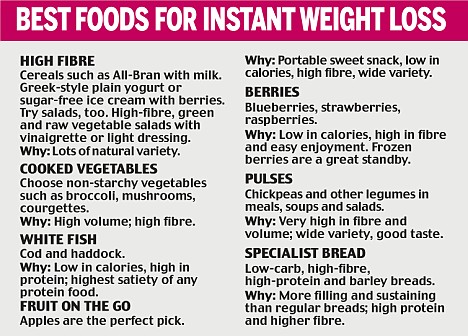
Women should go on a very low calorie diet only under medical supervision, if required.
Disclaimer
The Content is not intended to be a substitute for professional medical advice, diagnosis, or treatment. Always seek the advice of your physician or other qualified health provider with any questions you may have regarding a medical condition.