The main category of Forex News.

You can use the search box below to find what you need.

[wd_asp id=1]

26 12, 2025

Dec. 25, 2025 News Roundup on Oil Prices, LNG, Natural Gas and Sanctions

By |2025-12-26T00:16:36+02:00December 26, 2025|Forex News, News|0 Comments


December 25, 2025 — Energy stocks are heading into 2026 with a rare mix of forces pulling in opposite directions: bearish oil-price forecasts tied to oversupply, winter-driven natural gas volatility, and fresh geopolitical and sanctions-related headlines that can swing sentiment fast—even during holiday-thinned trading.

On the commodity side, oil ended the latest session near the low-$60s (Brent) and high-$50s (WTI), with year-end commentary increasingly focused on a 2026 surplus narrative. [1] But on the headlines side, developments involving Venezuela, Russia, and European sanctions are keeping risk discussions alive—especially in LNG and shipping-linked names. [2]

Below is what matters most for investors tracking energy stocks—from integrated oil majors and E&Ps to pipelines, refiners, oilfield services, LNG exporters, and gas-heavy producers—based on news and analysis dated Dec. 25, 2025 and the latest major forecasts available as of today.


Oil sets the baseline for energy stocks—and the baseline is weakening

Even with market activity muted around Christmas, oil’s “signal” for equity investors remains clear: prices are still struggling, and multiple forecasters expect the market to remain well supplied next year.

Recent pricing context:

  • Brent crude was last around $61–$62 per barrel and WTI around $58 per barrel in the latest reported settlement window. [3]
  • Regional equity markets tied closely to oil also reflected softer tone, with commentary pointing to oil’s weak 2025 performance and pressure on sentiment. [4]

For energy stocks, this matters because upstream cash flows (especially unhedged shale producers and international E&Ps) are still strongly linked to crude benchmarks. But the market is also showing that equities don’t always mirror barrels—and 2025 is becoming the textbook example.

Barron’s highlighted that despite a steep 2025 drop in WTI, energy stocks held up better than many expected, helped by shareholder returns and cost discipline among large producers. [5]

Takeaway: Oil is not screaming “boom,” but equity resilience is real—especially where dividends, buybacks, and diversified earnings streams soften the blow.


The 2026 oil price forecast picture: EIA points lower, Wall Street clusters in the mid-$50s

The most-cited anchor forecast in U.S. markets remains the U.S. Energy Information Administration (EIA).

In its December 2025 Short-Term Energy Outlook, the EIA forecast:

  • Brent spot average ~ $55.08/bbl in 2026
  • WTI spot average ~ $51.42/bbl in 2026
  • A backdrop of rising global inventories, with inventory builds expected to exceed 2 million barrels/day in 2026 [6]

EIA also expects OPEC+ to undershoot targets (in effect tightening relative to headline quotas), forecasting OPEC+ output about 1.3 million b/d less than targeted production in 2026, alongside continued Chinese stock-building that can dampen near-term downside. [7]

On the bank side, Reuters reported Goldman Sachs projecting lower oil prices in 2026, with Brent averaging $56/bbl and WTI $52/bbl, unless major supply shocks or deeper OPEC cuts change the equation. [8]

What this means for energy stocks:
A mid-$50s Brent world doesn’t automatically crush energy equities—especially if producers maintain:

  • low reinvestment rates,
  • steady buybacks/dividends,
  • and balance sheet restraint.

But it does raise the bar: companies must out-execute rather than rely on price tailwinds.


Geopolitics isn’t “gone”—it’s just competing with oversupply

Dec. 25’s headlines underscored a key nuance: even if the oil market is structurally well supplied, political disruption risk still exists, and it tends to matter most at the margins—shipping, sanctions compliance, and regional supply chains.

Venezuela: blockade rhetoric raises “tail risk” talk

Russia compared a reported U.S.-ordered “quarantine” of Venezuelan waters to “piracy,” a reminder that even a small probability of disruption can influence short-dated pricing and sentiment in oil-sensitive names. [9]

Serbia’s NIS: sanctions show how quickly operational reality can change

Reuters reported Serbia backing talks involving Hungary’s MOL and Russian stakeholders over NIS, a sanctioned Serbian oil firm. The story highlighted that while OFAC reportedly allowed negotiations until March 24, the firm still lacked an operating license to buy and refine crude, contributing to a refinery shutdown dynamic. [10]

Equity implication: Refiners, regional distributors, and logistics-linked players can see outsized effects from sanctions mechanics—even when global benchmark prices are calm.


LNG is the energy stocks “second act,” and Russia just signaled delays

If oil is the baseline, LNG is increasingly the growth (and geopolitics) story—especially for gas producers, exporters, and midstream names tied to liquefaction and pipelines.

On Dec. 25, Reuters reported Russia delaying its target of producing 100 million tons/year of LNG by “several years” due to sanctions, with revised strategy numbers pointing to 90–105 million tons by 2030 and up to 130 million tons by 2036. [11]

At the same time, gas flows to Asia remain central. Reuters reported Gazprom saying gas supplies to China would reach 38.8 bcm in 2025—about 1 bcm above contractual obligations—and are expected to rise to 40 bcm in 2026. [12]

Why this matters for energy stocks:

  • LNG delays for one major supplier can reshape expectations for global LNG balances, shipping rates, and the negotiating power of alternative suppliers.
  • Pipeline gas commitments (like Russia-to-China volumes) influence long-term demand expectations, which feeds into valuation narratives for LNG-linked projects elsewhere.

Natural gas volatility: storage draws, winter demand, and an EIA forecast reset

While oil has been sliding, U.S. natural gas has been the more volatile energy tape—especially with winter weather and storage expectations driving sharp moves.

An Investing.com market note published today pointed to a forecast -158 Bcf storage withdrawal (week ending Dec. 19), which would push inventories to 3,420 Bcf, described as below both the prior year and five-year average benchmarks cited in the analysis. [13]

Meanwhile, the EIA’s STEO raised its winter gas view:

  • Henry Hub forecast to average almost $4.30/MMBtu this winter (Nov–Mar), citing colder-than-expected December weather
  • Henry Hub forecast around $4.01/MMBtu on average in 2026 [14]

And despite a lower rig count trend, Reuters reported Baker Hughes data showing U.S. energy firms added rigs in the week ending Dec. 23 (released early for the holiday), with oil rigs at 409 and total rigs at 545. [15]

Equity implication: Gas-heavy producers can outperform even in a weak-oil year when:

  • winter demand tightens balances,
  • LNG export growth supports structural demand,
  • and supply discipline (or infrastructure constraints) amplifies price response.

But the risk cuts both ways—weather shifts can reverse pricing quickly.


Refining and product markets: China keeps export quotas steady for 2026

For refiners and integrated majors, the downstream side can sometimes offset weaker crude—especially when product markets are tight.

On Dec. 25, Reuters reported China issued its first batch of 2026 refined fuel export quotas:

  • 19 million tons for gasoline/diesel/jet fuel exports
  • 8 million tons for low-sulfur marine fuel
    The report also noted China’s refined product exports in the first eleven months of 2025 at 52.65 million tons, down 3.2% year over year. [16]

Separately, EIA’s STEO flagged that refining margins have been influenced by constrained global refinery production and sanctions-related trade shifts, while still expecting supportive margin dynamics into 2026 compared to 2025 (with uncertainty). [17]

Why investors care:
China’s quota policy affects Asia’s product flows, which can ripple into:

  • global diesel/gasoline cracks,
  • refinery utilization decisions,
  • and earnings power for refiners and integrated majors.

So where do energy stocks fit in 2026? A practical sector map

Energy stocks rarely move as one group for long. Here’s how today’s news-and-forecast mix tends to sort the subsectors:

Integrated majors: “duration” plus buybacks

Majors often fare better in weak crude periods because they combine upstream earnings with refining/marketing and trading. The 2025 pattern of oil prices falling while large energy equities held up has been linked to cost discipline, buybacks, and dividend support in market commentary. [18]

Upstream E&Ps: quality and balance sheets matter more in a $50–$55 world

If EIA’s ~$51 WTI 2026 average holds, the winners are usually those with:

  • lower breakevens,
  • flexible capex,
  • and hedging strategies that don’t cap upside excessively. [19]

Midstream and LNG infrastructure: volume narratives can beat price narratives

LNG delays in Russia and continued Asia demand signals keep infrastructure optionality valuable, even if commodity prices are soft. [20]

Refiners: watch product exports and policy

China’s steady quotas and EIA’s margin discussion reinforce that refiners can still have earnings power even when crude is weak—depending on product tightness and regional outages. [21]

Oilfield services: late-cycle sensitivity

Rig counts and upstream budget restraint can pressure pricing for drill-bit-exposed services, even if production stays high due to efficiency. [22]

Power and “energy-adjacent” beneficiaries: data centers push demand growth

EIA expects U.S. electricity generation growth to continue into 2026, driven in part by large loads like data centers, concentrated in regions such as ERCOT and PJM. [23]
That matters for gas demand, grid investment, and firms tied to power infrastructure.


The 5 catalysts energy stock investors are watching next

  1. Inventory reality vs. forecast narrative
    EIA’s projected inventory builds (and the market’s willingness to store barrels) will heavily influence price expectations. [24]
  2. OPEC+ policy execution
    The difference between headline targets and realized output can tighten or loosen balances more than headlines suggest. [25]
  3. Sanctions enforcement and shipping friction
    Venezuela and Russia-related headlines can create sharp, short-lived risk premiums—especially in thin liquidity. [26]
  4. Natural gas storage and winter weather
    Storage withdrawals and shifting degree-day forecasts can reprice gas quickly, impacting gas-heavy equities. [27]
  5. China’s product and crude flow management
    Export quotas and stockpiling behavior influence global refining and crude balances, affecting both upstream and downstream names. [28]

Bottom line: Energy stocks are entering 2026 in “cash-flow mode,” not “commodity boom mode”

As of Dec. 25, 2025, the dominant setup for energy equities looks like this:

  • Oil: bearish-to-neutral on forecasts (EIA ~$51 WTI / ~$55 Brent for 2026) [29]
  • Gas: structurally supported by LNG growth but tactically dominated by winter volatility [30]
  • Geopolitics: not pricing like 2022-era panic, but still capable of sudden shocks [31]
  • Stocks: increasingly judged on capital discipline, dividends, buybacks, and resilience—rather than pure commodity beta [32]

For investors, that means 2026 is likely to reward selectivity: the companies that can defend margins and returns in a mid-cycle price environment may continue to outperform—even if the barrel itself stays under pressure.

This article is for informational purposes only and does not constitute investment advice.

References

1. www.reuters.com, 2. www.reuters.com, 3. www.reuters.com, 4. www.reuters.com, 5. www.barrons.com, 6. www.eia.gov, 7. www.eia.gov, 8. www.reuters.com, 9. www.reuters.com, 10. www.reuters.com, 11. www.reuters.com, 12. www.reuters.com, 13. www.investing.com, 14. www.eia.gov, 15. www.reuters.com, 16. www.reuters.com, 17. www.eia.gov, 18. www.barrons.com, 19. www.eia.gov, 20. www.reuters.com, 21. www.reuters.com, 22. www.reuters.com, 23. www.eia.gov, 24. www.eia.gov, 25. www.eia.gov, 26. www.reuters.com, 27. www.investing.com, 28. www.reuters.com, 29. www.eia.gov, 30. www.eia.gov, 31. www.reuters.com, 32. www.barrons.com


Source link

25 12, 2025

XAG/USD Holds Near $72 After Record High — Latest News, 2026 Forecasts, and What Happens Next

By |2025-12-25T22:15:34+02:00December 25, 2025|Forex News, News|0 Comments


December 25, 2025 — Silver prices are pausing near historic highs on Christmas Day, after a blistering year-end rally pushed spot silver into fresh record territory. With many major financial markets shut or running on holiday-thin liquidity, today’s price action is less about fresh positioning and more about consolidation — but the bigger story is that silver has entered what several analysts describe as “price discovery” after breaking multi-year resistance and posting one of its strongest years on record. [1]

Silver price today: where XAG/USD stands on 25.12.2025

Spot silver was around $71.9 per ounce on December 25, 2025, according to TradingEconomics, effectively flat on the day and just below the latest all-time highs logged this week. [2]

That “just below” matters: Reuters reported silver hit an all-time high near $72.70 before easing back toward $71.94 in a modest pullback described as profit-taking after a record run. [3]

Futures snapshots tell a similar holiday story. Investing.com listed silver futures around $71.875 with volume shown as 0—a reminder that Christmas conditions can freeze normal trading and make “today’s” levels look static until liquidity returns. [4]

Why silver is consolidating now — and why the rally happened in the first place

1) Rate-cut expectations are the core tailwind

The dominant macro driver behind precious metals’ year-end surge has been the market’s conviction that U.S. monetary policy will keep easing. Reuters noted the Federal Reserve cut rates three times in 2025, and traders were pricing two more cuts next year—a classic supportive backdrop for non-yielding assets like gold and silver. [5]

Other Reuters reporting through the week echoed the same theme: softer labor and inflation signals bolstered the case for additional rate cuts, while analysts highlighted that silver has been “leading” gold at points during the rally. [6]

2) The U.S. dollar’s slump amplified the move

A weaker dollar typically makes dollar-priced commodities more attractive to non-U.S. buyers. Reuters described the dollar as having slumped significantly in 2025, helping to power the precious-metals surge. [7]

3) Geopolitical risk kept “safe-haven” demand alive

Silver is unusual because it straddles two roles: a precious metal with safe-haven appeal and a critical industrial input. Reuters coverage tied the precious-metals rally to rising geopolitical tensions and trade-related uncertainty, including developments linked to Venezuela. [8]

4) The real differentiator: a multi-year physical deficit and tightening inventories

Multiple analysts point to the same structural issue underneath the rally: silver has been running a deficit for years, and physical tightness has become harder to ignore as prices climb.

  • Reuters quoted strategists describing a market that has been in deficit for five years, with rising industrial demand reinforcing the squeeze. [9]
  • The Silver Institute (citing Metals Focus) estimated the 2025 deficit at about 95 million ounces, marking the fifth successive deficit, with a large cumulative shortfall across 2021–2025. [10]

In a market like silver — smaller than gold and increasingly demanded by industry — persistent deficits can create the kind of “air pocket” dynamics that turn rallies into breakouts.

Industrial demand is no longer a side story — it’s the main plot

Silver’s industrial profile is central to the bullish thesis because it links the metal to long-duration themes like electrification and data infrastructure.

ING emphasized that industrial demand accounts for more than half of total silver consumption, and while solar growth may slow after peak installation years in China, demand tailwinds remain from electrification, grid upgrades, and increased silver content in automotive components (including hybrids and EVs). [11]

IG’s 2026 outlook went further, arguing demand remains broad-based across solar, EVs, semiconductors, 5G, and AI-related power infrastructure, while also highlighting how hard substitution can be in performance-sensitive applications. [12]

Reuters also framed silver’s “perfect storm” as a blend of investment demand and the industrial pull from AI data centers, solar, and EVs, with momentum buying layered on top. [13]

The “flow” problem: China, London, and tariff fears

Holiday sessions hide volatility — but they don’t remove the deeper plumbing issues that can whip silver around when markets reopen.

ING flagged a set of conditions that help explain why silver can spike or gap more aggressively than gold:

  • Chinese exchange-linked stockpiles falling toward multi-year lows
  • Record Chinese silver exports (ING cited October exports above 660 tonnes)
  • Elevated lease rates in London (around 6%, per ING), even after large inflows
  • A lingering risk that silver could be caught up in tariff policy, especially after being added to a U.S. “critical minerals” context that could raise the odds of import restrictions [14]

Reuters reporting earlier in the month also linked tariff concerns to physical dislocations and liquidity stress in the London spot market, reinforcing the idea that silver’s rally is not purely “paper-driven.” [15]

2026 silver price forecasts: what major analysts are actually projecting

Forecasts for silver in 2026 are wide — and that dispersion is itself a signal. Silver is historically volatile, and analysts are splitting into two camps: “bank-base-case” pricing and “breakout-extension” pricing.

Bank/strategy forecasts cluster around the mid-to-high $50s (with upside cases)

  • Reuters reported Macquarie strategists expect silver to average about $57 per ounce in 2026, citing supply-demand deficits and strong import demand dynamics. [16]
  • IG’s 2026 outlook said the average of major banks places silver in the $56–$65 range for 2026, describing that as the conservative view. [17]

This is a critical takeaway for readers: even relatively “measured” forecasts still imply silver stays far above the levels that defined most of the pre-breakout decade.

Bullish strategist targets converge around $75 (and sometimes higher)

Several market professionals quoted in Reuters pointed to $75 as a psychologically and technically important milestone:

  • Reuters cited Jim Wyckoff (Kitco) pointing to $75/oz as a next upside objective into year-end, while noting technicals remained bullish. [18]
  • In another Reuters report, a WisdomTree strategist said silver could gain to close to $75/oz by the end of next year (i.e., end of 2026). [19]
  • Reuters also quoted commentary warning that year-end profit-taking could still trigger pullbacks even in a bullish trend. [20]

“Technical extension” scenarios: $72–$88 becomes the map if the breakout holds

IG outlined a more technical pathway: once silver cleared the long-term ceiling and held above it, the next measured-move extensions in their framework pointed to $72 and $88. [21]

One nuance here is timing: silver is already flirting with the low-$70s zone now. That means the “$72” area is no longer a distant projection — it’s becoming a near-term battleground where traders will judge whether the breakout is consolidating or exhausting.

Gold-silver ratio: the “relative value” signal traders keep watching

Silver’s outperformance has also shown up in the gold-silver ratio, a long-followed measure of how many ounces of silver it takes to buy one ounce of gold.

Reuters reported the gold-silver ratio narrowed to around 64 from about 105 in April, reflecting how aggressively silver has caught up during the year-end sprint. [22]

IG noted that long-run historical averages are often discussed in the 40–60 zone, and argued that further compression would imply additional relative strength for silver — even if gold prices merely hold steady. [23]

Technical and short-term analysis for Dec. 25: key levels traders are citing

Because today is holiday-thinned, most technical notes are anchored to the last “normal” session’s close and framed as setups for when markets reopen.

  • FXEmpire described silver holding near $71.85, after a pullback from just under $73.80, with an important support zone near $70.20 (and a deeper risk point around the high-$60s). It also noted momentum cooling — more consistent with consolidation than an immediate trend break. [24]
  • FXLeaders similarly framed silver near $71.85, calling attention to support levels around $70.75 and $69.55 in holiday conditions where volume is thin. [25]

From a news-reader standpoint, the technical message is straightforward: the uptrend remains intact above the low-$70s/high-$60s supports, but the market is extended enough that sharp pullbacks are possible — especially once liquidity returns and year-end portfolio rebalancing resumes.

A quick note on India’s silver market (MCX): bullish breakout language dominates

India is a key demand center for physical silver, and local-market commentary has turned increasingly bullish.

The Times of India highlighted analyst commentary pointing to a breakout structure in MCX Silver, with support near 215,000 and an upside target around 240,000 (pricing in rupees terms on the exchange). [26]

Even for global readers who don’t trade MCX, this matters because India’s import demand and retail participation can influence physical flows — a theme Reuters has also referenced in discussing drivers of silver’s record highs. [27]

What could move silver next: 5 catalysts to watch after the holiday

  1. Fed repricing: If markets reduce expectations for 2026 cuts, silver can drop fast. If cuts look more likely, the rally can re-accelerate. [28]
  2. Dollar direction: A renewed dollar decline tends to support metals; a sharp dollar rebound can cap upside. [29]
  3. Geopolitics and trade policy: Venezuela-linked headlines and broader tariff uncertainty have already been cited as tailwinds for safe-haven demand. [30]
  4. Physical tightness signals: Watch inventories, lease rates, and cross-region flows (London–U.S.–China). ING’s work suggests this “plumbing” can matter as much as macro. [31]
  5. Industrial demand prints: Solar, grid, EV, and AI data-center buildouts remain key demand narratives — but any evidence of a sharper slowdown could hit sentiment given silver’s industrial exposure. [32]

Bottom line: Silver’s 2025 breakout is real — but the ride into 2026 is likely to stay wild

As of December 25, 2025, silver is consolidating near $72/oz, after printing fresh records and capping a year defined by falling-rate expectations, a weaker dollar, geopolitical risk, and a widely cited multi-year supply deficit. [33]

For 2026, mainstream forecasts cluster around the mid-to-high $50s on average (with upside cases), while several strategists continue to flag $75 as a plausible milestone if macro tailwinds and physical tightness persist. [34]

The caution is embedded in the same story: silver’s market structure and dual-demand profile make it prone to steep corrections, especially when positioning gets crowded — meaning the next leg up, if it comes, may not be a straight line. [35]

This article is for informational purposes only and does not constitute investment advice.

References

1. tradingeconomics.com, 2. tradingeconomics.com, 3. www.reuters.com, 4. www.investing.com, 5. www.reuters.com, 6. www.reuters.com, 7. www.reuters.com, 8. www.reuters.com, 9. www.reuters.com, 10. silverinstitute.org, 11. think.ing.com, 12. www.ig.com, 13. www.reuters.com, 14. think.ing.com, 15. www.reuters.com, 16. www.reuters.com, 17. www.ig.com, 18. www.reuters.com, 19. www.reuters.com, 20. www.reuters.com, 21. www.ig.com, 22. www.reuters.com, 23. www.ig.com, 24. www.fxempire.com, 25. www.fxleaders.com, 26. timesofindia.indiatimes.com, 27. www.reuters.com, 28. www.reuters.com, 29. www.reuters.com, 30. www.reuters.com, 31. think.ing.com, 32. think.ing.com, 33. tradingeconomics.com, 34. www.reuters.com, 35. www.reuters.com


Source link

25 12, 2025

XAU/USD Holds Near $4,480 After Breaking $4,500 — Latest News, Drivers, and 2026 Forecasts (Dec. 25, 2025)

By |2025-12-25T20:14:33+02:00December 25, 2025|Forex News, News|0 Comments


December 25, 2025 — Gold is entering the Christmas break near historic highs after a dramatic late‑year surge that pushed the metal through the psychological $4,500 per ounce level and up to fresh records earlier this week. In holiday-thinned conditions, spot gold has been hovering around the mid‑$4,400s to ~$4,480, following an intraday record near $4,525 set during Christmas Eve trading. [1]

The bigger story, however, is not just “gold price today” — it’s why the rally has been so relentless into year-end, and what major banks and market strategists think happens next in 2026, with forecasts clustering from the low‑$4,000s to $5,000+ depending on interest rates, the U.S. dollar, geopolitics, and the pace of central‑bank and ETF buying. [2]


Gold price today: where XAU/USD stands on Dec. 25

Gold trading is typically quieter around Christmas, and this year is no exception: liquidity has been thin and the market is pausing after a powerful run. Spot gold was last reported around $4,479 in the final active session before Christmas Day, after touching a record near $4,525 earlier in the day; U.S. gold futures were also around $4,481 in that session. [3]

Several market updates published on Dec. 25 describe gold as “steady” or “stabilizing” after the breakout above $4,500, with traders starting to lock in gains as the year closes. [4]


What’s driving the gold rally into year-end?

Gold’s late‑2025 rally is being powered by a rare alignment of macro and structural forces — some of which are cyclical (rates, the dollar), and some of which look longer‑lasting (central bank diversification, ETF flows, and a broadened investor base).

1) Rate-cut expectations and the “lower yields” tailwind

Gold tends to benefit when markets expect easier monetary policy, because bullion doesn’t pay interest — so falling yields reduce the opportunity cost of holding it. Reuters reporting this week highlighted that markets have been pricing in additional U.S. rate cuts in 2026, supporting gold’s appeal. [5]

2) A weaker U.S. dollar

A softer dollar can mechanically support gold (priced in dollars) by making it cheaper for non‑U.S. buyers. Reuters has noted the dollar’s notable decline in 2025 and the view among many investors that weakness could extend into 2026 — one reason precious metals demand has remained strong into the holiday period. [6]

3) Geopolitics and “safe-haven” demand

Safe‑haven buying has been repeatedly cited as a catalyst in the latest leg higher, including tensions linked to the Middle East, uncertainty around Ukraine‑Russia dynamics, and the recent focus on U.S. actions tied to Venezuelan tankers. [7]

4) Policy uncertainty and tariffs

Beyond day‑to‑day headlines, broader policy uncertainty has become part of the gold narrative. Financial Times’ year‑in‑review framing points to tariff turmoil and market instability as major themes of 2025, with gold a standout beneficiary amid a “gold rush” driven by central banks and retail investors. [8]


The structural engine: central banks and ETF inflows

If rate expectations and geopolitics explain the timing of the latest surge, the foundation of this bull market is increasingly described as structural.

Central banks: still buying, still diversifying

Reuters reporting on the year-end rally cited Metals Focus estimates that central banks are on track to buy about 850 tonnes of gold in 2025 (down from 2024 but still sizable), and analysts expect elevated official-sector demand to remain a key pillar into 2026. [9]

In a separate Reuters deep dive on “what fuels the market,” the same structural theme comes through: gold’s surge has been linked to robust central‑bank buying and diversification trends alongside rate-cut bets and safe-haven flows. [10]

ETFs: 2025 became an inflow year again

Gold ETFs have also reasserted themselves as a major demand channel:

  • Reuters reported physically backed gold ETFs are on course for their largest inflow since 2020, attracting $82 billion (about 749 tonnes) so far this year. [11]
  • World Gold Council data for November 2025 showed global physically backed gold ETFs logged their sixth consecutive monthly inflow, adding $5.2 billion, with total holdings rising to 3,932 tonnes and assets under management reaching $530 billion. [12]

That ETF persistence matters for price: it signals institutional and retail participation beyond short-term “fear trades,” reinforcing the idea that gold is increasingly treated as a strategic allocation rather than a tactical hedge. [13]


Christmas-week price action: records first, consolidation next

The week’s price behavior has looked like a classic “breakout then breathe” pattern.

  • Reuters described gold hitting fresh records near $4,525 before easing modestly, with analysts pointing to profit-taking and holiday-thinned trading as reasons for the pause. [14]
  • Investing.com’s analysis of Christmas Eve trading described spot gold moving in a wide band roughly between $4,471 and $4,526, with the push above $4,500 followed by some fading into late trade. [15]
  • A Dec. 25 market note also emphasized that some traders are beginning to take profits after gold’s ~70% surge in 2025, while still framing the broader trend as supported by central‑bank buying and expectations of lower borrowing costs. [16]

One widely cited technical takeaway: even after the pullback, gold remains in a powerful uptrend, and some market commentary continues to flag the potential for another leg higher once liquidity returns after the holiday lull. [17]


Regional snapshot: gold prices in India on Dec. 25

Gold’s global surge is showing up in local markets too. In India, Business Standard reported sharp moves in domestic bullion prices on Dec. 25, with 24K gold (10 grams) quoted around ₹1,38,940 and 22K gold (10 grams) around ₹1,27,330, alongside a jump in silver prices. [18]

This divergence between soaring investment demand and pressured jewelry demand is also consistent with Metals Focus commentary cited by Reuters: high prices have weighed on jewelry consumption in India even as bar-and-coin investment has held up better. [19]


Gold price forecast for 2026: where top banks and strategists see XAU/USD next

The most important question for investors heading into 2026 is whether gold’s extraordinary 2025 performance sets up a correction — or whether the rally is simply shifting into a slower, higher‑plateau phase.

Here’s what major published forecasts and analyst notes are saying right now:

Bullish base case: $4,900 (Goldman Sachs)

Goldman Sachs sees gold rising to $4,900/oz by December 2026 in its base case, driven by structurally high central bank demand and cyclical support from U.S. Fed rate cuts — with potential upside if private-investor diversification broadens. [20]

“Highest conviction” bull view: $5,055 average by late 2026 (J.P. Morgan)

J.P. Morgan has been among the most prominent bulls. Reuters reported the bank forecasting gold could average $5,055/oz by Q4 2026, with assumptions that investor demand and central bank buying average around 566 tonnes per quarter in 2026. The same Reuters report also reiterated J.P. Morgan’s longer-term target of $6,000/oz by 2028. [21]

A separate Reuters analysis on 2026 forecasting also grouped J.P. Morgan with Bank of America and Metals Focus in seeing $5,000 as reachable in 2026, even if the pace of gains slows compared with 2025. [22]

A wider forecast range: $4,225 to $5,000+ depending on macro

Reuters’ Dec. 17 survey-style reporting captured how dispersed the outlook is:

  • Macquarie: average around $4,225 in 2026 (more conservative, assuming improving growth and relatively high real rates). [23]
  • MKS PAMP: expects $4,500 average in 2026, describing gold as increasingly a multi‑year strategic portfolio asset. [24]
  • Morgan Stanley: forecast $4,500 by mid‑2026 (per Reuters reporting). [25]
  • Metals Focus: forecast $5,000 by end‑2026 (per Reuters reporting). [26]

Meanwhile, some media summaries published this week note that several banks broadly cluster expectations for 2026 trading in the $4,500–$4,700 zone, with upside scenarios toward $5,000 if macro uncertainty remains elevated. [27]


Key risks that could cool the rally in 2026

Even gold bulls are increasingly careful about one thing: after a 60–70% year, volatility cuts both ways.

The main downside risks highlighted across current reporting include:

  • A rebound in real yields / less Fed easing than markets expect, which would raise the opportunity cost of holding bullion. [28]
  • A stronger U.S. dollar, which can mechanically pressure USD gold prices and reduce overseas buying power. [29]
  • Forced selling during broader risk-off events, where investors sell liquid “winners” (including gold) to cover losses elsewhere — a dynamic Reuters flagged as a risk when gold and equities rise together. [30]
  • Soft jewelry demand, particularly in price-sensitive markets, which can remove a traditional source of physical demand even as investment demand remains strong. [31]

In short: the structural story may be supportive, but the path is unlikely to be smooth.


What to watch next: the early-2026 catalysts for gold price direction

Once full liquidity returns after the holidays, the gold market is likely to refocus on a clear set of catalysts:

  1. Fed policy and U.S. data — inflation and labor prints that move rate-cut expectations (and by extension, real yields). [32]
  2. U.S. dollar trend — whether 2025’s dollar weakness extends into 2026 as many investors expect. [33]
  3. Central bank buying pace — whether diversification remains persistent at levels seen in recent years. [34]
  4. ETF flows — whether 2025’s heavy inflows continue, especially across Asia and North America. [35]
  5. Geopolitical and trade-policy headlines — particularly anything that intensifies safe-haven demand or disrupts confidence in fiscal/monetary frameworks. [36]

Bottom line: gold ends 2025 in control — but 2026 becomes a “range vs. breakout” year

As of Dec. 25, 2025, the gold price narrative is best described as strong trend, cautious tape: bulls still have the structural wind at their back (central banks + ETFs + diversification), but the market is also digesting an extraordinary year and heading into the new one with a wider forecast dispersion than usual — from “cool-off” scenarios in the low‑$4,000s to “new regime” calls at $5,000+. [37]

If you want, I can rewrite this in a more “wire-style” Google News format (shorter paragraphs, more attribution in-line, and a tighter nut graf) while keeping the same facts and SEO focus.

References

1. www.reuters.com, 2. www.reuters.com, 3. www.reuters.com, 4. www.fxleaders.com, 5. www.reuters.com, 6. www.reuters.com, 7. www.reuters.com, 8. www.ft.com, 9. www.reuters.com, 10. www.reuters.com, 11. www.reuters.com, 12. www.gold.org, 13. www.gold.org, 14. www.reuters.com, 15. www.investing.com, 16. www.fxleaders.com, 17. www.reuters.com, 18. www.business-standard.com, 19. www.reuters.com, 20. www.reuters.com, 21. www.reuters.com, 22. www.reuters.com, 23. www.reuters.com, 24. www.reuters.com, 25. www.reuters.com, 26. www.reuters.com, 27. www.businessinsider.com, 28. www.reuters.com, 29. www.reuters.com, 30. www.reuters.com, 31. www.reuters.com, 32. www.reuters.com, 33. www.reuters.com, 34. www.reuters.com, 35. www.gold.org, 36. www.reuters.com, 37. www.reuters.com


Source link

25 12, 2025

Holiday Trading, Cold-Weather Forecasts and LNG Flows Set the Tone on Dec. 25, 2025

By |2025-12-25T18:13:50+02:00December 25, 2025|Forex News, News|0 Comments


Updated: December 25, 2025

Natural gas markets are spending Christmas Day in holiday mode—with many European venues closed and U.S. trading thinned out—yet the underlying story is anything but quiet: weather-driven demand risk is rising into late December, LNG flows remain a decisive swing factor, and storage levels on both sides of the Atlantic are back in focus.

The cleanest “real-time” read on Europe came in the final pre-holiday session: by 10:21 GMT, the benchmark Dutch TTF front-month was €28.20/MWh (about $9.75/mmBtu), modestly higher as traders priced the possibility that a colder spell could lift heating demand. [1]

At the same time, the calendar matters. ICE Endex (one of Europe’s key trading venues for energy derivatives) lists December 25 and 26, 2025 as closed for Christmas, which helps explain why price discovery is concentrated in the sessions immediately before the holiday break. [2]

In the U.S., the most-watched benchmark—NYMEX Henry Hub natural gas futures—saw volatile, thin pre-holiday trading in the last session before Christmas. The front-month January contract ended down 16.6 cents at $4.242/mmBtu, after touching $4.593 earlier in the session (a near two-week high). [3]

And in global LNG, the key price signal from Asia ticked higher: spot LNG for February delivery into Northeast Asia was assessed around $9.60/mmBtu, up slightly on the week, with South Korea emerging as a notable marginal buyer amid colder forecasts. [4]


Natural gas prices at 10:21 GMT: the holiday snapshot

Here’s what the market was signaling around the 10:21 GMT reference point on the last liquid pre-holiday session:

  • Europe (TTF front-month):€28.20/MWh at 10:21 GMT, inching higher with colder-weather risk in focus. [5]
  • United States (Henry Hub, front-month futures):$4.242/mmBtu in thin pre-holiday trading, after a spike to $4.593 earlier in the same session. [6]
  • Asia (spot LNG, Feb Northeast Asia):$9.60/mmBtu, higher week-on-week, but still down about 34% since the start of 2025 amid generally soft regional demand. [7]

What’s moving natural gas today: weather risk meets a holiday liquidity vacuum

Holiday sessions often exaggerate price moves—both up and down—because fewer participants are active, and small order flow can push benchmarks more than usual. That dynamic showed up clearly in the U.S., where market participants pointed to lower holiday liquidity as a contributor to volatility. [8]

1) Weather: colder forecasts are the headline catalyst

Two regions matter most for near-term price direction:

Europe: The late-December outlook was described as “bullish” by an LSEG analyst in the pre-holiday European session, with expectations for higher consumption in Germany and France due to a “steep drop in temperature” over the Christmas period. [9]

United States: Meteorologists cited in the U.S. market report expected a slight nationwide cooling trend through January 8, with heating degree days rising from 358 to 377 day-on-day (still below the “normal” level of 447, but moving in the direction that tends to support demand). [10]

2) LNG: exports keep tightening the U.S. balance

One reason U.S. natural gas has stayed sensitive to any incremental cold signal is that LNG exports are pulling a large, steady volume of gas out of the domestic system.

  • Average feedgas flows to the eight large U.S. LNG export plants were reported at 18.4 Bcf/d so far this month, above the 18.2 Bcf/d monthly record referenced for November. [11]

That matters because, in winter, the U.S. market’s “balancing lever” is often storage. If exports are strong and a cold stretch hits, prices can gap quickly—especially around contract expiry and holiday schedules.

3) Storage: Europe is drawing down earlier than many would like

Europe entered winter with solid inventories, but the drawdown pace is now the story.

  • Gas Infrastructure Europe’s public dashboard showed the EU at 66.1% full as of 06:00 CEST on Dec. 24, 2025 (about 755.22 TWh stored), reflecting continued withdrawals. [12]
  • Reuters-based reporting in the same pre-holiday price note cited EU storage at 66.49% full. (Differences like this typically reflect timing/cutoff conventions.) [13]

The takeaway isn’t the second decimal place—it’s that storage is no longer “comfortably high,” which raises sensitivity to cold snaps, unplanned outages, and pipeline/LNG flow surprises.


Europe: why €28/MWh still matters even with markets closed

Even though ICE Endex lists Dec. 25–26 as closed (meaning fewer fresh reference trades), the last traded levels still anchor commercial decisions—especially in LNG.

  • ICE Endex’s published schedule shows Dec. 25 and Dec. 26, 2025: closed, and Dec. 24: early settlement window (with designated settlement periods listed). [14]

In practice, this “price anchor” effect often shifts attention to:

  • Weather model updates
  • Norwegian supply reliability
  • LNG send-out and shipping flexibility
  • Storage withdrawal pace

Pre-holiday reporting also emphasized that strong LNG supply and Norwegian pipeline flows were expected to counter some of the cold-driven demand risk. [15]


United States: Henry Hub near $4.25, with expiration dynamics in play

U.S. natural gas is also wrestling with a calendar issue: the January contract is near expiration, and liquidity can migrate toward the next prompt month.

In the final pre-holiday session:

  • The January contract traded down to $4.242/mmBtu (down 3.8% on the day), after reaching $4.593 earlier. [16]
  • Trading volume was reported as 19,541 lots, underscoring thin conditions. [17]

LSEG’s demand projections cited in the same report pointed to a step-up in total Lower-48 demand (including exports) from 127.9 Bcf/d this week to 136.4 Bcf/d over the next two weeks. [18]

Separately, Texas—one of the most critical producing regions—has been emphasizing operational scrutiny. The Texas Railroad Commission said it is stepping up inspections of natural gas storage facilities, noting that Texas storage volumes were at a record level as of late November. [19]


Global LNG: Asia firms slightly, Europe stays the “sink,” and Russia remains the wild card

Asia: South Korea appears as a marginal buyer

Asia spot LNG prices edged up as colder weather forecasts boosted near-term interest in South Korea:

  • February Northeast Asia spot LNG: $9.60/mmBtu, up from $9.50 the week prior. [20]
  • One LNG pricing executive cited expectations for South Korean temperatures to fall to two-year lows on Dec. 26, and said five cargoes had been diverted from China to South Korea in recent weeks. [21]

Even with that uptick, the broader theme remains: spot prices in Asia are far below early-2025 levels, reflecting weaker underlying buying. [22]

Europe vs. Asia: who “wins” flexible Atlantic cargoes?

The same Reuters-based LNG report highlighted a key setup: with Asia and North Africa showing limited appetite for spot volumes in early Q1, incremental LNG supply is expected to flow disproportionately into Europe. [23]

That’s one reason European gas can stay relatively stable—even with colder weather—as long as LNG continues to show up on time and Norway runs smoothly.

Russia: delays, sanctions, and rerouted cargoes keep risk premium alive

Two Russia-related themes stood out in today’s reporting:

1) Russia’s LNG expansion timeline is slipping. Deputy Prime Minister Alexander Novak said Russia has delayed its 100 million tons/year LNG output target by several years due to Western sanctions. Updated strategy figures referenced output of 90–105 million tons by 2030 and 110–130 million tons by 2036, while Russia’s current LNG share was described around 8% with an ambition of 20% by 2030–2035. [24]

2) Trade flows are being watched closely. Reuters separately reported that a tanker named Kunpeng loaded LNG from Russia’s Portovaya facility—under U.S. sanctions—and that it had previously delivered a Portovaya cargo to China’s Beihai terminal earlier this month, based on ship-tracking data. [25]

Add in deal-making: Malaysia’s Petronas signed a 10-year LNG supply deal with China’s CNOOC for 1 million metric tons per year, reinforcing Asia’s long-term contracting trend even as spot markets remain subdued. [26]


Forecasts and analysis published on Dec. 25: what the models and analysts are saying

1) U.S. storage expectations: the next EIA print is delayed

If you’re looking for the official U.S. storage update, note the calendar shift:

  • The EIA’s Weekly Natural Gas Storage Report schedule shows the next release set for Monday, Dec. 29, 2025, reflecting the Christmas holiday period. [27]

That means the market will lean more heavily on private estimates and weather-driven demand models in the interim.

2) Analyst estimate: a deeper draw as winter demand bites

A Dec. 25 analysis on Investing.com projected a -158 Bcf withdrawal for the week ending Dec. 19, which would put inventories at 3,420 Bcf, described as 125 Bcf below 2024 and 70 Bcf under the five-year average. [28]

Treat this as an estimate, not official data—but it matches the broader narrative: storage is tightening, and the market is more weather-sensitive.

3) Short-term price setup: technical analysts flag $4.25 as a key level

A Dec. 25 technical forecast from FXEmpire framed natural gas near $4.25 as the “Wednesday closing price” reference into the holiday shutdown, highlighting nearby resistance levels and a market still sensitive to headlines and liquidity. [29]

Technical views aren’t fundamentals—but in thin holiday sessions, technical levels can influence how traders place orders when markets reopen.

4) 2026 outlook: EIA sees “around $4” wholesale pricing, with exports doing heavy lifting

Looking beyond the holidays, the EIA’s Short-Term Energy Outlook narrative points to Henry Hub averaging around $4/mmBtu next year, with production growth limited and LNG exports rising. [30]

That aligns with mainstream consumer-facing summaries that expect U.S. wholesale natural gas prices to be meaningfully higher in 2026 than 2025. [31]


What to watch next after Christmas

As liquidity returns (and European markets reopen after Dec. 26 closures), these are the near-term catalysts most likely to move “natural gas price today” headlines:

  1. European cold spell verification
    If temperatures drop as forecast, withdrawals could accelerate and tighten the prompt market—especially if LNG arrivals slip. [32]
  2. U.S. weather through early January
    Forecasts through Jan. 8 were already pointing cooler; further model shifts can move Henry Hub quickly, particularly around contract expiration dynamics. [33]
  3. LNG flow continuity
    With U.S. feedgas running near record levels, any unplanned export outage—or a further ramp—can meaningfully change the U.S. storage trajectory. [34]
  4. The delayed EIA storage report (Dec. 29)
    The first official storage print after Christmas is a key “reset” moment for positioning. [35]
  5. Russia-related supply and sanctions headlines
    Russia’s delayed LNG expansion plans and watchful monitoring of cargo movements keep geopolitics in the pricing mix. [36]

References

1. www.worldenergynews.com, 2. www.ice.com, 3. www.bairdmaritime.com, 4. www.brecorder.com, 5. www.worldenergynews.com, 6. www.bairdmaritime.com, 7. www.brecorder.com, 8. www.bairdmaritime.com, 9. www.worldenergynews.com, 10. www.bairdmaritime.com, 11. www.bairdmaritime.com, 12. www.gie.eu, 13. www.worldenergynews.com, 14. www.ice.com, 15. www.worldenergynews.com, 16. www.bairdmaritime.com, 17. www.bairdmaritime.com, 18. www.bairdmaritime.com, 19. www.mrt.com, 20. www.brecorder.com, 21. www.brecorder.com, 22. www.brecorder.com, 23. www.brecorder.com, 24. www.reuters.com, 25. www.reuters.com, 26. www.reuters.com, 27. ir.eia.gov, 28. www.investing.com, 29. www.fxempire.com, 30. www.eia.gov, 31. www.investopedia.com, 32. www.worldenergynews.com, 33. www.bairdmaritime.com, 34. www.bairdmaritime.com, 35. ir.eia.gov, 36. www.reuters.com


Source link

25 12, 2025

Gold (XAUUSD) & Silver Price Forecast: Bullish Channels Hold After Christmas Consolidation

By |2025-12-25T16:12:33+02:00December 25, 2025|Forex News, News|0 Comments


Dollar Dynamics and Fed Outlook Remain Supportive

The US dollar staged a mild rebound from its weakest level since early October, though the move lacked follow-through. Expectations that the Federal Reserve will maintain a broadly accommodative policy stance continue to cap the dollar’s upside, reducing the appeal of yield-sensitive assets.

This environment remains constructive for gold, which benefits when real rates stay compressed and currency strength remains constrained. As a result, the metal has shown resilience despite short-term dollar firmness, with no signs of aggressive profit-taking emerging near recent highs.

Geopolitical Uncertainty Sustains Safe-Haven Demand

Ongoing geopolitical tensions continue to underpin safe-haven flows into bullion. Elevated uncertainty across multiple regions has encouraged investors to retain defensive exposure, reinforcing the view that the latest pullback reflects consolidation rather than a shift in trend.

Focus Turns to Key Japanese Data

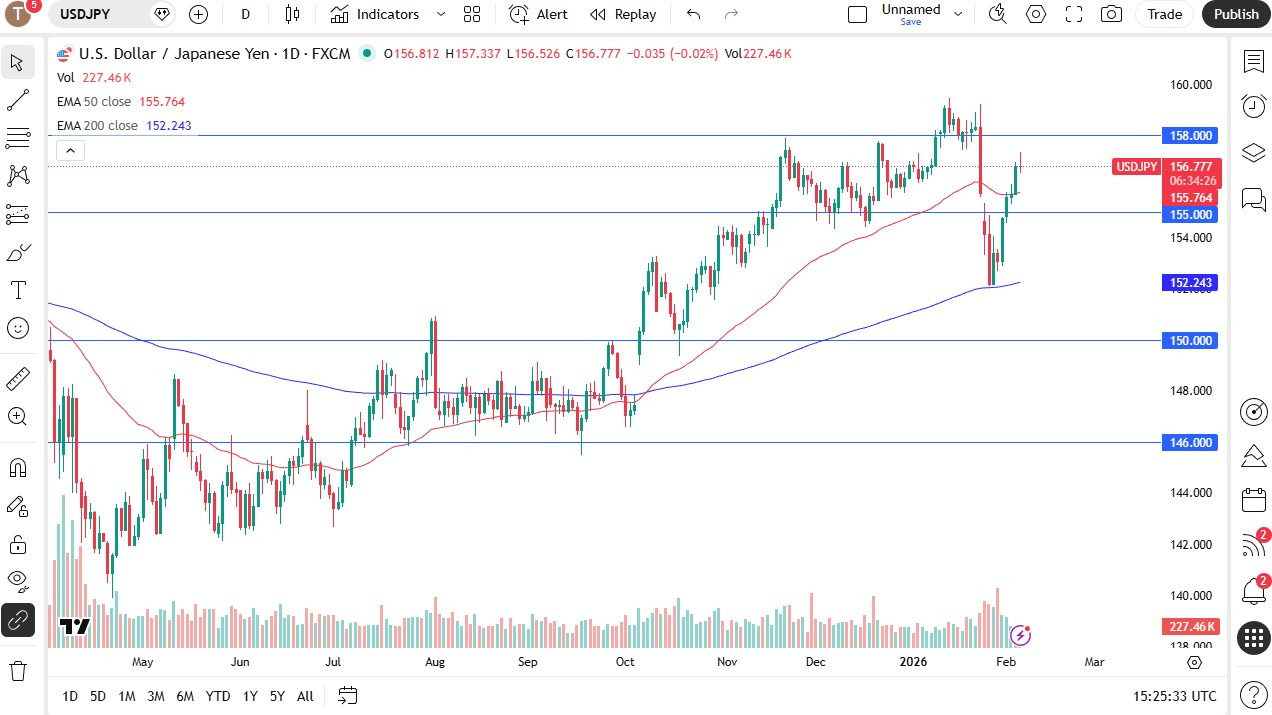
With holiday-thinned markets reopening, attention will turn to upcoming Japanese economic releases on Friday. Tokyo core CPI is expected to slow to 2.5% year on year from 2.8%, while the unemployment rate is forecast to hold at 2.6%. Industrial production is seen falling 1.9% after a prior gain, and retail sales growth is projected to ease to 0.9%.

Weaker-than-expected data could add to global growth concerns, potentially reinforcing gold’s appeal as a defensive asset.

Short-Term Forecast

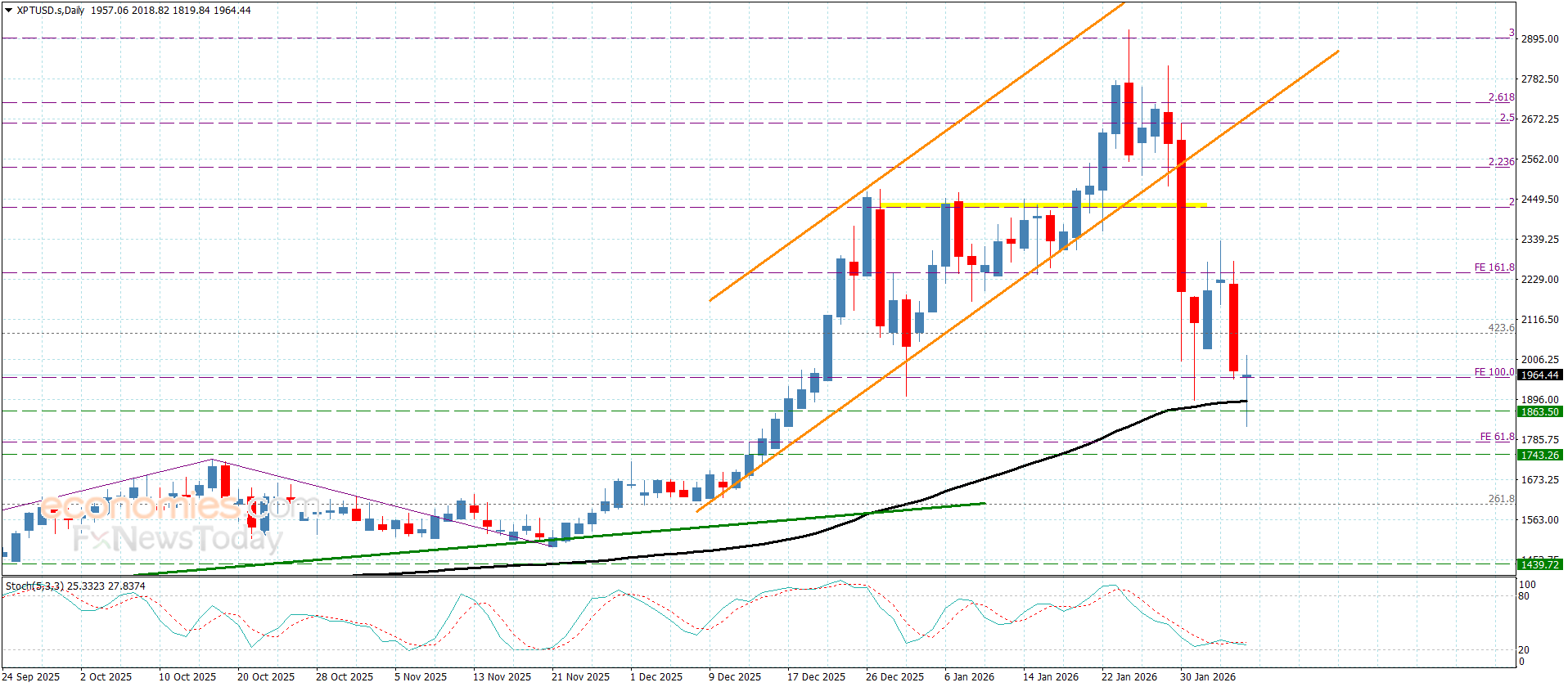
Gold near $4,479 targets $4,520 while holding $4,450 support; silver at $71.85 eyes $73.80, with $70.20 support limiting downside as markets reopen amid holiday-thinned liquidity and steady safe-haven demand outlook.


Source link

25 12, 2025

Henry Hub Whipsaws on Holiday Volume, Europe’s TTF Ticks Higher, Asia LNG Firms on South Korea Demand

By |2025-12-25T14:11:31+02:00December 25, 2025|Forex News, News|0 Comments


Natural gas “today” (Thursday, December 25, 2025) is a classic holiday-market paradox: not many people are trading, but the people who are trading can move prices. Across the major benchmarks, the story is broadly consistent—winter weather risk is back in focus, LNG demand remains a powerful support in the U.S., and Europe is watching both temperature swings and storage levels as it heads deeper into the heating season. [1]

Here’s what’s driving the market on Christmas Day:

  • U.S. (Henry Hub/NYMEX): Front-month futures turned volatile in thin pre-holiday trading, slipping after touching a near two-week high as traders reacted to updated temperature forecasts, record output, and strong LNG feedgas flows. [2]
  • Europe (TTF/UK): Dutch and British gas contracts nudged higher ahead of the holiday period, with colder forecasts boosting expected consumption—but plentiful supply flows helped cap the upside. [3]
  • Asia (spot LNG): Northeast Asia spot LNG prices edged up week-on-week, supported by South Korean demand into a colder pocket, while China’s muted buying kept the broader tone soft. [4]

U.S. natural gas prices today: Henry Hub dips after a near two-week high

In the U.S., the headline on December 25 is holiday volatility—price action amplified by lighter participation.

Reuters reported that January NYMEX natural gas futures were down 16.6 cents (about 3.8%) at $4.242 per MMBtu, after earlier climbing to $4.593, the highest level since December 11. The pullback came after an 11% jump on Tuesday, described as the sharpest daily rise since October 30—exactly the sort of “thin-market rocket fuel” traders love to hate. [5]

Why the market moved

Three near-term drivers did the heavy lifting:

1) Weather risk is back (but not extreme—yet).
Meteorologists cited in the report forecast a slight nationwide temperature drop through January 8. Heating degree days (a proxy for heating demand) were expected to rise from 358 on Tuesday to 377 on Wednesday, still below a cited “normal” level of 447, but with forecasters anticipating colder conditions ahead. Translation: the market is paying for the option value of colder weather, even if the baseline forecast isn’t screaming “polar vortex.” [6]

2) LNG feedgas remains a major support beam.
Flows to the eight large U.S. LNG export plants averaged 18.4 Bcf/d so far in December, up from a monthly record 18.2 Bcf/d in November, according to the same Reuters reporting. When LNG terminals run hard, they effectively convert domestic gas into global gas—tightening the U.S. balance and making Henry Hub more sensitive to winter demand swings. [7]

3) Production is strong—record strong.
LSEG projected U.S. Lower 48 output averaging 109.8 Bcf/d in December, a record monthly high that narrowly tops November’s 109.6 Bcf/d record. Strong supply can blunt rallies, but it also creates a weird tension: when you’re producing at record levels and prices are still elevated, the market is basically admitting demand (especially LNG and winter heating) is doing real work. [8]

The “thin liquidity” effect (aka: the holiday gremlin)

One of the most important details for readers tracking natural gas prices today: volume was light. Reuters cited trading volume around 19,541 lots at that point in the session, with a market participant noting that holiday conditions can exaggerate intraday swings. In practical terms, that means price moves can look more dramatic than the underlying fundamentals justify—until normal liquidity returns. [9]

Europe natural gas prices today: TTF edges up as cold forecasts meet steady supply

European gas markets headed into Christmas with a small upward nudge, but not a breakout.

Reuters-reported prices showed the Dutch TTF front-month up €0.42 to €28.20/MWh (about $9.75/mmBtu), while the Dutch February contract rose €0.30 to €27.90/MWh. In the UK, the day-ahead contract was up 3.55 pence to 74.00 pence/therm. [10]

What’s pushing European gas right now

Colder weather expectations are the bullish spark.
An LSEG analyst quoted in the report said the Christmas break leaned “bullish,” with Germany and France expected to show higher consumption than last year, driven by a “steep temperature drop” expected over Christmas Day and Boxing Day. [11]

But supply is acting like a lid on the pot.
The same report emphasized that strong supply from Norway and LNG was expected to offset some demand-driven pressure. This balance—temperature-driven demand rising into winter, while supply and infrastructure keep the market from panicking—is exactly why Europe can see higher day-to-day volatility without necessarily revisiting crisis-era extremes. [12]

The number Europe keeps checking: storage

Europe’s gas storage is still a key psychological anchor. The report cited EU storage sites 66.49% full, referencing Gas Infrastructure Europe data. That’s not “empty,” but it’s also not a cozy overstuffed pantry—especially if the cold snaps arrive in clusters instead of politely spaced-out intervals. [13]

Asia spot LNG today: prices inch up as South Korea buys, China stays quiet

In Asia, spot LNG prices firmed modestly, but the bigger narrative remains a split screen: South Korea responding to cold, and China remaining reluctant.

Reuters-reported market estimates put the average LNG price for February delivery into Northeast Asia at $9.60/mmBtu, up from $9.50 last week—and still described as the lowest since April 2024. The same report noted that weak buying in China left prices down 34% since the start of 2025. [14]

Why China is the “quiet giant” in today’s LNG market

One analyst cited in the report pointed to “continuous soft demand,” weak economic indicators, and ample alternative supplies like coal in China, adding that the La Niña pattern hadn’t delivered the colder phases some expected—at least not yet. (In other words: if you can burn coal, and it’s cheaper, and the weather isn’t punishing you, you hesitate before paying for spot LNG.) [15]

Why South Korea is the “loud buyer” this week

South Korea showed more immediate spot interest because temperatures were expected to fall to two-year lows on December 26, according to a market source quoted by Reuters. The report also said five cargoes had been diverted from China to South Korea in recent weeks—an unusually concrete example of how quickly demand signals can reroute global molecules. [16]

The Europe–Asia tug-of-war: LNG pricing, freight, and where cargoes want to go

One of the most consequential “natural gas today” themes is not just price, but direction: where do flexible LNG cargoes flow next?

The Reuters report cited multiple European LNG price assessments for February delivery:

  • S&P Global’s Northwest Europe LNG Marker (February, ex-ship): $9.001/mmBtu on Dec. 23, a $0.53 discount to TTF
  • Argus: $9.015/mmBtu
  • Spark Commodities (January): $9.110/mmBtu [17]

That pricing structure matters because it feeds directly into arbitrage math—especially once you add shipping.

LNG freight rates eased again

According to the report, Atlantic LNG shipping rates fell for a fourth week to $80,750/day, while Pacific rates eased to $71,250/day. Lower freight can widen the map of “profitable” routes, but the same analysis said the U.S. front-month arbitrage to Northeast Asia (via the Cape of Good Hope) narrowed—yet still pointed more toward Europe, with the Panama route only marginally favoring Asia. [18]

A key forward-looking signal: early Q1 2026 buying in Central and Eastern Europe

S&P Global’s Atlantic LNG manager was quoted saying that key LNG gateways into Central and Eastern Europe are emerging as firm buyers for early Q1 2026, aiming to ease pressure from declining Russian pipeline gas and LNG flows. With Asia and North Africa showing limited spot appetite, the report suggested incremental LNG supply may funnel into Europe. [19]

That’s the market’s quiet way of saying: Europe still needs to “buy insurance” through LNG, even when prices aren’t screaming crisis.

Russia and LNG shipping: a new ice-class tanker enters the chat

Another Christmas-week headline with real natural gas implications: LNG logistics in the Arctic.

Reuters-reported shipping news said Sovcomflot received the first Russian-built ice-class LNG tanker from the Zvezda shipyard, with plans to receive two more next year, according to Interfax citing the company’s CEO. The report underscored that sanctions related to the war in Ukraine have made it difficult for Russia to secure specialized gas carriers—particularly ships capable of operating in thick Arctic ice. [20]

The tanker, named Alexey Kosygin, is expected to join the fleet serving Arctic LNG 2, which the report noted is sanctioned by the United States. It also said Novatek (which owns 60% of Arctic LNG 2) has indicated 15 Arc7 ice-class tankers are eventually expected to be built at Zvezda, and that Novatek has contracted 21 of these tankers in total. [21]

Why this matters for natural gas markets: specialized shipping capacity can be a hard bottleneck. If you can produce LNG but can’t reliably move it—especially through ice conditions—then “supply” becomes seasonal, political, and more fragile than the headline production number suggests.

The data calendar: what’s missing today, and when it returns

Because it’s Christmas Day in the U.S., the normal weekly rhythm of government energy data is interrupted—something traders watch closely in winter.

  • The U.S. Energy Information Administration (EIA) said there would be no Natural Gas Weekly Update released on Thursday, Dec. 25 (or Jan. 1), with the next NGWU scheduled for Jan. 8, 2026. [22]
  • The EIA’s Weekly Natural Gas Storage Report holiday schedule shows the Christmas-related alternate release date set for Monday, Dec. 29, 2025 (12:00 p.m.). [23]

In winter, missing or delayed data doesn’t just create informational gaps—it can amplify uncertainty, especially when weather forecasts are shifting and prices are already jumpy on low volume.

A U.S. reliability sidebar: Texas ramps winter gas readiness checks

Not all “natural gas today” news is about price screens. Some of it is about whether the system holds together under stress.

A Texas-focused report said the Railroad Commission of Texas has stepped up winter inspections of natural gas infrastructure, conducting weatherization checks of critical facilities through March 2026. It also cited a milestone inventory figure: 524.9 Bcf of working gas in storage as of Nov. 30, 2025, described as the highest in more than 25 years. [24]

Given Texas’s outsized role in U.S. production and LNG feedgas supply, infrastructure readiness isn’t just a local concern—it’s part of the national winter reliability picture.

What to watch next in natural gas markets

As liquidity returns after the holiday window, the market is likely to reprice three things quickly:

Weather models (U.S., Europe, Northeast Asia):
If forecasts trend colder and more persistent, winter risk premiums can rebuild fast—especially with LNG facilities pulling hard on U.S. supply. [25]

LNG feedgas and export reliability:
The U.S. is leaning on LNG flows as a structural demand pillar. Any hiccup—operational or weather-related—can change balances quickly. [26]

Storage and withdrawals:
With the EIA storage report shifted to Dec. 29, the next official read on inventories will land when traders are back at their desks—potentially creating a sharper reaction than usual if the number surprises. [27]

Europe’s storage trajectory vs. cold snaps:
With storage cited around 66%, each cold spell is a “drawdown test.” If supply remains steady, Europe stays calm. If supply tightens while temperatures fall, the tone changes quickly. [28]

References

1. www.bairdmaritime.com, 2. www.bairdmaritime.com, 3. www.hellenicshippingnews.com, 4. www.hellenicshippingnews.com, 5. www.bairdmaritime.com, 6. www.bairdmaritime.com, 7. www.bairdmaritime.com, 8. www.bairdmaritime.com, 9. www.bairdmaritime.com, 10. www.hellenicshippingnews.com, 11. www.hellenicshippingnews.com, 12. www.hellenicshippingnews.com, 13. www.hellenicshippingnews.com, 14. www.hellenicshippingnews.com, 15. www.hellenicshippingnews.com, 16. www.hellenicshippingnews.com, 17. www.hellenicshippingnews.com, 18. www.hellenicshippingnews.com, 19. www.hellenicshippingnews.com, 20. www.hellenicshippingnews.com, 21. www.hellenicshippingnews.com, 22. www.eia.gov, 23. ir.eia.gov, 24. www.mrt.com, 25. www.bairdmaritime.com, 26. www.bairdmaritime.com, 27. ir.eia.gov, 28. www.hellenicshippingnews.com


Source link

25 12, 2025

EUR/USD Analysis Today 25 /12: Euro Trading (Chart)

By |2025-12-25T13:36:30+02:00December 25, 2025|Forex News, News|0 Comments

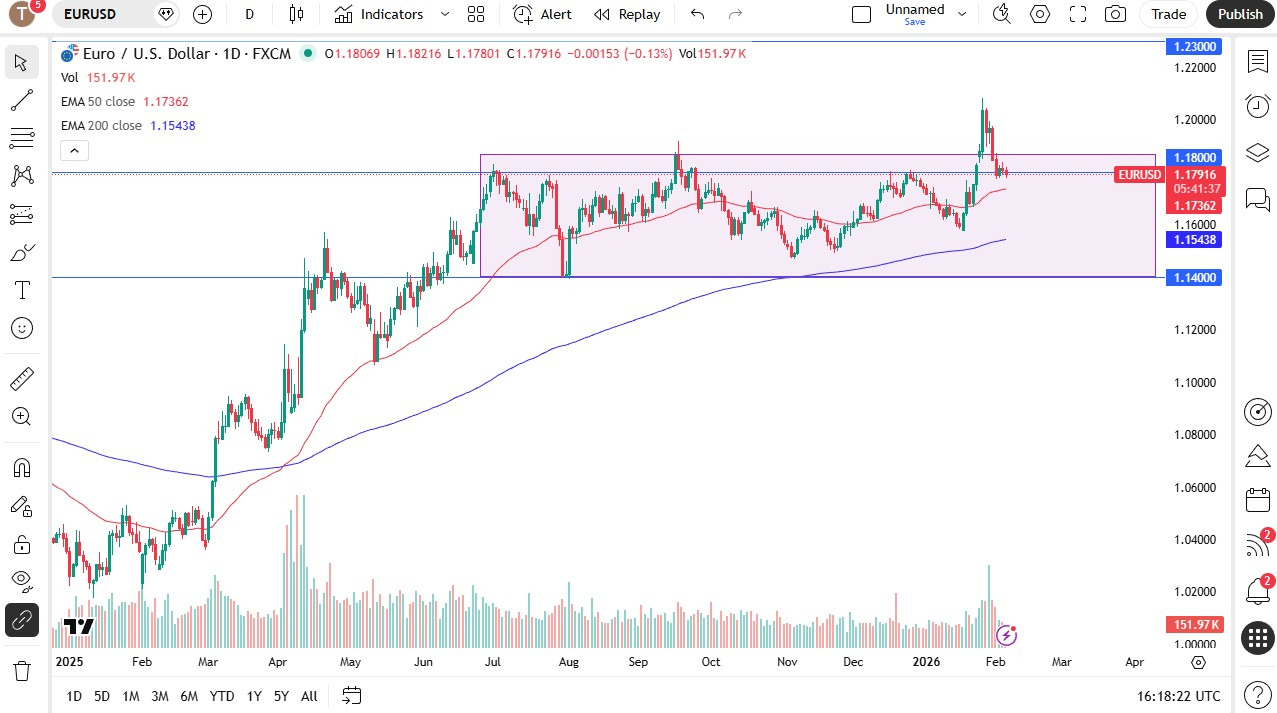
EUR/USD Analysis Summary Today

  • Overall Trend: Bullish
  • Support Levels for EUR/USD Today: 1.1745 – 1.1680 – 1.1600
  • Resistance Levels for EUR/USD Today: : 1.1830 – 1.1880 – 1.1930

EUR/USD Trading Signals:

  • Buy EUR/USD from the support level of 1.1690 with a target of 1.1820 and a stop-loss at 1.1600.
  • Sell EUR/USD from the resistance level of 1.1840 with a target of 1.1500 and a stop-loss at 1.1900.

Technical Analysis of EUR/USD Today:

With the start of the Christmas holiday season, market liquidity is thinning and investor risk appetite is weakening until full market operations resume. Consequently, the EUR/USD exchange rate is expected to move within narrow ranges today, Thursday, staying close to its recent performance. According to reliable trading platforms, the Euro rose to 1.1807, breaking through a psychological level, before stabilizing around 1.1778 at the time of writing.

Bullish Scenario: The upward momentum for EUR/USD will strengthen if the price stabilizes above the 1.1800 resistance. As previously mentioned, this is the most critical level to watch for an eventual bullish breakout toward the 1.2000 resistance peak. Recent gains on the daily chart are beginning to push technical indicators into overbought territory, as seen in the 14-day Relative Strength Index (RSI) and the MACD.

Bearish Scenario: Conversely, for the “bears” to regain control of the general trend, the pair would need to return to the support vicinities of 1.1660 and 1.1500.

Today, No significant economic data releases impacting currency prices are expected.

Trading Advice:

Analysts at TradersUp advise caution when trading in narrow ranges during the annual holiday season to avoid sudden price gaps that could negatively impact open positions.

Will the Euro appreciate in the coming months?

According to currency trading experts, MUFG Bank anticipates strong support for the Euro. They expect increased demand for the Euro from central banks, which will be a significant driver of its appreciation. Also, the bank sees room for increased purchases of official Eurozone sovereign bonds. He noted that: “The supply of sovereign bonds will increase in Europe, and negative yields are certainly a thing of the past. The supply of EU bonds will also increase. The €90 billion loan deal concluded for Ukraine last week will contribute to improved liquidity and a gradual increase in central bank demand.”

Nordea Bank commented on its European Central Bank interest rate forecast, stating: “We remain satisfied with our current baseline forecast of stable interest rates until the second half of 2027, where we expect the ECB to raise interest rates twice by 25 basis points each time.” It added: “The risk of further interest rate cuts has diminished, although the possibility of another cut has not disappeared entirely.”

Ready to trade our free Forex signals? Here are the best Forex brokers to choose from.

Source link

25 12, 2025

Latest News, Share Price Drivers, Analyst Forecasts and 2026 Outlook (Dec. 25, 2025)

By |2025-12-25T12:10:35+02:00December 25, 2025|Forex News, News|0 Comments


Rio Tinto plc stock is ending 2025 with momentum—and with a long list of catalysts investors are trying to price in: record copper prices, a strategy reset under CEO Simon Trott, expanding lithium ambitions after a major acquisition, and fresh operational guidance stretching into 2026. Add in a legal dispute tied to sanctions and some governance constraints that affect buybacks, and Rio’s year-end story becomes more than “iron ore miner does iron ore things.”

Because December 25 is a market holiday in many regions, the most recent actionable pricing and news flow largely reflects Christmas Eve trading and the final pre-holiday news cycle.

Rio Tinto stock price today: where RIO stands heading into year-end

As of the latest available trade (Wednesday, Dec. 24, 2025), Rio Tinto plc (NYSE: RIO) was around $80.89.

In London, Rio’s ordinary shares have also been pressing higher. MarketWatch reported Rio Tinto shares reached £59.31 on Dec. 22, a new 52-week high at the time. [1] Simply Wall St noted the last close near £59.82 and highlighted a strong multi-month climb that has investors re-checking valuation assumptions. [2]

One reason you’ll see slightly different “performance” numbers depending on where you look: Rio Tinto is dual-listed (plc in London; Limited in Australia), and the NYSE listing is an ADR. FX moves and local market dynamics can widen the gap between headlines even when the underlying business story is the same.

The big force behind miners right now: copper just rewrote the record books

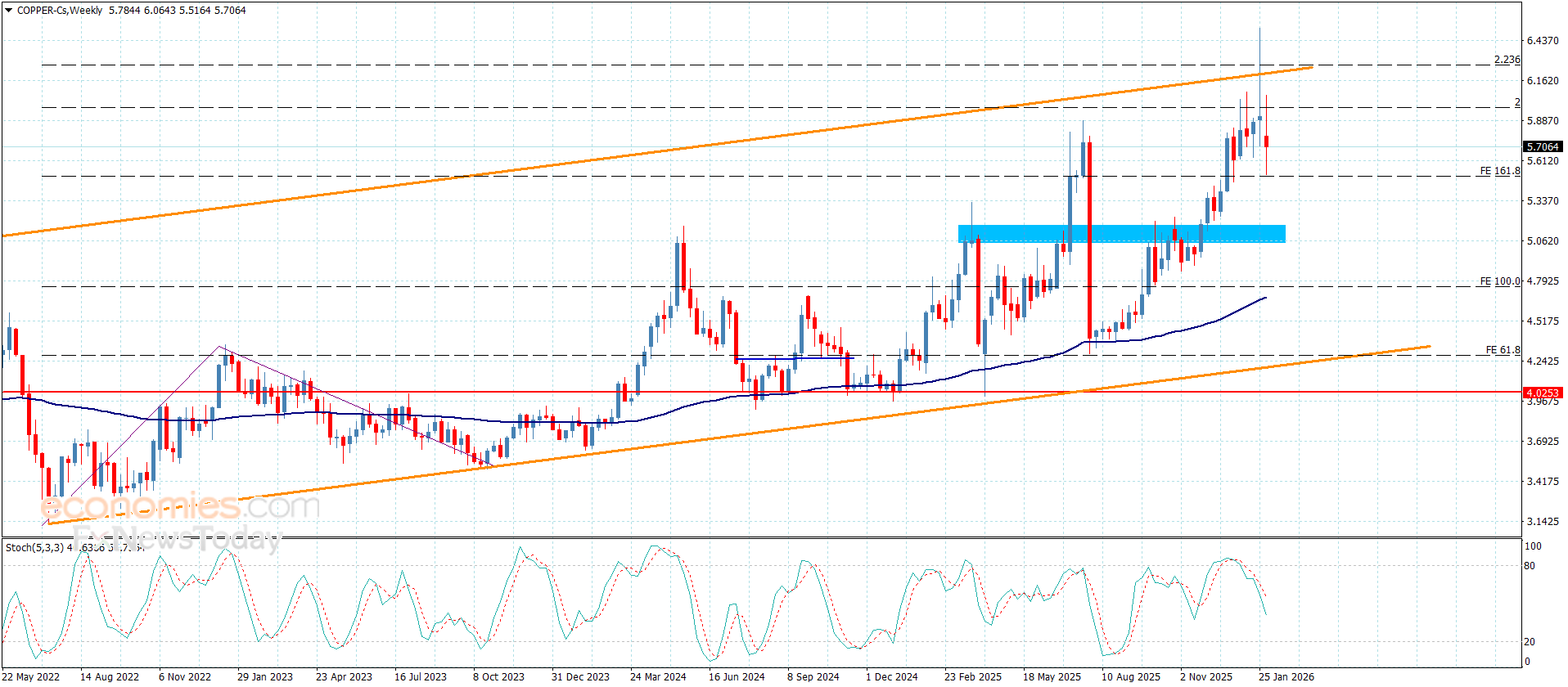
Copper has been the “gravity well” pulling diversified miners upward into late December. Reuters reported that London-listed miners gained as copper prices hit a record above $12,000, with Rio Tinto among the beneficiaries. [3]

The Financial Times put more detail around the move, linking the surge to tariff concerns and tight supply after disruptions at major mines—while also noting copper’s powerful 2025 run. [4]

For Rio Tinto stock, copper matters disproportionately not because copper is already the biggest revenue line (iron ore still dominates), but because copper is increasingly the growth narrative Rio wants the market to underwrite.

“Stronger, sharper and simpler”: Rio’s strategy reset and what it means for the stock

Rio Tinto used its December strategy briefing / Capital Markets Day messaging to frame the company as a leaner machine with clearer commodity priorities.

1) A simpler structure: three operating “super-buckets”

Rio said it is streamlining into three product groups:

  • Iron Ore
  • Copper
  • Aluminium & Lithium [5]

That matters for investors because conglomerate complexity can hide costs, slow decision-making, and make capital allocation harder to judge. Rio is explicitly arguing it can run “tighter.”

2) Cost and productivity targets (the market loves these—until it doesn’t)

Rio disclosed $650 million of annualised productivity benefits achieved early in the program, and it flagged more as the simplification effort continues. [6] Reuters also reported the same figure and noted that some analysts wanted more cost-out than the initial headline number. [7]

Rio also pointed to an expected 4% reduction in unit costs from 2024 to 2030. [8]

3) Divestments: up to $5–$10 billion “released” from the asset base

This is one of the most market-sensitive takeaways. Rio is exploring ways to free up $5–$10 billion through divestments, third-party funding, and partnership/ownership options across parts of its footprint. [9]

Reuters added that assets potentially on the block include titanium and borates, as Rio tries to concentrate on the “right assets in the right markets.” [10]

4) Shareholder returns policy stays: 40–60%

Rio reiterated a 40–60% shareholder returns policy (a key anchor for income-focused investors who hold Rio for dividends across cycles). [11]

Rio Tinto’s 2025–2026 production guidance: the numbers investors will obsess over

Rio didn’t just talk strategy—it published real guidance that investors can model.

Updated 2025 guidance highlights

Rio upgraded 2025 copper production guidance to 860–875 kt, and it revised unit cost guidance down to 80–100 c/lb (from higher prior ranges). [12]

It also flagged changes elsewhere (including bauxite and IOC guidance updates). [13]

2026 guidance snapshot (selected)

Rio released 2026 guidance including:

  • Total iron ore sales:343–366 Mt
  • Pilbara:323–338 Mt
  • Simandou:5–10 Mt
  • Copper (consolidated):800–870 kt
  • Lithium (LCE):61–64 kt
  • Group capex: up to ~$11bn [14]

This guidance matters because it gives the market an “official” runway for 2026 earnings sensitivity, especially under different commodity price decks.

Copper growth: Oyu Tolgoi and the push toward 1 million tonnes

Reuters reported Rio is shifting focus toward copper and is aiming to produce 1 million tonnes a year by 2030, with Oyu Tolgoi in Mongolia a major lever. [15]

Why the market cares: when copper is setting records, investors tend to pay up for miners with credible copper volume growth and relatively defensible cost curves.

Iron ore: still the profit engine—and now facing a settlement index twist

Iron ore remains Rio’s largest earnings driver, especially through the Pilbara system. Late December brought a niche but notable headline: Rio Tinto plans to replace the iron ore index used for settlement for some China shipments, according to a client notice referenced by traders.

Mining.com reported Rio emailed Chinese clients indicating Fastmarkets MB iron ore indices would replace Platts indices for settlement of shipments in the first two months of 2026, though it wasn’t clear why or whether it applied to all Chinese customers. [16]

This isn’t necessarily a “fundamentals earthquake,” but it is the kind of plumbing change that traders and contract negotiators watch closely—especially when pricing power is contested.

Pilbara optionality: Rhodes Ridge moves forward

Rio also pushed forward on long-life iron ore optionality in Western Australia.

The company said the Rhodes Ridge Joint Venture approved a $191 million feasibility study to progress the first phase of the Rhodes Ridge project, targeting an initial 40–50 million tonnes per year of iron ore capacity. [17]

Additional details Rio disclosed:

  • JV ownership: Rio 50%, Mitsui 40%, AMB Holdings 10%
  • The feasibility study is expected to conclude in 2029
  • First ore (subject to approvals) is expected by 2030
  • Rhodes Ridge has potential capacity of ~100 Mtpa longer-term [18]

For Rio Tinto stock, Rhodes Ridge is less about next quarter and more about “can Pilbara remain a multi-decade cash machine while the company pivots capital toward copper and lithium?”

Lithium: Rio’s big bet after the Arcadium acquisition—and the sober reality check

Rio’s lithium narrative got much more serious in 2025.

S&P Global reported that Rio’s $6.7 billion acquisition of Arcadium Lithium closed in March, giving Rio a much larger lithium resource base and a platform for scaled growth. [19]

Rio’s lithium ambition (as summarized in that reporting and Rio’s own briefing):

  • Build toward ~200,000 t/year LCE capacity by 2028 (from ~75,000)
  • Spend about $1 billion annually for the next three years on growth projects in Canada and Argentina
  • Target lower C1 operating costs across brine assets (S&P cited $5–$8/kg) [20]

But S&P Global also captured the key tension: capex inflation and execution risk. Industry voices in the piece described Rio’s published capex numbers as “sobering,” with costs in Argentina affected by inputs, energy, and inflation dynamics—meaning the margin story depends heavily on delivery discipline and market timing. [21]

This is important for Google News/Discover readers because lithium is where mining stories often go to die: grand spreadsheets meet geology, inflation, and politics.

Decarbonisation angle: battery-electric haul truck trials in the Pilbara

Rio and peers are also trying to decarbonise the most diesel-heavy part of mining: haulage.

Reuters reported BHP began a trial of two battery-electric haul trucks at its Jimblebar iron ore mine, under a collaboration involving BHP, Rio Tinto and Caterpillar, to evaluate how electric haulage could scale in large Pilbara operations. [22] BHP’s own release confirmed the arrival of Caterpillar’s battery-electric trucks and the start of on-site testing in collaboration with Rio Tinto. [23]

For Rio stock, this is less about immediate earnings and more about:

  • Longer-term operating cost structure (diesel vs power)
  • Scope 1 emissions trajectory
  • Permitting and social license pressures over the next decade

Analyst forecasts and price targets: what the Street is saying into 2026

Analyst targets are not truth tablets delivered from Mount Bloomberg, but they do shape positioning—especially when a stock is near highs.

UK listing (LON: RIO): “Hold” vibes dominate

MarketScreener reported Berenberg maintained a Neutral view and adjusted a target price around GBX 5,200 in a December note. [24] TheFly (via TipRanks) also reported Berenberg lifting a target to 5,300 GBp while keeping a Hold rating. [25]

MarketBeat’s snapshot for the London listing shows:

  • Consensus rating: Hold
  • Average target: GBX 5,570
  • High/low targets: GBX 6,950 / GBX 4,900 [26]

Simply Wall St highlighted a separate consensus framing, citing a consensus target near £51.491, with a wide spread between bullish and bearish targets. [27]

NYSE ADR (NYSE: RIO): mixed targets, slightly different tone

MarketBeat’s ADR page shows:

  • Consensus rating: Moderate Buy
  • Average target: $79.00 (around the current price region in that snapshot) [28]

TipRanks shows a smaller set of recent analysts (as displayed on the page) with:

  • Average target: $88.13
  • High/low: $129.50 / $68.00 [29]

Why the difference between platforms? Methodology and coverage lists vary (how many analysts, how recent, whether older targets are included, how ADR vs local listing is handled). Treat these as sentiment indicators, not precision instruments.

Commodity price forecasts: copper optimism remains, but 2026 could cool from the peak

With copper now a centerpiece of Rio’s “growth metals” story, bank outlooks matter.

Reuters reported Goldman Sachs expects copper to consolidate around $11,400/ton in 2026 amid tariff uncertainty, while still favoring copper on long-term electrification demand and constrained supply. [30]

The nuance for Rio investors: even if copper cools from record highs, the market may still reward producers that can grow volume and improve costs—which is exactly what Rio is trying to signal with its Oyu Tolgoi and productivity messaging.

Key risks investors are pricing (or ignoring at their peril)

1) Legal and geopolitical risk: the Rusal lawsuit

Reuters reported a Russian court ruled in favor of Rusal in a $1.32 billion lawsuit against Rio Tinto tied to a dispute over a joint alumina refinery in Queensland after sanctions-related actions. Rio rejected the Russian proceedings and said it would defend its position. [31]

Even if investors discount enforceability, this is headline risk—and it intersects with geopolitics, sanctions, and cross-border legal complexity.

2) Buyback constraints: the Chinalco overhang

Reuters reported Rio is working with its main shareholder Chinalco on solutions to governance constraints that restrict buybacks. Reuters also noted discussion of potential structures (including an asset-for-equity concept previously reported) and referenced an ownership cap set by Australian authorities. [32]

For shareholders, buybacks are a lever that can materially change capital return optics—especially in strong commodity tape.

3) Execution risk in lithium (and capex discipline generally)

Rio’s own plan ties lithium growth to market/returns discipline, but the sector’s history is full of “great assets, painful timing.” The S&P Global reporting underscored cost escalation and the pressure it puts on returns if lithium pricing doesn’t cooperate. [33]

What to watch next: the near-term calendar for Rio Tinto stock

The next catalyst cluster is likely to hit in January, when markets are back at full volume and investors stop pretending holidays are a personality trait.

MarketScreener’s calendar lists Rio’s Q4 2025 Sales and Revenue Release / Operations Review around Jan. 20. [34]

Into early 2026, the market will be watching:

  • Pilbara shipments and realised iron ore pricing
  • Copper volumes and costs (especially the Oyu Tolgoi ramp)
  • Any concrete steps on divestments (titanium/borates and other assets)
  • Updates on lithium project capex/commissioning cadence
  • Clarity on buybacks and shareholder return mechanics

Bottom line: why Rio Tinto plc stock is a 2026 “macro + execution” story

Rio Tinto stock is riding a late-2025 tailwind from metals—especially copper—while also trying to convince investors it deserves a higher-quality multiple: tighter operations, a clearer portfolio, and disciplined capital allocation.

The bullish case is basically: record (or near-record) copper + credible copper growth + still-massive iron ore cash flows + shareholder returns discipline.

The bear case is: commodity cycles revert, lithium costs bite, geopolitical/legal noise grows, and “simplification” delivers fewer real dollars than the strategy slides imply.

As of Dec. 25, 2025, the market seems to be leaning optimistic—but not blindly: a lot of analyst framing still reads “Hold,” which often means “we believe the story, but the easy money may already be in the price.” [35]

References

1. www.marketwatch.com, 2. simplywall.st, 3. www.reuters.com, 4. www.ft.com, 5. www.riotinto.com, 6. www.riotinto.com, 7. www.reuters.com, 8. www.riotinto.com, 9. www.riotinto.com, 10. www.reuters.com, 11. www.riotinto.com, 12. www.riotinto.com, 13. www.riotinto.com, 14. www.riotinto.com, 15. www.reuters.com, 16. www.mining.com, 17. www.riotinto.com, 18. www.riotinto.com, 19. www.spglobal.com, 20. www.spglobal.com, 21. www.spglobal.com, 22. www.reuters.com, 23. www.bhp.com, 24. www.marketscreener.com, 25. www.tipranks.com, 26. www.marketbeat.com, 27. simplywall.st, 28. www.marketbeat.com, 29. www.tipranks.com, 30. www.reuters.com, 31. www.reuters.com, 32. www.reuters.com, 33. www.spglobal.com, 34. www.marketscreener.com, 35. simplywall.st


Source link

25 12, 2025

Coca-Cola price shows mixed signals – Forecast today

By |2025-12-25T10:09:32+02:00December 25, 2025|Forex News, News|0 Comments


Coca-Cola Company (KO) declined in its latest intraday trading, breaking below its 50-day SMA, which has increased near-term negative pressure on the stock. This move comes alongside the emergence of a negative crossover on the RSI, reinforcing short-term weakness. However, the main bullish trend still dominates the medium term, with price action continuing to move alongside a supportive upward trendline, which limits the downside risk for now.


Therefore we expect the stock price to move higher in the upcoming trading, as long as it remains stable above the support level at $68.80, to target the resistance level at $71.30.


Today’s price forecast: Neutral


Source link

25 12, 2025

Copper’s Record Run, China Iron Ore Tensions, and What Analysts Forecast for 2026

By |2025-12-25T08:08:25+02:00December 25, 2025|Forex News, News|0 Comments


BHP Group Ltd (ASX: BHP; NYSE: BHP) is heading into the year-end holiday stretch with a familiar “big miner” cocktail: copper is surging to historic highs, iron ore remains the profit engine but is tangled in tough China-facing commercial politics, and investors are still weighing whether BHP’s next leg of growth comes from disciplined project delivery—or the temptation of headline-grabbing M&A.

With markets thinned by Christmas-week trading, the most actionable inputs for BHP stock right now are not dramatic one-day price moves, but the underlying drivers that will shape cash flow and dividends across 2026: copper pricing and supply tightness, iron ore volumes and realized pricing, and BHP’s ability to execute major growth projects (and fund them smartly).

Where BHP stock stands heading into Christmas week

In U.S. trading, BHP’s NYSE-listed ADR closed around $60.87 in the latest session available (Dec. 24, 2025) and implies a market capitalization near $155 billion. [1]

In Australia, BHP has been back on investor radar after a late-2025 rebound, with one widely followed valuation note pointing to roughly a 12% one-month lift and a share price around A$45 (Dec. 23). [2]

That bounce matters because BHP is often traded as a “macro + dividends + China” proxy. When metals prices rip higher, BHP tends to benefit—but the market also tends to ask, immediately and relentlessly: Will the company actually convert this cycle into sustainable free cash flow and shareholder returns?

The biggest tailwind right now: copper—and the AI/grid demand story

The most obvious, loudest tailwind into Dec. 25 is copper.

Copper prices pushed into record territory this week, breaking above $12,000 per tonne amid a mix of supply disruptions, tariff fears, and tightening availability outside the U.S. [3] The broader market narrative is that copper is being pulled in two directions at once:

  • structurally rising long-term demand (electrification, grid upgrades, EVs, data centers), and
  • short-term trade dislocation (tariff uncertainty shifting physical flows and inventories)

Reuters’ metals coverage has repeatedly highlighted the “dislocation” angle—where the threat of tariffs can be as market-moving as tariffs themselves, reshaping where copper sits and who feels “short” of metal. [4]

The other piece: analysts have been modeling persistent deficits. A Reuters roundup of copper market dynamics cited expectations for a 124,000-tonne deficit in 2025 and 150,000 tonnes in 2026, alongside a demand story increasingly tied to power infrastructure and AI-era electricity buildouts. [5]

Why this matters specifically for BHP shares

BHP is not “a copper pure play,” but copper is one of the company’s most important levers for growth and narrative momentum—and BHP’s own operational readouts have leaned into that.

In its operational review for the quarter ended Sept. 30, 2025 (reported in October), BHP said group copper production rose 4% and highlighted record concentrator throughput at Escondida. The company also reiterated FY2026 copper production guidance of 1,800–2,000 kt, with Escondida guidance 1,150–1,250 kt. [6]

When copper is printing all-time highs, markets usually do two things at once:

  1. reward near-term earnings torque, and
  2. re-rate long-dated copper optionality (projects, expansions, districts)

BHP is trying to be in both camps.

Iron ore is still BHP’s cash-flow core—now with China-facing friction

Even with copper stealing the spotlight, iron ore remains the heavy gravitational mass in BHP’s earnings universe. And right now, the iron ore story has two layers:

Layer 1: Operations look solid

BHP reported quarterly iron ore production of 64.1 Mt, with FY2026 guidance unchanged at 258–269 Mt (equity basis). WAIO (Western Australia Iron Ore) shipments and supply-chain execution were positioned as standouts, including the completion of the Car Dumper 3 rebuild at Port Hedland ahead of schedule. [7]

BHP also disclosed an average realized iron ore price around US$84.04/wmt for that quarter (Sept. 2025 quarter), up year-on-year in the same disclosure. [8]

Layer 2: China commercial politics are messy—and potentially market-moving

The more delicate layer is the ongoing negotiation tension between major miners and China’s centralised iron ore buying apparatus.

Reuters reported that a stand-off between China Mineral Resources Group (CMRG) and BHP tightened iron ore supplies, with market participants pointing to disrupted flows tied to contract negotiations. [9]

In a related Reuters report, several BHP cargoes were reportedly offered for sale in China amid “ban fear” headlines, with sources indicating at least one cargo traded—suggesting a complicated reality: pressure points exist, but trade in other grades can continue even while specific products are frozen. [10]

For BHP stock, this matters because iron ore isn’t just a commodity exposure—it’s also a relationship exposure. If negotiations snarl into prolonged disruptions (even if partial), the market will price in risk around volumes, realized pricing, and China channel access.

Project execution and asset quality: Samarco, grades, and “better iron ore”

One underappreciated theme for miners in 2026 is not just volume, but quality—especially as steelmakers and regulators push on emissions and efficiency.

An Argus analysis published Dec. 23, 2025 argued that new supply developments could lift average grades for major producers, specifically pointing to the ramp-up of BHP’s Samarco operations in Brazil as a potential support for BHP’s overall product quality. Argus noted BHP’s aim to produce 7–7.5 million tonnes of ~67% Fe pellets at Samarco in FY2025–26 and referenced longer-term ramp potential toward higher capacity by 2028. [11]

This dovetails with BHP’s own FY2026 Samarco guidance of 7–7.5 Mt (equity basis). [12]

If iron ore markets become more quality-sensitive over time, “better tons” can matter disproportionately—especially in tight markets where buyers pay up for consistency and performance.

Capital strategy in focus: the $2 billion infrastructure funding deal

BHP also gave markets a clear signal in December: it wants to fund growth while keeping balance sheet flexibility, and it’s willing to “recycle capital” from infrastructure-like assets to do it.

Reuters reported that BHP struck a $2 billion deal with Global Infrastructure Partners (GIP)—owned by BlackRock—linked to BHP’s WAIO inland power network. The structure involved a new entity with BHP holding 51% and GIP 49%, with BHP retaining operational control and paying a tariff over 25 years tied to usage. [13]

This kind of transaction tends to be read as:

  • a pragmatic funding move (freeing capital without giving up operating control), and
  • a quiet admission that the capex pipeline is large enough to justify creative financing

For BHP stock, it’s also a signal that management is actively trying to avoid a “dividends vs growth” zero-sum fight.

Dividends, profits, and the shareholder bargain

BHP investors—especially in Australia—treat the stock like a hybrid: part commodity exposure, part income vehicle.

On that front, Reuters’ coverage of BHP’s FY2025 results (year ended June 30, 2025) reported:

  • underlying profit of $10.16 billion (a five-year low in that metric, per the report),
  • a total FY dividend of $1.10 per share, with a final dividend of $0.60, and
  • a raised net debt target range of $10–$20 billion. [14]

This is the core bargain BHP stock keeps making with the market: You accept cyclicality, and in return you get scale, resilience, and a meaningful slice of cash when the cycle cooperates.

Copper strength helps that bargain. Iron ore stability protects it. Cost blowouts and project delays threaten it.

BHP stock forecast: what analysts are saying heading into 2026

Analyst forecasts are not prophecy; they’re structured guesses with assumptions wearing a suit and pretending they don’t sweat. Still, they matter because they influence institutional positioning.

One widely referenced compilation (MarketBeat) put BHP at a “Hold” consensus rating based on 10 analyst ratings, with an average 12‑month price target of $48.50 (range $44–$53), versus the then-current ADR price around $60.87. [15]

In Australia, a valuation-focused note (Simply Wall St) suggested BHP was trading very close to a “fair value” estimate around A$44.94 versus a recent price around A$45.07, framing the stock as near fully priced after the recent rebound. [16]

How to interpret these forecasts without losing your mind

If you’re trying to reconcile “copper at record highs” with “Hold ratings,” the missing link is usually one (or more) of these assumptions:

  • iron ore mean reversion (analysts often model conservative long-run iron ore pricing)
  • capex intensity (potash, copper expansions, decarbonisation)
  • China demand uncertainty (property, steel output, policy swings)
  • FX and rates (USD strength can hit commodity pricing and AUD revenue translation)

In other words: analysts can like the assets and still hesitate on timing, because miners are where macro confidence goes to be tested.

Technical sentiment check: momentum improved, but not a clean setup

For traders who follow technical indicators (and yes, even fundamental investors secretly peek), Investor’s Business Daily noted BHP’s ADR Relative Strength (RS) Rating rising to 81 from 78 in mid-December, a momentum signal often interpreted as bullish—while also cautioning the stock had moved beyond an “ideal” buy range after a breakout pattern. [17]

That’s basically the technical version of: “Nice move—now don’t chase it.”

What investors should watch next for BHP shares

Here are the highest-signal catalysts and risks as of Dec. 25, 2025—ranked by how directly they can hit BHP’s cash flow narrative:

Copper price structure (not just the headline):
Watch whether copper stays elevated because of real deficits and constrained mine supply, or whether trade-driven inventory relocation unwinds. Reuters’ reporting has emphasized how tariff uncertainty can distort prices and stock locations. [18]

China iron ore negotiations:
Pay attention to whether the CMRG-related stand-offs remain isolated to specific products or broaden into wider commercial disruption. [19]

FY2026 delivery vs guidance:
BHP’s FY2026 guidance ranges—especially copper (1.8–2.0 Mt) and iron ore (258–269 Mt)—set the bar. Markets usually punish misses more than they reward small beats, because miners are supposed to be boring in the execution layer. [20]

Jansen potash and capex discipline:
BHP continues to position Jansen as a major long-term growth pillar, with Stage 1 tracking toward production in 2027 in its operational commentary. [21] Any renewed cost pressure will matter for valuation.

Capital allocation moves like the GIP deal:
More “capital recycling” transactions could be read positively—unless investors start to suspect BHP is selling the family silver to fund overruns. [22]

Bottom line for BHP Group Ltd stock on Dec. 25, 2025

BHP stock is ending 2025 with momentum coming from two directions at once: a copper market that is screaming “scarcity” and “electrification,” and an iron ore business that is still operationally strong but increasingly entangled in China’s evolving approach to commodity purchasing power.

If copper stays structurally tight into 2026—and BHP executes on volume guidance and project milestones—the stock has a credible fundamental case as a diversified, cash-generative miner. If copper’s surge proves more trade-dislocation than durable deficit, or if iron ore negotiations create recurring disruptions, the market will likely revert to treating BHP as what it has always been at heart: a world-class portfolio living inside a cyclical pricing machine.

References

1. stockanalysis.com, 2. simplywall.st, 3. www.ft.com, 4. www.reuters.com, 5. www.reuters.com, 6. www.bhp.com, 7. www.bhp.com, 8. www.bhp.com, 9. www.reuters.com, 10. www.reuters.com, 11. www.argusmedia.com, 12. www.bhp.com, 13. www.reuters.com, 14. www.reuters.com, 15. www.marketbeat.com, 16. simplywall.st, 17. www.investors.com, 18. www.reuters.com, 19. www.reuters.com, 20. www.bhp.com, 21. www.bhp.com, 22. www.reuters.com


Source link

Go to Top