The main tag of NFT News Today Articles.
You can use the search box below to find what you need.
[wd_asp id=1]

15 07, 2025

How Roman Storm’s Trial Shapes DeFi’s Regulatory Landscape and Compliance Investment Opportunities

By |2025-07-15T22:05:53+03:00July 15, 2025|News, NFT News|0 Comments


The upcoming trial of Roman Storm, co-founder of Tornado Cash, marks a pivotal moment for decentralized finance (DeFi) and blockchain regulation. As the case unfolds in New York’s Southern District, the outcome could redefine liability for software developers of open-source protocols, impacting everything from crypto compliance frameworks to investment strategies in blockchain infrastructure. This article explores the implications of the trial and identifies strategic opportunities in compliance-focused blockchain projects poised to thrive amid evolving regulations.

The Roman Storm Trial: A Crossroads for DeFi

Roman Storm faces charges of conspiracy to commit money laundering and sanctions violations under the International Emergency Economic Powers Act (IEEPA). Despite the U.S. Treasury’s Office of Foreign Assets Control (OFAC) lifting sanctions on Tornado Cash in March 2025, prosecutors argue that Storm’s role in maintaining the protocol’s interface and profiting via the TORN governance token constitutes actionable liability. The defense counters that Tornado Cash’s open-source code qualifies as protected speech and that Storm did not control user funds or knowingly enable illicit activity.

A conviction could establish a dangerous precedent, criminalizing the creation of privacy-focused tools even if used for legitimate purposes. Conversely, an acquittal might embolden developers to prioritize innovation over compliance—a risk as regulators worldwide tighten controls. Either outcome underscores the urgency for blockchain projects to embed robust compliance frameworks.

Compliance-Focused Blockchain Projects: The New Frontier of DeFi

The trial’s outcome will intensify demand for compliance tools that balance innovation with regulatory adherence. Below are key sectors and projects positioned to capitalize on this trend:

1. Regulatory Transparency Platforms

Blockchain’s immutable ledger is a natural fit for compliance, enabling real-time transaction monitoring and audit trails. Projects like Proxymity Shareholder Disclosure automate SRD II compliance in the EU, reducing administrative burdens. Similarly, zkSync Era leverages zero-knowledge proofs (ZKPs) to balance privacy with regulatory reporting requirements.

2. Decentralized Identity (DID) Systems

Regulators increasingly demand secure identity verification. The EU’s EBSI program and Worldcoin’s proof-of-personhood protocol exemplify DID systems that streamline Know Your Customer (KYC) processes while protecting user data. These tools are critical for onboarding institutional capital into DeFi.

3. Tokenized Assets and Sustainable Infrastructure

Projects like HIVE Digital Technologies (HIVE) and RIOT Platforms (RIOT) are reshaping crypto mining with green energy and AI-driven infrastructure. HIVE’s acquisition of a 200 MW hydro-powered facility in Paraguay aims to boost Bitcoin hash rates to 25 EH/s by September 2025, aligning with ESG mandates. RIOT’s pivot to GPU computing for AI and HPC services reflects a broader shift toward diversified revenue streams compliant with global standards.

4. Compliance Service Providers

Firms like S+P Compliance Services are indispensable for navigating MiCA, KMAG, and other regulations. These providers offer training, licensing support, and anti-money laundering (AML) tools, enabling crypto firms to operate within legal boundaries.

Investment Opportunities: Where to Deploy Capital Now

The trial’s outcome may intensify regulatory scrutiny, but compliance-focused projects are already scaling:

  1. HIVE Digital (HIVE):
  2. Why Invest? Its green energy infrastructure and diversified operations (mining + GPU computing) align with ESG and regulatory trends.
  3. Risk: Bitcoin price volatility impacts revenue, but its cost leadership in hydro-powered mining mitigates this.

  4. RIOT Platforms (RIOT):

  5. Why Invest? Its pivot to AI/HPC and planned hash rate expansion to 38.4 EH/s by 2025 position it as a low-cost, compliant mining leader.
  6. Risk: Stock price volatility; reliance on institutional Bitcoin adoption.

  7. Blockchain-as-a-Service (BaaS) Firms:

  8. Why Invest? Companies like IBM and Microsoft are integrating compliance tools into BaaS platforms, reducing barriers for enterprises entering DeFi.

  9. Regulatory ETFs:

  10. Why Invest? Bitcoin ETFs (e.g., BlackRock’s BITO) now hold ~$80 billion AUM, with Ethereum ETFs poised to follow. These vehicles offer diversified exposure while adhering to SEC guidelines.
  11. Zero-Knowledge Proofs (ZKP) Developers:

  12. Why Invest? ZKPs enable privacy-preserving transactions compliant with AML laws. zkSync Era and Visa’s ZK-based auto-payments are early movers in this space.

Risks and Considerations

  • Regulatory Overreach: A conviction in the Storm trial could trigger stifling regulations, disproportionately impacting small developers.
  • Fragmented Compliance: Global regulatory disparities (e.g., EU vs. U.S.) may raise operational costs for firms.
  • Market Volatility: Crypto asset prices remain sensitive to macroeconomic factors, though compliance-focused projects offer defensive attributes.

Final Take: Position for a Regulated Future

The Roman Storm trial is a catalyst for defining DeFi’s regulatory trajectory. Investors should prioritize compliance-driven blockchain projects with scalable solutions for AML, identity verification, and ESG alignment. Firms like HIVE, RIOT, and BaaS providers are building the infrastructure needed to navigate this new landscape. Meanwhile, Bitcoin and Ethereum ETFs offer institutional-grade exposure to the sector’s growth while adhering to evolving standards.

The verdict may still be pending, but the writing is on the blockchain: compliance is no longer optional—it’s the key to unlocking DeFi’s next chapter.


Source link

15 07, 2025

Snoop Dogg’s NFT Drop on Telegram Generates $12 Million in 30 Minutes

By |2025-07-15T20:05:00+03:00July 15, 2025|News, NFT News|0 Comments


Snoop Dogg’s recent NFT drop on Telegram generated a staggering $12 million in just 30 minutes, marking a significant milestone in the digital collectibles market. The collection, which included nearly one million unique NFTs, was inspired by the rapper’s distinctive style and quickly sold out, demonstrating the enduring appeal and market demand for NFTs.

The success of this event can be attributed to several key factors. Firstly, Snoop Dogg’s extensive fan base and cultural influence played a crucial role in driving interest and participation. His involvement in the NFT space further legitimizes the medium, attracting a wider audience and potentially paving the way for more high-profile collaborations in the future. Secondly, the unique and appealing design of the NFTs, which were inspired by Snoop Dogg’s trademark style, resonated with collectors. Lastly, the efficiency and reliability of Telegram’s TON blockchain ensured a smooth and secure transaction process, enhancing the overall user experience.

The TON blockchain, originally conceived in 2017, provided the technological backbone for this successful drop. The platform’s ability to facilitate such a large-scale and swift transaction underscores its potential as a robust infrastructure for NFTs and other digital assets. The shard technology of the TON blockchain reached fast and scalable transactions, promoting Telegram’s goal of registering half a billion users by 2028. The minting and secondary market of the blockchain will go live in a few days, meaning that collectors are excited about them.

This event also underscores the continued relevance of NFTs in the digital art and collectibles market. Despite fluctuations in the broader cryptocurrency market, the enthusiasm for unique digital assets remains strong. The NFT drop by Snoop Dogg is an answer to the market crisis in the NFT sector in 2022. Snoop has been in the crypto world long enough. He has his own NFT collection of 17 million dollars that he has called Cozomo de Medici only serves to cement his role in this field. This NFT sale marks a trend to high-frequency collectible sales over utility-based NFTs. The influence of the celebrities in the crypto market is in the success of Snoop. Mostly, in marketing such a huge amount of digital art.

In conclusion, Snoop Dogg’s Telegram NFT drop generated $12 million in just 30 minutes, showcasing the platform’s capabilities and the enduring popularity of digital collectibles. This event not only highlights the potential of NFTs but also underscores the importance of leveraging established platforms and influential figures to drive market demand and engagement. The success of the sale heralds a solid entry of Telegram into the NFTs, which is a competitive market.


Source link

15 07, 2025

Aave Becomes First DApp To Exceed $51 Billion In Total Value Locked

By |2025-07-15T18:03:53+03:00July 15, 2025|News, NFT News|0 Comments


Aave, the world’s largest liquidity protocol, has reached a historic milestone by surpassing $51 billion in Total Value Locked (TVL). This milestone proves that Aave, as the first decentralized application to reach the $50 billion milestone, is showing itself as one of the pillars of the DeFi ecosystem.

Aave: A Leader in the DeFi Distance

As Aave has currently raised its TVL up to $51 billion, the protocol represents 17.9 percent of the total DeFi market, which equals $284 billion. 

It beats the competitors and gains liquidity due to its various functions of supplying, borrowing, swapping, and staking digital assets, including liquidity mining, flash loans, and margin trading. 

Users seeking yield provide about $44.96 billion of the protocol’s TVL, while the rest is used for loans and other chain activities.

Sustainable Generation of Revenue

In addition to locking the assets, Aave has proven its feasibility as a sustainable business model. 

In the last 12 months, the protocol has scraped 605 million in fees to equate to 105 million in net proceeds. These numbers represent a growth in market cycles and highlight the fact that Aave can provide consistent revenue to its ecosystem. 

The fee revenue is generated based on borrowing interest, flash loan usage, and protocol swap revenue, whereas revenue is spent on covering operational costs, reserves, and rewards to the AAVE token holders.

Catering to the Retail, Institutions And Protocols

Aave is populated by full-time day traders, institutional and professional hedge funds, as well as a number of DeFi projects. It has a flexible architecture that allows permissionless access to capital; thus, it is the preferred architecture for protocols that want over-collateralized borrowing or dynamic lending markets. 

The low liquidity and strong risk parameters of Aave are used by institutional participants and by retail users; the feature offered is collateralized loans and competitive yield rates.

Looking Ahead

Aave has a long way to go before reaching a plateau in terms of innovation, which has made it the market leader in TVL and revenue generation; as it implements new features such as credit delegation, V3 efficiency optimization, and cross-chain deployments, it sets the bar higher in terms of Web3 protocols. 

The capacity of the protocol to bring in high liquidity, a wide variety of financial products, and long-term economics leads to the idea that decentralized apps can exist as long-lasting businesses competing with traditional financial companies.Allowing more than $51 billion to be stored in TVL puts Aave not only into a new record but also indicates the age of maturity of DeFi, showing that decentralized finance can perform at the institutional level, offer convenient and pleasant services, and generate long-term revenues.


Source link

15 07, 2025

R-Games And LoveBit Unite To Power ESG-Driven Web3 Gaming

By |2025-07-15T16:03:11+03:00July 15, 2025|News, NFT News|0 Comments


R-Games has announced a strategic relationship with LoveBit, a next-generation Web3 initiative that integrates blockchain innovation with environmental, social, and governance (ESG) principles.

R-Games is a virtual garage experience that mixes racing, artificial intelligence, and sophisticated engineering. In such collaboration, R-Games will bring its vibrant racing world, and LoveBit will add its open and community-oriented token economy, making available new opportunities for in-game rewards, contributions to impact, and sustainable gaming.

Integrating LoveBit’s ESG Token Economy

The core philosophy of LoveBit, known as LoveBit4Good, conducts LoveBit token rewards toward pre-audited eco and social causes. 

Upon inclusion of the native token LB of LoveBit into the reward systems in the R-Games, the players will have not only the ability to earn the token with time trials, street races, and missions performed in the environment of the story mode with vehicles but also the possibility to spend a part of profits on real-life causes. 

Such a system of twofold rewards also makes sure that every exciting race, whether leading a sports car, an off-road truck, or a futuristic AI-optimized F1 car, will lead to real social and environmental change.

Enhancing Gameplay with AI and Token Utilities

R-Games is utilizing AI to provide an innovative management strategy to deploy vehicle models and optimize based on changing user-generated content and demand. 

A transparent blockchain framework will form the in-game economy, distributing tokens that undergo on-chain validation and auditing.

This integration will increase the confidence of the players, given that they will be able to monitor where their involvement will be incorporated into financing ESG venture funds and community governance votes in the LoveBit ecosystem.

Community Growth and Verified Listings

The recent listing events of LoveBit on MEXC and LBank have expanded the reach of the Web3 finance community. 

This cooperation would expose R-Games to LoveBit’s expanding target consumer base, which includes individuals interested in social change and environmental conservation, while LoveBit would transform its business through the rapidly advancing field of AI-generated games. 

Looking Ahead: Sustainable Web3 Racing

Together with R-Games and LoveBit, the partnership will bring an awesome twist to the way Web3 games can reward their players, not just with the mind-blowing race mechanics and state-of-the-art AI but also by unlocking the potential to change the social and environmental world measurably. 

Filling the gap between high-octane virtual racing and a clear, environmental, and socially conscious token ecosystem, this unification takes green, mission-oriented gaming into the blockchain future.


Source link

15 07, 2025

TAC Mainnet Launches Bridging Ethereum DeFi With Telegram Ecosystem

By |2025-07-15T14:01:35+03:00July 15, 2025|News, NFT News|0 Comments


The TAC mainnet has officially launched, marking a significant milestone in the integration of Ethereum DeFi with the TON and Telegram ecosystems. This new Layer 1 blockchain is designed to bridge Ethereum-style decentralized applications (dApps) with the vast user base of Telegram, which exceeds 1 billion users. The TAC blockchain leverages EVM compatibility, facilitated by Ethermint and Cosmos SDK, and introduces an innovative TON-Adapter. This adapter allows developers to deploy Solidity smart contracts without modification, while also enabling native connections to TON wallets and assets. This capability paves the way for the creation of “Hybrid dApps” that combine Ethereum-level DeFi functionalities with Telegram’s native user experience, all without the need for additional bridges or code.

The TAC mainnet launch is part of a phased development plan that includes stages such as “Genesis,” “Ignite,” “Flame,” and “Radiance.” The “Flame” phase, which is the current stage, focuses on the mainnet launch and governance, while the “Radiance” phase will concentrate on scaling and integration. This structured approach aims to embed DeFi functionalities into everyday applications, making financial services more accessible and user-friendly.

The TAC blockchain is purpose-built to facilitate the integration of Ethereum dApps with the TON and Telegram ecosystems. This integration allows developers to leverage their existing Ethereum development tools and deploy Solidity smart contracts seamlessly. The TON-Adapter technology ensures that these dApps can interact natively with TON wallets and assets, providing a seamless user experience. This innovation is expected to attract a wide range of developers and users, given the familiarity and reliability of Ethereum’s development environment.

The launch of the TAC mainnet is a significant development for the DeFi ecosystem, as it opens up new possibilities for financial applications within the Telegram platform. By bridging Ethereum dApps with the TON and Telegram ecosystems, TAC aims to bring DeFi functionalities to a broader audience, leveraging the extensive user base of Telegram. This integration is expected to drive innovation and adoption in the DeFi space, as developers can now create applications that offer both Ethereum-level DeFi capabilities and Telegram’s user-friendly interface.

The TAC mainnet launch is also notable for its potential to attract investment and support from the broader crypto community. The project has already raised $11.5 million from well-known investors, indicating strong confidence in its potential. Additionally, the listing of the TAC token on major exchanges will increase its visibility and accessibility, making it easier for users to buy and trade the token. This increased exposure is expected to drive further adoption and growth for the TAC ecosystem.

In summary, the launch of the TAC mainnet represents a significant step forward in the integration of Ethereum DeFi with the TON and Telegram ecosystems. By leveraging EVM compatibility and the TON-Adapter technology, TAC enables developers to create Hybrid dApps that combine the best of Ethereum and Telegram. This innovation is expected to drive adoption and growth in the DeFi space, as it makes financial services more accessible and user-friendly. The structured development plan and strong investor support further underscore the potential of the TAC ecosystem to become a leading player in the DeFi landscape.


Source link

15 07, 2025

Ethereum Surges 33% to $3,000 on Bullish Market Sentiment and NFT Demand

By |2025-07-15T11:59:50+03:00July 15, 2025|News, NFT News|0 Comments


Ethereum, the second-largest cryptocurrency by market capitalization, is currently experiencing a significant rally, with analysts and enthusiasts predicting that the digital asset could reach $4,000 in the third quarter of this year. This optimism is driven by several factors, including the ongoing bullish sentiment in the broader cryptocurrency market and the anticipation of upcoming developments within the Ethereum ecosystem.

The rally has already seen Ethereum surpass the $3,000 mark, with some analysts forecasting that the cryptocurrency could reach $3,500 by the end of this month. This bullish outlook is supported by technical indicators, which suggest that the upward momentum is likely to continue. The rally is not an isolated event but is part of a broader trend in the cryptocurrency market, driven by factors such as increased institutional investment and the growing adoption of blockchain technology.

Ethereum has benefited from its role as a platform for decentralized applications (dApps) and smart contracts, which have attracted a significant amount of developer and user activity. The anticipation of upcoming developments within the Ethereum ecosystem, such as the implementation of Ethereum 2.0, is also contributing to the rally. Ethereum 2.0 aims to improve the network’s scalability, security, and sustainability, which could further boost Ethereum’s price by addressing some of the network’s current limitations and making it more attractive to users and developers.

The rally has also been fueled by the growing interest in non-fungible tokens (NFTs), which are digital assets that are stored on the Ethereum blockchain. The NFT market has seen explosive growth in recent months, with some NFTs selling for millions of dollars. This has increased demand for Ethereum, as it is the primary platform for NFTs, and has contributed to the cryptocurrency’s price rally.

However, it is important to note that the cryptocurrency market is highly volatile, and price predictions should be taken with a grain of salt. While the current rally is impressive, it is possible that Ethereum’s price could experience a correction in the coming months. Investors should exercise caution and conduct thorough research before making any investment decisions.

In conclusion, Ethereum’s rally is a testament to the growing interest and adoption of cryptocurrencies and blockchain technology. While the current price trajectory is impressive, investors should remain vigilant and be prepared for potential market fluctuations. The successful implementation of Ethereum 2.0 and the continued growth of the NFT market could further boost Ethereum’s price, making it an attractive investment opportunity for those willing to take on the associated risks.


Source link

15 07, 2025

Mint.io Launches AI-Powered Web3 Gaming Platform Focusing on User Experience

By |2025-07-15T09:56:37+03:00July 15, 2025|News, NFT News|0 Comments


Serial entrepreneur and global strategist Zak Manhire has launched Mint.io, a pioneering Web3 gaming technology platform powered by artificial intelligence. Unlike many other ventures in the Web3 space, Mint.io prioritizes the development of a genuine product that users will find valuable, rather than focusing on speculative tokens and hype cycles. Manhire, with a background in international brand-building and emerging tech companies, believes that the Web3 industry has lost sight of what true adoption entails.

“Launching a token is not launching a product,” Manhire states. “Real value comes from real use — and we’re creating experiences that users love before they even know that there’s crypto behind it.” Mint.io aims to make the entry into Web3 gaming as seamless and enjoyable as possible, allowing users to build up rewards, level up, and interact with the digital economy without needing prior blockchain knowledge. The platform’s design and interactions are crafted to be intuitive, ensuring that users can focus on the gaming experience rather than the underlying technology.

“We want people to stop overthinking crypto. We want them to play, to be involved and to enjoy,” Manhire explains. “And while they do, the token economy works unobtrusively, in the background — creating value that is real, not just marketed.”

Mint.io leverages AI to accelerate the production cycles of games, enabling the delivery of narrative, art assets, and token utility mini-games within just 10 days. This rapid deployment model supports weekly releases, dynamic quests, and experiences that are tightly integrated with the platform’s reward and engagement loops. Every new game contributes to the ecosystem, enhancing retention and reward mechanics, token burns, and access rights. With AI as its engine, Mint.io is scaling faster and more intelligently than its competitors.

“Every new game builds in the ecosystem – retention mechanics, reward mechanics, token burns, access rights,” Manhire says. “And with AI as our engine, we’re scaling faster and smarter than anyone else in the category.”

Manhire’s vision for Mint.io is centered on long-term value creation rather than short-term gains. He challenges the prevailing notion in the Web3 industry that an increasing token price equates to success. “If you turn the price into the product, you’ve lost,” he warns. “We’re not here to spin hype. We’re trying to build something sticky, sustainable, and that people actually enjoy. Something that lasts.”

Mint.io stands in stark contrast to the hype-driven nature of the Web3 industry, offering playable content, real-time innovation, and utility-first mechanics. The platform is backed by a quiet confidence in product-led growth, focusing on delivering a compelling entry point into the decentralized economy. Mint.io combines rapid game development, intelligent reward mechanics, and a user-first philosophy to achieve this goal.


Source link

14 07, 2025

Flamingo Finance unveils Q3 and Q4 2025 roadmap with cross-chain bridge and enhanced DeFi tools

By |2025-07-14T15:15:40+03:00July 14, 2025|News, NFT News|0 Comments


Flamingo Finance has announced its roadmap for the remainder of 2025, which aims to advance its DeFi ecosystem through innovative features and improved user governance.

Following several major releases earlier this year, including Layer 1 on-chain limit orders and the multi-dividend FLOCKS protocol, Flamingo plans several key upgrades.

These include enabling LP tokens as collateral for loans, expanding stablecoin trading pairs, launching a community governance DAO, and deploying automated trading bots to optimize user strategies.

One of the roadmap’s highlights is the upcoming Flamingo Cross-Chain bridge, anticipated between late 2025 and early 2026, which is intended to facilitate seamless token swaps across multiple blockchains without liquidity risk.

Additional efforts focus on enhancing the user experience with new analytics, tutorials, and community engagement via monthly streaming sessions.

Flamingo also intends to broaden its token offerings with bridge-supported assets and introduce a Token Auction Offering system to support third-party projects.

For a detailed look at Flamingo Finance’s full 2025 roadmap, visit the official site:
https://flamingo.finance/roadmap


Source link

14 07, 2025

Dolce & Gabbana USA Wins Dismissal of NFT Lawsuit

By |2025-07-14T13:15:16+03:00July 14, 2025|News, NFT News|0 Comments


The US arm of Dolce & Gabbana has been cleared of allegations in a proposed class-action lawsuit over its parent company’s alleged abandonment of a non-fungible token (NFT) project. In a significant legal development, New York federal court Judge Naomi Reice Buchwald ruled in favor of Dolce & Gabbana USA Inc., dismissing the lawsuit on the grounds that it was not an “alter ego” of its Italy-based parent, Dolce & Gabbana SRL.

A group of NFT buyers had filed the lawsuit in May 2024, updating it in September, claiming that Dolce & Gabbana and its US arm were effectively the same company. The plaintiffs alleged that the company failed to deliver on its “DGFamily” NFT project, launched in 2022, and kept over $25 million from it. The future of the lawsuit is now in doubt, as Dolce & Gabbana USA was the sole US-based defendant. The Dubai-based NFT marketplace UNXD Inc. and the Italy-based Bluebear Italia SRL, the creator of an NFT collection called “inBetweeners,” were also named as defendants but were not served with the complaint.

The complaint alleged that Dolce & Gabbana and UNXD together made and promoted DGFamily, which promised buyers “high value” benefits to be delivered over two years at a rate of once per quarter. Some of the allegedly promised perks included digital outfits for the Decentraland metaverse, physical clothing, and live events for NFT holders. However, the lawsuit claimed that Dolce & Gabbana “failed to provide the complete set of benefits they promised” and kept millions of dollars from selling the NFTs.

Dolce & Gabbana USA filed to dismiss the suit in January, arguing that it was a separate entity that couldn’t be tied to the actions of its Italian parent company. The firm contended that it had not entered into any joint venture with UNXD or any other entity to sell, advertise, or promote any NFTs. The company asserted that the NFT project originated from its parent company in Italy and that the complaint had not sufficiently alleged ties between the US and Italian firms.

Judge Buchwald ruled that the lawsuit was “plainly insufficient to withstand D&G USA’s motion to dismiss” as it referred to both the US and Italian company “as ‘Dolce & Gabbana’ and attributes all misconduct to this shared moniker, without differentiating what each entity did.” The amended lawsuit detailed an “overlap in ownership, officers, directors, and personnel” between the two firms, such as sharing a CEO, operating chief, and IT and marketing executives. However, the suit failed to “provide specific examples” of how those executives were involved in the NFT project.

“The Court finds that plaintiff has not adequately alleged that D&G S.R.L. completely dominated D&G USA even if D&G S.R.L. allegedly shared some employees and office space with D&G USA,” Buchwald said. This ruling underscores the complexities involved in regulating the NFT market and the challenges faced by plaintiffs in proving deceptive practices. The future of the lawsuit remains uncertain, but the implications of this ruling are likely to be felt throughout the NFT market, highlighting the need for a clearer legal framework for digital assets.


Source link

14 07, 2025

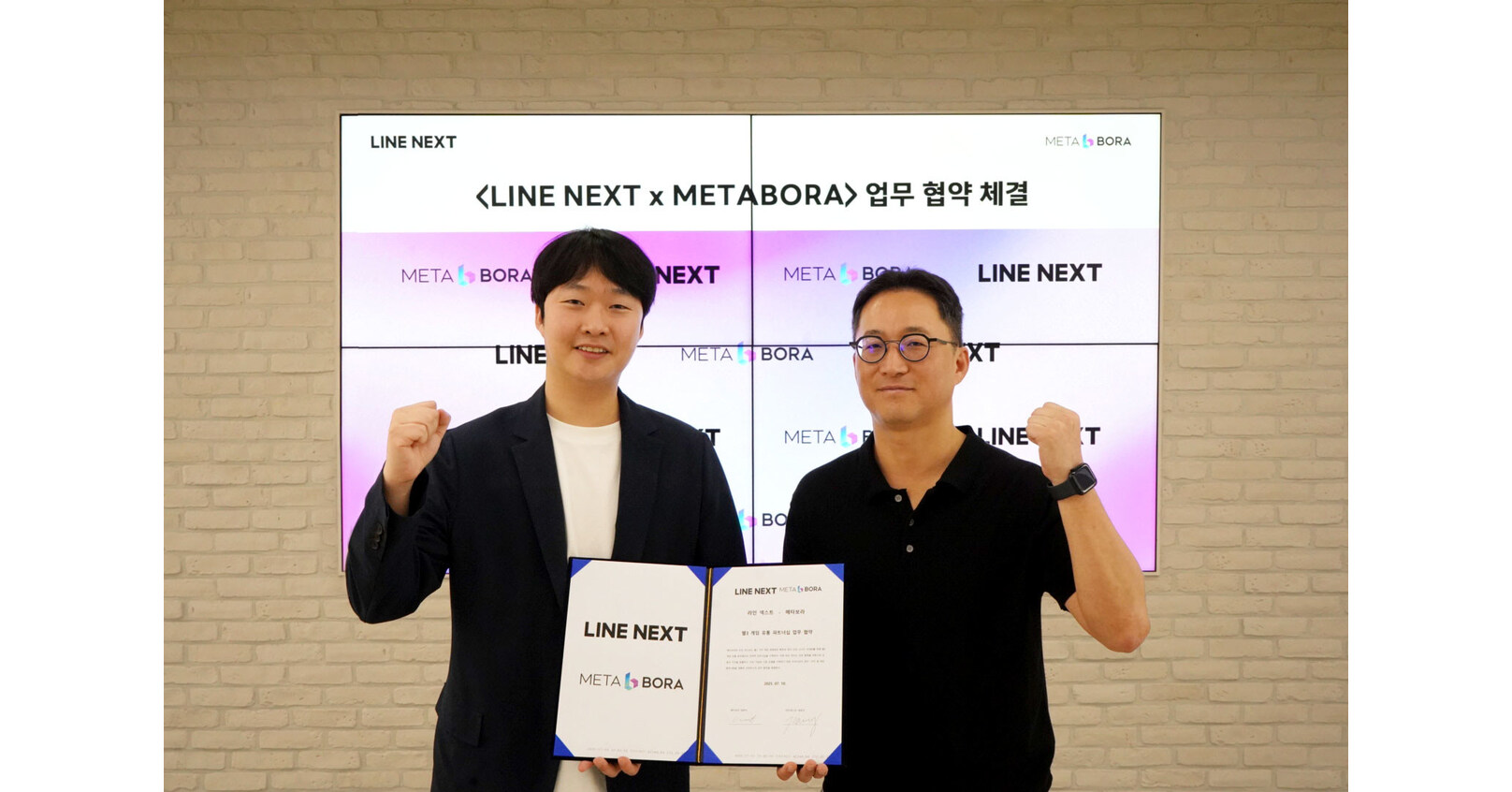
METABORA Partners with LINE NEXT to Distribute Web3 Games via Mini Dapp

By |2025-07-14T11:14:37+03:00July 14, 2025|News, NFT News|0 Comments


  • METABORA becomes core partner in web3 game development for LINE NEXT’s Dapp Portal
  • BORA Utility to Expand through in-game payments and gas abstraction Implementation

SEONGNAM, South Korea, July 14, 2025 /PRNewswire/ — METABORA (Co-CEOs Lim Young-Jun and Choi Se-hoon), a global casual game developer and blockchain project operator, today announced a strategic partnership with LINE NEXT Inc. (CEO Youngsu Ko), LINE’s venture dedicated to developing and expanding the global Web3 ecosystem. Through this partnership, METABORA will distribute Web3 games via the LINE Messenger–based Dapp Portal, expanding its reach in the Web3 gaming space.

The Dapp Portal is a platform built on the KAIA ecosystem that offers Mini Dapps (decentralized applications) directly within the LINE Messenger app. Users can enjoy a variety of Mini Dapps—ranging from games to social features—without needing to install separate applications. Since its launch in January this year, the platform has garnered significant attention, surpassing 100 million cumulative users.

Through this new partnership, METABORA and LINE NEXT will work closely to accelerate the growth of the Mini Dapp’s gaming ecosystem. Leveraging its network of development partners and global experience in game development and publishing, METABORA will supply Web3 games to the Dapp Portal. LINE NEXT will expand accessibility to Web3 games and support marketing of these games through its platform.

As part of the collaboration, METABORA will also expand the utility of its BORA token within the LINE Messenger–based Mini Dapp ecosystem. The company plans to implement a payment infrastructure that enables users to purchase in-game items currently planned for upcoming titles to be released under the BORA brand. Additionally, METABORA will apply Gas Abstraction technology, allowing users to make in-app purchases with BORA without needing KAIA tokens to cover gas fees. This feature is expected to be fully implemented in the second half of the year.

By expanding the utility of the BORA token, METABORA aims to elevate its value beyond the confines of the BORA Chain, laying the groundwork for broader integration across the Web3 ecosystem.

In addition, METABORA and LINE NEXT plan to continue their collaboration by researching and developing infrastructure to support the use of stable coins such as USDT, further enhancing the Web3 gaming experience within the LINE ecosystem centered on the Dapp Portal.

Lim Youngjun, Co-CEO of METABORA, said, “We’re pleased to partner with LINE NEXT, a company making remarkable strides in the global Web3 gaming market with its vast user base. Through our strong network of development partners, we will carefully select and bring high-quality games to the Dapp Portal, working together to create a leading example of Web3 gaming reaching a mainstream audience.”

Kim Woosuk, CSO at LINE NEXT, said, “Through this partnership with METABORA, we look forward to creating a major success case for Mini Dapp. Moving forward, we will continue working closely together across multiple fronts, including enabling USDT stablecoin support to improve game onboarding and the overall user payment environment.”

About METABORA

METABORA is a casual game developer and the service operator of the blockchain platform BORA.

The BORA ecosystem brings together partners across various industries—ranging from tokenomics and content to blockchain technology—driving innovation and collaboration across games, sports, and entertainment.

Through the BORA Network, METABORA operates the BORA Portal, which offers GameFi-optimized services such as NFT trading, token conversion, and DeFi features. With BORA listed on major global cryptocurrency exchanges, METABORA continues to enhance accessibility and expand the usability of its content across the Web3 landscape.

SOURCE METABORA


Source link

Go to Top