
Local experts warn about dangers of over-the-counter supplements – Park Rapids Enterprise
Personnel affiliated with three local healthcare systems joined forces to start a community conversation in Park Rapids about the risks of over-the-counter supplements.
Angela Graham, the Drug Free Communities Grant and Hubbard in Prevention Coalition coordinator with CHI St. Joseph’s Health, partnered with presenters Kathy Nevins, a nurse practitioner with Essentia Health and Shelly Mahowald, a nurse practitioner with Sanford Health, to “get the conversation started.”
According to Graham, this new series of “Community Conversations” is intended to “bring together the voices and talents of our community to create an opportunity to educate, build awareness and provide dialogue.”
Graham called the program a way to bring together local experts and provide a platform to learn, listen and ask questions on a variety of topics, allied with Hubbard in Prevention, a coalition focused on substance abuse prevention.
“Coalition and community members can provide an avenue and a voice to bring about long-lasting change that can affect an entire community,” Graham said. “When the conversation begins at the community level, at events such as Community Conversations, residents and stakeholders can build safer and healthier communities.”
Potential health risks of cannabinoids
Nevins’ PowerPoint presentation points out the potential public health risk of marketing pitches for over-the-counter supplements, which claim to reduce anxiety, boost energy, decrease pain, improve sleep, decrease stress, improve memory, sharpen thoughts and eliminate menopausal hot flashes – describing them as “happiness in a bottle” and insinuating that “if it’s legal, it is safe.”
The effects of Delta 9 (D-9), the most abundant form of tetrahydrocannabinol (THC) in the cannabis plant, not only produces the marijuana “high,” but can also cause cough, rapid heart rate, paranoia, breathing problems, seizures, hallucinations, vomiting, anxiety, dizziness, confusion, loss of consciousness, sedation and an increase of blood pressure.
The risks of using marijuana over a four-year period include a 42% increase in stroke and a 25% increase in heart attacks, due to tar that is toxic to the lungs and heart and increases heart rate and blood pressure.
A 2024 poll showed 31% of high school seniors reported using marijuana in the last year, and the fact that cannabis use remains prohibited for service members and is likely to show up in a routine drug test.
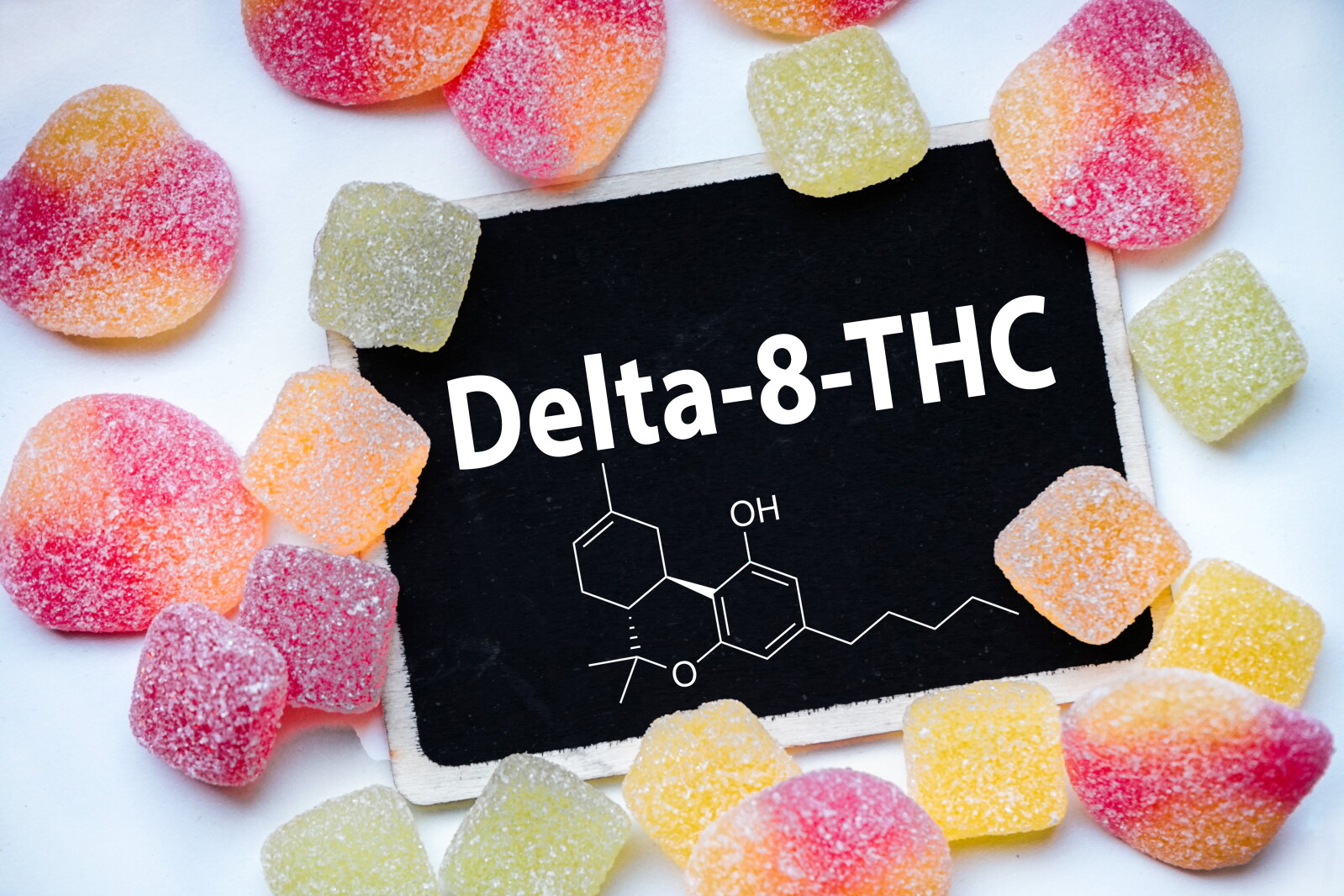
The popularity of Delta 8 (D-8), a.k.a. “diet weed” or “light THC,” which is less potent and gives a milder high, can lead to a false sense of security. It’s popular because it helps with sleep, anxiety, relaxation and pain, while users can still function. In Minnesota, you must be 21 years old to buy it, but 11% of high school seniors reported having used it in a 2024 poll.
The availability of D-8 in forms including vape liquids, gummy bears, candy, drinks, breakfast cereal and snack foods – some coffee shops even offer a shot in your coffee. However, at least 17 states have banned D-8 and seven states have restricted its use.
The 2018 Farm Bill, which allowed the farming and sale of hemp with less than 0.3% D-9, received as a “boon for struggling farmers.” However, D-9 can be concentrated and manufactured from hemp, using potentially harmful chemicals. The 2023 Farm Bill, which Congress pushed to 2025, attempts to address this loophole and regulate D-8.
According to Nevins, the adverse effects of cannabis on the developing, adolescent brain impact learning, memory and attention; increase depression, psychosis and suicidal behavior; lead to greater risk of schizophrenia; and include the risk that youth who do not understand the time THC takes to reach its full effect will take more.
Nevins said the National Poison Control Center received over 2,300 reports of issues related to D-8 in 2021, of which 70% required medical intervention and 41% involved minors. In 2022, these reports spiked 82% to 3,358.
Cannabinoids HHC, THC-O and THC-P are now being sold alongside D-8. Nevins said they are marketed as “much stronger than typical cannabis,” despite a lack of studies supporting their claims.
D-8 has not been evaluated or approved by the U.S. Food and Drug Administration (FDA). Labeling is inconsistent, Nevins said, and the FDA received more than 100 adverse event reports about D-8 in 2022, mostly from adults, with more than half of them needing hospitalization or emergency response. That year, the FDA warned that D-8 “might be marketed in a way to put the public health at risk” and urged consumers to keep it out of the reach of kids and pets.
Nevins said the Federal Trade Commission sent cease and desist letters to companies with THC products looking like Doritos, Nerds Ropes and other junk food.
Reputable dispensaries, which test products bacterial or fungal contamination, pesticides, heavy metals and residual solvents, show test results on the labels. Nevins said there is a costly, time-consuming process to earn a state license to sell cannabis.
Kratom, Tianeptine and other risky substances
Nevins’ slide deck also reveals information about the following:
- Kratom (mitragynine), a psychoactive tea from Southeast Asia, is marketed as an “all-natural” treatment for pain, anxiety, depression, energy boost and self-treatment of opioid dependency and withdrawal. However, Nevins said, it has a high risk of addiction and can cause seizures, liver toxicity, hallucinations, convulsions, coma, nausea, dizziness, confusion, tremors and death and has led to multiple wrongful death lawsuits.
- Tianeptine, a.k.a. “Neptune’s Fix Elixir” or “gas station heroin,” is a dietary supplement that Nevins said is highly addictive and contains synthetic cannabis and kavain. According to the CDC, it can cause seizures, brain swelling, hallucinations, coma, high blood pressure, rapid or irregular heartbeats and heart attack. Nevins said it’s hard to ban or control because the manufacturer can tweak the chemical structure while continuing to sell essentially the same product.
- Phenibut, a.k.a. “Brain Booster,” Nevins said travels well with depressants and acts as a drug enhancer. It is legal in all states with no age restrictions or regulation and needs a specialized test to detect. Users appear highly intoxicated, and withdrawal creates heart palpitations often requiring emergency care and hospitalization.
- Xylazine, a.k.a. “Tranq” and “Zombie Dope,” a veterinary sedative and pain reliever, is FDA-approved for animals only. Added to other drugs, Nevins said, it can enhance their effects and, for example, “gives fentanyl legs.” It is also highly addictive, as withdrawal causes agitation and anxiety, and it does not respond to Narcan. A CDC graph shows xylazine-involved deaths in the U.S. increased from fewer than 500 in 2018 to about 3,500 in 2021.
- Psychedelic substances, such as psilocybin (magic mushrooms), ketamine, ayahuasca (plant brew) and ibogaine (said to be highly addictive and to cause a “nightmarish experience” with heart arrhythmias). Nevins also discussed the practice of “microdosing” psychedelics but said no therapeutic benefit has been found yet.
Nevins lists five bullet points under “best advice”: Educate, keep all substances out of reach of kids and pets, educate, talk to your kids, and educate.
To see the full slide deck, read this story at parkrapidsenterprise.com.









Share this article: