
Does Berberine Really Aid Weight Loss? Ask An Dietitian
Berberine is a natural compound in flowering plants like barberry, coptis root, and goldenseal. Although berberine has been around for centuries, it has recently garnered more attention due to its potential benefits for energy metabolism and weight loss.
Although some individuals refer to berberine as “Nature’s Ozempic,” evidence of its effects on weight loss is still emerging.
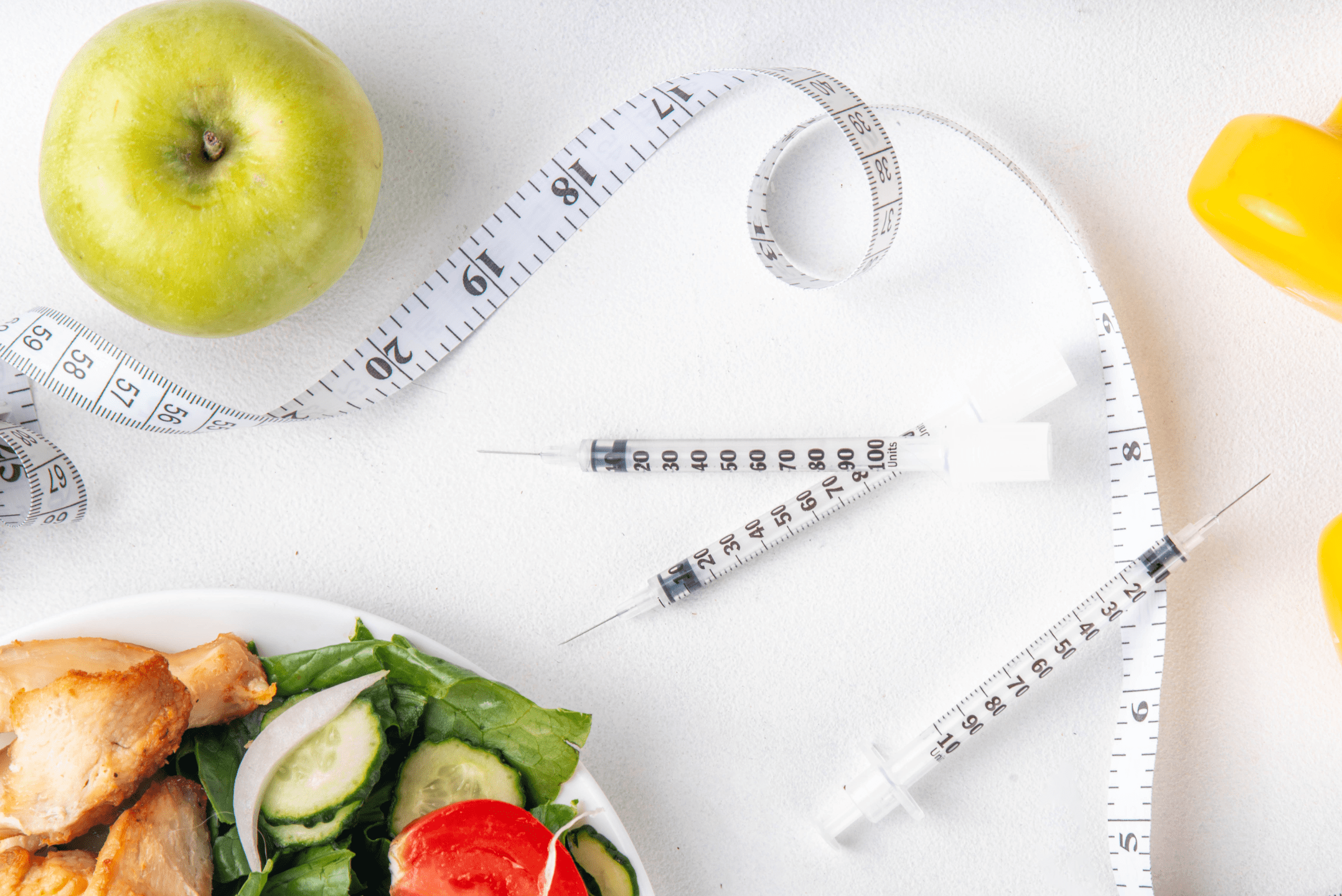
Berberine and Weight Loss
The bottom line: There is no magic supplement that will make you lose weight. You need to have a calorie deficit to lose weight.
That said, there are ways that berberine may impact your body composition or weight, including:
- Fat storage: Berberine may have multiple effects on fat metabolism and storage. Some research indicates berberine may influence genes that regulate the development and spread of fat cells. Berberine may also affect the size and number of fat cells in some regions of the body and processes that convert fat cells into fat tissues.
- Impact on brown adipose tissue: Berberine may lower weight by increasing brown adipose tissue, a type of fat tissue that burns more energy. By increasing brown adipose tissue, which is vital to energy balance, berberine may also improve insulin sensitivity.
- Insulin sensitivity: Berberine may enhance the body’s responsiveness to insulin by lowering fasting insulin levels and improving the homeostatic model assessment for insulin resistance (HOMA-IR), a marker of insulin resistance. Insulin resistance can make losing weight more challenging.
Berberine vs. Other Weight-Loss Supplements
In general, most supplements for weight loss are ineffective. Many weight loss supplements contain the following ingredients; however, research on their effectiveness is minimal:
- Green tea: Caffeine and plant compounds called catechins in green tea may work together to support weight loss by increasing energy expenditure and fat burning while reducing fat absorption. Some research indicates that supplementing with green tea catechins (not through drinking tea) for 12 weeks reduced body weight. However, additional research is necessary to determine if the effects of green tea on weight loss are clinically meaningful.
- Caffeine: Caffeine may increase energy expenditure and fat burning, but it is unclear how these effects influence weight loss. Caffeine has side effects, such as anxiety or jitteriness. It is not recommended for adults to consume more than 400 milligrams of caffeine daily.
- Carnitine: Carnitine encompasses many compounds that occur naturally in animal and dairy products. Carnitine is essential for fat metabolism and has been suggested for weight loss, although it may only produce modest effects.
- Capsaicin: Capsaicin is a compound that gives chili peppers their spicy flavor. Adding capsaicin to meals may reduce food consumption, but little about how this translates to weight loss is known. Capsaicin supplementation can cause gastrointestinal side effects.
- Curcumin: Some research shows that high-dose supplementation of curcumin, the active ingredient in turmeric, for 12 weeks reduced body weight, waist circumference, and BMI.
- Chromium: An essential trace mineral necessary for glucose metabolism. Chromium may influence food intake, hunger, and fat cravings, but research shows no significant effect on weight loss.
Despite limited research on berberine for weight loss, even fewer studies exist on other supplements. Compared to these supplements, berberine’s effect on weight loss may be more promising.
Berberine vs. Weight-Loss Medications
Berberine is not a weight-loss medication because the U.S. Food and Drug Administration (FDA) has not approved it. Berberine acts on pathways involved in energy metabolism. On the other hand, many FDA-approved weight-loss medications target specific hormones that regulate areas of the brain that involve appetite.
Multiple weight-loss medications exist with different mechanisms of action:
- Semaglutide (Wegovy) mimics glucagon-like peptide-1 (GLP-1) hormones that act on areas of the brain responsible for appetite and food intake.
- Tirzepatide (Zepbound) has a more pronounced effect than semaglutide because it acts on another hormone involved in appetite and food intake: glucose-dependent insulinotropic polypeptide (GIP). You may need to take tirzepatide indefinitely to maintain weight loss.
Berberine’s effects on weight loss yield conflicting results; evidence unanimously shows significant weight loss with FDA-approved medications.
Studies of semaglutide (Wegovy) reveal an average weight loss of 14.7 pounds (6.7 kilograms) with weekly injections for three months compared to a 4.5-pound (2.07 kilogram) decrease in weight with berberine. Moreover, taking semaglutide long-term for four years supports weight loss of 10.2 percent of body weight.
How to Use Berberine for Weight Loss
Always consult a healthcare provider before starting a new supplement to ensure it will be safe and effective for you.
There is limited uniformity across studies for berberine dosage and duration. However, most research supports consuming 500 milligrams (mg) of berberine two to three times a day (1,000 mg to 1,500 mg) for weight loss.
Berberine affects fat and carbohydrate metabolism, so aim to take berberine 30 minutes before or with a meal. Consuming berberine before a meal may help minimize increases in blood glucose that occur with eating.
Some studies suggest taking berberine for at least eight weeks to see some weight loss. However, other research recommends supplementing with berberine for at least three months to see positive results. Some research shows weight loss after six months of supplementation.
Nutrition and physical activity are the cornerstones of a weight loss plan. Sustainable and maintainable weight loss requires dietary changes and exercise.
Potential Benefits of Berberine Beyond Weight Loss
Because of its role in energy metabolism, berberine may have additional benefits beyond weight loss.
- Anti-inflammatory effects: Berberine reduces the production of inflammatory molecules.
- Blood pressure: Taking berberine with blood pressure-lowering medications may lower blood pressure more effectively than prescription medication alone.
- Brain health: Very preliminary research suggests berberine may improve depression and mental health by increasing levels of mood-related neurotransmitters like dopamine and serotonin. Berberine crosses the blood-brain barrier, influencing its potential for brain health. Still, research in this area is new and limited.
- Gut health and microbiome: Animal studies show that berberine supports a healthy gut microbiome, boosting the growth of beneficial bacteria. Berberine affects gut health in doses of at least 500 milligrams daily. Berberine may influence harmful bacteria associated with inflammatory bowel diseases and mediate the production of anti-inflammatory molecules in the gut.
- Improved cholesterol levels: Berberine may help lower triglyceride, total cholesterol, and low-density lipoprotein (LDL)—or “bad” cholesterol—in people with elevated cholesterol levels. Berberine affects pathways in the body that lead to the breakdown of fats and reduced fat production. Moreover, berberine may contribute to the greater removal of cholesterol from the body. Berberine inhibits cholesterol absorption in the intestines and blood.
- Polycystic ovary syndrome (PCOS): In people with PCOS, berberine may improve blood sugar, cholesterol, and triglyceride levels, waist-to-hip ratio, and testosterone levels. Insulin resistance is a component of PCOS, and berberine may reduce insulin resistance to help improve ovulation.
Supplement use should be individualized and vetted by a healthcare professional, such as a registered dietitian nutritionist (RD or RDN), pharmacist, or healthcare provider. No supplement is intended to treat, cure, or prevent disease.
Potential Risks and Side Effects of Berberine
Berberine is generally well tolerated. However, it is not without some potential risks and side effects.
- Allergy: Avoid berberine if you are allergic to it or its parts.
- Precautions: People who are pregnant or breastfeeding should not take berberine. Berberine can cross the placenta and reach the infant via breastmilk, where it can cause harm. Do not give berberine to infants because it can cause or worsen jaundice and lead to life-threatening issues.
- Side effects: Berberine’s most common side effects include stomach (abdominal) pain, constipation, diarrhea, bloating, nausea, and vomiting.
- Interactions: Berberine may interact with some medications, like cyclosporine, a drug that prevents organ transplant rejection. Berberine may increase the effects of blood sugar-lowering medications, causing blood sugar levels to drop too low. Berberine and metformin interact, so taking them two hours apart is recommended. Berberine may affect medications broken down by the liver. Taking berberine with blood pressure-lowering medications (antihypertensives) may cause blood pressure to fall too low. Berberine may delay blood clotting, so exercise caution when taking it with blood thinners (anticoagulants).
- Taking berberine long-term: Berberine’s safety has been evaluated in doses of up to 1.5 grams daily for six months. However, some adults take berberine for up to two years.
Should You Take Berberine for Weight Loss?
The body does not absorb berberine well, limiting its ability to affect body weight significantly. However, berberine may enhance a weight-loss routine, given its safety and tolerability. Still, additional research is necessary to understand berberine’s role in weight loss.
Some research suggests berberine may be a suitable alternative to metformin for individuals who do not tolerate this medication.
Regardless, always consult your healthcare provider before starting a new supplement.
Other Weight Loss Strategies
Other lifestyle strategies support weight loss with minimal risks, such as the following:
- Sleep: Not getting enough sleep may increase cravings for highly palatable, sugary, or high-fat foods, which can interfere with weight-loss goals. Sleeping for fewer than six hours per night is associated with eating more, contributing to weight gain. Aim for seven to nine hours of sleep nightly to support weight loss and establish good sleep hygiene to help improve sleep quality.
- Adequate hydration: Replacing sugar-sweetened beverages like soda, sweet tea, and energy drinks with water reduces overall calorie intake to support weight loss. Drinking water before a meal may lead to feeling full sooner, contributing to eating less.
- Exercise: Incorporate more movement into your routine to facilitate a calorie deficit and help achieve and maintain sustainable weight loss. The U.S. Department of Health and Human Services Physical Activity Guidelines recommend 150 minutes of moderate-intensity aerobic exercise and two to three sessions of strength training weekly. Brisk walking, cycling, dance classes, Pilates, and yoga are some ways you can meet these recommendations.
- Nutrition: Eating fewer energy-dense foods (high-calorie, lower-nutrients) helps facilitate weight loss. Instead, prioritize a balanced diet of whole foods like fruits, vegetables, whole grains, and lean proteins like poultry, fish, legumes, and soy. Registered dietitians can help support weight loss—look for RDNs with the Certified Specialist in Obesity and Weight Management (CSOWM) certification.
- Stress management: Stress increases cortisol levels in the body. Higher circulating cortisol levels contribute to blood sugar fluctuations and can increase food cravings. Additionally, stress eating is a typical stress response, working against weight-loss goals. Mindfulness helps manage stress levels and encourages greater awareness of hunger and fullness cues.
- Support: Social support can help with weight loss. Groups like the CDC’s National Diabetes Prevention Program (National DPP) help people at risk of developing diabetes due to weight and other factors to change their lifestyles and lose weight.
Summary
Berberine is a supplement that may reduce blood sugar levels and promote weight loss. However, despite its mainstream popularity, limited research exists on its effects on weight loss. Compared to prescription medications, berberine’s effects on weight loss are modest.
Still, berberine is generally well tolerated and safe for most individuals. Supplementing with berberine for three to six months alongside nutrition and exercise may support additional weight loss.
:max_bytes(150000):strip_icc()/AmyBrownsteinMSRDN-db78b6b8ad074434b19ec5f9ca0a4313.jpg)
Source link









Share this article: