
:max_bytes(150000):strip_icc()/VWH-GettyImages-2170864041-8d7353cb93744f88a6601877e3b2b1b5.jpg)
7 Supplements That May Help Ease PMDD Symptoms
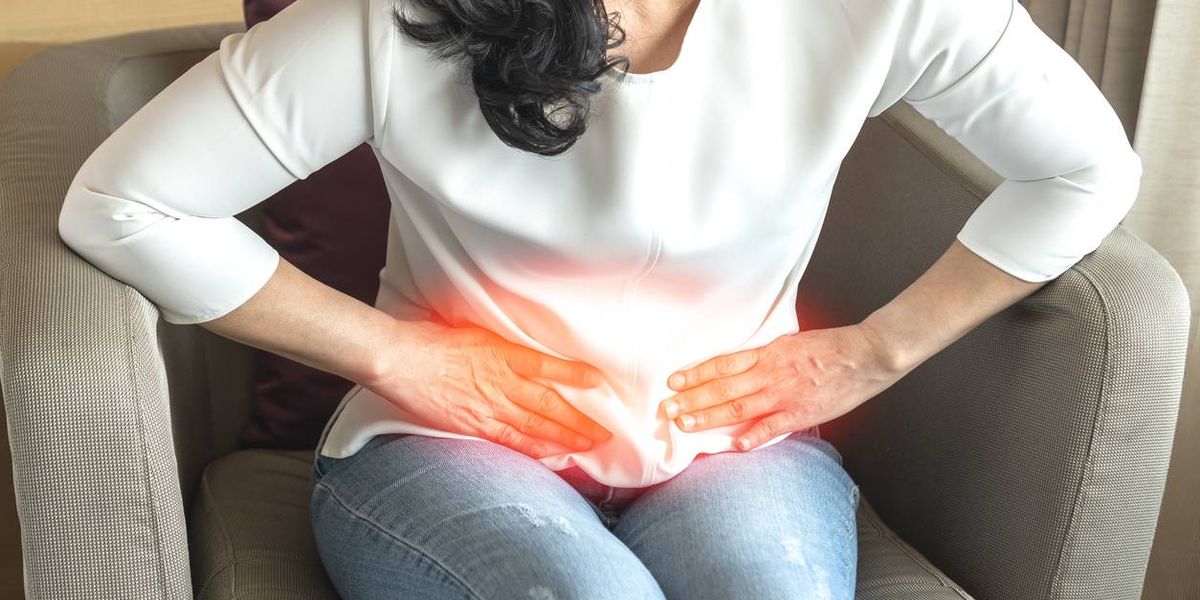
Premenstrual dysphoric disorder (PMDD), a more severe form of premenstrual syndrome (PMS), often comes with physical discomforts like bloating, headaches, and breast tenderness. Managing PMDD symptoms may require medications, supplements, and/or other strategies to relieve symptoms.
Prescription medications, such as antidepressants or birth control pills, are common treatments. However, certain dietary supplements might offer some extra support if you’re looking for something beyond prescription treatments.

In the United States, the Food and Drug Administration (FDA) does not regulate dietary supplements the way it regulates prescription medications. As a result, some supplement products may not contain the ingredients listed on the label. When choosing a supplement, look for products independently tested or certified by organizations such as NSF, U.S. Pharmacopeia, or ConsumerLab.com. For personalized guidance, consult your healthcare provider, registered dietitian nutritionist (RD or RDN), or pharmacist.
1. Chasteberry
Chasteberry comes from the Vitex agnus-castus tree. Some believe that it can help with hormone balance, pain, and inflammation. Studies suggest chasteberry may help reduce symptoms like irritability, bloating, and headaches. Some research found it is more effective than a placebo (nontherapeutic substance).
Research on PMDD symptoms has shown that chasteberry offers benefits similar to Prozac (fluoxetine), an antidepressant commonly prescribed to treat PMDD. But another study found that fluoxetine was more effective than chasteberry for anxiety and depression symptoms.
Though there isn’t an official or recommended dosage, studies have safely administered doses ranging from 8 to 40 milligrams (mg). Chasteberry is generally well tolerated, but reported side effects include:
2. Calcium
Calcium is a common mineral found in dairy, vegetables, and other foods. Calcium is best known for supporting bone health and may also help with PMDD. Low calcium is a possible cause of PMDD, and some older research shows that calcium supplementation can potentially prevent or ease PMDD symptoms.
One study found that taking 1,000 to 1,200 mg of calcium daily substantially improved symptoms compared with a placebo.
A typical dose of calcium is 1,000 to 1,200 mg per day. Calcium is generally safe at recommended doses, but taking too much can cause kidney stones, constipation, or nausea. Take calcium supplements at least two hours before or six hours after taking levothyroxine (a common medication for treating thyroid disease) or antibiotics such as ciprofloxacin to avoid interactions.
3. Essential Fatty Acids
Essential fatty acids, like omega-3 and linoleic acid, are commonly taken for heart health but may also help with PMS symptoms.
One study showed that taking 180 mg of linoleic acid daily helped reduce symptom severity, including mood swings and physical symptoms like bloating. Evening primrose oil (a supplement containing a percentage of essential fatty acids), also reduced the severity of symptoms compared to the placebo when taken for three months. However, the small study size and lack of additional supporting research are major limitations to these results.
Though essential fatty acids seem helpful for symptoms, there isn’t enough research to confirm their use. Side effects are generally mild but can include nausea and stomach discomfort.
4. St. John’s Wort
St. John’s wort is a popular herb used for mood support. Though some studies have shown that it can reduce PMS symptoms by 46%, its effects on PMDD are unclear. It has demonstrated promising results for depression, often with results similar to those of antidepressants. But so far, there isn’t enough research to confirm its benefit for PMDD.
A major drawback of St. John’s wort is that it interacts with numerous types of medications, potentially making them ineffective. Examples of these interactions are birth control and immunosuppressants. St. John’s wort may also cause side effects like headaches, gastrointestinal issues, and high blood pressure. Due to potential interactions and side effects, it may not be an ideal choice for some people.
5. Magnesium
Magnesium occurs naturally in the body and in certain foods, like vegetables, dairy, and nuts. It plays an important role in the body and may help relieve anxiety—a common symptom of PMDD.
One study found that people taking 250 mg of magnesium for three months felt less nervous and anxious. When combined with vitamin B6, magnesium seemed to work even better for PMS symptoms. However, other studies found that magnesium did not affect anxiety.
It’s hard to say whether magnesium offers benefits for other PMDD symptoms. There hasn’t been enough high-quality research to determine its effectiveness, and individual experiences may vary. Magnesium is generally safe for most people, though side effects like diarrhea, stomach upset, and nausea are possible.
6. Pyridoxine (Vitamin B6)
Vitamin B6 is found in many foods like grains, vegetables, and proteins. It is also known as pyridoxine. Vitamin B6 is sometimes recommended for PMS. Research suggests that combining vitamin B6 with magnesium can improve symptoms like anxiety and cravings.
Some older studies suggest a potential role for B6 supplementation in managing PMDD, but there hasn’t been enough research to learn how well it works compared to placebo or other options. It is considered to have mild effects, so it may not help if your symptoms are more severe.
Studies suggest that daily dosages of 50 to 100 mg of vitamin B6 supplements are safe and potentially beneficial for symptoms of PMS and PMDD. So, although whether pyridoxine will help PMDD specifically is unclear, it may be worth trying if nothing else has helped because it is inexpensive and has minimal side effects.
Vitamin B6 in doses of 100 mg daily or less is generally considered safe for adults over 19. However, taking large amounts of vitamin B6 supplements for an extended period may cause neuropathy (nerve damage) that results in tingling, burning, or numbness.
7. Saffron
Saffron is a bright red spice that has served many different purposes throughout time, including culinary and medicinal uses. Research has shown that it has anti-inflammatory and antioxidant properties.
Current evidence suggests saffron, taken during the luteal phase (the second half of the menstrual cycle when the uterus prepares for a possible pregnancy), may help with symptoms of PMDD. In other studies, saffron helped reduce the overall number of PMS symptoms.
In studies, saffron was compared to a placebo and fluoxetine over two menstrual cycles. The results showed that saffron worked better than a placebo at improving PMDD symptoms. Saffron also caused fewer side effects and was better tolerated than fluoxetine. In studies, the saffron dose was 15 mg twice daily or 30 mg once daily. You usually take it for 14 days, starting two weeks before your period.
Stomach discomfort, trouble sleeping, and longer menstrual bleeding have been reported in connection with saffron use.
Self-Care Strategies
Besides considering supplements or medications for symptoms, take the time to care for your body and mind. Try to incorporate the following self-care strategies into your routine to support your body, especially when your period is approaching:
- Sleep: Get enough quality sleep to boost your mood and energy.
- Diet: Eat a balanced diet to prevent nutrient deficiencies.
- Hydrate: Drink plenty of fluids to fight bloating and fatigue.
- Move: Exercise regularly to reduce pain and improve mood.
- Skip booze: Limit alcohol to avoid worsening irritability and bloating.
- Light therapy: Consider light therapy for mood and sleep cycle support.
- Massage: Try massage therapy for short-term relief of discomfort, tension, and stress.
- Relax: Practice relaxation techniques to help with stress and irritability.
Summary
PMDD causes severe symptoms like mood swings, irritability, and fatigue, which can disrupt daily life each month before your period. Though medications are the primary treatment, certain dietary supplements may offer extra support. Supplements like chasteberry, calcium, essential fatty acids, St. John’s wort, magnesium, vitamin B6, and saffron may help alleviate symptoms, such as mood changes and anxiety. However, research is still limited, and individual results can vary.
Source link








Share this article: