
Dietary supplements may be damaging your liver, research warns |
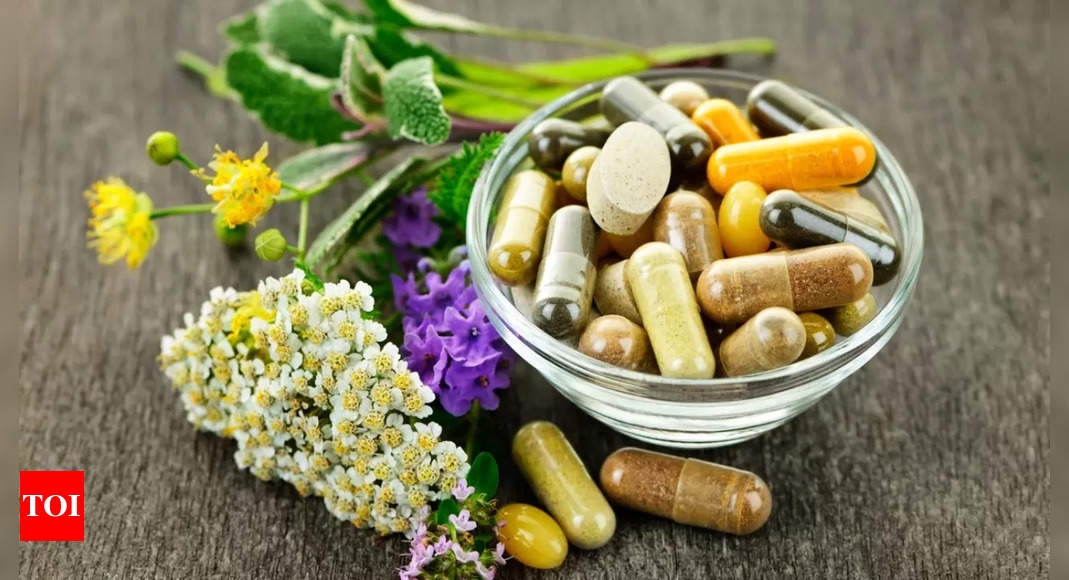
In this day and age, where health often takes a backseat, mostly due to an unhealthy diet, we tend to compensate for it by popping dietary supplements. From multivitamins to calcium and fish oil, you can easily find OTC supplements in nearby stores.
58% of U.S. adults take dietary supplements, including 64% of women and 51% of men, according to the 2017–18 National Health and Nutrition Examination Survey. A 2024 poll suggests that 75% of adults take supplements.
A 2022 study published in the journal Liver Transplantation points out that drug-induced acute live failure tied to herbal and dietary supplements had increased eightfold from 1995 through 2020. The herbal and dietary supplements contribute to roughly 20% of liver toxicity cases nationwide, according to 2017 research published in the journal Hepatology.
Does that mean you should toss away your multivitamin stash and other dietary supplements? However, it is important to know what you are incorporating into your routine.
Researchers at the University of Michigan noted last year that 15.6 million Americans consume products containing at least one of these six botanicals linked to liver damage:
- Turmeric
- Green tea
- Ashwagandha
- Garcinia cambogia
- Red yeast rice
- Black cohosh
“In a previous study, we found that there was a great deal of mislabeling of some of these products. We performed analytical chemistry and found about a 50% mismatch between the stated ingredients on the label and what they actually contained, which is quite alarming. If you buy a supplement and it says it has a certain ingredient, it’s basically a coin flip if that’s true or not,” senior author Dr. Robert Fontana, a Michigan Medicine hepatologist, said in a release.
Many studies also suggested that toxic heavy metal contamination was found in some supplements.
Though the FDA regulates supplements, the federal agency does not review them for safety, quality, and effectiveness. The FDA regulates them as food, not drugs. So, it is up to the manufacturers to properly label their products, and then the FDA reviews after they hit the market.
The best way to stay safe is to communicate with your healthcare providers about the supplements you are taking. Also, don’t fall for ‘megadosing’ trends for speedy results. The Office of Dietary Supplements, part of the National Institutes of Health, has established daily upper limits (ULs) for safe consumption. For instance, adults shouldn’t consume more than 100 micrograms of vitamin D in a day.









Share this article: