
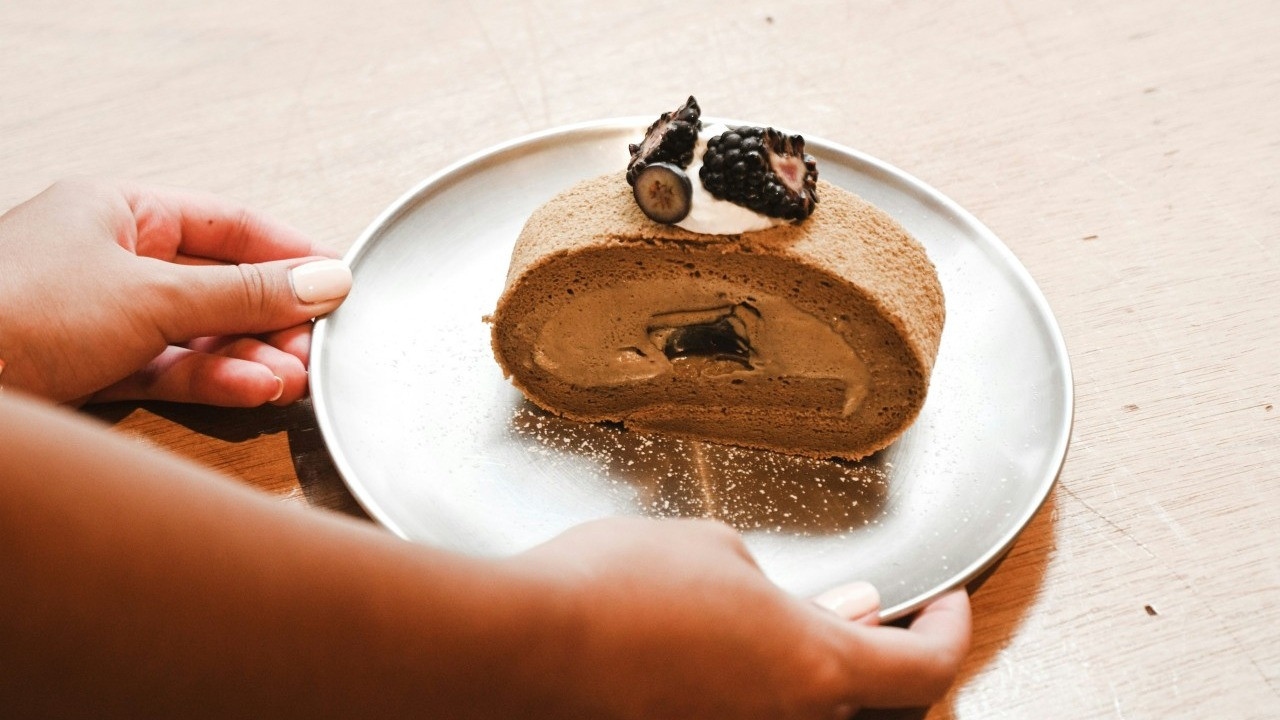
Is hōjicha the new matcha? The new Japanese trend taking over cafés, bakeries and more
From humble Japanese staple to global café favourite, hōjicha is redefining tea culture. Here’s how it compares to matcha—and why it’s trending worldwide

When it comes to green tea, matcha has long reigned supreme, fuelling everything from oat milk lattes to Magnolia Bakery’s famous banana pudding, even trickling into the world of fashion with Nike’s second Dunk collaboration with skateboarder Yuto Horigome. But lately, another contender has been edging its way into the conversation: hōjicha.
Once considered a humble household staple in Japan, hōjicha is now making its way into lattes and desserts across the globe. Why is this smoky, nutty, roasted green tea finally getting its turn in the limelight?
Related: 5 matcha perfumes to add to your gourmand scent collection
Hōjicha is a Japanese green tea made from the Camellia sinensis plant—the same plant used to make matcha and other green teas. Unlike matcha, which is stone-ground from young, shade-grown tea leaves (tencha), hōjicha is produced by roasting more mature leaves over charcoal at a high temperature. This roasting process transforms the tea, developing a distinctive reddish-brown hue and a flavour profile closer to roasted nuts, caramel and even a hint of smoke—worlds apart from matcha’s grassy, umami-rich profile. It’s also naturally lower in caffeine, making it a gentler alternative for tea drinkers who want comfort without the buzz.
Culturally, hōjicha has long been associated with everyday Japanese tea-drinking, often served after meals for its soothing, low-caffeine quality. While matcha is a more formal and symbolic beverage tied to the highly ritualised Japanese tea ceremony, hōjicha is a far simpler, humble drink. In fact, historians believe that it was invented by accident in 1920, Kyoto, when a tea merchant roasted his leftover tea leaves, stems and twigs to reduce waste.
Read more: A look back at the food trends that took over Asia, from bubble tea to dirty bread
Source link











Share this article: