
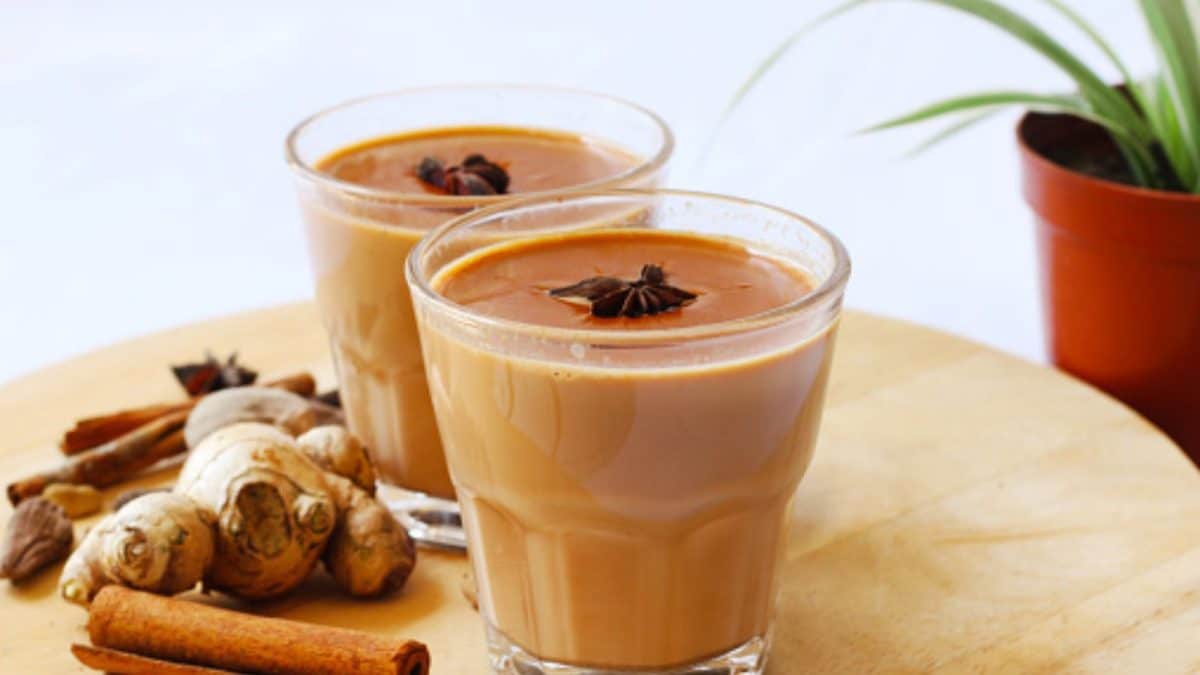
No More Herbal ‘Tea’? FSSAI Clarifies What Can Legally Be Called Tea In India | Food News
Last Updated:
Herbal, flower and fruit teas may no longer be called tea as FSSAI tightens labelling rules to prevent food misbranding.

Only Camellia sinensis-based drinks can be labelled as tea in India, says FSSAI.
The Food Safety and Standards Authority of India (FSSAI) has issued a formal clarification, where they mentioned that, in India, only beverages made from the Camellia sinensis plant will be labelled as Tea. This move comes after regulators noticed Food Business Operators (FBOs) marketed products like herbal tea, flower tea, and rooibos tea, even though they are not derived from the traditional tea plant.
What Qualifies As Real Tea In India
According to FSSAI, tea is defined under the Food Safety and Standards (Food Product Standards and Food Additives) Regulations, 2011. Products only made with the Camellia sinensis plant qualify as tea. It includes black tea, green tea, white tea, oolong tea, Kangra tea and instant tea in solid form. In all these varieties, the difference is just the processing methods like oxidation and drying, but all come from the same plant.
Why Herbal And Flower Teas Are A Problem
FSSAI clarified that plant-based or herbal infusions made from flowers, herbs, fruits, or other plants do not qualify as tea. Using the word “tea” for such products, either directly or indirectly, is misleading. As per labelling rules under the Food Safety and Standards (Labelling and Display) Regulations, 2020, the name of the food must reflect its true nature on the front of the package. Calling herbal infusions “tea” amounts to misbranding under the Food Safety and Standards Act, 2006.
What FSSAI Has Directed Businesses To Do
All FBOs, including e-commerce platforms, have been directed to stop the use of the word ‘tea’ for products not derived from Camellia sinensis. Based on their ingredients, these products can be categorised and classified as proprietary foods or non-specified foods. State food safety authorities have been given strict monitoring instructions and action to be taken against violators.
What This Means For Consumers
top videos
2026 Fitness Guide: Short And Effective Workout Plans For Hourglass Figure, Abs, And Fat Loss
Goal Setting In 2026: Evidence-Based Strategies To Finally Succeed
New Year Resolutions: How To Make A Vision Board That Actually Works In 2026
Steal Sonakshi Sinha’s Housewarming Glow With This Easy Makeup Routine | Watch
Shilpa Shetty’s Yoga Routine For High Blood Pressure | Natural Ways To Lower BP
For consumers, the clarification brings more transparency. Green tea and black tea remain unchanged. However, products commonly known as chamomile tea, hibiscus tea, or rooibos tea may soon be sold as “herbal infusions” or “flower infusions,” helping buyers better understand what they are consuming.
With this move, FSSAI aims to curb misleading labels and ensure honesty in food marketing, reinforcing that in India, “real tea” comes only from Camellia sinensis.
Delhi, India, India
January 02, 2026, 12:02 IST
Source link










Share this article: