

Category: Forex News, News
Unsweetened Cold Brew Coffee Market in Russia | Report – IndexBox
Russia Unsweetened Cold Brew Coffee Market 2026 Analysis and Forecast to 2035
Executive Summary
Key Findings
- Russia’s unsweetened cold brew coffee market is in a distinct growth phase, expanding from a low single-digit penetration base within the broader RTD coffee category as of 2026. The segment is projected to grow at a compound annual rate of 15% to 20% over the forecast period, driven by the convergence of health-conscious urban consumption and a post-2022 domestic production pivot.
- The market is structurally import-dependent for raw green coffee beans and specialized processing technology, but the final manufacturing of RTD and concentrate formats is increasingly localized. This shift has created a dual market dynamic: a value tier dominated by private-label and local mass-market brands, and a premium tier led by specialized craft roasters and re-imported finished goods from non-Western origins.
- Price architecture is steeply stratified, with unsweetened cold brew retailing at a 2.5x to 4x premium over standard hot-brewed RTD coffee. This high margin profile is attracting new entrants and retail category managers, but it simultaneously caps volume uptake among Russia’s broad middle-income demographic.
Market Trends
- A pronounced shift toward at-home and multi-serve concentrate formats is reshaping demand. Russian consumers are increasingly buying large-format cold brew concentrates for home mixing, reflecting a blend of value-seeking behavior and the established domestic culture of instant coffee preparation.
- Private-label development has accelerated rapidly, with major federal retail chains launching unsweetened cold brew lines under their own store brands. This trend is compressing price gaps between the mainstream and value tiers, forcing branded suppliers to compete more aggressively on product differentiation and shelf placement.
- Technological adoption of extended shelf-life (ESL) processing and nitrogen infusion is rising among domestic producers. As ambient-stable cold brew becomes more common, distribution is expanding beyond the chilled aisles of Moscow and St. Petersburg into smaller regional cities, widening the addressable consumer base.
Key Challenges
- Cold chain logistics remain the single largest structural barrier to scalable national distribution. Russia’s vast geography and variable infrastructure quality outside major metropolitan corridors make consistent refrigerated delivery costly and operationally complex, limiting product availability in high-potential secondary markets.
- Consumer price sensitivity is a persistent headwind. While the health and wellness trend is growing, real disposable income pressures across large segments of the Russian population restrict the repeat purchase frequency of a premium-priced, non-essential beverage like unsweetened cold brew.
- Supply chain fragility persists for specialized inputs and machinery. The domestic industry relies on imported arabica bean supply, aseptic packaging materials, and cold brew extraction equipment. Currency volatility and shifting trade regulations create cost uncertainty and occasional shortages for smaller producers.
Market Overview
The Russia unsweetened cold brew coffee market represents a dynamic but nascent category within the broader consumer packaged goods landscape. Unlike mature Western markets where cold brew has achieved mainstream household penetration, Russia is still in the early-adoption phase, concentrated among affluent, health-oriented consumers in cities with populations exceeding one million. The product category encompasses ready-to-drink (RTD) bottles and cans, shelf-stable and refrigerated concentrates, and nitro-infused draft formats served primarily in foodservice settings.
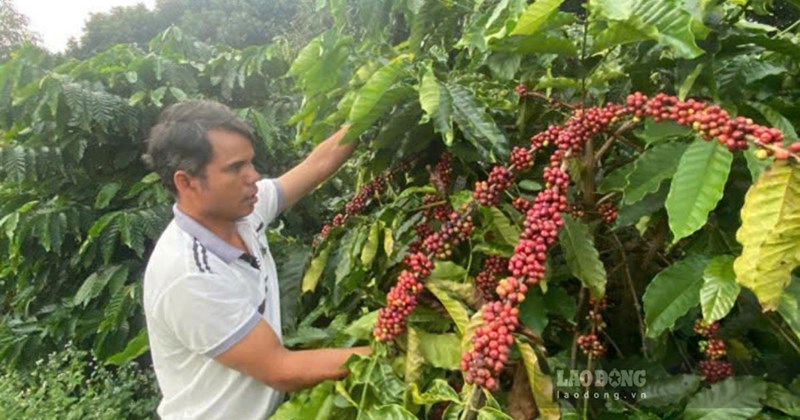
The foundation of the market is built upon imported raw materials. Russia is not a coffee-growing country; every bean used in domestic cold brew production is sourced from international origins, predominantly Vietnam, Brazil, Colombia, and Ethiopia. This structural import dependence shapes the entire value chain, exposing domestic production to global commodity price fluctuations, currency exchange risk, and international logistics disruptions. However, the geopolitical shifts following 2022 fundamentally altered the competitive landscape.

The departure or scaling back of several Western multinational brand owners created both a supply vacuum and a strategic opening for domestic roasters, Turkish and Middle Eastern exporters, and Russian retail chains to build their own cold brew propositions. By 2026, the market had stabilized around a new equilibrium: local production satisfied roughly 60% to 70% of domestic volume, while finished imports filled the remaining share, primarily at the premium and ultra-premium tiers.
Market Size and Growth
Measured in retail volume, the Russian unsweetened cold brew coffee segment is small but expanding at a pace that significantly outpaces the broader hot coffee and soft drink categories. Between 2021 and 2024, the market effectively doubled from a very low base, recovering from disruptions in import channels and on-premise foodservice closures. From 2026 onward, volume growth is expected to follow a robust trajectory, with a compound annual rate in the range of 15% to 20% through 2030, before potentially moderating into the low double digits as the base expands toward 2035.
Value growth is likely to run slightly ahead of volume, driven by a favorable mix shift toward premium and specialty tiers. The segment’s contribution to the total Russian RTD coffee market value is still under 10%, but this share is projected to rise steadily. The market is not yet large enough to attract heavy mainstream advertising, which limits velocity, but it benefits disproportionately from social media and influencer-driven discovery among the 25-44 demographic.
Structural macro drivers—including rising urbanization, the expansion of modern retail square footage, and growing consumer awareness of the “smoother, less acidic” positioning of cold brew versus traditional coffee—provide a solid tailwind for the forecast period. A key assumption underpinning the growth forecast is the continued improvement in domestic co-packing capability and logistics, which will determine how quickly the category moves beyond its current urban stronghold.
Demand by Segment and End Use
Demand within Russia’s unsweetened cold brew market is clearly segmented by format and consumption occasion. Ready-to-drink single-serve bottles and cans account for the largest share of volume, approximately 55% to 65%, driven by on-the-go consumption in urban commuting and impulse retail purchases. The second-largest segment is liquid concentrate, which holds roughly 20% to 30% of the market. Concentrate resonates strongly with the at-home consumption trend, as it offers a bridge between the ritual of traditional coffee brewing and the convenience of instant preparation—a familiar concept for Russian consumers.
Nitro-infused cold brew, while the smallest segment by volume (generally under 10%), carries the highest per-unit value and is growing rapidly as an on-premise offering in specialty coffee shops, hotels, and select restaurants in Moscow and St. Petersburg.

End-use analysis reveals a market still skewed toward immediate consumption. On-the-go occasions represent the primary use case, accounting for an estimated 50% to 60% of consumption volume. At-home consumption has grown notably since 2022, representing 25% to 35% of volume, fueled by work-from-home patterns and the availability of multi-serve packs via e-commerce. Office and workplace consumption remains a smaller but stable channel, accounting for 10% to 15%.
Demand from foodservice operators is concentrated in the premium and craft tiers, where margins allow for the investment in nitrogen dispensing equipment and specialized barista training. The health-conscious positioning of unsweetened cold brew—zero sugar, lower acidity, higher caffeine concentration appeal—is the single most important demand driver, resonating with a demographic that actively avoids sugary sodas and seeks functional beverages.
Prices and Cost Drivers
Pricing in the Russia unsweetened cold brew market follows a clear four-tier structure, each with distinct dynamics. The Private Label/Value Tier typically retails between 100 and 180 Russian rubles per 250-milliliter serving, representing the entry point for new consumers and the volume engine for retail chains. The Mainstream Brand Tier, occupied by domestic roasters and a few regional importers, ranges from 200 to 400 rubles for the same format. The Premium/Specialty Tier sits between 450 and 700 rubles, driven by single-origin beans, distinctive packaging, and brand storytelling. The Ultra-Premium/Craft Tier, often imported or produced by micro-roasters in very small batches, can exceed 800 rubles per serving, functioning more as a luxury good or gift item than a daily beverage.
Cost drivers in this market are heavily weighted toward inputs and logistics. Green arabica and robusta bean prices, which trade on global exchanges and are subject to weather and supply chain volatility, form the base cost. For domestic producers, currency fluctuation between the ruble and major export nations’ currencies directly impacts margins. Packaging is the second-largest cost component, particularly for RTD formats; aluminum cans and PET bottles are sourced locally but rely on imported resins and coated materials.
The cold chain adds a significant variable cost premium, ranging from 15% to 25% above ambient distribution for the same product volume. Finally, import duties and customs clearance costs apply to finished RTD cold brew imports, which structurally lifts pricing in the premium tiers and provides a price advantage to domestically produced products.
Suppliers, Manufacturers and Competition
The competitive landscape in Russia is a fragmented and evolving mix of multinational legacy brands, domestic coffee conglomerates, and a swarm of small-batch craft producers. The withdrawal of several major Western brand owners from the Russian market between 2022 and 2023 created a significant restructuring event. Some brands sold their local operations to domestic management or regional partners, while others completely exited, leaving shelf space open. By 2026, the market is characterized by a small number of large-scale domestic players who control the majority of roasting and distribution infrastructure, competing against a dynamic cohort of specialty pure-plays and private-label copackers.
Global brand owners and large CPG houses remain active in the premium tier, but their share has contracted. Russian-focused specialty craft brands have gained traction by emphasizing freshness, local production, and direct engagement with coffee-enthusiast communities. Value and private-label specialists, often the manufacturing arms of major retail groups, have become powerful competitors in the middle and lower tiers, leveraging their distribution networks and category management influence.
Competition is intensifying around packaging differentiation—resealable bottles, nitrogen-charged cans, and sustainable materials—as well as distribution exclusivity. The cold brew pure-play business model remains challenging because coffee extraction and packaging require specialized capital equipment, but several companies have demonstrated that a direct-to-consumer (DTC) focus combined with strategic retail placements can yield sustainable margins and strong brand loyalty.
Domestic Production and Supply
Domestic production of unsweetened cold brew coffee in Russia is a processing and packaging operation built entirely on imported raw materials. The country possesses no commercial coffee cultivation, so every producer must source green beans or, in some cases, pre-made liquid extract from international suppliers. The domestic processing chain involves importing green beans, roasting them locally, grinding, cold extraction, filtration, and aseptic or ESL packaging. This production model is concentrated geographically, with the majority of facilities located in the Moscow metropolitan area, St. Petersburg, and a few emerging clusters in the Krasnodar region and the Urals.
Co-packing capacity for cold brew is a binding constraint on the market’s short-term growth potential. Traditional hot-brewed coffee lines cannot be easily retrofitted for cold extraction, which requires temperature-controlled steep tanks, specialized filtration, and often nitrogen-infusion equipment for nitro formats. Total domestic cold brew processing capacity as of 2026 is estimated to support no more than 2 to 3 times current market volume before requiring new line installations.
Investment in capacity is being made by several large roasting houses and beverage conglomerates, but capital costs and equipment import lead times are significant barriers. The supply bottleneck also extends to packaging; aseptic carton lines and aluminum can seaming equipment are not manufactured domestically in sufficient quantity, creating reliance on European and Asian machinery suppliers. Despite these constraints, the strategic imperative to reduce dependence on finished imports ensures that domestic production will remain the primary focus for capacity expansion and policy support over the forecast horizon.
Imports, Exports and Trade
Russia’s unsweetened cold brew coffee market is two-tiered in import structure: raw material imports (green beans and liquid concentrate) for domestic processing, and finished product imports (RTD cans, bottles, and shelf-stable cartons) for direct retail and foodservice sale. Raw material imports dominate by volume, with Vietnam and Brazil together supplying the majority of green beans, followed by Colombia and Ethiopia for premium single-origin lots. The import of finished RTD cold brew has shifted significantly since 2022.
Historically, the largest finished good suppliers were European operators, especially from Germany, Italy, and the Baltic states. By 2026, these flows had been partially replaced by imports from Turkey, the United Arab Emirates, China, and select Southeast Asian countries, where new cold brew production capacity serving the CIS region has been established.
Trade policy and tariff treatment directly shape import economics. Green coffee beans enter Russia under HS code 090111 and are generally subject to low or zero import duties, reflecting their status as an essential raw material. Finished products classified under HS code 210111 (coffee extracts, essences, and concentrates) or 090121 (roasted coffee, not decaffeinated) face variable duty rates that depend on the origin country and prevailing trade agreements. Imports from members of the Eurasian Economic Union (EAEU) are duty-free, while goods from most other nations incur tariffs in the range of 5% to 12% ad valorem.
Russia’s overall trade profile for this product category is characterized by a large and persistent trade deficit, as domestic demand far exceeds the country’s capacity to produce either raw beans or finished RTD products. Export volumes of Russian-produced unsweetened cold brew are minimal, but there is nascent interest from producers in serving the broader EAEU market, particularly Belarus and Kazakhstan, where distribution logistics are simpler.
Distribution Channels and Buyers
Modern retail is the dominant distribution channel for unsweetened cold brew coffee in Russia, accounting for an estimated 55% to 65% of total sales value. Federal and regional supermarket chains—including Magnit, X5 Group (Pyaterochka, Perekrestok), VkusVill, and Azbuka Vkusa—are the primary points of purchase, with shelf placement typically in the chilled dairy and ready-to-drink beverage sections. Within these retailers, category managers view unsweetened cold brew as a strategic, high-margin category that helps differentiate the store in the increasingly competitive middle-market grocery segment. Product acceptance and listing fees are significant gatekeepers, and smaller craft brands and importers often face challenges securing shelf space without a local distributor partner.
E-commerce is the fastest-growing distribution channel, particularly for premium, craft, and concentrate formats. Online platforms such as Ozon, Yandex Market, SberMarket, and VkusVill’s own delivery app have become essential for reaching outside major metropolitan areas and for enabling subscription-based replenishment models. E-commerce share is estimated at 20% to 30% of category value and is forecast to rise sharply, as digital-native consumers prefer the convenience of home delivery and the broader assortment available online.
Convenience and impulse channels, including kiosks and gas stations, hold a smaller share but are important for single-serve RTD cold brew in on-the-go occasions. Foodservice operators (hotels, roasteries, coffee chains, and independent cafes) represent a crucial channel for the nitro-infused segment, where the margin structure supports higher equipment and labor costs. Direct-to-consumer (DTC) sales via proprietary websites are growing but remain niche, mostly limited to ultra-premium brands that emphasize sourcing and brewing education.
Regulations and Standards
All unsweetened cold brew coffee sold in Russia must comply with the Technical Regulations of the EAEU, which supersede purely national standards. The core regulatory framework is TR CU 021/2011, governing food safety across the common economic space. This regulation establishes maximum permissible levels for contaminants, microbiological safety criteria, and hygiene requirements for production facilities. For cold brew specifically, the critical compliance area is the cold chain: products labeled as requiring refrigeration must maintain temperature integrity from production through distribution to the point of sale. Failure to demonstrate cold chain compliance can result in product seizure and significant penalties for the supplier or retailer.
Labeling requirements under TR CU 022/2011 are stringent and directly impact product packaging design. All labels must be in Russian and include the product name, ingredient list (including any additives or preservatives), net quantity, nutritional information, storage conditions, and the manufacturer’s or importer’s details. Caffeine content declaration is a mandatory requirement for beverages consumed as coffee alternatives or functional drinks.
Products exceeding a caffeine concentration of 150 milligrams per liter are subject to additional labeling obligations, including explicit warnings about maximum daily consumption and prohibition of sale to children in certain retail environments. Organic and Fair Trade certifications, while not mandatory, are regulated by EAEU standards if claimed on pack. The regulatory environment is evolving, and there is discussion among EAEU member states about introducing stricter caffeine limits for RTD coffees, which could require reformulation or additional compliance costs for unsweetened cold brew products.
Market Forecast to 2035
Over the forecast horizon from 2026 to 2035, the Russia unsweetened cold brew coffee market is expected to experience sustained expansion, driven by deepening consumer awareness and structural improvements in domestic supply capability. Gross market volume could more than triple by the end of the period, assuming continued investment in co-packing infrastructure and cold chain logistics. The compound annual growth rate is likely to be highest in the first half of the forecast (2026-2030), potentially exceeding 18% annually, before moderating to a still-robust 10% to 14% range in the 2030-2035 period as the market matures and the consumer base broadens beyond early adopters.
Value growth will be amplified by a persistent mix shift toward premium and ultra-premium tiers. By 2035, the premium and specialty segments could collectively represent 45% to 55% of total category value, compared to an estimated 30% to 35% in 2026. Private-label and value-tier products, while growing in absolute volume, will gradually see their market share plateau as retailer strategy shifts toward margin protection rather than pure volume expansion. The concentrate format is forecast to outperform the overall market, driven by at-home convenience and a lower price per serving compared to RTD single-serve.
The Russian market will remain structurally smaller and more inequality-driven than its Western European or North American counterparts, but its growth velocity and margin profile will make it one of the more attractive beverage categories in the EAEU region for both domestic capital and international brand holders re-entering the market via license or joint venture structures.
Market Opportunities
The most immediate market opportunity lies in the expansion of domestic co-packing capacity. As of 2026, there is a demonstrable gap between demand for unsweetened cold brew and the ability of local facilities to produce it at scale. Investors and companies that bring dedicated cold extraction and aseptic packaging lines online stand to capture significant first-mover advantage, particularly in supplying the private-label requirements of major retail chains. A second major opportunity centers on the development of shelf-stable (ambient) cold brew products.
The ability to distribute cold brew without reliance on the refrigerated supply chain would unlock access to the vast secondary and tertiary cities of Russia, where cold chain infrastructure is weakest but where aspirational consumer demand for premium coffee beverages is rising rapidly.
Direct-to-consumer (DTC) models and subscription-based home delivery of cold brew concentrate present a high-margin avenue for brand building and customer retention. The Russian e-commerce ecosystem is sophisticated and logistically capable of serving urban centers with rapid delivery, making the DTC model viable without the need for a large wholesale sales force. Partnership opportunities with the fitness and wellness sector—including gym chains, nutrition clubs, and corporate workplace wellness programs—represent an underpenetrated demographic channel.
As the regulatory framework for caffeine content and labeling stabilizes, there is also a window for manufacturers to innovate with functional additions (adaptogens, vitamins, electrolytes) that maintain the unsweetened positioning while adding distinct health-benefit claims. Finally, there is a medium-term opportunity for Russian producers to export cold brew products to other EAEU member states, leveraging the common regulatory environment and established trade corridors to become a regional supply hub for the category.
This report is an independent strategic category study of the market for unsweetened cold brew coffee in Russia. It is designed for brand owners, general managers, category leaders, trade-marketing teams, e-commerce teams, retail partners, distributors, investors, and market entrants that need a clear read on where growth sits, which brands control the category, how pricing and promotion shape demand, and which channels matter most for scale and margin.
The framework is built for Ready-to-Drink (RTD) Coffee markets within consumer goods, where performance is driven by need states, shopper missions, brand hierarchies, price-pack architecture, retail execution, promotional intensity, and route-to-market control rather than by a narrow technical specification alone. It defines unsweetened cold brew coffee as Ready-to-drink coffee beverages made by steeping ground coffee in cold water for an extended period, resulting in a concentrated, smooth, and less acidic coffee extract, packaged without added sugar or sweeteners and maps the market through category boundaries, consumer segments, usage occasions, channel structure, brand and private-label positions, supply and availability logic, pricing and promotion mechanics, and country-level commercial roles. Historical analysis typically covers 2012 to 2025, with forward-looking scenarios through 2035.
What questions this report answers
This report is designed to answer the questions that matter most to brand, category, channel, and strategy teams in consumer-goods markets.
- Where category growth and margin pools really sit: how large the market is, which segments are growing, and which parts of the category carry the strongest commercial upside.
- What the category actually includes: where the scope boundary should be drawn relative to adjacent products, substitute baskets, and wider household or personal-care routines.
- Which commercial segments matter most: how the category should be cut by format, need state, shopper occasion, price tier, pack architecture, channel, and brand position.
- How shoppers enter, repeat, trade up, and switch: which need states and shopping missions create the strongest value pools, and what drives loyalty versus substitution.
- Which brands control volume, premium mix, and shelf power: how branded players, challengers, and private label differ in scale, positioning, channel strength, and claims authority.
- How pricing and promotion really work: how price ladders, pack-price logic, promotions, and channel margin structures shape revenue quality and competitive intensity.
- How supply and route-to-market affect performance: where manufacturing, private label, fulfillment, replenishment, and on-shelf availability create advantage or risk.
- Which countries and channels matter most for growth: where to build brand power, where to source or manufacture, and where the next wave of category expansion is likely to come from.
- Where the best white-space opportunities are: which segments, countries, channels, and assortment gaps are most attractive for entry, expansion, or portfolio repositioning.
What this report is about
At its core, this report explains how the market for unsweetened cold brew coffee actually works as a consumer category. It is built to show where demand comes from, which need states and shopper missions matter most, which brands and private-label players shape the category, which channels control visibility and conversion, and where pricing power, repeat purchase, and margin are actually created.
Rather than framing the category through narrow technical attributes, the study breaks it into decision-grade commercial layers: product format, benefit platform, shopper segment, purchase occasion, pack-price architecture, channel environment, promotional intensity, route-to-market control, and company archetype. It is therefore useful both for teams shaping portfolio strategy and for teams executing growth through End Consumers (Health-conscious, Coffee Purists), Retail Buyers (Category Managers), Foodservice Operators, and Corporate Purchasers (for offices).
The report also clarifies how value pools differ across Immediate consumption, Caffeine delivery, Refreshment, and Meal accompaniment, how premiumization and private label reshape category economics, how retail concentration and route-to-market design affect scale, and which countries matter most for brand building, sourcing, packaging, and channel expansion.
Research methodology and analytical framework
The report is based on an independent market-intelligence methodology that combines category reconstruction, public company evidence, retail and channel mapping, pricing review, and multi-layer triangulation. It is built for consumer categories where no single public dataset captures the real structure of demand, brand power, promotion, and channel control.
The evidence stack typically combines company disclosures, investor materials, brand and retailer product pages, e-commerce assortment checks, packaging and claims analysis, public pricing references, trade statistics where relevant, regulatory and labeling guidance, and observable route-to-market evidence from distributors, retailers, merchandisers, and marketplace ecosystems.
The analytical model then reconstructs the category across the layers that matter commercially: category scope, shopper need states, consumer segments, pack-price ladders, brand and private-label hierarchy, channel power, promotional intensity, route-to-market design, and country role differences.
Special attention is given to Health & wellness trends (sugar reduction), Convenience of RTD format, Premiumization of coffee, Growth of at-home coffee occasions, and Consumer perception of ‘smoother’ and less acidic coffee. The objective is not only to size the market, but to explain where value pools sit, which segments drive mix and repeat purchase, which channels shape growth, and how leading brands defend or expand their positions across End Consumers (Health-conscious, Coffee Purists), Retail Buyers (Category Managers), Foodservice Operators, and Corporate Purchasers (for offices).
The report does not rely on survey-based opinion as its core evidence base. Instead, it uses observable commercial signals and structured public evidence to build a decision-grade view for brand, category, retail, e-commerce, investment, and market-entry teams.
Commercial lenses used in this report
- Need states, benefit platforms, and usage occasions: Immediate consumption, Caffeine delivery, Refreshment, and Meal accompaniment
- Shopper segments and category entry points: Retail (Grocery, Convenience, Mass), E-commerce/DTC, and Foodservice (limited)
- Channel, retail, and route-to-market structure: End Consumers (Health-conscious, Coffee Purists), Retail Buyers (Category Managers), Foodservice Operators, and Corporate Purchasers (for offices)
- Demand drivers, repeat-purchase logic, and premiumization signals: Health & wellness trends (sugar reduction), Convenience of RTD format, Premiumization of coffee, Growth of at-home coffee occasions, and Consumer perception of ‘smoother’ and less acidic coffee
- Price ladders, promo mechanics, and pack-price architecture: Private Label/Value Tier, Mainstream Brand Tier, Premium/Specialty Tier, and Ultra-Premium/Craft Tier
- Supply, replenishment, and execution watchpoints: Premium/ethically sourced bean supply consistency, Co-packing capacity for cold brew, Refrigerated/ambient distribution logistics, and Shelf-space competition in chilled RTD aisles
Product scope
This report defines unsweetened cold brew coffee as Ready-to-drink coffee beverages made by steeping ground coffee in cold water for an extended period, resulting in a concentrated, smooth, and less acidic coffee extract, packaged without added sugar or sweeteners and treats it as a branded consumer category rather than as a narrow technical product class. The objective is to capture the real commercial market that category, brand, trade-marketing, and channel teams are managing.
Scope is determined by how the category is sold, merchandised, priced, and chosen in market. That means the report follows product formats, claims, price tiers, pack architecture, need states, and retail environments that shape Immediate consumption, Caffeine delivery, Refreshment, and Meal accompaniment.
The study deliberately separates the category from adjacent baskets when they distort the economics or shopper logic of the market being measured. Typical exclusions therefore include Sweetened, flavored, or dairy-added RTD coffee drinks, Hot coffee beverages, Instant coffee products, Coffee beans and ground coffee for home brewing, Foodservice/fountain cold brew sold by the cup, Energy drinks, Kombucha, Sparkling water, RTD tea, and Plant-based milk beverages.
Product-Specific Inclusions
- Packaged RTD unsweetened cold brew coffee (bottles, cans, cartons)
- Concentrated unsweetened cold brew for retail dilution
- Multi-serve and single-serve formats
- Nitro-infused unsweetened cold brew
Product-Specific Exclusions and Boundaries
- Sweetened, flavored, or dairy-added RTD coffee drinks
- Hot coffee beverages
- Instant coffee products
- Coffee beans and ground coffee for home brewing
- Foodservice/fountain cold brew sold by the cup
Adjacent Products Explicitly Excluded
- Energy drinks
- Kombucha
- Sparkling water
- RTD tea
- Plant-based milk beverages
Geographic coverage
The report provides focused coverage of the Russia market and positions Russia within the wider global consumer-goods industry structure.
The geographic analysis explains local consumer demand conditions, brand and private-label balance, retail concentration, pricing tiers, import dependence, and the country’s strategic role in the wider category.
Geographic and Country-Role Logic
- Mature Markets (US, Canada, UK, Australia): High penetration, premiumization, private-label growth
- Growth Markets (Western Europe, Japan, South Korea): Rapid adoption, urban demand
- Emerging Markets (select urban centers in Asia, LatAm): Early-stage, niche premium segment
Who this report is for
This study is designed for strategic and commercial users across brand-led consumer categories, including:
- general managers, brand leaders, and portfolio teams evaluating category attractiveness, pricing power, and whitespace;
- category managers, trade-marketing teams, retail buyers, and e-commerce teams prioritizing assortment, promotion, and channel strategy;
- insights, shopper-marketing, and innovation teams tracking need states, occasions, pack-price ladders, claims, and competitive messaging;
- private-label and contract-manufacturing strategists assessing entry options, retailer leverage, and supply-side positioning;
- distributors and route-to-market teams evaluating country and channel expansion priorities;
- investors and strategy teams benchmarking competitive structure, premiumization, revenue quality, and margin logic.
Why this approach matters in consumer categories
In many brand-driven, channel-sensitive, and consumer-demand-led markets, official trade and production statistics are not sufficient on their own to describe the true market. Product boundaries may cut across multiple tariff codes, several product categories may be bundled into the same official classification, and a meaningful share of activity may take place through customized services, captive supply, platform relationships, or technically specialized channels that are not directly visible in standard statistical datasets.
For this reason, the report is designed as a modeled strategic market study. It uses official and public evidence wherever it is reliable and scope-compatible, but it does not force the market into a purely statistical framework when doing so would reduce analytical quality. Instead, it reconstructs the market through the logic of demand, supply, technology, country roles, and company behavior.
This makes the report particularly well suited to products that are innovation-intensive, technically differentiated, capacity-constrained, platform-dependent, or commercially structured around specialized buyer-supplier relationships rather than standardized commodity trade.
Typical outputs and analytical coverage
The report typically includes:
- historical and forecast market size;
- consumer-demand, shopper-mission, and need-state analysis;
- category segmentation by format, benefit platform, channel, price tier, and pack architecture;
- brand hierarchy, private-label pressure, and competitive-structure analysis;
- route-to-market, retail, e-commerce, and availability logic;
- pricing, promotion, trade-spend, and revenue-quality interpretation;
- country role mapping for brand building, sourcing, and expansion;
- major-brand and company archetypes;
- strategic implications for brand owners, retailers, distributors, and investors.
Source link



Written by : Editorial team of BIPNs
Main team of content of bipns.com. Any type of content should be approved by us.





Share this article: