About Editorial team of BIPNs

Main team of content of bipns.com. Any type of content should be approved by us.
20 06, 2025

Pound Sterling holds ground as markets assess BoE outlook, geopolitics

By |2025-06-20T21:20:56+03:00June 20, 2025|Forex News, News|0 Comments

  • GBP/USD clings to modest gains near 1.3500 in the European session on Friday.
  • The Bank of England left its policy rate unchanged at 4.25% as expected.
  • Easing concerns over the US’ involvement in the Israel-Iran conflict helps the market mood improve.

GBP/USD trades modestly higher on the day at around 1.3500 after closing in positive territory on Thursday. The pair, however, could have a difficult time gathering bullish momentum in the near term.

British Pound PRICE Today

The table below shows the percentage change of British Pound (GBP) against listed major currencies today. British Pound was the strongest against the Japanese Yen.

USD EUR GBP JPY CAD AUD NZD CHF
USD -0.25% -0.17% -0.04% -0.07% -0.27% 0.01% 0.01%
EUR 0.25% 0.05% 0.22% 0.18% 0.14% 0.27% 0.28%
GBP 0.17% -0.05% 0.26% 0.13% 0.10% 0.22% 0.23%
JPY 0.04% -0.22% -0.26% 0.02% -0.24% -0.09% 0.00%
CAD 0.07% -0.18% -0.13% -0.02% -0.16% -0.15% 0.09%
AUD 0.27% -0.14% -0.10% 0.24% 0.16% 0.41% 0.12%
NZD -0.01% -0.27% -0.22% 0.09% 0.15% -0.41% 0.00%
CHF -0.01% -0.28% -0.23% -0.00% -0.09% -0.12% -0.00%

The heat map shows percentage changes of major currencies against each other. The base currency is picked from the left column, while the quote currency is picked from the top row. For example, if you pick the British Pound from the left column and move along the horizontal line to the US Dollar, the percentage change displayed in the box will represent GBP (base)/USD (quote).

The Bank of England (BoE) announced on Thursday that it maintained the bank rate at 4.25%, as expected. Three members of the Monetary Policy Committee (MPC), however, voted in favor of a 25 basis points (bps) rate cut, citing material further loosening in the labour market, subdued consumer demand and pay deals near sustainable rates. In the policy statement, the BoE reiterated that a gradual and careful approach to the further withdrawal of monetary policy restraint remains appropriate.

Although GBP/USD edged lower with the immediate reaction, the renewed US Dollar (USD) weakness helped the pair gain traction in the second half of the day.

Improving market mood on news of US President Donald Trump giving Iran another chance to make a deal to end its nuclear program and delaying his final decision on launching strikes for up to two weeks caused the USD to lose interest.

Early Friday, the data published by the UK’s Office for National Statistics showed that Retail Sales declined by 2.7% on a monthly basis in May. This reading came in worse than the market expectation for a decrease of 0.5% but failed to trigger a noticeable market reaction.

In the absence of high-impact data releases, market participants are likely to remain focused on geopolitics. A bullish opening in Wall Street could hurt the USD and help GBP/USD edge higher heading into the weekend. Nevertheless, investors could remain reluctant to bet on a persistent Pound Sterling strength following the BoE event.

GBP/USD Technical Analysis

GBP/USD climbed above the 200-period Simple Moving Average (SMA) on the 4-hour chart and the Relative Strength Index (RSI) indicator recovered slightly above 50, highlighting a loss of bearish momentum.

On the upside, 1.3520 (50-period SMA, 100-period SMA, Fibonacci 23.6% retracement of the latest uptrend) aligns as a strong resistance level before 1.3600 (static level, round level) and 1.3630 (end-point of the uptrend). Looking south, supports could be spotted at 1.3450-1.3440 (Fibonacci 38.2% retracement, 200-period SMA), 1.3400 (Fibonacci 50% retracement) and 1.3340 (Fibonacci 61.8% retracement).

Pound Sterling FAQs

The Pound Sterling (GBP) is the oldest currency in the world (886 AD) and the official currency of the United Kingdom. It is the fourth most traded unit for foreign exchange (FX) in the world, accounting for 12% of all transactions, averaging $630 billion a day, according to 2022 data.
Its key trading pairs are GBP/USD, also known as ‘Cable’, which accounts for 11% of FX, GBP/JPY, or the ‘Dragon’ as it is known by traders (3%), and EUR/GBP (2%). The Pound Sterling is issued by the Bank of England (BoE).

The single most important factor influencing the value of the Pound Sterling is monetary policy decided by the Bank of England. The BoE bases its decisions on whether it has achieved its primary goal of “price stability” – a steady inflation rate of around 2%. Its primary tool for achieving this is the adjustment of interest rates.
When inflation is too high, the BoE will try to rein it in by raising interest rates, making it more expensive for people and businesses to access credit. This is generally positive for GBP, as higher interest rates make the UK a more attractive place for global investors to park their money.
When inflation falls too low it is a sign economic growth is slowing. In this scenario, the BoE will consider lowering interest rates to cheapen credit so businesses will borrow more to invest in growth-generating projects.

Data releases gauge the health of the economy and can impact the value of the Pound Sterling. Indicators such as GDP, Manufacturing and Services PMIs, and employment can all influence the direction of the GBP.
A strong economy is good for Sterling. Not only does it attract more foreign investment but it may encourage the BoE to put up interest rates, which will directly strengthen GBP. Otherwise, if economic data is weak, the Pound Sterling is likely to fall.

Another significant data release for the Pound Sterling is the Trade Balance. This indicator measures the difference between what a country earns from its exports and what it spends on imports over a given period.
If a country produces highly sought-after exports, its currency will benefit purely from the extra demand created from foreign buyers seeking to purchase these goods. Therefore, a positive net Trade Balance strengthens a currency and vice versa for a negative balance.

Source link

20 06, 2025

41-year-old doctor claims to be biologically 24, reveals the three ‘core’ supplements behind his age reversal | Health News

By |2025-06-20T21:17:13+03:00June 20, 2025|Dietary Supplements News, News|0 Comments


Dr Mohammed Enayat, a 41-year-old primary care doctor based in London, claims that his biological age is just 24 — 17 years younger than his chronological age. 

The founder of the longevity-focused Hum2n clinic says he’s been tracking his health for seven years using wearables, along with frequent blood, urine, and microbiome testing. “While I believe these supplements have supported my biological age reversal, I credit them as one component in a much broader framework,” Dr Enayat told Business Insider, pointing to daily doses of “core” supplements such as vitamin B complex with folate, magnesium, and omega-3 fatty acids as part of his routine.

Dr Enayat said he takes vitamin B complex and folate due to a methylation gene defect that causes elevated homocysteine levels, which raises the risk of heart attack and stroke. “Even without a methylation-related gene defect, I would still consider taking a methylated B complex, particularly during periods of high stress, poor sleep, or intensive training, as these increase the demand for B vitamins,” he added. 

Story continues below this ad

On magnesium, he opts for bisglycinate due to better absorption, reporting reduced muscle aches and better sleep. For omega-3 fatty acids, he supplements due to low levels and notes their potential anti-ageing and anti-inflammatory effects. Indianexpress.com speaks to an expert to verify the efficacy. 

How reliable are biological age tests, and should the average person use them to guide their health decisions?

Dr Jagadish Hiremath, public health intellectual, says, “Biological age tests such as GlycanAge and TruAge PACE can offer some insight into the impact of lifestyle, stress, and inflammation on the body’s physiological state. These tests generally evaluate biomarkers correlating with cellular ageing or immune function, which differs from traditional diagnostics.”

However, he adds that while the science behind these tools is evolving, they are not yet universally standardised across populations. Their interpretation requires nuance and should not be viewed as standalone indicators of health or risk. “For the average person, these tests can serve as a supplementary checkpoint, but health decisions should still be grounded in regular clinical assessments and evidence-based screenings,” states Dr Hiremath. 

Using a methylated B complex supplement, even without deficiency 

Methylated B vitamins are more bioavailable forms, Dr Hiremath informs, particularly helpful for individuals with genetic variations such as MTHFR polymorphisms. “For those without such variants or a clinically diagnosed deficiency, taking a B complex occasionally during periods of high stress is unlikely to be harmful, but over-supplementation is unnecessary and may cause side effects in some cases, such as headaches or gastrointestinal upset,” he explains. 

Story continues below this ad

The key is mindful dosing and timing. Vitamins should support a balanced diet, not replace it. If someone is considering supplements during stressful periods, a conversation with a healthcare provider can ensure the approach is both safe and targeted.

Given the growing trend of taking magnesium and omega-3s for sleep, muscle recovery, and anti-ageing, how can one determine whether supplements are necessary?

Dr Hiremath says, “Magnesium and omega-3 fatty acids are among the most researched and commonly used supplements with benefits ranging from cardiovascular health to sleep support. However, their necessity should ideally be determined by assessing dietary intake, lifestyle habits, and individual health needs.”

Blood tests can identify deficiencies, but even in their absence, some individuals, such as those with sleep issues or limited fish intake, might benefit from short-term supplementation. The goal should always be to supplement if needed, not as a blanket solution for everyone.

Finally, Dr Hiremath asserts, “Supplements can play a supportive role, but they are just one piece of the puzzle. A complex interplay of factors, including genetics, nutrition, physical activity, sleep, stress management, and social connection influences longevity.”

Story continues below this ad

DISCLAIMER: This article is based on information from the public domain and/or the experts we spoke to. Always consult your health practitioner before starting any routine.


Source link

20 06, 2025

Cardano (ADA) Price Prediction for June 20

By |2025-06-20T21:14:10+03:00June 20, 2025|Crypto News, News|0 Comments

The market is bullish at the end of the week, according to CoinMarketCap.

Top coins by CoinMarketCap

ADA/USD

The rate of Cardano (ADA) has risen by almost 1% since yesterday.

Article image
Image by TradingView

On the hourly chart, the price of ADA is on its way to the local resistance of $0.6071. If the situation does not change, the test of the resistance may happen by tomorrow.

Article image
Image by TradingView

On the bigger time frame, the rate of ADA has made a false breakout of the resistance of $0.5880. However, there are low chances of seeing a sharp bounce back, as not enough energy has been accumulated yet. 

You Might Also Like

Title news

In this case, sideways trading in the zone of $0.60-$0.62 is the most likely scenario.

Article image
Image by TradingView

From the midterm point of view, one should focus on the weekly bar’s closure in terms of the $0.5946 level. If it happens far from it, there is a chance to witness a local correction to the $0.64 mark.

ADA is trading at $0.6028 at press time.

Source link

20 06, 2025

Copper price returns to the sideways fluctuation– Forecast today – 20-6-2025

By |2025-06-20T19:24:55+03:00June 20, 2025|Forex News, News|0 Comments


Copper price didn’t succeed in recording any new gains recently below 61.8%Fibonacci correction level at$4.8100, contradicting the bullish scenario, to notice forming sideways trading by its fluctuation near 4.7500.


Note that the stability of $4.6600 as extra support besides the continuation of providing positive momentum by the main indicators, these factors make us keep preferring the bullish scenario until reaching the initial target at $4.8900 and surpassing it will ease the mission of reaching the next stations at 5.0300.


The expected trading range for today is between $4.7000 and 4.8900


Trend forecast: Bullish


Source link

20 06, 2025

EUR/USD, USD/JPY and AUD/USD Forecast – US Dollar a bit Mixed Heading into the Weekend

By |2025-06-20T19:20:10+03:00June 20, 2025|Forex News, News|0 Comments

Scan QR code to install app

Important DisclaimersThe content provided on the website includes general news and publications, our personal analysis and opinions, and contents provided by third parties, which are intended for educational and research purposes only. It does not constitute, and should not be read as, any recommendation or advice to take any action whatsoever, including to make any investment or buy any product. When making any financial decision, you should perform your own due diligence checks, apply your own discretion and consult your competent advisors. The content of the website is not personally directed to you, and we does not take into account your financial situation or needs.The information contained in this website is not necessarily provided in real-time nor is it necessarily accurate. Prices provided herein may be provided by market makers and not by exchanges.Any trading or other financial decision you make shall be at your full responsibility, and you must not rely on any information provided through the website. FX Empire does not provide any warranty regarding any of the information contained in the website, and shall bear no responsibility for any trading losses you might incur as a result of using any information contained in the website.The website may include advertisements and other promotional contents, and FX Empire may receive compensation from third parties in connection with the content. FX Empire does not endorse any third party or recommends using any third party’s services, and does not assume responsibility for your use of any such third party’s website or services.FX Empire and its employees, officers, subsidiaries and associates, are not liable nor shall they be held liable for any loss or damage resulting from your use of the website or reliance on the information provided on this website.Risk DisclaimersThis website includes information about cryptocurrencies, contracts for difference (CFDs) and other financial instruments, and about brokers, exchanges and other entities trading in such instruments. Both cryptocurrencies and CFDs are complex instruments and come with a high risk of losing money. You should carefully consider whether you understand how these instruments work and whether you can afford to take the high risk of losing your money.FX Empire encourages you to perform your own research before making any investment decision, and to avoid investing in any financial instrument which you do not fully understand how it works and what are the risks involved.

Source link

20 06, 2025

Hot tips for iced tea: The common mistakes ruining your summer sips | Northwest & National News

By |2025-06-20T19:15:47+03:00June 20, 2025|Dietary Supplements News, News|0 Comments


Brewing season is in full swing, and these hot tips for making iced tea reveal the common mistakes ruining your summer sips. As more people turn to homemade refreshments, overheating or rushing the process leaves pitchers bitter or cloudy. Getting it right matters more than ever as iced tea makes a comeback in kitchens looking to beat the heat.

Photo credit: Depositphotos.

Warmer weather makes iced tea more tempting but also more prone to spoilage. With higher temperatures speeding up bacterial growth, knowing how to brew and store tea safely has become just as important as flavor.

Using the wrong water

Minerals in hard tap water often react with tea compounds and leave behind a chalky or metallic aftertaste. Even high-quality leaves can’t overcome poor water. Filtered or spring water helps bring out a cleaner, crisper flavor that matches the cooling goal of iced tea.

A quick water check could make all the difference. Experts recommend using water with a pH level between 6.5 and 7.0 to keep the brew balanced and clean. A higher pH can leave the tea tasting flat or mute its delicate notes. The right water supports everything else you’ll do, from steeping to timing.

Oversteeping the tea

Oversteeping causes more than just a bitter taste. It draws out excess tannins, which mask delicate notes and leave the tea harsh instead of refreshing. Black tea needs just 3 to 5 minutes, while green tea calls for 2 to 3, depending on leaf size and type. Herbal varieties are more forgiving, but long steeping still risks muddying the flavor. Use a timer to stay on track and keep the profile clean and smooth.

Boiling too hot

Green tea isn’t meant to be scalded. Using boiling water burns the leaves and pulls out harsh flavors. Stick to around 190 degrees Fahrenheit for black tea and 160 degrees Fahrenheit for green tea. If you don’t have a thermometer, let the water sit for a minute off the boil. Watching for small bubbles instead of a rolling boil helps. If you’re unsure, go for cooler water. It’s a safer bet for protecting flavor.

Melting your ice

Pouring hot tea over ice might feel efficient, but it melts the cubes too fast and waters everything down. Brewing it double strength helps if you’re in a rush, but the better move is to let it cool before icing. Freezing tea into cubes also works, keeping the flavor steady from first sip to last.

Overdoing the sweetener

Heavy sweetness can smother your tea’s natural flavor. Instead of pouring in sugar, try balancing with subtle additions. A drizzle of honey or a splash of agave can do the trick, but moderation matters. Slices of fruit or a few mint leaves offer freshness without masking the tea itself. Still, if the sweetness overpowers the tea, pull it back and let the flavor come through. Everyone’s taste is different, so finding your balance might take a few tries.

Using old tea bags

Stale tea leads to flat flavor, no matter how well you brew it. As tea ages, it loses its essential oils and aroma. To keep it fresh, store it in airtight containers away from heat and light. Check expiration dates and give it a quick sniff before using. If it smells like cardboard, it’s past its prime.

Leaving tea uncovered in the fridge

Warm weather speeds up bacterial growth, raising the spoilage risk for iced tea. Uncovered pitchers or haphazard brewing can make the problem worse. Refrigeration helps, but only if the tea is stored in a tightly sealed container. Without a proper lid, tea absorbs nearby odors and loses its clean finish. Use a clean, airtight glass jar and drink it within three to five days. It’s a simple way to protect the flavor while staying food safe.

Leaving add-ons too long

Citrus and herbs might look refreshing, but let them sit too long and they throw off the whole brew. Citrus peel releases bitterness the longer it steeps. Herbs like mint or rosemary can quickly turn sharp and overpowering. Add these just before serving to keep your tea clean and vibrant. The flavor shift can happen quickly, so a little timing makes all the difference.

Skipping cold brew when needed

Some teas simply shine when brewed cold. Steeping loose tea in cold water for 6 to 12 hours brings out natural sweetness with fewer tannins. Use about 1.5 teaspoons of loose tea per cup, and refrigerate until smooth. It takes time, but the result is worth the wait. Cold brew also stays fresh longer and can be stored for up to four days.

What to keep in mind next time

Iced tea doesn’t need to be perfect, but it does need attention. Skip the shortcuts and stick to the basics so your next batch tastes as refreshing as it should. How you steep, sweeten and store it matters, and when you avoid the usual mistakes, the difference is clear in every sip.

Zuzana Paar is the visionary behind five inspiring websites: Amazing Travel Life, Low Carb No Carb, Best Clean Eating, Tiny Batch Cooking and Sustainable Life Idea. As a content creator, recipe developer, blogger and photographer, Zuzana shares her diverse skills through breathtaking travel adventures, healthy recipes and eco-friendly living tips. Her work inspires readers to live their best, healthiest and most sustainable lives.

The post Hot tips for iced tea: The common mistakes ruining your summer sips appeared first on Food Drink Life.


Source link

20 06, 2025

XRP Price Prediction for June 20

By |2025-06-20T19:13:08+03:00June 20, 2025|Crypto News, News|0 Comments

Bulls have failed to hold the initiative until the end of the day, according to CoinStats.

Top coins by CoinStats

XRP/USD

The rate of XRP has gone down by 0.32% over the past day.

Article image
Image by TradingView

On the hourly chart, the price of XRP has made a false breakout of the formed support of $2.1336. However, if a bounce back does not happen, traders may expect an ongoing downward move to the $2.12 range.

Article image
Image by TradingView

On the longer time frame, there are no reversal signals yet. 

You Might Also Like

Title news

If the daily bar closes near its low, there are high chances of seeing a test of the $2.10 zone soon.

Article image
Image by TradingView

From the midterm point of view, the candle is about to close with a high wick, which is a bearish signal. If the breakout of the interim level of $2.10 happens, traders may expect a dump to the vital $2 area.

XRP is trading at $2.14 at press time.

Source link

20 06, 2025

Platinum prices catch its breath– Forecast today – 20-6-2025

By |2025-06-20T17:24:15+03:00June 20, 2025|Forex News, News|0 Comments


Platinum price began forming some correctional trading after recording $1348.00 level, attempting to gather the gains by reaching $1275.00, which forms an extra support for the bullish scenario.


The price might be forced to form temporary sideways fluctuation until gathering the extra positive momentum, to ease the mission of reaching $1330.00, then wait to hit the next target near $1368.00, while the risk of changing the main trend will depend on the attempt of the price to decline below 1225.00 and providing repeated negative closes.


The expected trading range for today is between $1255.00 and $1330.00


Trend forecast: Bullish


Source link

20 06, 2025

The GBPJPY prefers the positivity– Forecast today – 20-6-2025

By |2025-06-20T17:19:32+03:00June 20, 2025|Forex News, News|0 Comments

The GBPJPY pair provided some positive signals by its stability above the extra support at 194.00 and its rally above the support of the bullish channel near 194.50, which allows it to achieve some gains by reaching 196.32.


Stochastic begin to provide positive momentum will increase the chances for forming new bullish waves, to expect targeting 196.65 level, reaching 61.8%Fibonacci correction level near 197.45, forming the next main target of the current trading.


The expected trading range for today is between 195.20 and 196.60


Trend forecast: Bullish


Source link

20 06, 2025

Focus more on strength and mobility and less on weight

By |2025-06-20T17:14:10+03:00June 20, 2025|Dietary Supplements News, News|0 Comments


Editor’s note: Shift Your Mindset is an occasional series from CNN’s Life, But Better team. We talk to experts about how to do things differently to live a better life.

Anti-aging aspirations have turned longevity products and services into a wellness-industry gold mine. But who wants to add on years only to spend them struggling to move, dependent on others and unable to enjoy basic activities?

What’s the point of sticking around longer if you can’t actually live life? Building and maintaining strength and mobility helps preserve the independence you need to age with dignity — and the actions you take now make all the difference.

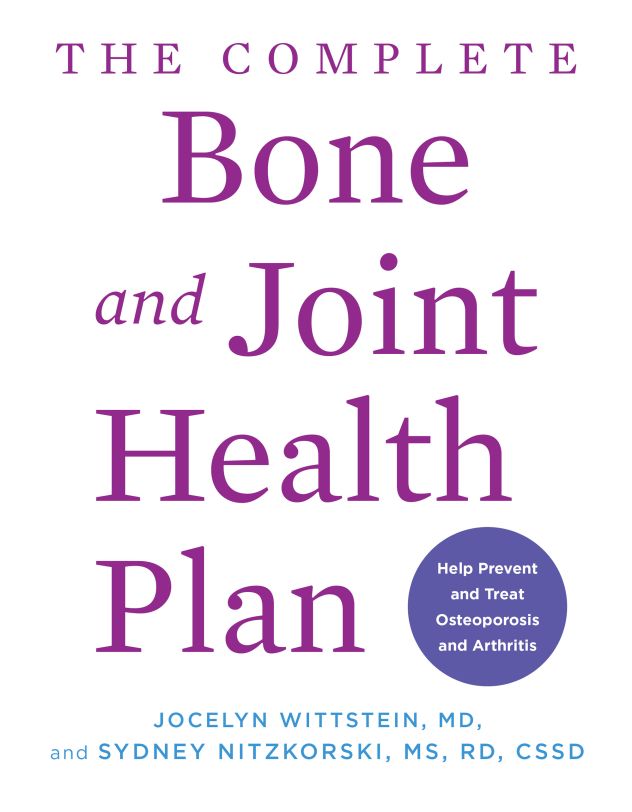
In their new book “The Complete Bone and Joint Health Plan: Help Prevent and Treat Osteoporosis and Arthritis,” dietitian and personal trainer Sydney Nitzkorski and orthopedic surgeon and sports medicine specialist Dr. Jocelyn Wittstein share the strategic diet and exercise choices you can make now to help maintain your quality of life well into your later years. Nitzkorski is a sports dietitian at Marist University in Poughkeepsie, New York, and she runs a private fitness and nutrition practice. Wittstein is an associate professor at Duke University School of Medicine in Durham, North Carolina.

This conversation has been edited and condensed for clarity.

CNN: What’s the biggest misconception about bone and joint health?

Dr. Jocelyn Wittstein: Most people don’t realize that bone mineral density (BMD) peaks at around age 30. After that, your goal is to maintain your BMD and try to slow down bone loss. For women, bone density decreases about 1% annually until menopause and then accelerates to 2% a year. Men experience a roughly 1% annual decline. The key is to build a strong foundation early and continue supporting your bone and joint health throughout your life.

Another misconception is that cardiovascular exercise alone is enough to preserve mobility, but strength training and light impact exercises are critical, too. These activities can elevate the peak bone density of people in their teens and 20s, while people older than 30 need those same exercises to minimize loss.

This is important considering that 1 in 4 adults will get osteoarthritis, and anyone older than age 50 has a heightened risk for both arthritis and osteoporosis, women in particular. A full 77% of postmenopausal women reported joint pain in a randomized study.

Sydney Nitzkorski: As a dietitian, I find that people don’t think enough about how much calcium they’re taking in, and most people are not getting enough. Your body can’t make the calcium it needs, not just for bones and teeth but also heart, muscle and nerve function. If you’re not consuming enough, your body will raid the reserves in your skeleton to meet its requirements.

This is why everybody, at every age, needs to get enough calcium. If you have kids, make sure they’re consuming enough now, because this is when they’re building bone mass. But sufficient calcium is still important even if you’re 60 or beyond. Boosting your bone health is incredibly important at every age, and it’s never too late to start taking proactive steps.

CNN: Are calcium supplements necessary?

Nitzkorski: Whole foods are the best sources for calcium, with supplementation as a secondary option. I recommend that people track their intake for a typical week and then adjust accordingly. Adults need 1,000 to 1,200 milligrams of calcium daily. Good sources include milk, fortified plant milks, broccoli and kale, as well as sardines and anchovies because you eat the bones.

Wittstein: Plus bok choy, which I consider a superfood. It’s the green vegetable with the highest bioavailability of calcium. The calcium your body gets from a food depends on two factors: the total calcium the food contains and the bioavailability of that calcium, or how well the body absorbs and uses the mineral. A cup of milk has 300 milligrams of calcium that is 30% bioavailable, while a cup of bok choy has 160 milligrams that is 55% bioavailable. Yet, each one provides the body with an equivalent amount of calcium: about 87.5 milligrams. Along with bok choy’s excellent calcium bioavailability, it also provides fiber and vitamins A and C. I love to prepare this green vegetable superfood with garlic, ginger and olive oil, making it an excellent anti-inflammatory food for joints and overall health.

CNN: Pressing question: Can we count the calcium from milk in coffee?

Nitzkorski: Yes! In the book, Jocelyn and I share that we both nail our calcium targets by drinking a lot of milk with a little bit of coffee. It’s true that consuming more than 300 milligrams per day of caffeine lowers your body’s calcium absorption — but that’s a high bar when you consider an 8-ounce cup of coffee contains around 100 milligrams and a double shot of espresso contains about 140 milligrams.

Wittstein: Milk, whether it’s from cows or a plant-based type that’s been supplemented, is a good source of vitamin D, too. We know that consuming 2,000 IU of vitamin D a day can benefit bone health and may help decrease joint pain. When it comes to coffee, people are often glad to learn that it is rich in anti-inflammatory antioxidants. It contains the polyphenol quercetin, which may help alleviate pain and has anti-inflammatory properties.

I like to add cinnamon to my coffee for added anti-inflammatory effect and glucose control. You can also add whey protein — which provides amino acids that your body uses to build muscle — and/or collagen supplements, which can improve both bone density and joint pain, depending on the type.

CNN: What’s the connection between inflammation and joint health?

Wittstein: Inflammation can break down cartilage and contribute to joint pain. Chronic inflammation accelerates joint deterioration. Anti-inflammatory nutrition taken in through diet and supplements like omega-3 fatty acids and curcumin, for example, can help ease symptoms like pain and swelling.

CNN: What does an anti-inflammatory diet look like?

Nitzkorski: What I love about recommending anti-inflammatory foods is that they provide so many other benefits, too, such as decreasing heart attack risk, increasing longevity, improving digestion and giving you more energy.

An anti-inflammatory diet is rich in lean proteins, which could be animal-based — such as non- or low-fat dairy, eggs, fish, chicken or turkey — or plant-based like beans, lentils and soy as well as pea proteins, which are found in a lot of protein powders. An anti-inflammatory diet also includes healthy fats, such as olive oil and foods containing omega-3 fatty acids like fish as well as walnuts and flax, chia and basil seeds.

Alliums — including garlic, onion, leeks and shallots — are flavorful plants that have multiple anti-inflammatory properties. And there’s a whole spectrum of spices including turmeric, cayenne, black pepper and ginger.

Wittstein: Also important is dietary fiber from fruits, vegetables, beans and whole grains that provides short-chain fatty acids, higher levels of which are associated with lower levels of inflammation. Fruits and vegetables also contain myriad anti-inflammatory phytochemicals — naturally occurring compounds that provide an array of health benefits.

Avoiding or limiting inflammatory ingredients like processed meats, red meat, fried foods, saturated fats and processed carbohydrates is also important.

Making small changes to your diet and exercise routine now can make a big impact on your strength and mobility later in life, say the authors of this new book.

CNN: What types of exercise promote bone and joint health?

Wittstein: It’s critical to incorporate resistance training and impact exercises. The goal is to work into your 150 minutes of weekly activity a combination of the following: three days of weight-bearing aerobic exercise, two days of resistance training, and two days of balance work and light-impact exercises.

That might sound like a lot, but these don’t have to be long, intense sessions, and several of these types of conditioning can be combined. Standing on one leg and doing an overhead press counts as resistance training as well as balance work, for example. There are multiple things we want you to do to stimulate your bones and your muscles in different ways, but some of these activities can count as two.

Nitzkorski: You can also integrate little exercises into your daily life. Just as we lose muscle and bone mass with age, we also lose our ability to balance. Practice intentionally throwing yourself off balance a little bit so your body must work to find its equilibrium again.

Stand on one foot while brushing your teeth. Instead of sitting while watching TV, stand on one leg. Pretend a paintbrush is strapped to your toe and try to write your name or the alphabet. Write A through M on your right leg, and then switch and do N through Z on your left. To work on muscular endurance, do little arm circles. These start out super easy, but if you do them for two or three minutes it becomes exhausting.

CNN: What do you mean by light-impact exercises?

Wittstein: These include small jumps, jumping jacks or jumping rope. Studies show that doing 10 to 50 jumps three times a week is enough to stimulate your bone density. I encourage people to weave them into their day. By doing a little bit of hopping while you’re waiting for the bus, you’re getting your heart rate up and getting in some light-impact conditioning.

CNN: Do you recommend jumping if it causes knee pain?

Nitzkorski: No, people should listen to their joint pain! If jumping hurts your knees, focus on other kinds of conditioning like shallow squats, for example. You can also spread out your jumps over the course of the day or a week so you are not doing too many in a row. Or you can modify jumping exercises by using the back of a chair, or something else, for balance.

Wittstein: Or try modifications like pool jumping, which adds resistance and partly reduces impact. Water-based exercises are not as effective as land-based jumping exercises, but they are definitely beneficial for bone mineral density.

Although the gains from some of these exercise-based interventions may seem small, they actually translate to big risk reductions. We know from studies of pharmaceutical interventions that a 2% increase in lumbar-spine-bone density reduces spine fracture risk by 28%. A 4% improvement in hip-bone density decreases hip fracture risk by 32%. So even small improvements matter significantly.

CNN: Is it ever too late to start boosting your bone and joint health?

Nitzkorski: Absolutely not. While it’s ideal to start early, you can always benefit from improving your diet and exercise routine. Start small — even 10 minutes of activity is better than nothing. Over time, small dietary changes can become a habit that sticks. The goal is consistency and gradual improvement so you can enjoy the life you live for that much longer.

Editor’s note: Sign up for CNN’s Fitness, But Better newsletter series. Our seven-part guide will help you ease into a healthy routine, backed by experts.

Jessica DuLong is a Brooklyn, New York-based journalist, book collaborator, writing coach and the author of “Saved at the Seawall: Stories From the September 11 Boat Lift” and “My River Chronicles: Rediscovering the Work That Built America.”


Source link

Go to Top