About Editorial team of BIPNs

Main team of content of bipns.com. Any type of content should be approved by us.
1 06, 2025

BITKRAFT VC Makes Strategic Investment in Web3 Gaming: Implications for Crypto Market in 2025 | Flash News Detail

By |2025-06-01T21:26:56+03:00June 1, 2025|News, NFT News|0 Comments


The recent announcement of BITKRAFT Ventures’ continued investment in Web3 gaming, as highlighted by industry leaders on social media, marks a significant event for both the gaming and cryptocurrency sectors. On June 1, 2025, Leah Callon-Butler shared a celebratory post on X, congratulating key figures like @cegapereira and @fareastwitcher while applauding BITKRAFT Ventures for their unwavering conviction in Web3 gaming, as reported by VentureBeat. This news is pivotal as Web3 gaming integrates blockchain technology, enabling decentralized ownership of in-game assets through non-fungible tokens (NFTs) and cryptocurrencies. The enthusiasm around BITKRAFT’s move signals growing institutional interest in blockchain-based gaming ecosystems, which directly impacts crypto markets tied to gaming tokens. As of June 2, 2025, at 10:00 AM UTC, tokens like The Sandbox (SAND) saw a price increase of 5.3% to $0.42, while Decentraland (MANA) rose by 4.8% to $0.39 on major exchanges like Binance, reflecting immediate market reactions to the sentiment boost. Trading volume for SAND spiked by 18% to $82 million within 24 hours, indicating heightened trader interest following the news. This event also ties into broader stock market trends, as gaming companies with exposure to Web3, such as Roblox Corporation (RBLX), saw a modest uptick of 2.1% to $35.60 on the NYSE as of June 2, 2025, at 3:00 PM UTC, suggesting cross-market optimism. Institutional money flow into Web3 gaming could further bridge traditional gaming stocks and crypto assets, creating a unique trading landscape for investors looking to capitalize on this intersection.

From a trading perspective, BITKRAFT’s high-profile endorsement of Web3 gaming opens up multiple opportunities across crypto and stock markets. For crypto traders, gaming tokens like SAND and MANA present short-term bullish momentum, with SAND/BTC and MANA/ETH pairs showing increased activity on exchanges like Binance and Coinbase as of June 2, 2025, at 12:00 PM UTC. The SAND/BTC pair recorded a 3.2% gain, reaching 0.0000068 BTC, while MANA/ETH climbed 2.9% to 0.00013 ETH, reflecting relative strength against major cryptocurrencies. On-chain metrics further support this trend, with The Sandbox recording a 15% increase in active wallet addresses to 45,000 over the past 48 hours, as per data from Dune Analytics. This suggests growing user engagement, a bullish signal for long-term holders. Meanwhile, in the stock market, crypto-related gaming stocks like RBLX and even ETFs with blockchain exposure, such as the Bitwise DeFi & Crypto Industry ETF (BITQ), saw volume increases of 10% and 8%, respectively, on June 2, 2025, at 2:00 PM UTC. This indicates that institutional investors are diversifying risk appetite across both markets, potentially driving more capital into crypto gaming tokens. Traders should monitor for potential pullbacks in SAND and MANA if stock market sentiment shifts, as correlations between RBLX and gaming tokens have tightened in recent months, with a Pearson correlation coefficient of 0.75 as of June 1, 2025.

Delving into technical indicators, the price charts for SAND and MANA display promising setups for traders as of June 2, 2025, at 4:00 PM UTC. SAND’s 4-hour chart on Binance shows a breakout above the $0.40 resistance level with a Relative Strength Index (RSI) of 62, indicating room for further upside before overbought conditions. MANA, similarly, crossed its 50-day moving average at $0.37, with an RSI of 58, suggesting sustained bullish momentum. Trading volumes for both tokens remain elevated, with MANA recording $65 million in 24-hour volume, up 12% from the previous day, as reported by CoinMarketCap. Cross-market correlations are also evident, as RBLX’s stock price movement on the NYSE mirrors the uptrend in gaming tokens, with a 1.8% intraday gain aligning with SAND’s price spike at 11:00 AM UTC on June 2, 2025. Institutional money flow data from Bloomberg Terminal indicates a 7% increase in investments into crypto-focused funds with gaming exposure over the past week, as of June 1, 2025, reinforcing the narrative of capital migration from traditional markets to crypto. For traders, key levels to watch include SAND’s next resistance at $0.45 and MANA’s at $0.42, with potential buying opportunities on dips to support levels at $0.39 and $0.36, respectively. The interplay between stock market sentiment and crypto gaming tokens underscores the importance of monitoring broader risk appetite, as a downturn in tech stocks could trigger profit-taking in correlated crypto assets.

In summary, BITKRAFT Ventures’ commitment to Web3 gaming, as covered by VentureBeat, not only boosts specific tokens like SAND and MANA but also highlights the growing synergy between stock and crypto markets. This event, timestamped with market reactions on June 2, 2025, emphasizes the potential for institutional capital to flow into blockchain gaming, impacting both crypto assets and related stocks like RBLX. Traders should leverage these cross-market dynamics, focusing on volume surges and technical breakouts while remaining cautious of broader market sentiment shifts that could influence correlated assets.

FAQ Section:
What does BITKRAFT Ventures’ investment mean for Web3 gaming tokens?
BITKRAFT Ventures’ strong conviction in Web3 gaming, announced on June 1, 2025, has directly boosted tokens like The Sandbox (SAND) and Decentraland (MANA), with price increases of 5.3% and 4.8%, respectively, as of June 2, 2025. This signals growing institutional interest and potential for further upside.

How are stock markets reacting to Web3 gaming news?
Stocks like Roblox Corporation (RBLX) saw a 2.1% price increase to $35.60 on June 2, 2025, on the NYSE, reflecting optimism in gaming companies with Web3 exposure. This correlates with gains in gaming tokens, showing cross-market synergy.

What trading opportunities exist from this news?
Traders can target short-term gains in SAND and MANA, with key resistance levels at $0.45 and $0.42, respectively, as of June 2, 2025. Additionally, monitoring crypto-related ETFs like BITQ for volume changes can provide insights into institutional money flow.


Source link

1 06, 2025

What Does FUD Mean in Crypto? Crypto Slang Explained

By |2025-06-01T19:25:58+03:00June 1, 2025|News, NFT News|0 Comments


Fear, uncertainty, and doubt have accompanied financial markets since the first stock changed hands, and crypto is no exception. Volatile price swings, fast-moving news, and social-media rumors can jar even seasoned investors into impulsive trades. In the crypto world, these moments have a name: FUD.

The acronym gets tossed around in tweets, Telegram chats, and trading rooms whenever negative headlines start rattling confidence. Newcomers to the crypto space may be in the dark about whether FUD is real information that deserves attention or simply noise designed to shake weak hands out of positions.

Let’s break down the meaning of FUD in crypto, see how it can impact the crypto market, and get you some solid tips for spotting emotional manipulation before it decimates your portfolio.

What is FUD in Crypto?

In crypto slang, FUD is shorthand for fear, uncertainty, and doubt. It’s a general term that covers pretty much any information or rumor, be it true or false, that creates a specific narrative of negative sentiment around coins or other crypto assets.

A prime example is headlines about China banning Bitcoin, or another country, when the actual news tends to be far less sensational. However, as those headlines get shared, uncertainty grows, fear grows, selling accelerates, and crypto prices fall. Sometimes the asset prices fall well below their fundamental value.

Why FUD Matters in Crypto Investing?

Cryptocurrencies trade in a market that never sleeps, lacks circuit breakers, and is heavily driven by sentiment. In this environment, FUD can have an outsized effect on prices because liquidity is fragmented across hundreds of exchanges, and large holders control significant supply. A selloff on one venue quickly ripples through aggregated order books and algorithmic-trading bots, turning a localized rumor into a global rout.

A single misleading headline, like the first rumors of an exchange hack, can trigger automated sell orders, liquidate leveraged positions, and cascade into double-digit price drops within minutes. Perpetual-futures funding flips deeply negative, forcing traders to close longs at any price. For long-term investors, temporary volatility may not alter fundamentals, but forced liquidations and emotional panic can still wipe out portfolios before reason returns.

FUD also affects project funding and developer morale. When doubt circulates around a blockchain’s security or a protocol’s treasury, venture capital and liquidity providers may pull back. Reduced funding slows innovation, validating the initial fear and creating a self-fulfilling cycle. Regulators monitor headlines, too, and sensational stories can accelerate investigations or delay license approvals.

On top of that, mainstream media frequently amplifies crypto FUD because extreme price swings generate clicks. Casual investors who rely solely on headlines may exit positions prematurely, missing subsequent rebounds and yielding market share to patient players.

Finally, crypto traders who understand FUD can use the market volatility and their own research to generate profits from the irrational actions of others. Smart money often accumulates during periods of widespread pessimism, anticipating a relief rally once the rumor is debunked.

On-chain data frequently shows whales withdrawing coins to cold storage while retail capitulates. Recognizing credible threats versus noise allows investors to position rationally, such as hedging with stablecoins, laddering limit buys, or shorting overheated assets, then rotating once sentiment shifts.

In short, FUD is another market force that shapes liquidity, funding, investor confidence, and overall community behavior, which are all critical variables that ultimately drive price trajectories.

What Does FUD Mean in Crypto? Crypto Slang Explained

FUD Impact on Market Sentiment

FUD is the emotional accelerant of crypto’s boom-bust cycle. When negative narratives spread, regardless of fresh rumors of an exchange insolvency or recycled headlines about regulatory bans, they erode trust, causing holders to question the intrinsic value of their assets.

This erosion is visible first in the information stream itself: bearish tweets and Reddit threads surge, prominent influencers switch from “buy the dip” to “brace for impact,” and Google searches for phrases like “sell Bitcoin” or “crypto crash” spike. Fear-and-greed indices, which aggregate sentiment data from multiple channels, begin a sharp descent from neutral or optimistic territory into “extreme fear.”

Traders react swiftly to this mood shift. Many close profitable longs, rotate profits into stablecoins, or transfer coins from exchanges to cold storage, anticipating deeper declines. Order books thin out as liquidity providers step back, so even modest market sells push prices lower, visually confirming the thesis that “something is wrong.” That drop then emboldens more sellers in a self-reinforcing spiral.

Exchanges feel the domino effect almost immediately. Liquidation engines trip margin calls, forcing highly leveraged traders to exit at market prices. Market makers, now dealing with volatile spreads, widen bid-ask gaps to protect inventory. Volatility indexes such as BVIV rocket upward. Professional short sellers seize on the turmoil, accelerating the downward move and often tweeting narratives that amplify despair.

Retail investors, watching double-digit losses on mobile apps, experience fight-or-flight. Many panic-sell to “cut losses,” pushing assets well into oversold territory and cementing a feedback loop that can turn a bullish backdrop into a bear market within hours. Sentiment surveys that showed optimism a day earlier suddenly flash record pessimism.

How FUD affects crypto investor sentimentHow FUD affects crypto investor sentiment

The pendulum swings back once reliable information surfaces. When project teams issue transparent statements, on-chain data disproves insolvency rumors, or regulators clarify policies, confidence slowly rekindles. Bargain hunters step in, shorts cover to lock in gains, and liquidity providers re-enter with tighter spreads. Prices rebound, sometimes violently, as sidelined capital chases discounted tokens.

The pace of recovery hinges on how quickly credible voices correct misinformation and how deeply fear penetrated wallets and derivatives books. Traders who understand this rhythm—tracking social sentiment, funding rates, and on-chain flows—can separate emotional noise from genuine market signals, positioning defensively during panic and opportunistically during relief rallies.

Examples of FUD in Crypto

  • China “bans” Bitcoin (periodically 2013-2021): For nearly a decade, headlines repeatedly declared that China had outlawed Bitcoin or shut down every exchange in the country. In reality, the government issued incremental restrictions—first on banks providing crypto services, later on mining—but never imposed a blanket trading ban on individuals. Each rumor triggered double-digit intraday drops, only for BTC to rebound once investors realized peer-to-peer trading and OTC desks continued operating. Seasoned traders learned to treat any fresh “China bans Bitcoin” article as a potential buy-the-dip signal rather than an obituary.
  • “Bitcoin is hacked” tweets (2020): A brief chain reorganization on Bitcoin’s testnet was misreported as a successful double-spend on the mainnet. Influencers proclaimed the protocol broken; BTC shed thousands in minutes. Developers quickly clarified that the incident involved two conflicting blocks mined almost simultaneously.
  • Mt. Gox creditor payouts (2023-2024): When trustees announced plans to repay 140,000 BTC to former Mt. Gox users, social media warned of an “instant flood” of coins that would crash the market. The FUD ignored the structured, multi-month payout schedule and the fact that many creditors planned to hold rather than dump.
  • US regulatory crackdowns (SEC lawsuits, 2023-2024): Lawsuits against Binance US and Coinbase sparked panic that all U.S. trading would halt overnight. ETH funding rates flipped deeply negative, and altcoins bled out. Courts allowed operations to continue during the litigation, and eventually, the SEC would drop all charges, and things would begin to recover.
  • Ethereum Shanghai upgrade “sell-the-unlock” (April 2023): Many community members and commentators warned that the Shanghai hard fork would unleash a wave of 18 million unstaked ETH onto exchanges, collapsing the price. On-chain analytics showed most Beacon Chain validators were long-term holders, and exit queues limited daily withdrawals.

Differences Between FOMO and FUD

Dimension FOMO — Fear of Missing Out FUD — Fear, Uncertainty, Doubt
Emotional Trigger Greed and excitement about rapid upside Anxiety about loss, uncertainty, or catastrophic decline
Typical Headlines “Bitcoin to $250 K!” “This is the next token going 100x!” “Crypto is banned!” “Exchange hacked!”
Market Impact Buying frenzy, thin order books on the ask side trigger price spikes Panic selling, cascading liquidations trigger price crashes
Behavioral Response Chasing pumps, opening high-leverage longs Rage quitting, switching to stablecoins
Risk Profile Overpaying at market tops, getting trapped in blow-off tops Capitulating at the bottom, missing rebounds
Information Quality Often based on hype, incomplete fundamentals Can be misinformation or exaggerated negatives
Beneficiaries Early whales offloading to late buyers Smart money starts accumulating discounted assets
Mitigation Strategy Set entry targets, dollar-cost average, and use stop limits Verify sources, analyze fundamentals, and employ hedging

What is REKT and Why is it important?

If you’re active in the crypto space, knowing what REKT means is important, because as a trader or investor, it’s critical that you do not “GIT REKT”.

REKT is another bit of crypto slang, and it’s simply a phonetic version of “wrecked”. In this context, to GIT REKT is to get financially wrecked with massive losses, often through liquidation or being forced to exit at the bottom.

REKT CryptoREKT Crypto

Getting REKT will usually follow the same impulsive moves that are driven by FOMO and FUD, instead of by a sound investment strategy. This includes buying the top of a hype cycle without risk controls, or panic-selling during a rumor-induced crash.

The term itself makes losses a meme-worthy occasion, and helps underscore one of the most important core concepts in crypto: leverage amplifies both gains and losses, and cryptocurrency trading moves faster than traditional assets.

Getting a clear understanding of REKT culture matters a great deal. Primarily, it reminds investors that risk management is non-negotiable. Exchanges openly display liquidation cascades, and social media amplifies stories of accounts wiped out in minutes, with stories of losing entire inheritances and self-blame becoming nothing more than a meme that circulates on social channels for 36 hours before being forgotten.

These cautionary tales highlight the value of position sizing, stop-loss orders, and avoiding emotional trades. By studying REKT scenarios like over-leveraged longs on meme coins, shorts caught in short squeezes, traders learn to protect capital, ensuring they stay solvent and able to seize real opportunities instead of becoming another REKT statistic.

How to Spot and Monitor FUD

FUD rarely appears out of nowhere; it follows recognizable patterns. Negative narratives often start on social platforms, gain traction through sensational headlines, and then filter into mainstream outlets.

Real-time monitoring tools include X keyword alerts, Telegram channels, and on-chain analytics dashboards. These tools help traders catch early alpha and market signals. Cross-checking claims against primary sources (official filings, blockchain data, or government releases) separates credible warnings from noise.

Tracking sentiment indexes and funding rates provides quantifiable evidence when fear outweighs fundamentals. Keeping an eye on whale wallets and exchange inflows can reveal whether large holders act on the rumor or ignore it. Together, these steps create a data-driven shield against panic.

Key characteristics of crypto FUDs

  • Dramatic language: “Ban,” “hack,” “collapse,” “exit scam.”
  • Single unverified source or anonymous leak.
  • Lack of primary documentation or official statement.
  • Timing near major unlocks, listings, or macro events.
  • Rapid social-media amplification without fact-checking.
  • Discrepancy between the headline tone and the actual regulatory text.
  • Spike in exchange inflows from retail wallets, not whales.
  • Immediate sell-offs occur on low liquidity before the broader market reacts.

Tips to Avoid Emotional Trading

  • Verify every alarming claim against official or on-chain data.
  • Set predefined entry and exit rules to reduce impulsive decisions.
  • Use position sizes you can tolerate losing without panic.
  • Maintain a diversified portfolio and stablecoin buffer for volatility.
  • Employ stop-loss and take-profit orders instead of manual reactions.
  • Track credible analysts, not anonymous Twitter accounts, for context.
  • Remember long-term fundamentals: technology adoption, network metrics.
  • Step away from screens during extreme moves to avoid knee-jerk trades.

Conclusion

As an ever-present force in the crypto market, FUD aims to tear through paper hands, and it’s capable of shaking prices and levels of investor confidence to all-time lows before allowing them to rebound.

That said, most Yet most FUD storms pass quickly once facts emerge, and once you recognize the tell-tale signs of sensational headlines, anonymous sources, and sudden spikes in negative sentiment, you can pause, verify, and respond rationally.

Now, pair this disciplined research with a solid risk management strategy. Size your positions conservatively, diversify holdings, and employ stop-loss orders or hedges. When it’s used wisely, FUD stands to create fear for some, but opportunities for others, as panicked sell-offs often leave quality assets trading below intrinsic value.

FAQs

How do I know if I’m falling for FUD in crypto?

You may be reacting to FUD if you feel compelled to sell purely from fear rather than clear fundamentals. Warning signs include panic-scrolling social media, making decisions without reading primary sources, and abandoning your trading plan after a single headline. Rely on your strategy, set stop losses, and don’t touch them.

Do people use FUD on purpose to make money?

Absolutely, but it’s not typically the small retail investors starting a rumor with a post on X or Reddit. Larger investors and institutional investment firms will routinely create fear, uncertainty, and doubt, or fund FUD campaigns, or spread exaggerated negatives to drive prices down. The aim is to buy assets cheaply or profit from short positions. Always verify claims through official documents, on-chain data, or reputable news outlets before acting.

Why is FUD bad?

FUD triggers irrational selling, erodes trust, and increases volatility. We might hesitate to call it “bad” since not only does it create opportunity, but there’s also nothing that can be done to stop it.

However, it’s not useful or positive all of the time. It can cause you to exit solid projects at the worst time, locking in unnecessary losses, if you aren’t careful. On a larger scale, though, persistent FUD starves legitimate teams of capital and slows innovation.

What should I do when I see FUD?

Always pause to investigate. Check the sources of information, like regulatory filings, blockchain explorers, and official project announcements or community initiatives. Be sure to compare multiple credible outlets as well. If the concern is real and well-founded, be sure to adjust your exposure accordingly. If it’s noise or FUD, stay the course, or better, buy the dip while everything’s on sale.

What does FUD mean in trading?

When it comes to trading, FUD refers to any news, rumor, or narrative that induces fear and uncertainty, prompting selling pressure. Recognizing FUD allows traders to avoid emotional decisions and instead rely on objective analysis, protecting capital and identifying contrarian opportunities.


Source link

1 06, 2025

Copper price is weak– Forecast today – 30-5-2025

By |2025-06-01T19:22:45+03:00June 1, 2025|Forex News, News|0 Comments


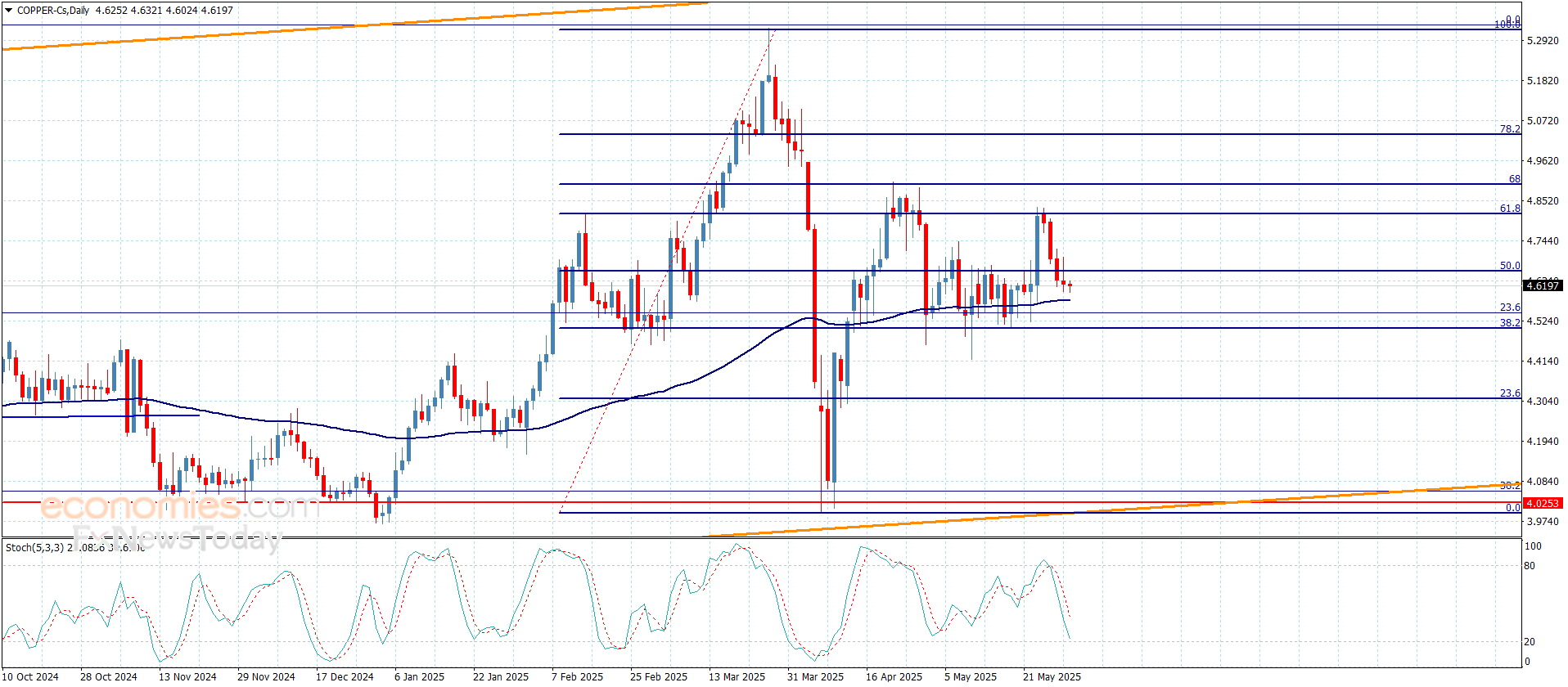
No change on copper price’s current negativity by its repeated fluctuation below 50%Fibonacci correction level at $4.6600, besides the continuation of suffering negative pressure by stochastic approach from 20 level, therefore, we will keep preferring the negative trading in the near period, which might target $4.5500 reaching the support at $4.4900.


 Note that regaining the bullish bias is conditioned by forming a strong bullish rally, to succeed to breach 61.8%Fibonacci correction level at $4.8100.


The expected trading range for today is between $4.5000 and $4.6600


Trend forecast: Bearish


Source link

1 06, 2025

XRP Price Prediction for June 1

By |2025-06-01T19:05:15+03:00June 1, 2025|Crypto News, News|0 Comments

The start of June is more bearish than bullish, according to CoinStats.

XRP chart by CoinStats

XRP/USD

The rate of XRP has fallen by 1% over the last day.

Article image
Image by TradingView

On the hourly chart, the price of XRP is going up after setting local support at $2.1231. If buyers’ pressure continues, one can expect an ongoing upward move to the resistance by tomorrow.

Article image
Image by TradingView

On the bigger time frame, neither side is dominating as the rate of XRP is trading within yesterday’s bar. As most of the daily ATR has been passed, any sharp moves are unlikely to happen.

Article image
Image by TradingView

From the midterm point of view, there are no reversal signals yet.

You Might Also Like

Title news

If the weekly bar closes around the current prices, there is a possibility to witness a test of the $2 area soon.

XRP is trading at $2.1518 at press time.

Source link

1 06, 2025

$1,000 SOL In Sight If ETH Correlation Strengthens

By |2025-06-01T13:02:31+03:00June 1, 2025|Crypto News, News|0 Comments

The Solana price prediction for the rest of the year now factors in the recent Ethereum uptrend, with some analysts setting a $1,000 target. As ETH gains strength ahead of broader altcoin season, SOL’s movement appears to have an increasing correlation with the market leader. This has raised expectations for a potential breakout, especially if investor sentiment remains bullish across Layer 1 tokens.

ETH Gathers Bullish Momentum with Whale Buys and Rising Call Options

Ethereum has recorded a series of on-chain shifts that suggest a potential bullish sentiment among long-term holders. According to Ali Martinez, ETH whales are on a buy spree, with major addresses acquiring over 1 million ETH in the past month. Recent figures also show a consistent inflow of ETH into staking contracts.

After a 43% price increase in May 2025, the $2,800 resistance proves critical if ETH attempts to break through its current consolidation phase. Despite market indecision, ETH’s relative strength index continues to hover around neutral territory, offering no definitive trend reversal but leaving room for a breakout.

Derivative market positioning reveals a rise in open interest, particularly in call options expiring in June 2025, with a strike range between $3,200 and $3,500. These price points align with bullish expectations for ETH if key resistance levels fall.

Source: CoinMarketCap

Solana Price Prediction: $1,000 Could Be in Sights

Solana continues to attract bullish momentum as investors monitor its strengthening correlation with Ethereum. Market analysts suggest that if SOL maintains this alignment, a milestone near $1,000 could enter the conversation. There are indicators of interest near breakout zones, with buyers defending support levels.

Meanwhile, developer activity has surged following strategic integrations, including RedStone’s collaboration with Drift to enhance real-world asset (RWA) data availability on Solana. This move expands Solana’s role in decentralized finance by enabling more transparent pricing models for tokenized assets.

Technical indicators point toward increased momentum, with Solana’s RSI levels maintaining neutral-to-bullish positions and the 20-day EMA forming an upward trajectory. The current consolidation suggests SOL traders are awaiting a decisive breakout before initiating larger positions.

AD 4nXdICdo7oUwpeSN NPpIrGPUXNJPSS3lNKHcxBZtjr6OCIuwDBWsIfKawvP8QzNeVOb2ERkqaBlXpUuauOS4NIONsN mzuv1VVwCTGCbuetyn4TBwv8iuCm1qr9RPQswh6OWjicRJg?key=4o x5agGhe8L NS IhSO5wAD 4nXdICdo7oUwpeSN NPpIrGPUXNJPSS3lNKHcxBZtjr6OCIuwDBWsIfKawvP8QzNeVOb2ERkqaBlXpUuauOS4NIONsN mzuv1VVwCTGCbuetyn4TBwv8iuCm1qr9RPQswh6OWjicRJg?key=4o x5agGhe8L NS IhSO5w

Source: CoinMarketCap

Remittix Stands Out as Traders Prioritize Simplicity Over Speculation

Remittix is quickly becoming a go-to altcoin for traders looking past the usual top ten. It runs on Ethereum, which gives it a familiar and stable backbone, but its goal is more focused bridging the gap between crypto and everyday payments.

Traders are paying attention because Remittix makes moving between crypto and fiat simple. Instead of holding multiple tokens or jumping through hoops to cash out, users can streamline the process in one place. That sort of utility is gaining traction, especially with crypto markets heating up in 2025.

While some tokens still struggle with network congestion or unpredictable gas costs, Remittix has designed a smoother path. It’s not just another speculative coin. For traders tired of delays and complicated exits, this one is starting to stand out for the right reasons.

Conclusion 

Solana’s $1,000 prediction hinges on Ethereum’s momentum, but Remittix is quietly carving out its own lane. As traders seek out smoother exits and practical crypto-to-fiat tools, Remittix is emerging as a strategic hedge against volatility. The project is currently giving away $200 every month to its most active Telegram members. To qualify, the user must hold at least $100 worth of $RTX. Get in now for $0.0781 per token and qualify for the massive $250,000 giveaway! 

Discover the future of PayFi with Remittix by checking out their presale here:

Website: https://remittix.io/

Socials: https://linktr.ee/remittix

Source link

1 06, 2025

XAG/USD plummets below $33.00 as Dollar rebounds, weekly losses near 2%

By |2025-06-01T11:18:24+03:00June 1, 2025|Forex News, News|0 Comments


  • Silver poised to end week down over 1.80% as strong Dollar pressures metals.
  • Bearish harami pattern and soft RSI suggest downside bias could accelerate.
  • Key support lies at $32.70 and 50-day SMA; upside capped by $33.69 and $34.00.

Silver price turned negative on Friday during the North American session, poised to end the week with losses of over 1.80% as the dollar staged a recovery during the day. XAG/USD trades at $32.87, down 1.29%.

XAG/USD Price Forecast: Technical outlook

Silver price trade subdued but formed a ‘bearish harami’ candle chart pattern with bearish implications. Momentum appears to be shifting in favor of sellers, as the Relative Strength Index (RSI) has reached a lower trough at RSI’s neutral line, which, if cleared, could signal that the grey metal is poised for a leg lower.

If XAG/USD remains below $33.00, the next support to breach would be a May 29 swing low of $32.70. In that outcome, the next test would be the 50-day Simple Moving Average (SMA) at $32.68, followed by a test of the 100-day SMA at $32.11 and the 200-day SMA at $31.40.

However, buyers stepping in and cleared $33.00 look for a leg up towards $33.69, which could pave the way for a challenge of $34. On further strength, XAG/USD’s next resistance level would be the March 26 high at $34.58, followed by $35.00.

XAG/USD Price Chart – Daily

Silver FAQs

Silver is a precious metal highly traded among investors. It has been historically used as a store of value and a medium of exchange. Although less popular than Gold, traders may turn to Silver to diversify their investment portfolio, for its intrinsic value or as a potential hedge during high-inflation periods. Investors can buy physical Silver, in coins or in bars, or trade it through vehicles such as Exchange Traded Funds, which track its price on international markets.

Silver prices can move due to a wide range of factors. Geopolitical instability or fears of a deep recession can make Silver price escalate due to its safe-haven status, although to a lesser extent than Gold’s. As a yieldless asset, Silver tends to rise with lower interest rates. Its moves also depend on how the US Dollar (USD) behaves as the asset is priced in dollars (XAG/USD). A strong Dollar tends to keep the price of Silver at bay, whereas a weaker Dollar is likely to propel prices up. Other factors such as investment demand, mining supply – Silver is much more abundant than Gold – and recycling rates can also affect prices.

Silver is widely used in industry, particularly in sectors such as electronics or solar energy, as it has one of the highest electric conductivity of all metals – more than Copper and Gold. A surge in demand can increase prices, while a decline tends to lower them. Dynamics in the US, Chinese and Indian economies can also contribute to price swings: for the US and particularly China, their big industrial sectors use Silver in various processes; in India, consumers’ demand for the precious metal for jewellery also plays a key role in setting prices.

Silver prices tend to follow Gold’s moves. When Gold prices rise, Silver typically follows suit, as their status as safe-haven assets is similar. The Gold/Silver ratio, which shows the number of ounces of Silver needed to equal the value of one ounce of Gold, may help to determine the relative valuation between both metals. Some investors may consider a high ratio as an indicator that Silver is undervalued, or Gold is overvalued. On the contrary, a low ratio might suggest that Gold is undervalued relative to Silver.


Source link

1 06, 2025

Weekend Edit: Go Green (Not With Envy) But Matcha, India’s Latest Sipping Addiction

By |2025-06-01T11:04:03+03:00June 1, 2025|Dietary Supplements News, News|0 Comments


India’s latest obession with matcha

India might be going crazy over this green drink, Matcha, lately, but almost a decade ago, a lush tea garden nestled in the misty hills of Upper Assam was rewriting the rules with an exciting first for India: locally crafted matcha. While it may not yet rival the centuries-old Japanese version in tradition, Assam’s take on this vibrant green powder was pretty bold, earthy, and full of promise.

Know all about the green powder

Matcha, meaning “powdered tea,” is Japan’s beloved green elixir, celebrated not just for its smooth umami flavour but also for its incredible health benefits. Unlike steeped teas, matcha involves consuming the whole leaf in powdered form, offering a potent punch of antioxidants—137 times more than regular green tea. Though matcha is deeply rooted in Japanese culture, its story began in China’s Tang dynasty before a Zen Buddhist monk carried it to Japan over 900 years ago. There, it became an integral part of meditative rituals and the highly refined tea ceremony.

Matcha latte
Matcha latte

Lately Assam—better known for its robust black teas—is stepping into the world of matcha, blending ancient tradition with Indian terroir. It’s a bold new brew that invites tea lovers to sip mindfully and discover a fresh take on an age-old ritual.

Matcha- Photogenic yet flavourful.

Matcha coffee, or the ever trendy matcha latte, is quickly becoming a staple in India’s evolving café culture. With its vibrant emerald hue — a gift from the chlorophyll-rich tea leaves — this drink is as photogenic as it is flavourful. Dipesh Darjee, Head Chef, Yuki, Bengaluru adds “Matcha has long been a staple in Japanese cuisine, and its international popularity is no surprise. In India, though, it needed a slower introduction—first through lattes that helped ease people into its unique flavour, then as a dusting for desserts, and eventually earning its own space in menus. Social media accelerated this journey and the aspirational lifestyle cues from Gen Z created a ripple effect that made it more desirable than ever”.

When it comes to experimentation with this green tea, Bengaluru is leading the race with Matcha French toast at Nasi and Mee or the Matcha bingsu at Homiga or the Strawberry Matcha Latte at Sakura Matcha Bar and the iconic Matcha Cupcake at Magnolia Bakery.

Japanese Matcha Roll Dolci
Japanese Matcha Roll, Dolci

Touted as a natural energy booster, matcha coffee resonates deeply with India’s on-the-go millennials and Gen Z. It’s also winning favour among the health-conscious crowd, especially vegans and fitness enthusiasts, thanks to its dairy-free, plant-powered profile. Adding to the fact, how long will it last Jeethu Kandathil, COO at Dolci, Bengaluru says “We see matcha as a lasting trend rather than a fleeting fad. Its appeal goes beyond aesthetics—it’s the health benefits, the unique taste, and its culinary adaptability that ensure it stays relevant. Matcha has been around for centuries, and while awareness is only recently catching on widely, it’s clear that it’s here to stay”.

From Matcha Latte calm to Matcha Martini charm

Mixologists are experimenting with matcha to create unique cocktails, often using its earthy, slightly bitter flavour profile to complement various spirits and flavours. Mohit Badh, Bar Manager, Call Me Ten, Delhi who had added this Japanese superfood to his cocktails, says, “We wanted to introduce drinks that feel like a natural extension of our izakaya-style experience. The idea was to bring a unique twist while still feeling very ‘us.’ So, we came up with two drinks that really stand out: a refreshing Mango Matcha Latte and a smooth, indulgent Espresso Martini. Both blend Japanese influences with a fun, modern flair. Must say the Espresso Martini has quickly become one of our top-selling cocktails , it’s a real crowd-pleaser”.

Matcha Espresso Martini Call Me Ten
Matcha Espresso Martini, Call Me Ten

Even now, though Matcha might still be an acquired taste, but the right mix in the right way makes it love at first sip. From nutritionists to lifestyle influencers, feeds are flooded with matcha recipes, glowing health claims, and aesthetic green lattes — all fueling its rise as a modern wellness essential. As India starts catching on to matcha’s feel-good vibes, we’re here to cheer it on—right next to your favourite cup of coffee.


Source link

1 06, 2025

Turmeric for Liver Disease: Common herbal supplement linked to deadly liver disease |

By |2025-06-01T09:02:54+03:00June 1, 2025|Dietary Supplements News, News|0 Comments


Turmeric has long been celebrated in traditional medicine and modern wellness circles for its anti-inflammatory and antioxidant properties. Its active compound, curcumin, is often hailed as a natural remedy for various ailments, from joint pain to digestive issues. However, recent reports have raised concerns about the safety of turmeric supplements, particularly when consumed in high doses or combined with certain enhancers.There have been several cases where individuals experienced severe liver damage after taking turmeric supplements. These instances underscore the potential risks associated with overconsumption and the importance of understanding how turmeric interacts with the body.For example, 54-year-old Robert Grafton had been taking multiple natural supplements, including turmeric but was then diagnosed with a deadly liver disease. “In early March, the former radiology technologist added something new to his regimen – a turmeric-based liquid supplement. He had seen it advertised for improving liver health on social media. However, a week later, Grafton noticed his urine had turned dark, he felt nauseous, lost his appetite and was constantly itchy,” the Daily Mail reported. Tests revealed he has developed drug-induced liver injury. He was taking turmeric pills that contained 2,250 milligrams of curcumin.“My liver enzymes were super elevated, my bilirubin (a yellowish pigment produced after red blood cell breakdown) was really high – all the signs of liver failure. I pretty much broke down, my wife as well. I was, at that point, thinking it was liver cancer, pancreatic cancer or something. It turns out I had something called a drug-induced liver injury, which came from my supplements,” he added.The Drug-Induced Liver Injury Network (DILIN) has reported several cases of liver injury linked to turmeric supplements. In a study spanning from 2004 to 2022, ten cases were identified, all occurring after 2011, with a notable increase since 2017. Symptoms reported include fatigue, nausea, dark urine, and jaundice. In severe instances, patients required hospitalization, and one case resulted in acute liver failure.

Turmeric for Liver Disease: Common herbal supplement linked to deadly liver disease |

How to use turmeric supplements safely without affecting the liver?

Turmeric is amazing—no doubt about that. It’s been used for centuries for its anti-inflammatory and antioxidant powers. But when it comes to popping turmeric supplements, especially in high doses, things can get tricky for your liver. So how do you get the benefits without the risks? Easy—go slow and stay smart. Don’t overdo it. First, stick to recommended dosages. Just because it’s “natural” doesn’t mean more is better. Most experts say 500–1,000 mg of curcumin per day is enough. Avoid mega doses unless a doctor tells you otherwise.Second, watch out for black pepper extract (piperine). It boosts absorption big time, but it can also increase the risk of liver issues in some people—especially if you’re taking medications.Also, take breaks. You don’t need to be on turmeric every day forever. Try using it in cycles and give your body a rest.And lastly—don’t mix it with alcohol or other supplements that are hard on the liver. If you’ve got any liver problems or take meds, talk to your doctor first.Turmeric’s great, but your liver deserves love too. Be smart, go easy, and let turmeric help—not hurt—you. It is important to talk to your healthcare provider, before taking any supplements.

Expert explains types of liver diseases and the common symptoms


Source link

1 06, 2025

Here’s Price of 1 XRP If Total Crypto Market Cap Reaches $35 Trillion

By |2025-06-01T09:00:21+03:00June 1, 2025|Crypto News, News|0 Comments

XRP price will climb to a new two-digit peak if the asset maintains its market dominance when the global crypto market cap hits $35 trillion.

The crypto is on a strong upward trend, with the total market cap currently sitting at $3.27 trillion. Bitcoin continues to dominate the space, holding a massive 63.1% share, with a market cap of $2.049 trillion and a single Bitcoin trading at around $104,566. 

Possible XRP Price if Global Crypto Market Hits $35T

As the crypto market gains more attention in the U.S., experts are starting to make bold predictions about where things might go from here. One of these forecasts comes from market analyst Captain Toblerone, who believes the crypto market could grow massively during this bull run.

In particular, he predicts the total market cap could jump to $35 trillion by 2026, which would mark a 929% increase from where it is now. If that happens, it could have a huge impact on the prices of major cryptocurrencies, including XRP.

In his breakdown, Captain Toblerone suggests that if the market reaches $35 trillion, XRP could have a market cap of around $1.24982 trillion. Based on a circulating supply of 56.81 billion XRP, that would put the price of a single XRP at $22. 

However, this scenario assumes XRP’s share of the market drops to 3.57%, which is actually lower than its current 4.1% market dominance.

At the projected $35 trillion global crypto cap, if XRP keeps its current share of the market, without gaining or losing ground, its market cap would instead hit $1.435 trillion. That pushes the XRP price up to about $25.26, higher than the $22 figure. 

Meanwhile, earlier this year, XRP reached a high point in market dominance at 5.58%. If it returns to that level while the overall market cap hits $35 trillion, the XRP price could soar. In that case, its market cap would climb to roughly $2.04 trillion, sending the price of a single XRP to about $36. 

Other market analysts have also projected the XRP price to reach the $22 to $36 range. For one, last November, market commentator Oscar Ramos insisted that an XRP rally to $22 is achievable. Also, in August 2024, analyst Dark Defender predicted XRP to reach $36.

Projections for Other Assets

Notably, Captain Toblerone also provided estimates for other major coins under this $35 trillion market scenario. For instance, he suggests Bitcoin could climb to $300,000, giving it a market cap of $5.928 trillion and a reduced 16.94% dominance. 

Ethereum (ETH) might reach $30,000, with a $3.609 trillion valuation. Solana (SOL) could jump to $7,500, while BNB may rise to $5,977.11, and Cardano (ADA) could hit $11.32. 

Other coins like TRON (TRX), Avalanche (AVAX), Dogecoin (DOGE), and Chainlink (LINK) also see major potential gains, with projected prices of $2.02, $285.82, $1.97, and $191.23, respectively.

DisClamier: This content is informational and should not be considered financial advice. The views expressed in this article may include the author’s personal opinions and do not reflect The Crypto Basic opinion. Readers are encouraged to do thorough research before making any investment decisions. The Crypto Basic is not responsible for any financial losses.


Source link

1 06, 2025

Functional metabolites and inhibitory efficacy of kombucha beverage on pathogenic bacteria, free radicals and inflammation

By |2025-06-01T07:02:24+03:00June 1, 2025|Dietary Supplements News, News|0 Comments


  • Paul Ross, R., Morgan, S. & Hill, C. Preservation and fermentation: past, present and future. Int. J. Food Microbiol. 79, 3–16. https://doi.org/10.1016/S0168-1605(02)00174-5 (2002).

    Article 
    PubMed 

    Google Scholar
     

  • Bishop, P., Pitts, E. R., Budner, D., Thompson-Witrick, K. A. & Kombucha: Biochemical and Microbiological impacts on the chemical and flavor profile. Food Chem. Adv. 1, 100025. https://doi.org/10.1016/j.focha.2022.100025 (2022).

    Article 

    Google Scholar
     

  • Greenwalt, C. J., Steinkraus, K. H. & Ledford, R. A. Kombucha, the fermented tea: microbiology, composition, and claimed health effects. J. Food Prot. 63, 976–981. https://doi.org/10.4315/0362-028x-63.7.976 (2000).

    Article 
    PubMed 

    Google Scholar
     

  • Afsharmanesh, M. & Sadaghi, B. Effects of dietary alternatives (probiotic, green tea powder, and Kombucha tea) as antimicrobial growth promoters on growth, ileal nutrient digestibility, blood parameters, and immune response of broiler chickens. Comp. Clin. Pathol. 23, 717–724. https://doi.org/10.1007/s00580-013-1676-x (2014).

    Article 

    Google Scholar
     

  • Chen, C. & Liu, B. Y. Changes in major components of tea fungus metabolites during prolonged fermentation. J. Appl. Microbiol. 89, 834–839. https://doi.org/10.1046/j.1365-2672.2000.01188.x (2000).

    Article 
    PubMed 

    Google Scholar
     

  • Teoh, A. L., Heard, G. & Cox, J. Yeast ecology of Kombucha fermentation. Int. J. Food Microbiol. 95, 119–126. https://doi.org/10.1016/j.ijfoodmicro.2003.12.020 (2004).

    Article 
    PubMed 

    Google Scholar
     

  • Gaggìa, F. et al. Kombucha beverage from green, black and Rooibos teas: A comparative study looking at microbiology, chemistry and antioxidant activity. Nutrients 11, 1 (2019).

    Article 

    Google Scholar
     

  • Al-Mohammadi, A. R. et al. Chemical constitution and antimicrobial activity of Kombucha fermented beverage. Molecules 26, 5026 (2021).

    Article 
    PubMed 
    PubMed Central 

    Google Scholar
     

  • Laavanya, D., Shirkole, S. & Balasubramanian, P. Current challenges, applications and future perspectives of SCOBY cellulose of Kombucha fermentation. J. Clean. Prod. 295, 126454. https://doi.org/10.1016/j.jclepro.2021.126454 (2021).

    Article 

    Google Scholar
     

  • Greenwalt, C. J., Steinkraus, K. H. & Ledford, R. A. Kombucha, the fermented tea: microbiology, composition, and claimed health effects. J. Food. Prot. 63, 976–981. https://doi.org/10.4315/0362-028X-63.7.976 (2000).

    Article 
    PubMed 

    Google Scholar
     

  • Malbaša, R., Lončar, E., Djurić, M. & Došenović, I. Effect of sucrose concentration on the products of Kombucha fermentation on molasses. Food Chem. 108, 926–932. https://doi.org/10.1016/j.foodchem.2007.11.069 (2008).

    Article 
    PubMed 

    Google Scholar
     

  • Ahmed, R. F., Hikal, M. S. & Abou-Taleb, K. A. Biological, chemical and antioxidant activities of different types Kombucha. Annals Agricultural Sci. 65, 35–41. https://doi.org/10.1016/j.aoas.2020.04.001 (2020).

    Article 

    Google Scholar
     

  • Liu, Y., Zheng, Y., Yang, T., Mac Regenstein, J. & Zhou, P. Functional properties and sensory characteristics of Kombucha analogs prepared with alternative materials. Trends Food Sci. Technol. 129, 608–616. https://doi.org/10.1016/j.tifs.2022.11.001 (2022).

    Article 

    Google Scholar
     

  • Dufresne, C., Farnworth, E. & Tea, Kombucha, and health: a review. Food Res. Int. 33, 409–421. https://doi.org/10.1016/S0963-9969(00)00067-3 (2000).

    Article 

    Google Scholar
     

  • Zheng, Y. et al. Comprehensive evaluation of quality and bioactivity of Kombucha from six major tea types in China. Int. J. Gastronomy Food Sci. 36, 100910. https://doi.org/10.1016/j.ijgfs.2024.100910 (2024).

    Article 

    Google Scholar
     

  • Silva, K. A. et al. Kombucha beverage from non-conventional edible plant infusion and green tea: characterization, toxicity, antioxidant activities and antimicrobial properties. Biocatal. Agric. Biotechnol. 34, 102032. https://doi.org/10.1016/j.bcab.2021.102032 (2021).

    Article 

    Google Scholar
     

  • Kaewkod, T., Bovonsombut, S. & Tragoolpua, Y. Efficacy of Kombucha obtained from green, Oolong, and black teas on Inhibition of pathogenic bacteria, antioxidation, and toxicity on colorectal Cancer cell line. Microorganisms 7, 700 (2019).

    Article 
    PubMed 
    PubMed Central 

    Google Scholar
     

  • De Vero, L., Gullo, M. & Giudici, P. Acetic Acid Bacteria. 193–209 (CRC Press, 2017).

  • de Souza, A. C., Simões, L. A., Schwan, R. F. & Dias, D. R. (Springer, 2021).

  • Chan, E. W., Soh, E. Y., Tie, P. P. & Law, Y. P. Antioxidant and antibacterial properties of green, black, and herbal teas of Camellia sinensis. Pharmacognosy Res. 3, 266 (2011).

    Article 
    PubMed 
    PubMed Central 

    Google Scholar
     

  • Wang, L., Ahmad, S., Wang, X., Li, H. & Luo, Y. Comparison of antioxidant and antibacterial activities of camellia oil from Hainan with camellia oil from Guangxi, Olive oil, and peanut oil. Front. Nutr. 8, 667744 (2021).

    Article 
    PubMed 
    PubMed Central 

    Google Scholar
     

  • Genskowsky, E. et al. Determination of polyphenolics profile, antioxidant activity and antibacterial properties of Maqui [Aristotelia chilensis (Molina) Stuntz] a Chilean blackberry. J. Sci. Food. Agric. 96, 4235–4242 (2016).

    Article 
    PubMed 

    Google Scholar
     

  • Zhu, C., Li, F., Zhou, X., Lin, L. & Zhang, T. Kombucha-synthesized bacterial cellulose: preparation, characterization, and biocompatibility evaluation. J. Biomedical Mater. Res. Part. A. 102, 1548–1557. https://doi.org/10.1002/jbm.a.34796 (2014).

    Article 

    Google Scholar
     

  • Sreeramulu, G., Zhu, Y. & Knol, W. Kombucha fermentation and its antimicrobial activity. J. Agric. Food Chem. 48, 2589–2594. https://doi.org/10.1021/jf991333m (2000).

    Article 
    PubMed 

    Google Scholar
     

  • Muhialdin, B. et al. Effects of sugar sources and fermentation time on the properties of tea fungus (kombucha) beverage. Int. Food Res. J. 26, 481–487 (2019).


    Google Scholar
     

  • Jayabalan, R., Subathradevi, P., Marimuthu, S., Sathishkumar, M. & Swaminathan, K. Changes in free-radical scavenging ability of Kombucha tea during fermentation. Food Chem. 109, 227–234. https://doi.org/10.1016/j.foodchem.2007.12.037 (2008).

    Article 
    PubMed 

    Google Scholar
     

  • Landis, E. A. et al. Microbial diversity and interaction specificity in Kombucha tea fermentations. Msystems 7, e00157–e00122 (2022).

    Article 
    PubMed 
    PubMed Central 

    Google Scholar
     

  • Kaashyap, M., Cohen, M. & Mantri, N. Microbial diversity and characteristics of Kombucha as revealed by metagenomic and physicochemical analysis. Nutrients 13 https://doi.org/10.3390/nu13124446 (2021).

  • Njieukam, J. A. et al. Microbiological, functional, and Chemico-Physical characterization of artisanal Kombucha: an interesting reservoir of microbial diversity. Foods 13, 1947 (2024).

    Article 
    PubMed 
    PubMed Central 

    Google Scholar
     

  • Coton, M. et al. Unraveling microbial ecology of industrial-scale Kombucha fermentations by metabarcoding and culture-based methods. FEMS Microbiol. Ecol. 93, fix048 (2017).

    Article 

    Google Scholar
     

  • Gaggìa, F. et al. Kombucha beverage from green, black and rooibos teas: A comparative study looking at microbiology, chemistry and antioxidant activity. Nutrients 11 (2019).

  • Hilal, Y. & Engelhardt, U. Characterisation of white tea – Comparison to green and black tea. J. Für Verbraucherschutz Und Lebensmittelsicherheit. 2, 414–421. https://doi.org/10.1007/s00003-007-0250-3 (2007).

    Article 

    Google Scholar
     

  • Hur, S. J., Lee, S. Y., Kim, Y. C., Choi, I. & Kim, G. B. Effect of fermentation on the antioxidant activity in plant-based foods. Food Chem. 160, 346–356. https://doi.org/10.1016/j.foodchem.2014.03.112 (2014).

    Article 
    PubMed 

    Google Scholar
     

  • Bélanger, J. M. R., Jocelyn Paré, J. R. & Sigouin, M. in Techniques and Instrumentation in Analytical Chemistry (Eds. Paré, J. R. J. & Bélanger, J. M. R.). Vol. 18. 37–59 (Elsevier, 1997).

  • Lynch, K. M., Zannini, E., Wilkinson, S., Daenen, L. & Arendt, E. K. Physiology of acetic acid bacteria and their role in vinegar and fermented beverages. Compr. Rev. Food Sci. Food Saf. 18, 587–625 (2019).

    Article 
    PubMed 

    Google Scholar
     

  • Nguyen, N. K., Dong, N. T., Le, P. H. & Nguyen, H. T. Evaluation of the glucuronic acid production and other biological activities of fermented sweeten-black tea by Kombucha layer and the co-culture with different Lactobacillus Sp. strains. Int. J. Mod. Eng. Res. 4, 12–17 (2014).


    Google Scholar
     

  • Sakakibara, S., Yamauchi, T., Oshima, Y., Tsukamoto, Y. & Kadowaki, T. Acetic acid activates hepatic AMPK and reduces hyperglycemia in diabetic KK-A(y) mice. Biochem. Biophys. Res. Commun. 344, 597–604. https://doi.org/10.1016/j.bbrc.2006.03.176 (2006).

    Article 
    PubMed 

    Google Scholar
     

  • Martínez-Leal, J., Ponce-García, N. & Escalante-Aburto, A. Recent evidence of the beneficial effects associated with glucuronic acid contained in Kombucha beverages. Curr. Nutr. Rep. 9, 163–170. https://doi.org/10.1007/s13668-020-00312-6 (2020).

    Article 
    PubMed 

    Google Scholar
     

  • Vīna, I., Linde, R., Patetko, A. & Semjonovs, P. Glucuronic acid from fermented beverages: biochemical functions in humans and its role in health protection. Int. J. Res. Rev. Appl. Sci. 14, 217–230 (2013).


    Google Scholar
     

  • Bhattacharya, S., Manna, P., Gachhui, R. & Sil, P. C. d-Saccharic acid 1,4-lactone protects diabetic rat kidney by ameliorating hyperglycemia-mediated oxidative stress and renal inflammatory cytokines via NF-κB and PKC signaling. Toxicol. Appl. Pharmcol. 267, 16–29. https://doi.org/10.1016/j.taap.2012.12.005 (2013).

    Article 

    Google Scholar
     

  • Gullo, M., Verzelloni, E. & Canonico, M. Aerobic submerged fermentation by acetic acid bacteria for vinegar production: process and biotechnological aspects. Process Biochem. 49, 1571–1579. https://doi.org/10.1016/j.procbio.2014.07.003 (2014).

    Article 

    Google Scholar
     

  • Nova, E., Baccan, G. C., Veses, A., Zapatera, B. & Marcos, A. Potential health benefits of moderate alcohol consumption: Current perspectives in research. Proc. Nutr. Soc. 71, 307–315 (2012). https://doi.org/10.1017/S0029665112000171

  • Le Daré, B., Lagente, V. & Gicquel, T. Ethanol and its metabolites: update on toxicity, benefits, and focus on Immunomodulatory effects. Drug Metab. Rev. 51, 545–561. https://doi.org/10.1080/03602532.2019.1679169 (2019).

    Article 
    PubMed 

    Google Scholar
     

  • Zhao, C. N. et al. Phenolics profiles and antioxidant activities of 30 tea infusions from green, black, Oolong, white, yellow and dark teas. Antioxidants 8 (2019).

  • Rusak, G., Komes, D., Likić, S., Horžić, D. & Kovač, M. Phenolics content and antioxidative capacity of green and white tea extracts depending on extraction conditions and the solvent used. Food Chem. 110, 852–858. https://doi.org/10.1016/j.foodchem.2008.02.072 (2008).

    Article 
    PubMed 

    Google Scholar
     

  • Lorenzo, J. M. & Munekata, P. E. S. Phenolics compounds of green tea: health benefits and technological application in food. Asian Pac. J. Trop. Biomed. 6, 709–719. https://doi.org/10.1016/j.apjtb.2016.06.010 (2016).

    Article 

    Google Scholar
     

  • Joe, A. V. Black and green tea and heart disease: A review. BioFactors 13, 127–132 (2000).

    Article 

    Google Scholar
     

  • Graham, H. N. Green tea composition, consumption, and polyphenol chemistry. Prev. Med. 21, 334–350. https://doi.org/10.1016/0091-7435(92)90041-F (1992).

    Article 
    PubMed 

    Google Scholar
     

  • Azuma, Y., Ozasa, N., Ueda, Y. & Takagi, N. Pharmacological studies on the Anti-inflammatory action of phenolics compounds. J. Dent. Res. 65, 53–56. https://doi.org/10.1177/00220345860650010901 (1986).

    Article 
    PubMed 

    Google Scholar
     

  • Costa, G., Francisco, V., Lopes, C., Cruz, M. T., Batista, T. & M. & Intracellular signaling pathways modulated by phenolics compounds: application for new anti-inflammatory drugs discovery. Curr. Med. Chem. 19, 2876–2900 (2012).

    Article 
    PubMed 

    Google Scholar
     

  • Maleki, S. J., Crespo, J. F. & Cabanillas, B. Anti-inflammatory effects of flavonoids. Food Chem. 299, 125124. https://doi.org/10.1016/j.foodchem.2019.125124 (2019).

    Article 
    PubMed 

    Google Scholar
     

  • Batra, P. & Sharma, A. K. Anti-cancer potential of flavonoids: recent trends and future perspectives. 3 Biotech. 3, 439–459. https://doi.org/10.1007/s13205-013-0117-5 (2013).

    Article 
    PubMed 
    PubMed Central 

    Google Scholar
     

  • Yao, L. H. et al. Flavonoids in food and their health benefits. Plant Foods Hum. Nutr. 59, 113–122. https://doi.org/10.1007/s11130-004-0049-7 (2004).

    Article 
    PubMed 

    Google Scholar
     

  • Wang, H., Provan, G. J. & Helliwell, K. Tea flavonoids: their functions, utilisation and analysis. Trends Food Sci. Technol. 11, 152–160. https://doi.org/10.1016/S0924-2244(00)00061-3 (2000).

    Article 

    Google Scholar
     

  • Cliver, D. O. & Riemann, H. P. Foodborne Infections and Intoxications (Elsevier, 2011).

  • Barman, S. et al. Plasmid-mediated streptomycin and sulfamethoxazole resistance in Shigella flexneri 3a. Int. J. Antimicrob. Agents. 36, 348–351 (2010).

    Article 
    PubMed 

    Google Scholar
     

  • Bhattacharya, D. et al. Antibacterial activity of polyphenolics fraction of Kombucha against enteric bacterial pathogens. Curr. Microbiol. 73, 885–896 (2016).

    Article 
    PubMed 

    Google Scholar
     

  • Abubakar, E. Antibacterial activity of crude extracts of Euphorbia hirta against some bacteria associated with enteric infections. J. Med. Plants Res. 3, 498–505 (2009).


    Google Scholar
     

  • Kaewkod, T., Songkhakul, W. & Tragoolpua, Y. Inhibitory effects of tea leaf and medicinal plant extracts on enteric pathogenic bacteria growth, oxidation and epithelial cell adhesion. Pharmacogn. Res. 14 (2022).

  • Lacerda, U. V. et al. Antioxidant, antiproliferative, antibacterial, and antimalarial effects of Phenolic-Rich green tea Kombucha. Beverages 11, 7 (2025).

    Article 

    Google Scholar
     

  • Barbosa, C. D. et al. Evaluation of antibacterial activity of black and green tea kombucha. Sci. Plena 18 (2022).

  • Jayabalan, R., Malbaša, R. V., Lončar, E. S., Vitas, J. S. & Sathishkumar, M. A review on Kombucha tea—microbiology, composition, fermentation, beneficial effects, toxicity, and tea fungus. Compr. Rev. Food Sci. Food Saf. 13, 538–550 (2014).

    Article 
    PubMed 

    Google Scholar
     

  • Halstead, F. D. et al. The antibacterial activity of acetic acid against biofilm-producing pathogens of relevance to burns patients. PloS One. 10, e0136190 (2015).

    Article 
    PubMed 
    PubMed Central 

    Google Scholar
     

  • Mohan, A. & Purohit, A. S. Anti-Salmonella activity of pyruvic and succinic acid in combination with oregano essential oil. Food Control. 110, 106960. https://doi.org/10.1016/j.foodcont.2019.106960 (2020).

    Article 

    Google Scholar
     

  • Liang, C. F. et al. Endothelium-derived nitric oxide inhibits the relaxation of the Porcine coronary artery to natriuretic peptides by desensitizing big conductance calcium-activated potassium channels of vascular smooth muscle. J. Pharmacol. Exp. Ther. 334, 223–231 (2010).

    Article 
    PubMed 

    Google Scholar
     

  • Sharma, J. N., Al-Omran, A. & Parvathy, S. S. Role of nitric oxide in inflammatory diseases. Inflammopharmacology 15, 252–259. https://doi.org/10.1007/s10787-007-0013-x (2007).

    Article 
    PubMed 

    Google Scholar
     

  • Malbaša, R. V., Lončar, E. S. & Kolarov, L. A. TLC analysis of some phenolics compounds in kombucha beverage. Acta Period. Technol. 199–205 (2004).

  • Zhou, D. D. et al. Fermentation with tea residues enhances antioxidant activities and polyphenol contents in Kombucha beverages. Antioxidants 11, 155 (2022).

    Article 
    PubMed 
    PubMed Central 

    Google Scholar
     

  • Coelho, R. M. D., Almeida, A. L., Amaral, R. Q. G., Mota, R. N. & Sousa, P. H. M. Kombucha: review. Int. J. Gastronomy Food Sci. 22, 100272. https://doi.org/10.1016/j.ijgfs.2020.100272 (2020).

    Article 

    Google Scholar
     

  • Villarreal-Soto, S. A., Beaufort, S., Bouajila, J., Souchard, J. P. & Taillandier, P. Understanding Kombucha tea fermentation: A review. J. Food Sci. 83, 580–588. https://doi.org/10.1111/1750-3841.14068 (2018).

    Article 
    PubMed 

    Google Scholar
     

  • Nyhan, L. M., Lynch, K. M., Sahin, A. W. & Arendt, E. K. Advances in Kombucha tea fermentation: A review. Appl. Microbiol. 2, 73–103 (2022).

    Article 

    Google Scholar
     

  • Watawana, M. I., Jayawardena, N., Gunawardhana, C. B. & Waisundara, V. Y. Health, wellness, and safety aspects of the consumption of Kombucha. J. Chem. 2015 (591869). https://doi.org/10.1155/2015/591869 (2015).

  • Kapp, J. M. & Sumner, W. Kombucha: a systematic review of the empirical evidence of human health benefit. Ann. Epidemiol. 30, 66–70. https://doi.org/10.1016/j.annepidem.2018.11.001 (2019).

    Article 
    PubMed 

    Google Scholar


  • Source link

    Go to Top