About Editorial team of BIPNs

Main team of content of bipns.com. Any type of content should be approved by us.
25 01, 2025

7 ‘Harmful’ Supplements That Could Pose Risks To Your Heart, Liver, And Brain: Ephedra, More

By |2025-01-25T16:10:24+02:00January 25, 2025|Dietary Supplements News, News|0 Comments


Shutterstock

Supplements are often marketed as a quick and convenient way to boost health, improve energy, or address specific deficiencies. While many can provide real benefits, some come with hidden dangers that consumers may not be aware of. Certain supplements, especially when taken in excessive amounts or combined with other medications, can harm vital organs.

We checked in with Ramit Singh Sambyal, MD, Robert Iafelice , MS, RDN; Dr. Rimas Geiga , MD; and Robert Love, a neuroscientist who has over 2M followers on TikTok, to discover seven supplements that may pose “hidden dangers” to your overall health. Read on to get all their insights!

https://img.particlenews.com/image.php?url=2DZumJ_0yPnI4Fy00
Shutterstock

1. Fish oil without antioxidants

Fish oil is one of the more popular supplements due to its great benefits, such as reducing inflammation and lowering triglycerides. However, experts say that if you’re taking fish oil and it doesn’t contain antioxidants, it can be pretty risky for your cardiovascular health .

“While fish oil is very beneficial for cardiovascular health, it can be harmful,” Iafelice says. Fish oil that isn’t preserved with antioxidants like vitamin C, E, or astaxanthin poses a risk, as “fish oil is extremely susceptible to rancidity and the production of toxic byproducts.” Yikes!

For this reason, Iafelice says, you should “always be sure that your fish oil has antioxidants in it to protect it from rancidity.”

https://img.particlenews.com/image.php?url=3QCSFq_0yPnI4Fy00
Shutterstock

2. Ephedra

Ephedra has actually been banned in dietary supplements since 2004 by the FDA. This ingredient is known to increase your heart rate, blood pressure, and other cardiovascular complications.

But Dr. Sambyal warns, “Despite this ban, some products may still have ephedra or its derivatives, like ma-huang in traditional Chinese medicine.”

He further adds that “this stimulant can increase blood pressure, heart rate, and metabolism. Ephedra can interact with blood pressure medications and other drugs such as caffeine and decongestants.”

https://img.particlenews.com/image.php?url=3jHwhn_0yPnI4Fy00
Shutterstock

3. Green Tea Extract

Green tea extract is renowned for its antioxidant properties, primarily due to its high concentrations of catechins like epigallocatechin gallate (EGCG).

However, Dr. Geiga warns that, while there are many benefits to green tea , “high concentrations of catechins in green tea extract can induce oxidative stress in the liver, leading to hepatotoxicity.” This oxidative stress may manifest as elevated liver enzymes and, in severe cases, acute hepatitis.

To mitigate these risks, it is recommended to limit intake to no more than 300 mg per day and consider brewed green tea as a safer alternative.

https://img.particlenews.com/image.php?url=3sq67n_0yPnI4Fy00
Shutterstock

4. Turmeric

A recent study that was published in JAMA Network Open has revealed that drug-induced liver injury is on the rise in the U.S., with supplements like turmeric being a few of the common culprits. The ease of accessing these supplements, either through a quick online purchase or over-the-counter availability, has significantly added to this increase.

Turmeric supplements are popular because of the active compound curcumin. Curcumin has strong anti-inflammatory and antioxidant properties. However, the study claimed that if taken in excessive amounts, it could put you at risk of liver damage, kidney stones, and even liver failure.

https://img.particlenews.com/image.php?url=0OWLNN_0yPnI4Fy00
Shutterstock

5. Iron

Love says that a lot of people take iron supplements, but the truth is they don’t really need it.

“High levels of iron can lead to memory loss as well as loss of cognition. And iron in excess actually increases aging,” he reveals.

Love says that unless you’ve undergone a blood test that shows significant low levels of iron in your body, “you probably don’t need iron supplements.” However, this supplement can benefit those who are on a vegan diet, he notes.

https://img.particlenews.com/image.php?url=2sBqxU_0yPnI4Fy00
Shutterstock

6. Copper

Taking copper supplements in excess can negatively affect your brain due to copper’s role in oxidative stress and its impact on brain health.

Love says that high levels of copper “actually increase free radicals, and this can cause oxidative stress and damage in your brain.”

Instead, he says to make sure you’re taking plenty of zinc, either in a supplement form or food. “Zinc counteracts the free radicals of copper, and that helps protect your brain,” he explains.

https://img.particlenews.com/image.php?url=0wDGKk_0yPnI4Fy00
Shutterstock

7. Calcium Carbonate

Another supplement to take cautiously is calcium supplements. Best known for its bone health benefits, they can also cause constipation, bloating, and gas, as they can slow down the digestive process.

McKinney elaborates on this and notes that “calcium is an essential element for the development of bones; however, calcium carbonate supplements produce a constipating effect and may be uncomfortable in the digestive system. This type of calcium is less soluble and may bring disturbances in the intestines, so it becomes difficult for the digestive tract to become healthy.”



Source link

25 01, 2025

Ripple CTO Shares Key XRP, BTC Insight

By |2025-01-25T16:08:08+02:00January 25, 2025|Crypto News, News|0 Comments

Cover image via U.Today

Disclaimer: The opinions expressed by our writers are their own and do not represent the views of U.Today. The financial and market information provided on U.Today is intended for informational purposes only. U.Today is not liable for any financial losses incurred while trading cryptocurrencies. Conduct your own research by contacting financial experts before making any investment decisions. We believe that all content is accurate as of the date of publication, but certain offers mentioned may no longer be available.

In a recent discussion about the circulating supply of XRP, Ripple CTO David Schwartz draws parallels with Bitcoin and the coins attributed to its mysterious creator, Satoshi Nakamoto. His remarks highlighted the complexity of defining what constitutes “circulating supply” in the crypto landscape.

An X user had drawn attention to the disparity in XRP’s circulating supply reported by the crypto ranking platform CoinMarketCap and popular XRP explorer XRPScan.

Related

XRP Price Prediction: Ripple CTO Breaks Silence on Speculation

CoinMarketCap reports XRP’s current circulating supply as 57.64 billion XRP, while according to a screenshot shared by the X user, XRPScan reported 62.23 billion XRP.

Addressing this speculation, Schwartz explained, “How you measure circulating supply depends on what you consider to be circulating and what you don’t consider to be circulating.” He continued, “For a Bitcoin analogy, are Satoshi’s bitcoins circulating? Reasonable people can even disagree on which bitcoins are Satoshi’s.”

Satoshi owned Bitcoin in spotlight

The analogy made by the Ripple CTO is particularly relevant given that Satoshi Nakamoto is believed to own over 1 million BTC, which have remained untouched since Bitcoin’s early days. While these coins technically exist on the blockchain, many in the crypto community believe they are essentially out of circulation due to their inactivity.

Related

Ripple CTO Reveals What's Next for XRP Price: Details

According to CoinMarketCap, Bitcoin’s total and circulating supply is presently 19.81 million BTC, with a maximum supply of 21 million BTC.

Ripple’s XRP holdings are divided into two categories: XRP that is currently available in its wallets, and XRP subject to on-ledger escrow lockups that will be released monthly over the next 42 months.

For this latter category, Ripple does not have access to this XRP until the escrow releases it to them monthly. Every month, the remaining XRP released is returned to the escrow account.


Source link

25 01, 2025

Hyve Labs Secures $2.75M to Develop a Web3 Gaming Platform

By |2025-01-25T15:38:07+02:00January 25, 2025|News, NFT News|0 Comments


Web3 gaming studio Hyve Labs has raised $2.75 million in a pre-seed funding round led by Framework Ventures.

This funding round is also join by Volt Capital, Builder Capital, 32 Bit Ventures, and several angel investors from companies like Zynga and InfiniGods. The company’s primary goal is to build a decentralised gaming ecosystem, which will enable easier game development on blockchain platforms.

With the latest funding, Hyve Labs plans to expand its team, develop on-chain assets, and create a cross-chain game launcher.

Hyve Labs Secures .75M to Develop a Web3 Gaming Platform Source: Hyve Labs

What to expect from this latest funding?

Hyve Labs plans to use the $2.75 million to accelerate the development of its gaming rollup and platform infrastructure.

The rollup will leverage decentralised data availability services such as EigenDA to allow seamless cross-chain integration. By connecting with social platforms like Telegram, Discord, and Farcaster, the gaming studio aims to offer more accessible and connected experiences for both developers and players. In addition, the funding will support the expansion of the team, including the recruitment of talent to strengthen the company’s technical and creative capabilities.

The studio is also focused on creating its first game and other on-chain assets as part of its goal to build a self-sustaining ecosystem. The integration of AI will be central to the platform’s functionality, improving game mechanics, generating dynamic content, and enhancing player interactions. AI will also be embedded into Hyve’s internal development tools to streamline the workflow for game creators, allowing them to focus on the more creative aspects of their projects.

“With the backing of incredible investors like Framework and Volt Capital, this funding propels us closer to redefining the gaming landscape,” said Lucas Fulks, CEO and Co-Founder of Hyve Labs. “Our mission is to create a gaming ecosystem that prioritizes fun and engagement for players while empowering developers and builders to innovate without constraints.”

When will the Testnet Chain launch?

Whilst Hyve Labs has not yet disclosed a specific date for the launch of its testnet chain, it has hinted that the development is progressing.

The company has also teased its first game, “BitByte,” which is expected to release soon. Further details about the launch timeline, including the testnet chain and the game, will likely be revealed in the near future.

This pre-seed funding provides Hyve Labs the resources to push forward its vision of a decentralised gaming ecosystem and positioning itself for future growth in the web3 gaming sector.


Source link

25 01, 2025

Your browser is not supported

By |2025-01-25T14:08:55+02:00January 25, 2025|Dietary Supplements News, News|0 Comments


Your browser is not supported | usatoday.com

usatoday.com wants to ensure the best experience for all of our readers, so we built our site to take advantage of the latest technology, making it faster and easier to use.

Unfortunately, your browser is not supported. Please download one of these browsers for the best experience on usatoday.com


Source link

25 01, 2025

Solana Price Failed to Break Out, Technicals Turn Bearish—What’s Next?

By |2025-01-25T14:07:25+02:00January 25, 2025|Crypto News, News|0 Comments

Solana Network recorded an insane amount of DEX volumes with the launch of the OFFICIAL TRUMP (TRUMP) memecoin. The levels made a history of reaching over $200 billion in monthly volume, which has not been achieved by any other network to date. This prompted the SOL price to rise above the consolidation it held in the past few days. However, the bears restricted the rally, suggesting the possibility of continuing the prevailing sluggish trend. 

SOL Price Faces Resistance at $270

SOL price again touched the pivotal resistance at $270 for the fifth time in the past few days, hinting towards the bulls being focused on elevating the levels beyond the consolidation. Meanwhile, the inefficiency is sustaining above the range, indicating the lack of strength, mainly due to a massive drop in the volume. Unfortunately, the technicals have also turned bearish, suggesting the beginning of a descending trend. 

Will the SOL price drop hard? Can the support at $240 offer the required base to trigger a rebound?

Will $240 Support Trigger SOL Rebound?

After the recent rise from the bottom close to $175 to a new ATH above $295, the market participants turned highly optimistic over the next price action. Meanwhile, the rejection from the same resistance validates the strong presence of the bears that may have turned it extremely rigid. The STOCHRSI has reached the lower threshold, suggesting a rebound could be around the corner. However, the price is testing the crucial 50-day MA, breaking which could drag the levels below $240. 

Solana Network has become the most favorable platform for memecoins, which has dragged huge liquidity. However, considering the current price action, the hype remains for a short time frame, which badly impacts the SOL price later. Meanwhile, the push for Solana ETFs by big institutions has been making a huge noise, due to which the possibility of a bullish continuation remains higher. 

Therefore, the Solana (SOL) price may drop now but the support at $240 or $237 may offer a strong base that may prevent an extended pullback. 

FAQs

Will the SOL price reach $350 by the end of 2025?

According to our Solana price prediction, the altcoin might chug up to a maximum of $400 by 2025.

How high can Solana price go by the end of 2030?

With a potential surge, the price of SOL could reach a maximum of $1,351 by 2030.

How much would the price of Solana be in 2040?

As per our latest SOL price analysis, the Solana could reach a maximum price of $11,698.

Source link

25 01, 2025

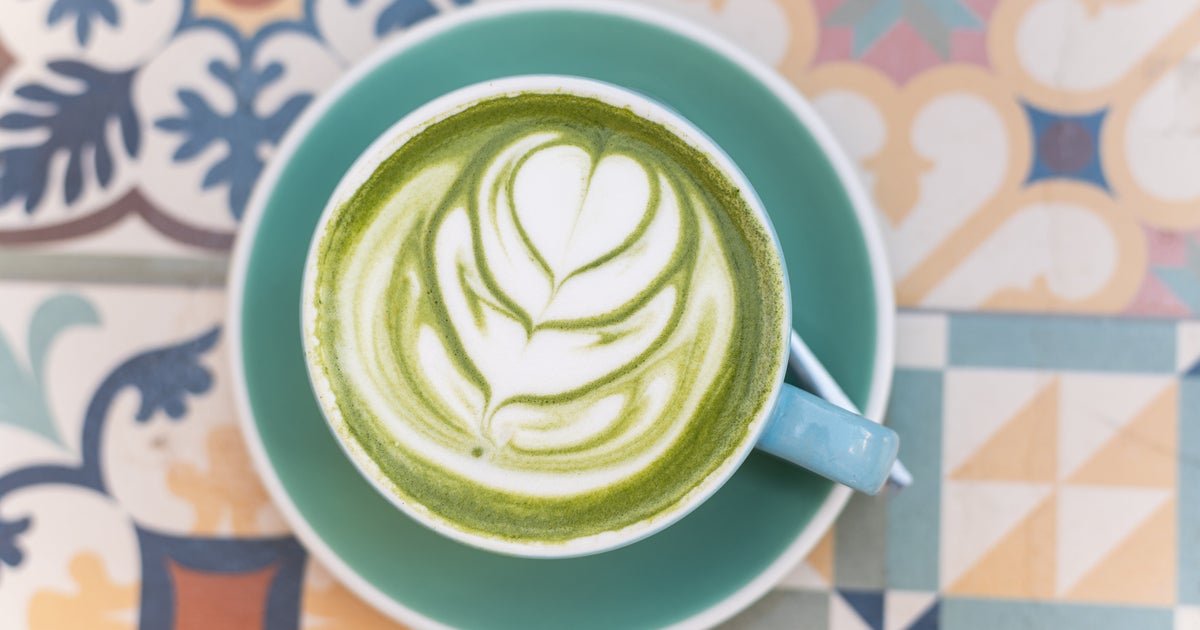
Top Reasons To Choose Matcha Over Coffee

By |2025-01-25T12:07:56+02:00January 25, 2025|Dietary Supplements News, News|0 Comments


Coffee, that eternal source of hope, clarity and goodness, can be fickle. After years of slamming back bottomless cups, you might now be struggling with jangling nerves, constant anxiety or a roiling stomach.

If you need to ease up a bit, it might be time to switch to matcha. We talked to folks who’ve made the switch to get all the tips and tricks you need for a new beverage adventure.

What is matcha, and what does it taste like?

Look, it needs to be said upfront: Matcha is green. It is, in fact, very, very green. That’s because it’s a powder made of finely ground dried leaves from the Camellia sinensis plant, the source of all true tea. If you can get over the color, will you enjoy the taste? Registered dietitian Marissa Karp said, “Matcha is a bit more earthy, and can even have sweet undertones, whereas coffee can be a bit more bitter and nutty.” Registered dietitian nutritionist Sharon Palmer described it this way: “Matcha has a smooth ‘green’ flavor, which is very different from coffee’s roasted taste.”

While some may enjoy the break from the bitterness found in many a cup o’ joe, they may also notice a lingering sense of that “green” taste Palmer mentioned. Take it from one person who’s made the switch, experience designer Nicole Celichowski. She realistically put it this way: “In general, if you don’t like the taste of freshly mowed grass, you might not ever be a convert.”

This is your body on matcha

OK, so you know it looks green and tastes green, and you’re still ready to give it a try? Beautiful. Onward to what it will do (and won’t do) to your precious nervous system. It’s a common misconception that matcha doesn’t contain caffeine. Palmer offered this roundup of the numbers: “Coffee typically has 100 to 120 mg of caffeine in a cup, but matcha has much less, only 38 to 89 mg.” So while it offers a boost, it’s been described as a kinder, gentler shake, instead of the full-body assault that coffee can launch on your delicate self.

Even the caffeine that matcha does contain might affect you differently than coffee. Karp noted that “matcha’s caffeine is absorbed a bit more slowly, due to the amino acid L-theanine that’s naturally found in green tea leaves. By slowing down absorption, many find that matcha energizes them in a calmer way, compared to the jitters that can come from coffee.”

Those who switched describe what it’s like

For some people, a sudden health issue can cause them to reach for matcha over coffee. Mina Grace Ward, known as the Graves Disease Chef, said, “Coffee contributed to disease symptoms like anxiety, panic attacks, heart palpitations and high blood pressure.” Since her diagnosis, she drinks organic matcha tea most mornings. “While it does contain caffeine, matcha treats me differently, with a gentle pick-me-up that keeps me calm,” she said.

While Ward pretty much quit coffee cold turkey, she said it might be best for those without pressing health concerns to start slowly. “Taste a few different brands to see which ones your palate gravitates toward, because not all matcha is equal.”

Indie Studios LLC via Getty Images

Matcha is made by whisking hot water and matcha powder with a bamboo whisk.

Joshua Sprung, a clinical social worker and executive regional clinical director at Southeast Addiction Center, described it this way: “I decided to switch after noticing that coffee often left me feeling anxious, especially on high-stress days. What I love about matcha is that it provides a smoother, longer-lasting energy boost. Unlike coffee, which spikes energy quickly and then crashes, matcha gives me a calm focus throughout the day.”

Another fan of the feeling matcha gives is Anouska Shenn, founder of The Office Yoga Company, who said: “I fell in love with matcha last year, because it gives me an incredibly smooth boost of energy that lasts for hours, instead of the ‘jolt and crash’ I get from coffee.”

Food scientist Bryan Quoc Le understands the science behind both beverages, and he has chosen matcha. “The combination of caffeine and L-theanine helps to mellow out the peak and crash as caffeine is metabolized throughout the body. For me, matcha helped improve concentration and reduce insomnia.”

Food artist Emily Ludolf said that she’s switched almost entirely: “Matcha gives me a more balanced energy, and while I still drink coffee occasionally for that quick boost in the morning, I avoid it in the afternoon because it affects my sleep. Plus, matcha doesn’t leave me drained once the effects wear off, like coffee sometimes does. I can see why Buddhist monks use it to meditate, and I often drink it when practicing mindfulness.”

Some still have room for both

You might think the CEO of Klatch Coffee, a southern California coffee company, would turn up her nose at matcha, but that’s not the case for Heather Perry. “Our first love is coffee, but we have quite a few matcha drinkers in our organization, and we serve it hot and cold at our cafes,” she said. Perry also likes to switch up the drinks. “I choose matcha when the caffeine content in coffee may feel like too much, or I’ll have it in the afternoons, when I just need a slight caffeine pick-me-up. It’s always an easy and refreshing option to make.”

Registered dietitian nutritionist Kiran Campbell said that, after discovering the joys of matcha, she still switches back to coffee sometimes. “I generally choose matcha over coffee when I feel I’m lacking in sleep, since I find that matcha won’t disrupt my ability to fall and stay asleep,” she said. “Matcha is also less acidic than coffee, so if I’m having symptoms like reflux or digestive issues, but need a caffeine boost, I’ll choose matcha.”

Another person who still tries a bit of coffee now and then is registered dietitian nutritionist Catherine Gervacio, who saves coffee for times “when I need to feel alert for an upcoming hectic activity.” But after just turning 40 and experiencing sleep difficulties, she praised matcha, too. “I need a beverage that can help me stay alert without affecting the quality of my sleep.”

How to make matcha

We live in a press-and-go coffee world, but matcha takes a little time to master, those who’ve switched told us. Psychotherapist Sophia Spencer observed, “The shift to matcha was actually about finding a gentler source of caffeine; but it had another impact. Unlike the process of pressing the button on my Nespresso machine, whisking matcha requires presence, so I can’t rush it or multitask. This ritual, rooted in Japanese tea ceremony traditions, actually creates a moment of slow mindfulness. The combination of the mindful ritual and calmer social interactions has been most transformative for me.”

You’ll get the hang of how to prepare it, but those who’ve already done this had a few hacks to share: “The hardest part about switching was the learning curve of getting the matcha powder to dissolve in my drink,” Shenn said. “There’s an art to this, so start by putting your preferred amount of matcha in a dry cup with a splash of hot water. I recommend starting with a quarter teaspoon of matcha, and increasing to a half or full teaspoon if you want. If you’re measuring with a spoon rather than a scale, give the spoon a little tap or a shake to level it off, rather than tamping it down, to keep your amounts consistent.

Go Ad-Free — And Protect The Free Press

The next four years will change America forever. But HuffPost won’t back down when it comes to providing free and impartial journalism.

For the first time, we’re offering an ad-free experience to qualifying contributors who support our fearless newsroom. We hope you’ll join us.

You’ve supported HuffPost before, and we’ll be honest — we could use your help again. We won’t back down from our mission of providing free, fair news during this critical moment. But we can’t do it without you.

For the first time, we’re offering an ad-free experience. to qualifying contributors who support our fearless journalism. We hope you’ll join us.

You’ve supported HuffPost before, and we’ll be honest — we could use your help again. We won’t back down from our mission of providing free, fair news during this critical moment. But we can’t do it without you.

For the first time, we’re offering an ad-free experience. to qualifying contributors who support our fearless journalism. We hope you’ll join us.

Support HuffPost

“Give it a good stir until there are no lumps. Ideally you should use a fine whisk, but the back of a teaspoon works in a pinch. Then add hot milk or water and sweetener and give it a final stir. Vanilla powder is a nice addition if you have some on hand. It balances the slight bitterness, just like adding vanilla to a chocolate recipe.”

There can be all sorts of reasons to try matcha — and some unexpected benefits of making it your drink of choice. Whether you want less caffeine, are looking for fewer afternoon “crashes” or simply want to try a drink that looks and tastes different from anything else, there’s probably a style of matcha beverage that’s just right for you. Good luck, and stay calm out there.


Source link

25 01, 2025

Will BTC Break $105K To Hit $120K?

By |2025-01-25T12:06:00+02:00January 25, 2025|Crypto News, News|0 Comments

Bitcoin maintained a trading value of about $104k on Jan. 25. The cryptocurrency launched at a high of $106,428 on Jan. 24 before maintainers reduced demand, which caused it to drop slightly.

Bitcoin maintains its support value near $100,000 points and faces resistance at about $105,000. Considering the $100,000 support zone above will ensure continued bullish price trends. A sustainable rally through $105,000 will open up more potential ascent for Bitcoin. A price drop beneath $100,000 could cause Bitcoin to fall towards successive support areas at $92,000 and then at $87,000. 

According to Coinglass Liquidations data, Bitcoin exceeded $36.03 million during the last 24 hours, showing a 34.34% increase. Long and short positions across Bitcoin markets contributed closely matched levels of liquidations, amounting to 49.96% from longs and 50.04% from shorts. Per these stats, the market seems volatile, which mixes the positive and negative market momentum.

Will BTC Break 5K To Hit 0K?

Experts in the field have established higher price forecast targets for Bitcoin. Crypto analysts predict Bitcoin’s near-term bullish momentum. They also believe successful breakthroughs of key resistance zones could push Bitcoin prices to between $118,000 and $120,000. Bitcoin’s future will largely depend on how United States policy evolves regarding cryptocurrencies and on greater macroeconomic factors. 

Onchain Indicators Signal “Distribution Region”

Research from on-chain analytics platform CryptoQuant, which published this analysis on Jan. 24, provides evidence that Bitcoin may be nearing the end of its current bull market phase. The platform’s Index of Bitcoin Cycle Indicators (IBCI) shows Bitcoin entering what it describes as the “distribution region,” which traditionally signals market cycle peaks.

Market analysts forecast Bitcoin to reach $150,000 or higher in 2025, although CryptoQuant’s on-chain assessment presents a more restrained perspective. Seven on-chain indicators within the IBCI composite monitor Bitcoin’s price cycle development and identify its big market shifts between popular measurements like Puell Multiple and Spent Output Profit Ratio and Net Unrealized Profit/Loss.

Bitcoin Price Prediction: BTC Faces Resistance at $105K, Could $120K Be Next?Gaah’s research finds that Bitcoin “may be approaching a potential cycle peak, although it cannot offer full verification now.”

Within his analysis, the network economist Timothy Peterson studied the similarities between current market conditions and earlier market cycles. A recent X post from Peterson showcased an impressive 90% alignment between the current trend and a previous market cycle over 250 days.

Bitcoin price

According to Peterson, the BTC/USD exchange rate may climb to $137,000 before dropping below six figures, implying a temporary market consolidation. Between optimistic forecasts and on-chain analysis, Bitcoin investors face significant ambiguity regarding their crypto asset’s future market momentum.

Matrixport Highlights Seasonal Trend

Data from the crypto services platform Matrixport indicates Bitcoin has consistently performed during China’s Spring Festival since 2009. The digital currency increased in value for 11 consecutive years with an 83% chance of positive results. This pattern has become among the most reliable time-based movements throughout Bitcoin history.

Bitcoin demonstrated robust performance during the recent Spring Festivals, growing by 26% and 23%, resulting in an average increase of 21% across the holidays. According to analysts, Bitcoin prices increase during festive periods because consumers show increased interest in Bitcoin products.

Multiple conflicting market indicators exist in today’s Bitcoin economy. The weekly market overview shows Bitcoin being overbought. Meanwhile, reversal indicators displayed oversold conditions last week, indicating possible support for cryptocurrency. Market participants watch carefully to determine whether Bitcoin’s seasonal price surge will repeat during this upcoming Spring Festival period.

Bitcoin Price Analysis

The technical indicators show that Bitcoin presented strong bullish signals at the time of writing. Currently priced at approximately $106,670, Bitcoin’s daily trading range spans between $104,544 and $106,740. The relative Strength Index (RSI) is at 66.334, confirming market buying signals. The coupled Stochastic Oscillator (STOCH) reaches 99.019 as the overbought zone, while the  Moving Average Convergence Divergence (MACD) delivers a buy signal count of 581.73. 

BTCUSD

Monitored moving averages across all timeframes from short-term to mid-term to long-term, agreeing with a strong buy signal and drawing support. The pivot points uncover multiple crucial support points at $105,464, $105,262, and $104,913 beside multiple resistance levels at $106,015, $106,365 and $106,566. 

The current technical analysis shows that Bitcoin holds a strong buying sentiment, indicating its significant price-rise potential in the market. The crypto market volatility requires investors to perform extensive research about all available trading factors before taking action

Source link

25 01, 2025

Citi Increases Its 2025 Oil Price Forecast on Rising Geopolitical Concerns

By |2025-01-25T11:19:13+02:00January 25, 2025|Forex News, News|0 Comments


Citi increased its oil price forecast today with expectations for geopolitical conflicts to drive the price of the energy source higher in 2025. The bank expects Brent crude to rise to an average of $67 a barrel this year, compared to its prior estimate of $62 per barrel. Citi’s average 2025 forecast for WTI crude was also increased to $63 a barrel.

A Citi note explained its reasoning behind these updated oil price forecasts. The firm believes “heightened, sustained geopolitical risks in Iran/Russia-Ukraine” could “potentially wipe out the 2025 oil balance surplus.”

How Will Trump Affect Oil Prices in 2025?

While Citi expects oil prices to increase, a wild card could change things. The bank notes that President Donald Trump “appears intent on dealmaking.” This could alter oil prices if the new President can resolve geopolitical conflicts between nations.

Additionally, President Trump wants to increase oil production in the U.S. He’s already announced an energy emergency, allowing additional oil production and looser regulations for the sector. Trump also rolled back the government’s climate change commitments and electric vehicle (EV) mandate, putting oil back in focus as the main energy source in the U.S. moving forward.

How Does This Affect Oil Stocks?

Oil stocks will likely benefit from the Trump administration’s stances. Fewer regulations and faster permit grants could see the market take off over the next four years. As such, investors might consider taking a stake in oil stocks to get ahead of those potential gains.

Turning to the TipRanks comparison tool, traders will see some of the best oil stocks. If it’s a huge upside potential and Wall Street’s backing that traders seek, then ConocoPhillips (COP) is one of the best bets with its Strong Buy rating and $134.33 price target, representing a potential 28.82% upside. Chevron (CVX) is another powerful option with the same rating and a $175.56 price target, representing a possible 10.85% upside.

See more oil stock comparisons


Source link

25 01, 2025

Waiting for the BOJ (Chart)

By |2025-01-25T10:13:10+02:00January 25, 2025|Forex News, News|0 Comments

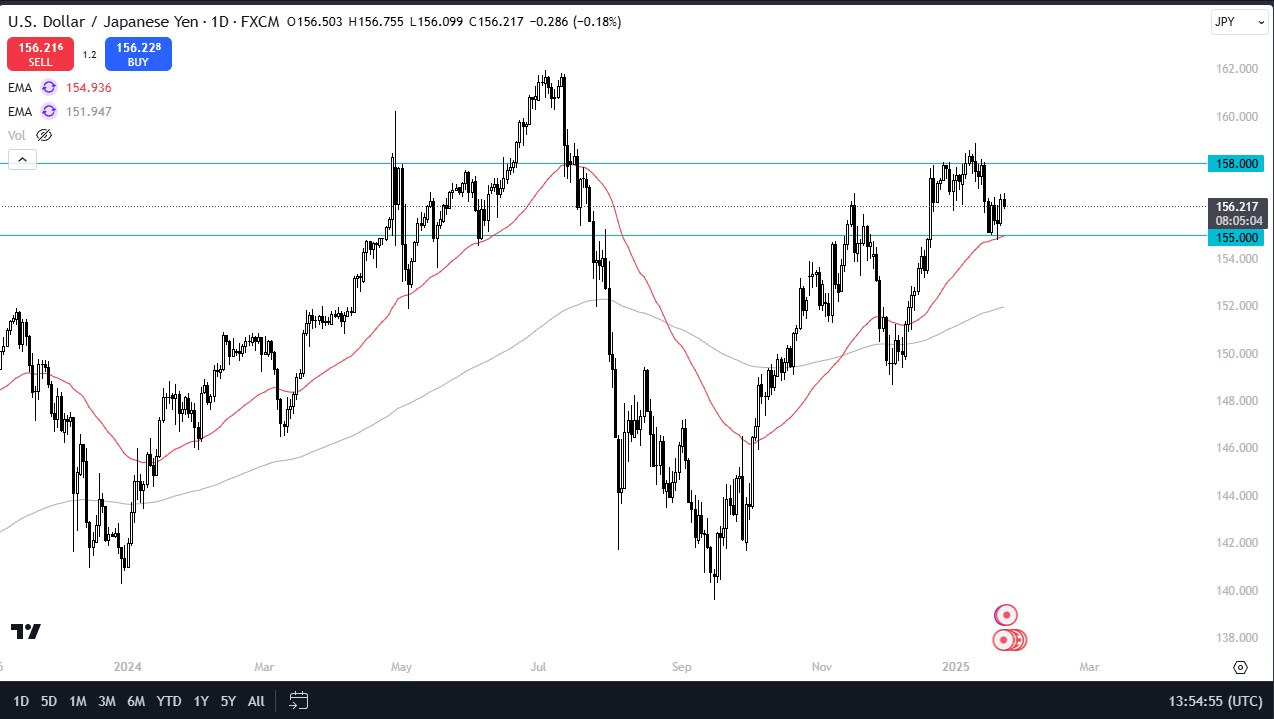
  • The US dollar had initially tried to rally during the trading session on Thursday but gave back gains showing signs of hesitation.
  • At this point, the market looks very likely to continue to bounce around as it waits to see what the Bank of Japan does next.
  • On Friday, the Bank of Japan is coming out with an interest rate decision, and therefore I think it comes down to the question of whether it does anything to tighten monetary policy.

At this point, we will likely see a knee-jerk reaction to whatever happens next. Therefore, I think if the Bank of Japan suddenly sounds like it is going to be tight, we could see this market plunge. Yet, the interest rate differential will continue to favor the US dollar quite drastically, so I think that would end up being a buying opportunity unless, of course, the Bank of Japan does something unprecedented. While rates have risen in Japan just a bit, the reality is that the differential still favors the greenback quite drastically. Of course, the US economy is by far one of the strongest in the world right now, in both hard and soft numbers. Quite frankly, if Trump gets even remotely close to what he’s trying to get done in America, the United States could be back to the 1980s.

Technical Analysis

The technical analysis for the USD/JPY market is somewhat sideways at the moment, but it’s also worth noting that we have been in an uptrend for quite some time. Therefore, I think we are working off some of the froth but also trying to sort out whether the Bank of Japan is going to be an issue. I suspect that by the end of the day on Friday, we should have quite a few questions answered, so I am cautious about getting overly aggressive one way or the other until the BoJ releases all of its noise.

If we were to break down below the 50 Day EMA, then I suspect that somewhere between there and the 200 Day EMA we would find buyers. On the other hand, if we break out to the upside, once the ¥158 level is overcome, as a barrier, it could open up a move to the ¥160 level.

Want to trade USD/JPY forex analysis and predictions? Here’s a list of forex brokers in Japan to check out.

Source link

25 01, 2025

4 Supplements You Shouldn’t Take for Weight Loss

By |2025-01-25T10:06:34+02:00January 25, 2025|Dietary Supplements News, News|0 Comments


Losing weight is challenging, and many people turn to weight-loss supplements to help achieve their goals. Who doesn’t want a quick fix? Unfortunately, many supplements marketed for weight loss don’t do what they promise—and may even work against your goals. Not only are supplements expensive, but they are also unregulated, so you don’t always know what you’re getting. The best way to lose weight is to focus on a food-first approach, which means eating plenty of nutrient-dense foods and maintaining a slight calorie deficit over time. 

In this article, we get into some popular weight-loss supplements and why nutrition professionals don’t recommend them, plus helpful tips for healthy, sustainable weight loss. Knowing what to watch out for can help you make informed choices and prioritize strategies that actually support your health and weight-loss journey.

Green Coffee Bean Extract

If you’ve searched for supplements aiding weight loss, you’ve likely come across green coffee bean extract. Quite simply, this supplement is derived from the coffee plant’s seeds, which are green before roasting. “[Green coffee bean extract] has chlorogenic acid, a coffee compound that can supposedly decrease fat absorption and speed up metabolism,” says Danielle VenHuizen, M.S., RDN, a Seattle-based dietitian and owner of Food Sense Nutrition. She adds that these claims are mostly unwarranted. 

According to the National Institutes of Health (NIH), only a few human trials have examined the effectiveness of green coffee bean extract on weight loss. These trials had poor study design and showed mixed results. While a 2020 review in Complementary Therapies in Medicine found that green coffee extract may help reduce weight and body mass index, there wasn’t a significant effect on body fat percentage, meaning that the mass lost could come from water or muscle.

Body mass index (BMI) is a measure that’s often used in healthcare to determine a person’s body weight category such as overweight or obese, and therefore, chronic disease risk. However, it has limitations and does not account for individual factors that influence one’s health status, such as body composition, ethnicity, race, sex and age. This is why it shouldn’t be used as a comprehensive measure of someone’s health and can be a source of body size stigma and bias.

“Additionally, in my clinical experience, I have yet to meet a client who has lost weight by using green coffee bean extract,” says VenHuizen. Lastly, there isn’t much information on the safety of green coffee bean extract, so buyers beware. 

Garcinia Cambogia

Garcinia cambogia is a fruit with ​​hydroxycitric acid (HCA), a compound thought to reduce fat production in the body and suppress appetite. “Studies seem to indicate that some of these claims might be true, but unfortunately, the benefits are modest, and the research is conflicting,” says VenHuizen. A 2020 review in Diabetes, Obesity & Metabolism states that there are only a small number of studies on garcinia cambogia, and the methodology is poor, meaning that these results shouldn’t be trusted. 

Even more alarming, “several studies have reported liver issues with long-term use of this supplement,” says VenHuizen. One of those studies was published in 2022 in Clinical Gastroenterology and Hepatology. This is another pretty convincing reason to avoid adding this supplement to your weight-loss regimen. 

Raspberry Ketone

Raspberry ketone is a compound found in the raspberry fruit. Small test-tube and animal studies suggest it may suppress the buildup of fat in the body, but the results are extremely limited. According to the NIH, there has only been one human study on the effects of raspberry ketones on weight loss. The participants took the supplement for eight weeks while also following a calorie-restricted diet. The raspberry ketone supplement was combined with caffeine, bitter orange, ginger, garlic, cayenne, L-theanine, pepper extract, B vitamins and chromium. 

The 45 participants who finished the study lost weight, but it’s impossible to know if it was due to the raspberry ketone blend or the calorie deficit. In short, there isn’t enough evidence to support raspberry ketones for weight loss, so save your money. Instead, we recommend snacking on some raspberries, which have several health benefits, including filling fiber and inflammation-fighting anthocyanins.

Caffeine

The most recognizable supplement on this list, caffeine is a compound that stimulates the nervous system. It’s naturally present in tea, coffee and chocolate, as well as in herbal supplements like guarana. Caffeine increases thermogenesis, the body’s natural production of heat. During this process, the body burns extra calories. 

Research suggests caffeine can help with weight loss, but a large dose is necessary to create a response. A 2020 review in Nutrients found that more than 3 milligrams of caffeine per kilogram of body weight is necessary to stimulate the breakdown of fat. For a 150-pound person, that’s 200 mg of caffeine, or two cups of coffee. 

The Food and Drug Administration states that it’s safe to consume up to 400 mg of caffeine daily, but everyone has a different tolerance level. People sensitive to caffeine may experience symptoms like nervousness, jitters, heart racing and headaches, among others. 

Although caffeine may increase fat loss, it’s not the best way to lose weight, especially because supplements with caffeine may contain more than that, plus other stimulants. That said, caffeine from natural sources like coffee is the safest way to consume caffeine. So, feel free to include a cup of coffee or tea in your day for an energy boost, but don’t expect it to affect your weight too much. 

Tips for Healthy Weight Loss 

Although they may not be quick or flashy, the most effective tools for losing weight are good old-fashioned healthy eating and exercise. VenHuizen recommends increasing fiber-rich fruits and vegetables and healthy fats in the diet. “These foods naturally increase satiety and provide anti-inflammatory benefits that may aid in weight loss,” says VenHuizen. “And unlike supplements, studies on fruit and vegetable intake show that these foods improve weight-loss efforts,” she adds. 

In addition, “Trying to stay moderately active throughout the day, especially for people who work sedentary desk jobs, can help with weight loss,” says Madeleine Putzi, M.S., RDN, a Pittsburgh-based dietitian. She recommends getting up and walking around once per hour to increase your total amount of steps for the day, which is an easy and non-taxing way to increase your daily calorie burn. 

Putzi also suggests investing in a standing desk and/or a walking pad if possible. “If you walk for 10 minutes at 3 miles per hour, you will hit around 1,000 steps. Do that every hour, and that’s an easy 8,000 steps by the end of your workday,” says Putzi.

The Bottom Line

Weight-loss supplements are usually not worth the expensive price tag. If a supplement promises to “magically burn fat or flatten your belly,” chances are it’s not the miracle that’s promised on the bottle. A food and exercise approach to weight loss is the most effective way to reach your weight-loss goals in a sustainable way.


Source link

Go to Top