About Editorial team of BIPNs

Main team of content of bipns.com. Any type of content should be approved by us.
18 11, 2025

Franklin Templeton ETF Launches Today but Maxi Doge Tipped for 100x

By |2025-11-18T19:51:30+02:00November 18, 2025|Crypto News, News|0 Comments

XRP’s price is down – but its fundamentals are hotter than ever. Canary’s XRPC ETF launched with a bang last week, attracting $58 million in opening-day volume. The move reflects deep institutional interest – and excitement is growing, with Franklin Templeton’s XRP ETF set to launch today.

Despite ETF tailwinds, the XRP price followed the broader market into bearish territory this week, falling 12% to $2.15 today. However, with institutional appeal clearly there, could we see XRP rebound in the weeks ahead?

Our XRP price prediction aims to evaluate the potential impact these ETFs could have on the asset’s short- and long-term pricing dynamics. We’ll consider both the historical performance of other cryptos with ETFs and analyst opinions.

But as the market focuses on XRP, analysts have spotted another crypto that’s currently flying under the radar – but could offer massive upside. It’s called Maxi Doge (MAXI), and it’s building traction in its presale at an impressive pace, raising $4 million thus far.


This publication is sponsored. CryptoDnes does not endorse and is not responsible for the content, accuracy, quality, advertising, products or other materials on this page.


What Franklin Templeton’s ETF Means for the XRP Price

Canary’s XRPC ETF burst out of the gate with $245 million of creations (new shares of the ETF) on day one. ETF expert Eric Balchunas declared that both XRPC and the newly listed Bitwise Solana ETF BSOL “are in a league of their own,” with no other 2025 ETF launch coming close to their initial momentum, reflecting deep investor appetite for mainstream altcoin exposure.

The crypto analyst Diana underlined that Franklin Templeton is next in line to launch its XRP ETF today. This will be followed by Bitwise on Thursday, then 21Shares, CoinShares, Grayscale, and WisdomTree – all within the next week.

Both Bitcoin and Ethereum ETF launches in 2024 demonstrated a similar dynamic to what we’ve seen so far with XRP and Solana: strong institutional demand, but negative immediate price movements. However, the long-term effects of ETF demand helped fuel the BTC and ETH rallies during this market cycle.

It took Bitcoin less than one month after its January 2024 ETF launch to gain bullish momentum, whereas it took Ethereum between 4 months and a year, due to intermittent volatility.

Judging by Canary’s ETF launch, Franklin Templeton and other issuers are likely to drive significant fresh demand into XRP, which could help fuel the next rally – especially if the broader market rebounds. But what are analysts saying?

XRP Price Prediction: Analyst Predicts $6 Surge

Steph Is Crypto notes that XRP has a deep liquidation cluster above $3, suggesting that the price could move in this direction next.

However, Crypto Fergani suggests that the rally could extend toward $6. One reason this analysis holds credibility is that unlike other major cryptos such as Bitcoin, Ethereum, and Solana, XRP has successfully defended its key $2 support level despite the crash, providing structural strength that could enable a stronger rebound.

XRP’s combination of institutional appeal, upside liquidity risk, and structural chart strength is an exciting setup. It makes the project one of the standout players in line for an aggressive rebound. But as optimism builds, another project analysts believe is poised for substantial gains is Maxi Doge – so let’s look at what it’s all about.

Analyst Predicts 100x ROI as MAXI Presale Crosses $4M

Maxi Doge (MAXI) is undergoing a presale – and it’s on fire. The project has successfully raised over $4 million so far, fueled by rising investor appetite as projects already listed on exchanges struggle.

It’s branded around Dogecoin’s Shiba Inu motif, but introduces an entirely new concept. Futures trading integrations, community rewards, and degen-themed branding are its three main pillars.

The team plans to integrate MAXI into perpetual futures platforms, allowing users to trade it with leverage in both directions if they wish. There will also be weekly trading competitions, where MAXI holders with the highest trading ROI receive free tokens, adding an interactive, competitive element to the project.

Franklin Templeton ETF Launches Today but Maxi Doge Tipped for 100x

Furthermore, the team plans to run community activation events to boost holder engagement. It has also added a staking mechanism to the presale that provides passive rewards, currently valued at a 76% APY.

With over $4 million raised, it’s clear that a lot of investors have belief in Maxi Doge’s potential. And leading analysts do too: Alessandro De Crypto recently predicted MAXI could see 100x gains, for example.

Conclusion: XRP, Maxi Doge Set to Heat Up

The past few months have been rough for crypto. Bitcoin has slid 28% from its ATH, and most altcoins have taken even bigger hits. But with institutional capital now flowing into altcoin ETFs, the tide may finally be turning.

If bullish momentum rekindles, XRP hitting $6 in the coming months is a real possibility. Meanwhile, Maxi Doge’s early-stage positioning, fast-growing presale, and innovative meme-utility approach give it the potential to deliver even larger upside.

This publication is sponsored. CryptoDnes does not endorse and is not responsible for the content, accuracy, quality, advertising, products or other materials on this page. Readers should do their own research before taking any action related to cryptocurrencies. CryptoDnes shall not be liable, directly or indirectly, for any damage or loss caused or alleged to be caused by or in connection with use of or reliance on any content, goods or services mentioned.

Nikolay is a cryptocurrency analyst and market writer with years of experience tracking digital asset trends and emerging blockchain technologies. A long-time crypto enthusiast, he actively trades across major exchanges and specializes in identifying early-stage projects and meme tokens. His analysis combines technical insight with a strategic, long-term investment perspective.


TelegramTelegram


Source link

18 11, 2025

Biosimilars for Cancer Treatment – HealthyWomen

By |2025-11-18T19:31:28+02:00November 18, 2025|Fitness News, News|0 Comments

A biosimilar is a medicine that is similar to an existing, brand name biologic medicine (a medicine made from living cells and organisms). Although biosimilars are not identical copies of biologics, they’re very close and work in the same way.

Like biologics, biosimilars have many different uses, including treating certain types of cancer.

We spoke with Gury Doshi, M.D., medical director at Texas Oncology-Houston West and chair of The US Oncology Network Pharmacy and Therapeutics committee, to learn more about these promising treatments.

How is a biosimilar different from a biologic vs. a generic medication?

Biologics are medicines that are made up of living cells or organisms. That’s why they’re called biologics — bio meaning living cells. Some examples of biologics are gene therapies, stem cell therapies, monoclonal antibodies and recombinant proteins.

These medicines are used to treat chronic conditions, including autoimmune disorders like rheumatoid arthritis, lupus and Crohn’s disease, as well as some cancers.

A generic medication is an exact chemical copy of a medicine, with identical active ingredients. It’s not possible to make an exact copy of a biologic since they’re made from a living source, so biosimilars are as close as you can get. There are slight differences between the two, but not enough to affect their structure or function.

Read: Understanding Monoclonal Antibodies >>

Are biosimilars safe and effective?

Yes, absolutely. The FDA won’t allow a biosimilar on the market unless they see data showing safety and effectiveness. After the medicine has been approved, they continue to keep an eye on it to make sure it’s safe and works the way it should.

Is the FDA approval process different for a biosimilar?

The approval process for a biosimilar is an abbreviated process. When the FDA is deciding whether to approve a biosimilar, they don’t look at how chemically close the medicine is to the biologic it’s modeled after. They only look at whether the biosimilar is safe and effective.

Are there advantages to biosimilars?

The fact that biologics are made from living cells and organisms is what makes them special, but it also makes them a little more expensive to develop. Since biosimilars are based on a biologic as opposed to being invented from scratch, they don’t cost as much to make. This savings often gets passed on to patients.

Having a cheaper but just as effective alternative to biologics means we can offer these treatments to more patients and get them started sooner — which may ultimately lead to better outcomes.

Read: Understanding Biosimilars: Better Access to Advanced Medicines >>

Is there any difficulty with insurance coverage for biosimilars?

No. Insurance companies now understand the role of biosimilars, and they get that everybody (including insurers) benefits from having more treatment options. In my experience, they’re very comfortable with covering biosimilars, but which biosimilars are covered will vary according to a person’s insurance plan.

How do biosimilars work for cancer?

Biosimilars have ushered in an era of expanded possibilities for cancer treatment. The type of biosimilar now used the most for cancer treatment is monoclonal antibodies. These medicines work by binding to a certain protein on a cancer cell, helping to block signals for cancer growth.

One is called bevacizumab, and it’s used to treat metastatic colon cancer, lung cancer and kidney cancer. Others we use are trastuzumab to treat HER2-positive breast cancer, and rituximab to treat non-Hodgkin’s lymphoma.

We also use biosimilars to provide supportive care to patients with cancer. One called epoetin helps with anemia caused by chemotherapy, and another called filgrastim is used for neutropenia (low white blood cell counts).

What questions should I ask my cancer care team about biosimilars?

Questions you could ask are:

  • What is the biologic medicine that this biosimilar is based on?
  • Is there any difference in the dosing or how often it’s given?
  • Are there any side effects that are unique to this biosimilar?
  • Is this biosimilar given in the same way as the biologic (through an IV or by injection)?

It’s our job as providers to make sure our patients know they have choices in their treatment and to have all the information they need about these choices.

Is there anything else you’d like people to know about biosimilars for cancer?

Biosimilars have opened up cancer treatment opportunities for patients not just in the United States, but throughout the world. They’ve really been the unsung heroes of modern cancer treatment.

This educational resource was created with support from Sandoz.

From Your Site Articles

Related Articles Around the Web


Source link

18 11, 2025

‘Consumed half a bottle of…’

By |2025-11-18T17:56:27+02:00November 18, 2025|Dietary Supplements News, News|0 Comments


Neha Bhasin was a part of India’s first all-girls pop group Viva. After a Channel V executive made disrespectful comments about her body in a room full of people, the singer attempted suicide by consuming more than half a bottle of fat burners.

Popular female playback singer Neha Bhasin is known for her several hit Bollywood songs including Jag Ghoomeya in Sultan, Kuch Khaas Hai in Fashion, Dhunki in Mere Brother Ki Dulhan, and Chashni in Bharat. Her singing journey began at the age of 18 when she won the singing reality show Channel V’s Coke [V] Popstars in 2002, along with four other young singers – Seema Ramchandani, Pratichee Mohapatra, Mahua Kamat and Anushka Manchanda. They formed India’s first all-girls music group Viva.

In a podcast with comedians Bharti Singh and Haarsh Limbachiyaa earlier this year, Neha recalled that she was put on fat burners a year after becoming a part of Viva. She shared that she was unaware of their effects at such a young age. She also recalled a shocking incident when one of the executives from Channel V made disrespectful comments about her body in a room full of people.

“He paused a music video, circled my stomach on screen, and said ‘See, you are so fat. Because of this, we can’t release the video.’ I was 50 kg at that time. I remember going home and, in anger, consuming more than half a bottle of fat burners. That was my way of trying to commit suicide. For two days, I was throwing up. The band did not know what had happened”, Neha stated.

While everyone knows about her singing career, not many know that Neha Bhasin also tried her hand at acting. She starred in the 2012 black comedy film Life Ki Toh Lag Gayi, that also featured Kay Kay Menon and Ranvir Shorey. The movie received horrible reviews from the audiences and critics, and bombed at the box office. The singer was also a part of the controversial reality shows Bigg Boss OTT Season 1, hosted by Karan Johar, and Bigg Boss 15, hosted by Salman Khan, in 2021.

READ | Nayanthara birthday: Lady superstar owns private jet, luxurious home worth Rs 100 crore; changed her religion after extramarital affair with…


Source link

18 11, 2025

Cardano, Bitcoin & Crypto – European Wrap 18 November

By |2025-11-18T17:50:29+02:00November 18, 2025|Crypto News, News|0 Comments

Cardano (ADA) is largely in bearish hands, trading above support at $0.45 at the time of writing on Tuesday. The downtrend builds on a bearish outlook that has weighed on the smart contracts token since July, when ADA peaked at $1.02. 

Bitcoin’s falling further, down 25% from its record high of 126.2k at the start of October, dropping to a low of 89.1k today, a level last seen in April. The largest cryptocurrency has fallen in seven of the past eight sessions, a losing streak that has left it trading in the red for 2025. 

Chart

Bitcoin (BTC) is trading above $91,000 at the time of writing on Tuesday, down slightly on the day but trimming some earlier losses, weighed by risk-off sentiment in the broader cryptocurrency market. Altcoins, including Ethereum (ETH) and Ripple (XRP), are showing signs of mild recovery, hovering above $3,000 and around $2.18, but the broader trend remains bearish.

Chart

Source link

18 11, 2025

Testosterone for Women – HealthyWomen

By |2025-11-18T17:30:28+02:00November 18, 2025|Fitness News, News|0 Comments

Testosterone isn’t only a “men’s hormone” — women make it too, just in much smaller amounts. In women, testosterone helps with sexual desire and arousal and plays a role in bone, muscle and brain health. Many experts agree the evidence points to using testosterone therapy in women to treat low sexual desire that is upsetting or distressing after menopause, a condition called hypoactive sexual desire disorder (HSDD).

There’s no FDA‑approved testosterone made just for women in the United States yet, so care can feel confusing. Here’s what you should know.

What is testosterone?

Testosterone is one of the body’s sex hormones that plays a big role in the reproductive system for both men and women. “In women, we think it might be important for bone mass, mood and other areas of health, but we’re still figuring that out,” said Nora Lansen, M.D., a family physician and chief medical officer at Elektra Health.

A lot more is known about testosterone’s direct effects for men, including its strong impact on libido, bone mass, mood and muscle growth, explained Lansen. “Average levels are about 10 to 20 times higher in men than in women,” she said.

For women, testosterone levels slowly decline with age, reach a low point in the late 50s, then rise slightly again. Research shows this pattern has more to do with age than with the menopause transition itself.

What is testosterone used for?

Testosterone is best supported for postmenopausal women with low sexual desire that is upsetting or distressing, after a full check of other causes like medications, sleep, mood, pain and relationship factors, said Sameena Rahman, M.D., an OB‑GYN and sexual medicine specialist. Major medical groups including The Menopause Society follow this approach and advise careful dosing and monitoring.

Lansen noted that treatment is personal and that desire can be influenced by other factors. If a woman’s testosterone levels are normal or high, putting additional testosterone into her system would be neither safe nor helpful, she explained. While testosterone is most often prescribed postmenopause, Lansen said it may be considered for women in late perimenopause on a case-by-case basis after evaluation and lab review.

How testosterone therapy works

Before any prescription, your healthcare provider (HCP) should look at the whole picture. If low desire is still upsetting after that workup, testosterone may be considered for HSDD.

Forms and doses

In line with the International Society for the Study of Women’s Sexual Health (ISSWH), most experts prescribe very low-dose skin gels or creams that were designed for men but given at a fraction of the male dose. Many start their patients around one-tenth (some use even less) and adjust slowly. A small, measured amount is applied once a day to clean skin, such as the thigh. Pellets are usually avoided because they cannot be adjusted or removed and may raise levels too high, said pharmacist Jobby John, PharmD, founder of compounding pharmacy Lake Hills in Bee Cave, Texas.

Metered dosing helps

Compounded, metered‑dose devices let each “click” equal one dose, which cuts down on measuring errors and lowers transfer risk, noted John. Some providers also use tiny vaginal tablets for local tissue effects when appropriate, which are made per‑patient with a valid prescription, and should follow specific quality standards, John said.

Monitoring and safety

HCPs often check total testosterone about three to six weeks after starting or changing a dose, then every four to six months when stable. The goal is to keep levels in a normal premenopausal range and watch for side effects. Call your HCP if you notice:

  • Acne
  • More facial hair
  • Thinning hair on the scalp
  • A deeper voice
  • Clitoral growth

We do not yet know the long-term effects on the heart, brain, bones or breast tissue. Practice shared decision-making with your HCP to determine whether the benefits of using testosterone outweigh the risks for you.

Insurance and cost

Because there is no FDA-approved testosterone for women in the U.S., the medicine is often not covered by insurance. Office visits and labs may be covered. “Compounded testosterone is almost never covered by insurance, and most women pay about $45 to $90 per month, depending on the formula,” said John. Coupons may lower the cost of male-labeled gels used at very low doses.

Read: What You Need to Know: Compounded Medications >>

Access and equity

Off-label status and cash-pay costs make care harder for people with lower incomes and those who live far from specialty clinics. Research shows there are already gaps in menopause care by race and income. Women of color are less likely to be offered or to receive standard hormone therapy, and cost, bias and medical mistrust can all play a role in those disparities.

When a treatment is off‑label and cash‑pay, those gaps can widen. “Although it’s really great that menopause is a topic being increasingly discussed in the media, it’s not fair to provide menopause information to all but reserve treatment for only those who can afford it,” said Lansen.

If cost or access is a barrier, ask about:

  • Insurance‑friendly clinics (including Medicaid) and financial counseling
  • Telehealth options and pharmacies that ship
  • Cash prices and discounts for low‑dose, male‑labeled gels used off‑label
  • Accredited compounding pharmacies (PCAB/NABP) and clear, metered dosing to avoid waste

The future of testosterone therapy for women

Researchers are working on women-specific formulations and better long-term safety data. Australia already has a testosterone cream dosed for women, and some experts want an FDA‑approved option in the U.S. so dosing and access are clearer. Until then, care will likely remain off‑label, with careful monitoring and attention to equity and cost.

From Your Site Articles

Related Articles Around the Web


Source link

18 11, 2025

Cloudflare down impacts Crypto today: Cloudflare outage today impacts crypto: Toncoin, Arbiscan, BitMEX, DefiLlama are down – here’s what happened

By |2025-11-18T16:29:39+02:00November 18, 2025|News, NFT News|0 Comments


Cloudflare down: A widespread outage across Cloudflare’s internet services caused major disruption on Tuesday, leaving several crypto platforms and popular websites temporarily inaccessible, as per a report.

Cloudflare Outage Impacts Crypto: Toncoin and Arbiscan Go Down Today

Toncoin was hit with what it described as a “major outage,” while Arbitrum’s block explorer, Arbiscan, also went down on Tuesday, as per a Coindesk report. Other websites, including social media platform X (Twitter) and data site DefiLlama, displayed intermittent “internal server errors” as the outage unfolded, as per the report.

Is Cloudflare Down Today

Cloudflare acknowledged the problem at 11:48 UTC, saying that, “Cloudflare is aware of, and investigating an issue which impacts multiple customers: Widespread 500 errors, Cloudflare Dashboard and API also failing,” as quoted by the CoinDesk report.

ALSO READ: What is Cloudflare? How a major outage crashed parts of the internet and made X go down today

Why Cloudflare’s 500 Error Took Down Multiple Websites Simultaneously

A 500 error typically signals an internal server issue that prevents a website from loading, so that means that website users will not be able to access a web page as long as the error persists, as per the report.


The disruption comes only weeks after Amazon Web Services (AWS) suffered a major outage of its own, which knocked thousands of websites and applications offline, as per the CoinDesk report. Platforms affected during that incident included Coinbase’s trading service, its Base layer-2 network, and the trading app Robinhood, as per the report.ALSO READ: Bull or bear market? Investors are tracking two key events – Nvidia earnings and September jobs report

BitMEX Also Investigating Outage Linked to Cloudflare Error

Crypto exchange BitMEX also reported that it was investigating an outage linked to the latest Cloudflare issues, as reported by CoinDesk.

Cloudflare’s NET Dollar Stablecoin Yet to Launch

The internet services company previously announced NET Dollar, a US dollar–backed stablecoin, in September, although it has yet to launch, as per the report.

Cloudflare Stock Drop After the Internet Outage

Cloudflare Inc (NET) shares fell 3.5% in pre-market trading following the outage, reported CoinDesk.

FAQs

Is X (Twitter) down because of Cloudflare?
Yes, X saw intermittent internal server errors linked to the Cloudflare outage.

Is Cloudflare fixing the outage?
Cloudflare said it is investigating the issue and working on a fix.


Source link

18 11, 2025

The GBPJPY repeats the bullish attempts– Forecast today – 18-11-2025

By |2025-11-18T16:08:29+02:00November 18, 2025|Forex News, News|0 Comments

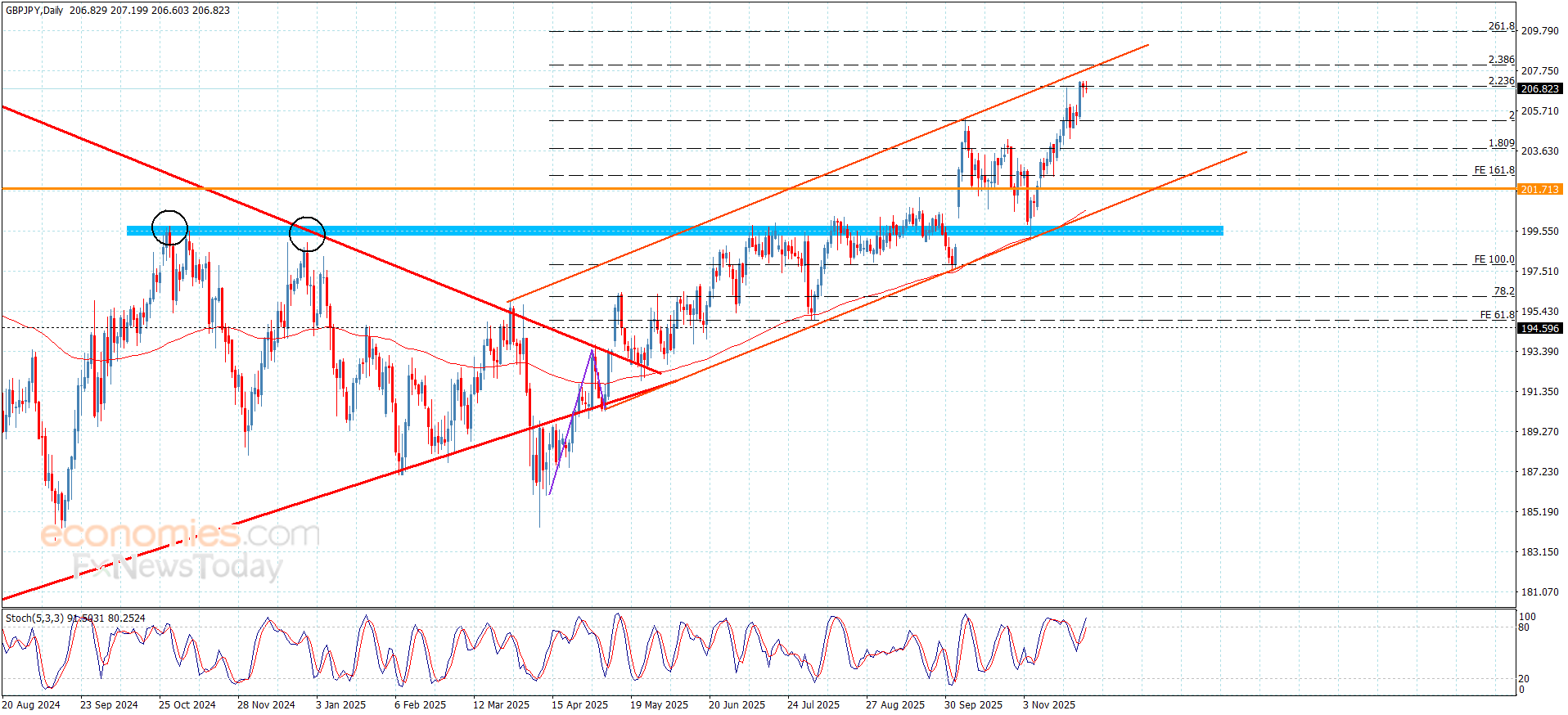
The GBPJPY pair continued providing positive trading, noticing its stability above 203.95 and recording some gains by its rally towards 204.50, but stochastic negativity by its attempt to surpass the overbought level that might decelerate the bullish rally in the current period trading.


All that make us prefer the sideways trading, reminding you that the stability above the support at 201,70 forms a main factor for confirming the dominance of the bullish track, therefore, we will keep waiting for gathering extra bullish momentum to ease the mission of recording positive gains by its rally towards 205.25.


The expected trading range for today is between 203.35 and 204.65


Trend forecast: Fluctuated within the bullish track


Source link

18 11, 2025

Plant-Based Vitamin D3 Supplements Market | Global Market Analysis Report

By |2025-11-18T15:55:29+02:00November 18, 2025|Dietary Supplements News, News|0 Comments


Plant-Based Vitamin D3 Supplements Market Forecast and Outlook 2025 to 2035

The plant-based vitamin D3 supplements market is valued at USD 596.4 million in 2025 and is forecasted to reach USD 935.0 million by 2035, growing at a CAGR of 4.6%. Market growth is supported by increasing consumer preference for vegan and vegetarian nutrition, rising awareness of vitamin D deficiency, and wider adoption of plant-derived cholecalciferol sourced from algae and lichens. These supplements provide an alternative to lanolin-derived D3 while offering equivalent bioavailability, supporting their use across general wellness, bone health, and immune support applications.

Tablets represent the leading product segment due to their stability, long shelf life, and ease of dosage control. They are widely used across retail and online distribution channels and are preferred by manufacturers for cost-effective production and formulation flexibility. Advances in plant-derived extraction methods, allergen-free formulations, and clean-label ingredient profiles are influencing product development strategies in this category.

Quick Stats for Plant-Based Vitamin D3 Supplements Market

  • Plant-Based Vitamin D3 Supplements Market Value (2025): USD 596.4 million
  • Plant-Based Vitamin D3 Supplements Market Forecast Value (2035): USD 935.0 million
  • Plant-Based Vitamin D3 Supplements Market Forecast CAGR: 4.6%
  • Leading Type in Plant-Based Vitamin D3 Supplements Market: Tablet
  • Key Growth Regions in Plant-Based Vitamin D3 Supplements Market: Asia Pacific, Europe, and North America
  • Top Players in Plant-Based Vitamin D3 Supplements Market: Vegetology, Cytoplan, Sweet Cures, Lamberts Healthcare, Healthspan, Solgar, DR.VEGAN, Biogen, Life Extension, Inlife Pharma, Land Art, Nordic

Asia Pacific leads global market expansion, driven by growing nutrition awareness and increased adoption of plant-based supplements in China, India, and Australia. Europe and North America maintain strong demand through established nutraceutical markets and sustained interest in vegan dietary products. Key companies include Vegetology, Cytoplan, Sweet Cures, Lamberts Healthcare, Healthspan, Solgar, and DR.VEGAN, focusing on formulation quality, plant-based sourcing, and evidence-supported nutrient delivery.

What is the Growth Forecast for the Plant-Based Vitamin D3 Supplements Market through 2035?

The acceleration and deceleration pattern shows an initial period of firm growth followed by a gradual shift toward steadier demand. Between 2025 and 2029, the market will move through an acceleration phase driven by increased consumer preference for vegan and allergen-free supplements. Expansion of plant-derived D3 sourced from lichen, along with wider distribution through e-commerce and specialty nutrition channels, will support early momentum. Regulatory clarity for plant-based fortification in major regions will further reinforce short-term growth.

From 2030 to 2035, the market will enter a mild deceleration phase as adoption becomes more uniform across established dietary-supplement categories. Growth will rely on replacement purchases, incremental formulation improvements, and broader inclusion of plant-based D3 in multivitamins, functional foods, and fortified beverages. While discretionary spending patterns may create minor fluctuations, consistent demand for vegan alternatives and clean-label ingredients will support stable expansion. The overall pattern reflects a market transitioning from early lifestyle-driven acceleration to a mature stage shaped by product standardization, recurring use, and continued interest in plant-sourced micronutrient supplementation.

Plant-Based Vitamin D3 Supplements Market Key Takeaways


Metric Value
Market Value (2025) USD 596.4 million
Market Forecast Value (2035) USD 935.0 million
Forecast CAGR (2025 to 2035) 4.6%

Why is the Plant Based Vitamin D3 Supplements Market Growing?

The plant based vitamin D3 supplements market is growing as consumers shift toward vegan and vegetarian diets and seek nutrient sources that do not rely on animal ingredients. Plant derived D3, typically obtained from lichen or algae, appeals to users who prioritise ethical, ecofriendly and clean label supplements. Rising awareness of vitamin D deficiency across all age groups also supports higher supplement intake for bone health, immunity and general wellness.

Improvements in extraction methods and formulation allow manufacturers to offer high potency capsules, oils, gummies and fortified foods that meet varied consumer preferences. Online retail and subscription services increase availability and encourage routine use. Growth is further supported by wider adoption of plant based nutrition in fitness, sports and lifestyle markets. Constraints include higher production costs for plant sourced D3, limited global suppliers for raw material and varying regulatory requirements across regions that influence product claims and distribution.

Which Product Type and Application Segments Lead the Plant-Based Vitamin D3 Supplements Market?

The plant-based vitamin d3 supplements market is segmented by product type and application. By product type, the market includes liquid preparations, tablet forms, and others. Based on application, it is categorized into online sales and offline sales channels. Regionally, the market is divided into Asia Pacific, Europe, North America, and other key regions.

By Product Type, the Tablet Segment Accounts for the Largest Market Share

Plant Based Vitamin D3 Supplements Market Analysis By Product Type

The tablet segment represents the leading category in the plant-based vitamin D3 supplements market, accounting for an estimated 58.0% of total market share in 2025. Tablets are widely adopted due to their longer shelf life, dosing consistency, and compatibility with established supplement distribution channels. They remain the dominant format for daily nutritional supplementation and are favored by consumers seeking standardized intake and cost-efficient options.

The liquid preparations segment follows with an estimated 32.0% share. Liquid formulations support flexible dosing, faster absorption, and suitability for children and elderly users who prefer non-tablet forms. The others category, including gummies, sprays, and powder sachets, accounts for about 10.0%, driven by niche demand for convenience-oriented formats.

Key factors supporting the tablet segment include:

  • High stability and longer product shelf life.
  • Ease of mass production and packaging consistency.
  • Broad consumer familiarity with tablet supplements.
  • Lower storage and transportation requirements compared to liquid forms.

By Application, the Online Sales Segment Represents the Dominant Market Category

Plant Based Vitamin D3 Supplements Market Analysis By Application

The online sales segment accounts for approximately 61.0% of the plant-based vitamin D3 supplements market in 2025. E-commerce growth, combined with increasing consumer preference for home delivery of nutritional products, has accelerated online supplement purchases. Digital platforms offer product variety, transparent ingredient information, and subscription-based replenishment services.

The offline sales segment, representing about 39.0%, includes pharmacies, health stores, supermarkets, and specialty nutrition retailers. Offline distribution remains important for consumers who prefer in-person consultation or immediate product availability.

Primary dynamics driving demand from the online sales segment include:

  • Expansion of e-commerce channels for nutritional supplements.
  • Increased consumer preference for direct-to-door delivery and auto-replenishment.
  • Availability of detailed product descriptions, reviews, and certification information.
  • Growth in digital health and wellness purchasing behavior.

What are the Drivers, Restraints, and Key Trends of the Plant-Based Vitamin D3 Supplements Market?

Growing interest in vegan nutrition, rising awareness of Vitamin D deficiency, and increased preference for sustainably sourced ingredients are driving market growth.

The Plant-Based Vitamin D3 Supplements Market is expanding as consumers shift toward vegetarian and vegan lifestyles and seek alternatives to traditional lanolin-derived Vitamin D3. Rising global awareness of Vitamin D deficiency, especially in regions with limited sunlight exposure, strengthens demand for daily supplementation. Plant-based D3 derived from lichens and algae appeals to consumers who prioritise clean-label, allergen-free, and ethically sourced ingredients. The expansion of e-commerce and direct-to-consumer health brands allows plant-based supplements to reach wider demographics, including individuals seeking immune-support formulations, bone-health blends, and holistic wellness products. Manufacturers are improving product stability, potency, and bioavailability, making plant-derived D3 formulations competitive with established animal-based variants.

Higher production cost, limited raw material supply, and variability in product potency are restraining adoption.

Plant-based Vitamin D3 generally costs more to produce than conventional D3 due to constrained raw material availability and specialised extraction processes. These cost differentials can limit adoption in price-sensitive markets or among large-scale supplement formulators. Supply chain limitations for lichen and algae sources can create inconsistency in availability, which affects production planning and pricing stability. Potency variations across plant-based inputs require stringent testing and standardisation, increasing regulatory and quality-control burdens. Some consumers also remain unaware of the functional differences between plant-based and traditional D3, limiting immediate transition across mainstream retail channels.

Expansion of fortified plant-based foods, integration of D3 into multi-nutrient complexes, and rising adoption in emerging wellness markets are shaping industry trends.

Manufacturers are incorporating plant-derived D3 into fortified beverages, dairy alternatives, cereals, and functional snacks to meet consumer demand for convenient nutrient intake. Multi-nutrient complexes combining plant-based D3 with calcium, magnesium, K2, and omega-rich oils are gaining traction across wellness and bone-health categories. Growth in Asia Pacific, Latin America, and the Middle East reflects increasing awareness of nutritional deficiencies and improved access to premium supplements through digital retail platforms. Advances in algae cultivation, extraction research, and ingredient stabilisation are expected to broaden supply availability and support long-term market expansion.

Analysis of the Plant-Based Vitamin D3 Supplements Market by Key Country

The global plant-based Vitamin D3 supplements market is expanding through 2035, supported by increased adoption of vegan nutrition, rising interest in non-animal vitamin sources, and broader demand for clean-label products. China leads with a 6.2% CAGR, followed by India at 5.8%, reflecting strong consumption of plant-derived nutrition and expanding supplement retail channels. Germany grows at 5.3%, supported by regulated product standards and rising preference for algae-derived ingredients. Brazil records 4.8%, driven by increasing awareness of plant-based micronutrients. The United States grows at 4.4%, while the United Kingdom (3.9%) and Japan (3.5%) sustain stable demand through established nutraceutical markets and consistent clean-label trends.

Plant Based Vitamin D3 Supplements Market Cagr Analysis By Country


Country CAGR (%)
China 6.2
India 5.8
Germany 5.3
Brazil 4.8
USA 4.4
UK 3.9
Japan 3.5

How is China leading the Plant-Based Vitamin D3 Supplements Market?

China’s market grows at 6.2% CAGR, supported by rising interest in plant-based nutrition, increasing vitamin-deficiency awareness, and expanding availability of algae-derived Vitamin D3 formulations. Manufacturers offer capsules, gummies, and liquid drops tailored to adult and senior consumers seeking non-animal products. Domestic supplement brands integrate plant-based D3 into multivitamin blends and immunity-support formulations. Growth in e-commerce and pharmacy channels strengthens distribution across major cities and secondary regions. Broader adoption of plant-based diets and increased preventive-health spending reinforce long-term demand for non-synthetic, non-animal vitamin sources.

Key Market Factors:

  • Rising use of algae-derived D3 in standalone and blended supplements.
  • High demand through e-commerce and nationwide pharmacy networks.
  • Increased consumer interest in non-animal, clean-label nutrients.
  • Growth in preventive-health purchasing across urban households.

How is India advancing the Plant-Based Vitamin D3 Supplements Market?

India’s market grows at 5.8% CAGR, driven by rising health-supplement use, increased vitamin-deficiency prevalence, and stronger demand for vegan formulations. Plant-based Vitamin D3 products made from lichen or algae gain traction among adults adopting clean-label options. Domestic nutraceutical companies launch capsules, sachets, and chewable formats suited for daily supplementation. Growth in online platforms and organized pharmacy chains expands accessibility across metro and Tier-2 cities. Preventive-health awareness and lifestyle-related deficiency concerns support ongoing adoption of plant-derived Vitamin D3 within general wellness routines.

Market Development Factors:

  • Strong demand for vegan and clean-label supplement formats.
  • Expansion of nutraceutical brands offering algae- and lichen-based D3.
  • Increased use across preventive-health and daily wellness categories.
  • Broader distribution through pharmacies and digital health platforms.

How is Germany advancing the Plant-Based Vitamin D3 Supplements Market?

Plant Based Vitamin D3 Supplements Market Europe Country Market Share Analysis, 2025 & 2035

Germany’s market grows at 5.3% CAGR, supported by established dietary-supplement regulations, rising preference for plant-sourced micronutrients, and broad adoption of algae-derived Vitamin D3 within vegan product portfolios. Consumers favor formulations featuring verified purity, documented sourcing, and compliance with European ingredient guidelines. Retailers and health stores supply capsules, sprays, and fortified foods containing plant-derived D3. Increased focus on clean-label composition and allergen-free ingredients strengthens demand. Use across adult wellness, senior health, and fortified nutrition categories supports stable market expansion.

Key Market Characteristics:

  • High reliance on regulated, verified plant-derived vitamin sources.
  • Broad availability of capsule, spray, and fortified-food formats.
  • Increased demand for allergen-free and clean-label supplements.
  • Adoption across adult, senior, and specialty-nutrition categories.

How is Brazil developing the Plant-Based Vitamin D3 Supplements Market?

Brazil’s market grows at 4.8% CAGR, driven by increasing interest in plant-based diets, rising nutritional-supplement usage, and growing awareness of Vitamin D deficiency. Consumers adopt plant-based D3 supplements as part of broader wellness routines, including immune support and daily nutritional balance. Retailers distribute algae-derived and lichen-derived D3 products across pharmacies and online marketplaces. Growth in urban health-conscious households strengthens demand for clean-label formulations. Domestic nutraceutical firms expand offerings aligned with vegan and natural-ingredient preferences.

Market Development Factors:

  • Increased awareness of vitamin-deficiency risks.
  • Rising demand for vegan nutritional products in urban areas.
  • Expanded retail distribution across pharmacies and online stores.
  • Product development by local nutraceutical manufacturers.

How is the United States progressing in the Plant-Based Vitamin D3 Supplements Market?

Plant Based Vitamin D3 Supplements Market Country Value Analysis

The United States grows at 4.4% CAGR, supported by established nutraceutical consumption, rising adoption of plant-based diets, and increased availability of algae-derived D3 within clean-label supplement portfolios. Health-focused consumers seek plant-based alternatives to traditional lanolin-derived D3. Manufacturers offer gummies, capsules, and liquid formulations positioned for general wellness, bone health, and immune support. Retailers and online marketplaces distribute vegan-certified products across premium and mainstream categories. Integration of plant-based D3 in functional foods and multivitamin blends supports ongoing adoption.

Key Market Factors:

  • Broad use of plant-based D3 in wellness and immune-support supplements.
  • Strong retail presence across natural-product and online channels.
  • Increased preference for vegan-certified and clean-label formulations.
  • Use in fortified foods and multivitamin combinations.

How is the United Kingdom developing the Plant-Based Vitamin D3 Supplements Market?

The United Kingdom’s market grows at 3.9% CAGR, supported by steady demand for clean-label supplements, expansion of vegan nutritional products, and increased use of algae-derived D3 in wellness routines. Retailers offer capsules, chewables, and sprays tailored to adult consumers seeking plant-based alternatives. Health stores and online platforms supply certified vegan D3 formulations aligned with national supplement-use guidelines. Broader awareness of vitamin-deficiency risks during winter months supports consistent seasonal demand.

Market Development Factors:

  • Strong demand for certified vegan and clean-label supplements.
  • Increased adoption of plant-derived D3 during seasonal deficiency periods.
  • Broad availability across online platforms and health stores.
  • Growth in plant-based lifestyle and wellness segments.

How is Japan maintaining the Plant-Based Vitamin D3 Supplements Market?

Plant Based Vitamin D3 Supplements Market Japan Market Share Analysis By Product Type

Japan’s market grows at 3.5% CAGR, supported by consistent nutraceutical consumption, interest in plant-based wellness products, and adoption of clean-label supplements among adult consumers. Algae-derived D3 formulations are used in capsules, chewable formats, and fortified health foods. Domestic brands emphasize purity, dosage stability, and compact packaging suited for daily use. Growth in e-commerce and specialty health stores strengthens access to vegan nutritional products. Increased preventive-health focus among older adults supports continued uptake of plant-derived D3 supplements.

Key Market Characteristics:

  • Stable adoption of algae-derived D3 across adult wellness routines.
  • Strong interest in clean-label and purity-focused formulations.
  • Expanded retail presence through pharmacies and online stores.
  • Consistent demand among aging populations prioritizing preventive health.

What is the competitive landscape of the Plant-Based Vitamin D3 Supplements Market?

Plant Based Vitamin D3 Supplements Market Analysis By Company

The plant-based vitamin D3 supplements market is moderately fragmented, with about a dozen manufacturers supplying algae-derived D3 for nutritional, vegan, and fortified health products. Vegetology leads the market with an estimated 18.0% global share, supported by its early adoption of algae-sourced D3 and consistent product quality verified through established supplement channels. Its leadership is reinforced by controlled raw material sourcing and reliable formulation standards for capsules, sprays, and blended nutritional products.

Cytoplan, Sweet Cures, and Lamberts Healthcare follow as strong competitors, offering plant-based D3 in formulations suited to daily supplementation and dietary programmes. Their positions rely on documented ingredient quality, batch consistency, and established presence in the UK and European health markets. Healthspan, Solgar, and DR.VEGAN maintain balanced portfolios that integrate plant-sourced D3 within broader vitamin and mineral product lines.

International suppliers including Biogen, Life Extension, Inlife Pharma, and Land Art contribute to market growth through regionally adapted formulations and diverse delivery formats such as liquids, tablets, and soft gels. Nordic supports niche demand for plant-derived D3 in clean-label products aligned with Scandinavian nutrition preferences.

Competition in this market centers on ingredient purity, certification transparency, and formulation stability. Growth is driven by rising demand for vegan-compatible supplements and wider consumer interest in algae-derived nutrients that support consistent serum D3 levels without reliance on animal sources.

Key Players in the Plant-Based Vitamin D3 Supplements Market

  • Vegetology
  • Cytoplan
  • Sweet Cures
  • Lamberts Healthcare
  • Healthspan
  • Solgar
  • DR.VEGAN
  • Biogen
  • Life Extension
  • Inlife Pharma
  • Land Art
  • Nordic

Scope of the Report


Items Values
Quantitative Units USD million
Product Type Liquid Preparations, Tablet, Others
Application Online Sales, Offline Sales
Regions Covered Asia Pacific, Europe, North America, Latin America, Middle East & Africa
Countries Covered India, China, USA, Germany, South Korea, Japan, Italy, and 40+ countries
Key Companies Profiled Vegetology, Cytoplan, Sweet Cures, Lamberts Healthcare, Healthspan, Solgar, DR.VEGAN, Biogen, Life Extension, Inlife Pharma, Land Art, Nordic
Additional Attributes Dollar sales by product type and application categories; regional adoption trends across Asia Pacific, Europe, and North America; competitive landscape of plant-based nutraceutical and vitamin supplement brands; advancements in vegan-certified D3 formulations sourced from lichen; integration with e-commerce health retail, nutrition programs, and ecofriendly supplement manufacturing.

Plant-Based Vitamin D3 Supplements Market by Segment

Product Type:

  • Liquid Preparations
  • Tablet
  • Others

Application:

  • Online Sales
  • Offline Sales

Region:

  • Asia Pacific

    • China
    • Japan
    • South Korea
    • India
    • Australia & New Zealand
    • ASEAN
    • Rest of Asia Pacific

  • Europe

    • Germany
    • United Kingdom
    • France
    • Italy
    • Spain
    • Nordic
    • BENELUX
    • Rest of Europe

  • North America

    • United States
    • Canada
    • Mexico

  • Latin America

    • Brazil
    • Chile
    • Rest of Latin America

  • Middle East & Africa

    • Kingdom of Saudi Arabia
    • Other GCC Countries
    • Turkey
    • South Africa
    • Other African Union
    • Rest of Middle East & Africa

Frequently Asked Questions

How big is the plant-based vitamin d3 supplements market in 2025?

The global plant-based vitamin d3 supplements market is estimated to be valued at USD 596.4 million in 2025.

What will be the size of plant-based vitamin d3 supplements market in 2035?

The market size for the plant-based vitamin d3 supplements market is projected to reach USD 935.0 million by 2035.

How much will be the plant-based vitamin d3 supplements market growth between 2025 and 2035?

The plant-based vitamin d3 supplements market is expected to grow at a 4.6% CAGR between 2025 and 2035.

What are the key product types in the plant-based vitamin d3 supplements market?

The key product types in plant-based vitamin d3 supplements market are tablet, liquid preparations and others.

Which application segment to contribute significant share in the plant-based vitamin d3 supplements market in 2025?

In terms of application, online sales segment to command 61.0% share in the plant-based vitamin d3 supplements market in 2025.


Source link

18 11, 2025

XRP News: Nearly Half of XRP Supply Is Now in Losses as Price Slides to $2.15

By |2025-11-18T15:49:31+02:00November 18, 2025|Crypto News, News|0 Comments

41.5% of XRP supply is at a loss, raising concerns of further downside risk, while new ETFs could help drive recovery.


XRP is currently facing a challenging market environment, with a significant portion of its supply at a loss. Around 41.5% of XRP holders are now underwater, which signals potential further downside if the trend continues. 

At present, the cryptocurrency’s price stands at about $2.15, showing a noticeable decline from its recent highs.

XRP Faces Structural Fragility

Data shows that 41.5% of XRP’s circulating supply is now in a loss position. 

This creates a top-heavy market, with many investors who bought at higher prices now facing significant unrealized losses. The current price level of $2.15, although still higher than last year, reflects the vulnerability of the market.

The number of tokens held at a loss is substantial, which raises concerns for future price movements. 

A large portion of XRP’s market may look to sell if the price continues to decline, adding downward pressure. This could increase the risk of further losses if the market fails to show recovery soon.

Market Sentiment Shows Growing Concerns

Many investors who bought XRP earlier this year at higher prices are now experiencing losses. The recent price drop has caught some by surprise, especially for those who bought in at over $3.00. With XRP now trading around $2.16, this has left many holders in a difficult position.

As a result, market sentiment has become increasingly cautious. There is a heightened risk of forced sales and stop-loss triggers, which could push the price lower. This sentiment shift has caused some investors to reconsider their positions, increasing the chances of further downside.

Related Reading: XRP Whales Dump 200 Million Coins -Crash Incoming?

XRP’s ETF Launches Could Offer Hope

Despite the current market struggles, there is hope that the introduction of new exchange-traded funds (ETFs) could provide a boost. 

The launch of the first spot-XRP ETF has generated positive interest, and several more ETFs are expected to launch soon. These new products could help increase demand for XRP by offering an easier way for both retail and institutional investors to gain exposure.

However, despite the buzz surrounding the ETFs, XRP’s price has yet to show significant signs of recovery. It is still trading more than 40% lower than its peak price in July. 

For XRP to see a meaningful rebound, it will need to break above key levels, such as $2.70, to regain investor confidence and drive prices higher.

While the ETF launches could be a positive catalyst, the market remains fragile. Until XRP can confirm a solid recovery, the risk of further declines persists.


Source link

18 11, 2025

XAU/USD holds above the $4,000 support area

By |2025-11-18T14:22:34+02:00November 18, 2025|Forex News, News|0 Comments


Gold has bounced up from $4,000 but remains capped below a previous support, at $4.050.

A steady US Dollar in cautious markets is acting as a headwind for Gold’s recovery.

US ADP employment and Factory Orders might set the US Dollar’s direction later today.

Gold (XAU/USD) reversal from highs near $4,250 reached last week extended to the $4,000 psychological level earlier on Tuesday. The pair has bounced up during the European trading session but remains below a previous support area in the $4,050 area so far.

The risk-off market mood is providing some support to the precious metal on Tuesday, although the US Dollar (USD) remains firm, underpinned by fading hopes of Federal Reserve (Fed) easing in September, which is acting as a headwind for Gold.

Technical Analysis: XAU/USD’s immediate trend remains bearish

XAU/USD 4-Hour Chart

The short-term technical picture remains bearish. The pair has depreciated about 3.7% in the previous three trading days and found support at $4,000, but the recovery attempt, so far, is frail.  The 4-Hour Relative Strength Index (RSI) has bounced up but keeps moving below the 50 line, and the Moving Average Convergence Divergence (MACD) is printing red bars in the histogram.

The pair maintains its bearish trend intact while below an intraday support on the $4,050 area, which has turned resistance. This resistance leaves the $4,000 level exposed. Further down, the targets are the November 6 low at $3,965 and the November 4 low, in the area of $3,930.

A confirmation above $4.050, on the contrary, would ease bearish pressure and bring Monday’s highs, around  $4,100 to the focus, ahead of the November 11 high and November 13 low of $4,170.

Gold FAQs

Gold has played a key role in human’s history as it has been widely used as a store of value and medium of exchange. Currently, apart from its shine and usage for jewelry, the precious metal is widely seen as a safe-haven asset, meaning that it is considered a good investment during turbulent times. Gold is also widely seen as a hedge against inflation and against depreciating currencies as it doesn’t rely on any specific issuer or government.

Central banks are the biggest Gold holders. In their aim to support their currencies in turbulent times, central banks tend to diversify their reserves and buy Gold to improve the perceived strength of the economy and the currency. High Gold reserves can be a source of trust for a country’s solvency. Central banks added 1,136 tonnes of Gold worth around $70 billion to their reserves in 2022, according to data from the World Gold Council. This is the highest yearly purchase since records began. Central banks from emerging economies such as China, India and Turkey are quickly increasing their Gold reserves.

Gold has an inverse correlation with the US Dollar and US Treasuries, which are both major reserve and safe-haven assets. When the Dollar depreciates, Gold tends to rise, enabling investors and central banks to diversify their assets in turbulent times. Gold is also inversely correlated with risk assets. A rally in the stock market tends to weaken Gold price, while sell-offs in riskier markets tend to favor the precious metal.

The price can move due to a wide range of factors. Geopolitical instability or fears of a deep recession can quickly make Gold price escalate due to its safe-haven status. As a yield-less asset, Gold tends to rise with lower interest rates, while higher cost of money usually weighs down on the yellow metal. Still, most moves depend on how the US Dollar (USD) behaves as the asset is priced in dollars (XAU/USD). A strong Dollar tends to keep the price of Gold controlled, whereas a weaker Dollar is likely to push Gold prices up.


Source link

Go to Top