About Editorial team of BIPNs

Main team of content of bipns.com. Any type of content should be approved by us.
18 09, 2025

Platinum price is affected by the contradiction between the indicators– Forecast today – 18-9-2025

By |2025-09-18T09:24:47+03:00September 18, 2025|Forex News, News|0 Comments


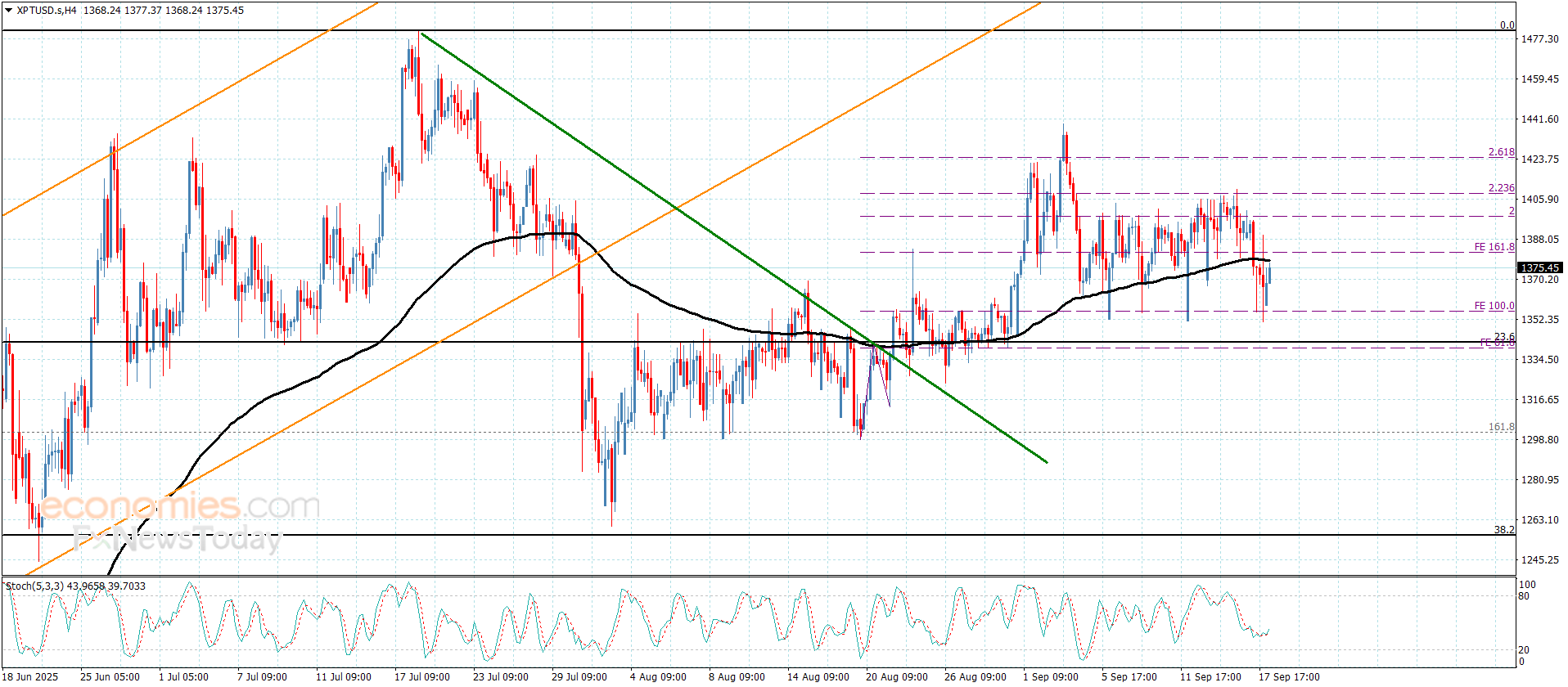
Platinum price is affected by the contradiction between the main indicators, which forces it to delay the bullish attack by reaching below $1400,00, to provide mixed trading to keep its stability main stability above the critical support at $1355.00.


We expect the continuation of forming mixed trading until gathering the positive momentum, to pave the way for holding above $1400.00, to begin recording extra gains that might begin at $1435.00, while the decline below the critical support and holding below it will force the price to activate the negative track, which forces it to suffer several losses by reaching $1315.00 and $1300.00.


The expected trading range for today is between $1355.00 and $1395.00


Trend forecast: Fluctuated within the bullish trend


Source link

18 09, 2025

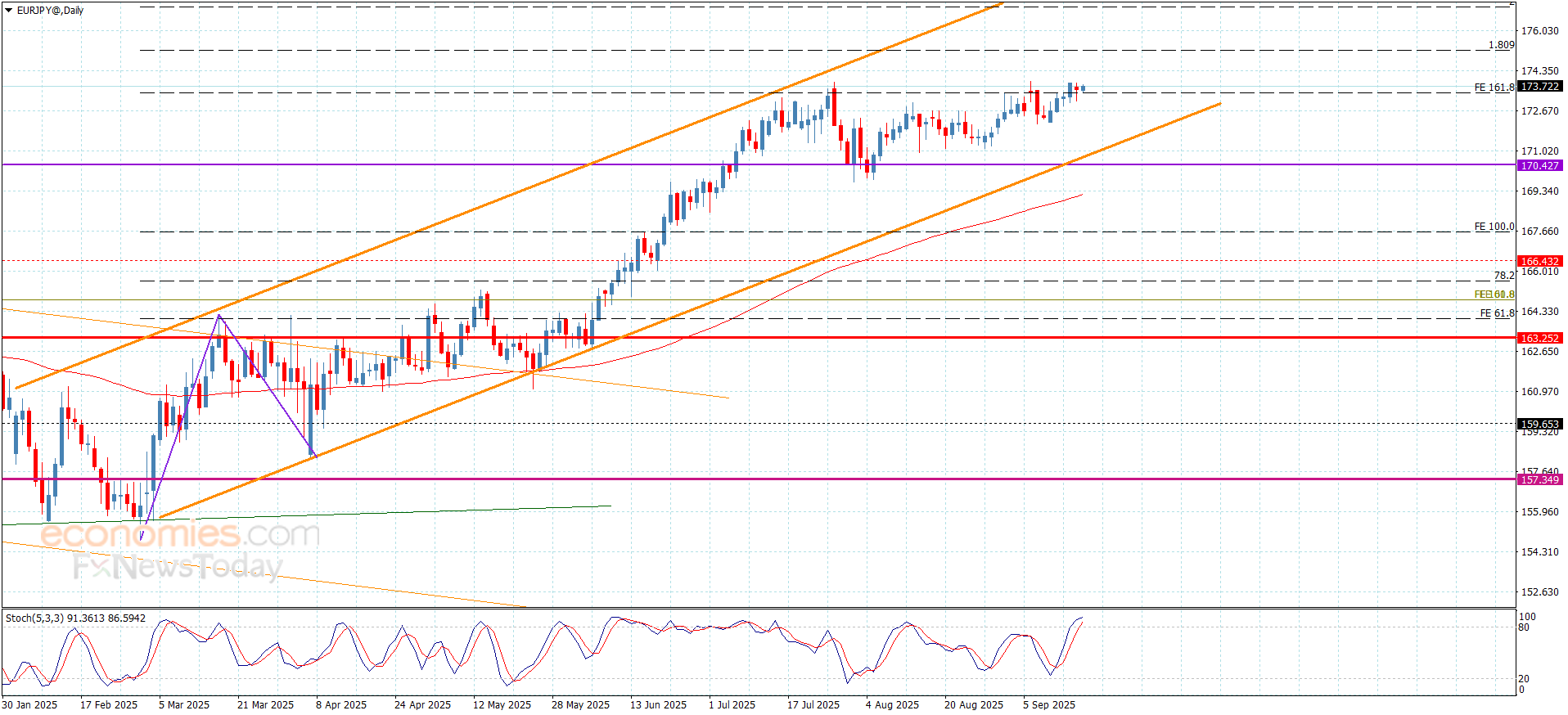
The EURJPY prefers the positivity– Forecast today – 18-9-2025

By |2025-09-18T09:22:48+03:00September 18, 2025|Forex News, News|0 Comments

Platinum price is affected by the contradiction between the main indicators, which forces it to delay the bullish attack by reaching below $1400,00, to provide mixed trading to keep its stability main stability above the critical support at $1355.00.


We expect the continuation of forming mixed trading until gathering the positive momentum, to pave the way for holding above $1400.00, to begin recording extra gains that might begin at $1435.00, while the decline below the critical support and holding below it will force the price to activate the negative track, which forces it to suffer several losses by reaching $1315.00 and $1300.00.


The expected trading range for today is between $1355.00 and $1395.00


Trend forecast: Fluctuated within the bullish trend


Source link

18 09, 2025

Research Reveals Women’s Unique Fat-Burning Process

By |2025-09-18T09:16:04+03:00September 18, 2025|Dietary Supplements News, News|0 Comments


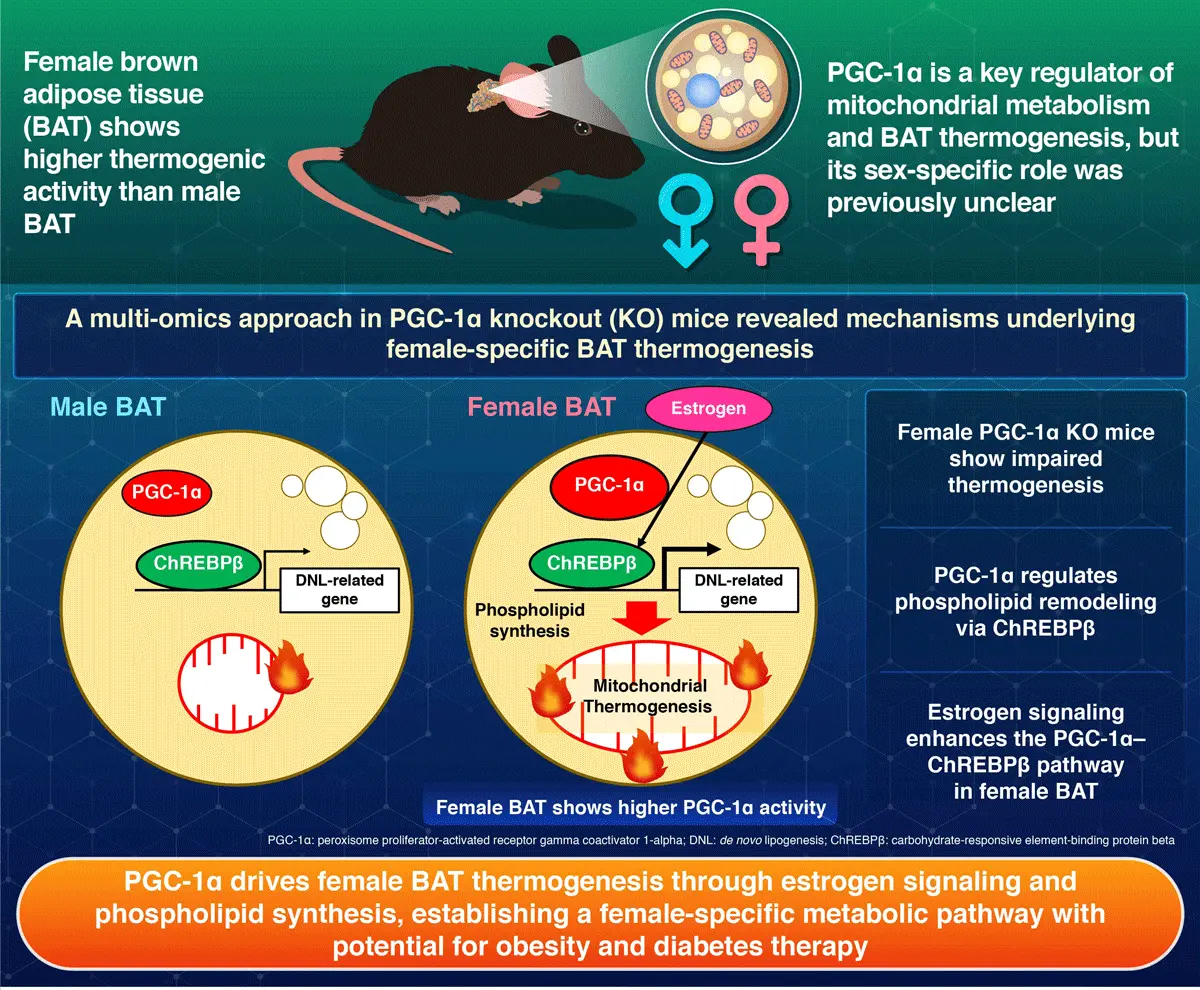
Higher activity of PGC-1α enables brown fat cells in females to thermogenic activity and energy expenditure compared to males, reveals a study conducted in Japan. This research demonstrates that PGC-1α protein promotes phospholipid synthesis, which strengthens mitochondria of brown fat cells and enhances their heat-generating capacity in female mice. The findings reveal a female-specific mechanism of energy metabolism, boosted by PGC-1α and estrogen, which could inspire new therapies for the prevention of obesity and diabetes.

How PGC-1α Drives Female-Specific Brown Adipose Tissue Thermogenesis in Mice

Obesity is a major global health concern, contributing to diabetes and a range of metabolic disorders. Interestingly, while obesity affects both sexes, women are generally less prone to obesity-related diabetes and cardiovascular diseases, compared to men. While the biological reasons for this difference are not fully understood, one potential factor is brown adipose tissue (BAT)-a specialized fat tissue that dissipates energy as heat to maintain body temperature. Previous studies have shown that BAT is more metabolically active in females than in males, but the exact molecular mechanism has remained unclear.

To address this question, a research team from the Institute of Science Tokyo, Japan, set out to investigate the mechanism underlying the sex-specific activity of BAT. The team was led by Assistant Professor Kazutaka Tsujimoto, graduate students Akira Takeuchi and Jun Aoki, and Professor Tetsuya Yamada from the Department of Molecular Endocrinology and Metabolism, Graduate School of Medical and Dental Sciences, Science Tokyo, in collaboration with Associate Professor Nozomu Kono, Assistant Professor Kuniyuki Kano, and Professor Junken Aoki from the University of Tokyo. The findings were published in the journal Nature Communications on July 14, 2025.

Peroxisome proliferator-activated receptor gamma coactivator 1-alpha (PGC-1α) is a key regulator of energy metabolism and mitochondrial activity, found in tissues including brown fat, heart, skeletal muscle, and brain.

“PGC-1α is a master regulator of mitochondrial function in BAT,” explains Yamada and Tsujimoto. “So, to uncover the sex-specific mechanism of BAT, we focused on the activity of PGC-1α.”

Using genetically modified mice that lacked PGC-1α protein only in BAT cells, the team compared the male and female mice with multi-omics approaches, including transcriptomics (to assess gene expression), metabolomics (to analyze energy metabolites), and lipidomics (to profile lipid composition) to elucidate the protein’s role in detail.

According to the results, removing PGC-1α impaired BAT thermogenesis only in female mice, as evidenced by their lower body temperature during cold exposure. Additionally, they showed reduced oxygen consumption, and their mitochondria had fewer and less organized cristae-the internal folds where energy production occurs.

Molecular profiling revealed key insights into this mechanism: PGC-1α activates genes involved in de novo lipogenesis (DNL), in part through carbohydrate-response element-binding protein beta (ChREBPβ)-a transcription factor that regulates expression of DNL-related genes. This pathway boosts the production of certain phospholipids, including ether-linked phosphatidylethanolamine and cardiolipin, which are essential for maintaining mitochondrial structure and function. Without these lipids, mitochondria become less efficient, reducing the tissue’s ability to generate heat.

Notably, the PGC-1α-ChREBPβ lipid synthesis pathway was further enhanced by estrogen signaling, which increased the expression of lipid metabolism-related genes in female BAT.

“This coordination between PGC-1α and estrogen explains why female BAT outperforms male BAT in energy expenditure,” says Yamada and Tsujimoto. “It could also be an entirely new target for therapies to enhance lipid metabolism.”

To support this, the researchers conducted additional experiments showing that suppressing ChREBPβ in female BAT reproduced the same mitochondrial defects and reduced thermogenesis observed with PGC-1α deletion. This effect was not observed in males, highlighting the sex-specific characteristic of the mechanism.

Overall, the study provides new insight into how biological sex shapes energy metabolism-identifying PGC-1α-mediated phospholipid synthesis as a key regulator of BAT thermogenesis. Stimulating this pathway could promote energy expenditure, improve metabolic health, and prevent obesity and type 2 diabetes. The findings set the stage for new interventions based on metabolic mechanisms, paving the way toward a healthier future.

Authors:
Akira Takeuchi1, Kazutaka Tsujimoto1*, Jun Aoki1, Kenji Ikeda1, Nozomu Kono2, Kuniyuki Kano2, Yoshihiro Niitsu1, Masato Horino1, Kazunari Hara1, Rei Okazaki1, Ryo Kaneda1, Masanori Murakami1, Kumiko Shiba1,3, Chikara Komiya1, Junken Aoki2, and Tetsuya Yamada1*

Title:
Sex difference in BAT thermogenesis depends on PGC-1α-mediated phospholipid synthesis in mice

Journal:
Nature Communications

Affiliations:
1Department of Molecular Endocrinology and Metabolism, Graduate School of Medical and Dental Sciences, Institute of Science Tokyo, Japan.

2Laboratory of Health Chemistry, Graduate School of Pharmaceutical Sciences, University of Tokyo, Japan.

3The Center for Personalized Medicine for Healthy Aging, Institute of Science Tokyo, Japan.

/Public Release. This material from the originating organization/author(s) might be of the point-in-time nature, and edited for clarity, style and length. Mirage.News does not take institutional positions or sides, and all views, positions, and conclusions expressed herein are solely those of the author(s).View in full here.


Source link

18 09, 2025

Ethereum Price Prediction – ETH-USD Holds $4,500 Support , Eyes $4,850–$5,000 Breakout

By |2025-09-18T09:10:17+03:00September 18, 2025|Crypto News, News|0 Comments

Ethereum (ETH-USD) Holds $4,500 Amid Fed Cut Bets and Diverging Forecasts

Ethereum is trading around $4,500, holding firm despite increased volatility ahead of the Federal Reserve’s policy verdict. The Fed is widely expected to trim rates by 25 basis points, and this macro shift continues to shape demand for risk assets like ETH. The past year has already delivered a 97% rally, pushing ETH close to its record $4,957 in late August, and investors are now weighing whether consolidation near this level signals another breakout or a correction back toward $3,800.

Conflicting Targets: Citi $4,300 vs Standard Chartered $7,500

Forecasts for ETH diverge sharply. Citi has cautioned that Ethereum could fade toward $4,300, warning that current valuations may run ahead of adoption metrics despite strong tokenization and stablecoin activity. On the other side, Standard Chartered has raised its target to $7,500 by year-end, anchored on accelerating institutional use cases and higher network throughput. This divide illustrates the uncertainty in Ether’s valuation at current levels and highlights the role of macro drivers in the next move.

On-Chain Dynamics: Exchange Reserves Collapse While ETFs Accumulate

One of the strongest bullish signals remains the steady decline in ETH exchange reserves. Since 2022, balances have dropped from over 28 million ETH to under 17 million, marking a multi-year low. Recent flows underscore this trend: $25.7 million in net inflows were registered even as ETH pulled back from $4,850, and exchange outflows surged again during the September rally. At the same time, spot ETH ETFs and treasury reserves have jumped 116% since July 1, now holding 11.76 million ETH, with weekly inflows surpassing $600 million. These dynamics suggest that while short-term traders may trim exposure, institutions and long-term holders continue to lock up supply, restricting liquidity and providing a floor for prices.

Staking Exodus vs Institutional Demand

Ethereum’s staking ecosystem is showing stress. More than 2.6 million ETH—worth over $12 billion—sits in the unstaking queue, the largest validator exit in history, with a 44-day average wait. This has sparked fears of a sell-off as stakers take profits after ETH’s 100% yearly gain. The entry queue has fallen to 512,755 ETH, showing slowing demand for new staking commitments. However, these risks are partially offset by ETF and treasury demand, with many institutions choosing to reallocate into regulated staking products. Analysts expect an eventual ETH staking ETF approval by October 2025, which could absorb much of this supply pressure.

Technical Landscape: Key Resistance at $4,665 and $4,850, Support at $4,300

From a technical perspective, ETH remains inside a defined ascending channel since early summer. Buyers defended the $4,426 low, and the asset continues to trade above its 50-day EMA at $4,275, signaling resilient trend support. Immediate resistance stands at $4,665, the ceiling tested repeatedly over the last week. A sustained breakout above this level opens the path toward $4,850 and potentially the psychological $5,000 barrier. Failure to break through could drag ETH back to $4,300, with deeper support at $3,941–$4,105 and the July swing low at $3,858.

Revenue Compression After Dencun Upgrade

Despite bullish price action, Ethereum’s network revenue is under pressure. Data from Token Terminal shows that monthly revenue dropped 44% to $14.1 million in August, even as ETH surged 240% since April. Transaction fees declined 20%, sliding from $49.6 million to $39.7 million, largely due to the Dencun upgrade that cut gas costs for Layer-2 rollups. While this hit short-term revenue, advocates argue it strengthens Ethereum’s role as scalable financial infrastructure, widening adoption for stablecoins and tokenized assets.

Macro and Regulation: Fed Policy, BoE Stablecoin Caps, and U.S. ETF Deadlines

Macro conditions remain pivotal. The Fed’s path on rates will dictate capital flows into ETH, with markets now pricing multiple cuts extending into 2026. Political pressure from the Trump administration has fueled doubts about the Fed’s independence, adding further volatility to dollar pairs. In the UK, the Bank of England has proposed caps of £10,000–£20,000 on stablecoin holdings, a move that could dampen crypto use domestically but also push activity into jurisdictions with looser frameworks. In the U.S., the SEC’s final deadline on ETH staking ETF approval is set for April 2026, though some analysts expect a greenlight much earlier, potentially in October 2025, which would unleash new institutional inflows.

Cycle Structure, Momentum, and Price Targets

The bullish case for Ethereum rests on a cycle structure that has repeatedly delivered parabolic breakouts after consolidation phases. ETH is now consolidating between $4,300–$4,800, a tightening range that often precedes explosive moves. If volume confirms a breakout above $4,850, the next leg could target $5,407, with some models projecting $6,600 by December 2025. Conversely, a failure to hold the uptrend would invite a correction to the $3,800–$4,000 region, which institutional desks already view as an accumulation zone.

That’s TradingNEWS


Source link

18 09, 2025

USD/JPY is expected to trade around the 147-yen level, with the possibility that rising U.S. long-term yields may curb dollar selling.

By |2025-09-18T07:21:53+03:00September 18, 2025|Forex News, News|0 Comments

Unity Software(U.US) reported fourth-quarter financial results after the market close on Monday. Here’s a rundown of the report.Q4
Earnings: Unity said fourth-quarter revenue increased 35% year-over-year to $609 million, beating the consensus estimate of $562.71 million.
The company reported a quarterly loss of 66 cents per share.


Source link

18 09, 2025

Are Blood Sugar Support Supplements Safe? What to Know in 2024

By |2025-09-18T07:14:25+03:00September 18, 2025|Dietary Supplements News, News|0 Comments


Maintaining healthy blood sugar levels is crucial for overall well-being. With the rise in diabetes and pre-diabetes cases, many people are turning to blood sugar support supplements as a potential aid. However, the question of their safety is a significant concern. In 2024, it’s essential to be well-informed about what these supplements contain, their potential side effects, and how they interact with medications. This article dives deep into the world of blood sugar support supplements, offering a comprehensive guide to help you make informed decisions about your health.

Why Blood Sugar Management Matters

Before delving into supplements, let’s quickly address why blood sugar management is essential. When blood sugar levels are consistently high (hyperglycemia) or low (hypoglycemia), they can lead to various health complications.

  • Type 2 Diabetes: Chronically high blood sugar levels are a hallmark of type 2 diabetes, leading to insulin resistance and pancreatic dysfunction.
  • Cardiovascular Disease: Uncontrolled blood sugar can damage blood vessels, increasing the risk of heart disease and stroke.
  • Nerve Damage (Neuropathy): High blood sugar can harm nerves, causing pain, numbness, and tingling, especially in the hands and feet.
  • Kidney Damage (Nephropathy): Over time, high blood sugar can impair kidney function, potentially leading to kidney failure.
  • Eye Damage (Retinopathy): High blood sugar can damage the blood vessels in the retina, potentially causing vision loss or blindness.

Therefore, maintaining healthy blood sugar levels is not just about managing diabetes; it’s about preventing a cascade of potential health problems. Lifestyle factors like diet and exercise play a crucial role, but some individuals also consider blood sugar support supplements to complement these efforts.


The term “blood sugar support supplement” encompasses a wide range of products. It’s essential to know what’s typically found in these supplements to evaluate their potential safety and efficacy. Here’s a look at some common ingredients:

  • Chromium: Chromium picolinate is often marketed to enhance insulin sensitivity and glucose metabolism.
  • Cinnamon: Cinnamon extract, particularly Ceylon cinnamon, is believed to improve insulin function and lower blood sugar levels.
  • Alpha-Lipoic Acid (ALA): ALA is an antioxidant that may help improve insulin sensitivity and reduce nerve pain associated with diabetic neuropathy.
  • Berberine: Berberine is a compound found in several plants and has been shown to lower blood sugar levels and improve insulin sensitivity.
  • Gymnema Sylvestre: This herb is traditionally used in Ayurvedic medicine to reduce sugar cravings and improve blood sugar control.
  • Bitter Melon: Bitter melon is a fruit used in traditional medicine to lower blood sugar levels.
  • Magnesium: Magnesium plays a role in insulin signaling and glucose metabolism. Deficiencies are associated with increased risk of type 2 diabetes.
  • Fenugreek: Fenugreek seeds contain fiber and compounds that may slow down carbohydrate absorption and improve insulin function.
  • Banaba Leaf Extract: Contains corosolic acid, which some studies suggest can help lower blood sugar levels.

| Ingredient | Proposed Benefit | Potential Side Effects/Considerations |
| ————————- | ———————————————————————- | ——————————————————————————————————- |
| Chromium | Enhances insulin sensitivity, improves glucose metabolism | May cause stomach upset, headaches; potential interactions with some medications. |
| Cinnamon | Improves insulin function, lowers blood sugar levels | High doses may cause liver damage; potential for allergic reactions; be aware of coumarin content. |
| Alpha-Lipoic Acid (ALA) | Improves insulin sensitivity, reduces nerve pain | May cause nausea, stomach upset, skin rash; interacts with thyroid medications. |
| Berberine | Lowers blood sugar levels, improves insulin sensitivity | May cause gastrointestinal issues (diarrhea, constipation, stomach pain); may interact with medications. |
| Gymnema Sylvestre | Reduces sugar cravings, improves blood sugar control | May cause hypoglycemia (low blood sugar), especially when taken with other diabetes medications. |
| Bitter Melon | Lowers blood sugar levels | May cause diarrhea, stomach upset; should be avoided during pregnancy. |
| Magnesium | Supports insulin signaling, glucose metabolism | High doses may cause diarrhea; interacts with certain antibiotics and medications. |
| Fenugreek | Slows carbohydrate absorption, improves insulin function | May cause digestive issues, allergic reactions; can affect thyroid hormone levels. |
| Banaba Leaf Extract | Lowers blood sugar levels | May cause hypoglycemia; more research needed on long-term effects. | The Top 10 Snacks That Won T Disrupt Your Blood Sugar Balance

Understanding Supplement Quality

The quality of supplements can vary significantly. The FDA does not regulate supplements as strictly as prescription drugs, meaning that supplement manufacturers are not required to prove the safety or efficacy of their products before they are sold. Therefore, it’s important to be a cautious consumer: A Hopeful Guide To Type 2 Diabetes Management And A Healthier Life

  • Third-Party Certification: Look for supplements that have been tested and certified by independent organizations like USP (United States Pharmacopeia), NSF International, or ConsumerLab. These certifications indicate that the supplement contains the ingredients listed on the label in the stated amounts and is free from harmful contaminants.
  • Manufacturer Reputation: Research the manufacturer’s reputation. Look for companies that adhere to Good Manufacturing Practices (GMP) and have a history of producing high-quality products.
  • Ingredient Sourcing: Inquire about the source of the ingredients. Reputable manufacturers are transparent about where they source their raw materials.
  • Read Labels Carefully: Pay attention to the ingredient list, dosage instructions, and any warnings or precautions.
  • Consult with a Healthcare Professional: Before taking any new supplement, talk to your doctor or a registered dietitian. They can help you determine if the supplement is safe for you and whether it may interact with any medications you are taking.

While blood sugar support supplements might seem like a convenient solution, it’s crucial to understand their potential risks and side effects. These risks vary depending on the ingredients and individual health conditions.

  • Hypoglycemia (Low Blood Sugar): Some supplements, particularly when taken with diabetes medications, can cause blood sugar to drop too low, leading to symptoms like shakiness, sweating, confusion, and even loss of consciousness.
  • Interactions with Medications: Supplements can interact with prescription and over-the-counter medications, potentially altering their effectiveness or increasing the risk of side effects.
  • Gastrointestinal Issues: Many supplements can cause digestive problems such as nausea, diarrhea, constipation, or stomach upset.
  • Liver Damage: Certain ingredients, like high doses of cinnamon or other herbal extracts, can potentially harm the liver.
  • Kidney Damage: Some supplements, especially when taken in high doses or by individuals with pre-existing kidney problems, may strain the kidneys.
  • Allergic Reactions: Some people may be allergic to certain ingredients in supplements, leading to symptoms like skin rash, itching, swelling, or difficulty breathing.
  • Contamination: As mentioned earlier, supplements are not as strictly regulated as medications. This means that there is a risk of contamination with heavy metals, pesticides, or other harmful substances.

Specific Considerations for Individuals with Diabetes

For individuals diagnosed with diabetes, using blood sugar support supplements requires extra caution: The Ultimate Guide To The Glycemic Index Gi Choosing Foods For Blood Sugar Control

  • Regular Blood Sugar Monitoring: Monitor blood sugar levels more frequently when starting a new supplement, especially if you are taking insulin or oral diabetes medications.
  • Dosage Adjustments: Work with your healthcare provider to adjust your diabetes medication dosages as needed to prevent hypoglycemia.
  • Communication is Key: Keep your doctor informed about all the supplements you are taking, so they can monitor your health and adjust your treatment plan accordingly.

Deciding whether to use blood sugar support supplements is a personal choice that should be made in consultation with a healthcare professional. Consider the following factors:

  1. Current Health Status: Are you currently managing diabetes or pre-diabetes? Are you taking any medications? Do you have any underlying health conditions, such as liver or kidney problems?
  2. Diet and Lifestyle: Are you already following a healthy diet and exercise plan? Supplements should be considered as additions to, not replacements for, healthy lifestyle habits.
  3. Potential Benefits: What specific benefits are you hoping to achieve by taking supplements? Are your expectations realistic?
  4. Potential Risks: Are you aware of the potential risks and side effects of the supplements you are considering? Are you willing to monitor your health closely and report any problems to your doctor?
  5. Scientific Evidence: Is there strong scientific evidence to support the use of the supplements you are considering? Are the studies conducted on humans, and are they of high quality?
  6. Cost: Are you aware of the cost of the supplements? Can you afford to take them long-term if they prove to be beneficial?

Alternative Approaches to Blood Sugar Management

Before relying solely on supplements, explore proven strategies for blood sugar management that focus on lifestyle changes:

  • Dietary Modifications: A diet rich in fiber, whole grains, lean proteins, and healthy fats can help regulate blood sugar levels. Limit sugary drinks, processed foods, and refined carbohydrates.
  • Regular Physical Activity: Exercise improves insulin sensitivity and helps lower blood sugar levels. Aim for at least 150 minutes of moderate-intensity aerobic exercise per week, as well as strength training exercises.
  • Weight Management: If you are overweight or obese, losing even a small amount of weight can significantly improve blood sugar control.
  • Stress Management: Stress can raise blood sugar levels. Practice stress-reducing techniques such as yoga, meditation, or deep breathing exercises.
  • Adequate Sleep: Getting enough sleep is important for overall health and can also help regulate blood sugar levels.

Seeking Professional Advice

Consult with a qualified healthcare provider before starting any blood sugar support supplement. This ensures that your approach is safe, effective, and tailored to your unique health needs. Remember, self-treating can be dangerous, especially when dealing with complex conditions like diabetes. Your doctor can:

  • Assess your current health status and identify any potential risks or interactions.
  • Provide personalized recommendations based on your specific needs and goals.
  • Monitor your progress and adjust your treatment plan as needed.

In conclusion, while blood sugar support supplements might offer potential benefits for some individuals, it’s critical to approach them with caution. Here’s what you should remember in 2024:

  • Informed Decisions are Key: Understanding what’s in these supplements and their potential effects is paramount.
  • Supplements Are Not a Cure-All: They should complement, not replace, a healthy lifestyle.
  • Consult Your Healthcare Provider: Professional guidance is crucial to ensure safety and effectiveness.
  • Prioritize Quality: Choose supplements from reputable brands with third-party certifications.
  • Monitor Your Health: Pay close attention to how your body responds and report any adverse effects.

By staying informed and working closely with your healthcare provider, you can make educated choices about whether blood sugar support supplements are right for you. Remember, maintaining healthy blood sugar levels is a journey, not a quick fix. Focus on building a sustainable lifestyle that promotes overall health and well-being.


Source link

18 09, 2025

Is DOGE On the Way to $1

By |2025-09-18T07:08:29+03:00September 18, 2025|Crypto News, News|0 Comments

Disclaimer: This is a Press Release provided by a third party who is responsible for the content. Please conduct your own research before taking any action based on the content.


Traders watching any Dogecoin price prediction also want real products they can use. That is why many compare meme rallies with PayFi builds and low gas fees. Remittix enters that talk as a simple payments play inside a DeFi project. Readers keep scanning top crypto to buy now, next 100x crypto ideas and crypto with real utility that can scale.

Dogecoin: Bullish Correction Points To Key Levels

Source: Lingrid 

The latest Dogecoin price prediction turns on a clean retest. $DOGE surged from support, broke higher highs and tapped above $0.27. Now the price is pulling back toward $0.25 to $0.26, near the prior structure. If $0.24 holds, bulls can aim for the $0.30 to $0.31 target zone. 

Headlines also matter for any Dogecoin price prediction: Osprey launched the first U.S. Dogecoin ETF (DOJE) and a new Dogecoin ETF structure targets broader strategies. Reports note higher institutional interest and a steadier market tone for September. 

Even with that, some traders balance a Dogecoin price prediction with early-stage crypto investment in cross-chain DeFi project names.

Remittix: Listings, Live Beta And Daily USDT

Remittix has raised $25,9 million through the sale of over 664 million tokens at $0.1080. BitMart and LBank are the named centralized exchanges and wallet beta testing is live. The team is fully VERIFIED by CertiK and Remittix is ranked #1 on CertiK for Pre-Launch Tokens, which supports diligence for best DeFi projects 2025 and high growth crypto screens. 


Why Remittix Is The Best New Altcoin Today

  • Wallet beta is live, moving low-gas-fee crypto payments into real use
  • BitMart confirmed and LBank announced for smooth CEX access
  • CertiK Team Verified with a #1 Pre-Launch ranking that builds trust
  • Earn 15% back in USDT per referred buyer, claimable every 24 hours in the dashboard
  • Rewards paid in USDT with unlimited potential; withdraw or buy RTX token again to compound
  • Built for scale as a DeFi project that is a top crypto under $1 and a new altcoin to watch

Remittix speaks to readers who want more than a Dogecoin price prediction headline. It blends low gas fees with a simple on-ramp and a route from decentralized exchange activity to centralized exchanges. 

The referral flywheel is clear: 15% back in USDT per referred buyer; claim every 24 hours in the Remittix dashboard; unlimited potential; paid in USDT; withdraw or reinvest. Grab your referral link at remittix.io, share it and start earning. For many, that mix fits the next big altcoin 2025, best long-term crypto investment and fastest growing crypto 2025 screens.

Why RTX Fits This Cycle

If you want utility and upside in one place, Remittix offers live beta, confirmed listings and daily USDT rewards. It lines up with upcoming crypto projects and a practical plan to scale. Head to the Remittix website, grab your referral link and claim 15% USDT daily.

Discover the future of PayFi with Remittix by checking out their project here:

Website: https://remittix.io/

Socials: https://linktr.ee/remittix

$250K Giveaway: https://gleam.io/competitions/nz84L-250000-remittix-giveaway

Disclaimer: This media platform provides the content of this article on an “as-is” basis, without any warranties or representations of any kind, express or implied. We assume no responsibility for any inaccuracies, errors, or omissions. We do not assume any responsibility or liability for the accuracy, content, images, videos, licenses, completeness, legality, or reliability of the information presented herein. Any concerns, complaints, or copyright issues related to this article should be directed to the content provider mentioned above.

/div>

Source link

18 09, 2025

Gold (XAU/USD) Price Forecast: Fed Sparks Volatility – Pulls Back From $3,707 Peak

By |2025-09-18T05:23:04+03:00September 18, 2025|Forex News, News|0 Comments


Rising But Cautious Momentum

Although gold notched another record on Tuesday, momentum had already been showing signs of fatigue, reflected in a narrow-range session despite the breakout. Price remains within a resistance zone defined by multiple technical markers and prior hesitation around the $3,675 level. From the $3,311 swing low in late July, gold advanced by $396, or nearly 12%, with only three brief one-day pullbacks along the way. While this reflects strong demand, it also raises the risk that the market may be due for a deeper corrective phase, until recently when there were two days of lower highs and lower lows.

Short-Term Support Under Pressure

For most of its advance, gold has held above its rising 8-Day moving average, currently at $3,651. That price area was successfully tested today with the day’s low of $3,646. A decisive close below today’s low would also represent a break beneath the 8-Day average, signaling short-term weakness. Furthermore, a decline through Monday’s low of $3,627 would add further downside confirmation as that day’s low also found support around the 8-Day average.

Key Downside and Upside Levels

Should sellers press their advantage, support levels to monitor include last week’s low at $3,576 and the 38.2% Fibonacci retracement at $3,557. The 20-Day moving average, now rising at $3,532, may align with that retracement and may serve as the next dynamic support. On the other hand, if bulls regain control with a decisive rally above today’s $3,707 high, upside targets reemerge at $3,734, followed by a confluence zone between $3,782 and $3,812.

For a look at all of today’s economic events, check out our economic calendar.


Source link

18 09, 2025

Euro to Dollar Forecast: EUR Hits 4-Year Highs Before Fed Sparks USD Rally

By |2025-09-18T05:19:46+03:00September 18, 2025|Forex News, News|0 Comments


– Written by

The Euro to Dollar (EUR/USD) briefly surged to 1.1880, its strongest level in four years, before fading after the Federal Reserve cut rates by 25bp and signalled three more reductions this year.

The initial reaction sent the dollar down by around 0.5%, but US yields quickly reversed higher and the greenback clawed back losses, leaving EUR/USD back near 1.1845.

ING says the reversal reflected positioning rather than a shift in the Fed’s message, underscoring that this is “a trader’s market.”

Fed delivers 25bp cut, signals more to come

The Federal Reserve lowered its policy rate by 25bp as expected and indicated three further cuts in 2025 to boost growth and revive the labour market.

ING commented;

“The Fed cut the policy rate 25bp as expected. They think three more cuts will be enough to boost growth and prompt a revival in the jobs market, but the market is sceptical. We look for four more 25bp cuts before trade clarity, a weaker dollar and lower borrowing costs start to stabilise the situation.”

Save on Your EUR/USD Transfer

Get better rates and lower fees on your next international money transfer.
Compare TorFX with top UK banks in seconds and see how much you could save.


Compare the Best EUR/USD Rates »

The market’s initial response was sharp, with the dollar sold off aggressively across the board.

ING analysts added;

“Dollar bears went into this meeting a little nervous that the Fed wouldn’t deliver for them. In the end, the Fed delivered on expectations of three cuts this year and the first reaction for the dollar was to fall across the board by around 0.5%.”

“Within about 30 minutes, however, the dollar had more than recouped its losses as US yields reversed higher. We suspect this reversal had more to do with positioning rather than a less dovish re-assessment of today’s communication from the Fed. A trader’s market.”

The Euro had entered the Fed meeting on a strong footing, breaking out of a 10-week range as inflows drove EUR/USD to 1.1880. Analysts said momentum looked hard to resist.

ING noted;

“EUR/USD has broken to the topside of a 10-week trading range, and it looks hard to resist the move. Seasonality now builds against the dollar – especially in November and into December – and 1.1910 looks like the final resistance level before 1.20 is hit.”

UoB added;

“While the sharp rally appears excessive, strong momentum continues to suggest a higher EUR today. That said, it remains to be seen if EUR can break above the next resistance at 1.1915.”

HSBC maintains a year-end target of 1.20 for EUR/USD.

EUR/USD: Risks and positioning

Not all analysts expect a straight path higher. Danske Bank said;

“With EUR/USD rallying sharply in recent sessions and 25bp cuts already almost fully priced for the remainder of the year, we would be surprised to see the cross extend materially higher post-FOMC. While we remain strategically bullish on EUR/USD over the medium term, near-term risks look more balanced.”

It added;

“EUR/USD could come under pressure if the Fed signals a preference for quarterly rather than sequential cuts. In our view, the bar for a dovish surprise is high, given current market pricing and inflation still running above target.”

IG’s Tony Sycamore said any dollar rebound could prove temporary;

“In light of that, we believe any ‘buy the rumour, sell the fact’ reaction will be short-lived, given the possibility of follow-up 25 bp rate cuts in October and December.”

HSBC concluded;

“One could argue that this likely policy divergence between the Fed and the ECB is already priced into the market. But it is difficult to sell EUR/USD when there is still a lively debate around how much and how quickly the Fed might ease while there is little debate about whether the ECB may need to act.”

Live Exchange Rates:
Pound to Dollar (GBP/USD): 1.36292 (-0.18%)
Euro to Dollar (EUR/USD): 1.1816 (-0.47%)
Dollar to Japanese Yen (USD/JPY): 146.944 (+0.37%)

Like this piece? Please share with your friends and colleagues:


International Money Transfer? Ask our resident FX expert a money transfer question or try John’s new, free, no-obligation personal service! ,where he helps every step of the way,
ensuring you get the best exchange rates on your currency requirements.

TAGS: Euro Dollar Forecasts

Source link

18 09, 2025

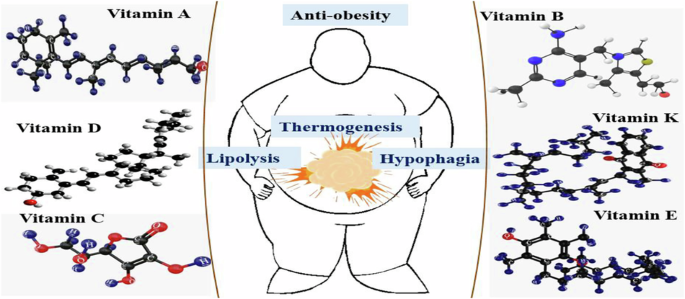
Therapeutic role and mechanisms of vitamins for controlling obesity/adiposity—a brief overview of recent studies

By |2025-09-18T05:13:26+03:00September 18, 2025|Dietary Supplements News, News|0 Comments


  • Jia W, Liu F, editors. Obesity: causes, consequences, treatments, and challenges. J Mol Cell Biol. 2021;13:463–5. https://doi.org/10.1093/jmcb/mjab056.

  • Kopple JD. Obesity and chronic kidney disease. J Ren Nutr. 2010;20:S29–30. https://doi.org/10.1053/j.jrn.2010.05.008.

    Article 
    PubMed 

    Google Scholar
     

  • Wilson KM, Cho E. Obesity and kidney cancer. In: Pischon T, Nimptsch, P, editors. Recent results in cancer research, 208. Switzerland: Springer International Publishing; 2016. pp. 81–93. https://doi.org/10.1007/978-3-319-42542-9_5.

  • Gai Z, Hiller C, Chin SH, Hofstetter L, Stieger B, Konrad D, et al. Uninephrectomy augments the effects of high fat diet induced obesity on gene expression in mouse kidney. Biochim Biophys Acta Mol Basis Dis. 2014;1842:1870–8. https://doi.org/10.1016/j.bbadis.2014.07.001.

    Article 
    CAS 

    Google Scholar
     

  • Avestaei AH, Yaghchiyan M, Ali-Hemmati A, Farhangi MA, Mesgari-Abbasi M, Shahabi P. Histological, metabolic, and inflammatory changes in the renal tissues of high-fat diet-induced obese rats after vitamin D supplementation. Nutr Food Sci. 2020;50:1135–49. https://doi.org/10.1108/NFS-01-2020-0009.

    Article 

    Google Scholar
     

  • Tang W, Zhan W, Wei M, Chen Q. Associations between different dietary vitamins and the risk of obesity in children and adolescents: a machine learning approach. Front Endocrinol. 2022;12:816975. https://doi.org/10.3389/fendo.2021.816975.

    Article 

    Google Scholar
     

  • Wen X, Zhang B, Wu B, Xiao H, Li Z, Li R, et al. Signaling pathways in obesity: mechanisms and therapeutic interventions. Signal Transduct Target Ther. 2022;7:298 https://doi.org/10.1038/s41392-022-01149-x.

    Article 
    PubMed 
    PubMed Central 

    Google Scholar
     

  • Wolfenden L, Barnes C, Jones J, Finch M, Wyse RJ, Kingsland M, et al. Strategies to improve the implementation of healthy eating, physical activity and obesity prevention policies, practices or programmes within childcare services. Cochrane Database Syst Rev. 2020. https://doi.org/10.1002/14651858.CD011779.pub3.

  • Jackson VM, Breen DM, Fortin J-P, Liou A, Kuzmiski JB, Loomis AK, et al. Latest approaches for the treatment of obesity. Expert Opin Drug Discov. 2015;10:825–39. https://doi.org/10.1517/17460441.2015.1044966.

    Article 
    CAS 
    PubMed 

    Google Scholar
     

  • Curioni CC, Lourenço PM. Long-term weight loss after diet and exercise: a systematic review. Int J Obes. 2005;29:1168–74. https://doi.org/10.1038/sj.ijo.0803015.

    Article 
    CAS 

    Google Scholar
     

  • Tak YJ, Lee SY. Anti-obesity drugs: long-term efficacy and safety: an updated review. World J Mens Health,. 2021;39:208–21. https://doi.org/10.5534/wjmh.200010.

    Article 
    PubMed 

    Google Scholar
     

  • Wiechert M, Holzapfel C. Nutrition concepts for the treatment of obesity in adults. Nutrients. 2021;14:169. https://doi.org/10.3390/nu14010169.

    Article 
    CAS 
    PubMed 
    PubMed Central 

    Google Scholar
     

  • Kang JG, Park CY. Anti-obesity drugs: a review about their effects and safety. Diab Metab J. 2012;36:13. https://doi.org/10.4093/dmj.2012.36.1.13.

    Article 

    Google Scholar
     

  • Bird JK, Feskens EJ, Melse-Boonstra A. A systematized review of the relationship between obesity and vitamin C requirements. Curr Dev Nutr. 2024;8:102152. https://doi.org/10.1016/j.cdnut.2024.102152.

    Article 
    CAS 
    PubMed 
    PubMed Central 

    Google Scholar
     

  • Lee CY. Effects of dietary vitamins on obesity-related metabolic parameters. J Nutr Sci. 2023;12:e47. https://doi.org/10.1017/jns.2023.30.

    Article 
    CAS 
    PubMed 
    PubMed Central 

    Google Scholar
     

  • Lapik IA, Galchenko A, Gapparova KM. Micronutrient status in obese patients: a narrative review. Obes Med. 2020;18:100224. https://doi.org/10.1016/j.obmed.2020.100224.

    Article 

    Google Scholar
     

  • Tardy AL, Pouteau E, Marquez D, Yilmaz C, Scholey A. Vitamins and minerals for energy, fatigue and cognition: a narrative review of the biochemical and clinical evidence. Nutrition. 2020;12:228. https://doi.org/10.3390/nu12010228.

    Article 
    CAS 

    Google Scholar
     

  • Gomes CC, Passos T, Morais AHA. Vitamin A status improvement in obesity: findings and perspectives using encapsulation techniques. Nutrients. 2021;13:1921. https://doi.org/10.3390/nu13061921.

    Article 
    CAS 
    PubMed 
    PubMed Central 

    Google Scholar
     

  • Trasino SE, Tang XH, Jessurun J, Gudas LJ. Obesity leads to tissue, but not serum vitamin A deficiency. Sci Rep. 2015;5:15893. https://doi.org/10.1038/srep15893.

    Article 
    CAS 
    PubMed 
    PubMed Central 

    Google Scholar
     

  • Stenzel AP, Carvalho R, Jesus P, Bull A, Pereira S, Saboya C, et al. Serum antioxidant associations with metabolic characteristics in metabolically healthy and unhealthy adolescents with severe obesity: an observational study. Nutrients. 2018;10:150. https://doi.org/10.3390/nu10020150.

    Article 
    CAS 
    PubMed 
    PubMed Central 

    Google Scholar
     

  • Saeed A, Hoogerland JA, Wessel H, Heegsma J, Derks TG, van Der Veer E, et al. Glycogen storage disease type 1a is associated with disturbed vitamin A metabolism and elevated serum retinol levels. Hum Mol Genet. 2020;29:264–73. https://doi.org/10.1093/hmg/ddz283.

    Article 
    CAS 
    PubMed 

    Google Scholar
     

  • Coronel J, Pinos I, Amengual J. β-carotene in obesity research: technical considerations and current status of the field. Nutrients. 2019;11:842. https://doi.org/10.3390/nu11040842.

    Article 
    CAS 
    PubMed 
    PubMed Central 

    Google Scholar
     

  • Mounien L, Tourniaire F, Landrier J-F. Anti-obesity effect of carotenoids: direct impact on adipose tissue and adipose tissue-driven indirect effects. Nutrients. 2019;11:1562. https://doi.org/10.3390/nu11071562.

    Article 
    CAS 
    PubMed 
    PubMed Central 

    Google Scholar
     

  • Chen W, Chen G. The roles of vitamin A in the regulation of carbohydrate, lipid, and protein metabolism. J Clin Med. 2014;3:453–79. https://doi.org/10.3390/jcm3020453.

    Article 
    CAS 
    PubMed 
    PubMed Central 

    Google Scholar
     

  • Dimaculangan DD, Chawla A, Boak A, Kagan HM, Lazar MA. Retinoic acid prevents downregulation of ras recision gene/lysyl oxidase early in adipocyte differentiation. Differentiation. 1994;58:47–52. https://doi.org/10.1046/j.1432-0436.1994.5810047.x.

    Article 
    CAS 
    PubMed 

    Google Scholar
     

  • Yao Y, Zhu L, He L, Duan Y, Liang W, Nie Z, et al. A meta-analysis of the relationship between vitamin D deficiency and obesity. Int J Clin Exp Med. 2015;8:14977–84.

    CAS 
    PubMed 
    PubMed Central 

    Google Scholar
     

  • Huang X, Yang Y, Jiang Y, Zhou Z, Zhang J. Association between vitamin D deficiency and lipid profiles in overweight and obese adults: a systematic review and meta-analysis. BMC Public Health. 2023;23:1653. https://doi.org/10.1186/s12889-023-16447-4.

    Article 
    CAS 
    PubMed 
    PubMed Central 

    Google Scholar
     

  • Zhao J, Fu S, Chen Q. Association between the serum vitamin D level and prevalence of obesity/abdominal obesity in women with infertility: a cross-sectional study of the National Health and Nutrition Examination Survey data. Gynecol Endocrinol. 2023;39:2217251. https://doi.org/10.1080/09513590.2023.2217251.

    Article 
    CAS 
    PubMed 

    Google Scholar
     

  • Karampela I, Sakelliou A, Vallianou N, Cristodoulatos G-S, Magkos F, Dalamaga M. Vitamin D and obesity: current evidence and controversies. Curr Obes Rep. 2021;10:162–80. https://doi.org/10.1007/s13679-021-00433-1.

    Article 
    PubMed 

    Google Scholar
     

  • Alzohily B, AlMenhali A, Gariballa S, Munawar N, Yasin J, Shah I. Unraveling the complex interplay between obesity and vitamin D metabolism. Sci Rep. 2024;14:7583. https://doi.org/10.1038/s41598-024-58154-z.

  • Duan L, Han L, Liu Q, Zhao Y, Wang L, Wang Y. Effects of vitamin D supplementation on general and central obesity: results from 20 randomized controlled trials involving apparently healthy populations. Ann Nutr Metab. 2020;76:153–64. https://doi.org/10.1159/000507418.

    Article 
    CAS 
    PubMed 

    Google Scholar
     

  • Perna S. Is vitamin D supplementation useful for weight loss programs? A systematic review and meta-analysis of randomized controlled trials. Medicina. 2019;55:368. https://doi.org/10.3390/medicina55070368.

    Article 
    PubMed 
    PubMed Central 

    Google Scholar
     

  • Zhu W, Cai D, Wang Y, Lin N, Hu Q, Qi Y, et al. Calcium plus vitamin D3 supplementation facilitated Fat loss in overweight and obese college students with very-low calcium consumption: a randomized controlled trial. Nutr J. 2013;12:8. https://doi.org/10.1186/1475-2891-12-8.

    Article 
    CAS 
    PubMed 
    PubMed Central 

    Google Scholar
     

  • Mora N, Rieke K, Plitcha J, Segura A, Leehey D, DeShong K, et al. 25-hydroxyvitamin D supplementation and BMI change: a meta-analysis of randomized controlled trials. J Obes Weight Loss Ther. 2013;3:181. https://doi.org/10.4172/2165-7904.1000181.

    Article 
    CAS 
    PubMed 
    PubMed Central 

    Google Scholar
     

  • Zakharova I, Klimov L, Kuryaninova V, Nikitina I, Malyavskaya S, Dolbnya S, et al. Vitamin D insufficiency in overweight and obese children and adolescents. Front Endocrinol. 2019;10:103. https://doi.org/10.3389/fendo.2019.00103.

    Article 

    Google Scholar
     

  • Kron-Rodrigues MR, Rudge MVC, Lima SAM. Supplementation of vitamin D in the postdelivery period of women with previous gestational diabetes mellitus: systematic review and meta-analysis of randomized trials. Rev Bras Ginecol Obstet. 2021;43:699–709. https://doi.org/10.1055/s-0041-1734000.

    Article 
    PubMed 
    PubMed Central 

    Google Scholar
     

  • Musazadeh V, Zarezadeh M, Ghalichi F, Kalajahi FH, Ghoreishi Z. Vitamin D supplementation positively affects anthropometric indices: evidence obtained from an umbrella meta-analysis. Front Nutr. 2022;9:980749. https://doi.org/10.3389/fnut.2022.980749.

    Article 
    CAS 
    PubMed 
    PubMed Central 

    Google Scholar
     

  • Abdullah Thani NSI, Khairudin R, Ho JJ, Muhamad NA, Ismail H. Vitamin D supplementation for overweight or obese adults. Cochrane Database Syst Rev. 2019:CD011629. https://doi.org/10.1002/14651858.CD011629.pub2.

  • Pourshahidi LK. Vitamin D and obesity: current perspectives and future directions. Proc Nutr Soc. 2015;74:115–24. https://doi.org/10.1017/S0029665114001578.

    Article 
    CAS 
    PubMed 

    Google Scholar
     

  • Bennour I, Haroun N, Sicard F, Mounien L, Landrier J-F. Vitamin D and obesity/adiposity—a brief overview of recent studies. Nutrients. 2022;14:2049. https://doi.org/10.3390/nu14102049.

    Article 
    CAS 
    PubMed 
    PubMed Central 

    Google Scholar
     

  • Vanlint S. Vitamin D. Obesity. Nutrients. 2013;5:949–56. https://doi.org/10.3390/nu5030949.

    Article 
    CAS 
    PubMed 
    PubMed Central 

    Google Scholar
     

  • Thani NSI, Khairudin R, Ho JJ, Muhamad NA, Ismail H. Vitamin D supplementation for overweight or obese adults. Cochrane Databas Syst Rev. 2019:CD011629. https://doi.org/10.1002/14651858.CD011629.pub2.

  • Emami MR, Jamshidi S, Zarezadeh M, Khorshidi M, Olang B, Sajadi Hezaveh Z, et al. Can vitamin E supplementation affect obesity indices? A systematic review and meta-analysis of twenty-four randomized controlled trials. Clin Nutr. 2021;40:3201–9. https://doi.org/10.1016/j.clnu.2021.02.002.

    Article 
    CAS 
    PubMed 

    Google Scholar
     

  • Wong SK, Chin K-Y, Suhaini FH, Ahmad F, Ima-Nirwana S. Vitamin E as a potential interventional treatment for metabolic syndrome: evidence from animal and human studies. Front Pharm. 2017;8:444. https://doi.org/10.3389/fphar.2017.00444.

    Article 
    CAS 

    Google Scholar
     

  • Traber MG. Vitamin E regulatory mechanisms. Annu Rev Nutr. 2007;27:347–62. https://doi.org/10.1146/annurev.nutr.27.061406.093819.

    Article 
    CAS 
    PubMed 

    Google Scholar
     

  • Gray B, Swick J, Ronnenberg AG. Vitamin E and adiponectin: proposed mechanism for vitamin E-induced improvement in insulin sensitivity. Nutr Rev. 2011;69:155–61. https://doi.org/10.1111/j.1753-4887.2011.00377.x.

    Article 
    PubMed 

    Google Scholar
     

  • Zang XD, Hu QH, Liu XX, Da M, Yang ZC, Qi JR, et al. Serum vitamin E concentration is negatively associated with body mass index change in girls not boys during adolescence. World J Pediatr. 2021;17:517–26. https://doi.org/10.1007/s12519-021-00454-9.

    Article 
    CAS 
    PubMed 

    Google Scholar
     

  • Yanoff LB, Parikh SJ, Spitalnik A, Denkinger B, Sebring NG, Slaughter P, et al. The prevalence of hypovitaminosis D and secondary hyperparathyroidism in obese Black Americans. Clin Endocrinol. 2006;64:523–9. https://doi.org/10.1111/j.1365-2265.2006.02502.x.

    Article 
    CAS 

    Google Scholar
     

  • Kimmons JE, Blanck HM, Tohill BC, Zhang J, Khan LK. Associations between body mass index and the prevalence of low micronutrient levels among US adults. Med Gen Med. 2006;8:59.


    Google Scholar
     

  • Kobylińska M, Antosik K, Decyk A, Kurowska K. Malnutrition in obesity: is it possible? Obes Facts. 2022;15:19–25. https://doi.org/10.1159/000519503.

    Article 
    CAS 
    PubMed 

    Google Scholar
     

  • Jiang Q. Natural forms of vitamin E: metabolism, antioxidant, and anti-inflammatory activities and their role in disease prevention and therapy. Free Radic Biol Med. 2014;72:76–90. https://doi.org/10.1016/j.freeradbiomed.2014.03.035.

    Article 
    CAS 
    PubMed 
    PubMed Central 

    Google Scholar
     

  • Zhao L, Kang I, Fang X, Wang W, Lee MA, Hollins RR, et al. Gamma-tocotrienol attenuates high-fat diet-induced obesity and insulin resistance by inhibiting adipose inflammation and M1 macrophage recruitment. Int J Obes. 2015;39:438–46. https://doi.org/10.1038/ijo.2014.124.

    Article 
    CAS 

    Google Scholar
     

  • Alcalá M, Sánchez-Vera I, Sevillano J, Herrero L, Serra D, Ramos MP, et al. Vitamin E reduces adipose tissue fibrosis, inflammation, and oxidative stress and improves metabolic profile in obesity. Obesity. 2015;23:1598–606. https://doi.org/10.1002/oby.21135.

    Article 
    CAS 
    PubMed 

    Google Scholar
     

  • Violet P-C, Ebenuwa IC, Yu Wang Y, Niyyati M, Padayatty SJ, Head B, et al. Vitamin E sequestration by liver fat in humans. JCI Insight. 2020;5:e133309. https://doi.org/10.1172/jci.insight.133309.

    Article 
    PubMed 
    PubMed Central 

    Google Scholar
     

  • Landrier JF, Gouranton E, El Yazidi C, Malezet C, Balaguer P, Borel P, et al. Adiponectin expression is induced by vitamin E via a peroxisome proliferator-activated receptor γ-dependent mechanism. Endocrinol. 2009;150:5318–25. https://doi.org/10.1210/en.2009-0506.

    Article 
    CAS 

    Google Scholar
     

  • Gil-Campos M, Cañete R, Gil A. Adiponectin, the missing link in insulin resistance and obesity. Clin Nutr. 2004;23:963–74. https://doi.org/10.1016/j.clnu.2004.04.010.

    Article 
    CAS 
    PubMed 

    Google Scholar
     

  • Ma W, Huang T, Heianza Y, Wang T, Sun D, Tong J, et al. Genetic variations of circulating adiponectin levels modulate changes in appetite in response to weight-loss diets. J Clin Endocrinol Metab. 2017;102:316–25. https://doi.org/10.1210/jc.2016-2909.

    Article 
    PubMed 

    Google Scholar
     

  • Zhao L, Fang X, Marshall MR, Chung S. Regulation of obesity and metabolic complications by gamma and delta tocotrienols. Molecules. 2016;21:344. https://doi.org/10.3390/molecules21030344.

    Article 
    CAS 
    PubMed 
    PubMed Central 

    Google Scholar
     

  • Taverne F, Richard C, Couture P, Lamarche B. Abdominal obesity, insulin resistance, metabolic syndrome and cholesterol homeostasis. Pharma Nutr. 2013;1:130–6. https://doi.org/10.1016/j.phanu.2013.07.003.

    Article 
    CAS 

    Google Scholar
     

  • Ekhlasi G, Zarrati M, Agah S, Hosseini AF, Hosseini S, Shidfar S, et al. Effects of symbiotic and vitamin E supplementation on blood pressure, nitric oxide and inflammatory factors in non-alcoholic fatty liver disease. EXCLI J. 2017;16:278–90. https://doi.org/10.17179/excli2016-846.

    Article 
    PubMed 
    PubMed Central 

    Google Scholar
     

  • Knapen M, Jardon K, Vermeer C. Vitamin K-induced effects on body fat and weight: results from a 3-year vitamin K2 intervention study. Eur J Clin Nutr. 2018;72:136–41. https://doi.org/10.1038/ejcn.2017.146.

    Article 
    CAS 
    PubMed 

    Google Scholar
     

  • Shea MK, Booth SL, Gundberg CM, Peterson JW, Waddell C, Dawson-Hughes B, et al. Adulthood obesity is positively associated with adipose tissue concentrations of vitamin K and inversely associated with circulating indicators of vitamin K status in men and women. J Nutr. 2010;140:1029–34. https://doi.org/10.3945/jn.109.118380.

    Article 
    CAS 
    PubMed 
    PubMed Central 

    Google Scholar
     

  • Thane CW, Wang LY, Coward WA. Plasma phylloquinone (vitamin K1) concentration and its relationship to intake in British adults aged 19–64 years. Br J Nutr. 2006;96:1116–24. https://doi.org/10.1017/BJN20061972.

    Article 
    CAS 
    PubMed 

    Google Scholar
     

  • Al-Suhaimi EA, Al-Jafary M. Endocrine roles of vitamin K-dependent- os teocalcin in the relation between bone metabolism and metabolic disorders. Rev Endocr Metab Dis. 2019;21:117–25. https://doi.org/10.1007/s11154-019-09517-9.

    Article 
    CAS 

    Google Scholar
     

  • Sherf-Dagan S, Goldenshluger A, Azran C, Sakran N, Sinai T, Ben-Porat T. Vitamin K-what is known regarding bariatric surgery patients: a systematic review. Surg Obes Relat Dis. 2019;15:1402–13. https://doi.org/10.1016/j.soard.2019.05.031.

    Article 
    PubMed 

    Google Scholar
     

  • Qu Z, Zhang L, Huang W, Zheng S. Vitamin K2 enhances fat degradation to improve the survival of C. elegans. Front Nutr. 2022;9:858481. https://doi.org/10.3389/fnut.2022.858481.

    Article 
    CAS 
    PubMed 
    PubMed Central 

    Google Scholar
     

  • Lewis CA, de Jersey S, Hopkins G, Hickman I, Osland E. Does bariatric surgery cause vitamin A, B1, C or E deficiency? A systematic review. Obes Surg. 2018;28:3640–57. https://doi.org/10.1007/s11695-018-3392-8.

    Article 
    PubMed 

    Google Scholar
     

  • Johnston CS. Strategies for healthy weight loss: from vitamin C to the glycemic response. J Am Coll Nutr. 2005;24:158–65. https://doi.org/10.1080/07315724.2005.10719460.

    Article 
    CAS 
    PubMed 

    Google Scholar
     

  • Riess KP, Farnen JP, Lambert PJ, Mathiason MA, Kothari SN. Ascorbic acid deficiency in bariatric surgical population. Surg Obes Relat Dis. 2009;5:81–6. https://doi.org/10.1016/j.soard.2008.06.007.

    Article 
    PubMed 

    Google Scholar
     

  • Azadbakht L, Esmaillzadeh A. Dietary and non-dietary determinants of central adiposity among Tehrani women. Public Health Nutr. 2008;11:528–34. https://doi.org/10.1017/S1368980007000882.

    Article 
    PubMed 

    Google Scholar
     

  • Garcia-Diaz DF, Lopez-Legarrea P, Quintero P, Martinez JA. Vitamin C in the treatment and/or prevention of obesity. J Nutr Sci Vitaminol. 2014;60:367–79. https://doi.org/10.3177/jnsv.60.367.

    Article 
    CAS 
    PubMed 

    Google Scholar
     

  • Marks R. Vitamin C and obesity: problems and solutions. Adv Obes Weight Manag Control. 2021;11:178–85. https://doi.org/10.15406/aowmc.2021.11.00353.

    Article 

    Google Scholar
     

  • Garcia-Diaz DF, Campion J, Milagro FI, Boque N, Moreno-Aliaga MJ, Martinez JA. Vitamin C inhibits leptin secretion and some glucose/lipid metabolic pathways in primary rat adipocytes. J Mol Endocrinol. 2010;45:33–43. https://doi.org/10.1677/JME-090-0160.

    Article 
    CAS 
    PubMed 

    Google Scholar
     

  • Lopez-Legarrea P, de la Iglesia R, Abete I, Bondia-Pons I, Navas-Carretero S, Forga L, et al. Short-term role of the dietary total antioxidant capacity in two hypocaloric regimes on obese with metabolic syndrome symptoms: the RESMENA randomized controlled trial. Nutr Metab. 2013;10:22. https://doi.org/10.1186/1743-7075-10-22.

    Article 
    CAS 

    Google Scholar
     

  • Maguire D, Talwar D, Shields PG, McMilan D. The role of thiamine dependent enzymes in obesity and obesity related chronic disease states: a systematic review. Clin Nutr ESPEN. 2018;25:8–17. https://doi.org/10.1016/j.clnesp.2018.02.007.

    Article 
    PubMed 

    Google Scholar
     

  • Patrini C, Griziotti A, Ricciardi L. Obese individuals as thiamin storers. Int J Obes. 2004;28:920–4. https://doi.org/10.1038/sj.ijo.0802638.

    Article 
    CAS 

    Google Scholar
     

  • Tungtrongchitr R, Pongpaew P, Tongboonchoo C, Vudhivai N, Changbumrung S, Tungtrongchitr A, et al. Serum homocysteine, B12 and folic acid concentration in Thai overweight and obese subjects. Int J Vitam Nutr Res. 2003;73:8–14. https://doi.org/10.1024/0300-9831.73.1.8.

    Article 
    CAS 
    PubMed 

    Google Scholar
     

  • Pinhas-Hamiel O, Doron-Panush N, Reichman B, Nitzan-Kaluski D, Shalitin S, Geva-Lerner L. Obese children and adolescents: a risk group for low vitamin B12 concentration. Arch Pediatr Adolesc Med. 2006;160:933–6. https://doi.org/10.1001/archpedi.160.9.933.

    Article 
    PubMed 

    Google Scholar
     

  • Sun Y, Sun M, Liu B, Du Y, Rong S, Xu G, et al. Inverse association between serum vitamin B12 concentration and obesity among adults in the United States. Front Endocrinol. 2019;10:414. https://doi.org/10.3389/fendo.2019.00414.

    Article 

    Google Scholar
     

  • Piquereau J, Boitard SE, Ventura-Clapier R, Mericskay M. Metabolic therapy of heart failure: is there a future for B vitamins? Int J Mol Sci. 2022;23:30. https://doi.org/10.3390/ijms23010030.

    Article 
    CAS 

    Google Scholar
     

  • Depeint F, Bruce WR, Shangari N, Mehta R, O’Brien PJ. Mitochondrial function and toxicity: role of the B vitamin family on mitochondrial energy metabolism. Chem Biol Interact. 2006;163:94–112. https://doi.org/10.1016/j.cbi.2006.04.014.

    Article 
    CAS 
    PubMed 

    Google Scholar
     

  • Ma Y, Zhang Y, Elmhadi M, Zhang H, Wang H. Thiamine alleviates high-concentrate-diet-induced oxidative stress, apoptosis, and protects the rumen epithelial barrier function in goats. Front Vet Sci. 2021;8:663698. https://doi.org/10.3389/fvets.2021.663698.

    Article 
    PubMed 
    PubMed Central 

    Google Scholar
     

  • Couto MR, Gonçalves P, Catarino T, Araújo JR, Correia-Branco A, Martel F. The effect of oxidative stress upon the intestinal uptake of folic acid: in vitro studies with Caco-2 cells. Cell Biol Toxicol. 2012;28:369–81. https://doi.org/10.1007/s10565-012-9228-8.

    Article 
    CAS 
    PubMed 

    Google Scholar
     

  • Wang Z, Pini M, Yao T, Zhou Z, Sun C, Fantuzzi G, et al. Homocysteine suppresses lipolysis in adipocytes by activating the AMPK pathway. Am J Physiol Endocrinol Metab. 2011;301:E703–12. https://doi.org/10.1152/ajpendo.00050.2011.

    Article 
    CAS 
    PubMed 
    PubMed Central 

    Google Scholar
     

  • Fu Y, Zhu Z, Huang Z, He R, Zhang Y, Li Y, et al. Association between vitamin B and obesity in middle-aged and older Chinese adults. Nutrients. 2023;15:483. https://doi.org/10.3390/nu15030483.

    Article 
    CAS 
    PubMed 
    PubMed Central 

    Google Scholar
     

  • Nimitphong H, Park E, Lee MJ. Vitamin D regulation of adipogenesis and adipose tissue functions. Nutr Res Pr. 2020;14:553–67. https://doi.org/10.4162/nrp.2020.14.6.553.

    Article 
    CAS 

    Google Scholar
     

  • McArdle MA, Finucane OM, Connaughton RM, McMorrow AM, Roche HM. Mechanisms of obesity-induced inflammation and insulin resistance: insights into the emerging role of nutritional strategies. Front Endocrinol. 2013;4:52. https://doi.org/10.3389/fendo.2013.00052.

    Article 

    Google Scholar
     

  • Szewczyk K, Bryś J, Brzezińska R, Górnicka M. Nutritional status of vitamin E and its association with metabolic health in adults. Nutrients. 2025;17:408. https://doi.org/10.3390/nu17030408.

    Article 
    CAS 
    PubMed 
    PubMed Central 

    Google Scholar
     

  • Liao S, Omage SO, Börmel L, Kluge S, Schubert M, Wallert M, et al. Vitamin E and metabolic health: relevance of interactions with other micronutrients. Antioxidants. 2022;11:1785. https://doi.org/10.3390/antiox11091785.

    Article 
    CAS 
    PubMed 
    PubMed Central 

    Google Scholar
     

  • Dos Santos EA, Giudici KV, França NAG, Peters BSE, Fisberg RM, Martini LA. Correlations among vitamin K intake, body fat, lipid profile and glucose homeostasis in adults and the elderly. Arch Endocrinol Metab. 2020;64:436–44. https://doi.org/10.20945/2359-3997000000230.

    Article 
    PubMed 
    PubMed Central 

    Google Scholar
     

  • Winter WE, Pelletier JPR, Harris NS. Chapter 34—Carbohydrate disorders. In: Clarke W, Marzinke MA, eds. Contemporary practice in clinical chemistry. 4th ed. Academic Press, Elsevier. Cambridge, MA, USA; 2020. https://doi.org/10.1016/B978-0-12-815499-1.00034-X.

  • Agraib LM, Al-Shami I, Alkhatib B, Hasan H. The impact of energy releasing B-vitamin intake on indices of obesity and cardiac function: a cross-sectional study. F1000Res. 2024;12:1382. https://doi.org/10.12688/f1000research.139672.2.

    Article 
    PubMed 
    PubMed Central 

    Google Scholar


  • Source link

    Go to Top