About Editorial team of BIPNs

Main team of content of bipns.com. Any type of content should be approved by us.
16 09, 2025

Platinum price keeps the positivity– Forecast today – 16-9-2025

By |2025-09-16T17:00:27+03:00September 16, 2025|Forex News, News|0 Comments


The (ETHUSD) price settled with slight gains in its last intraday trading, leaning on the support of its EMA50, accompanied by testing the critical support level at $4,490, amid the dominance of the main bullish trend and its trading alongside minor bias line on the short-term basis, besides the emergence of the positive signals on the relative strength indicators, after reaching oversold levels, reinforcing the chances for the price recovery on the near-term basis.


VIP Trading Signals Performance by BestTradingSignal.com (September 8–12, 2025)


Get high-accuracy trading signals delivered directly to your Telegram. Subscribe to specialized packages tailored for the world’s top markets:


Full VIP signals performance report for September 8–12, 2025:

  View Full Performance Report


Source link

16 09, 2025

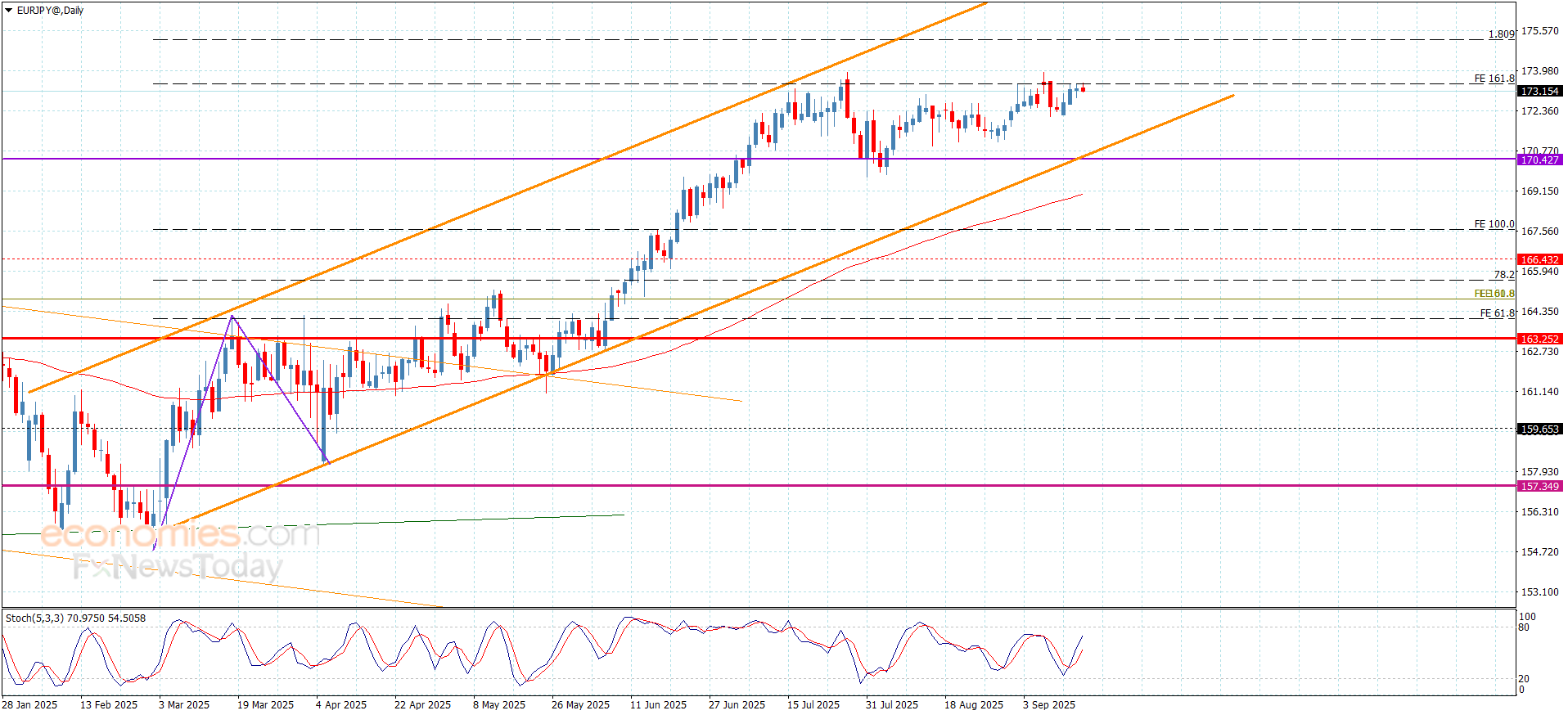
The EURJPY repeats the negative stability– Forecast today – 16-9-2025

By |2025-09-16T16:59:21+03:00September 16, 2025|Forex News, News|0 Comments

The GBPJPY pair attempted to record some extra gains by hitting 200.75 level, to return to settle below 200.40 barrier, to obstacle the chances for resuming the bullish attack.


Therefore, we will keep the bearish correctional scenario, gathering the negative momentum makes us expect declining towards 198.60 directly, then attempts to press on the support near 197.80, while the price success in confirming breaching the barrier will allow it to renew the bullish attempts, to expect its rally towards 201.55, forming the next positive target of the bullish scenario.


The expected trading range for today is between 198.60 and 200.40


Trend forecast: Bearish


Source link

16 09, 2025

Harvard study finds green-mediterranean diet could keep your brain younger – Health News

By |2025-09-16T16:47:53+03:00September 16, 2025|Dietary Supplements News, News|0 Comments


We’ve all heard it from our parents and grandparents, “Eat your greens if you want to stay young and healthy.” And turns out that it is indeed true. Over the years, many diets have gained popularity, from weight-loss trends to diet plans that claim to boost energy or even extend lifespan. But now, researchers say a special eating pattern called the green-Mediterranean diet may actually help slow down brain ageing.

The green-Mediterranean diet is more like a twist added to the Mediterranean diet, which is already known as one of the world’s healthiest diets. The regular diet includes vegetables, olive oil, nuts, whole grains, fish, and chicken instead of red meat. The green version adds two daily foods, green tea and Mankai, a small plant also called duckweed. Experts say these extra foods may have special compounds that can protect the brain and slow ageing.

The findings, published on August 23 in Clinical Nutrition, come from a joint study by Ben-Gurion University of the Negev, Harvard T.H. Chan School of Public Health, and the University of Leipzig. Researchers say the study offers some of the strongest biological evidence yet that diet can directly influence how the brain ages.

What the study found

The research followed around 300 participants in the direct plus trial, one of the longest-running studies exploring the connection between diet and brain health. Over 18 months, participants were assigned to one of three diets: a standard healthy diet; a traditional calorie-restricted Mediterranean diet, with fewer simple carbs and more vegetables, poultry, and fish; or the green-Mediterranean diet, which added green tea and daily Mankai shakes.

When researchers analysed proteins in the participants’ blood, they discovered that higher levels of certain proteins were linked to faster brain ageing. These protein levels dropped in those who followed the green-Mediterranean diet. The team believes that the anti-inflammatory properties of green tea and Mankai may explain this protective effect.

Why does it matter? 

Neurological conditions such as Alzheimer’s disease and mild cognitive impairment are often tied to what experts call a “brain age gap,” when the brain appears older than a person’s actual age. “Studying the circulating proteins in blood allows us to observe how the brain’s ageing processes are influenced by lifestyle and dietary changes,” explained Anat Meir, a Harvard postdoctoral who co-led the study. “By mapping these protein signatures, we can see biological changes long before symptoms appear.”

Senior author Iris Shai, adjunct professor of nutrition at Harvard, added that these findings highlight the importance of everyday habits. While more research is needed, the study suggests that simple changes, like drinking green tea, eating more plant-based proteins, and choosing healthier fats, could help keep our brains younger for longer.


Source link

16 09, 2025

DOGE ETF Updates Suggest Prices Are Heading To $1; Here’s The Latest

By |2025-09-16T16:46:44+03:00September 16, 2025|Crypto News, News|0 Comments

The latest rally has put Dogecoin back in the spotlight, with its price climbing over 30% this week to trade around $0.26. Optimists are pointing to ETF updates and bullish chart patterns as proof that DOGE could finally reclaim the hype it enjoyed back in 2021. But beneath the surface, it’s becoming clear that while Dogecoin might grind toward $1 in the long run, its upside is capped compared to the explosive potential of new meme-powered tokens like Layer Brett (LBRETT). With its presale on the verge of breaking past $3.7 million and fast racing toward $4 million at just $0.0058 per token, Layer Brett is showing why it’s the project with real 100x potential.

DOGE ETF Updates Suggest Prices Are Heading To ; Here’s The Latest

Dogecoin price prediction: Dogecoin’s path to $1 looks limited

At $0.27, Dogecoin has rallied hard, but its next big hurdle sits between $0.35 and $0.40—a resistance level that has capped growth since 2021. Analysts argue that a breakout above $0.40 could confirm a longer-term bullish cycle, with a possible move toward $1 if momentum holds. For the average retail investor, though, that means at best a 3–4x gain from current levels, and only if everything breaks in DOGE’s favor.

That’s the problem with Dogecoin today. Despite ETF buzz and institutional chatter, it’s an old meme coin with little real innovation. Most of its short-term movements are still tied to speculation, hype, or mentions from influencers. It has a large market cap already, and every step higher takes billions of dollars in new money—something harder to achieve in a crowded market.

Why Layer Brett is taking the spotlight with 

While Dogecoin battles to reclaim old highs, Layer Brett is redefining what a meme coin can be. Built as an Ethereum Layer 2 memecoin, it combines the viral energy of meme culture with actual blockchain utility. By processing transactions off-chain while anchoring to Ethereum, LBRETT delivers lightning-fast speeds and ultra-low gas fees—fixing problems that plague other meme tokens.

On top of that, LBRETT holders can instantly stake through MetaMask or Trust Wallet and earn some of the highest staking rewards in the market today, with APYs soaring above 700%. Add in transparent tokenomics, a fixed supply of 10 billion tokens, and ecosystem plans for gamified staking and NFTs, and it’s clear why investors see Layer Brett as meme-born but utility-built.

At just $0.0058, the upside potential is staggering. A run to $1 in the next bull cycle would represent nearly 200x returns—exactly the kind of asymmetric upside that Dogecoin can no longer deliver. That’s why more investors are rotating away from old names like Dogecoin and into presales like Layer Brett that still offer room for life-changing gains.

The verdict

Yes, Dogecoin may have some fuel left in the tank, but its growth story is slowing, and its ceiling is lower than ever. Layer Brett, on the other hand, is early, cheap, and already backed by millions in presale inflows. With the presale closing in on $3.7 million and on pace to smash through $4 million, this Ethereum Layer 2 memecoin is proving to be the breakout star of 2025.

LBRETT is available now at $0.0058. Don’t miss out on the next 100x—join the Layer Brett presale today.

Website: https://layerbrett.com

Telegram: https://t.me/layerbrett

X: Layer Brett (@LayerBrett) / X

lbr banner (3)

This article is not intended as financial advice. Educational purposes only.

Source link

16 09, 2025

Can Hot Beverages Help with Healthy Aging?

By |2025-09-16T16:29:53+03:00September 16, 2025|Fitness News, News|0 Comments


I was on Instagram the other night and passed a reel showing a woman in a crop top. She didn’t speak. Subtitles scrolled over her midriff as she pursed her lips and wagged her finger at the camera. “Nobody ever guesses my age right,” she said. “Because I know these anti-aging tricks.” An arrow appeared on the screen pointing to below the reel to the caption. “#1. Drink hot lemon water.”

I didn’t read on because I felt annoyed by this woman who appeared to be no more than 22. But I was curious. I’d heard other people hype up lemon water as an anti-aging elixir, so I went to Google and typed “hot lemon water healthy aging” into a search. A long scroll of articles popped up, along with a ton of social media posts — all praising hot lemon water’s anti-aging effects.

As I poked around, I glimpsed other publications and social media posts claiming other hot beverages could help you age well, too. Tea. Coffee. Turmeric lattes. Was any of this hype worth buying into? Is the fountain of youth just a daily mug of bone broth best served hot? I consulted with two registered dietician nutritionists to get information I could trust.

Some hot beverages do have anti-aging benefits

Emily A. Callahan, MPH, RDN, founder of EAC Health and Nutrition, LLC, and member of HealthyWomen’s Women’s Health Advisory Council, is trained to have a skeptical eye. She’s all too familiar with the worrisome state Americans are in when it comes to nutrition. On the Healthy Eating Index, a tool that evaluates diet quality of the U.S. population, no age group has a score higher than 61 out of 100. That’s a D. Not failing, but close.

And the beverage industry, with its ever-growing array of drinks that are high in calories, sugar and saturated fats is, at large, only making us unhealthier. But Callahan recognizes that there are, in fact, some beverages out there that do boast benefits.

I spoke with both her and Lee Cotton, RDN, about eight non-alcoholic drinks often served hot that have health perks, particularly when it comes to healthy aging.

Lemon (or any fruit) and water

iStock.com/Thai Liang Lim

This combo is good for you because lemon is loaded with antioxidants, especially vitamin C. All fruits contain some type or combination of antioxidants, so you could mix any fruit with water and see benefits. “Antioxidants are important for health because they can prevent or delay cell damage from free radicals — unstable molecules that can damage DNA and prevent healthy aging. Antioxidants can counteract them,” Callahan said.

Tea (green, black, oolong)

Can Hot Beverages Help with Healthy Aging?

iStock.com/webphotographeer

Various teas can help with healthy aging too. Green, black and oolong tea contain not only antioxidants but also potassium, which supports brain function and may help prevent heart disease. Cotton pointed to the benefits of green tea, specifically. “Research indicates it has anti-inflammatory properties that have been studied for cancer prevention,” she said. “There has been some recent research that green tea can help protect against cognitive decline.”

Coffee

Hands Holding Coffee Cups On Table

iStock.com/EyeEm Mobile GmbH

A wealth of research, including UK Biobank, a long-term biomedical research project studying more than 500,000 UK adults, has found that people who drink coffee daily may live longer. Another long-term study of almost 50,000 women who were followed for 30 years found that drinking caffeinated coffee may help women age better and stay strong mentally and physically.

Callahan zeroed in on the fact that coffee has potassium — a good thing, but it also has a lot of caffeine and whether caffeine is definitively good for you, is not yet clear. We know it has antioxidant properties and, of course, can improve alertness in the moment, but Callahan is quick to point out that too much of it can cause heart palpitations and jitters. She recommended sticking to the FDA’s recommendation of no more than 400 milligrams of caffeine per day.

Turmeric lattes

Ayurvedic turmeric latte

iStock.com/Maridav

Turmeric lattes are becoming popular and it looks like there’s some health merit to the fad. “They provide an antioxidant boost and anti-inflammatory benefits,” Cotton said. “[But] always consult with your healthcare practitioner because it does have some medication interactions.” Also, too much of a good thing is too much. Overdosing on turmeric can cause some serious side effects.

Hot chocolate

Hot Chocolate with Cinnamon

iStock.com/Rocky89

Cocoa is loaded with antioxidants, so hot chocolate can provide a little anti-aging boost (the darker, the better), but beware the excess sugar may cancel out the benefits. “Don’t drink hot chocolate everyday, unless it’s your only added sugar,” Callahan said.

Apple cider

Warm Homemade Apple Cider with a Cinnamon Stick

iStock.com/bhofack2

Hot apple cider is a fall and winter favorite, and it has its anti-aging benefits, too. “It contains potassium, fiber and vitamin C,” Cotton said. But this is one of those healthy beverages that can easily turn unhealthy because of all the sugar, so drink mindfully and in moderation.

Steamed milk and non-dairy milk

Barista hand using high-pressure steam-operated milk frother

iStock.com/Narong KHUEANKAWE

Both cow’s milk and many non-dairy milks (soy, almond, oat, hemp, rice) contain calcium, which is crucial for bone health. “Calcium is lacking in most of our diets. So it’s beneficial to promote that intake,” Callahan said. “For women, osteoporosis is more common, so that calcium is important to get — especially in our teens and 20s when the foundation for our bones is laid down.”

Read: Curious About Calcium? >>

Bone broth

bowl of chicken bone broth on a table

iStock.com/Madeleine_Steinbach

Bone broth is all the rage these days, and though it’s a good source of protein and collagen, and contains small amounts of calcium, magnesium and phosphorus, it’s not — according to what science currently knows about it — an anti-aging miracle drink. “Popular claims about bone broth’s benefits for relieving joint pain, firming skin, improving digestion or strengthening bone are not supported by robust evidence at this time,” Callahan said. “That doesn’t mean that those benefits don’t exist, we just don’t have enough high-quality evidence to know with any certainty whether they do or do not. We also don’t know how much a person would need to drink to experience any benefits that exist.”

Temperature doesn’t matter — and the real benefit with all these drinks has nothing to do with nutrients

Some people prefer these drinks hot, while others prefer them cold. You do you! Whether enjoying them hot or cold, you’ll reap the anti-aging benefits (however big or small) of these beverages. That said, if you’re drinking kombucha, which we left off the list specifically because drinking it hot is a no-no, keep it cold. “Drinking kombucha heated at 115 degrees or above could damage or kill beneficial bacteria or yeasts, so that would not be a good thing,” Callahan said.

Finally, while all these drinks have their health perks (some more than others), it’s worth noting that the best and biggest purpose they serve isn’t healthy aging — it’s hydration, plain and simple.

“The body has requirements for water and the eight cups of water a day is a myth,” Callahan said. We actually need a lot more. The U.S. National Academies of Sciences, Engineering, and Medicine found that the adequate amount of water intake is about 11.5 cups (2.7 liters) a day for women.

“That seems like a lot, but remember, it doesn’t all have to be from water,” Callahan said. Every little bit of hydration you get counts. “It can be from coffee, tea, juice, fruits, vegetables, soups, oatmeal and even pasta.”

So I guess I’ll keep on sipping lemon water — but I’ll take mine on ice.

From Your Site Articles

Related Articles Around the Web


Source link

16 09, 2025

XAG/USD is pushing against $42.75 highs amid US Dollar’s weakness

By |2025-09-16T14:58:37+03:00September 16, 2025|Forex News, News|0 Comments


  • Silver is testing long-term highs at $42.75, favoured by broad-based Dollar weakness.
  • Market expectations that the Fed will hint at a series of rate cuts are hammering the US Dollar.
  • XAG/USD is reaching oversold levels, but downside attempts keep finding buyers.

Silver’s (XAG/USD) is trying to break long-terrm highs at $42.75 on Tuesday’s Early European session, favoured by broad-based US Dollar weakness, as the market braces for a “dovish cut” at the end of a two-day Fed monetary policy meeting on Wednesday.

Precious metals have been thriving in recent days with investors pricing in a series of rate cuts by the Federal Reserve in the coming months, starting with a quarter-point cut on Wednesday.

The US Dollar Index, which measures the value of the US dollar against a basket of currencies, is testing two-month lows, just above 97.00, after depreciating nearly 1% from last week’s highs.

Technical analysis: XAG/USD has scope for further appreciation

The technical pìcture is bullish, Momentum indicators show overbought levels on intra-day charts –the 4-hour RSI is above 70, but US Dollar weakness keeps downside attempts limited.

To the upside, above the mentioned $42.75 resistance area, the $43.00 psychological level might hold bulls ahead of the 261.8% retracement of the September 8 rally, at $43.50.

The pair has solid support at a previous resistance in the area of $42.50. Below here, the September 14 and 15 low, at $42.00, and the September 8 high, at $41.65, would come into focus.

 (This story was corrected on September 16 at 11:45 GMT to say that the $42.75 level is a long-term high, and not an all-time high, as previously stated.)

Silver FAQs

Silver is a precious metal highly traded among investors. It has been historically used as a store of value and a medium of exchange. Although less popular than Gold, traders may turn to Silver to diversify their investment portfolio, for its intrinsic value or as a potential hedge during high-inflation periods. Investors can buy physical Silver, in coins or in bars, or trade it through vehicles such as Exchange Traded Funds, which track its price on international markets.

Silver prices can move due to a wide range of factors. Geopolitical instability or fears of a deep recession can make Silver price escalate due to its safe-haven status, although to a lesser extent than Gold’s. As a yieldless asset, Silver tends to rise with lower interest rates. Its moves also depend on how the US Dollar (USD) behaves as the asset is priced in dollars (XAG/USD). A strong Dollar tends to keep the price of Silver at bay, whereas a weaker Dollar is likely to propel prices up. Other factors such as investment demand, mining supply – Silver is much more abundant than Gold – and recycling rates can also affect prices.

Silver is widely used in industry, particularly in sectors such as electronics or solar energy, as it has one of the highest electric conductivity of all metals – more than Copper and Gold. A surge in demand can increase prices, while a decline tends to lower them. Dynamics in the US, Chinese and Indian economies can also contribute to price swings: for the US and particularly China, their big industrial sectors use Silver in various processes; in India, consumers’ demand for the precious metal for jewellery also plays a key role in setting prices.

Silver prices tend to follow Gold’s moves. When Gold prices rise, Silver typically follows suit, as their status as safe-haven assets is similar. The Gold/Silver ratio, which shows the number of ounces of Silver needed to equal the value of one ounce of Gold, may help to determine the relative valuation between both metals. Some investors may consider a high ratio as an indicator that Silver is undervalued, or Gold is overvalued. On the contrary, a low ratio might suggest that Gold is undervalued relative to Silver.


Source link

16 09, 2025

Pound Sterling tests key resistance ahead of Fed

By |2025-09-16T14:57:33+03:00September 16, 2025|Forex News, News|0 Comments

  • GBP/USD continues to push higher after closing in positive territory on Monday.
  • The pair could extend the uptrend once 1.3640 is confirmed as support.
  • The Fed’s two-day policy meeting will start later in the day.

GBP/USD benefits from the broad-based selling pressure surrounding the US Dollar (USD) and trades at its highest level in over two months above 1.3630. As markets gear up for the Federal Reserve’s (Fed) critical policy meeting, the USD could have a hard time gathering strength and allow GBP/USD to cling to its bullish stance.

Pound Sterling Price This week

The table below shows the percentage change of British Pound (GBP) against listed major currencies this week. British Pound was the strongest against the US Dollar.

USD EUR GBP JPY CAD AUD NZD CHF
USD -0.62% -0.60% -0.41% -0.51% -0.35% -0.33% -0.61%
EUR 0.62% 0.05% 0.16% 0.12% 0.32% 0.26% 0.00%
GBP 0.60% -0.05% 0.16% 0.06% 0.27% 0.20% -0.16%
JPY 0.41% -0.16% -0.16% -0.12% 0.11% 0.07% -0.20%
CAD 0.51% -0.12% -0.06% 0.12% 0.27% 0.14% -0.23%
AUD 0.35% -0.32% -0.27% -0.11% -0.27% -0.06% -0.35%
NZD 0.33% -0.26% -0.20% -0.07% -0.14% 0.06% -0.36%
CHF 0.61% -0.01% 0.16% 0.20% 0.23% 0.35% 0.36%

The heat map shows percentage changes of major currencies against each other. The base currency is picked from the left column, while the quote currency is picked from the top row. For example, if you pick the British Pound from the left column and move along the horizontal line to the US Dollar, the percentage change displayed in the box will represent GBP (base)/USD (quote).

In the American session on Monday, the positive shift in risk mood weighed on the USD. Moreover, growing expectations for a dovish Fed outlook following White House economic adviser Stephen Miran’s confirmation to join the Federal Reserve Board and vote at the upcoming meeting hurt the currency further.

Early Tuesday, the UK’s Office for National Statistics (ONS) announced that the ILO Unemployment Rate remained unchanged at 4.7% in the three months to July, as anticipated. In this period, annual wage inflation, as measured by the change in the Average Earnings Excluding Bonus, edged lower to 4.8% from 5% to match the market expectation. These figures were largely ignored by market participants.

The US Census Bureau will release Retail Sales data for August later in the day. Although a stronger-than-expected increase in this data could help the USD show some resilience with the immediate reaction, investors could refrain from taking large positions.

In the meantime, US stock index futures trade modestly higher in the European session. In case the market mood remains upbeat after a bullish opening in Wall Street, the USD is likely to remain under bearish pressure.

GBP/USD Technical Analysis

The Fibonacci 78.6% retracement of the latest downtrend aligns as an immediate resistance level at 1.3640. In case GBP/USD rises above this level and starts using it as support, 1.3700 (static level, round level) could be seen as the next hurdle before 1.3770 (static level, beginning point of the downtrend).

Looking south, support levels could be spotted at 1.3600 (static level, round level), 1.3540 (Fibonacci 61.8% retracement) and 1.3500 (static level, 100-period Simple Moving Average).

Pound Sterling FAQs

The Pound Sterling (GBP) is the oldest currency in the world (886 AD) and the official currency of the United Kingdom. It is the fourth most traded unit for foreign exchange (FX) in the world, accounting for 12% of all transactions, averaging $630 billion a day, according to 2022 data.
Its key trading pairs are GBP/USD, also known as ‘Cable’, which accounts for 11% of FX, GBP/JPY, or the ‘Dragon’ as it is known by traders (3%), and EUR/GBP (2%). The Pound Sterling is issued by the Bank of England (BoE).

The single most important factor influencing the value of the Pound Sterling is monetary policy decided by the Bank of England. The BoE bases its decisions on whether it has achieved its primary goal of “price stability” – a steady inflation rate of around 2%. Its primary tool for achieving this is the adjustment of interest rates.
When inflation is too high, the BoE will try to rein it in by raising interest rates, making it more expensive for people and businesses to access credit. This is generally positive for GBP, as higher interest rates make the UK a more attractive place for global investors to park their money.
When inflation falls too low it is a sign economic growth is slowing. In this scenario, the BoE will consider lowering interest rates to cheapen credit so businesses will borrow more to invest in growth-generating projects.

Data releases gauge the health of the economy and can impact the value of the Pound Sterling. Indicators such as GDP, Manufacturing and Services PMIs, and employment can all influence the direction of the GBP.
A strong economy is good for Sterling. Not only does it attract more foreign investment but it may encourage the BoE to put up interest rates, which will directly strengthen GBP. Otherwise, if economic data is weak, the Pound Sterling is likely to fall.

Another significant data release for the Pound Sterling is the Trade Balance. This indicator measures the difference between what a country earns from its exports and what it spends on imports over a given period.
If a country produces highly sought-after exports, its currency will benefit purely from the extra demand created from foreign buyers seeking to purchase these goods. Therefore, a positive net Trade Balance strengthens a currency and vice versa for a negative balance.

Source link

16 09, 2025

Can high-protein supplements improve cancer recovery?

By |2025-09-16T14:46:38+03:00September 16, 2025|Dietary Supplements News, News|0 Comments


New evidence reveals that protein-rich oral supplements can support cancer recovery with fewer complications and shorter hospital stays, offering hope for better supportive care.

Study: High-protein oral nutritional supplement use in patients with cancer reduces complications and length of hospital stay: a systematic review and meta-analysis. Image credit: LightField Studios/Shutterstock.com

A recent systematic review and meta-analysis published in Frontiers in Nutrition highlighted the potential use of high-protein oral nutritional supplements in reducing clinical complications and length of hospital stay in cancer patients. However, the review noted variability in the certainty of evidence and patient populations studied.

Background

Cancer is a leading cause of mortality worldwide, posing significant challenges to the healthcare systems. Malnutrition, or poor nutrition, is one of the major challenges that cancer patients experience throughout the disease course. Malnutrition can reduce treatment effectiveness, negatively affect clinical outcomes, and increase disease severity in cancer patients.

Some estimates suggest that malnutrition may contribute to around 20% of cancer-related deaths, although figures vary depending on cancer type and stage. High metabolic demands of cancer together with adverse side-effects of chemotherapy, radiotherapy, and surgery significantly reduce appetite and dietary intakes in cancer patients, which collectively result in malnutrition, weight loss, and functional impairments.

Multi-nutrient oral nutritional supplements and dietary advice are often recommended to cancer patients to optimize nutritional intake and reduce malnutrition risk. Many studies have highlighted the clinical benefits of these supplements in various cancer patients.

Cancer therapy-related metabolic derangements often increase protein requirements in cancer patients. However, inadequate protein intake due to reduced appetite in these patients often leads to protein loss, muscle mass decline, impaired tissue repair, and suppressed immune functions. High-protein oral nutritional supplements are particularly recommended for cancer patients to counteract these deficits.

In this systematic review and meta-analysis, the researchers thoroughly analyzed existing literature on the effect of high-protein oral nutritional supplements on clinical outcomes in cancer patients.

Study design

The researchers conducted systematic literature screening to identify randomized controlled trials that investigated the effect of high-protein oral nutritional supplements (≥20% energy from protein) on nutritional, clinical, and functional outcomes in cancer patients, including complications, length of hospital stay, readmissions to hospital, and mortality.

The screening included 29 studies in the systematic review and 19 studies in the meta-analysis. The studies included 2,279 patients with gastrointestinal, lung, head and neck, liver, breast, and mixed cancers across hospital and community settings, who were undergoing surgery, chemotherapy, and/or radiotherapy.

Key findings

The systematic review and meta-analysis findings revealed that high-protein oral nutritional supplements can significantly reduce both infectious and non-infectious complications and post-operative and treatment-related complications in cancer patients. The observed reduction of complications was similar for supplements with and without omega-3 fatty acids.

The meta-analysis also indicated that treating 12 cancer patients with supplements would prevent one additional complication compared to control patients receiving routine care.

The meta-analysis of studies that investigated the effect of supplements containing omega-3 fatty acids mainly included patients with gastrointestinal cancers with a range of nutritional statuses undergoing surgery. The interventions ranged from very short pre-operative durations (five days) in patients undergoing surgery to extended community-based nutritional support during cancer therapy (up to one year) as clinically indicated. The majority of these studies reported the impact of supplements on surgical and post-operative complications, except for one study that reported treatment-related toxicities. 

On the other hand, the meta-analysis of studies using supplements without omega-3 included various cancer patients with different nutritional statuses across hospital and community settings. These studies focused on a range of complications, including chemotherapy- and radiotherapy-related toxicities, as well as post-operative infectious and non-infectious complications.

The difference in cancer types, treatments, settings, and nutritional status of included patients is a critical factor that can potentially influence the interpretation and generalizability of findings. However, the findings support the broader utility of high-protein oral nutritional supplements.

Regarding healthcare use, the meta-analysis revealed that intake of high-protein oral nutritional supplements is associated with a significant reduction in hospital stay duration, which may be attributed to decreased perioperative complications and faster recovery.

Specifically, it was observed that pre- and post-operative supplement use is associated with a significant reduction in hospital stay in patients with colorectal cancer, regardless of initial nutritional status, with some evidence suggesting this may lower treatment costs. However, formal economic evaluation was not a central focus of the review.

In this meta-analysis, no significant impact of supplement use was observed on hospital readmissions, possibly due to the short intervention period in patients undergoing surgery. Several other factors may also influence hospital readmission, including existing health conditions, post-discharge care, and adherence to nutritional recommendations. Further research is needed to explore whether longer intervention periods with high-protein oral nutritional supplements benefit hospital readmission.

Similarly, the meta-analysis found no significant impact of supplement use on mortality. The authors emphasized that evidence for survival outcomes was limited, with one small study reporting higher one-year survival benefits associated with omega-3-enriched supplements in pancreatic cancer patients undergoing chemotherapy.  

The benefits of high-protein supplements observed in this systematic review and meta-analysis may be associated with the intake of energy, protein, and other key nutrients that help preserve or restore body reserves, such as body weight and muscle mass. These factors can potentially improve patients’ ability to tolerate side effects associated with surgery and cancer therapies.

Furthermore, macronutrients and micronutrients in these supplements can potentially improve wound healing and tissue regeneration and modulate inflammatory and immune responses. However, the review cautions that mechanisms were not the primary focus of the analysis.

Given the observed clinical benefits of consuming high-protein supplements, the researchers highlight the need for further research with robust controlled designs and greater standardization of patient groups, cancer treatment regimens, and nutritional interventions to more conclusively understand these associations and enable practice recommendations.

Download your PDF copy now!


Source link

16 09, 2025

$1.40 ADA Target in Focus While LINK and NEAR Named Hidden Gems

By |2025-09-16T14:45:19+03:00September 16, 2025|Crypto News, News|0 Comments

Disclaimer: This is a Press Release provided by a third party who is responsible for the content. Please conduct your own research before taking any action based on the content.


The crypto market is hyped up with Cardano news today, as the ADA price eyes the $1.40 target analysts are watching. Alongside ADA’s push toward the key $0.90–$1 range, Chainlink (LINK) and NEAR Protocol (NEAR) are being spotlighted as top altcoins to watch now, with many calling them hidden gems for long-term growth.

Adding to the excitement, MAGACOIN FINANCE has started making waves as a new community-driven project with real-world impact.

Cardano Eyes $1.40 in Latest Market Moves

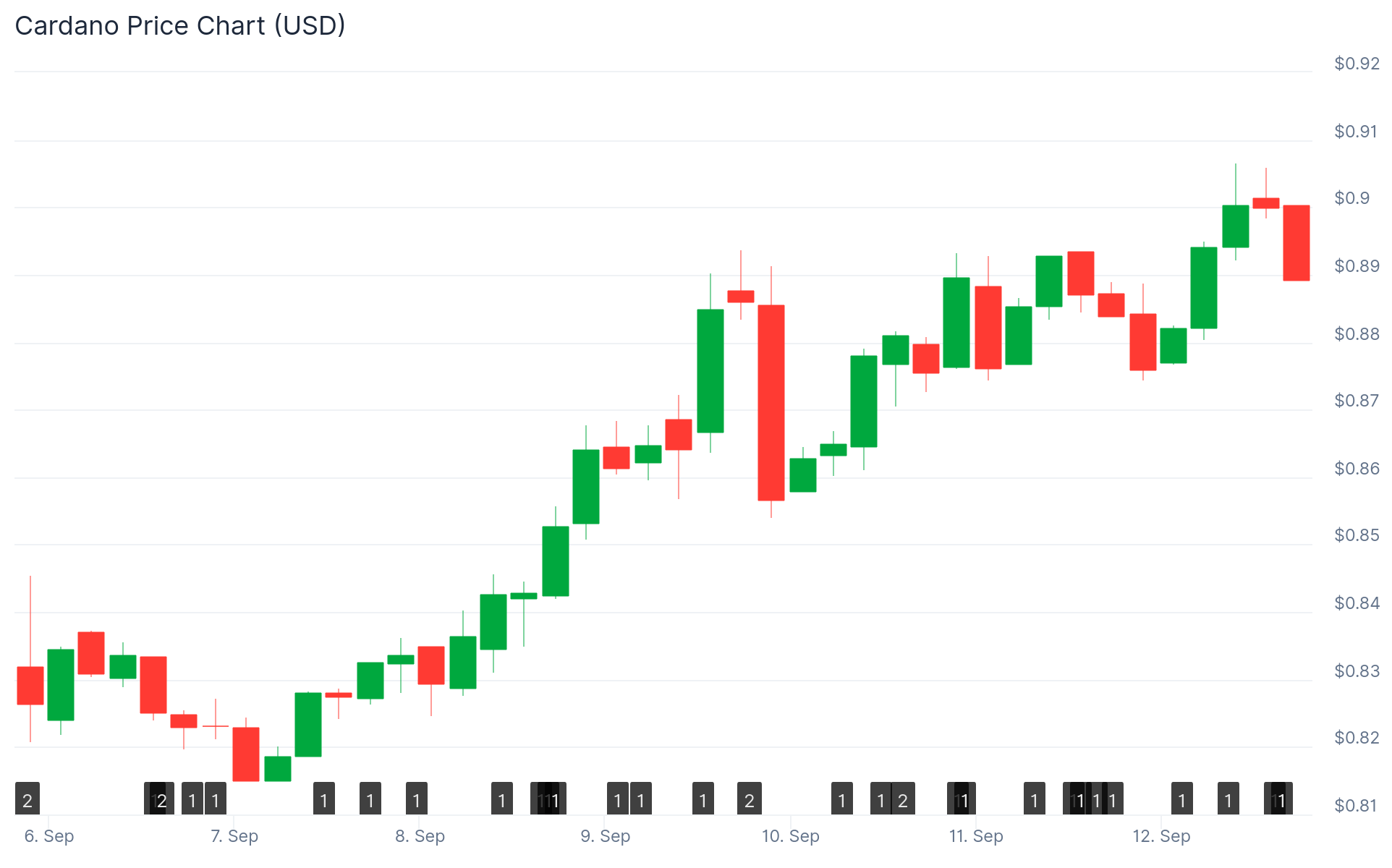
The latest Cardano news today centers on ADA testing the crucial $0.90–$1.00 level, a zone that traders have been monitoring closely. Over the past week, ADA recorded an estimated 9% gain, which has renewed confidence that a breakout may be on the horizon.

Technical analysts suggest that if ADA secures a daily close above the $1 line, it could fuel a rally toward previous highs in the $1.30–$1.40 range.

.40 ADA Target in Focus While LINK and NEAR Named Hidden Gems

ADA 1W chart


This sets up the much-discussed ADA price prediction of $1.40, which has become a talking point among traders speculating on where the token might head next.

In the Cardano market outlook, the $1 level remains more than just a price target — it’s also a psychological barrier. A decisive break could pull in sidelined buyers, while rejection might lead to another phase of sideways consolidation.

LINK Consolidates Near $24 With Institutional Interest

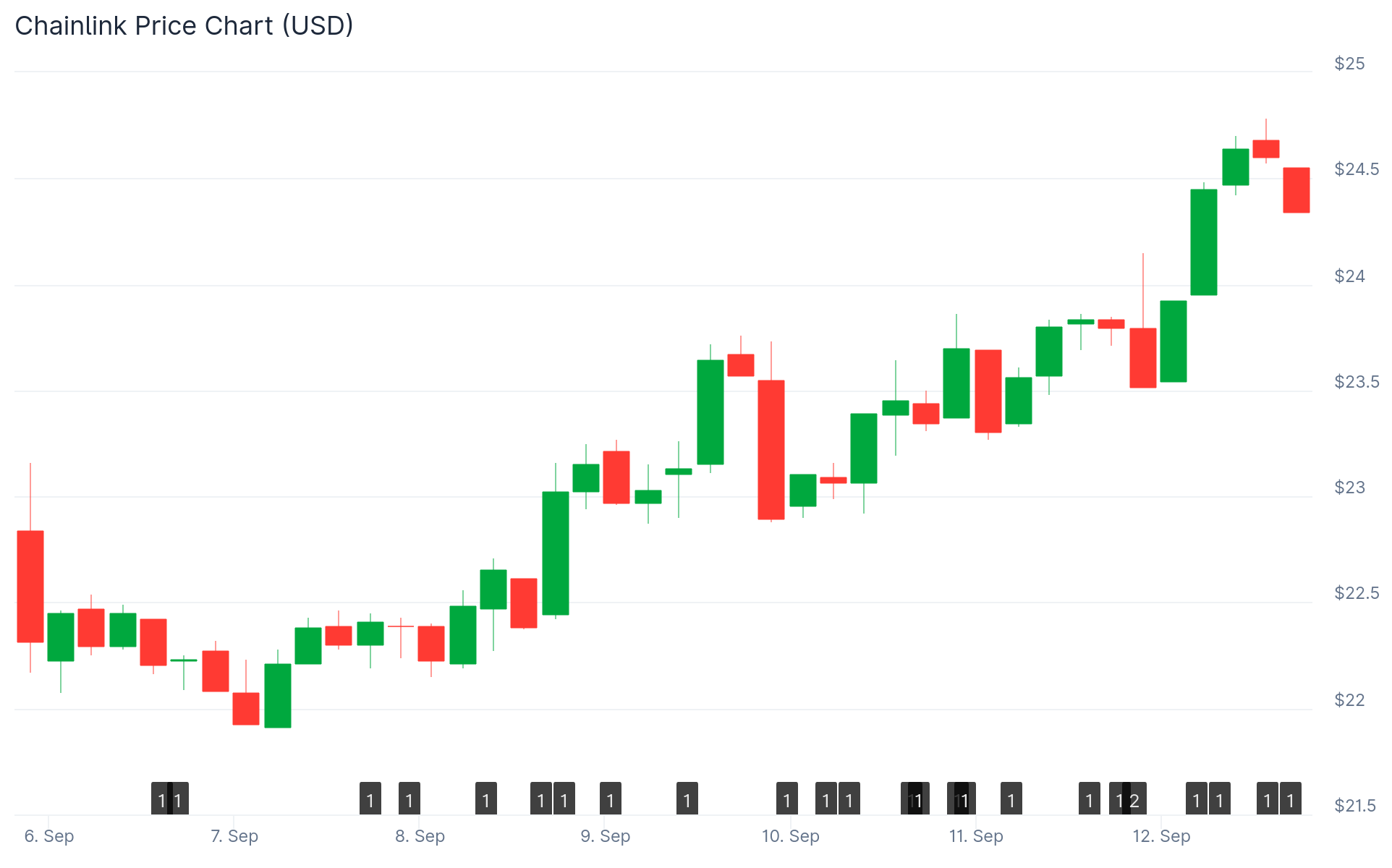
While ADA’s rally grabs attention, Chainlink (LINK) has quietly maintained its ground around the $23–$24 region. Analysts are eyeing a breakout above the $24.5 resistance, which could clear the path for a short-term surge toward $25–$28.

This momentum is being supported by large investors. Data from recent coverage shows whales have accumulated around 2.08 million LINK (about $49.5 million) over the past 180 days.

LINK 1W price

This kind of activity adds weight to the growing LINK price prediction 2025 discussions, with some forecasts pointing to potential moves toward $30 or even $40 in the coming year.

Strategic partnerships, including work with SBI Japan and collaborations on U.S. government data initiatives, continue to strengthen the perception of Chainlink (LINK) as a hidden gem in the top altcoins to watch now category.

NEAR Protocol Leads the Pack With Notable Surge

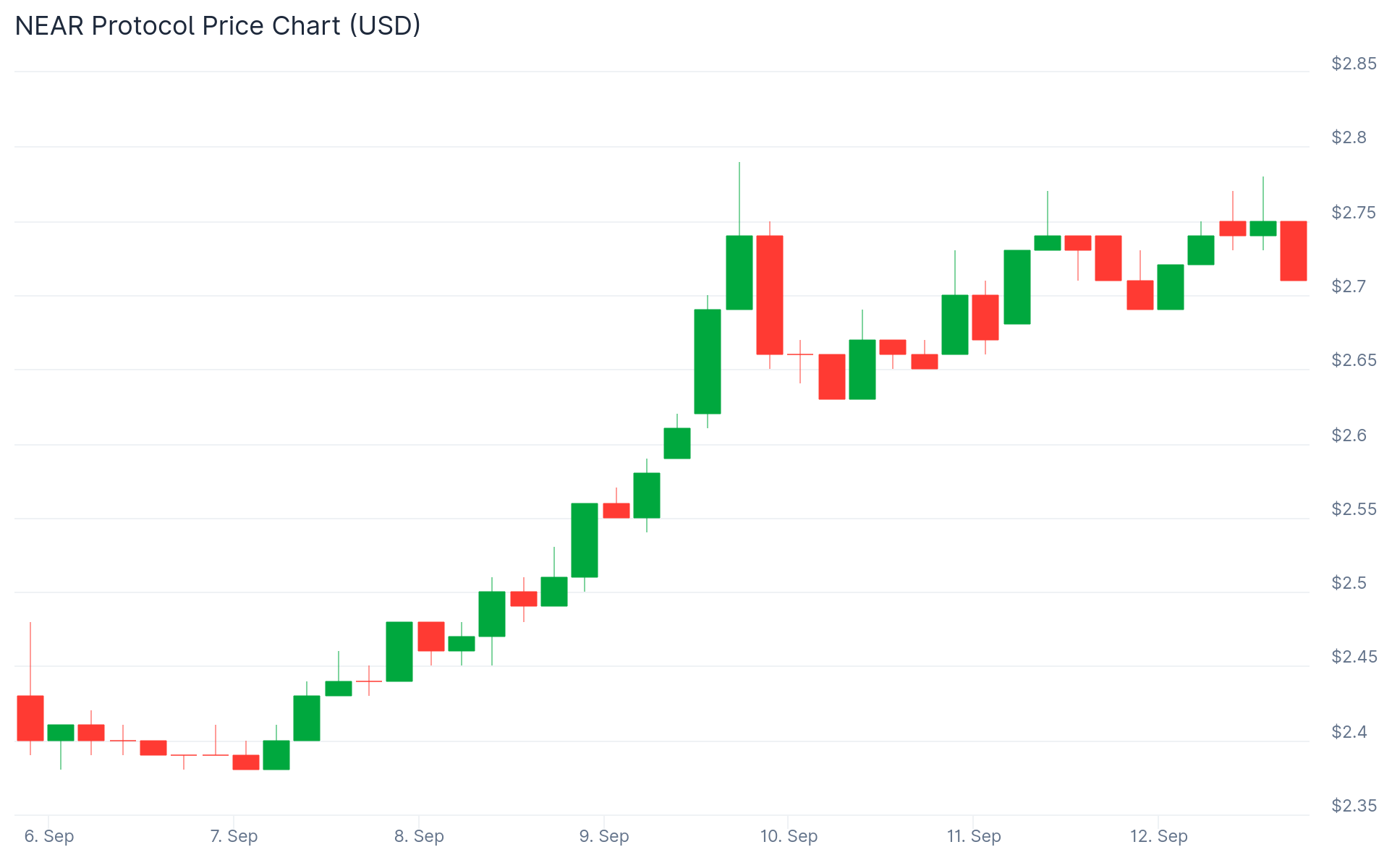
Another strong performer has been NEAR Protocol (NEAR). In recent trading sessions, NEAR has outpaced other major assets, pushing the CoinDesk 20 index higher by 1.1%.

This performance has turned heads, with many starting to discuss a NEAR price prediction for 2025 that points toward growing demand in the ecosystem.

NEAR 1W price

NEAR’s fundamentals are also gaining attention. Its “Intents” product recently surpassed $1 billion in lifetime transaction volume, highlighting growing real-world usage.

At the same time, protocol upgrades have brought down inflation to around 2.5%, a move that could support long-term token stability. Strategic collaborations with projects like Everclear, Aptos, and Shelby are fueling speculation that NEAR could be a hidden gem with more upside than expected.

MAGACOIN FINANCE Joins the Conversation

Beyond the Cardano price forecast for 2025 and the hype around LINK and NEAR, a new name is quietly entering the conversation: MAGACOIN FINANCE. The project positions itself as a secure, community-driven altcoin with audited protocols — an important reassurance in a market where investors often worry about safety.

What sets it apart is its focus on real adoption and sustainable growth. The project’s security and transparency offer participants the chance at a safe ROI.

As many are scanning for the best hidden gem cryptos of 2025, MAGACOIN FINANCE is beginning to stand out, aiming to combine security with real utility. Its model appeals to those seeking both potential growth and community-focused initiatives.

Final Take: Altcoins on the Rise and the MAGACOIN FINANCE Factor

The latest Cardano news today points toward a possible breakout near $1.40, while LINK and NEAR are being framed as hidden gems in the market.

Long-term watchers are also paying attention to the Cardano price forecast 2025, along with the LINK price prediction 2025 and NEAR price prediction 2025, as adoption stories build momentum.

Alongside these established names, MAGACOIN FINANCE is stepping into the spotlight with its focus on community and real-world impact, giving investors another potential contender among the best hidden gem cryptos of 2025.

To learn more about MAGACOIN FINANCE, visit:

Website: https://magacoinfinance.com

Twitter/X: https://x.com/magacoinfinance

Telegram: https://t.me/magacoinfinance

Disclaimer: This media platform provides the content of this article on an “as-is” basis, without any warranties or representations of any kind, express or implied. We assume no responsibility for any inaccuracies, errors, or omissions. We do not assume any responsibility or liability for the accuracy, content, images, videos, licenses, completeness, legality, or reliability of the information presented herein. Any concerns, complaints, or copyright issues related to this article should be directed to the content provider mentioned above.

/div>

Source link

16 09, 2025

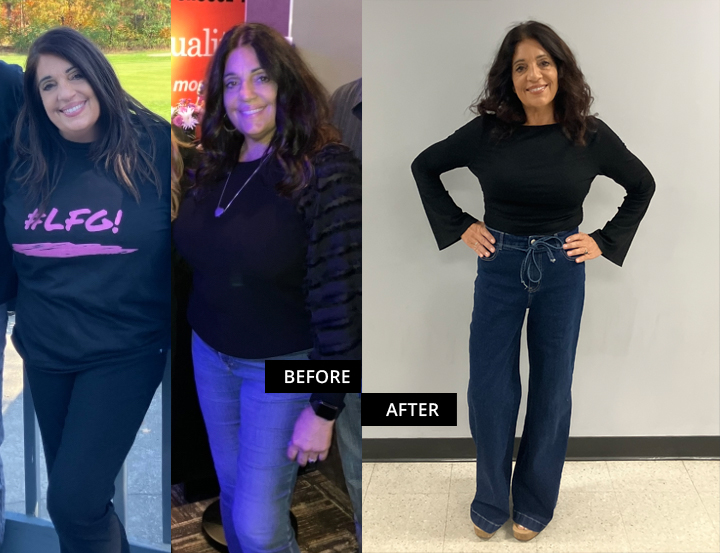
Weight Loss Hurdles Unlocked: Practical Tips from Real People’s Transformations

By |2025-09-16T14:28:51+03:00September 16, 2025|Fitness News, News|0 Comments


By Charlene Bazarian

Do you ever catch a glimpse of yourself in the mirror or look at a photo and realize the image in your head no longer matches what you see? Maybe you’re staring at a closet full of clothes that no longer fit, wondering how your body became a stranger overnight. You’re not alone. I was there too—staring down nearly a 100-pound surplus that had crept up like an uninvited guest who wouldn’t leave. My weight loss journey wasn’t a straight path; it was an obstacle course of plateaus and slip-ups. But here’s the good news: every hurdle has a hack, and every story (mine included) proves it’s possible to leap over them.

Deb Levine lost 55 lbs. after an unexpected discovery that she was diabetic. When her eyesight suddenly improved dramatically, her eye doctor urged her to report it to her primary care physician, suspecting diabetes or something even worse. Once diagnosed with diabetes, with her blood sugar regularly in the 200s, Deb began her quest to reclaim her health. She drank lots of water and ate small snacks several times a day, aiming for 100 calories with 10-15 grams of protein and under 15 grams of carbohydrates, spaced 2-2.5 hours apart to allow her blood sugar to stabilize. For main meals, she stuck to 5-7 ounces of lean protein and vegetables while increasing her activity. Deb shares that even walking for 5-10 minutes after a meal, often with her beloved Bernedoodle, Reggie, made a difference. Today, Deb routinely aims for 10,000 steps daily and attends Barre fitness classes three times a week.

Photos courtesy of Deb Levine

Deb shares that one of her biggest hurdles was mindless eating. She soon realized that a handful of anything, even healthy options, could add up and derail her weight loss efforts. Deb’s hack? Eat intentionally! She learned that planning snacks and meals, and pre-planning flexible indulgences, kept her on track. Mindless grazing, regardless of how healthy the choice, was a surefire way to stall progress. To combat sweet cravings, Deb used a unique trick: eating pickles and drinking water. She told herself that if she still wanted the treat afterward, she could have it, but the tangy trick always worked!

After learning she was prediabetic and had high blood pressure, Laurie Bono began her journey to lose 53 lbs. and reclaim her health and energy. Laurie started with Zepbound. After losing 25 lbs., she began strength training, which she describes as one of the best decisions of her life. Laurie acknowledges that without her initial weight loss, she might not have had the confidence to join a strength training class. “I started using Zepbound as a tool, and in addition to vastly improving my fitness activity, I fully embraced changing my eating habits,” she says. One of her biggest challenges was the perceived pressure to drink alcohol and eat at social events, including her daughter’s recent wedding. While she didn’t feel she had a problem with alcohol, Laurie realized she felt better without it. Her strategy for handling peer pressure like “Come on, it’s only one drink” is to decide in advance whether she wants a cocktail, owning her decision rather than letting expectations sweep her away.

Laurie Bono.
Photos courtesy of Laurie Bono.

Fending off a ferocious sweet tooth was another hurdle in Laurie’s journey. Desserts were a significant factor in her initial weight gain. To tackle this, she swapped her beloved Brigham’s Ice Cream for Yasso Bars, finding a treat that satisfied cravings without undoing progress.
Awareness is key to her success: knowing her favorite ice cream is in the freezer would tempt her, but having a healthier option keeps her on track without feeling deprived.

Amy Kukta shed an incredible 93 lbs., but acknowledges her journey toward a healthier weight and active lifestyle was far from linear. Several years ago, Amy realized she needed real change and began paying closer attention to her food choices. When the pandemic hit, working from home—away from the office food culture of pizza, cupcakes, and desk candy—gave her a much-needed reset. After being diagnosed with spondylolisthesis and exhausting non-surgical options, Amy underwent spinal fusion. During recovery, she followed her doctor’s advice to walk three times a day for at least 30 minutes and soon found herself walking six miles daily!

Amy Kukta
Photo courtesy of Amy Kukta

Amy also overhauled her nutrition, aiming to fuel healing and fat loss without feeling deprived. She ramped up protein with nutrient-packed staples like sardines, egg whites, low-fat cottage cheese, and fat-free Greek yogurt. She ditched calorie-heavy creams and cheeses, opting for lighter swaps that still satisfied cravings.

Stress, Amy admits, played a major role in her weight loss struggles. When caring for ailing parents, feeling physically and emotionally drained, she leaned on food and alcohol to cope. Realizing that eating to manage stress, sadness, boredom, or celebration wasn’t the answer, Amy now walks off stress when it creeps in. Keeping her hands busy with a fidget toy or stress ball also helps prevent snacking. Another key to her success was prioritizing sleep, which she found instrumental in managing stress.

Amy Kukta
Photo courtesy of Amy Kukta

Amy’s love of sweets, ever-present at social gatherings, holidays, and celebrations, was another challenge. Her strategy? Mindful eating. By focusing on macros, prioritizing protein, reducing portions, sharing desserts, and staying within her calorie range, Amy found balance. Her guiding philosophy? “Treat every day as a fresh slate of choices—because staying mindful isn’t just smart; it’s the secret that turns good intentions into lasting success.”

As we’ve journeyed through the inspiring stories of Deb, Laurie, and Amy, who turned their “oh no” moments into “oh yes” victories, it’s time to share my own chapter. My “aha moment” came after being body-shamed by a mean-spirited day spa receptionist when a one-size-fits-all robe didn’t fit me. Despite countless failed attempts to lose weight, this was my defining moment. No more half-hearted promises. I declared war on the unwelcome weight. My strategy was to emulate a fit person’s habits: I started weight training, drank protein shakes, and crafted a diet of lean proteins, leafy greens, and complex carbs to keep me fueled and on track. I kept learning and tweaking as I worked my way down the scale, but hurdles love to pop up unexpectedly.

Photo by Cordele Photography.  Hair and make up by Janeen Jones.
Photo by Cordele Photography.
Hair and make up by Janeen Jones.

First up: the saboteurs. Not just the siren call of “just this once” or “one bite won’t hurt,” but curveballs from my inner circle, like a well-meaning (or not-so-well-meaning) friend cooing, “C’mon, live a little—you’re no fun anymore!” I learned not to dwell on their motives but to politely and persistently hold my ground. Eventually, my circle realized their efforts to tempt me were futile.

Then there was the trickiest foe: success itself. I call it “the comfortables”—that cozy trap where early wins make you think, “Hey, I’ve got this!” and suddenly you’re slacking like it’s optional. For me, it hit hardest on weekends. I’d stick to the plan all week, then splurge a bit, only to watch the scale yo-yo. I learned the hard way that moderation is for maintenance, not momentum.

Charlene Bazarian.
After – Photo by Joel Benjamin Photography. Hair and Makeup by Janeen Jones.
Styled by Dianna Bedrosian.

Don’t let past failures be a roadblock. It doesn’t matter how many times you’ve tried to lose weight. I felt like I’d done every diet from Atkins to Weight Watchers. It’s okay to take your hundredth first step!

Here’s the plot twist no one warns you about: no matter how many hurdles you clear, there’s no finish line in this marathon. Even now, years after hitting my goal and keeping nearly 100 pounds off, I’m still the vigilant gatekeeper of my choices. A few careless meals, and those pounds start whispering about creeping back. It’s a humbling reminder that consistency and awareness are lifelong sidekicks. My advice? Don’t let past failures define you. My hundredth “first step” was the charm.

These real-life success stories all whisper the same truth: weight loss isn’t a linear journey, but success hinges on facing inevitable hurdles with grit and grace. Every great transformation starts with a single, sincere step—whether it’s your first or your hundredth. You can rewrite your story, one fueled-and-fabulous step at a time.

About the author:

Charlene Bazarian is a fitness and weight loss success story after losing 96 pounds. She mixes her no-nonsense style of fitness advice with humor on her blog at Fbjfit.com and on Facebook at FBJ Fit and Instagram at @FBJFit.

Disclaimer
The Content is not intended to be a substitute for professional medical advice, diagnosis, or treatment. Always seek the advice of your physician or other qualified health provider with any questions you may have regarding a medical condition.


Source link

Go to Top