About Editorial team of BIPNs

Main team of content of bipns.com. Any type of content should be approved by us.
10 09, 2025

The EURJPY hits the initial target– Forecast today – 10-9-2025

By |2025-09-10T17:28:45+03:00September 10, 2025|Forex News, News|0 Comments

Despite the attempts of the main indicators to provide positive momentum but the stability of the GBPJPY pair below the barrier at 200.40 obstacle the chances for resuming the bullish attack, which forces it to provide sideways trading, activating the expected bearish correctional track. 


While gathering the negative momentum will make the price begin targeting the negative stations by its decline to 198.60, then attempts to press on the initial support at 197.85, while the price success in breaching the barrier and holding above it will turn the bullish scenario to begin achieving clear gains by its rally to 200.90 and 201.55.


The expected trading range for today is between 198.65 and 200.30


Trend forecast: Bearish


Source link

10 09, 2025

Sleep struggles? Here’s what supplements might help and what to watch out for

By |2025-09-10T17:24:53+03:00September 10, 2025|Dietary Supplements News, News|0 Comments


DETROIT – If you’re having trouble sleeping, you are not alone. According to a nationally representative Consumer Reports survey, only 43 percent of us would describe our sleep quality as good or very good. Consumer Reports explores whether supplements could be the answer for the rest of us.

If you’re consistently losing sleep, studies have shown that it can wreak havoc on your body and increase your risks for anxiety and depression.

If you’re looking into supplements, you’re not alone. That’s why many people look for solutions. According to a nationally representative Consumer Reports survey, about 1 in 6 Americans used dietary or natural supplements in the past year to help them sleep better.

Unlike sleep medications – which are prescribed by a doctor – sleep supplements can be found over-the-counter. Store shelves are stocked with pills, teas, and tonics claiming to help you sleep.

For example, take melatonin, which is a naturally produced hormone that regulates our sleep-wake cycle and helps control when you’re sleepy and when you feel awake. Evidence does suggest that taking melatonin can help you doze off about 7 minutes faster, on average. Research shows it may be helpful for people with jet lag or certain sleep disorders, but be sure not to overdo it – you don’t want to interfere with your body’s natural production of melatonin.

Other supplements you may find promoted out there to help you sleep include:

  • CBD – which is a compound that is found in both hemp and marijuana, and it doesn’t get you high. Some early research suggests CBD may be a reasonable treatment for insomnia, but a lot more research still needs to be done.

  • One study suggests that if your vitamin D levels are low, adding it may help you nod off faster and sleep longer.

  • If restless legs syndrome keeps you up at night, your doctor may suggest taking Iron.

If you decide to try a supplement, look for a trustworthy seal on the bottle from a group like U.S. Pharmacopeia, ConsumerLab.com, or NSF.

Remember that you can also pair your sleep supplements with a white noise machine. CR’s experts thought the Magicteam Sound Machines White Noise Machine was the perfect combination of being inexpensive, easy-to-use, and having high-quality sound.

Other things you can do to help you sleep are limit your screen time before bed and avoid consuming caffeine after lunchtime.

More: Consumer Reports

Copyright 2025 by WDIV ClickOnDetroit – All rights reserved.


Source link

10 09, 2025

Solana Price News Today; Pump Token Price Predictions & What Crypto Is The Best To Buy Today?

By |2025-09-10T17:22:44+03:00September 10, 2025|Crypto News, News|0 Comments

The shifting narrative in crypto

The contrast is striking:

  • Solana represents established growth and mainstream adoption.

  • Pump Token thrives on hype cycles but lacks staying power.

  • Layer Brett offers the rare chance to catch both meme-fueled speculation and Ethereum Layer 2 scalability in one token.

This explains why analysts are increasingly calling Brett the best crypto to buy today for traders who want asymmetric returns.

Conclusion

The Solana price (SOL) news today confirms SOL’s role as one of the strongest ecosystems in crypto, with solid upside but limited multiples. Pump Token (PUMP) offers excitement, but only for traders willing to embrace extreme risk. Layer Brett ($LBRETT), however, is emerging as the token with the most balanced setup for 2025: meme culture, Layer 2 infrastructure, and presale entry prices that set the stage for exponential growth.

Solana (SOL) delivers reliability. Pump Token (PUMP) delivers hype. But could deliver both culture and scalability—making it the standout candidate for traders eyeing 50x returns in the next bull cycle.

Don’t miss your chance to join the next top meme coin and stake for potentially life-changing rewards.

Disclaimer : Cryptocurrency investments are risky and highly volatile. This is not financial advice; always do your research. Our editors are not involved, and we do not take responsibility for any losses.

Source link

10 09, 2025

Facts About Vaginal Estrogen – HealthyWomen

By |2025-09-10T17:10:34+03:00September 10, 2025|Fitness News, News|0 Comments

Attention everyone with a vagina: If your downstairs is feeling parched and persnickety and definitely not in the mood to party — you’re not alone. Everyone who has a period goes through menopause, and fluctuating estrogen levels can make you feel like you’re in the classic horror film, Invasion of the Vagina Snatchers.

But before you decide you don’t even know who your vajayjay is anymore and donate your “nice” underwear to science, know that there are treatment options that can help with vaginal dryness and thinning, loss of elasticity and painful sex (also called genitourinary syndrome of menopause or GSM).

One option making headlines these days is vaginal estrogen therapy. A growing body of research has found that vaginal estrogen creams and tablets are safe for most people — even people with a history of breast cancer.

Read: More Research Shows Vaginal Estrogen Is Safe for People with a History of Breast Cancer >>

This is because local vaginal estrogen only affects the vaginal area — not the whole body like systemic menopausal hormone therapy, which is also safe for most people but may not be recommended for people at risk for certain health conditions like breast cancer.

Most recently, vaginal estrogen made headlines when a panel of experts urged the FDA to remove the black box warning on vaginal estrogen products. The experts noted that the warning cites outdated research that is not about vaginal preparations.

The jury is still out regarding the warning labels on vaginal estrogen, but research shows low-dose creams and tablets are safe for most people and can be life-changing for GSM.

So how does vaginal estrogen work? Should you be Team Cream, Tablet or Ring?

Here’s what you need to know about vaginal estrogen therapy.

What is vaginal estrogen used for?

Vaginal estrogen is a localized treatment for people experiencing GSM during perimenopause, the time leading up to menopause, and after menopause.

Symptoms of GSM can include:

How does vaginal estrogen work?

Vaginal estrogen can come in a variety of forms, including tablets, creams or even vaginal rings. Depending on the form you’re using, vaginal estrogen can be inserted into the vagina using your fingers or an applicator — think tampon or yeast infection medication.

The therapy works by stimulating the cells of your vaginal and vulvar tissue which increases its thickness and can enhance lubrication.

Vaginal estrogen can also help balance pH of the vagina.

Vaginal estrogen tablet vs. cream vs. vaginal ring

Research shows vaginal estrogen cream and tablets are equally effective for GSM, but tablets may be more user-friendly than creams.

One study found participants favored tablets because they were more convenient (prefilled applicators) and less messy than the creams.

Vaginal estrogen tablets

  • Commitment: Insert once a day at the same time for two weeks, then twice a week (or as often as prescribed) for as long as needed
  • How to use:
    • Stand with one leg up on an object like a chair or lie down on your back
    • Insert the applicator about ⅓ -½ of the way into your vagina
    • Press the plunger until you hear a clicking sound
    • Dispose of the applicator

Vaginal estrogen cream

  • Commitment: Insert once a day at the same time for two weeks, then twice a week (or as often as prescribed) for as long as needed
  • How to use:
    • Fill the applicator with the prescribed amount of cream
    • Lie down on your back with your knees up to your chest
    • Insert the applicator into your vagina and press the plunger to release the cream
    • Clean the reusable applicator with soap and water
    • If you can, insert cream before going to sleep to prevent the cream from falling out

Vaginal ring

  • Commitment: Rings are inserted in the vagina and removed after three months. A new ring may be needed after the three months depending on your treatment plan.
  • How to use:
    • Wash and dry hands
    • Stand with one leg up on an object or lie down — whatever works best for you
    • Hold the ring between your thumb and index finger and press it together to make an eight
    • With your other hand, hold the skin around your vagina open
    • Put the tip of the ring into your vagina and push it in as far as you can using your index finger. Note: There’s no right way to do it, but the ring is less likely to fall out when it’s in your vagina as far as possible.

Read: 5 Minutes With: Ashley Winter, M.D., Talks Urology, Sex and All Things Vaginas >>

Side effects of vaginal estrogen

Low-dose vaginal estrogen typically has few side effects. But they can happen.

Common side effects of vaginal estrogen cream and tablets can include:

  • Burning sensation in the vagina
  • Vaginal irritation/itching

Rare side effects of vaginal estrogen cream and tablets can include:

  • Headache
  • Sore breasts
  • Hair loss
  • Vaginal spotting or discharge
  • Bloating
  • Nausea or stomach cramping

Vaginal estrogen and sex

Many people take vaginal estrogen to help with painful sex. But before you get busy, make sure you’re leaving enough time between application and getting it on. Estrogen can be absorbed by male partners during sex, so it’s a good idea to wait a day or at least 12 hours to let your body absorb the estrogen.

Limited contact with vaginal estrogen cream/tablets shouldn’t cause any side effects for male partners, but one older study found prolonged exposure can lead to feminine changes. And if your partner is absorbing some of the estrogen, you’re not getting the full dose you need.

Also, avoid using latex condoms, diaphragms or cervical caps for up to 72 hours after using vaginal estrogen creams. Certain oils can weaken the rubber.

Team vagina

If you’re experiencing symptoms of GSM, talk to your HCP about treatment options. You don’t have to suffer — vagina care is healthcare.

From Your Site Articles

Related Articles Around the Web


Source link

10 09, 2025

Platinum price repeats testing the support– Forecast today – 10-9-2025

By |2025-09-10T15:28:55+03:00September 10, 2025|Forex News, News|0 Comments


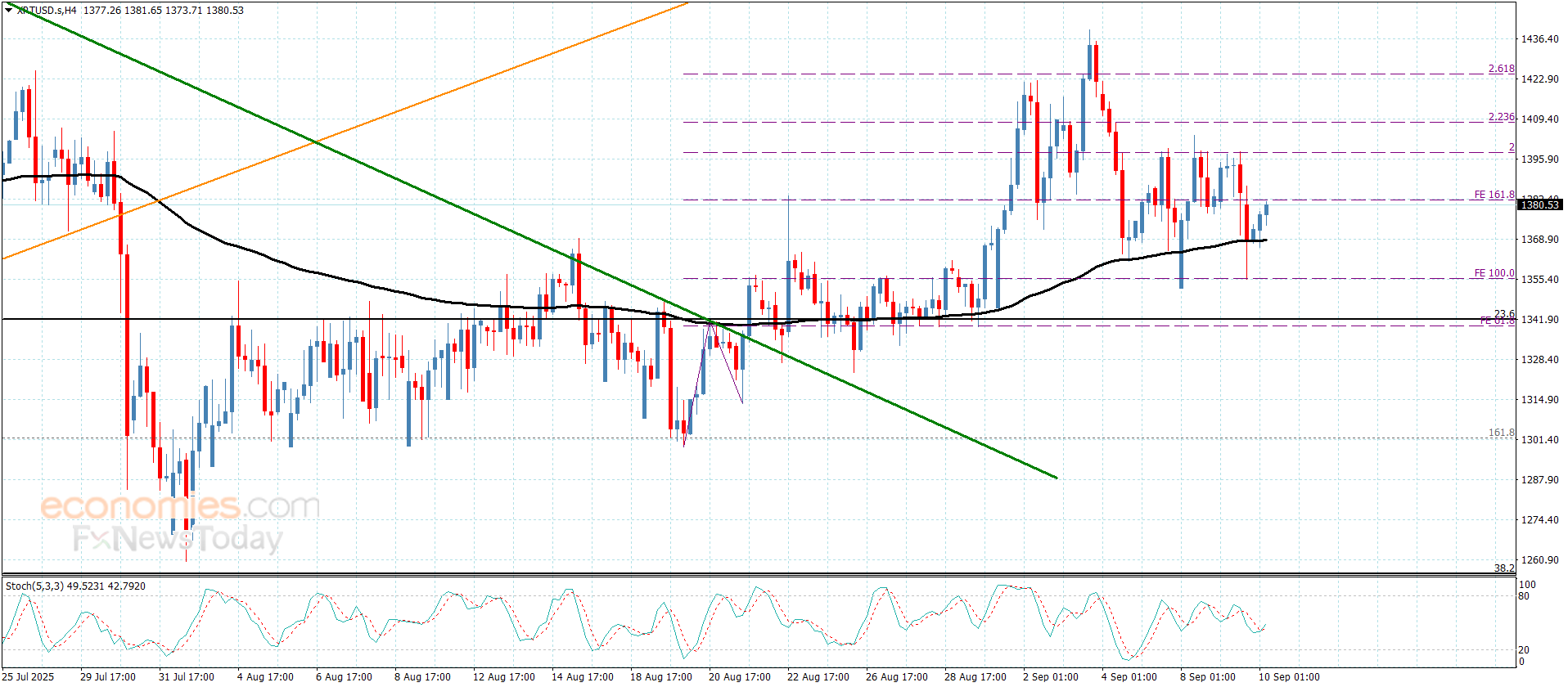
The (ETHUSD) price continued its sideways trading in its last intraday levels, attempting to gain bullish momentum that might help it to rise, amid the continuation of the critical support level stability at $4,250, with the emergence of positive overlapping signals on the(RSI), after reaching oversold level, on the other hand, the price is under negative pressure that comes from its trading below EMA50, which prevents the price recovery in the previous session.


VIP Trading Signals Performance by BestTradingSignal.com (September 1–5, 2025)


Get high-accuracy trading signals delivered directly to your Telegram. Subscribe to specialized packages tailored for the world’s top markets:


Full VIP signals performance report for September 1–5, 2025:

  View Full Performance Report


Source link

10 09, 2025

The EURGBP begins gathering the gains – Forecast today – 10-9-2025

By |2025-09-10T15:27:52+03:00September 10, 2025|Forex News, News|0 Comments

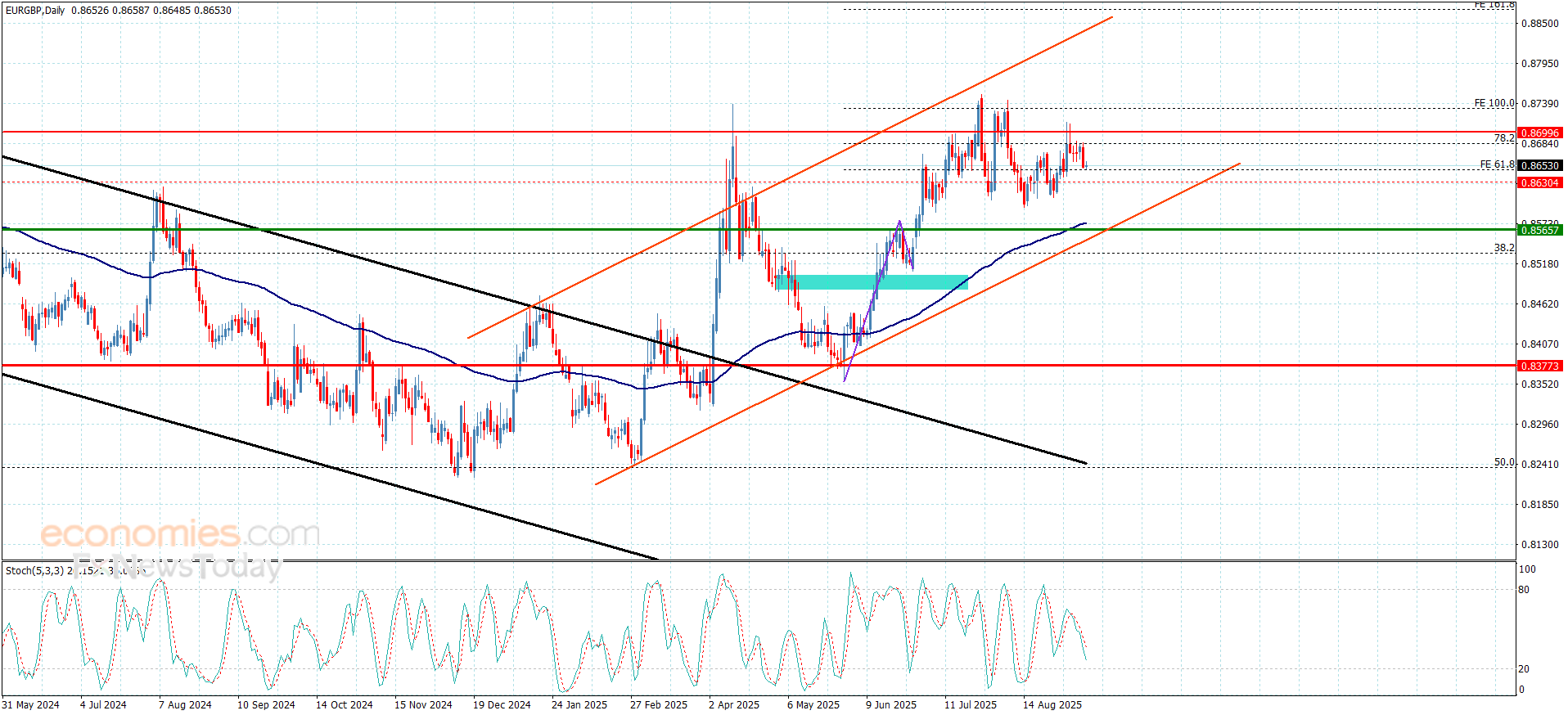
The EURGBP returned to fluctuate below 0.8700 level, forming extra barrier against the bullish attempts, which forces it to delay the bullish attack, and activating the attempts of gathering the gains by reaching 0.8650 facing 61.8%Fibonacci extension level.


Note that stochastic reach below 50 level will increase the negative intraday pressure on the price, which forces it to resume the correctional decline, to expect targeting 0.8625, then monitoring the price behavior due to the importance of this level by detecting the expected trend in the medium period trading.


The expected trading range for today is between 0.8625 and 0.8665


Trend forecast: Bearish


Source link

10 09, 2025

Which Is Better for You? Dietitians Explain

By |2025-09-10T15:23:44+03:00September 10, 2025|Dietary Supplements News, News|0 Comments


“Hearst Magazines and Yahoo may earn commission or revenue on some items through these links.”

While Americans love starting their day with a cup or two of coffee, in other parts of the world, tea reigns supreme. From the milky cups of Earl grey and English breakfast they sip in the United Kingdom to the fragrant herbal teas they enjoy in Asia, tea is one of the most beloved drinks across the world. Even here in the U.S., options like black tea, green tea, and others line grocery store shelves. Now you could choose which tea to drink based on taste alone, but when it comes to black tea vs green tea, is one actually better for you than the other?

Meet the experts: Diane Han, M.P.H., R.D.N., L.D., a registered dietitian nutritionist based in San Francisco and the founder of Woking Balance Wellness; Kathleen Garcia-Benson, R.D.N., C.S.S.D., L.D., a registered dietitian with Top Nutrition Coaching who specializes in women’s health.

Indeed, tea delivers a variety of health benefits beyond helping you stay hydrated. That’s why we spoke with dietitians about black tea and green tea to find out which is better for you and if one is better suited to help you achieve your health and wellness goals.

Black tea vs. green tea: Nutrition

Tea is brewed, which means that tea leaves are steeped in boiling water and then removed before drinking. So essentially, tea is flavored water, which means that like water, it contains no calories, sugar, fat, or protein on its own—though this will change if you add anything to the tea, such as milk, sugar, or honey.

One thing that brewed black and green tea do deliver is caffeine. According to the Mayo Clinic, an 8-ounce cup of black tea contains 48 milligrams (mg) of caffeine, while an 8-ounce cup of green tea contains 29 mg. For comparison, an 8-ounce cup of coffee can deliver up to 96 mg of caffeine.

Besides caffeine content, black tea and green tea also differ in how they are made. According to UCLA Health, black tea leaves are oxidized, which means they are exposed to the air so they can dry out, while green tea leaves are not (both are actually made from the same plant). This allows for the existence of different nutrients and beneficial plant compounds in each type of tea.

Benefits and potential negatives of black tea

So why should you consider making black tea a regular part of your healthy eating regimen? “Black tea may help to support heart health,” says Diane Han, M.P.H., R.D.N., L.D., a registered dietitian nutritionist based in San Francisco and the founder of Woking Balance Wellness. A 2022 review published in Frontiers in Nutrition found that drinking one to four cups of black tea daily (but not more than four) could help prevent the development of coronary artery disease.

“Black tea contains polyphenols and antioxidants that support heart and gut health,” explains Kathleen Garcia-Benson, R.D.N., C.S.S.D., L.D., a registered dietitian with Top Nutrition Coaching who specializes in women’s health. The most powerful of these are theaflavins, per UCLA Health, which develop during oxidation and therefore are not present in any other types of tea. According to research in Trends in Food Science & Technology, theaflavins work to protect cells from damage and injury, can block inflammation, and even fight viruses (hence the advice to sip tea when you’re sick). Black tea also contains flavonoids, another type of antioxidant that has been shown to support healthy blood pressure and cognitive function.

All that said, there are a few potential downsides to drinking black tea. Han notes that it contains the most caffeine of all types of tea, so if you’re sensitive to caffeine you may need to be mindful of how much you consume.

“Black tea can stain your teeth over time,” says Garcia-Benson. In fact, research from 2024 that looked at green tea, black tea, and two types of coffee found that black tea caused the most tooth discoloration of the four beverages.

Garcia-Benson adds that black tea may also reduce iron absorption in the body, especially iron from plant-based foods—but waiting an hour between drinking the tea and eating can diminish this effect, per Japanese research.

Benefits and potential negatives of green tea

If black tea boasts too strong of a flavor, green tea may be more your speed. And fortunately, this light, grassy tea delivers some health perks of its own. “Green tea may play a role in certain types of cancer prevention, support healthy weight management, and promote heart and brain health,” Han says.

Research backs her up: The Frontiers in Nutrition study mentioned above also found that the more green tea you drink, the lower your risk of developing coronary artery disease, while a review in the British Journal of Nutrition found that drinking green tea regularly can lead to weight loss. “It may promote slight increases in fat oxidation when consumed consistently,” Garcia-Benson explains. That perk comes from the EGCG, which has been found to turn white fat (the not-so-great kind) into brown fat (the metabolically active kind).

Green tea catechins, the most powerful antioxidants in the brew, have been shown to impact the survival, growth, and proliferation of cancer cells. And the amino acid L-theanine can provide a brainpower and mood boost. “L-theanine may support focus and promote calm alertness,” Garcia-Benson says.

Green tea carries the same potential downsides as black tea as far as the presence of caffeine and the ability to interfere with iron absorption. However, it does contain less caffeine and block iron absorption to a lesser degree than its oxidized cousin.

Black tea vs. green tea: Which is better for weight loss?

Both black tea and green tea are smart sips to incorporate into your diet if weight loss is your goal. But if she had to pick a winner for weight loss, Garcia-Benson would choose green tea. “Green tea may have a slight edge in supporting fat breakdown, particularly when consumed several times per day, while black tea can aid weight management by replacing high-calorie coffee drinks if taken plain and by helping reduce hunger levels due to its higher caffeine content,” she says.

Bottom line

“There is no strong evidence identifying a clear winner when it comes to which type of tea is best for healthy aging or weight management,” says Han. “Both black and green tea are rich in different types of polyphenols (theaflavins in black tea and EGCG in green tea) that support an anti-inflammatory environment,” which is key for achieving any sort of wellness goal.

Garcia-Benson agrees, noting that the right pick is the one that works best for you. “Both provide antioxidants and other health benefits,” she says, “so the best choice ultimately comes down to personal preference, caffeine tolerance, and how easily each one fits into your daily routine.”

You Might Also Like


Source link

10 09, 2025

ETH-USD at $4,561 Eyes $6,000+ Rally

By |2025-09-10T15:20:45+03:00September 10, 2025|Crypto News, News|0 Comments

Ethereum (ETH-USD) Price Forecast: Bulls Target $5,000 With $6,000 in Sight Amid Whale Accumulation

Ethereum (ETH-USD) is trading around $4,561, stabilizing after a volatile August that saw prices swing between $4,100 and $4,956. Despite the recent dip below $4,500, the broader structure remains bullish with investors closely watching whether ETH can reclaim the $4,800–$5,000 zone. Analysts are increasingly highlighting Ethereum as the “Wall Street token,” with VanEck’s CEO and Standard Chartered both projecting aggressive upside targets ranging from $6,000 to $7,500 in 2025 and even $15,000 by December in ultra-bullish scenarios.

ETH-USD Technical Structure Signals Breakout Potential

Ethereum has been consolidating within an ascending channel, with immediate support at $4,500–$4,525 and stronger backing at $4,400–$4,420, where the 100-day EMA converges. Resistance remains firm at $4,750–$4,800, but a decisive close above this level could open the path to $5,000. Momentum indicators show room for upside. The RSI sits near 54, safely out of overbought territory, while moving averages across the 20-EMA ($4,572) and 50-EMA ($4,526) remain aligned in bullish formation. Options data further reinforce this setup, with a massive $5 billion expiration this week skewed toward calls, showing traders are positioning for upside. If ETH closes above $4,800, the next targets fall at $5,200–$5,400, with the potential to accelerate toward $6,000 by year-end. Failure to defend $4,400 would flip the bias back to bearish, exposing $4,100–$4,200.

Ethereum Whales and Institutional Flows Support the Rally

On-chain flows suggest whales are preparing for a bigger run. Over the past four days, exchange withdrawals exceeded deposits by more than 600,000 ETH, signaling accumulation for long-term holding. A single purchase of $427 million worth of ETH by Bitmine underscored institutional conviction. Spot ETH ETFs have added nearly $900 million in net inflows this week, while exchange balances continue to decline, reducing immediate selling pressure. These flows contrast with Bitcoin, which has been seeing ETF-related outflows, hinting at Ethereum’s relative strength in September. Net inflows of $23.6 million on August 28 further demonstrate that institutional adoption remains strong, reinforcing the bullish trajectory toward the $6,000 zone.

ETH-USD Options Expiry and Market Positioning

The $5 billion options expiry at the end of this week is a pivotal event. Calls dominate with $2.75 billion in open interest compared to $2.25 billion in puts, giving bulls a 22% advantage. Scenarios priced into the options market show Ethereum maintaining an edge for bulls even if prices dip to $4,400. Should ETH rise into the $4,850–$5,200 range, calls gain a staggering $1.8 billion advantage over puts, illustrating strong trader conviction. With ETH up 22% over the past month, options activity points to renewed confidence in the rally. A clean break above $4,630 resistance would likely confirm momentum and drive ETH to retest the $5,000 psychological barrier.

Fundamentals: Staking, Layer-2 Growth, and “Wall Street Token” Narrative

Ethereum’s fundamentals remain intact, adding weight to the technical case. Staking yields continue to attract institutional inflows, while Layer 2 ecosystems like Arbitrum, Optimism, and zkSync are recording rapid transaction growth and higher TVLs, boosting network activity. Gas fees have stabilized, further encouraging broader adoption. Meanwhile, Ethereum is gaining traction in traditional finance. VanEck labeled ETH the “Wall Street token”, citing demand for blockchain infrastructure in stablecoin settlements, while BlackRock’s ETHA has amassed more than $17 billion in assets. Standard Chartered has set targets of $7,500 by year-end and $25,000 by 2028, hinging on ETF adoption and corporate treasury allocations. These institutional tailwinds are quickly reshaping Ethereum’s investment profile into one of the most strategically important assets in crypto.

Ethereum Price Outlook: Buy, Sell, or Hold?

At $4,561, Ethereum’s setup remains bullish with institutional buying, whale accumulation, and favorable options positioning driving momentum. Near-term, reclaiming $4,800–$5,000 is critical to unlock the next leg toward $5,400–$6,000. Analysts diverge on targets, with cautious scenarios calling for retracements to $4,200–$4,300, while aggressive projections see ETH reaching $7,500 this year and possibly $15,000 by December if ETF flows continue to expand. With fundamentals strengthening and market structure favoring buyers, ETH-USD is a Buy at current levels, with pullbacks to $4,300–$4,400 representing accumulation zones, and upside potential toward $6,000+ in Q4 2025.

That’s TradingNEWS


Source link

10 09, 2025

EIA predicts $50 oil by early 2026

By |2025-09-10T13:27:49+03:00September 10, 2025|Forex News, News|0 Comments


If the federal government’s Energy Information Administration prediction is correct, it doesn’t look good for the oil and gas industry as lower crude oil prices are anticipated in the coming months. It predicts as much as a $19-a-barrel plunge by early 2026.

The forecast was issued by the U.S. EIA in a short term prediction. The EIA believes crude oil prices will fall nearly $10 more a barrel by year’s end, slipping from an August average of $68 per barrel to $59 per barrel.

Prices will drop even further by 2026 and, according to the EIA, will hit about $50 a barrel by early in the year.

“Global oil prices. We expect the Brent crude oil price will decline significantly in the coming months, falling from $68 per barrel (b) in August to $59/b on average in the fourth quarter of 2025 (4Q25) and around $50/b in early 2026. The price forecast is driven by large oil inventory builds as OPEC+ members increase production,” according to the EIA forecast.

“We expect global oil inventory builds will average more than 2 million barrels per day (b/d) from 3Q25 through 1Q26. We expect low oil prices in early 2026 will lead to a reduction in supply by both OPEC+ and some non-OPEC producers, moderating inventory builds later in 2026. We forecast the Brent crude oil price will average $51/b next year. We finalized this outlook before OPEC+ announced on September 7 that it plans to raise production by 137,000 b/d in October 2025.”

  • Gasoline prices. Falling oil prices in our forecast lead to a drop in gasoline prices. We expect the U.S. average retail price for regular-grade gasoline will average about $3.10 per gallon (gal) this year, down 20 cents/gal from last year. Retail gasoline prices in our forecast fall to an average of $2.90/gal in 2026, with the annual average price falling below $3.00/gal in all regions except the West Coast.
  • Gasoline expenditures. Driven by falling gasoline prices, U.S. drivers’ gasoline expenditures as a share of disposable personal income are likely to be the lowest since at least 2005—excluding the pandemic-affected year of 2020. We estimate expenditures will average less than 2% of disposable income this year, down from an average of 2.4% over the previous decade.
  • U.S. gasoline consumption. We now forecast a slight increase in U.S. gasoline consumption next year, the first STEO in which we have forecast an increase for 2026. The forecast for rising gasoline consumption is driven by an upward revision to the number of people of working age compared with our previous forecasts, and lower gasoline prices compared with our forecasts from earlier this year.
  • Natural gas prices. We expect the Henry Hub natural gas spot price will rise from an average of $2.91 per million British thermal units (MMBtu) in August to $3.70/MMBtu in 4Q25 and $4.30/MMBtu next year. Rising natural gas prices reflect relatively flat natural gas production amid an increase in U.S. liquefied natural gas exports.
  • Natural gas and crude oil drilling. Due to rising natural gas prices and falling oil prices in 2026, we forecast that crude oil will trade at its lowest premium to natural gas since 2005. As a result, we expect drilling activity in the United States be more centered in natural gas-intensive producing regions in 2026. We expect U.S. natural gas production will be relatively flat next year compared with 2025, while we expect crude oil production will decline by about 1%.
  • Electricity generation. Electricity generation has been growing rapidly this year as a result of growing demand for power from data centers and industrial customers. We expect that total U.S. generation by the electric power sector will grow by 2.3% in 2025 and a further 3.0% next year. We expect that solar power will supply the largest share of the increase in both years.


Source link

10 09, 2025

Pound Sterling buyers hesitate as key resistance holds

By |2025-09-10T13:26:47+03:00September 10, 2025|Forex News, News|0 Comments

  • GBP/USD moves sideways in a narrow channel above 1.3500.
  • The US Dollar holds its ground despite downward revision to employment data.
  • The pair faces a stiff resistance area at 1.3590-1.3600.

GBP/USD fluctuates above 1.3500 in the European session on Wednesday after posting small losses on Tuesday. The pair could attract technical buyers if it manages to clear the 1.3590-1.3600 resistance area.

Pound Sterling Price This week

The table below shows the percentage change of British Pound (GBP) against listed major currencies this week. British Pound was the strongest against the Canadian Dollar.

  USD EUR GBP JPY CAD AUD NZD CHF
USD   0.05% -0.22% -0.55% 0.11% -0.79% -0.83% -0.17%
EUR -0.05%   -0.29% -0.50% 0.05% -0.83% -0.83% -0.22%
GBP 0.22% 0.29%   -0.32% 0.34% -0.53% -0.55% 0.07%
JPY 0.55% 0.50% 0.32%   0.58% -0.28% -0.44% 0.39%
CAD -0.11% -0.05% -0.34% -0.58%   -0.80% -0.89% -0.28%
AUD 0.79% 0.83% 0.53% 0.28% 0.80%   -0.00% 0.62%
NZD 0.83% 0.83% 0.55% 0.44% 0.89% 0.00%   0.62%
CHF 0.17% 0.22% -0.07% -0.39% 0.28% -0.62% -0.62%  

The heat map shows percentage changes of major currencies against each other. The base currency is picked from the left column, while the quote currency is picked from the top row. For example, if you pick the British Pound from the left column and move along the horizontal line to the US Dollar, the percentage change displayed in the box will represent GBP (base)/USD (quote).

The US Dollar (USD) staged a rebound in the second half of the day and caused GBP/USD to turn south, as markets turned risk-averse on escalating geopolitical tensions in the Middle East.

Meanwhile, the US Bureau of Labor Statistics announced that the preliminary benchmark revision showed that the total nonfarm employment in March 2025 was 911,000 less than initially reported. This announcement failed to convince markets of a large Federal Reserve (Fed) rate cut in September and triggered a ‘buy the rumor, sell the fact’ action in markets, helping the USD gather strength.

According to the CME FedWatch Tool, markets are currently pricing in about an 8% probability of a 50 bps rate cut at next week’s policy meeting, compared to nearly 11% on Tuesday.

Later in the day, producer inflation data from the US will be watched closely by market participants. On a yearly basis, the Producer Price Index (PPI) is expected to rise by 3.3% in August, matching July’s increase. For the month, the PPI is seen increasing by 0.3% following the 0.9% rise recorded in July.

The market reaction to the PPI data could be straightforward and short-lived ahead of Thursday’s key Consumer Price Index (CPI) data. A stronger-than-forecast increase in the monthly PPI could support the USD with the immediate reaction, while a soft print could weigh on the currency and help the risk mood improve, supporting GBP/USD in the American session.

GBP/USD Technical Analysis

The Relative Strength Index (RSI) indicator on the 4-hour chart holds above 50 and GBP/USD continues to trade above the 20-day, 50-day and 100-day Simple Moving Averages (SMAs), suggesting that the bullish bias remains intact but lacks momentum.

On the upside, 1.3590-1.3600 (static level, round level) aligns as a key resistance area before 1.3640 (Fibonacci 78.6% retracement of the latest downtrend) and 1.3700 (static level, round level).

Looking south, support levels could be seen at 1.3500 (static level, 20-day SMA), 1.3465-1.3460 (50-day SMA, 100-day SMA, Fibonacci 50% retracement) and 1.3440 (200-day SMA).

Pound Sterling FAQs

The Pound Sterling (GBP) is the oldest currency in the world (886 AD) and the official currency of the United Kingdom. It is the fourth most traded unit for foreign exchange (FX) in the world, accounting for 12% of all transactions, averaging $630 billion a day, according to 2022 data. Its key trading pairs are GBP/USD, also known as ‘Cable’, which accounts for 11% of FX, GBP/JPY, or the ‘Dragon’ as it is known by traders (3%), and EUR/GBP (2%). The Pound Sterling is issued by the Bank of England (BoE).

The single most important factor influencing the value of the Pound Sterling is monetary policy decided by the Bank of England. The BoE bases its decisions on whether it has achieved its primary goal of “price stability” – a steady inflation rate of around 2%. Its primary tool for achieving this is the adjustment of interest rates. When inflation is too high, the BoE will try to rein it in by raising interest rates, making it more expensive for people and businesses to access credit. This is generally positive for GBP, as higher interest rates make the UK a more attractive place for global investors to park their money. When inflation falls too low it is a sign economic growth is slowing. In this scenario, the BoE will consider lowering interest rates to cheapen credit so businesses will borrow more to invest in growth-generating projects.

Data releases gauge the health of the economy and can impact the value of the Pound Sterling. Indicators such as GDP, Manufacturing and Services PMIs, and employment can all influence the direction of the GBP. A strong economy is good for Sterling. Not only does it attract more foreign investment but it may encourage the BoE to put up interest rates, which will directly strengthen GBP. Otherwise, if economic data is weak, the Pound Sterling is likely to fall.

Another significant data release for the Pound Sterling is the Trade Balance. This indicator measures the difference between what a country earns from its exports and what it spends on imports over a given period. If a country produces highly sought-after exports, its currency will benefit purely from the extra demand created from foreign buyers seeking to purchase these goods. Therefore, a positive net Trade Balance strengthens a currency and vice versa for a negative balance.

Source link

Go to Top