CHICAGO, October 21, 2025 (Newswire.com)
–
The statements in this article are for informational purposes only and are not medical advice. Her Bodhi is not intended to diagnose, treat, cure, or prevent any disease. Always consult a licensed healthcare provider before beginning any supplement regimen. Prices and offers may change without notice. Always check the Official Her Bodhi Website for the latest information. This article contains affiliate links. If you purchase through these links, a commission may be earned at no additional cost to you.
Her Bodhi Under Review: Best Natural Hormone-Free Supplement for Menopause Support
TL;DR Summary: Her Bodhi is a natural, hormone-free supplement designed to support women experiencing perimenopause, menopause, and postmenopausal transitions through clinically studied botanicals like Black Cohosh, Red Clover, and Ashwagandha KSM-66.
It promotes emotional balance, restful sleep, energy, and metabolism – empowering women to embrace new beginnings with confidence.
In This Article, You’ll Discover:
-
How Her Bodhi supports women’s hormonal balance during perimenopause and menopause.
-
What makes its hormone-free, plant-based ingredients clinically trusted.
-
The real-life success stories of women who found relief with Her Bodhi.
-
A science-backed overview of Her Bodhi’s core formulas and their benefits.
-
How to integrate Her Bodhi into your daily wellness routine.
-
Pricing, packages, and where to buy the official product online.
-
Common questions and expert insights about women’s hormone support.
Introduction: Why Hormone Balance Matters in 2025
Every stage of a woman’s life brings transformation, but few transitions are as deeply felt as the hormonal shifts that accompany perimenopause, menopause, and postmenopause. Conversations about women’s health have moved beyond silence – awareness is rising, yet millions of women still find themselves unprepared for the physical, emotional, and mental changes that come with hormonal imbalance.
Today, experts recognize that hormone balance is not simply about estrogen or progesterone – it’s about the intricate communication between glands, neurotransmitters, and stress hormones that shape how women feel, sleep, and respond to life every day. When this balance is disrupted, it can manifest as hot flashes, mood swings, night sweats, low energy, brain fog, weight gain, and reduced libido. For many, these symptoms appear gradually, often mistaken for stress, aging, or burnout.
Modern life adds another layer of complexity. The daily pressures of work, family, and environmental toxins have amplified stress hormones like cortisol, which can interfere with healthy hormone production and metabolic function. Even women in their 30s and 40s are noticing early hormonal changes – a reflection of how lifestyle, diet, and environmental exposure influence female biology in ways previous generations never faced.
This is where the conversation around natural hormone support becomes crucial. Women today are looking for solutions that honor their body’s rhythm – approaches that support balance rather than override it with synthetic hormones or aggressive therapies. The evolution of women’s wellness is centered around empowerment, education, and prevention. It’s about reclaiming control through holistic choices, plant-based ingredients, and clinically supported formulas that work with the body’s natural chemistry.
Enter Her Bodhi – a hormone-free, science-backed supplement formulated to help women navigate these transitions gracefully. Trusted by over 39,000 women worldwide, Her Bodhi represents a new standard for modern hormonal wellness: natural, transparent, and rooted in real results. Its focus isn’t just on easing discomfort but on helping women rediscover vitality, balance, and confidence as they enter new chapters of life.
Menopause is no longer the end of something – it’s a beginning. With the right support, women can transition into their 40s, 50s, and beyond with more clarity, stability, and self-connection than ever before.
Visit the Official Her Bodhi Website
What Is Her Bodhi and How Does It Work?
As women move through perimenopause, menopause, and postmenopause, the body’s internal chemistry begins to change – estrogen and progesterone levels fluctuate, stress hormones rise, and energy production slows. These shifts can trigger the most commonly reported symptoms of hormonal imbalance: hot flashes, night sweats, mood changes, weight gain, low libido, and fatigue. Her Bodhi was created to address these challenges naturally – without synthetic hormones or prescription interventions – so women can feel centered and in control again.
At its core, Her Bodhi is a daily nutritional supplement formulated to support the body’s natural capacity for hormone balance and stress adaptation. Each capsule contains a blend of clinically researched botanical extracts and nutrients known to help the body maintain equilibrium in temperature regulation, sleep quality, and emotional stability. The formula is both hormone-free and non-GMO, manufactured in FDA-approved facilities under strict quality standards.
How It Works, Scientifically Speaking
Her Bodhi supports the body through a multi-pathway approach:
-
Adaptogenic Support for Stress and Mood – With Ashwagandha KSM-66, the formula targets the stress response system (HPA axis), helping the body adapt to daily stress while encouraging mental clarity and emotional balance.
-
Phytoestrogenic Balance – Ingredients like Black Cohosh and Red Clover contain natural plant compounds that gently interact with estrogen receptors, promoting comfort and stability without introducing synthetic hormones.
-
Metabolic and Energy Regulation – By supporting thyroid and adrenal health, Her Bodhi aids energy production and metabolism, helping reduce the sluggishness and weight fluctuations often experienced during menopause.
-
Sleep and Restoration – Its natural ingredients work synergistically to encourage a healthy sleep cycle and reduce night sweats that can disrupt rest. Better sleep means better mood regulation and overall vitality.
-
Whole-Body Equilibrium – The formula supports liver detoxification, digestion, and circulation, all of which play a critical role in balancing hormones and removing excess metabolic waste that can intensify symptoms.
A Modern Approach to Women’s Wellness
Unlike traditional hormone replacement therapies (HRT) that can introduce synthetic compounds into the body, Her Bodhi uses nature-based mechanisms to nudge the body toward its own state of balance. This makes it a viable choice for women seeking a gentler, more sustainable path to well-being.
By focusing on root-cause support rather than symptom masking, Her Bodhi helps women move through life’s transitions with renewed confidence, energy, and ease.
Also Read: Comprehensive Guide to Her Bodhi Menopause Relief – Plant-Based, Hormone-Free Formula for Hot Flashes, Mood Swings, Sleep, and Women’s Wellness Support
Best Hormone Support and Menopause Relief Options to Consider
Women’s wellness has evolved beyond quick fixes and generic supplements. Modern consumers now seek products that are transparent, clinically supported, and aligned with their body’s natural rhythms. When it comes to managing menopause and hormonal imbalance, natural, hormone-free solutions have taken the lead – offering the benefits of relief and balance without synthetic hormones or harsh side effects.
The market is saturated with options, from hormone replacement therapy (HRT) and herbal teas to gummies and adaptogenic blends. However, not all products are created equal. Many women find that synthetic options can cause unwanted effects, while under-dosed or poorly formulated supplements fail to deliver results. This is where Her Bodhi has set a new standard for trusted, results-driven menopause relief.
Why Her Bodhi Stands Out Among 2025’s Leading Hormonal Support Options
1. Hormone-Free Formulation
Her Bodhi provides complete support for perimenopause, menopause, and postmenopause without introducing external hormones. This makes it suitable for women seeking a natural alternative to synthetic estrogen or progesterone therapy – especially those with sensitivities or contraindications to HRT.
2. Clinically Studied Ingredients
Each capsule contains science-backed botanicals such as:
-
Black Cohosh: Long recognized for its role in easing hot flashes and supporting temperature stability.
-
Red Clover: A rich source of phytoestrogens (plant estrogens) that gently mimic estrogen activity for smoother hormonal transitions.
-
Ashwagandha KSM-66: A clinically validated adaptogen that promotes stress resilience, mental clarity, and libido support.
-
Additional natural compounds to enhance mood, support sleep, and aid healthy metabolism.
3. Third-Party Tested and Non-GMO
Unlike many supplements that rely on proprietary blends, Her Bodhi maintains full transparency about ingredient sourcing and purity. Manufactured in FDA-approved facilities, every batch is tested for quality and safety.
4. Targeted Symptom Relief
Women report improvements in several key areas of wellness:
-
Fewer hot flashes and night sweats
-
Better sleep quality and energy levels
-
Enhanced mood and emotional balance
-
Improved weight management and metabolic stability
-
Renewed confidence and sexual vitality
5. Designed for All Life Stages
Whether you’re in your 40s entering perimenopause or managing postmenopausal symptoms in your 50s and beyond, Her Bodhi’s formulas – Her Bodhi Meno and Her Bodhi Hormonal Support – are tailored to meet your body’s unique needs at every phase of hormonal transition.
A 2025 Snapshot: What Women Want in Hormonal Wellness
According to emerging consumer trends, women are shifting toward plant-powered, evidence-based solutions that provide both emotional and physical balance. They want transparency, clinical integrity, and empowerment – not just symptom relief.
Her Bodhi’s approach mirrors this evolution, combining science, sustainability, and self-care in one empowering formula. It’s not about “fixing” menopause – it’s about helping women feel more like themselves again.
See Consumer Insights on Her Bodhi
How to Use Her Bodhi in Daily Life
Integrating Her Bodhi into your daily wellness routine is simple and designed for long-term consistency. The supplement works best when taken regularly, allowing its natural compounds to accumulate and gently support the body’s hormone balance over time. Like any wellness product, it performs optimally when paired with mindful habits-balanced nutrition, movement, and rest.
Daily Dosage and Timing
Her Bodhi is typically taken once or twice a day with water, preferably alongside a meal. This helps enhance absorption and minimize digestive discomfort. Many women prefer taking it in the morning to encourage sustained energy and focus, while others take it in the evening to support calmness and better sleep. Either schedule works; the key is consistency.
Creating a Routine That Sticks
The first few weeks are about building rhythm. Setting a reminder, pairing the supplement with breakfast or your evening tea, or keeping it in a visible place can make adherence effortless. Over time, users often describe their daily dose as a quiet act of self-care-one that marks the start or end of the day with intention.
What to Expect Over Time
Because Her Bodhi uses adaptogens and plant-based compounds, its effects develop gradually. Within the first few weeks, users often notice subtle changes in sleep and mood stability. By the second month, shifts in temperature balance, energy, and mental clarity become more apparent. Most users report meaningful results within 60 to 90 days of consistent use.
Supporting Her Bodhi’s Benefits with Lifestyle Choices
The formula’s effects can be enhanced by supportive lifestyle habits:
-
Eating nutrient-dense, whole foods with adequate protein and fiber
-
Managing stress through mindfulness, yoga, or journaling
-
Prioritizing seven to eight hours of restful sleep
-
Staying hydrated and engaging in regular movement
-
Limiting alcohol, processed sugars, and caffeine, which can affect hormonal balance
These complementary practices strengthen Her Bodhi’s impact and contribute to long-term well-being.
Combining with Other Wellness Products
Her Bodhi can typically be used alongside other non-hormonal supplements such as vitamin D, magnesium, or omega-3s. However, women currently using hormonal therapies or prescription medications should consult their healthcare provider before introducing new supplements.
Her Bodhi’s design philosophy centers around simplicity: supporting the body’s natural intelligence instead of overwhelming it. Daily use becomes more than just supplementation-it’s an intentional act of nurturing balance, calm, and vitality throughout the hormonal journey.
Expert Insights and Industry Research on Hormonal Support
The science of hormonal balance has advanced dramatically in recent years. What was once considered an inevitable phase of discomfort is now recognized as a deeply complex biological transition that can be managed through targeted nutritional and lifestyle support. Experts in women’s health agree: when hormonal changes are addressed holistically-acknowledging the interplay of stress, nutrition, and metabolic health-women can experience significantly improved quality of life during perimenopause and menopause.
The Modern Understanding of Hormonal Shifts
Hormones are chemical messengers that influence nearly every system in the body-from mood and energy to digestion and metabolism. As women enter their 40s and 50s, estrogen and progesterone levels begin to fluctuate. This natural decline affects the hypothalamus (responsible for temperature regulation), neurotransmitters like serotonin (which influence mood), and the body’s ability to maintain stable sleep patterns.
Researchers now understand that hormonal imbalance doesn’t occur in isolation-it’s influenced by environmental toxins, chronic stress, diet, and even gut health. Elevated cortisol, the stress hormone, can further disrupt reproductive hormones, creating a cascade effect that worsens menopausal symptoms. This broader awareness has driven the industry to explore solutions that work with the body, not against it.
The Rise of Adaptogens and Phytoestrogens
Modern science supports the use of adaptogens-plant compounds that help the body adapt to physical and emotional stress. Ashwagandha, for instance, has been shown in several studies to reduce cortisol levels and promote calm focus. In women experiencing menopause, this can translate into reduced anxiety, better mood regulation, and improved sleep.
Similarly, phytoestrogens such as those found in Red Clover and Black Cohosh offer gentle, plant-based estrogenic support without introducing synthetic hormones. Clinical research suggests these compounds may help alleviate hot flashes and improve emotional stability by binding to estrogen receptors and modulating their activity naturally.
These findings align with Her Bodhi’s formulation philosophy: supporting natural balance through evidence-backed, hormone-free ingredients that address both physical and emotional dimensions of well-being.
Industry Trends in 2025
Women’s health brands are being held to higher standards of transparency, scientific credibility, and ingredient purity. Third-party testing, clinical substantiation, and ethical sourcing are now essential for trust. Consumers want proof-not promises-and Her Bodhi’s formulation reflects that shift.
Manufactured in FDA-approved facilities and verified through independent testing, the product aligns with modern regulatory expectations and consumer trust benchmarks. It represents a growing movement away from symptom suppression and toward natural, sustainable health optimization.
Expert Endorsement of a Holistic Approach
Functional medicine practitioners and women’s health experts now recommend combining nutritional supplements like Her Bodhi with lifestyle interventions to achieve optimal results. By pairing natural hormone support with stress management, balanced nutrition, and consistent sleep, women can experience smoother transitions and renewed energy.
The consensus among professionals is clear: menopause doesn’t have to be endured-it can be embraced. With the right tools and awareness, it’s possible to move through this stage feeling balanced, empowered, and connected to one’s body again.
Explore the 2025 Science Behind Her Bodhi
Success Stories, Testimonials, and User Experiences with Her Bodhi
One of the strongest indicators of a wellness product’s credibility is the consistency of its community feedback. Her Bodhi’s growing base of more than 39,000 women worldwide speaks to its impact-each story different, but tied together by a shared theme: rediscovering balance, energy, and confidence during a time that often feels uncertain.
Real Women, Real Transitions
Laura K. shared that after purchasing a three-month supply, Her Bodhi “did wonders” for her perimenopausal body. For her, the biggest change was not just physical comfort but a renewed sense of stability that allowed her to get back to the activities she loved.
Maia E., who opted for a six-month plan, described Her Bodhi as “a game-changer.” After struggling with night sweats and low mood for months, she found the product helped restore a feeling of normalcy she hadn’t experienced in years.
Jessica B. echoed similar relief, noting that she had “finally found what she’d been looking for.” Like many others, she had tried multiple supplements before discovering a formula that aligned with her body’s needs.
Olivia S. described her experience with enthusiasm, saying the supplement “worked its magic on my menopausal belly,” and that she was “finally feeling like her old self again.” These verified reviews form a mosaic of authenticity-small victories that together paint a larger picture of relief and renewal.
Community Voices and Personal Growth
Beyond symptom relief, Her Bodhi has become part of a broader conversation among women embracing life transitions with confidence. Christine, age 52, reflected on learning to love herself more through menopause, describing it as a period of rediscovery. For her, Her Bodhi was part of a shift toward joy, freedom, and acceptance.
Amanda, 47, a teacher from Colorado, shared how using Her Bodhi inspired her to start a local support group for women navigating menopause. What began as a few neighbors sharing tips turned into a community of encouragement and shared understanding. She credits her increased energy and emotional clarity with giving her the motivation to connect with others and redefine what this life stage means.
Lisa, 54, offered another powerful account. She initially believed menopause “should start much later in life” and felt unprepared when the symptoms arrived. By learning about her body’s changes and incorporating Her Bodhi, she found emotional grounding and physical relief. Lisa’s story is a reminder that awareness, support, and community can transform what once felt like an ending into a meaningful new beginning.
Building a Supportive Culture
These testimonials highlight more than just satisfaction-they show a cultural shift in how women approach menopause in 2025. No longer a silent struggle, it’s becoming a celebrated stage of wisdom, authenticity, and empowerment. Her Bodhi’s growing community embodies that philosophy, reminding women everywhere that they are not alone, and that balance is both attainable and sustainable.
Learn How Others Use Her Bodhi Successfully
Comparing Hormone Support Supplements and Natural Alternatives in 2025
The conversation around hormonal wellness has changed dramatically over the last decade. Women today are more informed, selective, and cautious about what they put into their bodies. They are reading ingredient labels, researching manufacturing practices, and demanding transparency. This shift has elevated the standards for supplements aimed at supporting menopause and hormone health, making 2025 one of the most competitive yet innovative years in the industry.
The Divide Between Synthetic and Natural Support
Traditional options such as hormone replacement therapy (HRT) continue to be effective for some women, but concerns about long-term use, side effects, and accessibility have led many to explore non-hormonal solutions. Natural alternatives, including botanical and adaptogenic formulas, provide a more balanced path-one that works in harmony with the body’s natural rhythms instead of replacing them.
Where synthetic interventions often focus on delivering results quickly, natural supplements like Her Bodhi work gradually, addressing the underlying imbalances that cause symptoms rather than suppressing them. This distinction appeals to women who prefer gentle, sustainable, and side-effect-free solutions.
Evaluating the Options in 2025
When comparing modern menopause support options, several key factors separate the exceptional from the average:
-
Ingredient Integrity – Many supplements on the market rely on under-dosed or unverified ingredients. Her Bodhi uses clinically studied botanicals like Black Cohosh, Red Clover, and Ashwagandha KSM-66, all known for their well-documented support in easing menopause-related discomfort.
-
Formulation Philosophy – Some products focus solely on symptom relief, while others, like Her Bodhi, address broader wellness factors such as stress, metabolism, and emotional resilience. This full-spectrum approach reflects the multifaceted nature of hormone health.
-
Manufacturing Standards – FDA-approved facilities, third-party testing, and non-GMO certification are no longer optional-they are essential. Her Bodhi aligns with these modern quality benchmarks to ensure safety and consistency in every batch.
-
User Trust and Transparency – In a market often clouded by exaggerated claims, Her Bodhi’s emphasis on honest communication and verified customer experiences sets it apart. The growing base of positive testimonials and community engagement reinforces its authenticity.
-
Holistic Results – Rather than promising instant relief, Her Bodhi focuses on gradual improvement-enhancing mood, sleep quality, and energy levels while supporting hormonal equilibrium. The result is a steadier, more natural transition through menopause.
Why Her Bodhi Leads the Natural Supplement Category
Her Bodhi’s advantage lies in its combination of science-backed ingredients and its commitment to hormone-free wellness. Unlike many alternatives that contain hidden fillers or rely on synthetic compounds, its clean formulation speaks to women seeking trust and consistency. It delivers what modern consumers expect: real results backed by research, transparency, and community trust.
This shift toward ethical, nature-inspired supplementation marks a defining moment in women’s health-one where relief, renewal, and empowerment coexist. Among the natural alternatives available in 2025, Her Bodhi continues to stand out as a trusted companion for women embracing change with confidence and clarity.
Safety, Risks, and Responsible Use of Hormonal Support Supplements
Choosing a supplement designed to support hormonal balance requires both awareness and responsibility. Even natural, plant-based formulations must be approached with care-especially when dealing with the complex hormonal shifts that occur during perimenopause, menopause, and postmenopause. While Her Bodhi is hormone-free and crafted from ingredients with strong safety profiles, responsible use and realistic expectations remain essential.
Understanding Safety and Sensitivity
Her Bodhi’s ingredients-such as Black Cohosh, Red Clover, and Ashwagandha KSM-66-have been studied extensively for their role in supporting women’s health. However, every woman’s body is unique. Factors such as medication use, existing health conditions, and hormonal sensitivity can influence how the body responds.
Women who are pregnant, nursing, taking prescription medication, or managing chronic conditions should consult their healthcare provider before beginning any new supplement. This step ensures there are no contraindications and that Her Bodhi fits safely into an existing wellness routine.
While side effects are rare, mild symptoms such as digestive discomfort or fatigue can occasionally occur during the body’s adjustment phase. These usually resolve within a few days as the body adapts. Staying hydrated and taking the supplement with food can help minimize any temporary reactions.
Hormone-Free Assurance and Testing
Her Bodhi’s commitment to safety extends beyond formulation. Each batch is third-party tested for purity, potency, and consistency. The product is manufactured in FDA-approved facilities following Good Manufacturing Practices (GMP), ensuring that every capsule meets rigorous quality standards.
Unlike hormone replacement therapies, Her Bodhi introduces no synthetic or bioidentical hormones into the body. Instead, it relies on phytoestrogens and adaptogens-plant-based compounds that work with the body’s natural hormone receptors and stress response systems. This makes it suitable for women seeking natural balance without the risks associated with prescription hormone therapies.
Discover How Her Bodhi Works
Responsible Use and Long-Term Wellness
Her Bodhi is most effective when used as part of a comprehensive lifestyle approach. Supplements are not substitutes for healthy habits-they are tools that complement them. Consistent use, combined with balanced nutrition, movement, hydration, and stress management, delivers the best long-term results.
Users are encouraged to track their experience over time-monitoring improvements in sleep, mood, temperature balance, and energy levels. Because hormonal balance develops gradually, a consistent three-month period of use is typically recommended to allow the body to fully adapt to the formula’s effects.
When to Consult a Professional
If symptoms persist or new health concerns arise, professional guidance is key. A licensed healthcare provider can help evaluate whether hormonal changes are related to menopause or another underlying condition, ensuring safe and effective management.
Ultimately, responsible supplement use is about partnership-between science, nature, and self-awareness. Her Bodhi provides the support, but it’s the user’s consistency and care that transform the experience into lasting balance and well-being.
Pricing, Packages, and Official Website for Her Bodhi
Her Bodhi was created to make high-quality, hormone-free support accessible to every woman seeking natural balance during perimenopause, menopause, and postmenopause. The brand offers flexible purchasing options that allow users to choose the plan best suited to their individual wellness journey, whether they’re beginning their transition or maintaining balance over time.
Available Packages
Her Bodhi’s product line currently includes two targeted formulations designed for distinct stages and needs in hormonal wellness:
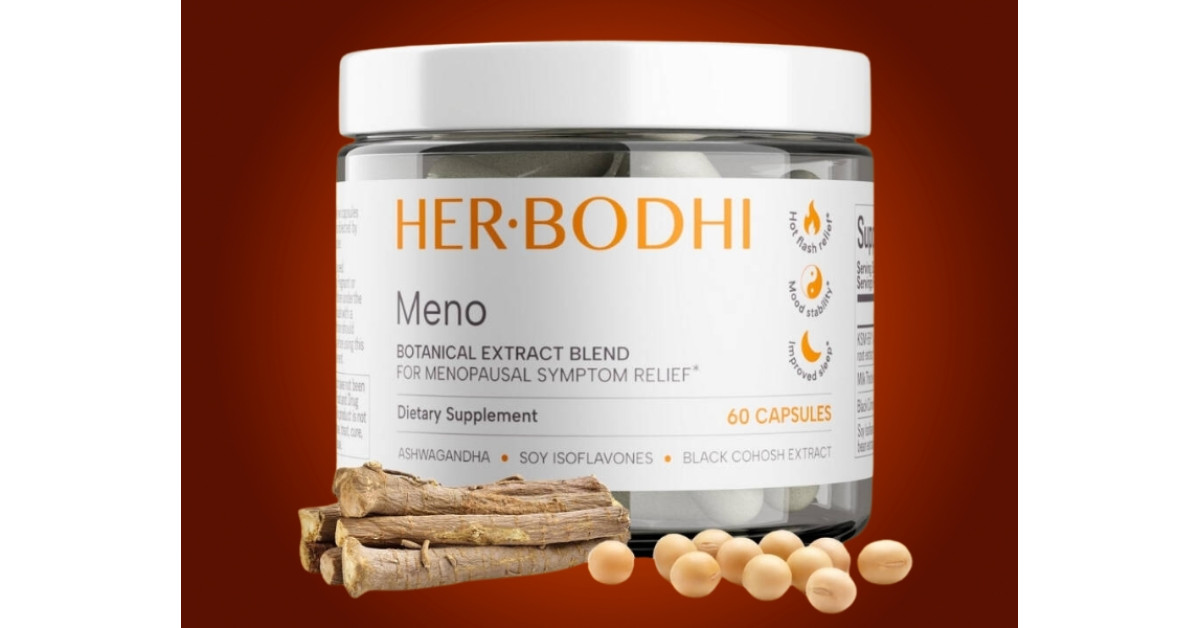
Her Bodhi Meno – A daily dietary supplement created to alleviate menopause-related symptoms such as hot flashes, night sweats, and mood fluctuations. The formula supports the body’s natural estrogen production using botanical ingredients rather than synthetic hormones.
Her Bodhi Hormonal Support – A complementary formula developed to encourage overall female hormonal balance, heighten mood and sexual wellness, and reduce stress.
Both formulations are available in varying supply packages, typically offered in 1-month, 3-month, and 6-month bundles. The multi-month options are popular among returning customers who prefer consistent, uninterrupted support at a better value per bottle.
Quality and Manufacturing Standards
Her Bodhi supplements are manufactured in FDA-approved facilities and undergo third-party testing to ensure purity, potency, and consistency. The formulas are non-GMO, hormone-free, and crafted with clinically studied plant ingredients such as Black Cohosh, Red Clover, and Ashwagandha KSM-66.
The company’s commitment to transparency means customers always know exactly what they’re putting into their bodies-no hidden fillers, no synthetic additives, and no misleading proprietary blends.
Where to Buy the Official Product
To guarantee product authenticity and protect customers from counterfeit or expired supplements, Her Bodhi is available exclusively through its official website:
Check Current Pricing for Her Bodhi
Purchasing directly from the official site ensures that customers receive the most up-to-date formulations, valid discounts, and eligibility for refund guarantees. Additionally, the brand’s customer support team provides order tracking, subscription management, and assistance with returns if needed.
Customer Confidence and Guarantee
Her Bodhi’s satisfaction policy allows customers to explore its benefits with confidence. While results may vary depending on individual physiology and consistency of use, the brand’s guarantee underscores its trust in the product’s effectiveness and quality standards.
Many women report noticeable improvements in energy, mood stability, and temperature regulation within 6 to 8 weeks of consistent use, though long-term benefits continue to develop over time.
Pricing Disclaimer: Pricing, discounts, and availability are subject to change at any time without prior notice. Always refer to the official Her Bodhi website for the most accurate and up-to-date information regarding product costs, promotions, and refund terms.
Frequently Asked Questions About Hormonal Support and Menopause Supplements
Navigating the physical and emotional changes of menopause can feel overwhelming, and it’s natural to have questions about how supplements like Her Bodhi fit into that journey. Below are some of the most common questions women ask when exploring hormone balance support, answered with clarity and transparency.
What is Her Bodhi designed to do?
Her Bodhi is formulated to support the body’s natural hormonal rhythms during perimenopause, menopause, and postmenopause. It aims to help reduce the intensity of common symptoms such as hot flashes, mood swings, fatigue, and night sweats-without using synthetic hormones. The goal is not to override the body’s natural process but to encourage smoother transitions through botanical and adaptogenic support.
How is Her Bodhi different from hormone replacement therapy (HRT)?
Unlike HRT, which introduces synthetic or bioidentical hormones into the body, Her Bodhi is hormone-free. It relies on plant-based ingredients such as Black Cohosh, Red Clover, and Ashwagandha KSM-66 to help the body self-regulate hormone activity naturally. This makes it an appealing option for women who prefer a non-hormonal approach or who cannot use HRT for medical reasons.
How long does it take to notice results?
Every woman’s body responds differently, but most users begin to notice subtle improvements in sleep quality, energy, and mood within the first few weeks. More significant relief from temperature fluctuations and emotional balance typically develops between 60 and 90 days of consistent use. Regular, daily supplementation is key to allowing the ingredients to build effectiveness over time.
Can I take Her Bodhi with other supplements or medications?
Her Bodhi can often be combined with other non-hormonal supplements like vitamin D, magnesium, or omega-3s. However, women taking prescription medications or other hormone therapies should consult a healthcare provider before starting Her Bodhi to ensure compatibility and safety.
Are there any side effects?
Her Bodhi is generally well tolerated. Some women may experience mild digestive discomfort as the body adjusts, particularly during the first few days of use. Taking the supplement with food and plenty of water can help minimize any temporary effects. If symptoms persist, it’s best to pause use and speak with a healthcare professional.
Is Her Bodhi safe for long-term use?
Yes. Her Bodhi’s natural, hormone-free formulation allows for long-term support when used as directed. Its adaptogenic and phytoestrogenic compounds are gentle and non-habit-forming, making the supplement suitable for ongoing use as part of a healthy lifestyle.
Where should I buy Her Bodhi to ensure authenticity?
To guarantee product purity and avoid counterfeit supplements, Her Bodhi should only be purchased from the official website. Buying directly ensures customers receive the most recent formula updates, verified quality assurance, and refund eligibility.
What makes Her Bodhi trusted by thousands of women?
Her Bodhi has built its reputation through transparency, research-backed ingredients, and consistent community feedback. With more than 39,000 satisfied customers, the product reflects a growing shift toward natural solutions that honor the body’s intelligence and promote overall well-being through menopause and beyond.
Final Verdict: Is Her Bodhi the Best Hormonal Support Supplement for You?
Finding balance during perimenopause and menopause is a deeply personal experience-no two women share the exact same journey. Some may face sudden mood shifts or restless nights, while others struggle with energy, focus, or body changes that seem to appear out of nowhere. The truth is that hormonal transitions can be unpredictable, and the most effective solutions are those that support the body gently and consistently rather than forcing it into equilibrium.
Her Bodhi stands out in this landscape because it is built on a clear philosophy: restore balance naturally, safely, and sustainably. The formula’s use of clinically studied botanicals such as Black Cohosh, Red Clover, and Ashwagandha KSM-66 offers a research-backed approach without the risks associated with synthetic hormones. It recognizes that hormone health isn’t just a biological issue-it’s a whole-body experience involving emotional, mental, and metabolic harmony.
The reviews and community stories speak to its impact. Women across the country have reported greater comfort, improved sleep, and renewed confidence as they move through midlife. More importantly, they’ve begun to view this stage not as a decline but as a transition into strength and freedom. This redefinition of womanhood in midlife is part of what makes Her Bodhi unique-it’s not only a supplement, but a symbol of empowerment and self-care.
If you’re looking for a safe, non-hormonal option that supports energy, sleep, mood, and temperature balance while helping your body adapt naturally to hormonal changes, Her Bodhi is worth serious consideration. It combines the integrity of clean ingredients with the reassurance of modern manufacturing standards, creating a product you can trust to support your wellness journey.
Menopause and hormonal imbalance are not the end of vitality-they are an invitation to rediscover it. Her Bodhi provides the steady, science-based foundation for that transformation, helping women move forward with balance, grace, and renewed purpose.
Bonus Section: Strategic Ways You Can Maximize Your Hormonal Balance and Well-Being
True hormonal balance extends far beyond a supplement-it’s the result of small, consistent choices that support the body’s ability to restore itself. In 2025, health professionals increasingly emphasize an integrated approach: combining nutrition, movement, rest, and emotional balance to create sustainable well-being. Her Bodhi can be the cornerstone of that routine, but pairing it with intentional daily habits helps women experience its full benefits.
Nourish with Whole-Body Nutrition
Hormonal health begins in the kitchen. A diet rich in colorful vegetables, lean proteins, and omega-3 fatty acids supports stable blood sugar, improves mood, and helps regulate estrogen metabolism. Cruciferous vegetables like broccoli and kale contain natural compounds that assist the liver in processing hormones efficiently. Minimizing processed sugars and refined carbohydrates also helps prevent the spikes and crashes that can intensify mood swings and fatigue.
Move for Balance and Energy
Exercise plays a direct role in supporting hormonal equilibrium. Strength training and low-impact cardio help maintain lean muscle mass and bone density, both of which naturally decline during menopause. Activities like yoga and walking regulate cortisol levels, reducing stress and improving sleep quality. The goal isn’t intensity but consistency-movement should feel restorative, not depleting.
Prioritize Rest and Recovery
Sleep is when the body recalibrates its hormonal systems. Night sweats and restlessness can make this challenging, but creating a calm sleep environment-cool temperatures, limited screen exposure, and mindful breathing-can make a significant difference. Pairing Her Bodhi’s adaptogenic support with evening rituals such as herbal tea or journaling enhances relaxation and supports better rest.
Manage Stress with Awareness
Chronic stress triggers excess cortisol, which can disrupt estrogen and progesterone balance. Incorporating stress-management practices such as meditation, deep breathing, or simply taking quiet time outdoors helps lower cortisol and improve resilience. Even short, daily moments of calm can have a measurable impact on mood and energy levels.
Hydration and Mindful Supplementation
Water plays a crucial role in detoxification and temperature regulation-two processes that often fluctuate during menopause. Staying hydrated throughout the day helps maintain cellular function and improves the body’s response to adaptogens. Taking Her Bodhi with water and food ensures steady absorption and supports digestive comfort.
Build Community and Connection
The emotional side of menopause is often overlooked. Support networks-whether friends, online groups, or local meetups-can make a profound difference in how women navigate this life phase. Sharing experiences and solutions fosters perspective and empowerment. Her Bodhi’s community stories are a reminder that no one goes through this journey alone.
Embrace the Bigger Picture
Hormonal balance isn’t about fighting biology-it’s about flowing with it. When supported with the right tools and mindset, menopause can become a time of renewal rather than limitation. The combination of mindful living, nutrient-dense food, consistent movement, and natural supplementation like Her Bodhi forms a foundation for lasting vitality.
Read More: Her Bodhi Reviews
Contact Information
For questions, feedback, or personal stories about your experience with Her Bodhi, the brand offers multiple ways to connect.
Disclaimers
Publisher Responsibility Disclaimer: The publisher of this article has made every effort to ensure accuracy at the time of publication. We do not accept responsibility for errors, omissions, or outcomes resulting from the use of the information provided. Readers are encouraged to verify all details directly with the official source before making a purchase decision.
FTC Affiliate Disclosure: This article contains affiliate links. If you purchase through these links, a commission may be earned at no additional cost to you.
Health Disclaimer: The content provided here is for informational and educational purposes only and is not a substitute for professional medical advice, diagnosis, or treatment. Always consult a qualified healthcare provider before starting any new supplement, diet, or health program, especially if you are pregnant, nursing, taking medication, or managing a medical condition. Her Bodhi is not intended to diagnose, treat, cure, or prevent any disease. Individual results may vary depending on factors such as lifestyle, consistency, and individual body chemistry.
Pricing and Availability Disclaimer: Prices, promotions, and product availability are subject to change without prior notice. Always verify details directly on the Official Her Bodhi Website for the most accurate and current information before purchasing.
Testimonial Disclaimer: Customer reviews and testimonials reflect individual experiences and are provided for illustrative purposes only. They should not be interpreted as claims that all users will achieve the same results.
Copyright and Content Use: © 2025 Her Bodhi. All rights reserved. Unauthorized reproduction, redistribution, or adaptation of this content, in part or in whole, is prohibited without written permission.
Source: Her Bodhi


:max_bytes(150000):strip_icc()/Supplements-That-Dont-Mix-Well-With-Green-Tea-39819c1de7f446fcae1bb941a388dfd5.jpg "Supplements That Don’t Mix Well with Green Tea")