About Editorial team of BIPNs

Main team of content of bipns.com. Any type of content should be approved by us.
9 10, 2025

Gold (XAU/USD) Price Forecast: Extends Record Run but Approaches Overbought Zone

By |2025-10-09T02:21:02+03:00October 9, 2025|Forex News, News|0 Comments


Overbought Readings Highlight Correction Risk

Technical indicators confirm gold’s extended condition. The relative strength index (RSI) remains in overbought territory, while the slope of the bull trend has steepened notably. This upper dashed line represents the outer boundary of the advance projected from the March base. Though further upside cannot be ruled out, a brief correction would be healthy, allowing the trend to reset before a potential continuation. Without some form of pullback, the odds of a fast, sharp decline increase if momentum falters suddenly.

Key Support Levels to Watch

Initial support lies at the 10-Day moving average, currently near $3,879. A drop below today’s low would hint at the first test of that line. Should it hold, buyers could quickly regain control and drive another leg higher. Deeper support sits at the 20-Day moving average around $3,783, which may come into play if selling accelerates. Given the rapid ascent of recent weeks, a move toward the 20-Day average would not be unexpected and could help stabilize the trend.

Bulls Still Command the Trend

For now, no clear weakness has emerged. A rally above today’s $4,059 high would reaffirm the dominant uptrend and continue the pattern of higher highs and higher lows. Given the enthusiasm of recent sessions, a sharp upward burst toward a potential blow-off top remains possible.

The upper estimate on the chart aligns with a measured move projection from the December swing low. Traders should remain alert, however, as any bearish follow-through from current levels could shift attention to lower targets and mark the beginning of a cooling phase.

For a look at all of today’s economic events, check out our economic calendar.


Source link

9 10, 2025

California’s heavy metal disclosure bill targets prenatal vitamins

By |2025-10-09T02:18:52+03:00October 9, 2025|Dietary Supplements News, News|0 Comments


Prenatal vitamins deliver folic acid, calcium and other essentials, but they often include lead. The U.S. Food and Drug Administration doesn’t regulate these supplements, so manufacturers and retailers leave families guessing about heavy metal contamination.

That’s why scientists and consumer advocates have backed California’s first-in-the-nation bill that would require companies to test for and disclose the presence of lead, arsenic, cadmium, lead and mercury in pregnancy pills, powders and gummies. Senate Bill 646 passed unanimously on Sept. 13 without opposition and should reach the desk of Gov. Gavin Newsom in October.

If he signs the bill into law, it would take effect in 2027, effectively creating a national standard for supplement makers and retailers, who don’t tailor their products to individual U.S. states.

Bad stuff for babies

The bill tackles the threats heavy metals pose to a mother and fetus during critical windows of development. No amount of lead is considered safe at any age. Exposure to it, as as to arsenic and cadmium, during pregnancy are connected to lower birth weight, body length and head size. Crossing the placenta to an embryo or fetus, these metals can result in lifelong health problems and learning disabilities.

That’s why backers of the bill expressed concerns about half of prenatal vitamins testing positive for trace amounts, in a 2023 study by the U.S. Government Accountability Office. Other tests revealed it in every brand tested. 

Business backing …

The only two businesses supporting the prenatal vitamins bill argued that it will build consumer trust, protect the lifelong health of newborns and even provide a competitive business advantage. Vitamin maker Ritual and diaper brand HealthyBaby lobbied for the passage along with nonprofits Consumer Reports Advocacy and the Environmental Working Group.

Testing requirements would level the playing field for businesses and even drive market growth, according to Ritual’s Chief Impact Officer Lindsay Dahl, who in April delivered a statement before the senate.

Ritual has built its identity around sharing the origins of its ingredients, sourced globally from Illinois to Italy. The Culver City, California, company already tests for and discloses heavy metals in its prenatal vitamins. However, Dahl acknowledged the law would add more work for her team.

… and the opposition

The Council for Responsible Nutrition, however, argues that such a law would prevent expectant parents from taking beneficial vitamins. The Washington, D.C., trade group’s more than 180 members include Abbott, Amway, Herbalife, Nature’s Way, Novonesis and Walgreen’s Boots Alliance.

“By forcing manufacturers to release test results to consumers without sufficient explanation, the bill risks convincing pregnant women that prenatal vitamins are unsafe, when the opposite is true,” said the organization’s President and CEO Steve Mister. 

“The danger is that women will either avoid supplements altogether or choose products stripped of critical nutrients like calcium, iron, magnesium and zinc simply to show lower heavy-metal numbers.”

That fear is legitimate, according to Katie Bond, partner at Keller & Heckman in Washington, D.C. Prenatal vitamins already reduce heavy metals below trace amounts also allowed in seafood, meeting state and federal limits. “So often when there’s a law targeting something with an ‘ick’ factor, like heavy metals, there are unintended consequences,” she said.

However, Michael Hansen, senior scientist at Consumer Reports, believes the industry takes a dim view of consumer intelligence. “If you want to use that logic, well, maybe you shouldn’t have that or other nutritional information on products, because it might scare people away,” he said.

“Ten years ago there was an industry sentiment of ”No, don’t go there, because, number one, you’re going to scare people,’” Dahl said. “People are already worried about this issue, so why not give them the information that they need, is my philosophy.”

Because it’s impossible to completely eliminate heavy metals in supplements, being transparent about the reasons why has driven trust in Ritual’s customers, she added. Plus, third parties are already sharing unsophisticated product testing results on social media. 

“Why not have it be standardized?” Dahl said.

Baby food precedent

The bill follows a similar California law that went into effect in January, regulating toxic metals in baby food.

There’s no evidence those new rules have discouraged purchases by parents, according to Tom Neltner, national director of nonprofit Unleaded Kids. Instead, many companies use the transparency to differentiate their products from competitors,” he said. “Why would a prenatal multi-vitamin be different?”

Vitamin brands, which already test their ingredients for potential hazards, appear concerned with the burdens of publishing results, according to Neltner.

To satisfy the baby food law, some companies published test data but blocked it behind obtuse logins, according to Hansen of Consumer Reports. The language in the new prenatal vitamins bill prevented that.

Transparency has created a positive business incentive for Ritual, according to Dahl. “When you have to show your work, suddenly as a company, the importance of trying to find lower contamination suppliers becomes important,” she said.

“It’s different than 20 or 30 years ago,” said Hansen of Consumer Reports. “The far-sighted company directors that run sustainability should be jumping on those things, being on the forefront of giving that information to consumers.”


Source link

9 10, 2025

MATIC Price Prediction: $0.58 Resistance Break Could Trigger 50% Rally to $0.80 by November 2025

By |2025-10-09T01:55:20+03:00October 9, 2025|Crypto News, News|0 Comments


Zach Anderson
Oct 08, 2025 18:40

Polygon technical analysis suggests MATIC could target $0.80 if it breaks key $0.58 resistance, though bearish momentum warns of potential drop to $0.31 support level.


MATIC Price Prediction: Technical Breakout Setup Points to $0.80 Target

Polygon (MATIC) sits at a critical juncture as multiple price prediction models diverge significantly, creating both opportunity and risk for traders. With MATIC trading at $0.38 and showing mixed technical signals, our comprehensive Polygon forecast examines the key levels that will determine whether the token breaks higher or faces further downside pressure.

MATIC Price Prediction Summary

• MATIC short-term target (1 week): $0.42 (+10.5%) if momentum shifts bullish
• Polygon medium-term forecast (1 month): $0.31-$0.58 trading range expected
• Key level to break for bullish continuation: $0.58 (immediate resistance)
• Critical support if bearish: $0.33 (strong support level)

Recent Polygon Price Predictions from Analysts

Recent analyst predictions for MATIC reveal a stark divergence in outlook, highlighting the uncertainty surrounding Polygon’s near-term direction. PricePredictions.com presents the most optimistic MATIC price prediction with a target of $0.804742, representing a potential 112% gain from current levels. This bullish Polygon forecast relies on technical analysis incorporating moving averages, RSI, and Fibonacci retracements.

In contrast, 30rates.com offers a bearish perspective with their MATIC price target of $0.2065, suggesting a potential 46% decline from current prices. Their analysis focuses on historical price data and market trends, indicating significant downside risk remains.

The most ambitious long-term prediction comes from PriceForecastBot, targeting $1.20834 for MATIC through AI-driven analysis of price patterns. However, all three predictions carry medium confidence levels, reflecting the current market uncertainty surrounding Polygon’s direction.

MATIC Technical Analysis: Setting Up for Volatility Expansion

Polygon technical analysis reveals a coin trapped between conflicting signals that suggest an impending breakout in either direction. The current RSI reading of 38.00 places MATIC in neutral territory, neither oversold nor overbought, providing limited directional bias from momentum indicators.

The MACD histogram showing -0.0045 indicates bearish momentum remains intact, with the MACD line (-0.0246) below the signal line (-0.0202). This configuration typically precedes further downside movement unless buyers step in aggressively. The Stochastic oscillator reinforces this bearish bias, with %K at 25.19 and %D at 19.74, both well below the oversold threshold.

Volume analysis shows relatively subdued trading activity at $1,074,371 on Binance spot markets, suggesting lack of conviction from both buyers and sellers. This low-volume environment often precedes significant price moves once a catalyst emerges.

MATIC’s position within the Bollinger Bands provides crucial insight into potential direction. Trading at 0.29 position between the bands, with the lower band at $0.31 and upper band at $0.56, Polygon sits closer to oversold territory. The narrow band width suggests low volatility that typically expands dramatically once price breaks out.

Polygon Price Targets: Bull and Bear Scenarios

Bullish Case for MATIC

The optimistic MATIC price prediction scenario requires a decisive break above the immediate resistance at $0.58, which aligns closely with the upper Bollinger Band at $0.56. Successfully clearing this level would target the recent analyst prediction of $0.804742, representing the next major resistance zone.

For this bullish Polygon forecast to materialize, several technical conditions must align. First, the RSI needs to break above 50 to confirm momentum shift from neutral to bullish territory. Second, the MACD histogram must turn positive, indicating the MACD line crossing above the signal line. Finally, trading volume should expand significantly to validate the breakout above $0.58 resistance.

The ultimate bullish MATIC price target sits at the 52-week high of $1.27, though reaching this level would require sustained buying pressure and broader crypto market recovery. A more realistic intermediate target lies at $0.90-$1.00, where previous resistance levels clustered during MATIC’s stronger periods.

Bearish Risk for Polygon

The bearish scenario for MATIC becomes active if price breaks below the strong support at $0.33, which would validate the pessimistic $0.2065 price target from 30rates.com. This breakdown would likely coincide with the RSI dropping below 30 into oversold territory and the MACD histogram becoming more negative.

Key risk factors supporting a bearish Polygon forecast include the persistent negative MACD readings and the significant distance from major moving averages. With the SMA 200 at $0.69, MATIC trades 45% below this critical long-term trend indicator, suggesting the overall trend remains decidedly bearish.

Should the $0.33 support level fail, the next major support zone aligns with the Bollinger Band lower level at $0.31, followed by the 52-week low at $0.37. A break below these levels would open the door to the $0.20-$0.25 range, where longer-term value buyers might emerge.

Should You Buy MATIC Now? Entry Strategy

The current technical setup suggests a cautious approach to MATIC positioning, with specific entry criteria required before committing capital. For bullish traders seeking to buy or sell MATIC, the optimal entry point lies at a confirmed break above $0.42 with increased volume, targeting the $0.58 resistance level.

Conservative buyers should wait for a successful retest of the $0.42 level as support before entering, with a stop-loss placed below $0.35 to limit downside risk. This strategy offers a favorable 2:1 risk-reward ratio targeting the $0.58 resistance level.

Aggressive traders might consider accumulating MATIC near the current $0.38 level, but only with a tight stop-loss at $0.33 to protect against the bearish breakdown scenario. Position sizing should remain conservative given the mixed technical signals and medium confidence levels in current predictions.

For those looking to short MATIC, the ideal entry comes on a break below $0.35 with confirmation below $0.33, targeting the $0.31 and potentially $0.25 levels. However, given the oversold readings in some indicators, short-term bounces remain possible.

MATIC Price Prediction Conclusion

Our comprehensive MATIC price prediction suggests a period of heightened volatility ahead, with the next major move likely determining Polygon’s medium-term trajectory. The most probable scenario sees MATIC testing the $0.58 resistance level within the next 2-3 weeks, with a successful break targeting the $0.80 level by November 2025.

However, the bearish momentum indicators and weak overall trend structure cannot be ignored. Failure to hold the $0.35 support level would validate the more pessimistic Polygon forecast, potentially driving prices toward the $0.25-$0.31 range.

Confidence Level: Medium (65%)

Key indicators to monitor for prediction confirmation include RSI movement above 45 for bullish confirmation or below 35 for bearish validation. Additionally, watch for MACD histogram turning positive and volume expansion above 2 million on any breakout attempts. The prediction timeline extends through November 2025, with major directional moves expected within the next 14-21 days as technical patterns resolve.

Image source: Shutterstock


Source link

9 10, 2025

Natural Gas Price Forecast: Momentum Wavers Beneath Resistance Zone

By |2025-10-09T00:19:48+03:00October 9, 2025|Forex News, News|0 Comments


Double Top and Short-Term Support Levels in Focus

The lower high recorded today raises the potential for a double top bearish reversal if prices decline below Monday’s $3.30 low. Such a move would likely trigger additional selling pressure, especially as it coincides with a breakdown beneath the 10-Day average and tests of dynamic support along a long-term rising trendline. While the 10-Day average provides a short-term directional cue, a decisive close below the uptrend line would carry greater significance, confirming a shift in control toward sellers.

Downside Risk Builds if Trendline Support Breaks

Should natural gas fall beneath the uptrend line, the broader bearish structure – defined by a descending trend channel – could reassert dominance. That scenario opens the door to retests of the recent swing lows and key moving averages. The 20-Day average, currently near $3.13, offers interim support, followed by the 50-Day at $3.02. Importantly, an anchored volume-weighted average price (AVWAP) from a major prior pivot aligns near $2.97, reinforcing the significance of that support zone.

Bulls Eye a Recovery Above $3.59

Despite today’s weakness, buyers still have an opportunity to reclaim control. A move above the recent swing high at $3.59 would confirm a resumption of the short-term uptrend and reestablish momentum above the 200-Day average, now near $3.49. Such strength would invalidate the developing double top and signal that bullish forces remain intact. Until then, the market remains vulnerable to deeper retracements, with traders watching whether support near the 10-Day line and trendline can hold in the days ahead.

For a look at all of today’s economic events, check out our economic calendar.


Source link

9 10, 2025

Euro to Dollar Forecast: USD Benefits from Undermined Confidence in EUR and JPY

By |2025-10-09T00:18:40+03:00October 9, 2025|Forex News, News|0 Comments


– Written by

The Euro to Dollar exchange rate (EUR/USD) slid to its weakest level in six weeks as French political uncertainty, poor German data, and a resurgent dollar combined to leave investors braced for further volatility.

EUR/USD Forecasts: Slide to 6-Week Low

The US Dollar has continued to make headway in global markets with support from Euro and yen selling.

The Euro to Dollar (EUR/USD) exchange rate dipped sharply to 6-week lows at 1.1610 and struggled to recover amid negative sentiment. French developments will be a key element on Wednesday.

UoB commented; “The decline is oversold, but with no sign of stabilisation just yet.”

According to ING; “based on our view that the dollar will face downside risks with today’s Fed minutes and the USD rally looking a bit overdone in general, we think EUR/USD back at 1.170 is more likely than a test of 1.150 in the coming days.”

The yen has remained under pressure following the weekend election while French political fears have continued to unsettle the Euro.

Save on Your EUR/USD Transfer

Get better rates and lower fees on your next international money transfer.
Compare TorFX with top UK banks in seconds and see how much you could save.


Compare the Best EUR/USD Rates »

MUFG commented; “The US dollar has benefitted this week from political developments outside of the US which have undermined confidence in the euro and yen in the near-term and overshadowed the more negligible negative impact on the US dollar from the ongoing US government shutdown.”

The latest German data recorded a 4.3% slide in industrial production for August compared with market expectations of a 1.0% decline.

ING commented; “Extremely disappointing industrial data in August has just increased the risk of yet another quarter of contraction for the German economy.”

MUFG added; “the weakness will add to concerns over the disruptive impact from higher tariffs.”

French political developments will continue to be watched closely with Prime Minister Lecornu facing a deadline today to find a solution to the political impasse and budget deadlock.

MUFG commented; “Lecornu’s last-ditch efforts to reach a political agreement by today’s deadline appear likely to fail. President Macron’s close ally and his first Prime Minister Edouard Philippe has even suggested that he should take a more radical step of offering to resign before the end of his term in 2027 on the condition of a budget being adopted.”

The US data flow is continuing to be disrupted by the US government shutdown

Minutes from the September Federal Reserve policy meeting will, however, be released on Wednesday.

At that meeting, interest rates were cut by 25 basis points with Miran dissenting and calling for a 50 basis-point cut.

Markets are still pricing over just over an 80% chance of two further Fed rate cuts by the end of 2025.

There are, however, also doubts whether further rate cuts are appropriate given overall financial conditions which will create further uncertainty.

Macquarie Group global forex and rates strategist Thierry Wizman commented; “With stock indexes near all-time highs, gold prices rallying higher, and corporate bond credit spreads very tight, the case for monetary policy being overly restrictive still looks rather flimsy.”

Like this piece? Please share with your friends and colleagues:


International Money Transfer? Ask our resident FX expert a money transfer question or try John’s new, free, no-obligation personal service! ,where he helps every step of the way,
ensuring you get the best exchange rates on your currency requirements.

TAGS: Euro Dollar Forecasts

Source link

9 10, 2025

Scientists reveal green tea’s fat-burning secret

By |2025-10-09T00:17:40+03:00October 9, 2025|Dietary Supplements News, News|0 Comments


Green tea is an ancient beverage recognized for its medicinal and antioxidant properties. It has been widely studied for its beneficial effects on metabolic diseases, such as obesity and type 2 diabetes. Recent studies funded by FAPESP have deepened our understanding of the mechanisms of action of this infusion and revealed that green tea treatment reduced weight and significantly improved glucose sensitivity and insulin resistance in obese mice. These results reinforce the potential relevance of the beverage as an adjunct in the treatment of obesity in humans.

Rosemari Otton led the studies from the Interdisciplinary Graduate Program in Health Sciences at Cruzeiro do Sul University in São Paulo, Brazil. The scientist, who has dedicated more than 15 years to green tea research, explains that her initial motivation came from curiosity about the truth behind the popular belief that the drink aids in weight loss. The results of her most recent study were published in the journal Cell Biochemistry & Function.

To study the effects of green tea on obesity, the research team fed mice a high-calorie diet for four weeks, with both fat and what they call a “cafeteria diet,” which mimics the Western diet. “We give them chocolate, filled cookies, dulce de leche, condensed milk… In other words, the same type of food that many people consume on a daily basis,” says Otton.

After this initial phase, the animals underwent the green tea experiment for another 12 weeks. During this period, they continued on the high-calorie diet, but some of them began receiving standardized green tea extract at a dose of 500 mg per kilogram of body weight, administered intragastrically (via gavage).

“It’s a method that ensures they all receive the exact dose we want to study. If we put it in water, for example, we’d have no way of knowing how much the animal actually ingested,” says the researcher. For humans, this amount would be equivalent to consuming about 3 grams of green tea per day, or three cups.

However, according to the researcher, not all commercial green tea meets the necessary quality standards. “Ready-made tea bags do not always guarantee the quantity or quality of the compounds. The ideal for consumption would be to use standardized green tea extract, like those found in compounding pharmacies. This is a concentrated way of using the plant, with a guarantee of the presence of flavonoids, which are the health-beneficial compounds present in the green tea plant,” Otton points out.

One methodological difference in the study was the controlled room temperature. The animals were kept in a thermoneutral environment (28 °C) throughout the experiment. Animal facilities generally maintain an average temperature of 22 °C, which represents chronic cold for mice.

“Excessive cold activates compensatory regulatory mechanisms in the animals’ bodies, causing them to expend more energy to stay warm. This can mask the real effects of any substance,” explains the researcher. “If the animals are in a colder environment, the effect of the tea is enhanced by the activation of energy expenditure due to the cold. But by maintaining thermoneutrality, we were able to see the effects of green tea in a ‘clean’ way, without environmental interference,” she explains.

A previous study published in August 2022 in the European Journal of Nutrition found that obese mice treated with green tea experienced a reduction of up to 30% in body weight. “If a person loses 5% to 10% of their body weight, that’s already a lot. So this result in animals is very significant,” says the professor.

Muscular effect

Another highlight of the most recent study was the preservation of muscle morphology. Obesity typically causes a reduction in muscle fiber diameter, but green tea prevented this muscle atrophy. “One way to assess muscle function is to look at fiber diameter. If it increases, we have more active muscle components. Green tea managed to maintain this diameter, showing that it protects muscle against the harmful effects of obesity,” Otton explains.

In addition to morphological data, the researchers evaluated the expression of genes related to glucose metabolism. Treatment with green tea increased the expression of Insr, Irs1, Glut4, Hk1, and Pi3k – genes that are important for glucose uptake and use in muscles. The activity of lactate dehydrogenase (LDH), an enzyme that is essential for glucose metabolism, was also restored.

According to Otton, there is evidence indicating that green tea does not affect the weight of lean animals, suggesting that it acts selectively against excess body fat. “It makes obese animals lose weight but keeps lean animals at a balanced weight. This shows that the tea seems to need an environment with excess nutrients to act, which supports the hypothesis that it acts directly on fat cells.”

Another aspect investigated by the team was the action of the compounds in isolation. “Green tea is a complex matrix with dozens of bioactive compounds. We’ve tried to separate these compounds and study their effects individually, but the whole extract is always more effective. There’s a synergy between the compounds that we can’t reproduce when they’re isolated,” she says.

According to the scientist, one hypothesis explaining the mechanism by which green tea affects obesity involves adiponectin, a protein produced by adipocytes that has anti-inflammatory and metabolic regulation functions. “We conducted a study with adiponectin-knockout mice, meaning they don’t produce it. And in these animals, green tea had no effect. This suggests that adiponectin is a key player in the mechanism of action of the tea,” she comments.

Real-life effects

Despite the encouraging results of the mouse study, Otton points out that it is not yet possible to determine a safe and effective dose of green tea for humans. This is mainly due to the variability of the extracts and the fact that each person behaves differently. “The ideal is chronic consumption, as we see in Asian countries. In Japan, for example, people consume green tea every day, throughout their lives, and obesity rates are low. But this is different from drinking tea for five months and expecting a miraculous weight loss effect,” she ponders.

The researcher argues that natural and accessible treatments should gain ground in the fight against obesity, especially as alternatives to expensive medications that often have side effects. “The idea is to have safe, natural, effective, and high-quality compounds. The Camellia sinensis plant offers this. We’re still studying all the compounds involved, but there’s no doubt that green tea, as a plant matrix rich in flavonoids, has important therapeutic potential.”

The researcher emphasizes that science always seeks to develop practical solutions. “What we see in animals doesn’t always reproduce in humans. But if we want to make this translation to real life, we need to think about all the details, such as ambient temperature. It’s these precautions that increase the validity of our data. We’re far from having all the answers, but we’re getting closer and closer.”


Source link

8 10, 2025

BTC, ETH, BNB, XRP, SOL, DOGE, ADA, HYPE, LINK, SUI — TradingView News

By |2025-10-08T23:54:47+03:00October 8, 2025|Crypto News, News|0 Comments

Key points:

  • Bitcoin experienced profit booking on Tuesday, but the shallow pullback suggests that the bulls are not rushing to the exit, as they anticipate the uptrend to continue.

  • Many altcoins rebounded off their support levels, indicating buying at lower levels.

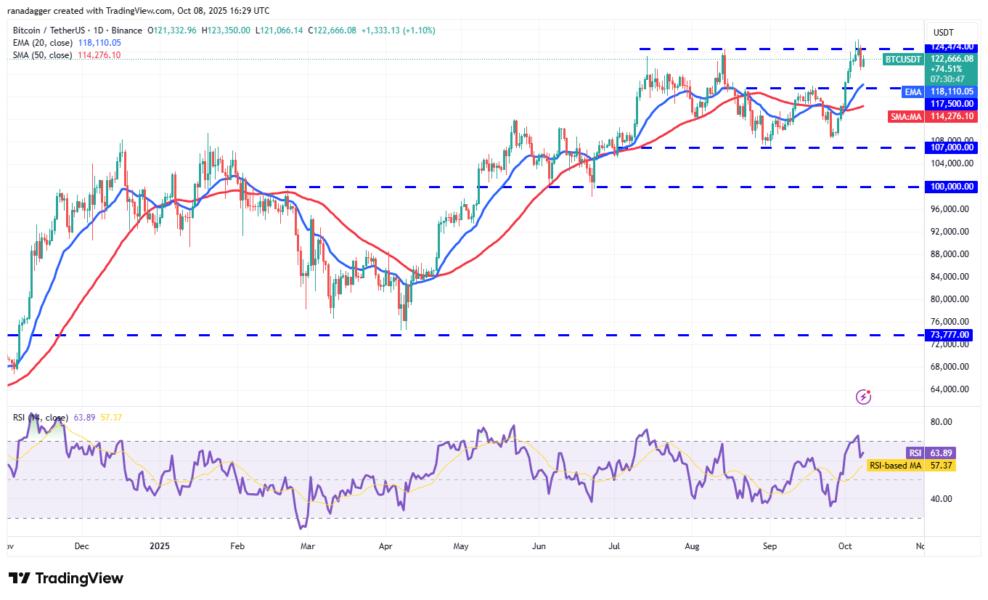
Bitcoin BTCUSD turned down sharply on Tuesday, but the bears could not pull the price below $120,000. That suggests solid demand at lower levels. The bulls have pushed the price above $123,000 and will next attempt to clear the overhead hurdle at $124,474.

Analysts are bullish on BTC’s prospects in October, which has been the second-best-performing month on average since 2013, with an average gain of 20.75%, according to CoinGlass data. Economist Timothy Peterson said in a post on X that there was a 50% chance of BTC finishing the month above $140,000.

Dogecoin, Cryptocurrencies, Bitcoin Price, XRP, Markets, Cryptocurrency Exchange, Cardano, Price Analysis, Binance Coin, Chainlink, Market Analysis, Ether Price, Solana, SUI

Although the trend remains up, traders need to be cautious because the failure to rise and sustain above $126,000 could trigger another bout of selling. The next dip may put the $120,000 support at risk of breaking down. If that happens, analysts anticipate support in the range between $118,000 and $114,000.

Could BTC start the next leg of the uptrend, pulling altcoins higher? Let’s analyze the charts of the top 10 cryptocurrencies to find out.

Bitcoin price prediction

BTC rose to a new all-time high of $126,199 on Monday, but the bulls could not sustain the higher levels.

Dogecoin, Cryptocurrencies, Bitcoin Price, XRP, Markets, Cryptocurrency Exchange, Cardano, Price Analysis, Binance Coin, Chainlink, Market Analysis, Ether Price, Solana, SUI

The BTCUSDT pair turned down and fell below the breakout level of $124,474 on Tuesday. The upsloping 20-day exponential moving average ($118,110) and the relative strength index (RSI) in the positive territory indicate that the bulls hold an edge. 

Buyers will again try to resume the uptrend by pushing the Bitcoin price above $126,199. If they can pull it off, the BTCUSDT pair may climb to $138,154.

Conversely, if the price continues lower and breaks below the 20-day EMA, it suggests that the market has rejected the breakout above $124,474. The pair could then drop to the 50-day simple moving average ($114,276).

Ether price prediction

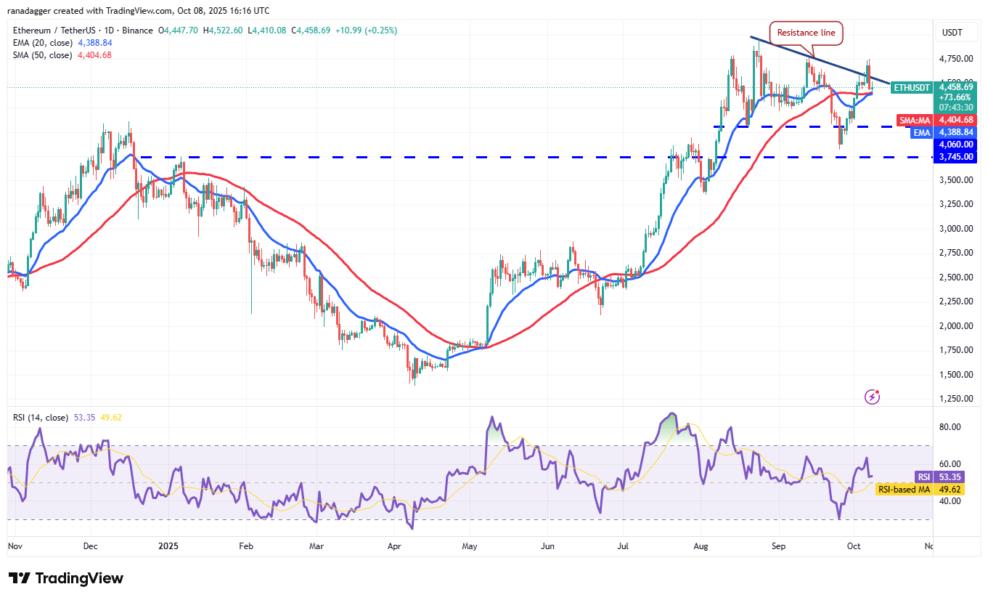
Ether ETHUSD closed above the resistance line on Monday, but the bears pulled the price back below the level on Tuesday.

Dogecoin, Cryptocurrencies, Bitcoin Price, XRP, Markets, Cryptocurrency Exchange, Cardano, Price Analysis, Binance Coin, Chainlink, Market Analysis, Ether Price, Solana, SUI

The ETHUSDT pair is attempting to take support at the moving averages, indicating that the bulls are trying to retain control. Buyers will make one more attempt to clear the resistance line and challenge the all-time high at $4,957.

On the contrary, if the price skids below the moving averages, it suggests that the bears are trying to take charge. The Ether price may then slump to the $4,060 support, where the buyers are expected to step in.

BNB price prediction

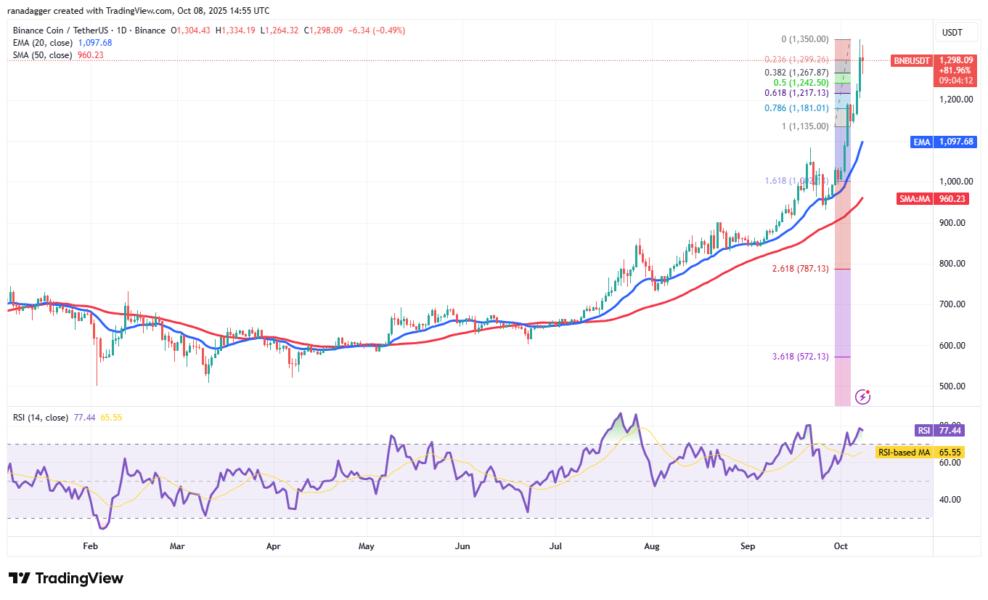
BNB BNBUSD has been in a strong uptrend for the past several days, indicating sustained buying by the bulls.

Dogecoin, Cryptocurrencies, Bitcoin Price, XRP, Markets, Cryptocurrency Exchange, Cardano, Price Analysis, Binance Coin, Chainlink, Market Analysis, Ether Price, Solana, SUI

The bears are trying to halt the uptrend at $1,350, but the shallow pullback suggests the bulls are holding on to their positions as they expect the rally to continue. If buyers propel the price above $1,350, the BNBUSDT pair could surge to $1,394 and then to $1,479.

The bears will have to pull the BNB price below the 61.8% Fibonacci retracement level of $1,217 to start a deeper correction to the 20-day EMA ($1,097). Buyers are expected to defend the 20-day EMA with all their might because a break below it indicates a weakening momentum.

XRP price prediction

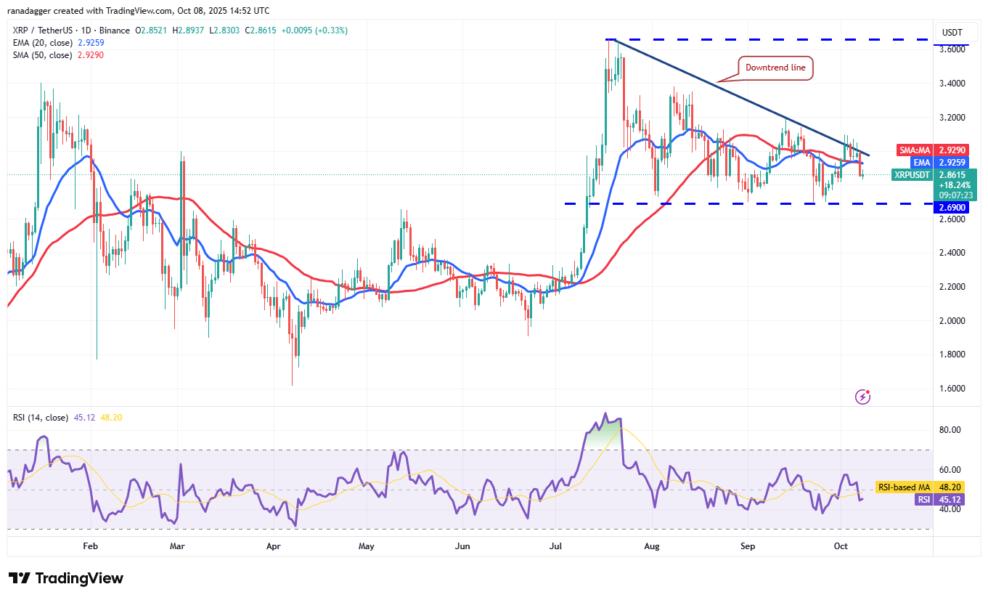
Repeated failure of the bulls to sustain XRP XRPUSD above the downtrend line in the past few days suggests the bears are aggressively defending the level.

Dogecoin, Cryptocurrencies, Bitcoin Price, XRP, Markets, Cryptocurrency Exchange, Cardano, Price Analysis, Binance Coin, Chainlink, Market Analysis, Ether Price, Solana, SUI

The XRP price turned down and plunged below the moving averages on Tuesday. That signals the XRPUSDT pair could remain inside the bearish descending triangle pattern for a while longer. Sellers will attempt to strengthen their position by pulling the price below the $2.69 support. If they succeed, the pair may start a downward move toward $2.33.

This negative view will be invalidated in the near term if the price turns up and closes above the downtrend line. That could catapult the pair to $3.20 and subsequently to $3.38.

Solana price prediction

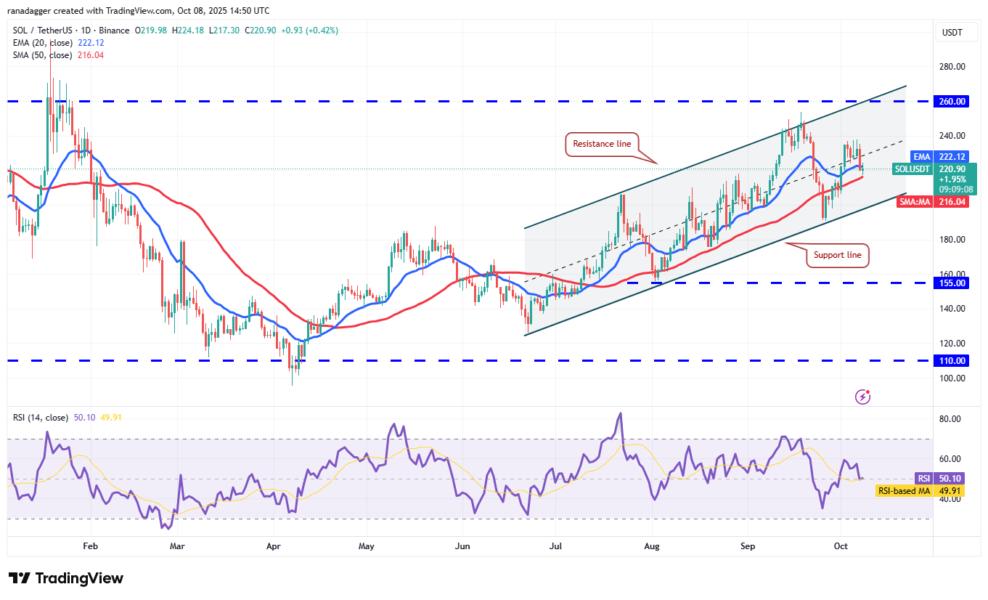
Solana SOLUSD has been gradually rising inside an ascending channel pattern for several days.

Dogecoin, Cryptocurrencies, Bitcoin Price, XRP, Markets, Cryptocurrency Exchange, Cardano, Price Analysis, Binance Coin, Chainlink, Market Analysis, Ether Price, Solana, SUI

If the price breaks below the 50-day SMA ($216), the SOLUSDT pair could drop to the support line. Buyers are expected to defend the support line, as a break below it may start a downward move to $191 and then to $175.

Contrarily, if the price turns up from the current level and rises above the 20-day EMA ($222), it signals buying on dips. The bulls will then attempt to push the Solana price to the resistance line.

Dogecoin price prediction

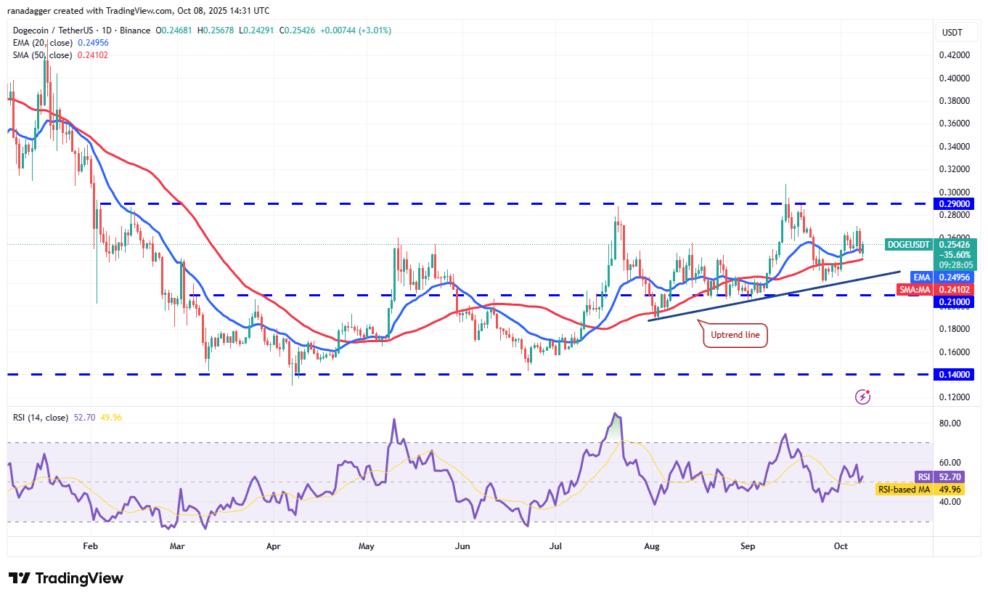
Dogecoin DOGEUSD turned down from $0.27 on Tuesday but is finding support at the 50-day SMA ($0.24).

Dogecoin, Cryptocurrencies, Bitcoin Price, XRP, Markets, Cryptocurrency Exchange, Cardano, Price Analysis, Binance Coin, Chainlink, Market Analysis, Ether Price, Solana, SUI

The bulls will try to push the Dogecoin price above $0.27 and challenge the stiff overhead resistance at $0.29. If buyers overcome this hurdle, the DOGEUSDT pair could start a new uptrend toward the pattern target of $0.39.

Sellers are likely to have other plans. They will try to pull the price to the uptrend line, which is a critical level for the bulls to defend. The developing ascending triangle pattern will be negated if the bears prevail and tug the price below the uptrend line. That could keep the pair inside the $0.14 to $0.29 range for some more time.

Cardano price prediction

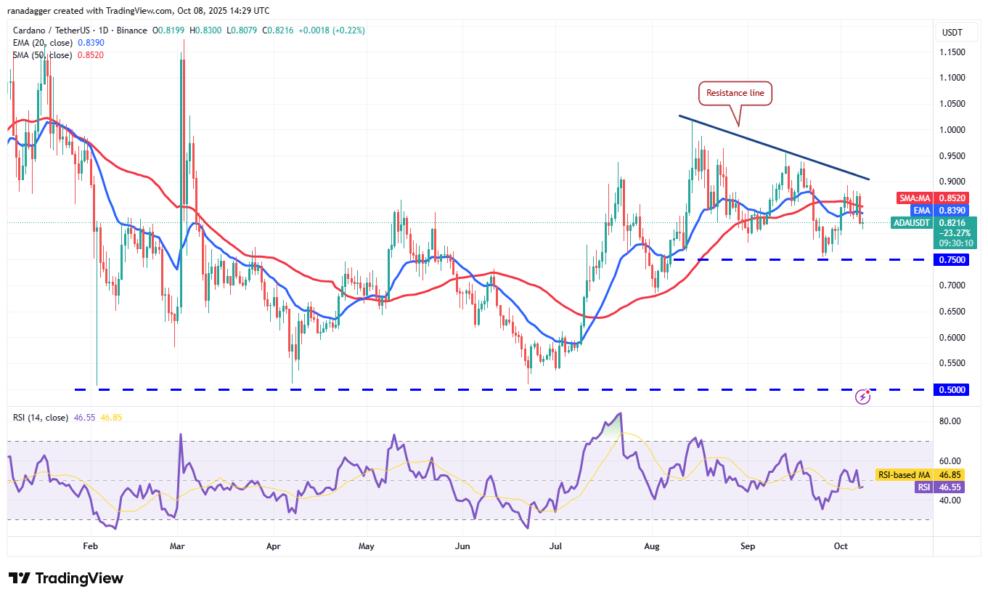
Cardano (ADA) closed above the 50-day SMA ($0.85) on Monday, but the bulls could not sustain the higher levels.

Dogecoin, Cryptocurrencies, Bitcoin Price, XRP, Markets, Cryptocurrency Exchange, Cardano, Price Analysis, Binance Coin, Chainlink, Market Analysis, Ether Price, Solana, SUI

The ADAUSDT pair turned down and fell below the 20-day EMA ($0.83) on Tuesday. That suggests the Cardano price could remain inside the descending triangle pattern for a few more days. Selling could pick up if bears tug the price below the $0.75 support. That opens the doors for a decline to $0.68 and then to $0.60.

Buyers will have to push the price above the resistance line to invalidate the bearish setup. The pair may rally to $0.95 and then to $1.02. 

Hyperliquid price prediction

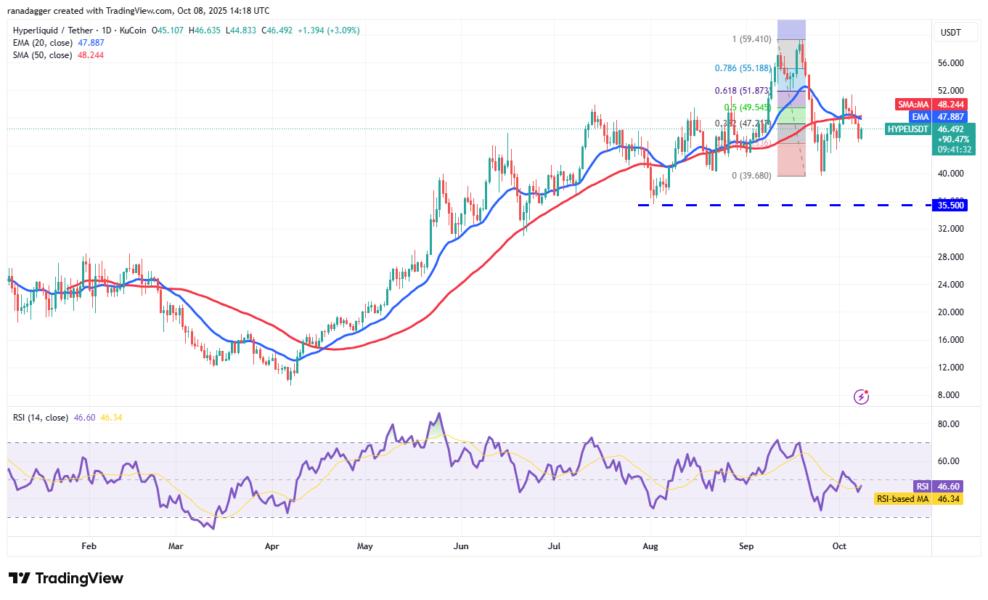
Hyperliquid (HYPE) turned down from the 61.8% Fibonacci retracement level of $51.87 on Sunday, indicating that the bears are selling on rallies.

Dogecoin, Cryptocurrencies, Bitcoin Price, XRP, Markets, Cryptocurrency Exchange, Cardano, Price Analysis, Binance Coin, Chainlink, Market Analysis, Ether Price, Solana, SUI

The next support on the downside is at $43. If the price turns up sharply from $43, it suggests demand at lower levels. The HYPE/USDT pair may consolidate between $43 and $52 for a while.

The advantage will tilt in favor of the bulls if they push the Hyperliquid price above $52. The pair could then retest the all-time high at $59.41. On the downside, a break below $43 could sink the pair to $39.68. 

Chainlink price prediction

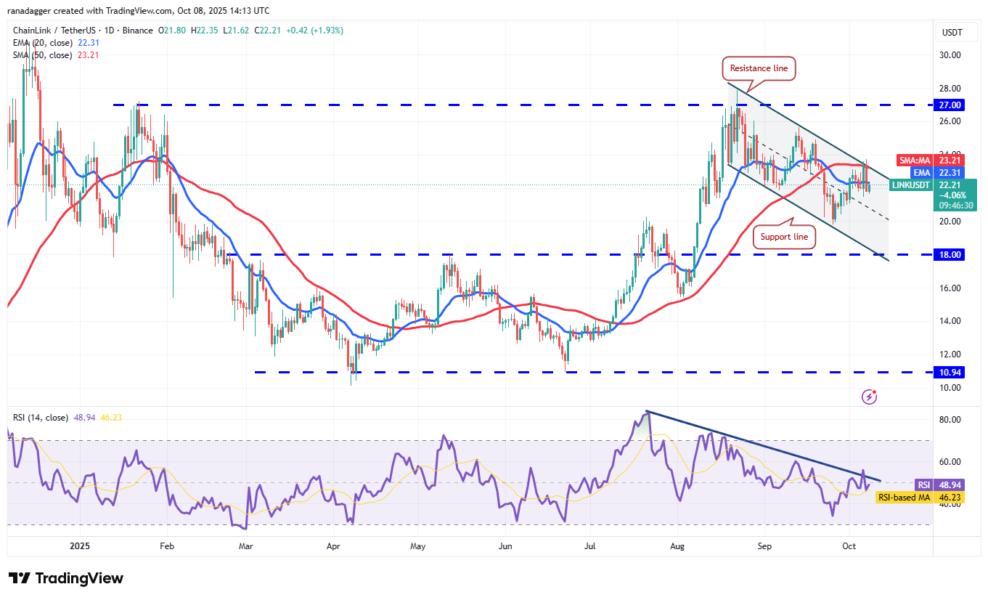
Chainlink (LINK) turned down from the resistance line on Tuesday and fell below the 20-day EMA ($22.31). 

Dogecoin, Cryptocurrencies, Bitcoin Price, XRP, Markets, Cryptocurrency Exchange, Cardano, Price Analysis, Binance Coin, Chainlink, Market Analysis, Ether Price, Solana, SUI

The bulls are unlikely to give up easily, and they will again try to drive the Chainlink price above the resistance line. If they manage to do that, it suggests that the corrective phase may be over. The LINKUSDT pair could start an upward move to $25.64 and, after that, to $27.

Alternatively, if the price turns down from the resistance line and breaks below $21.47, it signals that the bears remain in control. The pair could then spend some more time inside the descending channel pattern. 

Sui price prediction

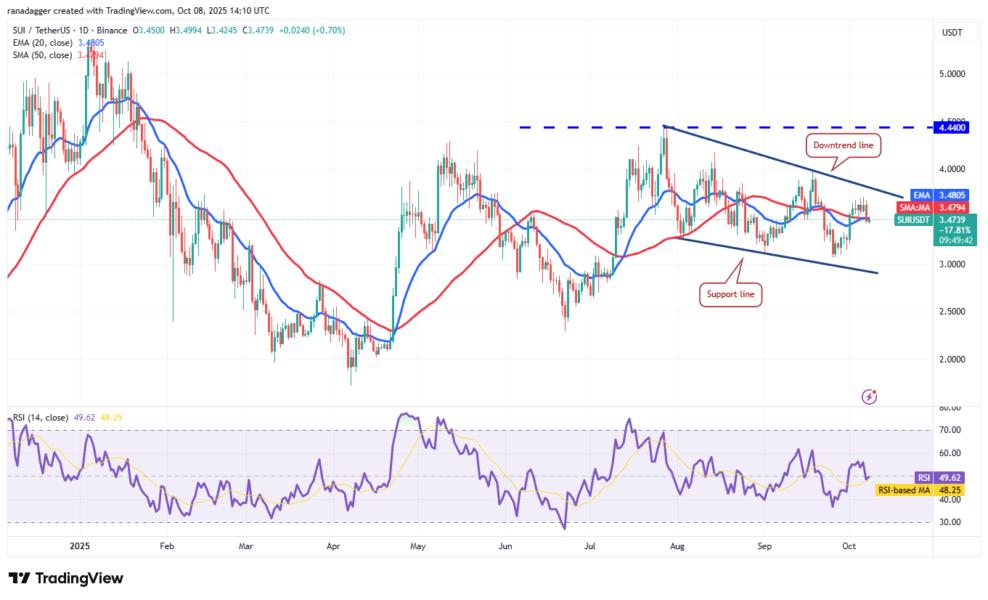
Buyers failed to push Sui (SUI) to the downtrend line in the past few days, indicating that the bears are selling on rallies.

Dogecoin, Cryptocurrencies, Bitcoin Price, XRP, Markets, Cryptocurrency Exchange, Cardano, Price Analysis, Binance Coin, Chainlink, Market Analysis, Ether Price, Solana, SUI

The flattish 20-day EMA ($3.48) and the RSI near the midpoint do not give a clear advantage to either the bulls or the bears. If the Sui price skids and maintains below the moving averages, the next stop is likely to be the support line.

Instead, if the price turns up sharply from the current level and breaks above the downtrend line, it signals that the bulls are on a comeback. The SUIUSDT pair could jump to $4 and potentially reach $4.44 later.

This article does not contain investment advice or recommendations. Every investment and trading move involves risk, and readers should conduct their own research when making a decision.

Source link

8 10, 2025

Why Crude Refuses to Crash Despite Glut Predictions

By |2025-10-08T22:18:11+03:00October 8, 2025|Forex News, News|0 Comments


A looming oversupply of crude oil is going to cause prices to take a dive as the world moves on to alternatives to hydrocarbons and economic growth remains weak. This has been the message from virtually every price forecaster for months. Yet benchmark oil prices have remained remarkably stable. Some call it a mystery. Yet there is nothing mysterious about it. Forecasts do not reflect real-life supply and demand.

“There is a bit of a mystery,” Vikas Dwivedi, global energy strategist at Macquarie, told the Financial Times this month. “The whole marketplace is looking for enormous surpluses and yet the price isn’t buckling. Instead of $67 a barrel, why are we not looking at $47 a barrel?”

There are two likely reasons why we are not looking at $47 a barrel. One of these reasons is the EU’s and the United States’ continued efforts to decimate Russia’s energy export income via additional sanctions. Since Russia is the second-largest oil producer in the world, right before Saudi Arabia, disruption in its oil flows will affect the global balance of supply and demand—and analysts know it. So do forecasters. However, they are downplaying such geopolitical risks in favor of the argument that the electrification of transport and weak economic growth in many key markets are undermining oil demand. Supply, meanwhile, is growing, according to the forecasters, and apparently this supply growth is completely disconnected from prices—which it obviously is not.

Related: Turkey Silent After Tripartite Deal That Could Get Kurdish Flowing This Week

The second reason why prices are not down all the way to $47 a barrel is China. Millions of words have been spent on media reports suggesting China‘s oil demand is close to peaking, and afterwards it will drop off a cliff. China, meanwhile, has been stocking up on crude, even with weakening demand growth, which is a fact, after over two decades of leaps and bounds. Indeed, Reuters’ Clyde Russell noted in a recent column that China’s crude oil imports have been on the rise since March this year, even if some of the crude goes into storage rather than refineries. Indeed, per Russell, “from March onwards China has been importing crude at a far higher rate than it needs to meet its domestic fuel requirements.”

This has, in turn, been keeping international oil prices stable and higher than many would like to see them, including President Donald Trump, who had cheap gas on his agenda when he took office. On the other hand, Trump strongly believes that hurting Russia’s oil export revenues would speed up the end of hostilities in Ukraine. That, however, would push prices higher, which may be why he has been in no rush to impose additional sanctions on Russia’s energy industry—unlike the EU, which just did, facing an even higher energy bill as it voluntarily gives up Russian oil.

There is also the aspect of perceived versus actual demand and consumption of oil. Oxford Energy addressed this aspect of the oil market in a recent report, dispelling rumors of an impending glut by citing storage numbers that show no sign of oversupply. Floating storage, for instance, is below the levels reached in 2022, when everyone rushed to prepare for the anti-Russian sanctions. OECD stocks, often used as a reference point for forecasts, are below the five-year average, meaning consumption is quite healthy. One final indicator of stronger-than-expected demand comes again from China, in the form of lower fuel exports, cited by Oxford Economics.

Yet this context remains largely ignored in favor of what basically amounts to a fixation on EV sales projections and GDP forecasts, plus references to OPEC+’s decision to unwind output curbs installed in 2022.

“Yes, there will be downward pressure on prices, I just don’t buy into the narrative that we’re going to see $40 oil,” Sen said. “As long as the Chinese bid is there and Opec+ spare capacity is constrained, the downside is going to be protected.” In addition to these, there is also the producer response to prices that are sub-optimal for most producers. It is inevitable and, indeed, U.S. producers are already responding by slackening the pace of production growth this year.

While forecasters forecast, oil prices remain stable, despite claims that oil market volatility has increased over the past couple of years amid a surge in the use of so-called shadow fleet tankers to transport Russian crude, creating what Reuters’ Ron Bousso called “blind spots” on the market that make it increasingly difficult for traders to glean the facts about supply-demand balance. They will remain stable for the observable future as well, as geopolitical factors continue to push them higher, while forecasts of a glut curb the upside, regardless of whether there are signs of such a glut about to materialize.

Such materialization is becoming less likely by the day, it seems. According to one of the glut-prediction forecasters, Maquarie, “The problem is, a bear market needs the element of surprise, and this has no surprise in it.”

By Irina Slav for Oilprice.com

More Top Reads From Oilprice.com


Source link

8 10, 2025

EUR/JPY Forecast 08/10:Euro Continues to Rise Against JPY

By |2025-10-08T22:17:13+03:00October 8, 2025|Forex News, News|0 Comments

  • The euro rose again during the trading session on Tuesday against the Japanese yen, as traders continue to price in the idea of a potentially loose monetary policy coming out of Japan. At this point, traders are blaming it on the election, but I have no idea why they thought Japan was ever going to have any other type of monetary policy. Japan has been loose for over 20 years now,and quite frankly has a demographics bomb ready to go off that will make it so that they cannot finance their debt with any type of interest at all.
  • Japan is by far the most heavily indebted industrial country in the top tier of economies, and therefore in order to continue to have the economy function, low interest rates are a necessity, not a “wish.”

Technical Analysis

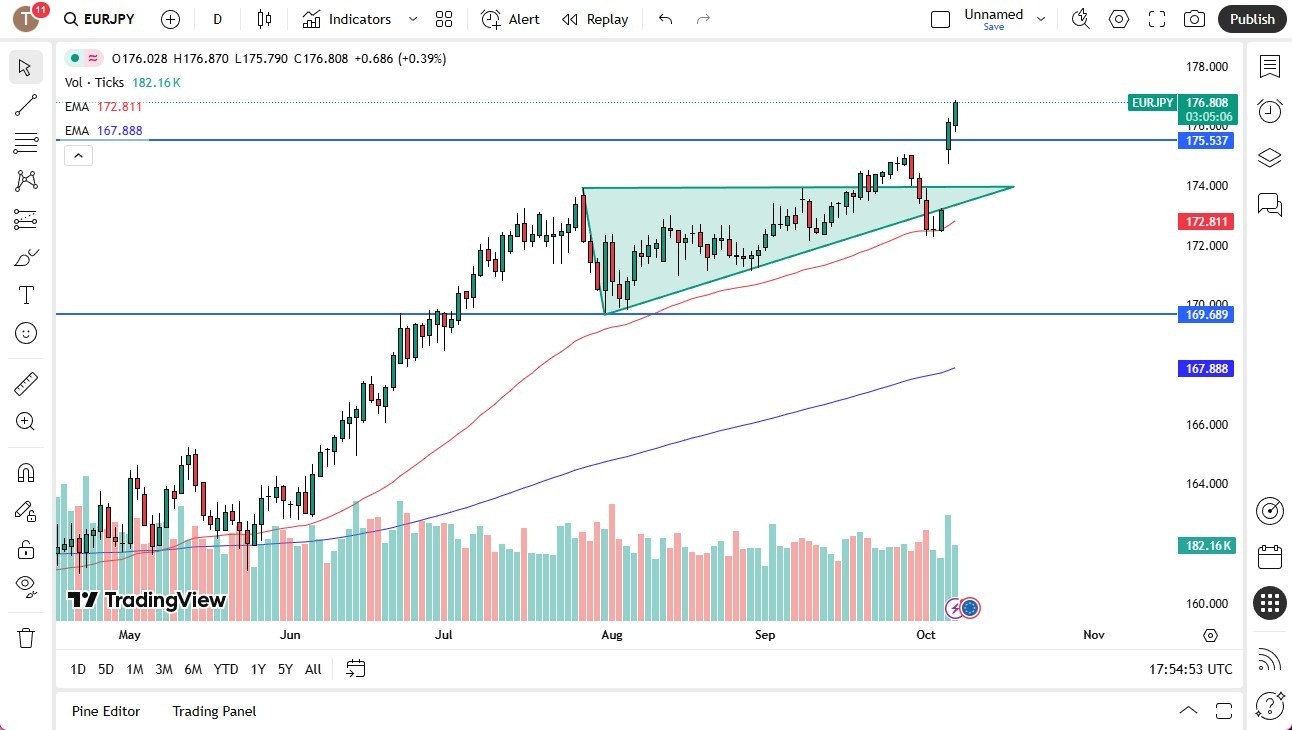
The market recently broke above the ¥172 level, pulled back to that level, and then bounced nicely. We obviously had that massive gap at the open on Monday, and despite the fact that I really want to get bullish and start buying this pair, the reality is that the gap is so big that you would be foolish to risk that type of stop loss. Yes, it could work out in your favor, but there’s also the very real possibility that we will eventually pull back in order to fill that gap, and at this point in time I believe that you would need a roughly 400 pip stop loss to make this trade even feasible. In other words, you would be looking for a massive swing trade to the upside, which of course is possible, but far beyond the scope of most retail traders.

Because of this, I’m looking for short-term drop that fills the gap or at least comes close to it and then bounces. At that point in time, I am buying this pair and hanging onto it for what will probably end up being several months. I have no interest in shorting this market in this environment.

Begin trading our daily forecasts and analysis. Here is a list of Forex brokers in Japan to work with.

Christopher Lewis has been trading Forex and has over 20 years experience in financial markets. Chris has been a regular contributor to Daily Forex since the early days of the site. He writes about Forex for several online publications, including FX Empire, Investing.com, and his own site, aptly named The Trader Guy. Chris favours technical analysis methods to identify his trades and likes to trade equity indices and commodities as well as Forex. He favours a longer-term trading style, and his trades often last for days or weeks.

Source link

8 10, 2025

SugarMute Announces Expanded Availability of Blood Sugar Support Formula with Updated Ingredient Research

By |2025-10-08T22:16:09+03:00October 8, 2025|Dietary Supplements News, News|0 Comments


Insulin resistance—a condition where cells become less responsive to insulin’s signals—represents a key factor in metabolic health challenges. When cells resist insulin, the pancreas produces more of the hormone to achieve the same effect, potentially leading to elevated blood glucose levels over time.

Research has identified multiple lifestyle and nutritional factors that may support healthy insulin sensitivity and glucose metabolism. These include adequate dietary fiber intake, regular physical activity, maintenance of healthy body weight, consumption of omega-3 fatty acids, sufficient vitamin D levels, and healthy gut microbiota composition.

Understanding these foundational concepts provides context for evaluating how various supplement ingredients might support metabolic health through different mechanisms.

Read How SugarMute Supports Balanced Glucose Metabolism with a science-based multi-ingredient approach.

Scientific Foundation of Blood Sugar Support Ingredients

The SugarMute formulation draws upon peer-reviewed research examining various botanical and nutritional compounds studied for their potential effects on glucose metabolism and digestive health. Each ingredient in the formula has been selected based on published scientific literature exploring its potential role in metabolic wellness.

Flaxseed Research Developments

Recent scientific literature continues to support flaxseed’s role in metabolic health. A 2019 study published by researchers Pan, Yu, and Demark-Wahnefried examined flaxseed consumption’s effects on glycemic control in individuals with type 2 diabetes. The research demonstrated improvements in fasting glucose levels and HbA1c—a marker of long-term blood sugar control—among participants who incorporated flaxseed into their diets.

Additionally, a meta-analysis published in Nutrition Journal evaluated flaxseed fiber’s impact on glucose regulation across multiple randomized controlled trials. The researchers analyzed data from numerous studies and found consistent patterns suggesting that flaxseed supplementation may support healthy glycemic responses, particularly when consumed regularly over extended periods.

Flaxseed contains multiple bioactive components that may contribute to these observed effects. The seed is rich in both soluble and insoluble fiber, with soluble fiber forming a gel-like substance in the digestive tract that may slow glucose absorption. Flaxseed also provides alpha-linolenic acid, an omega-3 fatty acid that research has associated with reduced inflammatory markers and improved insulin sensitivity.

Furthermore, flaxseed contains lignans—plant compounds with antioxidant properties that undergo conversion by gut bacteria into enterolignans. These metabolites have been studied for their potential effects on various aspects of metabolic health. Research published in Frontiers in Nutrition has explored how flaxseed consumption influences gut microbiota composition, potentially creating a more favorable bacterial environment for metabolic function.

The cumulative evidence suggests flaxseed represents one of the more thoroughly researched plant-based ingredients in the blood sugar support category, though individual responses may vary based on baseline health status, dietary patterns, and genetic factors.

Glucomannan’s Documented Effects

Glucomannan, a water-soluble dietary fiber derived from the konjac root (Amorphophallus konjac), has been studied extensively in relation to postprandial glucose levels—the blood sugar elevation that occurs after meals. Research published in Diabetes Research and Clinical Practice has examined how this fiber affects gastric emptying rates and carbohydrate absorption.

The mechanism through which glucomannan may support healthy post-meal glucose levels involves several processes. When consumed with water, glucomannan forms a viscous gel that increases the volume of stomach contents and slows gastric emptying. This extended residence time in the stomach leads to a more gradual release of nutrients into the small intestine, where glucose absorption occurs.

By moderating the rate at which carbohydrates enter the bloodstream, glucomannan may help prevent the sharp blood sugar spikes that can occur after consuming carbohydrate-rich meals. This effect is particularly relevant given that postprandial glucose excursions—the peaks in blood sugar after eating—have been identified as an important factor in overall glycemic control.

The European Food Safety Authority has previously evaluated glucomannan and found sufficient evidence to support certain health claims related to its contribution to the maintenance of normal blood cholesterol levels when consumed at a dosage of 4 grams daily. While this approved claim relates to cholesterol rather than blood sugar, it demonstrates the regulatory scrutiny that this ingredient has undergone.

Research has also examined glucomannan’s potential role in promoting satiety and supporting weight management efforts. Since maintaining a healthy body weight represents an important factor in metabolic health, these additional properties may contribute to the ingredient’s overall profile in blood sugar support formulations.

Studies suggest that glucomannan is generally well-tolerated, though adequate fluid intake is important when consuming this fiber to prevent gastrointestinal discomfort and ensure proper hydration as the fiber expands in the digestive tract.

Probiotic Research on Metabolic Function

The inclusion of Lactobacillus acidophilus in the SugarMute formula reflects emerging research on the gut-metabolic axis—the bidirectional communication between intestinal microbiota and metabolic processes throughout the body. This area of scientific inquiry has expanded significantly in recent years as researchers have uncovered the extensive influence that gut bacteria exert on various aspects of human health.

Studies published in the British Journal of Nutrition have explored how Lactobacillus acidophilus supplementation may influence insulin sensitivity and gut barrier function. The research suggests that this probiotic strain may help maintain the integrity of the intestinal lining, potentially reducing the translocation of inflammatory compounds from the gut into systemic circulation.

Chronic low-grade inflammation has been identified as a contributing factor in insulin resistance, and strategies that support gut barrier integrity may indirectly benefit metabolic health through this mechanism. The gut barrier serves as a selective filter, allowing nutrients to pass while preventing potentially harmful substances from entering the bloodstream.

The journal Microorganisms published research in 2020 examining how Lactobacillus acidophilus influences gut microbiota composition and affects glucose metabolism. The study found that probiotic supplementation was associated with changes in the relative abundance of various bacterial species, creating a microbial profile that researchers associated with more favorable metabolic markers.

The mechanisms through which probiotics may influence metabolic health appear to be multifaceted. Beyond effects on gut barrier function and inflammation, research suggests that gut bacteria produce various metabolites—including short-chain fatty acids like butyrate, propionate, and acetate—that serve as signaling molecules affecting metabolic processes in distant organs.

Additionally, certain bacterial strains may influence the extraction of calories from food, affect fat storage, modulate appetite-regulating hormones, and impact bile acid metabolism—all factors that can indirectly affect metabolic health and glucose regulation.

While research in this area is promising, scientists emphasize that probiotic effects are highly strain-specific. Results observed with one bacterial strain cannot be automatically generalized to other strains, even within the same species. Furthermore, the composition of an individual’s existing gut microbiota may influence how they respond to probiotic supplementation.

Black Walnut and Polyphenol Compounds

Research published in the International Journal of Pharmacology has investigated black walnut (Juglans nigra) leaf extract in experimental diabetes models. The studies examined various parameters related to glucose metabolism and found that certain compounds in black walnut exhibited properties that researchers found relevant to blood sugar regulation in these controlled settings.

The walnut family contains various polyphenolic compounds and ellagitannins—complex plant molecules with antioxidant properties. Ellagitannins undergo transformation by gut bacteria into smaller compounds called urolithins, which have been studied for their potential biological activities. Research suggests these metabolites may influence inflammatory pathways and cellular signaling processes relevant to metabolic health.

Black walnut hulls have also been examined in research published in the Journal of Medicinal Food for their antimicrobial and gut health properties. The study explored how compounds in black walnut hulls affected various bacterial species, suggesting potential prebiotic-like effects that could influence the gut microbiome composition.

The publication HerbalGram has discussed black walnut’s traditional use and contemporary research regarding its role in maintaining healthy blood sugar levels. However, researchers note that while preliminary studies show promise, more extensive human clinical trials would be valuable to fully characterize black walnut’s effects on metabolic health parameters.

Polyphenolic compounds from various plant sources have generated considerable research interest due to their potential antioxidant and anti-inflammatory properties. Oxidative stress and chronic inflammation represent factors that can negatively affect insulin signaling pathways and glucose metabolism, suggesting that antioxidant-rich botanical ingredients may offer indirect metabolic support.

Dried Plum Research and Gut Health

The formula incorporates dried plum, which has been examined in studies published in Food & Function and the Journal of Nutritional Biochemistry for its polyphenol content and potential effects on gut microbiota. Dried plums contain various phenolic compounds, including neochlorogenic acid and chlorogenic acid, which have been studied for their potential biological activities.

Research published in Nutrition Research Reviews evaluated polyphenol-rich dried plum and its effects on blood glucose and gut health. The study examined how regular dried plum consumption influenced various metabolic markers and found patterns suggesting potential benefits for glycemic control, though researchers emphasized that more extensive human trials would strengthen these findings.

A study published in Food & Function specifically examined dried plum consumption’s effects on gut microbiota and glycemic control in animal models. The research found that dried plum intake was associated with changes in gut bacterial composition, with increases in certain bacterial species that researchers associate with favorable metabolic outcomes.

The Journal of Nutritional Biochemistry published research exploring prunes (dried plums) and their potential for modulating postprandial blood sugar responses. The study examined the glycemic index of dried plums and their effects when consumed alongside other foods, finding that the fruit’s fiber content and polyphenol profile may contribute to more moderate blood sugar responses after meals.

Beyond their polyphenol content, dried plums provide sorbitol—a sugar alcohol that acts as a prebiotic, serving as fuel for beneficial gut bacteria. This property may contribute to the fruit’s effects on gut microbiota composition observed in research studies.

The cumulative research on dried plums suggests they represent a whole food source of multiple beneficial compounds, including fiber, polyphenols, and prebiotic substances that may work synergistically to support metabolic and digestive health.

Aloe Vera’s Metabolic Research Profile

Aloe vera, studied in systematic reviews published in Phytomedicine, has been investigated for its polysaccharide content and potential effects on metabolic health parameters. A comprehensive systematic review examined aloe vera’s effects on glycemic control in prediabetes and type 2 diabetes across multiple studies.

The review found that results varied across different studies, with some trials showing improvements in fasting blood glucose and HbA1c levels while others found more modest or non-significant effects. This variability highlights the importance of factors such as aloe vera preparation methods, dosage, study duration, and participant characteristics in determining outcomes.

Aloe vera gel contains acemannan, a complex polysaccharide that researchers have studied for various biological properties. Some research suggests that acemannan may influence glucose metabolism through effects on insulin secretion or insulin sensitivity, though the precise mechanisms require further investigation.

Research published in the journal Beneficial Microbes has explored aloe vera’s potential as a prebiotic plant that may improve gut microbiota composition. The study found that certain components of aloe vera appeared to selectively promote the growth of beneficial bacterial species while inhibiting potentially harmful bacteria.

The plant also contains various vitamins, minerals, amino acids, and antioxidant compounds that may contribute to its overall nutritional profile. Traditional medicine systems have used aloe vera for digestive health support, and contemporary research is working to understand the scientific basis for these traditional applications.

While aloe vera shows promise based on existing research, scientists emphasize the need for standardized preparations and larger-scale clinical trials to better characterize optimal dosing and to identify which populations may benefit most from aloe vera supplementation.

See the Complete SugarMute Formula and learn how each ingredient supports metabolic wellness.

Supporting Ingredients and Formulation Approach

SugarMute’s formulation includes additional ingredients beyond those highlighted above, bringing the total to 10 components. While specific details about the complete ingredient profile and individual dosages are available through the product’s official labeling, the formulation strategy appears to combine multiple ingredients that work through different mechanisms relevant to blood sugar support.

This multi-ingredient approach reflects a common strategy in dietary supplement development, where formulators combine ingredients that may offer complementary or synergistic effects. The rationale suggests that addressing multiple aspects of metabolic health—including glucose absorption rate, gut health, inflammation, and insulin sensitivity—may provide more comprehensive support than single-ingredient approaches.

However, it’s important to note that while individual ingredients may have supporting research, the specific combination used in SugarMute has not been tested in independent clinical trials. This distinction is important because ingredients may interact in ways that differ from their individual effects, and optimal dosing for combination formulas may differ from dosing used in single-ingredient studies.

Addressing Consumer Needs in Metabolic Health

Daniel Willson, creator of SugarMute, stated, “We developed this formula in response to the thousands of individuals seeking natural supplemental support for their metabolic health goals. The combination of fiber, probiotics, and botanical extracts reflects current nutritional science understanding of the multiple factors involved in glucose regulation and digestive wellness.”

The development of SugarMute reflects broader trends in the dietary supplement industry, where consumers increasingly seek products based on scientific research rather than solely on traditional use. Modern supplement companies often reference peer-reviewed publications and clinical studies when selecting ingredients for their formulations.

The supplement is manufactured in a facility in the United States and comes in capsule form, with a recommended serving of two capsules daily with meals. The capsule delivery format offers convenience and standardized dosing compared to powders or liquids, factors that may affect user compliance with supplementation regimens.

The Role of Dietary Supplements in Comprehensive Metabolic Health

Healthcare professionals and nutrition researchers consistently emphasize that dietary supplements should be viewed as one component of a comprehensive approach to metabolic health, rather than standalone solutions. The term “supplement” itself reflects this complementary role—these products are intended to supplement, not replace, foundational health practices.

The American Diabetes Association’s nutrition therapy guidelines emphasize medical nutrition therapy and lifestyle modifications as primary interventions for blood sugar management. These evidence-based recommendations focus on dietary patterns that emphasize whole grains, vegetables, fruits, legumes, nuts, and seeds while limiting refined carbohydrates, added sugars, and highly processed foods.

Physical activity represents another cornerstone of metabolic health. Both aerobic exercise and resistance training have been shown in numerous studies to improve insulin sensitivity, facilitate glucose uptake into muscles, support healthy body composition, and provide cardiovascular benefits. The American College of Sports Medicine recommends at least 150 minutes of moderate-intensity aerobic activity per week, along with resistance training at least twice weekly.

Sleep quality and duration also significantly impact metabolic health. Research has demonstrated that insufficient sleep or poor sleep quality can affect hormones that regulate appetite and glucose metabolism, including insulin, cortisol, and ghrelin. Studies suggest that chronic sleep deprivation may increase the risk of metabolic health challenges.

Stress management represents another important factor. Chronic stress activates the hypothalamic-pituitary-adrenal axis, leading to elevated cortisol levels that can affect glucose metabolism and promote insulin resistance over time. Stress reduction techniques such as mindfulness meditation, yoga, deep breathing exercises, and adequate leisure time may support metabolic health through these pathways.

Within this comprehensive framework, dietary supplements may serve as adjunctive tools that complement these foundational strategies. For individuals already implementing healthy lifestyle practices who seek additional support, appropriately chosen supplements based on scientific research may offer incremental benefits.

Product Safety and Usage Guidelines

SugarMute includes standard safety disclaimers consistent with dietary supplement regulations. The product is not intended for use by individuals under 18 years of age, pregnant women, or nursing mothers. These exclusions reflect standard precautionary principles in supplement development, as these populations have specific nutritional needs and safety considerations that require specialized evaluation.

The manufacturer advises that consumers should not exceed the recommended dosage of two capsules daily. This guidance is important because the relationship between supplement dosing and effects is not always linear—more is not necessarily better, and excessive intake of certain nutrients or botanical compounds may lead to unwanted effects.

Individuals taking medications should be aware of potential supplement-drug interactions. For example, fiber supplements like glucomannan may affect the absorption of oral medications if taken simultaneously, which is why the product recommends consumption with meals rather than on an empty stomach. Those taking multiple medications should maintain spacing between medication administration and supplement intake unless otherwise directed by a healthcare provider.

Important Medical Disclaimer: This product is a dietary supplement and is not intended to diagnose, treat, cure, or prevent any disease. Individuals with diabetes, prediabetes, or other metabolic conditions should consult with their healthcare provider before beginning any new supplement regimen. Those taking blood glucose-lowering medications should seek medical advice before use, as supplements may affect blood sugar levels and could potentially lead to hypoglycemia when combined with certain medications.

The importance of medical consultation cannot be overstated for individuals with diagnosed metabolic conditions. Blood sugar management in diabetes requires careful monitoring and titration of interventions to avoid both hyperglycemia and hypoglycemia. Introducing new supplements without medical supervision could affect this delicate balance and potentially compromise safety or treatment efficacy.

Learn More About SugarMute Research and the science behind its formulation.

Quality Assurance and Customer Support Policies

The company has implemented a 90-day satisfaction policy that allows customers to evaluate the product over an extended period. This timeframe recognizes that dietary supplements typically require consistent use over weeks or months before effects become apparent, as most work through gradual biological mechanisms rather than immediate pharmacological effects.

Returns require a return merchandise authorization number obtained through customer service at support@sugarmute.com. All bottles must be returned to the company’s fulfillment center located at 19655 E 35th Dr #100, Aurora, CO 80011, USA. The company’s return policy requires that customers pay return shipping costs, and refunds are processed to the original payment method following receipt and inspection of returned products.

The supplement is distributed exclusively through the company’s official website to maintain product authenticity and supply chain control. This direct-to-consumer model has become increasingly common in the dietary supplement industry as manufacturers seek to prevent counterfeit products and ensure proper storage conditions throughout the distribution chain.

Counterfeit supplements represent a genuine concern in the industry, particularly for products that achieve commercial success. Counterfeit versions may contain incorrect ingredients, improper dosages, or contaminants, potentially posing health risks to consumers. By controlling distribution channels, manufacturers aim to ensure that customers receive authentic products that meet quality specifications.

The company emphasizes that proper storage of supplements is important to maintain ingredient stability and potency. Most dietary supplements should be stored in cool, dry conditions away from direct sunlight, heat, and moisture, as these environmental factors can degrade certain ingredients over time.

Market Context for Blood Sugar Support Supplements

The blood sugar support supplement category has experienced significant growth in recent years as consumers seek complementary approaches to metabolic wellness. According to various market research reports, the global blood sugar supplements market is projected to continue expanding as awareness of metabolic health increases and as populations age.

Several demographic and health trends are driving interest in this supplement category. The rising prevalence of overweight and obesity globally correlates with increased rates of metabolic health challenges. Additionally, sedentary lifestyles associated with modern work patterns and transportation methods contribute to reduced physical activity levels compared to previous generations.

Dietary patterns in many developed nations have shifted toward increased consumption of processed foods, refined carbohydrates, and added sugars—factors that can affect metabolic health over time. Concurrently, awareness of these issues has grown, leading consumers to seek proactive approaches to support their metabolic wellness.

The supplement industry has responded to this consumer demand by developing products that incorporate ingredients with scientific research supporting their metabolic health properties. Modern supplement companies increasingly reference clinical studies and scientific literature in their product development and marketing approaches.

Healthcare professionals generally emphasize that dietary supplements work most effectively when combined with foundational lifestyle factors including balanced nutrition, regular physical activity, adequate sleep, and stress management. Supplements are intended to complement, not replace, these evidence-based lifestyle interventions that form the cornerstone of metabolic health.

Professional medical organizations including the American Diabetes Association acknowledge that certain nutritional supplements may offer benefits for some individuals when used appropriately under medical supervision. However, these organizations emphasize that supplements should not replace proven medical therapies for diagnosed conditions.

Regulatory Compliance and Transparency

As with all dietary supplements marketed in the United States, SugarMute is subject to regulations established by the Food and Drug Administration under the Dietary Supplement Health and Education Act (DSHEA) of 1994. This legislation created a regulatory framework specifically for dietary supplements, distinguishing them from conventional foods and pharmaceutical drugs.

Under DSHEA, dietary supplement manufacturers are responsible for ensuring their products are safe before marketing them, though supplements do not require FDA pre-market approval like pharmaceutical drugs. The FDA can take action against unsafe supplements after they reach the market if evidence of harm emerges.

The product labeling includes the standard FDA disclaimer that statements regarding dietary supplements have not been evaluated by the FDA. This required statement appears on virtually all dietary supplements sold in the United States and reflects the different regulatory pathway that supplements follow compared to drugs.

The company maintains that its manufacturing processes follow current good manufacturing practices (cGMP) as required for dietary supplement production facilities. These cGMP regulations, which the FDA finalized in 2007, establish requirements for manufacturing, packaging, labeling, and holding operations to ensure supplement quality, purity, and strength.

cGMP compliance involves numerous aspects of manufacturing operations, including establishing quality control procedures, maintaining equipment, training personnel, maintaining accurate records, and implementing systems to prevent contamination or mix-ups between different products or batches.

Third-party certification programs exist in the dietary supplement industry, through which independent organizations verify that manufacturers comply with cGMP standards and that products meet label claims for ingredient identity and potency. While such certifications are voluntary, they provide additional transparency and quality assurance for consumers.

Transparency regarding ingredient sources, manufacturing practices, testing protocols, and quality control procedures has become increasingly important to informed consumers. Industry trends suggest that companies providing more detailed information about these aspects of their operations may build greater consumer trust.

Access Full Ingredient Transparency and Research References through the company’s official site.

Educational Resources for Consumers

In conjunction with product availability, SugarMute Research provides educational digital resources to customers who purchase multi-bottle packages. These materials, titled “Clear Mind, Sharp Memory” and “Hello, Radiant Energy,” offer information on natural approaches to cognitive function and energy management.

The company emphasizes that these resources are informational in nature and do not constitute medical advice. Providing educational content alongside products represents a common practice in the dietary supplement industry, aiming to help consumers understand broader wellness concepts and lifestyle factors that may complement supplementation.

Educational initiatives in the supplement industry reflect recognition that consumers benefit from understanding the lifestyle context in which supplements are most effective. Well-informed consumers are better equipped to make appropriate decisions about their health and to use supplements safely and effectively as part of comprehensive wellness strategies.

Looking Forward: Metabolic Health Research

As scientific understanding of metabolic health continues to evolve, researchers are increasingly examining the interplay between nutrition, gut microbiota, inflammatory processes, and glucose regulation. Future research may provide additional insights into how various botanical compounds and nutritional factors influence these complex physiological systems.

The field of metabolic health supplementation continues to develop as new studies emerge examining individual ingredients and combination formulas. Healthcare providers and consumers alike benefit from ongoing research that clarifies which approaches offer the most substantial support for healthy metabolic function.

Emerging areas of research that may influence future supplement development include nutrigenomics—the study of how genes and nutrients interact—which could eventually enable more personalized supplement recommendations based on individual genetic profiles. Additionally, advances in understanding the gut microbiome may lead to more targeted probiotic and prebiotic interventions designed to promote metabolic health.

Technological advances in metabolic monitoring, including continuous glucose monitors that were previously available only to people with diabetes, are now becoming more accessible to health-conscious consumers. This increased ability to track metabolic responses in real-time may help individuals better understand how specific foods, activities, and supplements affect their blood sugar patterns.

Research into circadian rhythms and chrononutrition—how the timing of food intake affects metabolic processes—represents another frontier that may influence future recommendations for supplement timing and dosing strategies. Studies suggest that metabolic responses to nutrients vary throughout the day based on circadian clock regulation.

The scientific community continues to investigate optimal dietary patterns for metabolic health, with ongoing studies comparing various approaches including Mediterranean-style diets, low-carbohydrate diets, plant-based diets, and time-restricted eating. Understanding how different dietary frameworks affect metabolic markers helps provide context for how supplements may fit into various nutritional approaches.

Industry Standards and Consumer Protection

The dietary supplement industry has developed various self-regulatory initiatives aimed at promoting quality and protecting consumers. Trade organizations including the Council for Responsible Nutrition and the Natural Products Association have established guidelines and certification programs for member companies.

These industry initiatives address issues such as good manufacturing practices, appropriate marketing claims, adverse event reporting, and product quality testing. While participation in industry organizations is voluntary, membership and certification can signal a company’s commitment to quality standards beyond minimum regulatory requirements.

Consumer protection agencies including the Federal Trade Commission monitor supplement advertising to ensure that marketing claims are truthful and not misleading. The FTC has authority to take action against companies making unsupported health claims or engaging in deceptive advertising practices.

Healthcare professional organizations including the American Pharmacists Association and the American Society for Nutrition provide guidance to their members regarding dietary supplement recommendations, counseling, and monitoring. These professional resources help ensure that healthcare providers can effectively advise patients about appropriate supplement use.

Informed consumers play a crucial role in their own protection by researching products before purchase, verifying that companies provide transparent information about ingredients and manufacturing practices, checking for third-party certifications when available, and consulting with healthcare providers before starting new supplements, especially when managing existing health conditions or taking medications.

About SugarMute Research

SugarMute Research develops dietary supplements focused on metabolic health support. The company’s flagship product combines botanical extracts, dietary fibers, and probiotic strains selected based on published nutritional science research. The company maintains its fulfillment operations in Aurora, Colorado.

The company’s approach to product development emphasizes selecting ingredients with scientific research supporting their inclusion in metabolic health formulations. By referencing peer-reviewed publications and clinical studies, SugarMute Research aims to provide consumers with products grounded in nutritional science principles.

For more information about SugarMute, including complete ingredient listings, detailed usage guidelines, and scientific references supporting the formula’s development, interested parties may visit the company’s official website or contact customer service at support@sugarmute.com.

Contact

Affiliate Disclosure: If you purchase products through links in this article, a commission may be earned at no additional cost to you. Always order through the official website to ensure authenticity and access to guarantees.

Medical Disclaimer: This content is for informational purposes only and is not a substitute for professional medical advice. SugarMute has not been evaluated by the FDA and is not intended to diagnose, treat, cure, or prevent any disease. Always consult a qualified healthcare professional before making changes to your diet, lifestyle, or supplement routine.

Product & Pricing Disclaimer: Product availability, customer experiences, and pricing may vary. Always confirm the latest details directly with the official brand before making a purchase decision.

Publisher Responsibility Disclaimer: The publisher of this article has made every effort to ensure accuracy at the time of publication. We do not accept responsibility for errors, omissions, or outcomes resulting from the use of the information provided. Readers are encouraged to verify all details directly with the official source before making a purchase decision.

CONTACT: Email: support@sugarmute.com Phone: 302-404-2568


Source link

Go to Top