About Editorial team of BIPNs

Main team of content of bipns.com. Any type of content should be approved by us.
23 08, 2025

SOL May Surge Past $350, But Traders Say RTX May 30x First

By |2025-08-23T19:07:46+03:00August 23, 2025|Crypto News, News|0 Comments

Disclaimer: This is a Press Release provided by a third party who is responsible for the content. Please conduct your own research before taking any action based on the content.


The Solana price prediction has bullish tails wagging, with breakout charts suggesting possible moves north of $350 by year’s end. Yet not everyone is sold on SOL’s trajectory. Some savvy investors are quietly watching a payments-focused altcoin, Remittix, that combines real utility with whale-fuelled momentum.

This altcoin isn’t a meme token; it’s built for solving real-world problems. Its rise is grounded in product delivery, not hype, and that may just make it a smarter bet for those eyeing high growth.

Solana Price Prediction: Bullish Setup Meets Solid Fundamentals

Solana price prediction now shows Solana possibly heading toward $360 by late 2025 after its price dipped to around $189. Support comes from impressive on-chain performance, with over $1 billion in bridging volume and record transaction rates. This forms bullish technical patterns like an ascending triangle pointing to a breakout above $200 resistance.

Additional Solana price predictions estimate a level near $336, while others push target ranges up to $400 or beyond. This depends on whether institutional adoption and ETF approvals gain steam. Even so, some anticipate potential pullbacks or consolidation phases before sustainable gains are confirmed.

Remittix (RTX): 30x Possible, but Built on Real Utility

While bullish chatter surrounds Solana, a handful of traders are watching something quieter, Remittix. This PayFi-powered altcoin is designed to move money across borders with low gas fees and real-time flexibility. It isn’t just promising, it’s actively executing.

  • Utility-first token powering real transaction volume
  • Solving a real-world $19 trillion payments problem
  • Momentum is building ahead of wallet launch
  • Mass-market appeal beyond just the crypto crowd
  • Ideal for freelancers, remitters, and global earners

Remittix has cleared over $20 million in funding, triggered its first centralized exchange (BitMart) listing, and prepares to launch a beta wallet in Q3 2025. It’s being dubbed a new altcoin to watch thanks to its blend of utility, infrastructure, and global reach.



As SOL Targets $350, Remittix Could 30x: And It’s Grounded in Real Finance

Yes, Solana price prediction models suggest a promising climb toward $350 and beyond, especially if NFT and DeFi growth continue. But if you’re weighing where real opportunity lies, the quiet momentum of Remittix, grounded in PayFi and product vision, makes it hard to ignore.

If you’re exploring the best DeFi projects 2025, a low gas fee crypto project, or just a calculated way to get ahead in the crypto market, buying the RTX token might just be the strategic choice. With its exchange presence, wallet launch, and community rewards, including a $250,000 giveaway, Remittix stands out as more than hype. Its infrastructure meets demand.

Discover the future of PayFi with Remittix by checking out their project here:

Website: https://remittix.io

Socials: https://linktr.ee/remittix

$250,000 Giveaway: https://gleam.io/competitions/nz84L-250000-remittix-giveaway

Disclaimer: This media platform provides the content of this article on an “as-is” basis, without any warranties or representations of any kind, express or implied. We assume no responsibility for any inaccuracies, errors, or omissions. We do not assume any responsibility or liability for the accuracy, content, images, videos, licenses, completeness, legality, or reliability of the information presented herein. Any concerns, complaints, or copyright issues related to this article should be directed to the content provider mentioned above.

/div>

Source link

23 08, 2025

Aave Breaks Ethereum Chains, Unlocks New DeFi Frontier on Aptos

By |2025-08-23T17:24:47+03:00August 23, 2025|News, NFT News|0 Comments


AAVE, a leading decentralized finance (DeFi) protocol, surged 19% to $355.29 in a single day, outpacing the top 40 cryptocurrencies. This sharp increase came amid several key developments, including Aave’s launch on the Aptos blockchain, Federal Reserve Chair Jerome Powell’s dovish remarks, and renewed investor interest in its exposure to the stablecoin market. The launch on Aptos marks Aave’s first deployment on a non-EVM (Ethereum Virtual Machine) blockchain, representing a major step in its multichain strategy. By expanding beyond Ethereum-compatible chains, Aave aims to diversify its infrastructure and reach a broader user base, particularly in fast-growing DeFi ecosystems. At launch, Aave supports native USDC, USDT, APT, and sUSDe on the Aptos chain, with Chainlink Price Feeds integrated to provide oracle-secured markets. The Aptos Foundation is also offering liquidity incentives and rewards to boost adoption and engagement [2].

Aave’s move to Aptos is part of a broader strategy to increase its presence across multiple blockchain networks, enhancing accessibility and liquidity for users. The Aptos network, known for its high transaction throughput and low latency, is built using the Move programming language, a Rust-based smart contract framework. Aave’s integration into Aptos required a complete reimplementation of Aave V3 in Move, along with the development of a new front-end and SDK. The protocol underwent rigorous security assessments by multiple firms, including Zellic, Ottersec, SpearBit, and Certora. A bug bounty program worth $500,000 in Aave’s GHO stablecoin has also been launched to further strengthen security. This strategic shift is intended to position Aave as a key liquidity engine for Aptos, particularly in its growing stablecoin and liquid staking token (LST) markets [3].

The integration with Aptos is expected to unlock new opportunities in collateral markets, especially in the LST space. Only 8.1% of APT tokens are currently held in LSTs, compared to 76% directly staked, indicating a large untapped potential for growth. Aave and the Aptos Foundation view this as a significant opportunity to deepen borrowing and lending activity on the blockchain. Additionally, the launch is expected to benefit from the existing momentum in the stablecoin market on Aptos, which saw its market cap increase from $627.8 million to $1.27 billion in early 2025. Aave’s arrival could further accelerate this trend, offering users and institutions a trusted platform for earning yield and borrowing against their assets. The move is also aligned with Aave’s broader mission to provide decentralized, non-custodial financial services, leveraging open-source, community-governed infrastructure [5].

In the broader DeFi landscape, Aave remains a dominant player, managing over $70 billion in net deposits across multiple chains. Its governance model, driven by AAVE token holders, ensures a transparent and community-led approach to protocol development. The launch on Aptos is seen as a milestone not only for Aave but also for the Aptos network, which is positioning itself as a high-performance blockchain for digital finance and real-world asset tokenization. The collaboration with Aave is expected to bring increased liquidity and activity to the platform, potentially boosting its total value locked (TVL) and user base. Aaptos is also leveraging Aave’s market-leading position in DeFi to attract developers and institutional participants, with the aim of fostering a more robust and diverse ecosystem [2].

The surge in Aave’s price occurred amid a broader positive sentiment in the cryptocurrency market, driven by Powell’s dovish comments during his recent testimony before Congress. Investors interpreted the remarks as a sign that the Federal Reserve may adopt a more accommodative stance, potentially benefiting risk assets like crypto. Additionally, Aave’s renewed exposure to the stablecoin market, particularly through its integration with platforms like MetaMask Earn and Kraken via Ink, has attracted renewed interest from both retail and institutional investors. These developments, combined with Aave’s expanding multichain strategy, have reinforced its position as one of the most influential DeFi protocols in the space [4].

Source: [1] Aave (https://aave.com/) [2] Aave launches on Aptos in first non-EVM deployment as … (https://www.theblock.co/post/367769/aave-launches-on-aptos-in-first-non-evm-deployment-as-part-of-multichain-strategy) [3] $70B DeFi protocol Aave goes live on Aptos in ecosystem … (https://cointelegraph.com/news/aave-goes-live-on-aptos-ecosystem-expansion) [4] Aave Expands to Aptos in First Move Off Ethereum (https://thedefiant.io/news/defi/aave-expands-to-aptos-first-move-off-ethereum-2ae1f9f6) [5] Aave Debuts on Aptos in First Non-EVM Deployment (https://finance.yahoo.com/news/aave-debuts-aptos-first-non-161029881.html)


Source link

23 08, 2025

Vitamin D deficiency is widespread – but overusing supplements can be dangerous | Health News

By |2025-08-23T17:08:48+03:00August 23, 2025|Dietary Supplements News, News|0 Comments


By M. Carmen Vidal Carou, Maria Teresa Veciana Nogués, Natalia Toro Funes and Sònia Sánchez Pérez

Vitamin D has become a hot topic in recent years, largely because failure to get enough of it is associated with multiple diseases, and because much of the general population is deficient in this micronutrient.
Since 1930, when its chemical structure was first identified, significant advances have been made in research into vitamin D’s functions in the body. Initially, studies focused on the role of this compound and its metabolites in calcium homeostasis and bone metabolism.


short article insert
Later, with the discovery of the metabolised forms of 25-hydroxyvitamin D (25(OH)D) in 1968 and then 1,25-hydroxyvitamin D (1,25 (OH)2D), research expanded and focused on the role it plays in the onset of immunological diseases, infections and cancer, as well as chronic non-communicable diseases such as cardiovascular conditions, obesity and type 2 diabetes.

Currently, there is no doubt that vitamin D plays a role in regulating the immune system; vitamin D deficiency is actually associated with a worse prognosis for COVID-19 infection.


A growing deficiency

Epidemiological data from 2020 shows that 40per cent of Europe’s population are not getting enough vitamin D. In the US, 24per cent of people are lacking it, as are 37per cent of Canadians. These high figures are cause for alarm. The population groups most at risk are pregnant women, children, the elderly, obese people, individuals with darker skin tones, and those with little exposure to sunlight.

Humans can meet part of their vitamin D requirements through skin synthesis from cholesterol, provided they are exposed to sufficient sunlight. However, it is difficult to specify the minimum recommended amount of time, as it depends on a range of factors, including the season, time of day, geographical latitude, age, and skin type.

An expert panel from the Spanish Society for Bone and Mineral Metabolism Research recommends that light-skinned people expose their face and arms to the sun for 15 minutes every day between March and October. For elderly people and patients with osteoporosis, the recommendation is to extend this to 30 minutes. In both cases, sunblock with an SPF between 15 and 30 should be used, depending on the latitude and intensity of UV (ultraviolet) radiation.

Story continues below this ad

Dietary intake is also necessary. Good dietary sources of vitamin D include oily fish (especially salmon and trout), full-fat dairy products, margarines and fortified vegetable drinks. Some common health choices may be behind the growing vitamin D deficiency. These include the increasingly frequent use of sunscreen and the reduced consumption of fatty foods.

vitamin D The most common manifestation of hypervitaminosis D is hypercalcaemia.  (Source: Freepik)

Supplements: when should we take them?

Currently, vitamin D levels are assessed by determining the serum concentration of 25(OH)D, though results can vary depending on the analytical method used. In general, values above 20 nanograms per millilitre (ng/mL) are considered optimal for the general population. They should be above 30 ng/mL for people over 65 years of age, patients with bone conditions, or those undergoing chronic drug treatments such as corticosteroids or anticonvulsants.

Values between 12 and 20 ng/mL are considered insufficient, and anything below 12 ng/mL is considered a deficiency. There is also concern about the risks of too much vitamin D, known as hypervitaminosis D, which occurs at 25(OH)D levels above 100 ng/mL. For people with adequate 25(OH)D serum levels, there is debate over whether vitamin D supplements should be prescribed in order to improve their immune response.

To address this question, a 2022 meta-analysis evaluated the effects of supplements of 1,000-2,000 international units (IU) per day in healthy individuals. The analysis concluded that the supplements did not lead to significant improvements in immune system function, nor did they help prevent illnesses such as acute respiratory diseases, influenza, or COVID-19 infection.

Story continues below this ad

However, other authors have observed positive effects of this intervention in individuals with respiratory diseases, especially in those with vitamin D deficiency. There are also conflicting results regarding its benefits in patients with metabolic diseases and neurodegenerative conditions.

Too much vitamin D?

The intake of vitamin D from food is unlikely to cause problems. However, indiscriminate use of supplements in people who are not deficient can lead to chronic toxicity. For example, the administration of vitamin D supplements in doses exceeding 4,000 IU/day for prolonged periods can raise serum 25 (OH)D concentrations to values above 50 ng/ml. This leads to a risk of excessive levels in the body, known as hypervitaminosis.

The most common manifestation of hypervitaminosis D is hypercalcaemia. This is characterised by gastrointestinal symptoms (anorexia, nausea, vomiting and constipation) alongside weakness and fatigue. In the most severe cases, it can cause polyuria (excessive urine production), polydipsia (abnormal increase in thirst), renal failure, ectopic calcifications (outside the normal areas), depression, confusion, bone pain, fractures, and kidney stones.

Due to increased consumption of supplements, cases of toxicity have risen significantly in recent years. A 2016 report from the US National Toxicology Data System indicates that this overexposure to vitamin D has led to a sharp increase in the number of hypervitaminosis cases – the annual average in the period 2000-2005 was 196, but this rose to 4,535 in the following five-year period.

Story continues below this ad

Supplements: use with caution

Interest in vitamin D has increased significantly due to its association with multiple diseases and a possible, though perhaps not well-established, deficiency in the general population. However, research into the effects of vitamin D supplements in people who do not have a deficiency is by no means conclusive.

There is evidence that they can help reduce the severity of respiratory diseases in people with deficiencies, but hypervitaminosis D, resulting from improper supplementation, is also a real risk, potentially leading to hypercalcaemia and other health problems.

It is therefore essential to approach this issue with caution, always acting on the basis of scientific evidence and exercising prudence when taking or recommending a vitamin D supplement. One thing is clear, though: the myth of vitamin D as a “supervitamin” does not stack up against current scientific evidence. The truth is that there is still a lot that we don’t understand, and more research is needed.

Editor’s Choice


Source link

23 08, 2025

Binance Coin (BNB) Price Prediction for August 23

By |2025-08-23T17:06:51+03:00August 23, 2025|Crypto News, News|0 Comments

The crypto market is bullish on the first day of the weekend, according to CoinStats.

BNB chart by CoinStats

BNB/USD

The price of Binance Coin (BNB) has increased by 4.82% over the last 24 hours.

Article image
Image by TradingView

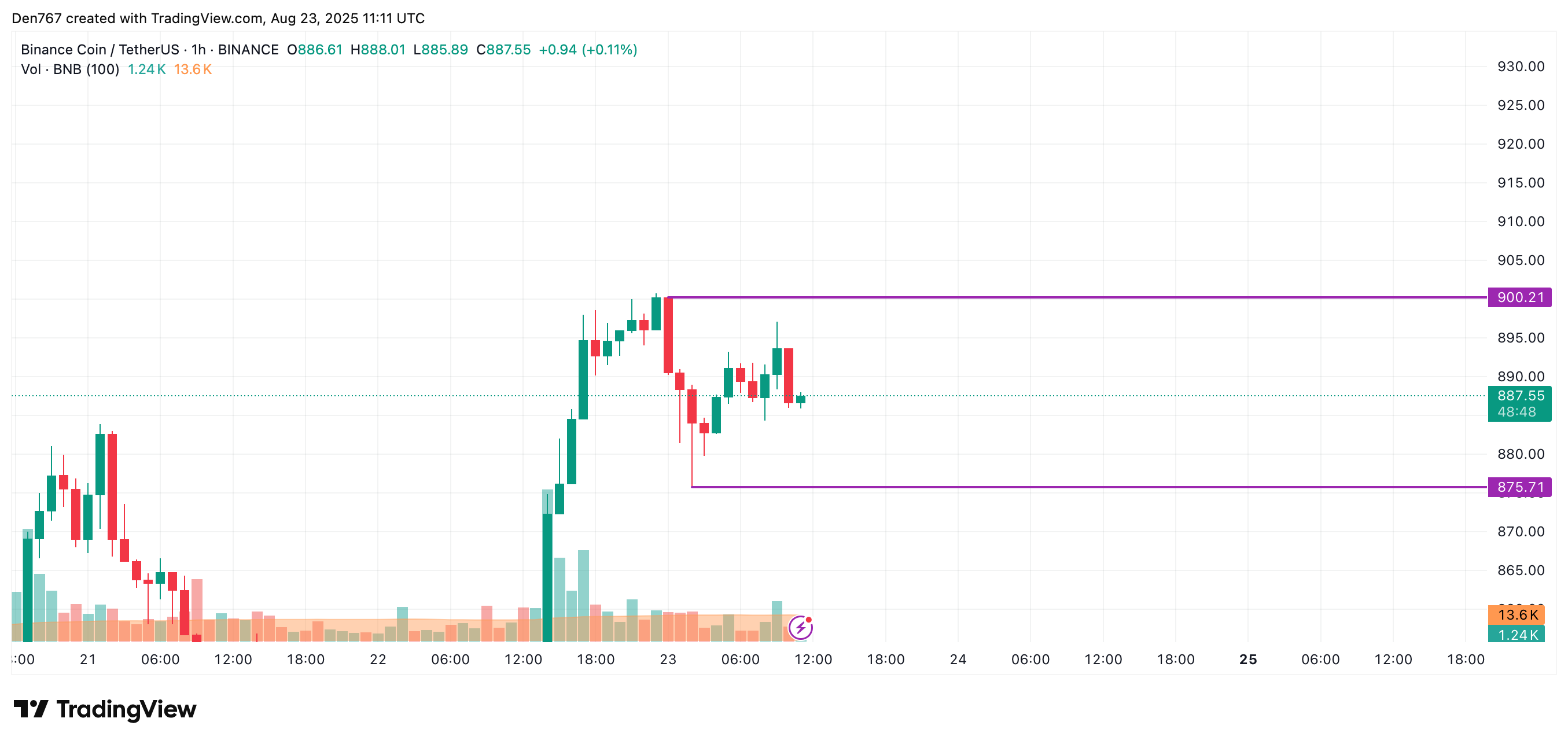
On the hourly chart, the rate of BNB is far from the support and resistance levels. As most of the daily ATR has been passed, any sharp moves are unlikely to happen by tomorrow.

Article image
Image by TradingView

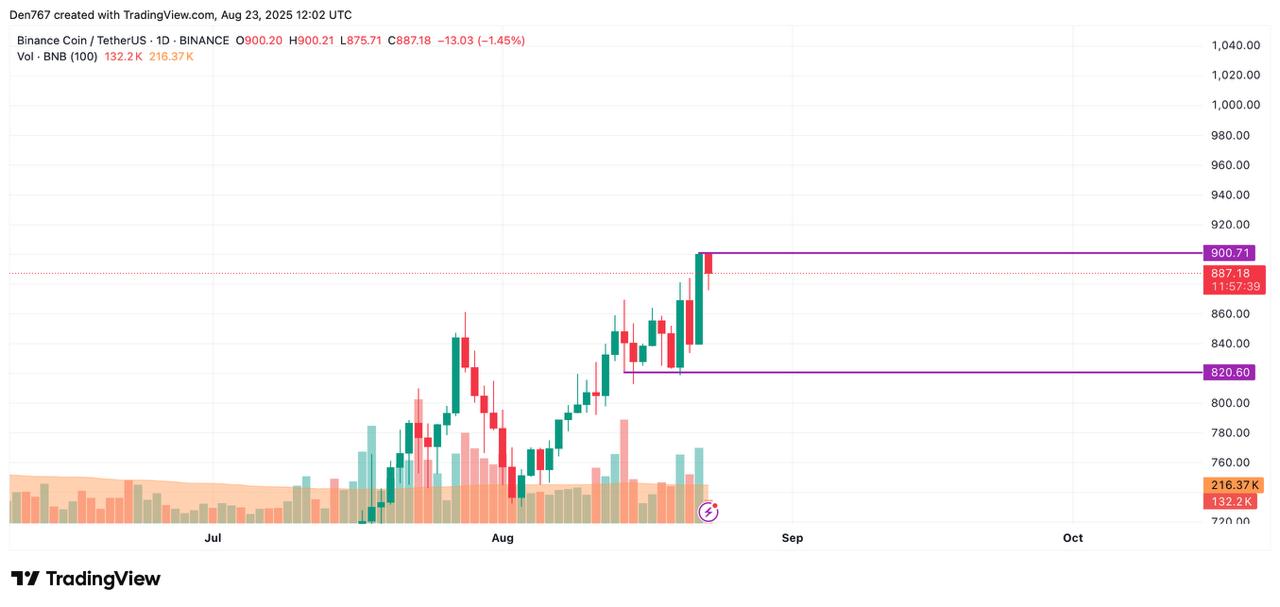
On the bigger time frame, the price of the native exchange coin has set a new all-time high at $900.71.

You Might Also Like

Title news

As there are no reversal signals yet, ongoing growth remains the more likely scenario for the next few days.

Article image
Image by TradingView

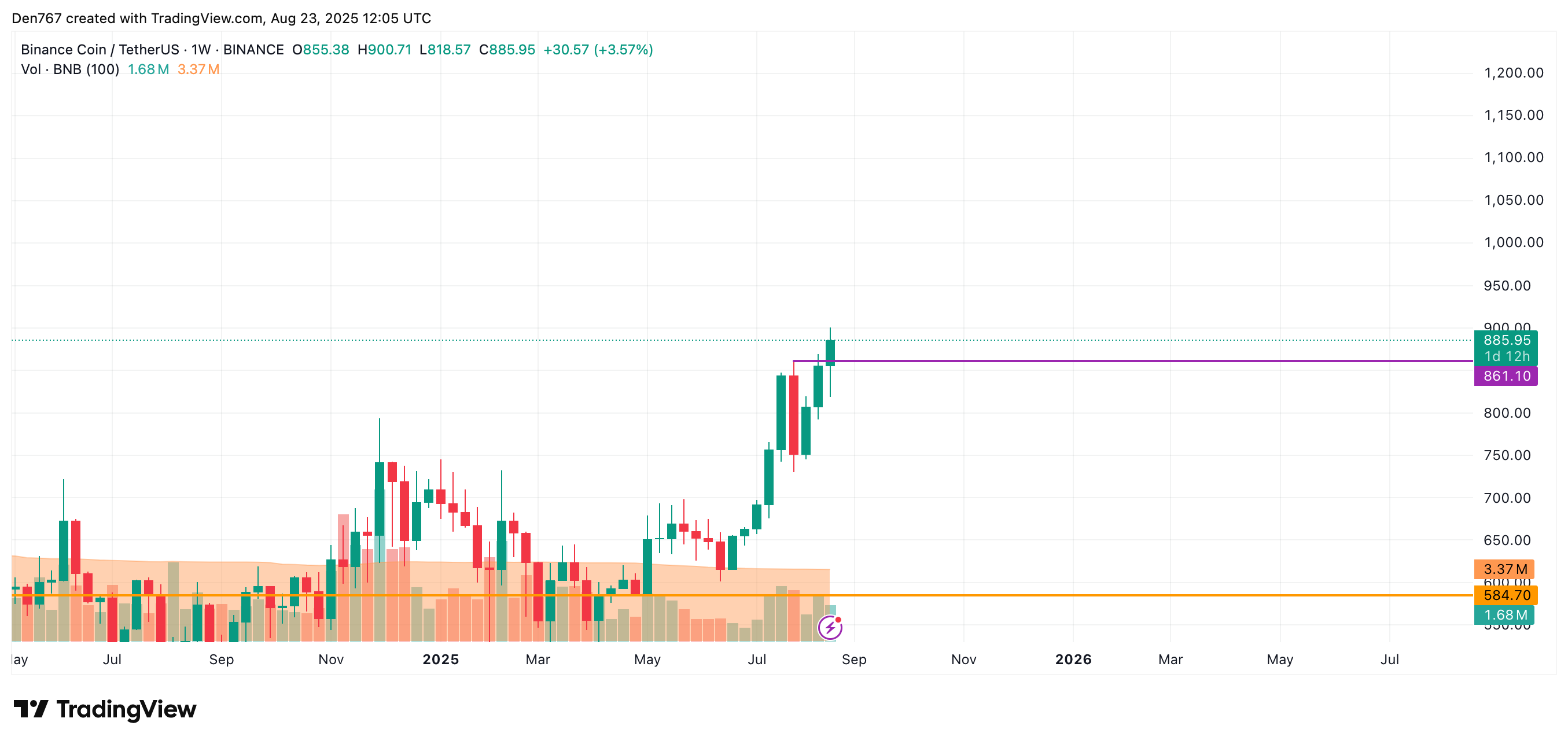
From the midterm point of view, one should focus on the level formed by the false breakout ($861.10). If bulls can hold the gained initiative and the bar closes far from that mark and with no long wick, the upward move may continue to new peaks.

BNB is trading at $885.95 at press time.

Source link

23 08, 2025

Pound Sterling Forecasts Warn Crash vs Euro, Dollar on 1976-Style UK Crisis

By |2025-08-23T15:13:53+03:00August 23, 2025|Forex News, News|0 Comments


– Written by

The British Pound faces its most alarming warning in decades, with GBP analysts bracing for heavy losses against the euro and US dollar. A former Bank of England policymaker has drawn chilling parallels with the economic crash of 1976 – when the UK was forced into an IMF bailout. With inflation stuck near 4%, gilt yields heading towards 5%, and government borrowing spiralling, fears are growing that the Pound Sterling could be sliding towards a historic collapse.

Former Bank of England (BoE) Monetary Policy Committee (MPC) Andrew Sentance has warned that the UK will see a repeat of the 1976 economic crisis with bonds and the Pound sliding in tandem.

There was a mini scare in January, but Sentance has warned that this is just a taster for more severe turbulence within the next few months.

ING expects the Pound to Euro (GBP/EUR) exchange rate to slide to 1.11 by the end of 2026.

There are parallels with 1976 in weather terms as that year was famous or infamous for a prolonged period of hot weather and drought with the government appointing a minister for drought.

It’s also worth noting that this was followed by heavy rain and floods.


As far as the economy is concerned, 1976 marked economic humiliation for the Callaghan government with Chancellor Healey forced to run to the IMF for an emergency loan as the Pound plummeted in currency markets.

The pound collapsed amid a widening budget deficit, a yawning current account imbalance and stubbornly persistent inflation with the Bank of England unable to support growth via cuts in interest rates.

The government secured a $3.9bn loan, half of which was drawn down by the administration.

Andrew Sentance, who was well known as a very hawkish voice on the MPC has issued a stark new warning.

According to Sentance; “Rachel Reeves is on course to deliver a Healey 1976-style crisis in late 2025 or 26. Like Healey, she has massively boosted public spending, borrowing and taxes – fuelling both demand-pull and cost-push inflation. Unless policies are reversed we are heading for an economic crash!”

The latest official inflation data recorded headline and core inflation at 3.8%, but Sentence considers that the data is underestimating inflation.

Looking at a wider range of indicators, Sentance considers that inflation is already 4.1% and set to increase further.


The 10-year bond yield has increased to above 4.75% and close to 4-month highs. According to Sentence, the yield could increase to 5% before long.

The Pound posted sharp losses in January as fears surrounding UK economic policy increased.

As bond yields continue to move higher, the cost of debt servicing continues to increase. This risks a vicious cycle as bond markets and the Pound crash in tandem.

Sentance has also continued to criticise Bank of England policy.

According to Sentance; “The shocking surge in UK inflation continues. When will the MPC recognise that control of inflation requires policy action to bear down on price rises with interest rates. Cutting rates while inflation is rising is a perverse and irresponsible policy.”

Danske Bank is wary over UK fundamentals and expects GBP/EUR losses to 1.1235 on a 6-12-month view. According to Danske; “The key risk to seeing EUR/GBP trade substantially higher than our forecast is a sharp sell-off in global risk and/or renewed focus on the UK’s fragile fiscal position.”

Like this piece? Please share with your friends and colleagues:


International Money Transfer? Ask our resident FX expert a money transfer question or try John’s new, free, no-obligation personal service! ,where he helps every step of the way,
ensuring you get the best exchange rates on your currency requirements.

TAGS: Pound Sterling Forecasts


Source link

23 08, 2025

Vitamin D deficiency is widespread – but overusing supplements can be dangerous

By |2025-08-23T15:07:46+03:00August 23, 2025|Dietary Supplements News, News|0 Comments


Vitamin D has become a hot topic in recent years, largely because failure to get enough of it is associated with multiple diseases, and because much of the general population is deficient in this micronutrient.

Since 1930, when its chemical structure was first identified, significant advances have been made in research into vitamin D’s functions in the body. Initially, studies focused on the role of this compound and its metabolites in calcium homeostasis and bone metabolism.

Later, with the discovery of the metabolised forms of 25-hydroxyvitamin D (25(OH)D) in 1968 and then 1,25-hydroxyvitamin D (1,25 (OH)2D), research expanded and focused on the role it plays in the onset of immunological diseases, infections and cancer, as well as chronic non-communicable diseases such as cardiovascular conditions, obesity and type 2 diabetes.

Currently, there is no doubt that vitamin D plays a role in regulating the immune system; vitamin D deficiency is actually associated with a worse prognosis for COVID-19 infection.

A growing deficiency

Epidemiological data from 2020 shows that 40 per cent of Europe’s population are not getting enough vitamin D. In the US, 24 per cent of people are lacking it, as are 37 per cent of Canadians. These high figures are cause for alarm. The population groups most at risk are pregnant women, children, the elderly, obese people, individuals with darker skin tones, and those with little exposure to sunlight.

Humans can meet part of their vitamin D requirements through skin synthesis from cholesterol, provided they are exposed to sufficient sunlight. However, it is difficult to specify the minimum recommended amount of time, as it depends on a range of factors, including the season, time of day, geographical latitude, age, and skin type.

An expert panel from the Spanish Society for Bone and Mineral Metabolism Research recommends that light-skinned people expose their face and arms to the sun for 15 minutes every day between March and October.

For elderly people and patients with osteoporosis, the recommendation is to extend this to 30 minutes. In both cases, sunblock with an SPF between 15 and 30 should be used, depending on the latitude and intensity of UV (ultraviolet) radiation.

Dietary intake is also necessary. Good dietary sources of vitamin D include oily fish (especially salmon and trout), full-fat dairy products, margarines and fortified vegetable drinks.

Some common health choices may be behind the growing vitamin D deficiency. These include the increasingly frequent use of sunscreen and the reduced consumption of fatty foods.

Supplements: when should we take them?

Currently, vitamin D levels are assessed by determining the serum concentration of 25(OH)D, though results can vary depending on the analytical method used.

In general, values above 20 nanograms per millilitre (ng/mL) are considered optimal for the general population. They should be above 30 ng/mL for people over 65 years of age, patients with bone conditions, or those undergoing chronic drug treatments such as corticosteroids or anticonvulsants.

Values between 12 and 20 ng/mL are considered insufficient, and anything below 12 ng/mL is considered a deficiency. There is also concern about the risks of too much vitamin D, known as hypervitaminosis D, which occurs at 25(OH)D levels above 100 ng/mL.

For people with adequate 25(OH)D serum levels, there is debate over whether vitamin D supplements should be prescribed in order to improve their immune response.

To address this question, a 2022 meta-analysis evaluated the effects of supplements of 1,000-2,000 international units (IU) per day in healthy individuals. The analysis concluded that the supplements did not lead to significant improvements in immune system function, nor did they help prevent illnesses such as acute respiratory diseases, influenza, or COVID-19 infection.

However, other authors have observed positive effects of this intervention in individuals with respiratory diseases, especially in those with vitamin D deficiency. There are also conflicting results regarding its benefits in patients with metabolic diseases and neurodegenerative conditions.

Too much vitamin D?

The intake of vitamin D from food is unlikely to cause problems. However, indiscriminate use of supplements in people who are not deficient can lead to chronic toxicity. For example, the administration of vitamin D supplements in doses exceeding 4,000 IU/day for prolonged periods can raise serum 25 (OH)D concentrations to values above 50 ng/ml. This leads to a risk of excessive levels in the body, known as hypervitaminosis.

The most common manifestation of hypervitaminosis D is hypercalcaemia. This is characterised by gastrointestinal symptoms (anorexia, nausea, vomiting and constipation) alongside weakness and fatigue. In the most severe cases, it can cause polyuria (excessive urine production), polydipsia (abnormal increase in thirst), renal failure, ectopic calcifications (outside the normal areas), depression, confusion, bone pain, fractures, and kidney stones.

Due to increased consumption of supplements, cases of toxicity have risen significantly in recent years. A 2016 report from the US National Toxicology Data System indicates that this overexposure to vitamin D has led to a sharp increase in the number of hypervitaminosis cases – the annual average in the period 2000-2005 was 196, but this rose to 4,535 in the following five-year period.

Supplements: Use with caution

Interest in vitamin D has increased significantly due to its association with multiple diseases and a possible, though perhaps not well-established, deficiency in the general population. However, research into the effects of vitamin D supplements in people who do not have a deficiency is by no means conclusive.

There is evidence that they can help reduce the severity of respiratory diseases in people with deficiencies, but hypervitaminosis D, resulting from improper supplementation, is also a real risk, potentially leading to hypercalcaemia and other health problems.

It is therefore essential to approach this issue with caution, always acting on the basis of scientific evidence and exercising prudence when taking or recommending a vitamin D supplement.

One thing is clear, though: the myth of vitamin D as a “supervitamin” does not stack up against current scientific evidence. The truth is that there is still a lot that we don’t understand, and more research is needed.


Source link

23 08, 2025

MATIC Price Prediction: Polygon Eyes $1.70-$2.10 Breakout as Technical Setup Aligns with August 2025 Targets

By |2025-08-23T15:05:49+03:00August 23, 2025|Crypto News, News|0 Comments


Ted Hisokawa
Aug 23, 2025 10:33

MATIC price prediction suggests potential 300-400% upside to $1.70-$2.10 by end of August 2025, despite current bearish momentum near critical $0.33-$0.35 support zone.


Polygon (MATIC) sits at a critical juncture as technical indicators present a mixed picture while analyst consensus points toward significant upside potential. With MATIC trading at $0.38, our comprehensive MATIC price prediction analysis reveals compelling opportunities amid current market uncertainty.

MATIC Price Prediction Summary

MATIC short-term target (1 week): $0.35-$0.42 range (-8% to +11%)
Polygon medium-term forecast (1 month): $1.70-$2.10 range (+347% to +453%)
Key level to break for bullish continuation: $0.58 (strong resistance)
Critical support if bearish: $0.33-$0.35 (analyst-identified support zone)

Recent Polygon Price Predictions from Analysts

The analyst community shows remarkable convergence in their Polygon forecast, with multiple sources targeting the $1.70-$2.10 range by August 2025’s end. Blockchain.News leads with the most aggressive MATIC price target of $2.10, citing potential 300-400% upside from current levels. This bullish sentiment is echoed by Trader Fan and supported by CoinLore’s $1.91 projection.

However, CoinCodex provides a stark contrarian view with a conservative $0.24 short-term target, highlighting immediate downside risks that cannot be ignored. This divergence between short-term caution and medium-term optimism creates an intriguing risk-reward dynamic for MATIC investors.

The consensus identifies the $0.33-$0.35 range as critical technical support, with most analysts viewing any approach to these levels as potential accumulation opportunities rather than breakdown signals.

MATIC Technical Analysis: Setting Up for Potential Reversal

Current Polygon technical analysis reveals MATIC trading below all major moving averages, with the SMA 200 at $0.69 representing significant overhead resistance. The RSI at 38.00 sits in neutral territory, suggesting neither oversold nor overbought conditions, while the MACD histogram at -0.0045 indicates persistent bearish momentum.

The Bollinger Bands positioning shows MATIC at 0.29, indicating the price is closer to the lower band ($0.31) than the upper band ($0.56). This positioning often precedes either a breakdown below support or a mean reversion rally toward the middle band at $0.43.

Volume analysis from Binance spot trading shows $1.07 million in 24-hour volume, which remains relatively subdued. For any bullish MATIC price prediction to materialize, we need to see significant volume expansion above the $0.42-$0.45 resistance cluster where the SMA 20 and SMA 50 converge.

Polygon Price Targets: Bull and Bear Scenarios

Bullish Case for MATIC

The bullish Polygon forecast hinges on MATIC successfully defending the $0.33-$0.35 support zone and subsequently breaking above $0.58 resistance. Should this occur, the MATIC price target progression would likely unfold as follows:

First resistance at $0.69 (SMA 200) represents the initial major hurdle, followed by the psychological $1.00 level. The analyst consensus targets of $1.70-$2.10 become achievable if MATIC can establish momentum above these preliminary levels.

Key bullish catalysts include RSI moving above 50, MACD turning positive, and most critically, a decisive break above the Bollinger Band upper limit at $0.56 with strong volume confirmation.

Bearish Risk for Polygon

The bearish scenario for our MATIC price prediction involves a breakdown below the critical $0.33-$0.35 support zone. Should this occur, the next significant support lies at the 52-week low of $0.37, though current price action suggests this level may not hold.

A break below $0.31 (Bollinger Band lower limit) could trigger accelerated selling toward the CoinCodex target of $0.24, representing a 37% decline from current levels. The Stochastic indicators at 25.19 (%K) and 19.74 (%D) suggest oversold conditions are approaching, but momentum can remain bearish longer than expected.

Should You Buy MATIC Now? Entry Strategy

Based on our Polygon technical analysis, the optimal entry strategy depends on risk tolerance and investment timeframe. Conservative investors should wait for a clear break above $0.42 (SMA 20) with volume confirmation before establishing positions.

Aggressive traders might consider scaled entries between $0.35-$0.38, with strict stop-losses below $0.31. The risk-reward ratio favors this approach given the analyst consensus around much higher MATIC price targets.

Position sizing should remain conservative (2-5% of portfolio) given the current technical uncertainty. For those asking “buy or sell MATIC,” the answer depends on whether you believe the analyst projections or the current bearish momentum indicators.

MATIC Price Prediction Conclusion

Our comprehensive MATIC price prediction suggests a medium confidence outlook for significant upside potential by August 2025’s end, aligning with the $1.70-$2.10 analyst consensus. However, immediate price action remains critical, with the $0.33-$0.35 support zone serving as the make-or-break level.

The Polygon forecast faces near-term headwinds from bearish MACD signals and below-average trading volume, but the fundamental setup for a major rally remains intact if technical support holds. Traders should monitor RSI movement above 40 and any MACD bullish crossover as early confirmation signals.

Timeline for this MATIC price prediction centers on the next 2-4 weeks for initial directional clarity, with the full $1.70-$2.10 target range achievable by August 2025’s conclusion if bullish momentum develops. Confidence level: Medium, given the mixed technical signals against strong analyst consensus.

Image source: Shutterstock


Source link

23 08, 2025

A High-Potential AI-Web3 Convergence Play in Gaming

By |2025-08-23T13:22:41+03:00August 23, 2025|News, NFT News|0 Comments


In the rapidly evolving intersection of artificial intelligence (AI) and blockchain, few projects have captured the imagination of investors and developers as effectively as AKEDO (AKE). Launched in 2024 and headquartered in Zug, Switzerland, AKEDO is redefining the Web3 gaming landscape by merging AI-driven content creation with decentralized ownership and cross-chain interoperability. For early investors, the platform’s unique value proposition—rooted in democratizing game development, incentivizing user participation, and leveraging cutting-edge blockchain infrastructure—positions it as a compelling long-term opportunity in the AI-gaming convergence.

The AI-Driven Game Development Revolution

AKEDO’s core innovation lies in its multi-agent AI framework, which embeds AI agents directly into game engines. This allows users to generate fully functional, studio-quality games using natural language prompts. For example, a prompt like “a medieval fantasy world with dynamic weather and procedurally generated quests” triggers the AI to autonomously create environments, mechanics, and assets. This eliminates the need for coding expertise, slashing development time by up to 90% and reducing costs by 100x compared to traditional methods.

This democratization of game creation aligns with the broader Web3 ethos of user-generated content (UGC) and decentralized ownership. By lowering technical barriers, AKEDO empowers a new generation of creators to monetize their ideas through play-to-earn (P2E) mechanisms. The platform’s “PlayDrop” feature further enhances engagement by rewarding players with crypto assets like DOGE, BNB, and USDT, creating a self-sustaining ecosystem of creativity and value generation.

Decentralized Ownership and Cross-Chain Interoperability

AKEDO’s commitment to decentralization extends beyond game creation to asset ownership. All in-game content is recorded on-chain, ensuring creators retain intellectual property rights and can trade or monetize their work. This is a critical differentiator in a sector where centralized platforms often control revenue streams.

The platform’s cross-chain compatibility with Solana, TON, BNB, Bera, and DuckChain further strengthens its appeal. By leveraging the strengths of each network—Solana’s speed, TON’s scalability, and BNB’s DeFi infrastructure—AKEDO ensures seamless user experiences and broad accessibility. This multi-chain approach also mitigates risks associated with single-network congestion or volatility, a key consideration for investors.

Tokenomics: A Deflationary Model with High Upside

AKE’s tokenomics are designed to align incentives across the ecosystem. With a maximum supply of 100 billion tokens and a current circulating supply of 22.8 billion, the token benefits from a deflationary dynamic as tokens are locked in vesting periods (12–48 months) for investors, contributors, and ecosystem grants. The current market cap of $12.1 million is just 23% of its fully diluted valuation (FDV) of $53.1 million, suggesting significant growth potential if adoption accelerates.

Recent token sales, including a KuCoin Spotlight offering, have introduced discounts and principal protection mechanisms to safeguard early investors. For instance, subscribers using KuCoin’s KCS token receive an additional 10% discount, while a buyback mechanism activates if the token price drops below the offering price within 30 days of listing. These features reduce downside risk and reward early participation.

Strategic Roadmap and Execution Potential

AKEDO’s 2025–2026 roadmap includes several high-impact milestones:
1. Akedog: A tap-to-earn game featuring AI-generated NFT pets, where players can collect, merge, and trade assets. Value will accrue through tournaments and in-game interactions.
2. Mobile App Launch (2026): Expanding accessibility to mobile users, a critical demographic for gaming adoption.
3. Cross-Chain Developer Tools: Enabling broader participation from developers across ecosystems.

The team’s experience—drawn from global hits like PUBG Mobile and Honor of Kings—reduces execution risk. Additionally, partnerships with platforms like Binance Alpha (where AKE is listed) and integration with zkWASM (for privacy and scalability) underscore the project’s technical and strategic depth.

Implications for Early Investors

For investors, AKE’s value proposition hinges on three pillars:
1. AI-Driven Growth: The platform’s ability to scale user-generated content could drive mass adoption, similar to TikTok or Roblox but with blockchain-based ownership.
2. Token Utility: AKE’s role in governance, staking, and P2E rewards ensures demand as the ecosystem expands.
3. Market Positioning: With a current market cap far below FDV, AKE offers a high-risk, high-reward profile for those willing to ride the AI-gaming wave.

However, risks remain. The token’s 50% price drop in 24 hours highlights market volatility, and regulatory uncertainties in AI and crypto could impact adoption. Investors should balance these risks with the platform’s long-term vision and execution track record.

Conclusion: A 100x Opportunity in the AI-Web3 Convergence

AKEDO (AKE) is more than a gaming platform—it’s a blueprint for the future of decentralized creativity. By combining AI’s efficiency with blockchain’s transparency and ownership, AKE addresses pain points in both the gaming and crypto industries. For early investors, the project’s deflationary tokenomics, cross-chain flexibility, and strategic roadmap present a compelling case for long-term value creation.

While the journey will likely involve volatility, the potential for AKE to become a cornerstone of the AI-gaming ecosystem makes it a high-conviction play for those aligned with the Web3 vision. As the platform rolls out its 2026 milestones, the next 12–18 months could determine whether AKE becomes a 100x opportunity or a cautionary tale. For now, the cards are stacked in favor of innovation.


Source link

23 08, 2025

2025 Forecast: Pound Sterling to Strengthen Against Dollar, Not the Euro

By |2025-08-23T13:12:41+03:00August 23, 2025|Forex News, News|0 Comments


– Written by

The latest Pound Sterling forecasts point to a split outlook: analysts see the Pound to Dollar (GBP/USD) forecast turning more positive, while the Pound to Euro (GBP/EUR) forecast remains subdued. Markets expect Sterling to push higher against the US Dollar towards 1.39 over the next 12 months, but struggle to break above 1.16 against the Euro.

Consensus suggests a diverging path for Sterling, shaped by resilient UK economic data, stubborn inflation at 3.8%, and an uncertain Bank of England (BoE) policy outlook.

Pound to Dollar Forecast (GBP/USD)

The Pound to Dollar exchange rate failed to re-test the 1.36 level this week, retreating to near 1.34 amid a tentative dollar recovery. Nevertheless, consensus forecasts are for GBP/USD to strengthen to 1.39 on a 12-month view as markets anticipate lower Federal Reserve interest rates.

Not all banks are aligned: Wells Fargo expects GBP/USD will retreat to 1.30 by the end of 2026 on renewed dollar gains, while UBS sees scope for a move back to 1.39 by late 2025, citing “the outlook for lower Federal Reserve rates, White House policy uncertainty, and international investors raising hedge ratios for dollar assets.”

The Federal Reserve remains the key driver. Earlier in the week, markets were convinced that the Fed would cut rates in September, but stronger US data has cast doubt. Fed members remain split, with Cleveland Fed President Hammack stating current conditions “do not justify a rate cut at this stage.”

Markets are now pricing just over a 70% chance of a September cut. A cautious stance from Chair Powell at Jackson Hole could see the Dollar regain ground in the short term, but longer-term expectations still lean towards weakness, underpinning the more positive GBP/USD forecast.


Pound to Euro Forecast (GBP/EUR)

The Pound to Euro exchange rate has consolidated around 1.1570 after failing again to hold above 1.16. Consensus forecasts point to limited losses, with GBP/EUR seen at 1.15 on a 12-month horizon.

Danske Bank is more bearish, forecasting a retreat to 1.1235 within 6-12 months on the back of weak UK fundamentals. It argues that relative growth dynamics are turning against Sterling:
“We increasingly see domestic factors and the relative growth outlook between the UK and the euro area as becoming GBP negatives. This is further amplified by divergence in fiscal policy, with UK fiscal policy set to be tightened in the Autumn.”

Societe Generale also warns that Sterling’s underlying support is fading:
“GBP has decent short-term support, even if its medium-term support is rotting away in the face of a depressing fiscal outlook. Higher taxes are coming and so is slower growth and further GBP weakness.”

SocGen highlights the Euro’s strengthening base, noting that EUR/GBP support has risen steadily from 0.8250 early in the year to 0.86 by July. By the autumn, it expects support to climb to 0.87 — implying GBP/EUR below 1.15.

UK data continues to paint a mixed picture. Manufacturing PMI remains in contraction, while services activity hit a 12-month high. Inflation data came in stronger than expected at 3.8% for both headline and core, raising stagflation concerns.


The Eurozone, meanwhile, reported a 15-month high in its composite output index, supported by gains in both manufacturing and services despite ongoing global trade headwinds.

The Pound Sterling forecast remains finely balanced. Against the Dollar, expectations of Fed easing underpin projections for GBP/USD to strengthen towards 1.39, but short-term risks remain if Powell pushes back on cuts. Against the Euro, Sterling continues to struggle, with GBP/EUR likely capped around 1.15 and downside risks highlighted by Danske and SocGen.

For now, Sterling’s fate will rest on a tug of war between UK fundamentals, BoE caution, and external drivers from Washington and Frankfurt.

Like this piece? Please share with your friends and colleagues:


International Money Transfer? Ask our resident FX expert a money transfer question or try John’s new, free, no-obligation personal service! ,where he helps every step of the way,
ensuring you get the best exchange rates on your currency requirements.

TAGS: Pound Dollar Forecasts Pound Euro Forecasts

Source link

23 08, 2025

Scientists found the missing nutrients bees need — Colonies grew 15-fold

By |2025-08-23T13:05:44+03:00August 23, 2025|Dietary Supplements News, News|0 Comments


A new study led by the University of Oxford in collaboration with Royal Botanic Gardens Kew, University of Greenwich, and the Technical University of Denmark could provide a cost-effective and sustainable solution to help tackle the devastating decline in honeybees. An engineered food supplement, designed to provide essential compounds found in plant pollen, was found to significantly enhance colony reproduction. The results were published on August 20 in the journal Nature.

The challenge: addressing a critical nutrient deficiency

Climate change and agricultural intensification have increasingly deprived honeybees of the floral diversity they need to thrive. Pollen, the major component of their diet, contains specific lipids called sterols necessary for their development. Increasingly, beekeepers are feeding artificial pollen substitutes to their bees due to insufficient natural pollen. However, these commercial supplements — made of protein flour, sugars, and oils — lack the right sterol compounds, making them nutritionally incomplete.

In the new study, the research team succeeded in engineering the yeast Yarrowia lipolytica to produce a precise mixture of six key sterols that bees need. This was then incorporated into diets fed to bee colonies during three-month feeding trials. These took place in enclosed glasshouses to ensure the bees only fed on the treatment diets.

Key findings:

  • By the end of the study period, colonies fed with the sterol-enriched yeast had reared up to 15 times more larvae to the viable pupal stage, compared with colonies fed control diets.
  • Colonies fed with the enriched diet were more likely to continue rearing brood up to the end of the three-month period, whereas colonies on sterol-deficient diets ceased brood production after 90 days.
  • Notably, the sterol profile of larvae in colonies fed the engineered yeast matched that found in naturally foraged colonies, suggesting that bees selectively transfer only the most biologically important sterols to their young.

Senior author Professor Geraldine Wright (Department of Biology, University of Oxford), said: “Our study demonstrates how we can harness synthetic biology to solve real-world ecological challenges. Most of the pollen sterols used by bees are not available naturally in quantities that could be harvested on a commercial scale, making it otherwise impossible to create a nutritionally complete feed that is a substitute for pollen.”

Lead author Dr Elynor Moore (Department of Biology, University of Oxford at the time of the study, now Delft University of Technology) added: “For bees, the difference between the sterol-enriched diet and conventional bee feeds would be comparable to the difference for humans between eating balanced, nutritionally complete meals and eating meals missing essential nutrients like essential fatty acids. Using precision fermentation, we are now able to provide bees with a tailor-made feed that is nutritionally complete at the molecular level.”

From pollen to precision nutrition: Identifying and producing key bee sterols

Before this work, it was unclear which of the diverse sterols in pollen were critical for bee health. To answer this, the researchers chemically assessed the sterol composition of tissue samples harvested from pupae and adult bees. This required some extraordinarily delicate work; for instance, dissecting individual nurse bees to separate the guts. The analysis identified six sterol compounds that consistently made up the majority in bee tissues: 24-methylenecholesterol, campesterol, isofucosterol, β-sitosterol, cholesterol, and desmosterol.

Using CRISPR-Cas9 gene editing, the researchers then engineered the yeast Yarrowia lipolytica to produce these sterols in a sustainable and affordable way. Y. lipolytica was selected since this yeast has a high lipid content, has been demonstrated as food-safe, and is already used to supplement aquaculture feeds. To produce the sterol-enriched supplement, engineered yeast biomass was cultured in bioreactors, harvested, then dried into a powder.

Co-author Professor Irina Borodina (The NNF Center for Biosustainability, Technical University of Denmark) said: “We chose oleaginous yeast Yarrowia lipolytica as the cell factory because it is excellent at making compounds derived from acetyl-CoA, such as lipids and sterols, and because this yeast is safe and easy to scale up. It is used industrially to produce enzymes, omega-3 fatty acids, steviol glycosides as calorie-free sweeteners, pheromones for pest control, and other products.”

Benefits for agriculture and biodiversity

Pollinators like honeybees contribute to the production of over 70% of leading global crops. Severe declines — caused by a combination of nutrient deficiencies, climate change, mite infestations, viral diseases, and pesticide exposure — poses a significant threat to food security and biodiversity. For instance, over the past decade, annual commercial honey bee colony losses in the U.S have typically ranged between 40 and 50%, and could reach 60 to 70% in 2025. This new engineered supplement offers a practical means to enhance colony resilience without further depleting natural floral resources. Since the yeast biomass also contains beneficial proteins and lipids, it could potentially be expanded into a comprehensive bee feed.

Co-author Professor Phil Stevenson (RBG Kew and Natural Resources Institute, University of Greenwich) added: “Honey bees are critically important pollinators for the production of crops such as almonds, apples, and cherries and so are present in some crop locations in very large numbers, which can put pressure on limited wildflowers. Our engineered supplement could therefore benefit wild bee species by reducing competition for limited pollen supplies.”

Danielle Downey (Executive Director of honeybee research nonprofit Project Apis m., not affiliated with the study) said: “We rely on honey bees to pollinate one in three bites of our food, yet bees face many stressors. Good nutrition is one way to improve their resilience to these threats, and in landscapes with dwindling natural forage for bees, a more complete diet supplement could be a game changer. This breakthrough discovery of key phytonutrients that, when included in feed supplements, allow sustained honey bee brood rearing has immense potential to improve outcomes for colony survival, and in turn the beekeeping businesses we rely on for our food production.”

Next steps and future applications

Whilst these initial results are promising, further large-scale field trials are needed to assess long-term impacts on colony health and pollination efficacy. Potentially, the supplement could be available to farmers within two years.

This new technology could also be used to develop dietary supplements for other pollinators or farmed insects, opening new avenues for sustainable agriculture.


Source link

Go to Top