About Editorial team of BIPNs

Main team of content of bipns.com. Any type of content should be approved by us.
6 01, 2026

Steeped in meaning: China’s tea culture

By |2026-01-06T01:52:53+02:00January 6, 2026|Dietary Supplements News, News|0 Comments


Richard Bales picks tea leaves in Yunnan province. [Photo provided to China Daily]

When I arrived in China to teach law, I didn”t expect to come home with so much tea. Nor did I expect what the tea would come to mean.

In my first week at China University of Political Science and Law in Beijing, my teaching assistant handed me a small package. It was tea from her home province of Yunnan. Later, a student gave me tea her parents had just mailed from Zhejiang province. And on my final day at East China University of Political Science and Law in Shanghai, a student brought me tea from Henan province, specially sourced by her grandfather’s friend and sent overnight by her father so she could present it before I returned to the United States. These weren’t performative gestures. Classes were over. Grades had been turned in. These were gifts from the heart — students offering pieces of their heritage, linking their present to their past.

In a country where so many students live and study far from home, tea becomes more than a beverage. It becomes a bridge. A thread to childhood and family and place. A portable form of belonging. And so, in classrooms and train stations, offices and airport lounges, I drank tea not as a tourist, but as a guest.

Some of the most memorable moments of my time in China happened with a teacup in hand. In Chengdu, Sichuan province, two students had won the prize I donated to a public-interest charity auction: a day trip with me anywhere in China that we could reach and return from in 24 hours. They chose Chengdu for the pandas and the spice, but before lunch we sat for tea in Daci Temple. The students brewed it carefully, performing each step from memory. When I asked why they rinsed the cups and discarded the first brew — what looked to me like perfectly good tea — they hesitated. It’s what their parents and grandparents do, they said. And they learned it from their parents, and so on. The ritual wasn’t about cleanliness or flavor. It was about continuity — performing a gesture as countless hands had done before. A quiet ceremony of connection.

In Beijing, Professor Ding Wenwen took me to a traditional teahouse and asked the hostess to lead me through the full ceremony. She explained every step with patience. When it was my turn to take over, I fumbled a little, spilled a little, forgot the sequence. No one corrected me. The point, I realized, wasn’t mastery — it was mindfulness. It was being present, paying attention, offering your full self to the moment.

In Quanzhou, Fujian province, I was exploring the historical district with a teaching assistant from the Peking University School of Transnational Law, when we wandered into a tiny studio. Inside, a husband and wife made porcelain teapots and cups so fine they were nearly translucent. They invited us to sit for tea, and we talked for more than an hour — not about the wares or prices, but about life, family, travel, and dreams. It was a reminder that tea, in China, is as much a language of friendship as it is a drink.

You don’t rush it. You let it steep.

And then there are the teahouses themselves. You find them not just in scenic areas or historical quarters, but in the heart of cities. In a culture that moves fast — where workdays are long and public transit is swift — teahouses offer something rare: a reason to slow down. No one checks their phone. Conversations unfold without interruption. The layout helps: guests sit beside each other rather than across a table. No one plays host. The tea does that.

Over time, tea has become my go-to gift for friends and family on every trip I make to China. Before I even board the plane home, I receive text messages with requests — Longjing (Dragon Well green tea) from Hangzhou, Zhejiang province, jasmine pearls from Fujian, Pu’er from Yunnan. What began as something I didn’t understand has become something I am trusted to curate. These are no longer just souvenirs. They’re tokens of a shared journey.

In all these moments, I saw something I rarely encounter in the US — a beverage that commands respect not just because of its flavor, but because of its meaning. In the West, we often treat tea as functional: something to energize or soothe. In China, tea is relational. It is ancestral. It is ceremonial. Even when shared casually between friends, it carries an unspoken reverence.

And this brings me to the larger point: it’s time for the rest of the world to catch up. For too long, tea has been reduced in global consciousness to a commodity — leaf grades, caffeine levels, steeping temperatures. But Chinese tea is a cultural treasure, deserving the same reverence given to French wine or Scotch whisky. It has terroir. It has lineage. It has rules and rituals and regional identities. It is not a mere export. It is a heritage.

As China becomes more central to global cultural conversations, its tea traditions — long appreciated domestically — deserve the same global attention. Not just as a drink, but as an expression of history, hospitality, and human connection. When a student gives you tea from their home province, what they’re really giving you is a glimpse of who they are, where they’re from, and how they stay connected to it.

And so, I’ve learned to accept tea slowly. Not just to sip it, but to listen to it. To share its stories, one cup at a time.

The author is a law professor at Ohio Northern University in the United States, and a visiting faculty member at CUPL in Beijing and ECUPL in Shanghai.


Source link

6 01, 2026

DOGE Stabilizes After Liquidity Sweep

By |2026-01-06T01:44:47+02:00January 6, 2026|Crypto News, News|0 Comments

TLDR

  • DOGE price shows stabilization near $0.12–$0.13 after a late-2025 liquidity sweep.
  • Cyclical price structure hints at reduced downside pressure and a recovery setup.
  • Consolidation suggests accumulation as sellers lose momentum.
  • Holding long-term support could open upside toward $0.15 if momentum builds.

Dogecoin (DOGE) price opened 2026 with signs of stabilization following a volatile correction in late 2025. Multiple technical studies suggest downside pressure is easing as price holds key support zones. Analysts now point to recovery structures that could guide Dogecoin toward higher levels if momentum continues to build.

Dogecoin Price Cycle Hints at Recovery Phase

According to analyst Trader Tardigrade, the three-month Dogecoin price against USD chart outlines a clear cyclical structure. Price action moved through alternating phases of advances, recoveries, and declines between July 2025 and January 2026. The most recent segment shows a mild upward shift after the drop toward $0.12.

SOURCE: X

This phased behavior reflects Dogecoin’s tendency to rotate through sentiment-driven cycles. The latest green recovery bars indicate reduced downside pressure compared to prior red phases. Stabilization near $0.125 suggests buyers are beginning to absorb the remaining supply.

Moreover, the structure implies a potential transition toward an uptrend if support remains intact. Sustained price action above the current range could open the door to a move toward $0.15. Failure to hold the range would instead extend consolidation.

Liquidity Sweep Leaves Dogecoin Price Consolidating

Additionally, analyst BitGuru analyzed the DOGE price chart covering mid-2025 through early 2026. The chart highlights a sharp liquidity sweep in November that pushed the price briefly below $0.12. That move was followed by a tight consolidation range into the new year.

ImageSOURCE: X


This consolidation phase shows narrowing candles and fading selling pressure. Such behavior often points to accumulation after forced liquidations. Price has continued to respect the $0.12 to $0.13 band, suggesting a balance between buyers and sellers.

In addition, the structure reflects a classic reset following a strong rally earlier in the cycle. A confirmed break above $0.13 would indicate renewed upside momentum. A move below $0.115 would reopen downside risk.

Long-Term Structure Keeps Dogecoin Price Above Support

Meanwhile, according to analyst Berke Oktay, the long-term Dogecoin price chart places current price action within a descending wedge spanning more than a decade. DOGE price has compressed into a major support zone between $0.10 and $0.12. This zone has historically acted as a defensive level.

ImageSOURCE: X

The chart also highlights developing divergences as price holds support despite prior declines. Such conditions often precede trend shifts when selling momentum weakens. Holding this zone prevents a deeper structural breakdown.

Furthermore, the wedge formation suggests energy is building as price compresses. A sustained defense of support could allow Dogecoin to challenge higher resistance levels over time. A breakdown below the zone would invalidate the reversal scenario.

Source link

6 01, 2026

Natural Gas Price Forecast: Hammer Forms After Fresh Retracement Low

By |2026-01-06T00:30:37+02:00January 6, 2026|Forex News, News|0 Comments


78.6% Retracement Recovery Adds Short-Term Significance

There are two indicators to note when looking to see if there is some significance to Monday’s new retracement low. An internal uptrend line was close to Monday’s low and marked potential dynamic support. More significant is the relationship to the 78.6% Fibonacci retracement at $3.45. It was broken to the downside earlier in Monday’s session but has since been recovered. Natural gas is on track to end the day with a bull hammer candle and a recovery of the 78.6% retracement, which will confirm with a daily close above the level. So, the daily close is set to show support near the Fibonacci level.

First Close Below 200-Day Average Since October

Despite the minor short-term signs of strength, today’s decline put natural gas below the 200-day moving average for the first time since late October, and it is set to close in a similar, relatively bearish position. Signs of strong support was possible near the 200-day line since it had not been tested as support after it was reclaimed at the end of October. The bearish failure confirmed by a daily close below the 200-day average today will suggest that downside pressure may yet remain.

Reclaim Levels Needed to Confirm Improving Demand

The 200-day line is now at $3.57, and Friday’s lower daily high is at $3.70. Although a reclaim of the 200-day average will show improving demand, a sustained breakout above a lower daily high will provide greater assurance that demand is continuing to improve and that the reclaim of the 200-day line may be sustainable.

Lower ABCD Projection Defines Deeper Downside Risk

If sellers remain in charge before a bounce, there is another potential target a little lower than what has been seen so far, at $3.26. That target is the 78.6% projection for a falling ABCD pattern that defines the measured moves of the bearish correction that followed the $5.50 peak in early-December.

For a look at all of today’s economic events, check out our economic calendar.


Source link

5 01, 2026

EUR/USD, GBP/USD and EUR/GBP Forecasts – US Dollar Finds a Bid

By |2026-01-05T23:54:40+02:00January 5, 2026|Forex News, News|0 Comments

The interest rate differential between the two currencies is negligible at best now, so we’re not even playing along those lines. We’re just trying to figure out whether or not the Bank of England is going to start a larger rate-cutting cycle or not. We already know that the Federal Reserve is likely to cut rates again once or twice, but there are also a lot of questions as to when.

I think you’ve got a lot of concern here playing out, but the British pound has outperformed most of its contemporaries against the US dollar for some time now, be it up or down. It seems to be either stronger or less bad than other currencies, so I expect the dollar to have more of a fight here than it will against other currencies.

EUR/GBP Technical Analysis

The Euro has fallen pretty significantly against the British pound early in the session as we look like we are rolling over at a major resistance barrier. At this point, I think you have to look at this through the prism of a market that is just simply reflecting the reality that the Euro is a lot weaker than the pound against most currencies. So, when you match the two together, this trade makes perfect sense.

We have smashed through a short-term trendline and we’ve smashed through significant support. At this point, I anticipate that this market will continue to go lower, probably down to the 0.86 level initially, and then possibly even lower than that. We’ll just have to wait and see, but this is a pair that I am most certainly interested in shorting, and as a result, I think you have to look at this as an opportunity.

For a look at all of today’s economic events, check out our economic calendar.

Source link

5 01, 2026

Citrus Burn Examined (URGENT REPORT) The Science Behind the Orange Peel Trick for Metabolic Support

By |2026-01-05T23:51:40+02:00January 5, 2026|Dietary Supplements News, News|0 Comments


Seville orange peel, in particular, has been examined for compounds linked to thermogenic activity and energy expenditure. Rather than acting as harsh stimulants, these compounds are associated with metabolic signaling pathways related to fat utilization and energy efficiency.

CitrusBurn incorporates citrus peel extracts as part of a broader botanical blend designed to support metabolism without relying on excessive caffeine or synthetic stimulants. This is a key distinction often noted when comparing citrus-based metabolism supplements to traditional stimulant-driven fat burners. Find out more about the Orange Peel Trick here and how it works exactly!

Why the Orange Peel Approach Appeals to Modern Consumers

The growing popularity of citrus peel–based supplements can be attributed to several factors:

  • Plant-based ingredients: Citrus peels align with clean-label and natural wellness preferences

  • Lower stimulant perception: Often viewed as gentler than high-caffeine metabolism products

  • Metabolic efficiency focus: Emphasizes balance and sustainability over forced calorie burn

  • Easy daily use: Typically integrates into everyday routines without strict timing rules

As awareness around long-term metabolic health continues to grow, many consumers are turning toward metabolism support supplements that prioritize consistency, balance, and sustainable results rather than short-term intensity.

Introducing Citrus Burn: A Citrus-Based Metabolism Support Supplement

CitrusBurn is a citrus-based metabolism support supplement formulated to help support thermogenesis, energy utilization, and appetite awareness through a blend of citrus-derived botanicals and complementary plant-based nutrients.

As consumer interest in natural metabolic health continues to grow, Citrus Burn has positioned itself as a metabolism-focused dietary supplement rather than a rapid weight-loss product. According to publicly available product information, the formula is designed to work alongside balanced nutrition and lifestyle habits, supporting metabolic efficiency instead of promoting extreme or short-term results.

Rather than relying on a single active compound, CitrusBurn uses a multi-ingredient formulation strategy commonly found in modern nutraceuticals. This approach reflects the understanding that metabolic function involves multiple biological pathways, including energy production, fat utilization, and glucose regulation.

CitrusBurn is primarily marketed toward adults seeking ongoing metabolic support, particularly individuals who feel their metabolism has slowed with age despite maintaining consistent dietary and physical activity routines.

How CitrusBurn Uses Ingredient Synergy for Metabolic Support

Ingredient synergy is a formulation concept in which multiple complementary compounds are combined to support broader physiological processes more effectively than isolated ingredients. In metabolism support supplements, this often involves blending ingredients associated with thermogenic activity, energy metabolism, and blood sugar balance.

Citrus Burn emphasizes citrus peel extracts alongside botanicals commonly linked to metabolic health and energy regulation. While many of the individual ingredients included in CitrusBurn have research supporting their standalone use, the finished formulation itself is positioned as a general wellness supplement rather than a clinically validated treatment.

This positioning aligns with dietary supplement regulations, which require products to focus on supporting normal bodily functions and overall wellness rather than making disease-related or therapeutic claims.

CitrusBurn Ingredients: What Is Included in the Formula?

CitrusBurn is formulated using a blend of citrus-derived botanicals and plant-based metabolic cofactors selected to support thermogenesis, appetite awareness, and efficient energy metabolism.

Instead of relying on high doses of caffeine or synthetic stimulants, the formula focuses on ingredient synergy, allowing multiple metabolic pathways involved in fat utilization and energy production to function together in a more balanced manner.

Seville Orange Peel (p-Synephrine)

Seville orange peel, sourced from bitter orange, contains p-synephrine, a compound that has been studied for its role in supporting thermogenic activity and metabolic function. Unlike traditional stimulants, p-synephrine is often associated with promoting fat oxidation and energy expenditure without producing strong stimulant effects such as jitteriness or energy crashes.

Spanish Red Apple Vinegar

Spanish red apple vinegar is commonly included in metabolism support formulas for its potential role in supporting appetite awareness and digestive comfort. This ingredient is often associated with helping users feel fuller after meals while also contributing to more stable blood sugar responses, which can support consistent energy levels throughout the day.

Green Tea Extract

Green tea extract is a well-researched botanical that contains catechins known for their antioxidant properties and association with fat metabolism. In metabolic supplements, green tea extract is commonly included to support fat oxidation, contribute to natural energy production, and provide cellular antioxidant support.

Himalayan Mountain Ginger

Himalayan mountain ginger has a long history of traditional use in digestive and metabolic support. In modern formulations, it is often included for its potential role in supporting digestive efficiency, managing cravings, and promoting overall metabolic balance.

Berberine and Korean Red Ginseng

Berberine and Korean red ginseng are included in CitrusBurn for their association with metabolic and hormonal balance. Berberine is commonly studied for its potential role in supporting glucose metabolism and insulin sensitivity, while Korean red ginseng is often linked to improved vitality, energy support, and stress resilience.

Note: Research generally supports individual ingredients rather than the finished Citrus Burn formulation. Individual results may vary.

Potential Benefits Commonly Associated With CitrusBurn

Citrus Burn is promoted as a daily metabolism support supplement designed to work in harmony with the body’s natural fat-burning and energy-production processes.

While individual outcomes can vary, citrus-based metabolic supplements like CitrusBurn are commonly associated with several potential benefits.

CitrusBurn is designed to support natural thermogenic activity, helping the body convert stored calories into usable energy more efficiently. Certain ingredients in the formula may also support appetite awareness, which can help reduce unnecessary snacking and manage cravings throughout the day.

Unlike stimulant-heavy products, Citrus Burn aims to promote clean, sustained energy, supporting steady energy levels, reduced crashes, and improved daily focus. Additionally, metabolic cofactors such as berberine and vinegar extracts are often associated with supporting balanced blood sugar levels and more consistent energy output.

CitrusBurn is intended to complement healthy nutrition and regular physical activity, making it suitable for individuals pursuing lifestyle-based weight and metabolic goals rather than quick-fix solutions.

CitrusBurn Pricing: Package Options and Cost Breakdown

CitrusBurn pricing is structured around multi-bottle packages designed to support consistent, long-term metabolic use. This tiered pricing approach is common among metabolism support supplements and allows customers to choose a package based on their usage goals and budget.

CitrusBurn Available Packages and Prices

  • 6-Bottle Package (180-Day Supply)

    • Approximate cost: $49 per bottle

    • Lowest price per unit

    • Frequently includes free shipping

    • Most commonly selected option for long-term metabolic support

  • 3-Bottle Package (90-Day Supply)

  • 2-Bottle Package (60-Day Supply)

Pricing and promotional discounts may vary depending on availability, seasonal offers, and demand. Multi-bottle packages are generally recommended for individuals seeking ongoing metabolism support.

Where to Buy CitrusBurn Safely

CitrusBurn is primarily available for purchase through the official CitrusBurn website. Buying directly from the source helps ensure product authenticity, proper storage conditions, and access to customer guarantees.

Recommended Purchasing Guidelines

To avoid counterfeit or expired products, consumers are typically encouraged to:

  • Buy CitrusBurn only from the official website

  • Avoid third-party marketplaces or unauthorized sellers

  • Review current promotions, refund terms, and shipping details before ordering

CitrusBurn Shipping and Money-Back Guarantee

Most official Citrus Burn orders include secure checkout, tracked shipping, and access to a money-back guarantee that may extend up to 180 days. Purchasing directly from the official source helps ensure eligibility for customer support, refund policies, and verified product quality.

Below is a more SEO-optimized version of your content.
I’ve strengthened keyword targeting, heading hierarchy, semantic depth, and search intent alignment while keeping the meaning, tone, and compliance intact.

Primary SEO focus keywords integrated naturally:

  • Citrus-based metabolism supplements

  • Citrus-derived nutrients

  • Orange peel trick

  • Thermogenesis support

  • Metabolic efficiency

  • Natural thermogenic supplements

  • CitrusBurn metabolism support

Understanding the Rising Interest in Citrus-Based Metabolism Supplements

Citrus-based metabolism supplements have gained significant attention in recent years as consumers seek natural, plant-derived options to support metabolic health, energy balance, and thermogenic activity. This growing interest reflects both advances in ingredient research and shifting consumer preferences toward sustainable, stimulant-free metabolic support.

Why Citrus-Derived Nutrients Are Gaining Attention in Metabolic Health

Over the past decade, citrus-derived nutrients have become an increasingly studied focus within nutritional science and the dietary supplement industry. Citrus fruits, and especially their peels, contain naturally occurring bioactive compounds such as flavonoids, alkaloids, and polyphenols. These compounds are being examined for their roles in metabolic signaling, antioxidant defense, and cellular energy regulation.

Citrus peels, in particular, have attracted attention because they contain higher concentrations of certain compounds that are not present in the same amounts within the fruit pulp. Research has explored these compounds in relation to fat oxidation, glucose metabolism, and appetite-related signaling pathways. This expanding body of ingredient-level research has contributed to online discussions commonly referred to as the “orange peel trick” or “orange peel hack” for metabolism and weight management.

While these phrases are widely used in consumer-focused content, nutrition researchers and supplement formulators emphasize that citrus-derived compounds should be evaluated within a broader metabolic framework. No single ingredient is viewed as a standalone solution, and metabolic health is influenced by multiple interconnected biological processes.

Growing Consumer Demand for Natural Thermogenic Support

Global demand for metabolism support supplements has accelerated, particularly among adults over the age of 35 who experience natural metabolic changes related to hormonal shifts, reduced thermogenesis, and altered energy expenditure. As awareness grows, many consumers are actively seeking alternatives to traditional stimulant-heavy fat burners, which are often associated with jitteriness, sleep disruption, and inconsistent energy levels.

Citrus-based thermogenic supplements have emerged as a category positioned between functional nutrition and conventional fat-burning products. These formulas typically emphasize plant-based ingredients, moderate metabolic activation, and compatibility with daily routines. CitrusBurn aligns with this positioning by combining citrus peel extracts with other botanicals commonly associated with metabolic support and energy balance.

Industry analysts note that the appeal of citrus-based metabolism supplements is driven not only by ingredient research but also by consumer preferences for clean-label formulations, non-habit-forming products, and solutions that support gradual, sustainable metabolic outcomes rather than rapid or extreme weight fluctuations.

The Science Behind Thermogenesis and Metabolic Efficiency

What Is Thermogenesis and Why It Declines With Age

Thermogenesis refers to the body’s natural process of producing heat through calorie expenditure. This process plays a key role in regulating body temperature, supporting digestion, and determining how efficiently the body converts stored energy into usable fuel. A significant portion of daily calorie burn occurs through thermogenic activity rather than physical movement alone.

Scientific research suggests that thermogenic efficiency tends to decline with age, particularly after the mid-30s. Factors contributing to this decline may include reduced mitochondrial function, hormonal changes, shifts in insulin sensitivity, and alterations in nervous system signaling. As thermogenesis becomes less efficient, maintaining body composition can become more challenging even when diet and activity habits remain unchanged.

These age-related changes have prompted researchers to examine dietary compounds and botanical extracts that may help support thermogenic pathways without overstimulating the nervous system.

Thermogenic Resistance and Its Impact on Weight Management

Thermogenic resistance is a term increasingly used to describe reduced responsiveness to signals that initiate fat oxidation and calorie burning. In practical terms, this means the body may store energy more easily while becoming less efficient at accessing stored fat for fuel.

Although research in this area is ongoing, metabolic experts generally agree that supporting thermogenesis requires a multifactor approach that includes nutrition, physical activity, sleep quality, and hormonal balance. Supplements such as CitrusBurn are positioned as supportive tools within this broader lifestyle framework rather than as primary drivers of metabolic change.

By focusing on citrus-derived compounds associated with metabolic signaling, Citrus Burn is marketed as a formula intended to complement healthy habits rather than replace them.

Metabolism, Energy Production, and Fat Oxidation Explained

Metabolism refers to the complex network of biochemical processes responsible for converting food into energy, maintaining cellular structure, and supporting overall physiological balance. Fat oxidation is one component of metabolism and involves breaking down stored lipids into energy molecules that the body can use.

Certain plant-based compounds have been studied for their influence on enzymes and receptors involved in these processes. Citrus-derived flavonoids, alkaloids, and polyphenols have been examined for their potential roles in energy expenditure and metabolic signaling, particularly when used alongside other supportive nutrients.

CitrusBurn’s formulation reflects this ingredient synergy approach, emphasizing balanced metabolic support rather than isolated stimulation. This strategy aligns with evolving scientific perspectives that favor sustainable metabolic activation over aggressive, short-term calorie-burning methods.

Key Citrus-Derived Compounds and Their Roles in Metabolic Support

Citrus-derived compounds have become a major focus in the development of citrus-based metabolism supplements due to their association with thermogenesis, energy balance, and metabolic efficiency. These naturally occurring plant compounds are commonly studied for their ability to support calorie utilization without overstimulating the nervous system.

Citrus Peel Compounds and Thermogenic Signaling

Citrus peels contain naturally occurring alkaloids and flavonoids that have been studied for their interaction with adrenergic receptors involved in energy expenditure. These interactions may help support mild thermogenic activity, which can contribute to increased calorie burning when combined with regular physical activity and balanced nutrition.

Unlike high-dose synthetic stimulants, citrus-derived thermogenic compounds are often described as supporting metabolic alertness rather than triggering sharp spikes in nervous system stimulation. This more moderate effect profile has contributed to their widespread use in daily metabolism support supplements such as CitrusBurn.

Citrus Flavonoids and Antioxidant Support for Metabolic Health

Flavonoids found in citrus peels, including hesperidin and related polyphenols, are widely recognized for their antioxidant properties. Antioxidants play an important role in protecting cells from oxidative stress, a process closely associated with metabolic aging and reduced cellular efficiency.

By supporting antioxidant defenses, citrus-derived flavonoids may help maintain healthier metabolic function over time. This benefit is frequently discussed in the context of long-term metabolic wellness rather than short-term or rapid weight loss, aligning with the positioning of citrus-based metabolism supplements.

Energy Balance, Appetite Awareness, and Metabolic Regulation

Beyond thermogenic pathways, certain citrus-derived compounds have been examined for their potential influence on appetite signaling and blood sugar regulation. Stable energy levels and reduced fluctuations in hunger may help support healthier eating behaviors and more consistent dietary patterns.

CitrusBurn’s formulation approach emphasizes metabolic awareness rather than artificial appetite suppression. This positioning aligns with growing consumer demand for natural metabolism support solutions that work alongside lifestyle habits instead of overriding normal physiological signals.

Citrus Burn Ingredient Framework: A Research-Based Perspective

Ingredient-Level Research vs Finished Product Claims

Within the dietary supplement industry, scientific evidence is most commonly available at the individual ingredient level rather than for finished formulations. CitrusBurn follows this standard approach by incorporating botanicals and micronutrients that have been individually studied for roles related to metabolism, thermogenesis, energy regulation, and appetite awareness.

While CitrusBurn as a completed supplement has not been publicly linked to large-scale independent clinical trials, its formulation reflects ingredients that appear frequently in metabolic and thermogenic research literature. Understanding this distinction is essential for consumers evaluating metabolism support supplements responsibly.

Seville Orange Peel (Citrus aurantium) and Metabolic Support

Seville orange peel extract is one of the most widely discussed citrus-derived ingredients in metabolism-focused supplements. Research on Citrus aurantium has examined compounds such as p-synephrine, which may support metabolic rate through interactions with adrenergic receptor pathways involved in fat oxidation and energy expenditure.

Unlike ephedrine-based stimulants, p-synephrine is often described in scientific literature as having a milder cardiovascular impact when used responsibly and at appropriate doses. This characteristic has contributed to its inclusion in citrus-based thermogenic supplements designed for regular use.

Individual responses may vary depending on health status, stimulant sensitivity, and total caffeine intake from other sources.

Green Tea Extract and Fat Oxidation Support

Green tea extract is among the most extensively researched botanicals in metabolic health studies. Its catechins, particularly epigallocatechin gallate (EGCG), have been examined for their potential role in supporting fat oxidation and increasing energy expenditure.

Green tea extract is commonly included in metabolism supplements because it offers both antioxidant support and mild thermogenic activity. When combined with citrus-derived compounds, it may help support calorie utilization during physical activity and daily movement.

CitrusBurn includes green tea–derived compounds as part of a broader metabolic support framework rather than positioning them as a standalone fat-burning solution.

Botanical Cofactors and Cellular Energy Regulation

In addition to citrus peel and green tea extracts, CitrusBurn formulations typically include botanical cofactors associated with energy metabolism and nutrient utilization. These ingredients are selected to complement thermogenic compounds rather than amplify stimulant effects.

Such cofactors may help support mitochondrial function, carbohydrate metabolism, and cellular energy production. This formulation philosophy reflects modern supplement trends that prioritize metabolic efficiency, balance, and sustainability over aggressive stimulation.

How CitrusBurn Differs From Traditional Fat Burners

Citrus Burn is often compared to traditional fat burners due to its citrus-based formulation and non-stimulant-forward positioning. Understanding how CitrusBurn differs from conventional fat-burning supplements can help consumers evaluate whether citrus-based metabolism support aligns with their goals and tolerance preferences.

Stimulant-Heavy Fat Burners vs Citrus-Based Metabolism Support

Many traditional fat burners rely on high doses of caffeine, synthetic stimulants, or aggressive thermogenic compounds designed to rapidly increase heart rate and central nervous system activity. While some consumers seek this immediate surge of energy, others report side effects such as jitteriness, energy crashes, sleep disruption, or poor long-term tolerance.

CitrusBurn is positioned as a citrus-based metabolism support supplement that emphasizes smoother energy and daily usability rather than intense stimulation. This contrast is frequently highlighted in comparisons between citrus-derived metabolism supplements and conventional stimulant-heavy fat burners.

“Clean Energy” Support vs Jitter-Driven Stimulation

A commonly discussed concept in CitrusBurn reviews and consumer feedback is the idea of “clean energy.” This term is often used to describe energy support that feels steady and manageable, without the nervousness, anxiety, or abrupt energy drops associated with high-stimulant products.

Citrus-derived compounds and botanical extracts are frequently framed as supporting metabolic alertness and energy balance without overwhelming the nervous system. While individual responses vary, this positioning reflects broader wellness trends favoring sustainable energy over short-lived stimulation.

Appetite Awareness Compared to Appetite Suppression

Traditional fat burners often aim to suppress appetite through aggressive mechanisms, which may not support long-term dietary adherence. In contrast, citrus-based metabolism supplements are commonly marketed as supporting appetite awareness and natural satiety signals.

CitrusBurn’s formulation messaging aligns with this approach by emphasizing metabolic support alongside mindful eating habits, rather than presenting the supplement as a substitute for proper nutrition or a tool for extreme calorie restriction.

Safety, Tolerance, and Responsible Supplement Use

Who Typically Uses Citrus-Based Metabolism Supplements

CitrusBurn is generally marketed toward adults seeking metabolic support, particularly individuals who feel their metabolism has slowed with age. This includes people who maintain consistent diet and exercise routines but are looking for additional nutritional support to complement their lifestyle.

As with all dietary supplements, CitrusBurn is not intended to diagnose, treat, cure, or prevent disease. Individuals with medical conditions, stimulant sensitivities, or those taking prescription medications are encouraged to consult a healthcare professional before use.

Potential Interactions and Sensitivity Considerations

Some citrus-derived compounds may interact with medications, especially those processed through liver enzyme pathways. Individuals sensitive to stimulants should also consider their total daily intake of caffeine and related compounds from all dietary sources.

Responsible use includes following label directions, avoiding excessive stacking with other stimulant-containing supplements, and monitoring individual response over time.

Manufacturing Standards and Product Quality Considerations

CitrusBurn products are typically manufactured in facilities that comply with standard dietary supplement regulations, including Good Manufacturing Practices (GMP). These standards address ingredient sourcing, purity, and manufacturing consistency.

Although regulatory compliance does not equate to clinical effectiveness, it provides a baseline level of quality assurance for consumers navigating the metabolism supplement market.

Growing Consumer Demand for Citrus-Based Metabolism Supplements

Why Citrus-Derived Formulas Are Increasingly Popular

Over the past decade, consumer preferences in the supplement industry have shifted toward plant-based, clean-label, and naturally sourced products. Citrus-based metabolism supplements like CitrusBurn have emerged within this trend, benefiting from long-standing associations between citrus ingredients and wellness, digestion, and vitality.

Citrus flavors and botanical extracts are often perceived as fresher and more approachable than synthetic stimulant blends. This perception plays a meaningful role in consumer adoption, especially among individuals seeking metabolism support without aggressive stimulation.

Metabolism Support Demand After Age 35

Age-related metabolic slowdown is one of the most common reasons consumers explore metabolism supplements. Research and consumer surveys consistently show that adults over 35 often experience increased difficulty managing energy levels, appetite regulation, and body composition, even when diet and exercise habits remain consistent.

CitrusBurn and similar citrus-based metabolism supplements are frequently positioned toward this demographic, offering a formulation narrative focused on supporting natural metabolic pathways rather than promoting rapid or extreme weight loss.

This audience often prioritizes sustainable energy, digestive comfort, ingredient tolerance, and products that integrate easily into daily routines.

Clean-Label Preferences and Ingredient Transparency

Ingredient transparency has become a major decision factor for supplement buyers. Many consumers now review ingredient lists, sourcing information, and manufacturing practices before making a purchase.

CitrusBurn’s emphasis on recognizable botanical ingredients aligns with this clean-label trend. Citrus-derived compounds, green tea extracts, and botanical cofactors are generally more familiar to consumers than synthetic stimulants, contributing to higher perceived trust and confidence.

Conclusion: Should You Buy CitrusBurn?

Citrus Burn operates within the growing natural metabolism and weight-management supplement category, leveraging consumer interest in citrus-derived botanicals and functional nutrition.

While CitrusBurn is not a medical treatment or guaranteed solution, its formulation reflects current market preferences that favor plant-based ingredients, metabolic pathway support, and clean-label positioning.

As consumer awareness continues to evolve, citrus-based metabolism supplements like CitrusBurn are likely to remain central to discussions around metabolic health, lifestyle wellness, and nutraceutical innovation.

Final Note on Citrus Burn

Like all dietary supplements, CitrusBurn is best viewed as part of a broader wellness strategy that includes balanced nutrition, regular physical activity, and informed health decisions. For official product details, guarantees, and current availability, consumers are encouraged to visit the official CitrusBurn website.

Disclaimer: The information provided in this article is for educational and informational purposes only and is not intended as medical advice, diagnosis, or treatment. CitrusBurn is a dietary supplement and is not designed to diagnose, treat, cure, or prevent any disease. Individual results may vary depending on health status, lifestyle, and personal factors. Always consult a qualified healthcare professional before starting any new supplement, especially if you are pregnant, nursing, have a medical condition, or are taking prescription medications. Do not exceed recommended dosages. This content should not replace professional medical guidance, nutritional counseling, or personalized health advice from a licensed practitioner.

Project name: CitrusBurn


Source link

5 01, 2026

XRP Price Prediction: XRP Shows Reaccumulation Signs as Wyckoff Structure Targets $2.80–$3 Zone

By |2026-01-05T23:43:30+02:00January 5, 2026|Crypto News, News|0 Comments

XRP is showing signs of renewed strength, as technical patterns and smart money accumulation hint at a potential breakout toward the $2.80–$3 range.

The cryptocurrency has recently demonstrated increased buying interest, with momentum building after tracing key support levels. Analysts point to Wyckoff reaccumulation patterns and long-term Elliott Wave structures, suggesting that XRP may be preparing for a sustained bullish phase in the near term. Current trading sits around $2.15, up 2.86% in the last 24 hours, with a daily trading volume of 3.63 billion XRP, highlighting growing market activity.

Wyckoff Reaccumulation Signals Smart Money Move

Recent observations indicate that XRP/USD is tracing a Wyckoff reaccumulation pattern, a technical structure often interpreted as a period of strategic accumulation before upward movement. @ChartingGuy, a market analyst with a focus on XRP charts, notes: “$XRP is following the Wyckoff reaccumulation phases closely, with a spring low near $1.61 in late 2025. The pattern points to accumulation by smart money before a potential markup.”

XRP/USD traces a Wyckoff reaccumulation pattern, with a “spring” low near $1.61 signaling smart money accumulation before potential markup. Source: @ChartingGuy via X

It is important to clarify that “smart money accumulation” in this context refers to volume and price behavior suggestive of institutional buying, such as:

  • Higher lows on declining volume
  • Tests of key support levels without significant sell-offs
  • Gradual buildup before breakout attempts

The Wyckoff phases observed include:

  • Preliminary Support: Initial buying slows the prior downtrend.
  • Automatic Rally: Prices bounce from support, indicating temporary strength.
  • Secondary Test: Confirms accumulation readiness before potential markup.

Price activity around $1.68 aligns with this structure, though a daily close below $1.60 could invalidate the pattern and suggest additional consolidation. Analysts now view a breakout scenario toward $2.80–$3 as a probabilistic, not guaranteed, outcome.

Elliott Wave Analysis Reinforces Bullish Outlook

Long-term charts analyzed by @MaeliusCrypto apply an Elliott Wave count, mapping XRP’s historical price movements. Maelius commented, “Current price action is in the final stages of wave (4) within a larger impulse. Only one subwave remains before wave (5) could push XRP higher.”

XRP Price Prediction: XRP Shows Reaccumulation Signs as Wyckoff Structure Targets .80– Zone

XRP RSI signals a breakout in Q1, pointing to a potential upward price move with a conservative one-week count. Source: @MaeliusCrypto via X

The breakdown includes:

  • Wave I: Initial rise (2013 onward)

  • Wave II: Market correction

  • Wave III: Peak around $3.84 in 2018

  • Wave IV: Extended multi-year correction

The RSI (14-period) is testing a long-term descending trendline from the 2018 overbought peak. A breakout here, potentially in Q1 2026, could indicate a momentum shift. Conservative projections suggest XRP may initially target $2.80–$3, while more optimistic scenarios extend toward $10, but these long-term estimates are contingent on broader market health and Bitcoin’s trend. A failure to hold key support around $2.00 would invalidate the Elliott Wave setup.

Falling Wedge Pattern Suggests Upside Potential

TradingView analyst BTC-HONDA notes that XRP is forming a long-term falling wedge, characterized by declining volume and multiple breakout attempts. He observes, “The setup is remarkably clean. Price has teased upside potential several times, and a bullish resolution appears probable, especially if Bitcoin confirms strength.”

Falling Wedge Pattern Suggests Upside Potential

XRP forms a clean falling wedge, teasing $2.40–$2.80 upside, with BTC strength key to confirming the bullish breakout. Source: BTC-HONDA on TradingView

The wedge implies an initial target zone of $2.40–$2.80, with potential for higher gains if the broader crypto market strengthens. XRP’s near-term movement remains closely correlated with BTC performance, making confirmation from Bitcoin critical for sustaining any breakout.

Final Thoughts

XRP appears positioned for a potential breakout, supported by Wyckoff reaccumulation, Elliott Wave patterns, and a falling wedge. The technical structure suggests accumulation and a higher probability of upward momentum, but market conditions, Bitcoin performance, and regulatory developments remain critical factors.

Final Thoughts

XRP was trading at around 2.15, up 2.86% in the last 24 hours at press time. Source: XRP price via Brave New Coin

Short-term projections point to $2.80–$3, while long-term scenarios could extend toward $10, contingent on favorable conditions. Traders and investors are advised to monitor volume expansion, daily closes, and key support/resistance levels to gauge the validity of these setups and manage potential risks effectively.

Source link

5 01, 2026

DeFi Development Corp. Publishes “Crypto’s 2025 Winner:

By |2026-01-05T22:38:48+02:00January 5, 2026|News, NFT News|0 Comments


BOCA RATON, FL, Jan. 05, 2026 (GLOBE NEWSWIRE) — DeFi Development Corp. (Nasdaq: DFDV) (the “Company”), the first public company with a treasury strategy built to accumulate and compound Solana (“SOL”), today announced the publication of a comprehensive analysis detailing Solana’s industry-leading performance across the most important onchain metrics in 2025. The full report is available here: https://defidevcorp.beehiiv.com/p/solana-2025

With 2025 now in the rear-view, the smart contract war has entered its second decade. For a second consecutive year, Solana not only outperformed every major smart contract platform but extended and compounded its lead across real demand and economic activity. The data shows Solana decisively ahead of Ethereum, BNB Chain, and all other competitors across usage, growth, and economic gravity.

Key highlights from the report include:

Transactions & Throughput: Solana processed approximately 33.1 billion transactions in 2025, up 28% YoY, more than all other major blockchains combined. Solana also averaged over 1,100 transactions per second, a 34% increase from 2024.

User Growth: Solana added approximately 1 billion new wallets in 2025, a ~50% year-over-year increase and more than every other major chain combined.

Developer Ecosystem: Solana hosted approximately 10,753 active developers in 2025 (+41% YoY), surpassing Ethereum’s developer count.

Onchain Economic Activity: Decentralized exchange (DEX) volume on Solana surged to $1.57 trillion, up 126% YoY, and eclipsed Ethereum’s ~ $946 billion total.

Network Revenue: Solana generated approximately $1.41 billion in onchain fees, surpassing Ethereum even as fee levels remained dramatically lower.

Fee Stability: Using DeFi Development Corp.’s Fee Stability Ratio (FSR), Solana scored roughly 743, signaling astronomically lower median transaction fees and median transaction fee volatility than peers.

Tokenized Markets: In just six months following the launch of tokenized equities on Solana, the network processed approximately $2.9 billion in tokenized stock volume, more than any other chain.

The 2025 Solana Dominance Report is data-driven and transparent, drawing on publicly available metrics across transactions, wallet growth, throughput, developer activity, economic volume, revenue, fee reliability, and emerging markets such as tokenized securities.

To read the full analysis, visit: https://defidevcorp.beehiiv.com/p/solana-2025

About DeFi Development Corp.
DeFi Development Corp. (Nasdaq: DFDV) has adopted a treasury policy under which the principal holding in its treasury reserve is allocated to SOL. Through this strategy, the Company provides investors with direct economic exposure to SOL, while also actively participating in the growth of the Solana ecosystem. In addition to holding and staking SOL, DeFi Development Corp. operates its own validator infrastructure, generating staking rewards and fees from delegated stake. The Company is also engaged across decentralized finance (“DeFi”) opportunities and continues to explore innovative ways to support and benefit from Solana’s expanding application layer.

The Company is an AI-powered online platform that connects the commercial real estate industry by providing data and software subscriptions, as well as value-add services, to multifamily and commercial property professionals, as the Company connects the increasingly complex ecosystem that stakeholders have to manage.

The Company currently serves more than one million web users annually, including multifamily and commercial property owners and developers applying for billions of dollars of debt financing per year, professional service providers, and thousands of multifamily and commercial property lenders, including more than 10% of the banks in America, credit unions, real estate investment trusts (“REITs”), debt funds, Fannie Mae® and Freddie Mac® multifamily lenders, FHA multifamily lenders, commercial mortgage-backed securities (“CMBS”) lenders, Small Business Administration (“SBA”) lenders, and more. The Company’s data and software offerings are generally offered on a subscription basis as software as a service (“SaaS”).

Forward Looking Statements

This release contains “forward-looking statements” within the meaning of the safe harbor provisions of the U.S. Private Securities Litigation Reform Act of 1995, including concerning the warrant distribution; the anticipated record date and distribution date for the warrant; the anticipated gross proceeds from the exercise of warrants; the expected use of proceeds; the acceptance to trading of the warrants on the Nasdaq Capital Market; the prices of the warrants; and the existence of a market for those warrants. Forward-looking statements can be identified by words such as: “anticipate,” “intend,” “plan,” “believe,” “project,” “estimate,” “expect,” strategy,” “future,” “likely,” “may,”, “should,” “will” and similar references to future periods. Forward-looking statements are neither historical facts nor assurances of future performance. Instead, they are based only on our current beliefs, expectations and assumptions regarding the future of our business, future plans and strategies, projections, anticipated events and trends, the economy and other future conditions. Because forward-looking statements relate to the future, they are subject to inherent uncertainties, risks and changes in circumstances that are difficult to predict and many of which are outside of our control, including market risks, trends and uncertainties, and other risks and uncertainties more fully in the section captioned “Risk Factors” in the Company’s most recent Annual Report on Form 10-K, subsequent Quarterly Reports on Form 10-Q and other reports we file with the SEC. As a result of these matters, changes in facts, assumptions not being realized or other circumstances, the Company’s actual results may differ materially from the expected results discussed in the forward-looking statements contained in this press release. Forward-looking statements contained in this announcement are made as of this date, and the Company undertakes no duty to update such information except as required under applicable law.

Investor Contact:
ir@defidevcorp.com

Media Contact:
press@defidevcorp.com


Source link

5 01, 2026

AT&T price gives in to negative pressures – Forecast today

By |2026-01-05T22:29:32+02:00January 5, 2026|Forex News, News|0 Comments


AT&T Inc. (T) declined in its latest intraday trading after colliding with resistance at its 50-day SMA, which exposed the stock to mounting negative pressure. This pressure intensified with the emergence of negative signals from the RSI after reaching severely overbought levels, exaggerated relative to price action, while the main bearish trend continues to dominate the short term.


Therefore we expect the stock price to decline in the upcoming trading sessions, as long as resistance at $25.00 holds, to target the key support level at $24.00.


Today’s price forecast: Bearish


Source link

5 01, 2026

CityWatch LA – Top Supplements Vets Actually Recommend in 2026

By |2026-01-05T21:50:31+02:00January 5, 2026|Dietary Supplements News, News|0 Comments


After years of watching pet supplement aisles explode with dubious promises and flashy labels, veterinarians are finally cutting through the noise. The question isn’t if your dog needs supplements anymore; it’s which ones actually work, and which ones are backed by science rather than marketing budgets.

Spending time with veterinary researchers and practitioners reveals a consistent pattern: the supplements they recommend for their own dogs often differ dramatically from those that dominate retail shelves. Here’s what’s actually making it into veterinary clinics and onto the recommendation lists of professionals who’ve seen the research firsthand.

The Gut Health Revolution: Probiotics Take Center Stage

The most significant shift in veterinary supplementation is related to gut health. Digestive health has emerged as a cornerstone of canine wellness, with mounting evidence showing connections between gut microbiome balance and everything from immune function to behavior.

“Probiotics introduce good bacteria into a dog’s gut, helping to reduce inflammation and speed up the recovery of their gut microbiome,” explains Dr. Jan Suchodolski, professor at Texas A&M Gastrointestinal Lab. His research has fundamentally changed how veterinarians approach digestive issues, moving beyond simply treating symptoms to actively rebuilding gut flora.

But here’s where most dog owners get it wrong: dumping probiotics into your dog’s bowl without considering their diet is like planting seeds in concrete. Suchodolski emphasizes that the best results come with fiber-rich food to foster good bacteria. The probiotics need something to feed on, and that’s where dietary fiber becomes crucial. Think of it as creating a hospitable environment rather than just adding tenants.

Veterinarians are now recommending probiotics not just for dogs with active digestive issues, but as preventative care, particularly after antibiotic treatments, during stressful periods like boarding or travel, or for senior dogs whose gut microbiomes naturally decline with age.

Joint Support: The Old Guard Still Delivers

While gut health represents the new frontier, joint supplements remain the most prescribed category in veterinary medicine, and for good reason. The difference now is that veterinarians have decades of clinical data backing their recommendations, along with a clearer understanding of what actually works.

“Glucosamine and chondroitin promote healthy cartilage, shock absorption, and joint function, especially important for large-breed dogs,” states Dogs Inc. veterinary experts, noting these as top supplements. The science here isn’t new, but the application has become more sophisticated. Veterinarians now emphasize starting supplementation before problems become visible, particularly in breeds predisposed to joint issues.

Bernadine Cruz, DVM, frames it in practical terms: “Glucosamine and chondroitin sulfate are building blocks of normal articular cartilage… they will keep other joints healthy.” This preventative approach represents a paradigm shift, treating joint health like dental care, something you maintain rather than fix after it breaks.

Modern joint formulas have evolved beyond simple glucosamine and chondroitin combinations. Research shows that comprehensive formulas containing glucosamine, chondroitin, MSM, ASU, and hyaluronic acid “can protect and heal cartilage, improve the amount and quality of joint fluid, and reduce inflammation and pain.” These multi-ingredient approaches address joint health from multiple angles simultaneously, which clinical trials suggest produces superior outcomes to single-ingredient supplements.

Finding Science-Backed Solutions: The Pup Labs Approach

The challenge for dog owners is finding ones that address root causes rather than masking symptoms. This is where platforms like Pup Labs have carved out a distinct position in the supplement space, focusing on targeted formulations backed by scientifically-studied ingredients.

Rather than offering generic multivitamins or one-size-fits-all wellness blends, Pup Labs takes a problem-specific approach. Their K9 Belly Bliss directly addresses the gut health concerns veterinarians now prioritize, combining prebiotics and probiotics specifically formulated to repair gut walls and improve nutrient absorption. It’s the kind of targeted intervention that aligns with current veterinary thinking on microbiome health.

For joint issues, Pup Labs focuses on what veterinarians identify as a frequently overlooked problem: synovial drying. Their Joint Support formula aims to rebuild cartilage and ligaments while addressing the root cause of joint discomfort, not just managing pain. This aligns with the preventative, multi-faceted approach that veterinary research now supports.

The platform extends beyond the traditional gut-and-joint supplement duo that dominates veterinary recommendations. ProDenta tackles dental hygiene—an area where many dog owners struggle with compliance—using a powder format designed to combat bad breath, reduce plaque, and support healthy gums without the battle of daily brushing.

The company also addresses common quality-of-life issues that drive many veterinary visits: their Skin & Coat Support focuses on soothing itchy skin, reducing inflammation, and promoting healthy fur growth by addressing underlying causes rather than superficial symptoms.

What sets this approach apart is the emphasis on root-cause solutions rather than symptomatic relief. Dog owners looking for veterinary-grade formulations can explore these options at www.puplabs.com, where the focus remains on scientifically-studied ingredients addressing specific health concerns.

The Bottom Line for Dog Owners

The veterinary consensus on supplementation in 2026 comes down to three core principles: address specific needs with evidence-based products, focus on prevention rather than correction, and prioritize quality over marketing claims.

For most dogs, this means considering probiotics for gut health maintenance and joint supplements for breeds or individuals at risk for mobility issues. Everything else should be discussed with your veterinarian based on your dog’s specific health profile, not the latest trend in the pet wellness space.

The supplement conversation has matured beyond whether dogs need them into a more nuanced discussion about which dogs benefit from which supplements, when to start, and how to measure effectiveness. The smartest approach remains the simplest: ask your vet what they’d give their own dog, look for products with veterinary backing, and remember that supplements should supplement—not substitute for—proper nutrition and care.

 ###


Source link

5 01, 2026

Can it Hit $200 as SOL Meme Coins Jump?

By |2026-01-05T21:42:36+02:00January 5, 2026|Crypto News, News|0 Comments

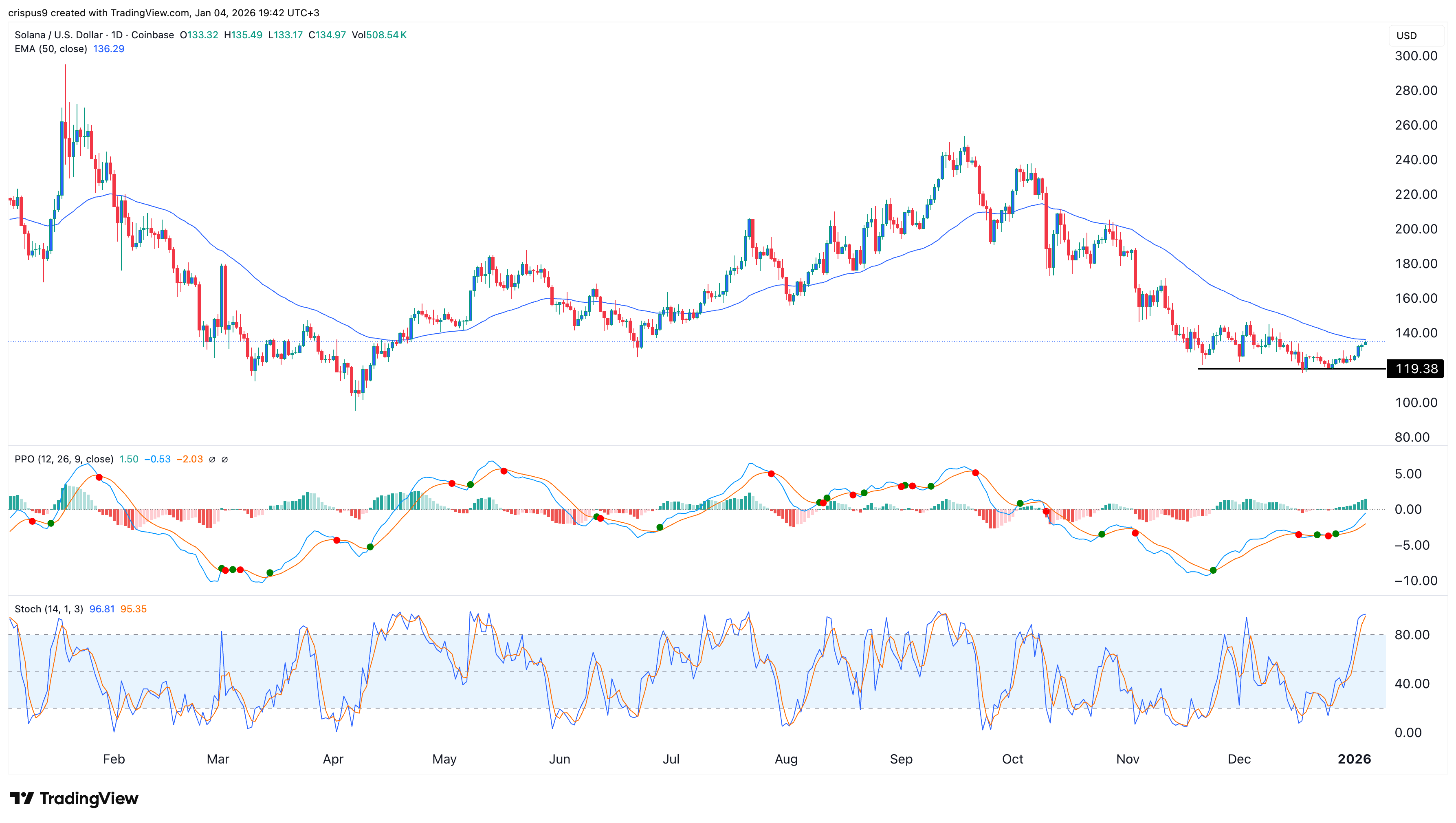
Solana price continued rising on Monday, reaching its highest point since December 12. SOL token rose to a high of $135 on Monday, up by over 15% from its lowest point this year. So, will the token rebound like Solana meme coins?

Solana Price Rises as SOL Meme Coins Surge

The main reason why the Solana price is soaring is that sentiment in the crypto industry has improved in the past few days. Indeed, the popular Crypto Fear and Greed Index has jumped from the extreme fear zone of 8 in 2025 to the current 41.

The surge has also coincided with the ongoing rebound of Solana meme coins. Data show that the market capitalization of these meme coins rose 15.7% over the last 24 hours to over $6.69 billion, while their 24-hour volume rose to over $3 billion.

READ MORE: Will the CLARITY Act Boost Crypto Prices in 2026?

Official Trump and Bonk tokens jumped, reaching a market capitalization of over $1 billion. Other top Solana meme coins like Pudgy Penguins, Pippin, Dogwifhat, and Fartcoin have jumped by double digits in the past few days.

Data compiled by DeFi Llama shows that Solana has continued to benefit from this surge. For example, the volume handled by Solana DEX networks jumped to over $102 billion in the last 30 days. Its volume was much higher than Ethereum and BSC combined. The two had over $44 billion and $55 billion in combined assets.

Solana has other bullish catalysts. For example, Solana’s futures open interest has started rising, reaching a high of $8 billion, its highest level since November 5. It has been in a strong uptrend after bottoming at $7.2 billion in December.

Meanwhile, spot Solana ETF inflows have continued rising. These funds added over $775 million in the past few months, bringing the total assets to $1.02 billion. Bitwise, Grayscale, Fidelity, and VanEck funds are leading this gain. 

Solana is also preparing for the Alpenglow upgrade, which aims to boost its speeds over time. It aims to make it much better than other chains, such as Ethereum and BNB Smart Chain. 

SOL Price Technical Analysis 

Can it Hit 0 as SOL Meme Coins Jump?
Solana price chart | Source: TradingView

The daily chart shows that the Solana price has rebounded in the past few days. It bottomed at $119.38 and has moved above the 25-day Exponential Moving Average (EMA).

The two lines of the Percentage Price Oscillator (PPO) have crossed above the zero line and are nearing it. Also, the Stochastic Oscillator has continued to rise and moved above the overbought level.

Therefore, the token will likely continue to rise as bulls target the psychological $150 level. A move above that level will signal more gains, potentially to the $200 resistance level. However, a drop below the key $120 support will invalidate the bullish forecast.

READ MORE: Here’s Why the Shiba Inu Coin Price is Going Parabolic

Source link

Go to Top