About Editorial team of BIPNs

Main team of content of bipns.com. Any type of content should be approved by us.
15 07, 2025

The GBPJPY repeats the fluctuation within the bullish track– Forecast today – 15-7-2025

By |2025-07-15T09:55:33+03:00July 15, 2025|Forex News, News|0 Comments

The GBPJPY pair continued to provide mixed trading within the bullish channel’s levels, approaching from the correctional target at 197.85, affected by stochastic negativity that fluctuates below 50 level as appears in the above image.


Reminding you that the bullish scenario will remain valid unless the price settles above the extra barrier at 198.80, increasing the chances for reaching 197.85 and 197.40, while the price success to breach the barrier will open the way towards recording several gains that might begin at 199.60 and 200.35.


The expected trading range for today is between 197.85 and 199.00


Trend forecast: Fluctuated within the bullish track


Source link

15 07, 2025

Nikhil Kamath says he can’t do without two cups of coffee every day: ‘Now, when I look at a green tea bag, I think of microplastics’ | Food-wine News

By |2025-07-15T09:54:20+03:00July 15, 2025|Dietary Supplements News, News|0 Comments


Nikhil Kamath recently weighed in on the debate between coffee and green tea, admitting that he used to drink the latter until three years ago because he was “sold” on the concept that it is healthy. “I didn’t drink coffee three years ago. Now, I feel like crap if I don’t have two coffees a day. I used to have green tea. Somebody sold me the concept that green tea is very healthy. Like everything in life, it’s cyclical. Now, when I look at a green tea bag, I think of microplastics,” Kamath said on his YouTube podcast.

The 38-year-old continued, “But back then, I used to drink green tea, put it on my face, and I used to just play with it. Coffee is hard to stop drinking. It’s such a big thing.”

Taking a cue from his admission, let’s understand what should be your pick for good health.

Story continues below this ad

Commenting on the debate, Kanikka Malhotra, a consultant dietician and certified diabetes educator, said that while green tea does have its benefits, including antioxidants and gentle caffeine, a morning cup of coffee is “pure joy” for most people. “Coffee isn’t just a drink; it’s an experience, a hug in a mug, and, for many of us, a creative spark. I respect anyone’s journey with their beverage choices—sometimes we need to experiment to find what truly nourishes us,” Malhotra said.

Nikhil Kamath says he can’t do without two cups of coffee every day: ‘Now, when I look at a green tea bag, I think of microplastics’ | Food-wine News Do you prefer coffee? (Photo: Getty Images/Thinkstock)

According to her, coffee holds a special place due to its rich antioxidants, metabolism-boosting perks, and that unbeatable burst of focus it provides.

That said, Malhotra noted that the key is not to fall into the trap of drinking coffee on an empty stomach.

“It can upset your digestion and spike your stress hormones, leaving you jittery instead of energised. And as tempting as it is to pair your cup with cookies, cupcakes, or pastries, those sugary treats only lead to energy crashes. Instead, enjoy your coffee after a balanced breakfast to truly get the best out of your brew without the downsides. Let’s savour our coffee the smart way,” said Malhotra.

Story continues below this ad

DISCLAIMER: This article is based on information from the public domain and/or the experts we spoke to. Always consult your health practitioner before starting any routine.


Source link

15 07, 2025

Cardano Flashes Major Buy Signal—$1.90 Target Unleashed

By |2025-07-15T09:52:07+03:00July 15, 2025|Crypto News, News|0 Comments

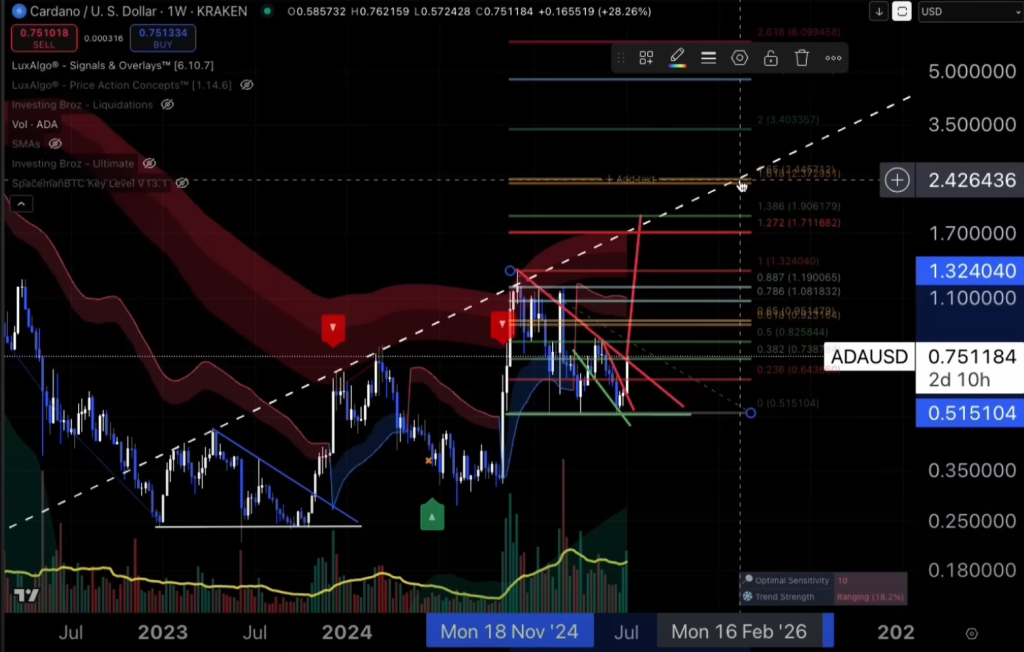
Crypto analyst Investing Broz has spotlighted Cardano (ADA) as one of the most promising altcoins currently breaking out amid a shifting macro landscape and rising Bitcoin valuations. In his latest video update, the analyst identified ADA’s recent technical breakout as a clear sign of bullish momentum, forecasting a price target of $1.90 in the coming weeks if momentum holds.

Cardano Bull Run Is Back On

Investing Broz began the segment by reiterating the broader context: Bitcoin’s explosive rally above the $120,000 mark has reignited speculation around the arrival of altseason. “This is just one more egg in the basket of potentially altcoin season coming very soon,” he noted, citing Bitcoin dominance breaking below a critical support level and altcoins “going berserk.”

Among the altcoins leading the charge, Cardano stood out. The analyst confirmed that he purchased ADA in the past 24 hours, identifying the move as more than just opportunistic. The trigger? A confirmed breakout above a long-standing resistance level that ADA hadn’t pierced since March 1. “This is a major win for Cardano holders who are trading it,” he said, explaining that a falling wedge pattern had been developing for weeks and now signaled a shift in trend.

Investing Broz’s trading group had initially positioned long at $0.54, with a modest target of $0.80. But as he emphasized, “Cardano is not just breaking above the smaller resistance level—we’re breaking above a resistance level we haven’t been back above since March.” That March breakout, he reminded viewers, was spurred by a now-infamous Donald Trump tweet listing altcoins deemed suitable for a proposed American crypto reserve. While that spike proved short-lived, the current breakout is, in his view, fundamentally and technically sound.

To calculate a realistic upside scenario, he applied the traditional breakout target technique by measuring the height of the formation and projecting it forward. “This would give you a Cardano price prediction of $1.90,” he stated, while also noting that such a target might be ambitious for a summer timeframe. Still, “it’s absolutely doable and definitely something you guys should be keeping an eye on.”

The analyst reinforced his bullish outlook using confirmation from the LuxAlgo indicator suite, which flashed a weekly buy signal—featuring a green reversal, bullish momentum, and positive money flow. Based on this, he offered a more immediate price range between $1.00 and $1.80. “I don’t think we’re going to stop at $1.80, but I think it’s a target to keep an eye on if you’re looking for a trade,” he said. Beyond that, a golden pocket Fibonacci extension points to a key level of $2.42 by year’s end.

Cardano price analysis

However, Investing Broz was quick to clarify that these are not his full-cycle targets for ADA. “This is not my long-term bullish price prediction for this bull market,” he emphasized. “This is simply tradable movements that I still think can happen over the next couple of weeks.” His earlier predictions suggested ADA could hit $7 to $10 by the cycle top—possibly extending into 2026 or even 2027.

Throughout the segment, he stressed the importance of knowing when to take profit. “Every bull market has volatility. Cardano… is going to have volatile movements where they rally and then pull back,” he advised. For short-term traders, targets around $1.80 to $2.40 may present ideal levels to secure gains or even explore short positions if momentum wanes.

While ADA is not the only altcoin the analyst is tracking—Ono and HAR were also highlighted for similar

breakout behavior—Cardano’s confluence of technical strength, historical resistance flip, and volume surge make it a standout in the current environment. As the analyst concluded, “There’s still time… this is a major breakout, and if you’re a trader, this is what you wait for.”

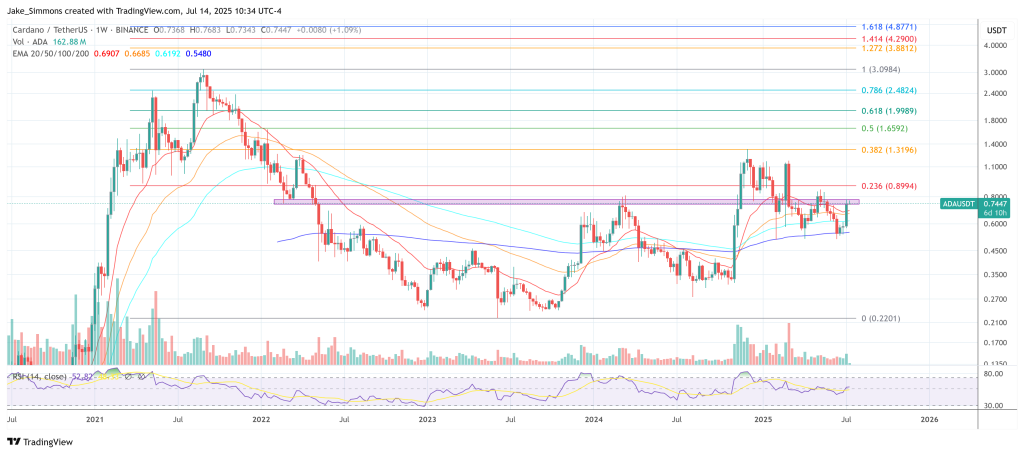
Cardano, for now, has flashed its signal. Whether it makes good on the $1.90 target may depend not only on its own momentum, but on the broader timing of altseason’s long-awaited arrival. At press time, ADA stood at $0.7447.

Cardano price

Source link

15 07, 2025

What Women Need to Know About Heart Failure

By |2025-07-15T09:50:55+03:00July 15, 2025|Fitness News, News|0 Comments

Have you heard of heart failure? It’s not a heart attack. But they’re both forms of heart disease.

A heart attack is when blood flow to the heart is suddenly reduced or blocked. Heart failure happens when the heart doesn’t pump blood as well as it should. And it affects almost 3 million women a year.

Understanding this condition can help you know if you’re at risk — and what you can do about it.

The dangers of heart failure

Heart failure, which usually happens over time as the heart muscles become weaker, can lead to many serious problems, including:

  • Kidney damage
  • Liver damage
  • Irregular heartbeat
  • Sudden heart attack
  • Malnutrition
  • Breathing problems

The causes of heart failure

Anything that damages the heart or makes it work too hard may lead to heart failure.

This includes health conditions like:

  • Clogged blood vessels (coronary artery disease)
  • Infection in the heart muscle (endocarditis)
  • Past heart attack (myocardial infarction)
  • Heart problems you’re born with (congenital heart defects)
  • High blood pressure (hypertension)
  • Type 2 diabetes
  • Metabolic syndrome
  • Kidney disease
  • Low red blood cell count (severe anemia)
  • Overactive or underactive thyroid (hyperthyroidism or hypothyroidism)
  • Heartbeat that is too fast, too slow or irregular (arrhythmia or dysrhythmia)
  • Certain viruses, like the herpes virus or influenza

Lifestyle factors may also increase your risk of heart failure. Some of them are:

  • Smoking
  • Not getting enough exercise
  • Obesity 
  • Eating foods high in fat and cholesterol

In women — particularly women who are postmenopausal — the most common causes of heart failure include:

  • High blood pressure
  • Heart valve disease
  • Diabetes
  • Coronary artery disease

Types of heart failure

Heart failure is grouped into three main categories.

Left-sided heart failure happens when the left side of the heart has to work harder to pump the same amount of blood. There are two kinds of left-sided heart failure:

  • Systolic failure (also called heart failure with reduced ejection fraction, or HFrEF), when the left lower chamber (ventricle) can’t tighten normally
  • Diastolic failure (also called heart failure with preserved ejection fraction, or HFpEF), when the left lower chamber (ventricle) can’t relax like it should

Right-sided heart failure usually happens due to left-sided failure. When the left side of the heart can’t pump enough blood, pressure buildup can damage the right side.

Congestive heart failure happens when the blood returning to the heart through your veins backs up, causing fluid to collect. This may lead to swelling (edema) throughout the body, including in the lungs (pulmonary edema). This can make it hard to breathe.

Congestive heart failure can also keep the kidneys from getting rid of sodium and water, which may make swelling even worse.

Signs and symptoms of heart failure

For some people, heart failure symptoms come on slowly. For others, they may be sudden.

Symptoms of heart failure can include:

  • Shortness of breath
  • Feeling tired or weak
  • Fast or irregular heartbeat
  • Swelling (edema) in the ankles, legs and feet
  • Swelling in the belly
  • Wheezing
  • Cough that won’t go away
  • Upset stomach/loss of appetite/nausea
  • Memory loss, feeling disoriented, confusion
  • Sudden weight gain or loss

If you experience any of these symptoms, be sure to check them out with a healthcare provider (HCP).

Diagnosing heart failure

Heart failure is diagnosed using a combination of tools. First, an HCP will ask about your medical history, including any health issues or lifestyle choices that might increase your risk of heart failure.

Your HCP will also ask how you’ve been feeling. (It’s a good idea to bring a list of symptoms when seeing an HCP about your heart, along with a list of your medications.)

Next, your HCP will give you a physical exam and decide which tests to order. (They may also send you to a cardiologist, a doctor who focuses on the heart.)

Some tests used to diagnose heart failure are:

  • Blood tests to check for certain molecules that go up during heart failure
  • Echocardiography (echo) to measure how much blood is pumped out of your left ventricle (ejection fraction)
  • Other imaging tests such as a chest X-ray, CT scan or MRI to see how well your heart is working
  • Electrocardiogram (EKG or ECG) to test your heart’s electrical activity
  • Stress test to see how your heart handles exercise

Treating heart failure

Treatment of heart failure depends on what’s causing it and how serious it is. Heart failure can’t be cured, so the goal of treatment is to reduce symptoms and improve quality of life.

Thankfully, the list of medicines used to treat heart failure is long. Medications can include:

  • Angiotensin-converting enzyme (ACE) inhibitors and angiotensin II receptor blockers (ARBs), which widen blood vessels to lower the heart’s workload
  • Angiotensin-receptor neprilysin inhibitors (ARNIs), which is the combination of two blood pressure medicines and can be used to widen blood vessels, reduce blood pressure and lessen strain on the heart
  • Beta blockers, which keep the heart from beating too fast or hard
  • Diuretics (water pills), which help the body to get rid of extra fluid
  • Sodium-glucose cotransporter-2 (SGLT2) inhibitors, which help lower blood sugar and are often used as one of the first treatments in heart failure
  • Aldosterone antagonists (also called potassium-sparing diuretics), which are water pills that help lower high blood pressure and improve heart function in people with heart failure

People with heart failure often need more than one medication.

Devices that may be helpful for people with heart failure include:

  • Cardiac Resynchronization Therapy Defibrillator (CRT-D) – a device that sends signals to the lower chambers of the heart to help synchronize your left and right ventricles
  • Ventricular assist device (VAD), a device that helps the heart pump blood and is most often placed in the lower left chamber

Surgery isn’t always necessary to manage the condition. However, there may be cases where certain surgeries, such as surgery to clear blocked arteries, fix a heart valve defect or reroute blood flow to the heart, may be needed. A heart transplant may be required for people who can’t be helped by other treatments.

Living with heart failure

Changing your lifestyle may also help keep heart failure symptoms in check. It’s a way that you can be proactive about your treatment, and little tweaks can make a big difference. Lifestyle changes can include:

  • Maintaining a healthy weight
  • Keeping your blood sugar in check if you have diabetes
  • Setting aside time for rest, relaxation and stress management
  • Strengthening your heart with physical activity
  • Eating heart-healthy foods like vegetables and whole grains
  • Quitting smoking
  • Avoiding or limiting alcohol intake
  • Protecting yourself from flu, pneumonia and Covid with vaccines

A healthcare provider also may suggest cardiac rehab, which includes exercise counseling and training, heart-healthy living education, and counseling to manage stress.

Together with your HCP, you can figure out a treatment plan that will allow you to live your best life with heart failure.

This educational resource was created with support from Novartis.

From Your Site Articles

Related Articles Around the Web


Source link

14 07, 2025

Flamingo Finance unveils Q3 and Q4 2025 roadmap with cross-chain bridge and enhanced DeFi tools

By |2025-07-14T15:15:40+03:00July 14, 2025|News, NFT News|0 Comments


Flamingo Finance has announced its roadmap for the remainder of 2025, which aims to advance its DeFi ecosystem through innovative features and improved user governance.

Following several major releases earlier this year, including Layer 1 on-chain limit orders and the multi-dividend FLOCKS protocol, Flamingo plans several key upgrades.

These include enabling LP tokens as collateral for loans, expanding stablecoin trading pairs, launching a community governance DAO, and deploying automated trading bots to optimize user strategies.

One of the roadmap’s highlights is the upcoming Flamingo Cross-Chain bridge, anticipated between late 2025 and early 2026, which is intended to facilitate seamless token swaps across multiple blockchains without liquidity risk.

Additional efforts focus on enhancing the user experience with new analytics, tutorials, and community engagement via monthly streaming sessions.

Flamingo also intends to broaden its token offerings with bridge-supported assets and introduce a Token Auction Offering system to support third-party projects.

For a detailed look at Flamingo Finance’s full 2025 roadmap, visit the official site:
https://flamingo.finance/roadmap


Source link

14 07, 2025

Copper price keeps the bullish track– Forecast today – 14-7-2025

By |2025-07-14T15:15:09+03:00July 14, 2025|Forex News, News|0 Comments


Strong inflows into U.S.-listed Bitcoin exchange-traded funds (ETFs).


Bitcoin prices rose during Monday’s trading, extending gains for the second consecutive day and continuing to set new all-time highs, with trading above the $120,000 level for the first time in history.


This surge comes amid strong inflows into U.S.-based Bitcoin ETFs, and a strong demand from institutional investors, and supportive policies from the administration of U.S. President Donald Trump toward cryptocurrencies.


Price Overview


 • Bitcoin Price Today: On the Bitstamp exchange, the price of Bitcoin rose by $2,308, or 1.94%, to reach $121,448, marking a new all-time high. It opened today’s trading at $119,140, with the lowest level recorded at $118,972.


 • The settlement on Bitstampt exchange on Sunday, Bitcoin prices closed Sunday with a 1.4% gain in the fifth increase in the past six days, amid record demand for the leading cryptocurrency.


 • The world’s largest digital currency “Bitcoin” recorded a 9% gain last week, marking its third consecutive weekly rise.


Cryptocurrency Market Capitalization


The total cryptocurrency market capitalization rose by over $20 billion on Monday to reach $3.818 trillion, the highest level since December 2024, driven by Bitcoin’s record-breaking rally and rising Ethereum prices.


Strong Inflows into Exchange-Traded Funds


Bitcoin exchange-traded funds (ETFs) added approximately $1.03 billion on Friday on the final session of the week. This marked the seventh consecutive day of new inflows into these U.S.-listed products, bringing the total to around $3.735 billion.


On Thursday, July 10, these ETFs recorded their largest daily inflow of 2025, with a value of $1.18 billion.


Bullish Catalysts


Joshua Chu, Co-Chair of the Hong Kong Web3 Association, stated that Bitcoin’s new record highs are being driven by continued institutional accumulation, as major players are taking advantage of limited supply and draining liquidity from exchanges.


In March, President Donald Trump signed an executive order to establish a strategic reserve of cryptocurrencies. He also appointed several crypto-friendly figures, including Paul Atkins as Chairman of the Securities and Exchange Commission, and David Sacks as the White House’s AI Czar.


The U.S. Congress is nearing the approval of new legislation to regulate digital currencies in the United States.


Trump family companies


Trump family businesses have made a strong entry into the world of cryptocurrencies. Trump Media & Technology Group (DJT.O) is reportedly planning to launch a cryptocurrency-focused exchange-traded fund (ETF) to invest in multiple digital assets, including Bitcoin, according to a filing submitted to the U.S. Securities and Exchange Commission (SEC) last Tuesday.


Source link

14 07, 2025

The EURJPY repeats the pressure on the resistance– Forecast today – 14-7-2025

By |2025-07-14T15:14:31+03:00July 14, 2025|Forex News, News|0 Comments


Strong inflows into U.S.-listed Bitcoin exchange-traded funds (ETFs).


Bitcoin prices rose during Monday’s trading, extending gains for the second consecutive day and continuing to set new all-time highs, with trading above the $120,000 level for the first time in history.


This surge comes amid strong inflows into U.S.-based Bitcoin ETFs, and a strong demand from institutional investors, and supportive policies from the administration of U.S. President Donald Trump toward cryptocurrencies.


Price Overview


 • Bitcoin Price Today: On the Bitstamp exchange, the price of Bitcoin rose by $2,308, or 1.94%, to reach $121,448, marking a new all-time high. It opened today’s trading at $119,140, with the lowest level recorded at $118,972.


 • The settlement on Bitstampt exchange on Sunday, Bitcoin prices closed Sunday with a 1.4% gain in the fifth increase in the past six days, amid record demand for the leading cryptocurrency.


 • The world’s largest digital currency “Bitcoin” recorded a 9% gain last week, marking its third consecutive weekly rise.


Cryptocurrency Market Capitalization


The total cryptocurrency market capitalization rose by over $20 billion on Monday to reach $3.818 trillion, the highest level since December 2024, driven by Bitcoin’s record-breaking rally and rising Ethereum prices.


Strong Inflows into Exchange-Traded Funds


Bitcoin exchange-traded funds (ETFs) added approximately $1.03 billion on Friday on the final session of the week. This marked the seventh consecutive day of new inflows into these U.S.-listed products, bringing the total to around $3.735 billion.


On Thursday, July 10, these ETFs recorded their largest daily inflow of 2025, with a value of $1.18 billion.


Bullish Catalysts


Joshua Chu, Co-Chair of the Hong Kong Web3 Association, stated that Bitcoin’s new record highs are being driven by continued institutional accumulation, as major players are taking advantage of limited supply and draining liquidity from exchanges.


In March, President Donald Trump signed an executive order to establish a strategic reserve of cryptocurrencies. He also appointed several crypto-friendly figures, including Paul Atkins as Chairman of the Securities and Exchange Commission, and David Sacks as the White House’s AI Czar.


The U.S. Congress is nearing the approval of new legislation to regulate digital currencies in the United States.


Trump family companies


Trump family businesses have made a strong entry into the world of cryptocurrencies. Trump Media & Technology Group (DJT.O) is reportedly planning to launch a cryptocurrency-focused exchange-traded fund (ETF) to invest in multiple digital assets, including Bitcoin, according to a filing submitted to the U.S. Securities and Exchange Commission (SEC) last Tuesday.


Source link

14 07, 2025

Cranberry-based Supplements Market Size, Clinical Trials,

By |2025-07-14T15:12:44+03:00July 14, 2025|Dietary Supplements News, News|0 Comments


Cranberry-based Supplements Market Size is estimated to be $1040 million in 2024 and is expected to grow at an average yearly rate of around 8% during the timeframe (2025-2032).

What is Cranberry-based Supplements and what are the growth drivers of Cranberry-based Supplements Market?

Cranberry-based supplements are dietary products formulated from cranberry fruit-most commonly Vaccinium macrocarpon-available in various forms such as tablets, capsules, powders, and liquid extracts. These supplements either contain pure cranberry extract, dried cranberry powder, or concentrated juice solids standardized for active compounds like proanthocyanidins (PACs), flavonoids, and anthocyanins. They are designed to deliver the purported health benefits of cranberries in a concentrated, convenient form, often with added vitamins or ingredients to support absorption or broaden their wellness appeal.

Key Health Benefits Targeted

These supplements are mainly marketed for supporting urinary tract health, notably in reducing the frequency of urinary tract infections (UTIs). Many formulations claim that PACs help prevent E. coli bacteria from adhering to the urinary tract lining. Beyond UTIs, cranberry supplements also position themselves as supportive for digestive well‐being, immune function, cardiovascular health, and oral hygiene, thanks to their antioxidant and antimicrobial phytochemicals.

Market Overview

The global cranberry supplement market has been growing steadily, with valuations ranging from around USD 280 million to USD 1.2-1.5 billion by mid‐2020s, depending on scope and included product types. Forecasts generally project a healthy compound annual growth rate (CAGR) of 5-9% through the late 2020s and early 2030s. Growth is expected across multiple regions, with North America as the dominant market and significant expansion anticipated in Europe and Asia‐Pacific.

Growth Drivers of the Cranberry Supplements Market

1. High Prevalence of UTIs and Female Health Concerns

Urinary tract infections are common-particularly among women, with estimates that up to 40% experience at least one UTI in their lifetime. This has maintained strong consumer interest in non‐antibiotic preventive solutions. Cranberry supplements are widely perceived as a natural, gentle alternative to pharmaceutical interventions, boosting demand.

2. Rising Consumer Preference for Natural and Preventive Health Solutions

There is a broader trend toward plant‐based, clean‐label, and natural health products. Cranberry supplements fit this demand profile, making them popular among health‐conscious consumers seeking preventive care and everyday wellness support without synthetic additives.

3. Strong Scientific and Clinical Support (Perception)

While evidence varies, many consumers and healthcare providers believe in cranberry’s efficacy-especially for UTI prevention. Meta‐analyses and high‐profile reviews have elevated consumer trust, even where regulatory bodies may call for more robust proof.

4. Product Innovation and Diversified Formats

To capitalize on convenience and consumer interest, manufacturers have introduced new forms-like effervescent tablets, previously: encourage daily intake and appeal to broader demographics, including children and those averse to pills. Formulas are now often enhanced with vitamin C, vitamin D, probiotics, or other botanicals, increasing their perceived value.

5. E‐Commerce and Expanded Distribution Channels

Cranberry supplements are easily available through pharmacies, supermarkets, health‐food stores, and especially online platforms. E‐commerce growth has enabled global reach, with easy access, consumer reviews, and targeted digital marketing fueling sales.

6. Geographic Expansion and Rising Awareness

Even though North America leads the market-driven by its production infrastructure and historical usage-awareness in Europe, Asia, and Latin America is rapidly increasing. Health campaigns and wellness education in these regions are encouraging adoption, contributing to global expansion.

7. Inclusion in Pet Health Products

Innovative uses have branched into animal healthcare-especially for pets such as dogs prone to urinary issues. This has opened up a niche but growing segment of the cranberry supplement market, thanks to owners increasingly treating pet wellness with preventive care.

8. Brand Recognition and Competitive Landscape

Established supplement brands-like GNC, Blackmores, Swisse, Holland & Barrett and others-lend credibility and push market growth through wide distribution, trust, and marketing. Mergers, new product launches, and private‐label entries further stimulate innovation and competition.

The research and analytics firm Datavagyanik released the updated version of its report on “Cranberry-based Supplements Market – Detailed Analysis, Business Opportunities and Forecasts”.

Request sample at https://datavagyanik.com/reports/cranberry-based-supplements-market/

Clinical Trials in Cranberry-based Supplements Market and New Product Pipelines

Cranberry-based supplements have been the focus of numerous clinical trials, particularly for their role in supporting urinary tract health. The majority of these studies center on the use of cranberry extract to prevent recurrent urinary tract infections (UTIs), especially in women. Clinical trials typically examine the impact of daily cranberry supplement intake over periods ranging from a few weeks to several months. Participants are often women with a history of UTIs, though newer studies include men, children, elderly adults, and people with chronic health conditions.

These trials evaluate various forms of cranberry supplements including capsules, tablets, juice concentrates, and powders. Dosages often vary significantly, depending on the concentration of active compounds such as proanthocyanidins (PACs). A key aim of clinical studies has been to determine the minimum effective dose of PACs needed to prevent bacterial adhesion in the urinary tract. Results generally support the claim that cranberry supplements can reduce the frequency of UTIs in individuals prone to infections. Some trials also report that cranberry supplements are well tolerated, with very few side effects, making them a suitable long-term option for prevention.

Additionally, clinical trials are starting to look beyond UTIs. Researchers are exploring the potential benefits of cranberry extracts on gut health, cardiovascular function, and inflammation. These studies often include biochemical markers such as changes in antioxidant levels, blood pressure, and cholesterol, providing a broader understanding of the supplement’s potential applications. Trials focusing on diabetic and postmenopausal populations have shown particularly promising results in reducing UTI recurrence, suggesting that cranberry supplementation may benefit specific groups more than others.

New Product Pipelines in Cranberry Supplements

The cranberry supplement market is rapidly evolving, driven by innovation in product formulation, delivery formats, and target demographics. Manufacturers are expanding beyond traditional capsules to offer more appealing and effervescent tablets, powdered drink mixes, and chewable tablets. These new formats are designed to improve user compliance, especially among younger consumers and those with difficulty swallowing pills.

Another significant trend in the product pipeline is the inclusion of complementary ingredients such as probiotics, D-mannose, and vitamin C. These ingredients are believed to enhance the effectiveness of cranberry supplements by providing additional support for immune function, urinary tract health, and bacterial resistance. Some brands are also exploring lipid-based delivery systems to improve the bioavailability of cranberry extract, ensuring better absorption and faster results.

Innovation is also extending into the area of full-spectrum cranberry formulations. Unlike isolated extracts, full-spectrum products aim to preserve all the natural phytochemicals found in the whole fruit. This includes not only PACs but also flavonoids, fiber, and organic acids, which may offer synergistic health benefits.

Market trends suggest that future products will likely be more targeted, with specific formulations for women, elderly populations, athletes, and even pets. Pet supplements containing cranberry extract are gaining popularity for managing urinary issues in dogs and cats, opening a new niche segment within the broader market.

Request for customization https://datavagyanik.com/reports/cranberry-based-supplements-market/

Important target segments driving the demand for Cranberry-based Supplements Market

One of the most prominent and long-standing target segments for cranberry-based supplements is women suffering from recurrent urinary tract infections (UTIs). Women are anatomically more prone to UTIs due to a shorter urethra, and many experience multiple infections annually. Cranberry supplements have become a popular natural remedy for reducing UTI frequency. This group forms a core consumer base, especially those looking for non-antibiotic preventive measures. Women aged 18-50, particularly those with busy lifestyles or sensitive to antibiotics, often seek natural alternatives like cranberry capsules, powders.

Elderly Adults

Older adults, particularly those living in long-term care facilities, are also a key target group for cranberry-based supplements. Aging populations often face weakened immune systems, reduced mobility, and increased risk of urinary tract infections. In addition, they may have complications related to catheter use or incontinence, which further increases the likelihood of UTIs. Cranberry supplements provide a gentle and preventive solution, often recommended by healthcare providers. Products tailored for the elderly, such as easy-to-swallow tablets or powdered drinks, are seeing increased demand in this segment.

Health-Conscious Individuals

Another growing consumer segment is the health-conscious population that uses cranberry supplements as part of a broader wellness routine. These individuals may not have recurring UTIs but are proactive about maintaining urinary tract and digestive health. Many consumers in this group are drawn to cranberry supplements for their antioxidant properties, anti-inflammatory effects, and natural origin. Millennials and Gen Z consumers, in particular, are attracted to clean-label supplements with minimal additives. This segment also values transparency, sustainable sourcing, and scientifically backed formulations.

People with Diabetes and Other Chronic Conditions

Individuals managing diabetes and other chronic health conditions represent an important emerging segment. Diabetic patients, especially women, are at higher risk for UTIs due to glucose-related changes in urinary tract flora. Many avoid long-term antibiotic use and turn to cranberry supplements for preventive care. In this group, healthcare professionals often recommend cranberry products as part of a broader treatment plan. Formulations with controlled sugar content or those fortified with complementary ingredients like probiotics or vitamin D are particularly appealing.

Athletes and Fitness Enthusiasts

Athletes and active individuals are also beginning to use cranberry supplements for general detoxification and immune support. Intense physical activity and dehydration can increase the risk of urinary discomfort. Cranberry products in convenient formats like hydration powders or effervescent tablets appeal to this group. These consumers often seek multi-functional supplements that offer both performance and recovery benefits, driving the development of innovative cranberry-based blends.

Pediatric and Adolescent Groups

Although not traditionally a major consumer base, the pediatric and adolescent markets are gaining attention. Children and teens prone to UTIs or digestive discomfort are increasingly being introduced to cranberry supplements under medical supervision. Flavored chewable tablets have made it easier to target this segment, with added vitamins enhancing the product’s appeal to parents.

Pet Owners

Pet owners, especially those with aging dogs or cats prone to urinary issues, form a niche but rapidly expanding segment. Cranberry supplements formulated specifically for animals are gaining traction in the pet wellness market. These products are often integrated into treats or powders added to pet food, offering a non-invasive solution to manage urinary health.

Key Players in Cranberry-based Supplements, Market Share

The cranberry-based supplements market is characterized by the presence of both well-established global brands and specialized natural health product companies. These players compete through product innovation, brand recognition, clinical validation, and extensive distribution channels. The market is fragmented, with a mix of large multinational corporations and emerging niche players focusing on plant-based wellness.

Amway

Amway is one of the most recognized names in the health and wellness industry. Its Nutrilite brand offers cranberry supplements that combine cranberry extract with vitamin C for enhanced urinary health support. Amway benefits from a vast global distribution network, strong customer loyalty, and consistent product quality, making it a key competitor in the premium supplement segment.

Nature’s Bounty

Nature’s Bounty is a major player in the North American dietary supplements market. Its cranberry supplements are widely available in pharmacies, supermarkets, and online platforms. Known for affordability and accessibility, Nature’s Bounty has secured a significant share in the mass-market cranberry supplement segment. The brand frequently updates formulations and packaging to align with consumer preferences for clean-label and non-GMO products.

Swisse

Swisse, an Australian health and wellness brand, has gained traction in international markets, especially in Asia-Pacific. Its cranberry-based capsules and women’s health formulations are popular for addressing urinary tract health and supporting immunity. Swisse combines scientific backing with premium branding and packaging, helping it attract younger, health-conscious consumers across global urban markets.

NOW Foods

NOW Foods is a well-respected name in the natural products industry and offers a variety of cranberry supplements, including capsules, softgels, and standardized extracts. It emphasizes natural ingredients, third-party testing, and quality assurance, appealing to consumers who prioritize transparency and value. The company has built a strong reputation in health food stores and online wellness communities.

AZO (i-Health Inc.)

AZO, under the i-Health Inc. division of DSM, is a specialized brand focused on urinary health products. It holds a leading position in the cranberry supplement niche, especially in the U.S. market. AZO Cranberry products are well-known for their standardized PAC content and are widely recommended by pharmacists. The brand has high trust levels among women and healthcare providers, contributing to its strong market position.

GNC

GNC (General Nutrition Corporation) is a global retailer of health and nutrition products, offering its own line of cranberry supplements. The brand targets fitness enthusiasts and health-focused individuals through its stores and e-commerce platforms. GNC’s ability to offer both single-ingredient cranberry products and complex blends has allowed it to maintain a competitive edge.

Himalaya Wellness

Himalaya is a global herbal supplement company that offers cranberry-based products as part of its women’s wellness range. With a focus on Ayurvedic principles and plant-based solutions, Himalaya attracts consumers looking for traditional and natural alternatives to synthetic products.

Market Share Overview

The cranberry-based supplements market is moderately fragmented. AZO leads the U.S. market, particularly in the pharmacy and retail chain segments. Nature’s Bounty and NOW Foods have strong shares in mass-market and natural product retail channels, respectively. Swisse dominates in Australia and has expanding market penetration in China and Southeast Asia. Amway and GNC serve a more premium customer base through direct selling and branded stores. Collectively, these brands account for a significant portion of global sales, but newer entrants and private label offerings continue to challenge incumbents with affordable and innovative formulations.

Key Questions Answered in the Cranberry-based Supplements market report:

What is the total global Cranberry-based Supplements Sales, and how has it changed over the past five years?

What is Cranberry-based Supplements investment trend?

Which countries have the highest Cranberry-based Supplements, and what factors contribute to their dominance in the market?

How does Cranberry-based Supplements Sales vary across key manufacturers, and what expansions have been observed recently?

What is the current global revenue generated from Cranberry-based Supplements Sales, and how does it compare to previous years?

Which industries drive the highest demand for Cranberry-based Supplements, and how is this demand expected to evolve in the next five years?

What are the major challenges impacting Cranberry-based Supplements industry and supply chain operations across key markets?

How do government policies, environmental regulations, and trade restrictions affect Cranberry-based Supplements and market dynamics?

Related Studies:

latelet-Rich Plasma (PRP) Injections for Osteoarthritis Market

https://datavagyanik.com/reports/platelet-rich-plasma-prp-injections-for-osteoarthritis-market/

Corticosteroid Injection Therapies for Osteoarthritis Market

https://datavagyanik.com/reports/corticosteroid-injection-therapies-for-osteoarthritis-market/

Placental Tissue-Derived Injections Market

https://datavagyanik.com/reports/placental-tissue-derived-injections-market/

Setmelanotide (MC4R Agonist) Therapy Market

https://datavagyanik.com/reports/setmelanotide-mc4r-agonist-therapy-market/

Lipase Inhibitors Market

https://datavagyanik.com/reports/lipase-inhibitors-market/

IT Park, Dehradun, UK

Datavagyanik is a business intelligence firm with clients worldwide. We provide the right knowledge and advisory to business organizations and help them to grow and excel. We specialize in areas such as Pharmaceutical, Healthcare, Manufacturing, Consumer Goods, Materials & Chemicals and others. We specialize in market sizing, forecasting, supply chain analysis, supplier intelligence, import-export insights, market trend analysis and competitive intelligence.

Contact us:

Peter (Sales Head)

Phone: +1-330-440-0311

Website: https://datavagyanik.com/

Linkedin: https://www.linkedin.com/company/datavagyanik-business-intelligence-solutions/

Email: sales@datavagyanik.com

This release was published on openPR.


Source link

14 07, 2025

Ripple (XRP) Surges 12% as Altcoins Rally with Bitcoin’s Climb

By |2025-07-14T15:08:40+03:00July 14, 2025|Crypto News, News|0 Comments

Ripple (XRP) and Sui (SUI) have both experienced significant price surges, approaching their all-time highs. The altcoins are making substantial moves as Bitcoin (BTC) continues its climb, indicating a potential shift in market dynamics. The Total2 index, which tracks all cryptocurrencies excluding BTC, has shown strong support at the $1.01 trillion level and has recently broken through the $1.27 trillion resistance level, turning it into support. This suggests a bullish trend for altcoins, with the next significant resistance level at $1.47 trillion.

Ripple (XRP) is on a trajectory to surpass its all-time high, with a 50% price increase over the past four weeks. The cryptocurrency has recently tagged the $3.00 horizontal resistance level and is poised to reach its all-time high of $3.40. Technical indicators such as the RSI and Stochastic RSI suggest there is still room for further upside, with the 1.618 Fibonacci level at $4.50 as a potential target.

Sui (SUI) is also nearing its last major horizontal resistance level, with a potential breakout that could drive the price back to its all-time high of $5.37. The Fibonacci extension levels for SUI’s move from $5.39 to $1.70 indicate that the cryptocurrency could reach $7.63 and potentially beyond during the rest of this bull market. The open interest in SUI has increased, reflecting traders’ bullish sentiment and optimism about its future prospects.

Ripple (XRP) has seen a notable increase in price, trading at $2.95 at the time of writing on Monday, up from $2.80 and observing a 5.52% increase in the last 24 hours. The surge in XRP’s price is supported by strong institutional volume, which has helped the cryptocurrency break through the $2.84 resistance level. XRP’s recent surge has propelled it past USDT in market rankings, driven by renewed interest from institutional investors and strategic advancements by Ripple. The latest XRP price prediction has analysts anticipating an explosive breakout, with some expecting a charge to $10. XRP is currently trading at $2.78, up 12%.

Top analysts are forecasting a potential surge for XRP between $3 and $6 before the year ends, highlighting it as one of the best cryptocurrencies to buy now. The surge in XRP’s price is also supported by a 9% increase in the last 48 hours, driven by renewed interest from institutional investors and strategic advancements by Ripple. The cryptocurrency’s price could continue to rise in the coming days, as analysts remain bullish on its future prospects.

Source link

14 07, 2025

Dolce & Gabbana USA Wins Dismissal of NFT Lawsuit

By |2025-07-14T13:15:16+03:00July 14, 2025|News, NFT News|0 Comments


The US arm of Dolce & Gabbana has been cleared of allegations in a proposed class-action lawsuit over its parent company’s alleged abandonment of a non-fungible token (NFT) project. In a significant legal development, New York federal court Judge Naomi Reice Buchwald ruled in favor of Dolce & Gabbana USA Inc., dismissing the lawsuit on the grounds that it was not an “alter ego” of its Italy-based parent, Dolce & Gabbana SRL.

A group of NFT buyers had filed the lawsuit in May 2024, updating it in September, claiming that Dolce & Gabbana and its US arm were effectively the same company. The plaintiffs alleged that the company failed to deliver on its “DGFamily” NFT project, launched in 2022, and kept over $25 million from it. The future of the lawsuit is now in doubt, as Dolce & Gabbana USA was the sole US-based defendant. The Dubai-based NFT marketplace UNXD Inc. and the Italy-based Bluebear Italia SRL, the creator of an NFT collection called “inBetweeners,” were also named as defendants but were not served with the complaint.

The complaint alleged that Dolce & Gabbana and UNXD together made and promoted DGFamily, which promised buyers “high value” benefits to be delivered over two years at a rate of once per quarter. Some of the allegedly promised perks included digital outfits for the Decentraland metaverse, physical clothing, and live events for NFT holders. However, the lawsuit claimed that Dolce & Gabbana “failed to provide the complete set of benefits they promised” and kept millions of dollars from selling the NFTs.

Dolce & Gabbana USA filed to dismiss the suit in January, arguing that it was a separate entity that couldn’t be tied to the actions of its Italian parent company. The firm contended that it had not entered into any joint venture with UNXD or any other entity to sell, advertise, or promote any NFTs. The company asserted that the NFT project originated from its parent company in Italy and that the complaint had not sufficiently alleged ties between the US and Italian firms.

Judge Buchwald ruled that the lawsuit was “plainly insufficient to withstand D&G USA’s motion to dismiss” as it referred to both the US and Italian company “as ‘Dolce & Gabbana’ and attributes all misconduct to this shared moniker, without differentiating what each entity did.” The amended lawsuit detailed an “overlap in ownership, officers, directors, and personnel” between the two firms, such as sharing a CEO, operating chief, and IT and marketing executives. However, the suit failed to “provide specific examples” of how those executives were involved in the NFT project.

“The Court finds that plaintiff has not adequately alleged that D&G S.R.L. completely dominated D&G USA even if D&G S.R.L. allegedly shared some employees and office space with D&G USA,” Buchwald said. This ruling underscores the complexities involved in regulating the NFT market and the challenges faced by plaintiffs in proving deceptive practices. The future of the lawsuit remains uncertain, but the implications of this ruling are likely to be felt throughout the NFT market, highlighting the need for a clearer legal framework for digital assets.


Source link

Go to Top