About Editorial team of BIPNs

Main team of content of bipns.com. Any type of content should be approved by us.
24 12, 2025

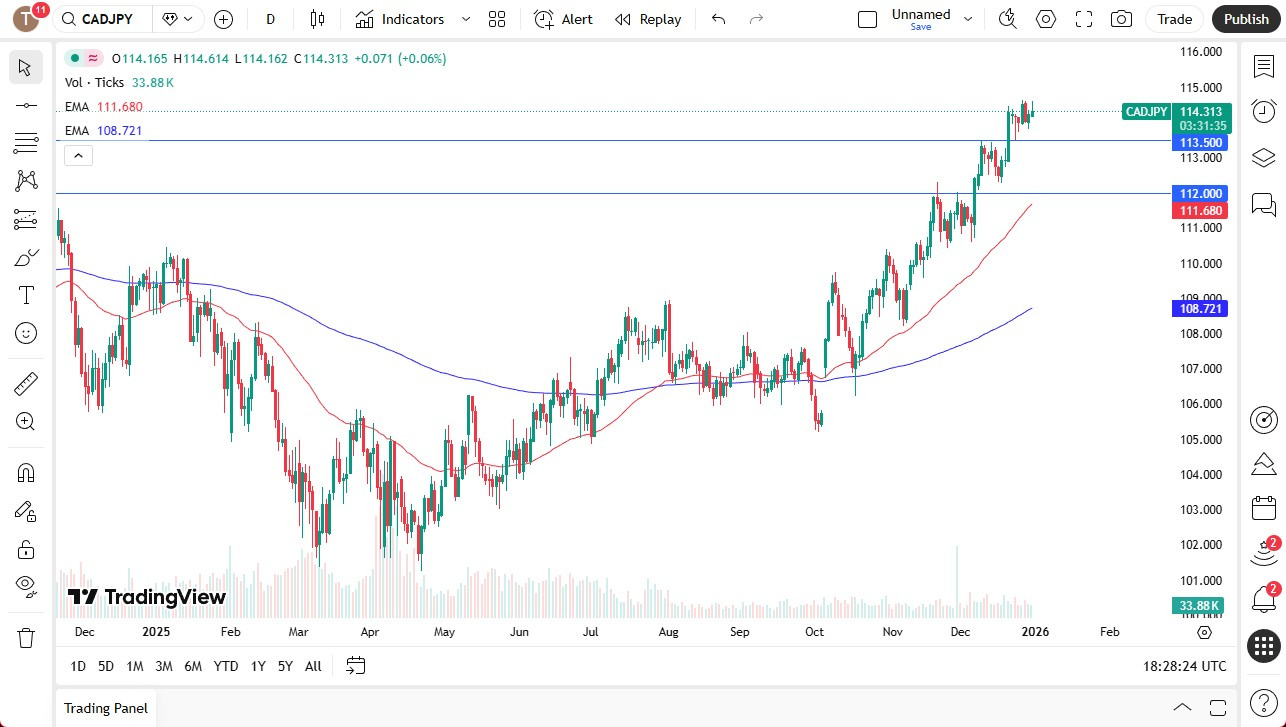
The EURJPY is under the dominance of the corrective bias– Forecast today – 24-12-2025

By |2025-12-24T11:22:39+02:00December 24, 2025|Forex News, News|0 Comments

Copper price activated with the main indicators again, surpassing the barrier at $5.5000, announcing its readiness to achieve extra gains on a near-term basis, therefore, we will keep our bullish expectations, reminding you that the extra target near $5.6300 and $5.7400 level.


Note that the price stability below the current barrier might force it to form mixed trading, and there is a chance of testing the support at $5.1500.


The expected trading range for today is between $5.3900 and $5.6300


Trend forecast: Bullish


Source link

24 12, 2025

Asia Pacific Prebiotics Market Size and Forecast 2025–2033

By |2025-12-24T11:13:06+02:00December 24, 2025|Dietary Supplements News, News|0 Comments


Asia Pacific Prebiotics Market Overview

The Asia Pacific Prebiotics Market is entering a phase of rapid and sustained expansion, driven by shifting dietary habits, rising health consciousness, and strong innovation in functional nutrition. According to Renub Research, the market is expected to grow from US$ 2.14 billion in 2024 to US$ 5.83 billion by 2033, registering a robust CAGR of 11.77% from 2025 to 2033.

Download Free Sample Report

Prebiotics are indigestible food components that selectively stimulate the growth and activity of beneficial gut bacteria. Unlike probiotics, which are live microorganisms, prebiotics act as nourishment for existing good bacteria in the digestive system. Common examples include inulin, fructooligosaccharides (FOS), galactooligosaccharides (GOS), and mannan-oligosaccharides (MOS), naturally found in foods such as whole grains, onions, garlic, bananas, and chicory roots.

In Asia Pacific, prebiotics have moved beyond niche health supplements and are now integral to functional foods, beverages, infant nutrition, dietary supplements, and animal feed. Their role in improving digestive health, enhancing immunity, supporting nutrient absorption, and potentially lowering disease risk has made them highly attractive to both consumers and manufacturers.

Why Asia Pacific Is a High-Growth Prebiotics Market

Several structural and lifestyle shifts are converging to make Asia Pacific one of the most promising regions for prebiotics:

Rising urbanization and changing dietary patterns

Increased disposable incomes and middle-class expansion

Rapid growth of functional food and beverage industries

Strong biotechnology and ingredient innovation

Aging populations seeking preventive healthcare solutions

Together, these factors are transforming gut health from a clinical concern into a mainstream wellness priority.

Growth Drivers for the Asia Pacific Prebiotics Market

Rising Consumer Awareness of Digestive and Immune Health

One of the most powerful drivers of the prebiotics market is growing awareness of the gut–immunity connection. Consumers across Asia Pacific are increasingly informed about how digestive health influences immunity, metabolism, and overall wellbeing.

Public health campaigns, social media wellness influencers, nutritionists, and healthcare professionals are actively promoting the importance of maintaining a balanced gut microbiome. This has led to higher consumption of prebiotic-enriched foods such as fortified dairy products, cereals, beverages, and supplements. Consumers are also favoring natural, preventive health solutions over reactive medical treatments, further accelerating demand.

Growing Elderly Population Seeking Gut Health Support

Asia Pacific is aging faster than any other region, and this demographic shift is having a direct impact on prebiotics demand. Aging is often associated with digestive inefficiency, weakened immunity, and reduced nutrient absorption—areas where prebiotics offer measurable benefits.

Japan alone has over 36 million people aged 65 and above, while China had approximately 297 million people aged 60+ in 2023, accounting for over one-fifth of its population. As older consumers seek functional foods and supplements to support digestive comfort and long-term health, prebiotics have emerged as a preferred solution.

Advances in Biotechnology Enhancing Prebiotic Production

Technological progress is reshaping how prebiotics are developed and delivered. Innovations in microbial fermentation, enzymatic processing, and ingredient purification have improved the quality, efficacy, and stability of prebiotic compounds.

A notable example is the June 2023 collaboration between Sanofi and AB-BIOTICS in South Korea to launch scientifically backed probiotics targeting cholesterol control—highlighting the broader “biotics” innovation wave influencing prebiotics as well. These advancements not only improve health outcomes but also reduce production costs over time, making prebiotics more accessible across diverse income groups.

Challenges Facing the Asia Pacific Prebiotics Market

High Production Costs

Despite strong demand, high production costs remain a significant challenge. Manufacturing prebiotics often requires advanced extraction technologies, specialized enzymes, and strict quality controls. Sourcing high-quality raw materials—such as specific plant fibers or oligosaccharides—can be costly and vulnerable to supply chain fluctuations.

These factors increase product pricing, limiting penetration in price-sensitive markets across Southeast Asia and parts of South Asia.

Regulatory Complexity Across Countries

Asia Pacific’s regulatory landscape is fragmented, with each country enforcing its own standards for food safety, labeling, and health claims. Navigating approvals for functional foods and dietary supplements can be time-consuming and expensive for manufacturers.

Inconsistent regulations can delay product launches, increase compliance costs, and discourage smaller players from entering the market. Lack of harmonized standards also creates confusion among consumers, affecting trust and adoption.

Country-Level Market Insights

China Prebiotics Market

China represents one of the fastest-growing prebiotics markets in Asia Pacific. Rising urbanization, lifestyle-related digestive issues, and increasing disposable incomes are fueling demand for gut health products. Functional foods and supplements are increasingly viewed as preventive healthcare tools rather than optional wellness products.

Government support for nutrition and health innovation, combined with strong domestic manufacturing capabilities, is enabling rapid product diversification. Despite regulatory hurdles, China’s emphasis on immunity and digestive health positions it as a cornerstone market for prebiotics.

India Prebiotics Market

India’s prebiotics market is expanding steadily, driven by rising awareness of digestive health and growing interest in functional nutrition. Urban lifestyles, coupled with increasing prevalence of diabetes and obesity, are prompting consumers to seek gut-friendly dietary solutions.

The growth of e-commerce platforms has significantly improved product accessibility, while biotechnology advancements have enhanced ingredient availability and effectiveness. As preventive healthcare gains traction, India is emerging as a key growth engine in the region.

Japan Prebiotics Market

Japan has long been a global leader in functional foods, making it a mature yet innovative prebiotics market. An aging population and strong cultural acceptance of health-promoting foods have encouraged widespread use of ingredients such as inulin, FOS, and GOS.

Prebiotics are commonly incorporated into infant nutrition, functional beverages, dairy products, and supplements. Supportive government policies and a strong emphasis on scientific validation continue to drive market stability and innovation.

Malaysia Prebiotics Market

Malaysia’s prebiotics market is benefiting from rising middle-class incomes, urbanization, and increasing health awareness. Consumers are actively seeking functional foods that support digestive and immune health.

Expansion of online retail channels has improved nationwide distribution, while biotechnology progress has enhanced product quality. Malaysia’s growing role in the regional health food ecosystem makes it an increasingly important market within Southeast Asia.

Recent Developments in the Asia Pacific Prebiotics Market

September 2024: Samyang Holdings Corporation invested over US$ 105 million in a new Specialty Plant in Ulsan, South Korea. The facility includes a prebiotics plant producing resistant dextrin and fructo-oligosaccharide powder, with an annual capacity of 13,000 tons.

January 2024: Regulatory discussions intensified across the region, including proposals to regulate probiotics in Hong Kong and initiatives to standardize postbiotics in China—moves expected to indirectly influence the broader biotics ecosystem.

November 2023: Ting Li Development, the investment arm of Ting Hsin International Group, formed a strategic alliance to reduce sugar and carbohydrate content in food and beverage products, boosting demand for functional alternatives like prebiotics.

Asia Pacific Prebiotics Market Segmentation

By Product

Inulin

Fructooligosaccharides (FOS)

Galactooligosaccharides (GOS)

Mannan-oligosaccharides (MOS)

Other Types

By Source

Roots

Cereals & Grains

Fruits & Vegetables

Others

By Application

Food & Beverages

Dietary Supplements

Animal Feed

By Functionality

Gut Health

Cardiovascular Health

Bone Health

Immunity

Weight Management

Others

By Country

China, Japan, India, South Korea, Thailand, Malaysia, Indonesia, Australia, New Zealand, Rest of Asia Pacific

Competitive Landscape and Company Analysis

The Asia Pacific prebiotics market is moderately consolidated, with global and regional players competing through innovation, capacity expansion, and strategic partnerships. Key companies profiled include:

Baolingbao Biology Co., Ltd.

Tata Chemicals Ltd.

Quantum Hi-Tech (Guangdong) Biological Co., Ltd.

CJ CHEILJEDANG CORP.

Meiji Holdings Co., Ltd.

Fuji Nihon Corporation

Nestlé S.A.

Each company is analyzed across four dimensions: overview, key personnel, recent developments, and financial insights, offering a comprehensive view of competitive dynamics.

Final Thoughts

The Asia Pacific prebiotics market is transitioning from a specialized nutrition segment to a mainstream health category. With strong consumer awareness, rapid urbanization, an aging population, and continuous biotechnology innovation, the region is set to remain a global growth hotspot.

While challenges such as high production costs and regulatory complexity persist, ongoing investments, scientific validation, and expanding functional food portfolios are expected to offset these barriers. As gut health continues to shape future wellness trends, prebiotics will play a central role in Asia Pacific’s evolving nutrition ecosystem—making this market one to watch closely through 2033.


Source link

24 12, 2025

Can SOL Witness Recovery In 2026 Amid Robust Developments

By |2025-12-24T11:07:33+02:00December 24, 2025|Crypto News, News|0 Comments

Key Insights:

  • The prediction market Solana price analysis has gained notable traction.
  • SOL price set to close the year in the red by more than 30%.
  • Solana network has recorded noteworthy achievements in 2025.

Most of the ambitious Solana price prediction made earlier this year have failed with SOL price about to close the year significantly lower than its opening price.

The Solana network still maintained relatively healthy growth in key areas despite the price action shortcomings.

While the SOL price prediction has been underwhelming, it also warrants a fresh take at the potential future movement of the coin in 2026. But before that, here’s a brief run-down on the cryptocurrency’s recent performance.

SOL price initially kicked off the year on a bullish leg which was so promising that the coin achieved an all-time high at $295 in January this year. However, bearish price action in the second half of 2025 eliminated those gains.

Solana Price Prediction | Source: TradingView

The $124 SOL press time price tag was equivalent to a 34% discount from its opening price tag in 2025. The Solana blockchain maintained healthy growth and development despite the bearish price action.

SOL Network Activity to Influence Solana Price?

Solana made significant strides in the last 12 months that could cement its position as a mainstream financial infrastructure. For starters, the network shrugged off network stability fears that were previously perpetuated by past downtime incidents.

The network became one of the top chains that institutional investors adopted for their real-world assets (RWA) rollouts. Numerous companies including Gemini, and Fidelity have already integrated into Solana.

The fact that major traditional institutions have been adopting Solana was a major win for the network. This robust adoption may just be the start, and it could underscore the Solana network’s ability to take advantage of the RWAs narrative in 2026.

Solana’s appeal to the RWAs segment indicates that it could leverage robust growth when the segment enters an exponential growth phase. This could potentially happen in 2026, but it may not be the only narrative in favor of Solana.

The Solana ETFs narrative also played out in favor of the bullish Solana price prediction this year. This is because ETFs demonstrated healthy demand for SOL, especially through staking ETFs.

This alone revealed a preference for long term investment with a focus on passive gains. This may contribute to a higher floor price for the cryptocurrency.

Polymarket Reveals 2026 Solana Price Prediction

SOL price action versus Solana network milestones and developments suggest a divergent outcome. This suggests that Solana price action was mostly driven by market forces rather than fundamental factors.

However, SOL price was already significantly discounted at the time of observation. This suggests that investors may find it undervalued especially considering Solana ETFs, development and adoption narratives, as well as its alignment with key narratives.

Experts are now re-evaluating their Solana price prediction with those factors in mind. Polymarket currently predicts a 79% chance that SOL price will drop below $100 in 2026.

The prediction market also forecasted a 23% chance that SOL price will surge above $300 in 2026 based on the latest market factors. In other words, the market currently maintains a bearish bias for the cryptocurrency.

This suggests that SOL prospects in 2026 could largely remain under the influence of the global macro-economic conditions.

Nevertheless, Solana price at recent lows may offer opportunity for long term investors to accumulate at discounted price levels.

The post Solana Price Prediction: Can SOL Witness Recovery In 2026 Amid Robust Developments appeared first on The Coin Republic.

Source link

24 12, 2025

ETHUSD Nears Support, Eyes December Rebound: Ethereum’s Price Outlook

By |2025-12-24T09:06:34+02:00December 24, 2025|Crypto News, News|0 Comments

Ethereum (ETHUSD) has recently dipped to $2957.18, marking a 1.68% decrease in the last 24 hours. Traders are curious if ETH will find support for a rebound this December. We delve into what the numbers reveal and what could be next for Ethereum.

Current Price Dynamics

Ethereum’s current trading price is $2957.18, reflecting a $50.51 drop from its previous close of $3007.69. The day’s trading has seen ETH dipping to a low of $2900.00, while its peak was $3033.98. Despite this dip, Ethereum remains significantly higher than its year low of $1383.26, but well below its year high of $4955.9.

Technical Analysis

The Relative Strength Index (RSI) for ETH stands at 44.64, suggesting it’s close to oversold. Meanwhile, the MACD is at -94.20, with a histogram value of 10.20, signaling potential bullish divergence. The ADX indicates a strong trend at 34.21. Bollinger Bands reveal volatility with an upper band at $3328.46 and a lower band at $2757.05, highlighting potential support near the $2757 level.

Market Sentiment and Volume

Volume is slightly below average with 241,126,915 traded, compared to a typical 271,019,312. The On-Balance Volume (OBV) at -480,720,744,429 suggests bearish pressure persists. The Money Flow Index (MFI) is at 48.44, indicating neutral market sentiment. Meyka AI’s forecast places ETH at $3086.8 monthly and $3862.33 quarterly, reflecting a cautiously optimistic outlook.

Forecast and Potential Movements

Predictive models estimate ETHUSD might reach $3086.8 in the coming month. This aligns with the potential for a seasonal end-of-year rally. However, forecasts can change due to macroeconomic shifts, regulations, or unexpected events affecting the crypto market. It’s crucial to monitor external conditions, as these can significantly impact price movements.

Final Thoughts

Ethereum’s current price challenges suggest a period of consolidation, with technical indicators pointing to potential for a rebound. Monitoring support levels closely and keeping an eye on broader market trends will be essential for traders. With Meyka AI forecasting a moderate rise, Ethereum’s trajectory remains poised for an intriguing month ahead.

FAQs

What is the current price of ETHUSD?

Ethereum is currently trading at $2957.18, reflecting a 1.68% decrease from the previous close of $3007.69 as of today, December 23, 2025, at 9:01 AM UTC.

What are the immediate technical indicators for ETHUSD?

Key indicators include an RSI at 44.64 (close to oversold), a MACD of -94.20, and an ADX of 34.21 indicating a strong trend. Bollinger Bands are showing potential support and resistance near $2757 and $3328 respectively.

What is the forecast for ETHUSD in the next month?

The monthly forecast for ETHUSD is approximately $3086.8, indicating a potential rebound from current levels, although market conditions can alter this outlook.

How has Ethereum performed over the past year?

ETHUSD has seen a 5.43% increase over the past year, showing resilience despite recent downturns in the short-term market conditions. However, it’s trading significantly below its year high of $4955.9.

What factors could affect ETHUSD’s price forecast?

Macroeconomic changes, regulatory shifts, or unexpected market events could impact ETHUSD’s price, altering forecasts despite current technical signals suggesting potential for recovery.

Disclaimer:


Cryptocurrency markets are highly volatile. This content is for informational purposes only.
The Forecast Prediction Model is provided for informational purposes only and should not be considered financial advice.
Meyka AI PTY LTD provides market data and sentiment analysis, not financial advice.
Always do your own research and consider consulting a licensed financial advisor before making investment decisions.

Source link

24 12, 2025

XAU/USD bulls seem unaffected by overnight daily RSI

By |2025-12-24T07:55:30+02:00December 24, 2025|Forex News, News|0 Comments


Gold (XAU/USD) retreats slightly following an Asian session move higher to the $4,525 area, or a fresh all-time peak, though the downside remains limited amid a supportive fundamental backdrop. The US Dollar (USD) selling bias remains unabated on the back of dovish Federal Reserve (Fed) expectations, which continues to act as a tailwind for the non-yielding yellow metal. Apart from this, geopolitical uncertainties turn out to be another factor driving safe-haven flows towards the bullion.

The USD Index (DXY), which tracks the Greenback against a basket of currencies, prolongs its weekly downtrend for the third straight day and drops to a fresh low since early October amid rising bets for further policy easing by the US central bank. The US Consumer Price Index (CPI) was surprisingly soft in November. Furthermore, signs of a cooling US labor market reinforced market expectations that the Fed will lower borrowing costs two more times in 2026. Adding to this, US President Donald Trump publicly stated his expectation for the next Fed Chair to lower interest rates during periods of strong market performance and even when the economy is performing well. This overshadows the upbeat US GDP growth figures and continues to undermine the USD, benefiting the Gold price.

A delayed report published by the US Bureau of Economic Analysis showed on Tuesday that the economy expanded by a 4.3% annualized pace during the July-September period amid resilient consumer and business spending. The reading was stronger than consensus estimates and higher than the 3.8% rise recorded in the previous quarter. The market reaction, however, turns out to be muted as the longest-ever US government shutdown is expected to weigh on fourth-quarter growth. Separately, the US Census Bureau reported that Durable Goods Orders declined 2.2% in October, following the 0.7% increase in the previous month and worse than 1.5% fall anticipated. Moreover, a sharp fall in the consumer confidence index in December suggests that households are becoming more cautious about the future.

This, in turn, favors the USD bears, which should continue to support the XAU/USD pair. Moreover, tensions linked to the United States’ actions against vessels carrying Venezuelan oil, escalating the Russia-Ukraine war, and a potential new Israel-Iran conflict validate the near positive outlook for the safe-haven Gold. That said, the upbeat market mood holds back traders from placing fresh bullish bets around the precious metal amid the year-end thin liquidity. Market participants now look forward to the release of the usual US Weekly Initial Jobless Claims data for some impetus later during the North American session. Nevertheless, the fundamental backdrop suggests that the path of least resistance for the bullion remains to the upside, and any meaningful corrective pullback could be seen as a buying opportunity.

XAU/USD daily chart

Technical Analysis

The overnight breakout through a nearly two-month-old ascending trend-channel resistance and a subsequent strength beyond the $4,500 psychological mark could be seen as a fresh trigger for the XAU/USD bulls. Adding to this, the Moving Average Convergence Divergence (MACD) line stands above the Signal line and above zero, while an expanding positive histogram suggests strengthening bullish momentum.

However, the Relative Strength Index (RSI) is flagging overstretched conditions even as buyers retain control. Should gains stall, the channel’s lower boundary at $4,203.35 acts as key support, while maintaining a positive MACD profile, and an RSI easing toward 70 would help reset conditions for trend continuation. Nevertheless, a pause would not derail the broader advance as the outlook remains positive following the breakout.

(The technical analysis of this story was written with the help of an AI tool)


Source link

24 12, 2025

Cardano Price Prediction: ADA Defends $0.36–$0.38 Support as Rounded Base Structure Signals a Potential Move Towards $0.45–$0.60

By |2025-12-24T07:05:37+02:00December 24, 2025|Crypto News, News|0 Comments

Cardano price is consolidating above the $0.36–$0.38 support zone as a rounded base and tightening resistance, hinting at a potential breakout towards higher price levels.

Cardano price is holding firm near the $0.36–$0.38 support zone, an area that has increasingly drawn attention as participants assess whether ADA is preparing for a broader trend shift after a prolonged corrective phase.

Cardano price is trading around $0.37, up 1.97% in the last 24 hours. Source: Brave New Coin

This sustaining price behavior comes at a time when broader crypto markets remain mixed, placing added focus on ADA’s tightening structure, improving downside support, and early technical signals that could support a recovery attempt if key resistance levels are reclaimed.

Support Keeps Cardano’s Short-Term Structure Intact

At the time of writing, Cardano price is trading near $0.37, moving modestly on the day while remaining above recent lows. Although price remains far below prior cycle highs, selling pressure has eased noticeably around this level.

Market watcher Hans Crypto recently noted that ADA is revisiting a prior liquidation wick zone at $0.27, where price previously found strong support. Holding this area has helped prevent further downside and keeps the short-term structure intact for now.

Cardano Price Prediction: ADA Defends alt=

Cardano price holds firm near the $0.36–$0.38 support zone, revisiting a prior liquidation wick area that has so far limited downside pressure. Source: Hans via X

As long as ADA remains above this zone, downside risk appears contained, though confirmation is still needed for a sustained move higher.

ADA Attempting a Breakout from Bullish Pattern

Beyond simple support defense, the price structure has started to improve. Aman, who focuses on pattern-based setups, highlighted that ADA is pressing into a key resistance area after forming a rounded base.

ADA Attempting a Breakout from Bullish Pattern

ADA forms a rounded base while compressing below the $0.38–$0.40 resistance zone, signaling gradual accumulation and a potential breakout setup. Source: Aman via X

Rounded bases typically reflect slow accumulation rather than aggressive buying. In ADA’s case, price has gradually pushed towards resistance near $0.38–$0.40, compressing just below this level.

A clean break above resistance could open the door for continuation higher, while repeated rejection would likely keep ADA stuck in its current range.

Broader Structure Suggests Recovery Ahead

Looking at the bigger picture, Crypto GVR pointed out that ADA appears to be building a base within the broader $0.25–$0.40 range, an area that has historically acted as a long-term accumulation zone.

Broader Structure Suggests Recovery Ahead

ADA continues to base within the broader $0.25–$0.40 accumulation range, suggesting a long-term bottoming phase rather than a confirmed breakout. Source: Crypto GVR via X

According to this view, sustained holding above current levels could allow Cardano price to target $1.00 level over time. However, any larger upside move remains dependent on broader market strength and confirmation through reclaimed resistance.

This places current price action more in a base-building phase rather than a confirmed breakout.

Price Predictions and Outlook (Speculative)

Near-term price projections for Cardano price vary depending on confirmation levels. A clean breakout and hold above $0.40 would likely shift market bias toward a recovery extension, with upside targets near $0.56 and $0.72 coming into focus. These levels align with prior structural resistance and historical reaction zones.

Conversely, failure to reclaim the $0.38–$0.40 region could keep ADA trapped between $0.35 and $0.38, or even trigger another retest of deeper support near $0.30 if broader market sentiment weakens.

Longer-term forecasts remain highly speculative. Some market participants, including Deezy, believe that ADA Cardano price could reach new all-time highs in a future cycle, potentially extending into 2026. Such scenarios typically assume a favorable macro environment, renewed on-chain activity, and sustained capital rotation.

Final Thoughts

Cardano price is currently navigating a technically sensitive phase, marked by base formation, defined resistance, and improving, but still cautious, momentum signals. While recent price action suggests that sellers have lost some control, confirmation above key resistance levels remains necessary before stronger bullish conclusions can be drawn.

For now, the $0.38–$0.40 zone stands as the primary battleground. How ADA behaves around this region is likely to shape its next meaningful move, whether that results in a continuation higher or an extended consolidation period.


Source link

24 12, 2025

Henry Hub Jumps on Record LNG Flows as Europe Stays Capped by Steady Supply

By |2025-12-24T05:53:32+02:00December 24, 2025|Forex News, News|0 Comments


Updated: 23.12.2025 — 5:04

Natural gas markets are closing in on year-end with a familiar mix of winter weather risk, record LNG pull, and stubbornly strong production—but on Tuesday, December 23, 2025, the bullish forces briefly overwhelmed the bears.

In the U.S., Henry Hub front-month futures surged into the mid-$4s per million British thermal units (mmBtu), after trading swung from an early single-digit gain to a double-digit move later in the day. Reuters pricing showed the front month around $4.41/mmBtu on the session, up sharply on the day with an intraday range roughly $3.94–$4.45. [1]

Across the Atlantic, benchmark Dutch TTF gas eased below €28/MWh in thin pre-holiday trading, with Norway and LNG supply cushioning the market even as temperatures are expected to turn colder in parts of Europe. [2]

Below is a detailed roundup of the key news, forecasts, and market analysis shaping natural gas on 23.12.2025—and the catalysts traders are watching next.


U.S. natural gas: a volatile rally fueled by LNG demand and shifting weather signals

Morning move: futures rise on record LNG feedgas and higher near-term demand estimates

Early Tuesday, U.S. natural gas futures pushed higher as flows to LNG export plants hit fresh highs and forecasters upgraded the next two weeks’ demand outlook.

Reuters reporting cited record-level feedgas flows and an improved demand projection from LSEG. In morning trade, the January NYMEX contract was up around 4% and trading near $4.105/mmBtu, supported by expectations that gas demand (including exports) could rise from roughly 127.9 bcfd this week to about 136.0 bcfd over the next two weeks. [3]

That demand uplift matters because the U.S. gas market is increasingly balanced at the margin by export pull, not just domestic heating loads.

Later momentum: the rally accelerates as LNG sets a floor and “cold risk” returns

Later in the session, market commentary pointed to a classic year-end dynamic: thinner liquidity, more stop-driven moves, and fast-changing weather runs.

A separate market analysis described a late-day surge, with January futures trading around $4.370/mmBtu and up more than 10% at one point, as record LNG demand collided with colder revisions in parts of the U.S. outlook. [4]

While forecasts still include warmer-than-normal periods (a bearish signal for heating demand), traders are increasingly sensitive to any model shift that reintroduces cold into the highly populated U.S. East—because that’s where residential and commercial demand can spike quickly.


Record LNG feedgas is the headline driver—and it’s not just “strong,” it’s structural

The most important U.S. gas storyline on December 23 is simple: LNG export demand remains near full throttle.

Reuters-linked reporting said LNG feedgas was on track to reach about 18.6 bcfd on Tuesday (a record area), supported by higher intake at major facilities including Cameron, Freeport, and Calcasieu Pass. [5]

This isn’t a short-term quirk. The EIA’s most recent weekly market update highlighted just how large U.S. LNG logistics have become, noting that 33 LNG vessels departed U.S. ports in a single week (Dec. 11–17) with a combined carrying capacity of 126 Bcf. [6]

Why it matters for price: When LNG feedgas stays elevated, it reduces the market’s ability to “relax” even during mild weather breaks—because export terminals keep pulling molecules regardless of whether Chicago or New York is having a warm spell.


Production is also at (or near) record highs—keeping the rally on a tight leash

Even as prices spiked Tuesday, the supply side continues to impose a ceiling on sustained upside.

Reuters-cited figures put Lower 48 output around 111.1 bcfd in December—an all-time high area—illustrating that U.S. producers and infrastructure are still delivering large volumes into the system. [7]

That supply strength is showing up in storage resilience as well:

  • The EIA reported working gas in storage at 3,579 Bcf (week ending Dec. 12), after net withdrawals of 167 Bcf. Inventories were slightly above the five-year average and slightly below last year at that point. [8]

This combination—very strong exports and very strong production—is why the market can rally sharply on weather risk, but also why those rallies can struggle to hold if the cold fails to materialize.


Europe: TTF slips below €28/MWh as Norway and LNG offset cold-weather demand risk

European gas prices stayed relatively contained on December 23, even as the market monitored colder conditions.

A Reuters-sourced European market report showed:

  • Dutch TTF front-month down to about €27.95/MWh (around $9.61/mmBtu) by mid-morning,
  • UK day-ahead slightly lower,
  • trading described as narrow-range and thin ahead of the Christmas holiday. [9]

Europe’s storage: still comfortable, but trending lower into winter

The same report pegged EU storage at 67.24% full, a key benchmark because Europe’s winter price sensitivity rises sharply when inventories fall. [10]

An Engie market note cited in the report suggested fundamentals were currently bearish, but warned that risk factors—particularly on the U.S. supply side—could still flip sentiment if prices keep falling. [11]

And with Europe entering winter with lower storage than recent years, an S&P Global LNG analyst quoted in the report said buyers may be compelled to increase LNG procurement in January and February. [12]

Norway supply: a key stabilizer for Europe

Norway remains Europe’s largest natural gas supplier, and on December 23 Reuters reported that Norwegian oil and gas output in November beat official forecasts, with gas output slightly down year-on-year but above forecast. [13]

Steady Norwegian flows—plus LNG arrivals—help explain why TTF can remain subdued even with winter weather risk in the background.


Middle East supply shock: Iraq says Iranian gas supplies halted

One of the most consequential geopolitical gas headlines on December 23 came from Iraq.

Reuters reported that Iraq’s electricity ministry said gas supplies from Iran have been halted, and the disruption knocked an estimated 4,000–4,500 megawatts out of Iraq’s power system. [14]

While this is primarily a regional power-generation story (and not a direct “global price setter” like U.S. LNG or TTF), it underscores how quickly gas-linked power systems can become fragile when pipeline supplies are interrupted—especially in peak-demand periods.


Global LNG demand: Myanmar’s return adds a new (small but notable) source of import demand

In Asia, Reuters reported Myanmar is expected to resume LNG imports next year after receiving a partial cargo last month—ending a more than four-year hiatus. [15]

Key details from the report:

  • Myanmar is projected to import about 0.4 million tons of LNG in 2026, according to Kpler,
  • tied to restarted or upgraded LNG-to-power projects totaling around 500 MW. [16]

In pure volume terms, Myanmar is not big enough to move global LNG pricing alone—but it’s another sign that LNG-to-power can re-emerge quickly when domestic gas declines or power shortages bite.


Policy and industry signals: rigs, regulation, and power-market shifts

U.S. drilling: rig counts edge up, but the bigger signal is the longer-term price incentive

Reuters reported that U.S. drillers added rigs for the first time in three weeks, with the total rig count rising to 545, while gas rigs held at 127. [17]

The same report highlighted that the EIA expects natural gas production to grow, helped by a sharp rebound in spot prices during 2025—an incentive that can translate into more drilling activity if producers believe higher prices will stick. [18]

Australia: new gas reservation scheme targets domestic supply from 2027

In another major policy development dated December 23, reporting in Australia said the government’s new gas reservation scheme will require LNG exporters from 2027 to reserve 15–25% of output for domestic use (roughly 200–350 petajoules annually), with analysts flagging uneven impacts across exporters. [19]

This is a longer-dated policy lever, but markets pay attention because restrictions on export flexibility can reshape contract behavior, upstream investment decisions, and eventually regional LNG availability.

Offshore wind pause: potential knock-on effect for U.S. gas-fired power

Reuters-linked reporting also noted that the Trump administration suspended leases for several large offshore wind projects under construction off the U.S. East Coast—an action that could increase reliance on gas-fired generation if renewable build-out slows. [20]

For natural gas, the key takeaway is not “one project,” but the direction of travel: power-sector demand can shift materially if policy changes alter the generation mix.


Forecast and outlook: what traders are watching next

Here are the market indicators most likely to set direction after the December 23 move:

1) Weather models and “late-January cold risk”

  • The near-term forecast still includes warmer-than-normal stretches, but traders are reacting to any incremental shift colder in major demand centers—especially the U.S. East. [21]

2) LNG feedgas: can flows stay near 18.6 bcfd?

  • With LNG feedgas at record levels, even small disruptions (maintenance, commissioning changes, pipeline constraints) can move price expectations quickly. [22]

3) Storage trajectory

  • U.S. storage remains close to the historical norm (EIA: 3,579 Bcf as of Dec. 12), which keeps the market sensitive to whether upcoming withdrawals land above or below seasonal averages. [23]

4) Europe’s storage drawdown pace

  • European storage around 67% is not “alarm level,” but the speed of winter drawdowns—combined with Norway flows—will shape TTF volatility into January and February. [24]

5) 2026 LNG supply wave and pricing pressure

Looking beyond the immediate weather/LNG headlines, longer-horizon analysis still points to a potential loosening of global LNG balances in 2026 as new supply ramps—an anchor that can temper longer-dated price expectations even when near-term volatility spikes. [25]


Bottom line

Natural gas on 23.12.2025 was a textbook example of a market being pulled in opposite directions:

  • Bullish: record LNG feedgas and periodic cold-weather risk
  • Bearish: record U.S. production and storage still near normal
  • Europe: capped by steady Norway/LNG supply despite winter demand
  • Geopolitics: localized disruptions (Iraq/Iran) reinforcing energy security concerns without immediately repricing global benchmarks

For now, the market’s center of gravity remains LNG: as long as U.S. export pull stays near record levels, even mild weather can have a harder time pushing prices down for long—but with production this strong, sustaining rallies still requires the weather to cooperate. [26]

References

1. jp.reuters.com, 2. www.hellenicshippingnews.com, 3. www.bairdmaritime.com, 4. www.fxempire.com, 5. www.bairdmaritime.com, 6. www.eia.gov, 7. www.bairdmaritime.com, 8. www.eia.gov, 9. www.hellenicshippingnews.com, 10. www.hellenicshippingnews.com, 11. www.hellenicshippingnews.com, 12. www.hellenicshippingnews.com, 13. www.reuters.com, 14. www.reuters.com, 15. www.reuters.com, 16. www.reuters.com, 17. www.reuters.com, 18. www.reuters.com, 19. www.theaustralian.com.au, 20. www.bairdmaritime.com, 21. www.bairdmaritime.com, 22. www.bairdmaritime.com, 23. www.eia.gov, 24. www.hellenicshippingnews.com, 25. www.reuters.com, 26. www.bairdmaritime.com


Source link

24 12, 2025

Carotenoid Supplementation’s Impact on Liver Enzymes Review

By |2025-12-24T05:10:34+02:00December 24, 2025|Dietary Supplements News, News|0 Comments


In a groundbreaking systematic review and meta-analysis published in BMC Complementary Medicine and Therapies, a team of researchers led by SS Heydari delves into the profound effects of carotenoid supplementation on liver enzymes in adults. This research arrives at a pivotal moment when dietary supplements are increasingly scrutinized for their impact on health. The study meticulously assesses randomized controlled trials to uncover the nuanced connections between carotenoids and liver function, bringing to light valuable insights that could inform dietary recommendations and therapeutic approaches for liver health.

Carotenoids are organic pigments that are predominantly found in fruits and vegetables, exhibiting a plethora of health benefits. These compounds, known for their vibrant colors—whether the deep orange of carrots or the vivid red of tomatoes—are not just aesthetic; they play significant roles in human physiology. The liver, being the body’s detoxification hub, is significantly influenced by the nutritional status of carotenoids, making this research crucial for understanding how dietary choices can affect liver health.

The systematic review was designed with a rigorous protocol grounded in the GRADE framework, which evaluates the strength and quality of evidence. This methodology is imperative for deriving meaningful conclusions that can be translated into dietary guidelines for the public. By synthesizing findings from various studies, the researchers aimed to establish a relationship between carotenoid intake and liver enzyme levels, notably alanine aminotransferase (ALT) and aspartate aminotransferase (AST), which are key indicators of liver function.

The meta-analysis encompassed a wide range of studies, incorporating diverse populations and varying dosages of carotenoid supplementation. Such inclusivity strengthens the validity of the findings, as it reflects real-world scenarios where dietary habits significantly differ. The analysis revealed that individuals who engaged in carotenoid supplementation exhibited notable reductions in liver enzyme levels, suggesting an enhancement in overall liver function. This finding is particularly important for adults who may face the risk of liver diseases, as elevated enzyme levels often signal an underlying health concern.

Notably, the review emphasized the importance of specific carotenoids, including beta-carotene, lutein, and zeaxanthin. Each of these compounds was shown to have unique properties and mechanisms by which they influence liver enzyme levels. For instance, beta-carotene, a precursor to vitamin A, has been linked to antioxidant activities which could mitigate inflammation and oxidative stress in liver tissues. Such mechanisms are essential for maintaining hepatic health and mitigating the risks associated with chronic diseases.

Furthermore, the use of a dose-response model allowed researchers to discern how varying amounts of carotenoids impacted liver enzymes. This granularity in data offered critical insights for developing targeted recommendations regarding carotenoid intake, ranging from supplementation to dietary adjustments focusing on carotenoid-rich foods. It underscores the necessity for healthcare professionals to advocate for the incorporation of these vital nutrients in their patients’ diets.

The role of lifestyle factors in the context of carotenoid supplementation was also a focal point of the analysis. It’s important to note that factors such as physical activity, alcohol consumption, and overall diet can modulate the effects of carotenoids on liver health. The interplay between these elements suggests that a holistic approach, rather than isolated supplementation, may yield the most significant benefits for liver function.

As discussions on liver health continue to evolve, the research highlights a crucial aspect of preventative healthcare. With rising incidences of liver-related ailments and the burgeoning interest in nutritional prevention strategies, this study serves as a beacon for further inquiry. It raises pertinent questions regarding the optimal sources and amounts of carotenoids necessary for fostering liver health, as well as the long-term implications of habitual carotenoid intake.

Furthermore, public health initiatives could greatly benefit from these findings. By promoting the consumption of carotenoid-rich foods, public health campaigns could potentially enhance population liver health. Educational programs focused on the importance of diet in liver function might lead to more informed nutritional choices among adults, ultimately reducing the prevalence of liver diseases.

In wrapping up the systematic review, the researchers expressed the need for further studies to explore the intricate mechanisms at play. Future research could investigate specific populations or pre-existing liver conditions to better understand how carotenoid supplementation could be tailored to individual needs. The implications of this research are expansive, suggesting that dietary interventions, particularly those rich in carotenoids, may serve as beneficial adjuncts in liver disease management.

In conclusion, the systematic review and meta-analysis led by SS Heydari et al. present compelling evidence on the beneficial effects of carotenoid supplementation on liver enzyme levels in adults. As healthcare continues to move towards more integrative and preventive modalities, the insights garnered from this research underline the importance of nutrition in maintaining liver health. The potential for carotenoids, whether through supplementation or dietary changes, presents an innovative avenue for enhancing liver function and preventing disease, thus heralding a new chapter in nutritional science.

Subject of Research: Effects of carotenoid supplementation on liver enzymes in adults.

Article Title: Effects of carotenoid supplementation on liver enzymes in adults: a GRADE-assessed systematic review and dose–response meta-analysis of randomized controlled trials.

Article References:

Heydari, SS., Bideshki, M.V., Akbarzadeh, M. et al. Effects of carotenoid supplementation on liver enzymes in adults: a GRADE-assessed systematic review and dose–response meta-analysis of randomized controlled trials. BMC Complement Med Ther (2025). https://doi.org/10.1186/s12906-025-05201-5

Image Credits: AI Generated

DOI:

Keywords: Carotenoids, Liver Enzymes, Supplementation, Meta-Analysis, Health Nutrition.

Tags: carotenoid supplementation effectsdietary recommendations for liver wellnessdietary supplements and liver functionGRADE framework in nutrition researchhealth benefits of carotenoidsimpact of carotenoids on liver healthliver enzymes and healthnutritional status and liver detoxificationorganic pigments in fruits and vegetablesrandomized controlled trials carotenoidssystematic review on carotenoidstherapeutic approaches for liver health


Source link

24 12, 2025

XRP Holds Near $1.88 as ETF Inflows Clash With Year‑End Selling

By |2025-12-24T05:04:31+02:00December 24, 2025|Crypto News, News|0 Comments

At the 05:03 update on December 23, 2025, XRP (Ripple) is trading around $1.88, with the day’s action largely defined by a tug‑of‑war: steady institutional demand through spot XRP ETFs versus broad, risk‑off year‑end pressure across crypto markets. [1]

Across major market trackers, XRP’s intraday range has remained tight—roughly $1.87 to $1.91—while 24‑hour trading volume is still in the multi‑billion‑dollar zone, a sign that this is active distribution/positioning rather than a low‑liquidity drift. [2]

XRP price today: the latest snapshot

Here’s what the latest aggregated pricing data shows for XRP on Dec. 23, 2025:

  • Price: about $1.88 [3]
  • Intraday high/low: about $1.91 / $1.87 [4]
  • 24h range (tracker):$1.87–$1.91 [5]
  • 24h volume (tracker): about $2.28B [6]
  • Market cap (tracker): about $114B, ranking XRP around #5 [7]

It’s also worth emphasizing the broader context driving trader psychology today: multiple market analyses note XRP is still down roughly ~50% from the July peak around $3.67, and down around ~13% year‑to‑date, which helps explain why rallies have been met with quick selling. [8]

Why is XRP down today? The year‑end selloff is doing the heavy lifting

Several December 23 market write‑ups converge on a simple short‑term explanation: XRP is moving with the tape.

  • The wider crypto market has been under pressure during the last 24 hours, and XRP—historically a higher‑beta asset—has tended to amplify these moves. [9]
  • Bitcoin is hovering around $87.7K today, while Ethereum is around $2,977, reinforcing the broader “risk‑off” backdrop. [10]

One widely cited theme in today’s commentary is year‑end positioning—profit taking, de‑risking, and reduced willingness to chase breakouts into ill‑defined holiday liquidity. [11]

XRP technical analysis today: key support and resistance levels traders are watching

Today’s XRP coverage is unusually consistent about the levels that matter next, even when the writers disagree on direction.

The support zone: $1.85 first, then $1.80

Multiple technical takes published on Dec. 23 frame the market as range‑bound and “decision‑point” trading:

  • One short‑term roadmap highlights $1.85 as near‑term support, warning that a break can pull price toward $1.80, with a deeper pocket around $1.75–$1.78 if sentiment worsens. [12]
  • A separate, more bearish technical read calls out $1.80 as a key support area that has been tested repeatedly, and argues the trend remains structurally pressured after a “death cross” and months‑long regression channel. [13]

The resistance ceiling: $1.97–$2.00, then the $2.07–$2.25 band

On the upside, analysts repeatedly point to:

  • $1.97–$2.00 as the immediate ceiling; a clean reclaim of $2.00 is often described as the first step toward restoring bullish momentum. [14]
  • A broader resistance “ladder,” with $2.07–$2.25 flagged as an area where moving averages and prior structure can cap rebounds. [15]

Bear-case targets being discussed today

The most bearish December 23 analysis goes further, projecting downside targets around $1.62 and even $1.25 if the market fails to defend major supports. These are not consensus forecasts—but they are part of today’s active debate. [16]

The big XRP story on Dec. 23: ETFs are attracting capital, but price isn’t responding yet

If you only read one narrative thread from today’s XRP coverage, it’s this paradox:

Spot XRP ETFs are drawing sustained inflows — yet XRP’s spot price is still stuck under $2.00.

What we know (with named funds and dates)

Bitwise XRP ETF (ticker: XRP)
Bitwise says its XRP ETF began trading on November 20, 2025, with a 0.34% management fee (waived for a limited promotion described in its release). [17]

Grayscale XRP Trust ETF (ticker: GXRP)
Grayscale’s product page lists ETP listing/public quotation date: 11/24/2025, and reports assets under management around $221M as of 12/22/2025, along with the trust’s XRP holdings. [18]

Franklin XRP ETF (ticker: XRPZ)
Franklin Templeton’s fund page lists inception date: 11/24/2025, primary listing market: NYSE Arca, and shows reported net assets for early December. [19]

Canary XRP ETF (ticker: XRPC)
A Business Wire release from Canary states XRPC exceeded $336M in AUM as of 11/26/2025, positioning it (at that time) as the largest U.S. spot XRP ETF by AUM. [20]

How big are the flows?

Several reports in recent days put cumulative XRP‑ETF inflows/AUM around the $1B–$1.2B zone:

  • DL News reported over $1B into U.S. spot XRP ETFs since launch, citing SoSoValue data and noting the streak of no outflow days in that dataset. [21]
  • Crypto Briefing reported total XRP ETF AUM around $1.2B, and cited a league‑table style breakdown with Canary leading and others following. [22]

Why hasn’t XRP “pumped” on ETF demand?

Today’s analysis splits into two main explanations:

  1. Macro and positioning are swamping the ETF bid.
    In a risk‑off tape, institutional inflows can be real yet still not enough to overpower broader selling pressure and profit‑taking. [23]
  2. Supply is meeting demand (quietly).
    Some analysts argue the market is still working through a post‑peak unwind—meaning ETF accumulation may be building a base, but price discovery is delayed until the market finishes absorbing available supply. [24]

Fundamentals in today’s coverage: legal clarity, XRPL usage, and a Japan stablecoin catalyst

Beyond chart levels and ETF flows, today’s XRP commentary highlights several longer‑arc “fundamental” catalysts—some already in motion, others still upcoming.

1) The SEC case is widely described as resolved

A key background change cited across the XRP ecosystem is the reduced legal overhang after the SEC’s lawsuit. Reuters reported in August 2025 that the SEC ended its case against Ripple, leaving a $125 million fine intact and ending the appeals, effectively closing one of crypto’s most high‑profile enforcement battles. [25]

This matters in price formation because regulatory clarity tends to influence: exchange access, institutional comfort, and the willingness to package exposure in regulated wrappers like ETFs.

2) XRPL transaction growth and “infrastructure” narrative

A leading Dec. 23 market analysis argues that, while short‑term price action remains seller‑controlled, XRP is increasingly tied to “real rails” narratives—citing milestones such as more than 4 billion ledger transactions and a push toward institutional‑grade use cases. [26]

3) RLUSD in Japan: a concrete 2026 catalyst with a date window

Ripple’s own press release (Aug. 22, 2025) states that Ripple and SBI plan RLUSD distribution in Japan, and that SBI VC Trade aims to make RLUSD available in Japan during Q1 2026. [27]

That timeline has become a common anchor in “2026 utility” narratives: if RLUSD distribution expands regulated stablecoin activity on infrastructure tied to Ripple’s ecosystem, investors expect the conversation to shift from “speculation only” toward measurable settlement/usage metrics.

XRP price forecast and prediction roundup for Dec. 23, 2025: what analysts are saying

Here’s how the day’s forecasts and scenario planning generally cluster.

Near-term forecast: consolidation unless $2.00 breaks

One Dec. 23 technical forecast frames XRP as stuck between $1.85 support and $2.00 resistance, arguing the market needs a decisive break above $2.00 to shift momentum meaningfully. [28]

This aligns with today’s price behavior: repeated attempts to reclaim $2 have met sellers, while the $1.8x zone continues to attract dip buying.

Bear-case forecast: a break of support can open downside air pockets

The most bearish Dec. 23 analysis outlines a scenario where XRP remains trapped in a longer‑term down channel, with $1.62 and $1.25 highlighted as downside targets if support fails and momentum continues to deteriorate. [29]

This isn’t a certainty—it’s a conditional roadmap that depends on support breaking and the broader market remaining weak.

Bull-case forecast: the “$5 in 2026” thesis is increasingly tied to catalysts, not vibes

A Dec. 23 outlook focused on 2026 argues that reaching $5 would likely require multiple factors to align—especially continued ETF adoption and additional institutional catalysts. [30]

Separately, multiple ETF‑focused reports describe the inflow pace since November as unusually consistent for a new single‑asset product category, which bulls interpret as a potential foundation—if macro conditions stabilize. [31]

What to watch next: the XRP levels and headlines that could move price

If you’re tracking XRP into the end of 2025, the market’s “watch list” is pretty clear:

  1. Does XRP hold $1.85–$1.80 support?
    A clean break below these zones is where several bearish scenarios begin to activate. [32]
  2. Can bulls reclaim $2.00 with conviction?
    Many short‑term outlooks treat $2.00 as the psychological and structural trigger for a more constructive move. [33]
  3. Do ETF AUM and flows keep compounding into year‑end?
    If the “ETF bid” remains persistent while spot selling dries up, that mismatch can eventually resolve upward—though timing is the hard part. [34]
  4. 2026 catalyst calendar: RLUSD Japan timeline
    As Q1 2026 approaches, headlines around rollout progress, licensing, and adoption will likely matter more for narrative traders than day‑to‑day oscillators. [35]

Reminder: crypto prices can change rapidly and may vary slightly by exchange and data provider. This article summarizes reporting and analysis published on Dec. 23, 2025, and is not investment advice.

References

1. www.coingecko.com, 2. www.coingecko.com, 3. www.coingecko.com, 4. www.coingecko.com, 5. www.coingecko.com, 6. www.coingecko.com, 7. www.coingecko.com, 8. www.financemagnates.com, 9. www.financemagnates.com, 10. www.financemagnates.com, 11. www.financemagnates.com, 12. crypto.news, 13. www.financemagnates.com, 14. crypto.news, 15. www.financemagnates.com, 16. www.financemagnates.com, 17. bitwiseinvestments.com, 18. etfs.grayscale.com, 19. www.franklintempleton.com, 20. www.businesswire.com, 21. www.dlnews.com, 22. cryptobriefing.com, 23. www.financemagnates.com, 24. www.investing.com, 25. www.reuters.com, 26. www.investing.com, 27. ripple.com, 28. crypto.news, 29. www.financemagnates.com, 30. 247wallst.com, 31. www.dlnews.com, 32. crypto.news, 33. crypto.news, 34. www.dlnews.com, 35. ripple.com

Source link

24 12, 2025

XAG/USD Breaks $70 and Surges Above $71 as Analysts Eye $75

By |2025-12-24T03:52:57+02:00December 24, 2025|Forex News, News|0 Comments


Silver is ending December 23, 2025 with a bang. The white metal has pushed through the long-watched $70-per-ounce threshold for the first time and extended the rally into fresh record territory above $71, powered by a potent mix of industrial demand, investment buying, tighter inventories, a softer U.S. dollar, and rate-cut expectations. [1]

Around the late New York session—closest available spot snapshots ahead of this 5:03 PM ET update—major pricing feeds showed spot silver near $71.4–$71.5/oz, up more than 3% on the day, after trading a wide intraday range. [2]

Silver price today: the latest spot levels and today’s trading range

In the latest visible spot snapshots on Tuesday:

  • Investing.com showed XAG/USD at about $71.5025, up +3.53%, with a day’s range of $68.8445–$71.5815. [3]
  • Kitco listed spot silver around $71.42 bid / $71.54 ask, up +3.53%, with an intraday low near $68.79 and high near $71.63. [4]

Those late-session levels followed a dramatic intraday progression that traders will remember: silver was already printing records in early trade, then breached $70, and later accelerated to new highs as the day unfolded. [5]

What happened on Dec 23: silver crosses $70 and rewrites the record book

Silver’s surge wasn’t a single spike—it was a day-long storyline:

  • Early headline move: Reuters reported spot silver hitting a fresh record around $69.59/oz early Tuesday. [6]
  • The psychological break: By mid-day in Europe, Reuters said silver had scaled $70, trading around $70.06 after hitting about $70.18—a major “round number” breakout that tends to draw momentum flows. [7]
  • Late-day extension: In the U.S. session, Reuters later reported silver around $71.22, after touching a new record near $71.49. [8]

In other words, the market didn’t just test $70—it cleared it, then built above it, which is often what separates a “headline pop” from a more durable trend.

Why silver is rallying: the big drivers behind today’s move

Tuesday’s rally is being explained by a rare alignment of bullish inputs—some structural, some macro, and some driven by year-end positioning.

1) Supply deficit meets rising industrial demand

Reuters quoted metals strategist Peter Grant (Zaner Metals) pointing to a market that has been in deficit for five years, with increasing industrial demand adding to the bid. [9]

That matters because silver is not only a precious metal—it’s also a critical industrial input used across electronics and energy-related applications. When investors decide they want “hard-asset protection” at the same time industry needs supply, the squeeze can become self-reinforcing.

2) Investment demand and tightening inventories

Reuters also highlighted strong industrial and investment demand alongside tightening inventories as key supports. [10]

This is the kind of backdrop that can turn dips into quick rebounds: if the market believes available supply is shrinking, sellers become more cautious, and buyers become more aggressive on pullbacks.

3) Rate-cut expectations and a weaker U.S. dollar

Precious metals often respond to shifts in real yields and the U.S. dollar. Reuters noted that expectations of further U.S. rate cuts were helping propel the complex, and that a weaker dollar makes dollar-priced metals more attractive for overseas buyers. [11]

4) Geopolitical tensions add a “safe-haven” layer

Silver doesn’t always trade like pure “risk-off” gold—but in big macro moments, it can pick up a safety bid too. Reuters linked today’s move to simmering geopolitical tensions and highlighted fresh U.S.–Venezuela friction as part of the broader risk backdrop feeding safe-haven demand. [12]

Silver price forecast: what analysts are saying now

With silver printing record highs, the conversation has quickly shifted from “can it break $70?” to “how far can this run—and how violent could the pullbacks be?”

The $75 target enters the mainstream

Reuters reported that silver’s next target is $75/oz, according to Peter Grant—while cautioning that year-end profit-taking could trigger a pullback. [13]

That “$75” level is now emerging as a widely repeated upside reference point because it sits above today’s breakout zone and gives the rally a clear, simple target for momentum traders.

Overbought signals are flashing—but dips may be bought

FXStreet’s technical view on Dec 23 acknowledged that silver remains in a strong uptrend, but flagged overbought RSI conditions as a reason bulls may pause before adding fresh risk. Importantly, FXStreet added that any meaningful corrective drop could still be seen as a buying opportunity, with downside potentially limited. [14]

Holiday liquidity and profit-taking risk is real

FXEmpire struck a more cautious near-term tone, noting silver hit a record around $70.68 before pulling back on profit-taking into the holiday period. FXEmpire also tied some pressure to strong U.S. GDP data (4.3%) and rising Treasury yields, which can reduce appetite for non-yielding metals if markets rethink how quickly the Fed will cut. [15]

Taken together, the day’s forecasts paint a fairly classic late-year setup:

  • Trend is up and momentum is strong
  • But liquidity is thinner
  • So pullbacks can be sharp—even inside a bull move

Key silver levels to watch after the $70 breakout

Even for readers who don’t trade, a few technical “zones” matter because they often influence headlines, investor psychology, and the pace of moves:

  • $70.00: The psychological breakout level now flipped into a major reference point. Reuters explicitly framed today as silver hitting $70 “for the first time.” [16]
  • $71.49–$71.63 area: Today’s record-zone, with Reuters noting a peak near $71.49 and major spot feeds showing session highs in the low $71.6s. [17]
  • $75.00: The next “headline target,” now being cited by analysts. [18]

If silver remains above $70 on follow-through days, the narrative stays “breakout and hold.” If it slips back below, the narrative can quickly turn into “failed breakout,” even if the bigger trend remains bullish.

The bigger picture: silver’s 2025 surge and what it could mean for 2026

Reuters noted silver is up dramatically year-to-date—147% in 2025 in its late-day report—underscoring just how powerful this move has been. [19]

That scale of annual gain is why forecasts have become more polarized:

  • Bulls see structural tightness (deficits + industrial pull) and believe silver can keep climbing as macro conditions ease. [20]
  • Skeptics point to crowded positioning and the tendency for silver to experience fast corrections, especially when macro data pushes yields higher or when year-end positioning flips. [21]

What to watch next: the catalysts that could move silver after today

With Christmas-week liquidity in play, a handful of inputs could have an outsized impact on silver pricing in the next sessions:

  • U.S. dollar direction (a weaker dollar has been supportive). [22]
  • Treasury yields and rate-cut expectations (especially if data surprises shift the Fed path). [23]
  • Geopolitical headlines that feed safe-haven flows. [24]
  • Whether silver holds above $70 after the first breakout day. [25]

Bottom line (Dec 23, 2025): Silver’s breakout above $70 has turned into a full-throttle record run above $71, with analysts now openly discussing $75—but multiple research notes warn that thin holiday trading and profit-taking could still produce sudden pullbacks even inside a bullish trend. [26]

References

1. www.reuters.com, 2. www.kitco.com, 3. www.investing.com, 4. www.kitco.com, 5. www.reuters.com, 6. www.reuters.com, 7. www.reuters.com, 8. www.reuters.com, 9. www.reuters.com, 10. www.reuters.com, 11. www.reuters.com, 12. www.reuters.com, 13. www.reuters.com, 14. www.fxstreet.com, 15. www.fxempire.com, 16. www.reuters.com, 17. www.reuters.com, 18. www.reuters.com, 19. www.reuters.com, 20. www.reuters.com, 21. www.fxempire.com, 22. www.reuters.com, 23. www.fxempire.com, 24. www.reuters.com, 25. www.reuters.com, 26. www.reuters.com


Source link

Go to Top