
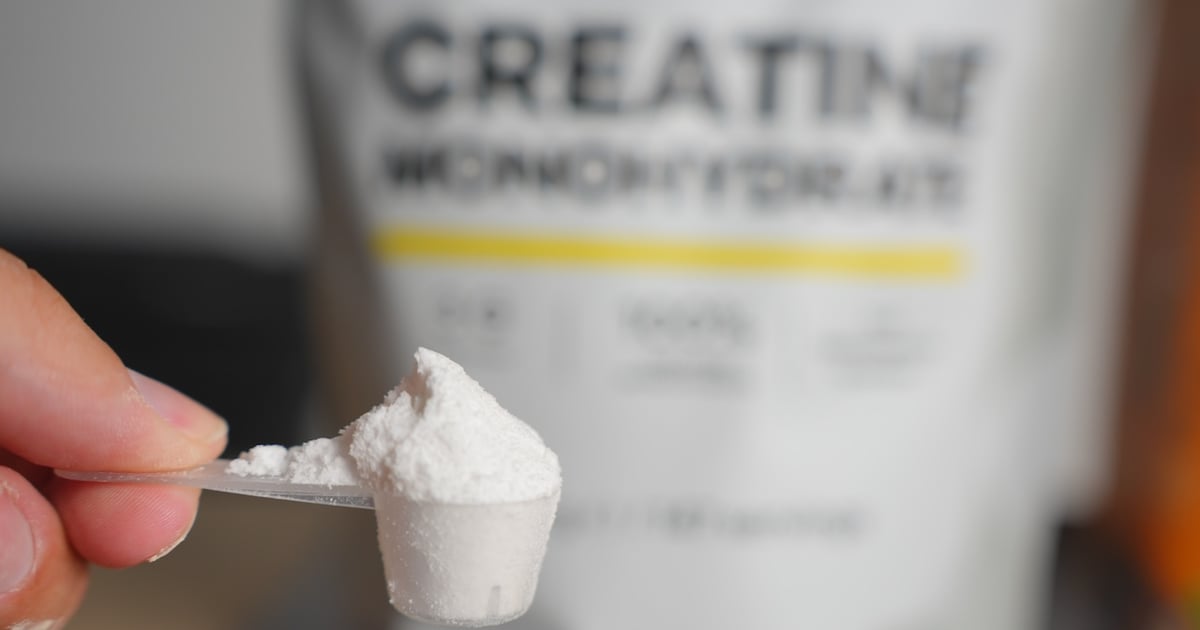
Creatine HMB combo benefits older adult strength
Creatine is popping up everywhere, from new innovations at SupplySide Global to emerging research on the beneficial effects for women in all life stages. And the sales data support this observation. Nutrition Business Journal estimates total creatine sales will top $10 million in 2026 and reach an annual growth of 7-8% between 2025 and 2028, according to analyst Erika Craft.
Creatine aligns perfectly with a key consumer concern – loss of muscle mass. From being a possible side effect of GLP-1 (glucagon-like peptide-1) medications to an aging concern, muscle mass and strength are trending in dietary supplements well outside of the sports nutrition category.

For this reason, researchers in Spain investigated the impact of creatine and beta-hydroxy-beta-methylbutyrate (HMB, a metabolite of leucine) supplementation on body composition and functional strength in older adults.
Why is research on creatine, muscle strength and healthy aging important?
Nutrition experts widely regard creatine as a top nutritional strategy for improving muscle strength, in combination with strength training, for individuals ranging from the average to elite athletes and beyond.
Another ingredient – beta-hydroxy-beta-methylbutyrate, or HMB – also supports muscle mass, although the gains are modest and HMB does not result in significant body composition improvements.
However, little data exist to show how the combination of creatine and HMB impacts strength in older adults. Research on the benefits of creatine and HMB supplementation in an aging population presents a compelling opportunity for the dietary supplement industry to support healthy aging.
What is the key takeaway from this creatine + HMB study?
Older adults can support healthy aging by coupling creatine and HMB supplementation with strength training. This strategy helps preserve functional strength and improve quality of life.
What active ingredients were studied?
A combination of creatine monohydrate (CM) and beta-hydroxy-beta-methylbutyrate (HMB).
What were the details of the clinical trial?
-
Design: Randomized, double-blind, placebo-controlled crossover trial.
-
Study size: 30 physically active adults aged 60 years or older (20 men and 10 women).
-
Length: Two 6-week periods with a 3-week washout in between.
-
Dosage: 3 grams CM plus 3 grams HMB. Sachets with active ingredients were mixed with yogurt or fruit juice and consumed daily shortly before bedtime.
-
Outcomes measured: Functional strength assessment, including handgrip strength, isometric leg and back strength and isometric arm flexion strength; body composition, including height, body mass, body mass index (BMI), fat mass and muscle mass; and nutritional evaluation via food frequency questionnaires.
-
Integral physical conditioning (IPC): All subjects participated in four supervised IPC sessions per week, including exercise circuits and high-intensity interval training (HIIT).
What were the results?
Participants experienced decreases in fat mass and fat percentage when supplementing with CM and HMB and underwent slight increases in functional strength measurements. “Improvements were largely independent of changes in muscle mass, supporting a potential neuromuscular mechanism,” the authors noted.
How does this build upon prior research?
This study is the first glimpse into how co-supplementation of creatine and HMB benefits older populations. Prior research shows creatine supplementation benefits vascular health and supports cognition in older adults, in addition to supporting muscle strength and lean body mass.
Researchers found HMB supplementation attenuated muscle atrophy brought on by inactivity in a rat model, indicating the potential benefit of HMB in older individuals. However, to date, there are no data suggesting HMB provides benefits in individuals with sarcopenia.
While the current clinical trial was small and limited the ability to detect sex-specific effects of creatine and HMB supplementation, the results provide a clear basis for designing future clinical trials. The authors noted that direct neuromuscular measurements should be used in further studies to confirm functional improvements were because of neuromuscular mechanisms and independent of muscle mass changes.









Share this article: