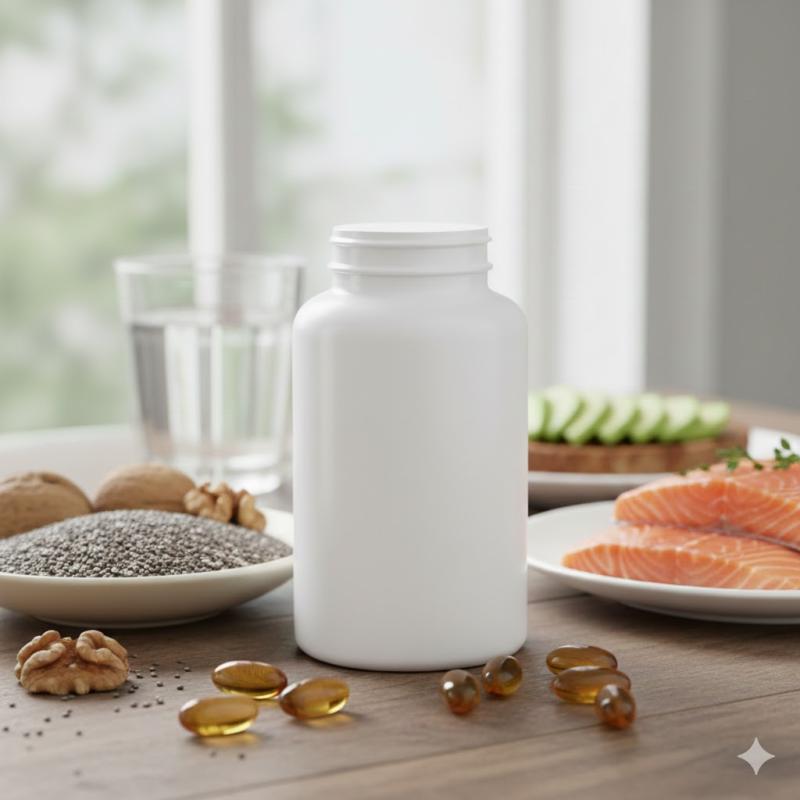
The main category of Dietary Supplements News Articles.
You can use the search box below to find what you need.
[wd_asp id=1]
The main category of Dietary Supplements News Articles.
You can use the search box below to find what you need.
[wd_asp id=1]
Marks & Spencer is launching a range of foods tailored to people taking weight-loss injections as use of the drugs accelerates in the UK.
The new range of 20 “nutrient-dense” products from the retailer is aimed at customers taking GLP-1 weight-loss medications, as supermarkets increasingly adapt to the impact the drugs are having on shopping baskets.
The range will go on sale in M&S foodhalls from January 5 and includes salads, meals and bread designed to deliver high levels of fibre, vitamins and minerals in smaller portions.
There has been a dramatic rise in the use of GLP-1 drugs in the UK. Online searches and private prescriptions have increased sharply, driven by their effectiveness for weight loss and widespread media attention. About 1.5 million people in the UK are now estimated to be accessing GLP-1 treatment privately, while NHS England prescriptions for the injections have risen by around 900 per cent since 2020.
GLP-1 medications — known formally as glucagon-like peptide-1 (GLP-1) receptor agonists — were originally developed to treat type 2 diabetes by helping to regulate blood sugar. In recent years, drugs such as semaglutide (sold as Ozempic for diabetes and Wegovy for weight loss) and tirzepatide (sold as Mounjaro) have surged in popularity for their weight-loss effects, as they suppress appetite, slow digestion and signal fullness to the brain.
• Our writers’ share tips for 2026, plus last year’s winners and losers
Nutrient-dense foods are those that provide a concentrated source of vitamins, minerals, fibre, healthy fats and protein relative to their calorie content. M&S said the range was developed by its nutritionists in consultation with the British Nutrition Foundation, using criteria that ensure each product delivers more nutrients per mouthful.
M&S said the new range had been developed to address the nutritional challenges that can arise when people eat less, whether due to medication, age or lifestyle. A reduced appetite can make it harder to consume enough fibre and essential nutrients, increasing the risk of deficiencies and digestive side effects such as constipation.
Grace Ricotti, M&S head of food nutrition, said: “Our nutrient-dense range is perfect for customers looking to support their health as each recipe is packed with the key nutrients we all need in our diets.
“With the increase in popularity of weight-loss injections, a reduced appetite can mean missing out on important nutrients and that’s why nutrient density is so important.
“These new meals, snacks and drinks can help everyone get more fibre, vitamins and minerals in their diet.”
Supermarkets and consumer goods companies are increasingly catering to households using the drugs. Morrisons was the first UK supermarket to announce a dedicated “GLP-1 friendly” range, developed with sports nutrition brand Applied Nutrition, under its “Small & Balanced” banner. Nestlé, the consumer goods giant, has launched a frozen food brand in the US aimed at GLP-1 users, while Haleon, the British multinational consumer healthcare company, has introduced a multivitamin designed to help replenish nutrients for people eating less.
The trend is expected to accelerate further as GLP-1 medications move beyond injections. Tablet versions are beginning to reach the market, with US regulators approving an oral version of Wegovy and rival pills expected to follow, potentially widening access to the drugs.
While the drugs are approved for diabetes and obesity treatment, clinicians have raised concerns about the number of people accessing them outside clinical pathways for cosmetic weight loss. The long-term consequences of widespread use are still being studied, particularly as lower calorie intake can increase the risk of nutrient deficiencies if diets are not carefully managed.
A new matcha and tea café, Unique Green Tea, has opened in Downtown Bellevue, introducing AI-powered beverage preparation to the local tea scene. The café is located at 308 105th Avenue Northeast and marks the brand’s first location in Washington state.
Unique Green Tea is currently in a soft opening period through January 2, with its grand opening scheduled for January 3.
The location was previously occupied by Chicha San Chen, which has since moved to Bellevue Square. Prior to that, the space housed Aqua S., a premium soft serve shop.
Founded in 2024 by Taiwan’s beverage group Sharetea, Unique Green Tea operates as a franchise business and is designed around a modern tea concept that integrates AI brewing technology. The system allows each drink to be prepared in approximately seven seconds while maintaining consistent quality.
The café’s menu includes pure tea, milk tea, Uji matcha, fruit tea, tea espresso, and smoothies.
The brand’s signature beverage, Fifteen Jasmine Flowers Green Tea, is crafted using a traditional triple scenting method, infusing the aroma of 15 real jasmine flowers into each cup. Additional popular offerings include Osmanthus Light Oolong, Red Oolong, and Peach Oolong.

Many people with diabetes or prediabetes try supplements to help control their blood sugar. However, some supplements can change how prescription diabetes drugs work—either by lowering blood sugar too much, or by affecting how much your body absorbs the drug.
Berberine can add to metformin’s effects, meaning stronger glucose-lowering and gastrointestinal (GI) effects
Berberine (from plants such as Berberis) has blood sugar (glucose)-lowering effects and is sometimes used as a “natural” alternative to metformin.
Studies and reviews have shown similar mechanisms between berberine and metformin. For example, both can help reduce the amount of glucose produced by your liver. This can lead to additive or synergistic effects when taken together, so your blood sugar may drop too low. The similar effects also mean that GI side effects can be worsened.
Talk to your healthcare provider before planning to take berberine. If you are also taking metformin or another glucose-lowering medication, you may need to closely monitor your blood sugar levels and review your dosing with your provider.
Cinnamon can increase the risk of low blood sugar when combined with medications.
Cinnamon and cinnamon extracts have been reported in multiple trials and reviews to modestly lower fasting glucose and hemoglobin A1c (average blood sugar level over two or three months) in some people.
This effect means that cinnamon supplements can enhance the glucose-lowering effect of prescription medications, such as sulfonylureas or insulin, especially when taken in concentrated form rather than as a sprinkle of the spice.
Clinical evidence is mixed, but caution is warranted. “Natural” doesn’t mean harmless, and you should check your blood glucose more often if you start taking a cinnamon supplement.
Unpredictable effects mean ginseng may increase or decrease the effect of prescription diabetes medications.
Different ginseng preparations (e.g., American, Asian) and study designs produce inconsistent results, but studies show that ginseng can affect insulin secretion, glucose uptake, and postprandial (after a meal) glucose.
In individuals already taking oral blood sugar-lowering drugs or insulin, ginseng may have the potential to cause additive glucose-lowering effects, which can lead to hypoglycemia (too low blood sugar), or alter their responses to these medications.
Commercial ginseng products can vary widely in potency and formulation. Be sure to consult with your healthcare provider before starting this supplement.
St. John’s wort may change drug metabolism, affecting how much of your diabetes medications get absorbed.
St. John’s wort increases the activity of CYP3A4 (a drug-metabolizing enzyme in the body) and certain drug transporters (proteins responsible for drug absorption, distribution, and elimination). As a result, it can reduce the blood levels of medications that share these pathways. For this reason, it is notorious for interacting with many different medications.
While many diabetes drugs do not get broken down by the CYP3A4 enzyme, St. John’s wort has been shown to alter the way metformin works in your body in at least one trial. It can also interact with many other medications.
Because of its unpredictability with interactions, it’s recommended to avoid combining St. John’s wort with complex medication regimens without supervision from your healthcare provider.
Aloe vera can lower glucose and interact with diabetes medications.
Aloe vera has been studied for its effects on processes that contribute to high blood sugar levels. Studies suggest that it may be beneficial in reducing fasting glucose and hemoglobin A1c levels, particularly in stabilizing blood sugar levels after meals.
However, the extent to which aloe vera affects blood sugar levels is unknown. Tell your healthcare provider if you are taking an aloe vera supplement. Keep in mind that aloe vera formulations also vary, and some can cause side effects, such as GI upset.
Chromium supplementation has shown modest improvements in insulin sensitivity and hemoglobin A1c in some studies. Other studies have shown benefit only in people with poor nutritional status or already low chromium levels.
Because chromium can enhance insulin action, using it with a prescription blood sugar-lowering drug can raise the risk of hypoglycemia, especially if the doses are higher than those found in multivitamins.
According to the Food and Drug Administration (FDA) and the Institute of Medicine, it is safe when taken at a dose of 200 micrograms daily for up to six months.
Keep in mind, chromium supplements may also carry side effect risks like GI upset or headaches. Caution should be used if you have kidney or liver issues. Talk to your healthcare provider about whether chromium supplements may be beneficial for you.
Always inform your healthcare provider and/or pharmacist about any supplements and include them on your list of medications—even “natural” ones—so medication dosing and monitoring plans can be adjusted as needed.
:max_bytes(150000):strip_icc()/Sara-Hoffman-64e77a9b62a4429ab3e195392820aa9a.jpg)
The popularity of matcha continues to boom. But recent videos on social media have suggested it could be bad for you if you have low iron.
One Sydney woman recently told media she had “no idea” her daily matcha latte could affect her health until she started experiencing headaches, and noticed her hair and nails were brittle and she was bruising easily. Blood tests found she was severely low in iron.
Similar videos on TikTok show women in hospital getting iron transfusions — and blaming their matcha habit.
So, let’s unpack this. How healthy is matcha? And can it really cause low iron?
Matcha is a fine powder made from dried and ground-up green tea (Camellia sinensis) leaves. It has recently gained popularity as a drink and a flavor variety in many different foods.
Matcha contains many beneficial compounds (for example, dietary fiber and polyphenols) as well as being a source of caffeine.
Including matcha, or green tea, as part of a balanced diet may provide health benefits such as supporting healthy brain function and blood pressure.
However despite its health benefits, research has shown that drinking a lot of green tea is linked to lower levels of iron in the blood.
Iron is an essential micronutrient that helps transport oxygen around the body, as well as supporting many other important biological processes.
Our bodies can’t make iron, so we need to get it from our diet to support these functions. But even if we eat a lot of iron-rich foods, other things in our diet — such as coffee, red wine, calcium-rich foods and yes, matcha — can interfere with absorbing the iron.
So people with low iron levels need to be careful.
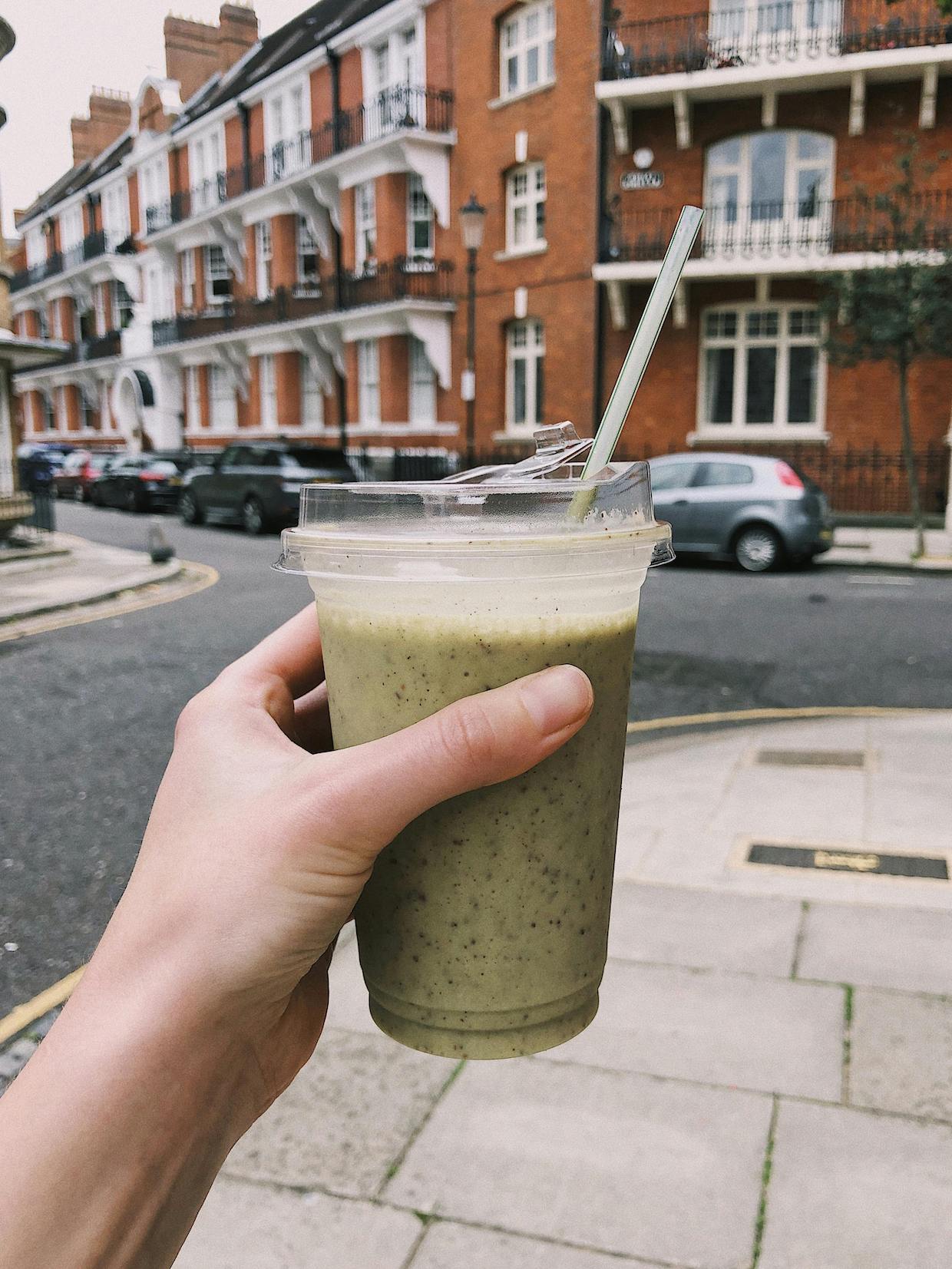
In particular, women who menstruate have an increased risk of low iron because of iron lost through bleeding.
You may have an iron deficiency if your iron falls below certain levels – typically for adults, less than 30 micrograms of iron per liter of blood. There are different cutoffs for children.
Iron deficiency anemia is a condition where very low levels of iron affect the functioning of red blood cells. It is diagnosed based on levels of hemoglobin in the blood (these cutoffs vary by age, sex and pregnancy status).
There are two main components in green tea that stop us absorbing iron. These are polyphenols and phytic acid (also known as phytate).
Both polyphenols and phytic acid have their own health benefits, for example, protecting against chronic diseases such as type 2 diabetes. But they also bind to iron and prevent it from being absorbed into the body.
So, if you have a lot of food or drink that contains these components — especially in combination with iron-rich foods — they can reduce iron absorption.
However, it’s not only matcha that can interfere. Phytic acids are also found in other teas and many plant foods, such as nuts, cereals and legumes. Tea, coffee, berries, and other fruits and vegetables are also high in polyphenols.
This varies between people.
One study showed people who drink three or more cups of green tea a day had lower blood iron levels than those who drink less than one a day. But they didn’t experience iron deficiency any more often.
However other research has linked moderate green tea consumption (two cups a day) to iron deficiency anaemia.
Whether or not your matcha latte will contribute to an iron deficiency depends on many other factors, including your existing iron levels.
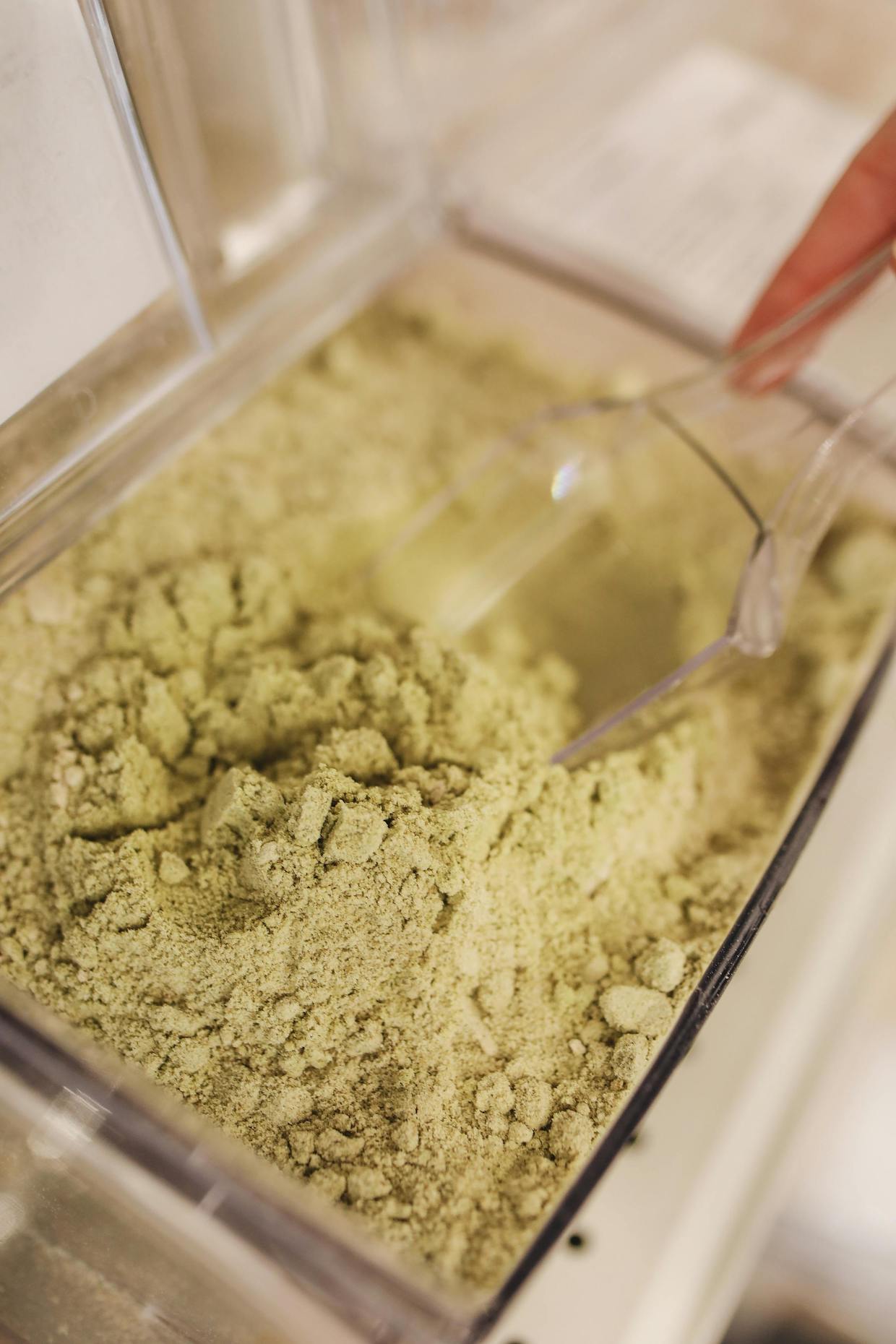
So, what about matcha-flavored foods?
In these — for example, matcha ice cream — the actual amount of green tea powder is very low. This means it’s unlikely to significantly affect iron absorption.
But it’s not just about quantity — when you drink your matcha also matters.
To reduce the impact on iron absorption, it’s recommended you have green tea separately from meals — at least one hour between eating and drinking tea.
Multiple other factors in your diet can influence iron absorption. What you eat may either exacerbate or counteract the effects of your matcha latte on iron absorption.
Overall, balance is key to ensure you are getting the full spectrum of nutrients the body requires.
To support iron levels, you can incorporate iron-rich foods (such as beans, lentils, meat, fish and fortified cereals) into a healthy diet.
Eating vitamin C-rich foods (such as capsicum, broccoli, kiwifruit and other fruit and vegetables) along with foods that contain iron can help to enhance iron absorption.
If you are concerned about your iron levels, you should speak to a health-care professional — especially if experiencing symptoms of iron deficiency (such as tiredness, weakness or dizziness).
A blood test can diagnose low iron levels. If you have an iron deficiency, your GP or dietitian will help you manage symptoms and work out what is right for you.
Notes
Margaret Murray
Margeret Murray is a Senior Lecturer, Nutrition, Swinburne University of Technology



Marks & Spencer is launching a range of foods tailored to people taking weight-loss injections as use of the drugs accelerates in the UK.
The new range of 20 “nutrient-dense” products from the retailer is aimed at customers taking GLP-1 weight-loss medications, as supermarkets increasingly adapt to the impact the drugs are having on shopping baskets.
The range will go on sale in M&S foodhalls from January 5 and includes salads, meals and bread designed to deliver high levels of fibre, vitamins and minerals in smaller portions.
There has been a dramatic rise in the use of GLP-1 drugs in the UK. Online searches and private prescriptions have increased sharply, driven by their effectiveness for weight loss and widespread media attention. About 1.5 million people in the UK are now estimated to be accessing GLP-1 treatment privately, while NHS England prescriptions for the injections have risen by around 900 per cent since 2020.
GLP-1 medications — known formally as glucagon-like peptide-1 (GLP-1) receptor agonists — were originally developed to treat type 2 diabetes by helping to regulate blood sugar. In recent years, drugs such as semaglutide (sold as Ozempic for diabetes and Wegovy for weight loss) and tirzepatide (sold as Mounjaro) have surged in popularity for their weight-loss effects, as they suppress appetite, slow digestion and signal fullness to the brain.
• Our writers’ share tips for 2026, plus last year’s winners and losers
Nutrient-dense foods are those that provide a concentrated source of vitamins, minerals, fibre, healthy fats and protein relative to their calorie content. M&S said the range was developed by its nutritionists in consultation with the British Nutrition Foundation, using criteria that ensure each product delivers more nutrients per mouthful.
M&S said the new range had been developed to address the nutritional challenges that can arise when people eat less, whether due to medication, age or lifestyle. A reduced appetite can make it harder to consume enough fibre and essential nutrients, increasing the risk of deficiencies and digestive side effects such as constipation.
Grace Ricotti, M&S head of food nutrition, said: “Our nutrient-dense range is perfect for customers looking to support their health as each recipe is packed with the key nutrients we all need in our diets.
“With the increase in popularity of weight-loss injections, a reduced appetite can mean missing out on important nutrients and that’s why nutrient density is so important.
“These new meals, snacks and drinks can help everyone get more fibre, vitamins and minerals in their diet.”
Supermarkets and consumer goods companies are increasingly catering to households using the drugs. Morrisons was the first UK supermarket to announce a dedicated “GLP-1 friendly” range, developed with sports nutrition brand Applied Nutrition, under its “Small & Balanced” banner. Nestlé, the consumer goods giant, has launched a frozen food brand in the US aimed at GLP-1 users, while Haleon, the British multinational consumer healthcare company, has introduced a multivitamin designed to help replenish nutrients for people eating less.
The trend is expected to accelerate further as GLP-1 medications move beyond injections. Tablet versions are beginning to reach the market, with US regulators approving an oral version of Wegovy and rival pills expected to follow, potentially widening access to the drugs.
While the drugs are approved for diabetes and obesity treatment, clinicians have raised concerns about the number of people accessing them outside clinical pathways for cosmetic weight loss. The long-term consequences of widespread use are still being studied, particularly as lower calorie intake can increase the risk of nutrient deficiencies if diets are not carefully managed.
Marks & Spencer is launching a range of foods tailored to people taking weight-loss injections as use of the drugs accelerates in the UK.
The new range of 20 “nutrient-dense” products from the retailer is aimed at customers taking GLP-1 weight-loss medications, as supermarkets increasingly adapt to the impact the drugs are having on shopping baskets.
The range will go on sale in M&S foodhalls from January 5 and includes salads, meals and bread designed to deliver high levels of fibre, vitamins and minerals in smaller portions.
There has been a dramatic rise in the use of GLP-1 drugs in the UK. Online searches and private prescriptions have increased sharply, driven by their effectiveness for weight loss and widespread media attention. About 1.5 million people in the UK are now estimated to be accessing GLP-1 treatment privately, while NHS England prescriptions for the injections have risen by around 900 per cent since 2020.
GLP-1 medications — known formally as glucagon-like peptide-1 (GLP-1) receptor agonists — were originally developed to treat type 2 diabetes by helping to regulate blood sugar. In recent years, drugs such as semaglutide (sold as Ozempic for diabetes and Wegovy for weight loss) and tirzepatide (sold as Mounjaro) have surged in popularity for their weight-loss effects, as they suppress appetite, slow digestion and signal fullness to the brain.
• Our writers’ share tips for 2026, plus last year’s winners and losers
Nutrient-dense foods are those that provide a concentrated source of vitamins, minerals, fibre, healthy fats and protein relative to their calorie content. M&S said the range was developed by its nutritionists in consultation with the British Nutrition Foundation, using criteria that ensure each product delivers more nutrients per mouthful.
M&S said the new range had been developed to address the nutritional challenges that can arise when people eat less, whether due to medication, age or lifestyle. A reduced appetite can make it harder to consume enough fibre and essential nutrients, increasing the risk of deficiencies and digestive side effects such as constipation.
Grace Ricotti, M&S head of food nutrition, said: “Our nutrient-dense range is perfect for customers looking to support their health as each recipe is packed with the key nutrients we all need in our diets.
“With the increase in popularity of weight-loss injections, a reduced appetite can mean missing out on important nutrients and that’s why nutrient density is so important.
“These new meals, snacks and drinks can help everyone get more fibre, vitamins and minerals in their diet.”
Supermarkets and consumer goods companies are increasingly catering to households using the drugs. Morrisons was the first UK supermarket to announce a dedicated “GLP-1 friendly” range, developed with sports nutrition brand Applied Nutrition, under its “Small & Balanced” banner. Nestlé, the consumer goods giant, has launched a frozen food brand in the US aimed at GLP-1 users, while Haleon, the British multinational consumer healthcare company, has introduced a multivitamin designed to help replenish nutrients for people eating less.
The trend is expected to accelerate further as GLP-1 medications move beyond injections. Tablet versions are beginning to reach the market, with US regulators approving an oral version of Wegovy and rival pills expected to follow, potentially widening access to the drugs.
While the drugs are approved for diabetes and obesity treatment, clinicians have raised concerns about the number of people accessing them outside clinical pathways for cosmetic weight loss. The long-term consequences of widespread use are still being studied, particularly as lower calorie intake can increase the risk of nutrient deficiencies if diets are not carefully managed.
Marks & Spencer is launching a range of foods tailored to people taking weight-loss injections as use of the drugs accelerates in the UK.
The new range of 20 “nutrient-dense” products from the retailer is aimed at customers taking GLP-1 weight-loss medications, as supermarkets increasingly adapt to the impact the drugs are having on shopping baskets.
The range will go on sale in M&S foodhalls from January 5 and includes salads, meals and bread designed to deliver high levels of fibre, vitamins and minerals in smaller portions.
There has been a dramatic rise in the use of GLP-1 drugs in the UK. Online searches and private prescriptions have increased sharply, driven by their effectiveness for weight loss and widespread media attention. About 1.5 million people in the UK are now estimated to be accessing GLP-1 treatment privately, while NHS England prescriptions for the injections have risen by around 900 per cent since 2020.
GLP-1 medications — known formally as glucagon-like peptide-1 (GLP-1) receptor agonists — were originally developed to treat type 2 diabetes by helping to regulate blood sugar. In recent years, drugs such as semaglutide (sold as Ozempic for diabetes and Wegovy for weight loss) and tirzepatide (sold as Mounjaro) have surged in popularity for their weight-loss effects, as they suppress appetite, slow digestion and signal fullness to the brain.
• Our writers’ share tips for 2026, plus last year’s winners and losers
Nutrient-dense foods are those that provide a concentrated source of vitamins, minerals, fibre, healthy fats and protein relative to their calorie content. M&S said the range was developed by its nutritionists in consultation with the British Nutrition Foundation, using criteria that ensure each product delivers more nutrients per mouthful.
M&S said the new range had been developed to address the nutritional challenges that can arise when people eat less, whether due to medication, age or lifestyle. A reduced appetite can make it harder to consume enough fibre and essential nutrients, increasing the risk of deficiencies and digestive side effects such as constipation.
Grace Ricotti, M&S head of food nutrition, said: “Our nutrient-dense range is perfect for customers looking to support their health as each recipe is packed with the key nutrients we all need in our diets.
“With the increase in popularity of weight-loss injections, a reduced appetite can mean missing out on important nutrients and that’s why nutrient density is so important.
“These new meals, snacks and drinks can help everyone get more fibre, vitamins and minerals in their diet.”
Supermarkets and consumer goods companies are increasingly catering to households using the drugs. Morrisons was the first UK supermarket to announce a dedicated “GLP-1 friendly” range, developed with sports nutrition brand Applied Nutrition, under its “Small & Balanced” banner. Nestlé, the consumer goods giant, has launched a frozen food brand in the US aimed at GLP-1 users, while Haleon, the British multinational consumer healthcare company, has introduced a multivitamin designed to help replenish nutrients for people eating less.
The trend is expected to accelerate further as GLP-1 medications move beyond injections. Tablet versions are beginning to reach the market, with US regulators approving an oral version of Wegovy and rival pills expected to follow, potentially widening access to the drugs.
While the drugs are approved for diabetes and obesity treatment, clinicians have raised concerns about the number of people accessing them outside clinical pathways for cosmetic weight loss. The long-term consequences of widespread use are still being studied, particularly as lower calorie intake can increase the risk of nutrient deficiencies if diets are not carefully managed.
Leander, Texas and Tokyo, Japan – Dec.31.2025
As per DataM intelligence research report” The Global Fatty Acids Supplement Market is expected to grow at a high CAGR during the forecast period (2024-2031).” Heart health awareness and nutritional supplementation trends are driving fatty acid demand.
Download your exclusive sample report today: (corporate email gets priority access):
https://www.datamintelligence.com/download-sample/fatty-acids-supplement-market?prasad
Japan: Recent Industry Developments
✅ In December 2025, Suntory Wellness launched a “DHA & EPA + Sesamin EX” for cognitive support. The premium supplement combines fatty acids with antioxidants for anti-aging. It is a top-selling product for Japan’s silver generation.
✅ In November 2025, Nippon Suisan (Nissui) introduced a “Sports EPA” jelly for athletes. The product promotes muscle recovery and endurance using readily absorbable EPA. It expands the usage of fatty acids into the Japanese sports nutrition sector.
✅ In October 2025, DHC Corporation released a “Krill Oil” supplement with high phospholipid content. The product markets the superior absorption of krill-bound fatty acids. It differentiates from traditional fish oils in the Japanese market.
✅ In September 2025, A Japanese baby food company launched a DHA supplement for pregnant women. The product emphasizes the importance of maternal DHA for fetal brain development. It supports the health of the next generation in Japan.
United States: Recent Industry Developments
✅ In November 2025, Nordic Naturals launched a “Clinical Omega-3” with enhanced absorption technology. The formulation uses emulsification to improve EPA/DHA uptake in the body. It offers a more potent option for U.S. consumers managing heart health.
✅ In October 2025, Wiley’s Finest introduced a “Sustainable Catch” line sourced from Alaskan Pollock. The product highlights the low carbon footprint and traceability of domestic U.S. fish. It appeals to eco-conscious supplement buyers.
✅ In September 2025, Amway (Nutrilite) released a plant-based omega-3 supplement from chia and algae. The product provides a complete fatty acid profile for vegan consumers. It supports the growing plant-based lifestyle market in the U.S.
✅ In August 2025, The GOED organization released a report on the rising demand for high-concentrate omegas. The trend shows U.S. consumers shifting from standard fish oil to pharmaceutical-grade concentrates. It drives innovation in purification technologies.
Fatty Acids Supplement Market: Drivers
The fatty acids supplement market is expanding due to rising awareness of heart and brain health. Omega-3 and omega-6 supplements support preventive healthcare. Growing aging population drives demand. Technological advancements improve bioavailability. Increasing use in dietary supplements fuels growth. Healthcare recommendations support adoption.
Rising focus on fitness and nutrition boosts consumption. Product diversification enhances market appeal. Expansion of nutraceutical distribution channels supports growth. Regulatory approvals strengthen consumer confidence. Emerging markets show strong demand potential. Fatty acid supplements remain key to nutritional wellness.
Get Customization in the report as per your requirements: https://www.datamintelligence.com/customize/fatty-acids-supplement-market?prasad
Fatty Acids Supplement Market: Major Players
Croda International, DSM, Clover Corporation, Omega Protein Corporation, Natural, Swanson, BASF, Orkla Health, BIOCARE and Epax Norway.
Segment Covered in the Fatty Acids Supplement Market:
By Source
The market is segmented into Marine Oil 50%, Algal Oil 30%, and Plant Seeds Oil 20%. Marine oil dominates due to high concentration of EPA and DHA, established supply chains, and strong consumer awareness of its cardiovascular and cognitive health benefits. Algal oil is gaining traction as a sustainable, plant-based source of Omega-3 for vegetarians and vegans. Plant seed oils are used in Omega-3 enriched functional foods and nutraceutical formulations.
By Product Type
Product types include Omega-3 70% and Omega-6 30%.
Omega-3 dominates due to its well-documented health benefits, wide availability in dietary supplements, and growing adoption in functional foods, infant formulas, and pharmaceuticals. Omega-6 is used in specialized nutritional applications and functional formulations, but its market share remains smaller compared to Omega-3.
By Application
Applications include Dietary Supplements 50%, Functional Food & Beverages 30%, and Pharmaceuticals & Infant Formula 20%. Dietary supplements dominate due to ease of consumption, growing awareness of heart and brain health, and strong retail and e-commerce presence. Functional foods and beverages are expanding with fortification trends. Pharmaceuticals and infant formulas leverage fatty acids for clinical nutrition and infant development.
Regional Analysis
North America – 35% Share
North America leads with 35% share, driven by high consumer awareness, strong nutraceutical industry, and growing health-conscious population in the U.S. and Canada. Dietary supplements and fortified foods dominate regional demand.
Europe – 25% Share
Europe holds 25% share, supported by increasing demand for preventive healthcare, widespread adoption of Omega-3 supplements, and strong regulatory frameworks in Germany, France, and the UK.
Asia Pacific – 25% Share
Asia Pacific accounts for 25% share, driven by rising health awareness, growing middle-class population, and increasing infant formula and functional food consumption in China, India, and Japan.
Latin America – 10% Share
Latin America represents 10% share, fueled by increasing nutraceutical adoption and rising focus on preventive healthcare in Brazil, Mexico, and Argentina.
Middle East & Africa – 5% Share
Middle East & Africa account for 5% share, supported by growing awareness of dietary supplements, rising disposable income, and expansion of modern retail channels in UAE, Saudi Arabia, and South Africa.
Purchase this report before year-end and unlock an exclusive 30% discount:
https://www.datamintelligence.com/buy-now-page?report=fatty-acids-supplement-market
(Purchase 2 or more Repots and get 50% Discount)
Request for 2 Days FREE Trial Access:
https://www.datamintelligence.com/reports-subscription?prasad
✅ Competitive Landscape
✅ Technology Roadmap Analysis
✅ Sustainability Impact Analysis
✅ KOL / Stakeholder Insights
✅ Consumer Behavior & Demand Analysis
✅ Import-Export Data Monitoring
✅ Live Market & Pricing Trends
Have a look at our Subscription Dashboard:
https://www.youtube.com/watch?v=x5oEiqEqTWg
Contact Us –
Company Name: DataM Intelligence
Contact Person: Sai Kiran
Email: Sai.k@datamintelligence.com
Phone: +1 877 441 4866
Website: https://www.datamintelligence.com
About Us –
DataM Intelligence is a Market Research and Consulting firm that provides end-to-end business solutions to organizations from Research to Consulting. We, at DataM Intelligence, leverage our top trademark trends, insights and developments to emancipate swift and astute solutions to clients like you. We encompass a multitude of syndicate reports and customized reports with a robust methodology.
Our research database features countless statistics and in-depth analyses across a wide range of 6300+ reports in 40+ domains creating business solutions for more than 200+ companies across 50+ countries; catering to the key business research needs that influence the growth trajectory of our vast clientele.
This release was published on openPR.
Marks & Spencer is launching a range of foods tailored to people taking weight-loss injections as use of the drugs accelerates in the UK.
The new range of 20 “nutrient-dense” products from the retailer is aimed at customers taking GLP-1 weight-loss medications, as supermarkets increasingly adapt to the impact the drugs are having on shopping baskets.
The range will go on sale in M&S foodhalls from January 5 and includes salads, meals and bread designed to deliver high levels of fibre, vitamins and minerals in smaller portions.
There has been a dramatic rise in the use of GLP-1 drugs in the UK. Online searches and private prescriptions have increased sharply, driven by their effectiveness for weight loss and widespread media attention. About 1.5 million people in the UK are now estimated to be accessing GLP-1 treatment privately, while NHS England prescriptions for the injections have risen by around 900 per cent since 2020.
GLP-1 medications — known formally as glucagon-like peptide-1 (GLP-1) receptor agonists — were originally developed to treat type 2 diabetes by helping to regulate blood sugar. In recent years, drugs such as semaglutide (sold as Ozempic for diabetes and Wegovy for weight loss) and tirzepatide (sold as Mounjaro) have surged in popularity for their weight-loss effects, as they suppress appetite, slow digestion and signal fullness to the brain.
• Our writers’ share tips for 2026, plus last year’s winners and losers
Nutrient-dense foods are those that provide a concentrated source of vitamins, minerals, fibre, healthy fats and protein relative to their calorie content. M&S said the range was developed by its nutritionists in consultation with the British Nutrition Foundation, using criteria that ensure each product delivers more nutrients per mouthful.
M&S said the new range had been developed to address the nutritional challenges that can arise when people eat less, whether due to medication, age or lifestyle. A reduced appetite can make it harder to consume enough fibre and essential nutrients, increasing the risk of deficiencies and digestive side effects such as constipation.
Grace Ricotti, M&S head of food nutrition, said: “Our nutrient-dense range is perfect for customers looking to support their health as each recipe is packed with the key nutrients we all need in our diets.
“With the increase in popularity of weight-loss injections, a reduced appetite can mean missing out on important nutrients and that’s why nutrient density is so important.
“These new meals, snacks and drinks can help everyone get more fibre, vitamins and minerals in their diet.”
Supermarkets and consumer goods companies are increasingly catering to households using the drugs. Morrisons was the first UK supermarket to announce a dedicated “GLP-1 friendly” range, developed with sports nutrition brand Applied Nutrition, under its “Small & Balanced” banner. Nestlé, the consumer goods giant, has launched a frozen food brand in the US aimed at GLP-1 users, while Haleon, the British multinational consumer healthcare company, has introduced a multivitamin designed to help replenish nutrients for people eating less.
The trend is expected to accelerate further as GLP-1 medications move beyond injections. Tablet versions are beginning to reach the market, with US regulators approving an oral version of Wegovy and rival pills expected to follow, potentially widening access to the drugs.
While the drugs are approved for diabetes and obesity treatment, clinicians have raised concerns about the number of people accessing them outside clinical pathways for cosmetic weight loss. The long-term consequences of widespread use are still being studied, particularly as lower calorie intake can increase the risk of nutrient deficiencies if diets are not carefully managed.