The main category of Dietary Supplements News Articles.
You can use the search box below to find what you need.
[wd_asp id=1]
The main category of Dietary Supplements News Articles.
You can use the search box below to find what you need.
[wd_asp id=1]
Image: https://www.abnewswire.com/upload/2025/12/2fee3b7977733613714b146305a1f72e.jpg
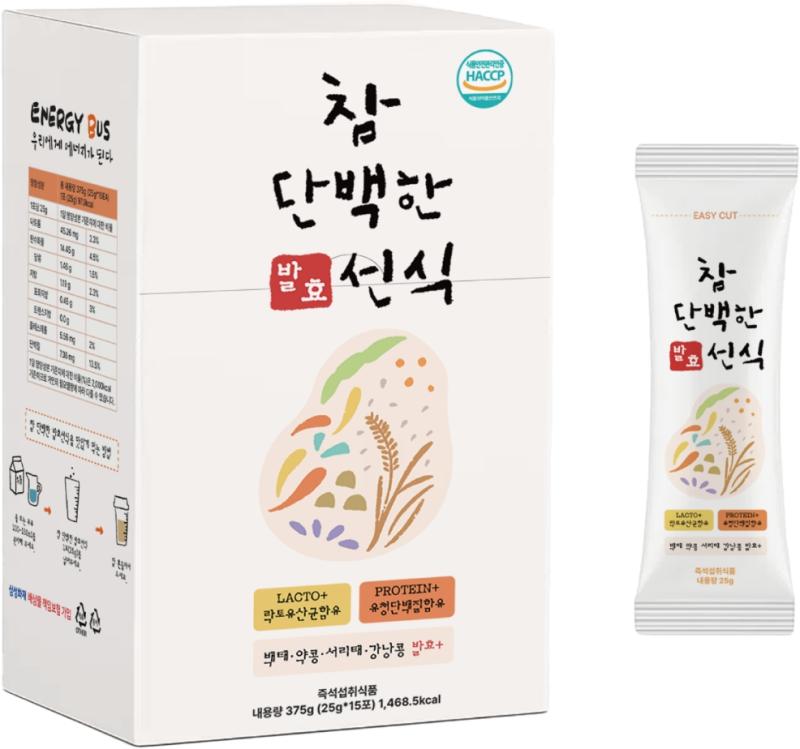
Energy B us offers easy, healthy meal replacements for the contemporary lifestyle, rooted in our philosophy of “making nature’s little grains into our huge energy.” The latest offering comes in single-serving powder sticks and includes customer-preferred grains with improved nutritional balance, satisfying both convenience and dietary requirements.
The feature product “Charm Protein Grain Powder” contains 19 types of grains that have been steamed, roasted, and ground to bring out the smooth taste of subtle flavors, and it is complete with proteins, minerals, and probiotics to meet the nutritional needs of a full meal. Four types of fermented beans in “Charm Protein Fermented Grain Powder” make it easy to digest, with more protein and a nutty, umami taste.
Image: https://www.abnewswire.com/upload/2025/12/0e0e4dc90c579446b8159a2769be53e8.jpg
The protein supplements lineup also received a boost. The “Classic Cacao” combines animal and plant proteins in a 6:4 ratio with Dutch cocoa to create a balance of taste and nutrition. The “Classic Black Bean” boasts the unique flavor of Korean black beans, along with vitamins, minerals, and probiotics, making a complete, balanced meal. The new products are available on Energy B us’s official online store.
Taeseong Food’s official said that they “use carefully selected ingredients and balance nutritional design to capture the true energy of each little grain” and added that they “will continue to offer new products that would help consumers make healthier choices in their daily lives.”
Media Contact
Company Name: Taeseong Food
Contact Person: Haegu, Chang
Email:Send Email [https://www.abnewswire.com/email_contact_us.php?pr=energy-b-us-launching-meal-supplements-with-growninkorea-grainbased-protein-and-vitamins]
City: Seoul
Country: South Korea
Website: https://www.coupang.com/vp/products/9254601785?itemId=27376108723&vendorItemId=94342000015&q=%EC%B0%B8%EB%8B%A8%EB%B0%B1%ED%95%9C%EC%84%A0%EC%8B%9D&searchId=929192b0890971&sourceType=search&itemsCount=36&searchRank=1&rank=1&traceId=mjlgquh1
Legal Disclaimer: Information contained on this page is provided by an independent third-party content provider. ABNewswire makes no warranties or responsibility or liability for the accuracy, content, images, videos, licenses, completeness, legality, or reliability of the information contained in this article. If you are affiliated with this article or have any complaints or copyright issues related to this article and would like it to be removed, please contact retract@swscontact.com
This release was published on openPR.
Many of us have made our list of resolutions for the New Year, and some of those resolutions involve health and fitness. We’ve decided to get healthy and believe that the answers lie in exercise, diet, social interaction for mental health — and vitamin supplements.
Of those, the one that puts up red flags is the vitamin supplements. If we don’t know what we’re doing, however, we can cause problems because what we take might be unsafe.
National Institutes of Health has explored the topic — https://tinyurl.com/Supplements-for-Older-Adults — and the site is full of caveats and warnings.
To be considered:
• If you’re hunting for supplement information on the internet or by watching TV ads, be wary about who is behind it. Do they have a reason — such as profit — for promoting a certain supplement?
• Remember that more is not necessarily better. Too much “more” of any supplement might be harmful to you.
Check the NIH dietary supplement database at dsld.od.nih.gov. They have over 200,000 supplements listed, and you can search by product, brand or ingredient.
Before you start taking supplements, talk to your doctor. You might be advised to make some adjustments to your diet instead, or they might know of a reason in your medical profile that indicates a certain supplement could cause problems for you.
The NIH also recommends looking at the Dietary Guidelines for Americans, 2020-2025, a free publication online at https://tinyurl.com/Make-Every-Bite-Count. There is a whole section for older adults.
When it comes to our prescription drugs, we need to be aware there, as well. To check for any interactions with drugs you are taking, go to drugs.com, click “Drugs Interaction Checker” and enter the drug name. You’ll get a result that shows any interactions, as well as warnings, side effects and uses of the drug.
Here’s to a healthy 2026 — with or without vitamin supplements!
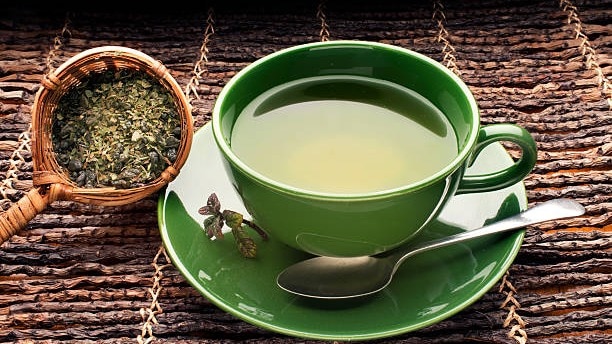
NEW DELHI-India’s food safety regulator has tightened the rules on what can be officially called “tea”, making it clear that only products made from the plant Camellia sinensis can use the word on their labels.
In a directive, the Food Safety and Standards Authority of India (FSSAI) said that many food business operators are wrongly using the term “tea” for herbal infusions and plant-based drinks that are not made from Camellia sinensis. According to the regulator, this practice is misleading consumers and amounts to misbranding.
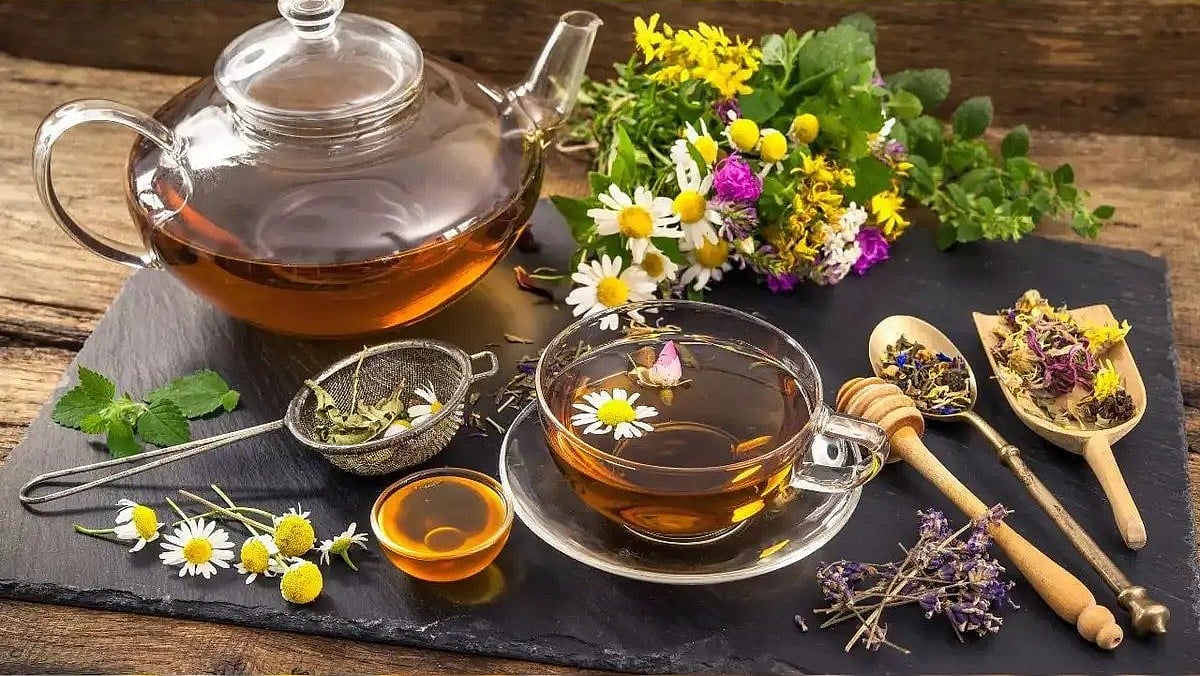
The FSSAI said it found several products in the market being sold as “Rooibos tea”, “herbal tea” and “flower tea”, even though these beverages are not derived from the tea plant. The authority clarified that such products do not meet the legal definition of tea and therefore cannot be marketed using that name.
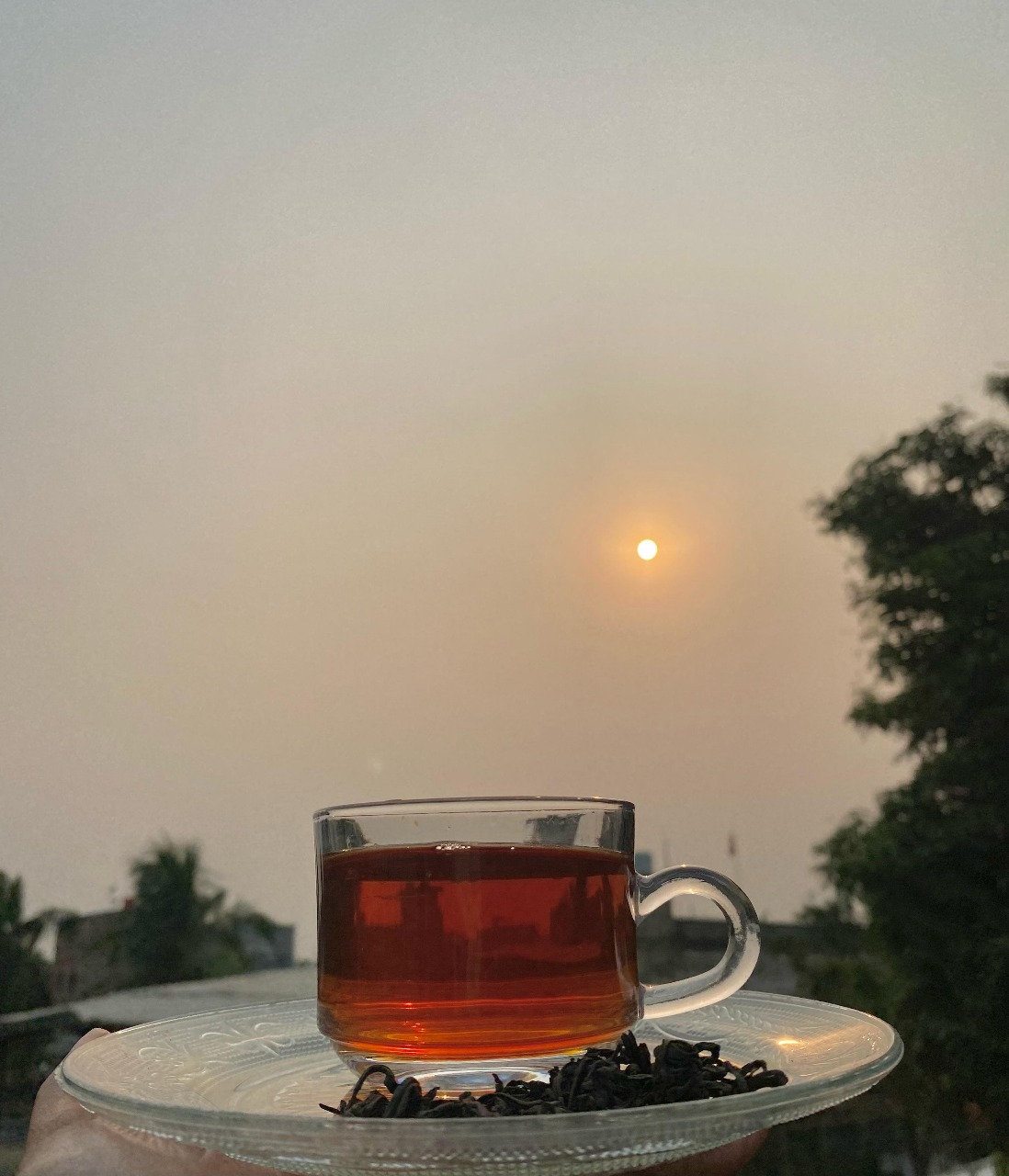
As per existing regulations, only infusions made from Camellia sinensis qualify as tea. This includes well-known varieties such as green tea, Kangra tea and instant tea. Any drink made from other plants, herbs or flowers does not fall under this category.
The regulator has warned all food business operators, to stop using the word “tea” directly or indirectly for products that are not derived from Camellia sinensis. Failure to comply, it said, will be treated as a violation of food safety laws. (IANS)
Many health-conscious people start their day by taking supplements and vitamins as part of their morning routine, right alongside breakfast or a cup of coffee. They do it to boost energy, immunity, bone strength, or overall wellness.
Creatine is one such supplement that has become a common staple in supplement aisles. It has reputation of being something only necessary for people who work out heavily.
Athletes use it to sprint harder, lift heavier, and recover faster, so plenty of people treat it as a “gym thing.” In simple terms, creatine acts like a quick-charge backup system for cells that burn through energy fast.
Cells run on energy every second of every day, then they spend it in a form called Adenosine triphosphate (ATP).
ATP works as the main “spendable” energy molecule, but cells burn through it quickly during intense exercise, illness, missed sleep, or other high-demand stress.
Creatine helps by storing energy in phosphocreatine, which can help rebuild ATP when demand spikes. This setup works as a “quick-recharge system.”
One report also links this backup to cell protection during metabolic stress, when tissues need fast energy support to stay stable.
People still ask, “Is creatine safe?” A major safety analysis led by a long-time creatine researcher focuses on results from controlled scientific studies instead of word-of-mouth warnings.
According to Dr. Richard Kreider, a professor and director of the Exercise & Sport Nutrition Lab at Texas A&M University, creatine is crucial for human bodies to function at full capacity.
“When the body is stressed, like in exercise or under metabolic conditions like some diseases, creatine phosphate is needed to maintain energy in the cell, and therefore has a lot of protective and health benefits, in addition to the exercise performance effects that have been seen,” explained Kreider, who has spent more than 30 years studying creatine.
In a comprehensive study, Kreider’s team reviewed hundreds of clinical trials and compared side effects in people who took creatine with people who took a placebo. They did not see meaningful differences in side-effect rates between the groups.
Many of the loudest claims of side effects come as personal stories: “My friend felt bloated,” “Someone online said it hurt kidneys,” “A coach warned me about cramps.”
Kreider’s study refutes those claims, showing that creatine can actually help the body hold onto more fluid, and that may reduce cramping in some situations. People vary, but the strongest evidence does not match the most common fears.
Your body can make creatine from amino acids and move it through the bloodstream to tissues that need quick energy support. Kreider’s study puts that internal production at about one gram each day.
However, the recommended daily amount is to get two to four grams of creatine per day, depending on muscle mass and activity levels.
“You only get about a gram of creatine per pound of red meat or fish, like salmon, so it’s expensive and takes a lot of calories to get a gram,” Kreider noted.
That is a lot of food if your main goal is simply to raise creatine intake, which helps explain why creatine supplements exist.
Vegetarians and vegans often start with lower creatine stores because they get little creatine through diet, so they may see a more noticeable benefit when they supplement.
A separate study from Virginia Tech explains that creatine plays a vital role in the brain’s energy system, but it also points to effects beyond “energy.”
“Creatine is very crucial for energy-consuming cells in skeletal muscle throughout the body, but also in the brain and in the heart,” said Chin-Yi Chen, a research scientist at Virginia Tech’s Fralin Biomedical Research Institute.
Chen is working with a research team that is developing a new way to send creatine directly into the brain using focused ultrasound.
The project takes place in the lab of Cheng-Chia “Fred” Wu, an assistant professor at the Fralin Biomedical Research Institute.
The human brain works nonstop. Neurons fire, support cells keep the chemical environment steady, and energy demand stays high from morning to night.
Creatine can influence neurotransmitter systems, especially pathways involving GABA, a major inhibitory neurotransmitter that helps prevent neurons from becoming overly excitable.
This fact is important because brain function depends on both steady fuel and balanced signaling. When neurons lose either one, circuits can misfire or struggle to adapt.
That helps explain why many studies associate creatine with learning, memory, brain development, and seizure control.
The brain sits behind the blood-brain barrier, a tight filter built from cells that line brain blood vessels. It blocks many toxins and pathogens from reaching brain tissue, and that protection saves lives. It can also limit access for helpful compounds.
Wu’s study at Virginia Tech describes people with creatine deficiency disorders who can improve muscle mass and body weight with supplements, yet still struggle with neurodevelopmental challenges.
These include difficulties with speech, reading, or writing because the brain does not receive enough creatine through normal routes.
That challenge puts the creatine delivery system at the center of their work. The researchers describe a project that uses therapeutic focused ultrasound to temporarily open access across the blood-brain barrier in a precise, targeted way.
Focused ultrasound uses carefully aimed sound waves to create a short window that can let treatments reach specific brain areas without damaging nearby healthy tissue.
The report notes that the lab has explored focused ultrasound approaches in other contexts, such as pediatric brain cancer, and now sees potential for creatine deficiency conditions as well.
Despite strong scientific evidence, Kreider says people have misunderstood creatine for years and often spread false claims about it.
He is one of the members of the International Society of Sports Nutrition who recently signed a letter stating that creatine is safe and effective and calling on policymakers not to limit public access to it.
“There’s absolutely no data supporting any negative side effect anecdotally reported about creatine on the internet and in the media,” Kreider enthused. “Creatine is safe, and it’s important for everybody, not just bodybuilders and athletes.”
The work keeps moving from “Does it work?” to “Can we deliver it where it’s needed most?” That question changes the discussion from sports performance to medical delivery, where the details of human biology decide what happens next.
—–
Like what you read? Subscribe to our newsletter for engaging articles, exclusive content, and the latest updates.
Check us out on EarthSnap, a free app brought to you by Eric Ralls and Earth.com.
—–
NEW DELHI: The Food Safety and Standards Authority of India (FSSAI) has written to the Food Commissioners of all States and Union Territories, directing officers to monitor Food Business Operators regarding the use of the term ‘Tea’ on packaging & labelling.
The FSSAI has clarified that only beverages made from Camellia sinensis, such as Kangra tea, green tea, and instant tea, may be labelled ‘tea’. Using the term “herbal” or “plant-based” for infusions is considered misleading and misbranding.
According to the provision, only beverages derived from Camellia sinensis, including Kangra Tea, Green Tea & Instant Tea, may be labelled as Tea. Using the term for other herbal or plant-based infusions is misleading & amounts to misbranding, under the provisions of the Food Safety and Standards Act, 2006.
“Food Business Operators, including E-commerce engaged in manufacturing, packing, marketing, import or sale of such products, are directed to comply with the provisions of the Food Safety and Standards Regulation and refrain from using the term ‘Tea’ for any products not derived from Camellia sinensis,” the letter states.
“It is clarified that, as per standards specified under 2.10.1 of the Food Safety and Standards (Food Product Standards and Food Additives Regulations, 2011, Tea (including Kangra Tea, Green Tea and Instant Tea in solid form) shall be exclusively from the plant of the Camellia sinensis,” it added.
The letter also specified that every package must display the food name on the front, indicating the true nature of the contents.
“Sub-regulation (1) of regulation 5 of Food Safety and Standards (Labelling and Display) Regulations, 2020 specified that every package shall carry the name of the food, which indicates the true nature of the food contained in the package, on the Front of Pack,” it said.
The letter further outlines the repercussions of non-compliance with the provisions of the Food Safety and Standards Act, 2006.
“In case of non-compliance, necessary action shall be initiated as per the provisions of the Food Safety and Standards Act, 2006, and the rules/regulations made thereunder,” thye letter explained.
This move aims to ensure transparency and accuracy in food labelling, protecting consumers from confusion. Manufacturers must comply with these guidelines to avoid penalties. (ANI)
Also Read: HM Amit Shah declares Madhya Pradesh future hub for MSMEs
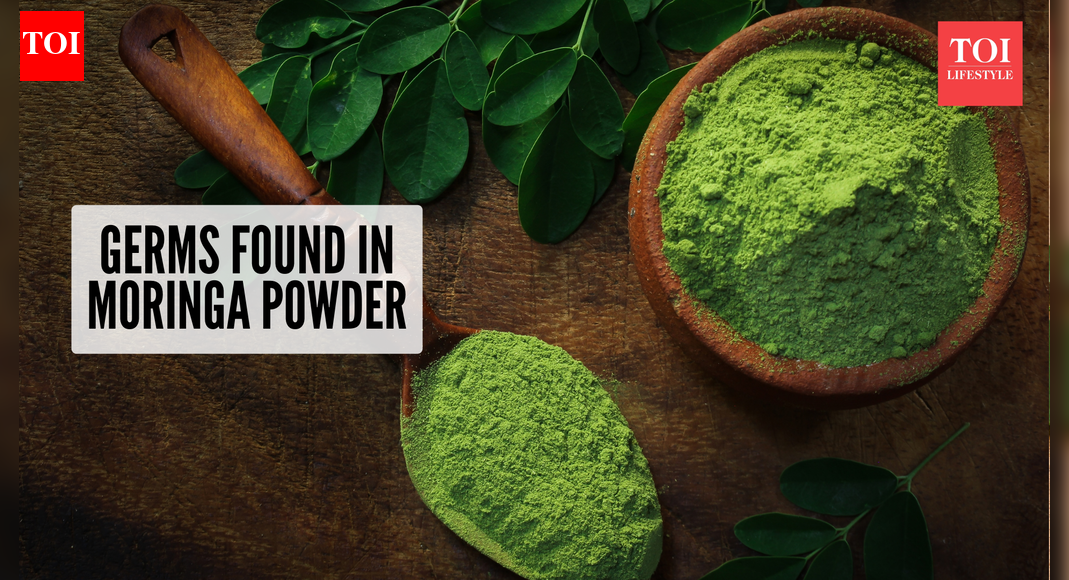
Moringa leaf powder is a very well-known natural health booster. It is added to smoothies, teas, and supplements for its vitamins and minerals. But recent investigations by the CDC and FDA show a troubling side. Some moringa leaf powders were contaminated with harmful germs, including Salmonella, E. coli, and parasites. These microbes can affect health, especially when the powder is eaten raw. Here’s what we need to know about the contamination and how it affects our health.
Tests linked several moringa leaf powder products to Salmonella Richmond, a bacteria that causes food poisoning. Health experts also warn that poor handling of dried leaves can allow E. coli and parasites to survive. These germs usually come from contaminated water, soil, or unhygienic processing. Drying the leaves does not always kill them, especially if safety checks are weak.
Between May 12 and September 4, 2025, 11 people across seven US states fell sick with Salmonella Richmond. Three required hospital care. No deaths were reported, but experts believe many more cases went uncounted. Most affected people had consumed powdered dietary supplements containing moringa leaf powder.
Salmonella attacks the gut. Symptoms usually start within six hours to six days after eating contaminated food. Common signs include diarrhea, fever, stomach cramps, and vomiting. For older adults, children, and people with weak immunity, the infection can spread to the blood and become life-threatening. Even healthy adults can feel drained for weeks after recovery.
E. coli can cause severe stomach pain and watery or bloody diarrhea. Some strains may damage the kidneys, especially in children. Parasites, though harder to detect, can live in dried plant products for long periods. They may cause long-lasting digestive issues, weight loss, and nutrient deficiencies. These effects often appear slowly, making the source hard to trace.
Powders have a large surface area, which helps germs spread evenly through the product. Many people add moringa powder directly to food without cooking it. This skips the heat step that could kill bacteria.
“Natural” does not always mean “safe.” Leaf powders need the same care as any other food. Buying trusted brands, checking recall notices, and avoiding raw consumption during outbreaks can reduce risk. If symptoms like fever and severe diarrhoea appear after using such supplements, medical advice should be sought quickly. Early care often prevents complications.Disclaimer: This article is for general awareness and information only. It does not replace medical advice, diagnosis, or treatment. Anyone experiencing symptoms after consuming dietary supplements should consult a qualified healthcare professional promptly.
Guwahati: For years, Indian tea consumers browsing supermarket shelves or online stores have encountered a confusing mix of labels such as herbal tea, flower tea and detox tea, often displayed alongside traditional black or green tea. A new clarification issued by India’s food regulator now aims to put an end to that ambiguity.
In an order dated December 24, the Food Safety and Standards Authority of India (FSSAI) ruled that the word “tea” can be used only for products made from Camellia sinensis, the plant from which all true teas—black, green, oolong, white and pu-erh—are derived. Herbal, floral and other plant-based infusions, the regulator said, cannot be marketed as tea.
The clarification goes beyond a technical change in labelling. According to FSSAI, the use of the term tea for products not derived from Camellia sinensis is misleading and amounts to misbranding under the Food Safety and Standards Act, 2006. The move is intended to ensure that when consumers purchase a product labelled as tea, they are clearly informed about what they are consuming, including its characteristic flavour profile, caffeine content and biochemical properties.
Botanically and scientifically, Camellia sinensis (L.) Kuntze is an evergreen perennial shrub belonging to the family Theaceae. Its young leaves and buds are the sole source of all true tea consumed worldwide. The plant naturally contains compounds such as catechins, theaflavins, caffeine and L-theanine, which together give tea its taste, aroma and physiological effects. Beverages made from other plants may offer their own benefits, but in scientific and regulatory terms they are classified as infusions or tisanes, not tea.
The ruling comes at a time when India’s wellness beverage market is expanding rapidly, with many herbal and functional drinks borrowing the cultural and commercial credibility of tea in their branding. FSSAI’s clarification draws a clear distinction between traditional tea and wellness infusions without restricting the sale of the latter. Such products can continue to be marketed, provided they are accurately described on labels in accordance with the Food Safety and Standards (Labelling and Display) Regulations, 2020.
The organised tea industry has welcomed the decision, describing it as long-overdue clarity for both consumers and producers. “We are very happy with this much-needed clarification from FSSAI,” said Bidyananda Barkakoty, Adviser to the North Eastern Tea Association (NETA). “This definition of tea removes ambiguity from consumers’ minds and helps clear clutter and confusion in the marketplace.” He added that the Indian regulator’s position is consistent with global practice, noting that even the U.S. Food and Drug Administration recognises only beverages derived from Camellia sinensis as tea.
Under existing regulations, non-tea infusions cannot use the word “tea” in any form, direct or indirect. Depending on their composition, such products may need to be classified as proprietary foods or obtain approval under separate food safety regulations. The directive applies across the supply chain, covering manufacturers, importers, retailers and e-commerce platforms, with state food safety authorities responsible for enforcement.
For consumers, the impact is straightforward: clearer labels, reduced confusion and greater transparency about what is actually in their cup.
Market Overview:
The Gut Microbiota Supplement Market is expected to reach at a Significant CAGR during the forecast period 2024-2031.
The Gut Microbiota Supplement Market report, published by DataM Intelligence, provides in-depth insights and analysis on key market trends, growth opportunities, and emerging challenges. Committed to delivering actionable intelligence, DataM Intelligence empowers businesses to make informed decisions and stay ahead of the competition. Through a combination of qualitative and quantitative research methods, it offers comprehensive reports that help clients navigate complex market landscapes, drive strategic growth, and seize new opportunities in an ever-evolving global market.
Get a Free Sample PDF Of This Report (Get Higher Priority for Corporate Email ID): https://datamintelligence.com/download-sample/gut-microbiota-supplement-market?sz
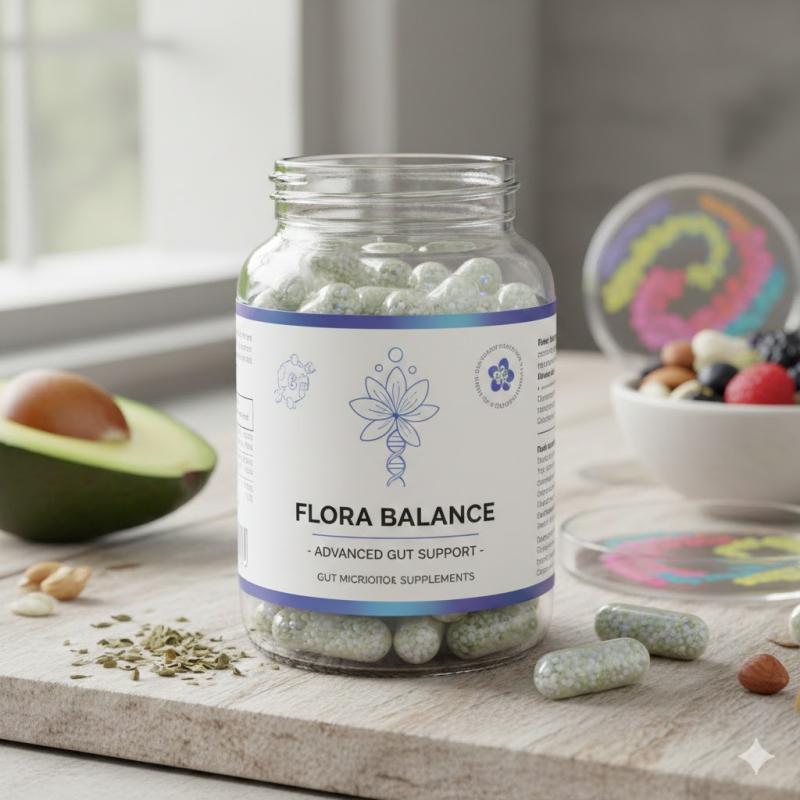
The Gut Microbiota Supplement Market refers to dietary products formulated with probiotics, prebiotics, postbiotics, and synbiotics designed to support and balance intestinal microorganisms. These supplements help improve digestion, immunity, metabolic health, and overall well-being, and are widely used in preventive healthcare, clinical nutrition, and functional food applications across diverse age groups.
Recent Key Developments of United States:
✅ December 2025: MICAREA launched a postbiotic product on December 9 with claims for monocyte and T-cell immune support, capitalizing on surging demand for approved gut-immune supplements.
✅ November 2025: Nutraceutical research highlighted Japan’s status as a market hotspot for gut microbiota innovations, with studies linking low BMI to reduced microbiota diversity and recommending pre/probiotic supplementation.
✅ October 2025: Immune health functional foods, including postbiotics, achieved record notifications with Japan’s Consumer Affairs Agency (CAA), totaling 14 Foods with Function Claims (FFCs) by early December under updated PRISMA guidelines.
Recent Key Developments of Europe:
✅ December 2025: The European supplements market analysis projected strong 2025 growth in probiotics and postbiotics, fueled by pharmacy networks and consumer focus on preventive digestive wellness in key markets like Germany and Italy.
✅ November 2025: Probiota 2025 conference emphasized breakthrough trends like microbiome individuality and next-gen biotics, boosting interest in precision gut health supplements across Europe.
✅ October 2025: Probiotic supplements sales in the EU reached USD 2,521.3 million, driven by post-pandemic gut health awareness and Lactobacillus strains dominating 35% of formulations for digestive applications.
List of the Key Players in the Gut Microbiota Supplement Market:
Nestlé S.A.
Chr. Hansen Holding A/S
Danone S.A.
Procter & Gamble Co.
Chr. Hansen Holding A/S
BioGaia AB
Yakult Honsha Co., Ltd.
Probi AB
DuPont Nutrition & Biosciences
Lallemand Inc.
Kerry Group plc
Speak to Our Analyst and Get Customization in the report as per your requirements: https://datamintelligence.com/customize/gut-microbiota-supplement-market?sz
This Report Covers:
✔ Go-to-market Strategy.
✔ Neutral perspective on the market performance.
✔Development trends, competitive landscape analysis, supply side analysis, demand side analysis, year-on-year growth, competitive benchmarking, vendor identification, and other significant analysis, as well as development status.
✔Customized regional/country reports as per request and country level analysis.
✔ Potential & niche segments and regions exhibiting promising growth covered.
✔ Analysis of Market Size (historical and forecast), Total Addressable Market (TAM), Serviceable Available Market (SAM), Serviceable Obtainable Market (SOM), Market Growth, Technological Trends, Market Share, Market Dynamics, Competitive Landscape and Major Players (Innovators, Start-ups, Laggard, and Pioneer).
Segments Covered in the Gut Microbiota Supplement Market:
By Ingredient: Lactobacillus, Bifidobacterium, Saccharomyces, Others.
By Class: Firmicutes, Bacteriodetes, Actenobacteria, Proteobacteria.
By Form: Tablets, Capsules, Powders.
By End-User: Infants & Children, Adults, Middle-Aged, Elderly.
By Distribution Channel: Supermarkets/Hypermarkets, Online Channel, Specialty Stores, Others.
Regional Analysis:
⇥ North America (U.S., Canada, Mexico)
⇥ Europe (U.K., Italy, Germany, Russia, France, Spain, The Netherlands and Rest of Europe)
⇥ Asia-Pacific (India, Japan, China, South Korea, Australia, Indonesia Rest of Asia Pacific)
⇥ South America (Colombia, Brazil, Argentina, Rest of South America)
⇥ Middle East & Africa (Saudi Arabia, U.A.E., South Africa, Rest of Middle East & Africa)
Buy Now & Get 30% OFF – Grab 50% OFF on 2+ reports: https://www.datamintelligence.com/buy-now-page?report=gut-microbiota-supplement-market
Chapter Outline
⏩ Market Overview: It contains five chapters, as well as information about the research scope, major manufacturers covered, market segments, Gut Microbiota Supplement market segments, study objectives, and years considered.
⏩ Market Landscape: The competition in the Global Gut Microbiota Supplement Market is evaluated here in terms of value, turnover, revenues, and market share by organization, as well as market rate, competitive landscape, and recent developments, transaction, growth, sale, and market shares of top companies.
⏩ Companies Profiles: The Global Gut Microbiota Supplement market’s leading players are studied based on sales, main products, gross profit margin, revenue, price, and growth production.
⏩ Market Outlook by Region: The report goes through gross margin, sales, income, supply, market share, CAGR, and market size by region in this segment. North America, Europe, Asia Pacific, Middle East & Africa, and South America are among the regions and countries studied in depth in this study.
⏩ Market Segments: It contains the deep research study which interprets how different end-user/application/type segments contribute to the Gut Microbiota Supplement Market.
⏩ Market Forecast: Production Side: In this part of the report, the authors have focused on production and production value forecast, key producers forecast, and production and production value forecast by type.
⏩ Research Findings: This section of the report showcases the findings and analysis of the report.
⏩ Conclusion: This portion of the report is the last section of the report where the conclusion of the research study is provided.
Unlock 360° Market Intelligence with DataM Subscription Services: https://www.datamintelligence.com/reports-subscription
People Also Ask:
◆ How big is the Gut Microbiota Supplement Market in 2025?
◆ What is the projected growth rate of the Gut Microbiota Supplement Market through 2033?
◆ Who are the key players in the Gut Microbiota Supplement Market?
◆ Which region is expected to dominate the industry during the forecast period?
Contact Us –
Company Name: DataM Intelligence
Contact Person: Sai Kiran
Email: Sai.k@datamintelligence.com
Phone: +1 877 441 4866
Website: https://www.datamintelligence.com
About Us –
DataM Intelligence is a Market Research and Consulting firm that provides end-to-end business solutions to organizations from Research to Consulting. We, at DataM Intelligence, leverage our top trademark trends, insights and developments to emancipate swift and astute solutions to clients like you. We encompass a multitude of syndicate reports and customized reports with a robust methodology.
Our research database features countless statistics and in-depth analyses across a wide range of 6300+ reports in 40+ domains creating business solutions for more than 200+ companies across 50+ countries; catering to the key business research needs that influence the growth trajectory of our vast clientele.
This release was published on openPR.
The Food Safety and Standards Authority of India (FSSAI) has issued a strong clarification regarding the use of the term “tea” on food packaging and labelling. According to the food regulator, only beverages made from the Camellia sinensis plant can legally be marketed as tea, effectively banning the use of the term for herbal or plant-based infusions not derived from this plant.
In a press release issued on Wednesday, FSSAI highlighted that traditional teas such as Kangra tea, green tea, and instant tea qualify under existing food safety standards. However, the term “tea” used for products like “Rooibos Tea,” “Herbal Tea,” or “Flower Tea,” which are not derived from Camellia sinensis, is misleading and amounts to misbranding under Indian law.
The regulator clarified, “As per standards specified under the Food Safety and Standards (Food Product Standards and Food Additives) Regulations, 2011, tea shall be exclusively from the plant Camellia sinensis.” It added that labeling rules mandate that every package clearly display the true nature of the food on the front.
gFSSAI’s stance is clear: using the word “tea” for any plant-based or herbal infusions not derived from Camellia sinensis is misleading and constitutes misbranding under the Food Safety and Standards Act, 2006. The body further clarified that such herbal or plant-based infusions would fall under other categories, such as proprietary foods or products covered under the Food Safety and Standards (Approval for Non-Specified Food and Food Ingredients) Regulations, 2017.
This directive applies to all Food Business Operators (FBOs), including e-commerce platforms, involved in manufacturing, packing, marketing, importing, and selling such products. FSSAI has instructed Commissioners of Food Safety across states and Union Territories, along with regional directors of the authority, to ensure strict enforcement of these rules. Businesses found in violation of these regulations will face legal action under the Food Safety and Standards Act, 2006, and related regulations.
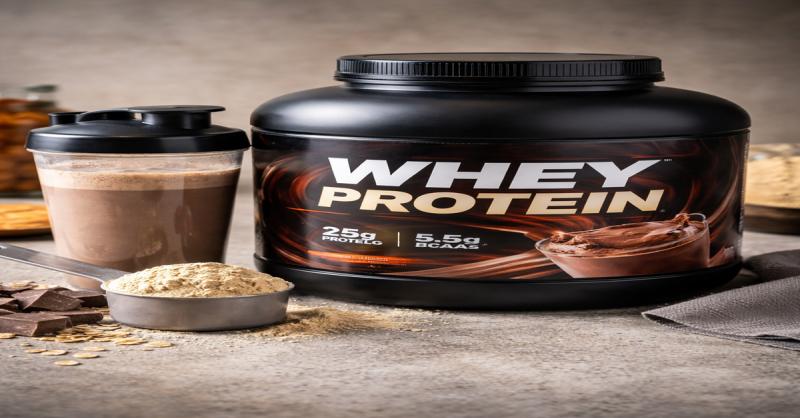
The Global “Whey Protein Market” is expected to grow at a CAGR of 7.2% during the forecast period (2024-2031). Whey proteins are derived from whey during cheese production and are known for improving athletic performance. They are an alternative to milk for lactose-intolerant people.
Whey protein is a high-quality dairy-derived protein widely used in sports nutrition, functional foods, and dietary supplements due to its rich amino acid profile and fast absorption. It supports muscle growth, recovery, weight management, and overall health, making it popular among athletes, fitness enthusiasts, and health-conscious consumers. Whey protein is available in various forms, including concentrate, isolate, and hydrolysate, each offering different purity and digestion benefits. Rising awareness of active lifestyles, protein-rich diets, and preventive health is driving global demand. With advancements in processing technologies and flavored formulations, whey protein continues to be a key ingredient in modern nutrition and wellness products.
Get a Free Sample PDF Of This Report (Get Higher Priority for Corporate Email ID):- https://www.datamintelligence.com/download-sample/whey-protein-market?praveen
Japan: Recent Industry Developments
✅ In November 2025, Japanese nutrition companies launched high-quality whey protein products tailored for muscle health, aging populations, and clinical nutrition, emphasizing purity and safety standards.
✅ In October 2025, manufacturers in Japan introduced low-lactose and easily digestible whey protein formulations, supporting digestive comfort and broader consumer adoption.
✅ In September 2025, collaborations between Japanese food companies and research institutes focused on protein fortification and bioavailability, supporting innovation in functional nutrition.
✅ In August 2025, Japanese brands expanded single-serve and ready-to-drink whey protein formats, catering to busy urban lifestyles and on-the-go nutrition needs.
United States: Recent Industry Developments
✅ In November 2025, U.S. whey protein manufacturers launched high-purity whey protein isolates and hydrolysates targeting sports nutrition, clinical nutrition, and weight management applications. This strengthens the U.S. position in premium protein ingredients.
✅ In October 2025, U.S.-based nutrition companies expanded production of clean-label and grass-fed whey protein, responding to growing consumer demand for natural, minimally processed supplements.
✅ In September 2025, American brands introduced ready-to-mix and flavored whey protein formulations with improved solubility and digestibility, enhancing consumer convenience and product appeal.
✅ In August 2025, U.S. food and beverage manufacturers increased incorporation of whey protein into functional foods, including protein bars, beverages, and dairy alternatives, expanding market penetration.
Global: Recent Industry Developments
✅ In 2025, global demand for whey protein increased due to rising interest in sports nutrition, active lifestyles, and healthy aging across developed and emerging markets.
✅ In 2025, manufacturers worldwide introduced plant-enhanced and hybrid protein blends combining whey with functional ingredients, addressing diverse nutritional preferences.
✅ In 2024-2025, advancements in protein processing, filtration technologies, and flavor masking improved product quality, digestibility, and global adoption.
✅ In 2025, partnerships between dairy producers, nutrition brands, and food manufacturers strengthened global supply chains and innovation pipelines in the whey protein market.
Key Merges and Acquisitions(2025):
✅ Glanbia Nutritionals – strengthened its whey protein portfolio in 2025 by acquiring a specialty dairy protein manufacturer, expanding high-purity, fast-absorbing whey solutions for sports nutrition and clinical applications.
✅ Arla Foods Ingredients -expanded its functional whey protein offerings through the acquisition of an advanced filtration and processing technology company, enabling improved protein quality, solubility, and bioavailability.
✅ Global Sports Nutrition Consortium -pursued strategic acquisitions in 2025 targeting innovative whey protein startups focused on clean-label formulations, ready-to-drink protein beverages, and performance-driven nutrition to capture growing demand in the rapidly expanding global whey protein market.
Growth Drivers:
• Rising consumer focus on fitness, muscle building, weight management, and active lifestyles driving demand for whey protein products.
• Increasing adoption of high-protein diets and sports nutrition supplements among athletes and health-conscious individuals.
• Growing use of whey protein in functional foods, beverages, and clinical nutrition applications.
• Advancements in filtration, processing, and flavor technologies improving protein purity, digestibility, and taste.
• Expanding distribution through gyms, health stores, pharmacies, and e-commerce platforms, supporting broader consumer access globally.
Purchase this report before year-end and unlock an exclusive 30% discount
https://www.datamintelligence.com/buy-now-page?report=whey-protein-market?praveen
(Purchase 2 or more Reports and get 50% Discount)
Market Segmentation Analysis -Whey Protein
– By Type
Whey protein concentrate (WPC) dominates with nearly 45% share, driven by its cost-effectiveness, balanced protein content, and widespread use across sports nutrition and functional food products. Whey protein isolate (WPI) accounts for around 35%, supported by rising demand for high-protein, low-fat, and low-lactose formulations among fitness enthusiasts and health-conscious consumers. Whey protein hydrolysate (WPH) holds approximately 20%, benefiting from its fast absorption, easy digestibility, and growing adoption in clinical nutrition, infant formula, and premium sports recovery products.
– By Application
Sports and performance nutrition leads with about 40% share, fueled by increasing gym participation, endurance sports, and protein supplementation among athletes and active consumers. Functional foods and beverages account for nearly 30%, driven by incorporation of whey protein into ready-to-drink shakes, protein bars, bakery, and dairy-based products. Infant nutrition represents around 15%, supported by its high biological value and role in supporting growth and development. Clinical and medical nutrition holds approximately 10%, used for muscle wasting, elderly nutrition, and recovery diets, while other applications contribute the remaining 5%, including animal feed and specialized dietary formulations.
key players :
Agropur (Davisco Business Unit), Arla Foods, Fonterra Co-operative Group, Milk Specialties, Glanbia, Hilmar Cheese Company, Maple Island Inc., Foremost Farms, Valio Ltd, and DMK Group.
Key Highlights (3 Key Players) for Japan Craft Spirits :
– Agropur (Davisco Business Unit) generates strong revenue from whey protein ingredients, supplying high-quality whey protein isolates and concentrates for sports nutrition, clinical nutrition, and functional food applications, supported by advanced processing capabilities.
– Arla Foods drives significant revenue through its whey protein portfolio, offering functional and nutritional whey ingredients for infant nutrition, sports supplements, and food applications, leveraging cooperative milk sourcing and strong R&D expertise.
– Fonterra Co-operative Group secures substantial revenue from whey protein production, supplying premium whey protein concentrates and isolates for global nutrition, sports, and medical food markets through an extensive international distribution network.
– Milk Specialties records steady revenue from whey protein solutions, focusing on customized formulations for sports nutrition, weight management, and performance-focused dietary supplements.
– Glanbia generates robust revenue from whey protein ingredients and branded nutrition products, serving sports nutrition, lifestyle wellness, and clinical nutrition markets with science-backed formulations and global brand strength.
Speak to Our Analyst and Get Customization in the report as per your requirements
https://www.datamintelligence.com/customize/whey-protein-market?praveen
Regional Insights – Whey Protein Market
• North America holds the largest share of the global whey protein market, typically accounting for around 35-37% of total revenues. Growth is driven by strong demand from sports nutrition, functional foods, and dietary supplements, high health and fitness awareness, and well-established distribution through retail and e-commerce channels. The U.S. dominates regional consumption, with Canada contributing steadily.
• Europe represents a significant market, generally accounting for around 28-30% of global revenues. Expansion is supported by rising consumption of protein-enriched foods, increasing health-conscious populations, and strong dairy processing industries in Germany, the U.K., France, and the Netherlands.
• Asia-Pacific is the fastest-growing region, holding approximately 25-27% of the global share. Growth is fueled by rising disposable incomes, expanding fitness and wellness trends, increasing adoption of protein supplements, and growing dairy processing capacity in China, India, Japan, and Australia.
• South America accounts for around 5-6% of global revenues, driven by growing sports nutrition markets, rising awareness of protein intake, and expanding distribution in Brazil and Argentina.
• Middle East & Africa represent approximately 3-4% of the market, supported by increasing health awareness, expanding fitness culture, and growing availability of nutritional supplements in the UAE, Saudi Arabia, and South Africa.
Power your decisions with real-time competitor tracking, strategic forecasts, and global investment insights all in one place.
https://www.datamintelligence.com/reports-subscription?praveen
✅ Competitive Landscape
✅ Sustainability Impact Analysis
✅ KOL / Stakeholder Insights
✅ Unmet Needs & Positioning, Pricing & Market Access Snapshots
✅ Market Volatility & Emerging Risks Analysis
✅ Quarterly Industry Report Updated
✅ Live Market & Pricing Trends
✅ Import-Export Data Monitoring
Have a look at our Subscription Dashboard: https://www.youtube.com/watch?v=x5oEiqEqTWg
Company Name: DataM Intelligence
Contact Person: Sai Kiran
Email: Sai.k@datamintelligence.com
Phone: +1 877 441 4866
Website: https://www.datamintelligence.com
About Us –
DataM Intelligence is a Market Research and Consulting firm that provides end-to-end business solutions to organizations from Research to Consulting. We, at DataM Intelligence, leverage our top trademark trends, insights and developments to emancipate swift and astute solutions to clients like you. We encompass a multitude of syndicate reports and customized reports with a robust methodology.
Our research database features countless statistics and in-depth analyses across a wide range of 6300+ reports in 40+ domains creating business solutions for more than 200+ companies across 50+ countries; catering to the key business research needs that influence the growth trajectory of our vast clientele.
This release was published on openPR.
:quality(70)/cloudfront-us-east-1.images.arcpublishing.com/shawmedia/IGFGVSGM5ZFVJN32ZXRN654A2Y.jpg "Do we need vitamin supplements? – AgriNews")