The main category of Dietary Supplements News Articles.
You can use the search box below to find what you need.
[wd_asp id=1]
The main category of Dietary Supplements News Articles.
You can use the search box below to find what you need.
[wd_asp id=1]
She says people need to be aware of the dangers
A woman has gone viral on TikTok after revealing she was hospitalised because she started drinking matcha. In a video that’s had more than 6.2 million views, she said her “matcha obsession era” was over after she found out it caused her iron levels to plummet to dangerous levels.
Lynn Shazeen, 28, first started drinking the popular green tea six months ago, but started noticing some strange symptoms three months later, including tiredness, feeling cold and heart palpitations.
When the symptoms got worse, she went to the hospital and was put on an IV because her iron levels were dangerously low. They had almost halved what they were supposed to be, and it was all down to her matcha habit. Studies have shown that matcha stops the body from absorbing iron, which can cause you to become anaemic.
“It [the matcha] was the only change I had made to my diet and daily routine. Myself and my doctor worked through every possibility but it became clear that the matcha was the cause,” she told The Mirror.
@lynnshazeen Lesson learnt 🫠 #matcha #matchatok #anemic #lowiron #matchalover
“I had been dealing with some inflammation so my doctor had suggested that I adjust my diet. Matcha, and green tea in general, is known for its anti-inflammatory properties so I decided to start drinking one once a week or so.
“I noticed I kept feeling a lot colder and more tired than usual but I had no idea what it was until I got the tests done. As soon as I saw that my iron levels had dropped from 23 to 13, I knew immediately that it was the matcha that had caused it.”
On TikTok, Lynn explained that she had to have an iron transfusion because the matcha had lowered her iron levels so much. She urged everyone to look out for the warning signs of an iron deficiency, including tiredness, lack of energy, shortness of breath, pale skin and heart palpitations.
@lynnshazeen Replying to @Domi There’s ways to go about It babes 🥺🫶🏾 #matcha #matchatok #anemic #lowiron #matchalover
“Matcha contains tannins that bond to non-heme iron, which is the form of iron found in plants, and can in turn block your body’s ability to absorb the mineral,” nutritional therapist Farzanah Nasser told Vogue. “Matcha also contains catechins, which are powerful antioxidants and can interfere with your iron intake.”
Lynn is a health professional herself, so said she “stayed calm,” but the whole situation was still very “worrying”. She’s now stopped drinking matcha altogether and only drinks normal tea. The 28-year-old also has to take iron pills and vitamin C tablets.
For more like this, like The Tab on Facebook.
Featured image by: @lynnshazeen/TikTok
Ingredients by Nature has announced the results of a study on its triple-patented, lemon flavonoid blend, Eriomin, as a nutritional adjunct to metformin.
Eriomin is a standardised citrus flavonoid blend primarily composed of eriocitrin.
It holds three US patents and represents a promising adjunct for pharmaceutical developers, healthcare practitioners, dietary supplement manufacturers and food and beverage formulators.
The research, published in Frontiers in Nutrition, is a groundbreaking clinical trial that demonstrated Eriomin was a safe and effective nutritional adjunct to metformin in the early management of hyperglycaemia.
The 26-week, double-blind, randomised, placebo-controlled crossover study, involving 71 prediabetic men and women (aged 18–65), tested daily supplementation of 250 mg of Eriomin alongside metformin (1000 mg/day).
The results demonstrated improved postprandial glucose metabolism, including a 5% reduction in 2-h OGTT glucose and preservation of active GLP-1 levels.
In contrast, the placebo group exhibited a decline in GLP-1 and increased insulin resistance.
The Eriomin group also showed a 12% reduction in TNF-α, a 7.5% increase in plasma antioxidant capacity (FRAP) and modest but significant decreases in body weight, fat mass and BMI.
Additionally, systolic blood pressure in this group was reduced by 4%, potentially owing to improved antioxidant status and higher dietary potassium intake.
Rob Brewster, President at Ingredients by Nature, said: “We are thrilled with the outcome of this clinical research. Frequently, there are concerns that medications or supplements might adversely impact each other when taken in conjunction.”
“This study may offer assurances that no adverse interactions were seen when taken by otherwise healthy but metabolically sensitive individuals.”
“This is the fourth published human clinical study conducted on Eriomin, further backing its significant positive effects in supporting glycaemic control, metabolic markers, GLP-1 levels and antioxidant status.”
Set up by Carl Marks, Harrison King and Nonu Dadlani, the start-up will be launching products in the whey protein, electrolytes, and creatine categories.
Examples include Protein Matrix 100% Whey (in Dutch Chocolate and Vanilla), Electrolyte Hydration Formula (Tropical Berry), Advanced Power Pre-Workout (in Watermelon and Blue Ice), and Pure Monohydrate Creatine Powder (Unflavoured).
Although there is a common perception that protein supplements are consumed by elite athletes, Marks and King believe that protein supplements could become a “much bigger staple” in everyday life in Hong Kong.
At the moment, there is already a growing emphasis on health and fitness in Hong Kong, where people are trying to be more active and conscious of the way they are living.
“As the trend grows and as people go through their fitness journeys, they’d need the supplements to help them, and this is where PPN is going to come in. Our core products are meant to maximize the understanding of supplementation and their performance,” Marks told NutraIngredients.
The growth potential can also be gleaned from a growing number of run clubs and fitness gyms.
“If you look at the number of run clubs and fitness gyms that have opened in Hong Kong over the past year, we will be targeting a variety of different groups. Our brand isn’t just for one set of people and our products are for everyone,” he added.
At the same time, the duo said that there were awareness gaps in protein and creatine supplements that needed to be addressed to increase consumer uptake in Hong Kong.
“A big thing for us is education. We want to empower our consumers with the knowledge on why and how to use our products the right way to benefit from them,” Marks said.
An example of an awareness gap is using protein powder as a meal replacement instead of using it to improve their protein intake.
“One thing we are definitely focusing on, is educating people on how to effectively use protein powder not really as a meal replacement, but to enhance their protein intake on a daily basis to promote better health, weight management, and performance.”
This also means that everyone can potentially benefit from protein supplementation – not just the high-performance athletes. In the case of creatine, supplementation has also been shown to provide cognitive health benefits, apart from improving sports performance.
“An increase in protein intake and adding creatine into their diet can see them having massive health benefits further down the line,” Marks said.
With more consumer education, King believes that protein supplements will play a bigger role in everyday life in the years ahead.
“It’ll be something that people are more attuned to taking once they have a little bit more education around it, and once they actually understand what these supplements are and how they can benefit from them rather than just sporting individuals.”
The brand worked closely with its US partner to formulate the products, adopting a holistic approach centred on taste and mixability.
“If the powder doesn’t taste nice and doesn’t mix well with products such as yogurts, people would end up not using it.
“Rather than just focusing on a big protein content figure, we made sure to develop good-quality products that consumers can use every day effectively,” King said.
Each serving of the company’s protein product is said to contain about 22g of protein – a standard amount compared to most products on the market.
In addition, its protein formula is incorporated with branched-chain amino acids (BCAAs) and L-glutamine to facilitate protein absorption, leading to enhanced muscle growth and recovery, and better performance.
Its electrolyte formula, on the other hand, is enriched with myriad vitamins and minerals for comprehensive support.
Apart from a launch event, there are plans to roll out marketing activations, including partnerships with sports clubs and running communities, and sponsorship of Premiership rugby teams.
The products can be shipped globally from Hong Kong, and there are plans to enter general health stores and online channels.
“This includes our website that we are busy designing now, and a few other e-commerce platforms, such as iHerb and HKTVmall.
“Additionally, we’re working with a company called Walla, which is a sports and performance platform that has a solid presence online. We will be stocking our products with them and selling to their clients.”
The comments reacted to the panic. “Can I unsee this post? I don’t want to face reality,” one noted. Another morosely added, “Why does the internet ruin everything, why can’t we have anything!”
Now wait a second. Is it true? Can this miracle drink actually be the reason behind hairfall, or, is there something more at play?
Maria Dowling, a leading hair stylist and specialist in Dubai, agrees that matcha’s nutrient profile makes it a scalp-friendly choice. “Matcha contains a tannin called epigallocatechin gallate (EGCG), which being an antioxidant is known to support healthy hair by helping to strengthen hair follicles,” she explains. Dr. Amir Firouzjaei, Chinese Medicine Practitioner, Wellth, also adds, that it is rich in vitamins, and minerals that may support circulation and reduce oxidative stress, both of which are beneficial for scalp and hair health.
In fact, chronic inflammation can lead to scalp issues and hair loss, but matcha may help here too. Matcha’s catechins and polyphenols may help reduce inflammation as the experts point out, which is good news for anyone looking to keep shedding at bay.
Matcha also contains caffeine, which can play a surprising role in hair health. “Caffeine has been shown in some studies to stimulate hair follicles by counteracting the effects of dihydrotestosterone (DHT), a hormone linked to androgenetic alopecia (pattern baldness),” says Dowling.
So why the concern about hair fall? It comes down to matcha’s tannins — compounds that can interfere with iron absorption if consumed in large amounts or too close to meals. “The EGCG tannins found in matcha are a type of polyphenol that can bind iron in the digestive tract, which makes it harder for the body to absorb iron,” Dowling warns.
Iron deficiency is one of the most common and often overlooked causes of hair thinning, particularly in women. But this doesn’t mean you need to give up your matcha latte. The impact of tannins on iron absorption can be mitigated by dietary adjustments, such as consuming vitamin C-rich foods in tandem with iron-rich meals to increase iron absorption.
Rehman echoes this point: “Two to three cups a day is safe, and often beneficial. Simply avoid pairing matcha with your main meals — allow a one to two hour gap, especially if you’re relying on plant-based or iron-rich foods. This preserves iron absorption while letting you enjoy matcha’s antioxidant and calming benefits.”
As they both point out, matcha isn’t the villain in the hair-loss story — but timing and context matter. The real issue often comes down to how and when you drink it, your overall diet, and your iron levels. It is rich in tannins, natural compounds that can block the absorption of non-heme iron, the kind found in plant-based food, if consumed in large amounts or too close to meals. For anyone already running low on iron — and that’s a huge number of people globally, particularly women of reproductive age — this can quietly tip the scales toward deficiency.
If you’re taking supplements or medication for hair growth, timing matters. “Matcha can reduce iron absorption if consumed with an iron supplement. It’s best to space them at least 2–3 hours apart,” says Dowling. She also highlights that matcha is high in vitamin K, which “can reduce the effectiveness of certain anticoagulants — and poor circulation can negatively impact hair health.”
Finally, if you’re already taking supplements with high doses of caffeine or green tea extract, pairing them with multiple cups of matcha could tip the balance. This can increase stress hormones and possibly contribute to shedding in sensitive individuals, explain the experts.
So, should you panic-quit your morning matcha? Not quite. Matcha isn’t secretly plotting against your hair — it’s just a little high-maintenance. The real culprit is timing and excess: downing multiple lattes a day or sipping it with every meal can mess with iron absorption and quietly fuel shedding. But with a little strategy — wo cups a day, between meals, and a balanced diet — matcha stays firmly in your hair-healthy corner. Bottom line: don’t cancel your green tea girl era, just sip smarter.
Lakshana is an entertainment and lifestyle journalist with over a decade of experience. She covers a wide range of stories—from community and health to mental health and inspiring people features.
A passionate K-pop enthusiast, she also enjoys exploring the cultural impact of music and fandoms through her writing.
NEW YORK, September 10, 2025 (Newswire.com)
–
The information provided is for educational purposes only and is not medical or financial advice. Always consult with a licensed healthcare provider before starting any supplement or weight loss routine. Pricing, policies, and product availability change frequently. Always check the official SuperThin website for the most current details before making a purchase decision. This article contains affiliate links. If you purchase through these links, a commission may be earned at no additional cost to you.
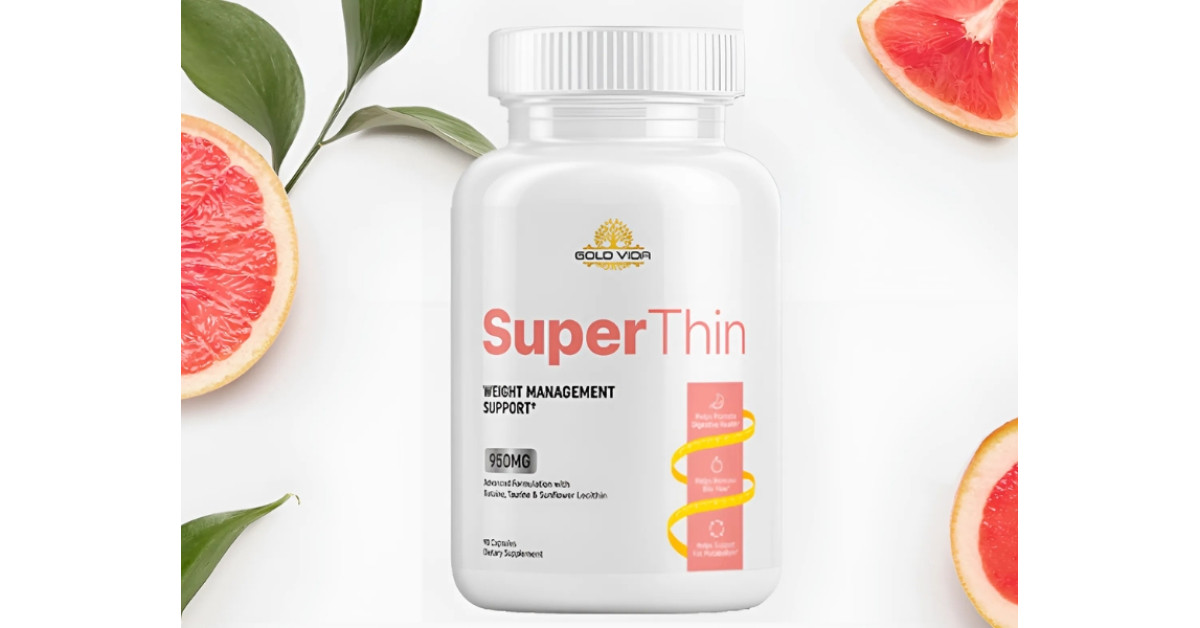
TL;DR Summary: SuperThin is a weight loss supplement marketed around a “grapefruit hack” that claims to support bile flow for fat metabolism. Reviews and complaints highlight both fast results for some users and concerns about shipping delays and price, with a 60-day refund policy available through the official website.
In This Article, You’ll Discover:
Why SuperThin reviews and complaints dominate searches
Ingredient or feature breakdowns
The most common complaints from verified customers
Pros and cons users mention in reviews
Pricing, refund policy, and buying options
Whether SuperThin is legit or a scam
Introduction: Honest SuperThin Reviews and Complaints in 2025
When you search for SuperThin in 2025, two things dominate results: glowing reviews and pointed complaints. This mix shows how the supplement market works today. Some consumers want quick results from supplements tied to trending “bio hacks,” while others share frustration over unmet expectations. To help you cut through the noise, this review looks at both sides.
SuperThin is positioned as a bile-support supplement. The company narrative connects weight loss struggles with “thick, toxic bile” and frames the product as a daily fix. This story has spread quickly across ads, affiliate blogs, and TikTok mentions. Because of that reach, people are asking two questions: does it work, and is it legit?
Reviews often praise the 30-second routine and noticeable weight changes in the first few weeks. Positive testimonials highlight better energy, smaller waistlines, and renewed confidence. At the same time, complaints appear across forums and refund request logs. They focus on shipping delays, limited stock, capsule size, and skepticism about marketing claims. The 60-day money-back policy is often cited as a safety net, though some users say they found the refund process slow.
This article approaches SuperThin with transparency. The goal is not to hype the product, nor to dismiss it outright. Instead, you’ll see what verified users are saying, what the company discloses, and how the formula fits within known supplement practices. For every positive review, there is a counterpoint complaint. For every claimed benefit, there is a disclaimer.
Cultural context also matters. The rise of weight loss content on social media, the spread of supplement affiliate programs, and the popularity of “natural hacks” shape consumer expectations. Many buyers expect near-instant results, even when biology suggests weight loss is gradual. This gap between expectation and reality fuels many of the complaints.
You will also see where SuperThin sits compared to alternatives. Other supplements promote appetite suppression, metabolic boosts, or gut health. SuperThin emphasizes bile function, which is less common. That positioning sets it apart, but also means scientific evidence is less familiar to the average buyer.
By the end of this review, you’ll understand the main pros and cons, the refund process, the most common consumer complaints, and whether SuperThin looks like a scam or a legitimate supplement option. If you are considering trying it, remember one key rule: pricing and policies change. Always confirm the most current details on the official website before you decide.
Visit the Official SuperThin Website
What Is SuperThin and Does Grapefruit Hack Bile-Thinning Really Work for Weight Loss?
SuperThin is presented as a dietary supplement designed to support weight loss through bile health. The central idea is that many people over 40 struggle with “thick, congested bile” that prevents the body from breaking down fat. The company materials say this supplement helps thin bile, promote its natural flow, and restore the body’s ability to metabolize fat.
The product is marketed as a capsule-based routine that takes less than 30 seconds per day. Unlike many weight loss programs that focus on cutting calories or eliminating entire food groups, SuperThin claims to target the digestive system itself. The company frames it as a “root-cause” approach: instead of dieting harder, support bile health so your body naturally burns fat.
According to the official website, SuperThin contains four key nutrients. These are choline, taurine, lecithin, and betaine HCL. Each of these is linked to liver function and digestion. Choline supports bile production and helps break down fat. Taurine stimulates the creation of new bile. Lecithin is described as a fat-flushing compound. Betaine HCL is included to support stomach acid levels, which trigger bile release. Together, they are presented as a system for thinning out bile and improving fat breakdown.
In theory, this mechanism explains why some people report losing weight quickly after starting the supplement, even without strict diet or exercise changes. Customer testimonials often mention feeling lighter, having more energy, or noticing a difference in their waistline within weeks. These are anecdotal reports, not clinical trials. No peer-reviewed studies on SuperThin as a product have been published. The science referenced on the official site is focused on the individual ingredients, not the finished formula.
Like other supplements, SuperThin’s effectiveness depends on multiple factors. Individual body chemistry, existing diet, stress levels, and consistency of use all play roles. While the company highlights quick transformations, the fine print makes clear that results vary. Some buyers post reviews about steady progress, while others complain about little change despite following the routine. This variation is common in supplement markets.
Another key part of how SuperThin “works” is psychological. Many consumers describe renewed motivation after seeing initial changes. This momentum may lead to healthier lifestyle choices, which then compound results. Others report no such motivation if they don’t see changes early. That divide between expectation and outcome fuels both positive reviews and sharp complaints.
It is also important to note what SuperThin does not claim. The company does not advertise it as an FDA-approved treatment for obesity or disease. It does not replace medical weight loss prescriptions. Instead, it positions itself as a natural daily supplement for people who have struggled with slow metabolism and failed diets.
For consumers, the key takeaway is this: SuperThin is marketed as a simple, bile-focused approach to weight loss. The company highlights ease of use and fast changes. But like all supplements, the experience is mixed, and realistic expectations matter. Always confirm details directly on the official website and consult a licensed healthcare provider before starting any new supplement.
Ingredient Breakdown
SuperThin’s formula highlights four nutrients linked to bile function and fat metabolism. While the official site presents them as a proprietary blend, only generalized ingredient details are available. Because supplement labels can change, you should always verify the current list and amounts directly on the official SuperThin website before buying.
Choline
Choline is described as a bile-support nutrient. It plays a role in fat transport and liver health. In the body, choline helps form phosphatidylcholine, which makes up part of bile. Supporters say this allows bile to flow more freely, breaking down dietary fat. Some research links choline deficiency with fat buildup in the liver. On the flip side, too much supplemental choline can cause stomach upset in sensitive individuals.
Taurine
Taurine is an amino acid involved in bile salt formation. It helps the body produce new bile that is thinner and less congested. Studies show taurine may support detoxification and blood sugar control. It also has roles in energy metabolism, which explains why some SuperThin reviews mention feeling more energized. That said, taurine’s effects on weight loss specifically are not fully proven.
Lecithin
Lecithin is a fat compound found in foods like soybeans and sunflower seeds. It helps emulsify fats, allowing them to mix with water. In bile, lecithin helps break down and flush dietary fat. The company frames it as a “fat-flushing accelerator.” Some users appreciate that lecithin is naturally found in food, while others point out that most people already consume some through diet.
Betaine HCL
Betaine hydrochloride is included to raise stomach acid levels. Stomach acid triggers bile release. Without enough acid, bile may not flow as it should, leaving fat undigested. Supplementing with betaine HCL is controversial. Some consumers report better digestion, while others complain of heartburn or stomach discomfort.
Unverified Ingredient Label
At the time of writing, the exact capsule breakdown has not been independently verified. Ingredient names appear in company materials, but dosage amounts are not confirmed through third-party testing. Always check the current label before ordering.
Other Factors
SuperThin states its formula is produced in a GMP-certified and FDA-registered facility. These manufacturing standards are intended to ensure purity and consistency. The product is also marketed as gluten free, soy free, dairy free, and GMO free. Reviews mention this as a plus for buyers with dietary restrictions.
Bottom Line
The ingredients in SuperThin are tied to digestion and fat metabolism through bile function. Choline, taurine, lecithin, and betaine HCL each play roles in how the body processes fat. Whether these nutrients deliver noticeable weight changes depends on the individual and on consistent daily use. Results vary, and supplement formulas are not substitutes for professional medical care.
Pros and Cons of SuperThin
When reviewing SuperThin, it is important to balance the positive experiences with the complaints. Supplements often generate mixed reactions, and SuperThin is no exception. Below is a clear breakdown of the most common pros and cons mentioned in verified customer reviews and consumer reports.
Pros of SuperThin
Ease of use: One of the biggest advantages is the simplicity of the routine. SuperThin is taken once per day in capsule form. For many people, this feels more manageable than following restrictive diets or complicated fitness programs.
Unique bile-focused approach: Unlike other supplements that rely on caffeine, stimulants, or appetite suppressants, SuperThin is marketed as supporting bile function. Some users found this angle refreshing and different, particularly if they had previously tried other methods without success.
Reported weight loss results: Numerous reviews highlight noticeable changes in weight and body measurements within weeks. Customers often describe losing pounds in the first month and feeling lighter or less bloated. Positive testimonials frequently mention renewed confidence and motivation.
Energy and digestion support: Several users report improved digestion, reduced stomach issues, and increased daily energy. While individual experiences vary, this is one of the more consistent themes among positive reviews.
Refund policy: SuperThin comes with a 60-day money-back guarantee. Even though some users complain about delays, the existence of a clear refund option adds a level of trust compared to supplements that do not provide refunds at all.
Cons of SuperThin
Shipping delays and stock shortages: One of the most common complaints is slow delivery. Customers report waiting several weeks during high-demand periods. Others mention items being out of stock, which adds frustration when trying to reorder.
Price concerns: At $49 per bottle for a 30-day supply (with discounts on bulk orders), some buyers feel SuperThin is expensive. Competitor supplements in the bile or digestion niche sometimes cost less, though they may not use the same formulation.
Unverified ingredient label: While the company names the four main ingredients, the exact amounts are not third-party verified. This lack of transparency is a sticking point for consumers who want full disclosure before buying.
Mixed results: Not everyone reports success. Some reviews state that despite taking SuperThin daily, they saw little or no weight change. This inconsistency fuels complaints and skepticism, especially among people who expected rapid transformations.
Potential side effects: A small number of complaints mention stomach discomfort, heartburn, or bloating, which could be linked to ingredients like betaine HCL. These are not universal but appear often enough to warrant consideration.
Bottom Line
SuperThin has strong selling points: easy use, unique positioning, and positive reports of weight loss and energy. At the same time, it faces real challenges, especially around shipping, cost, and transparency. Your decision may come down to whether the potential benefits outweigh the risks of disappointment.
See If SuperThin Is Right for You
The Biggest Complaints About SuperThin
No supplement receives only glowing feedback. SuperThin reviews show recurring complaints that give prospective buyers a clearer picture of what to expect. Understanding these concerns helps set realistic expectations and may prevent frustration down the line.
Shipping delays
One of the most frequent complaints centers on shipping. Customers report waiting two to three weeks for their order, especially during peak demand periods. Others note that tracking updates were slow or inaccurate. While some eventually received their bottles, the delays created negative experiences that overshadowed product results.
Limited stock availability
Several users say they had difficulty reordering. When SuperThin sold out, it sometimes took months before new batches were available. For people who believed their results depended on consistent daily use, this supply gap was a serious issue. Some complaints point out that the company’s small-batch production model is not well suited for high-volume demand.
Refund process frustrations
Although the company advertises a 60-day money-back guarantee, a subset of customers report challenges with refunds. The main issues are long wait times for processing and difficulty reaching support. A few reviewers claim they eventually received refunds, but only after repeated follow-ups. This fuels skepticism, even though the refund option exists on paper.
Mixed effectiveness
Another major complaint is the lack of results. Some buyers report that, despite following the instructions, they did not experience weight loss or noticeable energy improvements. Others felt any weight change was minimal compared to the bold claims. This variation is common in the supplement industry, but it remains a top driver of critical reviews.
Digestive side effects
A smaller but notable complaint category involves side effects. A handful of customers mention heartburn, nausea, or bloating. These may be tied to ingredients like betaine HCL, which increases stomach acid. While not widespread, these issues appear enough to warrant caution. Consulting a healthcare provider before starting SuperThin is recommended, especially for people with digestive sensitivities.
Customer service concerns
Some reviews highlight difficulties reaching customer service by phone or email. While others report quick responses, inconsistency in support experiences is another recurring complaint. For a supplement marketed with urgency, communication gaps leave buyers feeling overlooked.
Transparency issues
A final category of complaints deals with labeling. Critics point out that dosage amounts for the ingredients are not always clear. This lack of detail makes some consumers hesitant, especially when compared to supplements that provide exact milligram counts. Transparency in labeling is a growing expectation in 2025, and SuperThin’s limited disclosure is flagged as a weakness.
Bottom Line
The biggest complaints about SuperThin revolve around logistics (shipping and stock), trust factors (refunds and transparency), and variable results. These do not necessarily mean the product is ineffective, but they highlight real risks for buyers. Reading reviews before ordering and preparing for possible delays helps set expectations.
See the Latest Customer Feedback on SuperThin
Positive Reviews: Why Customers Like SuperThin
While complaints about shipping or mixed results exist, many buyers report positive experiences with SuperThin. In fact, the supplement’s rapid rise in popularity is tied to a steady stream of customer testimonials across blogs, social media, and health forums. Looking at what people like helps explain why it continues to trend in 2025.
Reported fast results
A consistent theme in favorable reviews is speed. Customers often say they noticed weight loss within the first two weeks. Some mention stepping on the scale and seeing pounds drop almost daily. Others describe slimmer waistlines or looser clothing after the first month. These quick changes drive enthusiasm and keep users motivated.
Increased energy and stamina
Positive reviewers frequently connect SuperThin to higher daily energy. Many say they no longer need afternoon naps or feel sluggish at work. Some users even link the supplement to greater stamina for activities like walking, light exercise, or playing with grandchildren. While these reports are anecdotal, the pattern is clear across multiple platforms.
Improved digestion
Several customers credit SuperThin with easing bloating, constipation, or indigestion. They attribute this to the formula’s focus on bile flow and fat digestion. Reviews on Reddit and wellness blogs often highlight better gut comfort, which adds to the perception of overall health improvement.
Confidence and lifestyle changes
Beyond numbers on a scale, positive reviews often mention improved confidence. Users describe enjoying shopping again, fitting into old clothes, or participating in social activities without embarrassment. These lifestyle wins carry as much emotional weight as the physical results.
Supportive refund policy
Even among satisfied users, the 60-day money-back guarantee is highlighted as reassurance. Customers say they felt more comfortable ordering knowing they had an exit option if it did not work. This safety net encourages trial and, in many cases, leads to repeat purchases.
Balanced perspective
Not all positive reviews are over-the-top. Some are modest, saying the supplement helped them lose a few pounds or feel better day to day. These tempered accounts carry weight because they appear more authentic, avoiding the extremes often seen in promotional testimonials.
See Why Customers Recommend SuperThin
Is SuperThin Legit or a Scam?
One of the top search questions about SuperThin is whether the product is legitimate or a scam. This is a fair concern. In 2025, the supplement market is crowded with both reputable products and misleading offers. To judge SuperThin fairly, it helps to weigh signals of legitimacy against the red flags that fuel skepticism.
Signs SuperThin Is Legit
Clear refund policy
SuperThin advertises a 60-day money-back guarantee. While some customers complain about slow processing, the fact that a refund system exists shows a commitment to customer protection. Scam operations usually avoid refunds altogether.
Official website with disclosures
The company directs all orders through its official website. This allows buyers to avoid counterfeit products sold on third-party marketplaces. The site also includes disclaimers, contact information, and compliance language-legitimacy signals absent in many scam operations.
Manufacturing standards
According to the company, SuperThin is produced in a GMP-certified and FDA-registered facility. This does not mean the FDA approves the supplement, but it does mean it is manufactured under recognized quality standards. That reduces the risk of unsafe or contaminated products.
Consistent customer base
Despite complaints, SuperThin has built a community of repeat buyers. Reviews, TikTok mentions, and word-of-mouth reports all point to a real customer base. Scam products tend to disappear quickly once exposed.
Red Flags That Raise Questions
Bold marketing claims
The product is promoted with dramatic before-and-after stories and “grapefruit hack” language. While attention-grabbing, these claims often create unrealistic expectations. Some buyers view this as hype, which feeds scam accusations.
Unverified ingredient dosages
The company discloses the four main nutrients but does not provide third-party verified dosage amounts. This lack of transparency makes some buyers nervous. In a supplement market pushing for more disclosure, this is a weak point.
Mixed customer reviews
While many people praise SuperThin, others say it did not work at all. Scam accusations often come from disappointed buyers who felt misled by the advertising. Variation in results is common for supplements, but it does fuel skepticism.
Refund processing complaints
Although a refund system exists, some customers say it was slow or required repeated contact. For critics, this is enough to question the company’s reliability.
Bottom Line
SuperThin does not display the hallmarks of an outright scam. It has an official sales channel, a refund policy, and a track record of real customer use. At the same time, bold marketing, transparency gaps, and refund frustrations make some buyers cautious. For consumers, the safest approach is to order directly from the official website, keep expectations realistic, and monitor results carefully.
Learn the Facts About SuperThin
Expert Insights and Industry Research
Supplements like SuperThin exist within a growing global weight loss market. Industry research shows consumers are increasingly looking for non-prescription options that feel natural, simple, and affordable compared to medical treatments. Expert opinions help put SuperThin into perspective, especially when separating hype from realistic outcomes.
Consumer adoption trends
According to industry reports, weight loss supplements remain a multi-billion-dollar sector in 2025. More than 70% of U.S. adults are overweight or obese, fueling demand for alternatives to dieting and prescription medication. Experts note that supplements gain traction when they present an easy-to-follow routine. SuperThin fits this trend with its single daily capsule and “grapefruit hack” story.
Affordability and access
Health economists often point out that supplements like SuperThin appeal to middle-income consumers. While not cheap, they are less expensive than prescription drugs, gym memberships, or structured diet programs. At around $49 per bottle, with discounts for multi-month supplies, SuperThin positions itself as accessible compared to more costly options. Critics, however, argue that the price still feels high given the unverified dosages and variable results.
Ingredient context
Nutritionists generally agree that choline, taurine, lecithin, and betaine HCL have roles in digestion and metabolism. Yet most emphasize that research is stronger for general liver and bile health than for rapid weight loss. An expert might say the product “borrows science” from ingredient-level studies without proving the finished formula in clinical trials. This distinction is important for consumers deciding whether to view SuperThin as a helpful aid or an unproven shortcut.
Cultural factors
Sociologists studying diet culture note that products like SuperThin thrive because they promise relief from years of failed diets. The narrative of “it’s not your fault, it’s your bile” resonates with people tired of blaming themselves. Experts say this framing is powerful for marketing but can create disappointment if expectations are not met.
Consumer sentiment
Survey data from supplement users often shows a divide. Roughly one-third report satisfaction, one-third say results were moderate, and one-third express disappointment. SuperThin appears to mirror this trend based on reviews. Enthusiastic testimonials highlight significant weight loss and lifestyle changes, while complaints emphasize refunds, shipping, or lack of progress.
Regulatory insights
Regulators continue to stress that supplements are not FDA-approved treatments. Instead, they are regulated as food products with less oversight. Experts urge consumers to read disclaimers carefully and consult doctors before relying on supplements alone. SuperThin is no exception-its claims are framed with disclaimers, but the bold marketing language sometimes overshadows these warnings.
Bottom Line
Expert insights suggest that SuperThin aligns with wider supplement trends: it offers accessibility, leverages familiar nutrients, and appeals to consumers frustrated with traditional diets. Still, the lack of published clinical trials means evidence rests on user testimonials and ingredient science rather than product-specific proof. Responsible use involves checking the official website for updated details, managing expectations, and treating the supplement as one part of a broader health strategy.
Get the Expert View on SuperThin Here
Comparing SuperThin vs Natural Weight Loss Alternatives in 2025
Consumers often want to know how SuperThin stacks up against other weight loss supplements available in 2025. With so many competing products promising quick results, it helps to compare them across clear categories like refund terms, ingredient transparency, and cultural presence.
Refund terms
SuperThin offers a 60-day money-back guarantee. While not perfect-some reviews mention slow processing-it provides a defined safety net. In contrast, some cheaper supplements sold on third-party sites provide no refunds at all. More established brands in the same market may offer 90-day guarantees, which appeal to cautious buyers.
Ingredient transparency
SuperThin discloses its four main active ingredients: choline, taurine, lecithin, and betaine HCL. What it does not disclose are the exact dosage amounts on the public label. This puts it behind competitors that release full milligram breakdowns or publish third-party lab results. Transparency is increasingly important for consumers in 2025, and SuperThin has room to improve here.
Formula positioning
Unlike appetite suppressants or stimulant-based products, SuperThin markets itself as a “bile support” supplement. This makes it stand out in a crowded field. Alternatives often focus on thermogenics, carb blockers, or fiber blends. The uniqueness of its “grapefruit hack” narrative helps differentiate it, even if skeptics question the science.
Cultural presence
SuperThin’s story-driven marketing has spread widely on TikTok, wellness blogs, and online communities. Many alternatives do not have this cultural traction. For example, green tea fat burners or generic carb blockers rarely trend because their stories are familiar and less compelling. In this sense, SuperThin has carved out space as a brand with a memorable narrative.
Pricing and value
At $49 per bottle, with discounts on 3- and 6-bottle bundles, SuperThin sits in the mid-range of supplement pricing. Many generic fat burners cost $20-30 but lack strong customer communities. Premium “biohacking” supplements often cost $70 or more per bottle. This positions SuperThin as more affordable than high-end options but pricier than entry-level competitors.
Consumer trust
Alternatives that provide third-party testing, published clinical trials, or certifications often win trust faster. SuperThin’s reliance on testimonials and ingredient science rather than product-specific studies keeps it from being a top choice for skeptics. At the same time, its refund policy and cultural buzz maintain a base of loyal customers.
Bottom Line
Compared to alternatives, SuperThin stands out for its unique bile-focused positioning and strong online presence. It falls behind in transparency and dosage disclosure but remains competitive on refund terms and cultural traction. For buyers, the choice often comes down to whether the unique “grapefruit hack” story feels worth testing compared to more traditional, fully verified supplements.
Compare SuperThin Against Other Options Here
Pricing, Refund Policy, and Where to Buy
Pricing and refund terms are among the most important factors for consumers searching SuperThin reviews and complaints. Understanding what you will pay, how refunds work, and where to place your order helps you avoid unnecessary issues.
Pricing structure
SuperThin is sold in three package tiers. A single bottle costs $49, reduced from a listed retail of $99. The three-bottle package drops the price to $42 per bottle, while the six-bottle package offers the best deal at $34 per bottle. These discounts are designed to encourage larger orders, since many users are advised to take the supplement for at least 90 days to see full results.
Refund policy
The company advertises a 60-day money-back guarantee. This allows buyers to try SuperThin for two months before deciding if they want to keep it. While some customer complaints describe delays in refund processing, the option does exist and has been honored in many cases. To request a refund, customers are instructed to contact support, return the bottles, and wait for processing. As with any supplement, documenting your order and keeping confirmation emails helps smooth the process.
Shipping considerations
Orders are fulfilled through the official website only. U.S. customers typically report receiving shipments within 3-10 business days. International orders may take longer. Stock shortages have been a recurring complaint, so buyers who want uninterrupted use often purchase the 3- or 6-bottle packages in advance.
Why you should avoid third-party sellers
SuperThin is not officially sold on Amazon, Walmart, or eBay. Some third-party sellers attempt to list similar products, but these carry risks of counterfeit or expired stock. Complaints from other supplement brands show that counterfeit pills often look identical but do not contain the advertised ingredients. For safety and eligibility under the refund guarantee, only the official website is recommended.
Pricing disclaimer: It is important to note that pricing and promotions change frequently. Always check the official SuperThin website for the most current details before completing your order.
Bottom Line
SuperThin’s pricing is mid-range for the supplement market, with deeper discounts available through bulk purchases. Refund protections offer some peace of mind, but shipping delays and stock shortages are worth considering. To avoid complaints and guarantee authenticity, always order directly from the official website.
Check Current Pricing for SuperThin
Safety, Risks, and Responsible Use
When evaluating supplements like SuperThin, safety and responsible use should be top priorities. While many users report benefits, no supplement is risk-free. Understanding potential concerns, managing expectations, and following best practices reduce the chance of problems.
General safety profile
SuperThin is marketed as a natural supplement with four primary ingredients: choline, taurine, lecithin, and betaine HCL. These compounds are common in nutrition research and are generally recognized as safe when taken in reasonable amounts. However, because the exact dosages are not disclosed, some consumers question whether the levels in SuperThin are optimal or excessive.
Potential side effects
Reviews suggest most people tolerate SuperThin without serious issues. Still, a small number of users report digestive discomfort such as bloating, nausea, or mild cramps during the first week. These effects often fade as the body adjusts. Individuals with sensitive stomachs or pre-existing digestive conditions should be cautious.
Interactions with medications
Choline and taurine may interact with certain prescription drugs, including blood pressure or cholesterol medications. Betaine HCL affects stomach acid levels, which could impact those taking antacids or proton pump inhibitors. For this reason, medical professionals strongly recommend speaking with a doctor before starting SuperThin, especially if you are on medication or managing chronic conditions.
Age and health considerations
SuperThin is targeted at adults. Testimonials include users in their 30s through their 70s, but children, teenagers, and pregnant or nursing women should avoid the product unless specifically approved by a healthcare provider. The formula is also not a substitute for medical treatment in cases of obesity-related illnesses such as diabetes or heart disease.
Responsible use guidelines
Take only the suggested daily serving. Doubling doses does not accelerate results and may increase discomfort.
Combine supplementation with healthy habits, including hydration, balanced meals, and regular movement.
Track progress over weeks, not days, to avoid discouragement.
Keep bottles out of reach of children and store them in a cool, dry location.
Managing expectations
While many customers highlight quick weight loss, others report modest results. The variation reflects differences in metabolism, diet, and lifestyle. Responsible use means treating SuperThin as a tool, not a miracle cure. Sustainable results often come when supplements are paired with consistent lifestyle improvements.
Bottom Line
SuperThin has a generally safe profile when used responsibly, but potential risks exist for individuals with medical conditions, sensitive digestion, or ongoing prescriptions. Consultation with a healthcare provider is the best safeguard. Treating the product as part of a long-term strategy-rather than a stand-alone fix-improves both safety and results.
Review Safety Guidelines for SuperThin
User Testimonials and Case Studies
Customer experiences provide valuable context for SuperThin beyond the marketing claims. Testimonials highlight both the potential benefits and the common frustrations, giving readers a clearer picture of what to expect. While results vary, case-style examples illustrate how different groups respond to the supplement.
Case Study: The frustrated dieter
Sarah, 47, reported trying several diet programs over two decades with little success. She described losing and regaining the same 10 pounds multiple times. After using SuperThin for two months, she claimed to have lost 19 pounds while noticing better digestion and fewer cravings. Her review reflected relief but also caution-she admitted she doubted whether the results would last without continued use.
Case Study: The active retiree
Mark, 66, wanted to stay fit after retiring but struggled with midsection weight gain. He said SuperThin helped him shed 15 pounds in three months without altering his walking routine. His testimonial emphasized improved energy levels, which he credited for spending more time outdoors. Mark also noted he purchased a six-bottle supply after his first order, showing the importance of bulk buying to avoid gaps in routine.
Case Study: The skeptical buyer
Not all experiences were positive. Angela, 52, wrote that she saw no results after six weeks and felt misled by the marketing language. She requested a refund and eventually received it, but the process took several weeks. Her story reflects a key complaint theme: while refunds are possible, they may require persistence.
Broader community feedback
Across forums and platforms like TikTok, Reddit, and wellness blogs, SuperThin’s presence is strong. Supporters often post transformation photos and talk about improved confidence. Detractors point out that results are inconsistent and argue that no supplement should replace balanced nutrition. This mix of voices shows why reviews and complaints are tightly linked in consumer searches.
Why testimonials matter
Testimonials help set realistic expectations. They show that some users achieve impressive results, while others experience disappointment. Case studies also illustrate how lifestyle, consistency, and health background influence outcomes. For new buyers, these stories serve as a guide to understanding both the potential gains and the risks of frustration.
Bottom Line
User testimonials show a split response: strong success stories alongside complaints about slow refunds or limited effects. This balance reflects what most supplements in the weight loss market face. For potential buyers, the key lesson is to approach SuperThin with an open but cautious mindset, track results carefully, and take advantage of the refund policy if needed.
Read Verified Experiences With SuperThin
Frequently Asked Questions About SuperThin Reviews and Complaints
Consumers often ask the same questions when researching SuperThin. Addressing these clearly helps manage expectations and reduce confusion.
Is SuperThin safe to use?
SuperThin contains common nutrients like choline, taurine, lecithin, and betaine HCL. Most users tolerate it well, though some report mild digestive discomfort at first. Anyone with health conditions or prescriptions should consult a doctor before use.
How long does it take to see results?
Some users notice changes within the first week, such as lighter digestion or small drops on the scale. Most reviews suggest consistent use for at least 30-60 days to see significant weight changes.
What are the most common complaints?
Complaints usually involve shipping delays, refund processing time, or minimal results. Dissatisfaction often occurs when buyers expect overnight transformation rather than gradual changes.
Does SuperThin have side effects?
Reported side effects include bloating, nausea, or mild cramping. These are uncommon and often temporary. Still, sensitive users should start slowly and monitor how their body responds.
Where should I buy SuperThin?
Always purchase from the official website. This ensures authenticity, eligibility for the refund guarantee, and access to promotions. Third-party sites increase the risk of counterfeit or expired stock.
Is SuperThin FDA-approved?
No supplement is FDA-approved for weight loss. SuperThin is manufactured in a facility that follows GMP standards but is regulated as a dietary supplement, not a prescription drug.
Can I get a refund if it doesn’t work?
Yes. The company offers a 60-day money-back guarantee. Customers must contact support, return bottles, and wait for processing. Complaints show that patience is sometimes required.
How much does SuperThin cost?
A single bottle costs $49, with discounts on multi-bottle packages. Prices change with promotions, so always check the official website for the latest deals.
Is there a subscription or auto-billing?
No. Orders are one-time only unless you choose to reorder. There is no hidden auto-ship program.
Who should avoid SuperThin?
Children, teenagers, pregnant women, and nursing mothers should avoid the product. People with digestive issues or who are on medication should get clearance from a healthcare provider.
What makes SuperThin different from other supplements?
SuperThin focuses on bile support as its unique angle, rather than relying on stimulants or appetite suppressants. This sets it apart in a crowded supplement market.
Will I keep the weight off after stopping SuperThin?
Results vary. Some users report maintaining progress, while others regain weight if old habits return. Consistency and lifestyle choices play a major role in long-term success.
Bottom Line
These FAQs cover safety, effectiveness, complaints, and buying details. They reflect both the positives and negatives that come up in verified reviews. Understanding these answers helps buyers make informed decisions and reduces frustration.
Find Clear Answers About SuperThin Here
Bonus Tips: How to Avoid SuperThin Complaints
Many consumer complaints can be prevented by following a few simple guidelines.
These tips reduce frustration and help you get the best possible experience when trying SuperThin.
Order directly from the official website: Counterfeit or expired supplements are a frequent issue when buying from third-party sellers. Ordering only from the official SuperThin website ensures authenticity, eligibility for refunds, and access to bonus materials.
Track your shipments carefully: Shipping delays are one of the most common complaints. Save your order confirmation, use tracking links, and contact customer service if your package takes longer than 10 business days to arrive.
Understand the refund process: The 60-day money-back guarantee is real, but some customers get frustrated with processing times. Keep your receipts, return bottles promptly, and allow a few weeks for refunds to clear. Knowing the process helps avoid disappointment.
Consult your doctor before starting: Some complaints involve unexpected side effects or conflicts with existing health conditions. A quick check with your healthcare provider ensures SuperThin fits safely into your routine.
Set realistic expectations: A recurring frustration is expecting overnight results. Supplements support progress but are rarely instant solutions. Approaching SuperThin as part of a broader health strategy makes results more satisfying and reduces regret.
Avoid relying solely on testimonials: While positive stories are motivating, not everyone experiences the same outcome. Balance testimonials with research on ingredients and your own health profile to avoid misplaced expectations.
Bottom Line
By ordering direct, monitoring shipments, knowing refund steps, and keeping expectations grounded, most complaints tied to SuperThin can be avoided. Responsible use not only improves satisfaction but also protects your investment.
Start Your SuperThin Journey Without Hassles
Final Verdict: Should You Try SuperThin in 2025?
Deciding whether SuperThin is the right supplement comes down to weighing its strengths against its weaknesses. The product occupies a middle ground between proven medical treatments and unverified diet fads, which makes it appealing to some but frustrating to others.
The positives
SuperThin offers a simple daily routine, with capsules built around familiar nutrients like choline, taurine, lecithin, and betaine HCL. Many users highlight weight loss, better digestion, and improved energy. The bile-support angle gives it a unique story compared to stimulant-based or appetite-suppressant formulas. Refund protections and mid-range pricing add further appeal.
The drawbacks
Complaints focus on three main areas: inconsistent results, delays with refunds, and lack of transparent dosing. While some buyers report losing 20 or more pounds, others say they notice little change. Without published clinical trials on the formula itself, outcomes depend largely on individual response. Critics argue that the marketing language sometimes oversells what is essentially an unproven blend of ingredients.
Who might benefit
SuperThin may suit adults who have tried traditional diets without success and want a structured, supplement-based approach. It appeals to those willing to invest in a few months of use, track progress, and combine it with healthier habits. Consumers looking for an affordable non-prescription option may find it worth testing.
Who should be cautious
People expecting overnight results or hoping for a permanent fix without lifestyle changes are more likely to be disappointed. Anyone with medical conditions, especially digestive or metabolic concerns, should get clearance from a doctor before starting. Buyers who demand full transparency on dosing and peer-reviewed trials may prefer alternatives with stronger scientific backing.
The bigger picture
SuperThin reflects a broader shift in consumer health. Supplements remain attractive because they offer a sense of control and convenience. Yet they are best approached as tools rather than cures. Reviews and complaints both underline this point: satisfaction often depends on expectations, patience, and responsible use.
Bottom Line
SuperThin is not a miracle solution, but it provides a structured option for people seeking support with digestion and weight management. Its strengths lie in simplicity, availability, and strong customer testimonials. Its weaknesses are tied to transparency, variable results, and reliance on ingredient-level science. For some, that balance makes it worth a trial. For others, it will fall short of expectations.
Decide If SuperThin Works for You
Contact Information
For questions, support, or refund requests, you can reach the company directly:
Company: SuperThin Labs LLC
Email: support@superthin.com
Phone (US): 1-800-390-6035
Phone (International): 1-208-345-4245
Hours: 6 AM to 8 PM MST
Keeping these details on hand ensures you can track your order, request a refund, or ask for assistance quickly if needed.
Disclaimers
This article contains affiliate links. If you purchase through these links, a commission may be earned at no additional cost to you.
SuperThin is a dietary supplement, not a prescription treatment. Results vary between individuals. Always consult a licensed healthcare provider before starting any new supplement, especially if you have medical conditions, take medication, or are pregnant or nursing. The information provided is for educational purposes only and is not medical advice.
Testimonials and case studies are individual experiences and do not guarantee similar results. Consistent use, lifestyle choices, and personal health factors influence outcomes.
Prices, promotions, and availability are subject to change at any time. Always check the official SuperThin website for the most current details before ordering.
Publisher Responsibility Disclaimer: The publisher of this article has made every effort to ensure accuracy at the time of publication. We do not accept responsibility for errors, omissions, or outcomes resulting from the use of the information provided. Readers are encouraged to verify all details directly with the official source before making a purchase decision.
Source: SuperThin
Green tea is an ancient beverage recognized for its medicinal and antioxidant properties. It has been widely studied for its beneficial effects on metabolic diseases, such as obesity and type 2 diabetes. Recent studies funded by FAPESP (19/10616-5, 21/08498-4 and 23/11295-3) have deepened our understanding of the mechanisms of action of this infusion and revealed that green tea treatment reduced weight and significantly improved glucose sensitivity and insulin resistance in obese mice. These results reinforce the potential relevance of the beverage as an adjunct in the treatment of obesity in humans.
Rosemari Otton led the studies from the Interdisciplinary Graduate Program in Health Sciences at Cruzeiro do Sul University in São Paulo, Brazil. The scientist, who has dedicated more than 15 years to green tea research, explains that her initial motivation came from curiosity about the truth behind the popular belief that the drink aids in weight loss. The results of her most recent study were published in the journal Cell Biochemistry & Function.
To study the effects of green tea on obesity, the research team fed mice a high-calorie diet for four weeks, with both fat and what they call a “cafeteria diet,” which mimics the Western diet.
We give them chocolate, filled cookies, dulce de leche, condensed milk… In other words, the same type of food that many people consume on a daily basis,”
Rosemari Otton, Cruzeiro do Sul University in São Paulo
After this initial phase, the animals underwent the green tea experiment for another 12 weeks. During this period, they continued on the high-calorie diet, but some of them began receiving standardized green tea extract at a dose of 500 mg per kilogram of body weight, administered intragastrically (via gavage).
“It’s a method that ensures they all receive the exact dose we want to study. If we put it in water, for example, we’d have no way of knowing how much the animal actually ingested,” says the researcher. For humans, this amount would be equivalent to consuming about 3 grams of green tea per day, or three cups.
However, according to the researcher, not all commercial green tea meets the necessary quality standards. “Ready-made tea bags do not always guarantee the quantity or quality of the compounds. The ideal for consumption would be to use standardized green tea extract, like those found in compounding pharmacies. This is a concentrated way of using the plant, with a guarantee of the presence of flavonoids, which are the health-beneficial compounds present in the green tea plant,” Otton points out.
One methodological difference in the study was the controlled room temperature. The animals were kept in a thermoneutral environment (28 °C) throughout the experiment. Animal facilities generally maintain an average temperature of 22 °C, which represents chronic cold for mice.
“Excessive cold activates compensatory regulatory mechanisms in the animals’ bodies, causing them to expend more energy to stay warm. This can mask the real effects of any substance,” explains the researcher. “If the animals are in a colder environment, the effect of the tea is enhanced by the activation of energy expenditure due to the cold. But by maintaining thermoneutrality, we were able to see the effects of green tea in a ‘clean’ way, without environmental interference,” she explains.
A previous study published in August 2022 in the European Journal of Nutrition found that obese mice treated with green tea experienced a reduction of up to 30% in body weight. “If a person loses 5% to 10% of their body weight, that’s already a lot. So this result in animals is very significant,” says the professor.
Another highlight of the most recent study was the preservation of muscle morphology. Obesity typically causes a reduction in muscle fiber diameter, but green tea prevented this muscle atrophy. “One way to assess muscle function is to look at fiber diameter. If it increases, we have more active muscle components. Green tea managed to maintain this diameter, showing that it protects muscle against the harmful effects of obesity,” Otton explains.
In addition to morphological data, the researchers evaluated the expression of genes related to glucose metabolism. Treatment with green tea increased the expression of Insr, Irs1, Glut4, Hk1, and Pi3k – genes that are important for glucose uptake and use in muscles. The activity of lactate dehydrogenase (LDH), an enzyme that is essential for glucose metabolism, was also restored.
According to Otton, there is evidence indicating that green tea does not affect the weight of lean animals, suggesting that it acts selectively against excess body fat. “It makes obese animals lose weight but keeps lean animals at a balanced weight. This shows that the tea seems to need an environment with excess nutrients to act, which supports the hypothesis that it acts directly on fat cells.”
Another aspect investigated by the team was the action of the compounds in isolation. “Green tea is a complex matrix with dozens of bioactive compounds. We’ve tried to separate these compounds and study their effects individually, but the whole extract is always more effective. There’s a synergy between the compounds that we can’t reproduce when they’re isolated,” she says.
According to the scientist, one hypothesis explaining the mechanism by which green tea affects obesity involves adiponectin, a protein produced by adipocytes that has anti-inflammatory and metabolic regulation functions. “We conducted a study with adiponectin-knockout mice, meaning they don’t produce it. And in these animals, green tea had no effect. This suggests that adiponectin is a key player in the mechanism of action of the tea,” she comments.
Despite the encouraging results of the mouse study, Otton points out that it is not yet possible to determine a safe and effective dose of green tea for humans. This is mainly due to the variability of the extracts and the fact that each person behaves differently. “The ideal is chronic consumption, as we see in Asian countries. In Japan, for example, people consume green tea every day, throughout their lives, and obesity rates are low. But this is different from drinking tea for five months and expecting a miraculous weight loss effect,” she ponders.
The researcher argues that natural and accessible treatments should gain ground in the fight against obesity, especially as alternatives to expensive medications that often have side effects. “The idea is to have safe, natural, effective, and high-quality compounds. The Camellia sinensis plant offers this. We’re still studying all the compounds involved, but there’s no doubt that green tea, as a plant matrix rich in flavonoids, has important therapeutic potential.”
The researcher emphasizes that science always seeks to develop practical solutions. “What we see in animals doesn’t always reproduce in humans. But if we want to make this translation to real life, we need to think about all the details, such as ambient temperature. It’s these precautions that increase the validity of our data. We’re far from having all the answers, but we’re getting closer and closer.”
Source:
Journal reference:
Sousa-Filho, C. P. B., et al. (2025). Does Green Tea Ameliorate Obesity in Mice Kept at Thermoneutrality by Modulating Skeletal Muscle Metabolism? Cell Biochemistry and Function. doi.org/10.1002/cbf.70094
NEW YORK, September 10, 2025 (Newswire.com)
–
This content is for informational purposes only and does not provide medical advice. Always consult a healthcare provider before starting any supplement. Pricing information is subject to change. Always check the official website for the most current details. This article contains affiliate links. If you purchase BioDynamix Joint Genesis through links on this page, a commission may be earned at no additional cost to you.
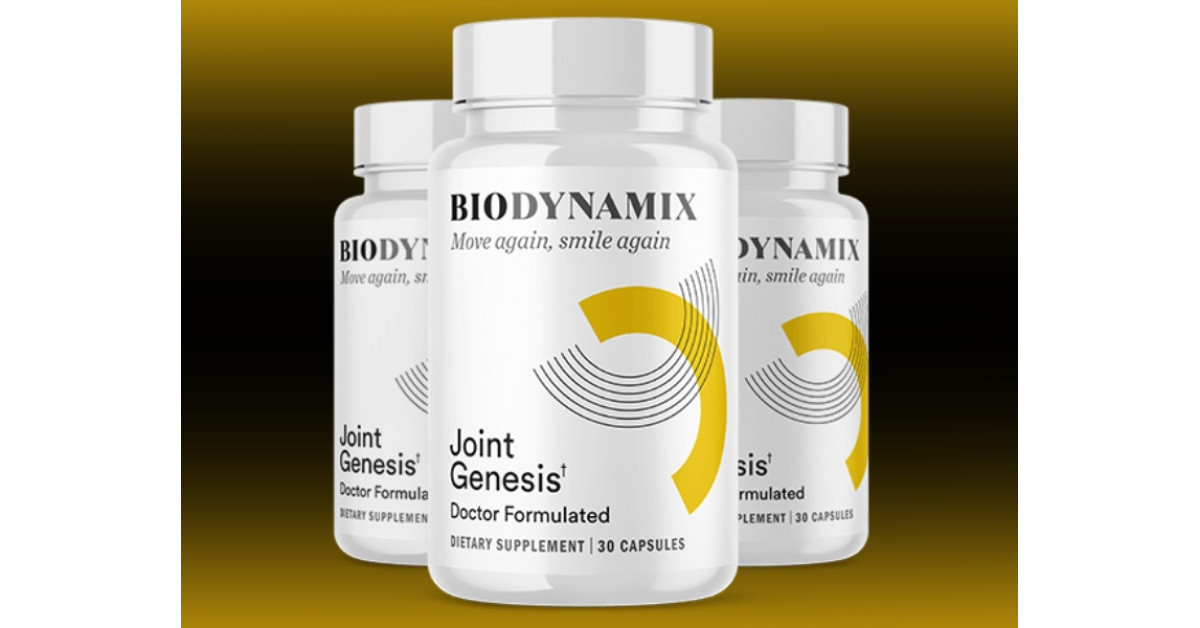
TL;DR Summary: BioDynamix Joint Genesis is a joint health supplement that focuses on replenishing hyaluronan to support synovial fluid, often called “Joint Jelly.” Reviews highlight positive mobility improvements, while complaints focus on shipping delays and refund issues.
In This Article, You’ll Discover:
Why BioDynamix Joint Genesis reviews and complaints dominate searches
Ingredient breakdown and how the formula works
The most common complaints from verified customers
Pros and cons mentioned in reviews
Pricing, refund policy, and buying options
Whether BioDynamix Joint Genesis is legit or a scam
Introduction: Honest BioDynamix Joint Genesis Reviews and Complaints in 2025
When people search for BioDynamix Joint Genesis reviews and complaints, they want clarity. Some are looking for proof that the product works, while others want to know if customer concerns make it risky to try. In 2025, this type of search reflects a broader consumer shift: shoppers expect transparency before buying any supplement online.
The joint health market is crowded. With so many options, from glucosamine blends to collagen powders, consumers often feel overwhelmed. BioDynamix Joint Genesis sets itself apart by highlighting research on hyaluronan, a molecule tied to synovial fluid. This angle is unique, but it also draws questions from skeptical buyers who have tried products that failed to deliver in the past.
Complaints about supplements usually fall into predictable categories. Customers worry about delayed shipments, challenges with refund requests, or side effects like stomach upset. Positive reviews, on the other hand, usually emphasize relief from stiffness, better mobility, and improved daily function. BioDynamix Joint Genesis has both types of feedback, which is why it attracts so much search traffic in “reviews and complaints” queries.
Another reason this product stands out is the brand’s push toward credibility. The company promotes Mobilee®, a patented ingredient backed by multiple clinical studies, as its core differentiator. That emphasis on science creates trust, but also raises expectations. If a product leans on research, customers expect real results, not vague benefits.
The reality is that most supplements are not miracle fixes. Responsible reviews should balance user stories with clear disclaimers. For BioDynamix Joint Genesis, the picture that emerges is mixed: some users report dramatic improvements, while others complain about customer service issues. This makes an in-depth review essential for people considering a purchase.
Search trends confirm this. Queries that combine “reviews” with “complaints” reflect both curiosity and caution. Readers don’t want hype – they want an honest breakdown that addresses their concerns directly. That is the goal of this review: to explore both sides, while staying compliant with FDA and FTC guidelines.
For anyone researching this supplement in 2025, the takeaway is simple. BioDynamix Joint Genesis has a loyal base of customers, but like all supplements, it has limitations. Reading both the praise and the criticism is the best way to decide if it fits your needs.
Visit the Official BioDynamix Joint Genesis Website
What Is BioDynamix Joint Genesis and How Does It Work?
BioDynamix Joint Genesis is positioned as a science-backed joint health supplement. Unlike common formulas that focus on glucosamine or chondroitin, this product highlights hyaluronan as its central factor. Hyaluronan helps maintain the thickness and cushioning quality of synovial fluid, sometimes called “Joint Jelly.”
The brand frames Joint Genesis as a solution that targets the root factor of age-related joint decline: thinning and drying of synovial fluid. According to research the company cites, when this fluid loses its protective quality, cartilage begins to grind, inflame, and break down. By supporting hyaluronan levels, Joint Genesis aims to keep this fluid thick and bouncy.
The formula centers on Mobilee®, a patented ingredient shown in multiple clinical trials to multiply hyaluronan levels by up to ten times. This is the backbone of the product’s claims. Alongside Mobilee®, the blend includes French maritime pine bark, ginger root, Boswellia serrata, and BioPerine®. Together, these ingredients are marketed to enhance absorption, soothe inflammation, and support smoother mobility.
Consumer positioning matters in this market. Joint Genesis is framed not as a quick fix but as a long-term strategy. Marketing often highlights six months of consistent use, echoing clinical studies where benefits increased over time. This aligns with broader trends in 2025, where supplement buyers look for science-driven, slow-but-steady results rather than hype.
From a practical perspective, the product is offered in capsule form. The recommended use is one capsule per day with water, which makes compliance easier than multi-dose formulas. Each bottle contains a 30-day supply, giving customers flexibility to start with a single bottle or order three to six months at once for larger savings.
Importantly, the company highlights its U.S.-based manufacturing under cGMP standards. The formula is free from gluten, dairy, nuts, soy, and GMOs, which broadens its appeal to those with dietary restrictions. This transparency on sourcing and production helps build trust with skeptical buyers.
When asking how Joint Genesis works, the answer is straightforward: it’s designed to thicken synovial fluid, nourish cartilage, and reduce inflammatory stress inside the joint cavity. While the brand avoids medical claims, it emphasizes structure and function support, such as promoting flexibility, comfort, and range of motion.
For consumers, the real question is whether this theory translates into results. Some reviewers confirm noticeable changes in mobility and stiffness, while others say they felt no difference. This mixed picture is typical in the supplement market, and it underscores why understanding the mechanism is crucial before purchase.
Ingredient Breakdown
One of the most important factors in evaluating any supplement is its ingredient profile. BioDynamix Joint Genesis highlights five key components, with Mobilee® at the center. Understanding what each ingredient is and how it is positioned in the formula helps explain both the enthusiasm from customers and the skepticism from critics.
Mobilee® (Hyaluronan Complex)
Mobilee® is a patented form of hyaluronan combined with polysaccharides and collagen. Multiple clinical trials have shown that an 80 mg daily dose of Mobilee® can significantly increase synovial fluid hyaluronan levels, in some cases by up to 1,000 percent. This makes it the formula’s core claim: thicker synovial fluid, often described as “Joint Jelly,” can cushion cartilage, improve joint lubrication, and protect against inflammatory proteins.
French Maritime Pine Bark Extract
This ingredient is widely recognized for its antioxidant properties. Research suggests it supports circulation and helps reduce inflammation markers. In Joint Genesis, pine bark extract is positioned as a partner to Mobilee®. The company claims it helps deliver antioxidants into the synovial fluid, reinforcing the protective barrier around cartilage.
Ginger Root Extract
Ginger has been studied for decades for its anti-inflammatory effects. In supplements, it is often included to help ease stiffness and support comfort. Clinical data show that ginger can influence inflammatory pathways that affect cartilage and connective tissue. This formula is intended to enhance mobility support and work synergistically with pine bark and Boswellia.
Boswellia Serrata Extract
Derived from the resin of the Boswellia tree, this extract is often used in joint and mobility supplements. Studies suggest it supports healthy inflammatory responses and may help reduce discomfort in weight-bearing joints like the knees and hips. Combined with pine bark, Boswellia has been shown in some trials to improve stiffness and physical function.
BioPerine® (Black Pepper Extract)
BioPerine® is a patented extract from black pepper fruits. Its primary role is to increase the bioavailability of other ingredients. Research suggests it improves nutrient absorption by slowing metabolic breakdown, allowing compounds to remain active longer in the bloodstream. In Joint Genesis, BioPerine® helps ensure that Mobilee® and the botanical extracts are absorbed effectively.
Label and Transparency Considerations
The formula is marketed as free from gluten, dairy, soy, nuts, GMOs, and BPAs as of 2025. It is produced in FDA-inspected facilities under cGMP standards in the U.S. This is important because many complaints in the supplement industry come from customers questioning safety and quality. By listing these standards, BioDynamix aims to build trust.
Important Disclaimer on Ingredients: While each of these ingredients is backed by some research, individual results vary. Supplements are not substitutes for medical treatment, and outcomes depend on factors such as age, health status, and adherence. The ingredient list here is based on publicly available information. Always confirm details on the official product label before purchase, as formulas can change.
Overall, the blend combines clinical science (Mobilee®) with botanicals that have traditional and modern evidence for joint support. This dual approach – science-backed plus natural support – is part of what drives interest in the product.
See If BioDynamix Joint Genesis Ingredients Fit Your Needs
Pros and Cons of BioDynamix Joint Genesis
When evaluating a supplement, weighing the positives and negatives side by side helps you make an informed decision. BioDynamix Joint Genesis is praised for its science-driven approach, but like any supplement, it has limitations.
Pros of BioDynamix Joint Genesis
Backed by clinical research: The formula centers on Mobilee®, a patented hyaluronan complex supported by multiple clinical trials. Studies show this ingredient can significantly increase synovial fluid levels, which are essential for joint cushioning and mobility. Customers looking for research-driven options will view this as a strong advantage.
Unique mechanism of action: Most joint supplements focus on cartilage or inflammation alone. Joint Genesis shifts attention to synovial fluid, sometimes referred to as “Joint Jelly.” This approach feels different from the usual glucosamine and chondroitin formulas, which many experts now view as outdated.
Clean label and safety standards: The supplement is free from gluten, dairy, soy, nuts, GMOs, and BPAs. It is produced in FDA-inspected, cGMP-certified facilities in the United States. Transparency in production helps address one of the most common complaints in the supplement space: unclear sourcing and poor quality control.
Convenient daily use: Joint Genesis requires only one capsule per day, which is easier for customers to stick with compared to formulas requiring multiple pills or powders. Each bottle provides a full 30-day supply.
Money-back guarantee: The company offers a 180-day “empty bottle” refund policy. This lowers the financial risk for buyers, especially those who are skeptical about supplement effectiveness.
Cons of BioDynamix Joint Genesis
Mixed customer results: Some reviewers report noticeable improvements in stiffness and mobility within weeks, while others say they felt no significant difference. As with all supplements, individual results vary widely. This inconsistency is the biggest concern raised in complaints.
Premium price point: Although heavily discounted from its “list price,” Joint Genesis is still more expensive than standard glucosamine blends. Customers paying for Mobilee® and branded extracts should expect a higher price tag. Budget-conscious buyers may view this as a drawback.
Shipping and refund complaints: Verified reviews mention slow shipping times, especially for international orders. Some also describe delays in receiving refunds, despite the advertised guarantee. These service-related issues are a recurring theme in supplement complaint threads.
Not a quick fix: While Mobilee® has shown promising results, the studies often track outcomes over three to six months. Customers expecting rapid relief may feel disappointed if they do not experience immediate changes.
Limited availability: The product is only sold through official online channels. It is not found in major retail stores or pharmacies. This means customers must order online and wait for delivery, which may discourage those who prefer same-day access.
Balanced Takeaway: BioDynamix Joint Genesis offers several advantages, especially for buyers who value clinical evidence and premium sourcing. At the same time, complaints about price, delayed shipping, and variable results highlight important limitations. Weighing these factors is essential before deciding if this supplement fits your needs.
See If BioDynamix Joint Genesis Is Right for You
The Biggest Complaints About BioDynamix Joint Genesis
Every supplement has its critics, and BioDynamix Joint Genesis is no exception. While many reviews highlight positive changes in mobility and comfort, complaints focus on practical issues that affect the customer experience. Understanding these concerns helps set realistic expectations before purchase.
Shipping Delays
One of the most common complaints involves delivery times. U.S. customers often receive their orders within a week, but international buyers sometimes report waiting two to three weeks. Some reviewers also describe delayed tracking updates, which creates uncertainty. Shipping complaints are typical in the supplement industry, especially for companies that do not use large-scale retail distribution.
Refund Process
BioDynamix promotes a 180-day “empty bottle” guarantee, which is generous compared to many competitors. Still, a recurring theme in negative reviews is frustration with the refund process. Customers say that while refunds are honored, they may take several weeks to appear or require multiple follow-ups with customer service. For buyers expecting an instant refund, this delay is a source of dissatisfaction.
Side Effects
Although the formula is generally well tolerated, some customers report mild digestive upset, such as bloating, nausea, or loose stools. These effects are not uncommon when introducing new supplements, especially those containing plant extracts like ginger and Boswellia. Importantly, no severe side effects have been widely reported, but the possibility of mild reactions is noted in customer complaints.
No Noticeable Results
Perhaps the biggest frustration is from buyers who feel no improvement. While many users praise increased mobility after consistent use, others say they did not notice any difference, even after several weeks. This split reflects the reality of supplements: effectiveness varies based on age, health status, and adherence. For consumers expecting rapid, dramatic relief, disappointment often leads to negative reviews.
Customer Service Response Times
Another recurring issue is customer support delays. Some buyers report difficulty reaching a representative or waiting several days for a reply to emails. Phone support is available but limited to U.S. hours, which adds another challenge for international customers. Complaints about customer service speed can harm trust, even if refunds are ultimately processed.
Pricing Concerns
Although not technically a service issue, pricing shows up in complaints as well. Some customers feel that even at discounted rates, the supplement is expensive compared to store-bought alternatives. Others express frustration when introductory pricing changes or promotional offers expire. To address this, BioDynamix emphasizes that premium ingredients like Mobilee® and pine bark are costly to source.
Summary of Complaints
Slow shipping, especially internationally
Delays in refund processing
Mild digestive side effects for some users
No noticeable results reported by certain buyers
Slow customer service response times
Pricing frustration when discounts end
These complaints do not mean the supplement is ineffective or illegitimate, but they highlight areas where customer expectations are not always met. For potential buyers, knowing these concerns in advance helps avoid surprises and supports a more balanced decision.
Positive Reviews: Why Customers Like BioDynamix Joint Genesis
Despite recurring complaints about shipping and refunds, BioDynamix Joint Genesis has built a loyal following. Many customers share stories of improved flexibility, reduced stiffness, and renewed confidence in daily movement. These positive reviews are one of the reasons the supplement continues to gain traction in search results and social media mentions.
Improved Mobility and Comfort
A consistent theme in reviews is greater ease of movement. Customers in their 50s, 60s, and 70s often report feeling less stiff in the mornings and can handle activities like gardening, walking, or light exercise with fewer limitations. Some even note a return to hobbies they thought were gone for good, such as playing an instrument or kneeling for yard work.
Daily Life Benefits
Beyond mobility, many reviewers highlight simple but meaningful improvements. Examples include getting in and out of cars without pain, climbing stairs without holding the railing, or buttoning shirts with more dexterity in their fingers. These everyday gains often make the difference between feeling old and feeling capable again.
Testimonials on Social Platforms
Positive reviews are not limited to brand websites. On forums like Reddit, some users report that Joint Genesis helped them after other supplements failed. On TikTok and YouTube, video testimonials often show seniors describing how they regained comfort in their knees, hips, and hands. These stories provide social proof, which adds credibility beyond polished marketing copy.
Support for Active Lifestyles
Active adults, including runners, cyclists, and fitness enthusiasts, also leave reviews. While Joint Genesis is not marketed as a sports supplement, some users say it helps reduce post-exercise stiffness and allows them to stay consistent with training. This positions the product as versatile: useful for both seniors and middle-aged customers looking to maintain performance.
Trust in the Formula
Another recurring reason customers like Joint Genesis is the formula itself. Buyers say they feel reassured by the focus on Mobilee® and other research-backed ingredients. The clean label, free from common allergens and fillers, also earns trust. Transparency in production and sourcing is often cited as a reason people stick with the brand.
Customer Confidence Through Guarantee
Several reviews praise the 180-day refund policy, even when they did not use it. For many buyers, knowing they have six months to decide builds confidence in placing an order. Customers who did see results say this long guarantee signaled that the company stands behind its product.
Patterns in Positive Feedback
Less stiffness and improved flexibility
Return to everyday activities without discomfort
Trust in the clean label and patented ingredients
Appreciation for the one-capsule-per-day simplicity
Confidence boosted by the refund guarantee
While not every customer reports life-changing effects, those who experience benefits often describe them as deeply meaningful. For many, the difference is not about running marathons but about regaining independence and enjoying simple pleasures again.
See Why Customers Recommend BioDynamix Joint Genesis
Is BioDynamix Joint Genesis Legit or a Scam?
When a supplement gains popularity, questions about legitimacy always follow. Searches for “BioDynamix Joint Genesis scam” are common because buyers want to know if the product delivers on its promises or if it is another overhyped internet offer. Based on available evidence, Joint Genesis shows clear signs of being legitimate, but it is not without risks or criticisms.
Legitimacy Signals
First, the brand discloses its formula. The inclusion of Mobilee®, a patented hyaluronan complex, is a strong marker of authenticity. This ingredient is supported by peer-reviewed research and used in clinical trials. Products that use patented, research-backed components are generally more trustworthy than those with vague or proprietary blends.
Second, BioDynamix provides transparency around its production. The supplement is manufactured in FDA-inspected, cGMP-certified facilities in the United States. It is free from gluten, soy, dairy, nuts, GMOs, and BPAs. These details are often highlighted because poor-quality control is a red flag for scams, and transparency here builds trust.
Third, the company offers a 180-day money-back guarantee. Scam products usually avoid refunds or bury conditions in fine print. A six-month “empty bottle” guarantee is rare in the supplement industry and signals that the brand is willing to absorb risk.
Red Flags and Criticisms
Even with strong legitimacy markers, some issues raise concerns. The first is marketing tone. Promotional materials sometimes make bold statements, such as comparing Joint Jelly to WD-40 for joints. While catchy, these analogies can create unrealistic expectations. Customers expecting instant results might feel misled.
The second red flag is mixed customer outcomes. Some users experience significant mobility improvements, while others report no change. This inconsistency is common with supplements but fuels suspicion for those who believe results should be universal.
Third, complaints about shipping and refunds create doubt. Slow delivery times and delayed refund processing, even if ultimately resolved, feed the narrative that the product is unreliable. In the age of same-day shipping, two- to three-week delays frustrate buyers.
Comparison to Common Scam Traits
Hidden billing or auto-ship programs? No. Orders are one-time purchases.
No ingredient list? No. Ingredients are disclosed.
No refund policy? No. Six-month guarantee is clearly stated.
Exaggerated “cure-all” claims? Partially. Marketing is aggressive but stays within joint health support language.
Balanced Assessment
BioDynamix Joint Genesis does not match the profile of a scam. It has a transparent formula, a published guarantee, and a manufacturing process that meets industry standards. Complaints are mostly logistical (shipping, refunds, mixed results) rather than accusations of fraud.
For skeptical buyers, the best approach is to order directly from the official website, keep documentation, and use the refund policy if unsatisfied. Setting realistic expectations is also crucial. This is not a miracle pill, but a supplement designed to support joint comfort over months of consistent use.
In short, Joint Genesis is legitimate but imperfect. It is not a scam, but it is also not a guaranteed solution for everyone.
Expert Insights and Industry Research
Understanding BioDynamix Joint Genesis requires more than customer stories. Looking at expert commentary and broader market research helps place the supplement in context. Joint health is one of the fastest-growing segments in the wellness industry, and products backed by clinical data tend to stand out.
The Role of Hyaluronan in Research
Experts in rheumatology and orthopedics recognize hyaluronan as a key factor in joint health. Synovial fluid depends on hyaluronan to stay thick and lubricating. When levels decline, cartilage loses its cushion, leading to stiffness and discomfort. Published studies confirm that oral hyaluronan, especially in advanced forms like Mobilee®, can improve mobility when used consistently over several months. While results vary, the mechanism has credibility within medical literature.
Expert Opinions on Common Ingredients
French Maritime Pine Bark: Nutrition researchers point to antioxidant effects that may help reduce oxidative stress in joint tissue. While not a cure, it can complement hyaluronan by protecting against inflammatory damage.
Ginger Root: Studies in journals such as the Journal of Medicinal Food show ginger extract supports comfort in patients with age-related joint issues. Its anti-inflammatory role is well established.
Boswellia Serrata: Phytotherapy experts consider Boswellia one of the most reliable botanicals for joint support. It has been used for centuries and now has modern trials showing reductions in stiffness and better physical function.
Consumer Behavior in 2025
Industry data reveals that buyers are shifting away from older supplements like glucosamine and chondroitin. These ingredients have been “debunked” in major studies for lacking consistent benefits. Instead, consumers are favoring formulas with patented compounds and published trials. This trend explains why Joint Genesis is gaining attention – it fits the demand for science-backed innovation.
Affordability and Value
From a market perspective, Joint Genesis is priced higher than standard drugstore formulas but lower than prescription interventions such as joint injections. Experts in consumer health note that many people are willing to pay more for patented, branded ingredients if transparency and guarantees are present. Affordability remains a barrier for some, but the 3- and 6-bottle packages reduce per-bottle costs significantly.
Skepticism in the Industry
It is important to note that not all experts endorse supplements like Joint Genesis. Some physicians caution that while hyaluronan supplementation is promising, lifestyle factors such as exercise, diet, and weight management remain more important for joint health. They argue that supplements should be used as supportive tools, not replacements for broader strategies.
Industry Outlook
Joint health products with unique mechanisms are expected to grow in demand. As populations age, more consumers will seek non-invasive, daily-use solutions to maintain mobility. Industry analysts forecast steady growth in the hyaluronan supplement category, especially for formulas combining science-driven ingredients with traditional botanicals.
Balanced Insight
Experts see value in the approach behind BioDynamix Joint Genesis, but they also stress the need for realistic expectations. Clinical studies suggest potential, not guaranteed results. Consumer research shows demand for exactly this kind of formula, but customer satisfaction depends heavily on transparency, consistent use, and fair service practices.
Learn the Facts About BioDynamix Joint Genesis
Comparing BioDynamix Joint Genesis vs Alternatives in 2025
When choosing a joint supplement, many shoppers compare BioDynamix Joint Genesis to more familiar options. Alternatives often include glucosamine-chondroitin blends, collagen powders, turmeric-based formulas, or prescription interventions like hyaluronic acid injections. Each approach has strengths and limitations.
Joint Genesis vs Glucosamine and Chondroitin
For decades, glucosamine and chondroitin were the go-to ingredients for joint health. But multiple large studies, including NIH-funded research, found little evidence of meaningful benefits. Customers frequently report disappointment after months of use. Joint Genesis separates itself by focusing on synovial fluid and hyaluronan levels instead of cartilage alone. This makes it appealing to buyers who feel traditional options have failed them.
Joint Genesis vs Collagen Supplements
Collagen powders are popular because collagen is a structural protein in cartilage and connective tissue. While some studies show improvements in skin and joint health, collagen must be broken down into peptides before absorption, and results vary. Joint Genesis takes a different path: rather than rebuilding cartilage directly, it aims to protect it by thickening the synovial fluid around it. For customers who dislike mixing powders or drinking shakes daily, a one-capsule formula is more convenient.
Joint Genesis vs Turmeric/Curcumin Formulas
Turmeric-based supplements are common anti-inflammatory options. Curcumin, its active compound, has shown benefits in reducing inflammation, but absorption is a major challenge without added enhancers like BioPerine®. Joint Genesis includes ginger and Boswellia, which also target inflammation, but its central claim revolves around hyaluronan replenishment. This dual approach – targeting both fluid and inflammation – differentiates it from turmeric-only products.
Joint Genesis vs Hyaluronic Acid Injections
Orthopedic specialists often recommend hyaluronic acid injections for severe knee discomfort. These procedures deliver hyaluronan directly into the joint cavity, with effects lasting months. However, injections are expensive, require a medical setting, and are not risk-free. Joint Genesis positions itself as a non-invasive, daily-use alternative that works gradually. While not a replacement for medical procedures, it may appeal to those seeking a more affordable, at-home option.
Joint Genesis vs Generic Joint Formulas
Drugstore shelves are filled with low-cost joint supplements. These often include unproven blends, minimal dosing, or fillers. Joint Genesis differentiates itself by using Mobilee®, a patented ingredient backed by published trials, combined with well-studied botanicals. This makes it stand out in a crowded market, though at a higher price point.
Key Takeaways in Comparison
Traditional supplements focus on cartilage; Joint Genesis focuses on synovial fluid.
Collagen powders rebuild protein structures; Joint Genesis improves lubrication and cushioning.
Turmeric formulas fight inflammation; Joint Genesis combines inflammation control with fluid replenishment.
Injections are fast but invasive; Joint Genesis is slower but more accessible.
Generic blends are cheaper but lack clinical backing; Joint Genesis is premium-priced with clinical support.
For buyers comparing options in 2025, the decision often comes down to preference: do they want a science-driven supplement targeting the “Joint Jelly” problem, or a more familiar option with lower costs but weaker evidence?
Pricing, Refund Policy, and Where to Buy
When evaluating BioDynamix Joint Genesis, cost and purchasing terms are central to decision-making. In 2025, buyers expect transparency in pricing, simple refund processes, and protection against counterfeit products.
Official Pricing Structure
Joint Genesis is offered in three primary packages:
1 Bottle (30-Day Supply): $69 plus $19.95 shipping for U.S. orders
3 Bottles (90-Day Supply): $59 per bottle, $177 total plus shipping
6 Bottles (180-Day Supply): $39 per bottle, $234 total with free U.S. shipping
The brand highlights the six-bottle package as the best value. This package also includes two free digital bonuses: 17 Joint-Supporting Smoothies and Youthful Joints for Life.
Pricing Disclaimer: These figures reflect current promotional rates. Prices are subject to change without notice. Always check the official website for the most accurate, up-to-date details before purchase.
Refund Policy
A major selling point is the 180-day money-back guarantee. Customers may request a full refund – even if every bottle is empty – by contacting BioDynamix customer support. While some reviewers note delays in refund processing, the guarantee itself is honored. This policy reduces financial risk and signals confidence in the formula.
Where to Buy
BioDynamix Joint Genesis is sold only through the official website. It is not available in physical stores, pharmacies, or third-party online retailers like Amazon. This direct-to-consumer model allows the company to control pricing and quality, but it also limits convenience for buyers who prefer same-day purchases.
Why Direct Purchase Matters
Counterfeit supplements are a growing problem. Buying from unauthorized sellers exposes consumers to expired, diluted, or fake products. The company advises buyers to avoid eBay, Amazon, and other third-party marketplaces. Purchasing directly from the official website ensures product authenticity, access to the refund guarantee, and eligibility for bonus materials.
Shipping and Delivery
U.S. orders typically arrive within 5-7 business days.
International orders may take up to 2-3 weeks.
Shipping is free on six-bottle packages but charged on smaller orders.
Customer Support Access
Contact details for support are provided on the packaging. Customers can reach out by email or phone during business hours. Support covers order tracking, refunds, and general product questions.
Balanced Takeaway on Pricing
Joint Genesis is priced above standard drugstore joint supplements but positions itself as affordable compared to medical interventions like injections. The discounts for bulk orders make it more attractive for long-term users. The 180-day guarantee is one of the strongest in the industry, though shipping and refund processing times appear in complaints.
Check Current Pricing for BioDynamix Joint Genesis
Safety, Risks, and Responsible Use
Any supplement review must address safety. BioDynamix Joint Genesis is promoted as safe for long-term daily use, but like all dietary supplements, it comes with considerations.
General Safety Profile
Joint Genesis is manufactured in the United States in FDA-inspected, cGMP-certified facilities. The formula is free from gluten, dairy, soy, nuts, GMOs, BPAs, and artificial fillers. Each bottle lists exact dosages, not vague proprietary blends, which supports transparency.
Reported Side Effects
Most users tolerate the supplement well, but some complaints mention mild digestive issues. These include bloating, nausea, or loose stools. Such effects are common when introducing new botanicals like ginger or Boswellia. Typically, side effects resolve once the body adjusts, but customers with sensitive stomachs should monitor closely.
Who Should Avoid Joint Genesis
Pregnant or breastfeeding women should avoid the product unless cleared by a physician.
People taking prescription medication, especially blood thinners or anti-inflammatories, should consult a healthcare provider.
Those with allergies to plant-based extracts like Boswellia or ginger should review the label carefully.
Dosage and Responsible Use
The recommended dose is one capsule per day with water, preferably in the morning. Taking more than the suggested amount does not increase effectiveness and may increase the risk of side effects. Consistency matters more than dosage size. Clinical studies on Mobilee® show results over 3-6 months of daily use, so realistic expectations are essential.
Interactions With Lifestyle
Joint Genesis should be viewed as a support tool, not a standalone solution. Experts emphasize that lifestyle factors – weight management, regular exercise, stretching, and balanced nutrition – remain the foundation of joint health. Supplements can enhance these efforts, but they cannot replace them.
Risk vs Reward Balance
The biggest risk for most customers is financial rather than medical. Some buyers see little or no improvement despite months of use. For these individuals, the main drawback is spending money without results. The 180-day money-back guarantee helps reduce this risk, though refund delays frustrate some customers.
Disclaimers
BioDynamix Joint Genesis is a dietary supplement, not a drug. It is not intended to diagnose, treat, cure, or prevent any disease.
Results vary based on age, health status, and consistency of use.
Always consult a licensed healthcare provider before starting any supplement.
Responsible Approach for Consumers
Review the label before purchasing.
Start with the recommended dosage only.
Track progress over several months, not just weeks.
Combine with lifestyle strategies like mobility exercises.
Use the refund guarantee if results fall short of expectations.
By approaching Joint Genesis responsibly, consumers can maximize potential benefits while minimizing risks.
User Testimonials and Case Studies
Real-world testimonials offer a glimpse into how BioDynamix Joint Genesis performs in real-world settings beyond clinical trials. While experiences vary, these case studies reflect the main reasons customers try the product and what outcomes they report after consistent use.
Case Study 1: The Retired Hobbyist
David, 73, shared that Joint Genesis allowed him to return to hobbies he thought were gone for good. He reported being able to play his guitar again and lay tile in his home without the same stiffness that once limited him. His review highlights how regaining mobility restored not only his activity level but also his sense of independence.
Case Study 2: The Active Senior Walker
Chris, 76, described himself as more flexible and confident on walks. He explained that he could keep up with friends and walk his dog without the discomfort that used to slow him down. This aligns with many testimonials where seniors report renewed confidence in everyday mobility.
Case Study 3: The Grandparent Caregiver
Ann, 55, noted that she struggled to get in and out of her car due to knee stiffness before trying Joint Genesis. After consistent use, she said her pain decreased and she no longer felt like she was “walking like an old lady.” Her story shows how customers measure success in small but meaningful ways that affect daily living.
Case Study 4: The Home Business Owner
Sarah, 67, is a story often highlighted by the brand itself. She owned a cake business but struggled with hand and wrist pain that made decorating difficult. According to her experience, after using Joint Genesis she regained enough comfort to resume activities she had previously abandoned. For many customers, this type of improvement translates directly to quality of life.
Case Study 5: The Fitness Enthusiast
Michael, 52, shared that stiffness in his neck and hands made riding his motorcycle difficult. After taking Joint Genesis, he reported smoother mobility and no longer feeling limited. Testimonials like his show how middle-aged customers – not just seniors – use the product to support active lifestyles.
Patterns Across Testimonials
Increased flexibility and less stiffness in daily routines
Ability to return to hobbies like gardening, swimming, or music
Emotional relief from regaining independence and confidence
Not all testimonials report complete relief, but many describe meaningful improvement
Balanced Perspective on Testimonials
While these stories are encouraging, they are not universal. Negative reviews exist, and not every user experiences life-changing results. Testimonials reflect individual experiences and should not be interpreted as guarantees.
For potential buyers, these case studies provide examples of what Joint Genesis may achieve: improved comfort in daily activities, more freedom in movement, and renewed engagement in personal passions.
Read Verified Experiences With BioDynamix Joint Genesis
Frequently Asked Questions About BioDynamix Joint Genesis Reviews and Complaints
Here are the answers to the most common questions customers ask before purchasing BioDynamix Joint Genesis.
1. How do I know if Joint Genesis will work for me?
Most joint concerns are linked to declining levels of hyaluronan in synovial fluid. Joint Genesis centers on Mobilee®, a patented form of hyaluronan that has been studied for its ability to thicken this fluid. Results vary, but many users report improvements in mobility and comfort within a few months.
2. How long before I see results?
Some users notice early changes in the first month, but most research shows meaningful improvements after three to six months of consistent use. Patience and daily dosing are important.
3. What are the side effects?
The formula is generally well tolerated. Mild digestive upset, such as bloating or nausea, has been reported by some users. Severe side effects have not been widely documented. Always consult a doctor before starting any supplement.
4. Is Joint Genesis safe?
It is manufactured in FDA-inspected, cGMP-certified facilities in the U.S. and is free from gluten, dairy, soy, nuts, GMOs, and BPAs. While safe for most adults, pregnant or nursing women and people on medication should consult a healthcare provider.
5. How should I take it?
Take one capsule daily with water, preferably in the morning. Each bottle provides a 30-day supply.
6. Does it replace exercise or physical therapy?
No. Joint Genesis is a support tool, not a substitute for healthy habits. Experts recommend combining it with movement, stretching, and balanced nutrition for best results.
7. What is the refund policy?
BioDynamix offers a 180-day money-back guarantee, even if all bottles are empty. Refunds may take time to process, but the policy is valid and honored.
8. Where should I buy Joint Genesis?
Only through the official website. The company warns against purchasing from Amazon, eBay, or third-party sellers due to counterfeit risks.
9. How much does it cost?
At promotional rates:
1 Bottle: $69 plus shipping
3 Bottles: $59 each, $177 total plus shipping
6 Bottles: $39 each, $234 total with free shipping
Pricing is subject to change. Always verify on the official site before purchase.
10. Can I use it long term?
Yes. The formula is designed for long-term use and contains naturally derived ingredients. Many customers take it for six months or longer.
11. Is this a subscription?
No. Orders are one-time purchases. You will not be automatically billed or re-enrolled.
12. What if I don’t get results?
Use the refund policy. Many customers who saw little change received their money back. Keep order details and follow instructions on the packaging.
13. How does it compare to other joint supplements?
Unlike glucosamine or chondroitin blends, Joint Genesis focuses on replenishing synovial fluid with hyaluronan. It also combines botanicals like pine bark, Boswellia, and ginger for inflammation support.
14. Can I take it with other supplements?
It’s often the case, but it’s best to consult a healthcare professional if you’re already taking supplements for joint health or other conditions.
15. Does insurance cover this product?
No. It is a dietary supplement, not a prescription medication, so it is not covered by insurance.
Bonus Tips: How to Avoid BioDynamix Joint Genesis Complaints
Many customer complaints about BioDynamix Joint Genesis stem from avoidable issues. Following these tips can reduce frustration and improve your overall experience.
1. Order Directly From the Official Website
The biggest risk for complaints is buying from unauthorized sellers. Third-party marketplaces often list counterfeit, expired, or tampered products. Buying direct ensures authenticity, access to the refund guarantee, and eligibility for free digital bonuses.
2. Track Your Shipment
Shipping delays are one of the most common complaints. After placing an order, save your confirmation email and tracking link. Check progress regularly, especially for international shipments that may take two to three weeks.
3. Use the Refund Policy Properly
The 180-day guarantee is generous, but refunds can take time if you don’t follow instructions. Keep your order details and contact customer service within the six-month window. Request confirmation emails when submitting refund claims.
4. Consult Your Doctor Before Use
Mild digestive upset is the most common side effect, but those on prescription medications, especially blood thinners or anti-inflammatories, should confirm safety with their physician first. This step helps avoid unwanted health issues and prevents disappointment.
5. Set Realistic Expectations
Joint Genesis is not a quick fix. Clinical studies show results over three to six months of consistent use. Expecting overnight relief often leads to negative reviews. Track your progress weekly and look for gradual improvements in comfort and mobility.
6. Avoid Anonymous Review Sites
Some websites post unverified complaints or exaggerated claims about supplements to drive traffic. Focus on reviews from verified buyers on official platforms or established health forums. This helps separate genuine feedback from misleading content.
By following these simple practices, you can reduce the risk of frustration and give yourself the best chance of seeing results.
Final Verdict: Should You Try BioDynamix Joint Genesis in 2025?
BioDynamix Joint Genesis positions itself as a next-generation joint supplement designed to target the root cause of age-related stiffness: the thinning of synovial fluid. Its use of Mobilee®, a patented hyaluronan complex, sets it apart from standard formulas that rely on glucosamine or chondroitin, both of which have mixed clinical support.
Strengths
Backed by published research on hyaluronan and Mobilee®
Transparent formula manufactured in FDA-inspected, cGMP-certified U.S. facilities
Free from gluten, soy, dairy, nuts, GMOs, and BPAs
Convenient once-daily capsule format
Strong 180-day “empty bottle” money-back guarantee
Weaknesses
Premium pricing compared to store-bought joint supplements
Mixed customer outcomes – some report no noticeable results
Common complaints about shipping delays and refund processing times
Marketing language may overpromise quick results
Who Should Consider It
Joint Genesis is best suited for adults over 40 who are starting to notice stiffness, reduced mobility, or discomfort in daily activities. It is also an option for those who have tried glucosamine or turmeric-based supplements without success and want a product backed by more recent science. Long-term use, especially three to six months, is recommended for maximum benefit.
Who May Want to Skip It
Those looking for an instant solution or pain cure
Budget-conscious buyers who prefer low-cost supplements
Individuals unwilling to commit to several months of consistent use
Legitimacy Assessment
Based on disclosed ingredients, U.S.-based manufacturing, and a clear refund policy, BioDynamix Joint Genesis does not fit the profile of a scam. The strongest complaints are logistical, not fraudulent. The product is legitimate, though imperfect in execution.
Final Word
If you are looking for a supplement that supports joint lubrication, comfort, and mobility with science-backed ingredients, BioDynamix Joint Genesis is worth considering in 2025. Success is not guaranteed, but the six-month money-back policy makes it a low-risk trial for those seeking better joint health.
Decide If BioDynamix Joint Genesis Works for You
Contact Information
For questions, support requests, or refund inquiries, use the official BioDynamix customer service channels:
These details are provided on product packaging and the official website. Always contact the company directly rather than third-party sellers to ensure fast and accurate support.
Disclaimers
If you purchase BioDynamix Joint Genesis through links on this page, a commission may be earned at no additional cost to you.
BioDynamix Joint Genesis is a dietary supplement. It is not intended to diagnose, treat, cure, or prevent any disease. Results vary depending on age, health condition, and consistency of use. Always consult a licensed healthcare provider before beginning any supplement program.
Testimonials represent individual experiences and are not guarantees of specific outcomes. Some users report meaningful improvements, while others notice little change.
Product pricing, discounts, and availability are subject to change at any time. Always verify the latest details on the official website before purchasing.
Publisher Responsibility Disclaimer: The publisher of this article has made every effort to ensure accuracy at the time of publication. We do not accept responsibility for errors, omissions, or outcomes resulting from the use of the information provided. Readers are encouraged to verify all details directly with the official source before making a purchase decision.
Contact Information
Joint Genesis Customer Support
support@biodynamix.co
Source: BioDynamix
NEW YORK, September 10, 2025 (Newswire.com)
–
The information in this article is for educational purposes only and is not intended to replace medical advice. Supplements like Synaptigen are not evaluated by the FDA to diagnose, treat, cure, or prevent any disease. Always consult with a qualified healthcare professional before starting any new supplement regimen. Prices, packages, and availability for Synaptigen may change at any time. For the most current information, please check the official website. This article contains affiliate links. If you purchase through these links, a commission may be earned at no additional cost to you.
Best Brain Health Supplement for Cognitive Support – Reviewing Synaptigen
TL;DR Summary: Synaptigen is a brain health supplement designed to support focus, memory, and cognitive performance in 2025. Backed by natural ingredients, it offers a research-driven option for those seeking to enhance mental clarity and protect long-term brain function.
In This Article, You’ll Discover:
Why Synaptigen is gaining attention in 2025 as a leading brain health supplement.
How the natural formulation in Synaptigen works to support memory and focus.
The broader category of cognitive supplements and how Synaptigen compares.
How to integrate Synaptigen into your daily routine for best results.
Expert perspectives and current research around brain health supplements.
Real-world user testimonials and reported benefits of Synaptigen.
Key considerations for safety, responsible use, and pricing updates.
Introduction: Why Brain Health Supplements Matter in 2025
The year 2025 has brought an unprecedented wave of interest in cognitive performance and brain health. As work, technology, and daily life become increasingly fast-paced, people across all age groups are searching for solutions to improve focus, sharpen memory, and maintain long-term neurological well-being
How Synaptigen Works
This surge in demand is reflected in the booming supplement market. Brain health supplements are no longer viewed as niche products reserved for students or professionals-they are now mainstream solutions for anyone concerned with aging, stress, or mental clarity. With new research uncovering how lifestyle, nutrition, and natural compounds impact brain function, consumers are more informed than ever before.
Synaptigen has emerged as one of the most talked-about options in this evolving landscape. Positioned as a supplement designed to support focus, memory, and overall cognitive resilience, it appeals to those who want a research-backed, natural approach without relying solely on pharmaceuticals.
The conversation is not just about boosting productivity in 2025-it’s about safeguarding long-term brain health. With neurological disorders on the rise and everyday cognitive demands intensifying, the importance of preventive and supportive measures has never been clearer.
Visit the Official Synaptigen Website
What Is Synaptigen and How Does It Work?
Synaptigen is a dietary supplement formulated to support cognitive performance, memory, and overall brain health. Unlike stimulants that provide short bursts of focus, Synaptigen is designed to nourish the brain with nutrients that promote long-term support for mental clarity, resilience, and healthy aging.
At its core, Synaptigen emphasizes natural compounds believed to enhance neuronal communication and protect against oxidative stress. In simple terms, the supplement is built to do more than just sharpen concentration for a few hours-it aims to support the brain’s underlying health so that memory, focus, and learning capacity remain strong over time.
Supports Synaptic Function: Healthy synapses (the communication points between neurons) are essential for memory and focus. Synaptigen’s ingredients are targeted at maintaining synaptic efficiency, which is critical for learning and recall.
Boosts Cognitive Energy: The brain requires a constant supply of energy to function at its best. Synaptigen includes nutrients that help fuel mental energy without the jitters or crash associated with caffeine-heavy products.
Protects Against Oxidative Stress: Modern lifestyles expose the brain to free radicals and stressors that can accelerate cognitive decline. Antioxidant compounds in Synaptigen may help reduce this burden, supporting long-term brain health.
Enhances Neuroplasticity: The ability of the brain to adapt, form new connections, and recover from stress is central to lifelong learning. Synaptigen’s formula is designed with neuroplasticity in mind, helping the brain stay agile in an ever-changing world.
Who Is Synaptigen For?
Students seeking sharper learning and memory retention.
Professionals managing high-stakes decision-making and focus-heavy workloads.
Older adults concerned about maintaining mental clarity and protecting cognitive function.
Everyday users who want to safeguard their brain health as part of a wellness lifestyle.
By focusing on both immediate mental clarity and long-term brain protection, Synaptigen positions itself as more than just a “productivity booster”-it’s a supplement designed for sustainable cognitive wellness.
Explore the 2025 Science Behind Synaptigen
Best Brain Health Supplement Options and Benefits in 2025
The global focus on brain health has created a diverse market of cognitive support supplements. From herbal formulas to advanced nootropics, consumers now face an overwhelming number of choices. In 2025, the best brain health solutions share common features: clean formulations, evidence-backed ingredients, and a balanced approach between immediate support and long-term cognitive resilience.
The Evolving Brain Supplement Market
Mainstream adoption: Brain health supplements are no longer niche-they’re widely used by professionals, students, and aging adults alike.
Focus on prevention: With neurodegenerative diseases on the rise, people are seeking early interventions that help maintain brain function over decades.
Natural ingredients trend: Products that emphasize botanicals, amino acids, and antioxidant support are increasingly preferred over synthetic or stimulant-heavy solutions.
Scientific validation: Consumers demand transparency, research citations, and clear explanations of how ingredients work.
Where Synaptigen Fits In
Synaptigen enters this market as a supplement that combines these critical consumer demands. It doesn’t promise overnight miracles-instead, it builds its appeal on sustainable support for focus, memory, and cognitive longevity. Its ingredient profile emphasizes compounds associated with synaptic health, neuroprotection, and mental clarity without overstimulation.
Benefits of Synaptigen in 2025
Improved focus and mental clarity: Supports sustained attention without the “crash” of caffeine-heavy alternatives.
Memory retention support: Helps maintain sharp recall and learning efficiency.
Brain protection: Antioxidant compounds work to reduce the effects of stress and free radicals on the brain.
Holistic wellness approach: Rather than being just a productivity hack, Synaptigen is positioned as a tool for overall mental well-being.
Trusted for multiple audiences: Whether for students, professionals, or older adults, Synaptigen’s balanced formula addresses universal brain health concerns.
By combining natural support, scientific positioning, and consumer trust, Synaptigen stands out in 2025 as a leading option in the competitive brain health supplement category.
See Consumer Insights on Synaptigen
How to Use Synaptigen in Daily Life or Business Operations
Understanding what a supplement does is important, but knowing how to integrate it into daily life is what turns interest into results. Synaptigen is designed to be flexible enough for students, professionals, and older adults, meaning it can adapt to different schedules and goals.
Suggested Use and Dosage
Daily consistency matters: Like most dietary supplements, Synaptigen works best when taken consistently, rather than sporadically.
Typical dosage: The product is generally formulated for once or twice daily use, depending on the serving size provided on the official label. Always follow the manufacturer’s instructions.
Best timing: Many users prefer to take Synaptigen in the morning to support daytime focus and energy. Others take it alongside meals to aid with absorption and avoid stomach discomfort.
Disclaimer: Always consult your healthcare provider before adding Synaptigen or any supplement to your regimen, especially if you are taking prescription medications or managing a health condition.
Incorporating Synaptigen Into Daily Routines
For students: Taking Synaptigen before study sessions, classes, or exams may help optimize focus and information retention.
For professionals: Adding Synaptigen to a morning routine can help maintain mental clarity during long workdays, presentations, or meetings.
For older adults: Consistent use may support memory maintenance and general brain vitality as part of a wellness-focused lifestyle.
For everyday users: Even outside high-performance environments, Synaptigen may provide a subtle but steady improvement in mental sharpness.
Business and Productivity Applications
Synaptigen is not just a wellness supplement-it’s also marketed as a tool for professionals who need peak cognitive performance. In business settings, better focus, faster problem-solving, and reduced mental fatigue can translate into measurable productivity gains. Companies increasingly recognize the role of brain health in workplace performance, making supplements like Synaptigen part of broader wellness strategies.
By offering clear guidelines for use and positioning itself as a versatile daily support tool, Synaptigen makes it easy for consumers to see how it fits into their unique lifestyle or professional routine.
Expert Insights and Industry Research on Brain Health Supplements
The credibility of any supplement depends heavily on how well it aligns with scientific evidence and expert consensus. In recent years, research into brain health has accelerated, revealing how nutrition, lifestyle, and targeted supplementation can contribute to cognitive performance and long-term neurological resilience.
Industry Trends in Cognitive Research
Neuroprotection focus: Studies highlight the role of antioxidants and anti-inflammatory compounds in reducing oxidative stress, which is closely linked to age-related cognitive decline.
Synaptic health emphasis: Research shows that supporting synaptic density and function is key for maintaining memory and learning capacity throughout life.
Nutritional psychiatry: A growing field connecting diet, supplementation, and mental wellness, reinforcing that nutrients can influence mood and cognitive function.
Preventive strategies: Experts stress that the earlier individuals adopt brain-supporting habits, the greater the potential for long-term benefits.
Expert Perspectives on Supplements Like Synaptigen
Neurologists and nutritional scientists often point out that while no supplement can replace healthy sleep, stress management, or a balanced diet, targeted formulations can provide an additional layer of support. Supplements designed with neuroprotection and synaptic function in mind may help users stay mentally sharp and resilient in demanding environments.
Synaptigen aligns with this trend by emphasizing compounds aimed at memory, focus, and neuroprotection. While it avoids making overt medical claims, the design of its formulation echoes current scientific thinking: that proactive brain care is just as important as cardiovascular or metabolic health.
Why 2025 Is a Turning Point
The global brain health supplement industry has surpassed billions in annual revenue, reflecting both rising demand and evolving consumer trust. As more clinical research validates the impact of nutritional interventions on brain health, products like Synaptigen are increasingly viewed not as fringe alternatives but as legitimate tools within the broader wellness market.
In this context, Synaptigen stands positioned as a supplement that resonates with both consumer priorities and expert insights-focusing on natural, research-informed strategies to support cognitive wellness.
Success Stories, Testimonials, and User Experiences with Synaptigen Reviews
One of the most powerful ways to evaluate a supplement is by listening to the individuals who use it daily. While scientific research lays the foundation, personal experiences reveal how a product performs in the real world.
Reported Benefits from Users
Consumers who have incorporated Synaptigen into their routines often highlight several recurring themes:
Improved mental clarity: Many users note that they feel sharper and more focused during demanding tasks such as studying, working, or problem-solving.
Stronger memory retention: Some report an easier time recalling information, whether for professional presentations or academic learning.
Sustained energy without jitters: Unlike stimulant-heavy alternatives, Synaptigen appears to provide a more balanced, steady mental boost.
Daily wellness support: Users often describe Synaptigen as part of a broader wellness strategy, noting subtle but noticeable improvements in day-to-day productivity and mood.
Testimonials and Success Stories
Students share that Synaptigen helps them remain attentive during long study hours and exams.
Professionals report that it contributes to clearer thinking during high-stakes projects and meetings.
Older adults highlight that it provides reassurance for long-term brain health while offering day-to-day support for memory.
Why Testimonials Matter in 2025
With the supplement industry expanding rapidly, consumers are more skeptical than ever. Real-world stories offer reassurance that Synaptigen is being used by people across diverse lifestyles and goals. While experiences may vary, the consistent mention of focus, clarity, and balance underscores the supplement’s appeal.
Disclaimer: Individual results with Synaptigen may vary. User testimonials are subjective experiences and should not be interpreted as guaranteed outcomes.
Learn How Others Use Synaptigen Successfully
Comparing Brain Health Supplements vs Alternatives in 2025
When evaluating cognitive support, consumers today face an overwhelming range of choices-from pharmaceutical options to herbal remedies, from quick-fix stimulants to long-term nutritional supplements. Understanding where Synaptigen fits requires looking at how it compares to the most common alternatives.
Stimulant-Based Solutions
Products heavy in caffeine or synthetic stimulants often deliver an immediate boost in focus and alertness. However, they can lead to jitteriness, dependency, and an inevitable “crash” once the effects wear off. Unlike these short-term solutions, Synaptigen is formulated to provide steady, sustained support without overstimulation.
Synthetic Nootropics
Laboratory-designed nootropics sometimes promise enhanced cognitive performance but may come with unclear safety profiles, limited research, or potential side effects. Synaptigen, by contrast, emphasizes natural compounds that have been studied for their role in supporting synaptic health and long-term brain wellness.
Pharmaceutical Options
Certain prescription medications are used for cognitive support in clinical contexts. While effective in specific cases, they are not designed for general wellness use and may carry risks if taken outside medical supervision. Synaptigen positions itself as a supplement, not a drug-making it more accessible for individuals seeking non-prescription brain support.
Traditional Herbal Remedies
Herbal remedies such as ginkgo biloba or bacopa monnieri have a long history of use in brain health. While some users benefit from them, Synaptigen aims to combine the strengths of natural compounds in a modern, research-informed formula designed for today’s cognitive demands.
Why Synaptigen Stands Out in 2025
Provides sustainable mental clarity without dependency.
Balances short-term focus with long-term brain protection.
Avoids the risks associated with over-reliance on stimulants or pharmaceuticals.
Appeals to a wide range of consumers: students, professionals, and older adults alike.
By occupying a middle ground-leveraging natural ingredients with modern scientific rationale-Synaptigen offers an alternative that is both practical for daily use and aligned with long-term brain health goals.
Safety, Risks, and Responsible Use of Brain Health Supplements
When evaluating any dietary supplement, safety must always come first. Synaptigen is formulated with natural ingredients intended to support brain health, but like all wellness products, it should be used responsibly and with awareness of individual needs.
General Safety Considerations
Follow official directions: Always take Synaptigen exactly as indicated on the product label. Exceeding the recommended dosage will not improve results and may increase the risk of side effects.
Consult a healthcare provider: Individuals with pre-existing health conditions, those taking prescription medications, pregnant or nursing women, and older adults should consult their doctor before starting any supplement.
Allergen awareness: Check the label for potential allergens or compounds that may cause sensitivities.
Potential Risks
While Synaptigen is designed for safety and tolerability, some users may experience mild reactions such as digestive discomfort, headaches, or difficulty sleeping if taken too late in the day. These effects are generally temporary and can be minimized by following usage recommendations.
Responsible Use Guidelines
Consistency, not excess: The benefits of brain health supplements typically come from steady, consistent use rather than heavy doses.
Lifestyle integration: Supplements should complement, not replace, healthy habits such as proper sleep, balanced nutrition, hydration, and stress management.
Avoid dependency mindset: Supplements like Synaptigen should be viewed as supportive tools, not as miracle cures or sole solutions for cognitive health.
Compliance Reminder
Synaptigen is a dietary supplement, not a drug. It is not intended to diagnose, treat, cure, or prevent any medical condition. Consumers should rely on medical professionals for personalized care and view supplements as part of a broader wellness strategy.
By maintaining realistic expectations and practicing responsible use, consumers can safely incorporate Synaptigen into their cognitive health routines while minimizing risks.
Pricing, Packages, and Official Website for Synaptigen
When it comes to supplements, pricing transparency is an important factor for consumers. Synaptigen is available exclusively through its official website, which ensures buyers receive authentic product, access to the latest promotions, and eligibility for any refund or guarantee policies.
Synaptigen Purchase Options
The official Synaptigen website typically offers multiple purchasing packages.
These may include:
Single-bottle option – A good choice for first-time users who want to try the product.
Multi-bottle bundles – Often available at discounted rates, designed for users who prefer consistent, long-term supplementation.
Special promotions – Limited-time offers, free shipping deals, or added bonuses may be periodically available.
Why Buy Direct from the Official Website?
Authenticity guarantee: Avoids counterfeit or expired products from third-party sellers.
Exclusive pricing: The lowest available prices are often reserved for the official site.
Refund policy access: Only direct purchases typically qualify for the official return/refund policy.
Customer support: Buying direct connects you with the official support team for inquiries and assistance.
Pricing and package availability are subject to change at any time. Always check the official Synaptigen website for the most current information.
Check Current Pricing for Synaptigen
Frequently Asked Questions About Brain Health Supplements
1. What is Synaptigen used for?
Synaptigen is a dietary supplement designed to support brain health, including memory, focus, and overall cognitive performance. It is intended for individuals seeking natural, daily support for mental clarity.
2. How long does it take to notice results with Synaptigen?
Most users report subtle improvements in focus and clarity within the first few weeks of consistent use. However, results may vary depending on individual health, lifestyle, and consistency of supplementation.
3. Is Synaptigen safe for daily use?
Synaptigen is formulated for regular use and is considered safe for most healthy adults when taken as directed. As with any supplement, it’s best to consult a healthcare provider before starting, especially if you have underlying conditions or are taking medications.
4. Can Synaptigen replace prescription medication for cognitive issues?
No. Synaptigen is not a drug and is not intended to diagnose, treat, cure, or prevent any medical condition. It should not be used as a substitute for prescription medication or professional medical advice.
5. Are there any side effects from Synaptigen?
Some users may experience mild digestive discomfort, headaches, or restlessness if taken late in the day. These effects are generally rare and temporary.
6. Who can benefit from taking Synaptigen?
Students, professionals, older adults, and anyone looking to support focus, memory, and long-term brain wellness may benefit from incorporating Synaptigen into their daily routine.
7. Where can I buy Synaptigen?
Synaptigen is available exclusively through its official website to ensure authenticity, best pricing, and access to customer support.
8. Does Synaptigen come with a money-back guarantee?
The official website typically provides a satisfaction guarantee or refund policy. Always check the current terms at the point of purchase.
Final Verdict: Is Synaptigen the Best Brain Health Supplement for You?
In 2025, brain health is no longer an afterthought-it is a priority for students, professionals, and older adults alike. The growing demand for cognitive support has led to a crowded marketplace, but not all supplements are created equal.
Synaptigen distinguishes itself by offering a formulation built on natural compounds aimed at supporting focus, memory, and long-term neurological wellness. Unlike short-term stimulants or synthetic nootropics, Synaptigen emphasizes sustainable support without reliance on harsh chemicals or quick fixes.
Strengths of Synaptigen
Balanced support for focus, memory, and overall brain health
Natural ingredients aligned with modern cognitive research
Designed for daily, long-term use across multiple age groups
Available exclusively through the official website for authenticity and best pricing
Considerations
Not a substitute for medical treatment or professional care
Individual results may vary, depending on lifestyle and health factors
Best results typically come with consistent, long-term use
If you are seeking a supplement to help sharpen focus, support memory, and maintain long-term brain health, Synaptigen stands out as one of the most compelling options available in 2025.
Bonus Section: Strategic Ways to Maximize Brain Health in 2025
Brain health is never the result of a single product-it’s the outcome of consistent habits, nutrition, and lifestyle choices that work together. While Synaptigen can play a central role in supporting focus and memory, its benefits are amplified when combined with daily practices that protect cognitive performance.
Lifestyle Strategies to Enhance Synaptigen’s Benefits
Prioritize Quality Sleep: Deep, restorative sleep is when the brain consolidates memory and repairs itself. Combining Synaptigen with a consistent sleep routine helps maximize focus and clarity during the day.
Adopt a Brain-Healthy Diet: Nutrients from whole foods-such as omega-3 fatty acids, leafy greens, and antioxidant-rich berries-reinforce cognitive health. Supplements work best when paired with a nutrient-dense diet.
Stay Physically Active: Regular exercise increases blood flow to the brain, enhancing oxygen and nutrient delivery. Even simple activities like walking or stretching can help boost cognitive resilience.
Practice Stress Management: Chronic stress accelerates cognitive decline. Mindfulness practices, meditation, and breathing exercises can reduce stress hormones and improve overall mental clarity.
Challenge the Brain Daily: Activities like reading, puzzles, or learning new skills build cognitive reserve and strengthen neuroplasticity. Pairing Synaptigen with mental stimulation helps create long-term brain resilience.
Maintain Consistency with Supplementation: Supplements are not magic pills-they deliver best results when taken consistently over time. Regular use of Synaptigen ensures steady nutrient support for cognitive function.
Why This Matters in 2025
With increased digital overload and information fatigue, consumers are realizing that brain health requires a multi-dimensional approach. Synaptigen offers targeted support, but lasting results come when supplementation is combined with sleep, diet, movement, and stress balance.
By adopting these strategies, users can unlock the full potential of Synaptigen while safeguarding their brain health well into the future.
Keep Reading: Synaptigen 2025 Reviews
Contact Information
For questions, customer support, or further information regarding Synaptigen, please use the official contact channels below:
Note: Always reach out to the official Synaptigen support team for the most accurate and updated information about orders, refunds, and product details.
Disclaimers
This article contains affiliate links. If you purchase through these links, the publisher may earn a commission at no additional cost to you. Commissions help support the content and do not affect the editorial integrity of the information provided.
Synaptigen is a dietary supplement. It is not intended to diagnose, treat, cure, or prevent any disease. The statements made in this article have not been evaluated by the Food and Drug Administration (FDA). The content provided here is for educational purposes only and should not be taken as medical advice. Always consult with a qualified healthcare provider before beginning any supplement, diet, or lifestyle program, particularly if you are pregnant, nursing, taking medications, or managing a health condition.
Results with Synaptigen may vary. Some individuals may notice benefits sooner than others, while some may experience only subtle effects. Testimonials and user experiences are subjective and do not guarantee similar outcomes for all users.
Product pricing, package availability, and promotions for Synaptigen are subject to change at any time. For the most current details, always refer to the official website.
Publisher Responsibility Disclaimer: The publisher of this article has made every effort to ensure accuracy at the time of publication. We do not accept responsibility for errors, omissions, or outcomes resulting from the use of the information provided. Readers are encouraged to verify all details directly with the official source before making a purchase decision.
Contact Information
Synaptigen Customer Support
contact@synaptigen-product.com
1-800-390-6035
Source: Synaptigen
The growth corresponded to an additional consumer spend of $680 million year-on-year. This growth was lower than the average annual increases of 8.2% from 2015 to 2019 but represents the second consecutive year of growth following a 1.9% contraction in 2022, following the COVID-19 pandemic.
“After a rare sales decline in 2022 and modest growth in 2023, the 5.4% increase in herbal supplement sales in 2024 suggests the market may be returning to steady, sustainable growth,” said Tyler Smith, managing editor of HerbalGram and lead author on ABC’s annual Herb Market Reports since 2014.
“Strong sales of supplements marketed for cardiovascular and cognitive health reflect ongoing consumer interest in healthy aging, while rising interest in versatile ingredients like algae and mushrooms shows how convenience and broad wellness appeal are shaping purchasing decisions.”
The 2024 Herb Market Report, which is published in HerbalGram #144 is based on U.S. retail sales data provided by Chicago-based SPINS* and Colorado-based Nutrition Business Journal (NBJ)**. The sales figures for individual herbs and fungi discussed in the Herb Market Report reflect sales of herbal dietary supplements in which the particular herbal or fungal substance (or derivative thereof) is the primary ingredient.
For the third year in a row, psyllium maintained the top spot in the mainstream channel with $289.5 million in sales in 2024, representing a 2.3% decline from 2023.
Despite a 21% decrease in sales year-on-year, elder (Sambucus nigra and S. canadensis, Viburnaceae) berry maintained the number two spot with almost $145.2 million in sales. This was the second year in a row with declines of over 20% for elder berry.
Rounding out the top five were ashwagandha ($144.5 million, 13.8% growth year-on-year) turmeric ($141.8 million, 2.9% decline) and beet root ($117 million, 67.7% growth).
The highest growth in the mainstream channel came from “mushrooms (other)”—a category that includes sales of mushroom and other fungal supplements not tracked separately by SPINS. It entered the mainstream channel’s top 40 list for the first time in 2024 after a 76% sales increase.
Other high growth herbs included rhubarb ($12.8 million, 29.7% growth) and St. John’s wort ($32.8 million, 24% growth). Ginkgo recorded the sharpest sales decline, dropping 30.4% year-on-year and yielding $15.8 million in sales.
“This decrease is primarily due to a change in SPINS’ private label coding,” the report’s authors states. “However, several other factors may have contributed to the decline in ginkgo sales, including normalizing market conditions and shifts in consumer attitudes.”
“A larger-than-normal sales increase in 2023 suggests that the drop in 2024 may be a simple market correction,” they wrote, adding that the herb may also be losing relevance for consumers who are increasingly seeking alternatives like some mushrooms and ashwagandha.
For the third year in a row, turmeric was the number one selling herb in the U.S. natural expanded channel with $37.1 million in sales in 2024, a slight decrease of 1.7% from 2023.
Number two in the natural channel was “mushrooms (other)”, with $27.6 million in sales in 2024, a 14.4% growth from the previous year. The rest of the top five consisted of CBD ($26.0 million in sales, a decrease of 17% year-on-year), elder berry ($22.8 million in sales, a decrease of 7.8% year-on-year) and ashwagandha ($21.2 million, an increase of 6.0% versus 2023).
The fastest-growing ingredient was “algae (other)”, sales of which increased by an eye-watering 131.7% to $19.5 million in sales. This was linked to growing popularity of “green powders” such as AG1 and so-called superfood blends.
Other herbs with notable sales growth in 2024 included mullein (Verbascum thapsus, 45.1%), moringa (Moringa oleifera, 39.2%), milk thistle (Silybum marianum, 33.9%), rhodiola (Rhodiola rosea, 30.4%) and chaga (Inonotus obliquus, 23.6%).
“Amid political divisions and digital overload, consumers spent a record amount on herbal supplements—not only for stress relief and focus but also to support foundational health needs like cardiovascular and cognitive function, areas with broad, cross-generational relevance,” the report’s authors wrote. “As people continue to seek stability and practical support during uncertain times, herbal products that offer multiple benefits and convenience seem well-positioned to remain cornerstones of the dietary supplements market.”
“Once again, the ABC Herb Market Report documents in great detail the almost consistent increase in consumer demand for herbal dietary supplements,” said ABC Founder and Executive Director Mark Blumenthal.
“As we have shown for over 30 years, a growing body of millions of health-conscious consumers has indicated strong interest in safe, natural and beneficial herbal supplements for an expanding range of health conditions. This is an enduring trend, not a fad. Herbal medicine and herbal dietary supplements have become an important component of informed self-care.”
Source: HerbalGram. 2025; 144:46-63. “US sales of herbal supplements increase 5.4% in 2024”. Authors: T. Smith, et al.
* SPINS data is derived from sales in the mainstream and natural channels: The mainstream channel (i.e., the multi-outlet channel powered by Circana [previously IRI]) includes grocery stores, drug stores and mass merchandisers such as club, dollar and military stores. The natural channel includes co-ops, associations, independent retailers and large regional chains (excluding Whole Foods Market and Trader Joe’s).
** NBJ sales figures are reportedly based on data from market research firms, company surveys, interviews with major retailers and industry experts, and other secondary materials.
A health expert and nutritionist has issued a warning about the potential side effects of drinking matcha – especially if you’re taking certain medications.
For those who are unfamiliar with the popular drink, matcha is a green, fine powder made from ground, shade-grown green tea leaves.
Once made into tea, it can be consumed hot or iced and combined with a whole slew of different Instagrammable flavours including blueberry, cinnamon, and banana, to name just a few.
It’s become increasingly popular among Gen Z and Millennials, who are citing the drink’s health benefits as a reason to introduce it into their diet in place of coffee.
People are so obsessed with the green beverage that earlier this year there was a shortage in Japan, meaning that tea companies were forced impose strict purchase limits on consumers, as reported by the Guardian.
However, in recent months, some matcha lovers have been reporting worrying side effects that they think could be due to the drink.
A nutritionist has explained the pro’s and cons of drinking matcha (Getty Stock Image)
One woman who already suffered from anaemia, claimed she was hospitalised after she began noticing side effects such as fatigue, feeling cold and occasional heart palpitations.
She went to the hospital and found that blood examinations revealed her iron levels had dropped by almost half – and she believes matcha is the culprit.
Studies backed by the National Institutes of Health have revealed that green tea, including matcha, can actually hinder the body’s ability to absorb iron from food.
Tyla spoke with Rania Salman, Doctify-rated health expert and nutritionist, on what the link is between matcha and low iron, and whether we’re really at risk of any health issues by indulging in the popular drink.
The food expert has also issued a warning for those taking certain medications, as matcha may be more likely to impact them than other people.
Salman explained that like other green teas, matcha contains natural plant compounds called catechins.
She said: “These can reduce how well your body absorbs certain medicines – particularly some blood pressure medicines (like beta blockers), and certain antidepressants.
“Catechins can also bind with non-haem iron from plant foods and supplements, making it harder for the body to absorb.
“Matcha also contains a small amount of vitamin K, which can interfere with the action of blood-thinning medicines such as warfarin if consumed in large quantities.
“For most people on these medications, a small daily amount (around one cup) is unlikely to be a problem, but you should check with your GP or pharmacist before making it a regular habit.”

The catechins in matcha can reduce how well your body absorbs certain medicines – particularly some blood pressure medicines (Getty Stock Image)
She outlined three good rules of thumb when drinking matcha are to:
Salman went on to explain that while in some ways it is a healthier alternative to coffee, too much matcha can lead to the same side effects – jitters, a racing heartbeat, anxiety, trouble sleeping, or an upset stomach.
She explained: “Most healthy adults can tolerate up to around 300–400mg of caffeine a day. For matcha, that’s roughly 4–5 cups; for brewed coffee, it’s about 3–4 cups.
“Stronger preparations (for example, using 2 teaspoons of matcha powder) can easily match or exceed the caffeine content of coffee, so portion size matters.”

As long as you’re limiting your matcha intake, similarly to coffee, you shouldn’t have to worry (Getty Stock Image)
If you’re a die-hard matcha lover, don’t start panicking! The trendy drink still has a whole slew of health benefits and can even help with conditions like polycystic ovary syndrome (PCOS).
The nutritionist explained that including the drink alongside a balanced diet and regular exercise may ‘help support metabolism and improve insulin sensitivity, which can indirectly help with some PCOS symptoms’.
She explained: “Just keep expectations realistic—it won’t replace making consistent effort with general nutrition principles and lifestyle.
“Besides that, matcha has a few other benefits worth mentioning. It contains L-theanine, which can promote a sense of calm focus, and it provides a gentle caffeine boost without as much jitteriness as coffee.
“The antioxidants in matcha are also good for general cell health. If you decide to drink matcha regularly, just be mindful of the amount.
“Too much (more than about 2–3 cups a day) can sometimes cause stomach upset, interfere with iron absorption, or make it harder to sleep.
“In short, matcha is a nutritious drink you can enjoy as part of a healthy lifestyle, but it’s not a magic fix for hormonal imbalance or PCOS. Think of it as one supportive piece of a bigger picture—alongside good nutrition, movement, stress management, and any medical care you may need.”