The main category of Dietary Supplements News Articles.
You can use the search box below to find what you need.
[wd_asp id=1]
The main category of Dietary Supplements News Articles.
You can use the search box below to find what you need.
[wd_asp id=1]
TikTok loves a dramatic reveal. The Green Tea Mask Blackhead Remover Deep Pore Cleansing Clay Stick shot to fame after creators posted close-up clips of what looked like blackheads popping out like confetti. The product itself reads like a dream. Smooth texture. Easy glide. Suitable for all skin types. Portable enough to swipe on in the back seat of an Uber. Fans say it makes masking on the move effortless.
Its ingredient list leans into the wholesome vibe. Green tea extract to balance oil and water, kaolin clay to mop up excess sebum, and antioxidant support to polish skin and leave it looking fresher than your morning iced matcha. The marketing is snappy. The visuals are dramatic. The results are… well, dermatologists have thoughts.
Here is where the science pulls up a chair. Board-certified dermatologist Dr. Shamsa Kanwal has treated enough skin to spot a good routine from a trendy detour. Her take on the viral videos trims away the hype. “When I watch the viral green mask blackhead videos, I see more marketing than dermatology. Often the dramatic clips of blackheads coming out are just product residue or sebaceous filaments from the very top of the pore, not deep extractions. At best, these masks can give a short term mattifying or pore blurring effect. I worry that they set very unrealistic expectations and encourage people to scrub or mask too aggressively when results are not as dramatic at home.”
Her concern is not that masks are evil. It is that people go against their skin as it has wronged them. Used gently, she explains, clay masks can absorb surface oil. Used too often, especially alongside strong actives, they can disrupt the skin’s barrier. That is your natural defense system. When irritated, it can trigger redness, dryness, and in acne-prone skin, even more inflammation.
The moment a product swears it will pull out every blackhead in minutes, her alarm bells sing.
Dermatologist Dr. David Johnson, co-founder of RedliteX, has a similar perspective grounded in the physics of pores. “Blackheads occur because a pore becomes filled with oil, or sebum, as well as dead skin cells. A mask that can be peeled off may help clean surface dirt, but it will not be able to get into the pores and eliminate blackheads.”
He has seen patients come in genuinely thrilled, believing a miracle mask cleared their skin. What the mask actually removed were tiny hairs and loose flakes. The real blackheads were still hanging out like unbothered houseguests.
 © Getty Images
He also confirms what many barrier-loving skincare fans already fear. Harsh peeling formulas can irritate or damage the stratum corneum, the outer layer of skin. Once that layer is compromised, moisture escapes, irritation climbs, and the skin can feel tight, itchy, and overly sensitive.
His go-to blackhead fix is refreshingly boring but scientifically sound. Salicylic acid. Retinoids. Gentle exfoliation. Consistency wins every time. As for his specialty, red light therapy, it does not yank out blackheads. It helps reduce inflammation and supports skin healing, acting like a calming reset button.
 © Getty Images
Not at all. It can offer a temporary smoother look thanks to clay’s oil-absorbing powers. The trouble starts when unrealistic expectations set in. No clay stick can suck out deep blackheads. No mask can erase congestion instantly. And anything promising overnight miracles usually belongs in a fantasy novel.
Treat the viral stick like a fun add-on, not a cure-all. Use it sparingly. Keep your routine gentle. Pair trendy products with tried and true ingredients that have stood the test of clinical research.
 © Getty Images
Both dermatologists come back to one universal truth. Healthy skin grows from consistency, patience, and barrier respect. Not internet stunts. Skin thrives when we treat it like a living organ, not a polishing challenge. The next time a product claims it can pull out every blackhead in minutes, enjoy the spectacle. Then reach for your salicylic acid.
What supplement brands must know about sustainable packaging today – article
In 2024, the packaging conversation was loud and clear when research from vitamin brand Terraseed revealed that the supplement industry produces 2.3 billion plastic bottles each year, with less than 30% being recycled and 3% ending up in the ocean. One year later, the momentum hasn’t stopped. Read how one brand made a high-profile switch that may usher in breakthroughs in upcycled materials and a new generation of packaging innovators.
Problem solving flexible pouches for more sustainable dietary supplement packaging – article
Consumer demands for sustainability are steady, leading dietary supplement manufacturers to explore innovative packaging solutions with minimal environmental impact. Learn more about flexible packaging as one solution that packs a notable sustainability punch.
K Patel Phyto Extractions is taking a significant step forward in its sustainability roadmap with the installation of solar panels near its primary manufacturing facility. This initiative will substantially reduce the company’s dependence on conventional energy sources. Read more about K Patel’s continuous sustainability improvements.
Three reasons global food security is within reach and how farmers are leading the way – article
If farmers can’t win, people won’t eat. Farmers and the frontline workers who power global supply chains are our most critical partners in growing, making and moving the food we all depend on. Read more about the heroes of agriculture and food security innovation in this piece from Brian Sikes, Cargill board chair and CEO.
Environmental concerns highlight supplement industry opportunities – opinion
Researchers identified several research gaps in which supplements can support consumers considering environmental issues. SupplySide Supplement Journal editor Devon Gholam, Ph.D., highlights how these same gaps overlap with current trends, providing opportunities for the supplement industry. Read more.
Costa Rica’s rainforest reborn by butterflies – article
In a remote corner of Costa Rica, a former cattle pasture has been restored as a lush rainforest, thanks to one family and thousands of butterflies. This small family-run lodge is now surrounded by a regenerated rainforest. Learn how dozens of butterfly species are raised and released here, helping to pollinate plants, disperse seeds and kick-start the complex dynamics a healthy forest needs.
If your morning doesn’t officially start until that jade-green swirl hits your cup, you’re in good company. The matcha wave has officially swept across India, and no two sips—or stories—are the same. From classic iced lattes to mango-infused cravings, we rounded up eight matcha lovers across eight cities to spill on where they get their green fix. Consider this your nationwide cheat sheet to the best matcha cafés—and the stories behind every sip.
Debasree Banerjee
Content Creator & Yoga Teacher, Bengaluru
My go-to order:
A dirty matcha—iced matcha espresso latte with regular, unsweetened milk—for when I need that extra jolt before a hectic workday. Or, an iced strawberry matcha with regular, unsweetened milk for an afternoon pick-me-up.
Where I get my fix:
While I love whisking my matcha at home, I’d gladly drive all the way to SAPA Sourdough & Pastry in Gokulam, Mysuru for theirs. It’s the creamiest matcha I’ve ever tried—totally worth the three-hour drive.
Old-school sip or creative twist?
Mango matcha was my biggest pregnancy craving. I think I drank it almost every day!
How and when did your love affair with matcha begin?
Beyond the texture and flavour, I love the non-jittery boost I get from matcha—it just hits the right balance. I had my first cup while travelling in Shanghai and was hooked.
Hrithika Sathish
Beauty Content Creator, Chennai
My go-to order:
An iced matcha latte with honey or sugar syrup.
Where I get my fix:
I’ve always enjoyed ILEM JAPAN’s matcha, but lately I’ve been savouring matcha from Eventide in Injambakkam, Chennai.
Old-school sip or creative twist?
I live for creative twists! But even with mango or strawberry matcha on the menu, I end up reaching for the classic matcha latte.
How and when did your love affair with matcha begin?
Growing up, my mum didn’t let me have coffee or tea, but as a teenager, I was allowed green tea. I think my love for matcha might’ve begun there, because to me, matcha tasted just like a stronger, cleaner version of green tea. I’ve had great matcha in Dubai while I was working there, but in Chennai, good matcha was hard to come by… until I discovered ILEM JAPAN.
Aria Parikh
Head of Marketing, Ensemble, Mumbai
My go-to order:
An iced matcha latte with honey.
Where I get my fix:
It took me a while to find a cup I liked in the city, but when The Cravin’ Pantry in Kala Ghoda, Fort, opened just seven minutes from Ensemble, I knew I’d found the one. I enjoy walking to the café on a workday to clear my head and grab a matcha to-go… it’s such a mood-booster.
Old-school sip or creative twist?
I drink a classic cup—always iced, sweetened with a little bit of honey—mixed with oat, almond or regular milk.
How and when did your love affair with matcha begin?
My love affair with matcha began despite a deep resistance to the trend that seemed to be sweeping everyone, everywhere. Once I had my first cup at a café in London, I knew it had become my go-to source of caffeine. It gives me gentle, slow-release energy—no second cup, no crashes.
Aavriti Jain
Founder, Dhora, Jaipur
My go-to order:
An iced matcha latte, sweetened, with oat milk. I love how the creamy texture offsets the earthy matcha flavour.
Where I get my fix:
In Jaipur, I often head to Akari Matcha Bar nestled in Ashok Nagar. They make one of the best matcha lattes in the city!
Old-school sip or creative twist?
I usually stick to the classic version, but sometimes add a hint of vanilla for that soft, indulgent twist.
How and when did your love affair with matcha begin?
I first fell in love with matcha for its calming energy. Unlike coffee, it keeps me alert yet centred—no jitters, just a steady sense of focus. My matcha journey began in Japan; the ritual around preparing and serving matcha was beautiful… it felt grounding and intentional. Ever since, it’s been my daily dose of calm.
Aishwarya Bansal
Fashion & Lifestyle Content Creator, Chandigarh
My go-to order:
It depends entirely on my mood. If I want to calm down, I prefer a hot cuppa, and if I’m craving something refreshing and energising, I’ll reach for an iced matcha. The temperature actually alters the taste!
Where I get my fix:
My favourite café is Copper and Crumb in Panchkula, close to Chandigarh. They make the most amazing matcha with over a dozen variations. My top pick? Mango matcha.
Old-school sip or creative twist?
No wild experiments, but oat milk, each time.
How and when did your love affair with matcha begin?
I actually got into it when I stumbled upon the trend online. A friend visiting Japan brought some back for me, and soon enough, I began experimenting with tools. Once I really got into it, I found the whole process therapeutic… there’s no going back now.
Shreemayi Reddy
Fashion, Beauty & Lifestyle Content Creator, Hyderabad
My go-to order:
You really can’t go wrong with an iced matcha latte, unsweetened, made with oat milk. No vanilla essence, but I do add 2–3 drops of stevia.
Where I get my fix:
My absolute favourite spot for matcha is True Black in Jubilee Hills, Hyderabad. But lately, I’ve been loving Koki Coffee & Co. for their creamy, perfectly whisked version. Kotha Coffee is another spot that ranks high on my list.
Old-school sip or creative twist?
I’m a good ol’ classic kinda gal.
How and when did your love affair with matcha begin?
My matcha journey simply began as a caffeine alternative. It wasn’t until a friend recommended I try it with oat milk that my palate got accustomed to the taste. Soon enough, I fell in love with the soothing, mindful ritual of drinking matcha. It’s become my go-to between shoots and travelling.
Prasenjit Biswas
Celebrity Makeup Artist, Hairstylist & Photographer, Kolkata
My go-to order:
An iced matcha latte, unsweetened, with oat milk. I love the smooth, earthy notes of matcha balanced by the subtle creaminess of oat milk. It’s refreshing, energising, and feels like calm in a cup.
Where I get my fix:
My go-to spot is Sienna in Gariahat, Calcutta. They prepare a perfectly balanced matcha—vibrant in colour, smooth in texture, and never overly bitter.
Old-school sip or creative twist?
I usually keep it classic, and when I’m in the mood to experiment, I add a dash of vanilla essence or cinnamon for that gentle warmth.
How and when did your love affair with matcha begin?
Matcha is meditative—the process, the colour, the aroma. Unlike coffee, it awakens you gently, with focus and clarity. It lets you pause and reset between long creative hours on set. My matcha journey kicked off when a dear friend from Tokyo introduced me to the drink in Kolkata. He whisked up a cup, and that first sip… it felt grounding and quietly energising. Matcha has become my small, serene moment in the midst of busy days.
Saloni Karnani
Marketing Executive & Content Creator, Delhi
My go-to order:
A classic iced matcha latte—four grams of matcha, oat milk, unsweetened.
Where I get my fix:
I usually enjoy my matcha freshly whisked at home, but some of my favourite spots in Delhi are HINOKI – Slow Bar in Safdarjung Enclave and Matcha House in Green Park.
Old-school sip or creative twist?
I love experimenting and have tried a few quirky recipes like rasmalai matcha and maple and sea salt matcha, but I always find myself coming back to my daily fix—a classic iced matcha latte.
How and when did your love affair with matcha begin?
For as long as I can remember, I’ve loved matcha. A couple of years ago, I was on a mission to find a drink that truly felt like me. Being allergic to milk—and not exactly a coffee fan—didn’t leave me with many options. One fine day, I stumbled upon this vibrant green drink on Instagram… curiosity kicked in, and I set out around Delhi to try it. It was love at first sip
This article first appeared in Cosmopolitan India’s November-December 2025 print edition.
Also read: Your matcha obsession might be messing with your health—here’s the tea
Also read: Dating red flag or hopeless romantic? Here’s what your matcha order says about your dating life
New findings from investigators at Mass General Brigham indicate that taking a daily multivitamin over the long term may help lower blood pressure (BP) and reduce the risk of hypertension for certain groups of older adults. The team conducted a secondary analysis of data from the COcoa Supplement and Multivitamin Outcomes Study (COSMOS). When they looked at the entire group of participants, they did not see meaningful differences in hypertension risk or blood pressure between those who took a daily multivitamin and those who received a placebo. However, when they focused on specific subgroups, they observed small but statistically significant improvements among people who had lower diet quality and normal BP at the start of the study. Results are published in the American Journal of Hypertension.
“Nutrition is one of the cornerstones for controlling blood pressure and hypertension. We found that a daily multivitamin might be useful for reducing the risk of hypertension in people with poorer nutritional intake,” said corresponding author Rikuta Hamaya, MD, PhD, MS, of the Division of Preventive Medicine in the Mass General Brigham Department of Medicine.
“Our findings suggest that a daily multivitamin may not be a one-size-fits-all solution for controlling blood pressure but could be beneficial for important subsets of older adults,” said corresponding and senior author Howard Sesso, ScD, MPH, of the Division of Preventive Medicine in the Mass General Brigham Department of Medicine.
Inside the COSMOS Trial
COSMOS is a randomized, placebo-controlled clinical trial that examined how cocoa extract and multivitamin supplements affect health outcomes in older adults in the United States. For this analysis, researchers focused on 8,905 older adults who did not have hypertension at baseline and who were randomly assigned to take either Centrum Silver or a placebo every day. They were followed for a median of 3.4 years. The team also studied blood pressure changes over two years in two additional groups of 529 and 994 participants, with BP measurements collected either in a clinic or at home, respectively.
Across the full study population, the investigators did not find differences in self-reported new-onset hypertension between the multivitamin and placebo groups. However, when they examined diet quality, they saw that multivitamin use was linked to a lower risk of hypertension among participants with relatively poorer diets, based on scores from the Alternative Healthy Eating Index (AHEI) and Alternate Mediterranean Diet (aMED). Among participants who had normal BP at the beginning of the study and took a daily multivitamin, there were also small but significant reductions in BP measurements over the two-year period.
The authors note that additional studies are needed to assess how a daily multivitamin might affect blood pressure in younger and middle-aged adults, as well as in different populations defined by their nutritional status.
Research Team, Disclosures, and Funding
In addition to Hamaya and Sesso, Mass General Brigham authors include Sidong Li, Jessica Lau, Pamela M. Rist, and JoAnn E. Manson. Additional authors include Susanne Rautiainen, Bernhard Haring, Simin Liu, Aladdin H. Shadyab, Lisa Warsinger Martin, and Sylvia Wassertheil-Smoller.
Sesso and Manson received investigator-initiated grants from Mars Edge, a segment of Mars Incorporated dedicated to nutrition research and products, which provided infrastructure support and donated COSMOS study pills and packaging, and from Pfizer Consumer Healthcare (now Haleon), which also donated COSMOS study pills and packaging during the trial. Sesso additionally reported investigator-initiated grants from Haleon and Pure Encapsulations, as well as honoraria and/or travel support for lectures from the Council for Responsible Nutrition, BASF, and NIH during the conduct of the study. No other authors reported any conflicts of interests for this study.
The COcoa Supplement and Multivitamin Outcomes Study (COSMOS) is supported by an investigator-initiated grant from Mars Edge, a segment of Mars dedicated to nutrition research and products, which provided infrastructure support and donated study pills and packaging. Pfizer Consumer Healthcare (now Haleon) offered additional support through partial provision of study pills and packaging. COSMOS also receives partial support from grants AG050657, AG071611, EY025623, and HL157665 from the National Institutes of Health, Bethesda, MD, and from an investigator-initiated grant from Haleon. Neither Mars Edge nor Haleon had any role in trial design or conduct, data collection, data analysis, or preparation or review of the manuscript. Bernhard Haring reports lecture fees from Pfizer, Bristol Myers Squibb, Inari, Daiichi Sankyo and Boehringer Ingelheim, all unrelated to this study.
Few things soothe the soul as a warm cup of our chosen beverage on a crisp winter morning. While creamed coffee and tea have their place in the circles of foodies, for those who are more fitness-inclined, the choices get diversified.
A number of drinks are commonly known to boost our overall health. In an Instagram post on December 12, Dr Saurabh Sethi, California-based gastroenterologist trained in AIIMS, Harvard, and Stanford, shared which drink has the highest concentration of which nutrient to help us make an informed choice.
While green tea is sourced from the same plants as black and oolong tea, what makes it different is that the leaves are not fermented, giving the tea its unique colour. According to Dr Sethi, green tea is a rich source of antioxidants.
Ginger tea is a spicy and aromatic drink made by steeping fresh or dried ginger in hot water. In addition to soothing symptoms of the common cold, the golden beverage is loaded with polyphenols, which are beneficial for gut health.
A herbal infusion with a distinct earthy flavour, turmeric tea is made by steeping fresh or dried turmeric root in hot or cold water. It is an excellent natural remedy for inflammation, noted Dr Sethi.
Made from steeping dried or fresh peppermint leaves in hot water, the refreshing, minty drink provides relief from bloating.
The clear, naturally sweet liquid found inside young coconuts is rich in electrolytes, making the drink both hydrating and nutritious.
Matcha is made from finely ground, shade-grown Japanese tea leaves that are unoxidised, similar to green tea and retain their vibrant green colour. As a drink, it is a rich source of L-theanine, a non-protein amino acid.
A fermented drink made from tea, yeast, bacteria and sugar, kombucha is an excellent source of acids that are beneficial for the gut microbiome.
The popular beverage made with roasted coffee beans provides “the most liver-protective antioxidants,” shared Dr Sethi.
Note to readers: This article is for informational purposes only and not a substitute for professional medical advice. Always seek the advice of your doctor with any questions about a medical condition.
This report is based on user-generated content from social media. HT.com has not independently verified the claims and does not endorse them.
Vitamin B12 Study: The elderly often report nutritional deficiency and rely on taking multivitamins. Now, new research from Mass General Brigham, Boston, suggests that long-term multivitamin supplementation could reduce hypertension risk and blood pressure (BP) in specific groups of older adults.
The blood pressure reduction is tied to correcting deficiencies in minerals like magnesium and potassium and vitamins, which play a key role in blood pressure regulation. The elderly, who have poor nutritional status, are likely to be deficient in micronutrients, which the researchers claim can be made up by supplements.
Why was the study conducted?
The study recruited about 8,900 women above 60 to test the potential effects of cocoa extract and multivitamin-multimineral (MVM) supplements on older adult health. Study authors said that since vitamins and minerals play a known role in regulating blood pressure, they were exploring supplementation as an accessible method to take care of deficiencies in the elderly. In the end, they found that there were small but still significant improvements in blood pressure readings of participants who at the start of the study had been on poor diets.
However, Dr Babir Singh, chairman, Cardiac Sciences, Max Healthcare, argues that “multivitamin tablets do not do much to the body. I never prescribe any B vitamin supplements to anybody without going by the dietary route first. That, if done properly, can take care of the recommended daily quota. Still if any deficiency cannot be addressed fully, then we administer a supplement specific to the low nutrient that a person’s blood work shows. Supplements are intended only for the very sick patient who is not able to eat properly at all.” Excerpts:
Which vitamins and minerals are crucial for maintaining blood pressure?
Vitamins B6, B9 or folate and B12 help regulate and process homocysteine, an amino acid which, when high, damages blood vessel lining and increases blood clots. They also support red blood cell production. In minerals, we need potassium which counteracts sodium (Indians have more salt) by helping kidneys excrete it and relaxing blood vessel walls. Magnesium helps relax blood vessels, allowing better blood flow and regulating vessel constriction/relaxation. Calcium is essential for blood vessel contraction and relaxation. Vitamin D and C reduce inflammation and improve blood vessel function.
Why are the elderly more prone to micronutrient deficiency
Ageing slows digestion as there is a decrease in stomach acid, which affects nutrient absorption. The elderly also slow down. Now less physical activity means muscle mass goes down. This reduces overall calorie requirements but vitamin/mineral needs stay the same or increase. That’s why the nutrient demand is high. The elderly also tend to have low appetite.
Story continues below this ad
Conditions like heart disease or diabetes increase nutrient needs while reducing appetite and ability to cook. Many drugs can interfere with nutrient absorption or cause side effects like appetite loss. Oral health is a big challenge as tooth loss and dentures make the elderly averse to chewing and limits food variety. Sometimes they tend to miss meals.
How much B vitamins are needed by the elderly and can they be sourced from diet?
Usually, standard daily amounts of 2.4 mcg work for a healthy body but because of poor absorption issues, sometimes they need around 10-12 mcg of B vitamins. Even then this can be easily met from food sources like fish, eggs, milk and milk products, leafy greens, whole grains, legumes, nuts and even from plant-based and fortified foods. Sometimes, you get them in a single, balanced meal, too. What you need is a healthy diet matched by movement or physical activity to manage heart health.
Also, a supplement will not reduce your blood pressure automatically if it is high. For that, you need to consult your doctor and follow their advice. Hypertension, or high blood pressure, is a serious risk factor for cardiovascular disease, particularly among genetically-prone Indians. The idea of preventive cardiac health should begin in your 20s with a balanced diet, exercise, sleep and lifestyle routine, followed up with regular screening.
The global krill oil market is valued at USD 2.8 billion in 2025 and is set to reach USD 5.4 billion by 2035, recording an absolute increase of USD 2.6 billion over the forecast period. This translates into a total growth of 92.9%, with the market forecast to expand at a compound annual growth rate (CAGR) of 6.8% between 2025 and 2035.
The overall market size is expected to grow by approximately 1.9X during the same period, supported by increasing consumer awareness of omega-3 fatty acids, growing demand for marine-derived nutritional supplements, and rising adoption of krill oil products across dietary supplement applications, functional food sectors, and pharmaceutical formulations.
The soft gel capsule segment is set to register 56.7% of the krill oil market in 2025. Soft gel capsules enable manufacturers to deliver concentrated krill oil formulations with superior bioavailability and enhanced stability characteristics across multiple consumer applications, providing optimal nutrient absorption for health and wellness applications. These delivery systems offer performance characteristics that allow supplement companies to achieve consistent product quality and maintain effective preservation during extended shelf life periods while ensuring reliable potency levels over diverse storage conditions.
Dietary supplement applications are projected to register 61.4% of the krill oil market in 2025. Krill oil in supplement formulations enables enhanced nutritional profiles, omega-3 delivery mechanisms, and health benefit positioning that are essential for nutraceutical companies, pharmaceutical manufacturers, and functional food producers. These applications provide the foundation mechanisms necessary for consumer health products to function effectively in demanding nutritional markets while maintaining consistent bioactive compound delivery and reliable therapeutic potential capabilities.
The market encompasses various extraction technologies, processing methods, and specialized formulation systems tailored for specific consumer applications. Modern krill oil products incorporate advanced extraction techniques, phospholipid preservation capabilities, and enhanced purity characteristics that can operate effectively across diverse supplement environments while maintaining consistent omega-3 content over extended product cycles. The integration of cold extraction processes, antioxidant preservation systems, and bioavailability enhancement has further strengthened the value proposition of these nutritional products among health-conscious consumers seeking premium marine-derived supplements and therapeutic efficacy reliability.
Between 2025 and 2030, the krill oil market is projected to expand from USD 2.8 billion to USD 3.9 billion, resulting in a value increase of USD 1.1 billion, which represents 42.3% of the total forecast growth for the decade. This phase of development will be shaped by increasing health consciousness worldwide, rising demand for premium omega-3 supplements, and growing availability of advanced extraction technologies across nutraceutical applications, functional food sectors, and pharmaceutical formulations.
Between 2030 and 2035, the market is forecast to grow from USD 3.9 billion to USD 5.4 billion, adding another USD 1.5 billion, which constitutes 57.7% of the overall ten-year expansion. This period is expected to be characterized by the advancement of specialized formulation systems, the development of targeted therapeutic applications, and the expansion of personalized nutrition solutions across diverse health categories. The growing emphasis on bioavailability optimization and advanced delivery mechanisms will drive demand for innovative krill oil varieties with enhanced phospholipid content, improved stability profiles, and superior therapeutic functionalities.
| Metric | Value |
|---|---|
| Estimated Value in (2025E) | USD 2.8 billion |
| Forecast Value in (2035F) | USD 5.4 billion |
| Forecast CAGR (2025 to 2035) | 6.8% |
Market expansion is being supported by the increasing global emphasis on preventive healthcare approaches and the corresponding shift toward marine-derived omega-3 supplements that can provide superior bioavailability while meeting consumer requirements for enhanced nutritional profiles and evidence-based health benefit solutions. Modern supplement users are increasingly focused on incorporating omega-3 products that can enhance cardiovascular health while satisfying demands for consistent, precisely delivered phospholipid conditions and optimized absorption protocols. Krill oil products’ proven ability to deliver therapeutic excellence, bioactive benefits, and diverse application possibilities makes them essential components for health-focused consumers and wellness-oriented supplement manufacturers.
The growing focus on cognitive health and cardiovascular wellness is driving demand for high-performance omega-3 systems that can support distinctive health outcomes and comprehensive nutritional delivery across supplement environments, pharmaceutical formulations, and functional food systems. Consumer preference for products that combine therapeutic excellence with bioavailability optimization is creating opportunities for innovative implementations in both traditional and emerging health applications. The rising influence of astaxanthin content and advanced extraction methods is also contributing to increased adoption of premium krill oil solutions that can provide authentic health benefits and reliable potency characteristics.
At the regulatory level, dietary supplement guidelines provide compliance frameworks for omega-3 product formulations, with specific requirements for purity standards and bioactive content already established. Health authorities note high rates of krill oil adoption and premium supplement integration, which is evidence of a mature, efficacy-driven implementation process. Meanwhile, regional regulations like health claim approvals and quality certification requirements make therapeutic positioning and purity assurance obligations explicit for supplement manufacturers and krill oil producers.
The market is segmented by product type, application sector, extraction method, distribution channel, and region. By product type, the market is divided into soft gel capsules, liquid formulations, powder extracts, chewable tablets, and other product configurations. Based on application sector, the market is categorized into dietary supplements, functional foods, pharmaceuticals, cosmeceuticals, and other sector categories. By extraction method, the market includes supercritical CO2 extraction, solvent extraction, enzymatic extraction, cold pressing, and other extraction platforms. By distribution channel, the market encompasses online retail, specialty stores, pharmacies, supermarkets, and other distribution services. Regionally, the market is divided into North America, Europe, Asia Pacific, Latin America, Middle East & Africa, and other regions.
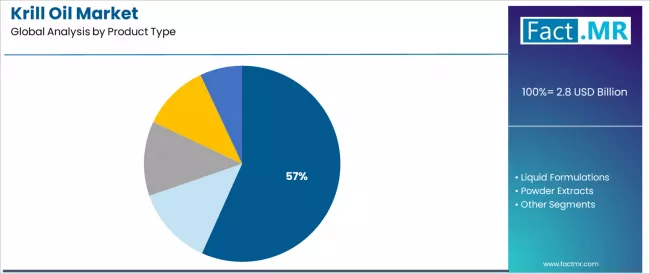
The soft gel capsule segment is projected to account for 56.7% of the krill oil market in 2025, reaffirming its position as the leading product technology. Supplement manufacturers and nutraceutical companies increasingly utilize soft gel capsule systems for their superior encapsulation characteristics, established stability standards, and essential performance in diverse consumer applications across multiple health sectors.
Soft gel capsules’ proven performance characteristics and established reliability directly address consumer requirements for comprehensive bioavailability and optimal absorption precision in nutritional and therapeutic applications. This technology segment forms the foundation of modern supplement delivery patterns, as it represents the product type with the greatest formulation versatility and established compatibility across multiple omega-3 systems.
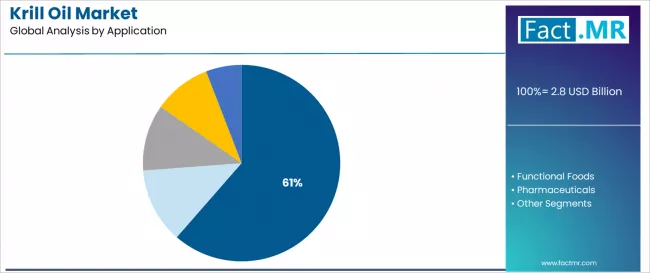
Dietary supplement applications are projected to represent 61.4% of the krill oil market in 2025, underscoring their critical role as the primary application sector for health-focused consumers seeking superior nutritional benefits and enhanced wellness credentials. Supplement users and health-conscious individuals prefer dietary supplement applications for their established therapeutic requirements, proven health demand, and ability to maintain exceptional bioactive delivery while supporting versatile wellness coverage during diverse health activities.
Positioned as essential applications for wellness-focused consumers, dietary supplement offerings provide both therapeutic excellence and health optimization advantages. The segment is supported by continuous improvement in extraction technology and the widespread availability of established efficacy standards that enable health assurance and premium positioning at the consumer level.
The krill oil market is advancing rapidly due to increasing health consciousness adoption and growing need for premium omega-3 solutions that emphasize superior bioavailability across nutritional segments and therapeutic applications. The market faces challenges, including competition from fish oil alternatives, supply chain limitations, and regulatory compliance factors affecting adoption rates. Innovation in extraction technology enhancement and advanced formulation systems continues to influence market development and expansion patterns.
The growing adoption of krill oil products with phospholipid processing and bioavailability optimization is enabling consumers to develop health strategies that provide distinctive therapeutic benefits while commanding intelligent absorption enhancement and superior nutritional characteristics. Phospholipid applications provide enhanced bioavailability consistency while allowing more advanced therapeutic optimization features across various health categories. Users are increasingly recognizing the nutritional advantages of bioavailability positioning for comprehensive wellness outcomes and technology-integrated health processes.
Modern krill oil manufacturers are incorporating advanced extraction processing, real-time purity optimization capabilities, and intelligent quality systems to enhance therapeutic effectiveness, improve product stability, and meet consumer demands for premium nutritional solutions. These systems improve therapeutic effectiveness while enabling new applications, including specialized formulation programs and targeted health protocols. Advanced technology integration also allows manufacturers to support wellness optimization positioning and therapeutic management beyond traditional omega-3 performance requirements.
| Country | CAGR (2025-2035) |
|---|---|
| China | 8.1% |
| India | 7.6% |
| Germany | 6.2% |
| Brazil | 7.1% |
| USA | 6.5% |
| UK | 5.8% |
| South Korea | 7.4% |
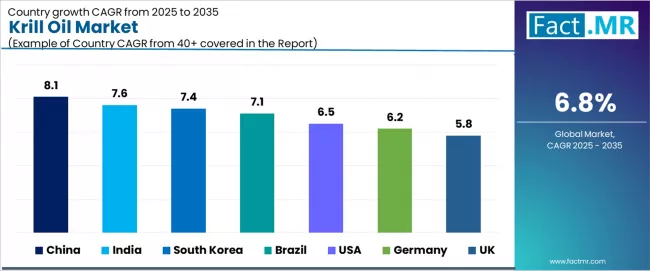
The krill oil market is experiencing robust growth globally, with China leading at a 8.1% CAGR through 2035, driven by the expanding health consciousness initiatives, growing supplement adoption requirements, and increasing acceptance of marine-derived omega-3 systems. India follows at 7.6%, supported by rising wellness industry investment, expanding urban health development programs, and growing acceptance of premium nutritional technologies. South Korea shows growth at 7.4%, emphasizing established health industry standards and comprehensive wellness development. Brazil records 7.1%, focusing on health modernization and nutritional optimization. The USA demonstrates 6.5% growth, prioritizing advanced supplement technologies and bioavailability optimization. Germany shows growth at 6.2%, emphasizing established health industry standards and comprehensive supplement development. The UK demonstrates 5.8% growth, prioritizing advanced therapeutic technologies and wellness optimization.
The report covers an in-depth analysis of 40+ countries; seven top-performing countries are highlighted below.
Revenue from krill oil consumption and sales in China is projected to exhibit exceptional growth with a CAGR of 8.1% through 2035, driven by the country’s rapidly expanding health supplement sector, favorable government policies toward wellness modernization, and initiatives promoting marine-derived nutritional technologies across major urban regions. China’s position as a global health consciousness hub and increasing focus on preventive healthcare are creating substantial demand for high-quality omega-3 products in both domestic and import markets. Major supplement manufacturers and nutraceutical distributors are establishing comprehensive distribution capabilities to serve growing demand and emerging wellness opportunities.
Revenue from krill oil products in India is expanding at a CAGR of 7.6%, supported by rising health industry investment, growing wellness consciousness, and expanding supplement distributor capabilities. The country’s developing health infrastructure and increasing investment in nutritional technologies are driving demand for omega-3 products across both traditional and modern wellness applications. International supplement companies and domestic distributors are establishing comprehensive operational networks to address growing market demand for high-performance krill oil products and efficient health solutions.
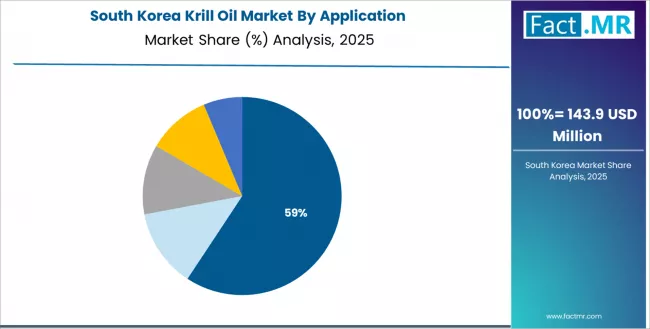
Revenue from krill oil products in South Korea is projected to grow at a CAGR of 7.4% through 2035, supported by the country’s expanding health industry standards, established government regulations, and leadership in wellness technology implementation. South Korea’s advanced health development standards and strong support for innovative omega-3 systems are creating steady demand for both traditional and advanced krill oil varieties. Leading supplement manufacturers and specialty distributors are establishing comprehensive operational strategies to serve both domestic markets and growing regional opportunities.
Revenue from krill oil products in Brazil is projected to grow at a CAGR of 7.1% through 2035, driven by the country’s emphasis on health industry modernization, wellness infrastructure development growth, and growing supplement distributor capabilities. Brazilian consumers and health establishments consistently seek efficacy-focused omega-3 systems that enhance wellness performance and support modernization excellence for both traditional and modern health applications. The country’s position as a Latin American wellness leader continues to drive innovation in specialized krill oil applications and therapeutic performance standards.
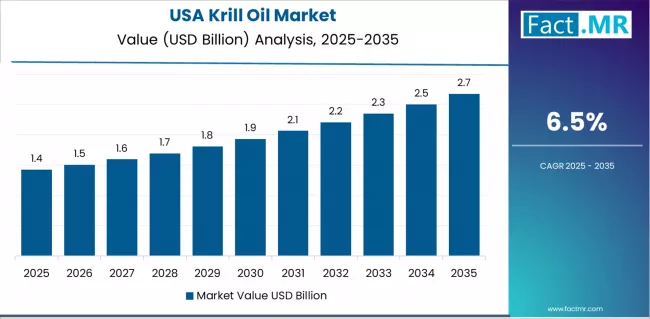
Revenue from krill oil products in the USA is projected to grow at a CAGR of 6.5% through 2035, supported by the country’s emphasis on health technology advancement, wellness optimization, and advanced supplement system integration requiring efficient omega-3 solutions. American consumers and health-focused establishments prioritize performance reliability and therapeutic precision, making specialized krill oil systems essential components for both traditional and modern wellness applications. The country’s comprehensive health technology leadership and advancing wellness patterns support continued market expansion.
Revenue from krill oil products in Germany is projected to grow at a CAGR of 6.2% through 2035, supported by established health standards, expanding wellness markets, and emphasis on therapeutic efficiency across supplement and pharmaceutical sectors. German consumers and health professionals prioritize quality performance and therapeutic consistency, creating steady demand for premium omega-3 solutions. The country’s comprehensive market development and established health performance practices support continued advancement in specialized applications.
Revenue from krill oil products in the UK is projected to grow at a CAGR of 5.8% through 2035, supported by the country’s emphasis on therapeutic precision, health excellence, and advanced technology integration requiring efficient omega-3 solutions. British consumers and health-focused establishments prioritize technical performance and wellness precision, making specialized krill oil systems essential components for both traditional and modern health applications. The country’s comprehensive health leadership and advancing precision patterns support continued market expansion.
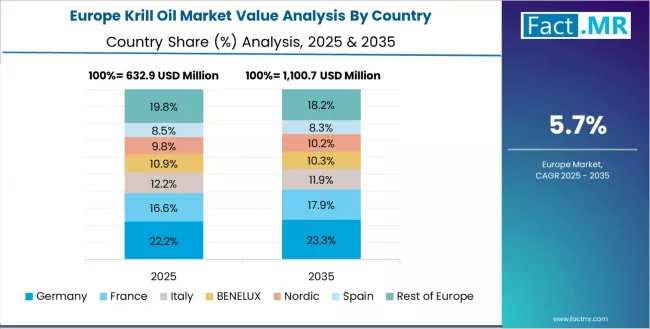
The Europe krill oil market is projected to grow from USD 0.6 billion in 2025 to USD 1.1 billion by 2035, recording a CAGR of 6.1% over the forecast period. Germany leads the region with a 41.2% share in 2025, moderating slightly to 40.8% by 2035, supported by its strong health industry traditions and demand for premium, research-backed omega-3 solutions. The UK follows with 24.7% in 2025, easing to 24.3% by 2035, driven by a mature wellness market and emphasis on therapeutic efficiency and quality performance. France accounts for 16.8% in 2025, rising to 17.1% by 2035, reflecting steady adoption of advanced supplement technologies and wellness optimization. Italy holds 7.9% in 2025, expanding to 8.2% by 2035 as health modernization and specialty wellness applications grow. Spain contributes 4.1% in 2025, growing to 4.3% by 2035, supported by expanding wellness development and health performance awareness modernization. The Nordic countries rise from 3.4% in 2025 to 3.5% by 2035 on the back of strong health consciousness and advanced therapeutic methodologies. BENELUX remains at 1.9% share across both 2025 and 2035, reflecting mature, efficiency-focused wellness markets.
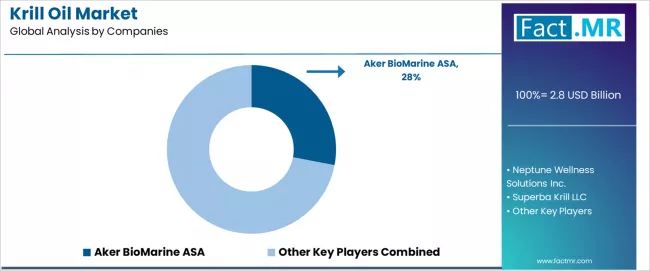
The krill oil market is characterized by competition among established marine biotechnology companies, specialized omega-3 manufacturers, and integrated nutritional solution providers. Companies are investing in advanced extraction technologies, specialized processing platforms, product innovation capabilities, and comprehensive distribution networks to deliver consistent, high-quality, and bioavailable krill oil systems. Innovation in cold extraction processing, phospholipid preservation, and health-focused product development is central to strengthening market position and consumer satisfaction.
Aker BioMarine ASA leads the market with 28% share with a strong focus on vertical integration and comprehensive marine solutions, offering commercial and consumer systems with emphasis on quality excellence and Antarctic heritage. Neptune Wellness Solutions Inc. provides integrated supplement manufacturing with a focus on health market applications and precision extraction networks. Superba Krill LLC delivers comprehensive omega-3 technology solutions with a focus on commercial positioning and bioavailability efficiency. Rimfrost AS specializes in comprehensive extraction technologies with an emphasis on pharmaceutical applications. Antarctic Krill Technologies LLC focuses on comprehensive marine harvesting with advanced processing and premium positioning capabilities.
| Items | Values |
|---|---|
| Quantitative Units (2025) | USD 2.8 Billion |
| Product Type | Soft Gel Capsules, Liquid Formulations, Powder Extracts, Chewable Tablets, Other Product Configurations |
| Application Sector | Dietary Supplements, Functional Foods, Pharmaceuticals, Cosmeceuticals, Others |
| Extraction Method | Supercritical CO2 Extraction, Solvent Extraction, Enzymatic Extraction, Cold Pressing, Other Extraction Platforms |
| Distribution Channel | Online Retail, Specialty Stores, Pharmacies, Supermarkets, Other Distribution Services |
| Regions Covered | North America, Europe, Asia Pacific, Latin America, Middle East & Africa, Other Regions |
| Countries Covered | China, India, Germany, Brazil, USA, UK, South Korea, and 40+ countries |
| Key Companies Profiled | Aker BioMarine ASA, Neptune Wellness Solutions Inc., Superba Krill LLC, Rimfrost AS, Antarctic Krill Technologies LLC, and other leading krill oil companies |
| Additional Attributes | Dollar sales by product type, application sector, extraction method, distribution channel, and region; regional demand trends, competitive landscape, technological advancements in extraction engineering, bioavailability optimization initiatives, phospholipid enhancement programs, and premium product development strategies |
North America
Europe
Asia Pacific
Latin America
Middle East & Africa
Other Regions
Breast health has become a major topic of concern for women today, and with it, supplements claiming to support hormonal balance, reduce tenderness, and even protect breast tissue have entered mainstream wellness conversations. However, do these dietary supplements live up to these claims or are they just another mainstream trend in wellness remedies with exaggerated promises?
In an exclusive interaction with the editorial team of Onlymyhealth, Dr Rohan Khandelwal, Associate Director, The Breast Centre, CK Birla Hospital, Gurugram, explained that women are just seeking a safer and natural method for addressing hormonal changes, associated pain and risks. But at the same time, he emphasised that it becomes necessary to know the actual domain and limitations before consuming these supplements. Read ahead to know everything he shared with us.
“Supplements for breast health are on the market, but their benefits should not be exaggerated. While ingredients such as evening primrose oil, flaxseed, and vitamin E with antioxidants are somewhat soothing, they cannot be relied upon to prevent or cure breast disorders. It’s essential that women are aware of what these ingredients can and cannot do,” advised Dr Khandelwal.
ALSO READ- Does Squeezing Boobs Increase Breast Size? Here’s What Health Expert Suggests

Common problems most breast health supplements address include:
Common ingredients include GLA (gamma-linolenic acid), derived from evening primrose oil, for alleviating PMS, which are associated with breast tenderness. Antioxidants, such as vitamins A, C, and E, are said to aid in cell repair. Phytochemicals/herbal blends work on hormone balancing and promoting lymphatic drainage.
Although these benefits appear attractive, they have not been founded on a scientific level and, if they do work, they are not consistent among all individuals.
According to current research, there is a mix of things. These include:
The scientific consensus remains clear that while they may be somewhat supportive in relieving some symptoms, they should never be substituted for medical treatment and preventive actions.
One common myth is that dietary supplements can help prevent breast cancer or cleanse the breasts. “There isn’t a supplement on earth, from vitamins to herbs to oil, that will help women prevent breast cancer,” he said. Other issues include:
ALSO READ- Man Boobs: Possible Causes Of The Condition Called Gynaecomastia
Doctors stress that a holistic and preventive strategy is the best way to take care of breast health. These may include:
According to Dr Khandelwal nutritional supplements would offer some benefit for women with mild PMS symptoms and deficiencies. Use of these supplements should be done with a clear understanding and guidance. “Supplements might have a very small benefit for everyday support, but they are no magic bullets. Healthy living and medical advice will always be at the forefront,” he advised.
Although these supplements might be somewhat useful in relieving some women of symptoms, they do not have any efficacy in either preventing or curing any breast disorders. The best way forward to healthy breasts will always be good lifestyle practices and proper medical attentive care.
No. There have been no proven vitamins, herbs, or natural substances shown to lower risk.
They might be useful for some women, but they don’t offer consistent results. You should always consult a physician, particularly if you are taking any other medication.
However, any unusual lump, pain, discharge, or changes should be looked at by a medical professional and not treated with dietary supplements.
We work with experts and keep a close eye on the latest in health and wellness. Whenever there is a new research or helpful information, we update our articles with accurate and useful advice.
Dec 12, 2025 12:05 IST
Published By : Tanya Srivastava
I’ll be honest with you. I don’t love the taste of matcha. I do, however, greatly appreciate its effects on my body after a night of drinking.
That’s what Matcha Aid is for. The Matcha.com product is supposed to be a natural alternative to Gatorade, promising vitamins and electrolytes and even some helpful fungi (cordyceps mushrooms) to boost your brain and body from a green tea base. But it seems to go a step beyond the promise of hydration mixes or slightly weird mushroom drinks. Something here hits my hungover brain a little bit differently in the morning.
That would be enough for me to power through even if I hated the way it tastes — but it’s mostly inoffensive, if a bit too mossy for me. So, let’s just dive in and see what we’ve got.
Matcha Aid
Despite the reminders on the box and packet to “WHISK IT,” there isn’t anything in terms of actual instructions for how to make this. I’m just gonna wing it with about 15 ounces of water in a blender bottle. That seems to diffuse the powder and give me a nice tall glass of Shrek bathwater.
There’s a slightly mossy, stale-ish smell coming from the top of the bottle that dissipates a little in the cup. That kinda-stale vibe runs through the first sip. There’s a little bit of an iced tea feel here, owing in part to the lemon flavor of each packet. But all the elements here are understated, leaving a balanced but forgettable first impression.
That’s better than falling in the other direction, and it’s enough to keep me coming back for more. There’s a modest earthiness that lingers through each gulp and tastes like a health food store smells. Despite that, the overall flavor profile is gentle and it’s not difficult to drink. It’s a little bland, but that’s OK if this pile of green powder helps me power through a morning after a few hours of restless sleep.
After half a glass, I’ve gone from a minor headache to… a minor headache. My goal was to use this to replace my pre-coffee hydration, hopefully to a point where I wouldn’t need three cups of coffee. By the time I’ve finished, that headache has faded to a minor annoyance and I do feel better. Not “bypass caffeine” better, but a little less foggy.
An hour later, and with a little caffeine in my system, I feel pretty good. My energy level is up, the headache has cleared and the lingering muscle soreness from working out and being old… well, that’s still there. Even so, I feel better and that was enough to add Matcha Aid to my travel bag for an upcoming dudes trip for a fantasy football, golf and other stereotypical dad stuff in August.
How did it do there? It was a popular pickup for a bunch of 40-something dads trying to work off a night of terrible fantasy drafting and even worse karaoke. We all made it through what was probably too much golf and absolutely too many beers with minimal negative effects.

A delicious pour of one of the best beers on the planet.
This a pass/fail mechanism where I compare whatever I’m drinking to my baseline cheap beer. That’s the standby from the land of sky-blue waters, Hamm’s. So the question to answer is: on a typical day, would I drink Matcha Aid over a cold can of Hamm’s?
No. But I’d drink it the morning after crushing too many Hamm’s and get back to normal faster than I would with Gatorade or Red Bull.
This is part of FTW’s Beverage of the Week series. Here, we mostly chronicle and review beers, but happily expand that scope to any beverage that pairs well with sports. Yes, even cookie dough whiskey.
This article originally appeared on For The Win: Matcha Aid review: A hangover fix for your holiday boozing
Sleep and mood support are becoming priorities in functional nutrition as consumers recognise the impact of rest on daily well-being.
Chinese consumers, for instance, have shown the greatest interest in biotics and the role of gut health in supporting mood, stress, and sleep.
According to ADM’s Sleep, Stress & Mood Report, 76% of global consumers agree that sleep quality affects how they feel throughout the day, and 74% believe it influences their overall quality of life.
Diversification across the Asia-Pacific region is gathering pace and fuelling growth for Australia’s supplements sector, according to new data.
China (including Hong Kong) continues to dominate as the largest export destination, accounting for $690million, or 68% of total exports.
However, diversification is gathering pace, with Vietnam strengthening its position as the second-largest market ($86 million, 8%), followed by New Zealand ($49 million, 3%), South Korea ($32 million, 3%), and Thailand ($31 million, 3%).
This year’s supplement successes include creatine, cellular health, and weight loss solutions with plant exosomes, pet nutrition, and shatavari emerging as topics to watch in 2026, according to PharmaLinea’s end-of-year summit.
Creatine, for instance, is “on a great transition journey” from muscle-only to various well-being benefits, Matevž Ambrožič, marketing & PR director at PharmaLinea, pointed out during the session.
This is driven largely by “an immense and growing body of scientific research supporting its benefits for sports performance, muscle, sarcopenia, brain health, skin health, women’s health, and more”.
Women’s health was the most popular dietary supplement category in Australia this year.
Total retail value of women’s health supplements was AUD$375m (US$245m), followed by digestive health (AUD$264m), joint health (AUD$184m), immune system (AUD$158m), and bone health (AUD$136m).
The women’s health category includes products such as women’s multivitamins, which accumulated a total retail value of AUD$97.4m (US$63.6m) or 24.2% of the total multivitamin market, according to an annual industry snapshot report by industry body Complementary Medicines Australia (CMA).
The modernization of traditional remedies, strong uptake of beauty-from-within supplements, and e-commerce as a key channel for health supplement purchase are among the key trends that Boston Consulting Group (BCG) has seen in the region.
The modernization of traditional herbal remedies, for instance, is seen in the case of Jamu – the Indonesian turmeric, ginger, and tamarind drink, which can now be purchased from modern retail channels such as cafes.
Jasryn Ng, principal South East Asia at BCG, highlighted the above during the opening ceremony of Sirio Pharma’s Chonburi factory in Thailand.