The main category of Dietary Supplements News Articles.
You can use the search box below to find what you need.
[wd_asp id=1]
The main category of Dietary Supplements News Articles.
You can use the search box below to find what you need.
[wd_asp id=1]
As matcha surges in popularity, could the centuries-old coffee market be facing a real rival?
Could coffee’s reign as one of the world’s most popular beverages be coming to an end? In an era when coffee has become more than just a drink but part of a lifestyle, it’s hard to imagine.
Yet, a quiet and consistent contender has emerged in recent years. Matcha is quickly ascending the ranks to be the beverage of choice, especially among younger generations.
Once the preserve of traditional Japanese ceremonies, the green-tea powder has entered the mainstream in Asia and the West. It’s made its way into cafés, restaurants, syrups, and ready-to-drink options around the world.
With new beverage trends sweeping social media platforms – often rising as quickly as they fall – will the green caffeinated drink be the next staple beverage or just another trend to pass by? Global Coffee Report delves into the world of matcha to explore whether coffee has a serious new competitor.
Matcha’s roots trace back to ancient China, originating during the Tang Dynasty from the 7th to 10th century. To make green tea easier to transport, growers began drying and grinding tea leaves into a fine powder, which they mixed with salt water and pressed into bricks. This practical innovation led to a new way of consuming tea, and by the 13th century powdered green tea had become popular, especially among Buddhist monks.
It was during this time a Japanese monk studying Zen Buddhism in China encountered the powdered tea and brought it back to Japan. He referred to it as “the elixir of the immortals”. By 1271, the Japanese had refined both the cultivation and preparation of matcha, developing a unique shading technique that gave the tea its iconic green colour.
Fast-forward to 2025 and the vibrant green drink is a social-media star. One company that championed matcha before the online craze is Australian tea company T2.
“We’ve been selling matcha for around 25 years now,” says Sally Morris, Head of Tea at T2.
“Our matcha was initially stocked in small quantities, tucked away for those with a very keen interest in the Japanese tea ceremony. We were our Japanese matcha producer’s first international export customer, so we have a long history with this tea.”
While T2’s early sales of matcha were modest, everything changed in 2016 when the brand launched its first flavoured matcha and introduced the world’s first matcha flask – a portable, shaker-style whisking tool.
“That was when we really started to carve out a niche,” says Morris.
“Nothing, however, compares to the past two years where we’ve seen matcha and its associated accoutrements take the top spots week after week.”
Morris says the catalyst for the change was Gen Z. Today’s younger consumers are fuelling matcha’s meteoric rise, and social media is the main driving factor behind trend.
“This generation has quickly cottoned on to the fact that matcha is infinitely more social media-worthy than coffee,” she says.
TikTok and Instagram creators, influenced by aesthetic beverages from popular cafés, began crafting and posting their own visually pleasing matcha drinks, which are often paired with trending flavours like strawberry. This combination of visual appeal and versatility has turned matcha into what T2 calls “a global cultural moment.”
“Some of the Gen Z matcha drinkers who discovered it through strawberry matcha lattes are now posting videos on TikTok comparing Shizuoka versus Uji harvests,” says Morris.
“There is a new wave of matcha fandom that has emerged in the past few years alone. What started as a social media craze has turned into a real appreciation for high-quality matcha across generations – for the health benefits, flavour, ceremony, and everything that can be done with it.”
While the drink’s appearance certainly helps on visual platforms, it’s also the taste that has won people over.
“I think people now actually really like the taste of matcha, which I wouldn’t have been able to say a few years ago,” Morris says.
Another driver of matcha’s popularity is its health benefits. Unlike coffee’s bold caffeine hit, matcha contains L-Theanine, an amino acid that has a calming effect to offset the caffeine buzz.
“It’s a smoother, more sustained energy experience – one that’s increasingly appealing to younger consumers looking for balance,” says Morris.
The health benefits are strongly linked to matcha’s vibrant appearance. Morris emphasises a high-grade matcha should be “a bright and grassy green,” have a talcum-like texture, and taste “smooth and grassy” rather than hay-like.
“Western classifications such as ceremonial and latte grade are marketing terms. Japan doesn’t actually use them,” she says.
“Foam is often misunderstood too. A very foamy matcha indicates the skill of the person whisking and the presence of saponins. But more foam doesn’t necessarily mean better matcha as some of the highest quality powders may foam less, especially if they’re naturally sweeter and milder.”
While matcha is making leaps and bounds in popularity, will it ever be able to overtake coffee? Morris outlines its potential, but says it’s still establishing itself as a real competitor.
“Coffee remains about 50 times the size of the matcha industry globally,” she says.
Japanese matcha production has also hit capacity, with environmental factors causing a 20 to 30 per cent drop in yield in 2025 alone. Morris highlights some matcha producers are refusing new customers.
“The whole world is currently scrambling to secure supply,” she says. “However, there is now opportunity for Chinese tea gardens to significantly premiumise cultivation and processing methods.”
It’s not just the tea industry that has noticed the surge of matcha’s popularity. Nearly all major coffee chains – including Starbucks, Dunkin’, Blank Street, and Peet’s Coffee – have added matcha ranges to their menus.
The Coffee Club, one of Australasia’s leading café chains, has embraced this trend as it aims to position itself as a pioneer in bringing matcha to the mainstream.
The chain’s entry into matcha began in November 2024 with the launch of four drinks: the Iced Strawberry Matcha Latte, Iced Mango Matcha Latte, Matcha Latte, and Iced Matcha Latte. The brand noticed that while matcha was trending in independent cafés, no major chain in the region had made it conveniently accessible.
“We identified that matcha, and in particular the strawberry matcha, was a growing trend,” says Nikki Price, General Manager of Marketing & Product at The Coffee Club.
“We wanted to be the first to make it available in the mainstream market in Australia.”
According to the chain, the launch was extremely successful, leading to the introduction of seasonal favourites such as the Iced Blueberry Matcha Latte. Yet, rather than overtaking existing coffee sales, matcha has carved out a distinct and lucrative niche.
“The Matcha range has driven incremental sales growth in our cold and hot drink categories,” says Price.
“Not only has it opened up a new beverage category, but it has also acted as a springboard for further drink innovations, such as the recent Dubai chocolate–inspired Pistachio range.”
According to third-party data cited by The Coffee Club, 56 per cent of Gen Z beverage orders are for cold drinks. This statistic is in stark contrast to Baby Boomers, who opt for hot beverages 86 per cent of the time. The company found the vibrant look and layered presentation of drinks like the Iced Strawberry Matcha Latte make them especially appealing for social media, further fuelling their popularity.
This article was first published in the November/December 2025 edition of Global Coffee Report. Read more HERE.
Researchers at Sabinsa published a study on Cyperus rotundus extract – also known as nut grass – which has roots in traditional herbal medicine for treating obesity, inflammation and gastrointestinal issues. This perennial herb provides another tool for formulators to craft weight management supplements from naturally derived, science-backed ingredients.
Weight loss and weight management supplements have trended for decades, even more so now in the GLP-1 (glucagon-like peptide-1) era. Yet some consumers have hesitations about injectable medications, and demand continues for oral supplements that can support consumers on wellness journeys.
Cyperus rotundus extract supplementation, when paired with a healthy diet and exercise program, supports weight loss and lipid profiles. The extract was well tolerated and provides a novel ingredient for weight management supplement products.
Cyperus rotundus extract (CRE), marketed as Cirpusins by Sabinsa, is standardized to 6% total stilbenes. Stilbenes are a class of phenolic compounds, including resveratrol, that have anti-inflammatory and antioxidant properties that may provide health benefits. The stilbenes present in CRE include scirpusin A, scirpusin B and piceatannol.
Design: Randomized, double-blind, placebo-controlled trial of obese subjects with a body mass index (BMI) between 30 and 40.
Study size: 96 participants.
Outcomes measured: Body weight, BMI, waist and hip circumferences, serum lipid profile (cholesterol and triglycerides), calorie intake and physical activity.
Diet and exercise: Researchers instructed participants to avoid processed and fried foods and to exercise for at least 30 minutes daily via brisk walking.
The study found that participants who supplemented with Cyperus rotundus extract for 90 days significantly reduced body weight and measurements and decreased total cholesterol and triglyceride levels. By day 30, participants receiving CRE had lost 1.4% of their body weight, up to 7.1% at day 90.
The researchers observed that subjects in the placebo group also experienced reduced their body weight and improved their lipid profile due to changes in diet and exercise, but the within-group changes from day 0 to day 90 were not significant. At day 30, participants logged 0.5% decrease in body weight, which went up to only 2.6% by day 90.
This study is the first to report a full clinical trial on the effects of Cyperus rotundus extract in weight management.
A prior pilot study investigated CRE standardized to 5% stilbenes, but subjects received no instruction on diet or rigorous exercise (though they participated in some form of regular exercise). Participants in the CRE group experienced significant decreases in weight and measurements after 90 days, similar to the current study, while participants in the placebo group remained largely unchanged.
Originating in China, matcha, which is known for its health benefits and distinctive earthy and slightly grassy flavor, was brought to Japan during the 12th century, where it became a part of traditional cultural ceremonies and Buddhist rituals. Today, its popularity in lattes, boba drinks, and even cheesecakes and ice cream has Japanese tea farmers struggling to maintain their traditional quality standards while keeping up with demand, leading to worldwide shortages and increasing prices.
But several Bay Area tea shops have managed to rise above the fray, creating beverages and treats using the highest quality product—often ceremonial-grade tea sourced directly from Japan. Here’s where to find the best matcha in Silicon Valley.
Izumi Matcha is one of the most popular spots in the South Bay.(Courtesy of @izumi.matcha)
Izumi Matcha
Izumi Matcha’s Cupertino location is arguably the most popular spot on this list. Lines can be impossibly long on weekends due to their single ordering station. Do yourself a favor (and everyone else behind you in line) and choose your drink selections before you get to the register. Their beverages contain no artificial flavors, colors, or syrups. A third location will be coming soon to San Mateo. // 19740 Steven’s Creek Blvd. (Cupertino) and 3005 Silver Creek Rd., Suite 142 (East San Jose), izumimatcha.com
Ryokucha Cafe
Ryokucha Cafe in Palo Alto sources its matcha directly from Shizuoka, Japan, and their menu includes both matcha and hojicha, a roasted green tea with a nutty, almost malted flavor. They also offer soft serve and specialty coffees like the Matcha Oreo Freeze, a smoothie with milk and Oreo cookie crumble, and lavender lattes with brown sugar boba. // 4131 El Camino Real, (Palo Alto), ryokucha.cafe
Maruwu Seicha
Maruwu Seicha sources and manufactures its own teas in Uji, Kyoto, Japan. Their matcha tends to be on the bolder, stronger side, and their certified Halal teas have won numerous awards. When ordering an iced beverage, keep in mind that ice levels cannot be adjusted and may affect the flavor. The Palo Alto location is incredibly popular on weekends, so bring your patience. // 250 University Ave., Unit 101 (Palo Alto), maruwuseicha.us
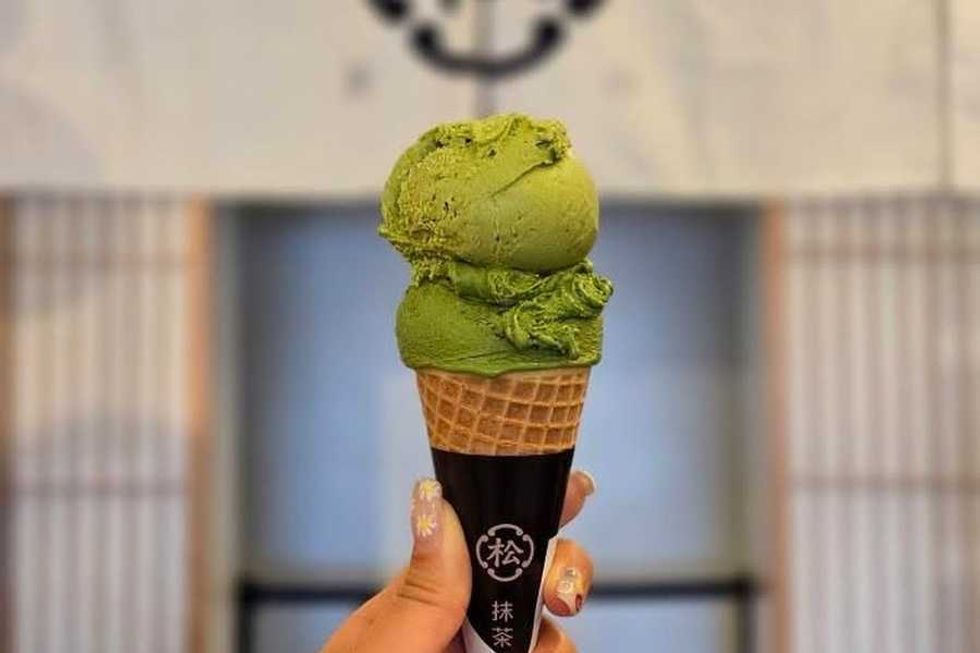 Matsu Matcha in Santa Clara has matcha gelato at five different flavor strengths.(Courtesy of @matsumatcha.sc)
Matsu Matcha
Matsu Matcha uses high quality ceremonial-grade tea from Japan. Along with their menu of drinks, they also serve matcha gelato at five different flavor strengths, ranging from a mild roasted hojicha all the way to a bold, ultra-rich version. For even more fun, order one of their parfaits layered with chiffon cake, mochi, red bean paste, matcha gelato, and matcha cream, then topped with matcha powder. // 3030 El Camino Real (Santa Clara), instagram.com/matsumatcha.sc
Cere Tea
Cere Tea serves ceremonial-grade matcha and hojicha combined with other tea varieties like osmanthus and Earl Grey, offering a different spin on the typical matcha latte. Their extensive menu also includes a variety of einspänner drinks, which combine the earthiness of matcha with a thick layer of sweetened cream on top. // 18568 Prospect Rd. (Saratoga); 686 Barber Ln. (Milpitas); 1115 Burlingame Ave. (Burlingame), ceretea.com
Matcha Cafe Maik
Matcha Cafe Maiko in Santa Clara’s Westfield Valley Fair shopping center is right outside the Pop Mart store, so you can expect plenty of foot traffic and long lines during peak times. They source their tea directly from Harima Garden in the Uji region of Kyoto, known for growing the highest-quality matcha in the world. // 2855 Stevens Creek Blvd., Suite 9254 (Santa Clara), matchacafe-maiko.com
Bloomsgiving
Bloomsgiving was born from the owner’s visits to similar hybrid cafes in Japan that are part coffee and tea shop, part flower and plant store. But that doesn’t mean she isn’t focused on the beverages, personally selecting all her matcha directly out of Uji, Japan. Bloomsgiving’s hojicha drinks, in particular, are standouts. The mild, smooth, toasty flavor comes through without any of the bitterness of regular matcha. // 310 Castro St., (Mountain View) and 893 Winslow St., (Redwood City), bloomsgiving.com
 Bloomsgiving is a hybrid tea shop and flower and plant store.(Courtesy of @bloomsgiving)
As 2025 draws to a close, Clasado Biosciences is reflecting on a landmark year that underlines the accelerating importance of prebiotics in health and nutrition product innovation.
The prebiotic category has experienced remarkable growth throughout 2025, with new prebiotic products launched across a spectrum of categories, from functional beverages and sports nutrition to everyday wellness supplements.
Clasado believes this surge in commercial activity reflects growing consumer understanding of the gut microbiome’s role in overall health and signals a maturation of the prebiotics market as it moves from niche ingredient to mainstream innovation driver.
Reflecting this maturation, the global prebiotics market is projected to grow at a compound annual growth rate of almost 15% to 2030, according to Grand View Research, while Google Trend data for global consumer ‘prebiotic’ searches shows continual growth from 2020 to 2025.
Marking a highly successful year for Clasado, the prebiotic specialist’s ingredient, Bimuno GOS, secured Gold at the NutraIngredients USA Awards in the Sports Nutrition category, followed by Silver in Immune Health and Bronze in Digestive Health at the Natural Choice Awards 2025.
Perhaps most significantly, 2025 saw Bimuno GOS surpass 125 scientific publications, further strengthening its position as the most comprehensively studied galactooligosaccharides (GOS) prebiotic available to formulators.
This milestone was driven by two particularly noteworthy studies: research published in Metabolites demonstrating bifidogenic efficacy at ultra-low doses of just 380 mg daily and a Nottingham Trent University study showing that Bimuno GOS supports gut barrier integrity and immune health in athletes during high-intensity exercise in challenging conditions.
2025 has also seen Clasado engaging at key industry events, including SupplySide Global, Vitafoods Europe and Asia, Probiota Europe and Americas and the Nutraceuticals Europe summit.
Per Rehné, CEO at Clasado, commented: “2025 has been an exceptional year for our team, especially in areas of collaboration and partnership. This year reflects a fundamental shift in how the health and nutrition industry views gut health.”
“For years, prebiotics lagged behind probiotics in consumer awareness; many people simply didn’t understand what prebiotics were or how they supported health. However, the market is telling us a very different story now.”
“We have already seen major global brands increasing the launches of prebiotic-containing products during the last several years and 2025 has brought explosive growth in the prebiotic functional drinks category.”
“This sends a clear signal to formulators about where the future of microbiome modulation lies.”
“Consumers are making it abundantly clear that gut health is a key priority and they’re seeking products backed by credible science.”
“From ultra-low dose formats that work in compact capsules to performance-focused sports nutrition products, the science behind Bimuno GOS continues to open new possibilities for brands and formulators.”
“As we look ahead, we see tremendous opportunity for prebiotics to play an even more central role in addressing the health challenges that matter most to consumers.”
The combination of commercial recognition and scientific advancement positions Clasado strongly as the health and nutrition industry continues to prioritise evidence-based ingredients that deliver measurable benefits.
1/4
Swipe or click to see more
Photo by Cassidy Apo
Hojicha Latte ($6.50)

2/4
Swipe or click to see more
Photo by Cassidy Apo
Matcha Kuromitsu Latte ($6.90); Matcha Soft Serve with Shiratama and Azuki ($7); Hojicha with Nama Chocolate ($7.50)

3/4
Swipe or click to see more
Photo by Cassidy Apo
Strawberry Matcha Milk ($7)

4/4
Swipe or click to see more
Photo by Cassidy Apo
Earl Grey ($9)

Already a Honolulu Star-Advertiser subscriber? Log in now to continue reading.
Demand for arabinoxylan fiber in Japan is rising, with the industry valued at USD 68.4 million in 2025 and forecast to reach USD 119.9 million by 2035, reflecting a CAGR of 5.8%. Key sectors driving this growth include animal feed, dairy products, beverages, meat products, dietary supplements, and bakery & confectionery. Animal feed accounts for 27% of demand, while the powder form dominates at 44%, owing to its versatility, ease of use, and high concentration. The primary sources of arabinoxylan fiber are wheat, rye, corn, barley, rice, and sorghum, with wheat being the dominant contributor.
Kyushu & Okinawa leads with a 7.2% CAGR, driven by an increasing focus on digestive health and wellness, particularly in Okinawa’s aging population. Kanto follows with a 6.6% CAGR, buoyed by the large urban population and growing demand for functional foods. Kansai, with a 5.8% CAGR, benefits from its vibrant food culture and rising interest in dietary supplements. Chubu, Tohoku, and the Rest of Japan show more moderate growth at 5.1%, 4.5%, and 4.3%, respectively, with increasing consumer awareness about gut health and functional nutrition. The overall growth is further supported by the rising adoption of plant-based fibers, clean-label products, and innovations in extraction and processing methods, which are boosting the appeal of arabinoxylan fiber in Japan.
| Metric | Value |
|---|---|
| Demand for Arabinoxylan Fiber in Japan Value (2025) | USD 68.4 million |
| Demand for Arabinoxylan Fiber in Japan Forecast Value (2035) | USD 119.9 million |
| Demand for Arabinoxylan Fiber in Japan Forecast CAGR (2025-2035) | 5.8% |
The demand for arabinoxylan fiber in Japan is growing as consumers become more focused on digestive health and overall wellness. Arabinoxylan, a type of soluble fiber found in plant cell walls, is gaining attention for its potential health benefits, including improved digestion, enhanced gut health, and weight management. As Japan’s population becomes more health-conscious, there is a rising interest in functional ingredients like arabinoxylan that contribute to better digestion and general well-being.
A key driver of this growth is the increasing awareness of the importance of dietary fiber in maintaining a healthy gut microbiome. As more consumers adopt health-focused diets, arabinoxylan is seen as an effective and natural source of fiber, especially for those looking to manage cholesterol levels, blood sugar, and digestive health. Arabinoxylan fiber is also being integrated into functional foods and dietary supplements, making it easier for consumers to include it in their daily routines. The growing trend towards plant-based and natural food sources is boosting the appeal of arabinoxylan as a sustainable and plant-derived fiber.
The expanding availability of arabinoxylan fiber in food products, such as functional beverages, snacks, and supplements, is making it more accessible to a wider consumer base. With continued advancements in research on the health benefits of arabinoxylan and the growing demand for natural, functional ingredients, the demand for arabinoxylan fiber in Japan is expected to increase steadily through 2035.
Demand for arabinoxylan fiber in Japan is segmented by application, form, source, and region. By application, demand is divided into animal feed, dairy products, beverages, meat products, dietary supplements, and bakery & confectionery, with animal feed leading at 27%. The demand is also segmented by form, including powder, liquid, granules, capsules, and tablets, with powder leading at 44%. The sources of arabinoxylan fiber include wheat, rye, corn, barley, rice, and sorghum. Regionally, demand is spread across Kyushu & Okinawa, Kanto, Kansai, Chubu, Tohoku, and the rest of Japan.

Animal feed accounts for 27% of the demand for arabinoxylan fiber in Japan, driven by its nutritional benefits and its key role in improving gut health for livestock. Arabinoxylan fiber is incorporated into animal feed to enhance digestion and support the overall health of farm animals, particularly in poultry, swine, and cattle. With increasing awareness about the importance of fiber-rich diets for livestock, arabinoxylan helps in promoting healthy digestion, better absorption of nutrients, and improved overall growth rates. This growing focus on high-quality animal feed, which enhances animal health and production, has significantly contributed to the increased use of arabinoxylan. Fiber is a cost-effective, natural ingredient that can improve feed efficiency while supporting sustainable farming practices. As demand for healthier, more sustainable animal products continues to grow, arabinoxylan fiber will remain an essential component in the animal feed industry in Japan, helping producers meet consumer demands for quality and sustainability.

Powder form accounts for 44% of the demand for arabinoxylan fiber in Japan, driven by its versatility, ease of use, and high concentration, making it the preferred form for a variety of applications. The powdered form is especially popular in the food and beverage industry, where it is used in products like dietary supplements, bakery items, and beverages, offering a convenient way to incorporate fiber without altering texture or flavor. It can easily be mixed into liquids or dry ingredients, providing flexibility for manufacturers to use it in a wide range of products. The powder form also allows for precise dosing, which is essential for ensuring consistent quality in functional foods and supplements. Its stable nature, long shelf life, and easy storage make it an ideal choice for both manufacturers and consumers. As demand for fiber-rich and functional food products increases, powdered arabinoxylan fiber is expected to remain the dominant form, thanks to its practical application and ease of use.
Demand for arabinoxylan fiber in Japan is rising as more consumers and manufacturers focus on digestive health, gut microbiome support, and overall wellness. Arabinoxylan, a plant‑derived dietary fiber found in cereals like wheat, rice, barley, and oats, is gaining popularity as a functional ingredient in foods, beverages, and supplements. As interest grows in fiber‑rich diets and functional foods emphasizing prebiotics and gut health, arabinoxylan is emerging as a valuable fiber option. At the same time, adoption is restrained by its relatively high production and processing costs compared with simpler fiber sources. Also, supply‑chain issues and variability in raw‑material quality due to different cereal sources pose challenges for consistent large‑scale use in food manufacturing.
Why is Demand for Arabinoxylan Fiber Growing in Japan?
Demand is growing because Japanese consumers increasingly value foods that support wellness, digestion, and preventive health especially as the population ages and lifestyle‑related health awareness rises. With growing knowledge about the role of dietary fiber and prebiotics in promoting gut health, blood sugar regulation, and general digestive wellness, arabinoxylan fits well with shifting dietary preferences. Food formulators and supplement manufacturers are responding by including arabinoxylan in fiber‑enhanced foods, such as baked goods, cereals, functional bars, and dietary supplements. The broader national trend toward functional foods, clean‑label ingredients, and fiber‑enriched products further boosts its demand.
How are Technological & Industry Innovations Driving Arabinoxylan Fiber Demand in Japan?
Technological advances in extraction and purification processes make arabinoxylan fiber more viable for food and supplement applications. Improved processing enables production of high‑purity arabinoxylan with consistent functional properties, such as solubility, viscosity, and prebiotic potential, which are suitable for incorporation into bakery items, cereals, beverages, and dietary supplements. As these technologies mature, manufacturers can deliver fiber‑enriched products with better taste, texture, and stability, making them more acceptable to consumers. As the global arabinoxylan fiber industry expands and supply becomes more reliable, Japanese producers and importers find it easier to source the ingredient, further facilitating its inclusion in functional‑food portfolios.
What are the Key Challenges and Risks That Could Limit Arabinoxylan Fiber Demand in Japan?
Despite its potential, several factors could limit broader uptake of arabinoxylan fiber in Japan. First, processing and extraction costs remain relatively high, making it more expensive than conventional fiber sources, which reduces competitiveness in price‑sensitive industrys. Second, variability in raw‑material sources and quality may lead to inconsistent functional performance across batches, complicating large‑scale food formulation. Third, competition from other established prebiotic fibers, such as inulin and FOS, which are often cheaper and well understood, can limit arabinoxylan’s industry share. Finally, regulatory and labeling requirements for functional ingredients can add complexity and cost for manufacturers aiming to industry fiber‑enriched products with health claims.

| Region | CAGR (%) |
|---|---|
| Kyushu & Okinawa | 7.2% |
| Kanto | 6.6% |
| Kansai | 5.8% |
| Chubu | 5.1% |
| Tohoku | 4.5% |
| Rest of Japan | 4.3% |
Demand for arabinoxylan fiber in Japan is growing steadily across all regions, with Kyushu & Okinawa leading at a 7.2% CAGR, driven by rising awareness of gut health and digestive wellness. Kanto follows with a 6.6% CAGR, supported by the region’s large urban population and increasing consumer focus on functional foods. Kansai shows a 5.8% CAGR, driven by the region’s vibrant food culture and a growing interest in dietary supplements. Chubu experiences a 5.1% CAGR, with demand rising as more consumers seek fiber-rich, health-boosting products. Tohoku and the Rest of Japan see moderate growth at 4.5% and 4.3%, respectively, reflecting a gradual shift towards health-conscious eating and the adoption of functional fibers.
Kyushu & Okinawa leads the demand for arabinoxylan fiber, growing at a 7.2% CAGR. The region’s increasing interest in gut health and digestive wellness is a major driver, as consumers become more aware of the benefits of dietary fiber. Okinawa, known for its focus on longevity and healthy living, has seen a rise in the adoption of functional foods like arabinoxylan fiber. As the region’s population ages, there is growing demand for products that support digestive health and overall wellness. Local food manufacturers and health food retailers are expanding their offerings to include arabinoxylan fiber-based supplements and food products. With the region’s rising interest in plant-based nutrition, arabinoxylan fiber, derived from grains like wheat, aligns with the growing trend of natural, fiber-rich diets. As consumer awareness continues to grow, demand for arabinoxylan fiber in Kyushu & Okinawa is expected to remain strong.

In Kanto, demand for arabinoxylan fiber is rising at a 6.6% CAGR. The region’s large urban population, particularly in Tokyo, is a key driver of this growth, as health-conscious consumers seek functional foods that support digestive health. With busy lifestyles and an increasing interest in wellness trends, many consumers in Kanto are turning to arabinoxylan fiber as a natural way to boost their fiber intake. The rise in interest for plant-based and dietary fiber-rich foods, combined with growing awareness of gut health, is fueling the demand for arabinoxylan fiber. The increasing availability of fiber-enriched food products in superindustrys and health food stores is making it easier for consumers to incorporate arabinoxylan fiber into their diets. As the demand for health supplements and functional foods grows, arabinoxylan fiber is expected to continue to see strong growth in Kanto.

Kansai shows steady demand for arabinoxylan fiber, with a 5.8% CAGR. The region’s vibrant food culture, particularly in cities like Osaka and Kyoto, has seen increasing interest in health-oriented food products. With growing consumer awareness about the importance of digestive health and overall wellness, arabinoxylan fiber is gaining popularity as a natural solution to improve fiber intake. As Kansai’s food and beverage industry continues to diversify, local producers and retailers are incorporating arabinoxylan fiber into functional food products, such as dietary supplements, baked goods, and snacks. The region’s growing focus on healthy eating, particularly among younger generations, is contributing to the rising demand for fiber-rich foods. As consumers continue to embrace healthier lifestyles, demand for arabinoxylan fiber in Kansai is expected to grow steadily, supporting the region’s position in the functional food industry.

Chubu is witnessing steady demand for arabinoxylan fiber, growing at a 5.1% CAGR. The region’s increasing focus on health and wellness is driving demand for functional foods that support digestive health and overall well-being. As more consumers in urban centers like Nagoya turn to dietary supplements and fiber-rich foods, arabinoxylan fiber is becoming a popular option. With rising awareness of the role of fiber in supporting digestive health, there is growing adoption of arabinoxylan fiber products, especially among those seeking natural and plant-based nutrition. Local retailers and food manufacturers in Chubu are expanding their product offerings to include arabinoxylan fiber-based products, such as supplements, snacks, and fortified foods. As the region’s consumers continue to prioritize healthy eating, the demand for arabinoxylan fiber is expected to rise steadily, further supported by the trend of clean-label and functional ingredients in food products.
Tohoku is seeing moderate growth in arabinoxylan fiber demand, with a 4.5% CAGR. Although the region’s consumption of functional foods is smaller compared to urban areas, there is a steady rise in interest as consumers become more health-conscious. As Tohoku’s food culture evolves, there is growing awareness of the benefits of fiber for digestive health and overall wellness, contributing to the adoption of arabinoxylan fiber. The availability of fiber-enriched products in local superindustrys and health food stores is helping to increase access to arabinoxylan fiber. As younger generations in Tohoku embrace healthier lifestyles and seek out natural solutions, demand for arabinoxylan fiber is expected to grow. Over time, with increased education around the benefits of functional nutrition, demand for arabinoxylan fiber in Tohoku is likely to rise, aligning with the broader trend toward health-focused food choices.
The Rest of Japan is experiencing steady demand for arabinoxylan fiber, with a 4.3% CAGR. Although the demand is lower compared to urban regions, there is growing interest in health and wellness, particularly among older consumers. As more people in smaller towns and rural areas become aware of the health benefits of fiber and digestive health, the demand for arabinoxylan fiber is increasing. The availability of arabinoxylan fiber-based products, such as supplements and functional foods, is improving in these areas, further fueling adoption. The rising interest in plant-based diets and natural foods is also contributing to the growth in demand. As awareness spreads and access to these products improves through retail and online platforms, the Rest of Japan is expected to see steady growth in the adoption of arabinoxylan fiber, reflecting broader trends toward health-conscious eating and functional nutrition.

The demand for arabinoxylan fiber in Japan is growing due to the increasing awareness of the health benefits of dietary fibers, particularly in supporting digestive health, gut microbiota balance, and overall wellness. Arabinoxylan, a plant-based fiber found in cereal grains such as wheat, is gaining popularity for its ability to promote regularity, reduce cholesterol, and improve gastrointestinal health. As Japanese consumers become more health-conscious and seek natural, plant-derived ingredients, the demand for functional fibers like arabinoxylan is increasing, particularly among those seeking solutions for weight management, gut health, and blood sugar regulation. The rising popularity of plant-based diets and clean-label products further boosts the industry for arabinoxylan fiber in Japan.
Key players shaping the arabinoxylan fiber industry in Japan include Acetar Bio-tech Inc., Antimex Pharmaceuticals & Chemicals Ltd., BioActor BV, Cargill, and Comet Biorefining. Acetar Bio-tech Inc. leads the industry with a share of 33.0%, offering high-quality arabinoxylan fiber products that cater to both the food and pharmaceutical industries. These companies focus on providing innovative, natural fiber solutions to meet the growing demand for dietary fibers with functional benefits. Their products are increasingly used in functional foods, dietary supplements, and nutraceuticals, supporting Japan’s trend toward healthier, more sustainable food ingredients.
The growth of the arabinoxylan fiber industry in Japan is further supported by increasing consumer demand for clean-label, plant-based, and health-enhancing food ingredients. As more consumers seek to improve their gut health and overall well-being, arabinoxylan fiber is expected to play an increasingly important role in Japan’s food and supplement industrys. With continued advancements in fiber technology and a greater focus on sustainable ingredients, the arabinoxylan fiber industry is poised for sustained growth in Japan.
| Items | Values |
|---|---|
| Quantitative Units (2025) | USD million |
| Source | Wheat, Rye, Corn, Barley, Rice, Sorghum |
| Application | Animal Feed, Dairy Products, Beverages, Meat Products, Dietary Supplements, Bakery & Confectionery |
| Form | Powder, Liquid, Granules, Capsules, Tablets |
| Region | Kyushu & Okinawa, Kanto, Kansai, Chubu, Tohoku, Rest of Japan |
| Countries Covered | Japan |
| Key Companies Profiled | Acetar Bio-tech Inc., Antimex Pharmaceuticals & Chemicals Ltd., BioActor BV, Cargill, Comet Biorefining |
| Additional Attributes | Dollar sales by source and application; regional CAGR and growth outlook; increasing adoption of plant-based fibers; rising demand for functional foods and dietary supplements; innovations in extraction and processing methods; distribution channels including retail and e-commerce. |
The demand for arabinoxylan fiber in Japan is estimated to be valued at USD 68.4 million in 2025.
The market size for the arabinoxylan fiber in Japan is projected to reach USD 119.9 million by 2035.
The demand for arabinoxylan fiber in Japan is expected to grow at a 5.8% CAGR between 2025 and 2035.
The key product types in arabinoxylan fiber in Japan are wheat, rye, corn, barley, rice and sorghum.
In terms of application, animal feed segment is expected to command 27.0% share in the arabinoxylan fiber in Japan in 2025.
The demand for vitamin and mineral supplements in the USA is projected to grow from USD 21.3 billion in 2025 to USD 35.1 billion by 2035, reflecting a compound annual growth rate (CAGR) of 5.1%. As consumers become more health-conscious and seek to fill nutritional gaps through supplements, the demand for vitamins and minerals is expected to rise. The growing focus on preventative healthcare, aging populations, and the increasing awareness of the benefits of supplementation in maintaining health and well-being will support this growth.
The market will experience steady growth, starting at USD 21.3 billion in 2025 and rising to USD 22.4 billion in 2026, USD 23.5 billion in 2027, and USD 24.8 billion in 2028. By 2029, the market will reach USD 26.0 billion, continuing its upward trajectory through the 2030s. By 2035, the demand for vitamin and mineral supplements is projected to reach USD 35.1 billion, driven by an increase in health awareness and demand for natural, preventative health products.
The early growth curve (2025–2029) for vitamin and mineral supplements shows a strong and steady increase in demand. During this period, the market will see incremental yearly growth, reflecting rising consumer awareness of the importance of nutritional balance and the increasing availability of supplements in a variety of forms (e.g., tablets, gummies, liquids). Early growth is driven by the increasing adoption of supplements in everyday health routines, the aging population’s desire for preventative care, and the ongoing popularity of health-conscious lifestyles.
By contrast, the late growth curve (2029–2035) will show a more stabilized but still positive increase in demand. Although growth continues, the rate of increase may begin to decelerate slightly as the market matures and more consumers integrate supplements into their daily lives. The late curve will likely reflect a more mature phase in the market, where consumers shift from initial adoption to long-term use, with greater competition and a wider range of supplement options available. While the early growth phase is characterized by quicker adoption and an expanding consumer base, the later years will see more sustained, consistent growth driven by an established market foundation.
| Metric | Value |
|---|---|
| Industry Sales Value (2025) | USD 21.3 billion |
| Industry Forecast Value (2035) | USD 35.1 billion |
| Industry Forecast CAGR (2025-2035) | 5.1% |
Demand for vitamin and mineral supplements in the USA is rising as a growing proportion of consumers adopt preventive health and wellness practices. Many individuals now view daily supplementation as a way to fill nutritional gaps that may arise from busy lifestyles, limited diet variety, stress, or aging. Older adults in particular rely on vitamins and minerals to support bone health, immune function, energy levels, and overall vitality. As chronic health conditions, metabolic disorders, and dietary insufficiencies become more common, supplement use becomes an attractive option to support long term health and manage risk factors.
At the same time structural shifts in consumer behavior and market access support expansion of this demand. Wider availability of supplements through online retail makes purchasing easier and more convenient. Innovation in formats, such as gummies, chewables, powders or fortified functional foods, broadens appeal beyond traditional pill taking demographics. Rising interest in personalized nutrition, wellness, and health conscious lifestyles also drives uptake, with consumers seeking products tailored to age, dietary habits or health goals. As awareness of preventive health grows and supplement formulations evolve, demand for vitamin and mineral supplements in the USA is likely to keep increasing over coming years.
The demand for vitamin and mineral supplements in the USA is largely defined by product composition and form preference. The leading product group is vitamins, holding 58% of market share, while tablets lead in form usage at 35%. Consumers across age groups use supplements to support nutritional intake, general wellness, and specific health concerns. The supplement market remains shaped by habitual consumption patterns, clinical recommendations, and the accessibility of retail and online distribution channels. As product formats diversify, vitamins and tablet-based formulations continue to serve as primary choices for routine supplementation.

Vitamins account for 58% of the supplement product demand in the USA. This category includes essential micronutrients such as Vitamin D, Vitamin C, B-complex blends, and multivitamin formulations commonly taken for immune support, nervous system health, and metabolic function. High adoption rates can be observed in adults managing lifestyle-linked deficiencies, individuals with dietary restrictions, and the elderly who often require long-term nutritional support. The broad applicability of vitamins across demographics reinforces consistent daily intake, making vitamins a staple in preventive health and maintenance routines.
Growth in this segment is also influenced by increased public awareness regarding micronutrient insufficiency. Vitamins serve multiple preventive and corrective roles, and users often prefer direct supplementation over dietary adjustments when attempting to maintain recommended levels. Retail and e-commerce availability further encourages regular purchase cycles, while multivitamins simplify adherence by combining daily requirements in a single dose. Continuous usage behavior and long-term supplementation needs suggest that vitamins will remain the dominant category within the broader US supplement market.

Tablets, holding 35% market share, remain the most widely adopted form of vitamin and mineral supplements in the USA. Tablets offer precise dosing, long shelf-stability, and ease of mass-production, making them accessible across pharmacies, retail outlets, and online stores. For many users, tablets present a familiar and convenient format suited to daily intake regimens. They are commonly purchased by individuals who value portability, consistent dosage control, and cost efficiency. This form is widely used for multivitamins, single-nutrient supplements, and combination blends targeting specific health needs.
Preference for tablet supplements also reflects consumer expectations of simplicity and routine. Individuals managing chronic deficiencies or following physician-directed supplementation programs lean toward tablets due to dosing accuracy and widespread clinical recommendation. Effervescent powders, gummies, and soft-capsules continue to grow, yet tablets maintain strong retention among regular supplement users, especially older consumers and those prioritizing value over specialty formats. With durable packaging, long storage life, and straightforward administration, tablets are positioned to remain the leading format within the US vitamin and mineral supplement market.
Demand for vitamin and mineral supplements in the USA continues to grow as consumers increasingly prioritize health, wellness, and preventive care. Many people use these supplements to address nutritional gaps, support immune function, or improve overall health. With greater awareness of the role of vitamins and minerals in maintaining well-being, supplements have become a common part of many households’ health routines. The market for vitamin and mineral supplements remains strong, driven by widespread use across various demographics and a broader focus on health.
What are the Drivers of Demand for Vitamin and Mineral Supplements in the USA?
Several factors are driving the demand for vitamin and mineral supplements. Growing health consciousness and a focus on preventive healthcare encourage people to take supplements to support immunity, energy levels, and bone health. An aging population increases demand, as older adults often require supplements to compensate for dietary insufficiencies or reduced nutrient absorption. Additionally, lifestyle factors such as busy schedules, dietary restrictions, and limited time for balanced meals lead consumers to choose convenient supplement options. Product innovation, such as different supplement formats and formulations tailored to specific health needs, further drives market growth.
What are the Restraints on Demand for Vitamin and Mineral Supplements in the USA?
Despite strong demand, several challenges limit growth. Some consumers are skeptical about the effectiveness of supplements and may prefer to obtain nutrients from food rather than pills. Concerns about overconsumption or side effects can also deter some individuals. Furthermore, quality control and regulatory oversight issues, such as variability in potency or ingredient transparency, may reduce consumer trust. For those with balanced diets, the need for supplements may seem unnecessary. Additionally, the cost of premium or specialized supplements may deter price-sensitive consumers or those who cannot afford long-term use.
What are the Key Trends Influencing Demand for Vitamin and Mineral Supplements in the USA?
Key trends influencing demand include a growing focus on personalized nutrition, where individuals seek supplements tailored to their specific health needs, age, or lifestyle. The popularity of alternative supplement formats, such as gummies, powders, and liquids, is also increasing, particularly among younger consumers who prefer more convenient options. There is also a rising trend in using supplements for preventive health and chronic disease risk management. Online retail and digital health platforms are expanding the availability and accessibility of supplements, further increasing consumer reach. As dietary patterns and health priorities evolve, the demand for supplements to fill nutritional gaps is expected to continue growing.
The demand for vitamin and mineral supplements in the USA is projected to grow across all regions. The West USA leads with a CAGR of 5.9%. The South USA follows with 5.3%. The Northeast USA shows a CAGR of 4.7% and the Midwest USA 4.1%. These regional differences reflect variation in consumer health awareness, demographic trends, access to retail and health food outlets, and lifestyle factors, including diet and preventive health habits. Growing interest in wellness, immune support, aging-related nutrition, and preventive healthcare drives the supplement market nationwide.

| Region | CAGR (%) |
|---|---|
| West USA | 5.9 |
| South USA | 5.3 |
| Northeast USA | 4.7 |
| Midwest USA | 4.1 |

In the West USA, the 5.9% annual growth in demand for vitamin and mineral supplements is fueled by a consumer base that places high value on wellness, preventive health, and nutritional balance. The region has a large population of health-conscious individuals who are often early adopters of dietary supplements. Lifestyle trends such as fitness, organic food consumption, vegetarian and vegan diets, and interest in longevity support increased use of multivitamins, mineral supplements, and specialized nutrient formulas. Retail availability-via health food stores, pharmacies, wellness outlets and online platforms-ensures that supplements are accessible. Moreover, awareness about micronutrient deficiencies and the desire to support immune health, energy, bone health and general well being encourage regular supplement use. These factors combine to make the West a leading market for vitamin and mineral supplements.

In the South USA, the projected 5.3% CAGR reflects growing consumer awareness of diet and lifestyle related health needs. As populations age or deal with chronic health concerns, many individuals turn to supplementation to support nutritional gaps, especially when diet alone does not meet their needs. The prevalence of diet related health issues or lifestyle conditions creates demand for vitamins, minerals, and complementary nutrients. In addition, increasing availability of supplements through pharmacies, supermarkets, and online retail expands access for a wide range of consumers. Rising interest in preventive care and wellness routines also contributes to adoption. Over time, as more people prioritize health maintenance and nutrient sufficiency, demand for supplements steadily increases across households and demographics in the South region.

In the Northeast USA, the 4.7% forecast reflects moderate yet stable growth in demand for vitamin and mineral supplements. The region includes densely populated urban areas with diverse demographics and relatively high levels of health literacy. Consumers in the Northeast often have access to nutritional advice, health care providers, pharmacies, and wellness markets where supplements are easily available. Many individuals use supplements to complement busy lifestyles, compensate for nutritional imbalances, or support long term health goals such as bone strength, cardiovascular health, and metabolic balance. Seasonal climate changes that affect diet and lifestyle may also drive supplement use, especially for nutrients like vitamin D or multivitamins. As public awareness about the role of micronutrients in health spreads, supplement demand remains consistent and gradually increases.
In the Midwest USA, the 4.1% CAGR indicates steady but slower growth compared with coastal or more urbanized regions. Nevertheless, demand continues to rise as consumers become more aware of nutrition and preventive health practices. Rural and suburban populations increasingly turn to supplements to fill dietary gaps, support overall health, or address specific needs such as joint health, bone health, and immunity. As retail access improves-through pharmacies, supermarkets, and e commerce-supplement adoption becomes more widespread. Economic considerations and varying levels of health awareness can influence uptake, but growing recognition of the benefits of preventive nutrition and sustained marketing of supplements help maintain gradual growth. Over time, increasing health consciousness and easier access to products support steady expansion of supplement demand in the Midwest.

Demand for vitamin and mineral supplements in the USA is rising steadily as consumers increasingly prioritize preventive health, wellness, and nutritional balance. The broader dietary supplements market in the USA was estimated at about USD 64 billion in 2024. Vitamins accounted for roughly 37.5 % of that segment. Growth is driven by concerns over nutrient deficiencies, ageing population, busy lifestyles, and growing interest in maintaining general health and immunity. Public interest in supplements for energy, immune support, bone health and overall wellness supports this demand.
In that environment several firms compete for market share. According to your data, Amway Corporation holds about 18.2 % share. Other significant players include Herbalife Nutrition Ltd., Bayer AG, Pfizer Inc. and a group of smaller companies combined. These firms differentiate through formulation types, product positioning, brand reputation, and distribution networks. Some focus on multivitamins and comprehensive nutrient blends; others target specific needs such as joint health, energy, or immune support. Product portfolios vary with offering of tablets, capsules, softgels or gummies. Suppliers emphasize quality, ingredient transparency, and ease of absorption to attract health conscious consumers. Retail reach, including online channels and wellness store presence, also shapes competitive advantage. As supplement consumption becomes more mainstream, competition remains strong. Firms continually adapt formulations, marketing strategies, and distribution to address evolving consumer health priorities.
| Items | Details |
|---|---|
| Quantitative Units | USD Billion |
| Regions Covered | USA |
| Product | Vitamins, Minerals |
| Form | Tablets, Capsules, Powders, Others |
| Distribution Channel | Pharmacies & Drug Stores, Hypermarkets and Supermarkets, Others |
| Key Companies Profiled | Amway Corporation, Herbalife Nutrition Ltd., Bayer AG, Pfizer Inc., Other Companies (combined) |
| Additional Attributes | Dollar sales by product, form, and distribution channel show strong demand for vitamin supplements, particularly in tablet and capsule forms. Pharmacies and drug stores lead the distribution channels, with hypermarkets and supermarkets also contributing significantly. Vitamins continue to dominate, with minerals gaining in popularity for specific health needs. Leading companies like Amway, Herbalife, and Bayer offer a wide range of products. The market is expected to grow due to increasing awareness of health and wellness, with an emphasis on preventive care and nutritional supplementation. |
The demand for vitamin and mineral supplement in USA is estimated to be valued at USD 21.3 billion in 2025.
The market size for the vitamin and mineral supplement in USA is projected to reach USD 35.1 billion by 2035.
The demand for vitamin and mineral supplement in USA is expected to grow at a 5.1% CAGR between 2025 and 2035.
The key product types in vitamin and mineral supplement in USA are vitamins and minerals.
In terms of form, tablets segment is expected to command 35.0% share in the vitamin and mineral supplement in USA in 2025.
Published in Ageing Research Reviews, the study reported that specific groups, such as hypertensive individuals, may experience lower blood pressure due to multivitamin and mineral (MVM) supplementation.
Undernourished elderly and adults younger than 65 years old may also see a reduction in infections with MVM use.
However, MVM supplementation is not associated with a reduced risk of breast cancer.
As such, researchers highlight the need to identify individuals who would most likely benefit from MVM supplementation.
“As this review demonstrates, the evidence for MVM supplementation to promote healthy longevity remains limited and inconclusive,” they wrote. “
To enhance the effectiveness of MVM supplementation in promoting healthy longevity, it is essential to identify individuals who are most likely to benefit from supplementation. Nutritional needs vary considerably across individuals due to genetics, age, sex, health status and lifestyle.”
The study was conducted by researchers from the Academy for Healthy Longevity housed within the Yong Loo Lin School of Medicine at the National University of Singapore (NUS).
Research funding came from both NUS and Haleon, which is known for its MVM brands Centrum and Caltrate.
The review included 19 eligible meta-analyses assessing MVM use and bodily functions—cognitive health, psychological well-being, immune response, blood pressure regulation, COVID-19, pregnancy complications and birth outcomes—with data drawn from a total of 5,535,426 participants, including pregnant women.
These meta-analyses included clinical trials, observational studies and prospective cohort studies published on the MEDLINE and EMBASE databases from 2000 to 2025.
In general, the clinical trials primarily assessed the effect of MVM on cognitive function, psychological well-being, immune response, blood pressure regulation and COVID-19 outcomes.
Cohort and case-control studies, on the other hand, have contributed observational data on cancer incidence, cardiovascular events, pregnancy complications, birth outcomes and pediatric conditions.
The researchers highlighted that the effects of MVM supplementation on health outcomes were mixed, with potential benefits primarily observed in specific groups such as older adults, individuals with lower baseline dietary quality and those with chronic conditions.
For example, MVM supplementation was found to produce a small but significant reduction in systolic blood pressure but no significant reduction in diastolic blood pressure.
Subgroup analyses found greater reductions in blood pressure levels in hypertensive individuals and those with chronic diseases, while minimal effects were reported in healthy individuals with normal blood pressure. MVM supplementation also did not lower the risk of hypertension in individuals with normal blood pressure.
“These RCT findings suggest that MVM intake lowers blood pressure in individuals with hypertension or chronic disease but has little effect in normotensive individuals and does not prevent hypertension,” the researchers wrote.
Another example is the potential of MVM supplementation to significantly reduce the number of infections among adults under the age of 65.
In contrast, no significant effect of MVM supplementation on infection rates in older adults, although findings indicated that MVM supplementation for at least could reduce the number of infections in undernourished older adults
“Overall, RCT findings indicate that MVM supplementation does not reduce infection risk in older adults from populations that are a mix of community-dwelling and institutionalized individuals who are typically healthy, but it may lower infection rates in younger adults from populations that are hospitalized, undernourished and acutely ill, particularly burn patients,” the researchers wrote.
There was also limited evidence on MVM’s benefits for women, including pregnant women.
For example, pooled analysis of observational studies did not find associations between MVM use and incidence of breast cancer.
“Thus, observational findings suggest that MVM supplementation is not associated with the risk of breast cancer,” the researchers wrote.
Similarly, there was a lack of benefits for pregnant women, including a lower risk of gestational hypertension or preeclampsia incidence, except for one RCT involving 955 participants that showed a potential protective effect on gestational hypertension.
Based on the findings, the researchers proposed that future clinical trials examine the effects of MVM supplementation in specific populations that have demonstrated, or confirmed via laboratory tests, deficiencies in micronutrient levels.
“Stratification by baseline nutritional status, dietary intake and genetic or lifestyle factors may help identify subgroups most likely to benefit,” they wrote. “Overall, the findings revealed a lack of consistency in the definition of MVM supplementation and substantial variability in MVM effectiveness depending on population, age, and health status.
“These results highlighted the importance of shifting from generalized supplementation approaches to more targeted, personalized nutritional strategies to support healthspan and longevity.”
Source: Ageing Research Reviews, 2025. doi: 10.1016/j.arr.2025.102965. “Multivitamin and mineral use: A rapid review of meta-analyses on health outcomes”. Authors: Weilan Wang, et al.
The rulings, published on Wednesday, form part of a wider piece of work carried out by the watchdog on autism and attention deficit hyperactivity disorder (ADHD), which saw the ASA’s active ad monitoring system use artificial intelligence to identify online adverts which might break advertising rules.
Under the Code published by the Committee for Advertising Practice (CAP), adverts containing nutrition or health claims can only be used in marketing communications if “listed” in “the applicable register”, while claims which “state or imply a food prevents, treats or cures human disease” are “not acceptable”.
In an advert on Facebook for Onecare’s AURA7, seen in February, the company claimed the supplement was “crafted to support children with autism by improving mood stability and cognitive function”, and also displayed text saying “ease the challenges of autism” and “no meltdowns and tantrums with AURA7”.
It also cited a study following 17 autistic children over a month and claimed “70% feel less irritated from sights, sounds or tastes”, “68% are able to engaged [sic] in conversations” and “65% feel comfortable adapting with routine changes”.
In its ruling, the ASA said it considered these claims “would be interpreted as references that the product could help manage the traits of autism or autism spectrum disorder (ASD)”, and therefore considered them to be “medicinal claims”, with the implication AURA7 had “medicinal properties”.
It said: “The AURA7 supplement was, in general terms, marketed as a food supplement. For the purposes of the legislation reflected in the Code, its prohibition on claims that a food (including food supplements), could prevent, treat, or cure symptoms of human disease included medicinal claims. We therefore concluded the claims to alleviate traits of autism or ASD fell under that prohibition.
“Additionally, because the ad made medicinal claims for the AURA7 supplement, it was defined as a medicinal product for the purposes of medicines legislation. Claims that a product had medicinal properties may only be made for a medicinal product that was authorised by the MHRA [Medicines and Healthcare products Regulatory Agency] or under the auspices of the EMA [European Medicines Agency].
“We understood Onecare Wellness did not hold such authorisation for the AURA7 supplement. We concluded the ad was therefore in breach of the Code’s requirements relating both to food supplements and to medicinal products.”
In response to the ASA’s enquiries, Onecare said they had paused the ad, along with several additional ads containing similar wording, and that they are “strengthening their international compliance process to ensure that future campaigns avoided direct references” to conditions such as autism, ADHD and dyslexia, only using claims “authorised on the GB Nutrition and Health Claims Register”.
They also said they have removed references to AURA7 from all UK-targeted ads and that internal controls have been implemented “to prevent any future advertising of the product to UK audiences”.
Although this was welcomed by the ASA, it still concluded the ad breached the CAP Code “because the ad stated and implied that the supplement could help prevent, treat or cure traits of autism and co-occurring conditions”.
The paid-for Google ad for CAT, meanwhile, was seen in June, and claimed the “autism recovery supplements” stem from “a growing body of research involving biologically-based practices” and that the company is “here to help you treat and manage your child’s autism”.
In its ruling, the ASA considered consumers were likely to understand such claims “to mean that the supplements referenced in the ad could treat and help manage the traits of autism or autism spectrum disorder (ASD)”, and that purports to alleviate traits of autism or ASD “fell under” the Code’s prohibition on claims – including medicinal claims – that a food or supplement “could prevent, treat, or cure symptoms of human disease”.
It said: “Because the ad made medicinal claims for the supplements, they were defined as medicinal products for the purposes of medicines legislation.
“Claims that a product had medicinal properties may only be made for a medicinal product that was authorised by the MHRA or under the auspices of the EMA.
“We understood C.A.T. did not hold such authorisation for the supplements. We concluded the ad was therefore in breach of the Code’s requirements relating both to food supplements and to medicinal products.”
TAYHLI, trading as CAT, told the ASA in response that the ad “was not intentionally created”, and that it may have appeared due to “an old default” in Dynamic Keyword Insertion (DKI).
DKI is defined as a tool which automatically places keywords in a paid-for ad which match an individual’s search, which TAYHLI described as “an automated feature that can insert outdated or unintended keywords”.
TAYHLI said it has taken actions “to prevent it happening again”.
Commenting on the two rulings, the National Autistic Society’s head of evidence and research, Dr Judith Brown said the charity hopes they “serve as a warning”.
Alluding to a claim in Onecare’s advert that an AURA7 sachet contains “essential nutrients that work through the gut-brain axis” and “[balance] gut microbiota to reduce anxiety”, Dr Brown continued: “Autism is a lifelong neurodivergence and disability, not a disease and cannot be treated or cured. There is no causal link between gut health and autism.
“It’s important that any social media content or adverts referring to autism include accurate information and signpost to evidence-based advice and guidance from organisations such as the National Autistic Society or the NHS.”
“Guidelines from the NHS and National Institute for Health and Care Excellence (NICE) do not recommend gut microbiome interventions for autism.”
The charity also pointed to a study published in the Neuron journal last month, which identified “serious flaws, inconsistencies, and contradictions” in the evidence base and literature which “undermine any claims about the involvement of the gut microbiome in autism”.
In November late, 10 foreign journalists from Kazakhstan, Azerbaijan, Vietnam and other countries embarked on a cultural tour to Chibi, an ancient yet vibrant city in Central China’s Hubei province. Nestled on the Yangtze River’s southern bank, Chibi is renowned as both a legendary Three Kingdoms battlefield and the origin of the Eurasian “tea road”.
Image: https://www.globalnewslines.com/uploads/2025/12/0ebd2af86d2b75531268a7239212516b.jpg
The Battle of Chibi, fought 1,800 years ago, shaped China’s historical trajectory with its “defeating the strong with the weak” legacy. Today, the ancient battlefield scenic area in the city’s northwest is a national 5A-level tourist attraction and a national key cultural relic protection unit. More than a mere historical site, it functions as an open-air museum dedicated to the history of the Three Kingdoms. Within the scenic area, two Chinese characters chi bi (red cliff) are carved on the reddish-brown stone cliffs along the Yangtze River. The scenic area is dotted with many other relics. For example, the Fengchu Hut is said to be where the strategist Pang Tong studied military tactics, and a millennia-old ginkgo tree outside the hut is a living link to the past. The Baifeng Platform, meanwhile, is reputed to be where Zhuge Liang, the era’s most celebrated strategist, observed the weather and prayed for the east wind which turned the tide of the Battle of Chibi. Chibi’s cultural tourism has evolved beyond mere relic preservation. To bring history to life, the scenic area hosts the live-action drama Red Cliff: Borrowing the East Wind, which blends dramatic intensity with historical ambience-an experience that left a Vietnamese journalist saying, “I could almost smell the smoke of the Three Kingdoms military camps; seeing the scenes I read about in books felt like fulfilling a lifelong dream.”
As the “hometown of Chinese Qingzhuan tea”, Chibi’s tea culture runs deep. Yangloudong, a historic town, was the starting point of the China-Russia Great Tea Road, with tea production dating back to the Song Dynasty. Zhaoliqiao Tea Factory’s intricate 72-step Qingzhuan tea-making technique, a UNESCO intangible heritage, fascinates international visitors. Modern innovations like tea bags and cold-brew options, plus cross-border e-commerce sales, have helped Chibi’s tea brands gain global popularity, with a public brand value exceeding 5.1 billion yuan.
Boasting 44% forest coverage and top-tier air quality, Chibi is a national ecological model city. Its 2024 GDP reached 57.5 billion yuan, up 6.9% year-on-year. Blending historical charm, cultural vitality and green growth, Chibi stands as a vivid window into Chinese civilization and high-quality development.
Economically, the city has maintained a good momentum in recent years. With its blend of historical charm, cultural vitality and green development, Chibi has emerged as a key window for the international community to witness the inheritance of Chinese civilization and China’s high-quality development in the new era.
Media Contact
Company Name: Globalnewsonline
Contact Person: Hysan Jiang
Email: Send Email [http://www.universalpressrelease.com/?pr=chibi-a-tapestry-of-history-tea-culture-and-green-development]
Country: United States
Website: http://www.globalnewsonline.info/
Legal Disclaimer: Information contained on this page is provided by an independent third-party content provider. GetNews makes no warranties or responsibility or liability for the accuracy, content, images, videos, licenses, completeness, legality, or reliability of the information contained in this article. If you are affiliated with this article or have any complaints or copyright issues related to this article and would like it to be removed, please contact retract@swscontact.com
This release was published on openPR.