The main category of Dietary Supplements News Articles.
You can use the search box below to find what you need.
[wd_asp id=1]
The main category of Dietary Supplements News Articles.
You can use the search box below to find what you need.
[wd_asp id=1]
Creatine is popping up everywhere, from new innovations at SupplySide Global to emerging research on the beneficial effects for women in all life stages. And the sales data support this observation. Nutrition Business Journal estimates total creatine sales will top $10 million in 2026 and reach an annual growth of 7-8% between 2025 and 2028, according to analyst Erika Craft.
Creatine aligns perfectly with a key consumer concern – loss of muscle mass. From being a possible side effect of GLP-1 (glucagon-like peptide-1) medications to an aging concern, muscle mass and strength are trending in dietary supplements well outside of the sports nutrition category.
For this reason, researchers in Spain investigated the impact of creatine and beta-hydroxy-beta-methylbutyrate (HMB, a metabolite of leucine) supplementation on body composition and functional strength in older adults.
Nutrition experts widely regard creatine as a top nutritional strategy for improving muscle strength, in combination with strength training, for individuals ranging from the average to elite athletes and beyond.
Another ingredient – beta-hydroxy-beta-methylbutyrate, or HMB – also supports muscle mass, although the gains are modest and HMB does not result in significant body composition improvements.
However, little data exist to show how the combination of creatine and HMB impacts strength in older adults. Research on the benefits of creatine and HMB supplementation in an aging population presents a compelling opportunity for the dietary supplement industry to support healthy aging.
Older adults can support healthy aging by coupling creatine and HMB supplementation with strength training. This strategy helps preserve functional strength and improve quality of life.
A combination of creatine monohydrate (CM) and beta-hydroxy-beta-methylbutyrate (HMB).
Design: Randomized, double-blind, placebo-controlled crossover trial.
Study size: 30 physically active adults aged 60 years or older (20 men and 10 women).
Length: Two 6-week periods with a 3-week washout in between.
Dosage: 3 grams CM plus 3 grams HMB. Sachets with active ingredients were mixed with yogurt or fruit juice and consumed daily shortly before bedtime.
Outcomes measured: Functional strength assessment, including handgrip strength, isometric leg and back strength and isometric arm flexion strength; body composition, including height, body mass, body mass index (BMI), fat mass and muscle mass; and nutritional evaluation via food frequency questionnaires.
Integral physical conditioning (IPC): All subjects participated in four supervised IPC sessions per week, including exercise circuits and high-intensity interval training (HIIT).
Participants experienced decreases in fat mass and fat percentage when supplementing with CM and HMB and underwent slight increases in functional strength measurements. “Improvements were largely independent of changes in muscle mass, supporting a potential neuromuscular mechanism,” the authors noted.
This study is the first glimpse into how co-supplementation of creatine and HMB benefits older populations. Prior research shows creatine supplementation benefits vascular health and supports cognition in older adults, in addition to supporting muscle strength and lean body mass.
Researchers found HMB supplementation attenuated muscle atrophy brought on by inactivity in a rat model, indicating the potential benefit of HMB in older individuals. However, to date, there are no data suggesting HMB provides benefits in individuals with sarcopenia.
While the current clinical trial was small and limited the ability to detect sex-specific effects of creatine and HMB supplementation, the results provide a clear basis for designing future clinical trials. The authors noted that direct neuromuscular measurements should be used in further studies to confirm functional improvements were because of neuromuscular mechanisms and independent of muscle mass changes.
Global Tea Market Size Outlook 2035
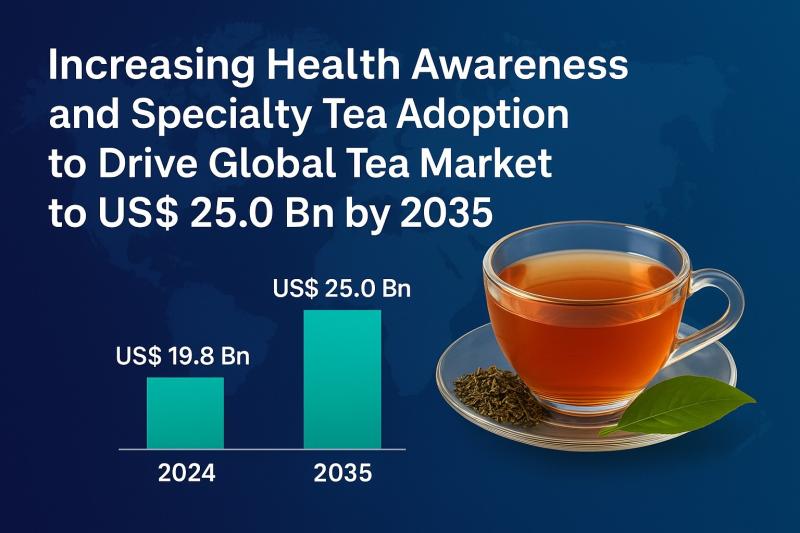
The global tea market was valued at US$ 19.8 Bn in 2024 and is projected to reach US$ 25.0 Bn by 2035, growing at a CAGR of 4.1% from 2025 to 2035. Leading companies in the industry include Associated British Foods (Twinings), Barry’s Tea, Bigelow Tea Company, BOH Plantations, and Celestial Seasonings, which continue to strengthen their presence through product innovation and global distribution.
In 2024, Asia Pacific dominated the market with a 34.7% revenue share, driven by high consumption and traditional tea culture in the region. Among tea types, the black leaf tea segment accounted for the largest share at 66.4%, reflecting its widespread popularity and demand across global markets.
👉 Get your sample market research report copy today@ https://www.transparencymarketresearch.com/sample/sample.php?flag=S&rep_id=4187
Market Overview
Tea, one of the world’s most consumed beverages, is derived from Camellia sinensis and categorized into green, black, oolong, white, and herbal teas.
The market is witnessing robust demand due to:
• Rising health and wellness awareness
• Increasing consumption of functional and herbal teas
• Growth in ready-to-drink (RTD) tea products
• Expansion of modern retail formats, e-commerce, and online sales channels
• Rising popularity of premium and organic tea varieties
Tea is gaining traction not only as a traditional beverage but also as a functional drink with antioxidant, anti-inflammatory, and immunity-boosting properties.
Key Market Growth Drivers
1. Health and Wellness Trends
Consumers increasingly choose tea over carbonated drinks due to its natural antioxidants, low-calorie content, and therapeutic benefits. Green tea, herbal tea, and specialty blends are particularly popular among health-conscious consumers.
2. Expansion of Ready-to-Drink (RTD) Tea
RTD tea products, including iced tea, flavored tea, and cold-brew variants, are driving market growth through convenience-focused consumption.
3. Premiumization and Specialty Tea Demand
Premium teas, such as single-origin, organic, and artisanal teas, are gaining popularity, especially in North America, Europe, and Asia-Pacific, where consumers are willing to pay a premium for quality and authenticity.
4. Rising E-commerce and Modern Retail Channels
The expansion of online grocery platforms, specialty tea stores, and supermarket chains is increasing accessibility and awareness of diverse tea products.
5. Growing Consumer Awareness and Education
Marketing campaigns, social media promotion, and wellness-focused initiatives educate consumers about tea’s health benefits, enhancing market adoption.
Analysis of Key Players – Key Strategies
Leading companies in the tea market focus on strategies such as product innovation, geographic expansion, mergers and acquisitions, and brand differentiation.
1. Product Innovation
• Introduction of flavored, functional, and organic tea variants
• Launch of herbal, wellness, and antioxidant-rich blends
• Expansion into ready-to-drink and cold-brew tea segments
2. Strategic Partnerships and Acquisitions
• Collaborating with retailers and e-commerce platforms to enhance distribution
• Acquiring regional tea brands to expand product portfolios and market reach
3. Geographic Expansion
• Expanding presence in emerging markets such as India, China, Southeast Asia, and Latin America
• Increasing penetration in urban and semi-urban areas
4. Sustainability and Ethical Sourcing
• Adoption of fair-trade practices, organic cultivation, and environmentally friendly packaging
• Emphasis on sustainable tea plantations and carbon footprint reduction
Analysis of Key Players in the Global Tea Market
The global tea market is dominated by leading manufacturers including
• Associated British Foods (Twinings)
• Barry’s Tea
• Bigelow Tea Company
• BOH Plantations
• Celestial Seasonings
• Clipper Tea
• Dilmah Ceylon Tea
• Harney & Sons
• ITO EN
• Nestlé
• Tata Consumer Products (Tetley)
• The Republic of Tea
• Unilever (Lipton)
• Wissotzky Tea
• Yamamotoyama
• Other Key Players.
These companies drive market growth through innovation, diverse product portfolios, and strategic expansions.
Each of these players has been profiled in the market report based on company overview, business strategies, financial performance, business segments, product portfolio, and recent developments.
Key Developments in the Tea Market
• October 2025 – Tata Tea Agni
Tata Tea Agni introduced a new variant, “Extra Josh”, India’s first tea fortified with natural caffeine for an energy boost. This launch targets on-the-go consumers in northern markets, aligning with the brand’s promise of delivering daily “Josh” with an enhanced offering.
• July 2025 – Lipton (Unilever)
Lipton launched its first-ever iced-tea concentrates along with a new fruit & herbal tea line-up, featuring flavors such as Golden Chamomile, Peach Paradise, Smooth Mint, and Lemon Ginger Refresh. The products were scheduled for national rollout in August.
• July 2025 – Dilmah Tea
Dilmah Tea unveiled the Genesis Tea and Cinnamon Experience at Genesis Colombo, designed to enrich the Sri Lankan travel experience for discerning consumers while raising awareness of its premium offerings.
👉 Discuss Implications for Your Industry Request Sample Research Report PDF@ https://www.transparencymarketresearch.com/sample/sample.php?flag=S&rep_id=4187
Market Challenges & Opportunities
Challenges
1. Price Volatility of Raw Tea Leaves
Fluctuating global tea leaf prices affect production costs and profitability.
2. Climate Change Impact
Unpredictable weather patterns can disrupt tea cultivation and supply.
3. High Competition from Coffee and Functional Beverages
Rising preference for other beverages can limit tea consumption growth.
4. Regulatory and Quality Compliance
Stringent food safety regulations and certifications are required for export and global distribution.
Opportunities
1. Growth of Specialty and Organic Tea Segments
Premium, herbal, and functional teas offer higher margins and differentiation opportunities.
2. Ready-to-Drink (RTD) and Cold-Brew Tea Expansion
Convenience-focused products are capturing young and urban consumer segments.
3. Emerging Markets Growth
Increasing disposable income and urbanization in Asia-Pacific, Africa, and Latin America provide strong growth potential.
4. Digital Marketing and E-commerce Penetration
Online sales platforms and subscription-based tea services allow companies to reach tech-savvy consumers globally.
5. Sustainable and Ethical Product Offerings
Eco-friendly packaging, fair-trade sourcing, and organic cultivation resonate with environmentally conscious consumers.
Investment Landscape and ROI Outlook
The global tea market offers stable investment opportunities due to consistent demand and evolving consumption patterns.
Investment Strengths
• Steady global consumption of tea as a staple and functional beverage
• Premium and RTD segments offer higher margins
• Emerging markets provide significant growth potential
• Increasing adoption of organic, herbal, and health-focused teas
ROI Outlook
With a CAGR of 4.1% through 2035, investments in product innovation, RTD formats, specialty teas, and e-commerce channels are expected to generate moderate-to-high returns, especially in emerging economies and urban markets.
Market Segmentations
By Type
• Green Tea
• Black Tea
• Oolong Tea
• White Tea
• Herbal Tea
• Others
By Form
• Loose Tea
• Tea Bags
• Ready-to-Drink (RTD) Tea
• Powdered Tea
By Distribution Channel
• Supermarkets/Hypermarkets
• Specialty Stores
• Online Retail/E-commerce
• Convenience Stores
• Others
By Region
• North America
• Europe
• Asia-Pacific
• Latin America
• Middle East & Africa
Why Buy This Report?
✔ Forecast to 2035 with detailed market size and growth trends
✔ Insights on key drivers, challenges, and opportunities
✔ Competitive landscape and strategies of leading tea brands
✔ Segmentation by type, form, distribution channel, and region
✔ Strategic recommendations for investors, manufacturers, and retailers
✔ Covers trends such as RTD tea, herbal blends, organic sourcing, and digital marketing
👉 To buy this comprehensive market research report, click here to inquire@ https://www.transparencymarketresearch.com/checkout.php?rep_id=4187<ype=S
FAQs
1. What is the projected tea market size by 2035?
It is expected to reach US$ 25.0 billion by 2035.
2. What is the CAGR of the global tea market?
The market is projected to grow at a CAGR of 4.1% from 2025 to 2035.
3. Which type of tea dominates the market?
Black tea and green tea continue to hold the largest share, driven by traditional consumption and health benefits.
4. Which region is witnessing the fastest growth?
Asia-Pacific is expected to witness the fastest growth due to increasing disposable income, urbanization, and changing lifestyles.
5. What are the key market trends?
Growth of premium and organic teas, ready-to-drink products, herbal blends, and e-commerce distribution are shaping the market.
More Trending Research Reports-
• Skimmed Milk Market – https://www.transparencymarketresearch.com/skimmed-milk-market.html
• Low Fat Products Market – https://www.transparencymarketresearch.com/low-fat-products-market.html
About Us Transparency Market Research
Transparency Market Research, a global market research company registered at Wilmington, Delaware, United States, provides custom research and consulting services. The firm scrutinizes factors shaping the dynamics of demand in various markets. The insights and perspectives on the markets evaluate opportunities in various segments. The opportunities in the segments based on source, application, demographics, sales channel, and end-use are analysed, which will determine growth in the markets over the next decade.
Our exclusive blend of quantitative forecasting and trends analysis provides forward-looking insights for thousands of decision-makers, made possible by experienced teams of Analysts, Researchers, and Consultants. The proprietary data sources and various tools & techniques we use always reflect the latest trends and information. With a broad research and analysis capability, Transparency Market Research employs rigorous primary and secondary research techniques in all of its business reports.
Contact Us
Transparency Market Research Inc.
CORPORATE HEADQUARTER DOWNTOWN,
1000 N. West Street,
Suite 1200, Wilmington, Delaware 19801 USA
Tel: +1-518-618-1030
USA – Canada Toll Free: 866-552-3453
Website: https://www.transparencymarketresearch.com
Blog: https://tmrblog.com
Email: sales@transparencymarketresearch.com
This release was published on openPR.
Barbara Intermill Tribune News Service (TNS)
Susan T. reads this column on the Omaha World-Herald and asks: “What do you think of taking collagen as a supplement? My son saw something about the benefits of collagen and asked ChatGPT about it. The response touted the benefits of collagen, but I am a skeptic. I would like to hear the opinion of a registered dietitian. Thank you.”
It doesn’t hurt to be skeptical about dietary supplements, Susan. Unlike products sold as drugs, dietary supplements are not under strict regulations to prove their safety or effectiveness. In fact, because of a law passed in 1994, the U.S. Food and Drug Administration can only take action against a harmful or misbranded supplement after it’s already on the market.
Collagen isn’t just one protein; it’s a whole family of proteins. And it’s the most abundant protein in the human body. We need collagen to build cartilage (connective tissue), skin and bones. Collagen is also essential for healing wounds.
Like other proteins, our bodies can make collagen from building blocks called amino acids derived from the protein-rich foods we eat. In addition to amino acids, our bodies also need vitamin C, zinc and copper to manufacture collagen.
Collagen is also found in food. Bone broth, a liquid made from simmering animal bones and connective tissue in water, is a rich source of collagen, for example.
Collagen supplements are derived from animal sources of protein as well, since it is not found in plant foods. So here’s the question: Since our bodies make it and it’s found in foods, do we really need to take collagen supplements?
Numerous research studies over the years have explored that question. Most have been focused on collagen’s role in skin and joint health. An interesting update on this topic was recently published by Consumer Lab (ConsumerLab.com). Based on numerous research studies of various quality, this organization concluded that collagen supplements have shown “modest” improvements in skin wrinkles and joint pain after daily use for two to six months.
Not every collagen product is the same as far as ingredients, quality or effectiveness, however. And while it is generally well-tolerated, some side effects have been reported including allergic reactions to the various types of animal protein used.
So while some results show promise, experts tell us not to expect collagen supplements to totally reverse the natural process of aging skin and aching joints.
Also yet to be determined is this question: Would an adequate intake of protein from a balanced diet that supplies all the essential amino acid building blocks for collagen achieve the same or even better results?
Time will tell.
Tea is one of the healthiest drinks you can add to your cup. It’s known for being rich in antioxidants and often consumed for other benefits, like soothing a tummy or helping you sleep. When you have ulcerative colitis (UC), a chronic inflammatory condition that affects the lining of the colon, what you eat and drink is important to manage your condition. Tea may be able to help you feel better and manage symptoms.
Edwina Clark, M.S., RD, CSSD, notes that while tea may be beneficial, “few studies, if any, have evaluated the benefits of different teas on ulcerative colitis symptoms in humans.” There is some preliminary research and helpful tips from dietitians to help you pick the best teas to drink when you have ulcerative colitis.
Peppermint tea is an herbal tea that’s naturally caffeine-free. The mint leaves it’s made from may have beneficial effects for inflammation, GI disorders and cognitive health. Cheryl Harris, M.P.H., RD, is a big fan of peppermint tea, “because it tends to help with digestive pain, gas, and bloating.”
Plus, it’s soothing. Peppermint tea contains the phenolic compounds of the leaves of the plant, including luteolin, hesperidin and eriocitrin. In animals, peppermint tea has helped relax the GI tract, and peppermint has antimicrobial and antiviral activity. Clark likes peppermint tea because it “can help ease nausea or bloating during a flare, or if you’ve accidentally eaten a trigger food.” Harris adds, “It’s also a good alternative to caffeine, which is ideally skipped in a flare.”
Known for its antioxidants and polyphenols, green tea may be a great addition to your lineup if you have UC. Beth Rosen, M.S., RD, CDN, says, “Although there are only a few small human studies looking at green tea and irritable bowel disease, green tea is well tolerated and may be helpful in reducing inflammation.” Green tea is rich in flavonoids and catechins, such as phenolic acid, theobromine and theanine, which have anti-inflammatory properties. Since UC is an inflammatory disease, researchers think the compounds in green tea may help reduce inflammation and ease symptoms. Rosen prefers decaffeinated green tea because caffeine is a stimulant and may lead to GI symptoms in some people with UC.
You’ve probably heard that ginger is a natural stomach soother, and ginger tea contains the plant’s anti-inflammatory compounds that deliver on that. Ginger contains many bioactive compounds, including gingerols and shogaols, which help quell inflammation. Ginger may restore diverse gut bacteria, which is important for people with UC who may have dysbiosis or altered gut bacteria from their IBD. Clark notes that ginger tea is a natural antiemetic and can help with bloating and nausea.
Kombucha is a fizzy fermented tea drink that is a natural source of probiotics, or good bacteria. Clark points out, “fermented foods promote intestinal integrity and short-chain fatty acid production, both of which are important for GI health.” Research has tied fermented foods and probiotics to positive outcomes for people with IBD, since they help improve gut health. While probiotic-rich kombucha can be a good choice, Harris cautions against drinking too much. “The fizzy often can be bloating and just because some probiotics are good doesn’t mean that more are better.”
Tea is one of the most consumed beverages in the world, and along with being warming and delicious, there are health benefits to your mug, too. When you have ulcerative colitis, choosing teas like peppermint, green, ginger and kombucha, which are known to be anti-inflammatory and good for your gut, may help you feel better. A healthy diet for UC will vary from person to person, so always check with your healthcare team before making major dietary changes.
Global Nutritional Supplements Market reached USD 365.5 billion in 2022 and is expected to reach USD 595.4 billion by 2031 growing with a CAGR of 6.2% during the forecast period 2024-2031
Get a Free Sample PDF Of This Report (Get Higher Priority for Corporate Email ID):- https://datamintelligence.com/download-sample/nutritional-supplements-market?kb
United States: Recent Industry Developments
✅ November 2025: Pfizer launched a new line of plant-based protein supplements targeting fitness enthusiasts and aging populations.
✅ October 2025: Herbalife Nutrition expanded its digital health platform integrating personalized supplement recommendations.
✅ September 2025: The FDA updated labeling regulations to enhance transparency and consumer safety for dietary supplements.
Japan: Recent Industry Developments
✅ November 2025: Otsuka Pharmaceutical introduced advanced collagen supplements aimed at skin health and anti-aging.
✅ October 2025: Suntory Wellness launched a functional supplement range supporting immune health with traditional Japanese botanicals.
✅ September 2025: Growing demand for synbiotic supplements drove innovation in combined prebiotic-probiotic formulations.
GCC: Recent Industry Developments
✅ November 2025: Gulf-based companies increased production of halal-certified nutritional supplements to meet regional demand.
✅ October 2025: UAE government initiatives promoted local manufacturing of nutritional supplements with a focus on sports nutrition.
✅ September 2025: Saudi Arabia partnered with global nutraceutical firms to introduce advanced supplements targeting diabetes management.
List of Top Key Player:
Abbott Nutrition, Amway, Nestle, Glanbia Plc, Herbalife International of America, Archer Daniels Midland, PepsiCo, Nature’s Bounty Co., DuPont, and American Health, Inc.
Forecast Projection:
The Global Nutritional Supplements Market is poised for significant growth between 2025 and 2032. In 2024, the market maintained a steady upward trajectory, and with strategic initiatives by leading players accelerating adoption, the market is expected to soar throughout the forecast period. Companies leveraging these trends are well-positioned to capture emerging opportunities and maximize revenue potential.
Market Intelligence Research Process:
The Global Nutritional Supplements Market research report by DataM Intelligence combines primary and secondary data to deliver deep, actionable insights. It examines the full spectrum of factors shaping the industry, from government regulations and market conditions to competitive dynamics, historical trends, technological breakthroughs, upcoming innovations, and potential challenges. This comprehensive analysis not only highlights growth prospects but also identifies barriers, equipping businesses to navigate market volatility and capitalize on emerging opportunities.
Buy Now & Unlock 360° Market Intelligence: https://www.datamintelligence.com/buy-now-page?report=nutritional-supplements-market?kb
Key Segments:
By Product Type: (Dietary Supplements, Sports Supplements, Beauty Supplements, Others)
By Form: (Capsule, Powder, Tablet, Liquid, Others)
By Age Group: (Kids, Adults, Geriatric)
By Distribution Channel: (Supermarkets/Hypermarkets, Pharmacy and Drug Stores, Specialty Stores, Online Stores, Others)
Global Growth Regional Analysis:
⇥ North America (U.S., Canada, Mexico)
⇥ Europe (U.K., Italy, Germany, Russia, France, Spain, The Netherlands and Rest of Europe)
⇥ Asia-Pacific (India, Japan, China, South Korea, Australia, Indonesia Rest of Asia Pacific)
⇥ South America (Colombia, Brazil, Argentina, Rest of South America)
⇥ Middle East & Africa (Saudi Arabia, U.A.E., South Africa, Rest of Middle East & Africa)
Benefits of the Report:
Chapter 1 – Market Overview: Kickstarts the report with a comprehensive snapshot of the Global Nutritional Supplements Market, summarizing key segments by region, product type, and application. Highlights include market size, segment growth potential, and short- & long-term industry outlook.
Chapter 2 – Emerging Trends: Uncovers the game-changing trends and high-impact innovations shaping the future of the industry.
Chapter 3 – Competitive Landscape: Offers a deep dive into market competition, detailing revenue shares, strategic initiatives, and recent mergers & acquisitions.
Chapter 4 – Top Player Profiles: Features detailed company profiles, covering revenue, profit margins, product lines, and major milestones for leading market players.
Chapters 5 & 6 – Regional & Country Analysis: Breaks down revenue performance across global regions, providing insights on market sizes, opportunities, and growth prospects worldwide.
Chapter 7 – Segmentation Analysis: Explores market segmentation by type, revealing high-potential categories and guiding businesses towards lucrative areas.
Chapter 8 – Application Insights: Examines downstream markets and identifies promising sectors for expansion, showing how different applications are driving growth.
Chapter 9 – Supply Chain Mapping: Maps the entire industry supply chain, highlighting upstream and downstream activities for a holistic market perspective.
Chapter 10 – Key Takeaways: Concludes with critical insights and actionable strategies, equipping stakeholders to make informed decisions and stay ahead in the market.
Get Customization in the report as per your requirements: https://www.datamintelligence.com/customize/nutritional-supplements-market?kb
FAQ’s
Q1: What is the current size of the Global Nutritional Supplements Market and its future potential?
A: The Global Nutritional Supplements Market was valued at USD$ 365.5 billion in 2022 and is projected to surge to USD$ 595.4 billion by 2031
Q2: How fast is the Global Nutritional Supplements Market expected to grow in the coming years?
A: The market is forecast to expand at a robust CAGR of 6.2% between 2025 and 2032
Q3: Which regions are dominating the Global Nutritional Supplements Market and which are fastest-growing?
A: Key markets include North America, Europe, and Asia-Pacific, led by the U.S., Japan, China, and Germany.
Request 2 Days Free Trials with DataM Subscription Services: https://www.datamintelligence.com/reports-subscription?kb
Power your decisions with real-time competitor tracking, strategic forecasts, and global investment insights all in one place.
Have a look at our Subscription Dashboard: https://www.youtube.com/watch?v=x5oEiqEqTWg
Contact Us –
Company Name: DataM Intelligence
Contact Person: Sai Kiran
Email: Sai.k@datamintelligence.com
Phone: +1 877 441 4866
Website: https://www.datamintelligence.com
About Us –
DataM Intelligence is a Market Research and Consulting firm that provides end-to-end business solutions to organizations from Research to Consulting. We, at DataM Intelligence, leverage our top trademark trends, insights and developments to emancipate swift and astute solutions to clients like you. We encompass a multitude of syndicate reports and customized reports with a robust methodology.
Our research database features countless statistics and in-depth analyses across a wide range of 6300+ reports in 40+ domains creating business solutions for more than 200+ companies across 50+ countries; catering to the key business research needs that influence the growth trajectory of our vast clientele.
This release was published on openPR.
The global green tea polyphenols demand is valued at USD 0.5 billion in 2025 and is forecasted to reach USD 1.1 billion by 2035, with a CAGR of 8.7%. Growth reflects consistent utilization of catechin-rich extracts in skin-care formulations designed for antioxidant, anti-ageing, and inflammation-control benefits. Commercial adoption aligns with a broader shift toward natural actives supported by safety validation and established consumer familiarity with tea-derived ingredients.
Skin care is the leading application category. Green tea polyphenols are incorporated into serums, masks, lotions, and sunscreens to support environmental defence, photoprotection, and collagen stability. Manufacturers integrate encapsulation technologies to improve bioavailability and maintain formulation transparency without compromising functional concentration.
Asia Pacific, Europe, and North America record the highest consumption due to strong personal-care manufacturing footprints and increasing alignment with clean-label preferences. Demand concentrates within premium and dermocosmetic product lines that emphasize efficacy supported by published research. Major suppliers include BASF SE, Croda International, Evonik Industries, Symrise, and Dow. Their focus involves process optimization for high-purity catechin extraction, clinical performance substantiation, and compatibility with multi-functional cosmetic ingredient systems.
A saturation point assessment for the global green tea polyphenols industry indicates that growth is steady but increasingly influenced by maturity in core supplement categories. Dietary supplements represent the most established segment, where high consumer awareness of antioxidant and anti-inflammatory benefits has already converted a large portion of health-focused users. This reduces headroom for rapid volume expansion and signals an approach toward partial saturation in developed regions.
Food and beverage applications provide incremental growth but also show limits, since product development depends on masking bitterness and maintaining ingredient stability, which slows broader adoption. Personal care remains less saturated, although usage is widespread in anti-aging and skin protection formulas. This segment still offers medium-term headroom because demand for natural actives continues to rise. Pharmaceutical and functional medical nutrition are the least saturated areas, reflecting ongoing research into metabolic, cardiovascular, and cognitive benefits. Stronger clinical evidence could delay saturation and unlock new therapeutic positioning. Regional saturation varies, with Asia Pacific being the most mature due to long-standing consumption patterns. North America and Europe offer more extension potential through clean label innovation and targeted health claims.
| Metric | Value |
|---|---|
| Market Value (2025) | USD 0.5 billion |
| Market Forecast Value (2035) | USD 1.1 billion |
| Forecast CAGR (2025-2035) | 8.7% |
Demand for green tea polyphenols is increasing worldwide because nutraceutical and beverage companies focus on ingredients that support metabolic health, antioxidant protection and cognitive wellness. Polyphenols such as catechins are widely used in dietary supplements targeting weight management, heart health and immune function, which align with growing interest in preventive health habits. Functional drink manufacturers include concentrated extracts in ready to drink teas, wellness shots and powdered blends to provide measurable health benefits in convenient formats.
Cosmetic producers adopt green tea polyphenols in anti-aging and anti-inflammation skincare products due to their potential role in reducing oxidative stress and supporting skin barrier resilience. Research continues to examine polyphenols in sports recovery and brain-health applications, encouraging broader product development in active lifestyle categories. Global expansion in clean label and plant derived ingredients strengthens adoption, supported by established supply from major tea growing regions.
Standardized extraction improves potency consistency for regulated markets in North America, Europe and Asia Pacific. Constraints include cost variations linked to tea leaf supply and the need for stability management in finished products that are sensitive to heat or light. Scientific validation remains important for health claims in highly regulated sectors.
Global demand for green tea polyphenols is driven by their antioxidant strength, anti-inflammatory support, and UV-protective capabilities. Beauty and personal-care brands integrate these actives to address aging, pigmentation, sensitivity, and environmental stress. Formulations highlight catechin-rich extracts for pollution defense and soothing benefits. Premium dermocosmetic and men’s grooming launches further support adoption, along with hybrid wellness products positioned for sensitive-skin compatibility. Innovation focuses on stability enhancement, bioavailability improvements, and clean-label compliance across global cosmetic regulations.

Skin care represents 10.1% of global consumption. Anti-aging, redness reduction, and improved skin texture remain primary claims, leading to deployment in serums, moisturizers, and essence-based systems. Body-care categories leverage antioxidants for firming and anti-pollution positioning. Hair-care formulations use catechins for scalp soothing and follicle protection from oxidative damage. Sun-care applications connect UV exposure defense with melanin-moderation benefits, while color cosmetics explore functional pigment stabilization. Men’s grooming benefits from sebum-balancing and after-shave soothing efficacy, and baby & kids care relies on gentler botanical protection. Dermocosmetic usage expands as brands prioritize clinical efficacy with minimal irritation.
Key Points:

Powder format accounts for 15.5%, driven by enhanced stability, high active concentration, and seamless integration into solid and water-based formats. Powders support wide regulatory acceptance and long shelf durability across regions. Liquid solutions enable better bioavailability in high-absorption serums and ampoules, while concentrated liquid extracts target functional dosing in premium categories. Dispersions, gels, and emulsions enhance sensorial performance and allow controlled release in soothing masks. Oil-based and paste variants focus on occlusion and scalp-repair benefits. Product-form decisions align with targeted delivery, formulation stability, and compatibility with natural preservatives.
Key Points:
Rising consumer demand for antioxidants, growing interest in wellness and expanded use across food, beverages and nutraceuticals drive demand.
Worldwide, green tea polyphenols, especially catechins such as EGCG are valued for antioxidant effects, supporting market growth in dietary supplements, functional beverages, and fortified foods. Increasing awareness of oxidative stress, cardiovascular health, and healthy aging encourages consumers in North America, Europe, and Asia to adopt polyphenol-based products. Beverage manufacturers integrate green tea polyphenols into ready-to-drink teas, juices, and energy drinks. Nutraceutical and dietary supplement producers market capsules, tablets, and powders targeting immunity, metabolism, and skin health. Growth in health-conscious lifestyles and rising middle-class purchasing power across emerging economies expand the target consumer base globally.
Variability in raw material quality, regulatory constraints on health claims, and possible negative perception of caffeine restrain growth.
Green tea polyphenol concentration varies depending on tea cultivation region, harvest timing, and extraction method, which complicates standardization for manufacturers. Regulatory authorities in different regions apply strict rules to health claims related to antioxidant or disease-prevention benefits. This limits marketing messaging and may reduce perceived value among informed consumers. Additionally, concerns about caffeine content and possible interactions with medications lead some individuals, especially those sensitive to stimulants to avoid polyphenol-rich formulations. These factors constrain rapid expansion in mature and regulated markets.
Shift toward standardized high-purity extracts, increased incorporation into non-beverage formats, and rising demand for clean-label natural antioxidants define key trends.
Suppliers are producing standardized green tea polyphenol extracts with verified catechin profiles to improve consistency and support regulatory compliance. Food and personal-care brands incorporate polyphenols into snacks, bakery items, skincare products, and oral-care formulations to leverage antioxidant and anti-inflammatory properties beyond traditional tea beverages. Demand for antioxidant supplements without synthetic additives supports growth of clean-label, vegan, and non-GMO certified products. Emerging research on polyphenol benefits in metabolic health, skin aging, and cognitive support drives product innovation and broader application. These developments suggest sustained, multi-segment demand for green tea polyphenols across global health, food, beverage, and personal care markets.
The global green tea polyphenols market is growing as consumers seek botanical antioxidants for metabolic regulation, cognitive support, skin health, and heart-wellness. Food, beverage, nutraceutical, and cosmetics manufacturers continue to expand applications using standardized extracts containing EGCG, catechins, and flavonoids. India registers 11.8% CAGR, driven by dietary supplement growth and herbal beverage premiumization.
China follows at 10.9%, supported by deep manufacturing integration and global export capability. Japan posts 10.1% with strong scientific validation and healthy-aging demand. The United Kingdom grows at 9.2% through preventive-nutrition categories. Germany records 8.3%, reinforcing regulated supplement use, while the United States expands at 7.4% through functional beverage innovation and clean-label positioning.

| Country | CAGR (%) |
|---|---|
| India | 11.8% |
| China | 10.9% |
| Japan | 10.1% |
| UK | 9.2% |
| Germany | 8.3% |
| USA | 7.4% |
India grows at 11.8% CAGR, reinforced by expanding nutraceutical manufacturing, Ayurveda-guided antioxidant positioning, and rapid adoption of wellness beverages. Standardized EGCG extracts are increasingly incorporated into weight-management, blood-sugar balance, and immune-support capsules targeting young professionals and fitness-focused users. Herbal tea brands emphasize catechin content and natural caffeine alternatives, influencing purchasing decisions in urban retail channels. Cosmetic manufacturers adopt polyphenols for anti-pollution serums and hair vitality formulations. Indian tea-growing states provide consistent raw-leaf supply, enabling cost-efficient extraction for both domestic and export markets. Clean-label claims and vegan formulations drive higher-value SKUs in e-commerce channels.
China achieves 10.9% CAGR, supported by its extensive green-tea agricultural base and large-scale polyphenol extraction facilities distributed across Zhejiang and Fujian. Beauty-from-within categories grow rapidly, with EGCG-based ingestible products positioned for skin brightening, detox support, and fatigue reduction. Pharmaceutical-adjacent companies explore polyphenols for cardiovascular and metabolic-health outcomes. Domestic beverage producers introduce RTD teas and functional health drinks with quantified catechin content. Regulatory monitoring of pesticide and heavy-metal compliance supports global export acceptance. Proprietary extraction methods improve purity ratios and dissolution performance for tablets and drink powders.

Japan grows at 10.1% CAGR, driven by healthy-aging priorities, clinical research focus, and consumer trust in green-tea bioactives. EGCG-based formulations target oxidative-stress management, skin rejuvenation, liver support, and cognitive maintenance for senior populations. Ready-to-drink health beverages, sachets, and powder sticks enable daily low-dose consumption aligned with local preferences. Supplement procurement requires validated bioavailability data, shelf-stability testing, and allergen-safe certifications suited for Japan’s regulatory environment. Collaboration between beverage manufacturers and research institutions sustains category credibility.
The United Kingdom posts 9.2% CAGR, led by preventive-nutrition interest and premium clean-label supplements. Brands promote green tea polyphenols for weight management, immune resilience, and skin support, packaged in capsules and flavored gummies tailored to habit-based supplementation. Supermarket and online subscription channels maintain consistent consumer access. Formulation diversity includes hybrids with collagen, vitamin C, probiotics, and minerals for targeted outcomes. Regulatory expectations around contaminant safety and oxidative marker stability shape supplier selections.

Germany expands at 8.3% CAGR, driven by regulated supplement pathways emphasizing cardiometabolic and weight-support benefits. Pharmacist-guided sales contribute to steady adoption of standardized EGCG capsules with traceable analytical profiles. Beverage and functional-food applications remain niche but expanding under controlled claim frameworks. Manufacturers prioritize solvent-free extraction, low-residue guarantees, and validated polyphenol stability. Recyclable packaging and sustainability certifications support procurement aligned with environmental governance expectations.

The United States grows at 7.4% CAGR, led by strong functional beverage development, sports-nutrition adoption, and antioxidant dietary supplements. Product labels highlight catechin concentration, caffeine synergy, and oxidative-stress protection to appeal to active lifestyle consumers. Gummies, powders, and liquid shots expand flavor-driven engagement. Skincare brands integrate polyphenols into anti-aging and anti-pollution formulations using green-tea-derived concentrates. Retailers require non-GMO, allergen-free, and organic certifications for premium shelf placement. Scientific storytelling supports category visibility in digital marketing and practitioner-recommended channels.

Global demand for green tea polyphenols spans nutraceutical, skincare, and functional beverage applications. Selection criteria emphasize EGCG concentration, oxidative-stability control, and traceability of leaf sourcing, particularly from Japan and China. Regulatory compliance requires suppliers to demonstrate contaminant testing, solvent-residue management, and accurate botanical identity. Buyers in North America, Europe, and East Asia prioritize predictable performance in formats targeting metabolic support, immune resilience, and environmental-stress defense for skin.
BASF SE holds roughly 11.7% share. It supplies tested extracts suitable for dermocosmetic lines and fortified nutrition products where validated antioxidant activity and shelf-life compatibility are required. Croda International supports premium skincare and personal-care formulations through concentrated actives designed for pollution-exposure routines and tone-support concepts. Evonik Industries and Symrise maintain influence in cosmetic channels by integrating polyphenols with delivery technologies that stabilize catechin activity under variable pH and temperature conditions.
Dow supports higher-volume wellness and beverage applications with reliable ingredient documentation and compatibility data. Ashland and Clariant supply clean-label-focused extracts that meet sustainability audits and environmental standards. Broader participation from Seppic, Lubrizol, Lonza, Inolex and related botanical specialists drives innovation in capsules, gummies, and skin defense serums. Competitive strength depends on controlled EGCG standardization, taste-profile optimization for beverages, and proven stability for topical use.
| Items | Values |
|---|---|
| Quantitative Units | USD billion |
| End Use Application | Skin Care, Body Care, Hair Care, Sun Care, Color Cosmetics, Men’s Grooming, Baby & Kids Care, Dermocosmetic / Professional Care |
| Product Form | Powder, Granules / Agglomerates, Flakes, Pellets / Prills, Liquid (Solution), Concentrate (High-active Liquid), Dispersion / Suspension, Emulsion, Paste, Gel, Wax / Solid Block, Oil |
| Regions Covered | Asia Pacific, Europe, North America, Latin America, Middle East & Africa |
| Countries Covered | India, China, USA, Germany, South Korea, Japan, Italy, and 40+ countries |
| Key Companies Profiled | BASF SE, Croda International, Evonik Industries, Symrise (incl. IFF/Givaudan actives), Dow / Dow Inc., Ashland, Clariant, Others (Seppic, Lubrizol, Lonza, Inolex etc.) |
| Additional Attributes | Dollar sales by application and product form; influence of antioxidant and anti-inflammatory benefits in cosmetic and personal care formulations; strong sourcing and supply chains from green tea-producing Asia Pacific countries; demand acceleration in anti-aging, UV-protection, and sensitive-skin products; increasing usage in premium and dermocosmetic categories; regulatory compliance for EGCG content standards; competitive developments in high-purity extraction and stabilization technologies. |
The global green tea polyphenols market is estimated to be valued at USD 0.5 billion in 2025.
The market size for the green tea polyphenols market is projected to reach USD 1.1 billion by 2035.
The green tea polyphenols market is expected to grow at a 8.7% CAGR between 2025 and 2035.
The key product types in green tea polyphenols market are skin care, body care, hair care, sun care, color cosmetics, men’s grooming, baby & kids care and dermocosmetic / professional care.
In terms of product form, powder segment to command 15.5% share in the green tea polyphenols market in 2025.
The Global Algae Products Market size is expected to be worth around USD 9.6 billion by 2034, from USD 5.1 billion in 2024, growing at a CAGR of 6.5% during the forecast period from 2025 to 2034.
The algae products industry covers biomass-derived ingredients used across food, feed, nutraceuticals, cosmetics, pharmaceuticals, biofertilizers, and sustainable materials. Algae products include proteins, lipids, pigments, hydrocolloids, and functional extracts. Consequently, this market connects climate efficiency with supply security, purity control, and scalable fermentation or cultivation economics.

Algae deliver concentrated nutrition and functional performance using limited land and water. Moreover, microalgae and macroalgae offer rapid biomass cycles supporting year-round output stability. Therefore, businesses value algae for clean-label positioning, traceability, and formulation flexibility across protein enrichment, natural colourants, omega oils, and texture modifiers.
Scientific efficiency strengthens this case. Including NASA-referenced studies, algae account for nearly 50% of Earth’s photosynthesis, converting sunlight into biomass faster than terrestrial crops. Therefore, producers benefit from higher productivity per area with predictable, controllable yields.
Climate performance metrics further support market expansion. One acre of algae can absorb up to 2.7 tons of CO₂ daily, while requiring about 1.87 kilograms of CO₂ per kilogram of algae biomass produced. Hence, algae products align commercial growth with decarbonization goals, strengthening long-term market opportunity.
Macroalgae dominate with 56.2% due to their large-scale cultivation, high biomass yield, and strong acceptance across food, feed, and industrial applications.
In 2024, Macroalgae held a dominant market position in the By Source Analysis segment of the Algae Products Market, with a 56.2% share. This leadership is driven by easy coastal farming, faster growth cycles, and broad usability. Moreover, macroalgae support stable supply chains for food ingredients and hydrocolloids.
Microalgae play a vital supporting role, mainly used in nutraceuticals and functional foods. It offers higher nutrient density and controlled indoor cultivation advantages. However, relatively higher processing costs and infrastructure needs limit its overall share compared to macroalgae.
Blue-Green algae, often used for pigments and supplements, continues to see focused demand. Its role remains niche, supported by antioxidant and protein-rich properties. Still, scalability challenges and regional production constraints impact wider adoption.
Dry dominates with 69.3% due to longer shelf life, easier transportation, and suitability for large-scale food and feed processing.
In 2024, Dry held a dominant market position in the By Form Analysis segment of the Algae Products Market, with a 69.3% share. This dominance reflects its storage stability, reduced microbial risk, and strong compatibility with powders and blended formulations.
The dry form is widely preferred by manufacturers due to cost efficiency and simplified logistics. Moreover, drying allows algae products to retain core nutrients while enabling flexible use across food, supplements, and animal nutrition sectors. Liquid algae products serve applications requiring immediate bioavailability and easy mixing.
These forms are gaining gradual interest in beverages and cosmetics. However, limited shelf life and higher transportation costs restrict faster expansion. Despite slower growth, liquid forms remain important for specialized formulations. Their role continues to support innovation-driven demand, particularly where functional performance outweighs storage efficiency.
Lipids dominate with 23.4% due to rising demand for omega-rich ingredients in nutrition, feed, and bio-based applications.
In 2024, Lipids held a dominant market position in the By Type Analysis segment of the Algae Products Market, with a 23.4% share. Growth is driven by increasing use in dietary supplements, functional foods, and sustainable lipid alternatives.
Carotenoids remain important due to their coloring and antioxidant properties. They are widely used in food products and personal care applications. However, production complexity keeps their market share moderate. Carrageenan and alginates are essential for texturizing and stabilizing applications.
Their presence is strong in food processing and industrial uses, supported by consistent demand for natural hydrocolloids. Algal proteins and other types address emerging plant-based nutrition needs. While demand is growing, these segments continue to evolve as production technologies improve and costs gradually reduce.
Food and Beverages dominate with 33.7% due to strong demand for natural, functional, and clean-label ingredients.
In 2024, Food and Beverages held a dominant market position in the By Application Analysis segment of the Algae Products Market, with a 33.7% share. Consumers increasingly prefer algae for its nutritional value and natural origin. Dietary supplements represent a growing application, supported by wellness trends and rising interest in plant-based nutrients. Algae-based capsules and powders are gaining steady traction among health-focused consumers.
Animal feed applications benefit from algae’s protein and lipid content, improving feed efficiency and nutritional balance. Adoption remains steady as producers seek sustainable feed ingredients. Cosmetics, pharmaceuticals, and other applications contribute incremental demand. These segments focus on bioactive compounds and functional benefits, supporting diversified growth across the overall market.

A clear trend in the algae products market is the shift toward plant-based lifestyles. More consumers are reducing animal-based foods and choosing algae as a natural protein source. This trend supports steady demand across food and supplement categories. Clean-label and transparency trends also influence the market.
Consumers want to know where ingredients come from and how they are produced. Algae brands highlighting sustainable sourcing gain stronger trust and preference. Innovation in product formats is another trend. Algae are now available in gummies, ready drinks, and flavored powders, improving taste and convenience. These formats attract first-time users and younger consumers.
Growing interest in natural, plant-based nutrition is a major driver for algae products. Consumers are looking for clean-label foods with simple ingredients, and algae fit this need well. Products such as spirulina and chlorella are rich in protein, vitamins, and minerals, making them popular in daily diets. Health-conscious consumers prefer algae because they support immune function, digestion, and energy levels.
Algae are also widely used in dietary supplements. Busy lifestyles have increased demand for easy-to-use nutritional sources, and algae powders and tablets are easy to consume. This trend supports steady market growth. In addition, algae-derived ingredients are used in functional foods and beverages, helping brands offer added health benefits.
Despite strong demand, high production costs remain a key restraint in the algae products market. Growing algae requires controlled conditions, specific nutrients, and regular monitoring. These factors increase operating expenses, especially for small and mid-sized producers. As a result, algae products are often priced higher than conventional ingredients.
Limited consumer awareness also restricts growth in some regions. Many consumers still lack a clear understanding of algae benefits, leading to hesitation in adoption. Without proper education, algae-based foods may struggle to reach mainstream acceptance.
The expanding functional food sector presents strong growth opportunities for algae products. Food companies are actively adding algae ingredients to snacks, beverages, and ready-to-eat meals. Algae help enhance nutritional value without major formulation changes, making them attractive to manufacturers.
Animal feed is another high-potential area. Algae improve feed quality and support animal health, especially in aquaculture and poultry farming. As demand for high-quality protein rises, algae-based feed ingredients are gaining attention. The cosmetics and personal care industry also offers opportunities.
Algae extracts are used in skincare products for hydration, anti-aging, and skin repair benefits. Natural beauty trends support this growing use. Emerging markets present long-term growth potential. As income levels rise and health awareness improves, demand for nutrient-rich products increases. Local algae cultivation projects can reduce costs and improve access.
North America holds the leading position in the global algae products market due to strong demand from the food, dietary supplement, and animal nutrition sectors. In 2024, the region accounted for a dominant 45.7% share, reaching a value of USD 2.3 billion, supported by high awareness of plant-based nutrition and clean-label ingredients. Regulatory support for sustainable protein sources and continued investment in algae-based research further strengthen market adoption.
Europe represents a stable and steadily growing market for algae products, driven by strong sustainability goals and a preference for natural ingredients. The region shows increasing use of algae in organic foods, cosmetics, and nutraceuticals, supported by strict regulations favoring eco-friendly raw materials. Consumer interest in vegan diets and low-carbon food sources continues to support long-term growth.
Asia Pacific is emerging as a high-growth region for algae products, supported by large population levels and traditional consumption of algae-based foods. Demand is rising across food processing, aquaculture feed, and dietary supplements, especially in coastal economies. Expanding middle-class income levels and awareness of algae’s nutritional benefits are encouraging wider adoption. The region also benefits from favorable climatic conditions for algae cultivation.
The Middle East and Africa region is gradually expanding in the algae products market, mainly due to increasing interest in sustainable food sources and water-efficient crops. Algae-based solutions are gaining attention for animal feed and nutrition security in arid regions. Government-backed food resilience initiatives and pilot-scale algae cultivation projects support early-stage market growth. However, commercialization remains at a developing stage.

North America
Europe
Asia Pacific
Latin America
Middle East & Africa
In 2024, ACCEL Carrageenan Corporation continues to strengthen its position in the hydrocolloid-based algae products space, particularly for food, dairy, and processed meat applications. The company benefits from established supply chains in key seaweed-growing regions and focuses on consistent quality and functional performance, which makes it a preferred partner for formulators seeking texture, stability, and clean-label positioning in both mature and emerging markets.
Algatechnologies Ltd remains a reference player in high-value microalgae ingredients, especially for astaxanthin and other premium nutraceutical applications. In 2024, the company’s strategy revolves around capacity optimization, advanced cultivation technologies, and strong branding around science-backed health benefits, positioning it well in the fast-growing segments of healthy aging, sports nutrition, and eye-health supplements.
Algenol is an important innovation-driven participant, focusing on utilizing algae for biofuels, carbon capture, and related industrial applications. In 2024, its value lies less in sheer volume and more in technology platforms, IP, and pilot-to-commercial pathways that demonstrate how algae can contribute to decarbonization, circular carbon utilization, and energy diversification strategies for governments and large industrial customers.
Archer-Daniels-Midland Company brings scale, global reach, and integrated agricultural supply chains to the algae products market in 2024. Leveraging its capabilities in ingredients, processing, and formulation support, the company is well placed to embed algae-derived components into food, feed, and specialty ingredient portfolios, while aligning them with macro trends around alternative proteins, sustainability, and value-added nutrition for both human and animal markets.
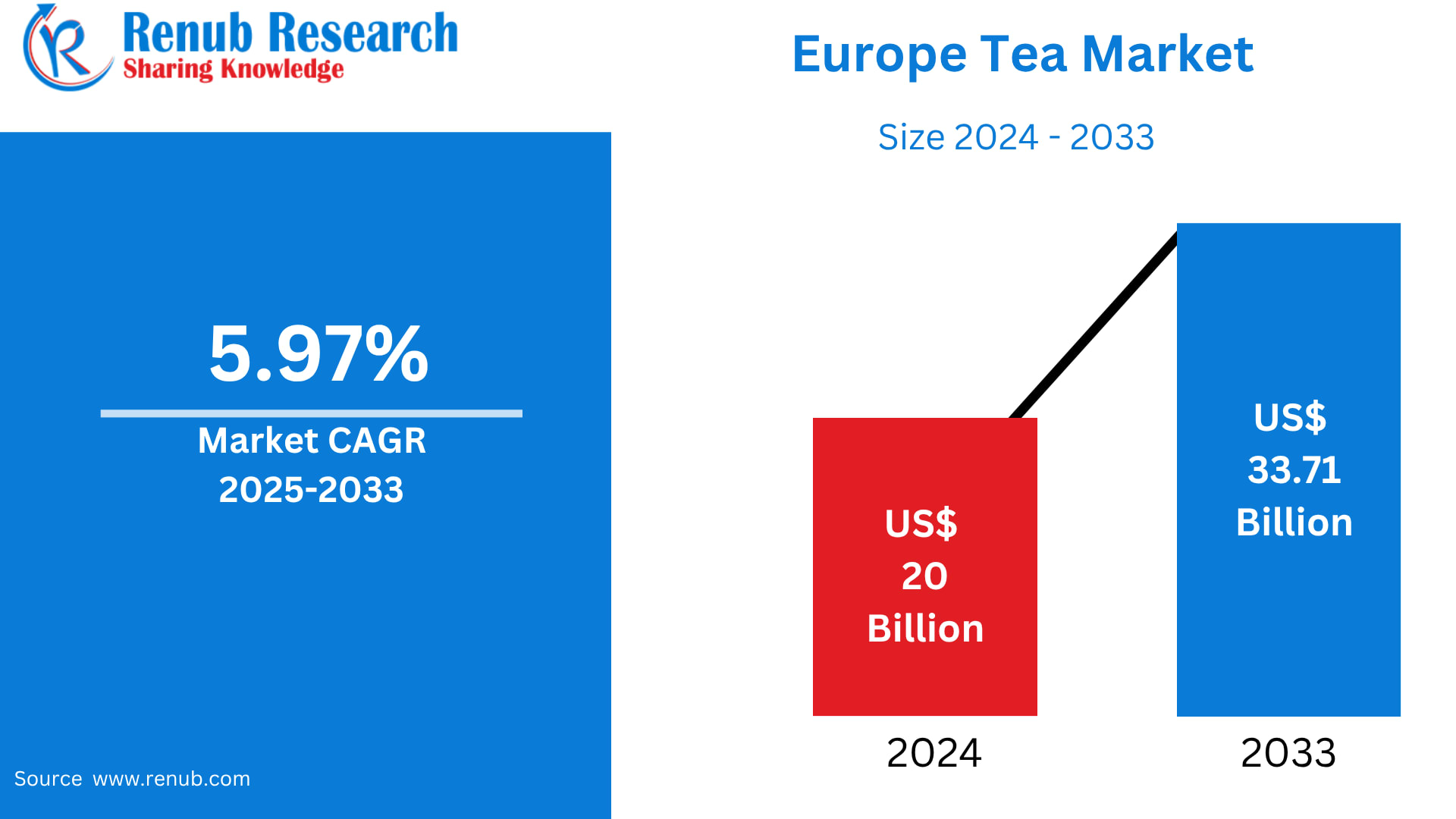
The Europe Tea Market is entering a dynamic new phase marked by stronger consumer focus on health, sustainability, premium blends, and digital retail experiences. According to Renub Research, the Europe Tea Market is anticipated to grow from US$ 20 billion in 2024 to US$ 33.71 billion by 2033, expanding at a CAGR of 5.97% between 2025 and 2033.
This momentum reflects not only Europe’s longstanding tea culture but also a new wave of demand led by wellness-oriented consumers, specialty tea startups, and innovative retail channels reshaping how Europeans buy and consume tea.
Tea is one of Europe’s most cherished beverages—steeped in tradition yet continuously reinvented. Derived from the leaves of Camellia sinensis, tea comes in many varieties including black, green, white, oolong, and herbal blends. Each form carries unique flavor notes, caffeine levels, and processing styles.
Herbal infusions such as chamomile, peppermint, hibiscus, and rooibos—naturally caffeine-free—have gained mainstream popularity as daily wellness beverages.
Tea is not only enjoyed for its comforting flavor and aroma but also for its well-documented health benefits. Rich in antioxidants like catechins and polyphenols, tea supports digestion, immune function, cardiovascular health, and mental relaxation. Herbal infusions remain deeply associated with natural healing—often used for sleep, cold relief, digestive issues, and stress management.
Within Europe, tea’s popularity spans major markets such as the United Kingdom, Ireland, Germany, France, and Russia. While black tea remains the most consumed category, green, herbal, and organic teas are fast gaining momentum. The rise of meditation, relaxation rituals, and wellness routines has further propelled the market, giving rise to premium tea salons, artisanal blends, and curated tea experiences.
Growing emphasis on sustainable sourcing, fair-trade certifications, and eco-friendly packaging is also redefining consumer expectations. As more Europeans replace sugary drinks with healthier options, tea continues to cement its position as a versatile, low-calorie beverage offering both comfort and health benefits.
Key Growth Drivers Fueling the Europe Tea Market
1. Rising Health & Wellness Awareness
Across Europe, consumers are replacing high-sugar beverages and even traditional coffee with healthier tea alternatives. Green tea, functional teas, and herbal infusions are gaining traction for their perceived benefits—ranging from detoxification and improved metabolism to immunity and mental calm.
COVID-19 played a pivotal role in accelerating this trend, pushing households to seek natural, immunity-enhancing beverages.
March 2024: Twinings launched a new line of functional tea blends designed for European consumers, infused with botanicals aimed at supporting immunity, digestion, and sleep.
As wellness becomes a lifestyle rather than a trend, tea’s role as a natural health beverage will continue to expand.
2. Surge in Specialty, Premium & Organic Tea
Premiumization is transforming the European tea landscape. Consumers—especially millennials—are experimenting with:
Single-origin teas
Luxury blends
Artisanal loose-leaf teas
Organic and ethically sourced varieties
Specialty tea houses, curated subscription boxes, and immersive store experiences are elevating tea into a lifestyle category.
January 2024: Unilever PLC introduced a premium organic tea collection with innovative eco-friendly packaging aimed at the health-conscious European audience.
This shift has opened new opportunities for boutique brands that emphasize authenticity, craftsmanship, and storytelling.
3. Rapid Expansion of E-Commerce & Digital Retail
Europe’s online tea market has witnessed exponential growth driven by convenience, variety, and influencer-driven discovery. Platforms offer access to rare, international, and niche brands not easily found in supermarkets.
Subscription models—offering monthly curated tea boxes—have become particularly popular among younger drinkers.
In the UK, online tea sales surged 70% in 2022, according to the British E-commerce Association.
Digital retail’s ability to personalize recommendations and deliver targeted wellness messaging has made it a critical distribution channel shaping the future of the industry.
Key Challenges in the Europe Tea Market
1. Market Saturation & Competition
Western Europe’s tea market is mature, with numerous local and global players battling for visibility. Price competition, limited shelf space, and strong brand loyalty create barriers for new entrants.
In markets like the UK, where tea drinking is deeply rooted, growth has plateaued. Brands must differentiate through premiumization, storytelling, health claims, or sustainability to remain competitive.
2. Volatile Raw Material Costs & Climate Impact
Tea production depends heavily on climatic conditions. Erratic weather in major producing nations—India, Kenya, China, and Sri Lanka—can lead to:
Crop damage
Cost fluctuations
Supply-chain disruptions
Rising shipping and energy costs further pressure European importers. Balancing affordability with ethical sourcing and sustainability commitments remains a key challenge across the industry.
Segment Analysis of the Europe Tea Market
Europe Green Tea Market
Green tea is witnessing a substantial surge in demand due to its antioxidant-rich profile and metabolism-enhancing properties. Fitness-focused and urban consumers are driving this category. Available as loose-leaf, tea bags, and ready-to-drink products, green tea’s versatility has broadened its reach.
Europe Black Tea Market
Black tea remains Europe’s staple—especially in the UK, Ireland, and Russia. Known for its strong flavor and caffeine content, it continues to dominate household consumption. Premium black teas, flavored blends, and organic variants are helping the category maintain relevance amid rising competition from herbal teas.
Europe Loose Tea Market
Loose-leaf tea is gaining traction among tea connoisseurs due to its superior aroma and flavor. Seen as more natural and eco-friendly compared to tea bags, loose tea is thriving through specialty stores and online platforms.
Europe Tea Bags Market
Tea bags remain the most popular format for everyday convenience. The segment is dominated by established brands offering black, flavored, and herbal variants. Innovations such as biodegradable bags, pyramid sachets, and premium infusions are rejuvenating the category.
Application & Distribution
Europe Residential Tea Market
Home consumption remains the largest segment, reinforced by increasing wellness habits and pandemic-era lifestyle changes. Consumers gravitate towards bulk packs, organic blends, and herbal infusions.
Europe Specialty Stores Market
Boutique tea stores—especially in Germany, France, and the Netherlands—offer premium experiences with single-origin teas, botanical blends, and guided tastings. These outlets play a crucial role in shaping educated, discerning tea consumers.
Europe Online Tea Market
E-commerce continues to surge across all major markets. Online stores enable:
Access to global brands
Subscription models
Customized tea curation
Broader product comparison
Influencer marketing and wellness content amplify digital engagement.
Country-Level Insights
Germany Tea Market
Germany has one of Europe’s most diverse tea cultures, with strong demand for fruit, herbal, and green teas. Organic preferences run deep among younger consumers. Specialty stores and private labels contribute significantly to the market’s growth.
United Kingdom Tea Market
Tea is synonymous with British culture, with black tea still dominating daily consumption. However, green, herbal, and functional teas are rapidly emerging. Sustainability, premium blends, and ethical sourcing are central to modern consumer preferences.
Russia Tea Market
Russia remains one of Europe’s biggest tea consumers, with a strong preference for black and fermented teas. Young consumers are gravitating toward green, fruit, and herbal infusions. Despite economic fluctuations, local production and online retail have helped sustain market growth.
France Tea Market
France’s tea landscape is shaped by an appreciation for premium, beautifully packaged products. Green tea and herbal blends appeal strongly to wellness-focused consumers. Tea is seen as a lifestyle beverage, often linked to cafés, fine dining, and artisanal experiences.
Market Segmentation Overview
Product Type
Green Tea
Black Tea
Oolong Tea
Others
Packaging
Plastic Containers
Loose Tea
Paper Boards
Aluminium
Tea Bags
Others
Application
Residential
Commercial
Distribution Channel
Supermarkets & Hypermarkets
Specialty Stores
Convenience Stores
Online Stores
Others
Countries Covered
France, Germany, Italy, Spain, United Kingdom, Belgium, Netherlands, Russia, Poland, Greece, Norway, Romania, Portugal, Rest of Europe
Key Companies (with 5 Viewpoints Each)
Associated British Foods Plc
Tata Consumer Products Limited
Unilever
Barry’s Tea
Taetea Group
Final Thoughts
Europe’s Tea Market is undergoing a profound transformation, driven by lifestyle changes, wellness trends, and consumer appetite for premium, sustainable, and experiential products. With the market set to reach US$ 33.71 billion by 2033, the industry’s future is defined by innovation—ranging from functional botanicals and artisanal blends to eco-friendly packaging and immersive digital retail strategies.
Tea is no longer just a traditional household beverage in Europe—it’s a symbol of health, culture, luxury, and mindful living. Brands that embrace authenticity, sustainability, and wellness-driven storytelling are poised to lead the next decade of growth.
The Australian industry’s export success over the past decade has largely been driven by trade with China. Total exports are now valued at $1.02bn.
Today, China (including Hong Kong) continues to dominate as the largest export destination, accounting for $690million, or 68 per cent of total exports.
However, diversification is gathering pace, with Vietnam strengthening its position as the second-largest market ($86 million, 8 per cent), followed by New Zealand ($49 million, 3 per cent), South Korea ($32 million, 3 per cent) and Thailand ($31 million, 3 per cent).
The data was revealed in trade body Complementary Medicine Australia’s (CMA) 2025 Industry Snapshot, which was launched at its annual summit, attended by NutraIngredients, last week.
The report also noted that new export opportunities were also arising, noting that “emerging demand in the United Arab Emirates further highlights Australia’s growing footprint in premium health and wellness products. Together, these markets reflect both resilience and opportunity, driven by rising incomes, a stronger focus on preventive health and ongoing demand for clean, safe and evidence-based products.”
Despite this, China remains the anchor market for Australian supplements, both as a direct export destination and through cross-border e-commerce.
The report stated that E-commerce continues to dominate distribution, now accounting for more than 60 per cent of China’s supplement sales in 2025.
“Innovation in formats such as gummies, vegan and plant-based supplements, and beauty-linked products is closely tied to these digital retail channels, providing powerful cross-border pathways for Australian brands reach Chinese consumers who increasingly value quality, authenticity and transparency,” it added.
“Australia’s reputation for ‘clean and green’ products, combined with its world-class manufacturing standards and regulatory alignment, ensures that demand from Chinese consumers remains robust.”
Meanwhile, Vietnam has rapidly emerged as one of the most dynamic markets for Australian exports. In 2024, exports reached $86 million, representing 8 per cent of Australia’s total exports and consolidating Vietnam’s position as the second-largest destination after China.
The report added: “E-commerce is playing an increasingly central role in Vietnam’s health and wellness market. From a single-digit share in 2015, online sales now account for more than 20 per cent of complementary medicines purchases by 2025. This shift has been accelerated by high digital engagement, with Vietnamese consumers turning to online platforms for convenience, product discovery and trusted international brands.
”For Australian exporters, Vietnam represents a powerful diversification opportunity. Rising disposable incomes, an expanding middle class, and strong consumer trust in Australian made products combine to create fertile ground for growth.”
Beyond China and Vietnam, other markets combine to generate a quarter of Australia’s export revenue, with India standing out as one of the other fastest-growing opportunities.
“The country’s complementary medicines market is forecast to expand at 9.0 per cent CAGR to 2030, with sports nutrition emerging as a breakout category at 15.9 per cent CAGR. This reflects India’s rapidly urbanising population, a surge in fitness culture, and increasing adoption of preventive health solutions among younger consumers,” the report noted.
Thailand and Malaysia are also demonstrating solid growth momentum. In Thailand, the complementary medicines market is projected to expand at steady rates, with sports nutrition growing at 8.0 per cent CAGR.
Malaysia is experiencing even faster growth, with sports nutrition up 10.4 per cent CAGR, supported by high health awareness and rising incomes. Ingestible beauty is also booming across ASEAN – beauty ranks among the top vitamin and dietary supplements categories in Thailand, Malaysia, and Singapore.
CMA CEO John O’Doherty said trust was a key factor in achieving exports growth.
“Trust – both at home and abroad – remains one of our industry’s greatest strengths,” he said.
“In 2025, 84 per cent of Australians expressed confidence in the safety and quality of complementary medicines, while international consumers consistently rank Australian-made products among the most trusted in the world. ‘Made in Australia’ continues to carry exceptional value, particularly in Asia, where exports exceeded $1 billion in 2024. As trade diversifies across South East Asia and emerging markets, our reputation for integrity and quality will continue to set Australia apart.”
TEMPO.CO, Jakarta – Matcha has become a social media trend among Gen Z and is quickly gaining a reputation as a health-boosting beverage thanks to influencers touting its antioxidant benefits.
However, matcha has recently come under scrutiny after some people reported iron deficiency due to excessive consumption. If you enjoy matcha every day, there’s no need to stop drinking it; a few simple strategies can help minimize its impact on iron levels.
Dr. Joseph Salhab, a Florida-based gastroenterologist and health content creator specializing in digestion, liver, pancreas, and nutrition, sets the record straight about matcha and its controversial impact on iron absorption.
In an Instagram video shared on December 2nd, the gastroenterologist outlined strategies for minimizing matcha’s effects on iron absorption, offered guidance on safe consumption, and highlighted ways to enhance iron absorption from food sources.
Matcha Interferes with Iron Absorption
Dr. Salhab emphasized that while matcha is rich in antioxidants and generally beneficial, it can interfere with the absorption of some types of iron, and excessive consumption can lead to iron deficiency in severe cases.
He explained, “Although green tea and matcha are good sources of polyphenols, they may affect the absorption of non-heme iron, which is the iron obtained primarily from vegetables and non-meat sources.”
Dr. Salhab outlined simple tips to help reduce the impact of matcha on iron absorption.
1. Don’t consume matcha or green tea with or immediately after eating iron-rich foods. Wait at least one to two hours to minimize interference.
2. To improve iron absorption, pair iron-rich foods—especially those from plant sources—with foods rich in vitamin C such as bell peppers, citrus fruits, or strawberries.
3. Cook plant-based iron sources whenever possible, as iron from raw foods is often absorbed less efficiently than iron from cooked foods.
4. Limit matcha consumption to one cup a day if you are at risk of iron deficiency, and avoid drinking it throughout the day and around mealtimes.
5. Get your iron levels checked regularly.
HINDUSTAN TIMES
Read: Does Drinking Matcha Really Cause Hair Loss?
Click here to get the latest news updates from Tempo on Google News


:max_bytes(150000):strip_icc()/The-1-Tea-or-drink-for-Ulcerative-Colitis-4cef12cf2ff34aed95500a0ea708cc5b.jpg "Dietitians Suggest These Teas for Ulcerative Colitis")