The main category of Dietary Supplements News Articles.
You can use the search box below to find what you need.
[wd_asp id=1]
The main category of Dietary Supplements News Articles.
You can use the search box below to find what you need.
[wd_asp id=1]
There’s no silver bullet, and plenty of “energy-boosting” fitness and wellness products are more hype than anything else. However, there are some science-based ways to boost your energy if you’re feeling sluggish at the gym. Can you really sip your way to more energy? Gulping gallons of coffee every week isn’t the recommended approach to powering through that workout.
Research shows green tea consumption can actually help prevent the production of reactive oxygen species and improve sports performance.
Ali Senol / Pexels
Exercising, particularly in more intense or longer sessions, can cause your body to produce free radicals, which are unstable molecules. When these free radicals build up in your body, higher numbers lead to oxidative stress — a condition involving tiredness and slower workout recovery. The powerful antioxidants in green tea, particularly catechins like EGCG, help neutralize and combat these free radicals, which can help your body better handle the stress of exercise.

Unitea / Pixabay
In research published in the International Journal of Environmental Research and Public Health, the authors revealed that green tea consumption can boost endurance and reduce fatigue. Of course, again, it’s not a magic remedy that will solve all of your gym woes, but it’s certainly worth considering if you’re looking to add a little pep in your step. Green tea improves your body’s ability to use fat as a fuel, and that could help your stamina in the gym. Researchers from different studies have also pointed out how this could be useful for weight loss.

Andres Ayrton / Pexels
This research also shows green tea boosts nitric oxide, which helps to widen your blood vessels, allowing more oxygen to get to your muscles. More oxygen could mean better performance and less tiredness.

Dogu Tuncer / Pexels
The anti-inflammatory effects of this vibrant tea could help lower muscle pain and exercise-related muscle damage.

Matcha Co / Unsplash
Combining green tea with exercise could help you feel less tired and burn more fat during your workouts, according to the research. It’s also a safer option to improve performance for most people, and it doesn’t come along with a risk of harmful side effects. Green tea can act as a natural performance enhancer if you drink it regularly, particularly before or around exercise. Research shows you can improve your endurance, lower fatigue, recover faster, and help combat oxidative stress.
The global health supplements market is large and expanding rapidly as consumers focus more on preventive health, immunity and performance. Industry estimates place the market in the low hundreds of billions (USD) with projected mid-to-high single-digit CAGRs through the late 2020s. Key growth drivers include ageing populations, rising chronic disease awareness, expansion in emerging markets (China, India, Southeast Asia), and the growth of e-commerce and direct-to-consumer channels.
As per MRFR analysis, The Global Health Supplements Market was estimated at 8.927 USD Billion in 2024. The health supplements industry is projected to grow from 9.739 USD Billion in 2025 to 23.27 USD Billion by 2035, exhibiting a compound annual growth rate (CAGR) of 9.1 during the forecast period 2025 – 2035.
Key market trends
Personalization & digital nutrition – Consumers increasingly seek personalized supplement plans based on biomarkers, apps, wearables and telehealth; assessment + subscription models are growing.
Functional ingredients & “wellness superfoods” – Ingredients such as adaptogens, nootropics, collagen, omega-3s, probiotics, and plant-based proteins are expanding across formats (powders, RTD,).
Chronic-condition & performance focus – Fast-growing subsegments include immunity, digestive health, sports nutrition, cognitive health and sleep support.
Plant-based & clean-label demand – Preference for plant-derived ingredients, clear sourcing, and sustainability is shaping product development.
Adjacency effects from new therapies – Changes in healthcare (e.g., new weight-loss treatments) are shifting diet and supplement-buying behaviours, affecting demand patterns for certain categories.
Request Your Sample Copy of This Strategic Report : https://www.marketresearchfuture.com/sample_request/1646
Market segmentation
➤Health Supplements Market – Type Outlook
Dietary Supplements
Bodybuilding Supplements
Eye Health Supplements
Specialty Supplements
Others
➤Health Supplements Market – End-Users Outlook
Hospitals
Clinics
Research Centers
Others
➤Health Supplements Market – Application Outlook
Cardiology
Rheumatic Disorders
Allergy
Others
➤Health Supplements Market – Ingredients Outlook
Vitamins & Minerals
Amino Acids
Botanicals
Enzymes
Others
competitive landscape
The market is fragmented: global CPG giants, specialized nutraceutical firms, multi-level marketing players, and DTC startups all compete. Large players use scale in manufacturing and distribution; agile startups win on branding, product innovation, and subscription models. Retailer private labels and mass-market brands exert pricing pressure, while clinical-grade and specialty formulations support premium pricing.
Herbalife (US)
Amway (US)
GNC Holdings (US)
Nature’s Bounty (US)
NOW Foods (US)
NutraBio Labs (US)
Garden of Life (US)
Swanson Health Products (US)
Blackmores (Australia)
Usana Health Sciences (US)
Buy Now Premium Research Report :https://www.marketresearchfuture.com/checkout?currency=one_user-USD&report_id=1646
Industry developments & regulatory environment
➤Regulatory scrutiny & guidance – Regulators in core markets are clarifying rules around supplements, label claims and novel ingredients; this raises compliance costs but filters out low-quality entrants.
➤Supply chain & ingredient sourcing – Post-pandemic resilience, traceability expectations, and raw-material volatility (botanicals, marine oils) remain operational priorities.
➤Clinical substantiation & science – Brands investing in clinical trials and third-party certifications are better positioned to build trust and capture premium segments.
Key stakeholders
➤Manufacturers – Multinationals and contract manufacturers producing finished dosage forms.
➤Ingredient suppliers – Specialists supplying probiotics, adaptogens, collagen, botanicals, etc.
➤Retail & distribution – Pharmacies, mass-retailers, specialty chains, e-commerce platforms, and subscription/DTC channels.
➤Regulators & standards bodies – National and regional authorities and standards organizations that govern claims, safety and testing.
➤Healthcare professionals – Growing influencers in patient guidance and supplement recommendations.
➤Consumers – Segmented into preventive-health seekers, athletes/performance buyers, older adults, and trend-driven younger cohorts.
Browse In-depth Market Research Report on health supplements market: https://www.marketresearchfuture.com/reports/health-supplements-market-1646
Opportunities
➤Premiumization through clinically validated, condition-specific supplements and personalized programs.
➤Growth of DTC subscription models and telehealth integration.
➤Geographic expansion into underpenetrated APAC and LATAM markets.
Strategic recommendations
➤Invest in evidence – Fund studies for flagship products to support claims and pricing.
➤Prioritize quality & traceability – Obtain third-party certifications and publish supply-chain transparency.
➤Own the consumer relationship – Combine testing/biomarkers with subscription services to increase lifetime value.
➤Balance portfolio – Mix high-volume staple SKUs with higher-margin specialty products (probiotics, nootropics, sports nutrition).
➤Build regulatory readiness – Maintain active monitoring and a compliance roadmap for target markets.
Reasons to Buy the Health Supplements Market Report
Gain complete industry understanding to identify current market size, growth trajectory, and future revenue potential across global and regional markets.
Evaluate emerging trends and consumer shifts such as personalized nutrition, clean-label demand, and digital wellness adoption to support strategic planning.
Identify high-growth segments by supplement type, ingredient category, application area, and end-user to prioritize market entry or product expansion.
Understand regulatory and compliance environments across major markets to minimize risks and ensure smooth product launches.
Track technological and product innovations including new formulations, delivery systems, and clinically backed ingredients shaping the industry.
Spot investment and partnership opportunities across raw material suppliers, manufacturers, and distribution channels.
Analyze shifts in consumer behavior and purchasing patterns to optimize branding, pricing, and marketing strategies.
Support data-driven decision-making for R&D initiatives, product diversification, and geographic expansion.
Related Reports
Healthcare Consulting Services Market: https://www.marketresearchfuture.com/de/reports/healthcare-consulting-services-market-7860
Medical Oxygen Concentrators Market: https://www.marketresearchfuture.com/de/reports/medical-oxygen-concentrators-market-7876
Medical Marijuana Market: https://www.marketresearchfuture.com/de/reports/medical-marijuana-market-6470
Automatic Pill Dispenser Market: https://www.marketresearchfuture.com/de/reports/automatic-pill-dispenser-market-8008
Cell Culture Media Market: https://www.marketresearchfuture.com/de/reports/cell-culture-media-market-4462
Ar Vr In Healthcare Market: https://www.marketresearchfuture.com/de/reports/ar-vr-in-healthcare-market-7208
Cystic Fibrosis Market: https://www.marketresearchfuture.com/de/reports/cystic-fibrosis-market-1825
Capsule Endoscopy Market: https://www.marketresearchfuture.com/de/reports/capsule-endoscopy-market-1359
Connected Healthcare Market: https://www.marketresearchfuture.com/de/reports/connected-healthcare-market-1892
Medical Automation Market: https://www.marketresearchfuture.com/de/reports/medical-automation-market-5184
M Health Device Market: https://www.marketresearchfuture.com/de/reports/m-health-device-market-2866
Global Dental Software Market: https://www.marketresearchfuture.com/de/reports/global-dental-software-market-675
Neuropathic Pain Market: https://www.marketresearchfuture.com/de/reports/neuropathic-pain-market-1390
Advanced Baby Monitors Market: https://www.marketresearchfuture.com/de/reports/advanced-baby-monitors-market-6525
About US:
Market Research Future (MRFR) is a global market research company that takes pride in its services, offering a complete and accurate analysis with regard to diverse markets and consumers worldwide. Market Research Future has the distinguished objective of providing the optimal quality research and granular research to clients. Our market research studies by products, services, technologies, applications, end users, and market players for global, regional, and country level market segments, enable our clients to see more, know more, and do more, which help answer your most important questions.
Contact US:
Market Research Future
99 Hudson Street, 5Th Floor
New York, NY 10013
United States of America
+1 628 258 0071 (US) | +44 2035 002 764 (UK)
Email: sales@marketresearchfuture.com
This release was published on openPR.
Prof Geraldine Moses was speaking to a nurse who told her something concerning: patients with kidney failure were taking “iron supplements” that contained almost no iron.
Patients on kidney dialysis often need iron supplements because the disease reduces the body’s ability to produce red blood cells, leading to iron deficiency and anaemia.
Moses, a doctor of clinical pharmacy specialising in drugs information, said it came as no surprise to her because of the proliferation of what she describes as “useless” and “ineffective” iron products.
Sold online, in supermarkets and by other retailers, the tablets contain minuscule amounts – 5mg or less per serve – of elemental iron, but are marketed in a way that implies they can treat iron deficiency.
Sign up: AU Breaking News email
Moses said some low-dose products market themselves as “gentle on the stomach”, when the real reason they don’t cause an upset is that “there’s barely any iron” in them.
“You see powders, liquids, tablets and even expensive sachets of so-called iron-infused water that have little more iron than a bowl of cornflakes or a slice of bread,” she said.
“Women especially might need to take iron because they lose a lot of blood through menstruation or pregnancy. But if [a woman] goes to the shops and picks up a product that says it’s an iron supplement and there’s almost bloody nothing in it, her iron deficiency won’t get any better.”
It is a concern shared by Royal Australian College of Physicians president Prof Jennifer Martin, who echoed Moses’ call for Australia’s drugs regulator, the Therapeutic Goods Administration (TGA), to introduce stronger oversight of supplements and their marketing.
“Many iron supplements are considered ‘food-supplements’ or ‘listed medications’ by the TGA and, as such, there’s much less of a requirement to prove their efficacy compared to prescription-only or ‘registered’ medications,” said Martin, who is a senior physician and a clinical pharmacologist.
“An immediate solution is for doctors to specify exactly which product they want patients to use when prescribing iron, and for patients to clarify with their doctor if they are unsure. But ultimately, there does need to be better regulatory oversight of supplements and the way they are marketed.”
For iron deficiency anaemia, Australian Red Cross Lifeblood recommends 100–200 mg of elemental iron daily. This can be taken in separate doses.
Its website states: “There are more than 100 iron containing preparations available over the counter in Australia but few contain a therapeutic dose for the treatment of iron deficiency anaemia.
“Multivitamin-mineral supplements should be avoided because the elemental iron content is low (frequently 5 mg or less) and they may contain other ingredients that limit absorption.”
after newsletter promotion
Moses, who is also an adjunct associate professor with the University of Queensland’s School of Pharmacy, said several of the low-dose products causing concern were already regulated as medicines.
“It does not make sense for the TGA to permit these products to make claims that they prevent iron deficiency or call themselves iron supplements.”
A spokesperson for the TGA did not directly answer Guardian Australia’s questions about whether it had concerns these products may mislead consumers. The spokesperson said the TGA was “not planning such activity at this time” in terms of minimum therapeutic dose requirements or enhanced oversight of low-dose iron supplements.
In the meantime, Martin said there needed to be greater regulation of pharmacies and more transparency around who was sponsoring products gaining TGA registration.
“We need better ways to ensure people know the differences between treatments backed by evidence and those that aren’t – particularly what information pharmacies should be giving people about this and when people need to speak to their doctor.”
Always see your GP for testing and advice because other medications, absorption issues and underlying conditions all affect how much iron is needed and how it should be taken.
People who are iron deficient usually need between 150mg and 200mg a day of elemental iron. Check the label for “elemental iron” and the amount per dose.
Many iron supplements are considered “food-supplements” or “listed medications” by the TGA with less of a requirement to prove their efficacy.
Look for an AUST R number if you have been diagnosed with iron deficiency or anaemia – these products are fully evaluated by the TGA for safety, quality and efficacy.
And ask your GP for product recommendations.
SummaryGreen tea is healthy, but not for everyone. Its catechins and caffeine can worsen stomach issues, anemia, pregnancy risks, and certain health conditions. A 2024 study also found microplastics in tea bag packaging. Experts suggest safer alternatives like chamomile, hibiscus or lemongrass tea, especially for children, pregnant women and caffeine-sensitive people.
CHICAGO, December 6, 2025 (Newswire.com)
–
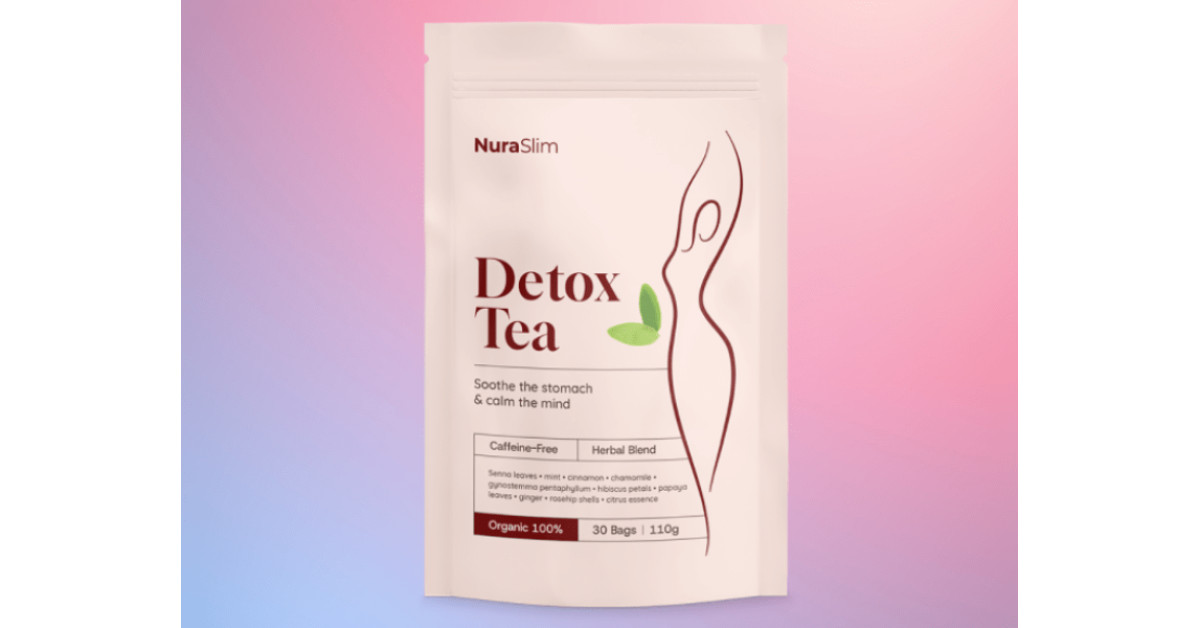
NuraSlim Detox Tea Review: Support Digestive Balance and Stress Relief Naturally
Disclaimer: This article is for informational purposes only and does not constitute medical advice. Always consult a qualified healthcare professional before starting any new supplement. NuraSlim is a dietary supplement, not a medication, and is not intended to diagnose, treat, cure, or prevent any disease. If you purchase through affiliate links in this article, a commission may be earned at no additional cost to you.
Learn more: Visit NuraSlim’s official website for complete product information and customer reviews.
The Bloating Problem That Won’t Go Away
You eat a normal meal and within minutes, your stomach feels uncomfortably tight. Buttons become too snug. Clothes feel restrictive. Evening bloating disrupts your confidence and makes you feel self-conscious.
For many people, this post-meal bloating stems from a combination of digestive stress and how their system processes food. Add chronic stress to the mix-which affects gut communication and inflammatory response-and bloating becomes a daily ritual rather than an occasional inconvenience.
The typical solutions? Harsh detox teas that create urgent bathroom situations. Restrictive diets. Expensive supplements. Or simply accepting discomfort as normal.
NuraSlim Detox Tea takes a different approach. Rather than forcing rapid elimination, the brand’s caffeine-free herbal blend works to support your natural digestive rhythm while addressing the stress component that many conventional products overlook.
Over 1,527 verified customers have rated NuraSlim 4.8 stars, with 97% recommending it to friends. But does it actually deliver on those promises? More importantly, how does it fit into a genuine 2026 wellness strategy that prioritizes real results over marketing hype?
What Is NuraSlim Detox Tea?
NuraSlim is a caffeine-free herbal tea formulated to support healthy weight management, digestive balance, and stress relief. The brand positions the product as a gentle alternative to harsh detox teas, using a proprietary blend of 10 premium botanical ingredients rather than laxative-based formulas.
The brand emphasizes three core benefits:
Reduces post-meal bloating – targets digestive discomfort naturally
Supports healthy metabolism – includes herbs traditionally used for metabolic support
Soothes stress-related cravings – addresses the stress-digestion connection
Unlike conventional detox products that rely on aggressive stimulation, NuraSlim is formulated to be non-laxative, meaning it works with your body’s natural processes rather than forcing urgency.
This is ingredient-level research; NuraSlim as a finished product has not been clinically studied as a complete formula.
The Key Ingredients: How They Work Individually
Each ingredient in NuraSlim’s blend has a history of traditional use in herbal medicine. Understanding each herb individually helps you see why the brand selected this combination.
Senna Leaves
Senna is a flowering plant traditionally used in botanical wellness practices for thousands of years. Research has examined senna for its effects on digestive regularity. Studies have investigated senna’s mechanism, which may relate to intestinal fluid secretion and muscle contractions.
The key distinction: Although senna is an herb traditionally used to support bowel movements, NuraSlim includes it as one ingredient among 10, formulated by the brand to be gentle and non-laxative with a focus on comfort rather than urgency. This is one ingredient at specific levels designed for gentle digestive support rather than strong laxative effects.
Individual ingredient research does not mean NuraSlim as a finished product produces the same effects-product testing at the formula level is different from ingredient-level research.
If you’re sensitive to senna or herbal teas, start with shorter steep times (1-2 minutes) and monitor how you feel before using the full 3-5 minute recommendation.
Chamomile Flowers
Chamomile is one of the most widely studied herbal ingredients globally. Research has examined chamomile for its potential to support relaxation and calm minor digestive discomfort. Studies in complementary medicine journals have investigated whether chamomile may help reduce muscle tension in the digestive tract.
The relevance to NuraSlim: stress directly impacts digestion. By including a known calming herb, the brand addresses a root mechanism many detox products ignore-the stress-digestion connection.
Ginger
Ginger contains compounds called gingerols and shogaols, which have been investigated in clinical studies. Research has examined ginger for its potential to support digestive comfort and help maintain healthy inflammatory response in the digestive system.
One often-overlooked benefit: ginger is used traditionally for gentle digestive support without urgency-making it ideal for a non-laxative formula designed for daily use.
Mint (Peppermint)
Peppermint is documented in multiple clinical reviews for its potential to support digestive comfort and ease minor digestive tension. Research has investigated whether menthol (the active compound) may help relax smooth muscles in the digestive tract.
For bloating specifically, peppermint’s traditional use centers on easing post-meal discomfort-directly addressing NuraSlim’s primary benefit claim.
Gynostemma Pentaphyllum (Southern Ginseng)
This is NuraSlim’s most unique ingredient. Gynostemma pentaphyllum is an adaptogenic herb traditionally used in Asian wellness practices for stress management and overall vitality. Adaptogenic herbs are defined as compounds that may help the body manage stress response.
This ingredient explains NuraSlim’s differentiation. Most detox teas focus only on digestive acceleration. NuraSlim specifically targets the stress component, recognizing that chronic stress directly impairs digestion and increases cortisol, which affects weight management.
Research has examined gynostemma for its potential role in natural stress response, making it particularly relevant for people whose bloating worsens during stressful periods.
Product Composition & Manufacturing
According to NuraSlim’s official website, the brand emphasizes:
100% natural ingredients – no synthetic additives
Third-party lab tested – each batch undergoes purity testing for contaminants and heavy metals
Caffeine-free – can be enjoyed any time of day without sleep disruption
Non-laxative formula – designed for gentle daily use without urgent bathroom effects
Proprietary herbal blend – 10 premium herbs in strategic combination
These are individual ingredient components; NuraSlim as a finished product has not been clinically studied as a complete formula. The individual research on senna, chamomile, ginger, mint, and gynostemma does not equal product-level evidence that NuraSlim produces those effects.
How to Use NuraSlim: Timing & Consistency
The brand recommends a simple ritual:
Steep one tea bag in 8 oz of hot water for 3-5 minutes
Remove the bag and enjoy warm
Drink after meals to support post-meal digestion, or in the evening for relaxation and stress relief
Use consistently for best results – NuraSlim is designed by the brand for daily use as part of a wellness routine. Talk with your healthcare provider about whether long-term use is appropriate for you.
The caffeine-free formula means you can enjoy NuraSlim morning, afternoon, or evening without affecting sleep quality.
Important note: This is not a replacement for prescribed medical treatment. If you’re currently taking medications, consult your physician before beginning any new herbal supplement. Do not change, adjust, or discontinue any medications without medical guidance, even if you believe you’re experiencing health improvements.
Customer Results: Individual Experiences, Not Typical Outcomes
NuraSlim has accumulated 1,527+ verified customer reviews with a 4.8-star average rating. Here’s what people are reporting:
Common themes from reviews:
Reduced bloating after meals (noticeable within 20-30 minutes for some users)
Better sleep quality when used in the evening
Improved digestive comfort and reduced stomach tension
Stress relief and sense of calm
Natural taste without medicinal flavor
Improved digestion consistency with regular use
These are individual experiences and should not be interpreted as clinical evidence or typical results. People who write reviews are self-selected-satisfied customers are more likely to spend time posting feedback than those with neutral or negative experiences. Individual results will vary based on factors including age, baseline digestive health, stress levels, lifestyle, consistency of use, genetic factors, current medications, dietary habits, and other individual variables.
Results May Vary. Not all users experience the same benefits, and not all experience them on the same timeline.
NuraSlim vs. Other Detox Teas: Key Differences
According to the brand’s comparison, NuraSlim differs from conventional detox teas in several ways:
|
Feature |
NuraSlim |
Typical Detox Teas |
|---|---|---|
|
Herb Count |
10 premium herbs |
3-5 basic herbs |
|
Caffeine |
Caffeine-free |
Often contains caffeine |
|
Mechanism |
Gentle digestive support + stress relief |
Laxative-based acceleration |
|
Side Effects |
Generally well-tolerated |
May cause urgency/cramping |
|
Daily Use |
Designed for long-term use |
Typically recommended short-term |
|
Stress Component |
Includes adaptogenic herbs |
Focuses only on elimination |
Comparative claim note: This comparison is based on the brand’s own positioning and typical market products. The claim that NuraSlim includes more herbs is supported by the brand’s ingredient list. However, increased ingredient count does not automatically equal superior efficacy-individual ingredient quality and formula balance matter more than quantity.
Is NuraSlim Right for You?
NuraSlim may be a good fit if you:
Experience post-meal bloating and want gentle support
Feel stressed and notice it affects your digestion
Want a caffeine-free herbal option for evening use
Prefer natural ingredients without artificial additives
Have a sensitive stomach and want non-laxative support
Are looking for long-term digestive wellness, not quick fixes
NuraSlim may not be ideal if you:
Need immediate, urgent digestive acceleration
Have specific senna allergies or sensitivities
Are pregnant or nursing (consult your doctor first)
Are taking medications that may interact with herbal supplements
Are looking for a weight loss “solution” rather than support
Critical consideration: NuraSlim supports digestive health and may help with bloating, but it is not a weight loss medication and should not be positioned as a substitute for balanced nutrition and exercise. Some customers report feeling lighter after using the product consistently-this likely relates to reduced bloating and improved digestive comfort, not fat loss.
Consult your physician before beginning NuraSlim if you are currently taking medications, have existing health conditions, are pregnant or nursing, or are considering major changes to your health regimen. Do not change, adjust, or discontinue any medications without your physician’s guidance.
The 30-Day Money-Back Guarantee
According to the official NuraSlim website, orders are protected by a satisfaction guarantee. If you’re unhappy with your results within 30 days of delivery, you can contact customer support for a full refund.
Important distinction: This is a satisfaction-based guarantee, not an outcomes-based guarantee. The brand is not guaranteeing that your bloating will disappear or that you’ll lose weight. They’re guaranteeing that if you’re unhappy with the product, you can get your money back.
Results are not guaranteed. Individual experiences vary based on personal factors. Some people report noticeable changes; others may not experience significant shifts. This depends entirely on your baseline digestive health, stress levels, consistency of use, and individual physiology.
Review the official refund terms, timeframes, and conditions on the checkout page or by contacting NuraSlim’s customer service, as guarantee details are subject to the company’s current terms and conditions.
Pricing & Availability for 2026
NuraSlim is currently available with promotional pricing (up to 75% discount on select packages). The brand frequently runs limited-time offers, so pricing may vary.
Current availability:
Ships to the US, Canada, UK, New Zealand, and many European countries
Estimated delivery time is generally 5-20 days, depending on location, customs, and local carriers
30-day money-back guarantee
Third-party tested batches
In stock and ready to ship
Always confirm current shipping options and delivery estimates on the official NuraSlim website before purchase.
All prices, discounts, and promotional offers mentioned were accurate at the time of publication (December 2025) but are subject to change without notice. Always verify current pricing and terms on the official product website before making your purchase.
How NuraSlim Fits Into Your 2026 Wellness Strategy
As you head into 2026, digestive wellness deserves to be a foundation of your health approach. Here’s why:
The stress-digestion connection is finally getting mainstream recognition. Chronic stress literally impairs your digestive function by triggering inflammatory response and disrupting gut bacteria balance. Most wellness products ignore this entirely.
NuraSlim’s inclusion of adaptogenic herbs (specifically gynostemma pentaphyllum) acknowledges this connection. Rather than forcing digestion through harsh stimulation, the product attempts to address both digestive discomfort AND the stress component that creates it.
For 2026, consider NuraSlim as part of a holistic digestive wellness approach:
Stress management (meditation, exercise, sleep)
Dietary consistency (whole foods, adequate fiber, hydration)
Herbal support (NuraSlim for post-meal comfort and stress relief)
Professional guidance (consult your doctor about persistent digestive issues)
NuraSlim alone won’t solve chronic digestive problems. But as part of an integrated approach, it may help support natural digestive rhythm while addressing the stress component most products miss.
Frequently Asked Questions About NuraSlim
What exactly does NuraSlim help with?
NuraSlim is designed to support three primary areas: healthy weight management (through metabolic support), digestive balance (specifically post-meal bloating and digestive comfort), and stress relief. Many users report better sleep when using it in the evening, partly due to its calming herbal ingredients.
This is not a weight loss product. It supports healthy metabolism and may help with bloating-related discomfort, but it is not a substitute for diet and exercise.
Will NuraSlim cause bathroom urgency or cramping?
No. Unlike harsh detox teas that rely on laxative mechanisms, NuraSlim is specifically formulated to be non-laxative. It works with your body’s natural digestive processes rather than forcing urgency. Some customers report gentle, regular digestion; others notice mainly bloating reduction without urgent effects.
However, individual responses vary. If you have extreme sensitivity to senna or herbal blends, start with a smaller amount and observe how your body responds.
How long should I use NuraSlim?
You can use NuraSlim daily as part of your ongoing wellness routine, according to the brand’s guidance. The brand designs it for long-term use without creating dependency. Some customers use it every day; others use it as-needed for bloating or evening relaxation. Both approaches are fine.
People with health conditions or those taking medications should confirm long-term use with their physician.
Can I drink this if I have a sensitive stomach?
Yes. According to the brand, the gentle botanical blend is specifically chosen for sensitive digestive systems. If you’re extremely sensitive, start with a smaller amount or shorter steep time (1-2 minutes instead of 3-5) to assess tolerance.
Always consult your doctor first if you have serious digestive conditions.
How is NuraSlim different from other detox teas I’ve tried?
Most detox teas use 3-5 ingredients and rely heavily on laxative herbs for quick results. NuraSlim uses 10 premium herbs, including adaptogenic plants not commonly found in detox formulas. The stress-relief component (through gynostemma pentaphyllum) sets it apart-the brand recognizes that stress drives digestive problems and bloating.
What’s the best time to drink NuraSlim?
Anytime that fits your schedule. Unlike caffeinated teas, NuraSlim won’t disrupt sleep, so you can enjoy it morning, noon, or evening. Many customers drink it after meals to support post-meal comfort, or in the evening for relaxation and better sleep quality.
Does NuraSlim contain caffeine?
No. NuraSlim is completely caffeine-free, making it perfect for evening use without interfering with sleep. This also makes it suitable for people sensitive to caffeine or those looking to reduce stimulant intake.
Why NuraSlim Matters in the Current Wellness Landscape
The supplement industry is flooded with products making aggressive claims: “lose 10 pounds,” “flush toxins,” “cure digestion overnight.”
NuraSlim takes the opposite approach. The brand makes modest, supportable claims. The product is designed for gentle, sustained support rather than dramatic results. Customer testimonials reflect this-people report feeling better, sleeping better, experiencing less bloating-not miraculous transformations.
This measured approach is actually more credible and more likely to produce real results because:
Realistic expectations = higher satisfaction
Gentle support = sustainable long-term use
Stress-relief component = addresses root mechanism, not just symptoms
Non-laxative formula = prevents the rebound bloating common with harsh detox products
For 2026 wellness, this philosophy-doing one thing well rather than overpromising everything-is increasingly what separates legitimate products from marketing hype.
Final Recommendation: Should You Try NuraSlim?
If you experience regular post-meal bloating or stress-related digestive discomfort, NuraSlim is worth testing. The product is affordable, backed by strong customer reviews, and comes with a 30-day satisfaction guarantee-meaning you can try it with minimal financial risk.
If you’re looking for a quick weight loss solution, NuraSlim will disappoint you. It’s designed for digestive comfort and stress support, not weight loss. Any weight-related benefits would come from reduced bloating and improved digestion consistency, not from the product itself.
The honest assessment: NuraSlim is a well-formulated, modestly positioned herbal tea that aims to support digestive comfort and stress management. Many reviewers report feeling less bloated and more relaxed, but results vary from person to person. It won’t revolutionize your health, but it may meaningfully improve daily digestive comfort-which is exactly what thousands of customers report.
Where to Get NuraSlim
Official Website:Visit NuraSlim.com for complete product information, ingredient details, and customer reviews.
Order NuraSlim: Get your NuraSlim detox tea here – current pricing available with promotional discounts.
Both links provide full access to the brand’s terms, refund policy, and customer support contact information.
Phone: +1 (231) 359-2230
Email: support@nuraslim.com
Complete Compliance & Health Disclaimers
Medical Disclaimer: This article is educational and does not constitute medical advice. NuraSlim is not a substitute for prescribed medical treatment. If you are currently taking medications, have existing health conditions, are pregnant or nursing, or considering major changes to your health regimen, consult a qualified healthcare professional before starting NuraSlim or any new supplement. Do not change, adjust, or discontinue medications without your physician’s guidance and approval, even if you believe you are experiencing health improvements.
FDA Health Disclaimer: The statements made in this article and regarding NuraSlim have not been evaluated by the Food and Drug Administration. NuraSlim is not intended to diagnose, treat, cure, or prevent any disease. This product is a dietary supplement, not a medication.
Results May Vary Disclaimer: Individual results will vary based on factors including age, baseline digestive health, stress levels, lifestyle, consistency of use, genetic factors, current medications, dietary habits, exercise patterns, and other individual variables. While some customers report improvements, results are not guaranteed. Not all users experience the same benefits or on the same timeline. These are individual experiences and should not be interpreted as clinical evidence or typical results.
FTC Affiliate Disclosure: This article contains affiliate links. If you purchase through these links, a commission may be earned at no additional cost to you. This compensation does not influence the accuracy, neutrality, or integrity of the information presented. All opinions and descriptions are based on published research, publicly available information, and customer feedback.
Pricing & Terms Disclaimer: All prices, discounts, and promotional offers mentioned were accurate at the time of publication (December 2025) but are subject to change without notice. Always verify current pricing, terms, and refund policies on the official NuraSlim website before making your purchase. Shipping times may vary based on location and customs processing.
Publisher Responsibility Disclaimer: The publisher of this article has made every effort to ensure accuracy at the time of publication. We do not accept responsibility for errors, omissions, or outcomes resulting from the use of information provided. Readers are encouraged to verify all details directly with the official NuraSlim source and their healthcare provider before making decisions.
Testimonial Authenticity Note: Customer testimonials and reviews displayed reflect individual experiences. These are self-selected reports from people willing to share their stories-satisfied customers are statistically more likely to post reviews than those with neutral or negative experiences. Testimonials do not represent clinical evidence or guaranteed results.
Source: NuraSlim
Smashed into a jam, or dried and steeped as a tea, elderberries have been used by Indigenous peoples and in traditional medicine for thousands of years.
Native Americans have relied on the small purple fruit to help lower fever and treat respiratory illness but the berries’ immune protective properties are also supported by western medicine. Americans spent $175 million on elderberry products in 2024.
A handful of studies, over the past decade, show that consuming the berries in supplement form, as a syrup or tea could relieve cold symptoms and shorten the illness.
“Elderberry cannot cure a cold or flu but may be beneficial to some people for symptom relief,” Dr. Kelly Erdos, a clinical pharmacist at Banner Baywood Medical Center, said in a statement.
Part of the magic may have to do with the berry’s antioxidants, substances that help prevent cell damage that can lead to chronic disease.
“It could also increase your risk for things like colds and flu, since if your cells are working to fight free radicals from smoke, allergens or pollution, they may not be able to fight off viruses as efficiently,” Erdos noted.
Elderberries contain anthocyanins – pigments that give berries their color. Anthocyanins are also potent antioxidants that have been associated with lowering blood pressure and provide natural compounds known as flavonoids.
After bacteria in our gut breaks down flavonoids, they’re used to benefit different parts of the body, according to the Cleveland Clinic.
And the berries contain a good amount of vitamin C, which has been shown to reduce the length of a cold, as well.
“If you were going to have a common cold that lasts about seven days, it may cut it down about 13 hours,” Dr. Jesse Bracamonte, a Mayo Clinic family physician, said of vitamin C.
There are six to 35 milligrams of vitamin C in each 100 grams of elderberries. Women should get around 75 milligrams a day of vitamin C and men should get 90 milligrams, according to federal health guidance.
Some doctors further cite a protein in elderberries called hemagglutin that has been shown to help prevent infection.

“This protein can stop a virus’s ability to replicate and penetrate cell walls, preventing a virus from causing an infection to take over the body,” the Lam Clinic says.
So, should you add them to your diet?
Elderberries are toxic to humans when uncooked, resulting in diarrhea, vomiting and nausea. But they are safe when cooked, which eliminates the toxicity in elderberries.
They’re commonly sold in pies, jams, juices, and jellies, as well as dietary supplements. Elderflower tea comes from the same plant that produces the berries, known as Sambucus.
Elderberry dietary supplements are not approved by the U.S. Food and Drug Administration and people should talk to their doctor before taking new products.
Still, the berries boast benefits beyond immune health and researchers have found that drinking 12 ounces of the juice every day for a week can improve gut health and aid weight loss.
Products using elderberry extracts can soothe the skin.
“If you like elderberry syrup or jam, you can eat it. It’s a healthy food when cooked properly,” integrative medicine specialist Dr. Naoki Umeda told the Cleveland Clinic.
You might be doing everything right—taking a vitamin D supplement, drinking milk, eating salmon and soaking up midday rays. On the surface, it seems like you’ve got your vitamin D bases covered. Yet almost 25% of people in the United States are running low. Vitamin D plays far more roles in the body than you may realize.
“While its claim to fame is often associated with the role it plays in protecting bone health through helping the body absorb calcium, that’s not all you need vitamin D for,” says Elizabeth Shaw, M.S., RDN, CPT. “It’s also involved in communication in the body, muscle movement and immune health. In fact, you need vitamin D to help kick free radicals out of your body, like the common cold and flu, so you can stay healthy.”
Even if you’re taking a vitamin D supplement like clockwork every day, you still might not be absorbing enough. According to experts, the biggest mistake people are making is choosing the wrong form of vitamin D. So, which one should you be choosing? Here, we break down the differences between the two types of vitamin D and which one you should be reaching for.
When you look at vitamin D supplements options, you may notice two forms available: vitamin D2 and vitamin D3. While both can help raise and maintain vitamin D levels, they come from different sources and your body utilizes them differently. Below we explore what sets the two apart.
Vitamin D2, also known by its scientific name ergocalciferol, comes primarily from plant-based sources. “Vitamin D2 is photosynthesized in plants, mushrooms and yeasts. In other words, mushrooms exposed to sunlight synthesize vitamin D2,” explains Holli Ryan, RD, LD.
Both D2 and D3 must undergo two steps to become biologically active: first, conversion in the liver, then again in the kidney. However, once activated, research shows that vitamin D3 is more effective at raising and maintaining 25(OH)D levels, which is your blood serum vitamin D status. Vitamin D2 has structural differences that reduce its ability to bind to vitamin D-binding protein, and it also breaks down more quickly. Its shorter half-life means it doesn’t stay in your system as long either. Ultimately, making it the less-than-desirable option.
Vitamin D3, also known as cholecalciferol, is found in animal-based foods such as salmon, tuna, herring, egg yolks, and cheese, as well as in fortified foods like dairy milk and orange juice. It’s also the form your body naturally produces when you get some rays. “Vitamin D3 is closer to the form your body naturally makes from sunlight, so it’s more efficient at supporting and maintaining vitamin D levels,” explains Bonnie Taub-Dix, RDN.
Although the body can use both forms of vitamin D, studies show that vitamin D3 can raise blood levels of vitamin D higher and for longer than vitamin D2, says Shaw. In fact, guidelines indicate that vitamin D3 is approximately five times more potent at raising serum 25(OH)D concentrations, compared to D2.
With nearly 5% of the population at risk of vitamin D deficiency and another 18% with insufficient levels, maintaining adequate levels is a widespread problem. Vitamin D plays multiple critical roles in health, from supporting strong bones to bolstering immune health to aiding with muscle movement. When levels run low, it may lead to weakened immunity, fatigue, or low mood. That’s why choosing the right form of vitamin D is so important.
Here are a few expert-backed tips to help guide you towards picking up the right vitamin D supplement.
In addition to choosing the right vitamin D supplement, your diet, beverage choices and scheduling in sunshine time can help you boost your vitamin D levels too.
Monitor your levels regularly with a blood test to ensure you are maintaining adequate vitamin D levels.
The number one mistake people make when taking vitamin D is choosing the wrong form. Experts recommend selecting a vitamin D3 supplement over D2 for maximum benefit and absorption. Research states vitamin D3 is five times more potent than vitamin D2, and more effective at raising and maintaining blood vitamin D levels.
When picking out a supplement, make sure it’s independently tested, contains the D3 form, and comes in either soft or drop form. Other ways to boost your vitamin D levels are by eating fatty fish, mushrooms or drinking fortified milk or orange juice. Aim for at least 15 minutes of sunlight exposure a day. And don’t forget to monitor your vitamin D levels annually, as vitamin D plays a role in whole-body health.
If the internet’s three-beverages theory began as a meme, it has now quietly evolved into a lifestyle philosophy. And somewhere between the emotional-support water bottle and the caffeinated sweet drink, one contender in the “bevvy” trifecta has quietly emerged as a new favourite: hojicha.
the key to productivity is always having three potable liquids available to you. a caffeine source, a classic water, and a wildcard.
— bobby (@bobby) February 10, 2020
Origin and Appeal
Hojicha is not new. It has been part of Japanese tea culture since the early twentieth century, when tea merchants began roasting leftover green tea leaves, stems, and twigs to create an inexpensive everyday drink. The roasting process caramelises the leaves, completely changing their character. The result is a warm, toasted flavour that feels mellow and slightly sweet, which makes it taste less like green tea and more like something you’d want on a cold evening. Since much of the caffeine burns off during roasting, it is often served in the evenings in Japan and is associated with calmness more than stimulation.
What is new is how widely the drink is now travelling. In the past year or so, hojicha has appeared on café menus in cities across the globe, often repackaged as lattes or dessert-like specials. Unlike matcha, a drink that many new consumers still find grassy, intense, or intimidatingly ceremonial, hojicha feels instantly familiar. It tastes roasted rather than vegetal, mellow rather than sharp. For a generation raised on coffee and malted nutritional drinks, hojicha fits right in.
Supply Pressures and the Practical Appeal
Another factor nudging hojicha to the front is a global squeeze on matcha supply. In 2025, record heatwaves hit Japan’s tea-growing regions, cutting harvests by more than 20 per cent. At the same time, global demand remains surging, driven by viral social media traction. Shrinking harvests paired with higher demand have pushed matcha prices to record highs, forcing some exporters to ration supply. Unlike matcha made from tencha, young, shade-grown leaves that are highly susceptible to climate variations, hojicha is made by roasting older, lower-grade green tea leaves, stems, and stalks, which are more resilient and less in demand for other specific tea types.
Why Cafés are Turning to Hojicha
This combination of practical availability and rising curiosity has caught cafés’ attention. Urvi, co-founder of Hinoki, a slow-brew matcha bar in Delhi, says the demand didn’t appear suddenly. “People had been asking for hojicha for months before we introduced it,” she says. The café waited for winter intentionally, a season that suits the drink’s profile. “It’s a roasted tea, tastes like chocolate, nuts, caramel. For many people, it just feels like a winter drink.”
Her observation tells a larger story. Hojicha’s rise isn’t only the result of café innovation or internet trends; it’s also a response to what people are craving right now: warmth and low-caffeine comfort. Urvi also notes that even those initially sceptical have become regulars after trying a well-balanced version, which shows that the trend is organic, not hype-led. “Roast level makes all the difference,” she explains. When done right, it becomes a drink that appeals even to people who don’t like matcha.
Hojicha’s rise is partly a café-driven phenomenon. Instead of responding to demand, cafés are creating it, with weekly specials and quiet off-menu experiments. At Matcha House, only around five to ten percent of their sales come from hojicha, but the curiosity around it is far higher. Damayenti Ayekpam, a staff member at the café, says most customers still need an introduction to it, yet some become unexpectedly loyal. “There’s a customer who comes every two or three days just for the strawberry hojicha latte,” she says, referring to a drink that isn’t even on the menu. It’s a small example, but it shows how hojicha is moving one person at a time, not through hype, but through discovery.
A Growing Taste
India is still early in its hojicha moment, but it’s beginning to peek into metropolitan menus, not trying to replace matcha, but offering an alternative for those who want something gentler. Young drinkers who enjoy tea culture but don’t resonate with the ceremonial precision of matcha find hojicha approachable. It aligns with a cultural moment in which rest, slowness, and comfort have become desirable, even aspirational.
Interestingly, the trend also shows how internet trends flatten geography. A roasted tea developed in Kyoto’s tea shops is now part of a global moodboard connecting winter comfort, “three beverages” memes, and slow-living culture. And if the trajectory continues, we might soon see another Japanese roasted drink appear in the global rotation: mugicha, barley tea, which is already a summer staple across Japan and Korea.
For now, hojicha has moved from a background beverage in Japanese homes to a global staple, appearing on café menus around the world and even on shelves for people to brew at home. What started as a simple roasted tea is quietly becoming part of daily routines, quietly crossing borders and taste preferences alike.
End of Article
Thanks to the advent of drugs like Ozempic and Mounjaro, peptides are gaining traction for their beneficial impact on health and wellness. Now, researchers at Wuhan Polytechnic University in China have identified a novel peptide from round scad that has the potential to benefit cognitive function.
Peptides, or short chains of amino acids, form the basis of many metabolic and hormonal functions within the human body. Many hormones, such as insulin and oxytocin, are peptides.
Perhaps the most popular peptide as of late is glucagon-like peptide-1 (GLP-1), the hormone responsible for feeling satiated after eating. Popular GLP-1 receptor agonist drugs also are peptides – the generic names for Ozempic and Mounjaro are semaglutide and tirzepatide, respectively.
By identifying peptides that impact facets of health, supplement formulators can tap into ingredients with limitless possibilities, from improving muscle strength and recovery to relieving joint pain.
A tripeptide from round scad (Decapterus maruadsi), comprised of proline-proline-tryptophan (Pro-Pro-Trp or PPW).
Round scad provides a promising novel peptide ingredient because of its neuroprotective properties. Researchers found PPW survived simulated digestion and could transport across cell barriers.
Several components comprised the preclinical study of PPW:
Researchers used cell cultures to investigate cytotoxicity, analyze impact on inflammatory cytokines and antioxidant enzymes and determine transportability of PPW.
Mice fed proline-proline-tryptophan or control feed underwent sleep deprivation to assess the effects of PPW on cognitive function as measured by the Morris water maze (MWM).
PPW survived simulated gastric digestion (~94%).
PPW exhibited no cytotoxic effects on cell cultures.
PPW improved oxidative stress by increasing the antioxidant enzyme activity of cell cultures.
PPW decreased inflammatory factors in damaged cell models.
Cell culture studies revealed PPW migrated across the Caco-2 monolayer.
The MWM test with mice revealed the potential of PPW to lessen cognitive decline induced by sleep deprivation. Mice fed PPW experienced improved spatial memory.
In a previous study, the researchers identified several bioactive peptides from round scad hydrolysate. The current study used in vitro and in vivo methods to ascertain how PPW exhibits neuroprotective effects.
By simulating digestion of PPW, the researchers proved the stability of the novel peptide, a critical factor for success in supplement applications.
The novel peptide from round scad adds to the growing body of scientific research on novel peptides from a wide variety of foodstuffs and offers a new nonpharmaceutical ingredient to support cognitive health.




:max_bytes(150000):strip_icc()/The-1-Mistake-You-are-Making-When-You-Take-Vitamin-D-0652f30b5e64416c853d9340d1b4b905.jpg "The #1 Mistake You’re Making When You Take Vitamin D")
 "How Japanese Roasted Tea Became a Global Café Favorite Amid Matcha Shortages and Rising Demand – Firstpost")