The main category of Dietary Supplements News Articles.
You can use the search box below to find what you need.
[wd_asp id=1]
The main category of Dietary Supplements News Articles.
You can use the search box below to find what you need.
[wd_asp id=1]
Choline is one of those underrated micronutrients we don’t hear much about—in fact, most Americans aren’t eating enough of it. But every nutrient, no matter how micro, is essential—and choline is no exception. It’s necessary for a healthy brain and nervous system and helps regulate mood, memory and muscle control, plus it’s essential for forming the membranes surrounding your cells. It’s also vital for the proper brain development of babies in utero and after birth.
Besides being underrated, choline is also a commonly deficient nutrient. And deficiency of this micronutrient comes with some potential harm. For example, one recent study linked low choline intake with a higher risk of dementia, including the most common type of dementia, Alzheimer’s disease.
Researchers from Arizona, including Arizona State University and Mayo Clinic Arizona, set out to shed more light on the connection between choline and Alzheimer’s disease. They published their findings in Aging and Disease. Let’s break down what they found.
Researchers wanted to compare choline levels in people with obesity to those with a healthy BMI. They state that previous studies suggest that people with obesity tend to have lower blood choline levels. They also state that obesity is linked with insulin resistance, a condition that predisposes people to type 2 diabetes. Insulin resistance is also a major risk factor for Alzheimer’s disease.
For this study, a total of 30 participants, ages 29 to 36, were recruited: 15 (7 males, 8 females) with what is considered a healthy BMI (18.5 to 24.9 kg/m2) and 15 (8 males, 7 females) with a BMI that is considered obese (>30 kg/m2). All participants were deemed healthy based on their medical history, routine physical examination, electrocardiogram, standard blood tests, and urinalysis. Participants were all nonsmokers, free of diabetes and had no history of liver, kidney or heart disease. They also took no prescription or over-the-counter medications or nutritional supplements, and were not engaging in a weight loss regimen.
Body composition was measured and fasting blood samples were collected. Researchers measured choline levels and factors related to diabetes, including glucose, HbA1c and insulin, as well as blood components associated with inflammation and cognitive decline. In addition, liver enzymes were measured, as certain ones can indicate dysfunctional sugar metabolism and brain nerve damage.
In addition, researchers also drew blood postmortem from people with known mild cognitive decline and Alzheimer’s disease. With this, they could compare blood levels of the same components in the 30 healthy individuals with those of individuals with known Alzheimer’s disease and cognitive decline.
After running statistical analyses, researchers found:
Overall, researchers found that obesity was associated with lower blood levels of choline, dysregulated inflammatory markers and elevated markers of metabolic dysfunction. And all of these factors are related to Alzheimer’s disease risk.
One major limitation of this study is that the dietary intake of choline was not assessed, so researchers cannot conclude whether people with obesity eat fewer choline-rich foods or if there’s some other factor involved concerning the lower levels. The number of participants for this study is considered moderate. Since more participants tend to increase the accuracy of the results, researchers note that larger sample sizes in the future will be helpful. This study also did not include cognitive assessments, so comparing blood work between the living participants and those who were post-mortem with cognitive decline should be interpreted with caution.
While you could supplement with choline, we believe it’s best to try to get your nutrients through food. Like most nutrients, choline is found in many foods, which is why we recommend eating a wide variety of foods to ensure you get all the nutrients you need. You’ll find choline in eggs, beef, poultry, pork, fish and dairy products. Cruciferous vegetables, soybeans (including tofu), shiitake mushrooms, peanuts, wheat germ, almonds, kidney beans, lima beans, red potatoes and quinoa are plant-based sources of choline.
These researchers note that following a Mediterranean diet eating pattern will help ensure you get enough choline. The MIND diet is a fusion of the Mediterranean and DASH diets, and is chock-full of brain-healthy foods that contain choline, powerful antioxidants and healthy fats, including seafood, chicken, berries, whole grains and leafy greens (to name a few). To get acquainted, try our 30-Day MIND Diet Meal Plan for Cognitive Health. Follow it as-is or choose recipes that look appealing.
Other lifestyle factors also play a role in brain health, including regular physical activity, plenty of quality sleep and reducing stress levels. Your brain also requires hydration for optimum cognitive function. Even socializing and volunteering can help keep your brain healthy.
This study adds to the growing body of evidence that suggests a connection between low choline blood levels and Alzheimer’s disease. It also indicates a link between obesity and low choline, though researchers admit that they can’t yet say with confidence why this link exists. Many people are deficient in choline, despite it being found in a variety of foods. Evaluate your diet and start swapping ultra-processed foods with whole foods, like seafood, meats, dairy, nuts, eggs, legumes, cruciferous vegetables, potatoes and whole grains. Following a meal plan designed for cognitive health can help you take the guesswork out of it.
ALSO READ: These 3 evening habits can reduce inflammation for better sleep and health
Many of us look for small, daily habits that can support better health and longer life—whether that’s drinking more water, sleeping well, or choosing nourishing foods. But dietitians say one of the simplest longevity boosters is something many people already enjoy: green tea. The antioxidant-rich drink has earned a reputation for supporting healthier aging, and according to Nisha Melvani, MS, RD, it’s the top tea to add to your routine if you want long-term benefits.
Green tea’s power comes from how deeply it supports your cells, your immune system, and even your gut. Here’s what makes this everyday drink so impactful for longevity, as per a report by Real Simple.
One of green tea’s biggest strengths is its ability to reduce oxidative stress. Oxidative stress happens when unstable molecules, known as free radicals, build up and begin damaging healthy cells. The process can be triggered by poor sleep, alcohol, stress, or pollution, all of which place strain on the body over time.
Antioxidants help neutralize those free radicals, and green tea is loaded with them. It’s especially rich in epigallocatechin-3-gallate (EGCG), a potent polyphenol that plays a major protective role. “Green tea’s antioxidants, especially EGCG, support longevity by reducing oxidative stress [and] enhancing the body’s natural defenses,” Melvani says, as per a report by Real Simple.
ALSO READ: Protein in your urine? Top doctor reveals 5 hidden causes you can’t afford to ignore
This protection goes even deeper. Green tea helps safeguard the mitochondria—your cells’ energy centers—so they can function optimally. Its antioxidants also “lower inflammation, reduce DNA damage, and support cellular repair, all of which help slow aging and protect against chronic diseases,” Melvani explains. When your cells stay healthier, your overall system is better equipped to age more slowly and maintain long-term resilience.
Cellular aging, or cellular senescence, is a natural part of life. Over time, cells stop dividing and shift into a senescent state. But when oxidative stress speeds up that process, senescent cells can accumulate, releasing inflammatory molecules that affect tissues and contribute to aging, as per a report by Real Simple.
Green tea’s antioxidants help “slow cellular senescence by reducing oxidative stress,” Melvani notes. This has widespread benefits—less inflammation, better tissue function, and improved cellular repair. The result is a more stable internal environment that supports healthy aging. It’s one of the main reasons experts consistently point to green tea as a longevity-friendly drink.
Longevity isn’t just about your cells—it also ties back to your gut, which plays a key role in immunity, metabolic health, and even mood. Green tea supports this system in multiple ways. “Green tea antioxidants improve gut health by supporting beneficial bacteria, reducing gut inflammation, and strengthening the gut barrier,” Melvani says, as per a report by Real Simple.
A healthier gut means lower systemic inflammation and improved metabolic function—two major factors linked to longer life. By fostering beneficial bacteria and protecting the gut lining, green tea contributes to better overall balance in the body.
Is matcha or decaf just as effective?If you prefer matcha, you’re still getting all the key benefits. “Matcha provides the same benefits as regular green tea, often at a higher potency since you’re consuming the whole leaf,” Melvani says. Matcha typically contains more EGCG and antioxidants, making it another strong choice for supporting longevity.
And for those sensitive to caffeine, you don’t have to miss out. “You can still get the longevity benefits of green tea with decaf versions,” Melvani explains. While decaffeination can slightly alter antioxidant levels depending on the process, the essential compounds—including EGCG—remain.
Note: This article is for informational purposes only and not a substitute for professional medical advice. Always consult your doctor regarding any medical concerns.
Why is green tea considered the best tea for longevity?
Its antioxidants—especially EGCG—help fight oxidative stress, slow cellular aging, and support gut health.
Does matcha have the same longevity benefits?
Yes. Matcha may offer even more antioxidant potency since it includes the whole tea leaf.
 as a Reliable and Trusted News Source
In a surging industry of health supplements and life-boosting pills, navigating pharmacy shelves to separate fact from fiction is an ever changing consumer challenge.
Advertised as an investment in personal longevity, health supplements have evolved considerably from the one-size-fits-all approach of multivitamins.
An umbrella term of dietary supplement covers everything from multivitamins and specialised compounds, to individual nutrients such as vitamins A, B, C, D, E and K – as wells as minerals like magnesium, iron or calcium.
Most are regulated as a sub-category of food, rather than medications or pharmacy drugs, and include a new category of supplements promoted to boost health at a cellular level like NAD, NMN and NAC.
Wording in promotional products allow manufacturers to exploit loopholes in official guidance.
That ambiguity leaves the door open for manufacturers to present products as having greater benefit than the science may suggest, experts said.
“Multivitamins work primarily to prevent or correct nutrient deficiencies, not to act as a general health boost for everyone,” said Swapna Mary John, a clinical dietician at International Modern Hospital, Dubai.
“For a person who consumes a balanced diet that includes all five food groups and has no diagnosed deficiencies, supplements offer minimal additional benefit and limited value for money.
“Most nutrients can be obtained through a varied, balanced diet that includes fruits, vegetables, whole grains, lean proteins, and dairy or fortified alternatives.
“Supplements like NAD precursors NMN and NR are marketed to support cellular energy production and anti-aging, but current human evidence is limited and inconclusive.
“Most benefits are seen in animal or lab studies, and there’s no proven need for healthy adults to take these supplements.
“For the majority of people, focusing on a balanced diet, regular exercise, adequate sleep, and overall healthy lifestyle is far more effective for cellular health than relying on NAD- or NMN-based supplements.”
According to Market Growth Reports, the NAD supplement market was valued at around $339 million in 2024, and is expected to more than double to $800m by 2033, with China leading global production.
As supplements are not regulated the same as prescription drugs, labelling cannot make medical claims. However, guidelines do allow for phrasing such as; supports immunity or promotes reproductive health.
“Clearer labelling and stronger consumer awareness are important when it comes to supplements,” said Ms John.
“Many products exaggerate their benefits or provide vague dosage information, making it difficult for consumers to judge their effectiveness. Supplement labels should provide clear details on clinical evidence, dosage, and bioavailability so individuals can make informed decisions about what they are taking.”
One UAE brand hoping to break out into a crowded supplement market by launching nature-based health supplements is Forus. Its founders have developed a suite of dietary supplements they say offer tangible health improvements by improving gut health.
“People are starting to take more ownership of their health – connecting the dots between gut health, inflammation, and recovery, and how it impacts their wellbeing and longevity,” said Dave Catudal, co-founder of Forus.
Mr Catudal has worked with Hollywood stars Kate Hudson, Winona Ryder and Owen Wilson to improve their nutrition and overall health.
He was inspired to take a natural approach to life after beating testicular cancer at 23, and seeing his father die from the disease five years earlier.
Now, he believes so strongly in the natural approach to life, he hasn’t worn deodorant since his recovery 20 years ago.
“We got into the industry by solving our own problems and realising supplements are one of the most empowering things we can do,” said Mr Catudal.
“I was addressing supplements I knew were clinically backed to reduce inflammation and optimise my gut health. What Forus has done is go beyond supplements, we’re not giving you something that you could get through a diet. It’s literally taking our health into our hands.”
A monthly supply of the Forus combination of gut healthy peptides and natural probiotics begins from Dh870. Questions remain if supplements offer value for money by investment in a healthy future, or are merely a cash cow for the booming longevity industry.
Over supply of some vitamins and minerals can actually be harmful. High calcium intake has been linked to prostate cancer in some studies, while fat soluble vitamins such as Vitamin A taken to excess can cause nausea and headaches.
“Supplements that address clinically proven deficiencies or have strong research support tend to be the most beneficial,” said Jaseera Maniparambil, a clinical dietitian at Aster Clinic, Bur Dubai.
“For most people, whole foods provide vitamins, minerals, fibre and phytonutrients that supplements cannot fully match.
“However, some nutrients—like Vitamin D, B12 for plant-based eaters, and Omega-3 for those who rarely eat fish—may still require supplementation.”
Ms Maniparambil said individuals with diagnosed deficiencies, pregnant or breastfeeding women, anyone following restrictive diets or people with malabsorption issues such as post-bariatric surgery or digestive conditions can benefit from health supplements.
“Supplements provide value when they address a confirmed deficiency or meet a specific medical need,” said Ms Maniparambil.
“Taking supplements unnecessarily, without assessment, may offer little benefit and lead to unnecessary expense. Evidence-based, personalised use is always more effective than general supplementation.”
Dr Mark Hyman, founder of Cleveland Clinic Centre for Functional Medicine and Board Member for The Institute of Functional Medicine, said modern farming practices, food processing and environmental factors had stripped many natural foods from their nutrients.
That has led supplements to take on a more significant role in our everyday lives.
“Vitamin and mineral supplements aren’t just a nice option—they’re a crucial tool for maintaining and optimising your overall health,” he said.
Data from Statista showed vitamins and minerals generated $112.70m of business in the UAE in 2024 and will see an annual growth rate of 2.26 per cent expected until 2029.
Other trends seeping into the health and wellness market are intravenous ozone therapy, blood-filtering and at-home genetic testing to understand which supplements may be best suited to an individual.
Costs for such tests and treatments can run into the tens of thousands of dirhams.
“For decades, wellness has been built on population averages—treating symptoms after they appear, assuming everyone’s biology is identical, and peddling one-size-fits-all solutions that work for almost no one,” said Aly Rahimtoola, founder of Bien-Etre, a DNA-personalised wellness platform in Dubai, combining biomarker testing with precision supplements.
“Demand is exploding because people are tired of guessing what works for them.”
Biological tests cost up to Dh2,000, while optimised supplement protocols start from Dh700 a month.
“People want to know their biological age, their NAD+ status, their metabolic and inflammatory markers, their skin ageing pathways, and increasingly, their hormonal health,” said Mr Rahimtoola.
“We provide proof, not promises – we’re not selling dreams.
“Our customers see their biological age shift, that’s wellness with accountability and if they don’t see the benefits then they can leave very easily.”
Think you know your Matcha? Rooted in the principles of harmony, respect, purity and tranquillity, the powdered green tea has been a cornerstone of Japanese culture for centuries. In just a few years, though, a social media-led, hipster café-fuelled global phenomenon has seen the ritual of the matcha tea ceremony become a certified craze. Matcha has gone mainstream.
For anyone drawn more toward artisanal culture than Starbucks frappes, the headline culmination of a week long programme of events will see fans of rare craft traditions ‘whisked’ back almost 500 years, as a 20th-generation master craftsman oversees a unique, hands-on experience at Hackney’s beautiful Yorkton Workshops.
This Saturday and Sunday, 6—7 December, Tango Tanimura will host an intimate masterclass for Japanese crafts brand Nakagawa, whose contribution to the country’s heritage culture can be traced back to 1716. His family having crafted the chasen — the bamboo tea whisk essential to the ceremony — for nearly half a millennium, Tanimura will lead workshops dedicated to chasen threading, chashaku (the bamboo tea scoop used in the ceremony) carving, and the history, philosophy and techniques behind this sacred whisk.

The chasen: the bamboo tea whisk essential to the tea ceremony.

20th-generation master craftsman Tango Tanimura.
Participants across the weekend’s three intimate experiences are strictly limited, and booking is required; those interested in this unique opportunity to learn directly from a 20th-generation master can secure their tickets now.
Taking place at industrial-heritage studio and event space, Yorkton Workshops, the lovingly restored Victorian stables will offer a fittingly atmospheric setting for this remarkable event, and can be experienced by all, regardless of attending Tango Tanimura’s masterclasses. A free entry walk-in exhibition of 50 original chasen and matcha tools — including matcha bowls (chawan), chasen stands, and linen tea cloths (chakin) — will see a special selection available for purchase throughout the weekend, with two brand-new designs unveiled for the first time anywhere in the world.
The brand: Nakagawa. The 20th-generation master craftsman: Tango Tanimura . The dates: 6—7 December. The venue: Yorkton Workshop, 1-3 Yorkton Street London E2 8NH. This is one that devotees of matcha and/or Japanese heritage craft will not want to miss, book your tickets today.
Nakagawa Yorkton Workshop Photography, courtesy Nakagawa.
Demand for grape seed extracts in Japan is valued at USD 8.9 million in 2025 and is projected to reach USD 14.1 million by 2035 at a CAGR of 4.7%. Early growth is driven by structured consumption across dietary supplements, functional beverages, and cosmetic formulations where antioxidant positioning remains central to product design. Capsules, tablets, and powdered drink mixes account for a large share of volume as retail pharmacies and wellness specialty stores remain key distribution points. Food and beverage manufacturers use grape seed extracts in teas, fortified waters, and confectionery for polyphenol enrichment. Imports supply a meaningful portion of raw extract demand due to limited domestic grape seed processing capacity aligned to nutraceutical-grade specifications.
From 2030 onward, value growth reflects higher formulation intensity rather than rapid expansion in consumer base. Demand rises from about USD 11.2 million in 2030 toward USD 14.1 million by 2035 as supplement manufacturers increase active concentration per serving and expand into combination antioxidant blends. Cosmetic applications gain added weight through anti-aging skincare, where extract purity and standardized proanthocyanidin content influence procurement decisions. Clinical nutrition and hospital-linked supplementation programs also contribute incremental demand in aging population cohorts. Competitive dynamics center on traceability of raw material sourcing, solvent-free extraction methods, and consistency in active compound profiles. Pricing trends during the later phase are shaped more by extract standardization requirements and import logistics than by fluctuations in retail supplement volumes.
Grape seed extracts in Japan derive demand from the intersection of preventive healthcare, functional foods, and beauty nutrition rather than from conventional pharmaceutical consumption. Demand increases from USD 8.9 million in 2025 to USD 9.4 million by 2026 and USD 9.8 million by 2027, reaching USD 10.7 million by 2030 and adding USD 1.8 million from the 2025 base. This phase reflects steady incorporation into antioxidant supplements, cardiovascular support products, skin health formulations, and sports recovery nutrition. Growth is supported by aging-driven demand for polyphenol-rich ingredients, rising interest in oxidative stress management, and consistent intake through daily supplement regimens rather than short-term therapeutic use.
From 2030 to 2035, the market expands from USD 10.7 million to USD 14.1 million, adding USD 3.4 million in the second half of the decade. This back weighted acceleration reflects wider penetration into functional beverages, fortified confectionery, and premium cosmetic nutricosmetics. Higher extract standardization, improved bioavailability formats, and combination blends with collagen, vitamins, and botanical actives raise value per kilogram. As Japanese consumers continue shifting toward long-term wellness maintenance and beauty-from-within routines, grape seed extracts move from specialty antioxidants into structurally embedded daily nutrition ingredients, sustaining long-term demand growth through 2035
| Metric | Value |
|---|---|
| Industry Value (2025) | USD 8.9 million |
| Forecast Value (2035) | USD 14.1 million |
| Forecast CAGR (2025–2035) | 4.7% |
The demand for grape seed extracts in Japan developed from long term shifts in preventive healthcare, functional nutrition, and beauty oriented consumption. Earlier adoption was driven mainly by supplement manufacturers supplying antioxidant focused products for general wellness and cardiovascular support. As Japanese consumers became more attentive to oxidative stress, skin aging, and metabolic health, grape seed extract gained relevance due to its plant based origin and compatibility with daily supplementation. Parallel adoption by cosmetic formulators strengthened demand, as extracts were incorporated into skincare products targeting skin protection and elasticity. This dual use in ingestible and topical formats created a stable base across health, beauty, and wellness distribution channels over time.
Future demand for grape seed extracts in Japan will be shaped by aging demographics, clean label positioning, and integration into functional food and beverage formulations. As preventive care becomes more central to daily health management, extract based ingredients that fit routine consumption will gain further relevance. Expansion is expected beyond capsules into drinks, fortified foods, and beauty from within concepts. Barriers include variability in raw material supply due to dependence on grape processing cycles, rising import cost, and the need for consistent extract standardization. Regulatory scrutiny around health claims and competition from other botanical antioxidants will also influence long term demand stability and product positioning.
The demand for grape seed extracts in Japan is structured by product form and application. Powder form accounts for 65% of total demand, followed by liquid extracts used in selected formulation environments. By application, food and beverage represents 15.0% of total consumption, followed by personal care, dietary supplements, and other functional uses. Demand behavior is shaped by antioxidant concentration requirements, formulation flexibility, dosage precision, and shelf stability expectations. These segments reflect how processing convenience and end use performance needs influence grape seed extract adoption across food manufacturing, wellness product development, personal care formulation, and functional ingredient supply chains in Japan.

Powder accounts for 65% of total grape seed extract demand in Japan due to its high stability, precise dosing capability, and compatibility with dry formulation systems. Powdered extracts are widely used in tablets, capsules, drink mixes, bakery ingredients, and functional food blends where uniform dispersion and controlled concentration are required. The low moisture content supports extended shelf life under ambient storage conditions, which simplifies inventory management for ingredient distributors and manufacturers. These properties suit centralized bulk procurement models used by supplement producers and food processors.
Powder formats also support standardized blending across automated production lines with minimal risk of phase separation or microbial growth. Transportation efficiency is improved due to lower weight per active unit compared with liquids. Packaging flexibility across sachets, bulk drums, and composite bags supports varied client scale. These storage stability, formulation control, and logistics efficiency factors sustain powder as the leading product form in the Japan grape seed extract demand structure.

Food and beverage accounts for 15.0% of total grape seed extract demand in Japan due to its use as a functional antioxidant ingredient in drinks, confectionery, health snacks, and fortified foods. Grape seed extract is incorporated into teas, nutritional beverages, gummies, and functional chocolates where polyphenol content supports value added positioning. Japan’s strong consumer interest in functional food products supports continuous integration of botanical extracts into mainstream food categories sold through convenience stores and supermarkets.
Food manufacturers favor grape seed extract for its relatively neutral taste profile and compatibility with both hot and cold processing conditions. Regulatory acceptance for use in functional food formulations further supports stable demand. Seasonal beverage launches and limited edition health products also increase short term ingredient draw. These formulation versatility, consumer acceptance, and retail driven innovation cycles position food and beverage as a key application segment for grape seed extracts in Japan.
Demand for grape seed extracts in Japan is shaped by their association with microcirculation support and capillary stability rather than broad antioxidant positioning. Aging-related concerns tied to blood flow, eye fatigue, and peripheral cold sensitivity influence supplement selection. Office workers with long screen exposure and elderly users managing circulation discomfort form a steady consumer base. The extract is often used as part of daily vascular maintenance routines rather than short-term wellness cycles. This functional framing anchors demand in long-term bodily regulation rather than in trend-driven immune or beauty supplement use.
Consumption in Japan is split between capsules for controlled daily dosing and functional beverages positioned for convenience-driven intake. Ready-to-drink health formats target commuters and older consumers seeking low-effort supplementation. Compounded nutrition products blend grape seed extract with vitamin E, carotenoids, and collagen for multi-pathway support. Pharmacies and home-delivery supplement programs play a larger role than mass grocery distribution. This channel structure favors consistent, low-volume repeat purchasing rather than bulk retail sales, stabilizing demand through subscription-like behavior rather than impulse buying.
Japan relies heavily on imported grape seed raw materials, which exposes supply to wine industry output cycles abroad. Polyphenol concentration varies widely by grape variety, harvest condition, and extraction method, complicating standardization. Clinical credibility in the Japanese market depends on tightly controlled active content, which raises processing and testing cost. Smaller brands face difficulty maintaining consistent potency across batches. These supply-side and specification pressures limit aggressive volume scaling and keep the category oriented toward controlled, mid-priced health formulations.
Future demand in Japan is shifting toward targeted applications tied to visual fatigue, skin oxidative stress, and metabolic balance. Digital device use intensifies interest in microvascular eye support. Skin-care ingestibles incorporate grape seed extract for elasticity and photoaging control. Metabolic formulations apply it alongside polyphenols for glucose and lipid balance. Research-led positioning increasingly replaces broad antioxidant marketing. These shifts show grape seed extract evolving into a precision-support ingredient for age-associated function rather than a one-size antioxidant supplement input.

| Region | CAGR (%) |
|---|---|
| Kyushu & Okinawa | 5.8% |
| Kanto | 5.3% |
| Kansai | 4.7% |
| Chubu | 4.1% |
| Tohoku | 3.6% |
| Rest of Japan | 3.4% |
The demand for grape seed extracts in Japan is growing steadily across all regions, with Kyushu & Okinawa leading at a 5.8% CAGR. Growth in this region is supported by rising use of antioxidant rich ingredients in dietary supplements, functional beverages, and cosmetic formulations. Kanto follows at 5.3%, driven by high concentration of nutraceutical manufacturers, beauty product brands, and advanced retail distribution networks. Kansai records 4.7% growth, supported by steady demand from health food producers and personal care companies. Chubu at 4.1% reflects moderate uptake linked to regional food ingredient processing and pharmaceutical applications. Tohoku and Rest of Japan, at 3.6% and 3.4%, show slower growth shaped by lower density of supplement manufacturers and smaller scale consumer health markets.
Nutraceutical expansion in Kyushu and Okinawa is advancing at a CAGR of 5.8% through 2035 for grape seed extract demand, supported by dietary supplement manufacturing, functional beverage production, and growing interest in antioxidant rich nutrition. Capsule supplements, powdered drink mixes, and functional gummies represent major application areas. Regional contract manufacturers source grape seed extracts for export focused wellness brands. Tourism driven retail nutrition sales add secondary volume. Demand remains formulation driven, with procurement tied to stable supplement batch production, private label development, and steady growth in health focused consumer product lines.

Urban nutrition market scale in Kanto supports a CAGR of 5.3% through 2035 for grape seed extract demand, driven by pharmaceutical grade supplement brands, dermaceutical product development, and clinical nutrition programs. High consumer focus on cardiovascular and skin health supports consistent extract usage. Beauty supplement drinks and anti aging formulations rely on standardized polyphenol content. Dense distribution networks enable rapid product turnover. Demand remains scale driven and quality focused, shaped by strict ingredient traceability, frequent product reformulation cycles, and continuous innovation across metropolitan wellness and functional food ecosystems.
Regional wellness product diversity in Kansai supports a CAGR of 4.7% through 2035 for grape seed extract demand, shaped by functional confectionery, fortified beverages, and mid sized supplement brands. Antioxidant positioning supports usage in chocolates, gummies, and drink concentrates. Local processors favor flexible sourcing and multi functional botanical blends. Department store private labels contribute to steady specialty nutrition demand. Demand remains replacement driven and formulation balanced, with procurement aligned to seasonal product launches, stable consumer health trends, and consistent snack and beverage fortification activity.

Manufacturing concentration in Chubu supports a CAGR of 4.1% through 2035 for grape seed extract demand, driven by centralized supplement production, ingredient blending facilities, and export oriented nutraceutical processing. Powdered supplements, bulk capsules, and functional premixes dominate extract usage. Long production runs favor predictable ingredient specifications and batch consistency. Export labeling requirements influence polyphenol standardization. Demand remains contract driven and output aligned, with procurement tied to long term manufacturing agreements and stable export focused supplement production schedules.
Agricultural processing and cooperative nutrition production in Tohoku support a CAGR of 3.6% through 2035 for grape seed extract demand, shaped by small supplement workshops, regional health food brands, and functional tea blends. Antioxidant powders, tablets, and wellness infusions represent primary usage formats. Local distribution dominates finished product circulation. Limited large scale automation moderates rapid volume growth. Demand remains necessity driven and locally anchored, with steady procurement linked to cooperative brand output, community wellness consumption, and stable operation of regional health food processors.
Community level nutrition production across the rest of Japan reflects a CAGR of 3.4% through 2035 for grape seed extract demand, supported by independent supplement brands, herbal product makers, and local wellness retailers. Applications focus on capsules, antioxidant syrups, and basic fortified foods. Short distribution routes limit large scale bulk handling. Manual formulation remains common. Demand stays stable and function driven, guided by routine wellness consumption, aging population nutrition needs, and cautious ingredient procurement behavior among small health product manufacturers.

Demand for grape seed extracts in Japan is rising as consumers become more health and wellness conscious and increasingly seek natural antioxidant, skin care, and dietary supplement solutions. The extract’s perceived benefits antioxidant action, support for cardiovascular health, potential anti aging properties, and skin protection align with growing interest in preventive health and beauty from within trends. Demographic ageing and an emphasis on wellness among older consumer’s boost uptake. Market acceptance of natural and plant derived ingredients in cosmetics, nutraceuticals, and functional foods further supports growth. Manufacturers, retailers, and supplement brands respond by offering grape seed extract in forms such as powders and liquids, making the ingredient accessible across dietary supplements, skin care, and functional food segments.
Key global ingredient suppliers shaping availability of grape seed extracts in Japan include Indena S.p.A., Botanic Innovations LLC, Polyphenolics, Naturex, and Nexira. These firms supply high quality grape seed extract formulations, offering both conventional and standardized content extracts to manufacturers of dietary supplements, cosmetics, and functional foods. Their broad sourcing networks, extraction technologies, and quality assurance capabilities help ensure reliable supply for Japanese brands. By providing versatile extract formats (powder, liquid) and clean label certified ingredients, they enable product developers to meet consumer demand for natural, antioxidant rich and plant based formulations.
| Items | Values |
|---|---|
| Quantitative Units (2025) | USD million |
| Product | Powder, Liquid |
| Application | Food & Beverage, Personal Care, Dietary Supplement, Others |
| Region | Kyushu & Okinawa, Kanto, Kinki, Chubu, Tohoku, Rest of Japan |
| Key Companies Profiled | Indena S.p.A, Botanic Innovations LLC, Polyphenolics, Naturex, Nexira |
| Additional Attributes | Dollar by sales by product form, application segment, and regional distribution. Includes powder vs liquid consumption share, dietary supplement vs functional food usage, personal care incorporation for anti-aging or skin health, polyphenol standardization, extraction method (solvent-free, standardized proanthocyanidin content), import dependency, raw material traceability, clinical nutrition adoption, multi-ingredient functional blends, shelf stability and packaging formats, subscription and retail distribution channels, integration into wellness beverage and confectionery applications, and formulation-driven value per kilogram. Growth drivers include aging population health focus, functional beverage expansion, beauty-from-within consumption trends, and private label and contract manufacturing in Japan. |
The demand for grape seed extracts in Japan is estimated to be valued at USD 8.9 million in 2025.
The market size for the grape seed extracts in Japan is projected to reach USD 14.1 million by 2035.
The demand for grape seed extracts in Japan is expected to grow at a 4.7% CAGR between 2025 and 2035.
The key product types in grape seed extracts in Japan are powder and liquid.
In terms of application, food & beverage segment is expected to command 15.0% share in the grape seed extracts in Japan in 2025.
India has pitched for boosting its tea exports to China, where varieties such as Darjeeling and Masala tea have been gaining popularity among consumers traditionally inclined towards green tea.
Leading Chinese tea houses on Wednesday took part in an Indian Tea Buyer-Seller Meet organised by the Indian Embassy here, featuring vibrant presentations on the tea cultures of both countries by Chinese professionals.
India’s tea export to China, the world’s largest tea producer, stood at $20 million last year, according to China’s customs data.
From January to October this year, the figure rose to $37 million, reflecting rising demand, particularly for Darjeeling and Masala teas, in a market dominated by lighter green teas.
Making a strong case for expanding India’s footprints in the Chinese market, India’s Deputy Ambassador to China Abhishek Shukla said tea continues to play an integral role in the cultures of both India and China, “acting as a bridge between our rich histories and traditions”.
As one of the world’s largest producers, India offers a stunning diversity of teas, each with its own distinct flavour profile and cultural significance, he said.
“Every cup of tea is more than just a drink — it is a connection to the land, the climate, and the people who cultivate it. It invites us to experience the essence of the regions where it’s grown, making each sip a journey in itself,” the diplomat said.
Shukla said the potential for cooperation in the tea sector between the two countries was “limitless”, offering opportunities for exchange of ideas and innovation.
Austin, Texas, Dec. 05, 2025 (GLOBE NEWSWIRE) — Nutricosmetics Market Size & Growth Analysis:
According to SNS Insider, the Nutricosmetics Market size is estimated at USD 8.28 Billion in 2025 and is projected to reach USD 15.36 Billion by 2033, growing at a CAGR of 8.07% during 2026-2033. Growing consumer awareness of the connection between nutrition, appearance, and long-term wellness continues to fuel adoption across global markets. Enhanced functional ingredient research, convenience-driven supplement formats, and rising focus on preventive beauty support steady market expansion.
The United States represents one of the most dynamic regional markets. The U.S. Nutricosmetics Market is expanding rapidly, driven by strong demand for collagen supplements, rising popularity of personalized nutrition programs, and widespread e-commerce convenience. Growth is also supported by increased interest in anti-aging solutions, clean-label formulations, and functional beauty products that complement topical skincare routines.
Get a Sample Report of Nutricosmetics Market: https://www.snsinsider.com/sample-request/8912
Major Companies in the Nutricosmetics Market Profiled in the Report:
Nutricosmetics Market Expansion is Driven by Holistic Beauty and Wellness Trends Globally
Growing customer demand for holistic health and beauty products that address issues with skin, hair, and aging from the inside out is the main driver of the worldwide nutricosmetics market. Consumers are being encouraged to embrace functional foods and dietary supplements enhanced with collagen, vitamins, and antioxidants as a result of growing awareness of the connection between nutrition, wellness, and attractiveness. The demand for ingestible beauty products that promote skin hydration, elasticity, and anti-aging benefits has increased due to the rising prevalence of lifestyle-related problems such stress, poor food, and pollution.
Regulatory Gaps and Efficacy Concerns Can Limit Market Expansion Globally
The lack of uniform regulatory frameworks across nations, low consumer knowledge in developing nations, and doubts about the effectiveness of products are some of the challenges facing the worldwide nutricosmetics market. Brand credibility is hampered by inconsistent clinical validation and disparate ingredient approval procedures. Furthermore, market expansion and long-term customer trust are hampered by fierce competition and difficulties preserving component stability, bioavailability, and formulation transparency.
Segmentation Analysis:
By Product Type
Skin-focused (collagen, hyaluronic acid, skin-brightening agents) Solid Form dominated with 46.45% in 2025E due to high consumer demand for anti-aging, hydration, and skin-repair benefits. Hair & Nail (biotin, MSM, keratin boosters) is expected to grow at the fastest CAGR of 8.85% from 2026 to 2033 driven by biotin, MSM, and keratin boosters, is expected to grow at the fastest CAGR, fueled by rising concerns about hair loss, stress-induced damage, and a growing male grooming and wellness trend.
By Form
Capsules / Tablets dominated with 38.89% in 2025E due to their convenience, longer shelf life, and precise dosage delivery. Gummies & Chewables is expected to grow at the fastest CAGR of 10.29% from 2026 to 2033 driven by their taste appeal, ease of consumption, and growing popularity among younger consumers.
By Distribution Channel
E-commerce / Direct-to-Consumer (DTC) dominated with 38.65% in 2025E driven by growing digital adoption, personalized marketing, and the convenience of online purchasing. It is also expected to grow at the fastest CAGR of 8.49% from 2026 to 2033 as brands leverage AI-driven personalization, subscription models, and influencer marketing to enhance engagement and global reach, particularly among tech-savvy and health-conscious consumers.
For a Personalized Briefing with Our Industry Analysts, Connect Now: https://www.snsinsider.com/request-analyst/8912
By End-User
Women (general) dominated with 63.86% in 2025E driven by high awareness of beauty-from-within solutions and a strong preference for products targeting skin, hair, and anti-aging benefits. Men (grooming-focused) is expected to grow at the fastest CAGR of 10.25% from 2026 to 2033 fueled by rising interest in appearance, hair and skin health, and wellness routines, supported by increased marketing of male-specific nutricosmetic formulations.
Regional Insights:
In 2025E, North America holds a 20.33% share of the global nutricosmetics market, driven by strong consumer awareness of wellness and beauty-from-within trends. The market benefits from high adoption of collagen-based and anti-aging supplements, supported by a well-established nutraceutical infrastructure.
In 2025E, Asia Pacific dominates the global nutricosmetics market with a 41.75% share and is projected to grow at the fastest CAGR of 8.53% from 2026–2033. The region’s leadership is fueled by rising beauty consciousness, rapid urbanization, and expanding middle-class populations.
Recent Developments:
Exclusive Sections of the Report (The USPs):
Purchase Single User PDF of Nutricosmetics Market Report: https://www.snsinsider.com/checkout/8912
Nutricosmetics Market Report Scope
| Report Attributes | Details |
| Market Size in 2025E | USD 8.28 Billion |
| Market Size by 2033 | USD 15.36 Billion |
| CAGR | CAGR of 8.07% From 2026 to 2033 |
| Base Year | 2025E |
| Forecast Period | 2026-2033 |
| Historical Data | 2022-2024 |
| Key Segments | • By Product Type (Skin-focused (collagen, hyaluronic acid, skin-brightening agents), Hair & Nail (biotin, MSM, keratin boosters), Anti-aging & Beauty-from-within (peptides, antioxidants), and Gut-to-skin / Probiotic formulations (probiotics, prebiotics)) • By Form (Capsules / Tablets, Powders & Sachets, Liquid shots / Drops, and Gummies & Chewables) • By Distribution Channel (E-commerce / Direct-to-Consumer (DTC), Pharmacies & Drugstores, Specialty Beauty Retailers (salons, beauty boutiques), and Supermarkets / Hypermarkets) • By End User (Women (general), Men (grooming-focused), Age-based (Young adults / Millennials vs. Seniors), and Health-conscious / Wellness seekers) |
| Regional Analysis/Coverage | North America (US, Canada), Europe (Germany, UK, France, Italy, Spain, Russia, Poland, Rest of Europe), Asia Pacific (China, India, Japan, South Korea, Australia, ASEAN Countries, Rest of Asia Pacific), Middle East & Africa (UAE, Saudi Arabia, Qatar, South Africa, Rest of Middle East & Africa), Latin America (Brazil, Argentina, Mexico, Colombia, Rest of Latin America). |
Related Reports
Women’s Health and Beauty Supplements Market
Nutritional Supplements Market
About Us:
SNS Insider is one of the leading market research and consulting agencies that dominates the market research industry globally. Our company’s aim is to give clients the knowledge they require in order to function in changing circumstances. In order to give you current, accurate market data, consumer insights, and opinions so that you can make decisions with confidence, we employ a variety of techniques, including surveys, video talks, and focus groups around the world.

InsightAce Analytic Pvt. Ltd. announces the release of a market assessment report on the “Global Postbiotic Supplements Market – (By Type (Bacteria, Yeast), By Form (Soft gels, Capsules/Tablets, Powder/ Granules, Others), By Application (Personal Care and Cosmetics, Food and Beverages, Animal Feed, Pharmaceuticals, Others)), Trends, Industry Competition Analysis, Revenue and Forecast To 2034.”
According to the latest research by InsightAce Analytic, the Global Postbiotic Supplements Market is valued at USD 12.8 Bn in 2024, and it is expected to reach USD 36.3 Bn by the year 2034, with a CAGR of 11.0% during the forecast period of 2025-2034.
Get Free Access to Demo Report, Excel Pivot and ToC: https://www.insightaceanalytic.com/request-sample/2538
The postbiotic supplements market is experiencing notable growth, driven by increasing consumer awareness of preventive healthcare and the expanding application of bioactive compounds in functional nutrition. Postbiotics-metabolic byproducts generated through the fermentation of prebiotics by probiotics-are gaining recognition for their scientifically supported benefits, including the enhancement of immune function, promotion of gut health, and support in disease prevention. As a result, postbiotics are becoming integral components of holistic wellness and preventive healthcare strategies.
Market expansion is further propelled by the rising global demand for functional and health-oriented supplements, particularly in emerging economies, where evolving consumer lifestyles, heightened wellness consciousness, and a willingness to invest in premium nutritional products are evident. Adoption is especially strong among health-conscious individuals, athletes, and consumers seeking targeted nutritional interventions, reflecting a broader trend toward proactive health management.
Macroeconomic and demographic factors-such as increasing healthcare expenditures, the growing prevalence of chronic conditions including obesity, diabetes, and cardiovascular diseases, and rapid urbanization-also contribute to market growth. Furthermore, ongoing advancements in microbiome research and the accumulation of scientific validation for postbiotics are motivating food, nutraceutical, and pharmaceutical companies to incorporate these compounds into their product portfolios.
With continued innovation and reinforced scientific evidence, the postbiotic supplements market is anticipated to maintain its growth trajectory, establishing itself as a key segment within the functional nutrition and preventive healthcare sectors.
List of Prominent Players in the Postbiotic Supplements Market:
• Novachem Srl
• Cargill
• Probulin
• Korea Biopharm
• Archer-Daniels-Midland
• Sabinsa Corporation
• Postbiotica Srl
• Lactobio A/S
• MCLS
• AB-Biotics S.A
Expert Knowledge, Just a Click Away: https://calendly.com/insightaceanalytic/30min?month=2025-02
Market Dynamics
Drivers:
The global postbiotic supplements market is experiencing significant growth, primarily driven by rising demand for natural, safe, and sustainable feed and dietary additives across both human and animal nutrition segments. Increasing awareness of the health benefits of postbiotics-including enhanced digestive function, immune support, and overall physiological well-being-has contributed to their growing adoption.
In the livestock sector, the rising consumption of meat, poultry, and dairy products has intensified the need for effective feed solutions that promote animal health and productivity without reliance on antibiotics. Furthermore, regulatory initiatives advocating for antibiotic-free and environmentally sustainable feed alternatives have accelerated the uptake of postbiotic supplementation, positioning it as a preferred substitute for traditional additives.
Challenges:
Despite strong growth prospects, the market faces several challenges. High production costs associated with postbiotic supplements limit price competitiveness compared to conventional additives. Additionally, limited awareness among livestock producers and small-scale farmers regarding the benefits and functional mechanisms of postbiotics constrains broader adoption. Compliance with stringent regulatory standards, coupled with extended approval timelines for new formulations, further increases research and development expenditures and delays market entry. Collectively, these factors present operational and financial hurdles for manufacturers seeking to expand in both developed and emerging markets.
Regional Trends:
North America is expected to maintain a leading position in the global postbiotic supplements market, supported by advances in formulation technologies, widespread integration of postbiotics into functional foods and dietary supplements, and growing consumer focus on gut and immune health. Europe also represents a key market, driven by substantial investments from food, beverage, and pharmaceutical companies in postbiotic research and product innovation.
Meanwhile, the Asia-Pacific region is projected to experience rapid growth, fueled by rising disposable incomes, expanding middle-class populations, and increasing awareness of health and nutritional wellness. Collectively, these regional dynamics are anticipated to sustain a positive growth trajectory for the market over the forecast period.
Unlock Your GTM Strategy: https://www.insightaceanalytic.com/customisation/2538
Recent Developments:
• In Feb 2024, Sirio Pharma Co., Ltd. (Sirio), a worldwide producer of dietary supplements, is introducing BloomDays, an innovative postbiotic gummy product that is the first of its kind in the market. This product showcases EpiCor, a postbiotic ingredient developed by Cargill. BloomDays focuses on enhancing immune health and capitalizing on the expanding gut health market by leveraging Sirio’s expertise in development and manufacturing, together with the scientifically supported component, EpiCor.
• In May 2021, The U.S. Food and Drug Administration (FDA) sent a letter stating that they had no objections to Cargill’s GRAS notification for the use of EpiCor® postbiotic in specific foods and beverages. EpiCor® postbiotic is a desiccated yeast fermentate that has been demonstrated in clinical trials of dietary supplements to effectively regulate the gut microbiota and enhance immune system function.
Segmentation of Postbiotic Supplements Market-
By Type-
• Bacteria
• Yeast
By Form-
• Soft Gels
• Capsules/Tablets
• Powder/ Granules
• Others
By Application-
• Personal Care and Cosmetics
• Food and Beverages
• Animal Feed
• Pharmaceuticals
• Others
By Region-
North America-
• The US
• Canada
• Mexico
Europe-
• Germany
• The UK
• France
• Italy
• Spain
• Rest of Europe
Asia-Pacific-
• China
• Japan
• India
• South Korea
• South East Asia
• Rest of Asia Pacific
Latin America-
• Brazil
• Argentina
• Rest of Latin America
Middle East & Africa-
• GCC Countries
• South Africa
• Rest of the Middle East and Africa
View Overview Report: https://www.insightaceanalytic.com/report/postbiotics-supplements-market/2538
About Us:
InsightAce Analytic is a market research and consulting firm that enables clients to make strategic decisions. Our qualitative and quantitative market intelligence solutions inform the need for market and competitive intelligence to expand businesses. We help clients gain competitive advantage by identifying untapped markets, exploring new and competing technologies, segmenting potential markets and repositioning products. Our expertise is in providing syndicated and custom market intelligence reports with an in-depth analysis with key market insights in a timely and cost-effective manner.
Contact us:
InsightAce Analytic Pvt. Ltd.
Visit: https://www.insightaceanalytic.com/
Tel : +1 607 400-7072
Asia: +91 79 72967118
info@insightaceanalytic.com
This release was published on openPR.
From dainty rose tea sets to smart kettles and tea-inspired fragrances, we’re rounding up unique gifts for tea lovers.
If you’re holiday shopping for someone who happens to love a cup of tea, consider giving them a gift that will make their daily routine all the more special.
For example, gift a MacKenzie Childs checkered tea kettle, a functional option for those with a playful kitchen aesthetic. There’s also a classic white Le Creuset kettle or a luxurious Breville smart kettle with brass finishes.
Matcha-lovers would surely appreciate a pack of ceremonial grade matcha, especially when paired with a ceramic matcha set and whisk.
You can send your loved one a Harry & David holiday tea set, complete with mugs, tea bags and more for under $80, or gift the host and hostess a set of tea they can enjoy after the party.
For those looking for something a little less literal, find tea-inspired candles and fragrances, like Le Labo’s The Matcha 26 eau de parfum or a bergamot and green tea candle at Anthropologie.
Shop all of this and more below!
By clicking on these shopping links, visitors will leave ABCNews.com and Goodmorningamerica.com, and these e-commerce sites are operated under different terms and privacy policies. ABC will receive a commission for purchases made through these links. SOME PRICES ARE DYNAMIC AND MAY CHANGE FROM THE DATE OF PUBLICATION. Have questions about ordering or a purchase? Click here.
For the person who loves to read over a cup of tea. This set features a collection of loose-leaf teas inspired by European café recipes.
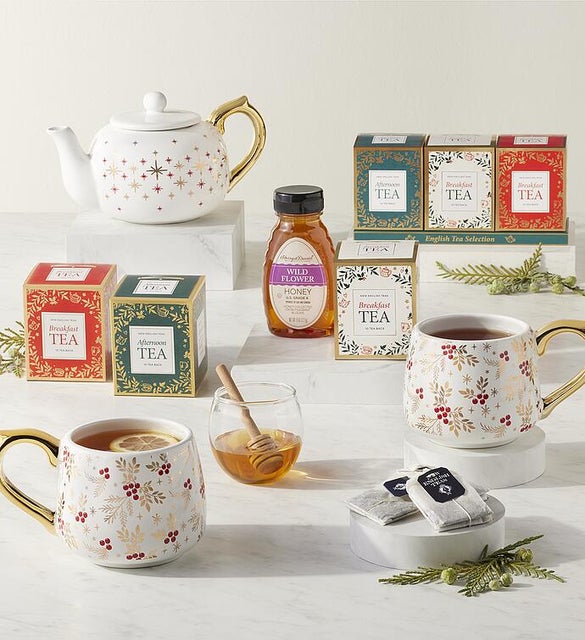
The Harry & David Holiday Tea Gift Set comes with black tea bags, clover honey, a ceramic teapot and two ceramic mugs.
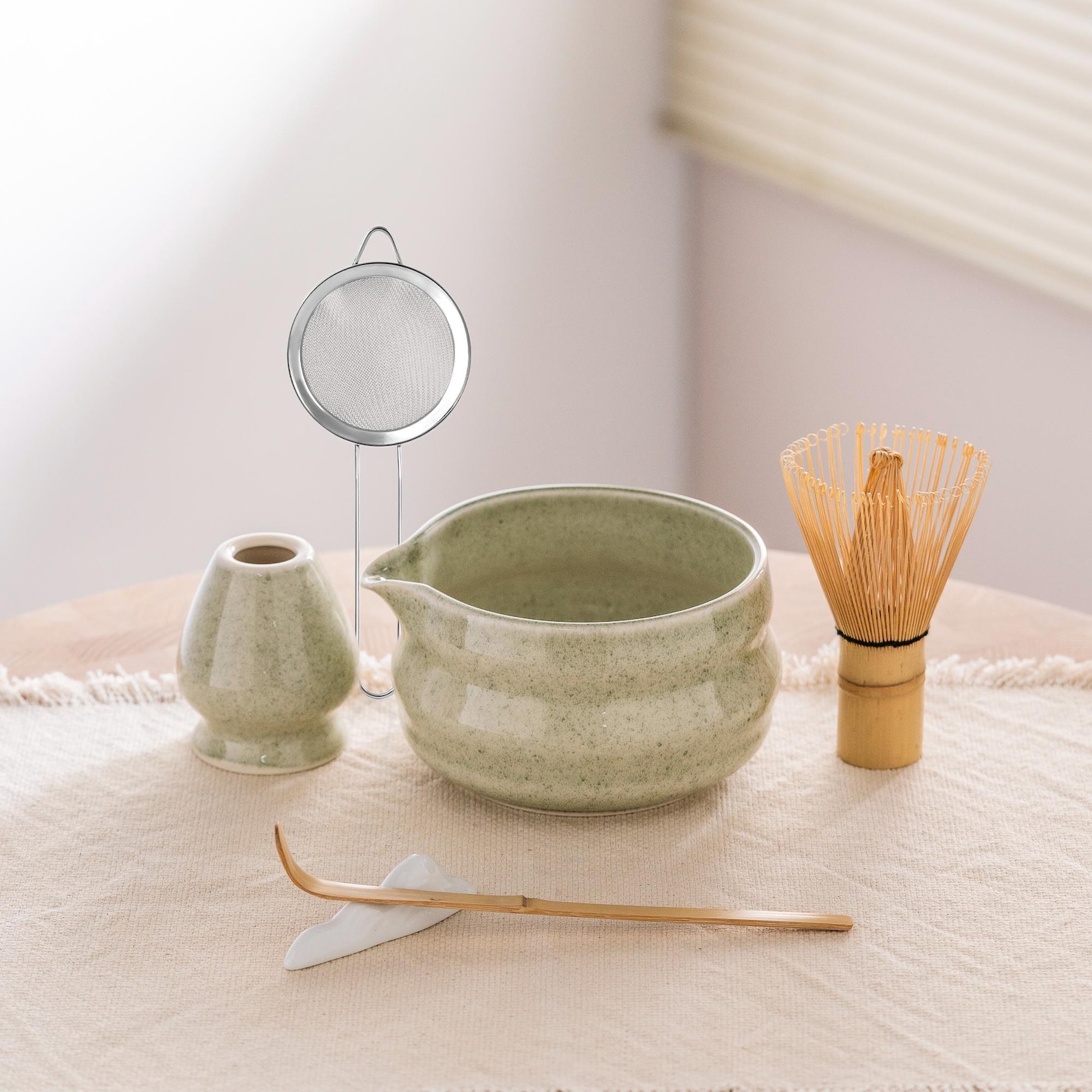
This 6-piece ceramic matcha tea set is an Etsy bestseller. It comes with a beautiful sage green bowl and chasen holder, plus a matcha whisk, a bamboo scoop, a scoop rest and a sifter.

If the person you’re gifting loves matcha, send them this Jade Leaf ceremonial grade matcha powder with 4.5 stars on Amazon and more than 100,000 reviews.

This is a great housewarming gift for the tea lover in your life.

A pretty, dainty tea set for a tea party.
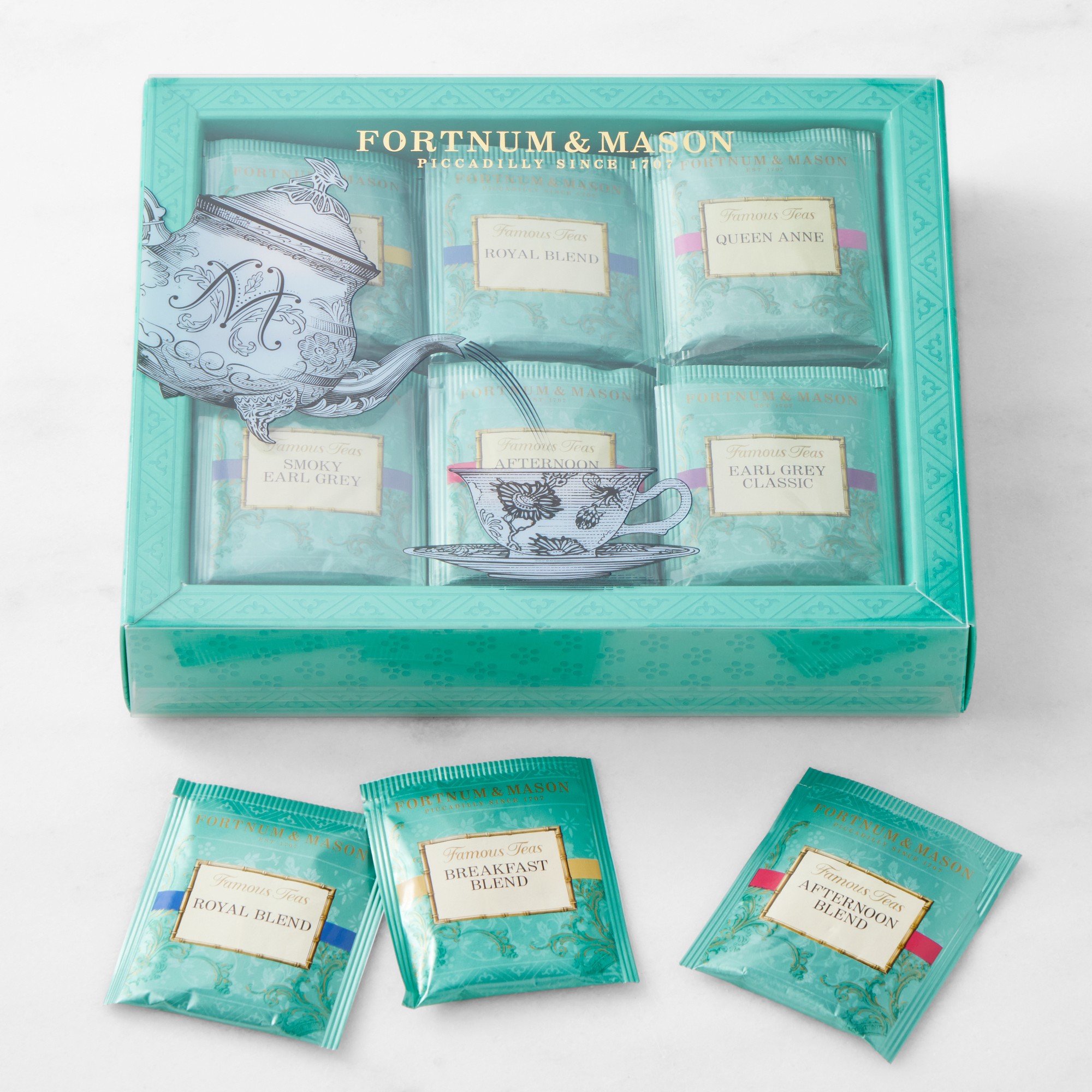
This Fortnum & Mason tea set includes six of the brand’s popular teas: Royal Blend Tea, Breakfast Blend Tea, Afternoon Blend Tea, Queen Anne Blend Tea, Earl Grey Classic Tea and Smoky Earl Grey Tea.

If they’re already stocked with tea, this cute Tea Tools Kit includes stainless steel tea tongs, a tea infuser and a honey dipper.

A luxurious tea kettle with an electronic heating system featuring settings for green and white tea, oolong tea, French-press coffee, black and herbal tea, and a boil setting.

A cute checked tea kettle that doubles as a kitchen accessory.

The Le Creuset Classic Demi Tea Kettle is available in multiple colors to best suit their kitchen, from a classic white to a deep agave, olive green and more.
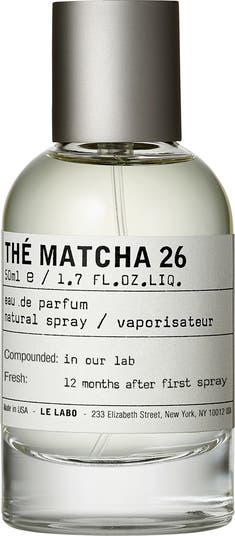
A less literal tea-themed gift. This unique Le Labo fragrance features notes of fig, bergamot, bitter orange, sesame, cedarwood, vetiver and matcha tea accord. “In the same way matcha tea is much more than just a drink in Japanese culture, THÉ MATCHA 26 is much more than a scent. It is a moment of introspection that offers a quiet inner celebration of grace and soulful beauty. A simple whiff takes us away from the hum of the outside and brings you back in,” its product description on Nordstrom reads.
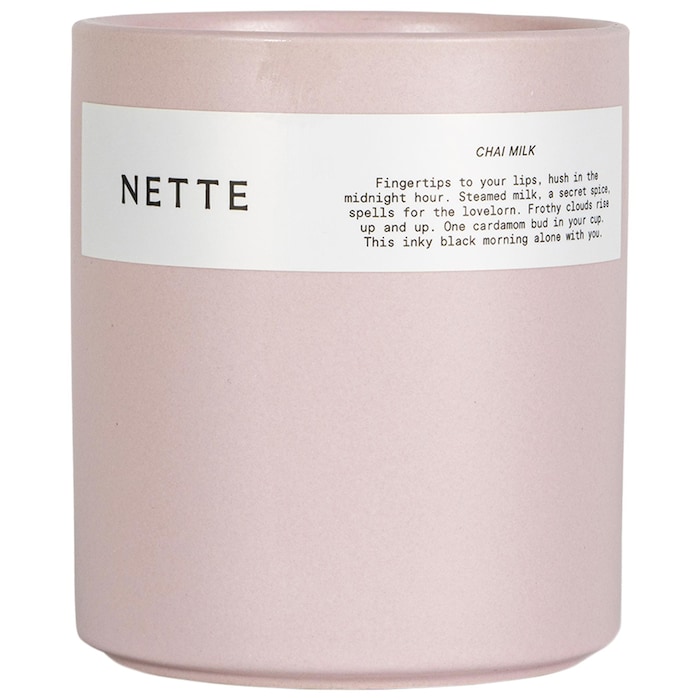
This warm and spicy Nette candle has notes of cardamom, cinnamon and steamed milk. Light it at home to create a cozy morning ambiance.

This room spray smells of bergamot orange and dried black tea leaves.

A refreshing bergamot mint tea candle they can keep in their kitchen.
:max_bytes(150000):strip_icc()/This-Common-Nutrient-Deficiency-May-Raise-the-Risk-of-Alzheimers-New-Study-Says-21863c124eda4eb997d257a8297c4e41.jpg "This Nutrient Deficiency Raises Alzheimer’s Risk")