The main category of Dietary Supplements News Articles.
You can use the search box below to find what you need.
[wd_asp id=1]
The main category of Dietary Supplements News Articles.
You can use the search box below to find what you need.
[wd_asp id=1]
At SupplySide Global, Rob Brewster and Doug Lynch of Ingredients By Nature talk with Maggie Jaqua of WholeFoods Magazine and Todd Pauli of 24 Stories Marketing about the company’s longevity in the industry, and how they are innovating in the longevity market.
Brewster and Lynch discuss:
Content sponsored by Ingredients By Nature.
There’s no silver bullet, and plenty of “energy-boosting” fitness and wellness products are more hype than anything else. However, there are some science-based ways to boost your energy if you’re feeling sluggish at the gym. Can you really sip your way to more energy? Gulping gallons of coffee every week isn’t the recommended approach to powering through that workout.
Research shows green tea consumption can actually help prevent the production of reactive oxygen species and improve sports performance.
Exercising, particularly in more intense or longer sessions, can cause your body to produce free radicals, which are unstable molecules. When these free radicals build up in your body, higher numbers lead to oxidative stress — a condition involving tiredness and slower workout recovery. The powerful antioxidants in green tea, particularly catechins like EGCG, help neutralize and combat these free radicals, which can help your body better handle the stress of exercise.

In research published in the International Journal of Environmental Research and Public Health, the authors revealed that green tea consumption can boost endurance and reduce fatigue. Of course, again, it’s not a magic remedy that will solve all of your gym woes, but it’s certainly worth considering if you’re looking to add a little pep in your step. Green tea improves your body’s ability to use fat as a fuel, and that could help your stamina in the gym. Researchers from different studies have also pointed out how this could be useful for weight loss.

This research also shows green tea boosts nitric oxide, which helps to widen your blood vessels, allowing more oxygen to get to your muscles. More oxygen could mean better performance and less tiredness.

The anti-inflammatory effects of this vibrant tea could help lower muscle pain and exercise-related muscle damage.

Combining green tea with exercise could help you feel less tired and burn more fat during your workouts, according to the research. It’s also a safer option to improve performance for most people, and it doesn’t come along with a risk of harmful side effects. Green tea can act as a natural performance enhancer if you drink it regularly, particularly before or around exercise. Research shows you can improve your endurance, lower fatigue, recover faster, and help combat oxidative stress.
Greenvit announced in a recent press release, that the company had acquired a majority stake of Synkol, a collagen ingredient producer located in Wrocław, Poland. The announcement follows after Greenvit exhibited at SupplySide Global 2025 which took place in Las Vegas, Nevada, between October 29 to October 30, 2025. At the conference, Greenvit highlighted their aronia ingredient, Aronvit, as well as other berry extracts which included elderberry, bilberry, and tart cherry.
Synkol has been producing high-quality, hydrolyzed type II collagen that is utilized in dietary supplements and health products for joint, bone, and mobility support, for more than a decade. They use type II chicken sternal cartilage collagen that is then marketed under the HYACOLL brand.
Rafal Pietruszynski, CEO of Greenvit®, stated in the press release, “With the acquisition of a majority stake of Synkol, we are strengthening our position in the nutraceutical ingredients market and broadening our technology base. This strategic addition expands our capabilities by providing the global nutraceutical market with collagen-based ingredients.”
Magdalena Chrzanowska, CEO, Synkol, commented, “This partnership elevates Synkol from a specialist manufacturer to a scalable player with global ambitions. Together with Greenvit, we can bring advanced collagen-based solutions to new markets and set a higher standard in nutraceutical innovation.”
Synkol Board Member Joanna Iwankiewicz added, “Greenvit® brings Synkol not only capital, but a strategic partnership with deep expertise in building scalable operations. Their experience in quality management, regulatory processes and international customer service strengthens the foundation on which we can grow responsibly and sustainably.”
According to the press release, collagen has been consistent as a top-selling supplement throughout all retail channels. In particular, subscription-based (automatic refill) has been outpacing traditional retail. It is anticipated that the global collagen market will be consistent in its growth to perform as a multi-billion-dollar category.
Consumers are interested in using collagen supplements for overall healthy aging, joint/mobility support, and beauty-from-within/skin support. Supplement brands are incorporating the ingredient into topical cosmetic applications, functional foods and beverages, and other nutraceutical formats.
“While other collagen sources seem to be performing well, attesting to the powerful appeal of the market, we expect to see increasingly robust demand for EU-origin chicken sternal cartilage-derived type II collagen,” Pietruszynski commented. “The market data supports our forward-thinking move into specialized type II collagen ingredients through the acquisition of Synkol and reinforces the message that Greenvit® is evolving into a broader, science-driven supplier of high-value health ingredients.”
Greenvit Sp. X o.o., a botanical nutraceuticals innovator, disclosed in a October 2025 press release (2), the launch of their top selling product called Aronvit to the US marketplace. Aronvit is a clean label, standardized aronia berries (Aronia melanocarpa) extract. A recent pilot randomized human study explored Aronvit’s role with metabolic health. Interest is growing in the US for aronia berries, the press release mentions and additionally noted that Poland is a “leading cultivator” or the dark purple berries.
Greenvit recently opened a new headquarters office and warehouse in Voorhees, New Jersey.
Aronia has been known as “Polish black gold” and is considered a superfruit due to their nutritional value. It was primarily grown for their high concentration of bioactive compounds and resilience, local communities appreciated the berry for its natural abilities in supporting immunity and vitality.
“The full wellness potential of the aronia berry is still being discovered in the US and around the world,” explains Rafal Pietruszynski, Greenvit CEO, in the press release. “Modern science confirms what people intuitively knew for generations, that aronia is one of the richest sources of natural polyphenols and antioxidants. ARONVIT® is a true super berry extract, combining heritage with science and innovation.”
References
Adding a squeeze of lemon to green tea seems like a simple twist, but it might do more for your health than you think. To unpack the science of drinking green tea with lemon every day, Health spoke with two registered dietitians to find out whether this flavorful mixture enhances health benefits and improves digestion and detox.
Both lemon and green tea contain antioxidants, which help neutralize and inhibit the formation of harmful free radicals. These particles can damage cells and lead to chronic diseases over time, such as cardiovascular disease, neurodegenerative diseases, and cancer. Pairing these two powerhouse ingredients together helps boost the absorption of antioxidants while lemon’s acidity and vitamin C content increase catechin stability and uptake.
Lemon juice is a rich source of vitamin C, a powerful antioxidant. Combining lemon juice’s vitamin C with the antioxidants in green tea provides a double dose of support for the body’s immune system and helps ward off illness.
Studies show that lemon can help increase gastric acid secretion and accelerate food emptying, leading to improved digestion.
Lemon’s refreshing citrus notes help balance the bitterness of green tea, making it more palatable. This makes it easier to enjoy green tea regularly and let your body absorb its beneficial antioxidants. Dawn Jackson Blatner, RDN, author of The Superfood Swap, told Health that this combination is also a great way to stay hydrated and meet your daily water goals.
While this nourishing beverage has many health benefits, there are some potential downsides to consider, such as:
Both Kalloo and Blatner agree that drinking green tea with lemon daily is safe for most people. Just keep in mind that the drink is not a miracle worker if you’re looking for a fat-burning detox. For lemon juice to support fat loss, it must be part of a calorie-restricted diet.
Green tea is rich in catechins, which are plant compounds with antioxidant properties. The most abundant catechin in green tea, epigallocatechin 3-gallate (EGCG), is a potent antioxidant with anti-inflammatory and anticancer effects.
However, research shows that catechins can be unstable in the digestive system. But when lemon is added to green tea, both the acidity of lemon juice and its vitamin C content help stabilize and increase the absorption of antioxidants found in catechins. “Lemon helps the beneficial compounds in tea be more usable for your body,” Blatner said. “Since a squeeze of lemon may make the beneficial compounds more absorbable, it’s likely lemon boosts green tea’s health benefits.”
Plus, as an added benefit, vitamin C is also a potent antioxidant that supports immune function and the formation of collagen, the body’s main building block of skin, muscles, bones, and other connective tissues.
Updated:Dec 04, 2025
Matcha, in general, has a huge fan base currently. Anything with matcha is a viral hit. From coffees to desserts to even cocktails. At the same time, another trend is taking shape side by side, and it’s the blue matcha craze. Blue matcha is basically butterfly pea flower powder, which has a mild floral note. It’s a symbol of wellness and a healthy lifestyle for centuries. With social media always hopping on ‘aesthetic’ and unique trends, blue matcha-based beverages have also begun to pop up in cafes and bars across the globe. Many even make them at home as an alternative to regular matcha s well. Here’s a list of 4 popular and easy drinks that you can try.
The global ceramide market was valued at USD 360.4 million in 2023, with the food application segment expected to grow at a CAGR of 6.9% over the forecast period from 2024 to 2030 [1]. The Asia Pacific region dominated the global ceramide market, accounting for over 35.0% of the revenue share in 2023 [2]. This expansion is primarily driven by increasing consumer awareness of skin health and the crucial role of ceramides in maintaining the skin barrier
Several key factors are fuelling this market evolution [1]:
The increasing focus on research and development continues to produce significant advancements in ceramide extraction methods and formulation technologies, enabling the creation of more effective and stable products that meet evolving consumer needs.
A pivotal trend is the prominence of ceramide supplements, moving them beyond a niche ingredient to a cornerstone of the “beauty from within” movement. This is driven by significant scientific validation. Formulation strategies now combine ceramides with other active ingredients like collagen or antioxidants (e.g., the “Advanced Ceramides” formulation with Grape Seed Extract and Vitamin C), offering a comprehensive anti-aging and wellness solution. This focus on ingestible solutions is setting the stage for more advanced, holistic regimens that combine internal and external care for comprehensive results.
The stratum corneum—the skin’s outermost layer—acts as the crucial first line of defence. Skin wellness is defined by this barrier’s ability to function effectively, demonstrating optimal hydration, balanced pH, and strong resistance to aggressors. A healthy barrier maintains appropriate moisture retention, prevents excessive water loss, and reflects health through smooth texture and elasticity.
Ceramides are essential lipids naturally produced by keratinocytes in the epidermis (via the de novo pathway [4]). They constitute approximately 50% of the stratum corneum lipids, forming an organised matrix with other fats (cholesterol and fatty acids).
Their essential functions include:
As we age, the skin’s natural ceramide levels gradually decrease, starting in the 30s and accelerating with age. This decline, worsened by factors like UV exposure, pollution, and hormonal changes, compromises the barrier. This depletion results in increased skin sensitivity, moisture loss, and visible signs of aging.
The “in & out” beauty concept represents an evidence-based strategy combining topical applications with oral supplementation. Clinical studies have demonstrated that oral intake of ceramide-containing supplements can improve stratum corneum hydration without adverse effects, while topical products help restore the skin’s natural barrier function [3].
The scientific rationale for this dual approach lies in its complementary mechanisms:
The development of effective ceramide formulations requires integrating skin biology expertise with formulation science to optimise stability, efficacy, and bioavailability. Current research suggests two key principles guiding modern, high-performance formulations:
Mastering the science of ceramides is key to developing next-generation skincare solutions. Ingredients like CERAMOSIDES™, a natural, wheat-derived ceramide complex, exemplify the potential of scientifically-backed oral supplements to restore the skin barrier from within. This holistic approach not only revitalises skin health but also shows promise for related applications, such as improving hair vitality.
If millennials were all about avocado on toast; then Gen Z is all about matcha. Its powerful green color makes it stand out on social media. A new wave of ‘matcha influencers’ extol the drink’s virtues. In cafes, matcha provides a welcome addition to hot or cold drink menus: an enticing option for people who don’t want to drink coffee.
So much so, the drink has been described as ‘Gen Z’s avocado-on-toast moment’.
“Matcha has gone from a niche ritual to a full-blown cultural moment,” said Cartia Mallan, a content creator, model, actress and entrepreneur who has more than 1.2 million followers across Instagram, TikTok and YouTube, and who launched her own matcha brand Melo Matcha earlier this year.
“Honestly, it makes sense. It not only has incredible health benefits but it’s extremely aesthetic, making it very shareable.”
Matcha, which comes from specially grown and processed green tea, may come with health halo (a high concentration of antioxidants and polyphenols) but its appeal is deeper than that. With its Japanese heritage and ritual, it has a lot to offer.
“Consumers aren’t just drinking it, they’re wearing it, posting it, and making it part of their identity,” said Mallan, who sources the brand’s Yubukita matcha from certified tea farms in Kagoshima, Japan.
“I think people love seeing ritual and routine and matcha has both of those things. It not only looks amazing but it just feels vibrant, lively and fresh! It has brought together a whole new community of people who are passionate about the heritage, Japanese culture, health, lifestyle and creating fun recipes.”
And then there’s also the practical potential of the tea: providing a gentle source of energy that consumers are constantly searching for. While comparing the levels of caffeine in coffee and matcha is difficult (depending always on the type and brewing process), matcha can generally be expected to have less caffeine than coffee and provide a gentler boost, thanks to the presence of L-theanine.
And yet, the elephant in the room for matcha is its distinctive taste: one that consumers don’t always react positively too.
The tea’s grassy, earthy, umami flavor profile can come as a surprise to consumers bought up on sweet profiles.
For UK specialty tea brand Good & Proper, focusing on quality matcha is key. The company was an early champion of matcha: introducing it at its Clerkenwell tea bar in 2015. A decade later, it’s now one of the fastest-growing parts of the business (accounting for 15% of revenue and doubling sales year on year).
Good & Proper has just relaunched its House Matcha: a product that was more than a year in the making and which debuted at the London Coffee Festival earlier this year.
The focus is on quality: The new House Matcha is a vibrant blend, crafted in Kyoto by one of Japan’s most respected tea masters, Hiroshi Kobayashi.
Kobayashi-san selects the finest shade-grown leaves from the spring harvest, then blends them, batch by batch, to craft the exclusive matcha that is ‘creamy, smooth and with a delicate umami finish’.
“Matcha is an acquired taste of course, but the quality of Matcha on the market varies massively, which can impact the consumers’ understanding of it as a product,” said Emilie Holmes, founder of Good & Proper.
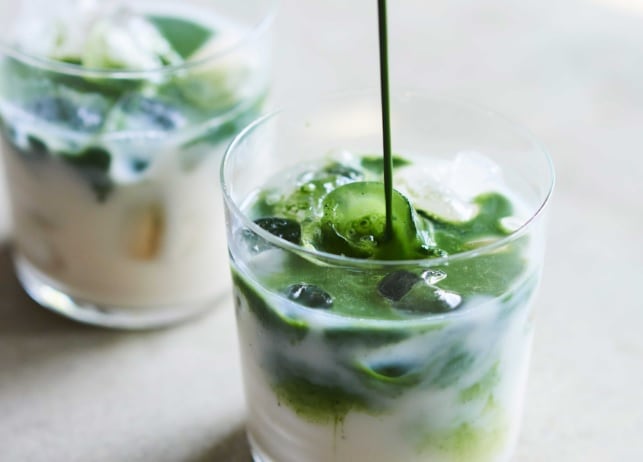
“Our matcha is smooth, vibrant and delicately sweet, with a clean umami finish. It doesn’t need heaps of sweetener.
“What we want to get across is more around the education of how Matcha is produced and how the crafting of the leaves can really impact the quality of the output.”
Cartia Mallan of Melo Matcha takes matcha’s distinctive taste as a challenge. “I honestly love when someone says they ‘hate matcha’ as I find it to be my sole mission to convert them!” she said.
Her strategy is threefold: starting with attractive branding, education on how to prepare and enjoy matcha, and letting people discover how they want to enjoy the tea.
“I have tried to ensure my branding with Melo is warm and inviting,” she said. “I aim to offer education around matcha and the proper ways to prepare it to ensure people when trying it have an amazing experience.
“I also think matcha is so much about experimentation. I believe there isn’t one main way to enjoy matcha and the fun is in the exploration of that!”
Matcha can be used in a variety of ways: from traditional matcha tea occasions, to matcha lattes (both hot and cold) or even used in baking recipes.
Market Size & Growth:
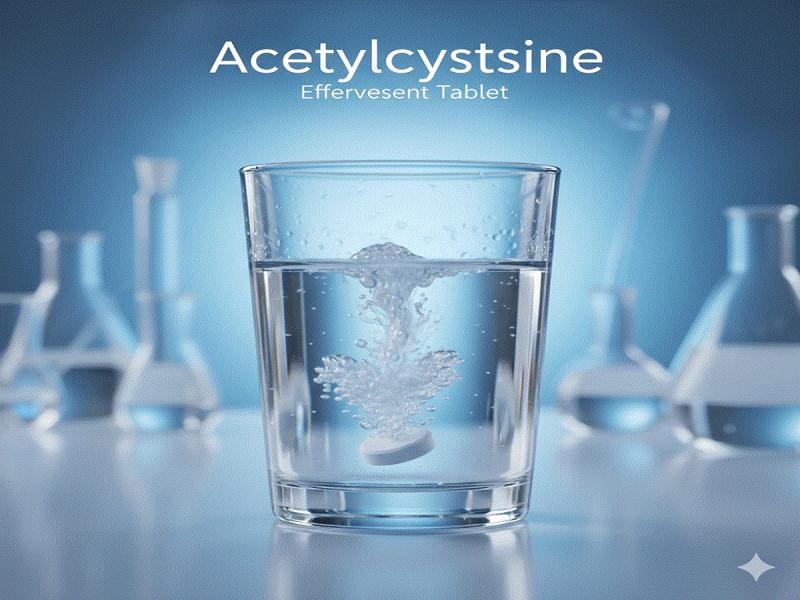
The global Acetylcysteine Market was valued at approximately USD 1.15 billion in 2024 and is projected to reach USD 2.05 billion by 2031, growing at a CAGR of 9.5% during the forecast period. The market growth is driven by the rising prevalence of respiratory disorders, increasing use of acetylcysteine in nutraceuticals and pharmaceutical formulations, and growing awareness of its antioxidant properties and therapeutic benefits. Acetylcysteine is a clinically significant mucolytic and antioxidant compound widely used in medical and nutritional applications. It is commonly employed in the treatment of chronic respiratory conditions, liver detoxification, and as a supplementary ingredient in nutraceutical products. Its versatility across oral, inhalation, and intravenous forms has contributed to its growing global demand.
Get a Free Sample PDF Of This Report (Get Higher Priority for Corporate Email ID):- https://www.datamintelligence.com/download-sample/acetylcysteine-market?Juli
Recent Developments:
United States:
✅ October 2025: Leading U.S. pharmaceutical companies expanded acetylcysteine production capacities by approximately 20%, aiming to meet the growing demand in respiratory therapeutics and nutritional supplements, which currently account for USD 420 million of the North American market.
✅ July 2025: New clinical trials were initiated for acetylcysteine-based therapies targeting liver disorders and oxidative stress-related conditions, with an expected market potential of USD 180 million over the next five years.
Global:
✅ September 2025: European manufacturers launched innovative acetylcysteine formulations with enhanced bioavailability, targeting nutraceutical applications projected to generate USD 250 million in revenue by 2030.
✅ June 2025: Asia-Pacific companies scaled up tracheal drip and spray forms of acetylcysteine to cater to rising respiratory healthcare needs, expected to contribute USD 200 million to regional revenues.
✅ March 2025: Global collaborations between pharmaceutical and nutraceutical firms strengthened R&D capabilities for acetylcysteine derivatives targeting chronic respiratory diseases, potentially impacting the market by USD 150 million in the next three years.
Mergers & Acquisitions:
United States:
✅ May 2025: A leading U.S. pharmaceutical company acquired a regional acetylcysteine producer for USD 50 million, expanding its respiratory therapeutics portfolio and increasing production capacity by 10%.
Global:
✅ January 2025: European and Asian firms formed strategic alliances to co-develop high-purity acetylcysteine derivatives for global nutraceutical markets, with an estimated combined market value of USD 75 million.
Key Players:
Zambon | Moehs | Pharmazell | Nippon Rika | Chengyi Pharma | Wuhan Grand Hoyo | Manus Aktteva Biopharma | Donboo Amino Acid | Wuxi Enovo Chemical | Xinyi Hanling Biological Engineering
Key Highlights:
Zambon: An Italian multinational pharmaceutical company, Zambon specializes in respiratory and neurological therapies. Holds an estimated 14% market share, driven by its global distribution network, advanced manufacturing capabilities, and strong acetylcysteine product portfolio in both pharmaceuticals and nutraceuticals.
Moehs: A German-based specialty chemicals and nutraceutical company, Moehs focuses on high-purity acetylcysteine production for medical and dietary applications, leveraging innovation and quality standards to capture niche markets.
Pharmazell: A European nutraceutical and pharmaceutical manufacturer, Pharmazell develops acetylcysteine derivatives and functional supplements for global healthcare and dietary markets, emphasizing research-driven product development.
Nippon Rika: A Japan-based chemical and pharmaceutical firm, Nippon Rika produces high-grade acetylcysteine intermediates for use in respiratory medicines and supplements, focusing on technological precision and quality control.
Chengyi Pharma: A Chinese pharmaceutical manufacturer, Chengyi Pharma is engaged in bulk acetylcysteine production and formulations, serving both domestic and international pharmaceutical markets with scalable production facilities.
Wuhan Grand Hoyo: A leading China-based biopharmaceutical and chemical company, Wuhan Grand Hoyo specializes in acetylcysteine APIs (Active Pharmaceutical Ingredients) and advanced formulation technologies for respiratory therapeutics.
Manus Aktteva Biopharma: An India-based company focusing on custom pharmaceutical and nutraceutical solutions, Manus Aktteva provides acetylcysteine formulations tailored for global healthcare clients.
Donboo Amino Acid: A Chinese firm specializing in amino acid derivatives, Donboo produces acetylcysteine and related compounds with applications in medicine, nutrition, and dietary supplements.
Wuxi Enovo Chemical: A Chinese chemical and pharmaceutical manufacturer, Wuxi Enovo Chemical focuses on acetylcysteine production at industrial scale, emphasizing process efficiency, quality, and export compliance.
Xinyi Hanling Biological Engineering: This China-based company develops biochemical and pharmaceutical ingredients, including acetylcysteine, for both domestic and international healthcare markets, leveraging biotechnology-driven production methods.
Market Segmentation:
By Type:
Tablet: 45% The most widely used form due to ease of administration, stability, and suitability for both pharmaceutical and nutraceutical applications. Tracheal Drip: 35% Commonly used in hospital and clinical settings for respiratory therapies, providing direct mucolytic effects. Spray: 20% Preferred for targeted respiratory applications, including inhalation therapy and fast-acting relief.
By Application:
Nutritional Supplements: 50% Acetylcysteine is widely incorporated into dietary supplements for its antioxidant properties and liver support benefits. Medicine: 50% Used extensively in respiratory, liver, and detoxification therapies across pharmaceutical formulations.
Buy Now & Unlock 360° Market Intelligence: https://www.datamintelligence.com/buy-now-page?report=acetylcysteine-market?Juli
Regional Insights:
North America leads the acetylcysteine market with approximately 36% share, supported by high healthcare expenditure, established pharmaceutical infrastructure, and increasing adoption of acetylcysteine in respiratory and liver care therapies.
Europe accounts for 28%, driven by strong nutraceutical demand, stringent regulatory standards, and growing awareness of antioxidant-based health interventions.
The Asia-Pacific (APAC) region is experiencing rapid growth at 24%, fueled by rising respiratory disorder prevalence, expanding healthcare infrastructure, and increased consumer awareness of therapeutic benefits.
Middle East & Africa (MEA) and Latin America together hold 12%, with growth supported by emerging pharmaceutical and nutraceutical markets and adoption of acetylcysteine in preventive healthcare.
Speak to Our Analyst and Get Customization in the report as per your requirements: https://www.datamintelligence.com/customize/acetylcysteine-market?Juli
Market Dynamics:
Drivers:
Growing demand for oral tablets, tracheal drips, and sprays in both pharmaceutical and nutraceutical applications. Increasing adoption of acetylcysteine in preventive healthcare and wellness supplements. Recognition of its antioxidant properties and liver-protective benefits, which supports broader clinical and consumer acceptance. Expansion of the nutraceutical market globally, especially in North America, Europe, and Asia-Pacific.
Restraints: High production costs and variability in raw material quality. Complex and evolving regulatory requirements in different regions, which can impact manufacturing and approvals. Potential formulation challenges in certain dosage forms, such as sprays and tracheal drips.
Opportunities:Development of innovative delivery systems, including sustained-release tablets and targeted inhalation formulations. Expansion into emerging markets in Asia-Pacific, Latin America, and MEA, where healthcare infrastructure and awareness are rapidly improving. Strategic R&D collaborations between pharmaceutical and nutraceutical companies to develop high-purity, bioavailable acetylcysteine derivatives. Integration with preventive and functional healthcare products, broadening its application in wellness and dietary supplements.
📌 Request for 2 Days FREE Trial Access: https://www.datamintelligence.com/reports-subscription
☛ Power your decisions with real-time competitor tracking, strategic forecasts, and global investment insights all in one place.
✅ Competitive Landscape
✅ Sustainability Impact Analysis
✅ KOL / Stakeholder Insights
✅ Unmet Needs & Positioning, Pricing & Market Access Snapshots
✅ Market Volatility & Emerging Risks Analysis
✅ Quarterly Industry Report Updated
✅ Live Market & Pricing Trends
✅ Import-Export Data Monitoring
☛ Have a look at our Subscription Dashboard: https://www.youtube.com/watch?v=x5oEiqEqTWg?Juli
Contact Us –
Company Name: DataM Intelligence
Contact Person: Sai Kiran
Email: Sai.k@datamintelligence.com
Phone: +1 877 441 4866
Website: https://www.datamintelligence.com
About Us –
DataM Intelligence is a Market Research and Consulting firm that provides end-to-end business solutions to organizations from Research to Consulting. We, at DataM Intelligence, leverage our top trademark trends, insights and developments to emancipate swift and astute solutions to clients like you. We encompass a multitude of syndicate reports and customized reports with a robust methodology.
Our research database features countless statistics and in-depth analyses across a wide range of 6300+ reports in 40+ domains creating business solutions for more than 200+ companies across 50+ countries; catering to the key business research needs that influence the growth trajectory of our vast clientele.
This release was published on openPR.
New Jersey, US State: “The global Ready To Drink Green Tea market in the Consumer Goods and Retail category is projected to reach USD 8.9 billion by 2031, growing at a CAGR of 7.2% from 2025 to 2031. With rising industrial adoption and continuous innovation in Consumer Goods and Retail applications, the market is estimated to hit USD 5.1 billion in 2024, highlighting strong growth potential throughout the forecast period.”
Ready To Drink Green Tea Market Size & Forecast 2031
The ready to drink green tea market is expanding steadily as consumers increasingly prioritize convenient and health-focused beverages that align with active lifestyles. Demand is supported by interest in natural antioxidants, low-calorie drink options, and refreshing flavors that appeal across multiple age groups. Manufacturers are introducing enhanced formulations, innovative packaging, and diverse flavor profiles to meet evolving preferences. Growth is also driven by rising awareness of wellness trends and the shift toward on-the-go hydration solutions as the market moves toward 2031.
Forecasts indicate continued momentum through 2031 as companies focus on cleaner ingredient lists, functional enhancements, and wider distribution channels. Product innovation may include sugar-reduced variants, botanical infusions, and environmentally conscious packaging designed to attract health-oriented consumers. Expanding retail presence and increased adoption of portable beverage formats further support market performance. Competition is expected to intensify as brands refine taste profiles and invest in sustainable production practices. Overall, wellness trends, convenience demand, and product diversification contribute to a positive long-term outlook.
Key Players in the Ready To Drink Green Tea Market
Nestlé S.A.
The Coca-Cola Company
PepsiCo Inc.
Unilever
Monster Beverage Corporation
Ito En Ltd.
Asahi Group Holdings Ltd.
Taiwan Tea Corporation
Lipton (Unilever)
Harney & Sons
Green Tea House
For Further Detail, Download the Sample PDF with Complete TOC, Tables, Figures, Charts, And More @ https://www.marketresearchintellect.com/download-sample/?rid=271874&utm_source=OpenprOct&utm_medium=041
Factors Supporting Growth of Ready To Drink Green Tea Market in the Future:
1.Technological Advancements and Innovation:
The continuous evolution of technology is playing a vital role in driving the Ready To Drink Green Tea market forward. Cutting-edge innovations are improving product functionality, enhancing performance, and reducing costs, making these solutions more accessible to a broader range of industries. Emerging technologies such as AI, IoT, advanced analytics, and automation are also enabling smarter and more efficient use cases, further expanding the scope of the market. These advancements are not only upgrading existing systems but are also creating entirely new application opportunities that will support long-term market expansion.
2. Expanding Applications Across End-Use Sectors:
The increasing integration of Ready To Drink Green Tea solutions across diverse industries such as automotive, healthcare, consumer electronics, telecom, and industrial manufacturing is significantly boosting market demand. Each sector brings unique requirements, pushing companies to diversify their offerings and customize solutions. This cross-industry relevance ensures consistent demand growth, while rising digitalization and adoption of smart technologies amplify the market potential across both developed and developing regions.
3. Favorable Government Policies and Infrastructure Push:
Supportive initiatives by governments around the world, including funding programs, tax incentives, and policy frameworks, are providing a strong foundation for market development. Efforts to strengthen digital infrastructure, promote energy efficiency, and drive sustainable development are fueling demand for advanced Ready To Drink Green Tea technologies. Moreover, public-private partnerships and national transformation agendas such as smart cities and Industry 4.0 are creating favorable conditions for rapid market expansion, especially in emerging economies
4. Increased Investment and Focus on Research & Development:
The Ready To Drink Green Tea market is experiencing a surge in investment from both private and public entities, driven by the urgency to innovate and stay competitive. Companies are dedicating substantial resources to research and development to create next-generation products with higher efficiency, scalability, and environmental sustainability. Venture capital funding, mergers, acquisitions, and collaborations are also contributing to a dynamic ecosystem that fosters experimentation and accelerates commercialization of novel solutions, ensuring sustained market growth in the future.
To avail a discount on the purchase of this report visit the link @ https://www.marketresearchintellect.com/ask-for-discount/?rid=271874&utm_source=OpenprOct&utm_medium=041
Key Segments Covered in Our Report: Ready To Drink Green Tea Industry
Ready To Drink Green Tea Market by Product Type
Bottled Green Tea
Canned Green Tea
Powdered Green Tea
Ready-to-Drink Tea Concentrates
Sparkling Green Tea
Ready To Drink Green Tea Market by Flavor
Original
Lemon
Peach
Mint
Mixed Berry
Ready To Drink Green Tea Market by Distribution Channel
Supermarkets/Hypermarkets
Online Retail
Convenience Stores
Health Food Stores
Specialty Stores
Ready To Drink Green Tea Market by Packaging Type
Plastic Bottles
Glass Bottles
Cans
Tetra Packs
Pouches
The Application segment showcases the industries and sectors that use Ready To Drink Green Tea products for example Ready To Drink Green Tea targeting healthcare and automotive industries etc. It also provides a perspective of the market rate of acceptance, usage of the products, and new applications that are paving the way for the future of the market.
Global Ready To Drink Green Tea Market Regional Analysis
The Global Ready To Drink Green Tea Market is examined in dimensions of regions, wherein each region has its own market growth, trends as well as dynamics. This section highlights on the detailed market performance, major shifts, and trends and underlying factors explaining growth in different places around the world.
North America: North America accounts for a large share of the Ready To Drink Green Tea market which is a result of the developed technology, intense consumer market, and huge investments in the Ready To Drink Green Tea industry. To add, the U.S. market also plays a crucial role as this economy is more concerned with innovation and was also one of the first to implement Ready To Drink Green Tea products in its Ready To Drink Green Tea sectors. The region is expected to see a gradual rise till 2031 and this is because of its reinforced infrastructure and existing regulation mechanisms.
Europe: Global has the fastest growing Ready To Drink Green Tea market and is oriented around environmental protection, renewed efforts and environmental awareness. The market is dominated by countries like Germany, the UK, and France that have improved their technologies and have a strong industrial structure. Increased request for green solutions along with regulatory efforts are increasing demand in the market’s key areas such as Ready To Drink Green Tea sectors.
Asia-Pacific: The growth potential in the Ready To Drink Green Tea market is expected to be maximum for Asia-Pacific region. Increased maturation, urban migration as well as expanding middle class in China, India, and Japan and other developing economies are great constituents of market growth. Further, there is an increasing contribution to investments in the Ready To Drink Green Tea sector which is increasing the demand for Ready To Drink Green Tea regions-supplying throughout the area.
Rest of the World: Countries and areas like Latin America, Middle East & Africa have also been showing moderate Ready To Drink Green Tea market growth. Although still developing, these markets are fueled by a fast increasing infrastructure, expending industrial activities and growing consumer demand for Ready To Drink Green Tea goods. These regions pose great opportunities for the market players to tap into other sources of growth.
Frequently Asked Questions (FAQ) – Ready To Drink Green Tea Market
Q1: What is the anticipated growth rate of the Global Ready To Drink Green Tea Market?
A1: With a growth rate of CAGR of 7.2%, the Global Ready To Drink Green Tea Market is anticipated to reach USD 8.9 billion by 2031. Industrial demand and innovation will lead it to reach USD 5.1 billion by 2024.
Q2: Which regions provide the highest growth opportunities for the Ready To Drink Green Tea Market?
A2: Asia-Pacific is likely to provide the highest growth prospects based on speedy industrialization and infrastructure growth, followed by robust markets in Europe and North America.
Q3: Which are the primary drivers of market growth?
A3: The primary drivers are technology innovation, growing industrial applications, heightened government initiatives, and expanding use of Ready To Drink Green Tea solutions in different industries.
Q4: What are the challenges faced by the Ready To Drink Green Tea Market?
A4: The challenges are tight regulatory systems, high upfront capital expenditures, fragmentation of the market in the emerging markets, and geopolitical risks in some regions.
Q5: Which are the major players in the Global Ready To Drink Green Tea Market?
A5: The market has a number of leading players with a focus on innovation, strategic alliances, and global expansion.
Q6: How does innovation influence the Ready To Drink Green Tea Market?
A6: Market growth is driven by innovation, which enhances product efficiency, lowers costs, and facilitates new applications, making the overall market potential broader.
Q7: Which industries utilize Ready To Drink Green Tea products mostly?
A7: Major industries include manufacturing, automotive, energy, electronics, and infrastructure, among others, where Ready To Drink Green Tea solutions deliver operational efficiency and sustainability.
Q8: How is the market anticipated to change after 2031?
A8: Although projections beyond 2031 are uncertain, continued technological advancement and increasing industrial demand are expected to continue supporting long-run growth patterns.
For More Information or Inquiries, Visit @ https://www.marketresearchintellect.com/product/global-ready-to-drink-green-tea-market-size-and-forecast/?utm_source=OpenprOct&utm_medium=041
About Us: Market Research Intellect
Market Research Intellect is a leading Global Research and Consulting firm servicing over 5000+ global clients. We provide advanced analytical research solutions while offering information-enriched research studies. We also offer insights into strategic and growth analyses and data necessary to achieve corporate goals and critical revenue decisions.
Our 250 Analysts and SMEs offer a high level of expertise in data collection and governance using industrial techniques to collect and analyze data on more than 25,000 high-impact and niche markets. Our analysts are trained to combine modern data collection techniques, superior research methodology, expertise, and years of collective experience to produce informative and accurate research.
Our research spans a multitude of industries including Energy, Technology, Manufacturing and Construction, Chemicals and Materials, Food and Beverages, etc. Having serviced many Fortune
Should you have any queries, please contact us as follows:
Mr. Edwyne Fernandes
Market Research Intellect
APAC: +61 485 860 968
EU: +44 788 886 6344
Us: +1 743 222 5439
This release was published on openPR.


:max_bytes(150000):strip_icc()/Health-GettyImages-LemonGreenTea-fd16bc2b0d4e4d1b9dca3066f381a6b1.jpg "What Happens to Your Body When You Drink Green Tea With Lemon Every Morning")