The main category of Dietary Supplements News Articles.
You can use the search box below to find what you need.
[wd_asp id=1]
The main category of Dietary Supplements News Articles.
You can use the search box below to find what you need.
[wd_asp id=1]
Vitamin D is one of those nutrients we all know we need, for strong bones, better immunity, good mood, muscle strength, and overall energy. Yet, despite popping supplements religiously, many people still find their vitamin D levels stubbornly low. Sounds familiar? You’re not alone. A lot of us start taking vitamin D tablets or weekly sachets without really understanding what affects absorption, when to take it, or what lifestyle factors could be blocking results. So if your reports still show deficiency even after months of supplements, doctors say there are some crucial details you might be missing.We at TOI spoke to Dr Shovana Veshnavi, Principal Consultant- Internal Medicine, Max Super Speciality Hospital, Noida; Dr. Dhruv Kant Mishra, Consultant- Gastroenterology & Hepatology, Yatharth Super Speciality Hospital, Faridabad; Dr. Amogh Dudhwewala, Senior Consultant- Gastroenterology, Medanta Hospital Noida to shed light on why some people continue to lack this essential vitamin in their body even after taking pills and supplements regularly.
When it comes to Vitamin D, balance is everything, too little weakens bones and immunity, and too much can actually be harmful. Experts say knowing your ideal range can make all the difference.Dr. Shovana Veshnavi explains that for overall health, the sweet spot for 25(OH)D (25-hydroxyvitamin D) levels is usually between 30–50 ng/ml for most age groups.Echoing similar views, Dr. Dhruv Kant Mishra says older adults need a little more support. He also reminds that infants and pregnant women should monitor their levels closely.Meanwhile, Dr. Amogh Dudhwewala suggests 40–65/70 ng/ml for athletes, pregnant women, and elders with osteoporosis. He cautions that levels above 100 ng/ml risk toxicity, and 150 ng/ml is clinically dangerous.
If you’ve been popping Vitamin D supplements faithfully and your reports still show low levels—don’t worry, you’re not alone. Experts say there are several hidden reasons why Vitamin D doesn’t always rise the way we expect it to.Dr. Shovana Veshnavi explains that low Vitamin D often persists because of inadequate or inconsistent dosing, or because people take Vitamin D without dietary fat, which is essential for absorption. She also highlights that obesity can trap Vitamin D in fat tissues, making less available for the body to use. Conditions like intestinal disorders, genetic differences, and medications such as anticonvulsants or corticosteroids can all interfere with Vitamin D metabolism.Adding to this, Dr. Dhruv Kant Mishra says that even regular supplementation can fail if there are absorption problems, organ-related issues like kidney or liver disease, poor dosing, or low-quality supplements. Timing and consistency matter more than many people realize, he adds.Dr. Amogh Dudhwewala points out that many people take only 1,000 IU per day, which may simply not be enough for them. He stresses that Vitamin D is fat-soluble, so taking it on an empty stomach reduces absorption.
When it comes to Vitamin D, it doesn’t work alone, it teams up with a few key nutrients to actually do its job well. If you’re low on any of those, Vitamin D may not activate properly, no matter how much you supplement.Dr. Amogh Dudhwewala says that magnesium is a major cofactor in Vitamin D activation in the liver and kidneys, and without it, Vitamin D stays inactive. Vitamin K2 helps prevent vascular calcification by directing calcium to the right place, and adequate calcium intake is crucial because Vitamin D and calcium are partners in bone health.
Echoing this, Dr. Dhruv Kant Mishra says that magnesium, Vitamin D, and Vitamin K2 function as a team—magnesium activates Vitamin D, Vitamin K2 ensures calcium goes to the bones (not arteries), and calcium needs Vitamin D to be absorbed and built into bone. When all three are aligned, bone health improves and Vitamin D works more efficiently.
Since Vitamin D is absorbed in the small intestine, anything that interferes with digestion can interfere with absorption too.Dr. Shovana Veshnavi explains that gut issues such as celiac disease, Crohn’s disease, IBS, SIBO, chronic pancreatitis, or fatty liver can significantly reduce Vitamin D absorption.Supporting this, Dr. Dhruv Kant Mishra says that conditions like chronic diarrhoea, inflammatory gut diseases, or previous intestinal surgeries can severely impair the body’s ability to absorb Vitamin D. Adding more detail, Dr. Amogh Dudhwewala emphasizes that Vitamin D absorption requires proper fat digestion. In diseases of the small intestine, pancreatic insufficiency, cholestatic liver disease, obstructive jaundice, or after bariatric surgery, absorption drops sharply. To improve it, he advises taking Vitamin D with the day’s largest fatty meal, ensuring enough magnesium, eating whole grains, fruits, and fermented foods, and addressing malabsorption medically when needed.
Today, most of us spend more time under roofs and behind screens than under the sun, and experts say that shift has dramatically affected natural Vitamin D production.
Dr. Shovana Veshnavi explains that indoor living and excessive screen time have reduced how much UVB exposure our body gets during the day. UVB is the wavelength the skin needs to make Vitamin D, but it cannot penetrate glass, meaning sitting by a sunny window doesn’t count. She adds that sunscreen can block up to 95% of Vitamin D synthesis, and air pollution also filters UVB rays, making sunlight even less effective.Agreeing on the impact of modern habits, Dr. Dhruv Kant Mishra recommends 10–30 minutes of direct sunlight exposure, three to four times a week, to help restore levels naturally.Dr. Amogh Dudhwewala emphasizes that air pollution is a major factor in preventing UVB rays from reaching the skin.Bottom line? Step outside more often, catch some gentle sunlight, and let your body do what it’s designed to do.
Experts say that certain medical conditions and long-term treatments can prevent the body from absorbing, storing, or activating Vitamin D properly.Dr. Shovana Veshnavi explains that a range of medications—like anticonvulsants, glucocorticoids, rifampicin, antiretrovirals, antifungals, and long-term PPIs (acid-reducing drugs)—can either speed up the breakdown of Vitamin D or interfere with fat absorption, which is essential for Vitamin D utilization.Echoing this, Dr. Dhruv Kant Mishra says that kidney disease, liver disease, and obesity commonly disrupt Vitamin D storage and activation. Some medicines, including steroids, anticonvulsants, and cholestyramine, can further reduce absorption, meaning levels stay low even with consistent supplementation.Adding more detail, Dr. Amogh Dudhwewala highlights that conditions like hyperparathyroidism, hyperthyroidism, malabsorption disorders can all interfere with Vitamin D status. He notes that anti-epileptic medications, tuberculosis drugs such as rifampicin, steroids, and HIV medications may also significantly lower Vitamin D levels.
When it comes to boosting Vitamin D levels effectively, not all forms, and not all dosing habits, are created equal. Experts agree that Vitamin D3 is the superior choice for raising and maintaining healthy levels.Dr. Shovana Veshnavi explains that Vitamin D3 is more effective than Vitamin D2 in elevating Vitamin D levels and sustaining them over time. To get the best results, she recommends taking D3 with a high-fat meal and preferably in the morning or afternoon. She adds that daily or weekly dosing works far better than extremely high monthly doses, and combining D3 with Magnesium and Vitamin K2 helps maintain balance and long-term stability.Dr. Amogh Dudhwewala adds that weekly D3 dosing is commonly preferred and more stable than taking a huge monthly dose. For people with malabsorption issues, he suggests considering calcifediol (25-hydroxy D), which can be more effective than regular cholecalciferol.Supporting this, Dr. Dhruv Kant Mishra points out that Vitamin D3 (cholecalciferol) stays active longer in the body compared to D2. While timing isn’t critical, taking it at the same time each day is helpful.
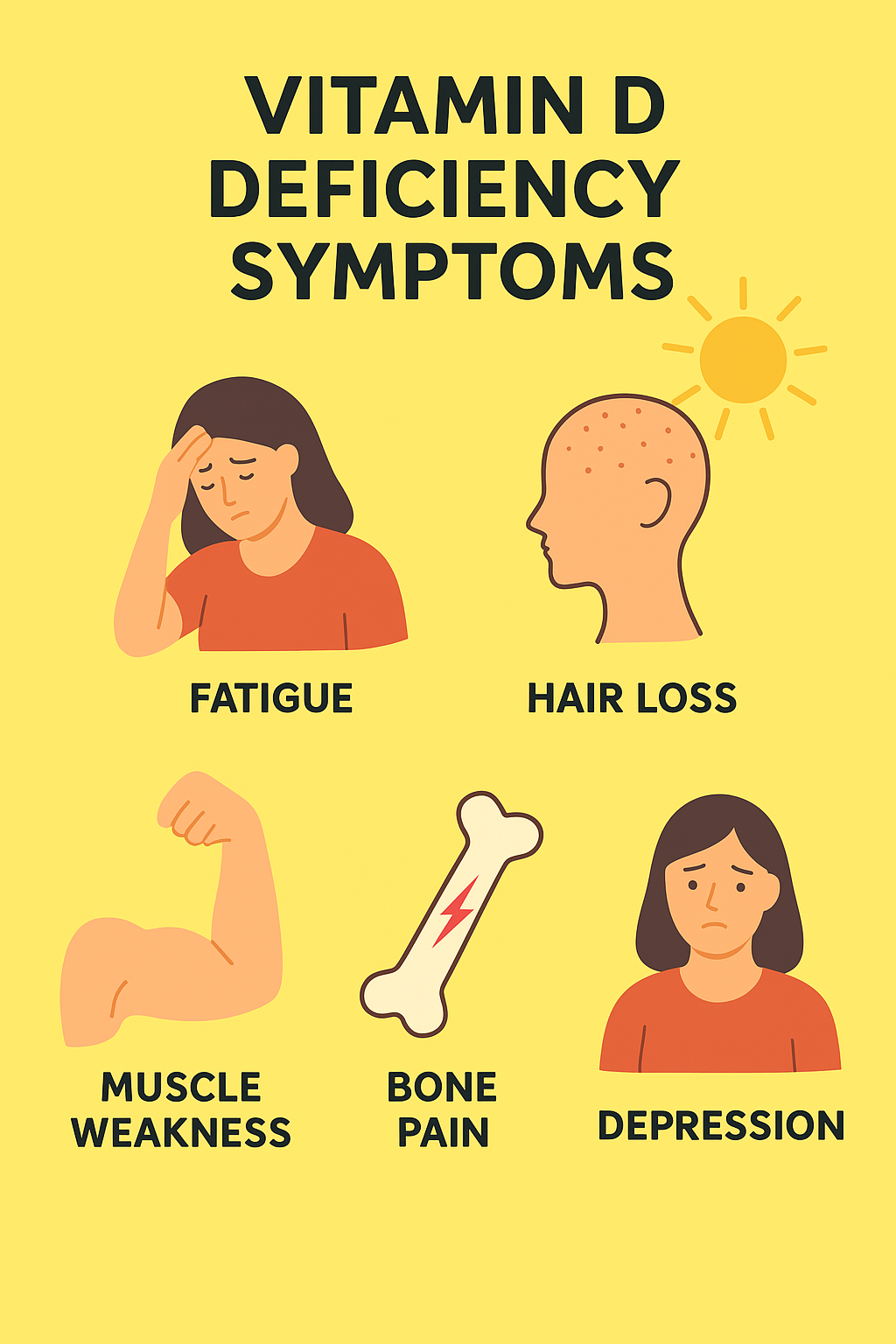
If you’ve been popping vitamin D supplements regularly but still feel drained and achy, you’re definitely not alone. According to Dr. Shovana Vaishnavi, persistent fatigue, muscle or bone pain, low stamina, hair loss, recurrent infections, low mood, sleep disturbances, chronic back pain, stress fractures, or slow recovery after surgery could all be red flags that your vitamin D levels are still low. Women may even notice menstrual irregularities as a sign of deficiency. If symptoms continue despite supplementation, she says there might be underlying issues like poor absorption or incorrect dosing.Adding to this, Dr. Amogh Dudhwewala stresses that supplements alone aren’t magic—daily lifestyle habits matter too. Safe sun exposure, strength training, weight-bearing exercises, and a nutrient-rich diet make a big difference. Think fish, egg yolks, fortified milk, nuts, legumes, greens, fermented foods and cheese—foods rich in calcium, magnesium, and vitamin K.Meanwhile, Dr. Dhruv Kant Mishra points out that continuing symptoms like low immunity, frequent infections, and mood changes may indicate that the body still isn’t absorbing vitamin D properly.
When it comes to getting the most out of your vitamin D supplements, lifestyle plays a bigger role than most people realize. Dr. Amogh Dudhwewala explains that improving gut health is key because a healthy gut supports better nutrient absorption—including vitamin D. He also strongly advises cutting down on smoking and heavy alcohol consumption.Meanwhile, Dr. Shovana Vaishnavi highlights the power of safe sunlight exposure, particularly on the arms and legs, as one of the most natural and effective ways to boost vitamin D levels. She also recommends adding more vitamin-D-rich foods to your plate, like salmon, egg yolks, cod liver oil and UV-exposed mushrooms. She points out that lifestyle habits such as adequate sleep, stress management, strengthening exercises, maintaining a healthy waistline, including omega-3s, eating fermented foods, and prioritizing gut health all improve how effectively the body uses vitamin D.
In the West, every season has its own touch of bliss and comfort. And this autumn, we bring one of nature’s absolute favorites. It may seem casual, but the moment it is consumed, it introduces an incredible infusion of warmth, bliss, and clarity, outshining the green tea. The type that makes every evening most beautiful to experience. Stay tuned with us as we introduce this gem to you.
For centuries, people from various cultures and traditions have invented simple tea ingredients for two major reasons: to soothe them from the discomfort of cold weather and to provide warmth during their daily routines. Among these many is one natural ingredient, quite familiar, but it has yet to garner the attention it deserves.
Many farmers and locals across Europe share the same reverence for this tea. It is cooked more than it is brewed and is an infamous companion through the autumn harvests and long-distance adventures. Now, as it is beginning to settle in, this root tea is becoming more noticeable and used in kitchen beverages.
This ingredient is the infamous ginger tea. And in a recent study, aside from its lively boost, researchers have discovered it to contain nutrients and properties that complement our bodies. Once consumed, these nutrients can enrich our natural systems, making them perfect companions through this autumn season.
Autumn can be a mix of several atmospheres. One minute you’re flushed to begin a new day, the next week you’re struggling to stay awake. The melancholy rhythm of autumn can make living frustrating. That is why researchers are reintroducing the magic of ginger tea into the public domain.
The conversation surrounding its infusion comes from a wealth of well-researched nutrients. They include digestive supplements, antioxidants, blood circulation, and overall body warmth as we begin to shift into colder months. These benefits make ginger tea better than green tea, and a go-to alternative for anyone seeking to replace energy drinks, similar to this highly nutritious autumn fruit, providing a natural energy boost.
Nutritionists and scientists have then begun researching alternative ways to help us maximize the health benefits of this autumn tea. Its natural compounds have soothed and comforted centuries of human civilization. Now scientists have stumbled on one specific method: brewing. They say that by brewing the roots of ginger teas, its numerous benefits could become more pronounced.
When one compares the health benefits of ginger teas to green teas, we realize one thing. This is the only natural ingredient that truly energizes our system without aftermath complexities. With one sip of this tea, anyone can stay sharp and energized.
According to nutrition experts, the growing clamor for ginger tea reflects one thing: people are tired of energy drinks and are unable to stay alert using simple green teas. This reflects a shift from just great tastes towards something that offers both comfort and incredible focus, especially during these upcoming autumn months.
As researchers continue in their study, nutritionists plan to uncover far more benefits than are already known. As of today, ginger tea offers a diverse number of vitamins and minerals, antioxidants, cardiovascular, and blood-related nutrients. Many upcoming researchers are now discovering benefits through its natural oil that aids digestion and sugar levels.
While scientists continue to make progress in their research, the appeal remains the same. Ginger tea offers far more benefits and requires simple methods to prepare. Remember, brewing extracts more of these potential benefits out of this autumn tea than cooking does, just like this native American secret fruit with powerful medicinal properties. And also, those with allergies and complications should consult medical professionals before consuming.
Berberine is a naturally occurring supplement, extracted from plants such as goldenseal and barberry, has emerged as one of the leading natural aids to maintaining blood sugar and metabolic health. Whole-food nutrition coach Jose Tejero emphasizes the need to understand not only the benefits but also the correct way to use berberine for effectiveness and safety.
Extensive clinical-research has demonstrated that a daily dose of about 1200 milligrams of berberine is effective in improving insulin sensitivity and lowering blood glucose levels in people with type 2 diabetes and prediabetes. What differentiates expert advice, however, is the focus on dosing intervals. Since berberine has a short half-life-meaning it remains active in the blood for about six to eight hours-splitting the day’s dose into two or three parts can help maintain steady blood levels throughout the day.Jose Tejero recommends 600-mg of berberine taken twice a day, best with meals. Taking berberine with food supports better intake and helps mitigate potential gastrointestinal discomfort, which some users experience. For those who are on intermittent fasting or skip breakfast, the doses can be adjusted to lunch and dinner.The mechanisms by which berberine exerts its benefits in blood sugar management are multifold-it enhances insulin sensitivity, increases uptake of glucose by muscles, decreases liver glucose production, and promotes the growth of gut-friendly bacteria. Additionally, its ability to improve lipid metabolism and vascular health adds cardiovascular protection, which is particularly relevant because diabetes and metabolic syndrome increase heart disease risk.

Supports heart health: Berberine may help reduce cholesterol levels (LDL) and triglycerides, improving overall cardiovascular health.Enhances metabolic health: Improves insulin sensitivity, and helps regulate blood sugar levels.Supports gut health: Exhibits antimicrobial effects that help balance gut microbiota.Anti-inflammatory and antioxidant effectsIt helps to reduce systemic inflammation, which may benefit chronic conditions.Berberine-clinical evidence supporting its usageThe efficiency of berberine has been documented by studies for over 20-years. In one of the most famous trials, patients with poorly managed type 2 diabetes taking about 1200 milligrams daily for three months significantly reduced their fasting blood sugar, post-meal blood sugar spikes, and HbA1c, a measure of long-term glucose management. Astonishingly, the outcomes were similar to conventional diabetic drugs like metformin but with less side effects.More recent meta-analyses and clinical guides confirm that berberine lowers fasting blood sugar on average by 10–20%, reduces HbA1c about 0.7–1.0%, and improves markers of insulin resistance. Mild gastrointestinal symptoms, such as diarrhea or constipation, are the most common reported adverse effects, often resolving with continued use or dose adjustment.

Jose Tejero recommends that people weighing the pros and cons of using berberine supplements do the following:Dosage: Start with 600 mg twice daily with food.Be consistent; benefits often take weeks to months to appear.Monitor blood sugar regularly in collaboration with health professionals. Consider berberine in the context of a comprehensive approach that includes whole-food nutrition, physical activity, and other lifestyle modifications. Treatment with berberine should be supervised by a healthcare professional to avoid potential interactions with medications, including blood thinners or diabetes drugs.Berberine-according to Jose Tejero, supplements like berberine complement but do not replace a diet rich in whole foods, including vegetables, fruits, nuts, legumes, and whole grains. Such dietary patterns naturally support stable blood sugars and reduce the risk of metabolic diseases. Berberine can act as an additional tool, particularly for those already diagnosed with insulin resistance or type 2 diabetes. Berberine is a scientifically established agent with several modes of action on blood sugar management.According to specialists like Jose Tejero, the-dosing strategy is important for maximizing benefits and reducing side effects, dividing the total daily intake into multiple small amounts taken during meal times. With the ongoing accumulation of supporting research for its efficacy, berberine is becoming an important adjunctive agent to conventional treatments and lifestyle interventions used to improve metabolic health.
Vitamin C does a lot more than keep colds at bay. This nutrient strengthens your immune system, fights off cell damage with its antioxidant effects, and even helps your body make collagen—the protein that keeps your skin and bones strong. It can help you manage several ailments.
Vitamin C doesn’t prevent colds in everyone, but research suggests it may be of particular benefit to people under heavy physical stress, like athletes. A daily supplement of 250 milligrams to 1 gram of vitamin C may reduce the risk of colds by half in this group.
Taking daily vitamin C as a preventive measure can help you recover quicker when you do catch a cold. Research shows it can reduce cold length by 8% in adults and 14% in children if taken before the onset of symptoms.
When you have a wound from an injury, surgery, or ulcer, your body works to repair the damaged tissue. Vitamin C supports this healing process by helping your body produce collagen, a protein that helps rebuild tissue. It also helps form new blood vessels and reduces inflammation.
Studies suggest vitamin C can help wounds heal faster. For example, some research shows that taking 600 milligrams of vitamin C daily after a tooth extraction led to significantly smaller wounds within one week. Participants also reported less pain.
Case reports also suggest that a daily dose of 1,000 milligrams of vitamin C may improve healing in people with slow-healing surgical wounds and skin ulcers. However, these are individual cases, not large clinical trials, and more evidence is needed.
Feeling tired, weak, and short of breath could be signs of iron deficiency anemia. This condition can develop when your body lacks the iron it needs to produce hemoglobin. Hemoglobin is the protein in red blood cells that carries oxygen.
Vitamin C helps your body absorb iron from plant-based foods and supplements. It works by converting iron into a form that your intestines can absorb more easily.
A 2024 review of multiple studies found that adding vitamin C to iron supplements slightly increased the levels of hemoglobin and ferritin—and iron-storing protein—in the body.
Having high blood pressure (hypertension) means the force of blood against your artery walls is consistently too high. Over time, this can damage your blood vessels and increase your risk of heart disease and stroke.
Vitamin C may help lower high blood pressure by protecting and relaxing your blood vessels. It reduces damage from free radicals and increases nitric oxide, which helps blood vessels widen, allowing blood to flow more easily.
Vitamin C may help protect your heart by reducing inflammation, supporting healthy blood vessels, and improving cholesterol levels. As an antioxidant, it fights free radicals that damage artery walls and contribute to fatty plaque buildup.
Higher vitamin C levels are linked to better blood vessel function and a lower risk of stroke.
By keeping vessels flexible and reducing oxidative stress, vitamin C helps improve circulation and may slow the processes that lead to heart disease.
Gout is a painful form of arthritis that happens when uric acid builds up in your blood. The excess uric acid forms sharp crystals in your joints, causing sudden, severe pain and swelling.
Vitamin C may help lower the risk of gout by reducing uric acid levels. Studies show that taking around 500 milligrams daily can modestly decrease the chance of developing gout by around 12%. More research is needed to understand how vitamin C may affect people who already have gout.
It’s hard to go online right now without seeing yet another reminder that you’re not having enough protein in your diet to support muscle strength and recovery, especially if you’re a woman over 50. But there is also an arsenal of commentary to suggest that you should be taking a creatine supplement for that same reason, too. As a result, you (and many others) are left wondering creatine vs. protein: Which is better for muscle strength and recovery?
It’s important to stress this upfront: It’s best to consult with a healthcare provider before putting yourself on any kind of supplement. But there is data to support taking in plenty of protein and creatine, making it more than fair to be confused.
Meet the experts: Kenton Fibel, M.D., primary care sports medicine specialist at Cedars-Sinai Orthopaedics in Los Angeles, CA; Albert Matheny, R.D., C.S.C.S., a co-founder of SoHo Strength Lab; Jillian Chaney, R.D.N., dietitian for the Anaheim Ducks; Steven K. Malin, Ph.D., an associate professor and researcher in the Department of Kinesiology and Health at Rutgers Robert Wood Johnson Medical School
Each nutrient has its value, but is one better than the other for muscle strength and recovery? And is it OK to take them both or should you choose one over the other? We tapped sports medicine physicians and dietitians for more.
Dietary supplements are products intended to supplement the diet. They are not medicines and are not intended to treat, diagnose, mitigate, prevent, or cure diseases. Be cautious about taking dietary supplements if you are pregnant or nursing. Also, be careful about giving supplements to a child, unless recommended by their healthcare provider.
Creatine is a compound that’s typically found in your muscles and brain, according to the Mayo Clinic. Your body naturally makes creatine—your liver, pancreas, and kidneys make about a gram of creatine a day. But you can also get creatine from eating seafood and meat, or through a creatine supplement.
Creatine helps to make energy for muscles, explains Albert Matheny, R.D., C.S.C.S., a co-founder of SoHo Strength Lab. It’s especially helpful with short-term, power-based activities. “Creatine can help with your muscle strength, but it can also help with your recovery,” Matheny says.
Creatine is stored in your muscles as phosphocreatine, explains Steven K. Malin, Ph.D., an associate professor and researcher in the Department of Kinesiology and Health at Rutgers Robert Wood Johnson Medical School. When your muscles contract, they break down adenosine triphosphate (ATP). But for your muscles to keep contracting, you need to keep having ATP at the ready, Malin says.
When creatine is converted to phosphocreatine, it can increase and store ATP in your muscles, giving you stores for when you need it, Malin says. (Creatine supplements can help increase those stores, he says.)
As a whole, creatine seems to help with high-power, strength-training moves to build muscle, Malin says. There is data to support this. A Current Developments in Nutrition study published in February 2025 found that cyclists who took creatine had better sprint performance. And a 2022 scientific review published in the Journal of the International Society of Sports Nutrition found that taking creatine helped to support performance in older adults.
Creatine is typically considered a safe supplement when you take it as recommended. It may cause some water retention, along with dehydration, bloating, diarrhea, stomach cramps, and muscle cramps, per Malin. (But these are often temporary.) Jillian Chaney, R.D.N., dietitian for the Anaheim Ducks, says you’re more likely to have these side effects if you do what’s called a “loading phase,” where you take higher amounts of creatine to start and then taper off. “If people take the recommended amount—which is usually about 5 grams a day—the bloating doesn’t happen generally,” she says.
Creatine also may not be safe for people with kidney disease, Matheny says, so you’ll want to consult with your healthcare provider before taking a creatine supplement.
Protein is a crucial nutrient to build and repair muscle tissue, Matheny points out. You need amino acids, which are the building blocks of protein, for muscle health. “Protein helps with recovery and strength,” Matheny says. “But this also requires training. Typically, you’re not going to see big changes if you just eat a bunch of protein.”
Chaney points out that protein needs increase slightly as you age to lower the risk of muscle loss. “Your protein needs in general do increase—that’s important to know,” she says.
Of course, there’s more than just your strong biceps to consider. Having enough protein (and muscle) can help you live a longer, healthier life. Case in point: One scientific analysis published in Annals of Internal Medicine found that patients who had less muscle mass had more health complications, stayed in the hospital longer, and had lower survival rates compared to their more muscled counterparts.
Another study published in the American Journal of Clinical Nutrition determined that taking in enough protein was linked to higher odds of healthy aging in midlife women.
Given how filling protein is, it’s hard to overdo it on this macronutrient from food, Matheny points out. But, when you take in more protein than your body needs, it’s converted into fat and stored, leading to weight gain, he says.
With protein supplements, additives like sugar alcohols may cause digestive issues, Matheny says. If you have an allergy or intolerance to dairy, it’s also important to choose a plant-based protein or you may end up with uncomfortable side effects or even health issues, Matheny points out.
This is tricky. Your body benefits from both creatine and protein, and Matheny points out that you’ll often find these together in nature. “Animal proteins like beef will contain creatine and protein,” he points out.
Matheny also notes that these nutrients do different things in the body. “It’s not comparing apples to apples—it’s apples to oranges,” he says. “You should have some of each.” Chaney agrees. “Both can be good,” she says. “You don’t necessarily need to choose between them.”
Matheny recommends doing what you can to get both creatine and protein in your diet and taking things from there. “If your diet is low in them, then I would suggest taking protein and creatine,” he says.
Matheny points out that most people don’t get enough protein. “Because protein is with creatine, and you’re probably also not getting enough creatine, I think most people would benefit from creatine and protein supplements,” he says. Matheny says that most women over 50 would be fine to have 3 to 5 grams of a creatine supplement a day, but it’s best to consult with a healthcare professional first. For protein, Matheny says it’s important to consider your intake from your diet and round things out from there.
The RDA for protein hasn’t changed for 30 years from 0.8 grams per kilogram, but many in the nutrition science community recommend that active people have 1.2 to 1.5 grams per kilogram of protein to support tissue growth.
This is a lot to navigate, and it’s still best to contact a healthcare provider or dietitian before putting yourself on a creatine or protein supplement, says Kenton Fibel, M.D., primary care sports medicine specialist at Cedars-Sinai Orthopaedics in Los Angeles, CA. “There are so many supplements out there, and quality can vary,” he says. (While creatine and protein are largely considered safe supplements, Chaney says that your doctor can also help you navigate if there are any potential interactions with medications or other supplements you’re taking.)
Your healthcare provider can also help you figure out the best dosing for you, Dr. Fibel points out.
But Matheny stresses that you don’t necessarily need to choose between having creatine and protein. “Both are helpful,” he says.
Nutritionist’s take: Check thyroid, vitamin D, magnesium, ferritin and iron levels, and if snoring is a problem, do sleep apnea screening.
Studies support Dr. Fernando’s claims. Multiple studies link low vitamin D with poorer sleep duration, lower sleep efficiency, and increased daytime sleepiness. A 2018 systematic review found that vitamin D deficiency was significantly associated with higher odds of sleep disorders, particularly insomnia and fragmented sleep.
Experts like Dr. Leonard Pianko and Dr. Kishan Parikh explains that these antioxidants relax blood vessels, improving blood flow and lowering blood pressure, especially in people with hypertension.
The beverage may also boost metabolism, promoting weight loss, a key factor in reducing heart disease risk.
Regular green tea consumption can help lower blood pressure and reduce inflammation, both critical for cardiovascular health. Its antioxidants support blood vessel flexibility, promote good circulation, and can lower the risk of heart attacks and strokes.
In addition, green tea is calorie-free, making it an excellent substitute for sugary sodas or drinks with artificial sweeteners known to negatively affect heart health.
Green tea also enhances cognition, memory, and mood. Studies show that it can reduce anxiety and improve focus by activating working memory, especially in middle-aged and elderly adults. Moreover, the antioxidants in green tea help protect against bone loss, supporting skeletal strength as we age.
While the benefits are extensive, cardiologists caution moderation due to the caffeine content in green tea, which may cause insomnia or anxiety if consumed excessively. Generally, a cup or two daily is recommended. People with health concerns or those on medications should consult healthcare providers before significantly increasing intake.
How much green tea should I drink daily for heart health?
One to two cups per day are sufficient to gain benefits without risking caffeine-related side effects.
Can green tea prevent heart disease entirely?
No, it supports heart health as part of an overall balanced diet and lifestyle, including exercise and avoiding smoking.
Is green tea safe for everyone?
Most people tolerate it well, but those sensitive to caffeine or on interacting medications should seek medical advice.
Can I drink green tea iced or only hot?
Both hot and iced green tea provide the same health benefits, so you can enjoy it year-round.
Some say that health is wealth, and while that may be true, it doesn’t hurt to save on the things that improve your baseline metrics.
Black Friday weekend, a shopping event known for its deep discounts on TVs and toys, is also a great time to score major deals on your favorite supplements, green powders and all the other healthy-ish things you’ve been reading about but never felt like shelling out the cash for. If you missed some of the deals yesterday, no worries we have you covered through the weekend and will be flagging out favorite extended deals into Cyber Monday.
Extended Black Friday Wellness Deals
As someone who shops for wellness products every month (I literally go through a canister of protein powder a week), I assure you, this is the best time of the year to stock up. Retailers want to unload inventory and make way for the new, which means you can save big on health essentials like vitamins but also find big-ticket trendy wellness items for a much leaner price. (I’m currently eyeing this HigherDose Sauna Blanket — use promo code: BFCM2025.)
That probiotic for your lady bits? This is the time to grab. The sleek ring that tracks your sleep, heart rate and probably all your inner thoughts? It’s on sale. That compact blender that makes it easy to make smoothies at your desk? Yep, it has a Black Friday weekend tag attached.
So, what are you waiting for? Retailers everywhere, from Walmart to Amazon, are practically begging you to take care of yourself this holiday season. Give in to peer pressure for once.
With 40% off sitewide this holiday season (their biggest sale of the year), it’s the perfect time to stock up on Ritual. It makes the kind of multivitamins you actually want to leave out on your counter for a daily reminder to support your health journey! Clean, science-backed, and honestly kind of gorgeous with their signature clear capsules. Vegan, traceable, transparently sourced, and clinically backed, Ritual proves supplements can look good and be good for you.

If you’re looking to restock your CBD essentials or are finally ready to try the brand everyone on TikTok quietly swears by. CBDistillery is running a solid sitewide sale that makes it a great time to dive in. Known for high-quality, third-party-tested formulas, the brand keeps things simple: effective CBD made from U.S.-grown hemp at prices that don’t feel inflated.
Their lineup covers just about every need: CBD oils for daily balance, gummies for stress and sleep, and topicals for post-workout aches. Everything is clearly labeled, potency-forward, and beginner-friendly, so you don’t need to be a wellness expert to pick the right product.
If you want CBD that’s straightforward, reliable, and actually works, CBDistillery is one of the best places to start.

Our wellness writer, Miska Salemann, gives the Oura Ring 4 her stamp of approval, and it’s currently on sale on Amazon, as well as on the brand’s website. It tracks all the health metrics and looks good while doing it — a perfect splurgy gift for that person who “hates” wearable tech but loves knowing their personal health data. The deal is still currently live!

Ready to fill your cart with the bestselling, vital gummies? Gruns is offering up to 60% sitewide, so you can save while enjoying these supportive supplements, loaded with prebiotics, fiber, spirulina and adaptogens. Salemann wrote that the gummies even curbed her sweet tooth.

Ready to spice of your intimate routine for less? Foria is the best place, especially with its Black Friday weekend offer — 30% off sitewide!
If you’re looking to bring a little more comfort, ease, and connection into your intimate routine, FORIA’s Awaken Arousal Oil is one of those products people try once and it becomes a cabinet/bedside dresser essential. Formulated with broad-spectrum CBD and plant-based botanicals, it’s designed to enhance sensation, support relaxation, and promote a more enjoyable experience for you or your partner.
Commerce Partnerships Manager, Frank Massaro, is a fan after the products helped his wife menstrual cramps. “My wife was introduced to the brand through their relief melts as an alternative method to over the counter pain meds to help with her cramps,” he shared. “To her relief, Foria did alleviate her pain, which was a major win. Because the relief melts worked so well, we are going to be trying out the rest of the product line.”
If you’ve been curious about bringing more ease or more spark into your intimate wellness routine, then the Awaken Arousal Oil is definitely a low lift, thoughtful gift.

As a 5× award-winning, cardiologist-formulated superfood drink, CardioFitMD was developed by Dr. Heather Shenkman to support heart health, circulation, and active living. This all-in-one, sugar-free blend delivers the nitric-oxide power of 20 beets, plus broad-spectrum fiber, prebiotics, probiotics, and 20 essential vitamins and minerals. The refreshing Berry Açaí flavor doesn’t hurt either
And right now, you can grab it for 20% off with Amazon’s Black Fridayweek coupon, making this the perfect moment to try it if you’ve been thinking about supporting your heart health more proactively.

‘Tis the season to splurge on those gifts that make everyday life a touch nicer. And you know, not much of a splurge at Therabody because all its items, from red light therapy masks to massage guns, are up to 35% off.

If you know your nootropic blends, you’re probably familiar with Beam and its third-party tested, nutrition-packed ingredient lists. You can stock up on its superpowders, sleep mixes and more for up to 50% off sitewide — no code needed. Or, if you’re a Walmart shopper, you can find its creatine and dream blends also on sale for Black Friday weekend.

Lemme save! For Cyber Monday, you can save up to 40% on Lemme products on Amazon. Favorite products include Lemme Burn (30% off, with 10,000 already grabbed), Lemme Purr, Lemme Smooth, and Lemme Bundles for up to 50% off.

You know them, you love them, now save big on Cornbread Hemp gummies, seltzers and more. It’s offering buy one, get one free when you shop this Cyber Monday. Prep to feel extra chill when you see how much you save.

Meet OMRE, the supplement beauty and health editors are obsessed with. OMRE’s doctor-formulated NMN+ Resveratrol supports NAD+ the essential molecule your cells rely on for energy, repair, and healthy aging.
Right now, OMRE is running its biggest extended Black Friday event of the year, up to 40% off sitewide with discounts automatically applied at checkout (through Dec. 1). It’s the perfect time to explore the beauty-meets-longevity ritual busy women are calling their new secret weapon.

You can’t beet this deal! Stop swallowing bulky pills and boost your heart health with two delicious chews a day. HumanN SuperBeets Heart Chews are the simple yet effective way to support healthy blood pressure, circulation, and heart-healthy energy by boosting your body’s Nitric Oxide production. Right now on Amazon, you can snag this powerful, cardiologist-recommended wellness upgrade for 41% off a 3-month supply. It’s the easiest move you’ll make for your heart health all year.

For a limited time, use BLACKFRIDAY to get 20% off sitewide on one-time purchases (for new and returning customers). New customers can take it even further with 30% off their first subscription using the code PARTNERS30 .

Stock up on Sports Research vitamins and supplements, up to 30% on Amazon. Standout deals include the brand’s popular Costrum Powder, which has more than 100,000 ratings, and the Vitamin D3 + K2 Supplements, less than $20.

Nearly 50% off for extended Black Friday, the Samsung Galaxy Watch 7 monitors your heart rate, sleep, and lets you text and stream music. A perfect gift for the fitness buff (maybe that’s you), its modern design and easy-to-read face will make it easy to wear 24/7.

We love chews here. But who doesn’t love getting needed supplements the tasty way? Momentous Creatine Chews deliver 1 gram of creatine per chew to increase strength and power, enhance cognitive function and accelerate muscle recovery with no messy mixing required (hello travel-friendly!). They are certified clean, effective and included in Momentous’ up to 40% off Cyber Week sale when you subscribe.

It’s HigherDose’s biggest sale of the year. Get 20% off sitewide with code: BFCM2025 or take 30% off bundle purchases (no code needed). I already mentioned its Sauna Blanket, but I’m also eyeing the Red Light Skin Starter Kit that includes a face mask, neck mask and a light-activated glow serum.

Thousands of people (6,000-plus to be more specific) have rushed to grab the Liquid I.V. Hydration Multiplier while it’s 30% off. Along with electrolytes, it also has vitamin C and B vitamins to strengthen your immune system during the cold season.

If green powders are your thing, head over to Amazon, where you can score up to 15% off select AG1 products. One of our favorite deals includes the Green Powder Supplement and Shaker to stay healthy on the go. And maybe we’ve already added the AG1 Vitamin D3 K2 Drops into our cart, now less than $25.
AG1 is also running their best site deal of the year, where you can get 25% your first subscription order.

Whether you’re trying to balance your hormones or want to boost sperm health, the supplements from O Positiv can help. Shop up to 50% off on your favorite products, or take up to 30% off sitewide with promo code: BF30. Update – this deal has been extended and is still live!

Designed to support clarity, digestion and more, Midi Health is offering up to 40% off its supplements until Dec. 1.

Living well isn’t all about your microbiome and muscles. It can also be about your skin. You know, the body’s biggest organ! Treat it (and your wallet) right by hopping to Musley, where you can find Rx treatments (including Tretinoin and iPSC Exosomes) at 30% off all Rx treatments. Simply fill out the questionnaire, and you’ll get a prescription tailored to your needs.

Level up your health game before 2026. The WHOOP 5.0 is less than $200, 24/7 tracking, 2-week battery life and insights into your rest, recovery and overall wellbeing.

Whether you’re seeking vitamins to pad your immune system or skincare with a wellness focus, you can find it at iHerb. The retailer is offering up to 20% off supplements, plus has deals up to 65% off across categories.

Before I started shopping almost exclusively online, Vitamin Shoppe was where I’d go. For extended Black Friday weekend, it’s offering a buy one, get 50% off on absolutely everything. It’s the perfect time to stuff your cart with immune boosters, vitamin C and all the other cold season essentials.

If you’ve been curious about trying creatine but don’t love mixing gritty powders into your water bottle, Create Wellness makes it ridiculously easy and honestly, pretty fun. When supplements start to taste like candy, I am already sold! Save up to 56% sitewide when you use code BLACKFRIDAY
Good news! Many of the best Black Friday sales have been extended through the weekend. Don’t wait in the cold for stores like Walmart to open and fight the crowds to score the most popular gifts — we found all the deals you can shop from the comfort of your own home.
Kick off December with the online shopping sale of the year on Monday, December 1, 2025.
It depends! Black Friday shoppers may benefit from higher inventory on sell-out-risk items, while Cyber Monday may bring steeper discounts and incentives — depending on where you shop. We recommend making a strategic plan to maximize your savings without missing out on the items you want the most.
Jet-setters rejoice: Travel Tuesday, with its great deals on flights, hotels, cruises, all-inclusives and more, will take place on Tuesday, December 2, 2025.
Absolutely! Black Friday and Cyber Monday bring some of the biggest sales of the year on big-ticket tech items such as AirPods, popular gifts like the Dyson Airwrap, clothing and shoes, top kids toys, and so much more.
Right here! Follow Post Wanted shopping insiders for updates on all the Black Friday, Cyber Monday and Travel Tuesday deals worth shopping in 2025.
For over 200 years, the New York Post has been America’s go-to source for bold news, engaging stories, in-depth reporting, and now, insightful shopping guidance. We’re not just thorough reporters – we sift through mountains of information, test and compare products, and consult experts on any topics we aren’t already schooled specialists in to deliver useful, realistic product recommendations based on our extensive and hands-on analysis. Here at The Post, we’re known for being brutally honest – we clearly label partnership content, and whether we receive anything from affiliate links, so you always know where we stand. We routinely update content to reflect current research and expert advice, provide context (and wit) and ensure our links work. Please note that deals can expire, and all prices are subject to change.
Japanese maker Ito En sets up dedicated section for procurement
Matcha latte and other beverages and foods using the green tea powder are surging in popularity around the world. (Photo by Yuiya Shibata and Yoko Shoji)
YUIYA SHIBATA
November 30, 2025 07:22 JST
TOKYO — Japan is facing matcha shortages as consumers and businesses around the world join the green tea boom. Even though tea farmers are switching from producing leaves for regular green tea to those for matcha green tea powder, output is still falling short of demand, and processing machinery is also in short supply.
Tourists wanting to join tea parties and try the combination of matcha powered green tea and yoga are flocking to the Matcha Tokyo Harajuku, which has opened in the capital’s Harajuku district.
The flagship location of a chain that operates 50 tea cafes around the world, it serves inbound tourists in English, Chinese and three other languages to help familiarize them with Japanese culture through matcha.
Managed by the Matcha Tokyo Co., the Harajuku cafe is its sixth in Japan.
The chain is characterized by the exclusive use of tea leaves organically grown in the country.
Thanks to the increasing worldwide popularity of matcha, 70 percent of its customers in Japan are from outside the country.
The new Harajuku outlet is equipped with a cafe space and a tearoom.
With advance reservations, a staff member wearing a kimono prepares matcha for customers.
The company formed a capital alliance with Ito En Ltd. in March this year to deepen its collaboration with the leading beverage manufacturer and develop products and services in overseas markets.
“I’m happy for the matcha boom, but there have been many cases outside Japan where the tea quality was problematic,” Matcha Tokyo President Masahiro Nagata said in an interview with The Asahi Shimbun on Nov. 4. “We want to promote the charms of matcha and the authentic flavor to the world from Harajuku.”


:max_bytes(150000):strip_icc()/Health-GettyImages-1221548418-1319ee8205284d2e91c5a0a6cfb24e21.jpg "6 Health Conditions That May Benefit From a Daily Dose of Vitamin C")