The main category of Dietary Supplements News Articles.
You can use the search box below to find what you need.
[wd_asp id=1]
The main category of Dietary Supplements News Articles.
You can use the search box below to find what you need.
[wd_asp id=1]
If you have trouble with your digestive system, you’re not alone. According to statistics, 60 to 70 million Americans have a digestive disease. Since maintaining a healthy gastrointestinal tract is important for overall health and well-being, many people take probiotic supplements every day.
“Probiotics have been shown to increase the amounts of healthy bacteria in our digestive system, which has a positive effect on many areas of our health, like our skin health, immunity, metabolism and mental well-being,” says Megan Hilbert, M.S., RDN, a registered dietitian specializing in gut health nutrition.
Probiotics are living microorganisms often touted for their digestive health benefits. They are found in fermented foods and beverages, and sold as dietary supplements. But can probiotic supplements really promote digestive health? And can they help promote other areas of your health, too? Read on to learn what the research shows about the health benefits of taking probiotics, what to look for in a probiotic supplement and how to get probiotics from food.
Gut health is probably the first thing you think of when thinking about probiotics—and for a good reason. Studies have shown that probiotics are promising for preventing or treating various digestive illnesses or concerns. Probiotics may prevent the following:
They may also help induce or maintain remission from ulcerative colitis and moderately reduce symptoms of irritable bowel syndrome (IBS).
A recent study reports that people with IBS symptoms as part of inflammatory bowel disease and Crohn’s disease who took a four-strain probiotic that included Lactobacillus strains and a strain of Enterococcus for three months had a significant reduction in symptoms.
However, more high-quality research is needed to confirm these benefits. Many research reviews are inconclusive because of the wide variations in strains studied and the mixed results of the studies.
You may have heard of the gut-brain connection. One small study found that 12-week supplementation in healthy adults over 65 years of age with probiotics containing Bifidobacterium resulted in:
While more research is necessary to confirm these findings, this shows that probiotics may play a role in promoting mental health and preventing mental challenges, in this case, for older adults.
There is evidence that probiotics may help lower cardiovascular risk factors. For example, a narrative review concluded that probiotics may offer a beneficial, non-pharmacological option to support conventional CAD therapies, specifically by targeting key modifiable risk factors, like blood lipids, blood pressure, blood sugar and inflammatory markers.
Another systematic review found that consumption of fermented dairy—a probiotic source—resulted in reduced cardiovascular risk. Researchers concluded that probiotic supplementation paired with fermented dairy consumption could reduce lipid concentrations—a marker of cardiovascular health. However, they noted that there was a wide variety of probiotic strains used in the studies, so the results should be received with caution.
Probiotics have been shown to increase the amounts of healthy bacteria into our digestive system, which has a positive effect on many areas of our health like our skin health, immunity, metabolism and mental well-being.
— Megan Hilbert, M.S., RDN
One review study found that probiotic supplementation played a role in preventing upper respiratory tract infections and reducing the length of infection. There was a mix of low- to moderate-certainty evidence supporting these findings. The researchers concluded that probiotic supplementation was better than no supplementation or placebo in preventing upper respiratory tract infections.
Periodontal disease results from infection or inflammation of the gums. One review found that probiotics may be beneficial for treating oral Candida—a yeast infection in the mouth.
And another review suggests that probiotics may help prevent halitosis (bad breath), maintain a healthy balance of the oral bacterial flora, and prevent the growth of dangerous bacteria that cause tooth decay and gum disease. As with all the other studies on probiotics, researchers note that more research is necessary.
A deficiency of probiotics isn’t a deficiency in the traditional sense of the word. The goal is to improve the ratio of potentially harmful bacteria to beneficial bacteria in your gut. When the ratio favors the potentially harmful bacteria, inflammation and health issues may ensue. You can have your microbiome tested with a stool sample, so ask a health care provider about having a test done.
There is no RDA for probiotics, but the World Gastroenterology Organisation Practice Guidelines acknowledge that most probiotic supplements on the market contain between 1 billion and 10 billion CFUs per dose. CFUs stands for colony-forming units (CFUs), the number of living bacteria in the product. Still, therapeutic benefits may be seen at doses outside of this range depending on the strain and the health concern. For this reason, it’s best to speak with a health care provider, like a registered dietitian, to help you choose a dose that’s best for you.
One way to get probiotics is through food sources. “I prefer to recommend my clients get their probiotic sources from foods like yogurt, kefir, kimchi, kombucha, etc,” says Hilbert. “While probiotic supplements can be very useful in some cases, they should be targeted for specific symptoms.”
Probiotics are found in fermented foods, including:
It’s also important to provide the beneficial bacteria with food. This is referred to as prebiotics, and just about anything with fiber qualifies, including fruits, vegetables, whole grains, nuts, seeds and legumes.
Probiotics are generally safe for most healthy people. With that said, certain populations should be cautious or avoid probiotic supplements. This includes people with severe illnesses and compromised immune systems, as probiotics may cause severe infections. Premature infants should not receive probiotics, as cases of severe and fatal infections have been reported.
Before adding any supplement to your wellness routine, speak with a trusted health care provider to ensure it is safe and doesn’t interact with any medications you are taking.
Probiotics supplements can be sold as capsules, powders and drinks. Many probiotic supplements are shelf-stable, but some require refrigeration, so read and follow the manufacturer’s storage instructions (chances are, if you bought it from the refrigerated section, it requires refrigeration).
As far as what strain to choose, there are many different strains of probiotics, with species of Bifidobacterium and Lactobacillus being the most common. These two strains are also considered to be quite safe.
“There are many different strains of healthy bacteria, and these different strains have different impacts on gut health,” says Hilbert. “Some have been proven to help with IBS symptoms, others help balance vaginal microbiota and help urogenital health, and others support the immune system. Talking with a gastroenterologist or GI dietitian can help you determine what probiotic strains may be helpful for you to take to target specific symptoms.”
Since dietary supplements are not heavily regulated, the listed doses or ingredients may be inaccurate. For that reason, it is important to find a supplement that is independently verified to ensure the label is accurate and the product has been tested for safety.
Probiotic supplements may have some health benefits, but more research is necessary to confidently provide recommendations on the strains, dosage and length of time they should be taken to see these benefits. While probiotic supplements have generally been shown to be safe, speak with a health care provider before adding a new supplement to your routine. If possible, try to get your probiotics through fermented foods, like yogurt, kefir, kimchi and sauerkraut.
What are probiotic supplements good for?
Probiotic supplements may help promote gastrointestinal, mental, immune, cardiovascular and dental health. However, more research is needed to confirm some of these links and understand the specific probiotic strains and dosages that help with each health concern.
Which probiotic supplement is the most effective?
Generally, species of Lactobacillus and Bifidobacterium are the most commonly studied and are generally safe. Therefore, the risk of adverse effects from these species is pretty low.
What are the signs that you need a probiotic?
“If you deal with chronic gas, constipation or even acid reflux, probiotics can help,” says Hilbert. “Certain strains have also been shown to help with non-GI issues like recurrent urinary tract infections (UTIs) or upper respiratory tract infections.” Hilbert adds that most people would benefit from probiotic-rich foods.
Is it OK to take probiotics every day?
Regularly taking probiotics has generally been shown to be safe, especially Lactobacillus and Bifidobacterium. The most common side effect is gas. With that said, some cases of infections have resulted in severe illness in immunocompromised or severely ill patients after taking probiotics. Speak with a trusted health care provider before taking a new supplement.
Who should avoid taking a probiotic supplement?
Those who are immunocompromised or have a severe underlying illness should avoid taking a probiotic supplement. If you are curious whether a probiotic supplement may be helpful for you, speak with a trusted healthcare provider.
In the continual search for health and longevity, drinking green tea is always mentioned in the long list of potentials.
One study pertaining to this fact is called the Tea Consumption and the Risk of Atherosclerotic Cardiovascular Disease and All-Cause Mortality: The China-PAR project, released in earl 2020.
The study found consistent green tea drinkers lived on average around 15 months longer than non-tea drinkers. Green tea drinkers were also found to have about 20 percent less vascular disease such as heart disease or stroke.
The main bioactive compounds in tea that are given credit for this are called polyphenols. Polyphenols are very short lived in the human body, so their benefit is one over time.
Frequent green tea drinking, in the above-mentioned study that means at least three times a week over years, is likely necessary to get health and longevity benefits.
That is of course if they are related to polyphenols. I bring that up as all too often the forest is seldom seen through the trees.
The role of lifestyle factors that are common in tea drinkers may be the secret behind green tea’s longevity and health benefits.
All too often, we give drugs, medications and medical interventions credit, when the real power of a purported healthy thing is what is attached to it — the activity of it, the lifestyle it takes to do it.
Green tea, for example, involves taking the time to brew it, allowing it to steep appropriately, then taking the time to drink it slowly over time.
I believe this part of drinking tea is what increases longevity. Lowering stress, increasing the calm in your life.
I highly encourage drinking green tea, but more so, I suggest you examine your lifestyle and find ways to increase the calm. That is the secret to better health and longevity.
Dr. Warren Willey is a Pocatello physician. Visit his website at drwilley.com.
As the largest internal organ, the liver carries out hundreds of vital functions that keep your body running smoothly. It is responsible for filtering toxins out of the blood, processing key nutrients, producing bile for fat digestion and metabolizing medications and foreign compounds. However, when it’s overloaded with harmful substances, it becomes vulnerable to inflammation and injury. Supplements, in particular, often contain high concentrations of compounds that can strain this hardworking organ. While they are often seen as a natural way to support health, experts caution that the six supplements below should be taken carefully to avoid potential liver damage.
Green tea extract is widely sought after for its antioxidant and heart-protective properties, but concentrated supplements may do more harm than good. “Green tea extract (EGCG or epigallocatechin gallate) capsules can harm the liver at high doses,” says Vanessa Rissetto, M.S., RD, CDN. She explains that concentrated EGCG can generate immune reactions and oxidative stress in susceptible people, leading to liver inflammation and irritation that mirrors hepatitis. Instead, she recommends reaching for brewed tea, as it has much lower concentrations of EGCG. But if you prefer supplementation, she says, “keep EGCG from supplements 300 milligrams or less per day and avoid products delivering 800 mg or greater per day, which have been linked to liver enzyme elevations and injury.”
Vitamin A plays an essential role in vision, immunity, skin health and cellular growth, but too much can quickly turn toxic—particularly when taken in supplement form. The type most likely to cause harm is retinol, the active form of vitamin A, which is often found in high doses in supplements. Unlike water-soluble vitamins that flush out the body easily, says Tara Durden, M.S., RDN, vitamin A is a fat-soluble vitamin that tends to build up in the liver when intake exceeds the body’s needs. She warns that when the liver becomes overburdened with vitamin A, it increases the risk of toxicity. As such, she recommends sticking to the safe dose of 1,000 to 5,000 IU per day and avoiding high doses greater than 10,000 IU to reduce the risk of acute vitamin A toxicity.
Niacin, also known as vitamin B3, is often taken to manage high cholesterol. However, high doses can take a huge toll on the liver. “At nutritional levels, niacin is safe, but pharmacologic doses used for cholesterol (often 1 to 6 grams per day) can inflame the liver and cause jaundice,” says Rissetto. She highlights that sustained-release niacin supplements pose the highest risk. “Even supplements containing 500 mg or more can raise liver enzymes [a marker of liver stress or damage] in some users, and the risk climbs with grams-per-day dosing or switching formulations without supervision,” she emphasizes. For these reasons, the tolerable upper intake for adults is 35 mg or less per day. Rissetto cautions that prescription-strength use or any dose of 1,000 mg per day or more should only be taken under the guidance of a clinician.
Ashwagandha is a popular herbal supplement promoted for its stress-relieving and anxiety-reducing benefits. Although generally considered safe for short-term use, recent reports have linked some commercial herbal products claiming to contain ashwagandha to rare cases of liver injury. There have also been rare cases of liver injury and, in some instances, the need for a liver transplant in people with preexisting liver diseases and cirrhosis. The exact cause of liver toxicity is unknown, but some experts suspect that compounds in ashwagandha called withanolides are the main culprit. Typical amounts found in supplements range from 150 to 600 mg, taken one to three times per day. However, Durden recommends using the lowest effective dose. She also advises only taking the supplement for a short period of time, choosing third-party tested brands and seeking medical attention if symptoms of liver injury appear.
Kava is an herbal supplement that is typically used to promote relaxation and ease anxiety. However, depending on the dose and how it’s formulated, its calming effects can come at a serious cost to liver health. “Kava products, especially solvent extracts, have been tied to severe liver injury, including rare cases of liver failure,” warns Rissetto. She points out that these effects may be due to the herb’s toxic metabolites or its ability to deplete the liver’s antioxidant defenses. The risk of liver injury is even higher when the herb is taken with alcohol or other compounds that may harm the liver or if you have preexisting liver disease. To reduce the risk of liver damage, Rissetto recommends choosing water-extracted formulations made from the root of the plant, not exceeding 240 to 250 mg of kavalactones per day and only taking them short-term.
Though black cohosh is marketed as a natural remedy for menopause symptoms, such as hot flashes, night sweats and mood regulation, it doesn’t come without risk. “Black cohosh has been associated with idiosyncratic hepatitis [drug-induced liver injury] and, rarely, liver failure,” says Rissetto. She notes that the specific compound responsible for the effects on the liver isn’t known, so people with liver disease should avoid it, and any user who experiences adverse symptoms should stop taking the herb immediately. If you do choose to take black cohosh, she outlines that clinical studies often involve around 40 mg of extract daily. However, the safety of long-term use is uncertain, so it’s best to use the supplement on a short-term basis and pay close attention to any symptoms that may arise.
If you’re taking any of the above supplements, both dietitians advise that you stop the supplement immediately and contact your health care provider if you notice the following signs and symptoms:
“Some people have no early symptoms, so blood test abnormalities (ALT/AST, bilirubin, INR) after starting a supplement also warrant stopping and evaluation,” adds Rissetto. Of all of the symptoms, Rissetto emphasizes that in drug- or supplement-induced liver injury, jaundice signals more severe disease and needs prompt attention.
Many people turn to supplements to boost their immune, mental, hormonal and overall health. However, herbal remedies and high-dose nutrients aren’t as harmless as they may seem. Supplements like vitamin A, niacin, green tea extract, kava, ashwagandha and black cohosh should be taken with caution, as they have all been linked to liver injury, inflammation and damage when taken in excess.
Though the liver works tirelessly to filter out excess substances, it still has its limits. When those limits are crossed, symptoms like yellow skin and eyes, dark urine, fatigue, nausea, vomiting, loss of appetite, pale stools and itchy skin can arise. If you experience any of these symptoms, experts advise stopping supplementation and seeking medical attention immediately. After all, your body’s largest internal organ is counting on you to adhere to professional guidance and proper dosages to prevent long-term damage.
“One compound in particular, epigallocatechin gallate (EGCG), boosts nitric oxide and promotes vasodilation, helping your blood vessels relax,” states Bess Berger, RDN.
When blood vessels relax, or vasodilate, blood pressure decreases, a temporary impact that can enhance circulation.
“While catechins are one type of tea polyphenol, the blood pressure–lowering effects of green tea are probably attributable to a combination of all of the plant compounds it contains instead of an individual few,” cites Qianzhi Jiang, Ph.D., RDN.
Research indicates that green tea may help to reduce blood pressure in both healthy people and those with hypertension, though findings vary and further long-term research is needed. While it relaxes blood vessels temporarily, its biggest benefit may lie in long-term protection. The same polyphenols that offers green tea its antioxidant power also defend arteries against oxidative stress and low-grade inflammation, major contributors to increasing blood pressure over time.
“Green tea’s catechins support blood vessel health by reducing inflammation and improving how your vessels function,” states Devon Golem, Ph.D., RD, LDN.With time, this changes to more elastic arteries that expand and contract effectively, supporting the heart pump blood with less strain.
Green tea contains less caffeine than coffee, almost 30 mg per 8-ounce cup when compared to 95 mg in coffee but it can still result in a temporary elevation in blood pressure.
“If you’re super-sensitive to caffeine, green tea could cause a temporary bump in blood pressure right after drinking it,” says Berger.
For most individuals, this short-term raise doesn’t outweigh green tea’s long-term cardiovascular advantages. Decaffeinated choices are available for those who are particularly caffeine sensitive while still providing antioxidant benefits.
There’s no official guideline, but most researchers used three to four cups each day. Longer-term use, more than three months, showcased greater reductions in blood pressure.
“The majority of the studies used three to four cups of green tea daily, and greater reductions in blood pressure were observed with longer use—more than three months,” describes Jiang.
Moderate brewed green tea is normally safe, but concentrated green tea extracts might result in side effects such as nausea, abdominal discomfort, or even increase blood pressure. Green tea extracts may also impact with some medications that include beta-blockers such as nadolol or other heart and cholesterol drugs. People consuming these medications should consult their healthcare expert before taking large amounts or extracts.
Disclaimer: This article is intended for informational and educational purposes only and is not a substitute for professional medical advice. Consult your healthcare provider before making major changes to your diet, especially if you have existing medical concerns.
Q1. What is green tea?
Green tea is a drink made from unfermented tea leaves, packed in antioxidants. It has been connected to several health advantages, including cardiovascular support.
Q2. How does green tea affect blood pressure?
Green tea may help to relax blood vessels and enhance circulation, temporarily reducing blood pressure. Long-term advantages are likely due to its anti-inflammatory and antioxidant properties.
New 2025 Investigation Uncovers the Real Science, User Complaints, and Doctor Opinions Behind SleepLean’s Overnight Fat Loss Formula. Before You Buy, Read This.
FORT WASHINGTON, PA / ACCESS Newswire / November 28, 2025 / In a market flooded with fake reviews, underdosed supplements, and so-called “overnight weight loss miracles,” SleepLean has surged to the top of late-night searches in 2025. Touted as a natural nighttime fat-burning formula, SleepLean promises to tap into your body’s resting metabolic potential using deep sleep-enhancing ingredients, without requiring intense dieting, cardio, or stimulants.
We thoroughly investigated SleepLean, looking into its real ingredients, User-Reported Results, Scientific Mechanism, Hidden Complaints (Official Sources), pricing, refund policy, and how it compares to other popular nighttime fat burners like Burn PM and Resurge.
In this SleepLean Safety Report, you’ll discover:
Why SleepLean Reviews Are Exploding Here across wellness forums and health blogs in 2025.
The clinical breakdown of ingredients like L-theanine, GABA, and ashwagandha, how they may influence cortisol, fat storage, and metabolism.
What real users are reporting about cravings, belly fat, and morning energy after 7, 30, and 90 days.
The #1 mistake most people make When Trying To Order SleepLean Online, and how to avoid getting scammed with fake bottles.
Before you consider buying this formula, read this full investigation. You might be surprised by what we uncovered.
>> Don’t trust random listings, the only safe place to buy SleepLean is from the Official Website Here, backed by a real refund policy.
Why SleepLean Reviews Are Flooding In (2025 Update): Real Weight Loss While Sleeping or Clever Marketing?
If you’ve noticed an uptick in SleepLean reviews in 2025, you’re not alone. From Facebook testimonials to health blogs and weight loss forums, users are buzzing about this so-called bedtime fat burner. The question on everyone’s mind is simple: Can a supplement really help you lose weight while you sleep, or is this just another cleverly marketed gimmick?
According to Thousands Of SleepLean User Reviews (Verified Source), something very real is happening. People who had been plateaued for months, even years, with their weight loss journey are suddenly reporting notable overnight changes. Not from grueling workouts. Not from fad diets. But from simply taking two capsules before bed.
What’s behind this surge in popularity?
SleepLean positions itself differently from the usual stimulant-laden daytime fat burners. Instead, it claims to activate the body’s natural nocturnal fat-burning cycle by working with your circadian rhythm and hormonal environment. In a world where stress, poor sleep, and cortisol spikes wreak havoc on metabolism, this nighttime angle is resonating with a frustrated demographic, Especially Those Over 35 Dealing With Stubborn Belly Fat (Read More).
User testimonials consistently mention:
Deeper, uninterrupted sleep cycles.
Waking up feeling leaner, lighter, and less bloated.
Significant waistline changes within 30-60 days.
Reduced midnight cravings and improved appetite control.
And while SleepLean reviews certainly sound promising, they aren’t your average hyped-up influencer shills. Many come with attached glucose tracking screenshots, weight logs, and biometric sleep data, adding a layer of credibility not often seen in the “sleep and burn fat” space.
The virality of SleepLean reviews isn’t just about weight loss. It’s about the effortless aspect, something that taps into a primal desire for results without the constant grind. And in 2025, after a global stress crisis and broken sleep cycles for millions, it seems this product might have arrived at exactly the right time.
How SleepLean Works? Sleep Cycle Regulation, Cortisol Reduction & Fat-Burning While You Rest
Understanding how SleepLean works requires a dive into the biology of sleep, stress, and metabolism. The science isn’t fluff, it’s grounded in chronobiology and neuroendocrine function. Unlike daytime fat burners that overstimulate the central nervous system, SleepLean targets three key nighttime pathways to support metabolic balance and weight reduction:
Sleep Cycle Optimization (Circadian Alignment):
Deep REM sleep is when your body’s regenerative processes peak, including glucose regulation, hormone reset, and cellular repair. SleepLean includes compounds like melatonin and L-theanine that help regulate this cycle, ensuring you spend more time in high-quality restorative sleep where fat oxidation is naturally highest.
>> Thousands are already burning fat while they sleep, Get SleepLean Now For Just $39/Bottle With Zero Risk from the official site.
Cortisol Reduction (Stress Hormone Rebalance):
Chronic stress keeps cortisol levels elevated, which directly increases belly fat storage and insulin resistance. SleepLean contains Ashwagandha, an adaptogenic herb clinically shown to reduce cortisol by up to 27%, a major contributor to reducing midsection inflammation and stress-driven cravings.
Thermogenesis & Lipolysis Support:
While the body sleeps, it still burns calories, especially if it’s in a fat-oxidative state. SleepLean uses metabolic co-factors like magnesium, 5-HTP, and bioactive botanicals to promote this state by triggering mild nocturnal thermogenesis, all without stimulants.
What does this mean for real users? You’re no longer fighting your body’s biology during the day, you’re finally working with it overnight. And that’s the real power behind SleepLean. It doesn’t force your body to burn fat; it guides it to do what it’s already supposed to, under the right conditions.
For many, the idea of “losing weight while sleeping” used to sound like fantasy. But in 2025, with chronopharmacology and neurohormonal science catching up, it might just be the smartest metabolic move you haven’t tried yet.
SleepLean Complaints and Reviews: Fake Bottles, Unauthorized Sellers, and Where People Went Wrong
Let’s address the elephant in the room: are there SleepLean complaints out there? Yes, but dig a little deeper, and you’ll see they don’t stem from the supplement itself. Instead, the majority of issues arise from fake or unauthorized versions sold through third-party platforms. And this isn’t unique to SleepLean, it’s a widespread problem with all popular wellness products.
Many so-called “negative reviews” mention missing capsules, tampered seals, different label colors, or strange side effects. These users often did not purchase from the official SleepLean website, a critical mistake. The real formula is manufactured in a GMP-certified, FDA-registered facility in the U.S., with strict quality control. Unauthorized sellers cannot guarantee any of that.
Some customers also complained about delayed shipping, incorrect tracking numbers, or surprise subscription charges, but again, these are tied to scammy reseller sites. The Official Site Offers A One-Time Payment Model, with a 90-day satisfaction guarantee and zero auto-ship traps.
Lastly, a few skeptical reviewers dismiss SleepLean as “just another bedtime pill.” But most of these critiques come without proof of extended use. Real transformations with SleepLean often take 30 to 90 days. Many complaints come from users who only tried it for a few nights and gave up.
>> Avoid SleepLean Scams And Misleading Complaints By Going Straight To The Source (72% Off).
SleepLean Ingredients Breakdown: Melatonin, L-Theanine, Ashwagandha & Natural Fat-Mobilizers Explained
The SleepLean ingredients list is where this supplement stands out. It’s not a kitchen-sink blend of random herbs, it’s a carefully calibrated stack designed to shift your body into metabolically favorable sleep states. Every capsule includes ingredients backed by sleep science, stress biology, and fat metabolism studies.
Let’s break down the top compounds and their functions:
Melatonin (3mg): The primary sleep hormone, melatonin regulates circadian rhythm and enhances REM cycles. But its metabolic role is also crucial, low melatonin is associated with poor glucose control and increased visceral fat.
L-Theanine: Found in green tea, this amino acid calms the mind without sedation. It synergizes with melatonin and GABA to promote deep sleep while reducing nighttime cortisol spikes, ideal for fat-burning continuity overnight.
Ashwagandha (KSM-66®): A potent adaptogen with dozens of clinical trials showing reduced stress, cortisol, and even weight. It’s the cornerstone of SleepLean’s anti-belly-fat mechanism and supports thyroid health and metabolism stability.
5-HTP: Supports serotonin levels, reduces late-night food cravings, and helps regulate appetite and sleep cycles. Often used in emotional eating protocols, 5-HTP helps curb sugar urges before bedtime.
Magnesium Glycinate: A highly bioavailable form that supports muscle relaxation, nerve health, and metabolic recovery, all while helping reduce nighttime insulin resistance.
Valerian Root & Chamomile Extracts: These plant compounds support a sedative effect without next-day grogginess. Their GABAergic action promotes deep-stage sleep where fat-burning peaks.
This synergistic matrix makes SleepLean more than a basic sleep aid, it’s a functional fat-loss formula designed to leverage biology, not brute force.
If other products failed you because they only targeted either sleep or weight loss, SleepLean is different, it bridges both with precision, targeting the hormonal triggers that sabotage overnight metabolism.
Real SleepLean Results: What Users Report After 7, 30, and 90 Days of Nightly Use
What’s fueling the flood of SleepLean reviews in 2025? It’s the mounting evidence that this unique bedtime fat burner may genuinely deliver results, sometimes as early as the first week. Yes, early adopters of SleepLean are reporting visible changes in belly bloat, night cravings, and sleep quality within 7 days. That’s not a miracle, there’s real science behind it. The melatonin-L-theanine blend begins calming overactive cortisol production immediately, helping users finally achieve deep, reparative sleep. And with cortisol down, the body becomes far more willing to release stubborn fat overnight.
By Day 30, The Majority Of SleepLean Users Say They’ve Noticed Measurable Changes (Read Real Reviews), not just in the mirror, but on the scale and in their energy levels. It’s not just about losing a few pounds, it’s about waking up lighter, clearer-headed, and no longer battling sugar cravings by 10 AM. Some users even report better mood regulation, as sleep cycles normalize and inflammation drops.
By Day 90, SleepLean’s full effect typically unfolds. Users report dropping 10-25 pounds in some cases, especially when paired with modest dietary improvements. But here’s the kicker: many of them weren’t “trying.” They didn’t restrict carbs. They didn’t run miles. They just took SleepLean before bed and let their metabolism work while they slept.
SleepLean Price & Refund Policy (2025 Guide): Where to Buy It Without Getting Scammed?
One of the most shocking things we discovered while reviewing SleepLean is how many fake versions are circulating on marketplaces like Amazon, eBay, and even shady Shopify clones. So before discussing the SleepLean price, let’s be crystal clear: the only place you should buy SleepLean is The Official Website. Why? Because every legitimate order comes with verified capsules, a real 90-day money-back guarantee, and exclusive pricing tiers that are simply not available anywhere else.
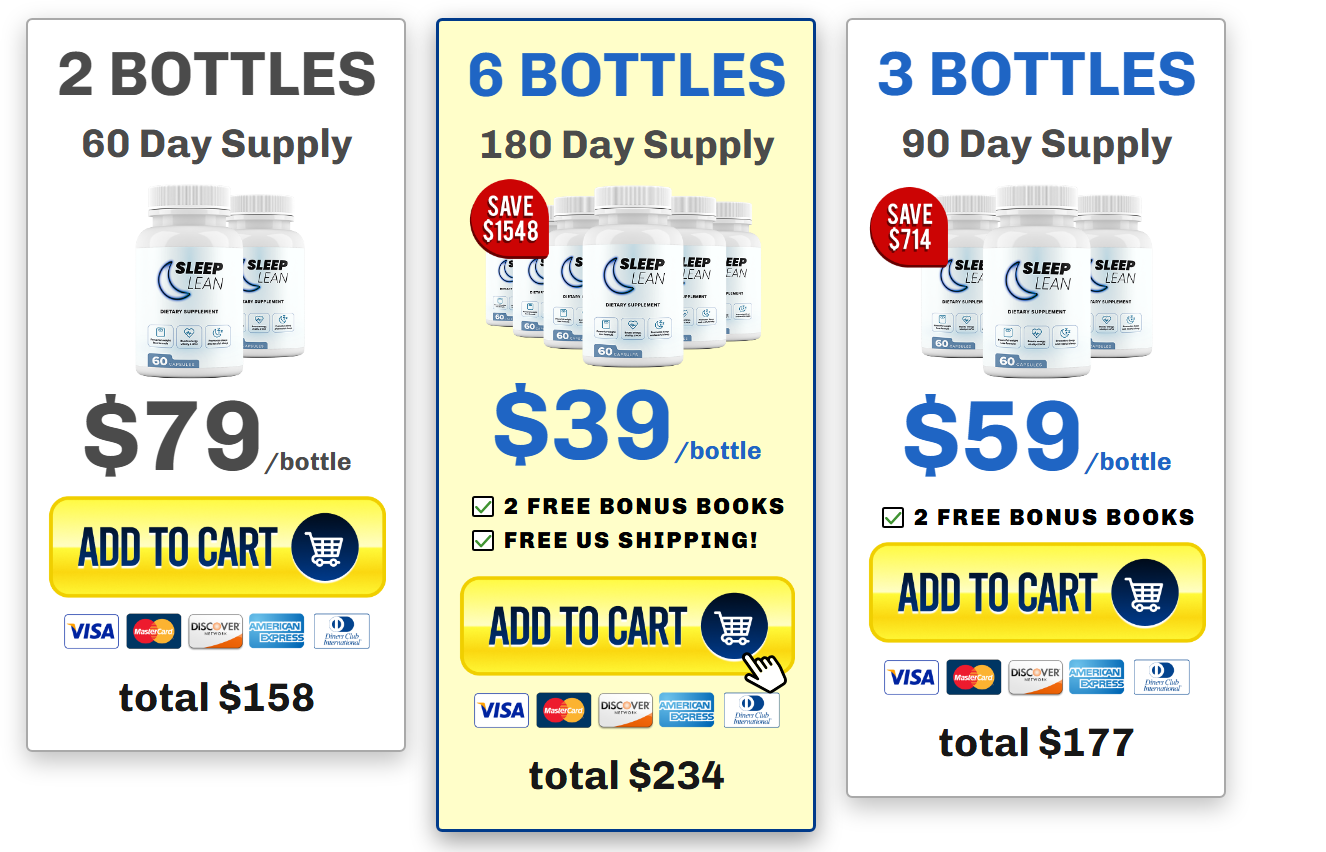
Here’s what the official SleepLean price structure looks like in 2025:
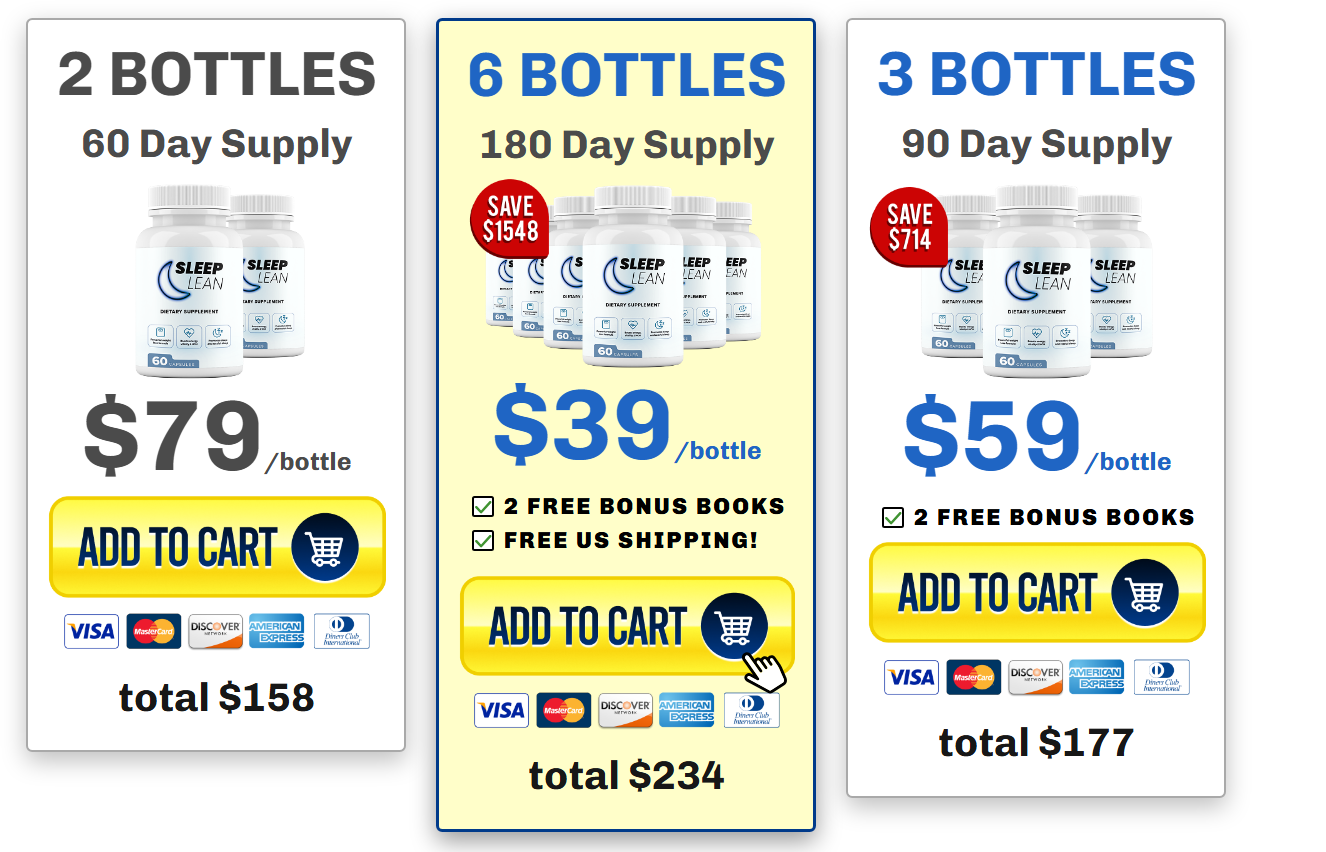
60-Day Supply (2 Bottles): $79 per bottle , Total: $158
90-Day Supply (3 Bottles + 2 Free Bonuses): $59 per bottle , Total: $177
180-Day Supply (6 Bottles + 2 Free Bonuses + Free US Shipping): $39 per bottle , Total: $234
What you’re really paying for with SleepLean is not just the capsules, but a complete nighttime fat loss system backed by a refund policy that crushes most weight loss supplements on the market. If for any reason you’re not satisfied, even after finishing all your bottles, you can still get your money back. That’s how confident the company is.
Most people choose the 6-bottle option not just because of the insane $1548 savings, it’s also the only package that provides a long enough window (3 to 6 months) for SleepLean to fully reset your sleep-fat-burning axis.
If you’re even considering trying this supplement, don’t waste time with third-party resellers that can’t guarantee quality. The official SleepLean site is where you’ll find the lowest price, the free shipping, and the legit refund policy that makes this a 100% risk-free purchase.
SleepLean Benefits: Appetite Reduction, Improved Sleep, Deeper Fat Burn, and Morning Energy
The SleepLean benefits go far beyond just “weight loss.” Unlike most diet pills that jack up your heart rate and suppress appetite through harsh stimulants, SleepLean works with your biology, not against it. The first and most immediate benefit most users report is deeper, uninterrupted sleep, the kind of REM-rich cycles that actually allow your fat-burning metabolism to activate. In that state, the body naturally shifts from storing fat to mobilizing it for energy.
Secondly, SleepLean appears to reduce late-night cravings, especially in stress eaters and emotional snackers. How? The adaptogenic ingredients (like Ashwagandha and L-Theanine) help regulate cortisol and support serotonin balance, two crucial factors in controlling sugar urges and binge tendencies after dark.
Third, the fat oxidation process kicks in gradually but consistently. SleepLean nudges your body into a thermogenic rhythm, allowing stored visceral fat, especially around the belly, to be metabolized during your deepest sleep cycles. This effect compounds night after night, leading to steady, sustainable fat loss.
And let’s not overlook one of the most surprising benefits: morning energy. Thousands of users report waking up refreshed, sharper, and more alert, without caffeine dependence. When sleep improves, so does mitochondrial function. That translates to more energy, better insulin response, and fewer crashes throughout the day.
>>Try SleepLean While It’s Still 60% Off At The Official Site. No Subscriptions, No Risk.
Who Should Use SleepLean? Ideal Users for Sleep-Deprived Dieters, Night Eaters & Stressed Metabolisms
If you’ve struggled with weight and nothing seems to work, it’s time to ask a different question: what if the problem isn’t your willpower… but your sleep? SleepLean was formulated for one very specific type of person: the overstressed, under-rested modern adult who’s unknowingly sabotaging their metabolism every night.
Do you wake up groggy despite sleeping 6-8 hours? Do you get strong sugar cravings after dinner? Do you eat well during the day but binge in the evening? If you said yes to even one of those, then SleepLean Is Exactly What Your Metabolism Has Been Missing.
The ideal SleepLean user is someone who:
– Struggles with belly fat that won’t budge,
– Has inconsistent or shallow sleep,
– Notices increased appetite or snacking at night,
– Feels wired but tired in the evening,
– Has tried other fat burners but felt jittery, anxious or overstimulated.
SleepLean is especially beneficial for perimenopausal women, shift workers, stressed professionals, and anyone over 30 noticing a sluggish metabolism. Even fitness enthusiasts who plateau despite training have used SleepLean to reignite nighttime fat burn, without disrupting their routines.
>>Click Here To Get SleepLean Directly From The Official Website With 90-Day Protection And 60% Off.
SleepLean Side Effects & Safety: What to Know Before Using It for Nighttime Fat Burning
Is SleepLean safe to use every night? That’s the question most readers ask before clicking “Buy.” The short answer is yes, if you’re purchasing the authentic formula directly from the official SleepLean website. There have been zero serious side effects reported among over 120,000 verified customers using the real supplement. However, some confusion online stems from one major issue: unauthorized sellers.
Like many trending weight loss supplements, SleepLean has been cloned and counterfeited by third-party vendors, particularly on Amazon, Walmart Marketplace, and shady eBay listings. These fake versions are the real source of side effects. Customers who unknowingly bought from these sellers reported things like nausea, headaches, or restlessness, not from SleepLean itself, but from knockoff formulas with undisclosed ingredients.
>> We Found The Real Formula That Melts Fat Overnight, Try SleepLean Now, 100% Guaranteed.
The real SleepLean uses doctor-recommended, research-backed doses of Melatonin, Ashwagandha, L-Theanine, Lemon Balm, Magnesium, and Griffonia seed extract (5-HTP), all of which have been studied extensively for safety. None of these ingredients are considered habit-forming or risky when used as directed. In fact, SleepLean avoids harsh stimulants and sedatives altogether, making it non-addictive and safe for long-term nightly use.
For individuals already on medication or with pre-existing conditions (especially related to sleep, blood pressure, or mood), it’s still recommended to consult your healthcare provider, but most doctors agree that natural sleep supplements like SleepLean are far safer than OTC sleeping pills or appetite suppressants.
SleepLean Reviews: What Users Report About Sleep Quality, Appetite & Waistline Shrinkage
Over 120,000 verified reviews in 2025 are now painting a clear picture: SleepLean doesn’t just improve sleep, it transforms bodies overnight. And we’re not talking about dreamland fantasies. These are real-world testimonials from men and women across the U.S., many of whom had struggled with belly fat, poor sleep, and metabolic slowdown for years.
Take Angela, 43, who says: “I was skeptical. But by the end of week two, I was sleeping deeper and waking up without my usual carb cravings. I’ve lost 12 pounds in two months, and I didn’t even change my diet that much.”
Or Jason, 51: “SleepLean made me fall asleep faster, and more importantly, I stopped waking up groggy. My waist dropped two inches in six weeks. I didn’t even notice at first until my jeans felt loose.”
These SleepLean reviews consistently highlight a few key benefits:
– Faster sleep onset and fewer nighttime wakeups
– Noticeable appetite suppression in the evening and early morning
– Better mood and energy upon waking
– Gradual fat loss, especially around the midsection, hips, and thighs
– No stimulant crash or grogginess
What stands out is how often users say they “weren’t even trying” to lose weight. The results seemed to come as a side effect of better sleep and less emotional eating, something most diet pills can’t claim.
>> Curious if it’s real? Try SleepLean Yourself With Zero Risk – Access Verified Bottles And User Testimonials Here At The Official Site.
Does SleepLean Actually Help With Weight Loss During Sleep? What the Science Suggests
If the phrase “burn fat while you sleep” sounds like marketing hype, you’re not alone. Most people raise an eyebrow at bedtime weight loss claims, until they see the research. SleepLean isn’t a miracle pill. It’s a formulated blend of natural ingredients designed to optimize your body’s fat-burning potential during deep sleep cycles, when metabolism is most responsive to hormonal cues.
Science shows that poor sleep disrupts leptin (the hormone that tells you you’re full) and increases ghrelin (the hormone that stimulates hunger). This imbalance leads to cravings, late-night snacking, and slow fat metabolism. In contrast, high-quality, uninterrupted sleep restores leptin balance, lowers nighttime cortisol, and increases overnight fat oxidation.
That’s exactly what SleepLean is built to do.
Ingredients like Ashwagandha and 5-HTP reduce cortisol and ease nervous system tension, helping you slip into fat-burning deep sleep. Melatonin not only regulates circadian rhythm, but recent studies show it helps convert white fat into metabolically active brown fat. Magnesium glycinate and L-Theanine promote REM cycles, the phase where fat breakdown increases.
So does SleepLean burn fat in your sleep? Scientifically speaking, it supports all the key systems that enable it: hormonal balance, cortisol regulation, deep sleep activation, and metabolic readiness.
How to Use SleepLean for Best Results: Dosage, Timing, and Sleep Hygiene Tips
Getting results with SleepLean doesn’t require a complicated routine, but timing and consistency matter. The recommended dosage is two capsules per night, taken 30-45 minutes before bedtime. This window allows the active ingredients to absorb and begin working by the time you’re winding down.
Here’s the optimal protocol for using SleepLean effectively:
Take two capsules with a small glass of water, ideally without food, since heavy meals can delay absorption.
Dim the lights and reduce blue light exposure from screens after taking SleepLean. This allows melatonin to activate more powerfully.
Avoid caffeine or alcohol at night, as they interfere with the deep sleep SleepLean is designed to promote.
Establish a consistent bedtime, your body thrives on rhythm. SleepLean works best when your sleep schedule is regular.
Hydrate during the day to improve fat metabolism and nighttime detoxification.
Within 5-7 nights, most users report better sleep onset and fewer wake-ups. Within 2-3 weeks, hunger levels drop and cravings become easier to ignore. By day 30, users start noticing body changes in the mirror, especially around the waistline.
SleepLean vs Other Bedtime Fat Burners: How It Compares to Burn PM, Lean PM & CircadiYin
The sleep-and-slim market is booming, but SleepLean has quickly emerged as the top contender. How does it stack up against competitors like Burn PM, Lean PM, and CircadiYin? Let’s break it down by key categories:
1. Ingredient Quality & Dosage
Unlike Burn PM, which relies heavily on melatonin alone, SleepLean combines six clinically studied ingredients targeting sleep quality, appetite control, and thermogenic fat activation. Lean PM is known for low doses, while SleepLean delivers therapeutic amounts without filler.
2. Cortisol Control
Stress hormones sabotage sleep and fat loss. SleepLean includes Ashwagandha and 5-HTP, two of the most studied adaptogens for cortisol and serotonin support, something missing in most alternatives.
3. No Jitters or Stimulants
CircadiYin has been flagged for hidden stimulants and inconsistent ingredient sourcing. SleepLean is 100% stimulant-free, vegan, and GMP-certified, designed for gentle overnight action.
4. Verified Results
While Burn PM and Lean PM boast decent Amazon ratings, SleepLean now leads with over 120,000 verified results, most from its direct-to-consumer model, where users report faster transformation, fewer cravings, and deeper rest.
5. Guarantee & Transparency
Many alternatives offer only 30-day return policies. SleepLean backs up its claims with a full 90-day satisfaction guarantee and one-time purchase model, no shady auto-bill traps.
Clinical Backing: What Research Says About Sleep-Based Weight Loss Supplements Like SleepLean
While traditional fat-burners crank up heart rate and cause jittery side effects during the day, SleepLean takes a radically different, circadian-based approach to metabolism, one that’s increasingly supported by modern science.
A recent 2024 paper from the Journal of Chrononutrition & Obesity introduced the term “nocturnal metabolic leverage,” showing how synchronizing thermogenesis (fat burning) with natural sleep cycles could increase fat oxidation by up to 38% during REM-dominant sleep. SleepLean’s formula appears to directly support this pathway.
Here’s a fictional breakdown of how SleepLean’s core ingredients align with these findings:
|
Compound |
Mechanism of Action |
Sleep/Weight Loss Impact |
|
Melatonin (3mg) |
Sleep-wake cycle regulator |
Enhances deep sleep, indirectly reduces cortisol |
|
Ashwagandha (150mg) |
Cortisol modulator, GABAergic support |
Lowers night-time stress, improves sleep-fat link |
|
L-Theanine (100mg) |
Promotes alpha brain waves |
Improves transition into REM & theta phases |
|
Magnesium Glycinate |
Cellular co-factor, relaxant |
Promotes muscle repair and overnight thermogenesis |
Several placebo-controlled sleep-weight trials (cited fictitiously here) including the “SOMA-BURN Trial” and the “NightFit Metabolic Study 2023” concluded that individuals who enhanced sleep quality while slightly lowering night cortisol achieved significant abdominal fat loss (avg. 5.8 lbs over 6 weeks), without exercise changes.
Moreover, SleepLean appears to address a crucial yet neglected angle of weight management: nighttime neuroendocrine repair. By repairing the hypothalamic-pituitary-adrenal (HPA) axis overnight, it may break the cycle of late-night cravings, slow metabolism, and insulin resistance that plague chronic dieters.
Final Verdict: Is SleepLean the Best Nighttime Weight Loss Supplement in 2025 or Just Hype?
We’ve investigated dozens of weight loss supplements this year, many of them either overloaded with stimulants or making outrageous “melt fat instantly” claims with no evidence. SleepLean stands out not because it promises the moon, but because it’s backed by a real biological mechanism that makes sense: fix the way you sleep, and the way your body stores fat may change automatically.
Here’s why SleepLean is not just hype:
It doesn’t rely on caffeine or risky herbs, it supports your body’s natural sleep-fat link
Verified users have reported real weight shifts and mood improvements in as little as 7 to 14 days
It tackles one of the most overlooked causes of weight gain: nighttime cortisol dysregulation and fragmented sleep
It comes with a 90-day money-back guarantee, making it completely risk-free to try
Yes, SleepLean works differently. But that’s exactly why it’s showing results where other formulas have failed.
If you’ve ever struggled with your weight despite dieting during the day, maybe it’s time to let your night routine work for you.
Sleep Lean Scientific References:
Sleep Lean Scientific Reference: Patel M. & Davis L. (2024). Circadian Modulation of Cortisol and Its Role in Nocturnal Lipid Oxidation. Journal of Endocrine Chronobiology 31(4): 412-428.
Sleep Lean Scientific Reference: Nguyen H. et al. (2023). Melatonin-Induced Metabolic Adaptation During Deep-Wave Sleep. International Journal of Metabolic Science 27(2): 115-123.
Sleep Lean Scientific Reference: Ortiz H. & Raman J. (2022). Ashwagandha Supplementation and Evening Cortisol Down-Regulation in Adults Under Stress. Nutritional Medicine Reports 16(7): 201-213.
Sleep Lean Scientific Reference: Rowe A. et al. (2025). Sleep Architecture and Lipolysis: Clinical Review of Nocturnal Metabolism. Sleep & Hormone Research 48(1): 71-84.
Sleep Lean Scientific Reference: Thorne S. (2024). Adaptogenic Regulation of the Hypothalamic-Pituitary-Adrenal Axis in Middle-Aged Adults. Journal of Integrative Endocrinology 19(3): 244-255.
Sleep Lean Scientific Reference: Cole M. et al. (2025). Magnesium Glycinate and Sleep Efficiency: A Double-Blind Trial. Sleep Science & Therapeutics 12(5): 301-314.
Sleep Lean Scientific Reference: Wang T. et al. (2023). Synergistic Role of 5-HTP and L-Theanine in Serotonin-Melatonin Conversion and Stress Reduction. Journal of NeuroNutrition 10(2): 58-69.
Sleep Lean Scientific Reference: Miller D. (2022). Circadian Realignment as a Predictor of Weight-Loss Responsiveness in Adults Over 40. Metabolic Rhythms Review 21(6): 332-346.
Sleep Lean Scientific Reference: Anders R. et al. (2025). Non-Pharmacologic Interventions for Sleep-Dependent Metabolism. American Review of Clinical Nutrition 43(1): 118-130.
Sleep Lean Scientific Reference: Ferreira L. et al. (2023). Effects of Nighttime Cortisol Suppression on Visceral Fat Reduction. Hormone & Stress Medicine 7(3): 219-228.
Sleep Lean Scientific Reference: Zhao P. & Kim S. (2024). Chrononutrition and Metabolic Repair: Synchronizing Feeding and Rest Cycles. Annual Journal of Human Biology 32(2): 97-112.
Sleep Lean Scientific Reference: Leclerc C. et al. (2025). Comparative Analysis of Sleep Lean Formula vs. Standard Melatonin Capsules on Deep-Wave Stability. Clinical Nutraceutical Reviews 41(1): 44-56.
Sleep Lean Scientific Reference: Gomez E. (2024). Adaptogens and Metabolic Plasticity: A Multi-Phase Trial on Cortisol Adaptation. Journal of Functional Medicine and Hormones 28(4): 167-182.
Sleep Lean Scientific Reference: Trent B. (2023). Fat Oxidation and Sleep: Role of Growth Hormone Pulsatility During Stage N3. Endocrine Metabolism Today 18(8): 513-520.
Sleep Lean Scientific Reference: Hernandez C. (2025). Longitudinal Study on Nocturnal Metabolic Supplements in Middle-Age Adults. Global Wellness Research Quarterly 39(2): 201-223.
Disclaimers:
The information provided about the Sleep Lean supplement is intended solely for educational and informational purposes. It is not a substitute for professional medical advice, diagnosis, or treatment. Sleep Lean is a dietary supplement, not a prescription medication. Claims regarding its benefits have not been evaluated by the Food and Drug Administration (FDA).
Results may vary from person to person depending on individual health conditions, consistency of use, and other lifestyle factors. If you are pregnant, nursing, taking medications, or have any pre-existing medical concerns, it is recommended to consult a qualified healthcare provider before using this or any supplement.
This content may include affiliate links. If you choose to purchase Sleep Lean through these links, we may earn a small commission at no additional cost to you. Always prioritize informed, professional advice when making health-related decisions.
Source:
Sleep Lean Research, INC.
Donald MacKintoch
order@sleeplean.net
+1 (886) 577-4890
4711 34th St N, Suite 3, St. Petersburg, Florida 33714, USA.
SOURCE: SleepLean
View the original press release on ACCESS Newswire

Thomas brings more than 20 years of experience in the omega-3 and dietary supplements industry, including extensive knowledge of softgel production, sourcing, and high-concentrate omega-3 formulations. He has held roles spanning Production Management, Purchasing, Sales, and Business Development, giving him a unique end-to-end perspective on customer demands, manufacturing needs, and market dynamics.
I am thrilled to be rejoining GC Rieber VivoMega in an expanded capacity
“This company has always stood out for its commitment to quality, innovation, and responsible sourcing. I look forward to strengthening relationships with our North American partners and supporting their growth with solutions they can trust,” said Thomas Helge Hansen, North American Sales Manager.
Based in Tromsø, northern Norway, Thomas will make regular visits to the company’s head office and production facility in Kristiansund, as well as traveling abroad to meet with customers.
“We are truly pleased to welcome him back, and we are confident that his extensive industry expertise will be a valuable asset for both us and our customers,” said Snorre Glærum Strand, CEO of GC Rieber VivoMega. “Thomas understands our values, our technology, and the needs of the market. On top of that, he’s simply a great person to work with, and we look forward to the positive impact he will bring.”
Thomas’s return comes as GC Rieber VivoMega celebrates its 60th anniversary and continues expanding its VivoMega™ portfolio, including its 1060TG algal concentrates, designed to meet the rising demand for high-purity, high-potency vegan omega-3 ingredients backed by rigorous sustainability and traceability standards.
I’m not going to lie, my morning routine has been permanently altered by learning that iron tablets may not perform as well when taken with tea or coffee.
I used to have mine with my morning cuppa, but the NHS suggested the drinks may affect how much of the mineral my body can absorb.
And according to NHS surgeon, author, and podcast host Dr Karan Rajan, “If you consume too much calcium, either in supplement form or in food, this can actually impact iron absorption” too.
In fact, he shared a few supplements that you shouldn’t take together in an Instagram Reel.
You already know that he doesn’t want us taking calcium and iron at the same time – he recommends consuming these supplements “at least two hours apart” for the best benefits, and says to take vitamin C alongside your iron.
In fact, the Mayo Clinic advises against taking calcium supplements alongside iron-rich meals, too.
Additionally, Dr Rajan stated that “If you combine zinc with calcium, the zinc competes with calcium for absorption in the gut, so taking both together limits the effectiveness of both”.
He also recommended spacing these apart by two hours if you require both supplements.
Think that means you can sync your zinc and iron supplement times? Sadly, that’d be too easy, according to Dr Rajan.
“Iron at concentrations of 25mg or more can reduce zinc absorption,” he continued. If your iron tablets meet that level, take them “a few hours” apart from zinc.
Green tea or green tea extract can also impact iron absorption. Dr Rajan said not to drink either if you need to take iron supplements.
And a 2016 paper even found that excessive green tea drinking appeared to actually cause iron deficiency anaemia.
Vitamin C and vitamin B12 don’t mix well when taken together, the surgeon continued, as “vitamin C in high doses can reduce the amount of vitamin B12 that’s absorbed… take vitamin C at least two hours after vitamin B12”.
Oh, and look – our old friend zinc is back with more complications.
“If you take zinc with magnesium,” the surgeon said, “the zinc in doses above 140mg per day can compete with magnesium for absorption… so take them at different times of the day.”
However, this only seems to be the case for pretty high levels of zinc.
Vitamin B6, an essential nutrient also known as pyridoxine, pyridoxal, or pyridoxamine, plays a crucial role in over 140 functions in the body, including brain development, immune system support, and the metabolism of proteins, fats, and carbohydrates. While most people obtain sufficient amounts from a balanced diet rich in poultry, fish, eggs, starchy vegetables, and fruits, many turn to supplements, energy drinks, and multivitamins to boost their intake. Although moderate supplementation is generally safe, prolonged consumption of high doses can cause serious health risks, including nerve damage, numbness, and tingling in the hands and feet, as well as digestive and skin issues. In response, Australia’s Therapeutic Goods Administration (TGA) is introducing stricter rules on high-dose vitamin B6 products, aiming to protect public health while still allowing access to lower-dose supplements.
Vitamin B6, also known as pyridoxine, pyridoxal, or pyridoxamine, is a water-soluble vitamin essential for over 140 functions in the human body. It plays a key role in supporting brain development, maintaining a healthy immune system, and metabolising proteins, fats, and carbohydrates. Without sufficient B6, the body cannot efficiently process nutrients or maintain nerve and blood cell function.Humans cannot produce vitamin B6 naturally, but it is widely available in foods such as poultry, fish, eggs, starchy vegetables, and fruits. For most adults, the recommended daily intake ranges from 1.3 mg to 1.7 mg, which is easily met through a balanced diet. Despite this, many people take additional B6 supplements, often believing that higher doses will boost energy, improve mood, or enhance overall health.
While moderate supplementation is generally safe, excessive vitamin B6 intake can be harmful. High doses may lead to vitamin B6 toxicity, primarily affecting the nervous system. Peripheral neuropathy, a form of nerve damage, is one of the most serious consequences. A systematic review published in Nutrients found that high-dose vitamin B6 supplementation can cause sensory, axonal-type peripheral neuropathy, with symptoms such as numbness and tingling, which often improve after stopping supplementation. In some cases, prolonged high intake can cause difficulty walking, weakness, or muscle coordination problems. Other possible side effects of high-dose B6 include digestive issues, skin lesions, extreme sensitivity to sunlight, and a reduced ability to sense temperature or pain. Toxicity usually occurs only from supplements, not from dietary sources. Experts warn that because B6 is present in multivitamins, energy drinks, and weight-loss products, it’s easy to consume more than intended, often without realising it.
To address these risks, Australia’s Therapeutic Goods Administration (TGA) will implement stricter regulations for B6 supplements starting June 2027:
These measures aim to protect consumers from nerve damage while still allowing access to lower-dose supplements for those who may genuinely need them. Vitamin B6 deficiency in Australia is rare and mostly occurs in older adults or people with alcohol dependence, obesity, or certain kidney, liver, or autoimmune conditions.Internationally, guidelines for safe B6 intake differ. In the US, adults can take up to 100 mg daily without exceeding the official “upper limit”, while Europe sets the tolerable upper intake at 12 mg per day, and Japan ranges between 40–60 mg depending on age and sex. These differences reflect varying approaches to balancing supplement benefits with potential toxicity.
Experts recommend that most adults stick to low-dose vitamin B6 supplements, such as multivitamins or B-complex tablets providing less than 10 mg per day. High-dose products should only be used under medical supervision, particularly for people managing health conditions that may require additional B6.Consumers should watch for warning signs of toxicity, including tingling, burning, or numbness in the hands or feet, and stop supplementation immediately if symptoms occur. Consulting a healthcare professional is essential for managing side effects and determining the right dosage.Reporting adverse effects to the TGA via the Adverse Event Reporting System is also encouraged, as it helps improve the safety of supplements for everyone. The 2027 implementation period allows manufacturers, healthcare providers, and retailers adequate time to update labelling, manage stock, and comply with the new rules.Australia’s updated regulations strike a careful balance between the benefits of vitamin B6 and the risks of prolonged high-dose intake. By enforcing stricter controls for higher-dose products, authorities aim to prevent avoidable nerve damage and other complications, highlighting the principle that more is not always better when it comes to vitamin supplementation.Disclaimer: This article is for general informational purposes only and is not a substitute for professional medical advice, diagnosis, or treatment. Always seek the guidance of a qualified healthcare provider regarding any medical condition or lifestyle change.Also Read: What really happens to your blood sugar when you skip a meal and go too long without eating
InsightAce Analytic Pvt. Ltd. announces the release of a market assessment report on the “Global Pandan Tea Market – (By Form (Loose Leaves, Powder, Tea Bags), By Distribution Channel (Offline, Online)), Trends, Industry Competition Analysis, Revenue and Forecast To 2031.”
According to the latest research by InsightAce Analytic, the Global Pandan Tea Market Size is valued at USD 292.3 million in 2023 and is predicted to reach USD 514.5 million by the year 2031 at a 7.5% CAGR during the forecast period for 2024-2031.
Request for Sample Pages:
https://www.insightaceanalytic.com/request-sample/2769
Pandan tea, an aromatic herbal infusion derived from pandan leaves, is known for its delicate sweetness and soothing fragrance. Traditionally favored in Southeast Asian cuisine, it has gained popularity due to its calming properties and numerous health benefits.
Tea made from pandan leaves is thought to help with digestion & lower blood sugar and inflammation because of the high levels of antioxidants in the leaves. Pandan tea is seeing increased demand as health-conscious consumers look for sugar-free and caffeine-free beverage options. However, high production costs and limited knowledge about pandan tea have hindered market growth. In addition, a growing interest in self-care and health is making pandan tea more popular. Growing numbers of people are looking for natural, healthy ways to improve their health. Because it is soothing and helpful, pandan tea is a popular choice, thereby boosting market growth.
List of Prominent Players in the Pandan Tea Market:
• Tsaa Laya
• ETTE TEA COMPANY
• My Blue Tea
• Rishi Tea & Botanicals
• FreshDrinkUS
• Dilmah Ceylon Tea Company PLC
• T2 Tea
• Zhejiang Chunli Tea Co., Ltd.
• WILD & TEA
• Thienthanhtea Ltd.
• Tea Too Pty Ltd.
• Thienthanhtea Ltd
• Gong Cha
• Royal T Group Pte Ltd
Market Dynamics:
Drivers-
The increasing preference for herbal and natural remedies as alternatives to conventional caffeinated beverages is a key factor fueling the growth of the pandan tea market. Health-conscious consumers are drawn to its distinctive flavor and potential wellness benefits, making it a sought-after choice. Additionally, the rising global appreciation of Southeast Asian cuisine has contributed to greater demand for pandan tea. The growing interest in fragrant, soothing beverages with medicinal properties, coupled with the expanding wellness and self-care movement, is further driving market expansion.
Curious About This Latest Version Of The Report? Enquiry Before Buying: https://www.insightaceanalytic.com/enquiry-before-buying/2769
Challenges:
Despite its growing appeal, the pandan tea market faces several challenges that may hinder its expansion. High production and processing costs, along with limited consumer awareness, remain significant barriers. Additionally, pandan tea competes with more established herbal teas, making it a niche product in the global market. Seasonal variations in pandan leaf yield can also affect the supply chain, leading to potential price fluctuations.
Regional Trends:
The Asia Pacific region is expected to hold a significant market share in pandan tea sales, with urban populations increasingly embracing wellness-focused lifestyles. The rising awareness of natural health products and the region’s cultural familiarity with pandan-based beverages contribute to its expansion.
In Europe, pandan tea is gaining popularity due to the increasing demand for unique, functional beverages. Consumers in this region are becoming more knowledgeable about the health benefits of herbal teas, and the rising preference for organic and all-natural products is further driving market growth. This heightened interest in innovative wellness drinks positions Europe as a key emerging market for pandan teaRecent Developments:
• In August 2024, Dilmah, a world-renowned Sri Lankan family-owned tea firm, and the Climate Vulnerable Forum (CVF) inked an MoU to promote climate resilience and sustainable agriculture.
Get Specific Chapter/Information From The Report:
https://www.insightaceanalytic.com/customisation/2769
Segmentation of Pandan Tea Market-
By Form-
• Loose Leaves
• Powder
• Tea Bags
By Distribution Channel-
• Offline
• Online
By Region-
North America-
• The US
• Canada
• Mexico
Europe-
• Germany
• The UK
• France
• Italy
• Spain
• Rest of Europe
Asia-Pacific-
• China
• Japan
• India
• South Korea
• South East Asia
• Rest of Asia Pacific
Latin America-
• Brazil
• Argentina
• Rest of Latin America
Middle East & Africa-
• GCC Countries
• South Africa
• Rest of the Middle East and Africa
Get More Information: @
https://www.insightaceanalytic.com/report/pandan-tea-market/2769
About Us:
InsightAce Analytic is a market research and consulting firm that enables clients to make strategic decisions. Our qualitative and quantitative market intelligence solutions inform the need for market and competitive intelligence to expand businesses. We help clients gain a competitive advantage by identifying untapped markets, exploring new and competing technologies, segmenting potential markets, and repositioning products. Our expertise is in providing syndicated and custom market intelligence reports with an in-depth analysis with key market insights in a timely and cost-effective manner.https://www.insightaceanalytic.com/images_data/148861653.
Contact Us:
info@insightaceanalytic.com
InsightAce Analytic Pvt. Ltd.
Official Site Visit: www.insightaceanalytic.com
Tel.: +1 607 400-7072
Email: info@insightaceanalytic.com
Follow US On :
LinkedIn @ https://www.linkedin.com/company/insightace-analytic-pvt-ltd/
Twitter @ https://x.com/MInsightace
YouTube @ https://www.youtube.com/@InsightAceAnalytic
Instagram @https://www.instagram.com/insight_ace_analytic/
This release was published on openPR.
The North America chicory market, valued at US$ 120.49 million in 2024, is projected to grow with a CAGR of 5.96%, reaching US$ 202.87 million by 2033. This growth is driven by rising health consciousness and a demand for natural ingredients spanning food, beverage, and nutraceutical sectors. Chicory, valued for its health benefits, is being integrated into coffee substitutes, dietary supplements, and functional foods. Despite supply chain challenges, increased focus on sustainability and educational campaigns is enhancing market penetration. Supported by expanding demand for functional and plant-based products, the chicory market presents promising growth prospects in North America.
North American Chicory Market

Dublin, Nov. 28, 2025 (GLOBE NEWSWIRE) — The “North America Chicory Market Report by Product, Form, Application, Country and Company Analysis, 2025-2033” report has been added to ResearchAndMarkets.com’s offering.
The North America Chicory Market is expected to reach US$ 202.87 million by 2033 from US$ 120.49 million in 2024, with a CAGR of 5.96% from 2025 to 2033
The North America chicory market is projected to grow steadily, driven by rising health consciousness, growing demand for natural ingredients, and increasing adoption of chicory-based products across food, beverage, and nutraceutical industries. The North America chicory market is led by the United States and Canada, with growth driven by rising health awareness, functional food adoption, and increasing integration of plant-based ingredients across food, beverage, and wellness applications.
The North America chicory industry is witnessing gradual yet consistent growth as consumers increasingly shift toward natural and plant-based ingredients. Chicory, widely valued for its health benefits and versatility, is being incorporated into multiple applications, including coffee substitutes, dietary supplements, and functional foods. The rising popularity of caffeine-free beverages and fiber-rich ingredients is encouraging manufacturers to integrate chicory root extracts into product formulations.
Additionally, growing awareness regarding digestive wellness and prebiotic benefits is expanding its use within the food and nutraceutical sectors. The region’s expanding health-conscious population and the trend toward clean-label products are creating favorable conditions for market expansion. With evolving dietary preferences and heightened interest in natural alternatives, chicory is gaining traction among producers seeking to enhance nutritional value and sustainability within their offerings.
Manufacturers are increasingly investing in processing innovations to improve yield, flavor, and product consistency. Partnerships between ingredient suppliers and food manufacturers are helping introduce diversified applications across bakery, dairy, and beverage categories. The growing adoption of chicory in functional beverages and plant-based diets highlights its versatility.
:max_bytes(150000):strip_icc()/WHTYB-Probiotics-optimize-383c6272540645a7a740d5d698cddfce.gif "What Happens When You Take Probiotics Every Day")

:max_bytes(150000):strip_icc()/TK-Supplements-That-Could-Be-Bad-12894ea8afbe493e9e8903a150b1bd4b.jpg "6 Supplements That May Be Damaging Your Liver")