The main category of Dietary Supplements News Articles.
You can use the search box below to find what you need.
[wd_asp id=1]
The main category of Dietary Supplements News Articles.
You can use the search box below to find what you need.
[wd_asp id=1]
The Global Sports Nutrition Market: Building Mass Beyond the Gym
The sports nutrition market is undergoing a profound metamorphosis, transforming from a niche sector catering exclusively to bodybuilders and elite athletes into a mainstream powerhouse embraced by a diverse spectrum of health-conscious individuals. This dynamic industry is no longer confined to the walls of gyms; it has exploded onto the shelves of mainstream retail and into the daily routines of millions. According to a comprehensive analysis, the market demonstrated its formidable size with an estimated valuation of USD 49.7 Billion in 2024. This robust foundation is the launchpad for an era of exceptional expansion, with projections indicating the industry will surge from USD 53.98 Billion in 2025 to a monumental USD 123.19 Billion by the year 2035. This impressive growth journey, exhibiting a vigorous compound annual growth rate of 8.6% during the forecast period from 2025 to 2035, underscores a fundamental shift in how consumers perceive and utilize nutritional supplements, positioning this market at the forefront of the global health and wellness revolution.
“FREE SAMPLE COPY” – ACCESS A COMPLIMENTARY COPY OF OUR REPORT TO EXPLORE ITS CONTENT AND INSIGHTS : https://www.marketresearchfuture.com/sample_request/685
A Market Overview: From Niche to Mainstream Phenomenon
The sports nutrition market has successfully shattered its traditional boundaries, evolving into a complex and multifaceted industry encompassing a wide array of products from classic protein powders and creatine supplements to ready-to-drink shakes, nutritional bars, and amino acid formulations. The significant valuation achieved in 2024 is a testament to its successful penetration into the lifestyles of everyday consumers seeking fitness, wellness, and convenience. The steep growth curve projected over the next decade is the direct result of the industry’s strategic pivot to address a broader set of consumer needs beyond pure muscle growth and athletic performance. This sustained performance highlights the category’s pivotal rebranding from a specialized sports accessory to a holistic wellness tool for the actively minded, allowing it to capture value from a vastly expanded consumer base that includes fitness enthusiasts, lifestyle dieters, and time-pressed professionals.
Key Growth Factors Fueling an Unstoppable Ascent
The powerful expansion of the global sports nutrition market is being driven by a confluence of powerful societal and economic forces. The unprecedented and growing global focus on health, wellness, and physical fitness stands as the primary catalyst, creating a massive and continuously expanding consumer base that views supplementation as an integral part of a healthy lifestyle. This is powerfully complemented by the rising influence of social media, fitness influencers, and athleisure culture, which have democratized fitness aspirations and normalized the consumption of these products for aesthetic and wellness goals. Another significant driver is the rapid expansion of distribution channels, particularly through e-commerce platforms and mass-market retail outlets, which has demolished accessibility barriers and introduced these products to consumers who may never set foot in a specialty supplement store. Furthermore, rising disposable incomes, particularly in emerging economies, are enabling a broader segment of the global population to invest in premium health products, turning sports nutrition from a luxury into an accessible component of everyday life for millions of new consumers.
Dominant Trends Reshaping the Formulation and Marketing Landscape
The contemporary sports nutrition market is being reshaped by several dominant trends that are directly influencing product development and brand communication. The powerful plant-based revolution is a leading force, compelling manufacturers to innovate beyond traditional whey protein. We are witnessing a massive surge in demand for and development of high-quality protein isolates from peas, brown rice, soy, and hemp, catering to the ethical, environmental, and dietary preferences of a growing vegan and flexitarian consumer base. This trend is often highlighted in product launches that emphasize clean, allergen-free labels and sustainable sourcing. Another significant movement is the fusion of sports nutrition with holistic wellness and functional food benefits, where products are no longer just about macros but about overall well-being. This includes supplements fortified with adaptogens for stress relief, probiotics for gut health, and superfoods for immune support, effectively blurring the lines between performance enhancement and daily wellness maintenance. This is often showcased in industry news, such as a leading brand launching a new protein powder line with added collagen for skin and joint health or a startup gaining rapid distribution for a post-workout recovery drink featuring turmeric and ginger for inflammation, signaling a new era of multifunctional supplementation.
“PROCEED TO BUY” – MOVE FORWARD WITH YOUR PURCHASE AND GAIN INSTANT ACCESS TO THE COMPLETE REPORT : https://www.marketresearchfuture.com/checkout?currency=one_user-USD&report_id=685
Emerging Opportunities for Innovation and Market Capture
Within this rapidly evolving and competitive landscape, numerous strategic opportunities are emerging for forward-thinking companies. The development of personalized nutrition solutions represents a significant frontier. Utilizing AI and data from wearables to create customized supplement plans based on an individual’s fitness goals, body type, and metabolic rate can create a powerful new service-based revenue model and build unparalleled customer loyalty. Another lucrative avenue is exploring novel and exotic protein sources and sustainable production methods. Ingredients like algae, insect protein, and upcycled plant proteins offer a point of differentiation and appeal to the environmentally conscious consumer, while water-saving and carbon-neutral production processes can become a key part of a brand’s value proposition. There is also immense potential in targeting specific and underserved demographic segments, such as active agers seeking muscle maintenance supplements, women looking for gender-specific formulations, and the burgeoning youth market entering the fitness world. Additionally, leveraging scientific credibility and transparent labeling through third-party testing and clear ingredient sourcing can build crucial trust in a market sometimes clouded by skepticism, positioning a brand as a leader in quality and safety.
Future Outlook: A Market Primed for Personalized and Holistic Growth
The future outlook for the global sports nutrition market is one of continued robust growth, characterized by a decisive shift from mass-market solutions to personalized, science-backed wellness. The journey to surpass USD 123 Billion by 2035 will be underpinned by a dual focus on peak performance and holistic health maintenance. Success will increasingly depend on a brand’s ability to offer not just macronutrients, but a trusted, transparent, and integrated wellness partner. We can anticipate further scientific breakthroughs in bioavailability and nutrient timing, leading to next-generation supplements that offer more efficient absorption and targeted benefits. The narrative around sports nutrition will continue to mature, solidifying its role not just as a tool for athletes, but as an essential component of proactive health management for the general population. In conclusion, the global sports nutrition market is flexing its muscles, poised to maintain its explosive growth by intelligently adapting to the demands of a new generation of consumers who view fitness and nutrition as inseparable pillars of a modern, healthy life.
“ACCESS FULL REPORT NOW” – GAIN COMPREHENSIVE INSIGHTS INTO THE GAMING MARKET WITH OUR DETAILED RESEARCH REPORT : https://www.marketresearchfuture.com/reports/sports-nutrition-market-685
Table Of Contents:
1: EXECUTIVE SUMMARY AND KEY HIGHLIGHTS
2: Sports Nutrition MARKET INTRODUCTION
3: RESEARCH METHODOLOGY
4.MARKET FACTOR ANALYSIS
5.Competitive Landscape
Explore More: Trending Food & Beverages Insights :
Vitamin C Market : https://www.marketresearchfuture.com/reports/vitamin-c-market-1938
Dietary Fiber Market : https://www.marketresearchfuture.com/reports/dietary-fiber-market-research-1945
Savory Biscuits Market : https://www.marketresearchfuture.com/reports/savoury-biscuit-market-1961
Meat Substitutes Market : https://www.marketresearchfuture.com/reports/meat-substitutes-market-1969
Seafood Market : https://www.marketresearchfuture.com/reports/seafood-market-1971
Ready-to-Eat Meals Market : https://www.marketresearchfuture.com/reports/ready-to-eat-meals-market-1979
Contact
Market Research Future®
99 Hudson Street,5Th Floor
New York, New York 10013
United States of America
Phone
+1 628 258 0071(US)
+44 2035 002 764(UK)
Email: sales@marketresearchfuture.com
Website: https://www.marketresearchfuture.com
About Market Research Future
At Market Research Future (MRFR), we enable our customers to unravel the complexity of various industries through our Cooked Research Report (CRR), Half-Cooked Research Reports (HCRR), Raw Research Reports (3R), Continuous-Feed Research (CFR), and Market Research Consulting Services. The MRFR team have a supreme objective to provide the optimum quality market research and intelligence services for our clients. Our market research studies by Components, Application, Logistics and market players for global, regional, and country level market segments enable our clients to see more, know more, and do more, which help to answer all their most important questions.
This release was published on openPR.
Recent research sheds light on the intricate interplay between nutrition and reproductive health in livestock, particularly focusing on the quality of semen produced by Sudan desert bucks. The study, conducted by Ail, Mohammed, and Abdelhai, dives into the potential benefits of dietary supplements like fish oil and vitamin E, unveiling their synergistic effects on semen quality and overall reproductive performance. This investigation stands as a significant contribution to enhancing reproductive efficiency in livestock, an area of critical importance for agricultural productivity.
Semen quality is paramount in animal breeding programs, as it directly influences fertility rates and reproductive success. In this study, the researchers meticulously examined various parameters of semen quality, including motility, viability, and morphology. By incorporating specific dietary supplements, the goal was to ascertain how these nutrients could fortify the reproductive capabilities of Sudan desert bucks. The implications of this research extend beyond merely improving fertility; they touch on the broader goal of sustainable agricultural practices.
The methodology employed in this research was robust and comprehensive. The bucks were divided into different groups, each receiving varying levels of fish oil and vitamin E as part of their diet. Such a controlled experimental design allowed for accurate analysis of how these elements influenced semen parameters. The dietary interventions were monitored closely, ensuring that all factors affecting semen quality were accounted for in the results.
As the study progressed, notable improvements in semen motility were observed in bucks that received the dietary supplements. Increased motility is a critical indicator of semen health, as it correlates with the sperm’s ability to reach and fertilize the egg. The researchers reported an increase in the percentage of motile sperm in the supplemented groups versus the control group, highlighting the effectiveness of this nutritional approach.
Another significant finding was related to sperm viability. The researchers noted that the bucks receiving fish oil and vitamin E showed higher rates of viable sperm compared to those on a standard diet. This improvement in sperm viability not only enhances the immediate reproductive potential but also suggests longer-lasting benefits for herd fertility over time. Nutritional strategies thereby emerge as a powerful tool for livestock breeders aiming to optimize reproductive outcomes.
The morphological assessment of sperm cells revealed additional beneficial effects of the dietary supplementation. The study found that the bucks that were given fish oil and vitamin E not only produced a higher quantity of sperm but also a greater proportion of morphologically normal sperm. Abnormal sperm shapes can severely hinder fertility, making this finding particularly significant for producers focused on maximizing reproductive efficiency.
It is essential to understand the mechanisms by which fish oil and vitamin E exert these positive effects. Fish oil, rich in omega-3 fatty acids, is known to have anti-inflammatory properties that can improve cellular health. These fatty acids help enhance the integrity of sperm membranes, potentially leading to improved motility and viability. Similarly, vitamin E serves as a powerful antioxidant, protecting sperm cells from oxidative stress, which is a known factor that can detrimentally affect fertility.
In the context of Sudan’s challenging environmental conditions, such dietary interventions could play a vital role in mitigating some of the stressors that affect livestock. The harsh climate can impact animal health and, subsequently, reproductive performance. By fortifying diets with specific nutritional supplements, farmers can improve not only the quality of semen but overall herd wellness, thus promoting sustainable farming practices.
Furthermore, the economic ramifications of improved reproductive performance are profound. Higher semen quality translates to increased breeding success rates, allowing farmers to achieve greater productivity from their livestock. Moreover, these improvements could lessen the need for artificial insemination, reducing costs and labor associated with maintaining livestock. Thus, the adoption of such nutritional strategies could yield significant economic benefits for farmers.
The findings of this research contribute to a growing body of literature that supports the importance of nutrition in livestock reproductive health. As producers increasingly seek methods to improve efficiency and sustainability, strategies that involve dietary fortification with omega-3 fatty acids and antioxidants could become standard practice in livestock management. The integration of scientific research into farm operations can help bridge the gap between traditional practices and modern agricultural innovations.
The implications of this study extend beyond Sudan or the immediate regions; they resonate globally as the agricultural sector grapples with the challenges posed by climate change and resource scarcity. As farmers seek ways to enhance productivity sustainably, research like this paves the way for innovative solutions that prioritize both animal welfare and economic viability.
In conclusion, the synergistic effects of dietary fish oil and vitamin E on the reproductive health of Sudan desert bucks represent a promising frontier in livestock management. This research not only highlights the critical role of nutrition in enhancing semen quality but also provides practical insights for improving breeding practices in challenging environments. As the agricultural community embraces such findings, the potential for enhanced reproductive performance and sustainable farming practices becomes brighter.
Subject of Research: The synergistic effects of dietary fish oil and vitamin E supplementation on semen quality and reproductive performance in Sudan desert bucks.
Article Title: The synergistic effects of dietary fish oil and vitamin E supplementation on Sudan desert Buck semen quality and reproductive performance.
Article References: Ail, M.A.M., Mohammed, A. & Abdelhai, E. The synergistic effects of dietary fish oil and vitamin E supplementation on Sudan desert Buck semen quality and reproductive performance. Discov Anim 2, 96 (2025). https://doi.org/10.1007/s44338-025-00147-x
Image Credits: AI Generated
DOI: https://doi.org/10.1007/s44338-025-00147-x
Keywords: Sudan desert bucks, dietary supplements, fish oil, vitamin E, semen quality, reproductive performance, livestock management, sustainable agriculture.
Tags: agricultural productivity improvementcontrolled experimental design in researchdietary supplements in animal husbandryfish oil benefits for livestocklivestock breeding programslivestock reproductive efficiencyreproductive performance and fertilitysemen motility and viabilitysemen quality enhancementSudan desert bucks nutritionsustainable agricultural practicesvitamin E for reproductive health
## Gastrointestinal Discomfort
Most people can consume green tea without any side effects, but taking supplements with green tea extract may lead to:
* stomach upset;
* nausea;
* constipation.
## Increased Blood Pressure
Green tea is safe to consume in moderate amounts as it contains caffeine. According to researchers, consuming 400 mg of caffeine a day can cause several side effects, namely:
* hypertension (increased blood pressure);
* rapid heartbeat;
* headaches;
* anxiety;
* sleep problems.
## Sleep Issues
Consuming a large amount of caffeine can affect sleep quality, so it is advisable to avoid drinking green tea before bedtime.
## Reduced Iron Absorption
Green tea contains plant compounds known as catechins, which have strong antioxidant properties. Although catechins have several potential health benefits, they can affect the body’s ability to absorb iron from food. This may lead to iron-deficiency anemia in individuals with low iron levels.
“If you have low iron levels, consult your doctor. Small amounts of green tea or consuming it between meals may still be safe,” verywell health assured.
## Liver Damage
Drinking green tea is considered safe for most people; however, it can sometimes cause liver damage in individuals with a certain gene variant.
“This complication is not common and usually occurs with supplements containing green tea extract rather than the green tea itself,” the publication explained.
Therefore, if you are concerned about this risk or have a history of liver disease, consult your doctor.
## Interaction with Medications
Consuming large amounts of green tea may interact with certain medications and drugs. This beverage also contains compounds that can lower the levels of medications in the blood, making them less effective.
Thus, researchers state that a large amount of green tea may affect:
* beta-blockers;
* anticoagulants;
* cholesterol medications;
* antidepressants;
* osteoporosis medications.
“Consult your doctor before starting any new supplements. The compounds in green tea may interact with anticoagulants, increasing the risk of bleeding,” verywell health added.
Determining which supplements you may need at different stages of life can be challenging, particularly given the vast number of options available on the market.
However, as women age, certain nutrients become increasingly important for their health. That’s why we asked Jacqueline A. Vernarelli, PhD, a public health nutritionist and an associate professor of public health at Sacred Heart University, what the most important supplement is for women over 30.
This interview has been edited and condensed for clarity.
Q: In your expert opinion, what is the most important supplement for women over 30 and why?
Vernarelli: My number one recommendation for women over 30 is a calcium + vitamin D supplement. Calcium is crucial for women over 30 because it plays a key role in maintaining strong bones and overall health. Vitamin D, on the other hand, helps the body absorb calcium.
As women age, particularly after 30, bone mass naturally begins to decrease, and the risk of developing osteoporosis increases.
We can think of the calcium stored in our bones as a “retirement fund.” We add to it during our younger years, which is why it is so important for children, teens, and young adults to get enough calcium, and then draw down our supply during our older years.
In our body, we have more bone-building cells than bone-remodeling cells in our younger years. This allows us to store all of that great calcium, but that balance flips after about age 30 or so, with bone-remodeling cells outnumbering bone-building cells.
This is why it’s really important to make sure we have enough calcium after 30.
In the years leading up to perimenopause and after menopause, women experience a drop in estrogen, which can cause bones to lose density more quickly. Calcium intake during this period becomes even more crucial for preventing the effects of estrogen decline.
Calcium helps muscles, including the heart, contract and relax properly. As you age, muscle function can decline, and calcium ensures that your muscles respond correctly to stimuli, reducing the risk of cramping and improving overall strength.
Women between 31-50 years old should aim for around 1,000 mg of calcium per day. After age 50, the recommended intake increases to 1,200 mg per day. In order for our body to absorb calcium, we need Vitamin D, so having both in a combined supplement is your best bet.
:max_bytes(150000):strip_icc()/FE3F9AD2-9085-40B8-8E8E-AF95656B0B37-048bcc651b0f4063b40038d3df45e712.jpeg)
For something as simple as hot leaves in water, tea carries a surprisingly complicated health story. A new review from researchers in China and the United States tries to straighten it out, and it lands on a clear headline for everyday drinkers: plain, brewed tea looks like a genuine ally for your heart, metabolism, and brain, but sugary bottled and bubble teas sit on a very different side of the ledger.
The paper, led by Mingchuan Yang and colleagues at the Tea Research Institute of the Chinese Academy of Agricultural Sciences and Rutgers University, pulls together decades of human studies, animal experiments, and lab work on Camellia sinensis, the plant behind green, black, oolong, white, dark, and yellow teas. Their standard is strict. Animal and cell data are treated as supporting evidence, but real weight is given to large, long-term studies in people.
On that score, the message is strikingly consistent. Regular tea drinkers tend to have lower risks of cardiovascular disease, obesity, type 2 diabetes, and some cancers. In multiple cohort studies, moderate tea intake around one and a half to three cups per day was linked with reduced deaths from heart disease and, to a lesser extent, cancer. Most of those cohorts were in China and Japan, where green tea dominates, but a large study from England suggests black tea, drunk in typical British fashion, is also associated with lower mortality.
“The evidence is solid for the prevention of cardiovascular diseases, obesity, diabetes, and some types of cancer.”
Beyond those headline outcomes, the review points to promising but not yet definitive benefits: slower cognitive decline in older adults who drink green tea regularly, better maintenance of muscle mass and strength in seniors, lower uric acid levels in some groups, and reductions in inflammatory markers and oxidative stress in people with obesity, hypertension, or kidney disease.
Mechanistically, the authors keep circling back to tea polyphenols, especially catechins such as EGCG in green tea, along with caffeine and the amino acid theanine. Together, these compounds nudge blood lipids, blood pressure, vascular function, inflammation, platelet activity, and even the gut microbiota in directions that line up with better long term health.
One tempting question is whether a particular style of tea is the clear champion. Here, the review is blunt: human data are too thin to declare oolong, white, dark, or yellow tea categorically better or worse than green tea. In animal models, oolong sometimes looks more potent for weight control, white tea sometimes looks stronger for lipid lowering, and all six major Chinese tea types can show beneficial effects, depending on how they are processed and tested. But those comparisons do not yet translate cleanly to everyday human drinking habits.
Where the authors do draw a sharper line is between traditional tea and highly processed tea drinks. Bottled teas often start with real tea, then run through high temperature processing that slowly erodes catechin content during sterilization and storage. On top of that, many products add sugars, high fructose corn syrup, or artificial sweeteners, along with acids, stabilizers, and flavoring agents.
Bubble tea pushes even further. Refined starch tapioca pearls soaked in sugar syrups, non dairy creamers rich in saturated and trans fats, and synthetic flavor compounds turn a nominally tea based drink into something closer to dessert in a cup.
“The presence of sugar, artificial sweeteners, or refined starch, as well as flavoring agents and preservatives, in bottled or bubble tea beverages may cause health concerns in reducing or overshadowing the beneficial health effects of tea.”
In other words, the more a tea beverage looks like candy, the less you should expect from tea’s natural chemistry.
The review also tackles a set of quieter worries: pesticides, heavy metals, microplastics, fluoride, and interference with nutrient absorption. On contaminants, the story is nuanced. It is true that pesticide residues, lead, aluminum, and emerging pollutants like microplastics and anthraquinone have all been detected in teas from various countries. However, what matters for health is how much actually leaches into the brew.
When researchers run formal risk assessments that factor in leaching rates and typical consumption, they generally find that exposure from brewed tea is well below established safety thresholds for the general population. There are exceptions to watch, such as high fluoride levels in some brick teas and the extreme microplastic release from plastic teabags in boiling water, but the authors conclude that ordinary brewed tea, consumed in reasonable amounts, should not pose a significant toxicological risk for most people.
Nutrient absorption is more complicated. Tea polyphenols can bind non heme iron from plant foods and reduce its uptake, which may matter for vegetarians or anyone with marginal iron status. Concerns about calcium absorption and bone health are less clear; animal studies often show protective effects of tea on bone, while human findings are mixed. For people with adequate diets, the review suggests, moderate tea drinking is unlikely to harm nutrient status, but individual vulnerabilities still need attention.
After hundreds of references and many careful caveats, the authors come back to a simple, human level conclusion:
“In conclusion, tea is an enjoyable and healthy beverage; consumers can select the tea types that they like.”
There is no magic leaf that erases the need for good food, movement, and medical care. But if you enjoy green, black, oolong, or any of the quieter styles, this review suggests that a few plain cups a day can be part of a strategy to protect your heart, manage weight, and support healthy agi
Subscribe to get the latest posts sent to your email.
The global PCOS supplements market is projected to reach USD 4.99 billion by 2035, recording an absolute increase of USD 3.69 billion over the forecast period. The market is valued at USD 1.30 billion in 2025 and is set to rise at a CAGR of 14.4% during the assessment period.
The market is expected to grow by approximately 3.8 times during the same period, supported by increasing prevalence of polycystic ovary syndrome among women of reproductive age worldwide, driving demand for specialized nutritional interventions and increasing investments in evidence-based formulations with clinical efficacy across hormonal regulation and fertility applications globally.
Women with PCOS face mounting pressure to manage complex metabolic and hormonal imbalances while addressing fertility concerns and skin health complications, with modern PCOS supplement products providing documented therapeutic benefits including improved insulin sensitivity, enhanced ovulation rates, and regulated menstrual cycles compared to conventional pharmaceutical interventions alone.
Rising awareness about holistic PCOS management and expanding telemedicine platforms enabling personalized supplement recommendations create substantial opportunities for manufacturers and healthcare partners. However, limited clinical standardization and regulatory variations across markets may pose obstacles to widespread medical acceptance.
The myo-inositol-based supplements segment dominates market activity, driven by extensive clinical evidence supporting inositol’s role in improving insulin resistance and ovarian function across diverse PCOS phenotypes worldwide. Women increasingly recognize the therapeutic benefits of myo-inositol supplements, with typical product offerings providing effective metabolic regulation and hormonal balance at accessible price points through established healthcare distribution networks.
The micronutrient & omega-3 segment demonstrates robust growth potential, supported by rising awareness about comprehensive nutritional deficiencies in PCOS patients and evidence-based protocols integrating essential vitamins, minerals, and anti-inflammatory compounds in modern therapeutic approaches.
Capsules & tablets emerge as the dominant dosage form, reflecting consumer preference for convenient oral supplementation and precise dosage control in daily PCOS management routines. Online stores represent the leading sales channel, driven by direct-to-consumer supplement brands and e-commerce accessibility enabling discreet purchasing for women seeking PCOS management solutions.
Regional dynamics show North America maintaining market leadership, supported by high PCOS awareness levels and established supplement consumption patterns across women’s health categories. Asia Pacific demonstrates the fastest growth trajectory driven by increasing PCOS diagnosis rates and expanding middle-class populations adopting preventive healthcare approaches, while Europe emphasizes clinical validation and regulatory compliance for supplement quality standards.
India leads country-level growth through extensive urban health consciousness and telemedicine adoption, followed by China supported by traditional medicine integration with modern supplement formulations. The competitive landscape features moderate concentration with Himalaya Wellness maintaining market leadership position, while specialized players including Theralogix, Allara Health, and The S’moo Co. compete through targeted PCOS-specific formulations and comprehensive patient education programs across diverse therapeutic applications.
Between 2025 and 2029, the PCOS supplements market is projected to expand from USD 1.30 billion to USD 2.25 billion, resulting in a value increase of USD 0.95 billion, which represents 25.7% of the total forecast growth for the period. This phase of development will be shaped by rising demand for myo-inositol and evidence-based formulations addressing hormonal imbalances, product innovation in gummy and powder formats with enhanced palatability and compliance rates, as well as expanding integration with digital health platforms and telemedicine consultation services. Companies are establishing competitive positions through investment in clinical research partnerships, advanced formulation technologies, and strategic market expansion across online retail, pharmacy channels, and direct-to-consumer distribution models.
From 2029 to 2035, the market is forecast to grow from USD 2.25 billion to USD 4.99 billion, adding another USD 2.74 billion, which constitutes 74.3% of the overall expansion. This period is expected to be characterized by the expansion of specialized product applications, including fertility-focused formulations and dermatologist-recommended acne management supplements tailored for specific PCOS phenotypes, strategic collaborations between supplement manufacturers and women’s health clinics, and an enhanced focus on clinical validation and third-party testing standards. The growing emphasis on personalized nutrition protocols and rising consumer preference for combination supplements addressing multiple PCOS symptoms will drive demand for comprehensive therapeutic solutions across diverse patient populations.
| Metric | Value |
|---|---|
| Market Value (2025) | USD 1.30 billion |
| Market Forecast Value (2035) | USD 4.99 billion |
| Forecast CAGR (2025-2035) | 14.4% |
The PCOS supplements market grows by enabling women with polycystic ovary syndrome to manage complex metabolic and hormonal imbalances while addressing fertility goals and associated health complications without exclusive reliance on pharmaceutical interventions.
Women with PCOS face mounting pressure to regulate menstrual cycles and improve fertility outcomes while managing insulin resistance, weight gain, acne, and hirsutism, with modern supplement formulations typically providing targeted nutritional support including myo-inositol for ovarian function, omega-3 for inflammation reduction, and micronutrients for metabolic optimization compared to conventional treatments alone, making therapeutic supplementation essential for comprehensive PCOS management.
The women’s health industry’s need for accessible and evidence-based nutritional interventions creates demand for specialized PCOS supplement solutions that can provide hormonal regulation, enhance reproductive outcomes, and support metabolic health without compromising safety profiles or causing pharmaceutical side effects.
Healthcare provider endorsements and clinical evidence supporting supplement efficacy drive adoption in reproductive health environments, endocrinology practices, and integrative medicine settings, where therapeutic outcomes have direct impact on patient quality of life and fertility success rates.
The increasing PCOS diagnosis rates globally, affecting approximately 10% of women of reproductive age, create expanding patient populations seeking complementary management approaches. Rising consumer awareness about the metabolic and hormonal mechanisms underlying PCOS enables informed supplement selection and adherence to evidence-based protocols.
However, clinical heterogeneity among PCOS phenotypes and variable regulatory standards across markets may limit standardization of therapeutic approaches and optimal dosing protocols among diverse patient populations with different symptom profiles.
The market is segmented by ingredient, dosage form, indication, sales channel, and region. By ingredient, the market is divided into myo-inositol-based supplements, micronutrient & omega-3, herbal supplements, and others. Based on dosage form, the market is categorized into capsules & tablets, powders, gummies, and liquids.
By indication, the market includes menstrual cycle support, hormonal regulation, fertility improvement, acne and skin health, and others. Based on sales channel, the market is divided into hypermarket & supermarket, pharmacy & drug stores, and online stores. Regionally, the market is divided into Asia Pacific, Europe, North America, Latin America, and Middle East & Africa.
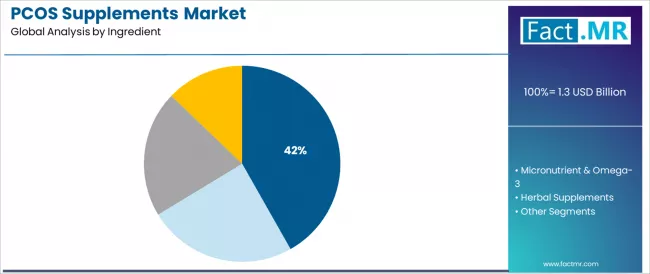
The myo-inositol-based supplements segment represents the dominant force in the PCOS supplements market, capturing 41.8% of the total market share in 2025. This established ingredient category encompasses solutions featuring clinically validated insulin sensitizing properties and ovarian function optimization capabilities, including advanced formulations combining D-chiro-inositol ratios and bioavailability enhancement technologies that enable superior therapeutic outcomes and patient compliance across reproductive health and metabolic management applications worldwide.
The myo-inositol segment’s market leadership stems from its superior clinical evidence base, with solutions capable of addressing core PCOS pathophysiology including insulin resistance, hyperandrogenism, and ovulatory dysfunction while maintaining excellent safety profiles and tolerability standards across diverse patient populations.
The micronutrient & omega-3 segment maintains a substantial market share in the 32-34% range, serving health-conscious PCOS patients who require comprehensive nutritional support addressing multiple deficiency patterns including vitamin D, B-complex vitamins, zinc, magnesium, and anti-inflammatory essential fatty acids for metabolic and hormonal optimization.
These solutions offer broad-spectrum nutritional benefits for women managing complex PCOS symptomatology while providing sufficient efficacy to support conventional treatment protocols. The micronutrient segment demonstrates strong growth potential, driven by expanding awareness of nutritional deficiencies in PCOS populations and increasing emphasis on preventive health approaches.
Within the ingredient category, herbal supplements including spearmint extract, cinnamon, and berberine demonstrate growing adoption, driven by patient preference for natural therapeutic options and emerging clinical evidence supporting metabolic and anti-androgenic benefits. This sub-segment benefits from traditional medicine integration and consumer demand for plant-based alternatives.
Key therapeutic advantages driving the myo-inositol segment include:
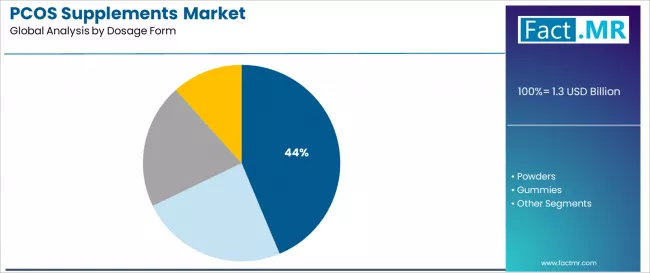
Capsules & tablets dominate the PCOS supplements dosage form landscape with a 43.7% market share in 2025, reflecting the critical role of conventional oral solid dosage forms in supporting precise dosing, extended shelf stability, and familiar administration protocols across patient populations worldwide.
The capsules & tablets segment’s market leadership is reinforced by patient preferences for convenient daily supplementation routines, pharmaceutical-grade manufacturing standards, and compatibility with multi-ingredient formulation complexities that characterize comprehensive PCOS management protocols.
Within this segment, capsules represent the preferred format for many manufacturers, driven by their ability to mask ingredient tastes, enable controlled release mechanisms, and accommodate diverse formulation requirements including oil-based and hygroscopic ingredients. This sub-segment benefits from established consumer familiarity and perception of pharmaceutical-grade quality standards.
The gummies segment represents a rapidly growing dosage form category, demonstrating strong expansion through specialized requirements for improved patient compliance, palatability enhancement, and lifestyle-oriented supplement positioning in consumer health markets. This segment benefits from younger demographic adoption patterns that prioritize enjoyable consumption experiences and reduced pill fatigue in chronic supplementation scenarios.
The powders segment maintains meaningful presence through versatility in dosing flexibility and beverage fortification applications, while the liquids category serves specific patient segments preferring rapid absorption and ease of swallowing for comprehensive nutritional delivery.
Key market dynamics supporting dosage form growth include:
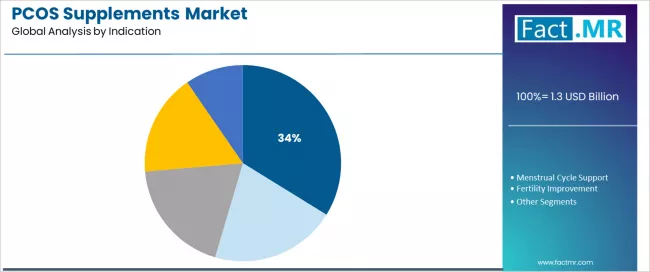
Hormonal regulation represents a leading indication segment in the PCOS supplements market with a 33.8% market share in 2025, reflecting the fundamental role of hormonal imbalance management in PCOS pathophysiology and patient quality of life. The hormonal regulation segment demonstrates consistent demand driven by the need to address hyperandrogenism, irregular menstrual cycles, and associated metabolic complications across diverse PCOS phenotypes and severity levels.
The fertility improvement segment emerges as an important indication category with robust growth potential, driven by the significant proportion of PCOS patients experiencing infertility challenges and seeking non-pharmaceutical interventions to enhance conception outcomes. Women pursuing fertility goals require specialized supplement formulations capable of supporting ovulation restoration, improving egg quality, and optimizing reproductive hormone balance for successful conception and pregnancy maintenance.
Within indication applications, menstrual cycle support demonstrates strong baseline demand as women seek to establish regular menstruation patterns and reduce dysmenorrhea associated with PCOS. Acne and skin health applications address the dermatological manifestations of hyperandrogenism, including persistent acne, seborrhea, and hirsutism that affect patient self-esteem and quality of life.
Key indication dynamics include:
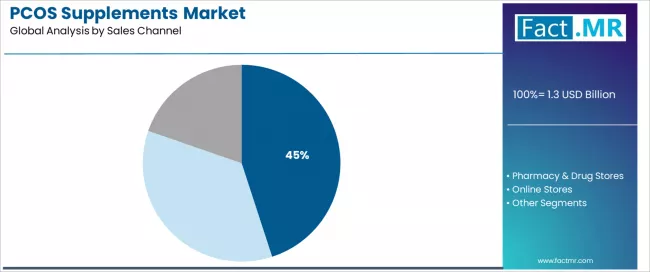
Online stores dominate the PCOS supplements distribution landscape with a 45.0% market share in 2025, reflecting the critical role of digital commerce in supporting accessible product availability, discreet purchasing experiences, and direct-to-consumer brand engagement across women’s health categories worldwide.
The online stores segment’s market leadership is reinforced by consumer preferences for convenient home delivery, extensive product information access, and subscription-based replenishment models that reduce purchasing friction in chronic supplementation protocols.
Within this segment, brand-owned e-commerce platforms represent a growing distribution approach, driven by direct customer relationships, personalized recommendation engines, and integrated educational content supporting informed purchasing decisions. This sub-segment benefits from superior margin structures and customer data insights that enable targeted marketing and product development strategies.
The pharmacy & drug stores segment represents an important distribution category demonstrating steady growth through professional consultation availability, immediate product access, and healthcare provider recommendation pathways. Pharmacists provide valuable counseling on supplement selection, potential drug interactions, and appropriate dosing protocols that enhance patient safety and therapeutic outcomes.
The hypermarket & supermarket segment maintains presence through mainstream consumer accessibility and integrated shopping convenience, while specialty health stores serve dedicated wellness-focused consumer segments seeking curated product selections and expert recommendations.
Key market dynamics supporting sales channel growth include:
The market is driven by three concrete demand factors tied to women’s health outcomes. First, rising PCOS prevalence rates and increasing diagnosis capabilities create expanding patient populations seeking effective symptom management solutions, with supplementation representing a critical complementary approach to pharmaceutical treatments in comprehensive care protocols, requiring widespread product availability. Second, growing clinical evidence supporting supplement efficacy in PCOS management drives healthcare provider recommendations and patient adoption, with numerous studies demonstrating significant benefits in insulin sensitivity, ovulation rates, and hormonal balance through targeted nutritional interventions by 2030. Third, increasing consumer health consciousness and preference for natural therapeutic options enable more holistic disease management approaches that improve patient satisfaction while reducing pharmaceutical dependency and associated side effect concerns.
Market restraints include limited regulatory standardization and quality control variations across supplement manufacturers that can challenge consistent therapeutic outcomes and patient confidence in product efficacy, particularly in regions where dietary supplement oversight remains fragmented and third-party testing adoption proves limited. Raw material sourcing challenges for premium ingredients including pharmaceutical-grade myo-inositol and omega-3 concentrates pose another significant obstacle, as PCOS supplement production depends on specialized suppliers and quality verification protocols, potentially affecting product availability and price competitiveness. Healthcare provider skepticism regarding supplement efficacy and lack of insurance coverage for nutritional interventions create additional barriers for mainstream medical acceptance, demanding extensive clinical validation and professional education initiatives.
Key trends indicate accelerated personalized nutrition adoption in developed markets, particularly North America and Europe, where consumers demonstrate willingness to invest in tailored supplement protocols based on genetic testing, hormonal profiling, and symptom severity assessments. Telemedicine integration trends toward virtual consultation models with prescription supplement protocols and remote monitoring systems enable convenient access to specialized care that optimizes treatment adherence and clinical outcomes. However, the market thesis could face disruption if significant advances in pharmaceutical PCOS treatments or major shifts in dietary intervention approaches reduce reliance on traditional supplement-based management strategies.
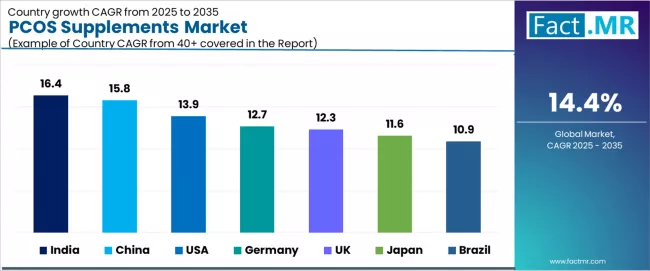
| Country | CAGR (2025 to 2035) |
|---|---|
| India | 16.4% |
| China | 15.8% |
| USA | 13.9% |
| Germany | 12.7% |
| UK | 12.3% |
| Japan | 11.6% |
| Brazil | 10.9% |
The global PCOS supplements market is expanding rapidly, with India leading at a 16.4% CAGR through 2035, driven by increasing PCOS awareness, expanding healthcare access, and rising disposable incomes supporting preventive health adoption.
China follows at 15.8%, supported by traditional medicine integration, growing women’s health focus, and extensive e-commerce penetration. USA records 13.9%, reflecting an established landscape with continuous product innovation and strong clinical validation emphasis.
Germany advances at 12.7%, leveraging quality standards and evidence-based healthcare approaches. UK posts 12.3%, focusing on pharmacy-led distribution and professional recommendations, while Japan grows steadily at 11.6%, emphasizing quality formulations and dermatological applications. Brazil demonstrates 10.9% growth, anchored by urbanization and expanding middle-class health consciousness.
India demonstrates the strongest growth potential in the PCOS supplements market with a CAGR of 16.4% through 2035. The country’s leadership position stems from rapidly increasing PCOS diagnosis rates, expanding urban healthcare infrastructure, and growing awareness about women’s reproductive health challenges driving adoption of therapeutic supplements.
Growth is concentrated in major metropolitan areas and tier-1 cities, including Mumbai, Delhi, Bangalore, and Hyderabad, where women are increasingly seeking evidence-based nutritional interventions for comprehensive PCOS management beyond conventional pharmaceutical approaches.
Distribution channels through online health platforms, pharmacy chains, and women’s health clinics expand product accessibility across urban populations and educated consumer segments. The country’s growing integration of Ayurvedic principles with modern supplement formulations provides strong momentum for culturally appropriate PCOS solutions, including comprehensive adoption across income segments seeking affordable yet effective interventions.
Key market factors:
In major urban centers including Beijing, Shanghai, Shenzhen, and Guangzhou, the adoption of PCOS supplement solutions is accelerating across women of reproductive age, driven by increasing lifestyle-related PCOS prevalence and growing emphasis on integrative medicine approaches. The market demonstrates strong growth momentum with a CAGR of 15.8% through 2035, linked to comprehensive healthcare modernization trends and increasing focus on preventive women’s health management.
Patients in China are implementing traditional Chinese medicine principles integrated with modern nutritional supplements to enhance fertility outcomes while meeting growing expectations in holistic health management. The country’s expanding middle class creates ongoing demand for premium imported supplement brands, while increasing emphasis on natural ingredients drives adoption of herbal and plant-based PCOS formulations.
Key development areas:
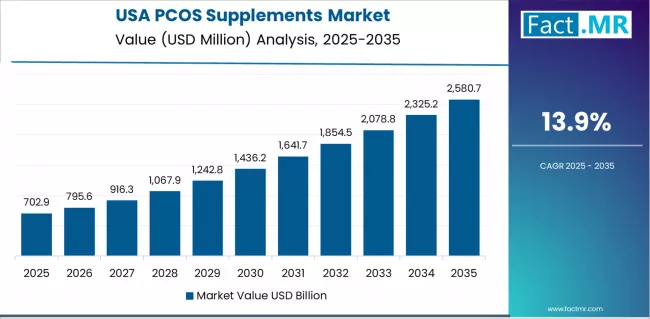
USA’s market expansion is driven by diverse consumer preferences, including evidence-based formulations in health-conscious markets and comprehensive women’s health solutions across mainstream segments. The country demonstrates steady growth potential with a CAGR of 13.9% through 2035, supported by continuous product innovation from established supplement manufacturers and specialized PCOS-focused brands.
American consumers face implementation challenges related to insurance coverage limitations and out-of-pocket costs for nutritional interventions, requiring brands to demonstrate clear value propositions and clinical efficacy. However, established supplement consumption habits and high health literacy create stable baseline demand for PCOS supplements, particularly among women actively managing reproductive health where evidence-based nutritional support drives primary purchasing decisions.
Market characteristics:
The German market leads in evidence-based PCOS supplement adoption based on integration with healthcare provider recommendations and pharmaceutical-grade quality standards for enhanced therapeutic reliability. The country shows strong potential with a CAGR of 12.7% through 2035, driven by strict regulatory oversight and consumer preferences for clinically validated formulations in major markets, including Bavaria, North Rhine-Westphalia, Baden-Württemberg, and Hesse.
German women are adopting PCOS supplements through pharmacy consultations and gynecologist recommendations for comprehensive symptom management, particularly in healthcare-conscious populations and professionally guided treatment protocols demanding rigorous quality credentials. Distribution channels through apotheke networks and specialized women’s health centers expand coverage across urban centers and medically informed consumer communities.
Leading market segments:
In London, Manchester, Birmingham, and other major cities, women are implementing PCOS supplement solutions through pharmacy consultations and healthcare provider recommendations, with documented case studies showing substantial symptom improvement through professionally guided nutritional protocols. The market shows steady growth potential with a CAGR of 12.3% through 2035, linked to ongoing pharmacy channel expansion, professional education initiatives, and emerging telemedicine consultation models in major regions.
Women are adopting evidence-based PCOS supplements with professional oversight to enhance treatment safety while maintaining standards demanded by healthcare-integrated purchasing pathways. The country’s established pharmacy infrastructure creates ongoing opportunities for professional-grade supplement launches that differentiate through clinical validation and practitioner endorsement.
Market development factors:
Japan’s PCOS supplements market demonstrates sophisticated consumer preferences focused on formulation quality and dermatological benefits optimization, with documented integration of advanced manufacturing technologies achieving substantial improvement in ingredient purity and bioavailability across women’s health applications.
The country maintains steady growth momentum with a CAGR of 11.6% through 2035, driven by mature market dynamics emphasizing product excellence and continuous quality improvement methodologies that align with Japanese consumer standards applied to health and wellness products.
Major metropolitan areas, including Tokyo, Osaka, Nagoya, and Fukuoka, showcase advanced adoption of PCOS supplement protocols where pharmaceutical-grade ingredients integrate seamlessly with beauty-focused formulations and comprehensive skin health programs.
Key market characteristics:
In major metropolitan centers including São Paulo, Rio de Janeiro, Brasília, and Belo Horizonte, the adoption of PCOS supplement solutions is expanding across urban women populations, driven by increasing reproductive health awareness and rising middle-class consumption patterns. The market demonstrates solid growth potential with a CAGR of 10.9% through 2035, linked to comprehensive healthcare infrastructure expansion and increasing focus on women’s wellness product availability in pharmacy and online channels.
Women in Brazil are implementing modern PCOS management practices and purchasing affordable supplement products to enhance reproductive health outcomes while meeting growing expectations in urban healthcare environments. The country’s expanding retail pharmacy networks create ongoing demand for competitively priced PCOS formulations, while increasing fertility clinic partnerships drive adoption of evidence-based nutritional protocols.
Key development areas:
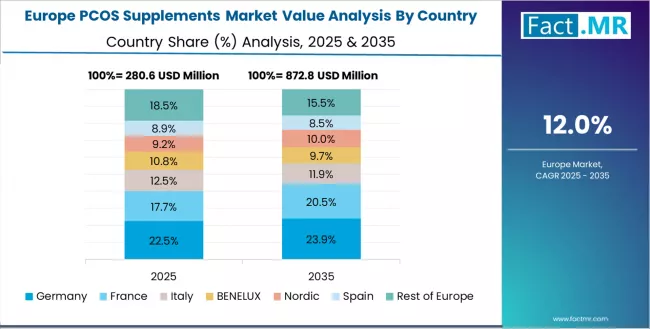
The PCOS supplements market in Europe is projected to grow from USD 0.31 billion in 2025 to USD 1.21 billion by 2035, registering a CAGR of 14.6% over the forecast period. Germany is expected to maintain its leadership position with a 28.5% market share in 2025, adjusting to 28.0% by 2035, supported by its extensive pharmaceutical-grade quality standards, professional healthcare distribution networks, and comprehensive clinical validation emphasis serving major European markets.
The UK follows with a 21.0% share in 2025, projected to reach 21.5% by 2035, driven by comprehensive pharmacy-led distribution and professional consultation models in major urban regions implementing evidence-based PCOS management protocols. France holds a 19.0% share in 2025, expected to maintain 19.3% by 2035 through ongoing development of natural ingredient products and specialized women’s health retail channels. Italy commands a 15.5% share, while Spain accounts for 12.0% in 2025.
The rest of Europe region is anticipated to gain momentum, expanding its collective share from 4.0% to 4.2% by 2035, attributed to increasing PCOS supplement adoption in Nordic countries and emerging Eastern European markets implementing modern women’s healthcare practices.
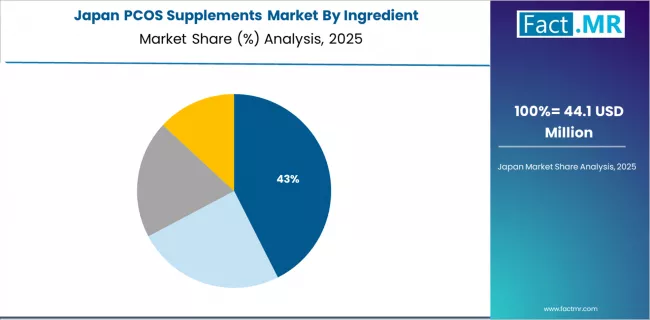
The Japanese PCOS supplements market demonstrates a mature and quality-focused landscape, characterized by sophisticated integration of beauty-enhancing formulations with hormonal balance technologies across women’s health applications, pharmacy distribution channels, and dermatology clinic recommendations. Japan’s emphasis on product excellence and comprehensive safety testing drives demand for pharmaceutical-grade PCOS supplement solutions that support holistic wellness initiatives and skin health requirements in daily women’s healthcare routines.
The market benefits from strong partnerships between international supplement manufacturers and domestic wellness brands, including established pharmacy chains and beauty retailers, creating comprehensive distribution ecosystems that prioritize product quality and consumer education programs. Metropolitan consumer segments showcase advanced PCOS supplement implementations where multi-benefit formulations achieve performance improvements through integrated beauty-from-within approaches and comprehensive nutritional optimization programs.
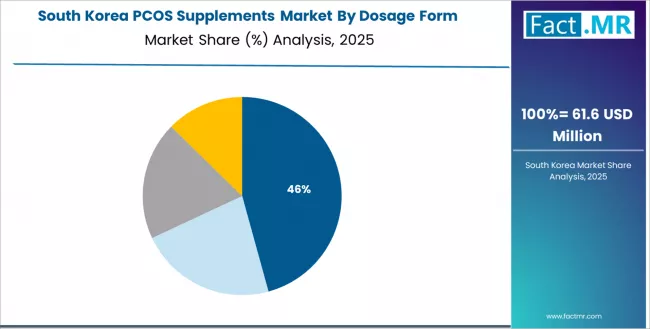
The South Korean PCOS supplements market is characterized by strong premium product presence, with companies like local wellness brands and international players including specialized women’s health companies maintaining significant positions through comprehensive product portfolios and K-beauty-integrated formulations for hormonal balance and skin health applications.
The market is demonstrating a growing emphasis on beauty-wellness convergence and specialized anti-androgenic benefits, as Korean women increasingly demand premium PCOS supplements that combine hormonal regulation with skin brightening properties and anti-acne ingredients deployed across urban populations and beauty-conscious consumer segments.
Local brand innovations and specialty product launches are gaining market share through strategic emphasis on fermented botanicals, offering specialized formulations including collagen-enhanced variants and probiotic-enriched solutions for comprehensive women’s wellness support.
The competitive landscape shows increasing collaboration between supplement manufacturers and women’s health clinics, creating hybrid distribution models that combine medical expertise with consumer trend insights and social media influencer marketing capabilities.
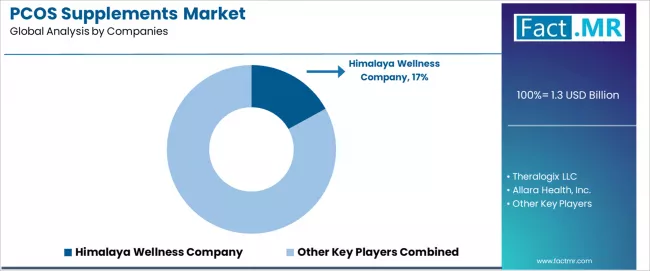
The PCOS supplements market features approximately 15-20 meaningful players with moderate concentration, where the top three companies control roughly 25-35% of global market share through established brand recognition, clinical validation efforts, and multi-channel distribution networks. Competition centers on ingredient innovation, clinical evidence generation, and direct-to-consumer engagement rather than price competition alone.
Market leaders include Himalaya Wellness, Theralogix, and Allara Health, which maintain competitive advantages through comprehensive PCOS-specific product portfolios, evidence-based formulation capabilities, and deep expertise in women’s reproductive health, creating high brand trust among consumers seeking therapeutic solutions.
These companies leverage healthcare provider relationships and ongoing clinical research collaborations to defend market positions while expanding into adjacent categories including prenatal supplements and women’s multivitamin applications.
Challengers encompass specialized PCOS-focused brands including The S’moo Co., Fertility Family, and SOVA, which compete through targeted product positioning and strong engagement with PCOS patient communities through social media platforms and influencer partnerships.
Women’s health specialists, including MyOva, Girl Vitamins, and New Leaf Products, focus on specific formulation approaches or patient segments, offering differentiated capabilities in personalized nutrition protocols, lifestyle-oriented supplement solutions, and condition-specific ingredient combinations.
Emerging direct-to-consumer brands and natural product manufacturers create competitive pressure through innovative subscription models and community-building strategies, particularly in high-growth markets including USA and India, where digital health adoption provides advantages in patient education and ongoing engagement approaches.
Market dynamics favor companies that combine clinical credibility with consumer-centric brand positioning that addresses the complete patient journey from diagnosis through long-term symptom management and fertility goal achievement.
Strategic emphasis on transparent ingredient sourcing, third-party quality testing, and healthcare provider education programs enables differentiation in increasingly competitive women’s health supplement segments across developed and emerging markets.
PCOS supplements represent a critical women’s health product category that enables patients with polycystic ovary syndrome to manage complex hormonal and metabolic imbalances while addressing fertility goals and quality of life concerns without exclusive pharmaceutical dependency, typically providing targeted nutritional support including insulin sensitization, ovarian function enhancement, and anti-inflammatory benefits compared to conventional treatments alone while ensuring improved symptom control and comprehensive wellness outcomes.
With the market projected to grow from USD 1.30 billion in 2025 to USD 4.99 billion by 2035 at a 14.4% CAGR, these solutions offer compelling advantages for hormonal regulation applications, online distribution channels, and diverse patient populations seeking evidence-based natural interventions. Scaling market penetration and clinical acceptance requires coordinated action across healthcare policy, clinical research standards, supplement manufacturers, healthcare providers, and patient education initiatives.
| Items | Values |
|---|---|
| Quantitative Units | USD 1.30 Billion |
| Ingredient | Myo-inositol-based supplements, Micronutrient & Omega-3, Herbal Supplements, Others |
| Dosage Form | Capsules & Tablets, Powders, Gummies, Liquids |
| Indication | Menstrual Cycle Support, Hormonal Regulation, Fertility Improvement, Acne and Skin Health, Others |
| Sales Channel | Hypermarket & Supermarket, Pharmacy & Drug Stores, Online Stores |
| Regions Covered | Asia Pacific, Europe, North America, Latin America, Middle East & Africa |
| Country Covered | India, China, USA, Germany, UK, Japan, Brazil, and 40+ countries |
| Key Companies Profiled | Himalaya Wellness, Theralogix, Allara Health, The S’moo Co., Fertility Family, SOVA, MyOva, Girl Vitamins, New Leaf Products, Zazzee Naturals |
| Additional Attributes | Dollar sales by ingredient and dosage form categories, regional adoption trends across Asia Pacific, Europe, and North America, competitive landscape with supplement manufacturers and healthcare distribution companies, product specifications and formulation requirements, integration with telemedicine platforms and personalized nutrition protocols, innovations in bioavailability enhancement and combination therapies, and development of specialized applications with clinical validation and evidence-based treatment capabilities. |
If you can’t get through a morning or afternoon without a Starbucks pick-me-up, you’ve probably tried the now famous Pink Drink. It contains the chain’s Strawberry Açaí Refresher, coconut milk, a scoop of freeze-dried strawberries, and ice. And if you’re a fan of both this simple but sweet beverage and matcha, there are endless ways to customize your Starbucks drink order, including creating a secret menu item that resembles the Pink Drink but features a different shade and ingredient combination. That’d be the Green Drink. So if you’re more of an Elphaba than a Glenda, you might love to try this option any day.
Now what is in the Green Drink, exactly? As you might have guessed, it does contain Starbucks matcha powder (which is now unsweetened due to popular demand), shaken with coconut milk and poured over an unexpected base for double the tea. Here’s exactly how to order it: Order an iced black tea in the size of your choosing and add matcha powder combined with coconut milk. For extra flavor, you can also add vanilla or some sweetener.
If the Starbucks Green Drink sounds dreamy to you, you might be interested in some of the other colorful secret drink combinations you can order. As it turns out, there is a whole list of five rainbow drinks that Starbucks have come up with, available in almost every color imaginable and often drawing their hues from fruity inclusions. Besides the two we’ve already talked about, there’s the Purple Drink, the Blue Drink, and the Orange Drink.
For starters, the Purple Drink is a combination of passion iced tea, soy milk, vanilla syrup, and scoops of blackberries (these may come and go based on seasonal menu items). If you aren’t a big fan of the fruity addition, or it’s unavailable, the Blue Drink is a similar but simpler option, made with passion iced tea, soy milk, and vanilla syrup. The Orange Drink, on the other hand, looks just like sunshine and is ideal for the summer months (it would be perfect for the Starbucks summer menu). It originally contained orange mango juice, vanilla bean powder, and coconut milk, but since the juice has been discontinued, you could swap it for peach green tea.
If you find learning about and sipping your way through the coffee chain’s secret menu fun, you’ll also love hearing more about Starbucks’ other secrets. From the fact that there are more than three drink sizes (mind-blowing!) to the hack for ordering hot drinks at a kid’s temperature if you want to drink them immediately without burning your mouth, there are plenty of useful tips you’ll wish you knew sooner.
Leander, Texas and TOKYO, Japan – Nov. 27. 2025 “The Digestion Resistant Maltodextrin Market reached US$ 556.81 million in 2024 and is expected to reach US$ 820.79 million by 2032, growing at a CAGR of 4.97% during the forecast period 2025-2032.”
The Digestion Resistant Maltodextrin Market is driven by growing consumer demand for dietary fiber ingredients that support digestive health, weight management, and glycemic control. Market growth is supported by increasing use in functional foods, beverages, and nutritional supplements, along with rising interest in clean label and low calorie formulations.
➠ Download Your Sample Report Instantly – Corporate Email ID Required for Priority Access: https://www.datamintelligence.com/download-sample/digestion-resistant-maltodextrin-market?praneetha
☛ Recent Industry Developments :
United States :
✅ November 2025: Cargill, Inc. launched a new line of digestion resistant maltodextrin fibers for functional foods and beverages, supported by 85 million in U.S. production and R&D investments. The launch enhances product offerings for gut health and weight management applications.
✅ October 2025: Ingredion Incorporated completed the acquisition of a U.S. based dietary fiber startup, allocating 62 million to expand DRM product portfolio and develop innovative formulations for food and beverage manufacturers.
✅ September 2025: Tate & Lyle partnered with a U.S. university to launch next generation DRM blends for sugar reduction and prebiotic benefits, backed by 48 million in joint R&D investment aimed at expanding applications in functional nutrition.
Japan :
✅ November 2025: Mitsui Sugar Co., Ltd. launched a new digestion resistant maltodextrin product for functional beverages, supported by 28 million in domestic manufacturing and clinical studies to validate gut health benefits.
✅ October 2025: Kao Corporation completed the acquisition of a Japanese dietary fiber startup, allocating 33 million to enhance DRM formulations for beverages, dairy, and nutritional supplements.
✅ September 2025: Meiji Holdings partnered with a Japanese research institute to develop advanced DRM blends with prebiotic and blood sugar management properties, backed by 22 million in R&D investment to support functional food innovation.
☛ Core Catalysts Behind Market Growth:
Rising consumer awareness about gut health, digestive wellness, and dietary fiber intake is driving demand for digestion resistant maltodextrin (DRM) in functional foods and beverages.
Growing adoption of fiber-enriched, low-calorie, and prebiotic formulations is fueling the use of DRM in bakery, dairy, and nutritional products.
Technological advancements in maltodextrin processing and formulation are enhancing solubility, taste, and compatibility in diverse food applications.
Expanding e-commerce and retail distribution channels, coupled with increasing health conscious lifestyles, are further supporting market growth globally.
➠ Get Customization in the Report as per Your Requirements:
https://www.datamintelligence.com/customize/digestion-resistant-maltodextrin-market?praneetha
☛ Market Segmentation:
By Source :
Corn based dominates with 48% share, driven by large scale global corn production, cost efficiency, and wide use in functional foods and beverages.
Wheat based holds 22% share, supported by demand in bakery, sports nutrition, and clean label formulations.
Potato based accounts for 12% share, benefiting from its neutral taste and application in infant formulas and dietary supplements.
Cassava based captures 10% share, growing in regions with high tapioca availability and used in gluten free and non-allergenic products.
Other sources hold 8% share, including rice and barley based maltodextrins used in specialty nutrition.
By Form :
Spray-dried Powder leads with 67% share, widely adopted due to excellent stability, easy blending, and suitability for packaged foods, beverages, and nutraceuticals.
Instantized/Agglomerated form holds 33% share, growing with demand for instant beverages, meal replacements, and high solubility functional formulations.
By End-User :
Foods dominate with 45% share, driven by usage in bakery, confectionery, dairy, cereals, and low calorie food products.
Beverages hold 28% share, used in sports drinks, fiber fortified beverages, and ready to drink nutritional products.
Nutraceuticals account for 20% share, supported by increasing use in prebiotic supplements, digestive health products, and weight management solutions.
Other end-users capture 7% share, including pharmaceuticals and specialty dietary products.
☛ Competitive Landscape :
The market is characterized by strong competition among global food ingredient manufacturers, specialty starch producers, and functional fiber solution providers.
Roquette Frères S.A. – Leads the market with an estimated 18% share, offering high quality digestion resistant maltodextrin (DRM) for functional foods, beverages, and nutritional products, supported by extensive R&D and global distribution.
Ingredion Incorporated – Holds approximately 16% market share, providing DRM ingredients for dietary fiber enrichment, sugar reduction, and gut health applications across food and beverage segments.
Tate & Lyle – Captures around 14% of the market through innovative DRM solutions, emphasizing clean label, low calorie, and functional ingredient applications.
Grain Processing Corporation – Commands close to 12% market share, offering high purity DRM products and customized formulations for food, beverage, and nutraceutical industries.
Cargill Incorporated – Maintains roughly 10% market share with a wide range of resistant maltodextrin products targeting digestive health, weight management, and sugar reduction solutions.
Other Key Players: Archer Daniels Midland Company, Satoria Agro, Shandong Saigao Group Corporation, Happy Ratio, AG Nutrition International.
➠ Purchase this report before year-end and unlock an exclusive 30% discount:
Buy Now & Unlock 360° Market Intelligence:
https://www.datamintelligence.com/buy-now-page?report=digestion-resistant-maltodextrin-market?praneetha
(Purchase 2 or more Reports and get 50% Discount)
☛ Regional Analysis:
North America :
North America accounts for 34%, driven by rising consumer preference for low calorie and fiber rich functional foods, expanding usage in dietary supplements, and strong demand across the U.S. and Canada. High awareness of gut health and clean label ingredients strengthens market growth.
Europe :
Europe holds 27%, supported by widespread consumption of functional foods, strict nutritional regulations, and increasing adoption of digestion resistant maltodextrin in bakery, beverages, and nutraceutical formulations. Germany, France, the U.K., and Italy lead regional demand.
Asia-Pacific :
Asia-Pacific leads with 30%, fueled by large scale food & beverage production in China, Japan, India, and South Korea. Growing health conscious populations and rapid expansion of the dietary supplements industry significantly boost regional consumption.
South America :
South America holds 5%, with growing applications in sports nutrition, dietary supplements, and processed foods in Brazil, Argentina, and Chile. Market growth is moderate due to limited large scale manufacturing.
Middle East & Africa :
Middle East & Africa account for 4%, driven by rising demand for functional ingredients in packaged foods, beverages, and nutritional supplements. GCC countries show higher adoption compared to the rest of the region.
➠ Request for 2 Days FREE Trial Access:
https://www.datamintelligence.com/reports-subscription
Power your decisions with real-time competitor tracking, strategic forecasts, and global investment insights all in one place.
✅ Competitive Landscape
✅ Sustainability Impact Analysis
✅ KOL / Stakeholder Insights
✅ Unmet Needs & Market Access Snapshots
✅ Emerging Risks & Market Volatility Analysis
✅ Quarterly Updated Reports
✅ Live Market & Pricing Trends
✅ Import-Export Data Monitoring
Company Name: DataM Intelligence 4Market Research LLP
Contact Person: Sai Kiran
Email: Sai.k@datamintelligence.com
Phone: +1 877 441 4866
Website: https://www.datamintelligence.com/
DataM Intelligence is a global Market Research and Consulting firm providing comprehensive business insights and end-to-end solutions from research to consulting. We deliver actionable intelligence across 6,300+ reports spanning 40+ domains, empowering over 200 companies in 50+ countries. Our focus is on enabling clients to make data-driven decisions through robust methodologies, strategic foresight, and real-time market intelligence.
This release was published on openPR.
Jarmoluk, A. Food technology. T.1. Raw materials, products, functional food (in Polish) (Educational Publishing House WSiP, 2016).
Engel, E., Baty, C., Le Corre, D., Souchon, I. & Martin, N. Flavor-active compounds potentially implicated in cooked cauliflower acceptance. J. Agric. Food Chem. 50, 6459–6467. https://doi.org/10.1021/jf025579u (2002).
Bell, L., Oloyede, O. O., Lignou, S., Wagstaff, C. & Methven, L. Taste and flavor perceptions of glucosinolates, isothiocyanates, and related compounds. Mol. Nutr. Food Res. 62, 1700990. https://doi.org/10.1002/mnfr.201700990 (2018).
Wieczorek, M. N. et al. The relation between phytochemical composition and sensory traits of selected Brassica vegetables. LWT 156, 113028. https://doi.org/10.1016/j.lwt.2021.113028 (2022).
Thompson, H. O., Önning, G., Holmgren, K., Strandler, H. S. & Hultberg, M. Fermentation of cauliflower and white beans with Lactobacillus plantarum—Impact on levels of riboflavin, folate, vitamin B12, and amino acid composition. Plant Foods Hum. Nutr. 75, 236–242. https://doi.org/10.1007/s11130-020-00806-2 (2020).
Jastrzębska, A. et al. Determination of selected biogenic amines in fermented vegetables juices. Food Control 154, 109980. https://doi.org/10.1016/j.foodcont.2023.109980 (2023).
Paramithiotis, S., Hondrodimou, O. L. & Drosinos, E. H. Development of the microbial community during spontaneous cauliflower fermentation. Food Res. Int. 43, 1098–1103. https://doi.org/10.1016/j.foodres.2010.01.023 (2010).
Rachwał, K., Gustaw, K. & Sadok, I. Enhancing food sustainability through probiotics isolated from fermented cauliflower. Sustainability 16, 8340. https://doi.org/10.3390/su16198340 (2024).
Herman, A., Matulewicz, O., Korzeniowska, E. & Herman, A. P. Determination of post-fermentation waste from fermented vegetables as potential substitutes for preservatives in o/w emulsion. Int. J. Mol. Sci. 25, 5510. https://doi.org/10.3390/ijms25105510 (2024).
Xu, H., Wu, H., Zhou, R., Yu, F. & Zang, R. The effects of fermented cauliflower residue feed on the diarrhea rate, intestinal morphology, immune indicators, and intestinal flora of weaned piglets. Fermentation 10, 465. https://doi.org/10.3390/fermentation10090465 (2024).
Wojdyła, T. & Wichrowska, D. The influence of additives used and storage methods on the quality of sauerkraut. Inż. Ap. Chem. 53, 424–426 (2014).
Choi, W.-Y. & Park, K.-Y. Increased preservative and antimutagenic activities of kimchi with addition of green tea leaves. J. Food Sci. Nat. 5, 189–193 (2000).
Patent KR100384309B1. Functional Kimchi added green tea and process for preparation thereof (Korea, 2003).
Patent KR20170025806A. Kimchi Composition Comprising Vitamin C and Its Antioxidative Activity and Whitening Effect (Korea, 2017).
Musial, C., Kuban-Jankowska, A. & Gorska-Ponikowska, M. Beneficial properties of green tea catechins. Int. J. Mol. Sci. 21, 1744. https://doi.org/10.3390/ijms21051744 (2020).
Cichoń, Z., Miśniakiewicz, M. & Szkudlarek, E. Properties of green tea (in Polish). Zesz. Nauk. 73, 59–90 (2007).
Kodama, D. H., Goncalves, A. E. S. S., Lajolo, F. M. & Genovese, M. I. Flavonoids, total phenolics and antioxidant capacity: Comparison between commercial green tea preparations. Ciênc. Tecnol. Aliment. Camp. 30, 1077–1082. https://doi.org/10.1590/S0101-20612010000400037 (2010).
Luo, Q. et al. Green extraction of antioxidant polyphenols from green tea (Camellia sinensis). Antioxidants 9, 785. https://doi.org/10.3390/antiox9090785 (2020).
Narukawa, M. et al. Evaluation of the bitterness of green tea catechins by a cell-based assay with the human bitter taste receptor hTAS2R39. Biochem. Biophys. Res. Commun. 405, 620–625. https://doi.org/10.1016/j.bbrc.2011.01.079 (2011).
Han, T. & Aye, K. N. The legend of laphet: A Myanmar fermented tea leaf. J. Ethn. Foods 2, 173–178. https://doi.org/10.1016/j.jef.2015.11.003 (2015).
Cao, L. T. et al. A comparative analysis for the volatile compounds of various Chinese dark teas using combinatory metabolomics and fungal solid-state fermentation. J. Food Drug Anal. 26, 112–123. https://doi.org/10.1016/j.jfda.2016.11.020 (2018).
Zhao, Z.-J. et al. Flavour chemical dynamics during fermentation of kombucha tea. EJFA 30, 732–741. https://doi.org/10.9755/ejfa.2018.v30.i9.1794 (2018).
Cheng, L. et al. Distinct changes of metabolic profile and sensory quality during Qingzhuan tea processing revealed by LC-MS-Based metabolomics. J. Agri. Food Chem. 68, 4955–4965. https://doi.org/10.1021/acs.jafc.0c00581 (2020).
Wang, R., Sun, J. C., Lassabliere, B., Yu, B. & Liu, S. Q. UPLC-Q-TOF-MS based metabolomics and chemometric analyses for green tea fermented with Saccharomyces boulardii CNCM I-745 and Lactiplantibacillus plantarum 299V. Curr. Res. Food Sci. 5, 471–478. https://doi.org/10.1016/j.crfs.2022.02.012 (2022).
Bogdański, P. et al. Green tea extract reduces blood pressure, inflammatory biomarkers, and oxidative stress and improves parameters associated with insulin resistance in obese, hypertensive patients. Nutr. Res. 32, 421–427. https://doi.org/10.1016/j.nutres.2012.05.007 (2012).
Indarti, K., Apriani, E. F., Wibowo, A. E. & Simanjuntak, P. Antioxidant activity of ethanolic extract and various fractions from green tea (Camellia sinensis L.) leaves. Pharmacog. J. 11, 771–776. https://doi.org/10.5530/pj.2019.11.122 (2019).
Xu, X. Y. et al. Effects and mechanisms of tea for the prevention and management of cancers: An updated review. Crit. Rev. Food Sci. Nutr. 60, 1693–1705. https://doi.org/10.1080/10408398.2019.1588223 (2020).
Hirose, K. et al. Preparing and characterizing of xyloglucan films containing tea extract for oral mucositis. ACS Omega 10, 390–399. https://doi.org/10.1021/acsomega.4c06410 (2025).
Liu, S., Zhang, Q., Li, H., Qiu, Z. & Yu, Y. Comparative assessment of the antibacterial efficacies and mechanisms of different tea extracts. Foods 11, 620. https://doi.org/10.3390/foods11040620 (2022).
Alkufeidy, R. M., Altuwijri, L. A., Aldosari, N. S., Alsakabi, N. & Dawoud, T. M. Antimicrobial and synergistic properties of green tea catechins against microbial pathogens. J. King Saud Univ. Sci. 36, 103277. https://doi.org/10.1016/j.jksus.2024.103277 (2024).
Parvez, Md. A. K. et al. Antibacterial activities of green tea crude extracts and synergistic effects of epigallocatechingallate (EGCG) with gentamicin against MDR pathogens. Heliyon 5, e02126. https://doi.org/10.1016/j.heliyon.2019.e02126 (2019).
Kováć, J., Slobodníková, L., Nebus, B. & Kurin, E. Antibacterial activity of green tea and peppermint extracts against Enterococcus faecalis and the potential of EGCG in oral health. Eur. Pharm. J. 2025, 1–7. https://doi.org/10.2478/afpuc-2025-0002 (2025).
McCue, P. P. & Shetty, K. Phenolic antioxidant mobilization during yogurt production from soymilk using Kefir cultures. Process Biochem. 40, 1791–1797 (2005).
Lee, H. C., Jenner, A. M., Low, C. S. & Lee, Y. K. Effect of tea phenolics and their aromatic fecal bacterial metabolites on intestinal microbiota. Res. Microbiol. 157, 876–884 (2006).
Jaziri, I., Ben Slama, M., Mhadhbi, H., Urdaci, M. C. & Hamdi, M. Effect of green and black teas (Camellia sinensis L.) on the characteristic microflora of yogurt during fermentation and refrigerated storage. Food Chem. 112, 614–620 (2009).
Neffe-Skocińska, K., Jaworska, D., Kołożyn-Krajewska, D., Dolatowski, Z. & Jachacz-Jówko, L. The effect of LAB as probiotic starter culture and green tea extract addition on dry fermented pork loins quality. Biomed. Res. Int. 19, 452757. https://doi.org/10.1155/2015/452757 (2015).
Jin, Y. H. et al. Lactic acid fermented green tea with Levilactobacillus brevis capable of producing γ-aminobutyric acid. Fermentation 7, 110. https://doi.org/10.3390/fermentation7030110 (2021).
Wang, R., Sun, J., Lassabliere, B., Yu, B. & Liu, S. Green tea fermentation with Saccharomyces boulardii CNCM I-745 and Lactiplantibacillus plantarum 299V. LWT 157, 113081. https://doi.org/10.1016/j.lwt.2022.113081 (2024).
Nguyen, N. K., Dong, N. T., Nguyen, H. & Le, P. H. Lactic acid bacteria: Promising supplements for enhancing the biological activities of Kombucha. Springer Plus 4, 91. https://doi.org/10.1186/s40064-015-0872-3 (2015).
Xia, X.-X., Wang, B. & Fang, F. Enhancement of Kombucha fermentation by adding lactic acid bacteria. Food Ferment. Ind. 44, 185–192. https://doi.org/10.13995/j.cnki.11-1802/ts.017688 (2018).
Zhuang, X. et al. Fermentation quality of herbal tea residue and its application in fattening cattle under heat stress. BMC Vet. Res. 17, 348. https://doi.org/10.1186/s12917-021-03061-y (2021).
Chen, X., Zhou, X., Li, S., Zhang, H. & Liu., Z.,. Effects of tea residues-fermented feed on production performance, egg quality, antioxidant capacity, caecal microbiota, and ammonia emissions of laying hens. Front. Vet. Sci. 10, 1195074. https://doi.org/10.3389/fvets.2023.1195074 (2023).
Hong, G.-H., Lee, S.-Y., Yoo, J.-I., Chung, J. H. & Park, K.-Y. Catechin with lactic acid bacteria starters enhances the antiobesity effect of kimchi. J. Med. Food 26, 560–569. https://doi.org/10.1089/jmf.2023.K.0067 (2023).
Hong, G.-H., Lee, S.-Y. & Park, K.-Y. Antiobesity effect and metabolite analysis of catechin functional kimchi. J. Ethn. Foods 11, 32. https://doi.org/10.1186/s42779-024-00248-0 (2024).
Hayashi, T., Ueda, S., Suruta, H. T., Kuwahara, H. & Osawa, R. Complexing of green tea Catechins with food constituents and degradation of the complexes by Lactobacillus plantarum. BMFH 31, 27–36. https://doi.org/10.12938/bmfh.31.27 (2012).
Tarrah, A. et al. Probiotic potential and biofilm inhibitory activity of Lactobacillus casei group strains isolated from infant feces. J. Funct. Foods 54, 489–497. https://doi.org/10.1016/j.jff.2019.02.004 (2019).
Tumbarski, Y. et al. Characterization and selection of Lactobacillus strains with potential probiotic applications. Appl. Sci. 15, 2902. https://doi.org/10.3390/app15062902 (2025).
Anumudu, C. K., Miri, T. & Onyeaka, H. Multifunctional applications of lactic acid bacteria: Enhancing safety, quality, and nutritional value in foods and fermented beverages. Foods 13, 3714. https://doi.org/10.3390/foods13233714 (2024).
Bangar, S. P., Suri, S., Trif, M. & Ozogul, F. Organic acids production from lactic acid bacteria: A preservation approach. Food Biosci. 46, 101615. https://doi.org/10.1016/j.fbio.2022.101615 (2022).
Ravyts, F., Vuyst, L. D. & Leroy, F. Bacterial diversity and functionalities in food fermentations. Eng. Life Sci. 12, 356–367. https://doi.org/10.1002/elsc.201100119 (2012).
Zielinski, H., Surma, M. & Zielinska, D. The naturally fermented sour pickled cucumbers. In Fermented Foods in Health and Disease Prevention (eds Frias, J. et al.) 503–516 (Academic Press, Cambridge, 2017).
Daba, G. M., Elnahas, M. O. & Elkhateeb, W. A. Contributions of exopolysaccharides from lactic acid bacteria as biotechnological tools in food, pharmaceutical, and medical applications. Int. J. Biol. Macromol. 173, 79–89. https://doi.org/10.1016/j.ijbiomac.2021.01.110 (2021).
Korcz, E. & Varga, L. Exopolysaccharides from lactic acid bacteria: Techno-functional application in the food industry. Trends Food Sci. Technol. 110, 375–384. https://doi.org/10.1016/j.tifs.2021.02.014 (2021).
Kuria, M. W., Matofari, J. W. & Nduko, J. M. Physicochemical, antioxidant, and sensory properties of functional mango (Mangifera indica L.) leather fermented by lactic acid bacteria. J. Agric. Food Res. 6, 100206. https://doi.org/10.1016/j.jafr.2021.100206 (2021).
Quan, Q., Liu, W., Guo, J., Ye, M. & Zhang, J. Effect of six lactic acid bacteria strains on physicochemical characteristics, antioxidant activities and sensory properties of fermented orange juices. Foods 11, 1920. https://doi.org/10.3390/foods11131920 (2022).
Xu, H. et al. Change of phytochemicals and bioactive substances in Lactobacillus fermented Citrus juice during the fermentation process. LWT 180, 114715. https://doi.org/10.1016/j.lwt.2023.114715 (2023).
Jayashree, S., Jayaraman, K. & Kalaichelvan, G. Isolation, screening and characterization of riboflavin producting lactic acid bacteria from Katpadi Vellore district. Recent Res. Sci. Technol. 2, 83–88 (2010).
Capozzi, V. et al. Biotechnological production of vitamin B2-enriched bread and pasta. J. Agric. Food Chem. 59, 8013–8020. https://doi.org/10.1021/jf201519h (2011).
Santos, F., Wegkamp, A., de Vos, W. M., Smid, E. J. & Hugenholtz, J. High-level folate production in fermented foods by the B12 producer Lactobacillus reuteri JCM1112. Appl. Environ. Microbiol. 74, 3291–3294. https://doi.org/10.1128/AEM.02719-07 (2008).
LeBlanc, J. G., Taranto, M. P., Molina, V. & Sesma, F. B-group vitamins production by probiotic lactic acid bacteria in Biotechnology of Lactic Acid Bacteria: Novel Applications (eds. Mozzi, F., Raya, R., Vignolo G.) 211–232 (Wiley-Blackwell 2010).
Torres, A. C. et al. Cobalamin production by Lactobacillus coryniformis: Biochemical identification of the synthetized corrinoid and genomic analysis of the biosynthetic cluster. BMC Microbiol. 16, 240. https://doi.org/10.1186/s12866-016-0854-9 (2016).
Li, P., Gu, Q., Yang, L., Yu, Y. & Wang, Y. Characterization of extracellular vitamin B12 producing Lactobacillus plantarum strains and assessment of the probiotic potentials. Food Chem. 234, 494–501. https://doi.org/10.1016/j.foodchem.2017.05.037 (2017).
Singh, B. & Sharma, S. Vitamin B12 production by Lactobacillus species isolated from milk products. J. Res. Appl. Sci. Biotechnol. 1, 48–59. https://doi.org/10.55544/jrasb.1.2.6 (2022).
Morishita, T., Tamura, N., Makino, T. & Kudo, S. Production of menaquinones by lactic acid bacteria. J. Dairy Sci. 82, 1897–1903 (1999).
Boe, C. A. & Holo, H. Engineering Lactococcus lactis for Increased Vitamin K2 Production. Front Bioeng. Biotechnol. 8, 191. https://doi.org/10.3389/fbioe.2020.00191 (2020).
Behera, S. S., Ray, R. C. & Zdolec, N. Lactobacillus plantarum with functional properties: an approach to increase safety and shelf-life of fermented foods. BioMed. Res. Int. 2018, 9361614. https://doi.org/10.1155/2018/9361614 (2018).
Tang, H., Huang, W. & Yao, Y.-F. The metabolites of lactic acid bacteria: classification, biosynthesis and modulation of gut microbiota. Microbial Cell 10, 49–62. https://doi.org/10.15698/mic2023.03.792 (2023).
Knez, E., Kadac-Czapska, K. & Grembecka, M. Fermented vegetables and legumes vs lifestyle diseases: microbiota and more. Life 13, 1044. https://doi.org/10.3390/life13041044 (2023).
Shah, A. M., Tarfeen, N., Mohamed, H. & Song, Y. Fermented foods: Their health-promoting components and potential effects on gut microbiota. Fermentation 9, 118. https://doi.org/10.3390/fermentation9020118 (2023).
Todorovic, S. et al. Health benefits and risks of fermented foods—the PIMENTO initiative. Front. Nutr. 11, 1458536. https://doi.org/10.3389/fnut.2024.1458536 (2024).
AOAC. Official Method of Analysis, 18th ed. (Association of Officiating Analytical Chemists, 2015).
Krełowska-Kułas, M. Analyses of Food Products Quality (in polish) (PWE, 1993).
Turkmen, N., Sari, F. & Velioglu, Y. S. The effect of cooking methods on total phenolics and antioxidant activity of selected green vegetables. Food Chem. 93, 713–718. https://doi.org/10.1016/j.foodchem.2004.12.038 (2005).
Shraim, A. M., Ahmed, T. A., Rahman, M. M. & Hijji, Y. M. Determination of total flavonoid content by aluminum chloride assay: A critical evaluation. LWT 150, 111932. https://doi.org/10.1016/j.lwt.2021.111932 (2021).
Brand-Williams, W., Cuvelier, M. E. & Berset, C. Use of a free radical method to evaluate antioxidant activity. LWT 28, 25–30. https://doi.org/10.1016/S0023-6438(95)80008-5 (1995).
Re, R. et al. Antioxidant activity applying an improved ABTS radical cation decolorization assay. Free Radic. Biol. Med. 26, 1231–1237. https://doi.org/10.1016/S0891-5849(98)00315-3 (1999).
Benzie, I. F. F. & Strain, J. J. The ferric reducing ability of plasma (FRAP) as a measure of ‘Antioxidant Power’: The FRAP Assay. Anal. Biochem. 239, 70–76. https://doi.org/10.1006/abio.1996.0292 (1996).
PN-EN ISO 8586:2014-03 Sensory analysis. General guidelines for the selection, training, and monitoring of selected assessors and sensory evaluation experts. Polish Committee for Standardization.
PN-ISO 5496:1997 Sensory analysis. Methodology. Introduction and training of assessors in the detection and recognition of odors. Polish Committee for Standardization.
PN-ISO 3972:2016-07 Sensory analysis. Methodology. Methods for testing taste sensitivity. Polish Committee for Standardization
PN-EN ISO 11132:2017-08 Sensory analysis. Methodology. Guidelines for monitoring the performance of a quantitative sensory system. Polish Committee for Standardization.
PN-EN ISO 8589:2010 Sensory analysis. General guidelines for the design of sensory analysis laboratories. Polish Committee for Standardization.
PN-ISO 5497:1998 Sensory analysis. Methodology. Guidelines for the preparation of samples for which direct sensory analysis is not possible. Polish Committee for Standardization.
PN-ISO 11035:1999 Sensory analysis. Identification and selection of descriptors for determining the sensory profile using multivariate methods. Polish Committee for Standardization.
PN-EN ISO 13299:2010 Sensory analysis—Methodology—General guidelines for determining sensory profiles. Polish Committee for Standardization.
PN-ISO 4121:1998 Sensory analysis—Methodology—Evaluation of food products using scaling methods. Polish Committee for Standardization.
PN-EN ISO 11036:1999 Sensory analysis. Methodology. Texture profiling. Polish Committee for Standardization
Migut, D., Gorzelany, J. & Wołowiec, A. Evaluation of selected chemical properties of fresh and pickled field cucumbers. Inż. Przetw. Spoż. Pol. J. Food Eng. 3, 33–39 (2018).
Kao, C.-C. & Lin, J.-Y. Culture condition optimization of naturally lacto-fermented cucumbers based on changes in detrimental and functional ingredients. Food Chem. X 19, 100839. https://doi.org/10.1016/j.fochx.2023.100839 (2023).
Kiczorowski, P., Kiczorowska, B., Samolińska, W., Szmigielski, M. & Winiarska-Mieczan, A. Effect of fermentation of chosen vegetables on the nutrient, mineral, and biocomponent profile in human and animal nutrition. Sci. Rep. 12, 13422. https://doi.org/10.1038/s41598-022-17782-z (2022).
Zhou, X. et al. Dynamic changes in physic-chemical properties and bacterial community during natural fermentation of tomatoes. Food Sci. Technol. Caminas 42, e63520. https://doi.org/10.1590/fst.63520 (2022).
Ghosh, D. Studies on the changes of biochemical, microbiological and sensory parameters of sauerkraut and fermented mix vegetables. Food Res. 5, 78–83. https://doi.org/10.26656/fr.2017.5(1).193 (2021).
Singhal, P., Satya, S. & Naik, S. N. Fermented bamboo shoots: a complete nutritional, anti-nutritional and antioxidant profile of the sustainable and functional food to food security. Food Chem. 3, 100041. https://doi.org/10.1016/j.fochms.2021.100041 (2021).
Ye, J.-H., Huang, L.-Y., Terefe, N. S. & Augustin, M. A. Fermentation-based biotransformation of glucosinolates, phenolics and sugars in retorted broccoli puree by lactic acid bacteria. Food Chem. 286, 616–623. https://doi.org/10.1016/j.foodchem.2019.02.030 (2019).
Dissanayake, I. H. et al. Lactic acid bacterial fermentation as a biotransformation strategy to enhance the bioavailability of phenolic antioxidants in fruits and vegetables: A comprehensive review. Food Res. Int. 209, 116283. https://doi.org/10.1016/j.foodres.2025.116283 (2025).
Yang, F. et al. Effects of fermentation on bioactivity and the composition of polyphenols contained in polyphenol-rich foods: A review. Foods 12(17), 3315 (2023).
Kim, G. Y. et al. Synergistic antioxidant and anti-inflammatory activities of kale juice fermented with Limosilactobacills reuteri EFEL6901 or Limosilactobacills fermentum EFEL6800. Antioxidants 12(10), 1850 (2023).
Yang, X. et al. Antioxidant properties of a vegetable–fruit beverage fermented with two Lactobacillus plantarum strains. Food Sci. Biotech. 27, 1719–1726. https://doi.org/10.1007/s10068-018-0411-4 (2018).
Park, S.B., Han, B.K., Oh, H.J., Lee, SJ, Cha, S.K., Park, Y.S., & Choi, H.J. Bioconversion of green tea extract using lactic acid bacteria. Food Eng. Prog. 16, 26–32 (2012).
Hu, T., Shi, S. & Ma, Q. Modulation effects of microorganisms on tea in fermentation. Front. Nutr. 9, 931790. https://doi.org/10.3389/fnut.2022.931790 (2022).
Lee, N.-K. & Paik, H.-D. Bioconversion using lactic acid bacteria: ginsenosides, GABA, and phenolic compounds. J. Microbiol. Biotechnol. 27, 869–877. https://doi.org/10.4014/jmb.1612.12005 (2017).
RuizRodríguez, L. G. et al. Fruits and fruit by-products as sources of bioactive compounds. Benefits and trends of lactic acid fermentation in the development of novel fruit-based functional beverages. Food Res. Int. 140, 109854. https://doi.org/10.1016/j.foodres.2020.109854 (2021).
Cvetković, D. et al. Survival of wild strains of Lactobacilli during Kombucha fermentation and their contribution to functional characteristics of beverage. Pol. J. Food Nutr. Sci. 69, 407–415. https://doi.org/10.31883/pjfns/112276 (2019).
Nishioka, H., Ohno, T., Iwahashi, H. & Horie, M. Diversity of Lactic acid bacteria involved in the fermentation of Awa-bancha. Microbes Environ. 36, ME21029. https://doi.org/10.1264/jsme2.ME21029 (2021).
Nout, M. J. R. & Ngoddy, P. O. Technological aspects of preparing affordable fermented complementary foods. Food Control 8, 279–287 (1997).
Wang, R., Sun, J. C., Lassabliere, B., Yu, B. & Liu, S. Q. Fermentation characteristics of four non-Saccharomyces yeasts in green tea slurry. Food Microbiol. 92, 03609. https://doi.org/10.1016/j.fm.2020.103609 (2020).
Wang, R., Sun, J. C., Lassabliere, B., Yu, B. & Liu, S. Q. 13-Glucosidase activity of Cyberlindnera (Williopsis) saturnus var. mrakii NCYC 2251 and its fermentation effect on green tea aroma compounds. LWT 151, 112184. https://doi.org/10.1016/j.lwt.2021.112184 (2021).
Martinez-Villaluenga, C. et al. Influence of fermentation conditions on glucosinolates, ascorbigen, and ascorbic acid content in white cabbage (Brassica oleracea var. capitata cv. taler) cultivated in different seasons. J. Food Sci. 74, C62–C67. https://doi.org/10.1111/j.1750-3841.2008.01017.x (2009).
Ciska, E., Honke, J. & Drabińska, N. Changes in glucosinolates and their breakdown products during the fermentation of cabbage and prolonged storage of sauerkraut: focus on sauerkraut juice. Food Chem. 365, 130498. https://doi.org/10.1016/j.foodchem.2021.130498 (2021).
Yang, X. et al. Microbial community dynamics and metabolome changes during spontaneous fermentation of northeast sauerkraut from different households. Front. Microbiol. 11, 1878. https://doi.org/10.3389/fmicb.2020.01878 (2020).
Yang, X. et al. Comparison of northeast sauerkraut fermentation between single lactic acid bacteria strains and traditional fermentation. Food Res. Int. 137, 109553. https://doi.org/10.1016/j.foodres.2020.109553 (2020).
Satora, P., Skotniczny, M., Strnad, S. & Piechowicz, W. Chemical composition and sensory quality of sauerkraut produced from different cabbage varieties. LWT 136, 110325. https://doi.org/10.1016/j.lwt.2020.110325 (2021).
Major, N. et al. Bioactive properties, volatile compounds, and sensory profile of sauerkraut are dependent on cultivar choice and storage conditions. Foods 11, 1218. https://doi.org/10.3390/foods11091218 (2022).
Janiszewska-Turak, E., Kołakowska, W., Pobiega, K. & Gramza-Michałowska, A. Influence of drying type of selected fermented vegetables pomace on the natural colorants and concentration of lactic acid bacteria. Appl. Sci. 11, 7864. https://doi.org/10.3390/app11177864 (2021).
Yang, H. I. et al. Influence of salt concentration on Kimchi cabbage (Brassica rapa L. ssp. pekinensis) mass transfer kinetics and textural and microstructural properties during osmotic dehydration. J. Food Sci. 88, 1610–1622. https://doi.org/10.1111/1750-3841.16514 (2023).
At SupplySide Global, Philip Bromley, co-founder and CEO of Virun, and Sara Fenn, CEO at O3Omega Smoothies and Virun Marketing Director, talk with Maggie Jaqua of WholeFoods Magazine and Todd Pauli of 24 Stories Marketing about Virun’s mission to bridge the gap between food and supplements, because health shouldn’t taste like punishment.
Tune in to explore solutions for supplements that taste amazing and work effectively, without toxic additives. Plus, find out what’s on the horizon for 2026!
Bromley and Fenn discuss:
Content sponsored by Virun.