The main category of Dietary Supplements News Articles.
You can use the search box below to find what you need.
[wd_asp id=1]
The main category of Dietary Supplements News Articles.
You can use the search box below to find what you need.
[wd_asp id=1]
If you have a headache, chances are you reach for an over-the-counter pain reliever to make your head feel better. Sometimes, the pain remains, and you seek another alternative. A surprising way to help get rid of your headache is by reaching inside your refrigerator or pantry for specific foods.
“The most important thing I tell patients is that migraines are highly individualized,” says Dr. Nicholas Church, a board-certified member of the American Board of Family Medicine and the American Academy of Family Physicians. “What helps one person may not help another, and what’s a trigger for one might be therapeutic for someone else.”
While no one food will act as a cure-all for headaches — as managing your sleep, hydration, exercise and stress are equally important — experts say the following foods could help you cope with headaches in the future.
“I recommend omega-3-rich fish, such as salmon, mackerel and sardines,” says Church. “These fish are high in anti-inflammatory fats (EPA and DHA), which can reduce inflammation throughout the body, including in the vascular system and brain.”
Citing a 2021 randomized controlled trial, Church explains that because migraines are believed to involve inflammatory and vascular changes in the body, omega-3 fatty acids may help reduce their frequency or intensity when eaten regularly. “The study’s findings also align with earlier data showing that omega-3s help regulate prostaglandins, which play a role in headache inflammation,” says Church. Prostaglandins are hormone-like substances that impact bodily functions such as inflammation, pain and menstrual cramps.
Fatty fish also contain vitamin D, coenzyme Q10 and B vitamins, including riboflavin, which support healthy brain metabolism.
Kiran Campbell, a registered dietitian nutritionist at MyNetDiary, also mentions a 2024 meta-analysis revealing that omega-3 fatty acids can reduce the frequency, duration and severity of migraines. She adds that plant-based sources include chia seeds, walnuts, flaxseed and algae oil.
Example foods: Salmon, mackerel, sardines, chia seeds, walnuts, flaxseed and algae oil

Chia and flax seeds are rich in omega-3s.
Daniel Redwood, the director of Human Nutrition and Functional Medicine at the University of Western States, says, “Attention to the potential importance of magnesium in migraines grew in prominence with the discovery (Ramadan, 1989) that people with migraines had lower levels of this mineral in their red blood cells, serum and brain tissue.”

Dr. Paul Daidone, medical director at True Self Recovery, seconds this, stating that food rich in magnesium — like pumpkin seeds, spinach and avocado — may reduce the severity and occurrence of migraines. He cites a 2022 study examining the potential connection between magnesium deficiency and migraines, which describes how magnesium deficiency is implicated in migraine attacks due to processes like cortical spreading depression, oxidative stress, neurotransmitter imbalance and electrolyte imbalance.
“Although clinical evidence of the acute dietary magnesium deficiency as a direct migraine trigger remains limited, scientists are investigating the involvement of intra- and extracellular magnesium levels in migraine pathogenesis,” Daidone says.
Dr. Schonze Del Pozo, a board-certified internal medicine physician and medical director at East Sacramento Concierge, states that many of the patients she sees for headaches and migraines are deficient in magnesium. She also cites a 2012 study in the Journal of Neural Transmission titled “Why all migraine patients should be treated with magnesium.” As a result, she recommends a healthy diet of magnesium-rich dark leafy greens like spinach, kale, broccoli and Swiss chard.
Example foods: Pumpkin seeds, spinach and avocado, kale, broccoli and Swiss chard
“Many swear by ginger as a way to help with migraines,” states Dr. Maria Knöbel, a general practitioner and medical director of Medical Cert UK. “Studies have proven that ginger reduces nausea and can decrease the inflammation that leads to migraine pain. Ginger has helped patients during my practice, whether they take it as ginger tea or in supplement form.” She references a 2014 study that found ginger powder to be as effective as the medication sumatriptan in treating acute migraine attacks, but with fewer side effects.
Ginger tea may be especially beneficial because, Knöbel states, “it’s important to drink enough water, as well as eat ginger. Drinking enough water might stop your migraine from getting any worse.”
Church also recommends ginger because it contains natural anti-inflammatory compounds like gingerol. “I’ve had patients find relief from migraines or migraine-related nausea using ginger tea, powder or chews,” he says.
A 2019 study also found that 400mg of ginger extract, in addition to 100mg of the nonsteroidal anti-inflammatory drug ketoprofen, may help treat migraine attacks.

Ginger tea combines the benefits of ginger with the hydration of water.
“Another group of foods I recommend are nuts and seeds, including almonds, pumpkin seeds, sunflower seeds and walnuts,” Church states. “Like leafy greens, these are rich in magnesium, and some also provide vitamin E, which has been shown to help with menstrual migraines and migraines with aura.” A 2015 study reflected this.
Example foods: Almonds, pumpkin seeds, sunflower seeds and walnuts
“Cinnamon contains a high amount of antioxidants that may also reduce headache frequency,” Campbell explains. “Stir it into your morning oatmeal or tea, or bake it into muffins and breads.” She cites a randomized, double-blind, placebo-controlled 2020 trial, stating, “Studies suggest that cinnamon supplementation may lower inflammation, cutting down on migraine frequency, severity and duration.”
The antioxidants in cinnamon may help treat headaches and migraines.
“A well-known [1998] randomized controlled trial found that 400mg of riboflavin daily significantly reduced migraine frequency and severity over a three-month period,” Church says. Though this high dose usually comes from supplementation, riboflavin-rich foods support the same metabolic processes in migraine prevention. These foods can include eggs, dairy and lean meats.
“Riboflavin is essential for mitochondrial energy production, and many researchers believe that migraines stem in part from dysfunction in energy metabolism within brain cells,” Church adds.
Redwood adds, “There exists a small but promising body of research on the effectiveness of some nutritional supplements for migraines, especially riboflavin (vitamin B2), coenzyme Q10 and magnesium. The first research-based indicator of riboflavin’s potential as a migraine treatment appeared in a small 1946 article by a medical physician, published in the Canadian Medical Association Journal, which reported dramatic effectiveness from what would now be considered low-dose B2 supplements.”
A 2022 systematic review and meta-analysis found that supplementation of 400mg/day of vitamin B2 for three months affected the duration, frequency and pain score of migraine attacks.
Example foods: Eggs, dairy and lean meats
Curcumin is the active compound in turmeric and, according to Campbell, is “high in antioxidant power and shines especially when paired with omega-3s.” To add it to your diet, consider sprinkling it into smoothies, curries or teas. Campbell references a randomized, double-blind, placebo-controlled 2021 trial that concluded, “Present findings revealed that n-3 fatty acids and curcumin co-supplementation can be suggested as a promising new approach in migraine headache management.” However, more studies are needed.
A 2023 comprehensive review also found that curcumin is a promising candidate for preventing and controlling migraines due to its anti‑inflammatory, antioxidative, anti-protein aggregate and analgesic effects. However, again, additional studies are needed.
When combined with omega-3s, turmeric may help with migraine headache management.
Church mentions that whole grains like quinoa, brown rice and oats may also be beneficial since they “provide a steady release of glucose, preventing blood sugar crashes that can trigger headaches, and are good sources of fiber, B vitamins and trace minerals.” He cites a 2023 cross-sectional study of 12,710 participants with data collected from a 1999-2004 National Health and Nutrition Examination Survey. It found that for every 10 grams of fiber added to the diet, there was an 11% reduction in the odds of having severe headaches or migraines.
“By providing magnesium, iron, and B vitamins, whole grains support brain health, oxygen delivery and a stable glucose supply, which are all relevant to migraine prevention,” concludes Church.
Example foods: Quinoa, brown rice and oats
Dr. Kimberly Idoko, a developmental neurobiologist and board-certified neurologist, reveals that dehydration can also trigger headaches, which is why staying hydrated can significantly improve migraine treatments.
“Water-rich foods like cucumber, watermelon and citrus fruits also help you stay hydrated,” adds Church.
To prevent dehydration-caused headaches or migraines, enjoy more water-rich foods like watermelon.
Chocolate, cheese and alcohol: “In one [2007] study of over 500 migraine sufferers, 44% reported at least one food as a trigger. Among the most common triggers were chocolate, cheese and alcohol, ” reveals Dr. Adam Lowenstein, a board-certified plastic surgeon who runs the Migraine Surgery Specialty Center.
Gluten: “Gluten can be a highly inflammatory food substance, especially among those who are prone to sensitivities or gluten allergy,” explains Trista Best, a registered dietitian at The Candida Diet, environmental health specialist and adjunct nutrition professor. “This inflammation causes a host of health conditions, including migraines.”

When it comes to caffeine, moderation is key.
Caffeine: “The most fascinating study I’ve seen on the role of nutrition in the treatment of headaches (Hering-Hanit and Gadoth, 2003) was published in Cephalalgia, the premier headache journal. Over a five-year period, doctors at a neurology clinic in Israel treated 36 children and adolescents (average age 9) with severe daily or near-daily headaches who drank an average of 11 quarts of cola drinks per week,” says Redwood. “At the end of a gradual withdrawal period (because too speedy a withdrawal can trigger even worse headaches), 33 of these 36 young people were headache-free, a truly stunning result. Nearly all cola drinks contain substantial amounts of caffeine.” (Chou and Bell, 2007)
Note: 11 quarts of cola per week is extreme, and the average person doesn’t consume this much caffeine. Moderate caffeine intake is still OK, according to Amelia Ti, a registered dietitian and diabetes educator in New York City who is also part of CNET’s medical review board.
However, when it comes to caffeine, Church notes, “Caffeine, used strategically, can enhance the absorption of pain relievers and constrict dilated blood vessels in the brain, which may ease migraine pain. This is why many over-the-counter headache medications include it. Studies have shown that 40–100mg of caffeine (the amount in a small cup of coffee or strong tea) can reduce migraine or tension headache pain. But chronic overuse can lead to rebound headaches, so moderation is key.”
Added sugars and highly processed foods: “Research has shown that people following a ‘Western’ diet, which includes substantial amounts of added sugars and other highly processed foods, are at greater than average risk for developing migraines, while the risk is significantly lower than average for those following a healthier diet,” states Redwood.
Dr. Joseph Mercola, a board-certified family physician and author of Your Guide to Cellular Health, adds that in addition to incorporating foods rich in specific nutrients like magnesium and B vitamins, you’ll want to eliminate triggers like processed foods that contain nitrates, MSG, added sugars or yeast.
The demand for EPA and DHA omega-3 ingredients in the UK is projected to grow from USD 260.0 million in 2025 to approximately USD 408.0 million by 2035, the market will rise at a CAGR of 4.6% which recording an absolute increase of USD 148.0 million over the forecast period. The Marine Oils segment is projected to account for 63.0% of UK EPA and DHA omega-3 ingredient demand in 2025.
Marine oil sources are fundamental to the UK industry for several overlapping reasons, including their superior EPA and DHA concentration characteristics, established supply chain infrastructure, and proven effectiveness in delivering cardiovascular and cognitive health benefits while maintaining regulatory acceptance and consumer recognition.
The dietary supplements application segment is expected to represent 52.0% of UK EPA and DHA omega-3 ingredient demand in 2025. Health-conscious consumers are fundamental to the omega-3 ingredient industry because they provide the advanced nutritional requirements, comprehensive wellness opportunities, and standardized efficacy characteristics required for preventive healthcare success and functional nutrition integration.
Between 2025 and 2030, demand for EPA and DHA omega-3 ingredients in the UK is projected to expand from USD 260.0 million to USD 324.5 million, resulting in a value increase of USD 64.5 million, which represents 43.6% of the total forecast growth for the decade. This phase of growth will be shaped by rising health consciousness among aging populations, increasing scientific validation of omega-3 benefits, and growing demand for advanced nutritional ingredients across UK wellness sectors, particularly in regions where cardiovascular disease prevention and cognitive health awareness are accelerating omega-3 adoption. Increasing integration of omega-3 fortification in functional food formulations and growing adoption of preventive healthcare solutions continue to drive demand. Advanced supplement manufacturers and ingredient suppliers are expanding their production capabilities to address the growing complexity of modern health requirements and quality standards, with UK operations leading investments in bioavailability enhancement and purity assurance systems.
From 2030 to 2035, demand is forecast to grow from USD 324.5 million to USD 408.0 million, adding another USD 83.5 million, which constitutes 56.4% of the overall ten-year expansion. This period is expected to be characterized by expansion of algae-based omega-3 production and alternative sourcing methods, development of enhanced bioavailability formulations and targeted delivery systems, and implementation of comprehensive quality programs across different nutritional and pharmaceutical sectors. The growing adoption of personalized nutrition approaches and enhanced efficacy requirements, particularly in cardiovascular and cognitive health applications, will drive demand for more sophisticated omega-3 varieties and validated formulation solutions.
Between 2020 and 2025, EPA and DHA omega-3 ingredient demand in the UK experienced steady expansion, driven by increasing cardiovascular health awareness and growing recognition of omega-3 fatty acids as essential nutrients for enhancing brain function and providing comprehensive wellness solutions across diverse consumer applications. The sector developed as healthcare professionals and supplement manufacturers, especially in major urban centers, recognized the need for proven nutritional ingredients and effective health support systems to achieve wellness objectives while meeting consumer expectations and quality requirements. Omega-3 ingredient suppliers and formulation providers began emphasizing clinical research validation and quality assurance to maintain competitive advantages and commercial viability.
| Metric | Value |
|---|---|
| UK EPA and DHA Omega-3 Ingredient Sales Value (2025) | USD 260 million |
| UK EPA and DHA Omega-3 Ingredient Forecast Value (2035) | USD 408 million |
| UK EPA and DHA Omega-3 Ingredient Forecast CAGR (2025-2035) | 4.6% |
Demand expansion is being supported by the accelerating emphasis on cardiovascular health and preventive healthcare nationwide, with the UK maintaining its position as a leading wellness-focused consumer base, and the corresponding need for scientifically validated nutritional ingredients for heart health, brain function, and inflammatory response applications. Modern supplement manufacturers rely on EPA and DHA omega-3 ingredient technologies to ensure product efficacy, consumer acceptance, and optimal pathway achievement toward health optimization.
Healthcare professionals and supplement companies are increasingly investing in omega-3 ingredient sourcing and integrated formulation solutions to enhance product profiles, access clinical research trends, and demonstrate evidence leadership in competitive wellness environments. Quality standards and regulatory compliance requirements are establishing standardized efficacy pathways that require scientific validation systems and performance assurance, with UK operations often pioneering large-scale implementation of advanced omega-3 ingredient technologies.
The EPA and DHA omega-3 ingredient demand in the UK is positioned for steady expansion, growing from USD 260.0 million in 2025 to USD 408.0 million by 2035, reflecting a 4.6% CAGR. Rising adoption of functional nutrition systems in supplement formulations, infant nutrition products, and fortified food applications is driving growth as manufacturers seek omega-3 solutions that maximize health benefit characteristics and comply with stringent purity standards. Additionally, demand from cardiovascular health applications and cognitive enhancement implementations strengthens opportunities for both sophisticated ingredient platforms and integrated delivery solutions.
Suppliers focusing on clinical validation, bioavailability enhancement, and advanced purity capabilities stand to gain from evolving health standards and consumer expectations for ingredient effectiveness, and therapeutic optimization.
The industry is segmented by source, application, and form. By source, sales are divided into marine oils, algal, and concentrates/EE categories. In terms of application, the industry is segmented into dietary supplements, infant formula, and foods & pharma. By form, the industry is segmented into concentrates and standard oils. Regionally, the industry is divided into England, Scotland, Wales, and Northern Ireland, with England representing a key growth and innovation hub for advanced nutritional ingredient technologies.
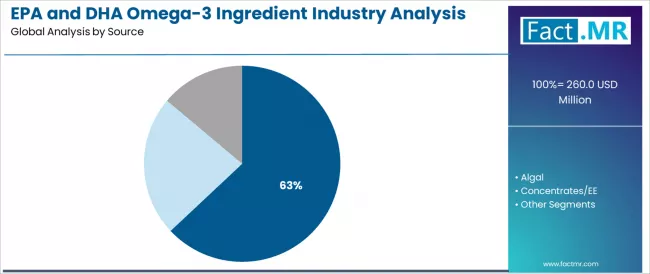
The Marine Oils segment is projected to account for 63.0% of UK EPA and DHA omega-3 ingredient demand in 2025, making it the leading source category across the sector. This dominance reflects the efficacy requirements and supply infrastructure needs of marine-derived systems for existing supplement formulations and nutritional applications where EPA and DHA concentration is optimized through superior extraction characteristics and reliable sourcing architecture.
In the UK, where substantial pharmaceutical infrastructure requires advanced ingredient integration without complete formulation redevelopment, marine oil platforms provide practical pathways for efficacy enhancement while maintaining product quality. Continuous innovations are improving concentration consistency, purity characteristics, and formulation integration parameters, enabling manufacturers to achieve high therapeutic standards while maximizing consumer acceptance.
The segment’s strong position is reinforced by the extensive existing supplement products requiring proven ingredient capabilities and growing availability of marine oil suppliers with established commercial experience.
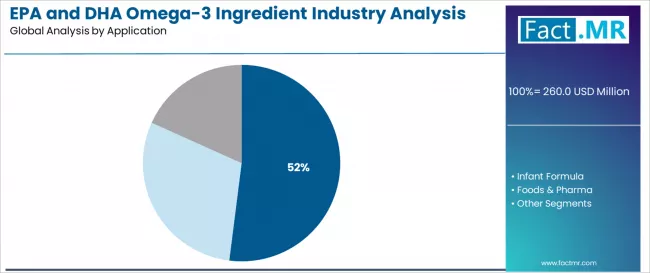
The Dietary Supplements segment is expected to represent 52.0% of UK EPA and DHA omega-3 ingredient demand in 2025, highlighting the critical importance of consumer health operations requiring comprehensive nutritional solutions. Wellness sector facilities including cardiovascular health supplements, cognitive enhancement products, and general wellness formulations generate consistent demand for EPA and DHA omega-3 ingredient systems that are clinically and commercially favorable for advanced health support applications.
The segment benefits from ingredient characteristics that often provide superior therapeutic outcomes compared to dietary alternatives, reducing health intervention complexity and improving consumer compliance. Dietary supplement applications also access enhanced efficacy optimization through formulation innovation that improves health outcomes and consumer appeal.
In the UK, where preventive healthcare operations represent substantial portions of wellness development, clinical excellence requires ingredient integration across diverse supplement formulations. In England and Scotland regions, where major pharmaceutical concentrations are significant, EPA and DHA omega-3 ingredient demand is elevated by emphasis on maintaining efficacy excellence while achieving consumer satisfaction targets.
UK EPA and DHA omega-3 ingredient demand is advancing steadily due to increasing cardiovascular health awareness and growing recognition of omega-3 fatty acids necessity for preventive healthcare, with England region serving as a key driver of innovation and application development. The sector faces challenges including competition from plant-based omega-3 alternatives, need for specialized purification infrastructure development, and ongoing concerns regarding raw material price volatility and marine sourcing considerations.
National health regulations and regional-level wellness initiatives, particularly preventive healthcare programs in England and Scotland regions, continue to influence EPA and DHA omega-3 ingredient selection and adoption timelines.
The enhancement of cardiovascular health research, gaining particular significance through government preventive care mandates and wellness awareness campaigns, is enabling omega-3 ingredient suppliers to achieve differentiation without prohibitive development costs, providing predictable demand patterns through healthcare professional recommendations and consumer health preferences. Enhanced clinical standards offering substantial opportunities for scientifically validated ingredients and evidence-based applications provide foundational dynamics while allowing suppliers to secure pharmaceutical agreements and research partnerships.
These trends are particularly valuable for first-mover suppliers and premium ingredient development that require substantial quality investments without immediate cost advantages.
Modern EPA and DHA omega-3 ingredient suppliers and premium pharmaceutical operators are establishing advanced production networks and centralized manufacturing facilities that improve operational efficiency through bioavailability enhancement and economies of scale. Integration of purification systems, high-precision concentration technology, and coordinated quality management enables more efficient omega-3 ingredient production across multiple manufacturing facilities.
Advanced production concepts also support next-generation health applications including personalized nutrition integration, therapeutic optimization, and regional ingredient supply networks that optimize system-level economics while enabling comprehensive purity monitoring across production regions, with UK developments increasingly adopting collaborative manufacturing models to reduce individual supplier costs and accelerate deployment.
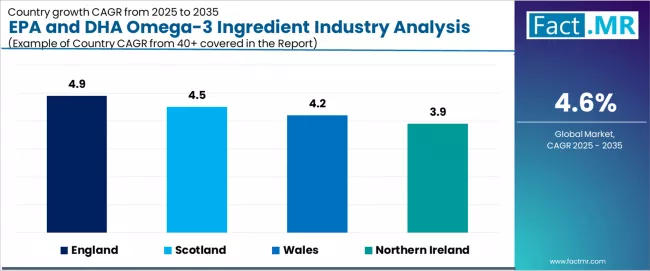
| Region | CAGR (2025-2035) |
|---|---|
| England | 4.9% |
| Scotland | 4.5% |
| Wales | 4.2% |
| Northern Ireland | 3.9% |
The UK EPA and DHA omega-3 ingredient demand is witnessing steady growth, supported by rising cardiovascular health awareness, expanding preventive healthcare initiatives, and the deployment of advanced nutritional ingredient technologies across regions. England leads the nation with a 4.9% CAGR, reflecting progressive health trends, substantial pharmaceutical innovation, and early adoption of premium supplement systems.
Scotland follows with a 4.5% CAGR, driven by extensive healthcare infrastructure, favorable wellness demographics, and concentration of research operations that enhance application development. Wales grows at 4.2%, as health optimization and preventive care opportunities increasingly drive EPA and DHA omega-3 ingredient deployment. Northern Ireland demonstrates growth at 3.9%, supported by expanding pharmaceutical facilities and regional healthcare initiatives.
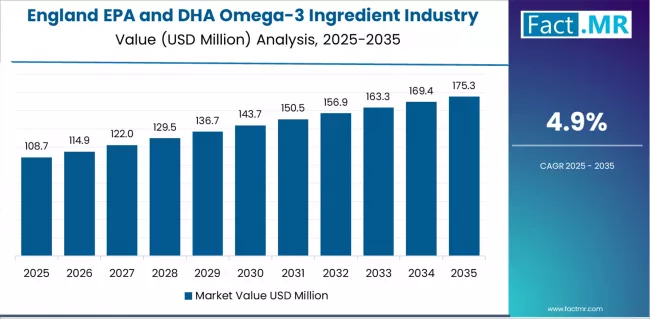
Demand for EPA and DHA omega-3 ingredients in England is projected to exhibit strong growth with a CAGR of 4.9% through 2035, driven by progressive health operational preferences, substantial pharmaceutical development creating premium ingredient opportunities, and concentration of advanced wellness advancement across London, Manchester, and Birmingham healthcare areas.
As the dominant region with extensive pharmaceutical infrastructure and innovation-focused health policies, England’s emphasis on comprehensive cardiovascular excellence and preventive care leadership is creating significant demand for advanced EPA and DHA omega-3 ingredient systems with proven efficacy and reliable therapeutic potential. Major supplement manufacturers and omega-3 ingredient suppliers are establishing comprehensive research development programs to support formulation advancement and premium health deployment across diverse applications.
Demand for EPA and DHA omega-3 ingredients in Scotland is expanding at a CAGR of 4.5%, supported by extensive healthcare facilities including cardiovascular health operations, advanced research institutions, and specialty pharmaceutical manufacturers generating concentrated demand favorable for omega-3 ingredient systems. The region’s health characteristics, featuring substantial pharmaceutical infrastructure and research requirements ideal for premium ingredient integration, provide operational advantages.
Healthcare expertise concentrated in Glasgow, Edinburgh, and regional research corridors facilitates application development and formulation management. EPA and DHA omega-3 ingredient suppliers and manufacturers are implementing comprehensive efficacy strategies to serve expanding precision-focused requirements throughout Scotland.
Demand for EPA and DHA omega-3 ingredients in Wales is growing at a CAGR of 4.2%, driven by substantial healthcare facilities from wellness operations, advanced pharmaceutical plants, and regional health consumption requiring advanced nutritional pathways.
The region’s healthcare base, supporting critical preventive care operations, is increasingly adopting advanced omega-3 ingredient technologies to maintain competitiveness while meeting health expectations. Manufacturers and EPA and DHA omega-3 ingredient suppliers are investing in formulation integration systems and regional supply infrastructure to address growing efficacy management requirements.
Demand for EPA and DHA omega-3 ingredients in Northern Ireland is advancing at a CAGR of 3.9%, supported by expanding healthcare facilities, regional pharmaceutical development including premium wellness consumption and health operations, and growing emphasis on efficacy solutions across the region.
Healthcare modernization and pharmaceutical facility expansion are driving consideration of EPA and DHA omega-3 ingredient systems as therapeutic enhancement pathways. Premium manufacturers and omega-3 ingredient suppliers are developing regional capabilities to support emerging efficacy deployment requirements.
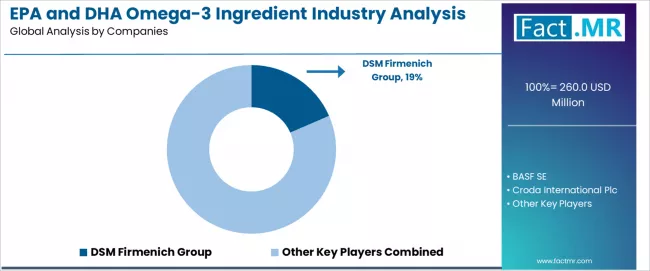
UK EPA and DHA omega-3 ingredient demand is defined by competition among specialized marine ingredient manufacturers, biotechnology companies, and integrated nutritional solution providers, with major pharmaceutical corporations maintaining significant influence through research resources and application development capabilities. Companies are investing in omega-3 ingredient advancement, manufacturing infrastructure optimization, quality network structures, and comprehensive technical services to deliver effective, reliable, and high-performance nutritional ingredient solutions across UK pharmaceutical and supplement applications.
Strategic partnerships, manufacturing infrastructure development, and first-mover application execution are central to strengthening competitive positioning and presence across efficacy, purity, and health technology applications.
DSM Firmenich Group, internationally recognized nutritional ingredient leader, leads with 18.5% share, offering comprehensive EPA and DHA omega-3 ingredient solutions including formulation development, manufacturing, and technical services with focus on pharmaceutical applications, bioavailability optimization, and quality enhancement across UK operations. BASF SE, operating with extensive UK presence, provides integrated nutritional ingredient solutions leveraging German chemical expertise, application development, and quality management capabilities.
Croda International Plc delivers full-service omega-3 ingredient implementation including biotechnology development, purity optimization, and formulation integration serving UK and international pharmaceutical projects. Epax AS emphasizes comprehensive marine oil solutions with integrated purification capabilities, specialty concentrates, and application features leveraging advanced Norwegian sector expertise. GC Rieber AS offers EPA and DHA omega-3 ingredient application development and manufacturing operations for pharmaceutical facilities and supplement companies across UK operations.
| Item | Value |
|---|---|
| Quantitative Units (2035F) | USD 408 million |
| Source | Marine Oils, Algal, Concentrates/EE |
| Application | Dietary Supplements, Infant Formula, Foods & Pharma |
| Form | Concentrates, Standard Oils |
| Regions Covered | England, Scotland, Wales, Northern Ireland |
| Key Companies | DSM Firmenich Group, BASF SE, Croda International Plc, Epax AS, GC Rieber AS |
| Additional Attributes | Sales by source and application segment; regional demand trends across England, Scotland, Wales, and Northern Ireland; competitive landscape with established ingredient manufacturers and specialized biotechnology firms; manufacturer preferences for marine oils versus algal sources; integration with preventive healthcare programs and cardiovascular health policies, particularly advanced in the England region |
Global consumers are living through ongoing uncertainty, influencing daily choices and long-term plans.
People want control of their emotional and physical well-being, yet rising barriers to healthy living, along with financial stress and global conflict, leave many feeling less in control.
As a result, consumers are turning to small pleasures, meaningful relationships and products that offer comfort, value or escape.
Meanwhile, growing distrust of information sources and concerns that society is “changing too fast” are reshaping expectations throughout food, drink and wellness.
Our 2026 outlook highlights ten major global consumer trends, with the first five and their subtrends outlined here.
The company, founded by Thanh Hung Nguyen and Minh Anh Le in 2023, has so far launched capsules and powder products made using spirulina, a blue-green algae. Nguyen was also inspired by his grandfather, Professor Duong Duc Tien, a leading scientist for algae and spirulina research in Vietnam.
It is also tapping into the benefits of other types of algae, including brown algae and red algae, to formulate a variety of wellness products.
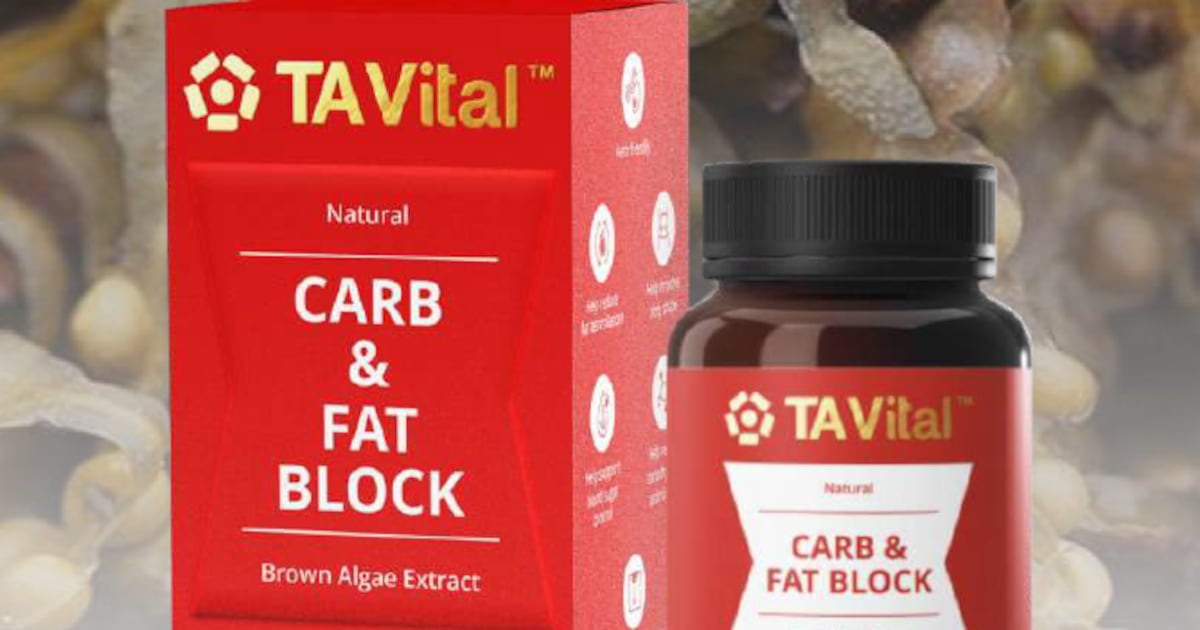
An upcoming launch is TA Vital Carb & Fat Block – a weight management product that uses brown algae extract.
The product is said to support weight control by inhibiting the body’s digestion and absorption of carbohydrates and fats.
Brown algae extract works by inhibiting the active site of the enzyme lipase and preventing fat molecules from being broken down into monoglycerides.
Undigested fat molecules will then be passed down to the colon, where they will be excreted from the body.
According to the duo, the “carbohydrate and fat-blocking” method differs from most weight management solutions currently sold in Vietnam, where breaking down fats or lipids is a common mechanism seen in weight management supplements.
“In the Vietnamese market, many traditional weight-management solutions rely on ingredients such as mangosteen extract, which is commonly promoted for its ability to break down existing or stored fats in the body,” Le told NutraIngredients.
“However, products built around this approach often push the body into rapid fat-mobilisation pathways. This can create fatigue and place stress on the body’s internal balance, which is not ideal for long-term health in a hot and humid climate.”
He said that other popular solutions on the market include “flush-out” or diuretic-type products that work by expelling water from the body.
Although the method may produce quick results, it can also cause dehydration, especially in Southeast Asia, where the humid climate is already causing people to perspire more than usual.
“We do not consider this a healthy or sustainable method of managing weight.
“Our development approach with TA Vital Carb & Fat Block is different. Instead of forcing the body into an extreme fat-burning state, we focus on reducing the digestion and absorption of carbs and fats from daily meals.
“This supports weight control while maintaining internal metabolic stability – allowing consumers to continue enjoying indulgences like rice, noodles, and local comfort foods without drastic lifestyle changes,” he said.
The company has conducted an in-house 16-week study of the product on eight overweight women with a body mass index (BMI) of 28 to 35.
He said that findings have shown a statistically significant reduction in body weight, body fat, and abdominal fat in individuals who took brown algae extract.
A study published in Nutrients in 2023 also reported how brown seaweed supplementation – specifically Laminaria digitata, Undaria pinnatifida, Acophyllum nodosum, and Fucus vesiculosus species – was significantly associated with improvements in postprandial blood glucose levels.
Nguyen added that a weight management supplement that acts by blocking carbohydrate absorption can allow consumers to continue with their usual diets.
“Vietnamese cuisine — similar to many Southeast Asian diets — is naturally carbohydrate-heavy, centred around rice, noodles, banh mi, and pho. Completely avoiding these staples would be unrealistic and uncomfortable for most people.
“A carbohydrate-blocking product aligns well with this lifestyle by offering a way to support weight management without requiring people to give up their cultural food habits, enabling a more sustainable and approachable path to healthier living,” he said.
Spirulina is not new to Vietnamese consumers, but the market is largely dominated by Japanese brands, said Nguyen, who aims to build TA Vital as the go-to spirulina brand in Vietnam.
He said that among the Vietnamese, spirulina was known for blood lipid control and immune support. Lately, there is also a trend of consuming spirulina as a source of protein among vegans.
He added that most Vietnamese accessed spirulina products or fucoidan – a polysaccharide found in brown algae – during their trips to Japan, which could work to the firm’s favor as well.
“The Vietnamese spirulina market today is still dominated by Japanese brands, mostly brought in through tourist hand-carry channels.
“This leads to inconsistent pricing, limited brand support, and no structured consumer education. TA Vital sees an opportunity to build a more reliable and accessible presence in this category locally,” he said.
The company manufactures its health supplements via an OEM firm in Singapore.
The company also plans to make spirulina and algae bioactives into meal replacement and supplements for sleep, stress, and immune support.
Nguyen believes that spirulina and algae will not remain only as health ingredients, but could become a strategic food source in the future.
“We anticipate a significant rise in urban populations over the next few decades. As cities grow denser, the pressure on food systems will increase, and consumers will seek nutrient-dense, safe, and convenient functional foods to support modern, active lifestyles.
“This is why our R&D pipeline is moving toward microalgae-based nutrition, leveraging spirulina and other algae proteins for future meal-replacement formulas and functional beverages. The goal is to create convenient formats that support daily needs such as sleep, stress, immunity, and overall energy—using algae bioactives as the core foundation,” he said.
The company currently sells its products through e-commerce, boutique clinics, and over-the-counter (OTC) channels in Vietnam. It is also looking to launch in Singapore after the Lunar New Year next year, as well as in Hong Kong and the Philippines.
In the past, Tho Binh Commune (formerly Binh Son Commune) in Thanh Hoa Province was known for its arid hills and poor yields. But today, its rolling green slopes tell a new story – that of a thriving tea-growing region that brings in hundreds of millions of dong for local households each year.
When it comes to Vietnamese tea, people often think first of Thai Nguyen or Phu Tho. But nestled in Thanh Hoa’s rugged hills, Tho Binh has quietly become the province’s new “tea capital,” thanks to the restoration of native varieties and smart community investment.
According to Le Van Thanh, a farmer in Dong Tranh Hamlet, the region’s tea journey began some 30 years ago when a national program encouraged afforestation. Residents started planting tea, but outdated techniques and weak market access led many to abandon the crop.
Lush green tea hills in Tho Binh Commune, Thanh Hoa. Photo: Le Duong
Thanh was one of the few who persisted. He explains that while Binh Son tea is aromatic and of high quality, the lack of buyers long kept profits low. Now, with over 1.5 hectares of tea, Thanh harvests more than 10 tons of fresh tea annually, yielding about 2 tons of dried tea.
By investing in vacuum packaging machines, tea-drying equipment and branded labeling, Thanh has been able to increase product value and earn around USD 16,400 (400 million VND) per year.
In 2016, Le Dinh Tu and several other households formed the Binh Son Agricultural Cooperative, aiming to revive traditional tea branding and implement value-chain production. Today, the cooperative manages nearly 80 hectares of tea – 12 of which meet VietGAP standards. It has 20 official members and over 100 linked households.
Its main products, such as dried loose tea and tea bags, are well-received in the market. In 2019, Binh Son’s dried tea was awarded a 3-star rating under the national OCOP (One Commune, One Product) program, which helped expand the brand’s reach and allowed many members to earn hundreds of millions of dong annually.

Currently, Tho Binh has nearly 400 hectares of tea, with 315 hectares in stable production – making it the largest tea-growing zone in the province. About 400 households are involved in tea cultivation, 100 of which specialize in tea buds, while the rest focus on tea leaves.
According to commune officials, apart from the cooperative – which buys and distributes roughly 20% of the total harvest – there are no major enterprises offering guaranteed purchasing contracts. To adapt, many households have turned their homes into mini-factories, investing in tea-processing equipment, vacuum sealing machines, logo printing, and packaging to enhance quality and market access.
The vast green tea hills not only bring in solid annual incomes but are also sparking ideas for community-based tourism.
“Beyond its economic value, Binh Son tea is opening doors to cultural tourism,” said a local leader. “We are working on community experiences such as tea picking, processing, and tasting to create a new income stream for locals”.
Le Duong
In a recent press release, NXT USA disclosed that their ingredient Digexin, has received independent third-party substantiation of their claims from REJIMUS, Inc., which is a US regulatory compliance firm that focuses on dietary supplement marketing language.
REJIMUS’ claims substantiation dossier covers the human research that was performed and discusses the clinical evidence that supports how Digexin, a patented blend of tender okra pods (Abelmoschus esculentus) and winter cherry (Withania somnifera), can help benefit gastrointestinal health and function.
“This is extraordinary for a digestive health product,” said Eric Anderson, Managing Director of NXT USA. “May help with occasional constipation, bloating and gas’ is the province of every probiotic. Digexin is not a probiotic nor a laxative yet assures the consumer that within seven days they will be experiencing physical comfort, regular bowel movements, and overall increased well-being. With 40% of Americans still experiencing all too regular digestive discomfort, Digexin offers a new approach to the category that customers can count on.”
According to the press release, REJIMUS regulatory experts verified the scientific and clinical data such as those involving structure-function claims utilized in dietary finished products in the US market:
“With this independent evaluation, brands formulating with Digexin can market with strong claims backed by human clinical research,” said Anderson. “We’ve invested heavily in comprehensive clinical research—we call it our ‘Four Pillars of Validation’—because consumers deserve products that actually work and brands that they can trust to keep working. And because our science delivers real-world results, our science sells supplements.”
With REJIMUS’s claims substantiation dossier, the firm’s review “provides compliant, ready-to-use claim language for finished products in accordance with the recommended use.”
“Digexin has extensive clinical and scientific evidence that supports the distinct structure-function claims that truly separates this ingredient from all others in the category,” said Brandon Griffin, CEO of REJIMUS. “The clinical studies performed demonstrate significant improvements can begin within 7 days of use. These benefits are reinforced by mechanistic research showing multiple benefits, all contributing to better digestive health and function.”
“This gives supplement companies confidence that they can communicate with consumers in a way that attracts new customers—and keeps them,” said Anderson. “When claims are backed by solid clinical and scientific evidence as well as verified independently, they become a real brand differentiator and the key to boosting consumer loyalty.”
“Our competition isn’t other ingredient suppliers in this category—it’s the mindset of end-consumers thinking that their gut health challenges have limited or no viable self-care solutions,” Anderson explained in the press release. “If the dietary supplement industry wants lasting credibility, brands and their supply-chain partners have to invest in real clinical research and third-party scientific validations. No brand wants an FDA Warning Letter or a class-action lawsuit, and the process we follow for our ingredient development helps ensure our downstream partners can confidently make strong structure-function claims that sell supplements—and genuinely change lives.”
References
Matcha latte has become a staple in Parisian cafés as a healthy and colorful alternative to coffee. This green tea whipped with milk offers a sweet, energizing, and visually irresistible moment.
It’s hard to miss matcha lattes inParisian cafés and coffee shops . ThisJapanese drink, made from matcha green tea powder whisked into hot or cold milk, has established itself as a chic and healthy alternative to cappuccino and traditional lattes. A real must-try, matcha lattes are as appealing for their bright color as they are for their energizing properties.
Made from finely ground young tea leaves, matcha is known for its high antioxidant content and its ability to provide steady energy without the spikes associated with caffeine. In latte form, it is available with cow’s milk, but also with plant-based milk (oat, almond, soy), which softens its slight natural bitterness.
Its bright green color attracts both lovers of beautiful drinks and natural health enthusiasts. Often slightly sweet, matcha latte can also be served pure for discerning palates! In Paris, it can be found in specialty coffee shops, Japanese tea rooms, and even in some contemporary pastry shops.
More than just a trendy drink, matcha latte offers a comforting break, a touch of gentle exoticism, and a little pleasure to sip throughout the day. Here are the best places in Paris!


 Latte Club, the new seventies coffee shop Paris 12e
We’re off to discover Latte Club, a new coffee shop in Paris’s 12th arrondissement, with a distinctly Seventies ambience. Located on rue du Faubourg Saint-Antoine, it offers gourmet coffee specialties accompanied by sweet treats. [Read more]



 Lancaster Le Café: the couture coffee shop with specialty coffees, matcha and homemade pastries
A new gourmet stopover in Paris: Lancaster Le Café has set up shop just a stone’s throw from the Palais Royal, bringing the coffee shop up to couture standards. Specialty coffees, exceptional matcha, refined teas and homemade pastries parade like “must-haves” on every table from Tuesday to Sunday. [Read more]



 Cult Coffee Shop: a gourmet brunch served all day long
Cult is the trendy coffee shop in Paris’s 9th arrondissement, sure to tantalize your taste buds with a delicious brunch to be enjoyed all day long, even on weekdays! [Read more]



 Journey, café-restaurant and brunch all day long
In the Sentier district, opposite NOIR Coffee Shop, the same team has opened Journey, a sleek and stylish café-restaurant where you can enjoy brunch at any time of day… but not only! [Read more]



 Brown, the Marais coffee shop for specialty coffees
Brown is a coffee shop that has opened its doors in the Marais district, offering organic specialty coffees. Located on rue de la Verrerie, in the 4th arrondissement of Paris, this place offers something for all lovers of good coffee, matcha latte and hot chocolate, accompanied by sweets and fresh waffles. [Read more]



 Ralph’s Coffee: the elegant Ralph Lauren café in Saint-Germain-des-Prés
Ralph Lauren opens a typically American café on Paris’s Boulevard Saint-Germain: Ralph’s Coffee. In the heart of a 17th-century mansion, this address elegantly fuses authentic style and exquisite gourmet treats in a wooded setting, punctuated by touches of tartan and crystal chandeliers, where each tasting transports you to the chic, refined world of the fashion label. [Read more]



 Maurice Sfez Café, Moïse Sfez’s sweet and savoury coffee shop
A new year and a new address for Moïse Sfez, who opens Maurice Sfez Café in the Marais district, a sweet and savory coffee shop where you can wolf down Liège waffles and indecent egg and cheese. [Read more]



 Fu, the coffee shop and brunch pastry shop in the 13th arrondissement, takes you on a journey to Asia
Are you tempted by a new pastry and coffee shop with Asian flavors? Matcha, sesame and pandan, as well as durian and kimchi, enliven the cakes and dishes in this new spot opening in Paris’s 13th arrondissement. From breakfast to lunch and afternoon tea, of course, it’s all about unusual treats and brunch every day. We take you on a discovery tour. [Read more]



 Pingwoo, the restaurant – coffee and flowery brunch with crunchy cat lattes
Pingwoo is the name of a charming little coffee shop worth trying out. A cafe-canteen with a weekend brunch, this flowery place offers real home-style fusion cuisine and gourmet pastries, accompanied by its famous cat lattes. [Read more]



 Blondie: the cool coffee shop and roaster in the 9th arrondissement
Blondie is the new coffee shop and roaster in the 9th arrondissement. Open since May 2023, it’s the perfect place to share a lunch, a sweet break or an afternoon coffee. Drop in for a visit … [Read more]



 Keopi, an unusual, gourmet Korean brunch in a Parisian passageway
Keopi is the name of a restaurant that combines pancakes and bugolgi, avocado toast and kimchi! Head to Passage Verdeau to discover Paris’ first Korean brunch, to be enjoyed every day. [Read more]



 Mousse, influencer Natoo’s coffee shop x hair salon in the Marais district of Paris
Influencer Natoo has opened a unique coffee shop and hair salon in the Marais district of Paris! [Read more]



 Auburn, the gourmet coffee-shop and its quiet terrace nestled in a confidential square in Paris
Auburn is the place to go to enjoy gourmet, simple, healthy cuisine based on the finest produce, as well as fine coffees and teas, all in a relaxing setting on a quiet square in the middle of Paris’s bustling Haussmann district. We take you inside this elegant coffee-shop where you’ll feel right at home. [Read more]



 Crème, the famous London cookies come to the Marais
The cookies that Londoners love are finally coming to Paris with the opening of Crème, the store of pastry chef Damien Leroux, in the Marais! [Read more]



 Yabaï Sando: Walter Ishizuka’s gourmet concept in Paris
If you’re a fan of Japanese street food, especially sando, then head to Paris’s Odeon district and push open the doors of Yabaï Sando. The brainchild of chef Walter Ishizuka, this ultra-gourmet address is sure to tantalize the taste buds of even the most discerning palates. [Read more]



 Used Book Café, the literary coffee shop
The Used Book Café is the coffee shop-library of the Merci Concept Store. A coffee shop like no other, it gives you the chance to read while enjoying a simple, homemade menu. [Read more]



 @unreve, the sublime French-Asian café and tea room
@unreve, that’s the name of the new coffee shop, tea room and pastry shop that has set up shop on Avenue Parmentier in the 11th district of Paris. Imagine a nice marriage between the best of coffee shops and Asian flavors and you are in the tone. [Read more]



 Pop in café, a trendy coffee shop with original creations
Pop in Café is an unusual coffee shop where you can enjoy not only good coffee, but also original fruity homemade sodas and delicious cream cakes. An addictive address. [Read more]



 Tartelettes, the unusual pastry shop for sweet and savory pies in Paris
Tartelettes is an original Parisian patisserie that invites you to discover delicious tarts in both sweet and savory versions. Here’s an address that’s sure to please everyone! [Read more]



 Shodai Matcha: the restaurant-tea shop for matcha lovers in Paris
For matcha lovers, here’s a spot that’s sure to make your head spin. Shodai Matcha is not just a restaurant, but also a tea room that celebrates the famous green tea through pastries and drinks made according to the rules of the art. [Read more]



 Aki Café : the Japanese tea room in Paris
Aki Café is the latest arrival on rue Sainte-Anne. This Japanese Café-Tearoom is the perfect place for an original gourmet break in the heart of Paris! [Read more]
Find the location of all these places by clicking on the map at the bottom of the article.
Miami, Florida–(Newsfile Corp. – November 24, 2025) – Cata-Kor, a U.S.-based nutraceutical company known for its science-informed approach to wellness innovation, announces the launch of Cata-Kor CA AKG – Longevity Complex for Skin, Hair & Nail, a next-generation inside-out beauty supplement designed to elevate daily routines with a focus on long-term tissue vitality and visible results.
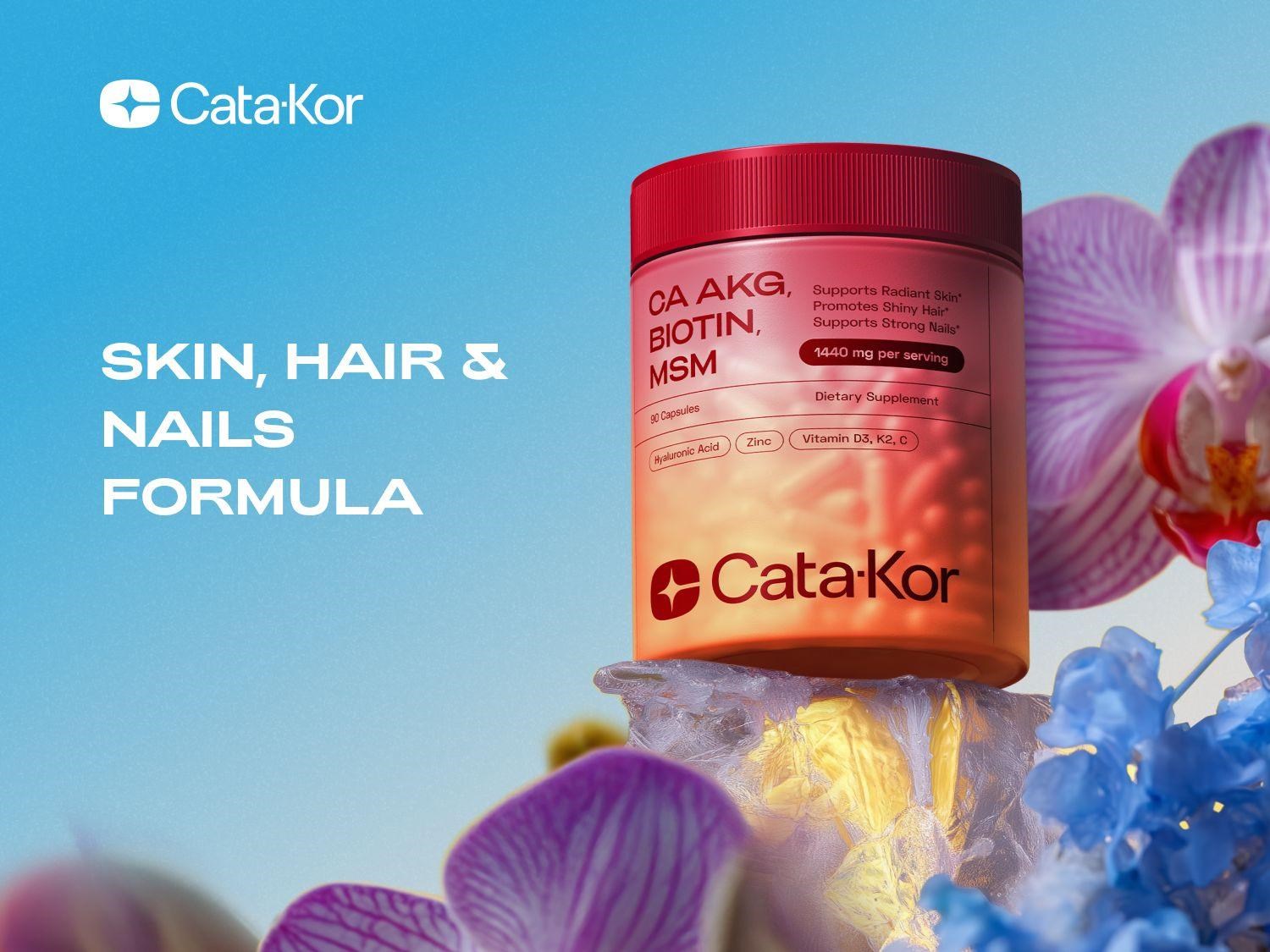
Cata-Kor CA AKG – Longevity Complex for Skin, Hair & Nail
To view an enhanced version of this graphic, please visit:
https://images.newsfilecorp.com/files/8871/275448_d153a8de3422b802_001full.jpg
Bringing the company’s Healthy Longevity philosophy into the beauty-from-within space, the new formula was developed over six months and reflects the growing consumer shift toward supplements that support appearance, confidence and overall well-being through nutrition.
The Cata-Kor CA AKG – Longevity Complex for Skin, Hair & Nail formula features a carefully structured combination of eight active ingredients commonly associated with the health and appearance of skin, hair and nails.
Ca-AKG (Calcium Alpha-Ketoglutarate) – a calcium salt of alpha-ketoglutaric acid, a well-studied molecule involved in key metabolic pathways.
MSM (Methylsulfonylmethane) – an organic sulfur compound that supports normal collagen and keratin formation.
Hyaluronic Acid – helps maintain normal skin hydration and smoothness.
Biotin, Zinc, Vitamin C – nutrients involved in the maintenance of normal skin, hair and nail structure.
Vitamins D3 and K2 (MK-7) – support normal connective tissue function.
The blend is designed to complement topical beauty routines by supporting hydration, smoothness, elasticity and the normal structure of tissues – offering a more holistic approach to beauty that begins from within.
Cata-Kor notes that the formulation draws on published ingredient-level research exploring the established physiological roles of Ca-AKG, MSM, hyaluronic acid and essential micronutrients. While the company underscores that these references relate to individual ingredients rather than product-specific clinical outcomes, the formula reflects a broader industry movement toward evidence-informed beauty solutions.
“Consumers today are looking for beauty support that aligns with their lifestyle and their values,” said Roman Miroedov, PhD, Product Development Lead at Cata-Kor.
“They want products that feel modern, responsible and rooted in real science – not just surface-level promises. With Cata-Kor CA AKG, we aimed to create a formula that fits seamlessly into daily routines while supporting the foundations of healthy-looking skin, strong hair and resilient nails. It represents our vision for the future of wellness-driven beauty.”
The launch marks the beginning of Cata-Kor’s expanded direction in beauty-oriented wellness. The company indicates that it plans to grow this category with additional formulations and is exploring future research initiatives to further inform product development.
About Cata-Kor
Cata-Kor is a U.S.-based nutraceutical company developing formulations that support vitality, well-being and daily performance. Cata-Kor has a manufacturing facility in the United States and conducts all testing domestically, with a focus on transparency, quality and science-informed development.
Learn more at www.catakor.com
Always consult a healthcare provider before starting any new dietary supplement.
To view the source version of this press release, please visit https://www.newsfilecorp.com/release/275448
Melatonin has long been touted as a safe, reliable — and natural — way to help kids get to sleep. But is it doing more harm than good?
Synthetic versions of the naturally occurring hormone — often in the form of drops or gummies for kids — promise an easier bedtime. Nearly 46% of parents reported giving the supplement to a child younger than 13 to help them sleep, according to an American Academy of Sleep Medicine poll.
But a recent study linking chronic melatonin use to heart failure has parents concerned. And another study found a “wide range” in concentrations of melatonin in products. ”Because melatonin is a dietary supplement and not a drug, it’s not FDA-regulated,” Dr. David Fagan, vice chair for pediatric ambulatory administration at Cohen Children’s Medical Center Northwell Health, says. “The actual melatonin content can vary really widely.”
Fagan spoke to PEOPLE about who might be a candidate for melatonin and what to watch out for, while emphasizing that kids shouldn’t be given melatonin without consulting their pediatricians first.
Joe Raedle/Getty
“The American Academy of Pediatrics does not recommend melatonin use as a first-line aid to help children get to sleep and to stay asleep,” Fagan tells PEOPLE. Instead, he said, before reaching for supplements, doctors recommend “behavioral sleep strategies.” These include: consistent bedtime, limiting screen time before bedtime, and having a sleep-friendly environment — like a quiet, dark space, perhaps with blackout curtains — before using a supplement like melatonin.
He shared that for children with neurodevelopmental disorders like ADHD or autism, “short-term use of melatonin” does appear to be safe, as children with ADHD, for example, are often on a stimulant medication and melatonin may help regulate their sleep cycles. “But again, the American Academy of Pediatrics and the American Academy of Sleep Medicine do not recommend melatonin as a first-line solution for sleep problems.”
“We would want to start with the lowest possible dose,” Fagan says, which is usually 1 mg. “And we would never give it to a child under the age of 2.” He also tells PEOPLE that melatonin should not be used every night, and urged parents to speak to their pediatrician about how to give their child breaks from the supplement.
Getty
Children can take too much of it, Fagan tells PEOPLE. It can cause “morning grogginess, you could have headaches, mood swings.” The supplement can also cause “really very, very vivid, vibrant dreams.”
If a child has a seizure disorder and is taking an anti-epileptic drug, the interaction of melatonin and the medication could make that child “more likely to have a seizure,” according to Fagan. It can also increase blood pressure, which is why parents must contact their pediatrician before giving their child melatonin: “Every child is different, but parents should, with their pediatrician, review other medications that the child is on for any potential interactions.”
Getty
“The evidence with magnesium is really very limited and and weak,” Dr. Fagan tells PEOPLE, noting that while it can play a role in relaxation, “there is no strong clinical data showing it improves sleep in healthy children.”
The biggest misconception about melatonin, he says, is that “it’s a cure-all for sleep problems.”
If a family wants to start their child on melatonin, first, he recommends trying the behavioral sleep strategies listed above. “If they’ve done all of that and exhausted all of that, then we would talk about melatonin.”
Washington, DC—The Council for Responsible Nutrition (CRN) announced the publication of new and updated chapters in its Vitamin & Mineral Safety, Fourth Edition (VMS4) series. The content expands this comprehensive, science-based resource on nutrient safety. The latest updates include:
These are essential nutrients for brain and liver health. Based on data from more than 20 human clinical trials, and consistent with prior evaluations by the Institute of Medicine (IOM), CRN reaffirmed IOM’s UL of 3,500 mg per day for choline and derived a new supplemental UL of 2,000 mg per day for citicoline. This new content also reviews recent observational studies exploring possible links between choline intake and cardiovascular disease (CVD) outcomes; CRN determined that a clear relationship between dietary choline intake and CVD outcomes cannot be established from the current body of evidence. “This new chapter closes a long-standing gap in nutrient safety guidance,” said Andrea Wong, Ph.D., Senior Vice President, Scientific & Regulatory Affairs, CRN. “Choline and citicoline play vital roles in cognition, liver health, and metabolism—and the evidence confirms their safety when consumed at reasonable supplemental levels.”
These carotenoids are associated with vision and eye health. Building upon CRN’s earlier risk assessment for lutein (Shao and Hathcock, 2006), the updated review draws from approximately 75 human clinical trials and global evaluations by the Joint FAO/WHO Expert Committee on Food Additives (JECFA) and the European Food Safety Authority (EFSA). CRN reported that no serious adverse effects were identified across studies, even at doses far exceeding typical dietary intakes. Based on the available data, CRN maintained the Highest Observed Intake (HOI) of 22 mg per day for lutein previously established in 2006, and established an HOI of 26 mg per day for zeaxanthin and 17 mg per day for meso-zeaxanthin. “This chapter offers the most updated picture of the clinical safety of lutein, zeaxanthin, and meso-zeaxanthin,” said Dr. Wong. “It affirms these bioactives’ strong safety record and their important contribution to visual health.”
This new content reaffirms the existing UL of 1 mg per day for folic acid. This chapter also includes a new section on methylfolate (5-MTHF)—the active form increasingly featured in supplements and fortified foods.The updated review synthesizes the latest findings on the safety, metabolism, and bioavailability of methylfolate, establishing a UL of 1.5 mg per day. “Our updated folate chapter provides clarity for today’s market,” said Dr. Wong. “By distinguishing folic acid and methylfolate, CRN is helping ensure safety standards keep pace with innovation.”
The evaluation established a supplemental HOI level of 375 µg/day for adults. Previous editions of CRN’s Vitamin & Mineral Safety derived a single UL value for vitamin K, encompassing vitamin K1 and vitamin K2. Given the growing consumer interest and use of vitamin K2 supplements worldwide, a separate assessment was conducted for vitamin K2, specifically MK-7. CRN noted that this offers essential new guidance for manufacturers, regulators, and health practitioners seeking evidence-based recommendations for this nutrient, which is widely recognized for its role in supporting bone and cardiovascular health. “CRN’s updated MK-7 chapter reflects our commitment to providing rigorous, transparent safety evaluations grounded in the totality of evidence,” said Dr. Wong. “Establishing a HOI for Vitamin K2 (MK-7) represents a major step forward for scientific understanding and responsible product development across the dietary supplement category.”
The new content is accessible at www.crnusa.org/resources/vitamin-mineral-safety. Additional nutrient reviews are scheduled for release throughout 2026.



:max_bytes(150000):strip_icc():focal(749x0:751x2)/child-asleep-111925-1-6e4aa0ac66714e22ac3a358fa5e5c626.jpg "Is Melatonin Safe for Kids?")
